TimManBlog

Whatever I'm Thinking

Archive for the category “Travel Posts”

Milledgeville’s Historic Sites: Walking Tour of Georgia’s Former Capital

Please consider donating to support my travels using the form at the bottom of the post. PayPal, Visa, American Express, Mastercard, Discover, and Maestro are accepted. Thank you.

January 31, 2025

Even a small town like Milledgeville, Georgia, with a population of 17,000, can offer plenty to do in just one day. This is especially true in January. If you’ve traveled south from a colder climate, you’ll appreciate being free to step outside in just a light jacket. A hoodie will suffice as well.

The morning started with breakfast at The Local Yolkal Cafe, a popular East Hancock Street downtown spot. The menu is very Southern. In my experience, Southerners are our country’s best cooks.

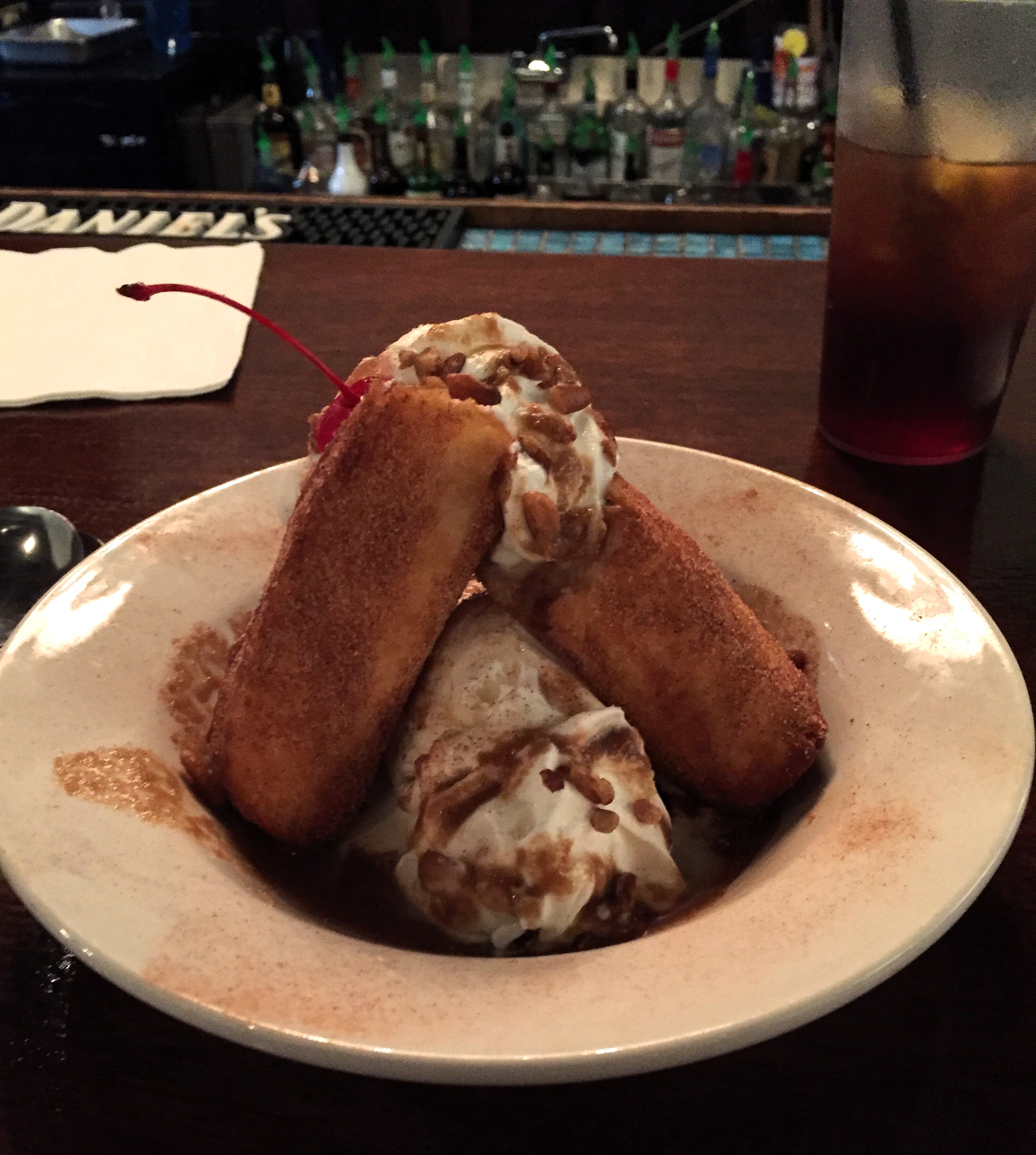
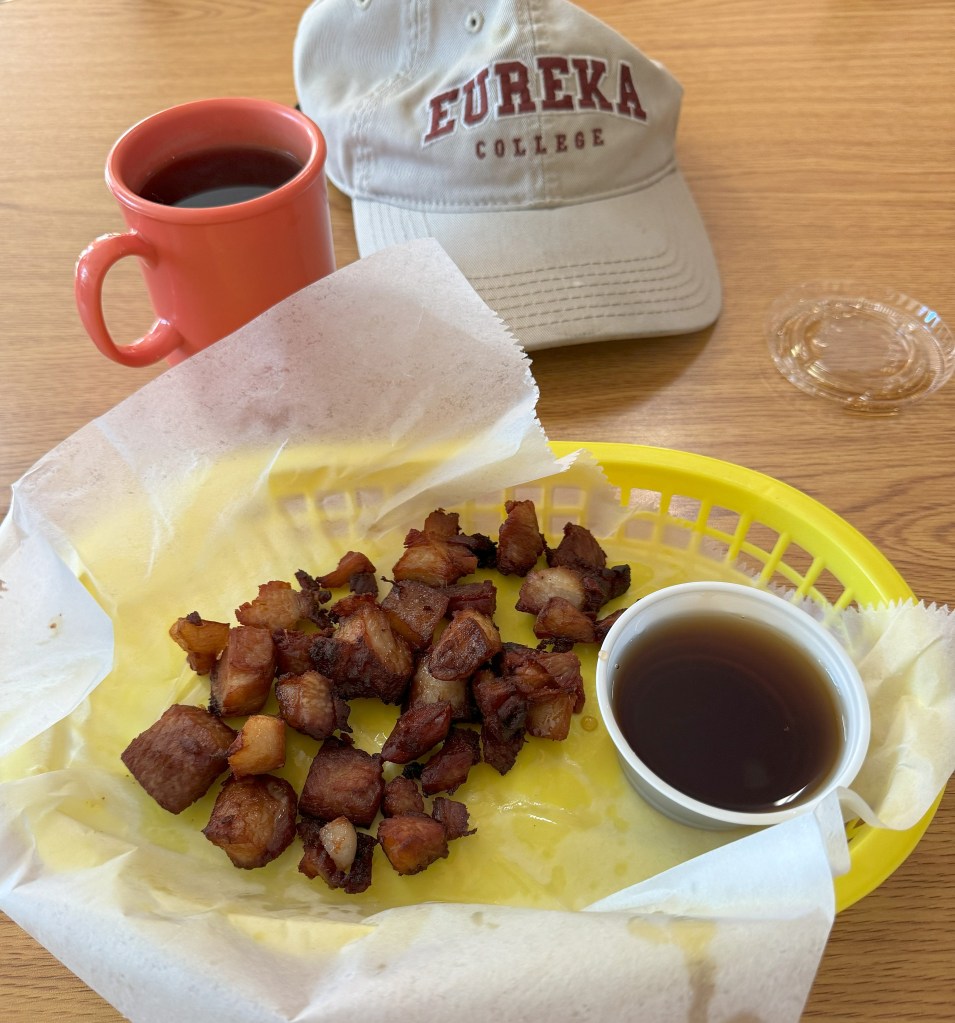
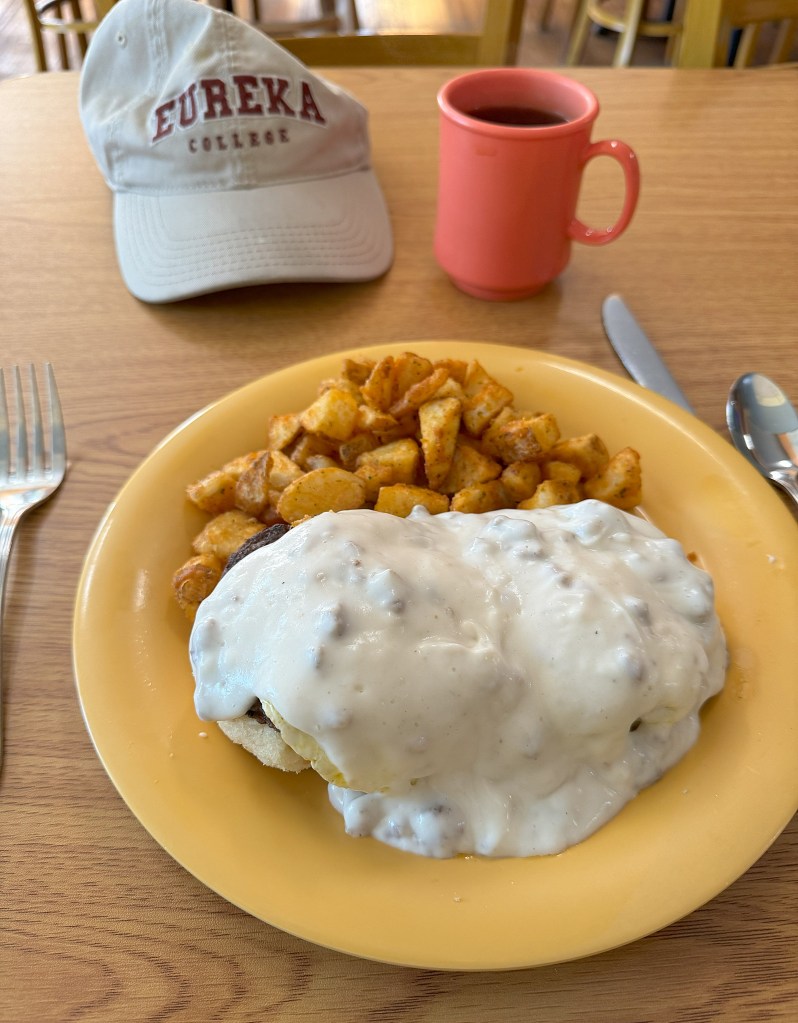
I had the Beauregard Benedict—two eggs, two sausage patties, and two buttermilk biscuits smothered in country gravy. Then to try something I’d never had before, I asked the waitress for some Pork Belly Bites. They’re great when dipped in maple syrup.

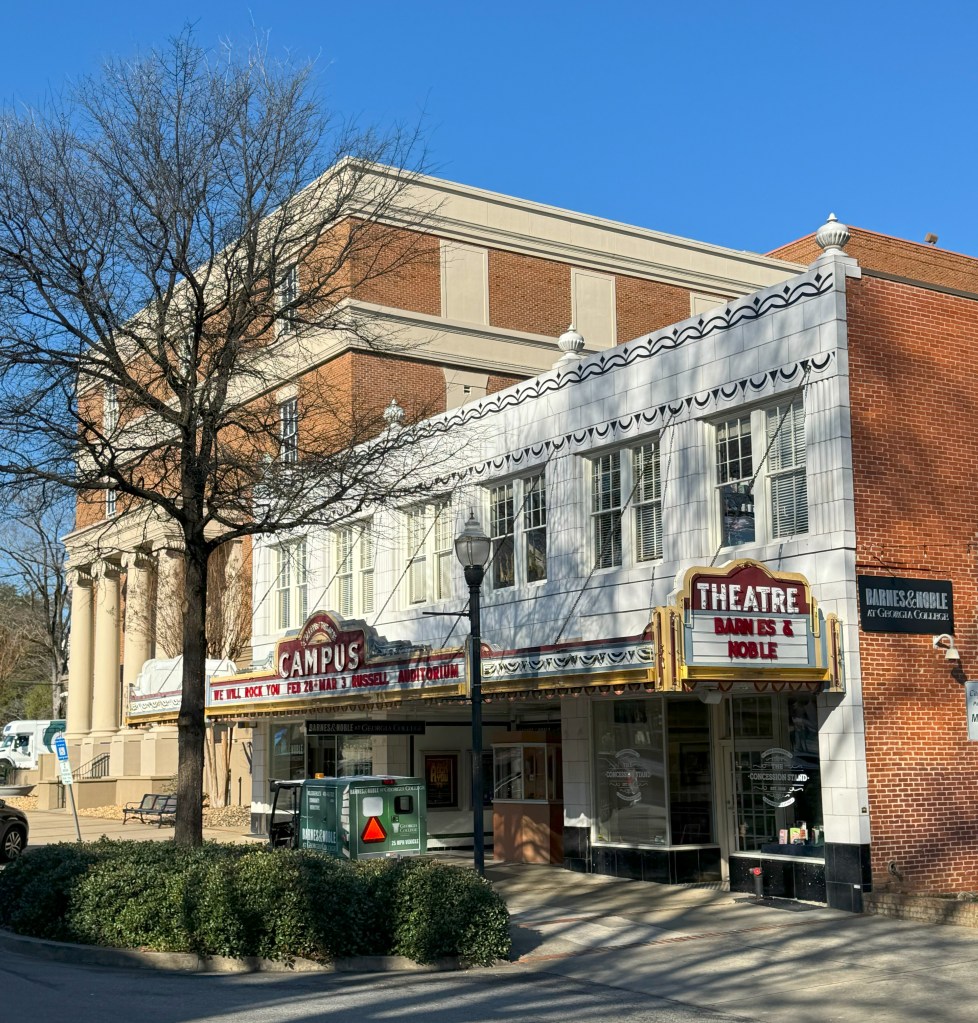
When I visit a town, I like to walk its downtown streets to get a feel for my surroundings. In Milledgeville, East Hancock Street runs through the downtown center. The area is bright and lively on a sunny January morning, even though its shade trees will be winter-bare for a few more weeks. Hancock has plenty of shops and restaurants, and the old Campus Theater is the centerpiece. A modern Barnes & Noble bookstore occupies part of the old movie house.

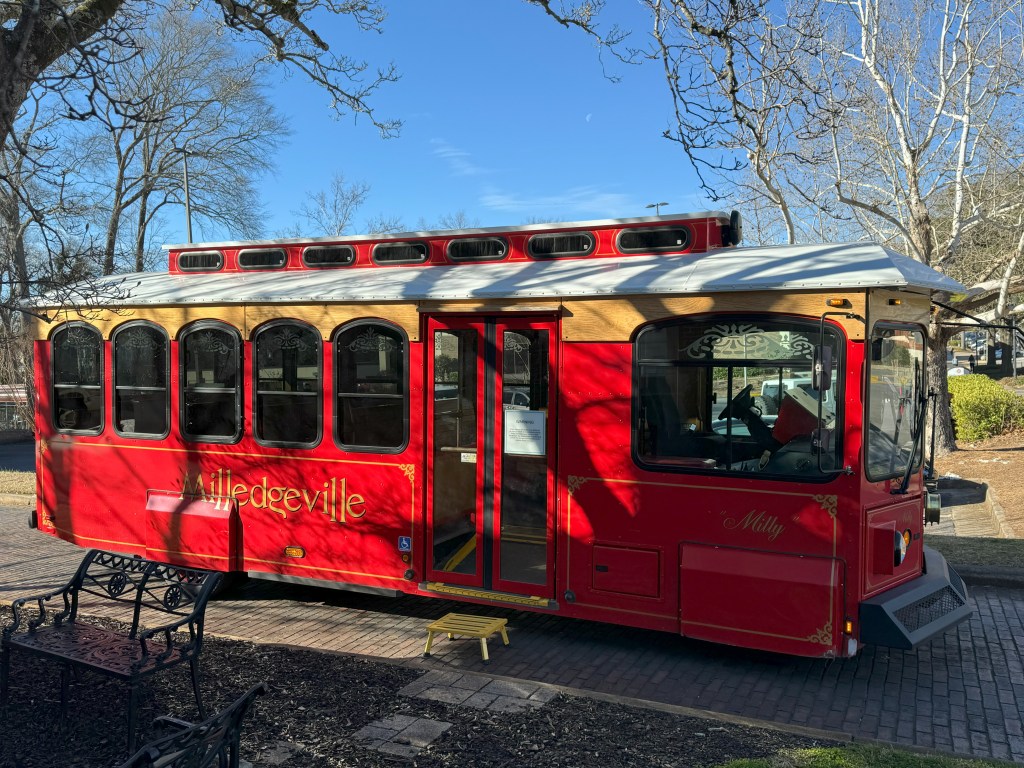
Here is a well-preserved relic of Milledgeville transportation from its earlier days.

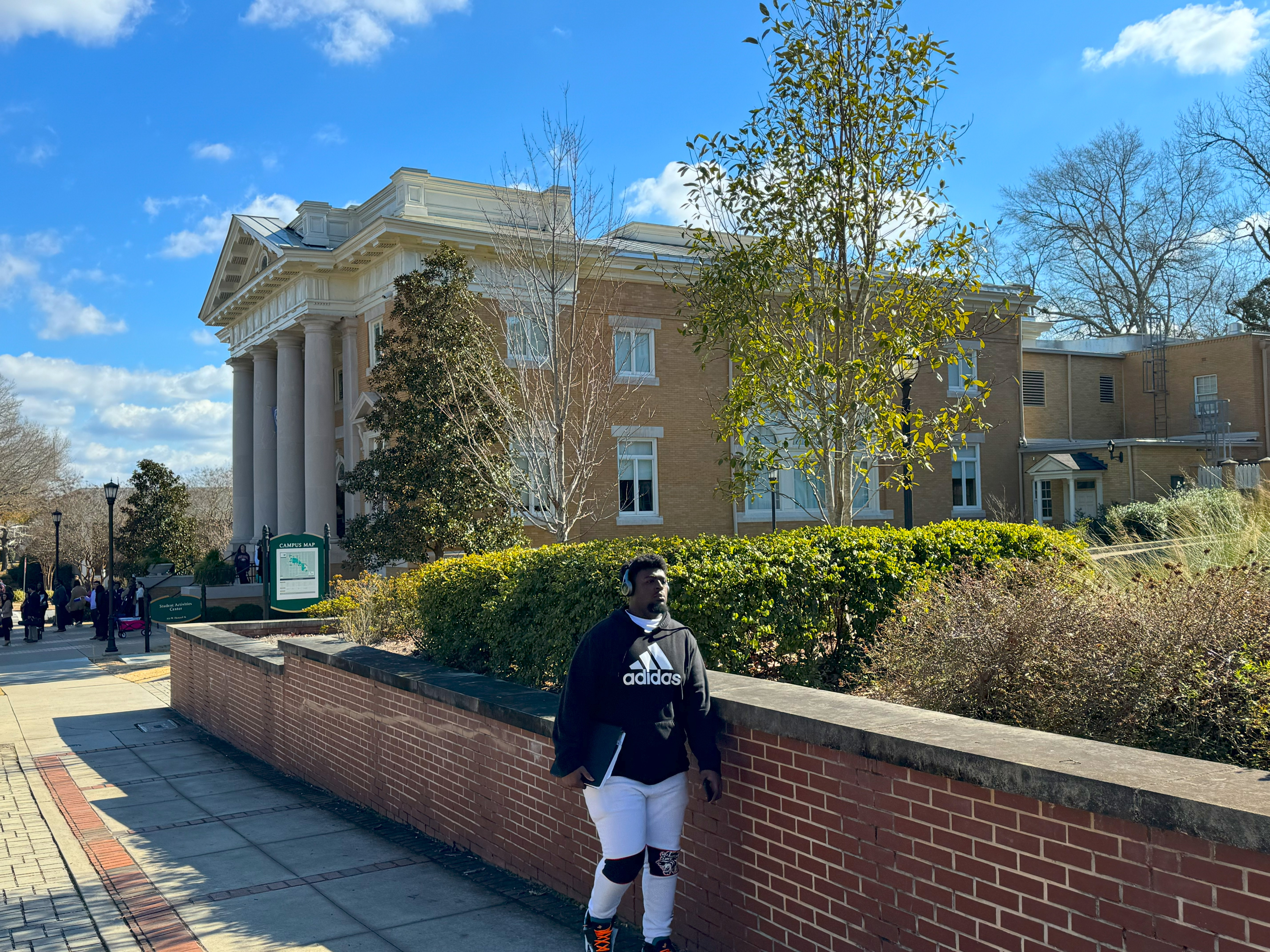
Milledgeville is a college town. A block north on Hancock Street is the campus of Georgia College and State University (GCSU) campus. The school was founded in 1889 as the Georgia Normal and Industrial College. It has changed names and purposes several times over the decades. For example, from 1922 to 1967, it was a women’s college. Today, GCSU functions as a liberal arts college with 6,000 undergraduate students.

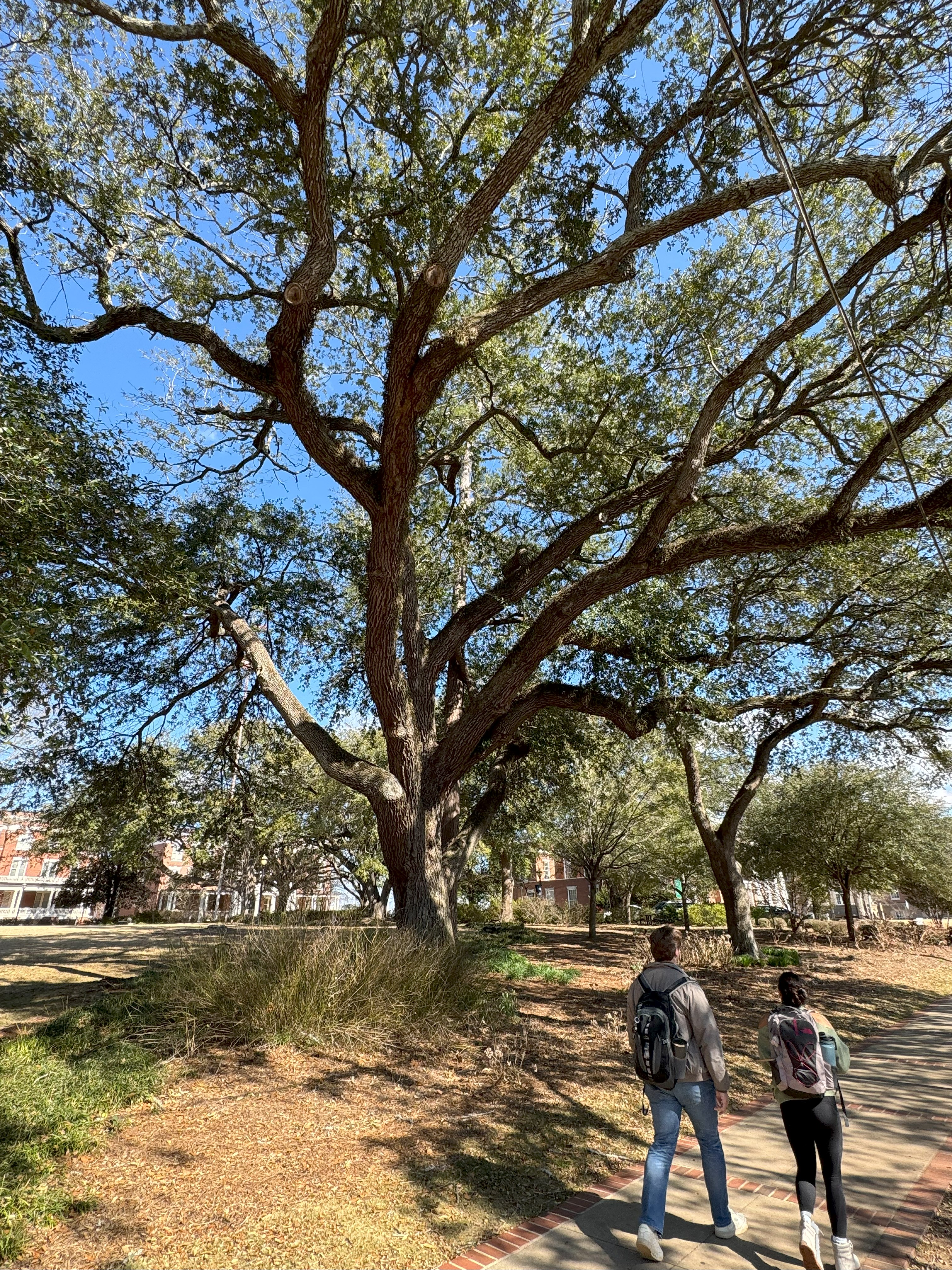
GCSU has a pleasing atmosphere. Apart from the Southern live oak trees, it could be mistaken for an Ivy League school.

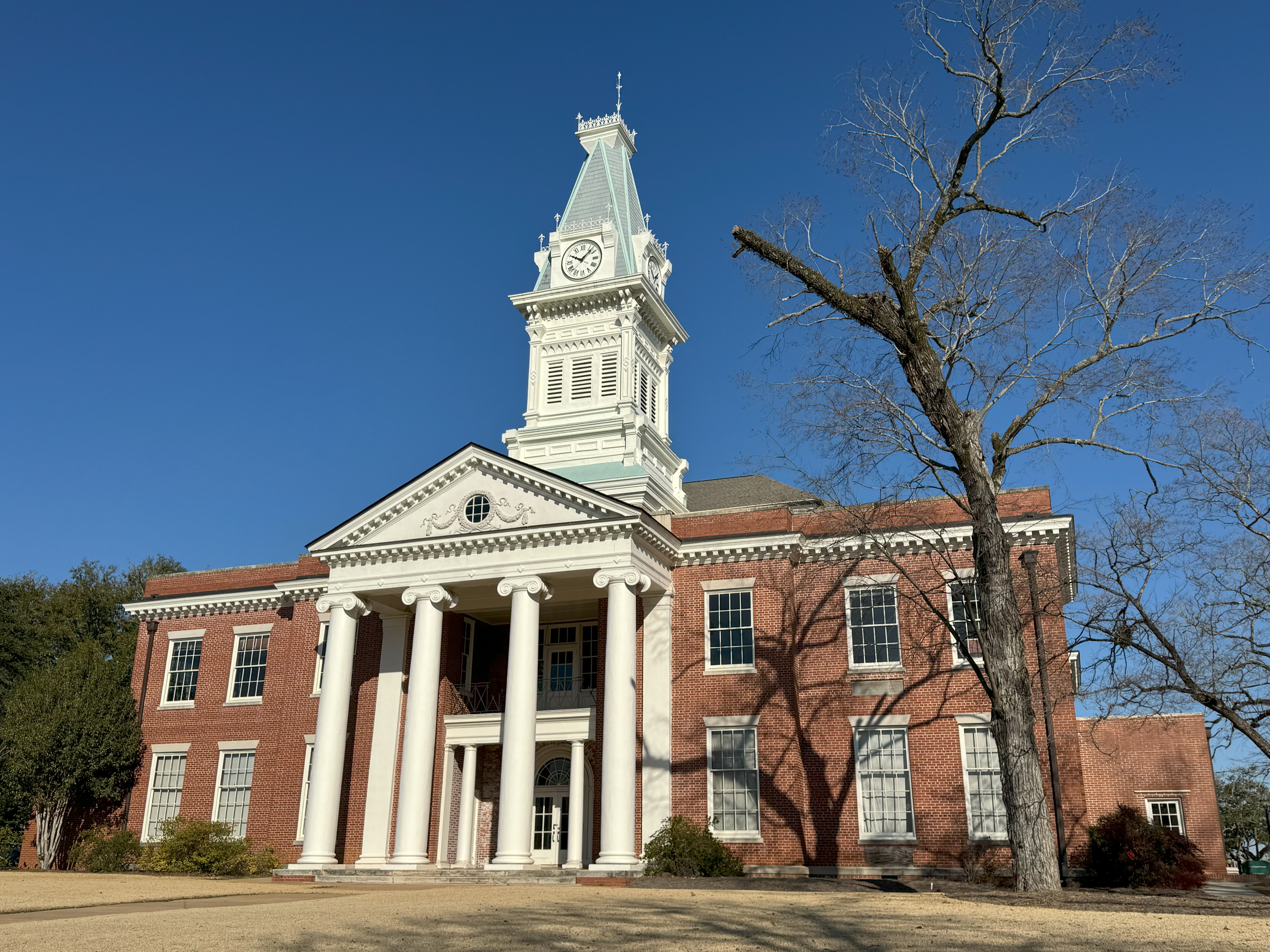
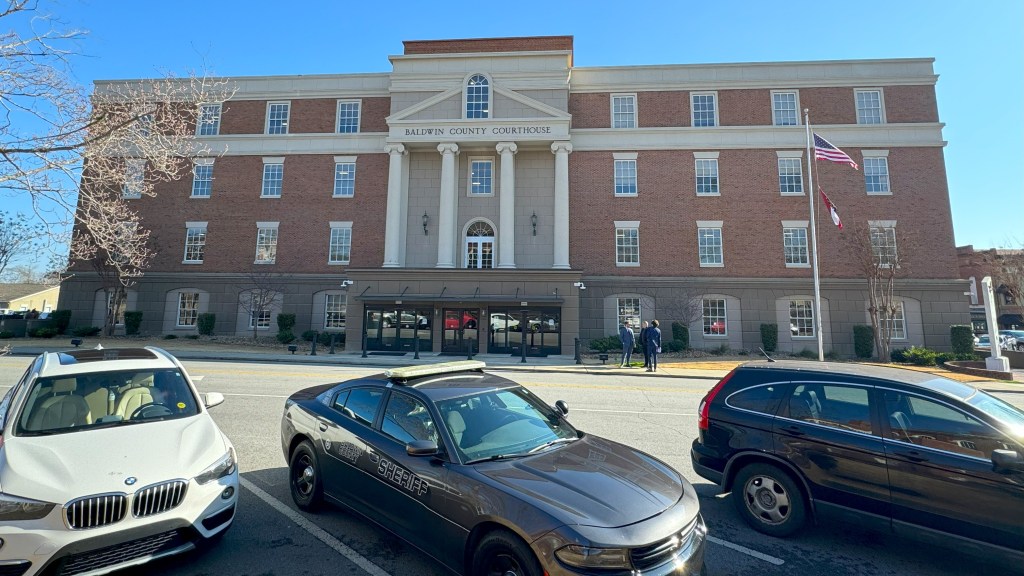
Milledgeville is also the seat of Baldwin County, Georgia. The old county courthouse and the new 1996 courthouse are also along Hancock Street downtown. The old courthouse is now part of the GCSU campus. (It’s the building in the top left corner of the gallery above.)

The new Baldwin County Courthouse is built in a style reminiscent of Greek revival buildings. It has four stories and a red brick exterior. Four Greek columns stand in front of the two outside entrances.

The Baldwin County Courthouse in Milledgeville, Georgia.

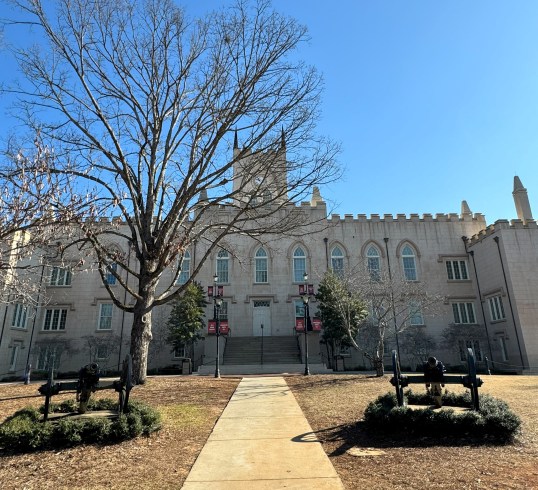
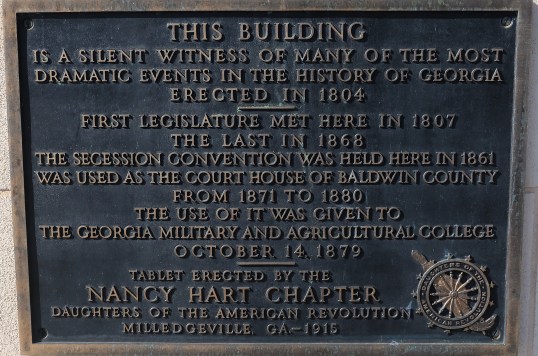
Milledgeville was the state capital of Georgia until 1868 when the capital was moved to Atlanta. When that happened, the old capitol building was re-purposed as a military college known as Georgia Military College (GMC). The grounds are just a few blocks from downtown. I saw groups of cadets walking around the grounds in red sweaters and black pants. I saw others in soldier’s fatigues. I think I saw as many women cadets as men.

The old capitol building looks like a fortress:

The old Georgia State Capitol, now a military college, guarded by a pair of cannons.
Historical plaque at the old Georgia State Capitol

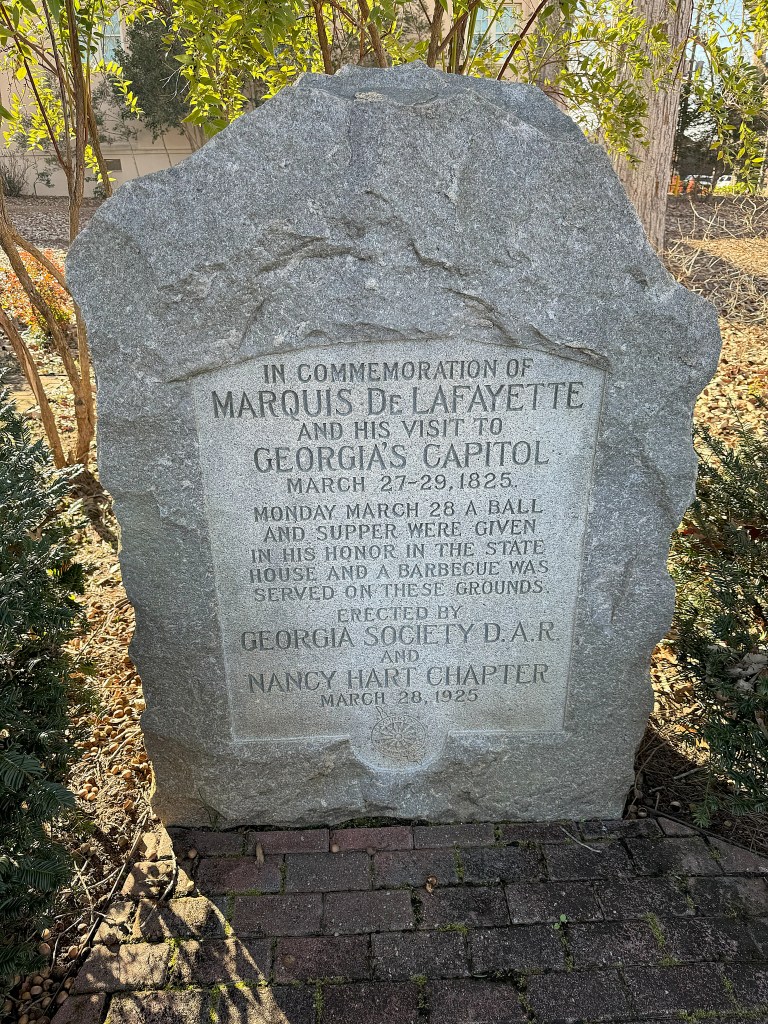
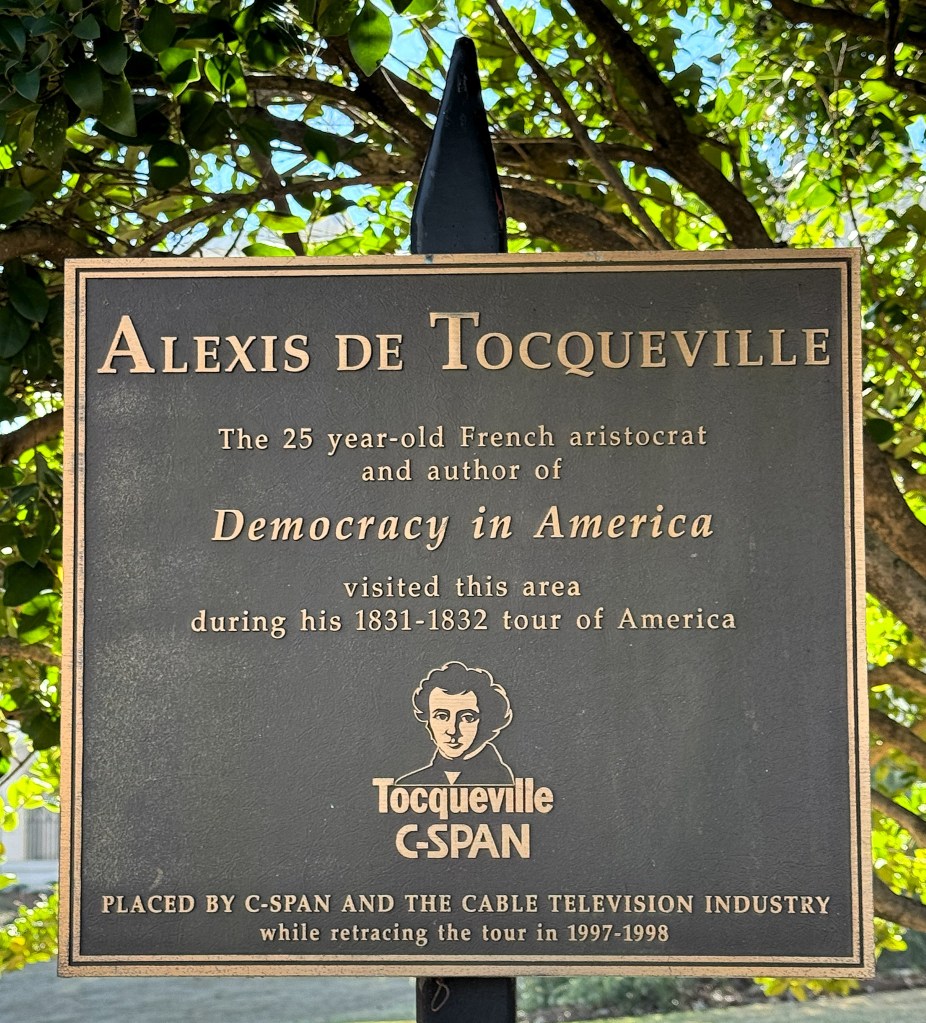
Before the Civil War, Milledgeville’s status as Georgia state capital attracted many dignitaries. Two famous Frenchmen are remembered in particular. The first is Revolutionary War hero the Marquis de Lafayette. The second is noted political scientist Alexis de Tocqueville. Both were French aristocrats who toured America extensively in the early 1800s, praising its democratic forms. Lafayette was one of George Washington’s favorite lieutenants. Tocqueville wrote Democracy in America, which is is often praised as being “both the best book on Democracy and the best book on America.”

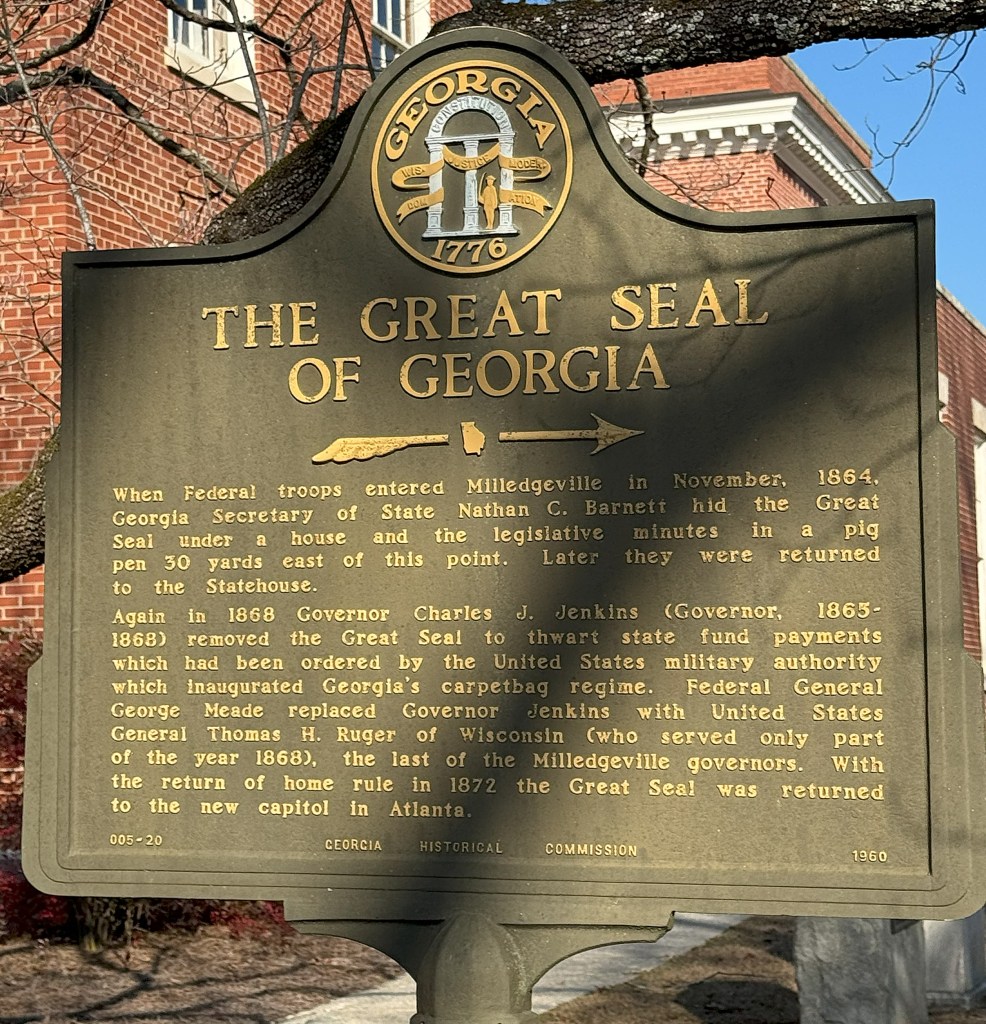
In the fall and winter of 1864, Union General William Tecumseh Sherman started out from Atlanta on his great “March to the Sea.” Milledgeville was directly in the path of his armies. Below, a state historical sign explains how the Georgia Secretary of State hid Georgia’s great seal in a nearby pig pen.

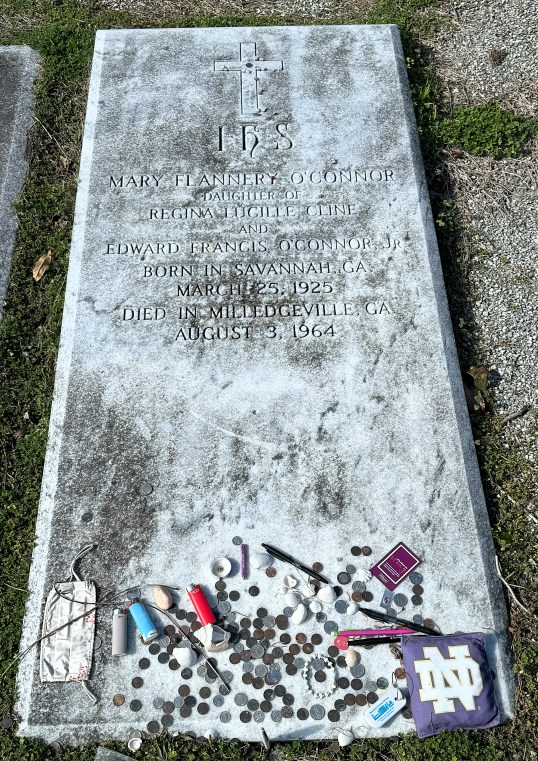
I walked a few blocks from the old state capitol to visit a graveyard on top of a small hill. This is the Memory Hill Cemetery, where many of the most notable former citizens of Milledgeville now rest. Among the most notable is Flannery O’Connor (1925-1964). She is the acclaimed author of A Good Man is Hard to Find and many other short stories. She also wrote two novels.

(left) Flannery O’Connor in 1947.
(This image is licensed under the Creative Commons Attribution-Share Alike 3.0 Unported license. I copied the photo from Wikipedia and did not make changes.)

(below) the grave of Flannery O’Connor in the Memory Hill Cemetery in Milledgeville.

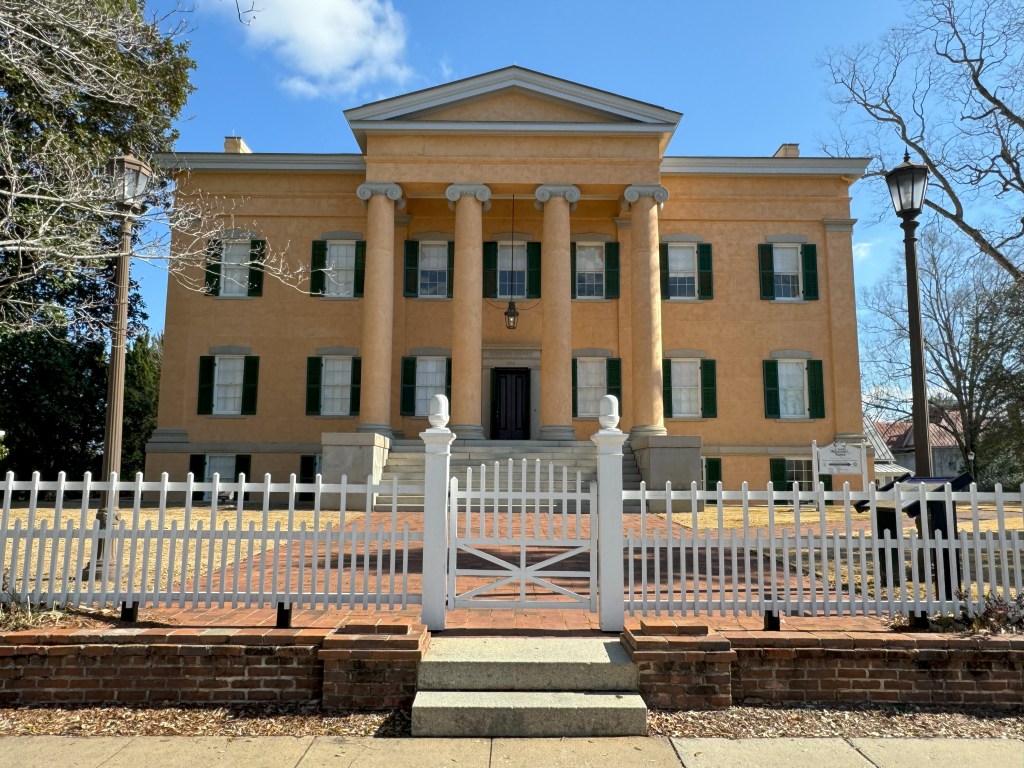
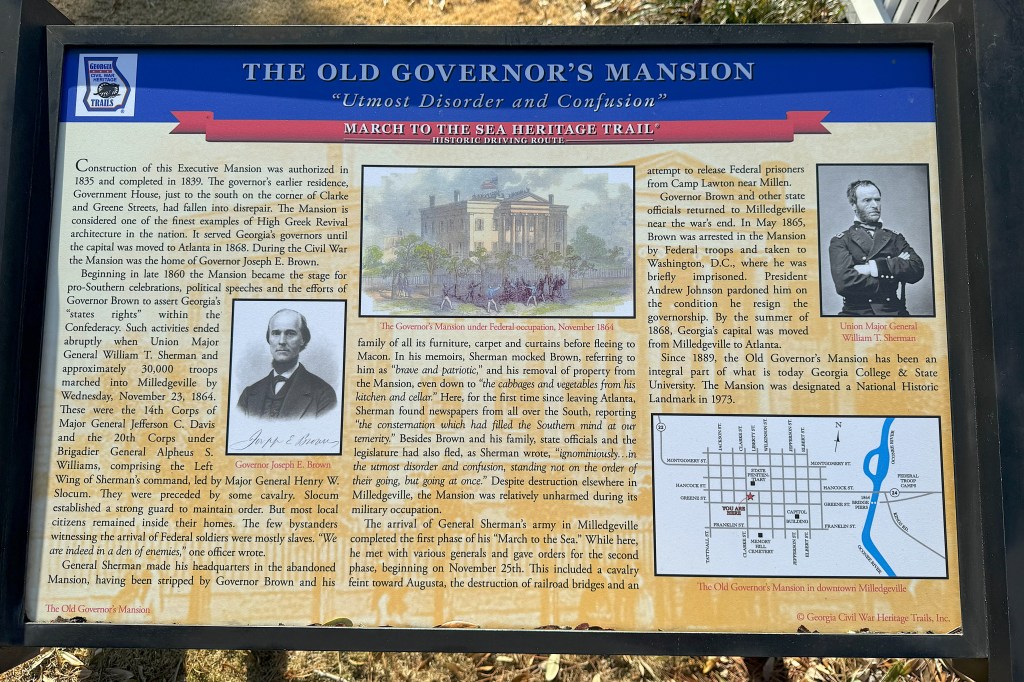
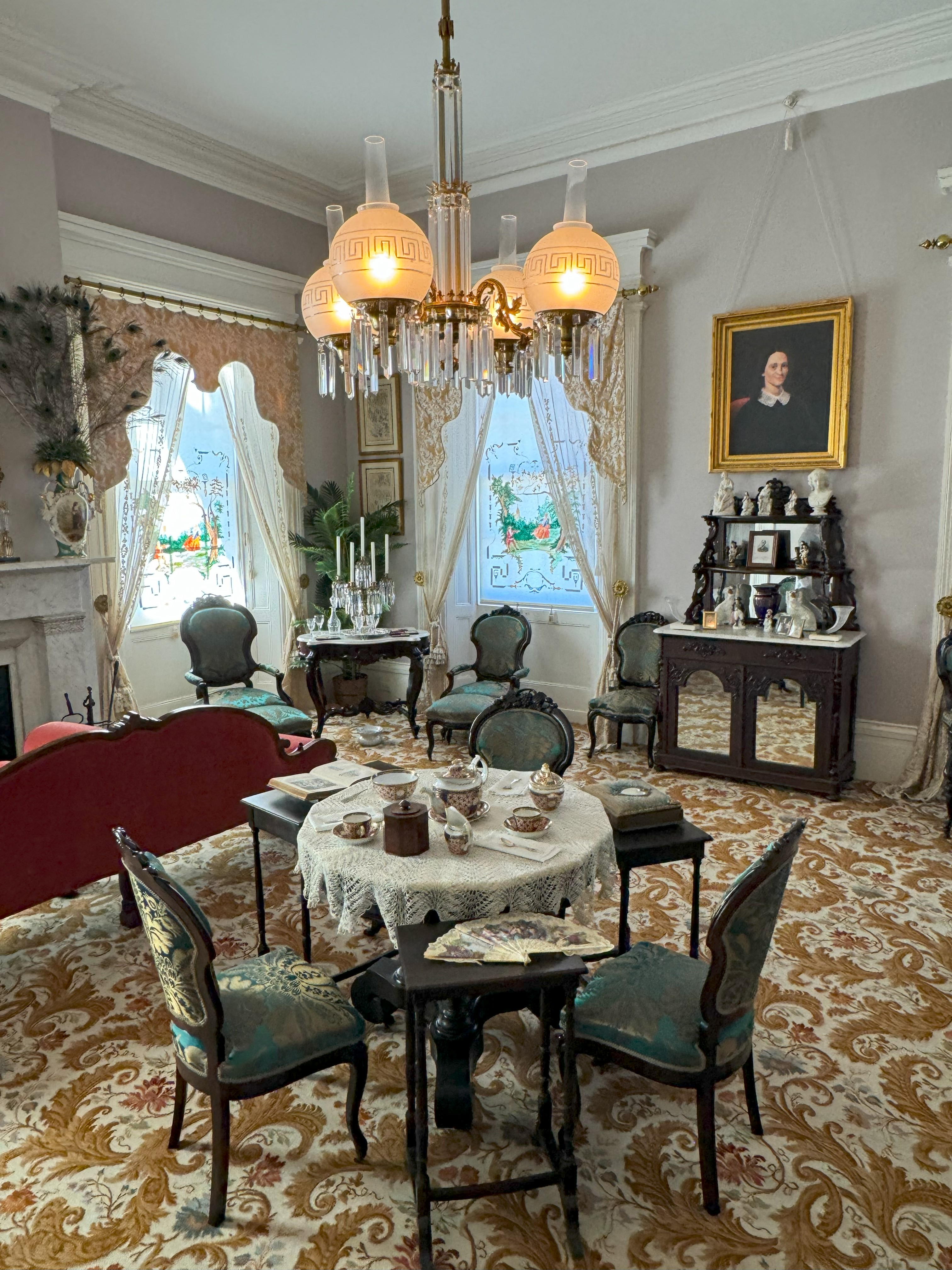
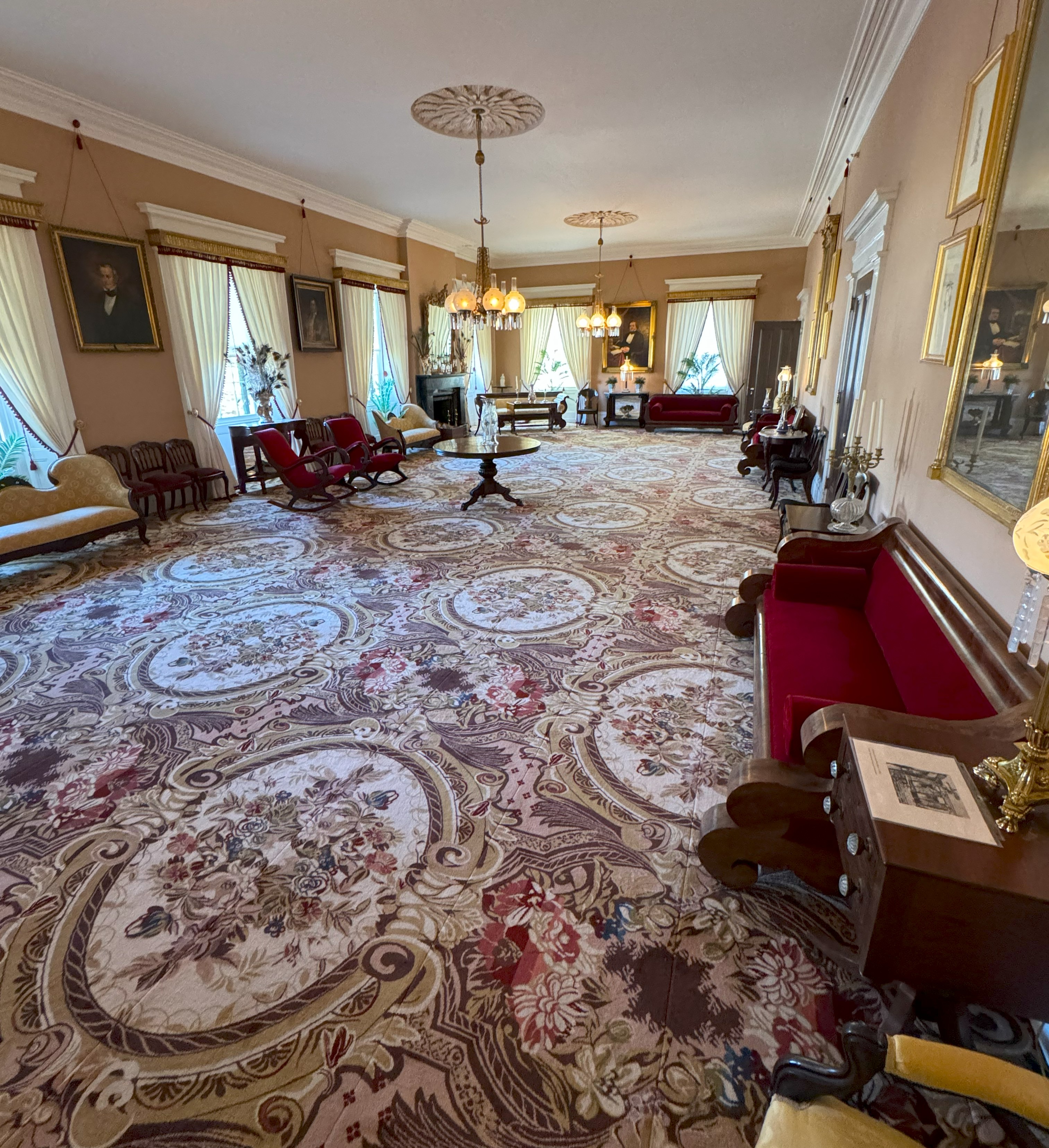
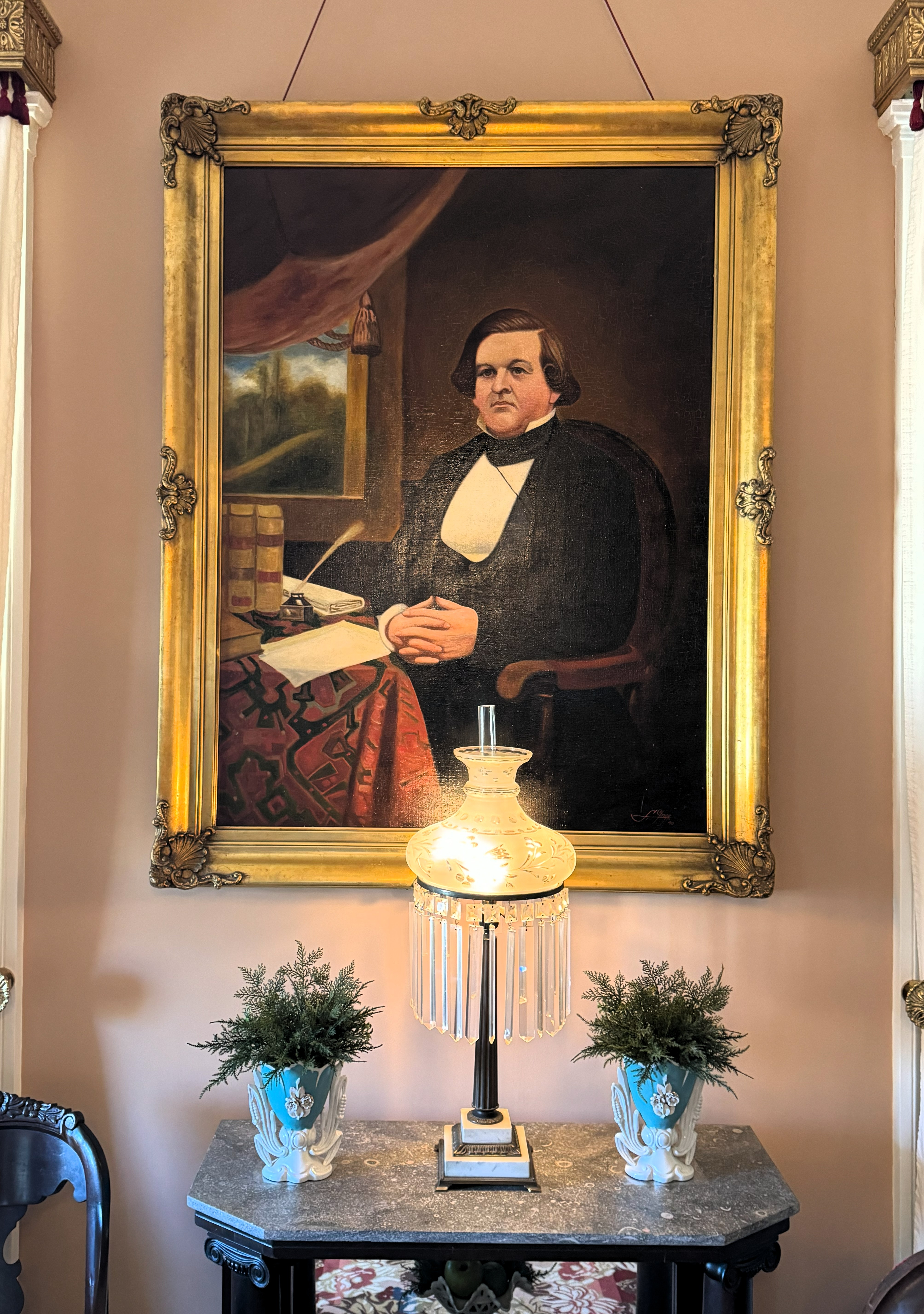
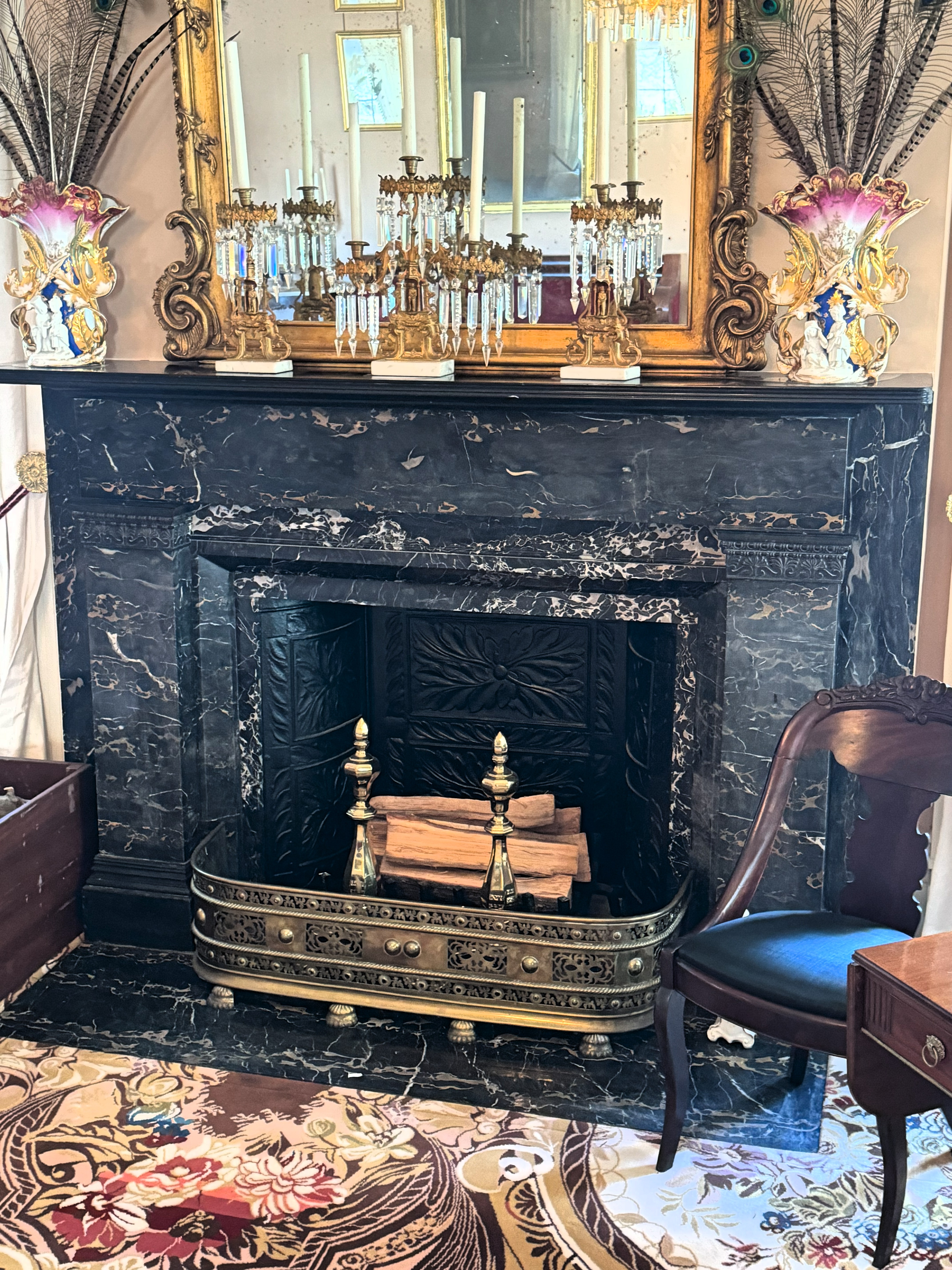
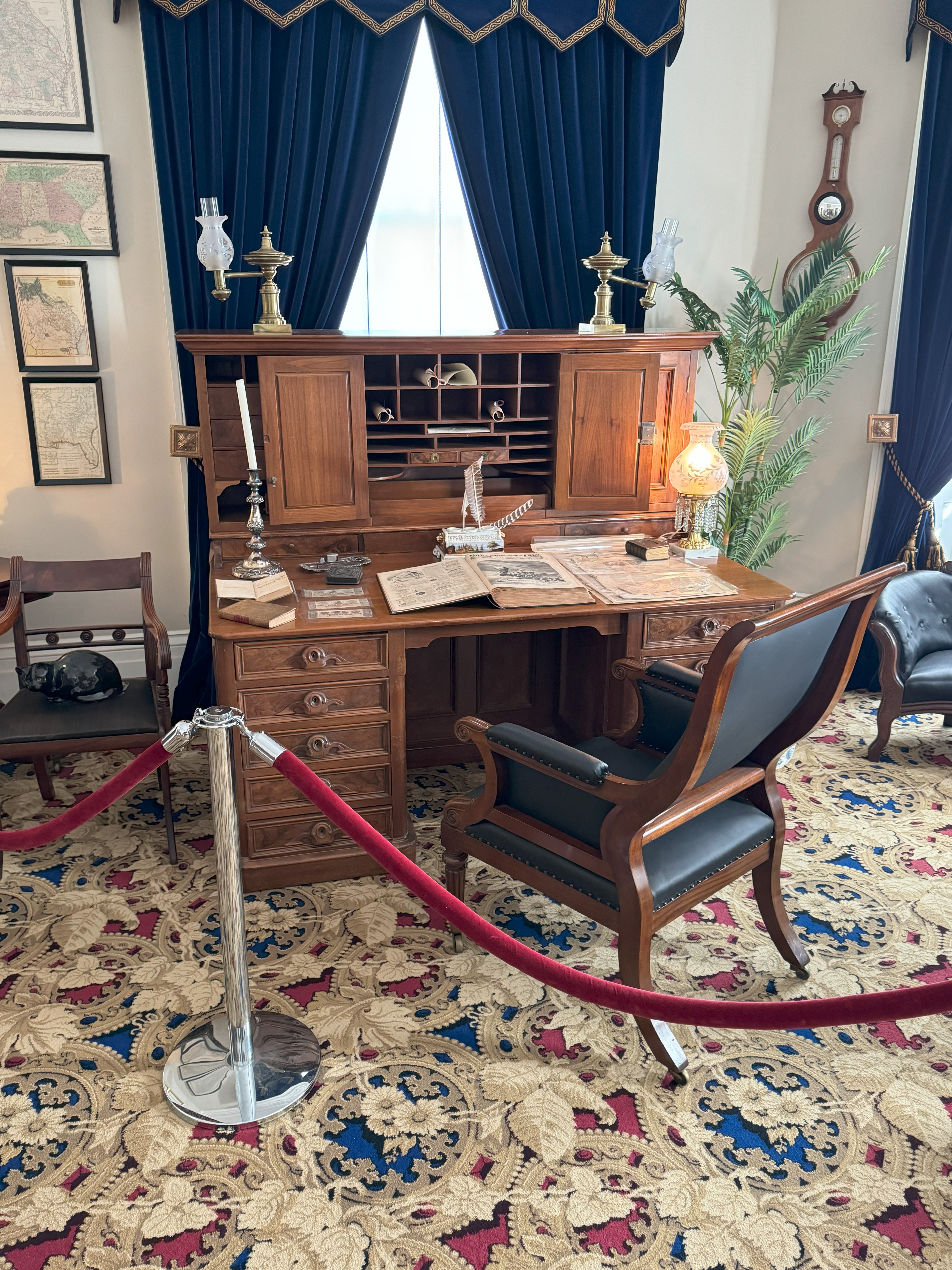
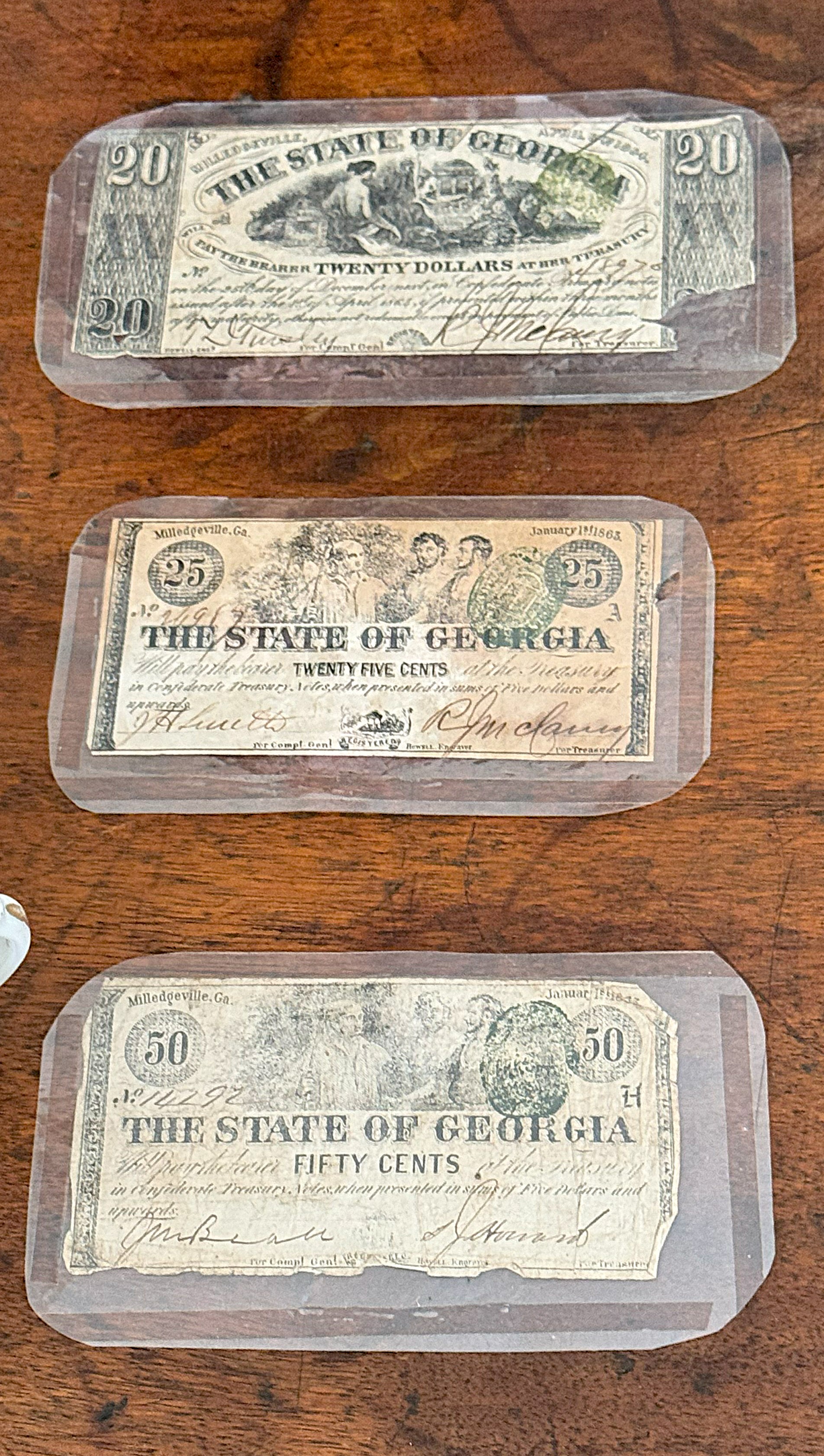
After noon I visited the Georgia’s Old Governor’s Mansion. This grand house is maintained as part of Georgia College and State University, and charges $10 for a guided tour. The tour is well worth the cost.

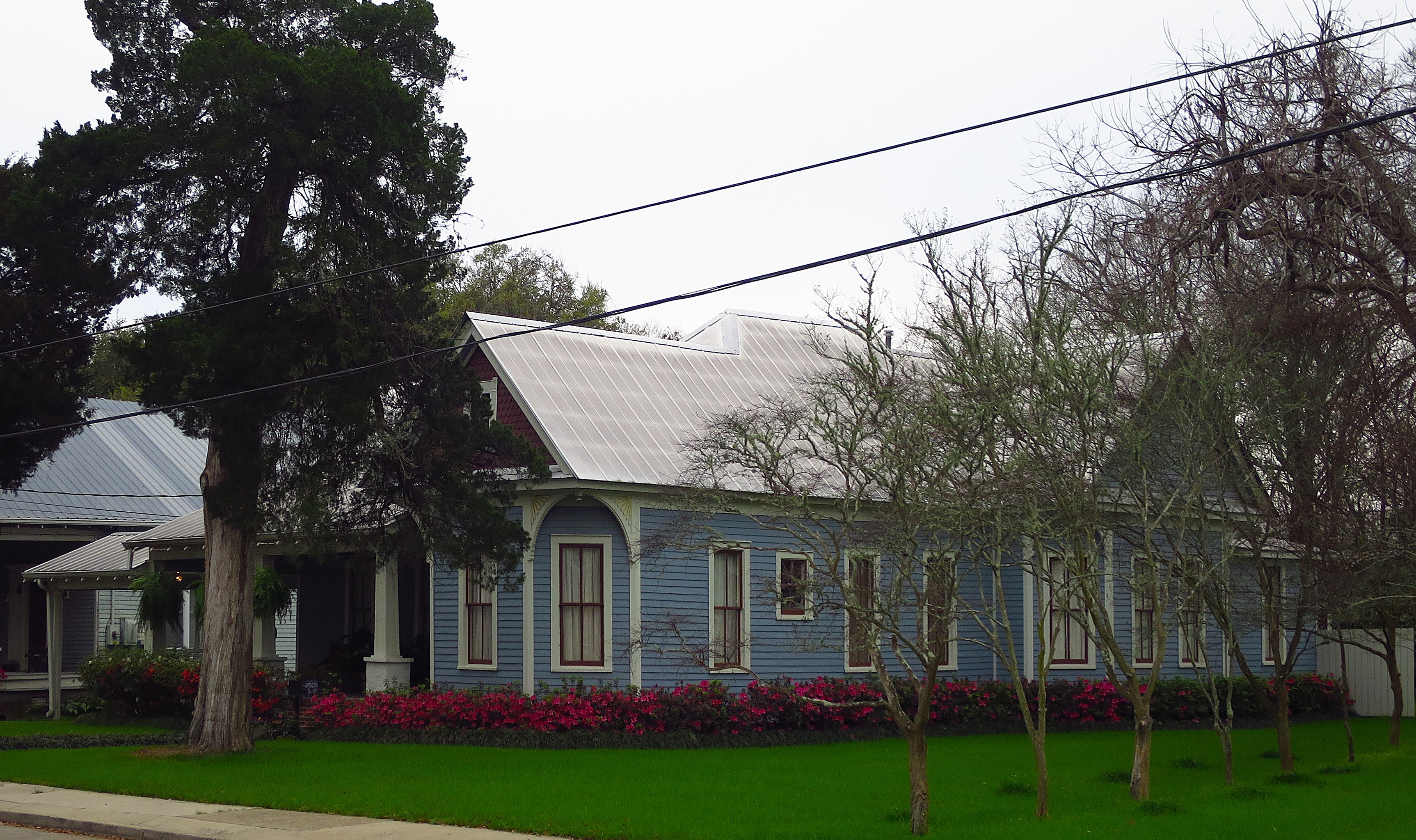
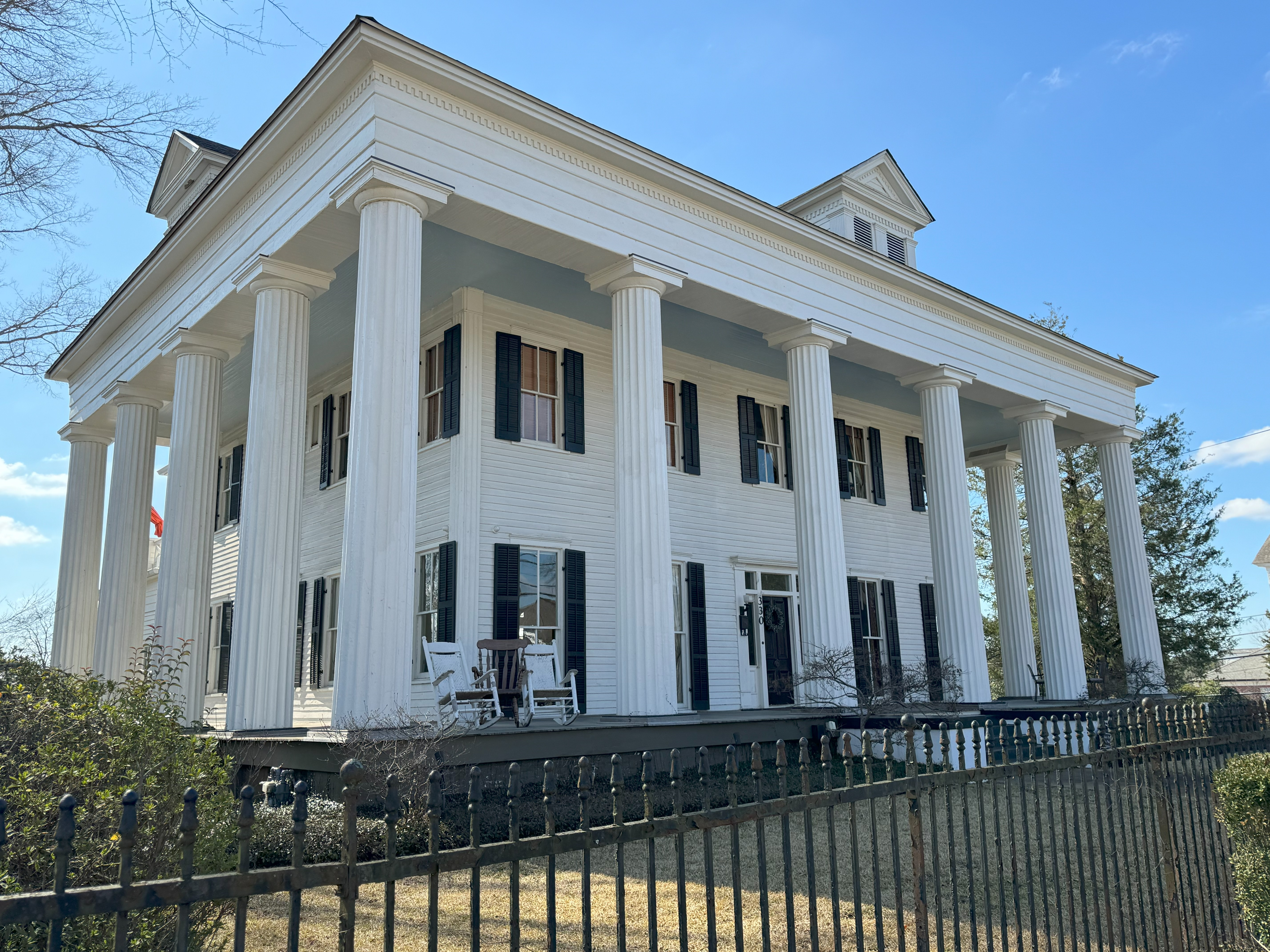
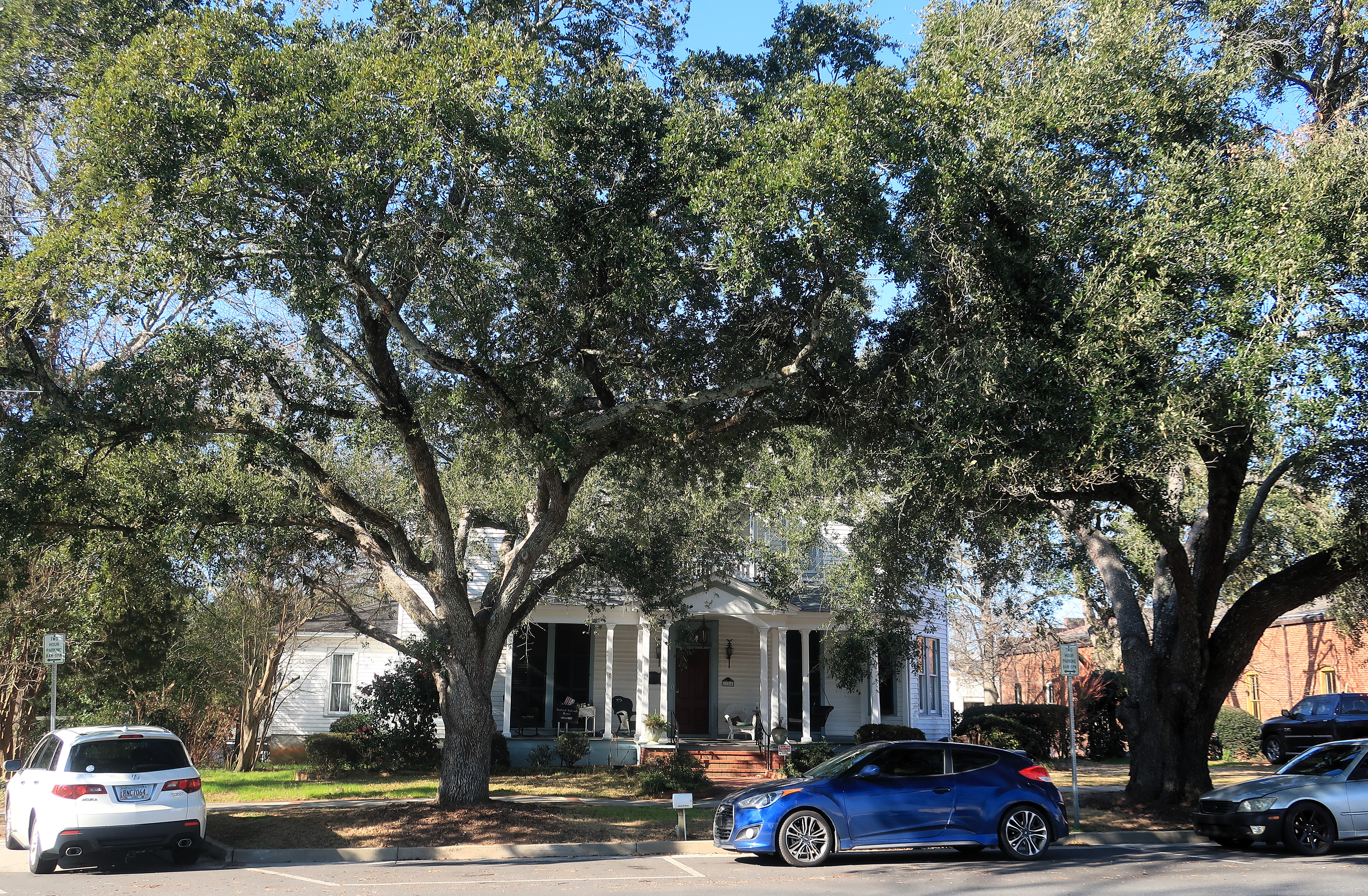
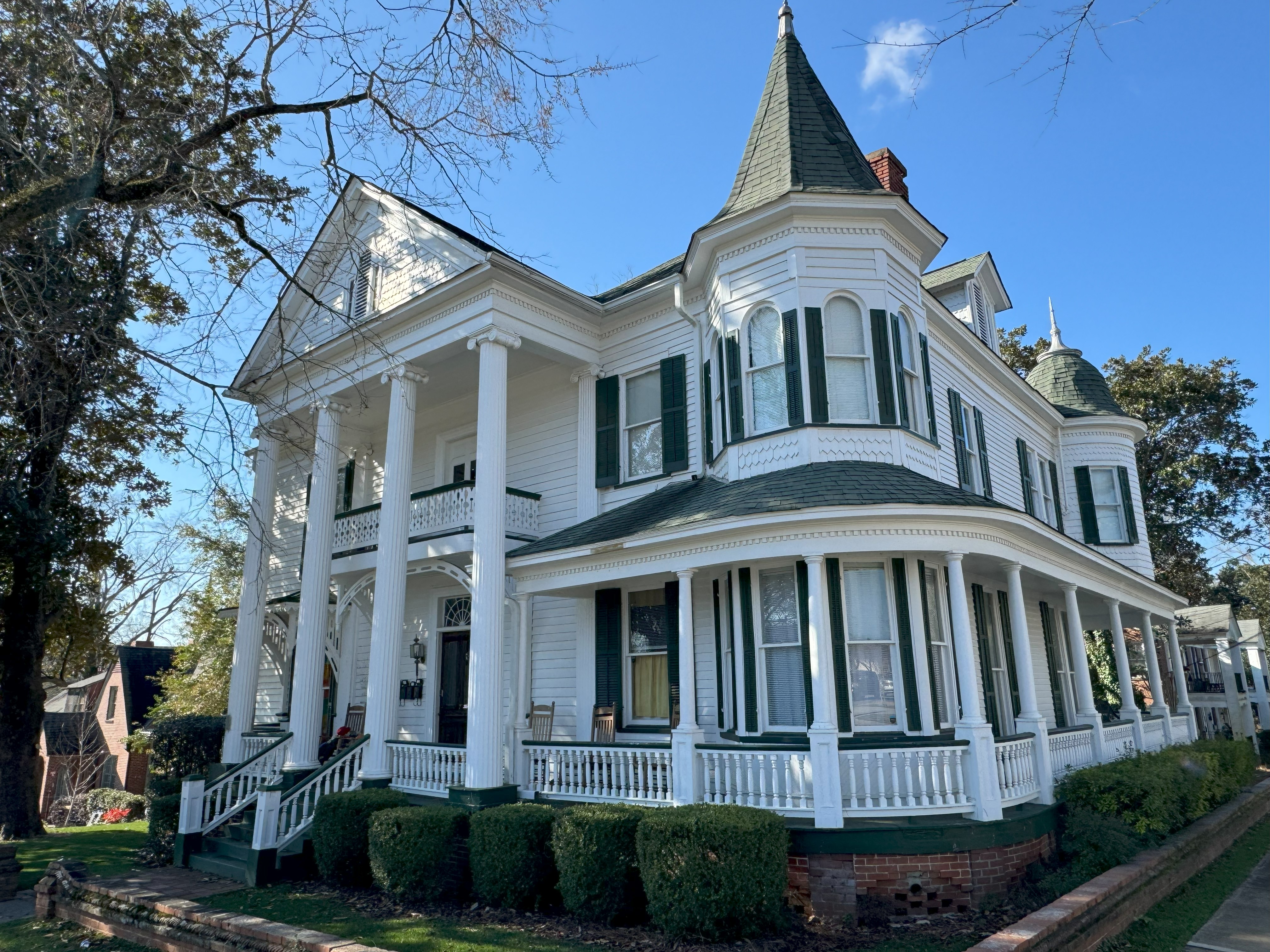
After finishing my tour of the old executive mansion, I spent an hour wandering around the residential streets near downtown. I found some grand old homes while enjoying the live oaks and sunshine. Many of these homes were built in the classical style with pillars in the front. A few were built before the Civil War, but most were added later. Let’s call this wandering “time well-wasted.”

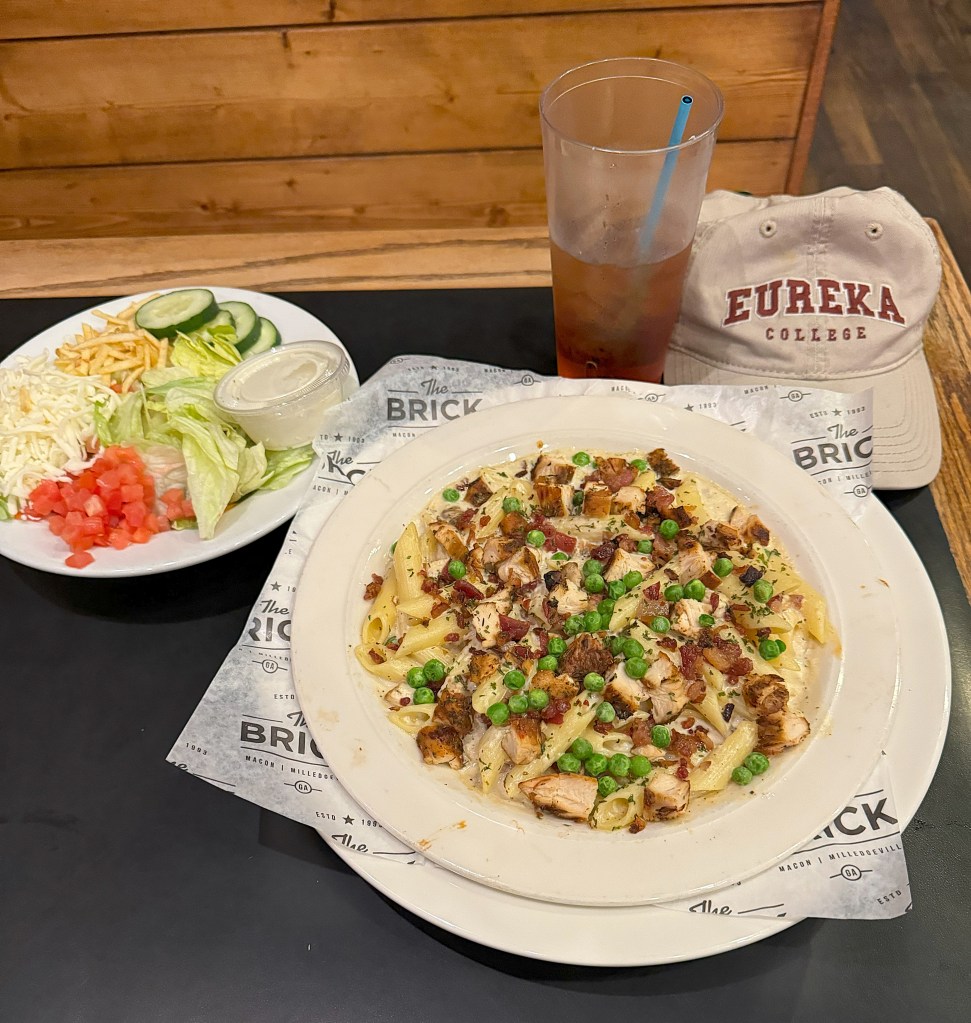
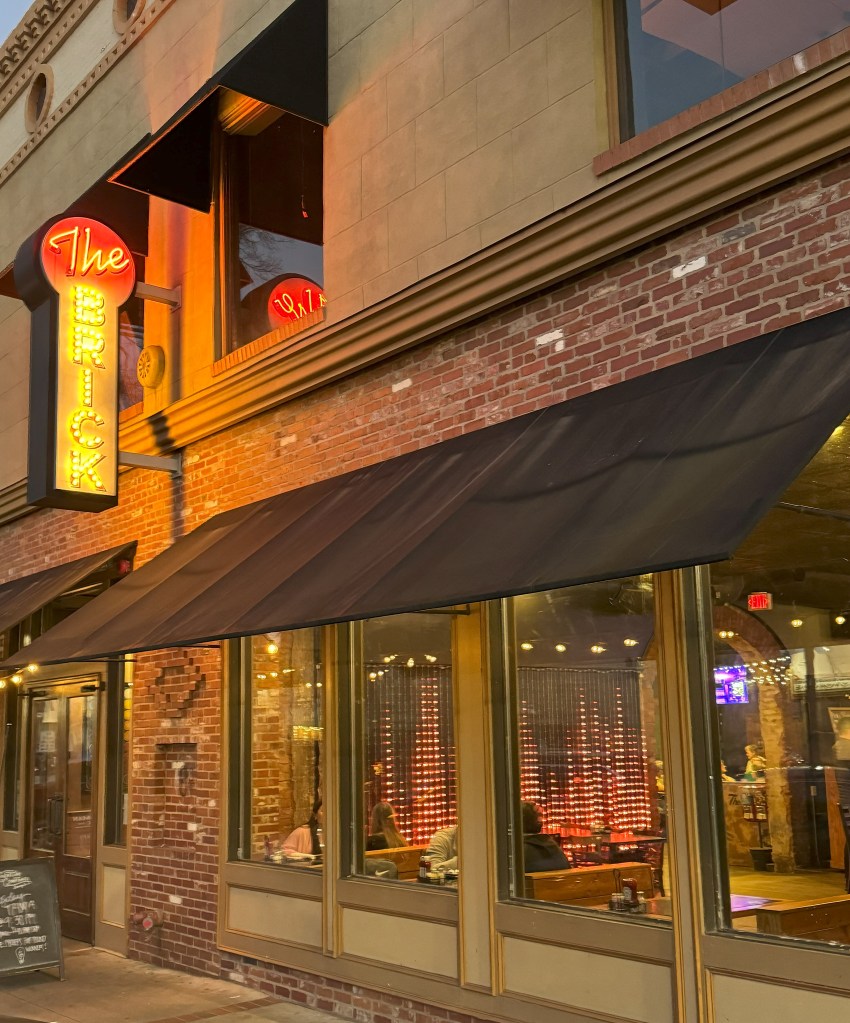
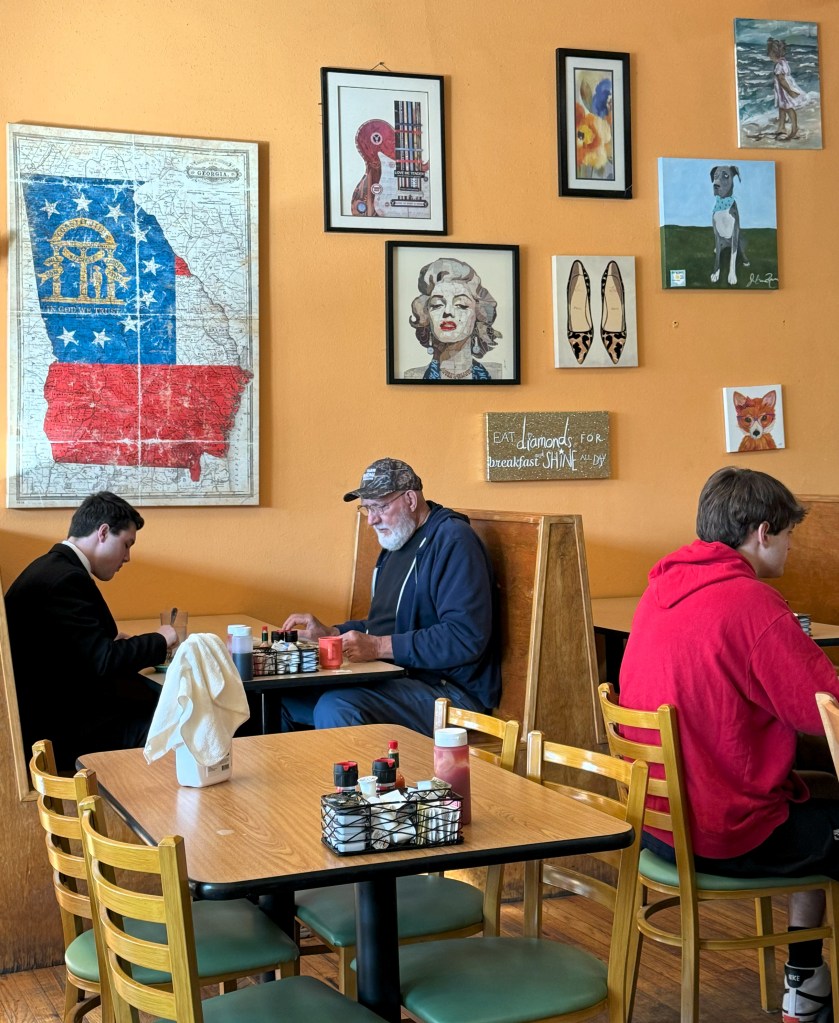
No great day ends without a great dinner. If you’re ever in Milledgeville, do yourself a favor. Go to The Brick on East Hancock downtown. Order the “Park Slope” with penne, alfredo, jerk chicken, bacon, and peas. I added a salad on the side.

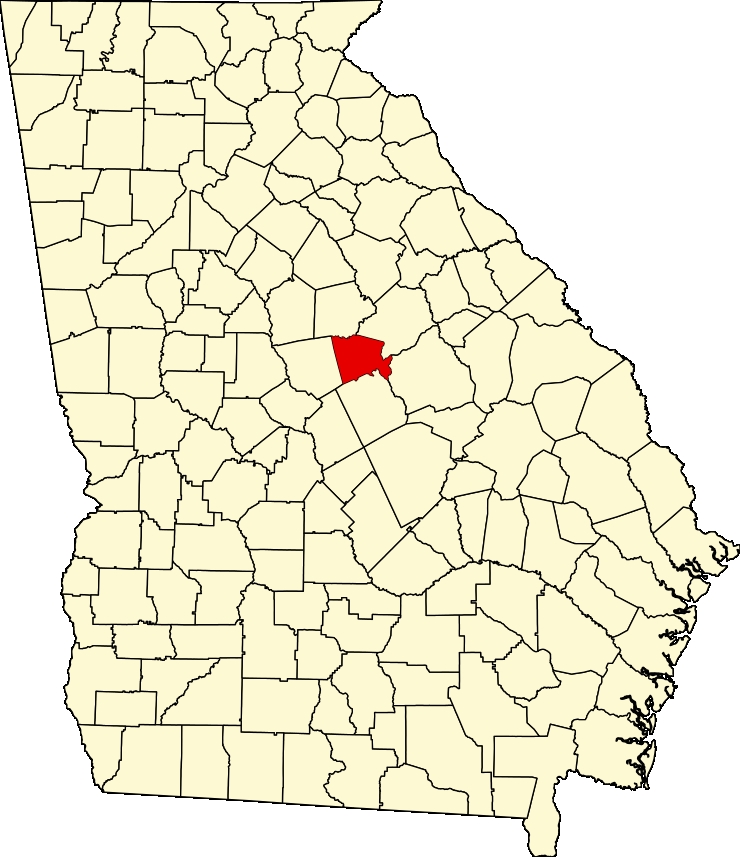
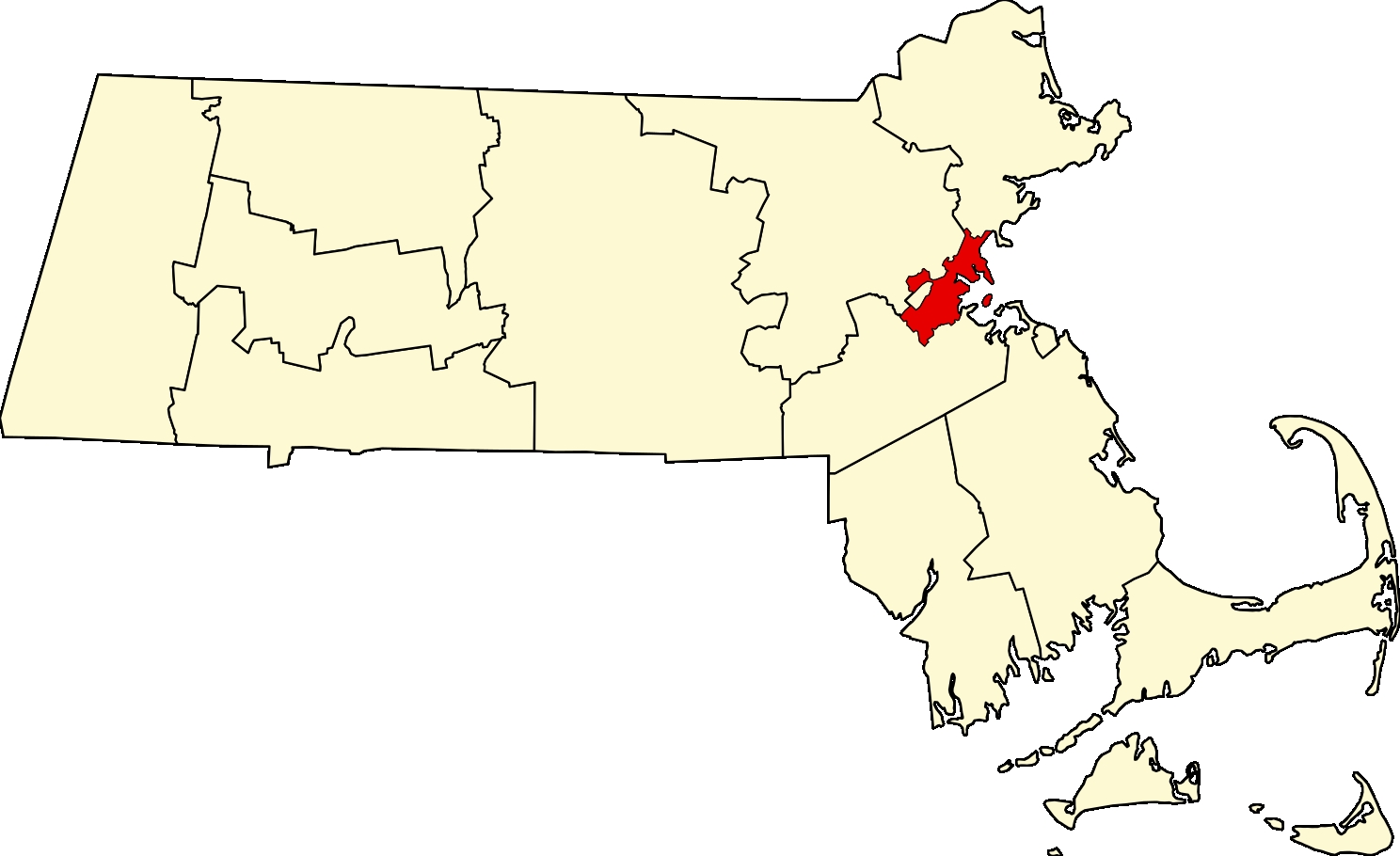
The location of Baldwin County within the state of Georgia.

A list of all photo posts from the American County Seats series in TimManBlog can be found here. The author took all photos in this post between January 31 and February 2, 2024.

My hobby is traveling to America’s county courthouses. Each month, I post about a visit to a scenic or exciting county seat. Donations are greatly appreciated to help cover my costs.

Donations to TimManBlog

Please use this form to donate to my travel writing. (Change the number in the ‘Price’ box to increase the donation amount.) The form accepts PayPal, Visa, Mastercard, Amex, Discover, and Maestro.

$1.00

Check out the FREEDOM VOYAGES series! These books document my road trips across the United States and include hundreds of stunning photographs. Each of the four books in the series is available on Amazon and Barnes & Noble. This includes my most recent release, FREEDOM VOYAGES Volume 4: Christmastime in Texas!

FREEDOM VOYAGES Volume 4: Christmastime in Texas. Available at Amazon.com and Barnes & Noble.

Earlier volumes in the FREEDOM VOYAGES series:
Vol. 1: North-Central North Dakota
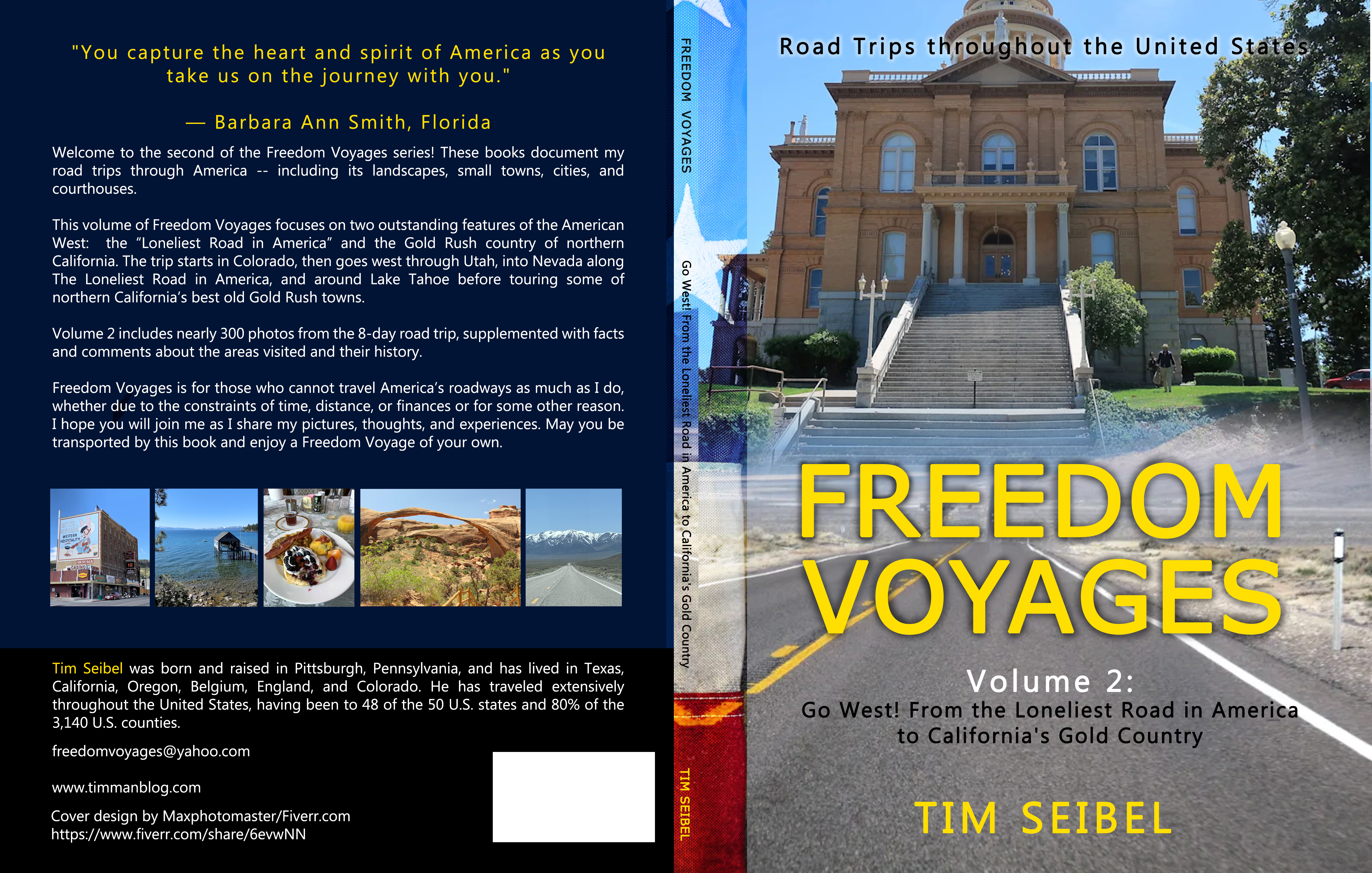
Vol. 2: Go West! From the Loneliest Road in America to California’s Gold Country
Vol. 3: A Proud, Dignified People in Lincoln’s Illinois

Mercer County Courthouse: A Pennsylvania Treasure

Please consider making a donation to support my travels. You can use PayPal, Visa, American Express, Mastercard, or Discover. Use the form at the bottom of the post. Thank you.

December 31, 2024

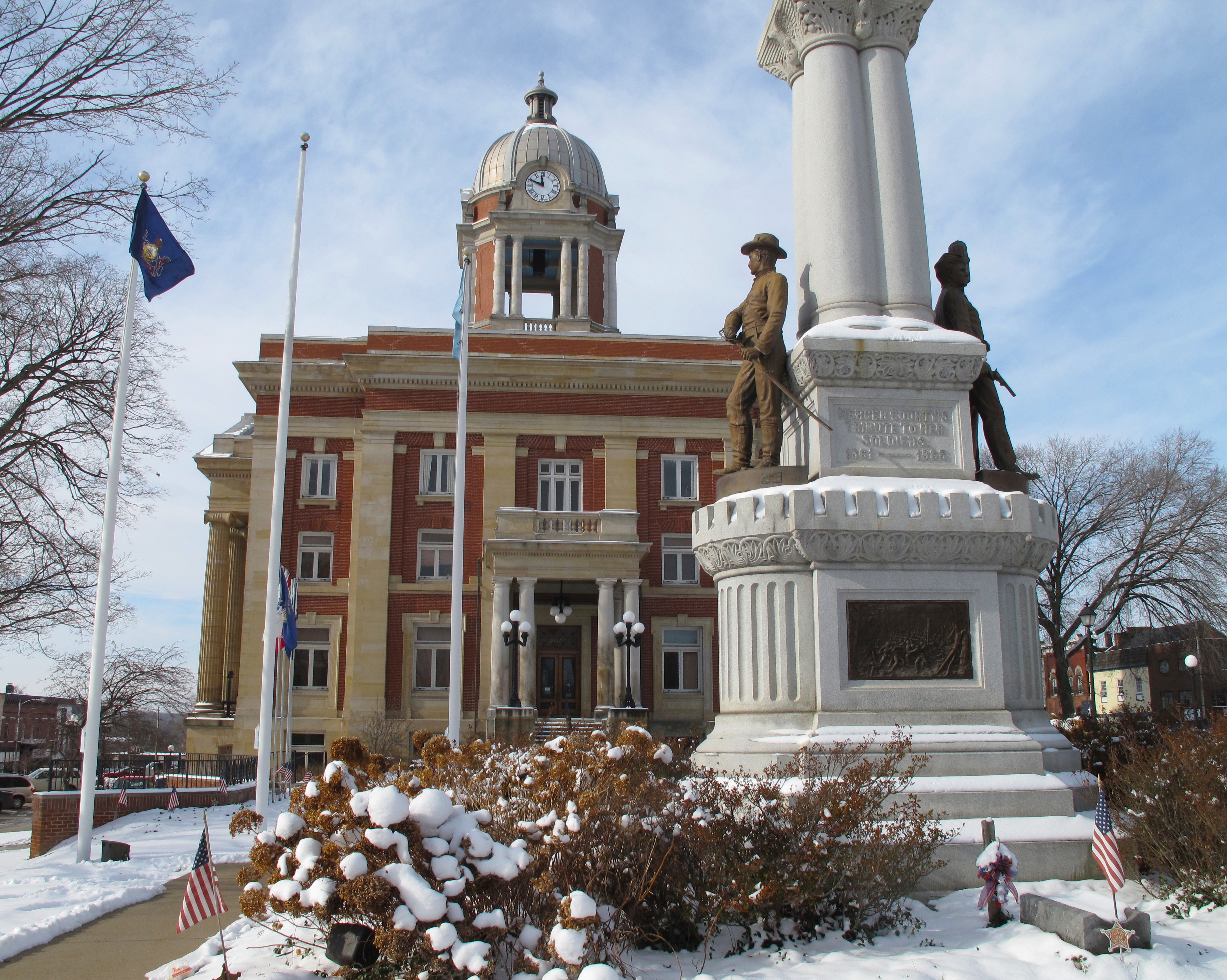
Located 65 miles north of Pittsburgh, Mercer County occupies a relatively flat and agricultural area of northwestern Pennsylvania. The county was organized over 200 years ago in 1803. The town of Mercer, the county seat, is dominated by buildings constructed in the late 19th and early 20th centuries. Many of these structures were built in an age that honored the sacrifices made during the American Civil War.

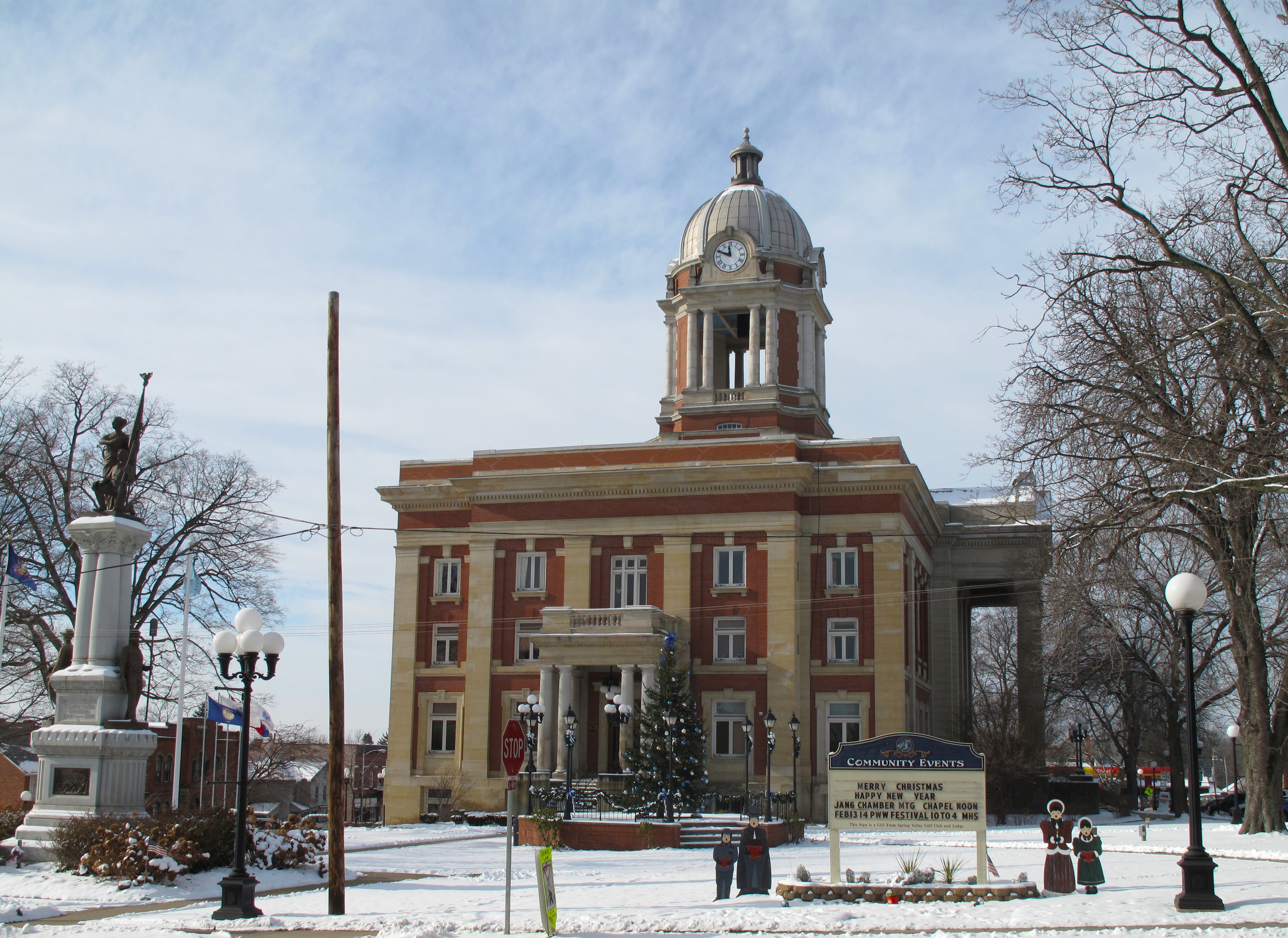
The Mercer County Courthouse and Civil War monument. Mercer, Pennsylvania.
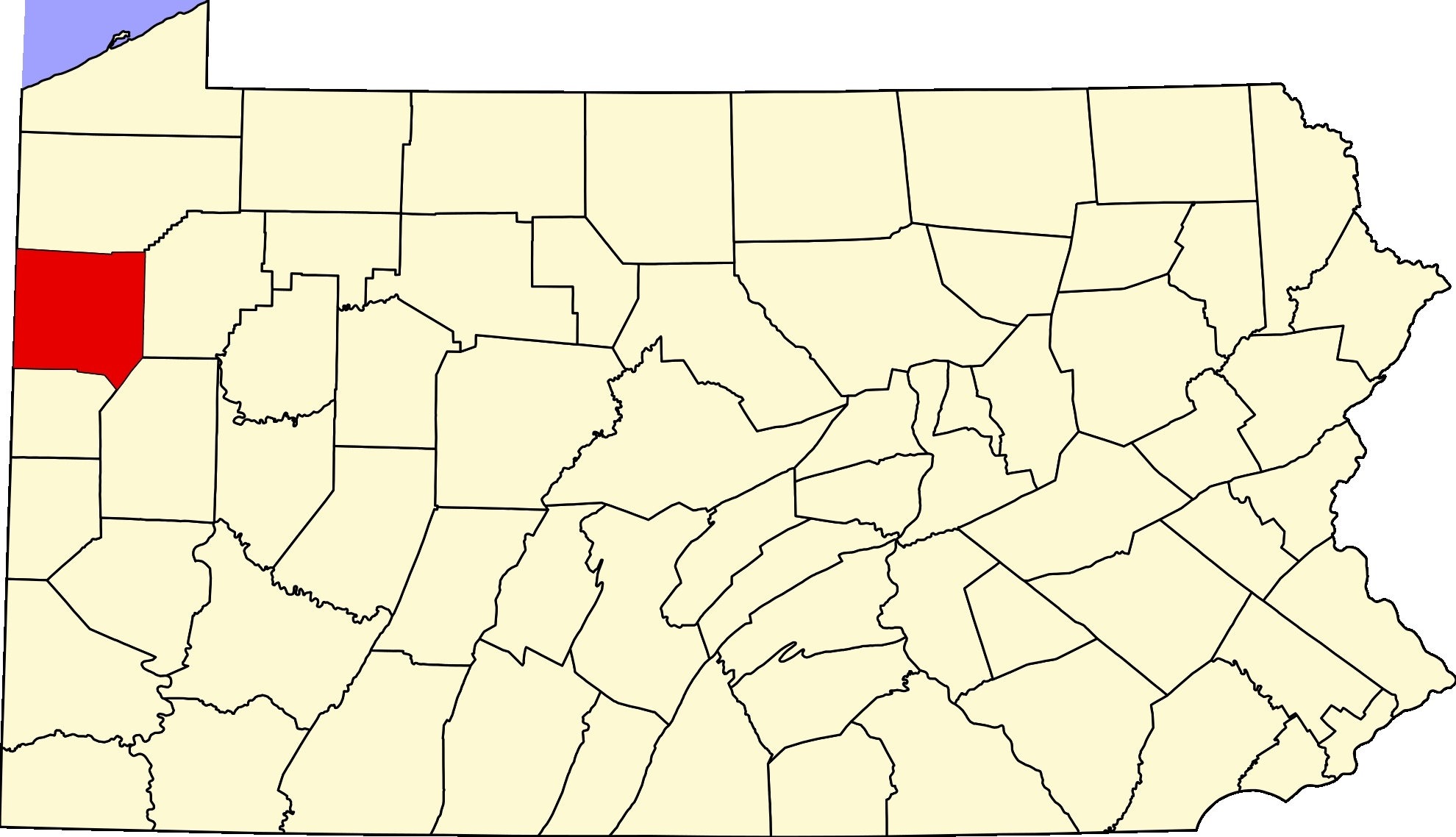
Mercer County within the state of Pennsylvania.

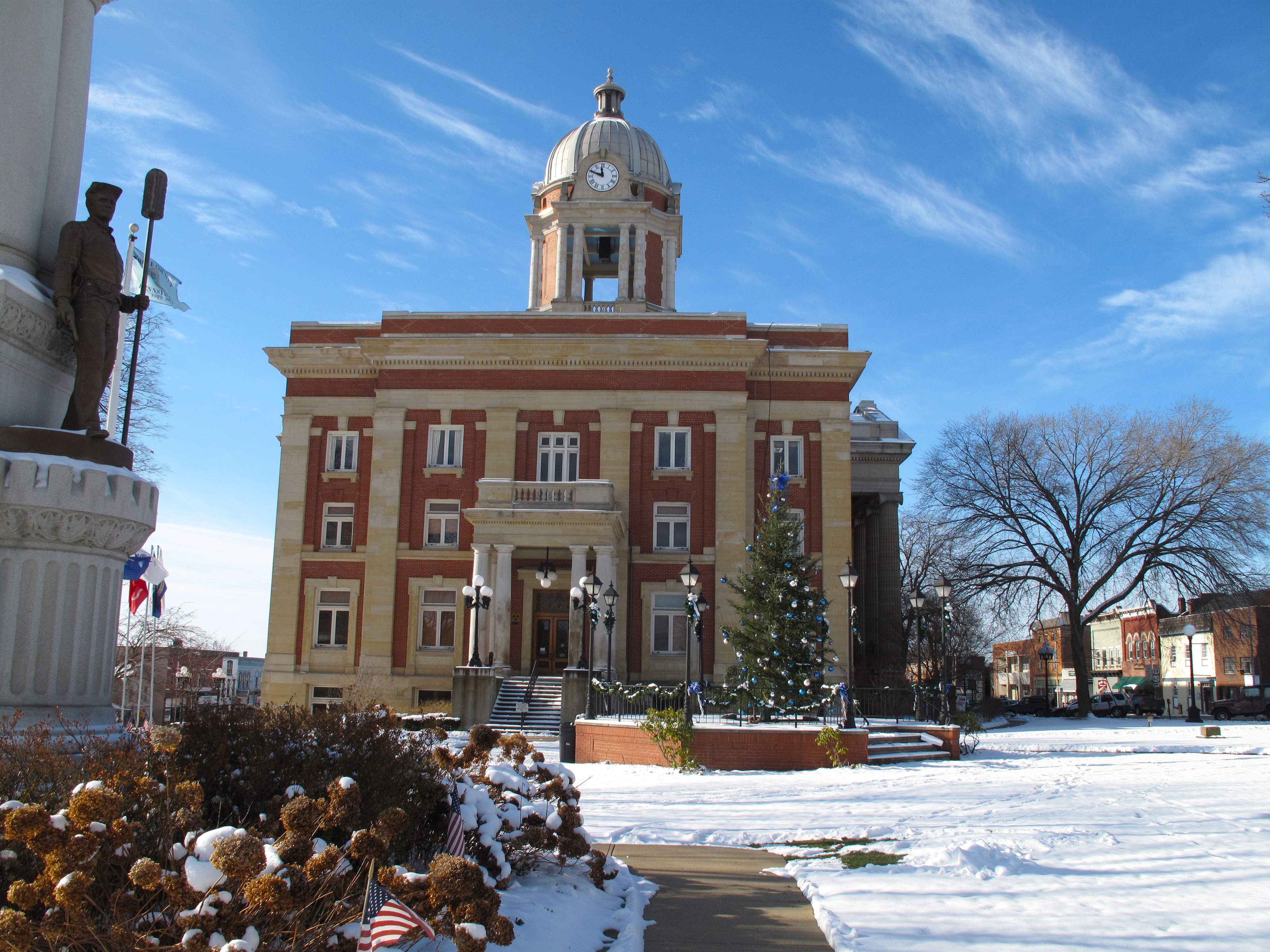
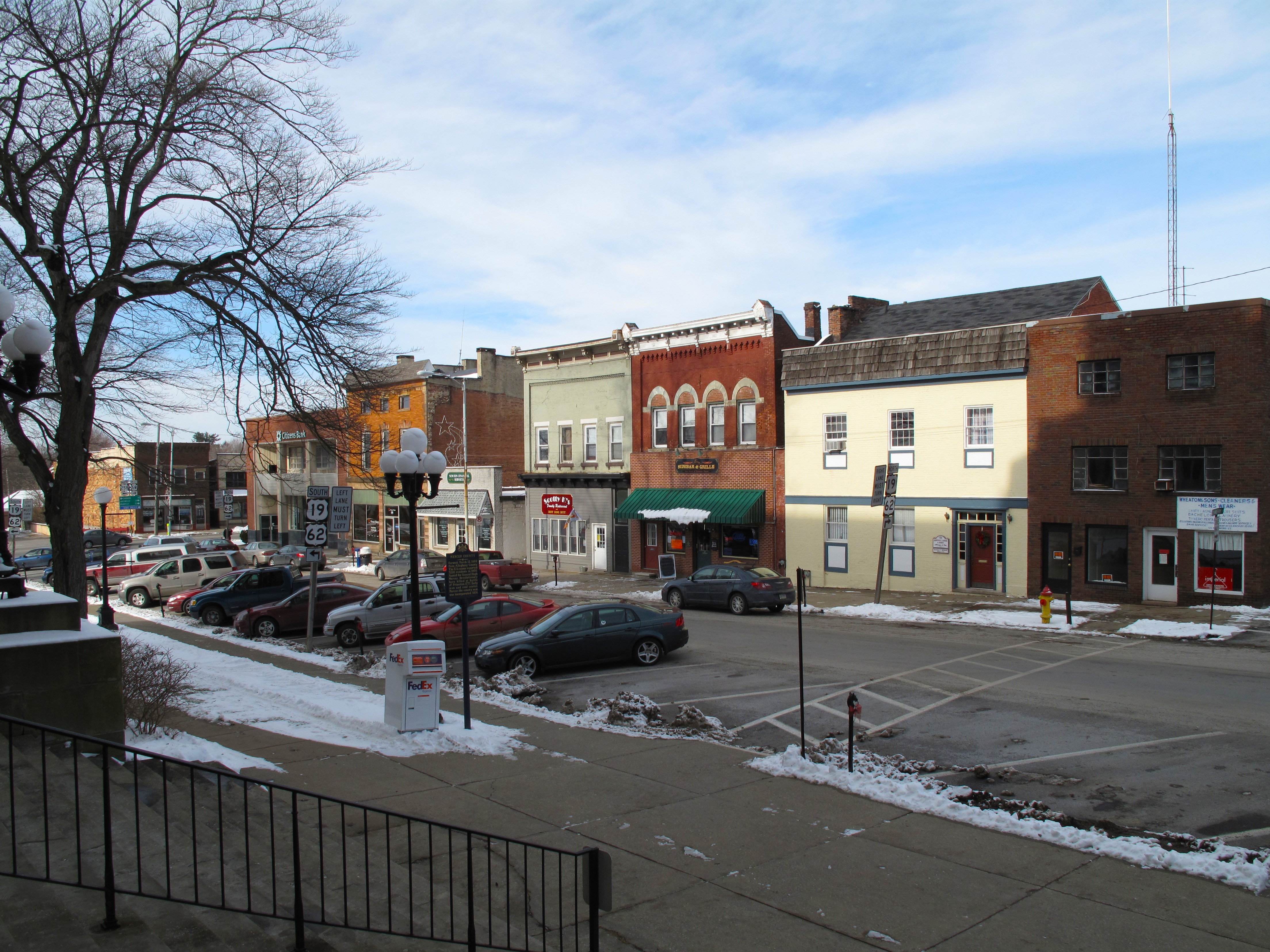
The town square surrounds the courthouse like a horseshoe. US Route 19, a main north-south artery, is at the open end.  Not enough can ever be said about the Mercer County Courthouse.  Its cupola can be seen for miles around, and it dwarfs the little Mercer business district. The building is listed on the National Register of Historic Places.

Mercer, PA: The view down Market Street to the county Civil War Memorial and the courthouse.

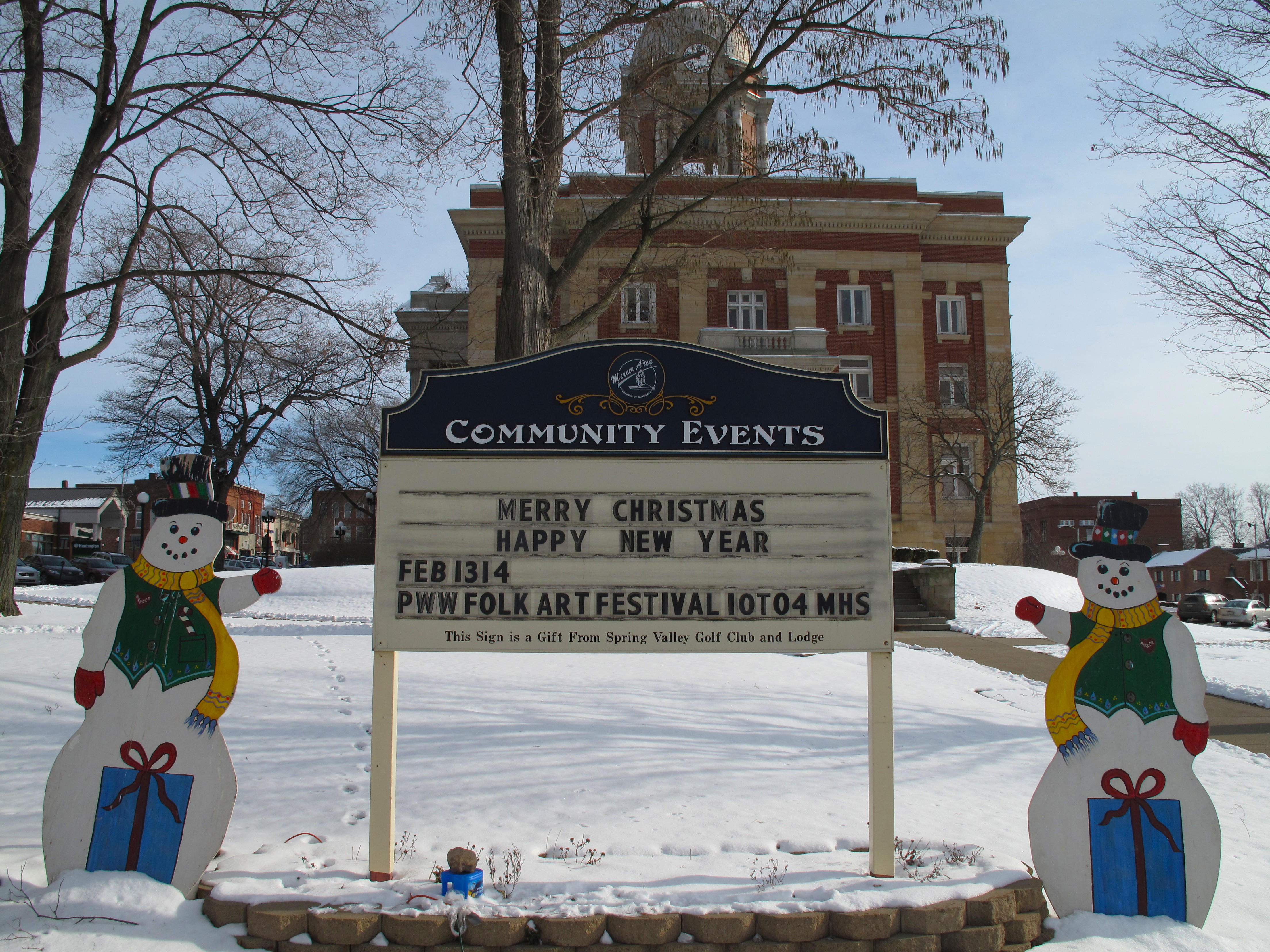
At this time of year, the county decorates a Christmas tree on the lawn with blue ornaments and silver tinsel.  I always liked that combination of colors.  It’s perfect.

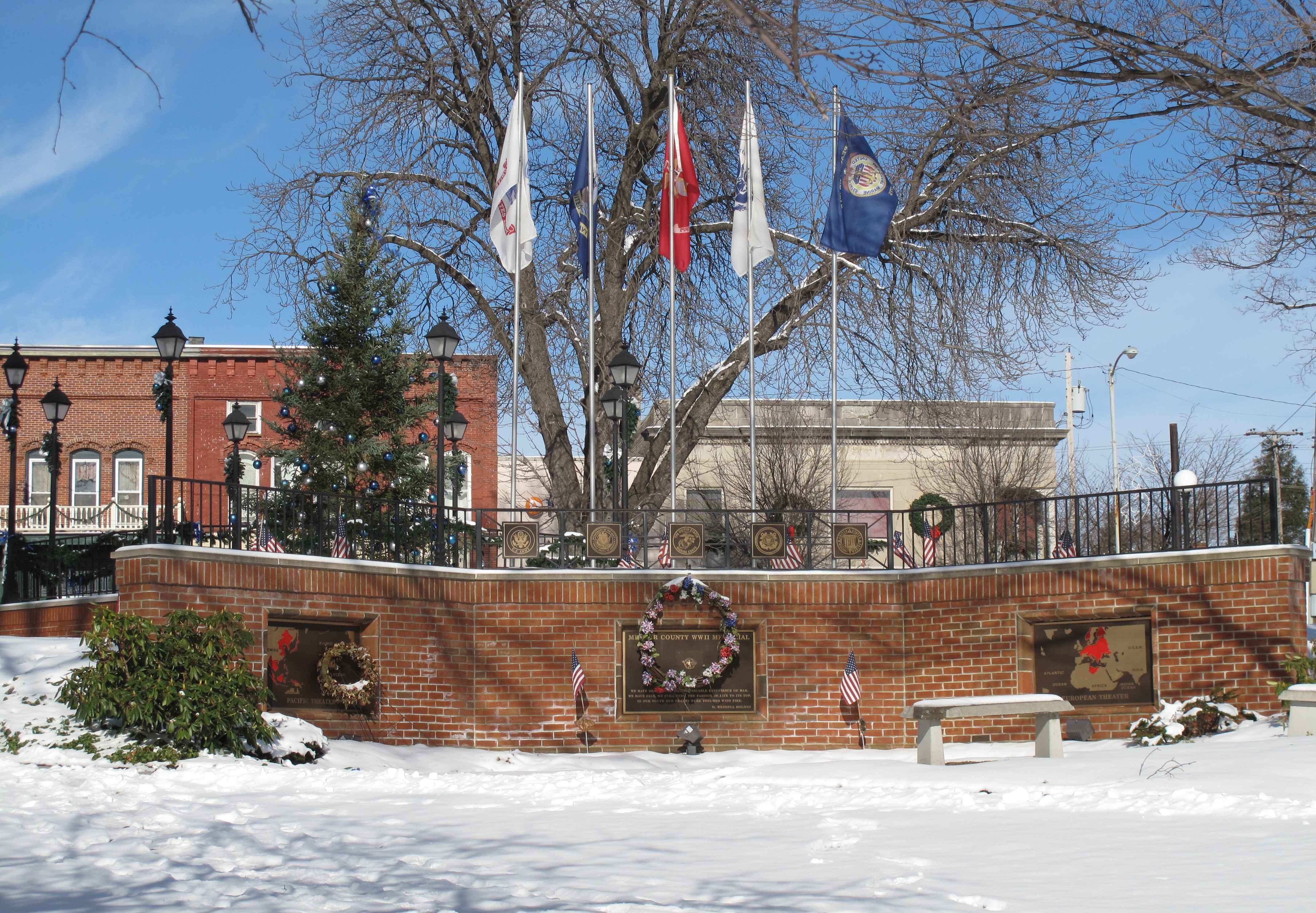
The recently added World War II & Vietnam Veterans memorials on the courthouse lawn interrupt the Civil War time traveling. But they only barely interrupt it. Even the small gray artillery gun is easily overlooked.  In Mercer, you feel like this is a town from the Civil War Era. It was vibrant then and still holds onto that feeling today.  Later wars’ memorials seem like odd-colored post-it notes stuck atop fine parchment.

Mercer County WWII Memorial on the courthouse lawn. Mercer, Pennsylvania.

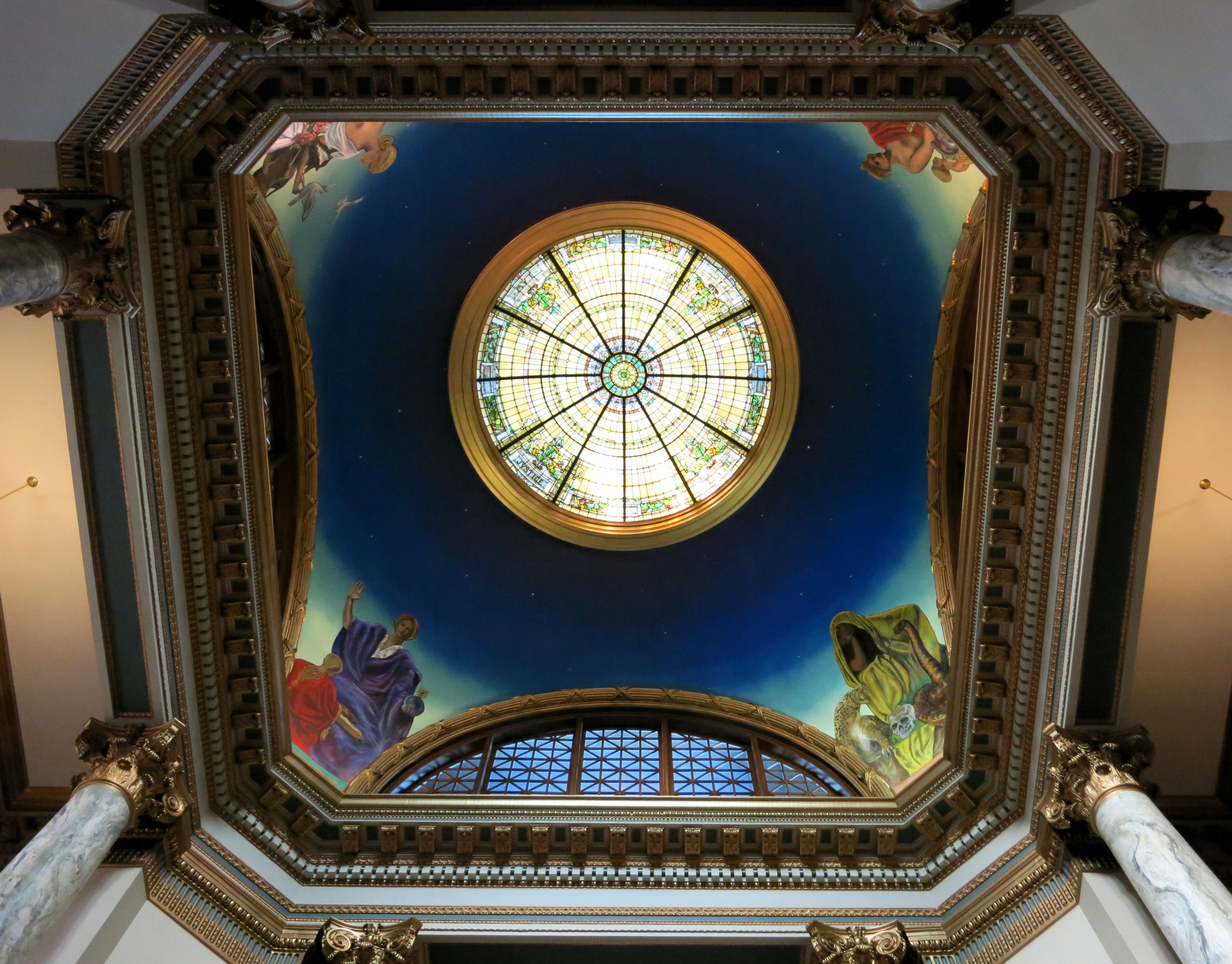
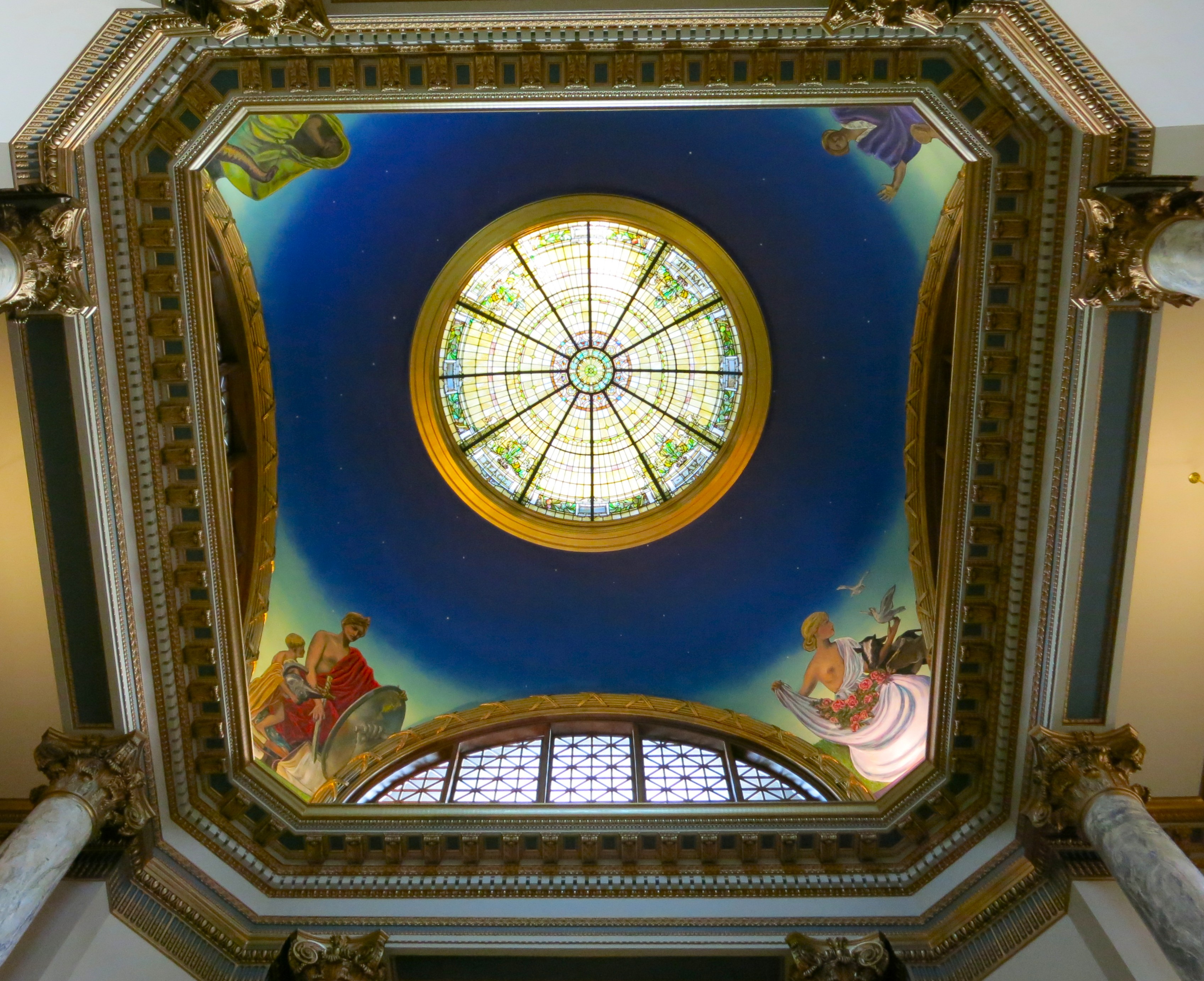
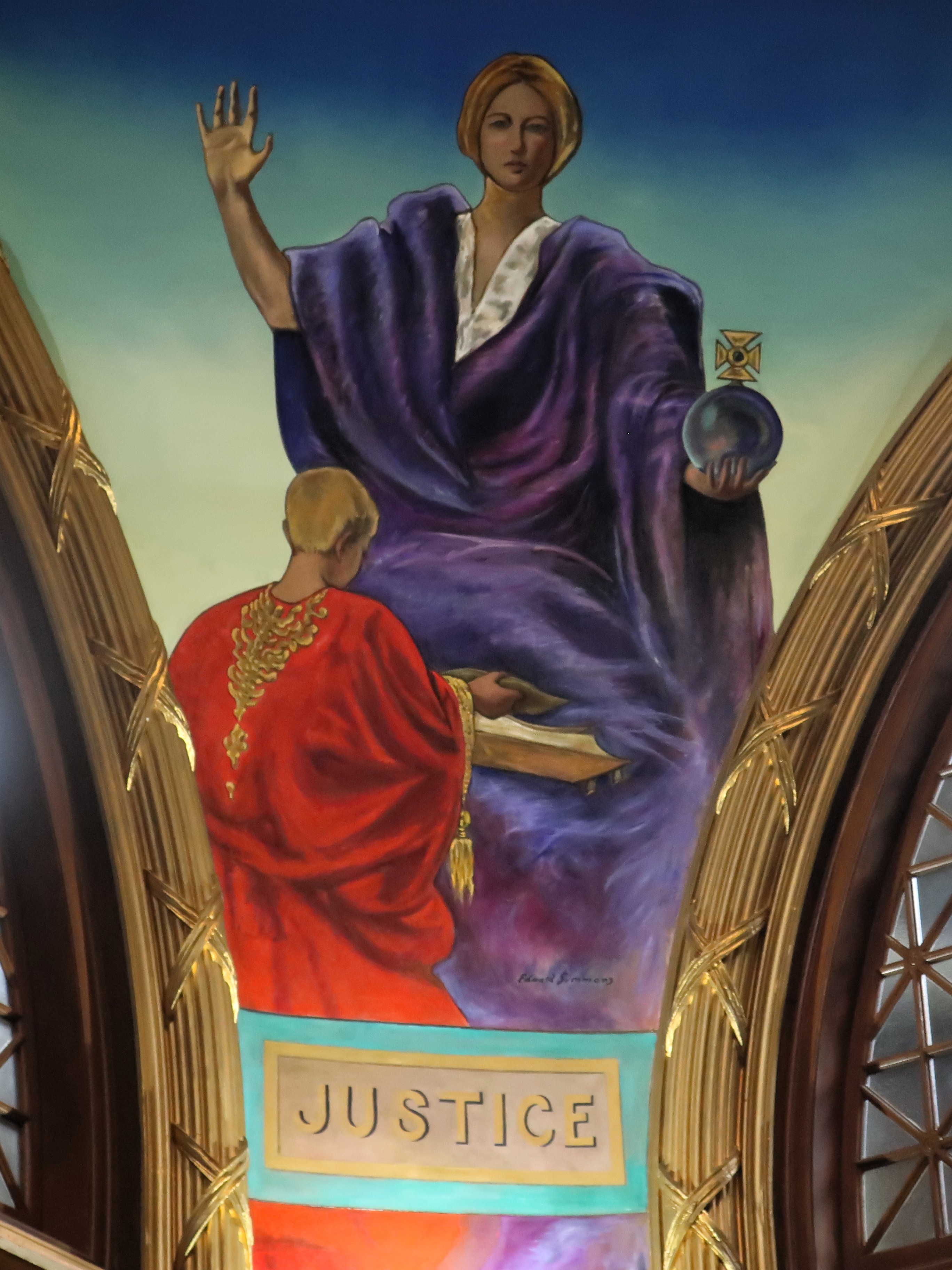
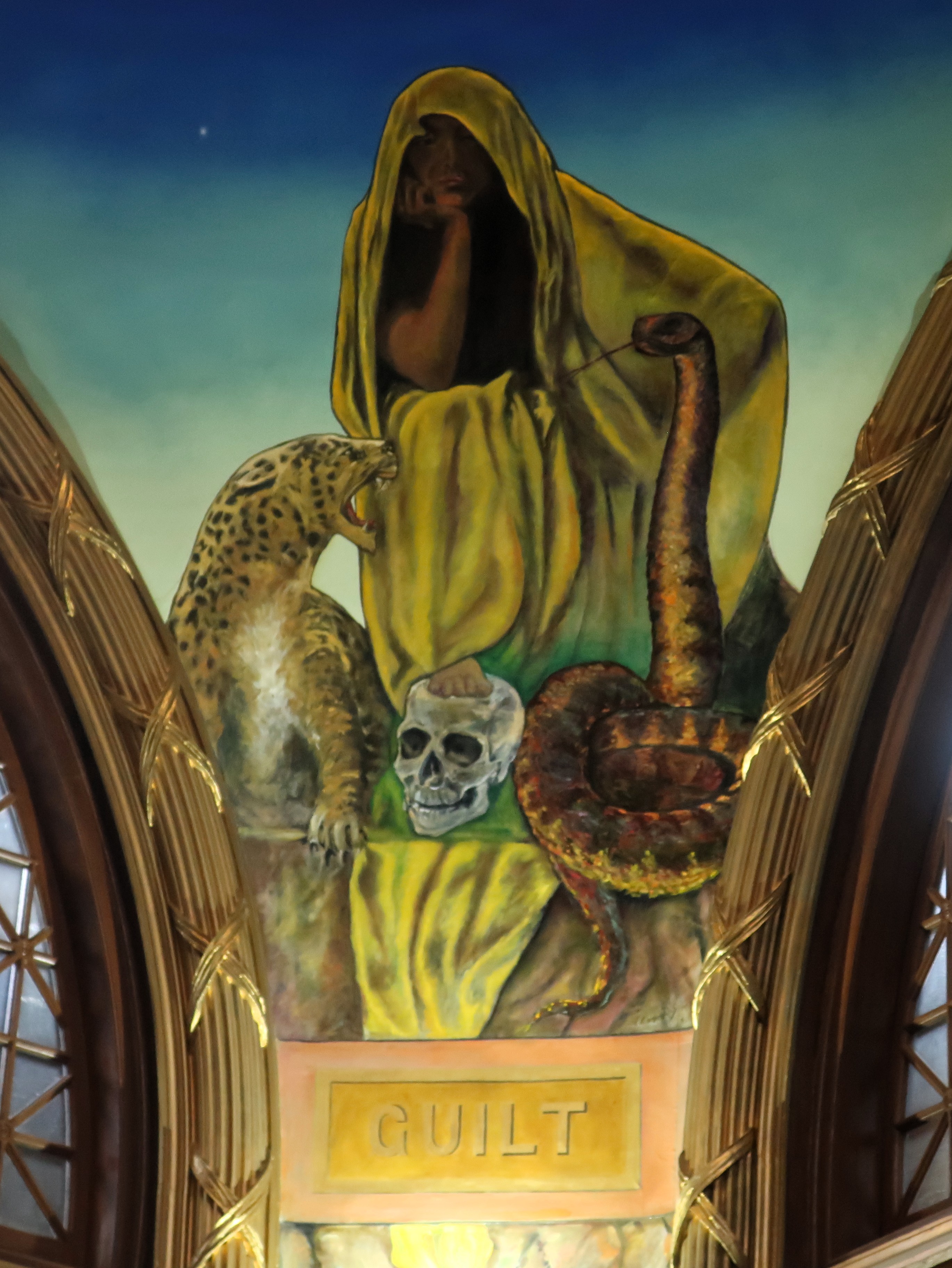
The courthouse was built between 1910 and 1911. I am amazed by how this small, rural county afforded all the flash and flare inside this building! Upon entering, I discovered a grand atrium featuring marble stairways, banisters, and bronze embellishments surrounding the wide-open space. A stunning glass ceiling hung far above. Four classical murals depicting the judicial themes of Justice, Power, Guilt, and Innocence were painted in each ceiling corner.

Justice
Power
Guilt
Innocence

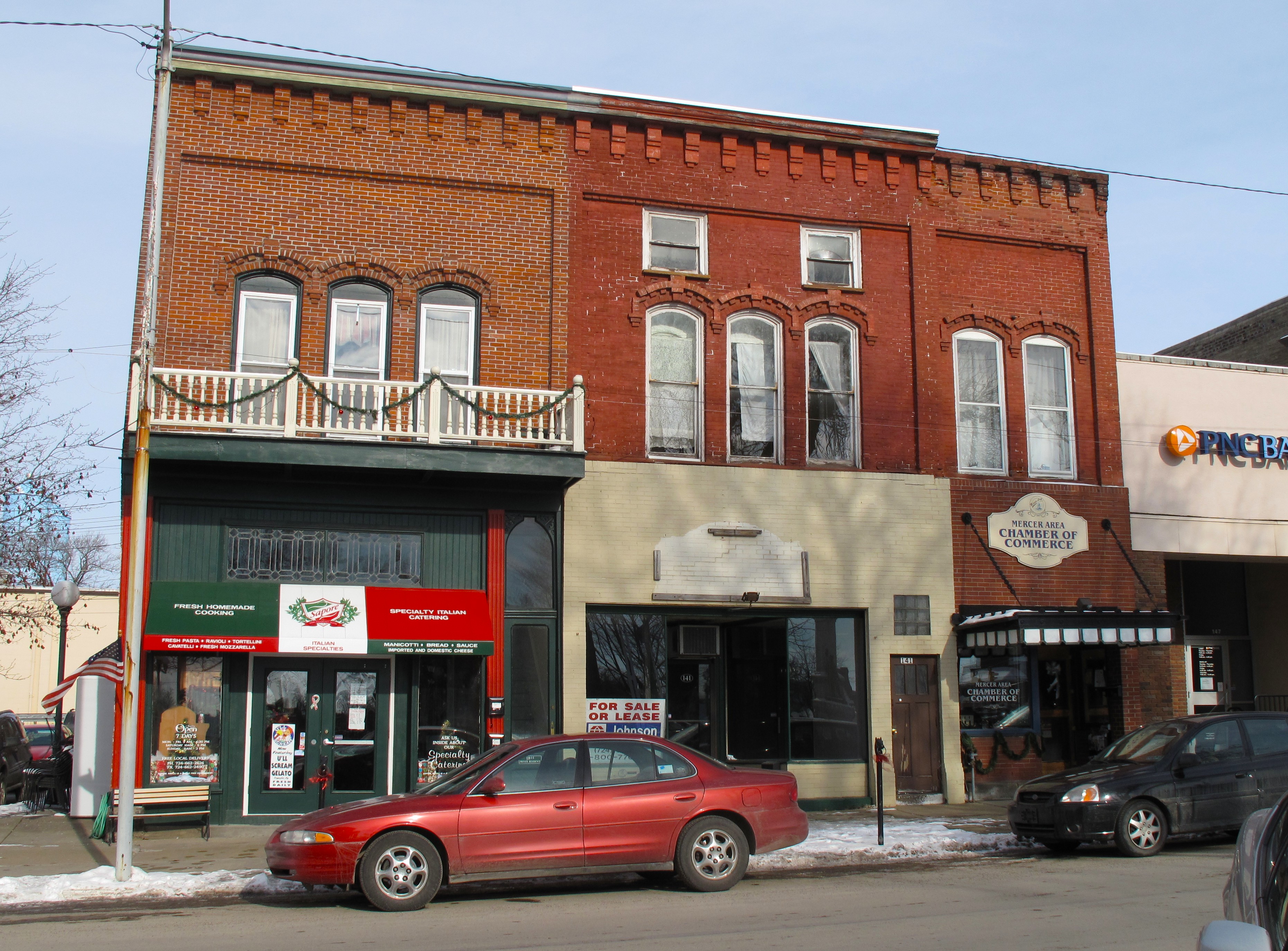
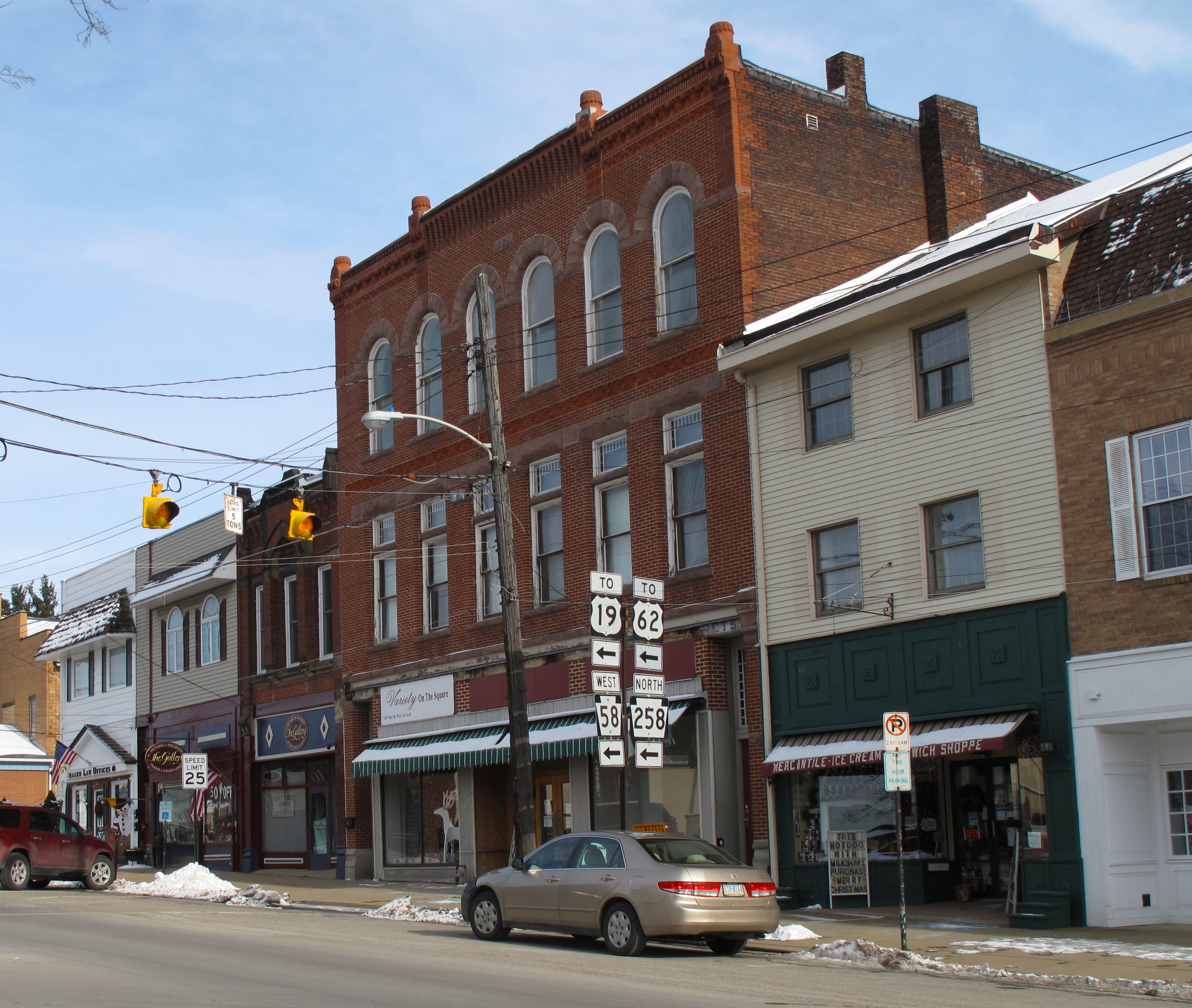
The buildings surrounding the courthouse have barely been nipped over time; many were built in the late 1800s. Businesses and restaurants predominate around the square, and I saw a dry cleaner that advertised “Bachelor Laundry.”

I had a nice lunch at the Mercer Mercantile & Soda Shoppe on the square. The store sells desserts, ice cream, antique items, and rare candy brands. It offers basically everything you would miss at a convenience store.

The Mercer Mercantile and Soda Shoppe. On the square in Mercer, PA.

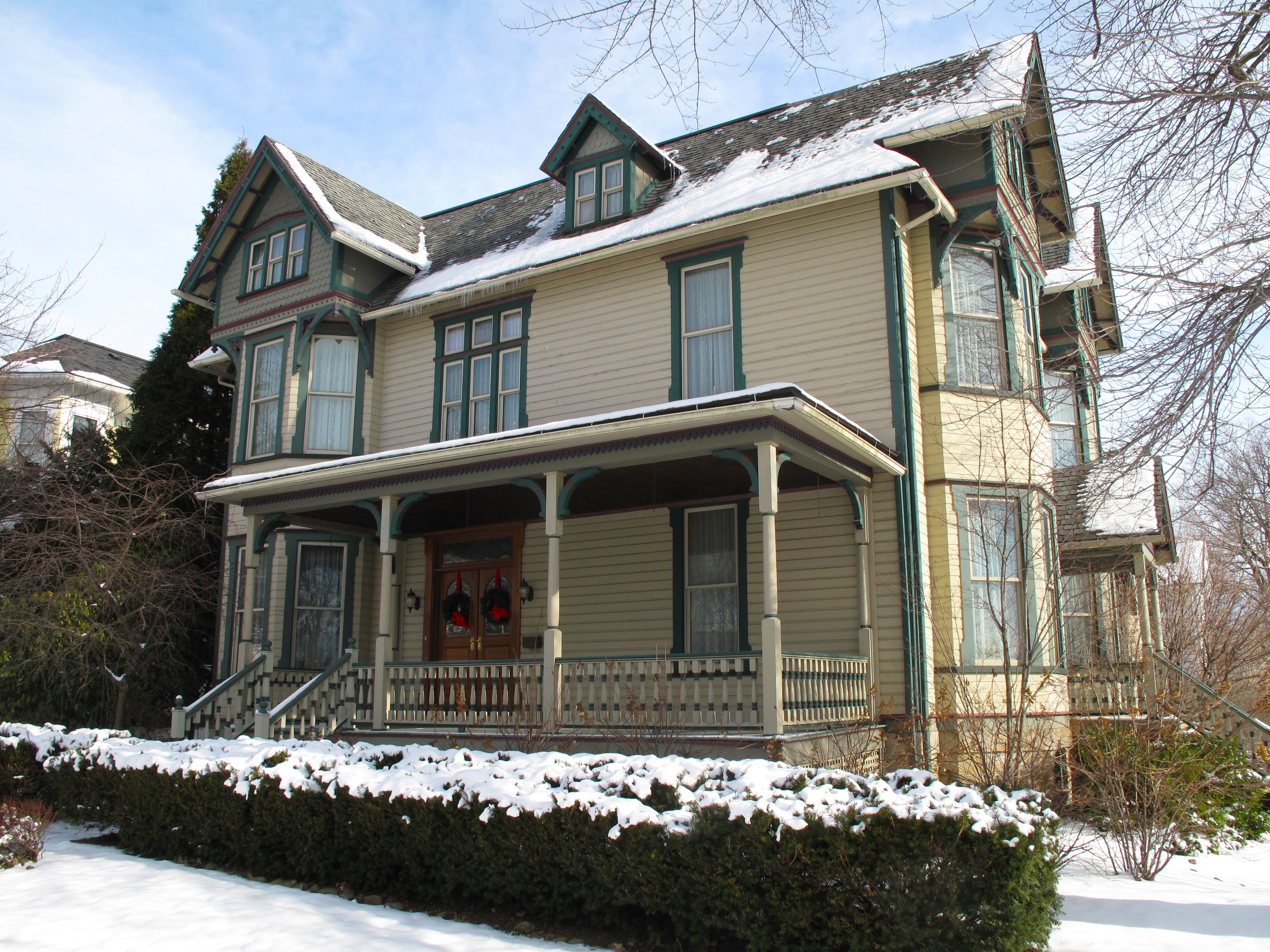
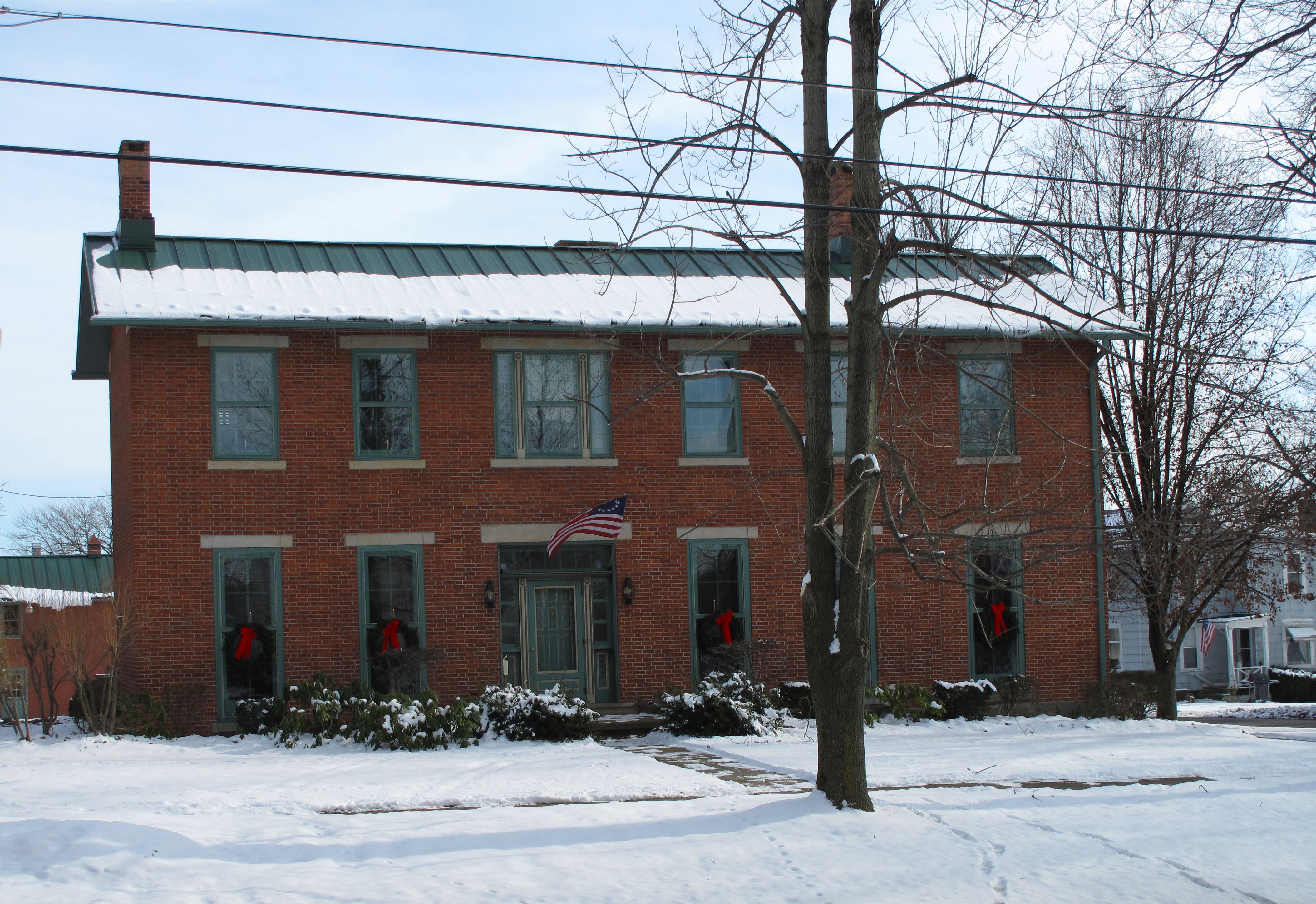
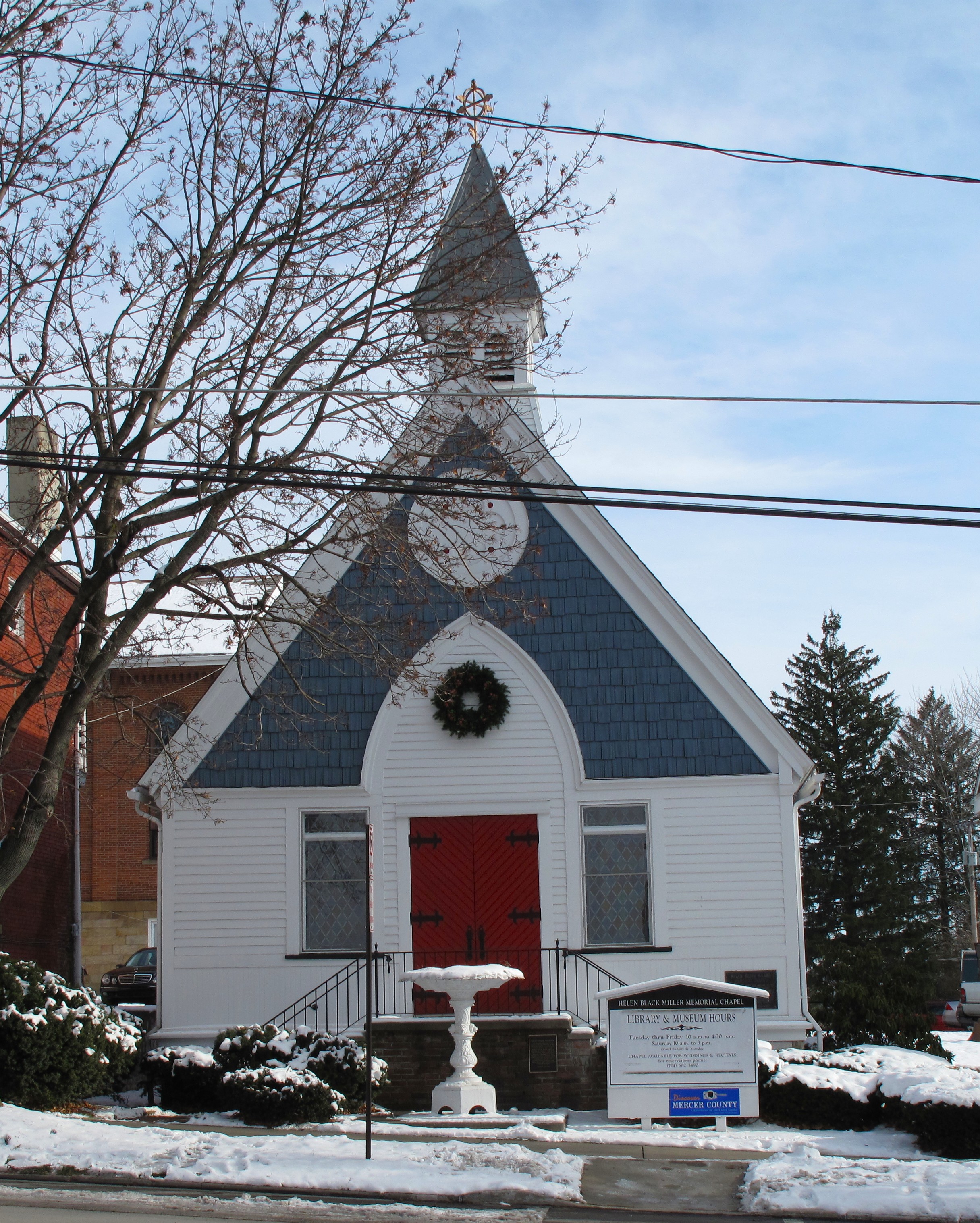
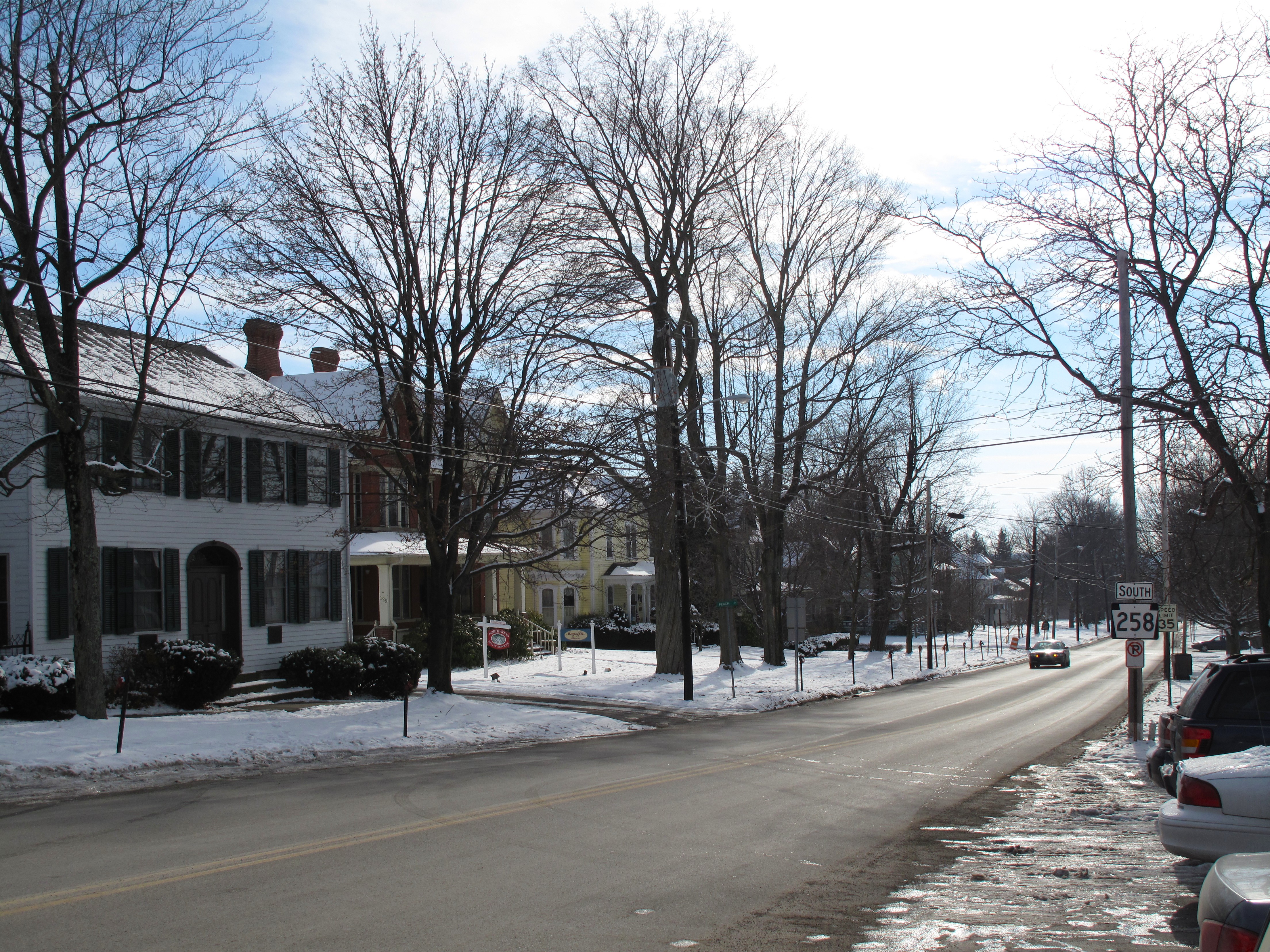
Mercer lies outside the Pittsburgh and Cleveland ethnic melting pots. This is very much a northern Presbyterian and Methodist town. Below are some older buildings, including old homes and churches.

Mercer County Republican Headquarters is located in a historic home on the town square.

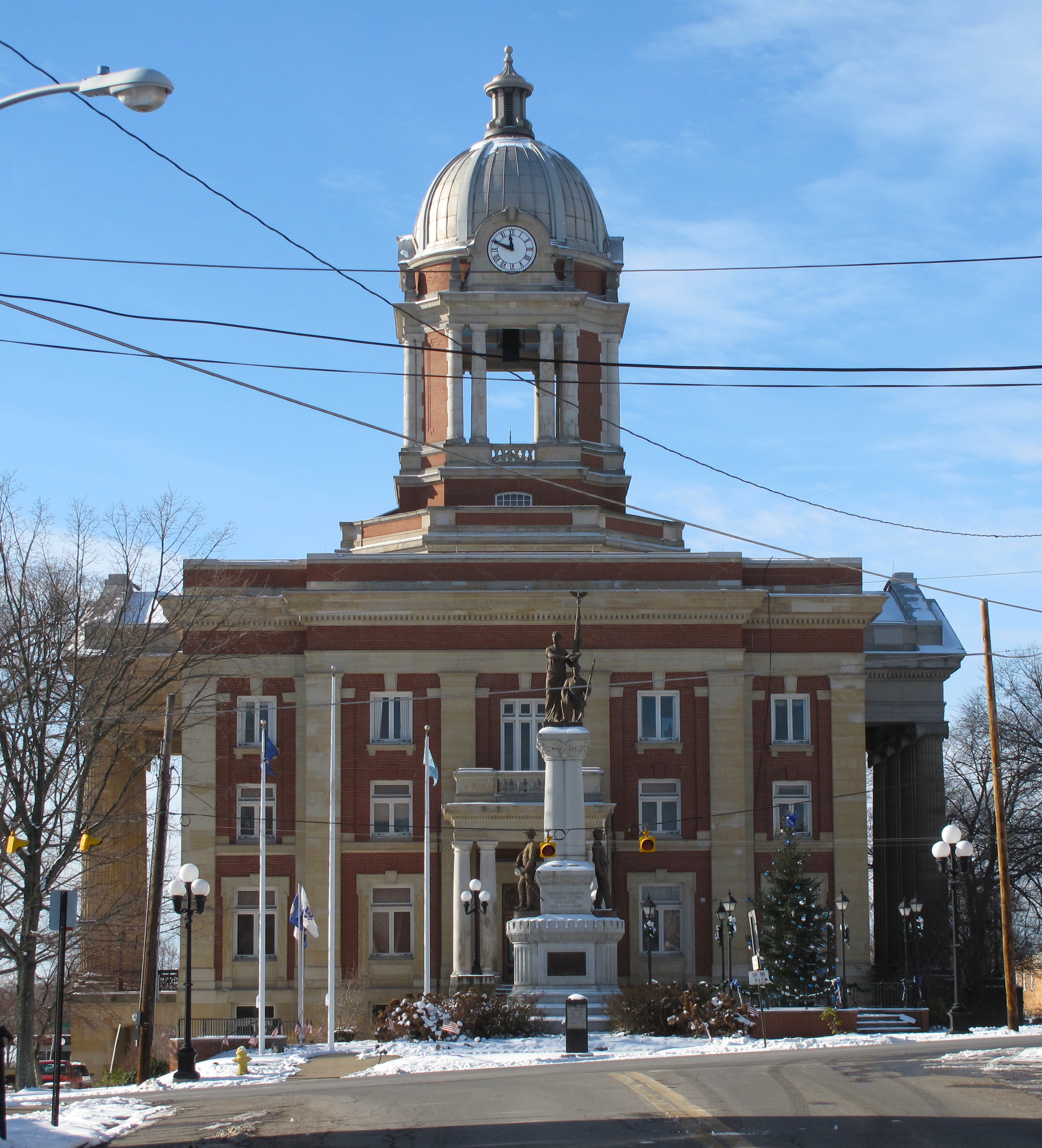
Here’s one last look at the Mercer County Courthouse.

Mercer County Courthouse. Mercer, Pennsylvania.

A list of all photo posts from the American County Seats series in TimManBlog can be found here. Photos in this post were taken by the author on December 24, 2009, or October 7, 2019.

My hobby is traveling to America’s county courthouses. Each month, I post about a visit to a scenic or exciting county seat. It’s a hobby, and donations are greatly appreciated to help cover my costs.

Donations to TimManBlog

Use this form to make donations to support the site. Donations are accepted in increments of $1.00; increase the number in the input box to increase the total donation amount. Choose between Paypal, Visa, Mastercard, Amex, and Discover to make your donation.

$1.00

Check out the FREEDOM VOYAGES series! These books document my road trips across the United States and include hundreds of stunning photographs. Each of the four books in the series is available on Amazon and Barnes & Noble. This includes my most recent release, FREEDOM VOYAGES Volume 4: Christmastime in Texas!

FREEDOM VOYAGES Volume 4: Christmastime in Texas. Available at Amazon.com and Barnes & Noble.

Earlier volumes in the FREEDOM VOYAGES series:
Vol. 1: North-Central North Dakota
Vol. 2: Go West! From the Loneliest Road in America to California’s Gold Country
Vol. 3: A Proud, Dignified People in Lincoln’s Illinois

Exploring DeSoto County Mississippi: History and Charm

November 26, 2024
(Please consider supporting my travels. PayPal, Visa, American Express, Mastercard, or Discover are accepted; just use the form at the bottom of the post. Thank you.)

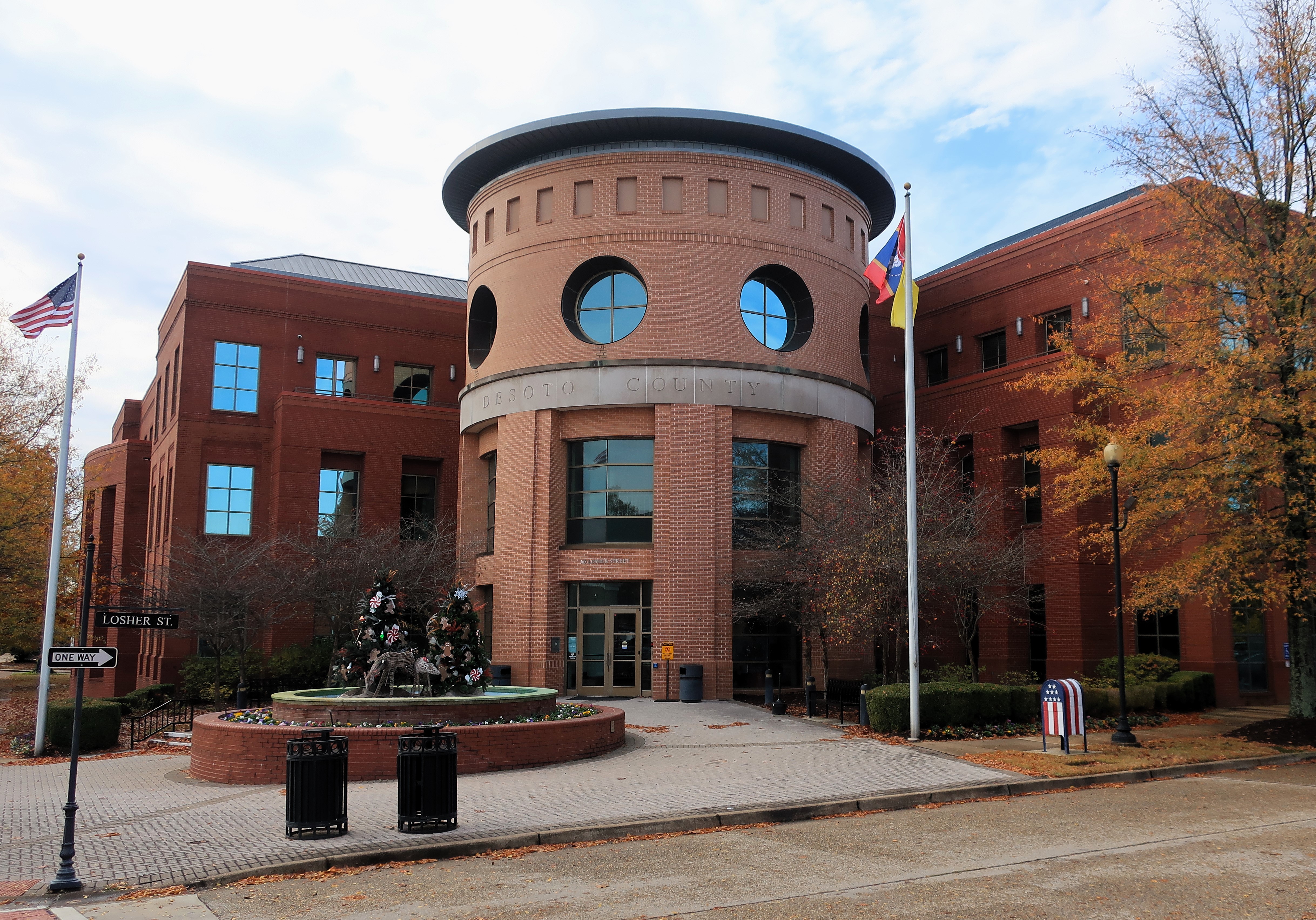
Happy November! Let me introduce you to DeSoto County, Mississippi, a rapidly growing suburban county just south of Memphis, Tennessee. The county seat is Hernando. This town’s population exploded by over 400% in 30 years. It grew from 3,000 residents in 1990 to over 17,000 today. I first visited Hernando in 1999. I returned in November 2021 to take pictures of the courthouse and explore the town.

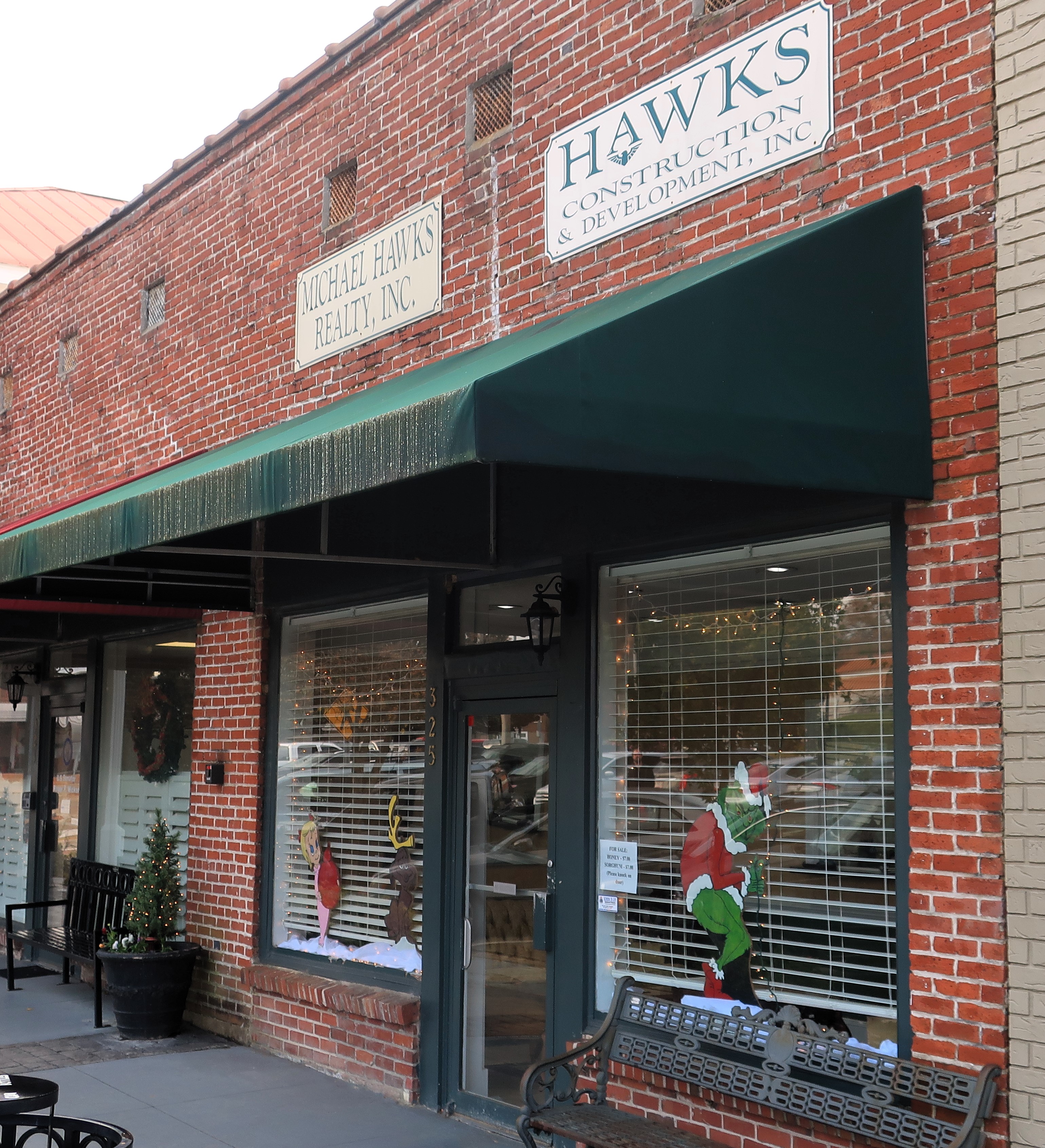
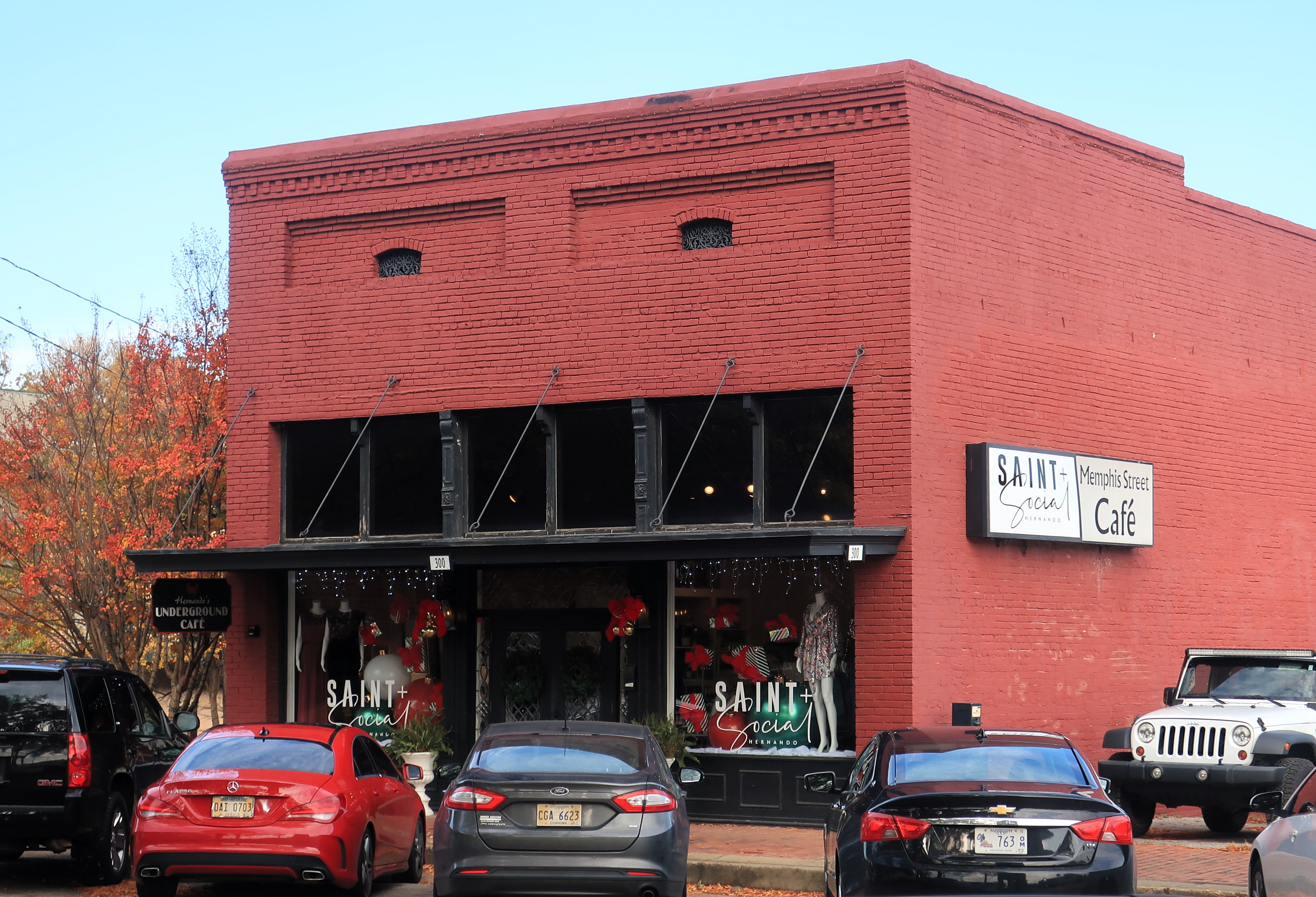
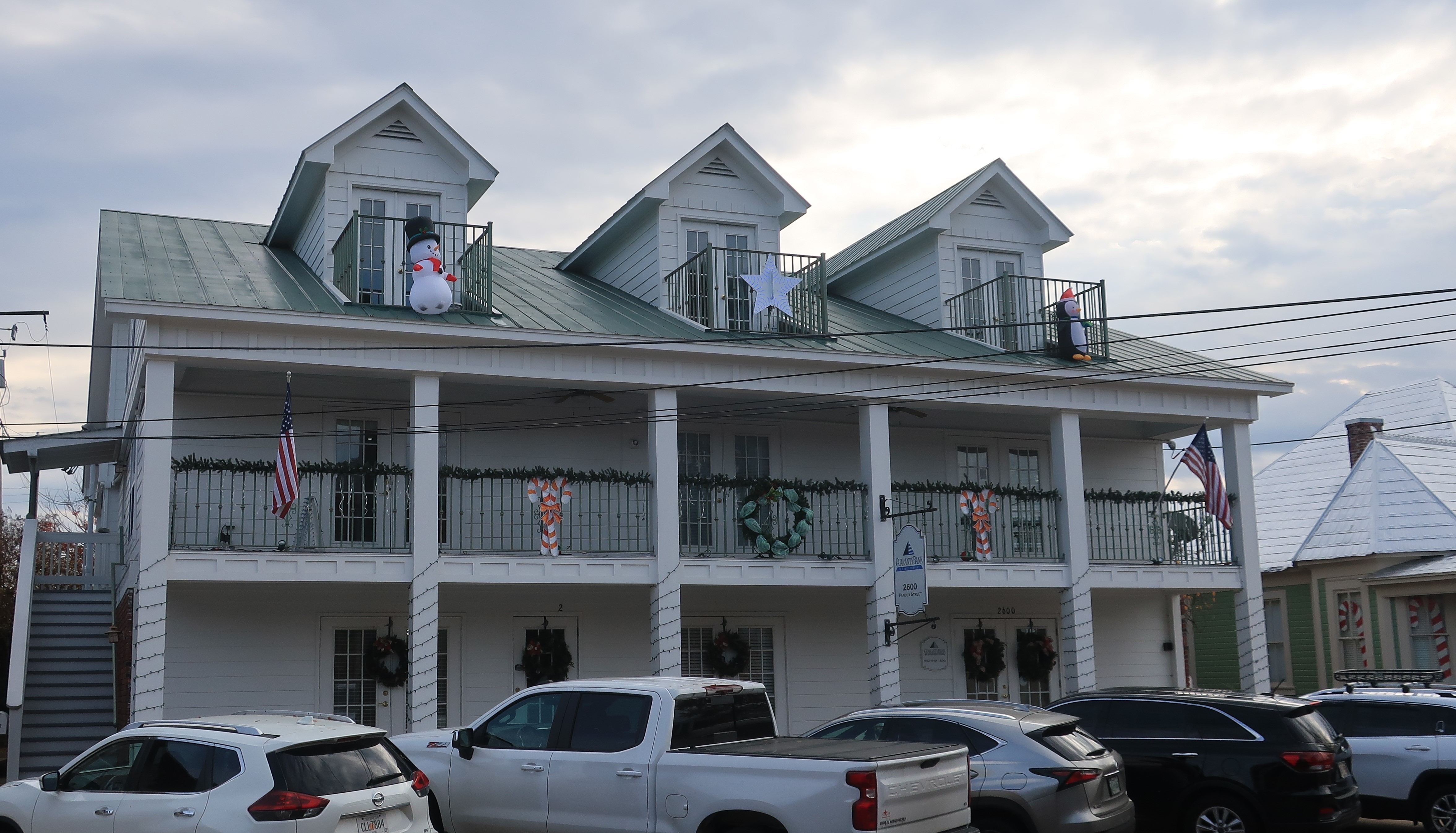
Like many towns near the Mississippi River, Hernando’s architecture reflects the styles of the old French Quarter in New Orleans. Typical of many Southern towns, downtown sidewalks feature wrought iron railings beside the streets and along stairways onto the elevated porches of business buildings.

The Austin Building on Courthouse Square in downtown Hernando.

The town and county were named for the Spanish explorer Hernando de Soto, who was the first European to reach the Mississippi River.

Over the past 30 years, Hernando has evolved from a small Mississippi town into an upscale suburb of Memphis. This change is reflected in the downtown business climate, where more upscale shops predominate. These include a hot wings restaurant, a coffee and vegan shop, a dog grooming salon, and an Edward Jones investment office.

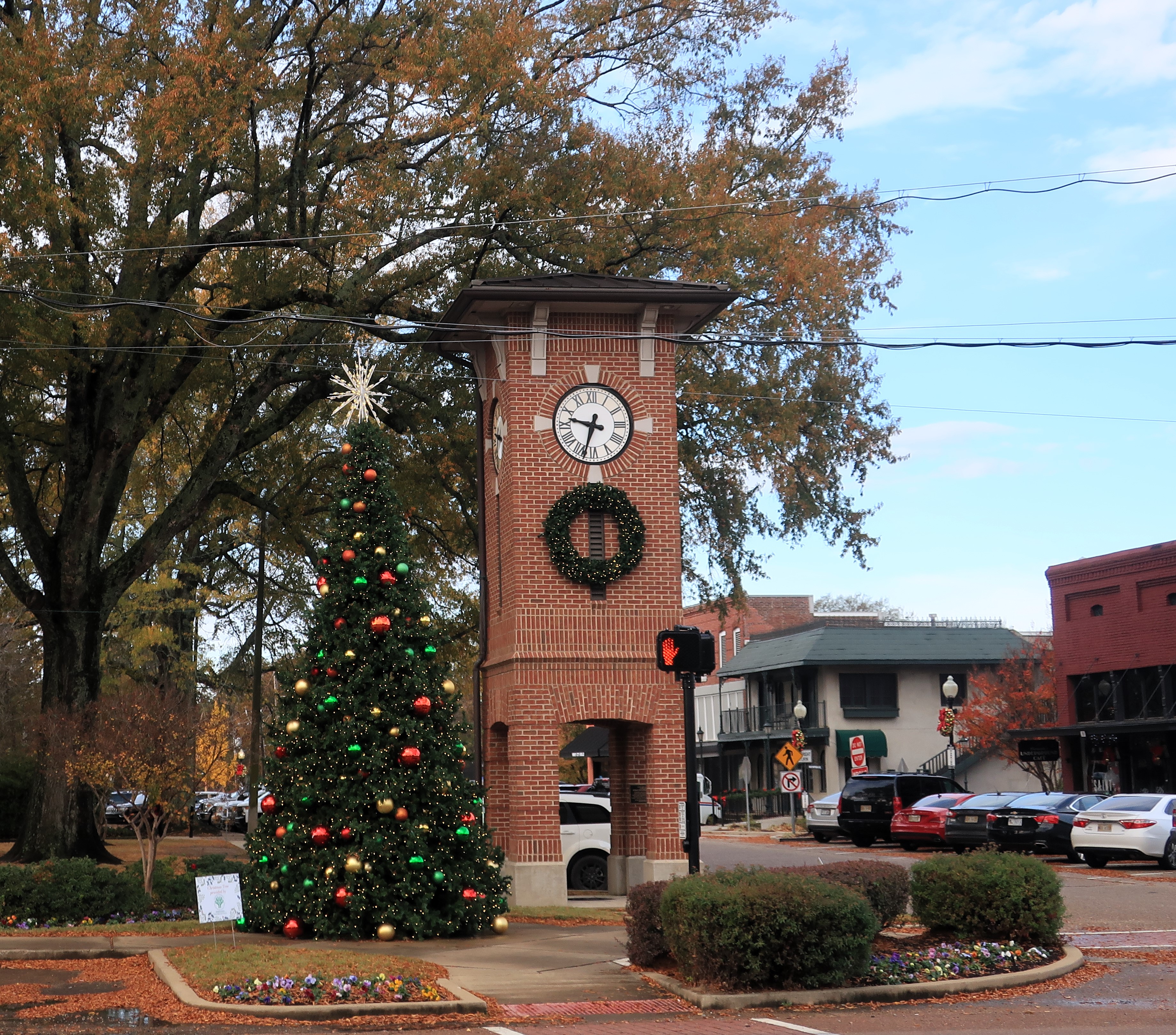
Hernando’s Courthouse Square is already decorated for Christmas and quite picturesque. In the photos below, the Christmas tree on the left stands on the street corner in front of the DeSoto County Courthouse. The buildings shown on the right and bottom are close by.

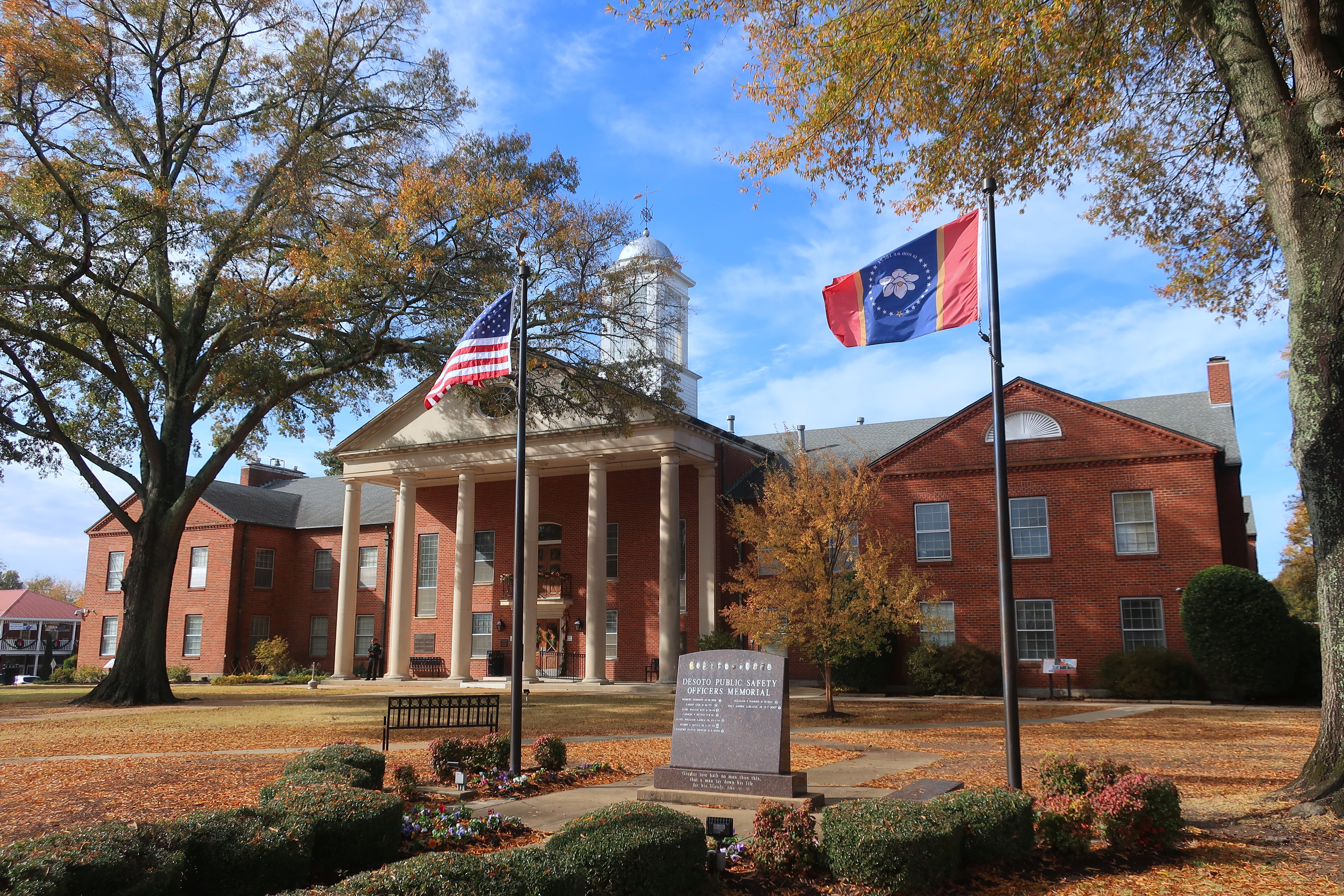
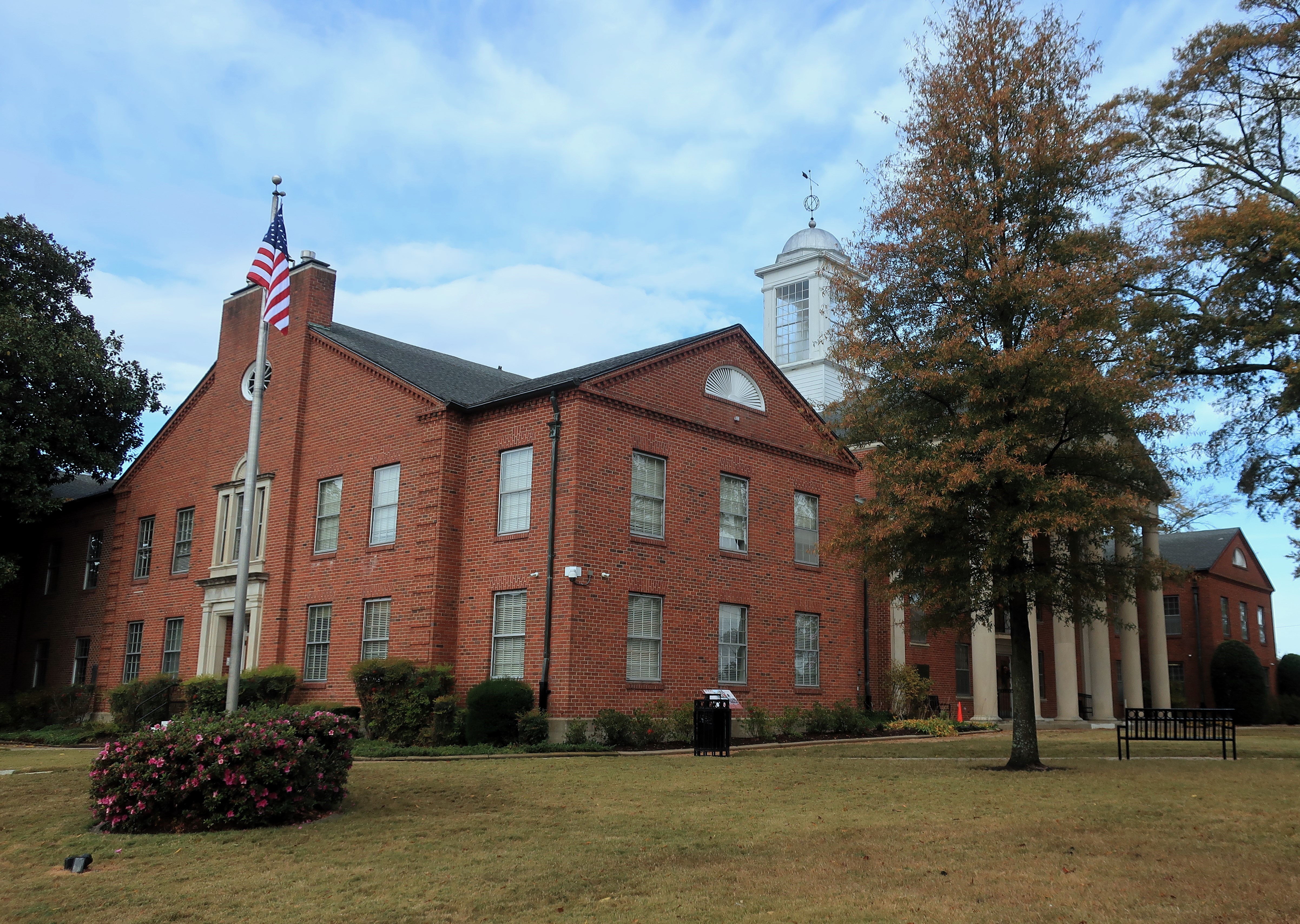
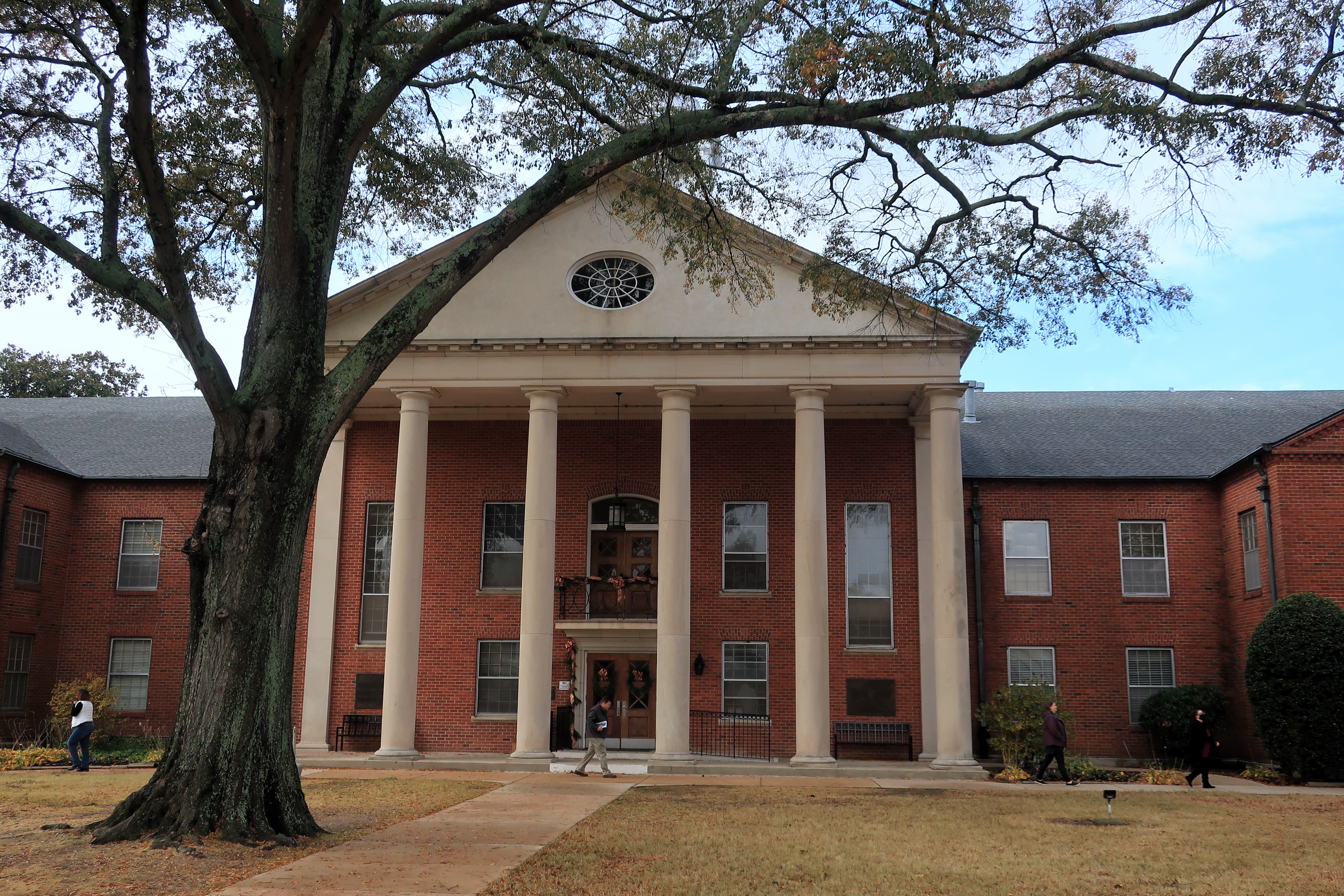
The trees surrounding the DeSoto County Courthouse (below) have lost enough leaves to create an orange carpet in front of the courthouse. Still, enough leaves remain to make for colorful photographs.

The DeSoto County Courthouse in Hernando, Mississippi.
The clock tower and Christmas tree stand on the corner of the courthouse grounds.

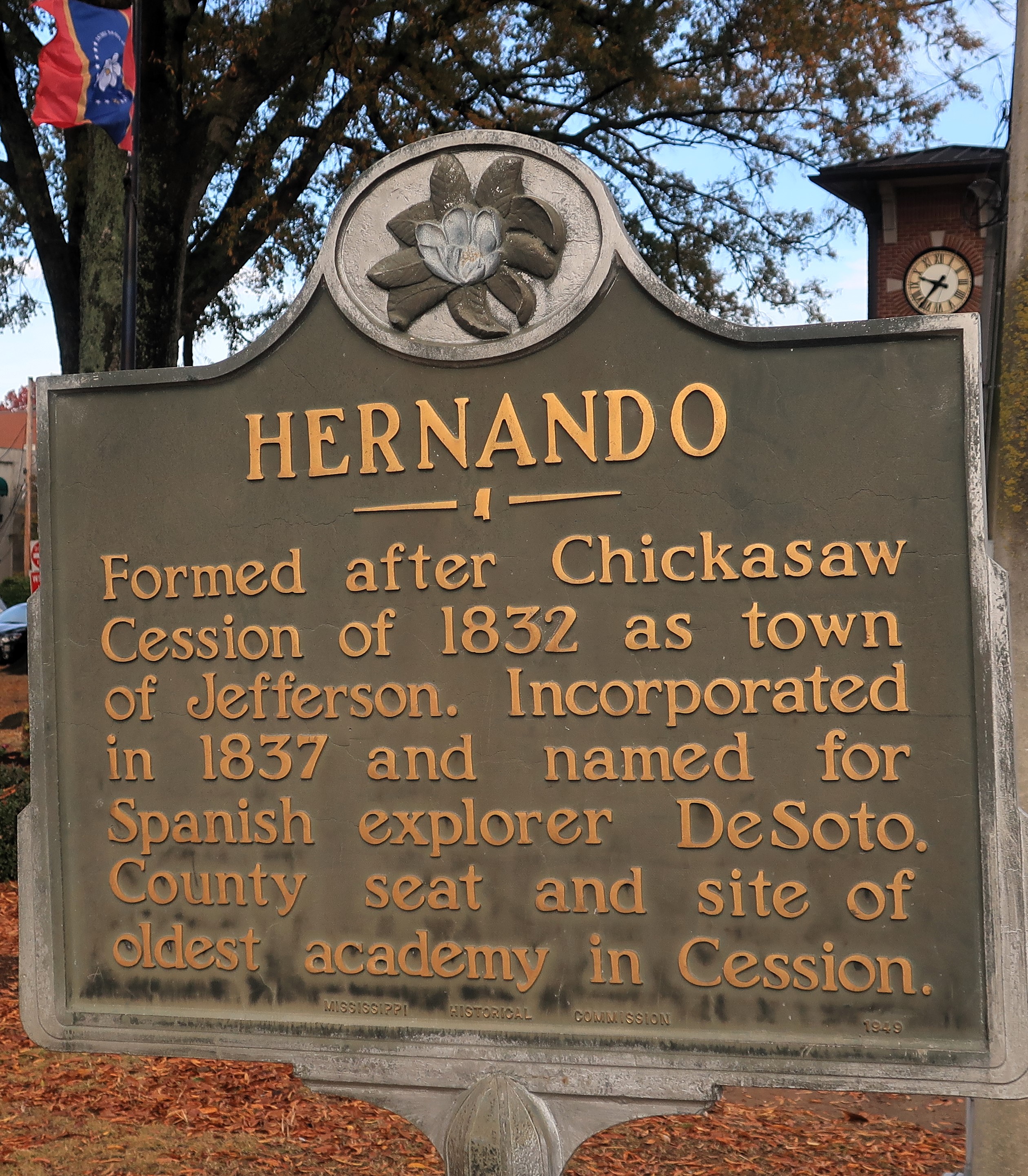
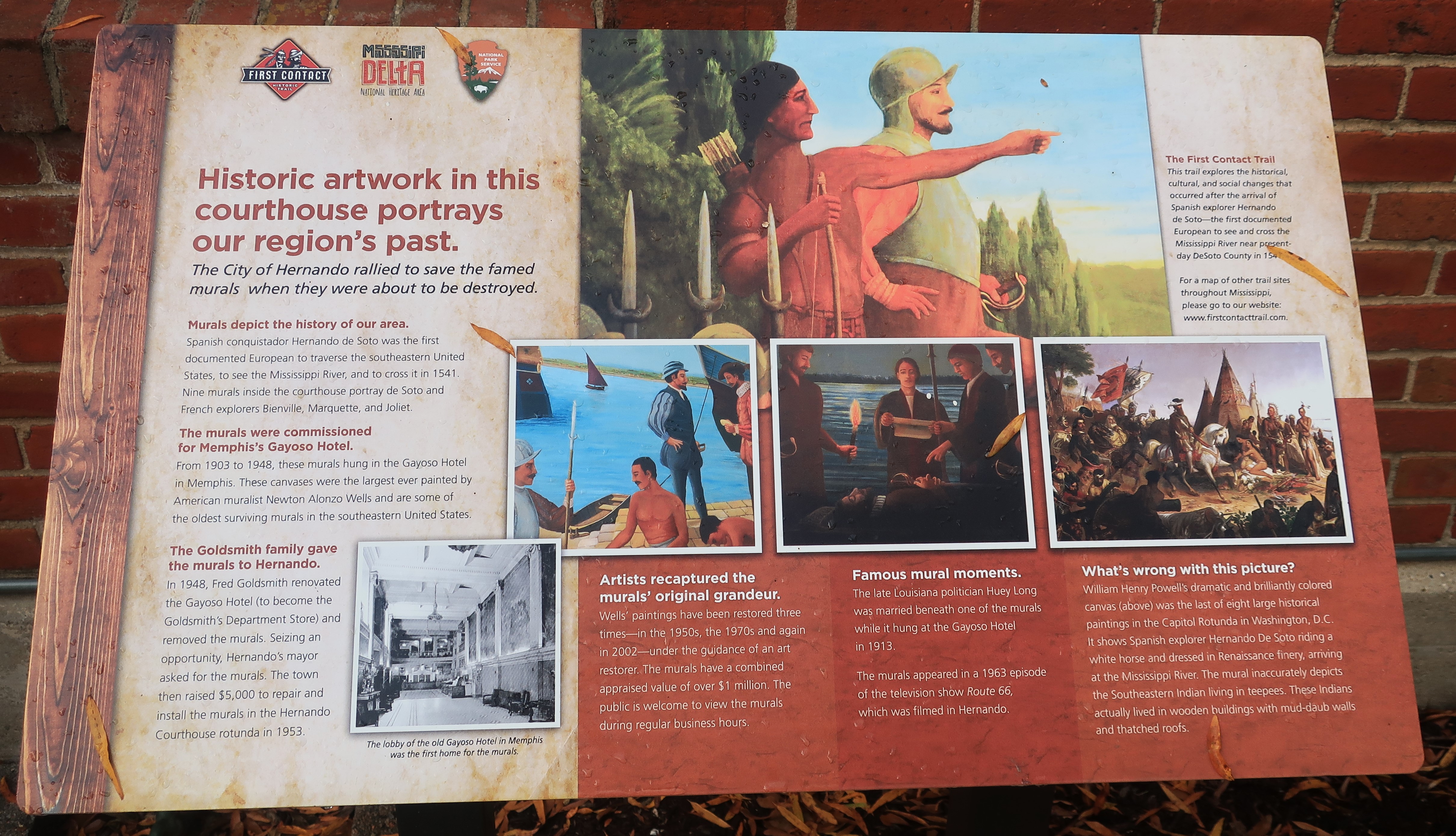
A historical sign near the courthouse entrance describes nine fascinating murals found inside the building. These murals depict the voyages of Spanish explorer Hernando de Soto in the southeastern United States, and they were initially created to be displayed at a luxury Memphis hotel. When the mayor of Hernando learned that the hotel was to be torn down, he purchased the murals and had them installed inside the courthouse.

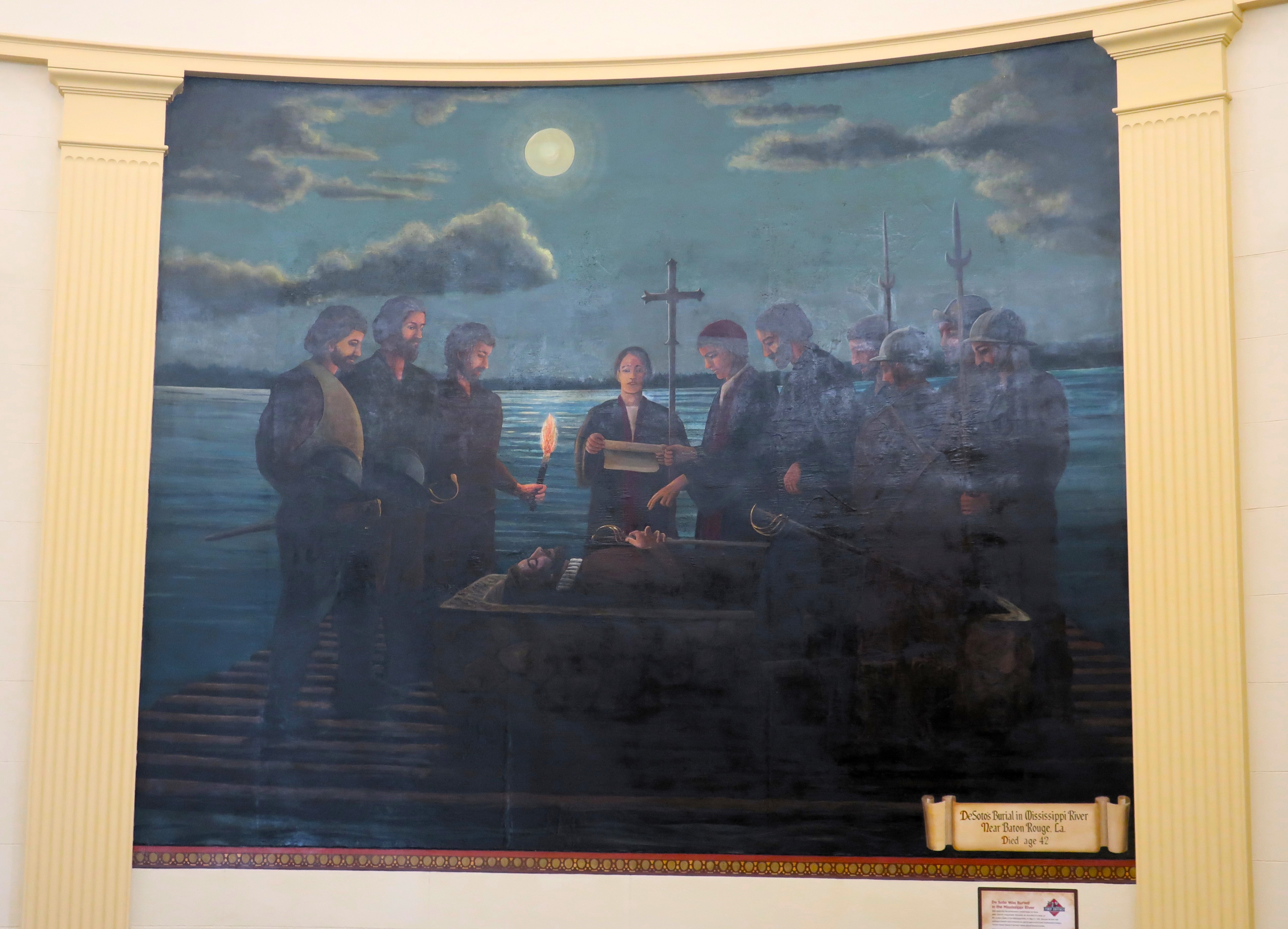
I was able to photograph two of these murals without interfering with trials in progress inside the courthouse. These two are shown below.

In 1541, Hernando de Soto became the first European to see the Mississippi River.
De Soto was buried in the Mississippi River near modern-day Baton Rouge, Louisiana. He died at age 42.

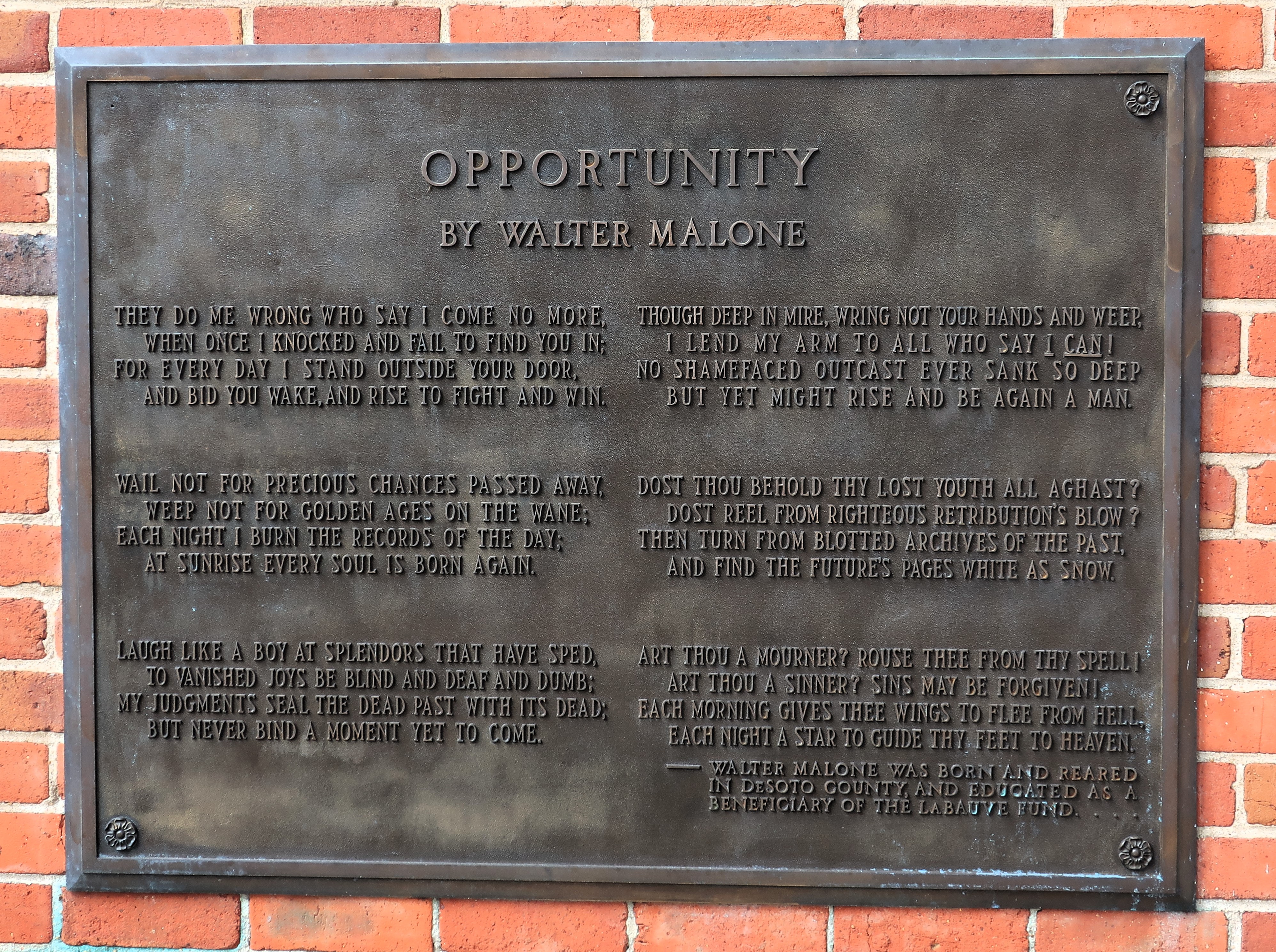
Finally, I saw some words of wisdom on a plaque attached to the courthouse walls. They come from Mr. Walter Malone, a native of DeSoto County, Mississippi, and are well worth your consideration.

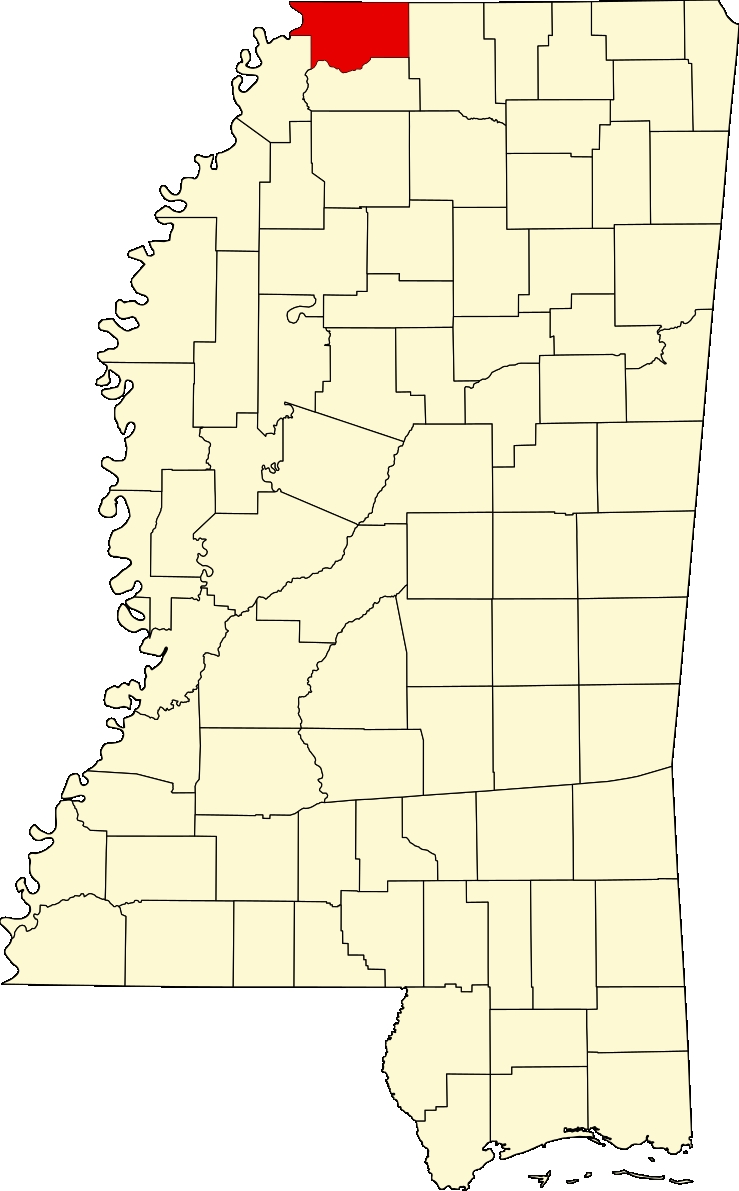
DeSoto County, Mississippi, is highlighted in red within a map of the state.

A list of all photo posts from the American County Seats series in TimManBlog can be found here. Photos in this post were taken by the author on November 18, 2021.

My hobby is traveling to America’s county courthouses. Each month, I post about a visit to a scenic or exciting county seat. It’s a hobby, and donations are greatly appreciated to help cover my costs.

Donations to TimManBlog

Use this form to make donations to support this site. Paypal, Visa, Mastercard, Amex, and Discover cards are accepted. Donations can be made in increments of $5.00; increase the number of units to increase the donation amount.

$1.00

Take a look at the FREEDOM VOYAGES series! These pictorial travelogues follow my road trips throughout the United States. The travel books feature hundreds of brilliant photographs and are now available from both Amazon and Barnes & Noble. I just released FREEDOM VOYAGES Volume 4: Christmastime in Texas!

FREEDOM VOYAGES Volume 4: Christmastime in Texas. Available at Amazon.com and Barnes & Noble.

FREEDOM VOYAGES volumes 1 through 3 are also available from both Amazon and Barnes & Noble:
FREEDOM VOYAGES Volume 1: North-Central North Dakota;
FREEDOM VOYAGES Volume 2: Go West! From the Loneliest Road in America to California’s Gold Country;
FREEDOM VOYAGES Volume 3: A Proud, Dignified People in Lincoln’s Illinois.

Exploring Hudson, Wisconsin: Scenic Views and Local History

October 30, 2024 — photos and memories from my visit in October 2010.
(Please consider supporting my travels with a donation via PayPal, Visa, American Express, Mastercard, or Discover by using the form at the bottom of the post. Thank you.)

The view from the St. Croix River bridge leading into Hudson, Wisconsin.

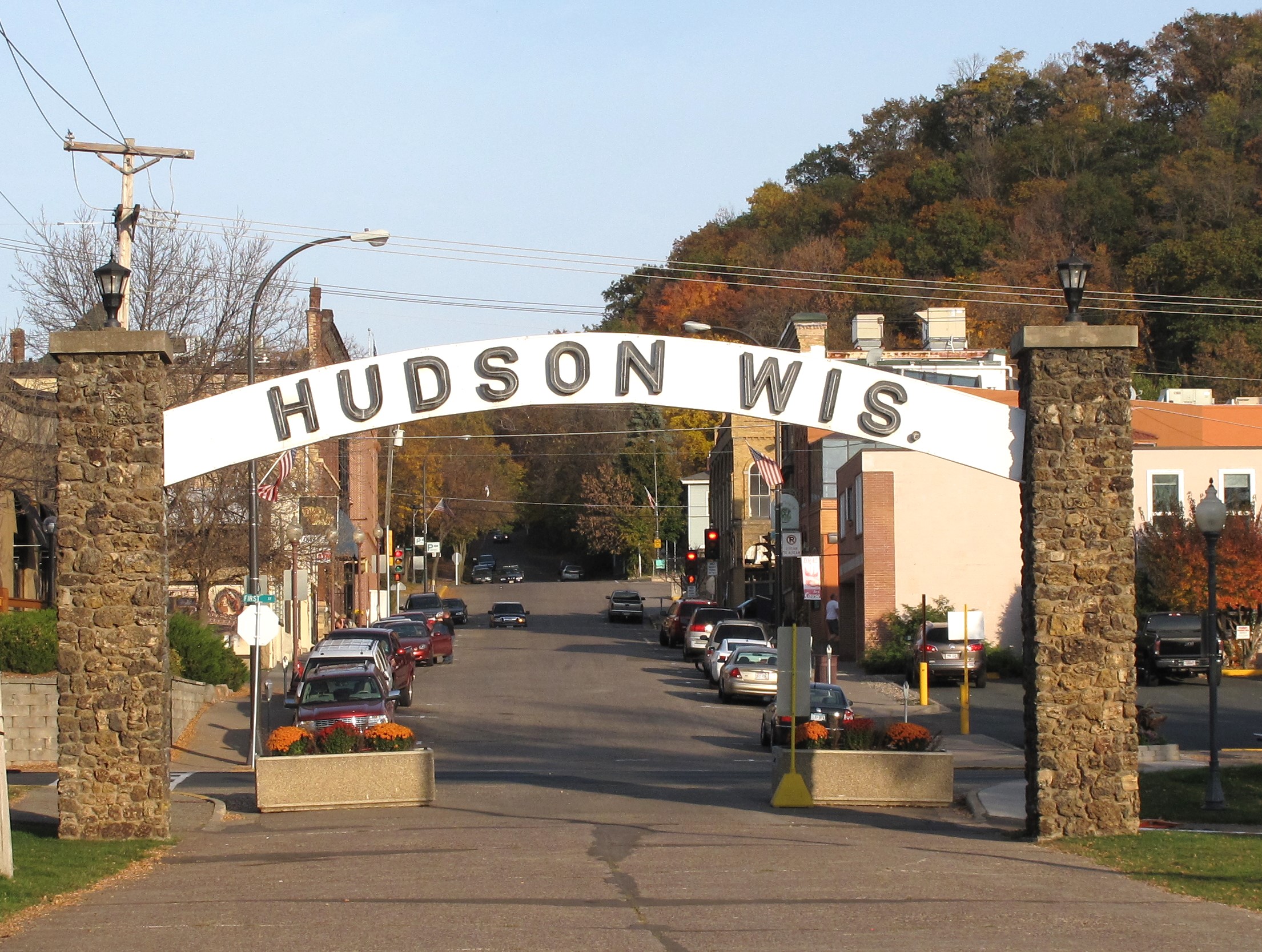
Welcome to Hudson, St. Croix County, Wisconsin! This prosperous little town is on the eastern bank of the St. Croix River, the boundary that separates Wisconsin from Minnesota. Minneapolis and St. Paul, Minnesota, are only 20 miles west of Hudson, so Hudson is close enough to commute to the Twin Cities. There are more Vikings fans here than Wisconsin Packers fans. You might call Hudson a refuge for those enjoying the Minnesota lifestyle without Minnesota laws.

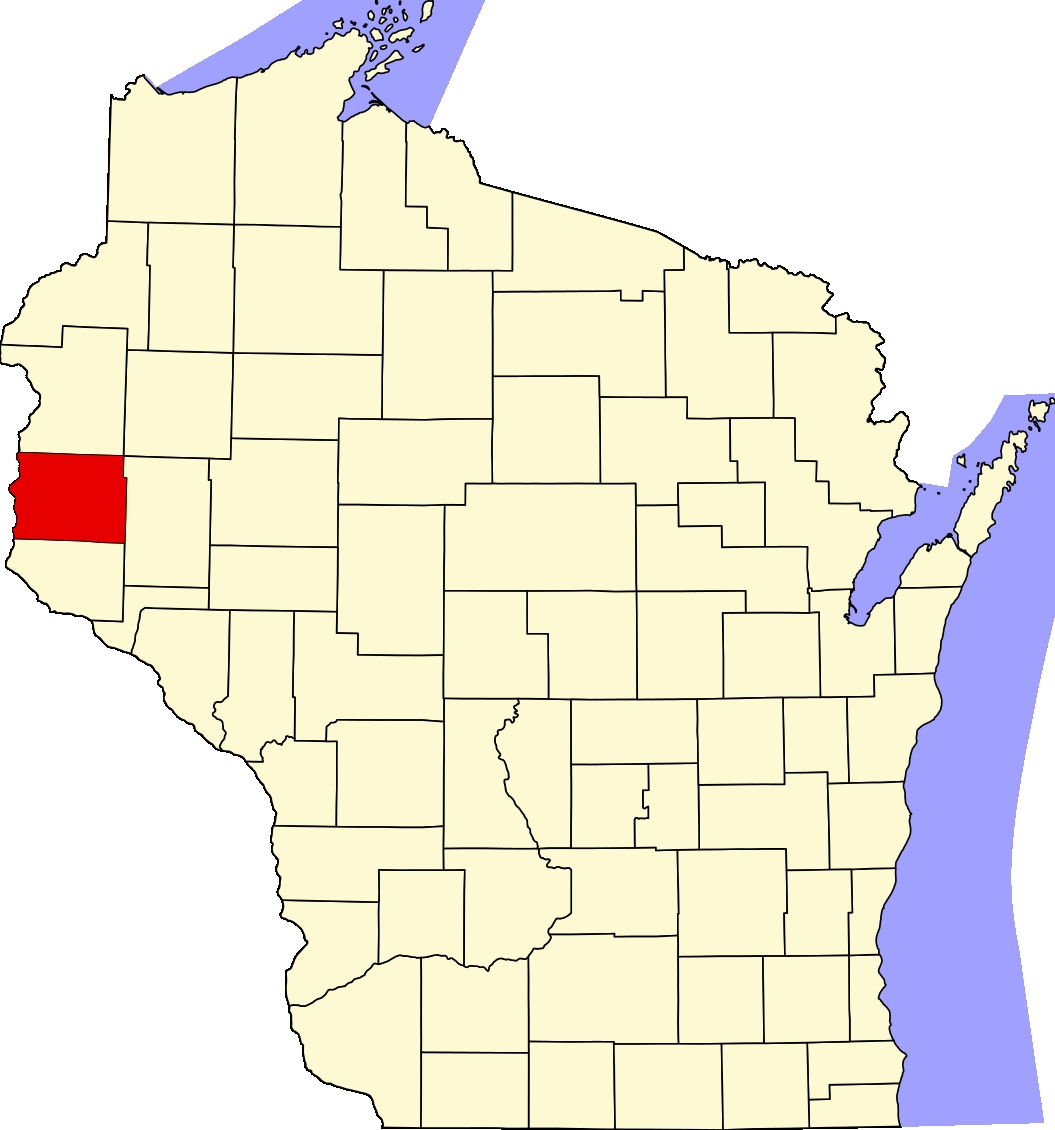
The location of St. Croix County is highlighted within the state of Wisconsin.

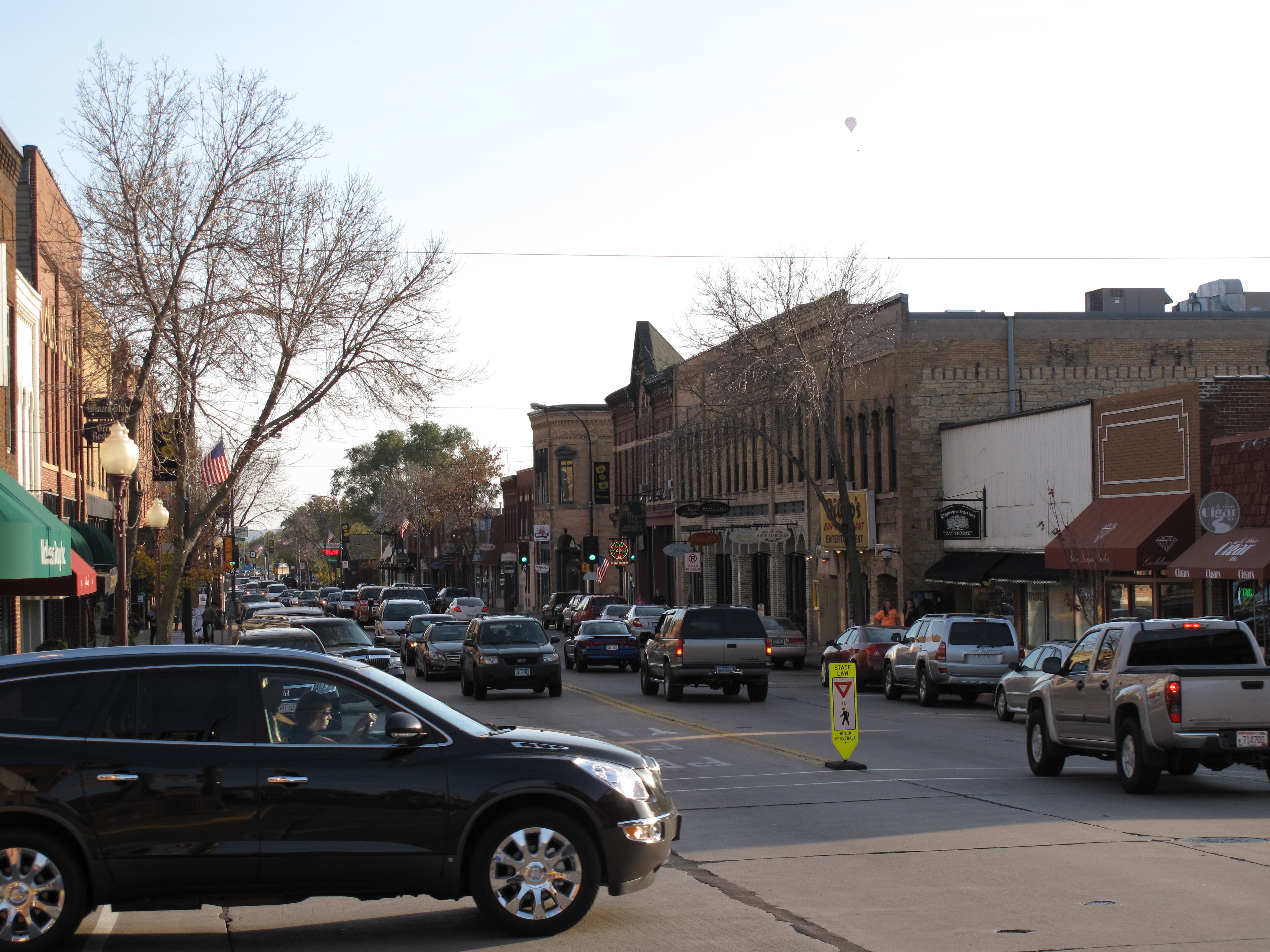
I arrived in town late on a Monday afternoon. The central street downtown is 2nd Avenue. It was packed with rush hour traffic that had just exited Interstate 94 from the Twin Cities area. Hudson’s population is around 14,000, enough residents to make a busy downtown area.

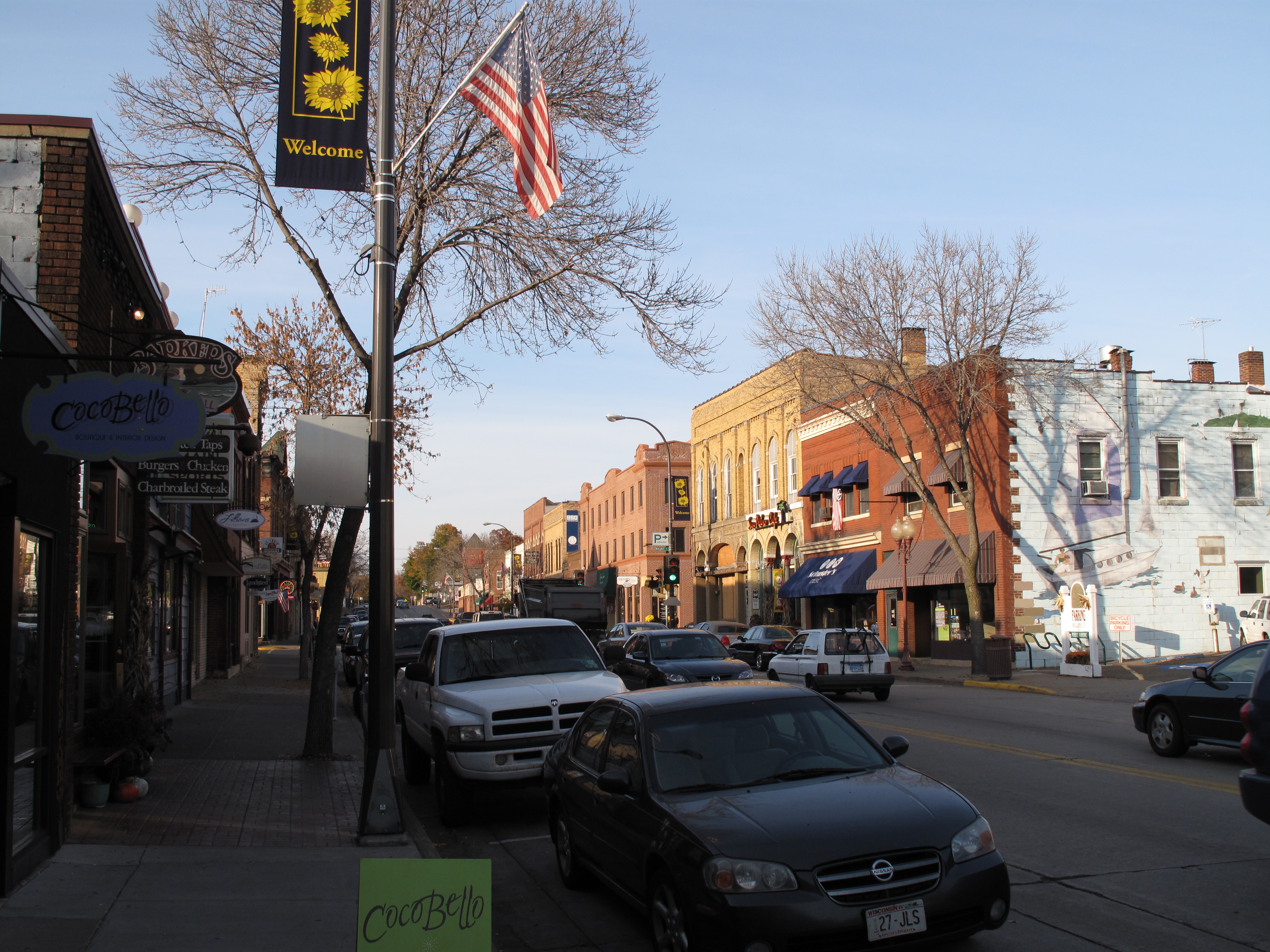
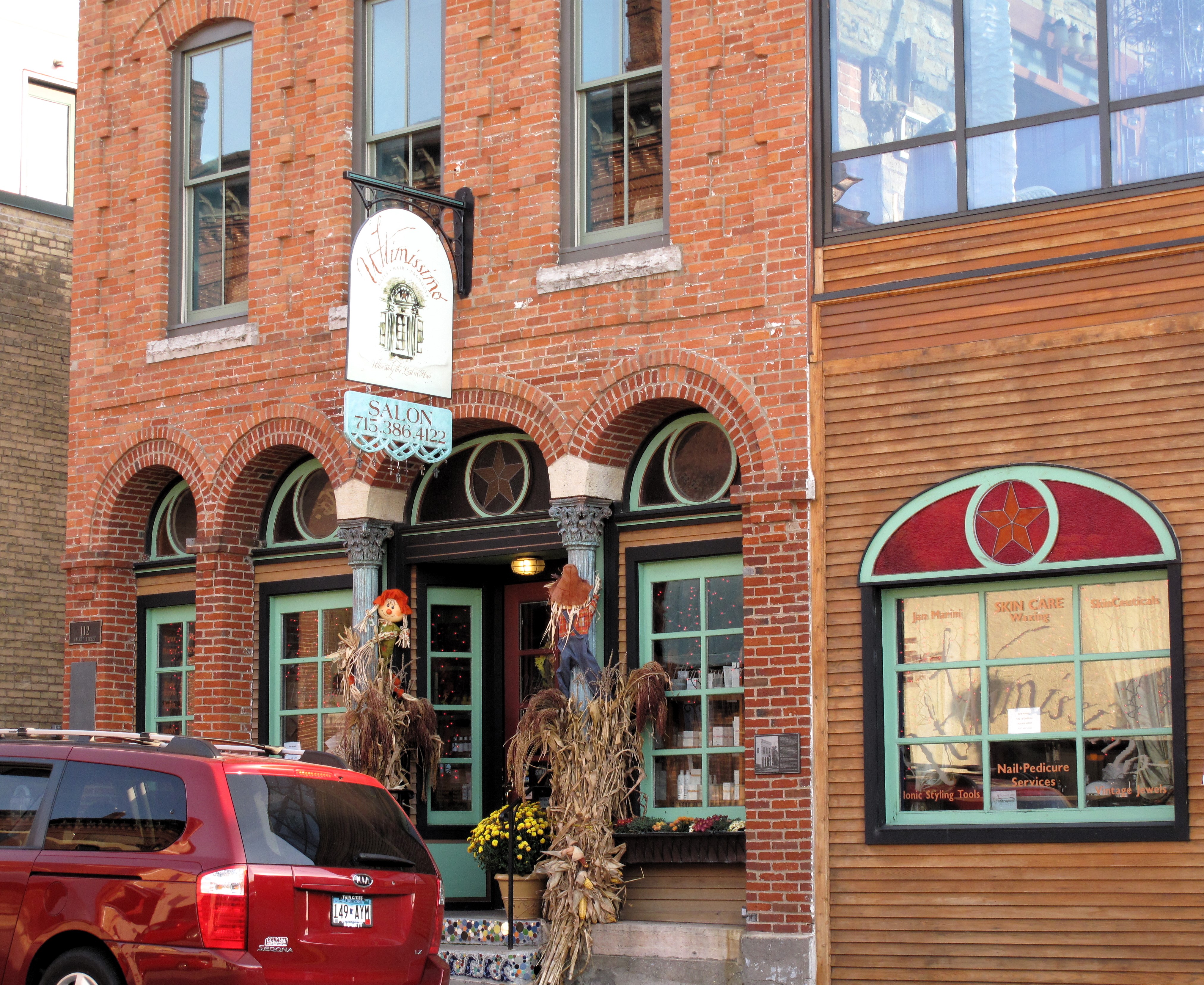
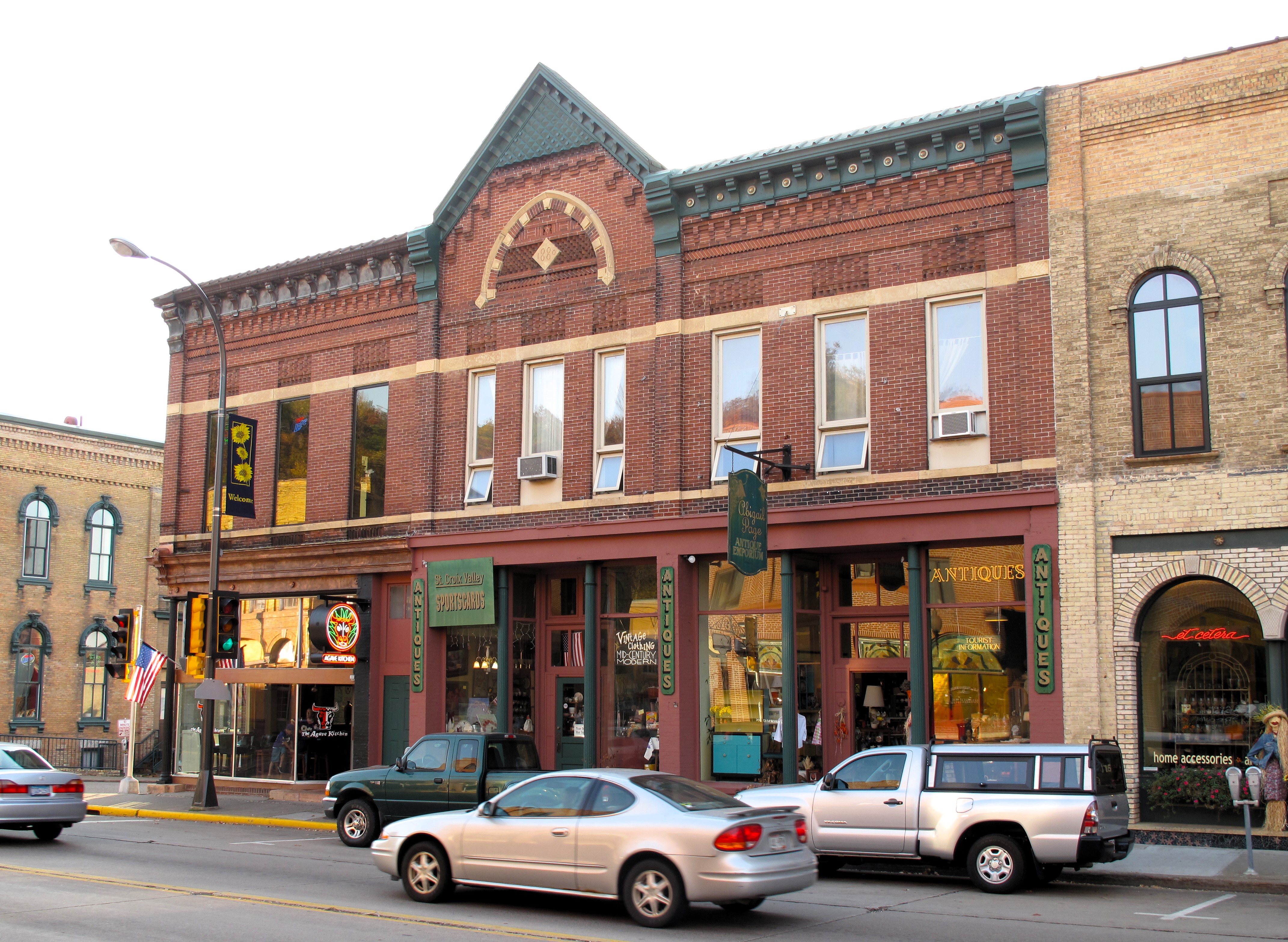
Hudson was settled in 1840 and grew with the lumber industry. Many of the town’s downtown buildings are red brick structures built in the late 1800s. These stately old buildings have been decorated for the harvest season and Halloween.

I saw a few excellent restaurants along 2nd Avenue. There was a very authentic-looking German place. Their special soup today was liver soup, so I chose to pass.

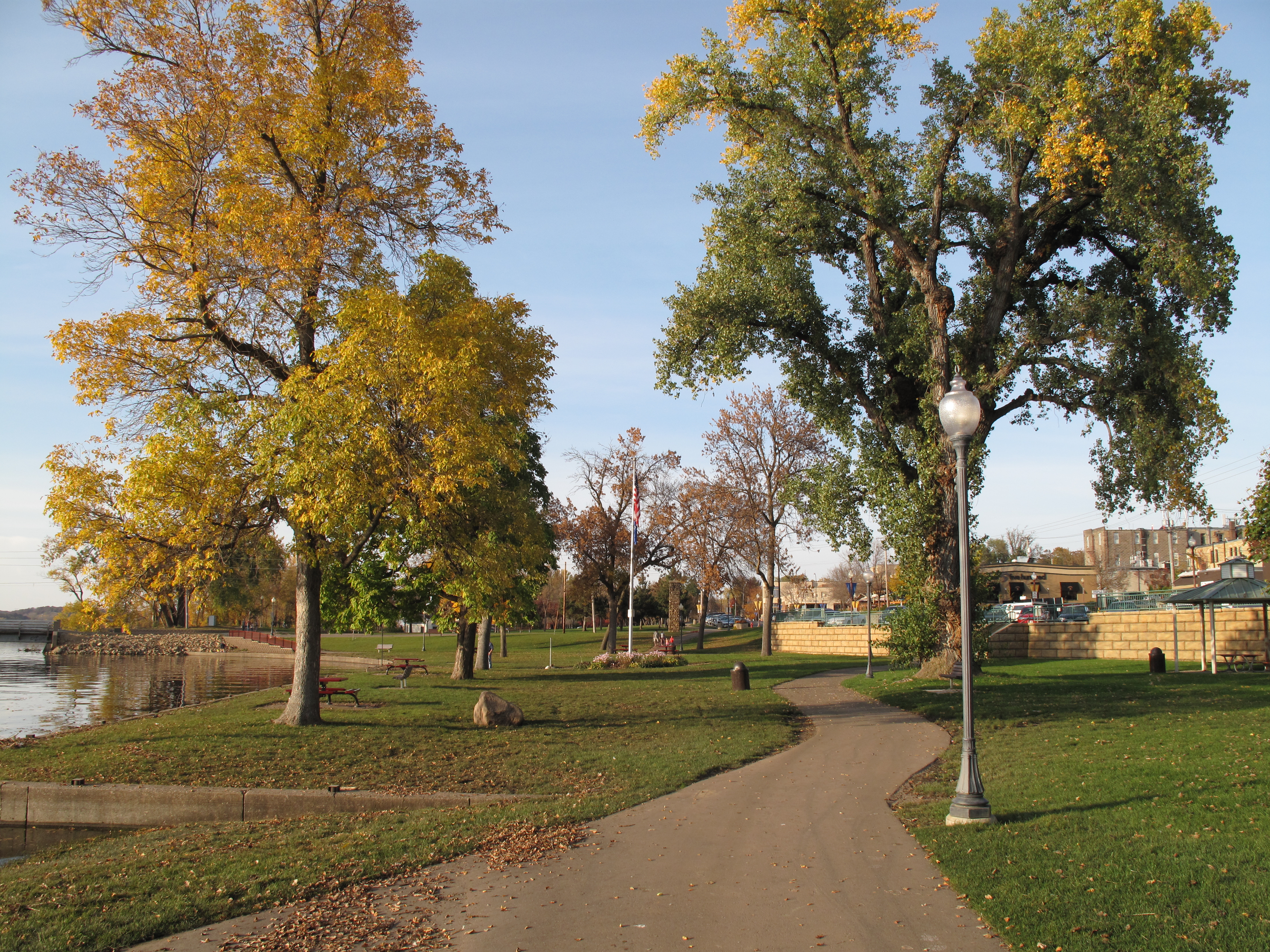
Putting off dinner for a while, I walked along Hudson’s St. Croix riverfront park area. Flowing north and south between Minnesota and Wisconsin, the St. Croix River spreads out as wide as a lake at this point. It then flows another 20 miles south to join the Mississippi River. Here are two photos of Lakefront Park along the St. Croix River:

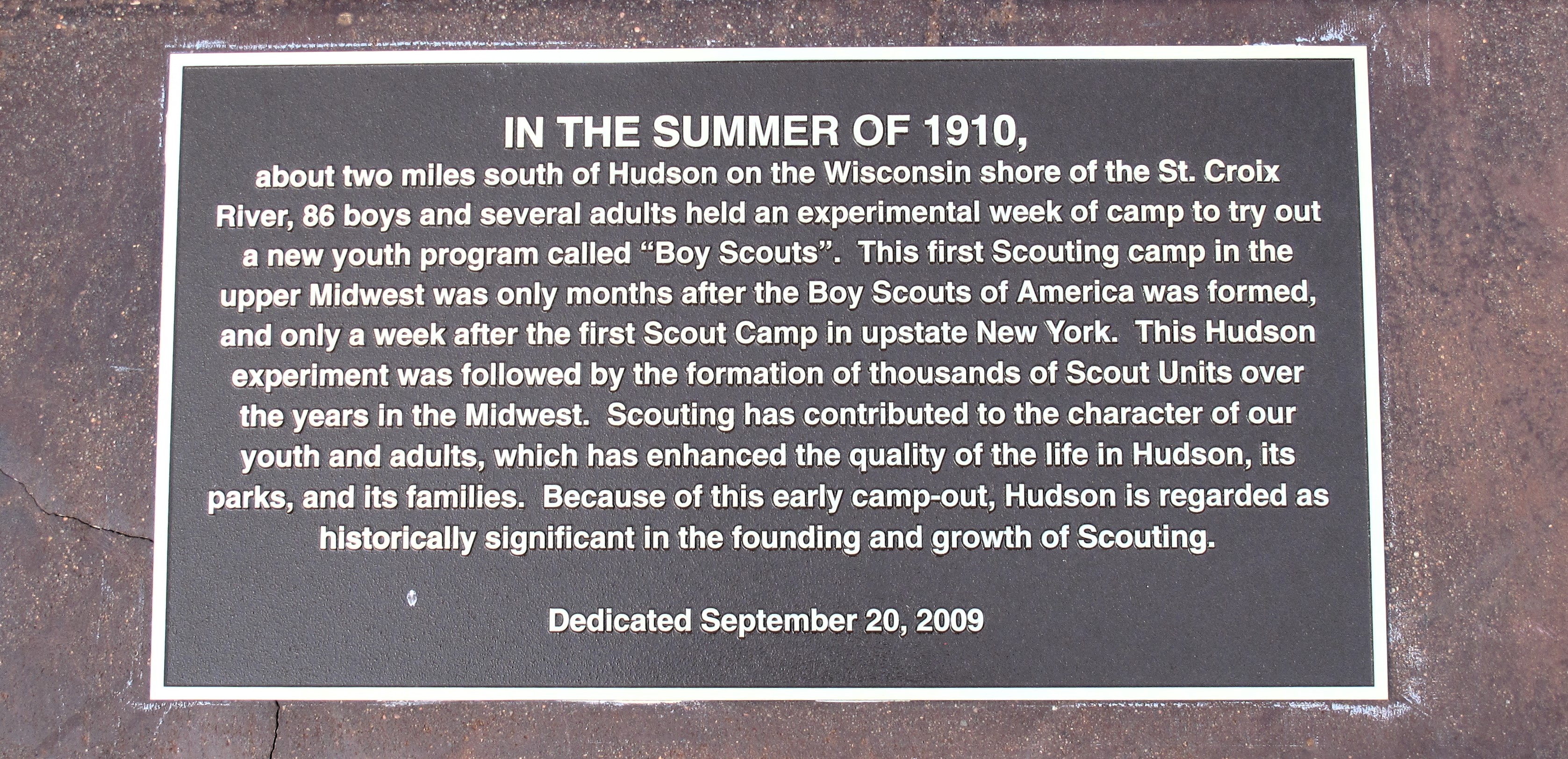
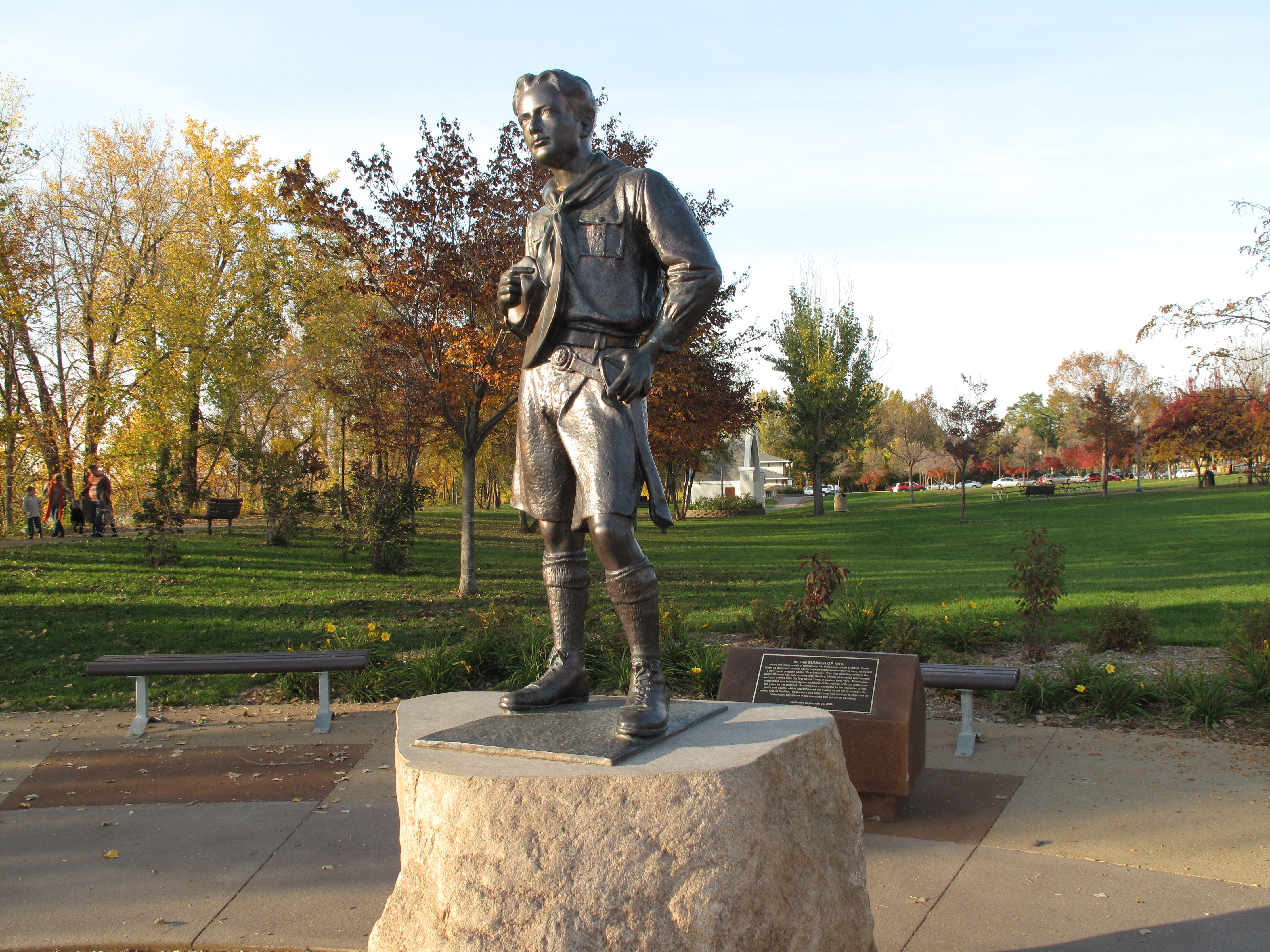
The park includes places for fishing from the old auto bridge, places to moor boats, and a memory of an early encampment of the Boy Scouts in 1910:

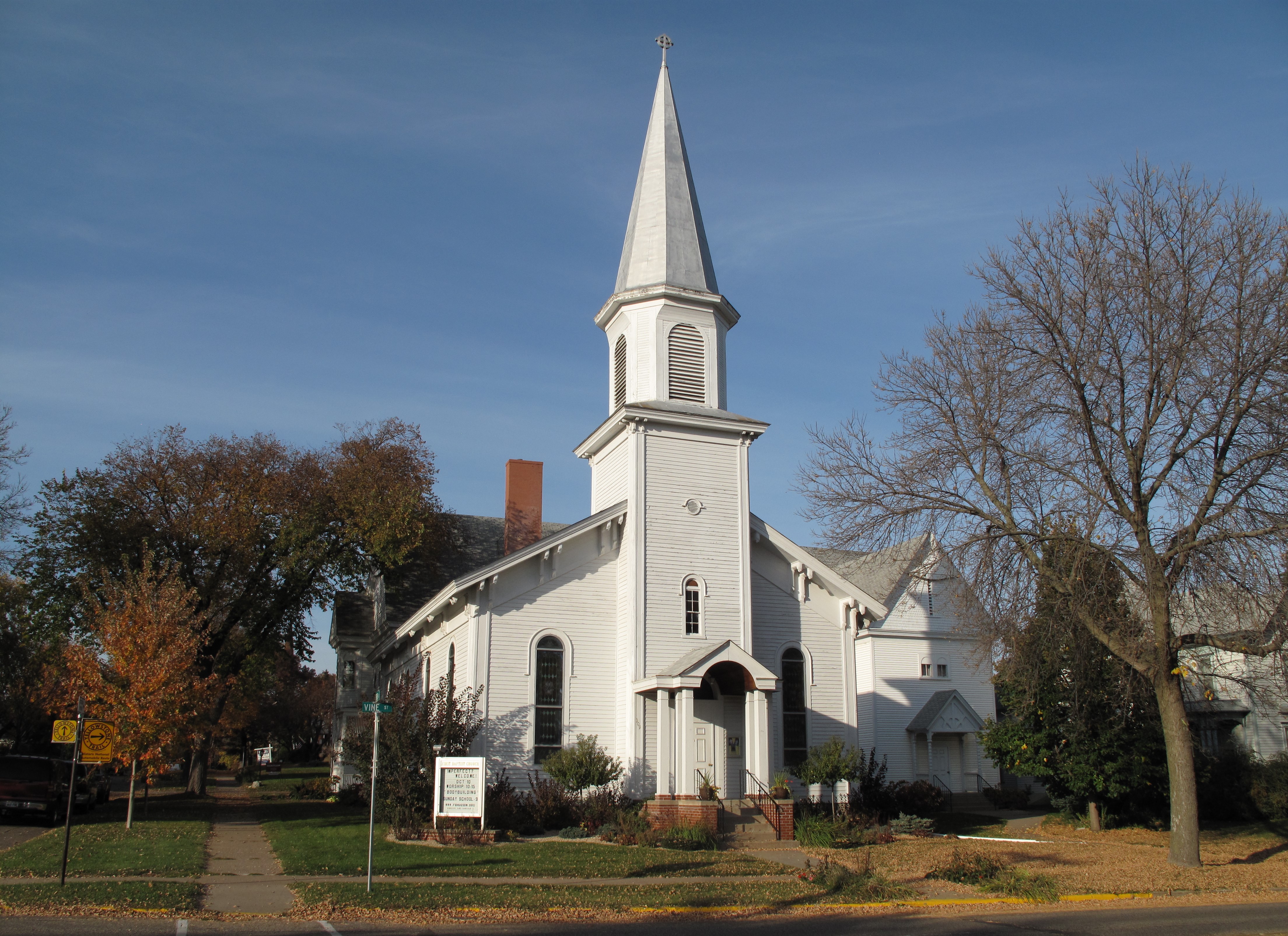
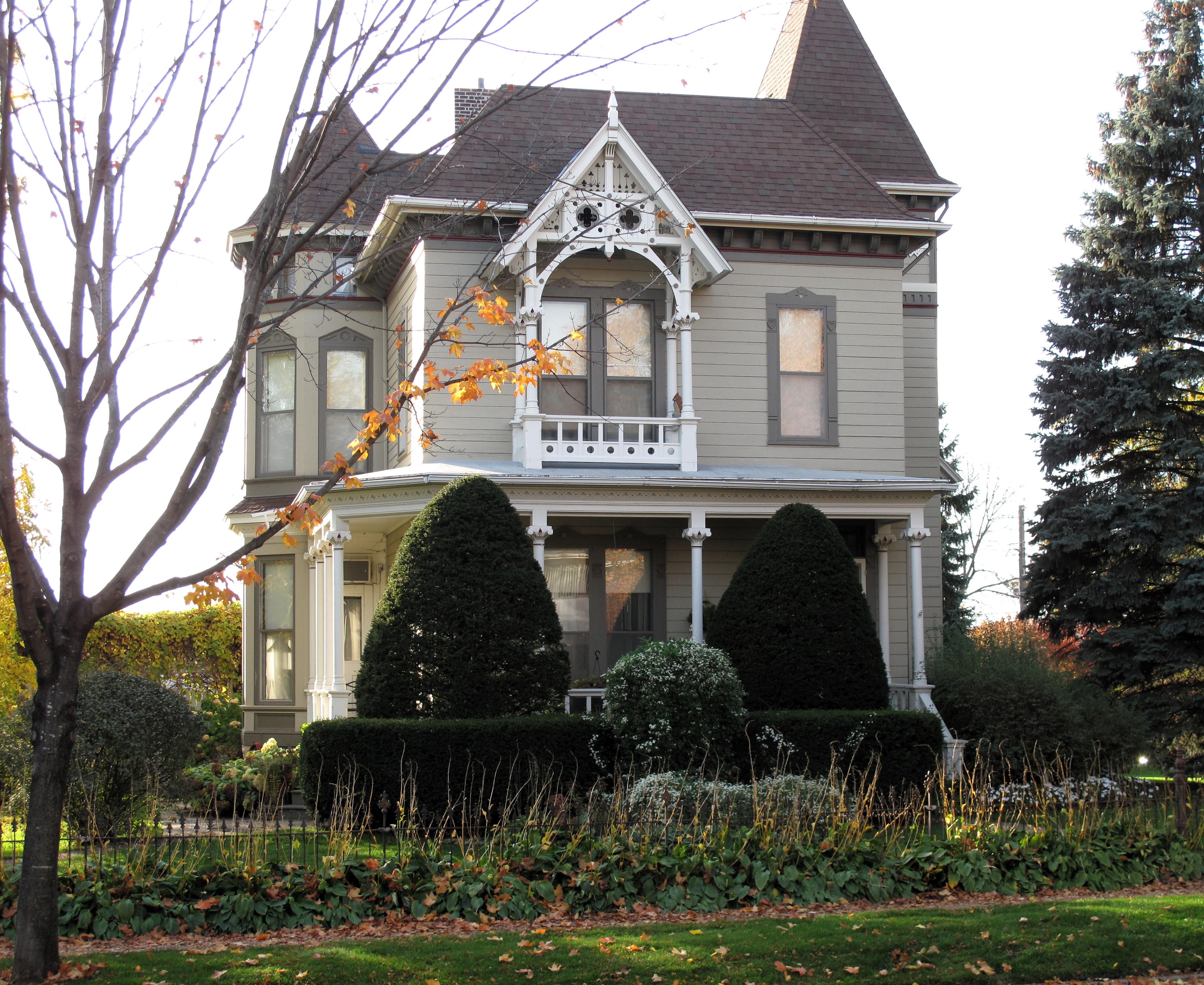
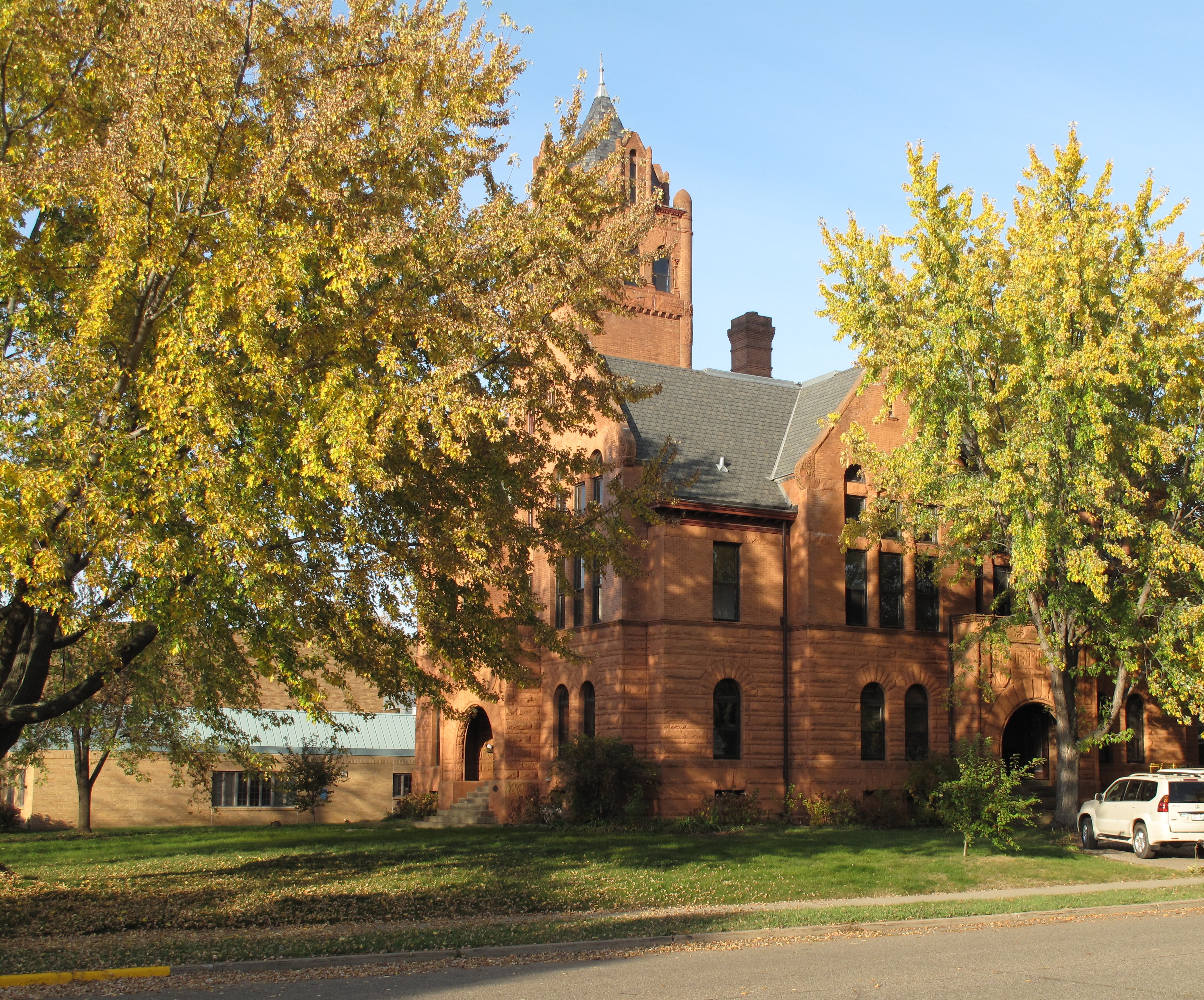
A few blocks from downtown, Hudson’s residential streets feature a collection of fine houses. They are situated behind wide sidewalks beneath grand shade trees. By now (October 10th), the trees have lost perhaps half their leaves, and those remaining are gold or red.

Below, clockwise from top left: a neighborhood church with a classic white steeple; a stately Victorian home; the old St. Croix County Courthouse and grounds; the same courthouse in greater detail showing its sandstone block construction and bell tower.

Before heading out of town the next morning, I stopped at the new St. Croix County Government complex on the outskirts of town. The new complex replaced the old county courthouse. Alas, new buildings so often lack the charm of the old classics.

The St. Croix County Courthouse in Hudson, Wisconsin.

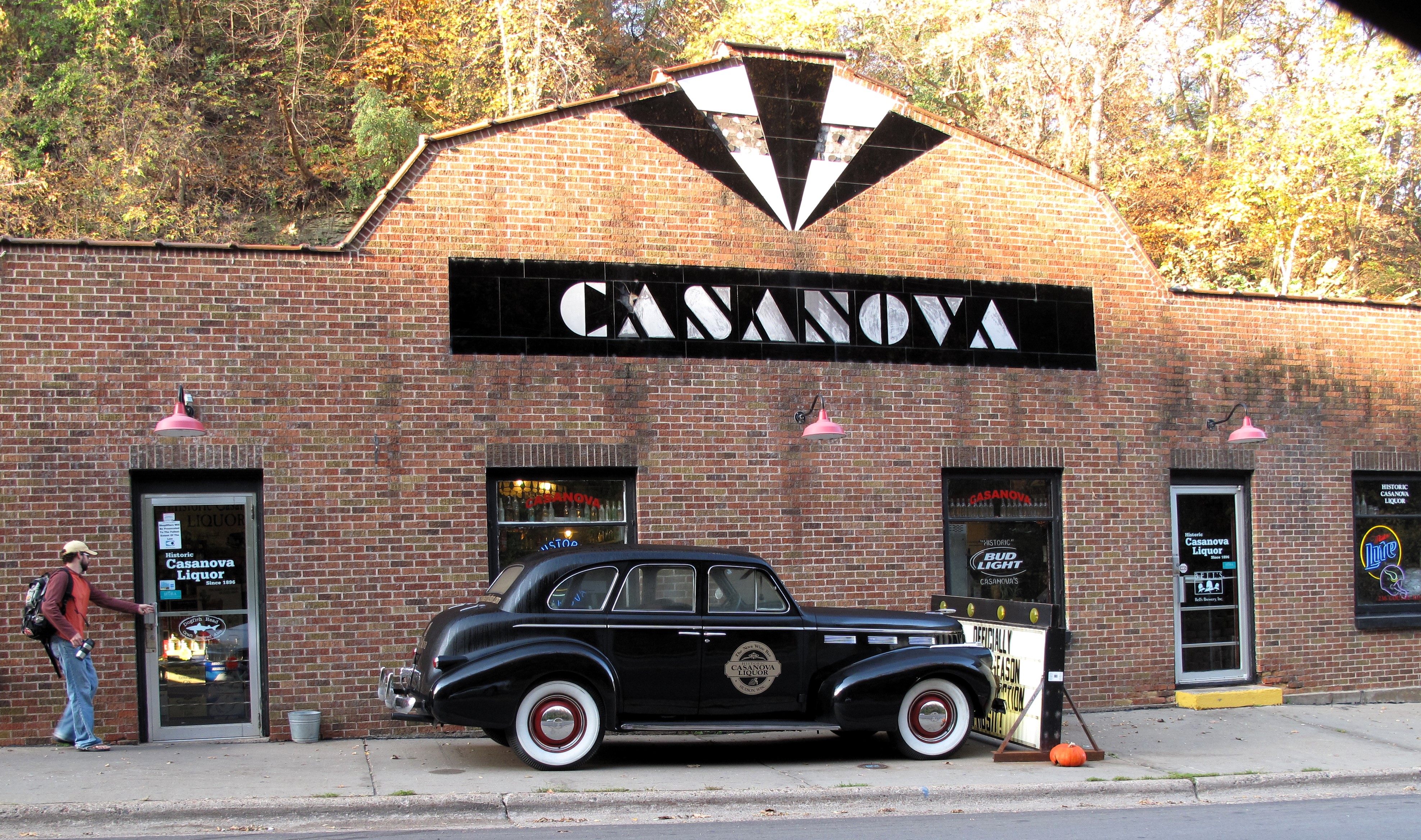
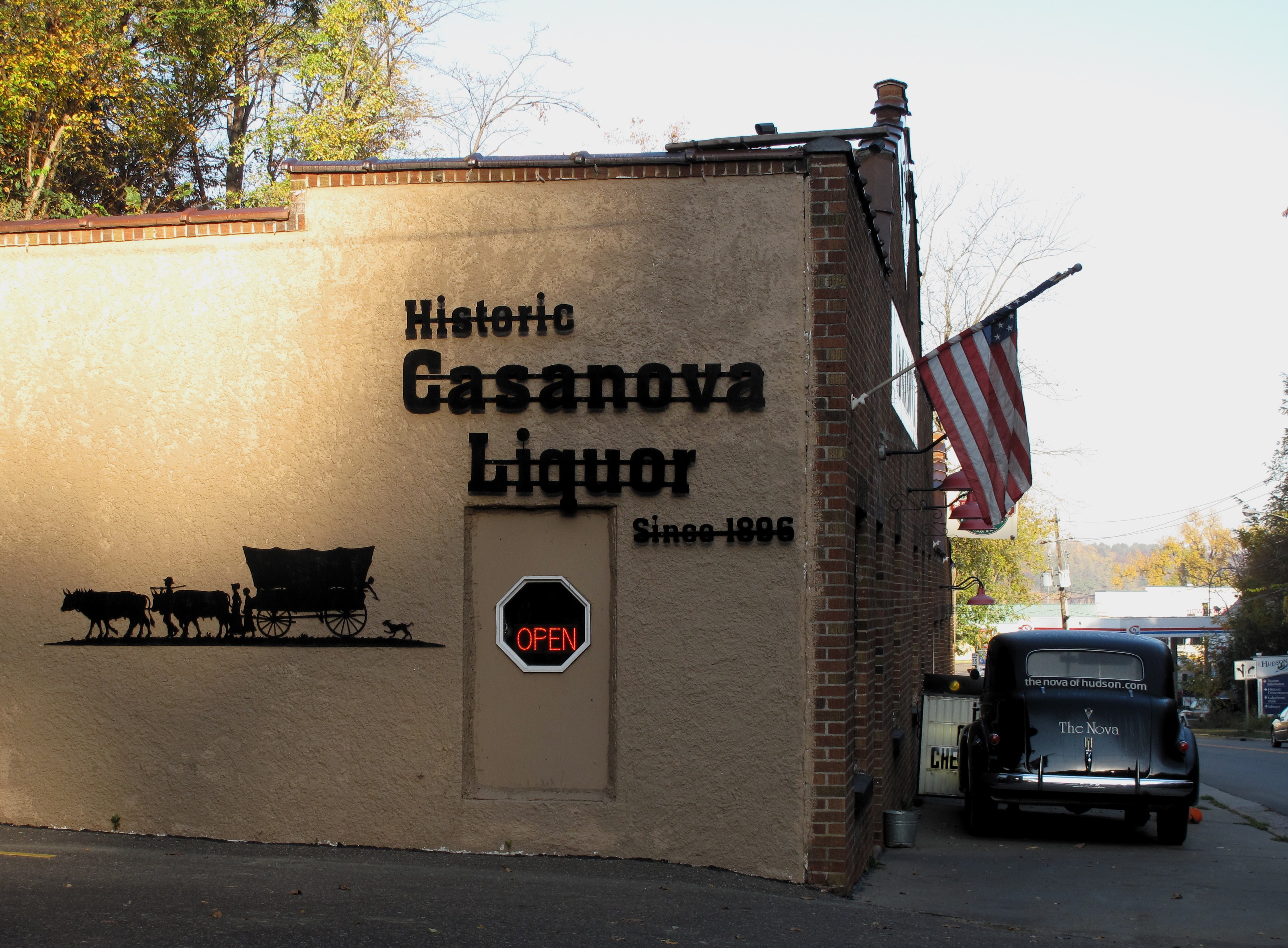
Finally, I passed an old Hudson landmark, the Casanova Liquor Store, established in 1886. The franchise grew out of an old family-owned brewery.


A list of all photo posts from the American County Seats series in TimManBlog can be found here. All photos were taken by the author on October 11th and 12th, 2010.

My hobby is traveling to America’s county courthouses. Each month, I post about a visit to a scenic or exciting county seat. It’s a hobby, and donations are greatly appreciated to help cover my costs.

IMG_5429

Donations to TimManBlog

Use this form to make donations to support this site. Paypal, Visa, Mastercard, Amex, and Discover cards are accepted. Donations can be made in increments of $5.00; increase the number of units to increase the donation amount.

$5.00

Litchfield, Connecticut: ‘A Stop at Willoughby’

September 29, 2024 — photos and memories from my visit in September 2013.
(You can support this site with a donation via Paypal, Visa, Amex, Mastercard, or Discover by using the form at the bottom. Thank you.)

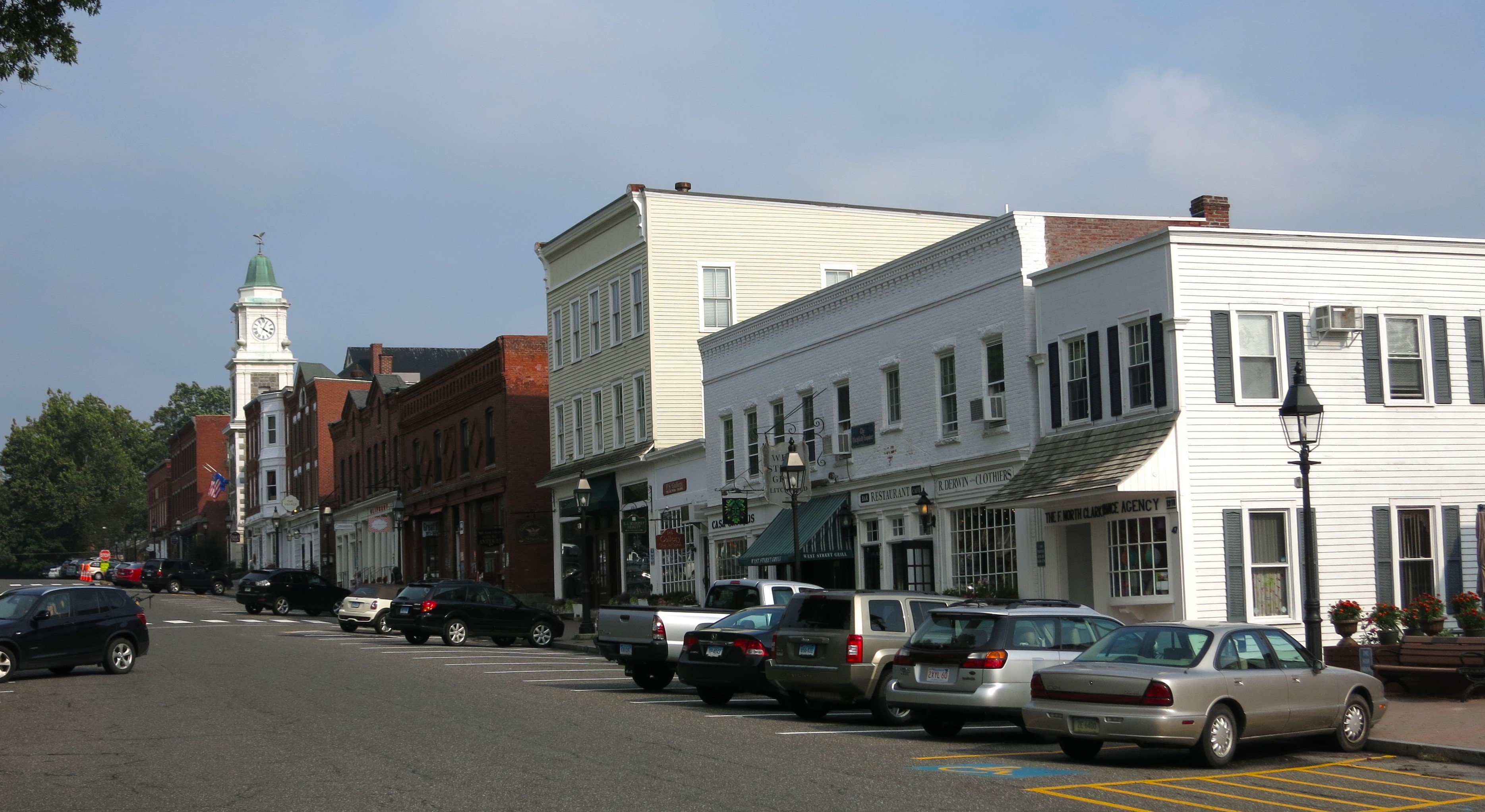
The state of Connecticut is often seen as a congested place wedged between the big cities of New York and Boston that absorbs the excess population from both cities. However, some areas in Connecticut have retained their historical charm, resembling how they looked a century ago. Litchfield is one such place; its old town center retains the New England charm of a village green surrounded by old churches and short blocks of small businesses.

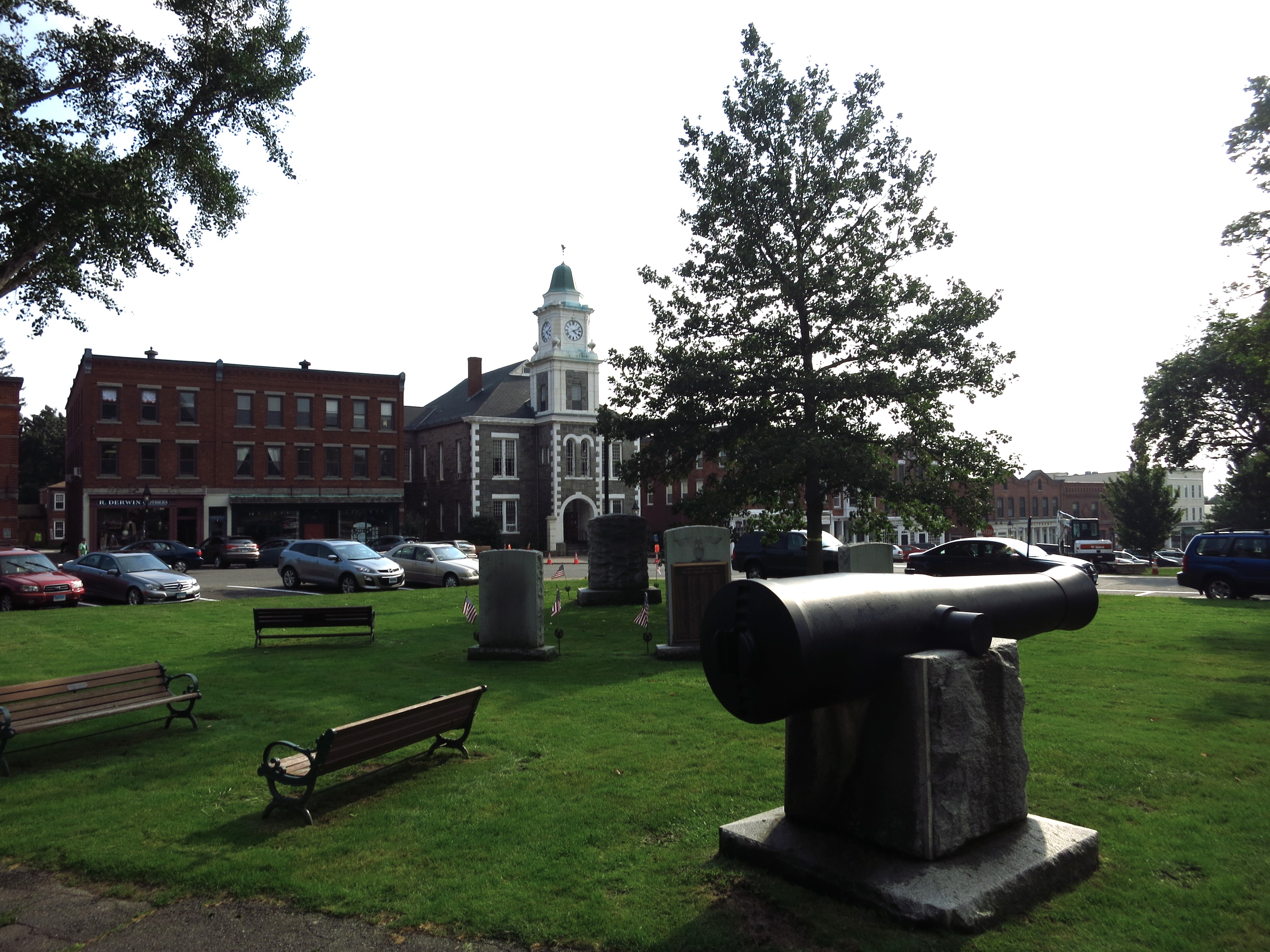
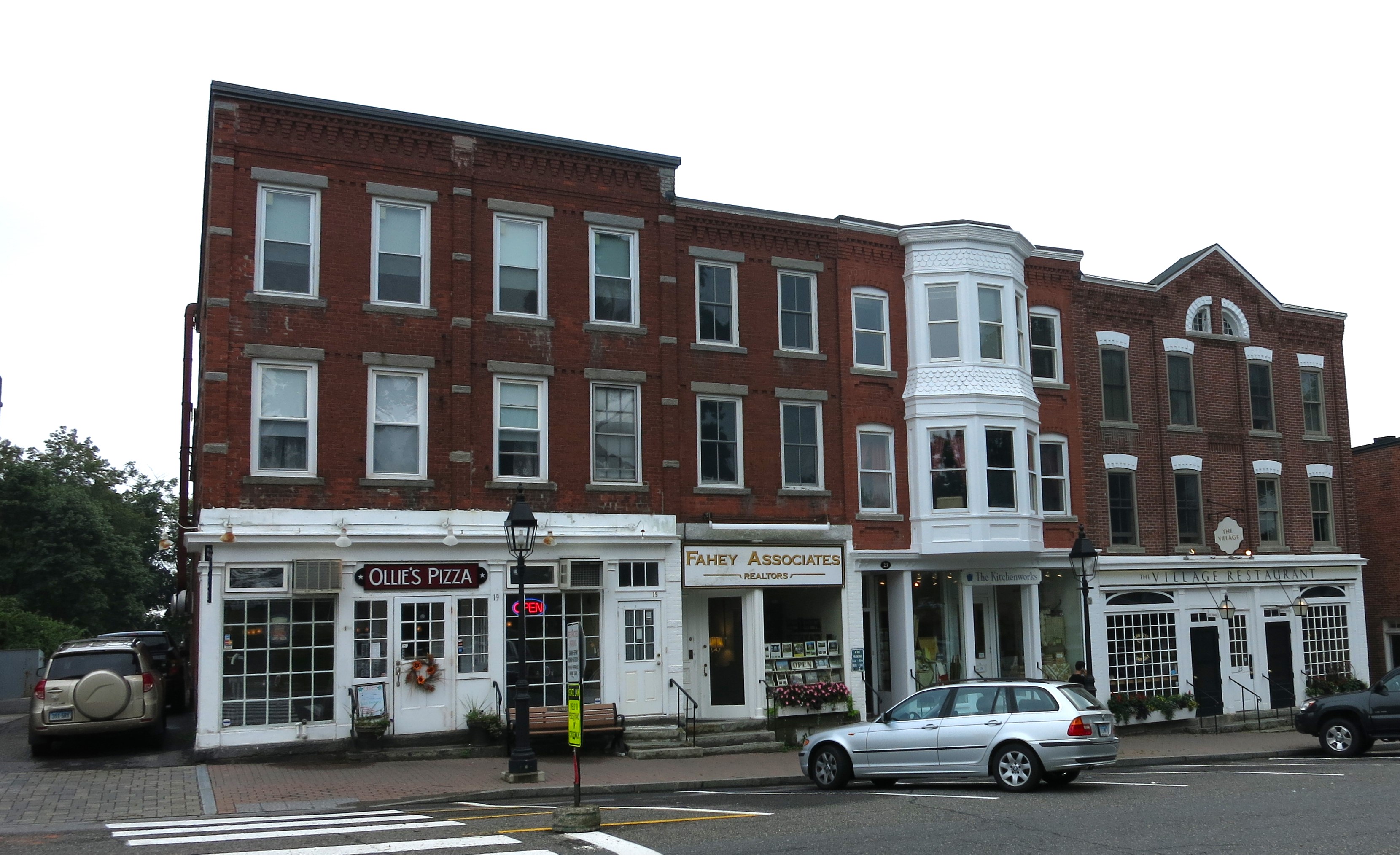
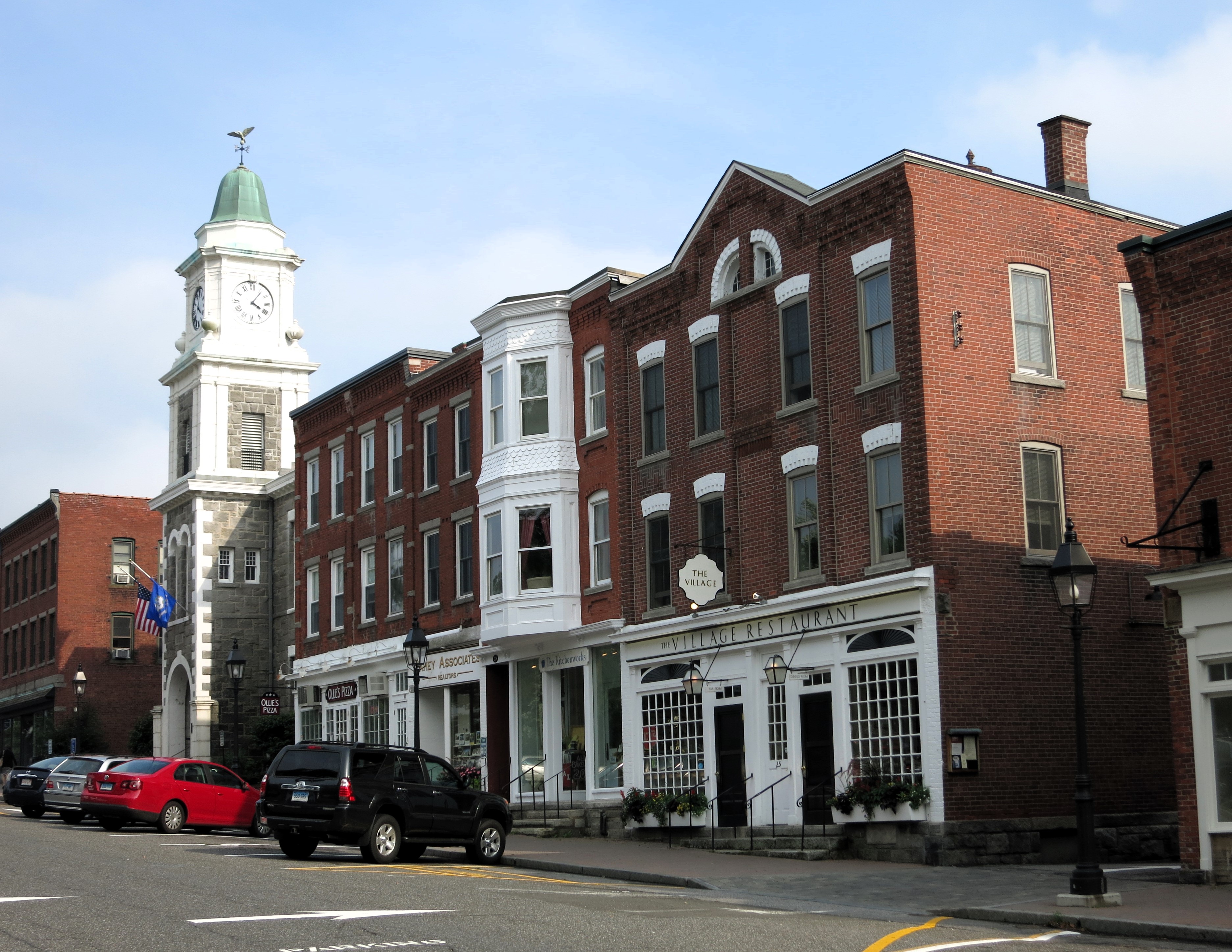
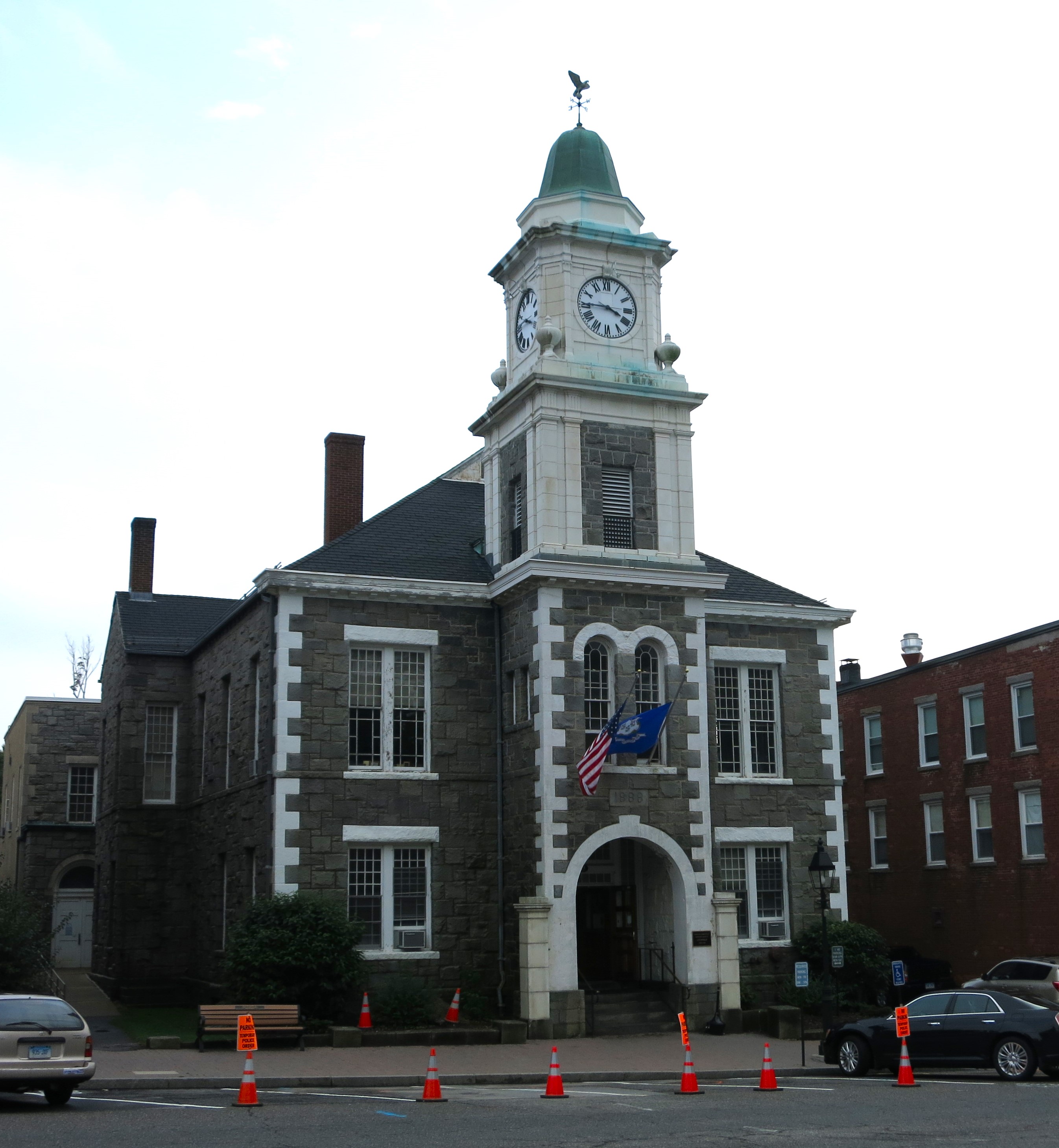
Litchfield’s “main street” is a row of small business buildings leading up to the old courthouse.
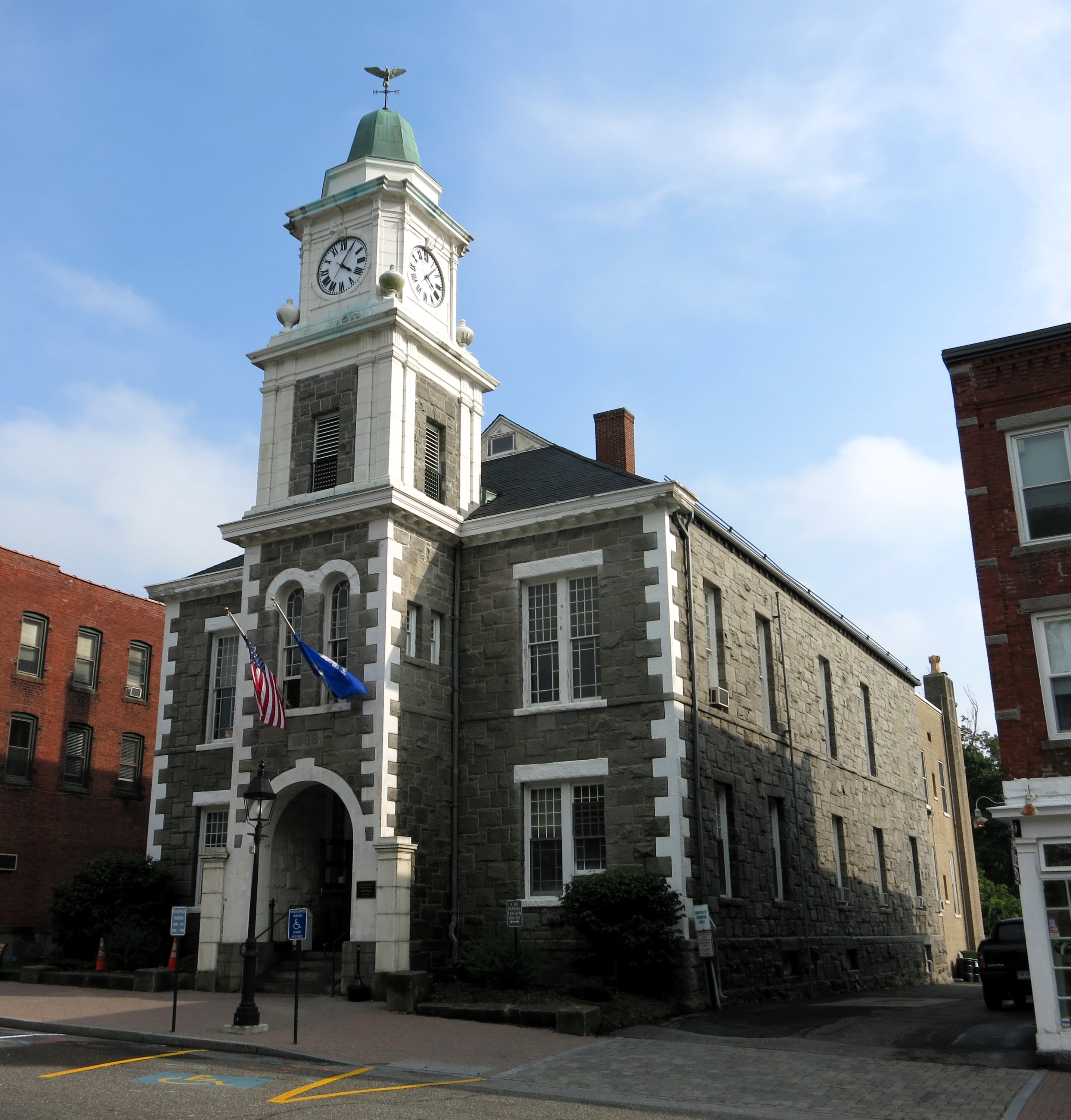
The old Litchfield County Courthouse.

When I parked the car in Litchfield, I was reminded of the quiet little town featured in “A Stop at Willoughby,” an episode of the 1950s Twilight Zone television series. In that episode, a stressed New York advertising executive dreams of peaceful small-town life in New England.

Each night, after a manic day at his “push-push-push” Manhattan job, the harried ad executive would fall asleep on the train ride home. Each time he nodded off, he would dream that the train passed the idyllic town of Willoughby. Willoughby had the tranquil pace of the 1890s — courting couples leisurely walked the streets arm-in-arm while village children could be seen racing down to a nearby fishing hole. Townspeople would pass by riding penny farthings.
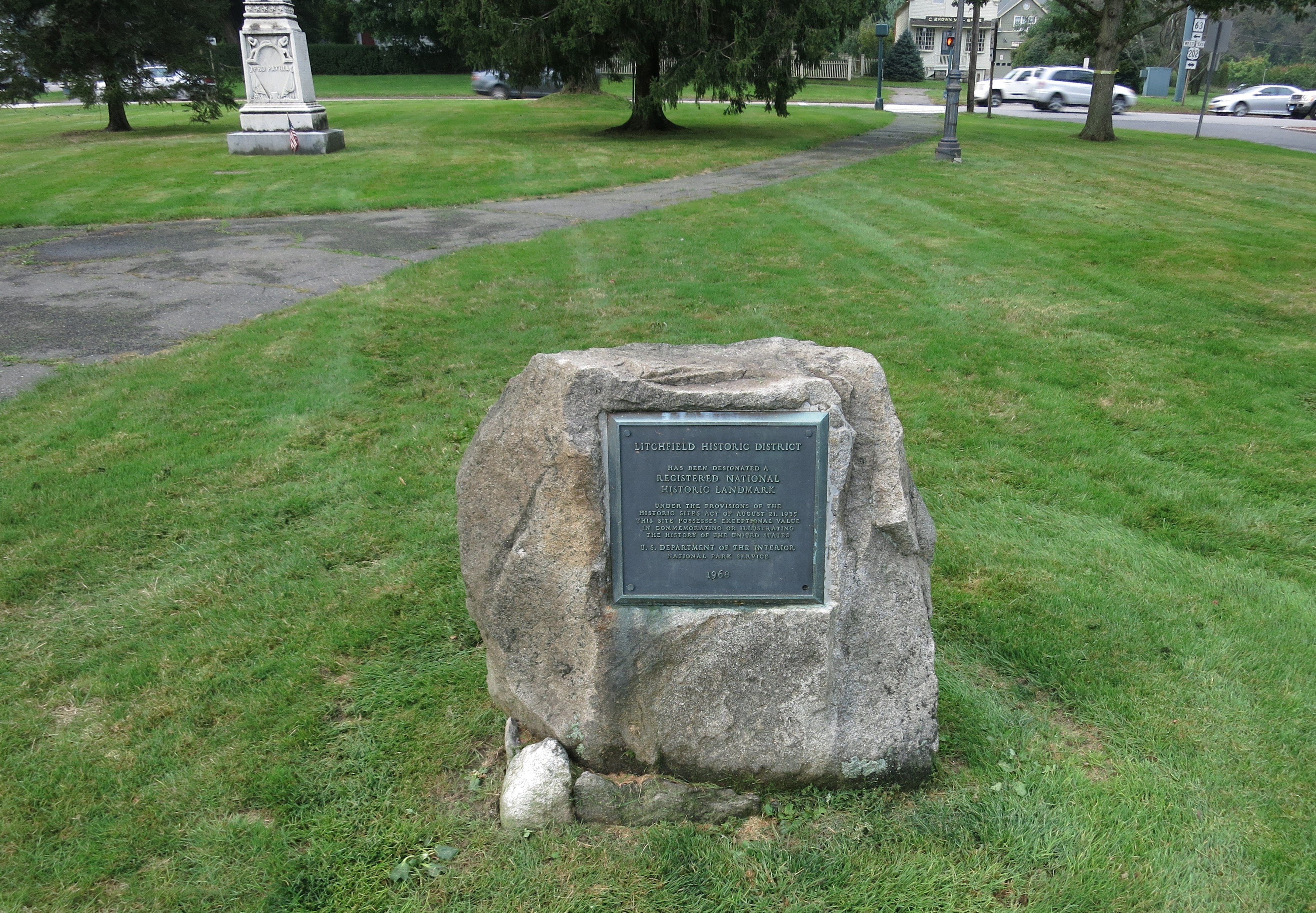
The Litchfield village green. The old county courthouse is in the background in the photo above, while the green’s many monuments appear in the images below.

The ad man longed for the life he saw through the train window each evening, and after many such dreams, he vowed, “Next time, I’ll get off at Willoughby.”

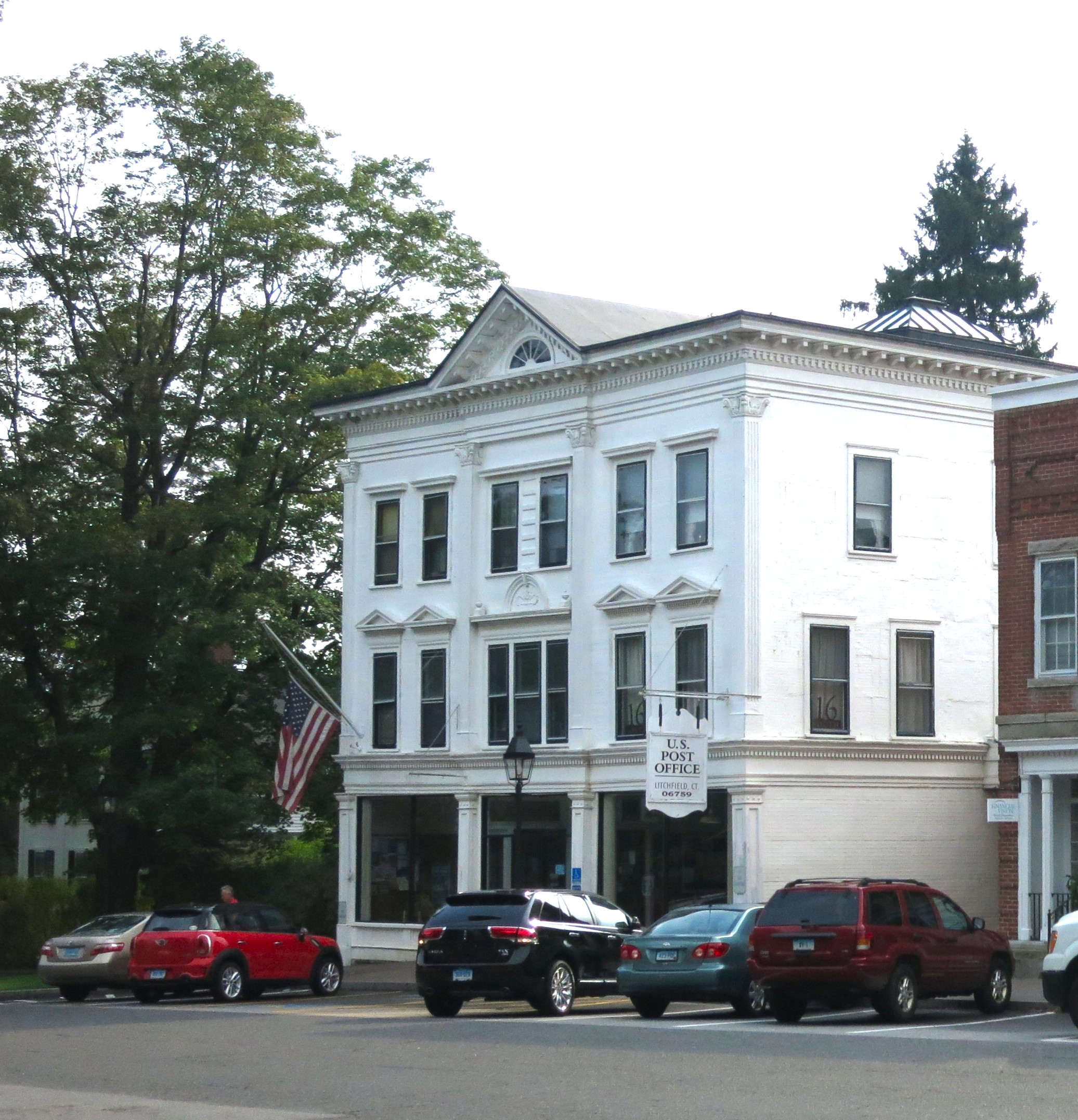
U.S. Post Office, Litchfield, Connecticut

Happy endings are rare in “Twilight Zone” stories. In “A Stop at Willoughby,” the advertising man suffers a particularly disastrous day at the office and so rushes back to the train ride home and the comfort of his recurring dream. This time, however, he willfully steps off the train at the peaceful Willoughby station. The episode’s final scene shows the train conductor finding the ad man’s lifeless body next to the train tracks, revealing that he had jumped off the train to his death.

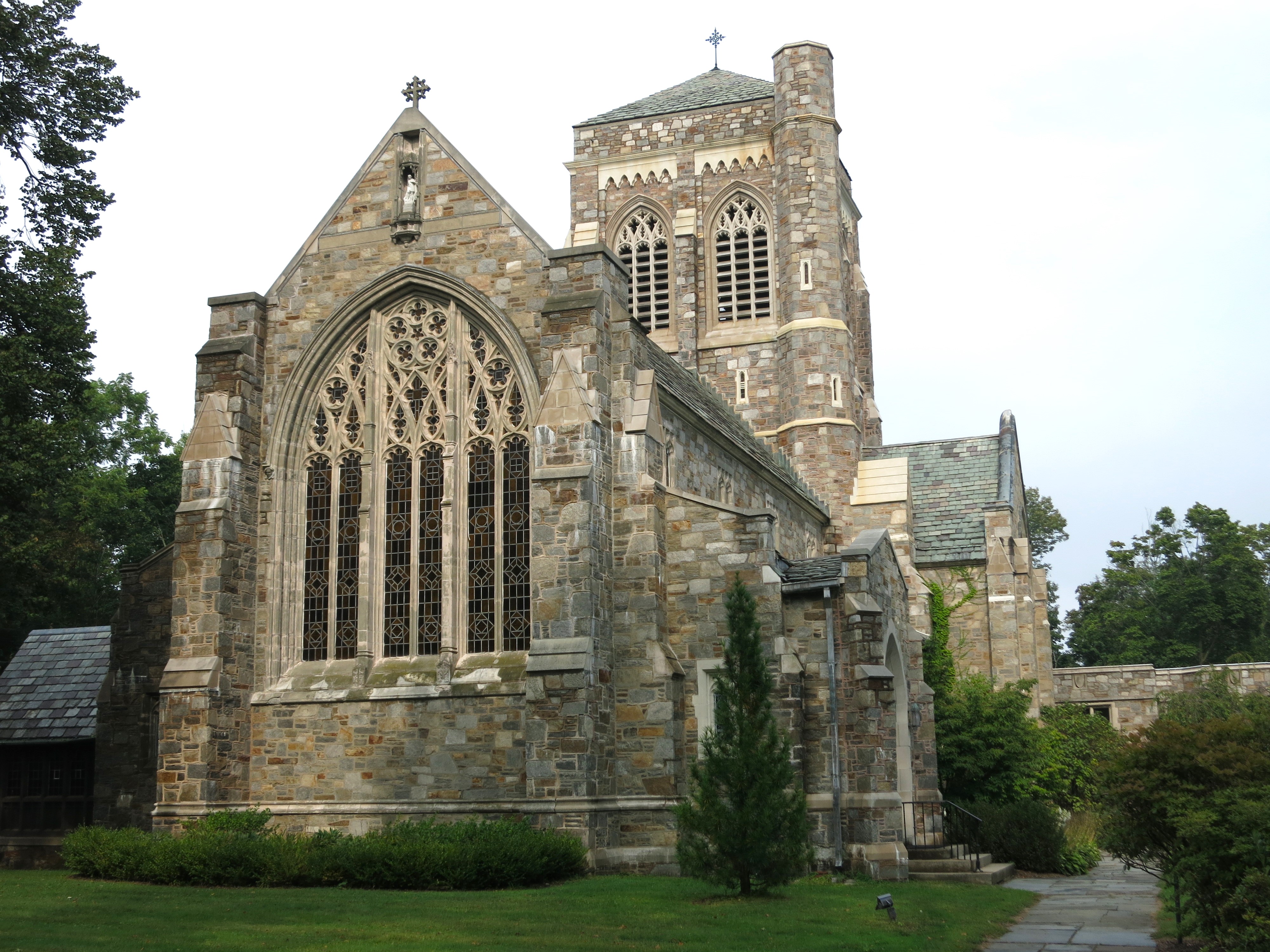
St. Michael’s Episcopal Church on South Street. Litchfield, Connecticut.

The lesson from ‘A Stop at Willoughby’ is not that the quiet life is better than the ambitious life. We are all different, and each is suited for a different life. Instead, the lesson here is that one must actively pursue happiness in the real world to achieve it. The Manhattan ad man is thus revealed to be a coward since he is afraid to make the hard decisions that a happy life requires. His search for escape became his suicide.
State Highway 63 leading down to the Litchfield courthouse and town center.

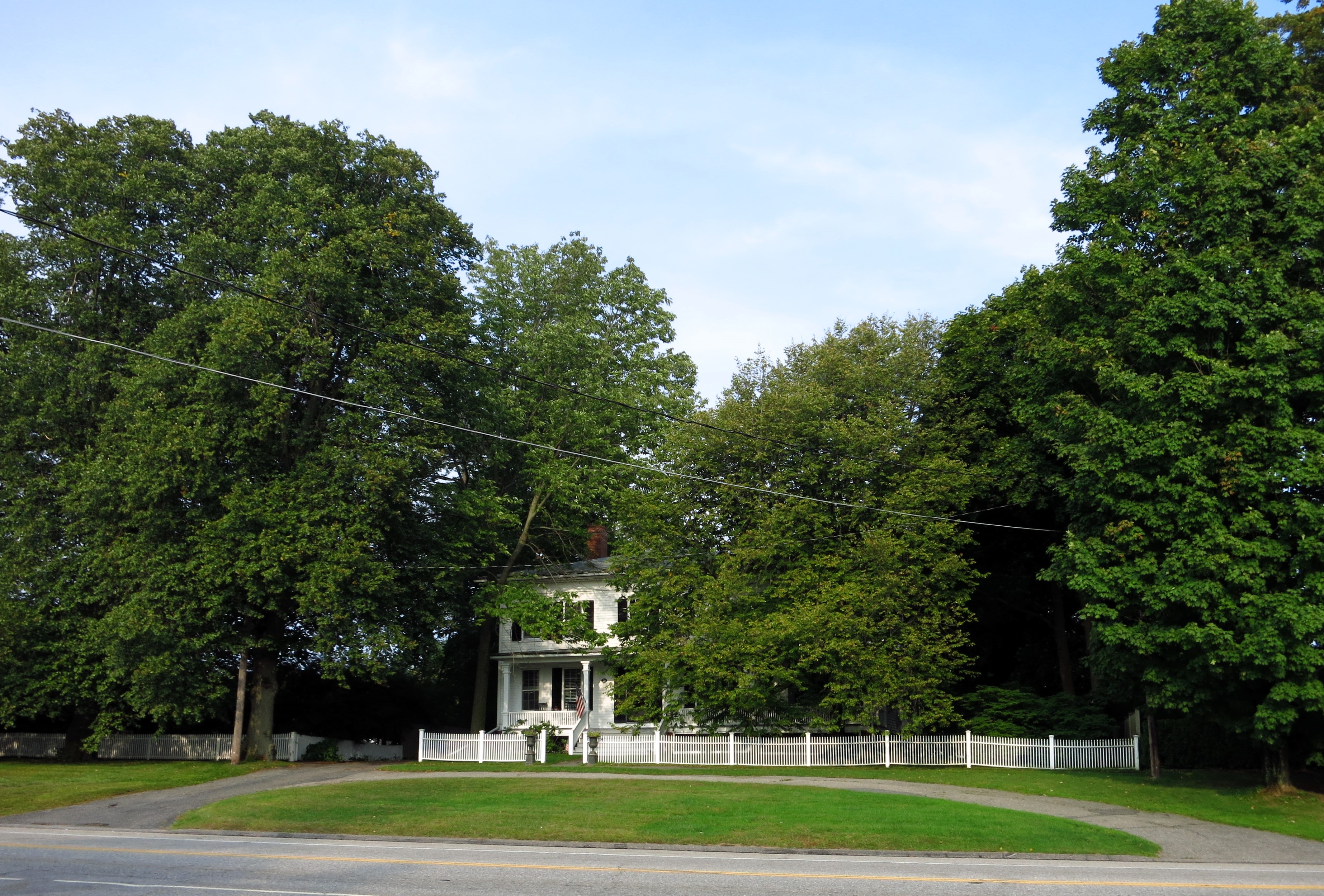
A stroll through the streets of Litchfield today showcases stunning hardwood trees providing shade to grand, million-dollar homes. Many of these homes were built during the Gilded Age of the late 1800s. Each house has its unique story, and each tale most likely involves someone pursuing their dreams robustly and during waking hours.

A tree-shaded home near the Litchfield village green.

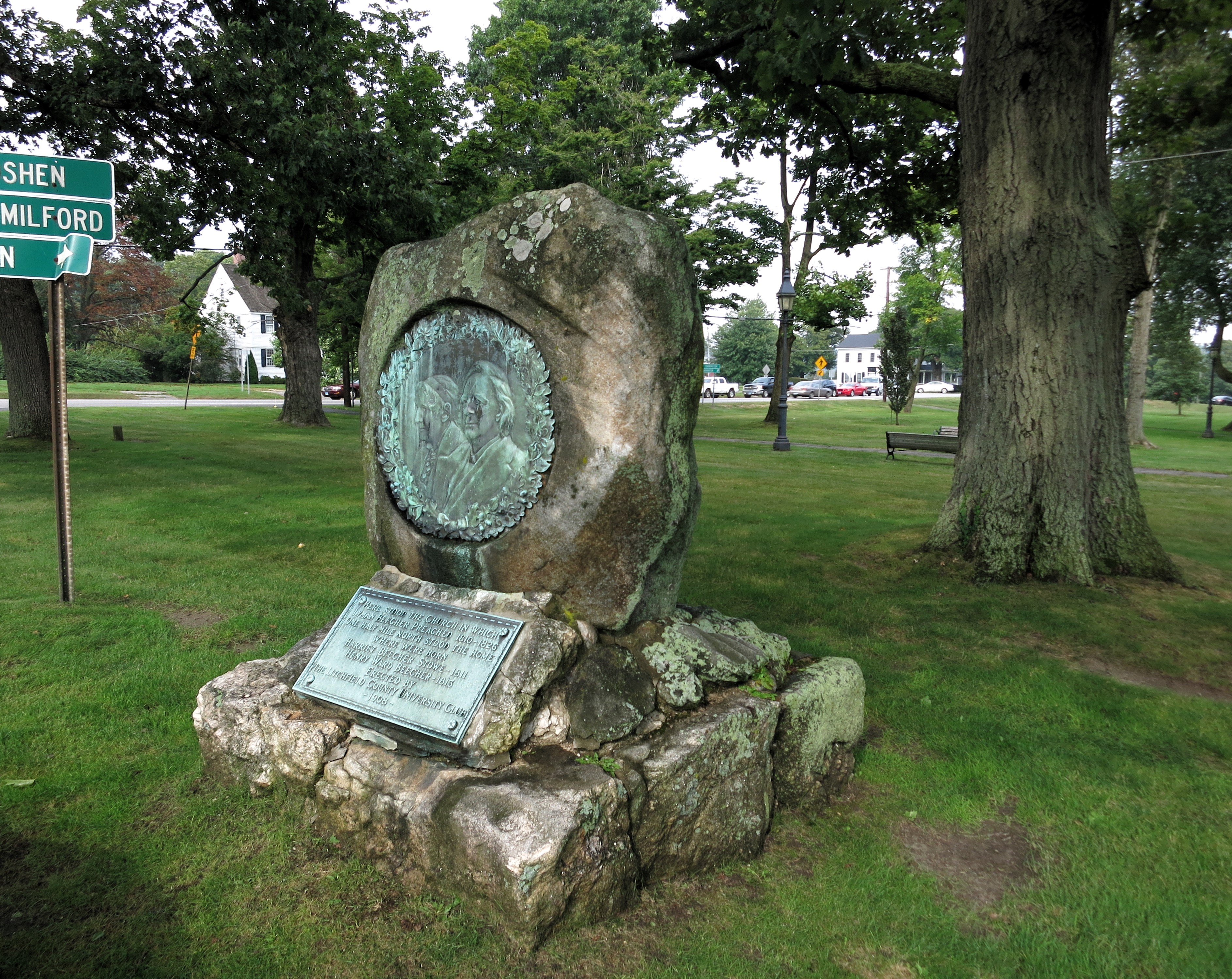
Besides wealthy homeowners, others from Litchfield have made their mark on history. From 1810 to 1826, Litchfield was the home of Calvinist abolitionist preacher Lyman Beecher, who was minister at Litchfield’s First Congregational Church. Minister Beecher was the father of Harriet Beecher Stowe, author of the abolitionist novel Uncle Tom’s Cabin, and Henry Ward Beecher, a noted clergyman who raised money to purchase slaves from captivity and rifles for abolitionists fighting in Kansas. The rifles would become known as “Beecher’s Bibles.” Both Harriet Beecher Stowe and Henry Ward Beecher were born in Litchfield.

The old stones and plaque in the village green mark the site of Lyman Beecher’s church.

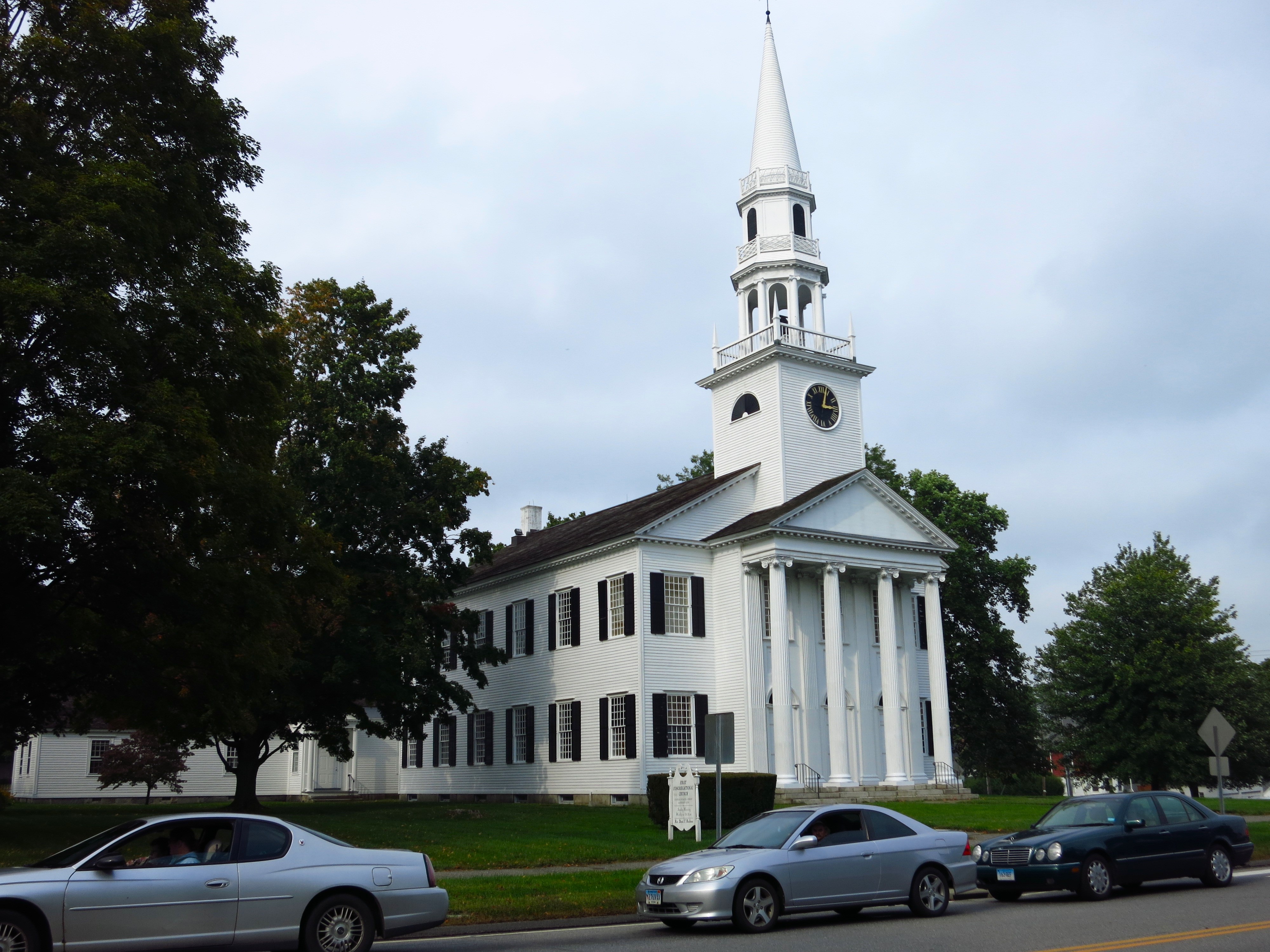
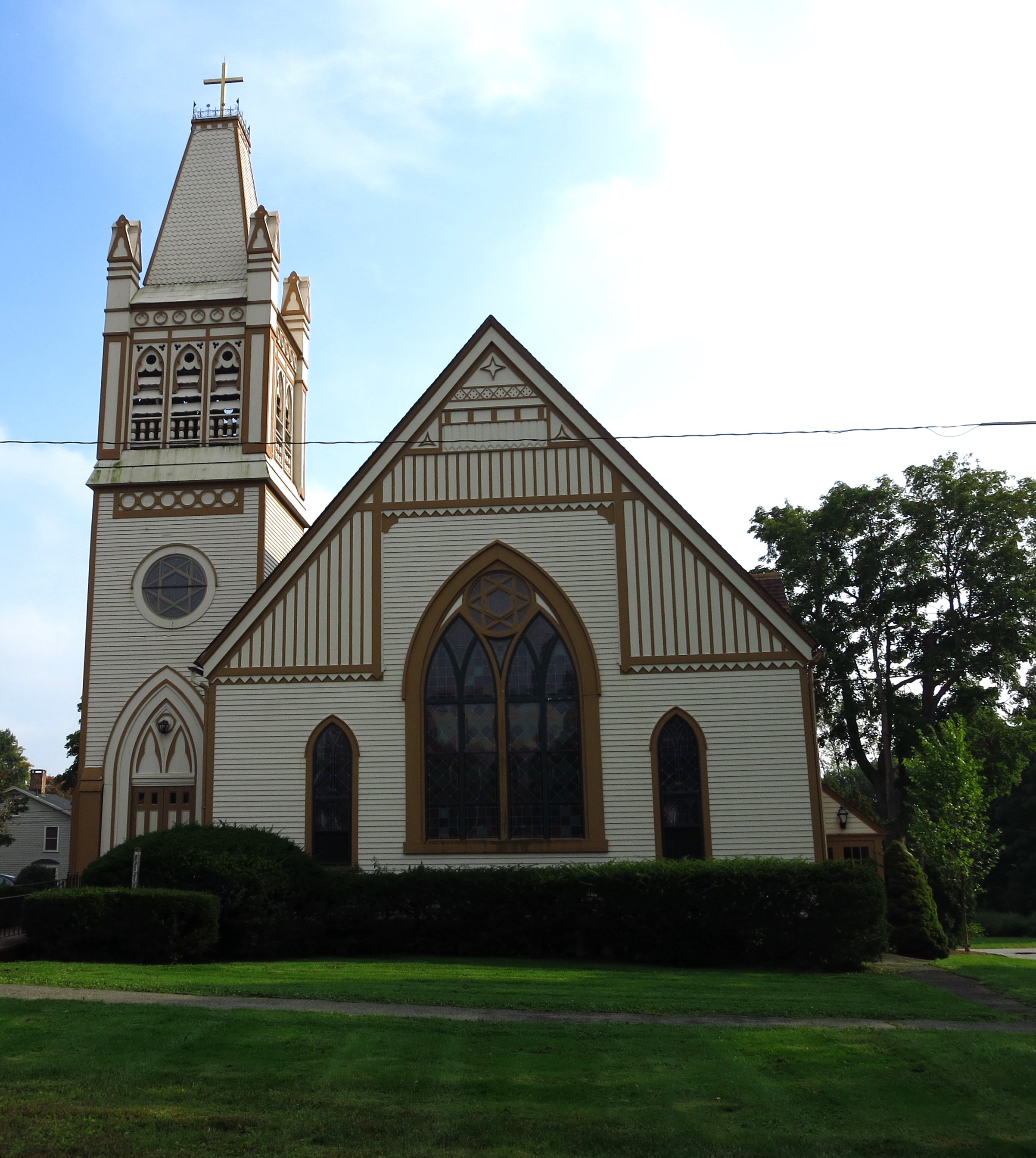
Below: The First Congregational Church of Litchfield is at the top left; two other prominent local churches are shown at the bottom left and right.

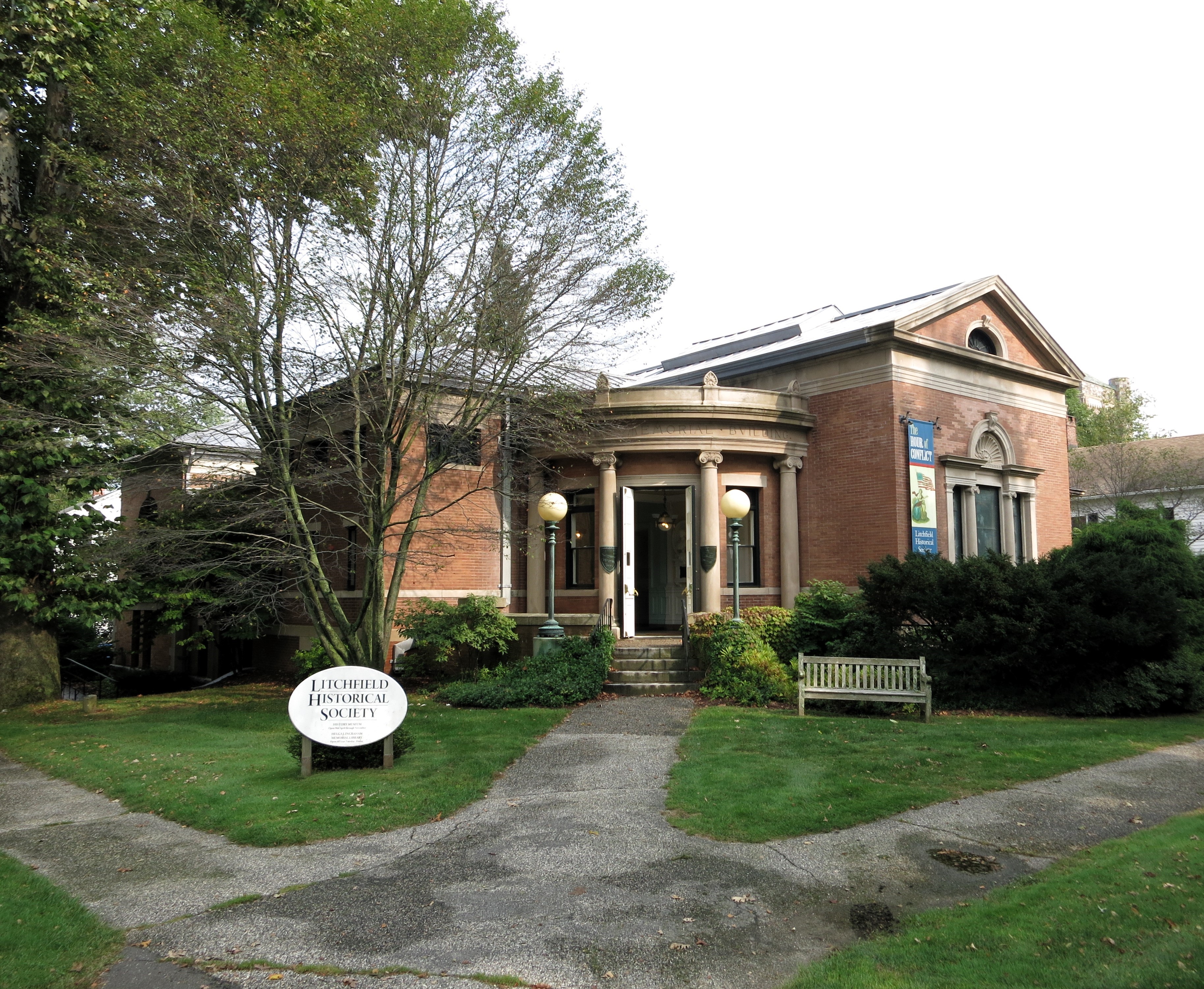
I took photos of some other prominent buildings around the Litchfield village green, including the building that houses the Litchfield Historical Society (top left).

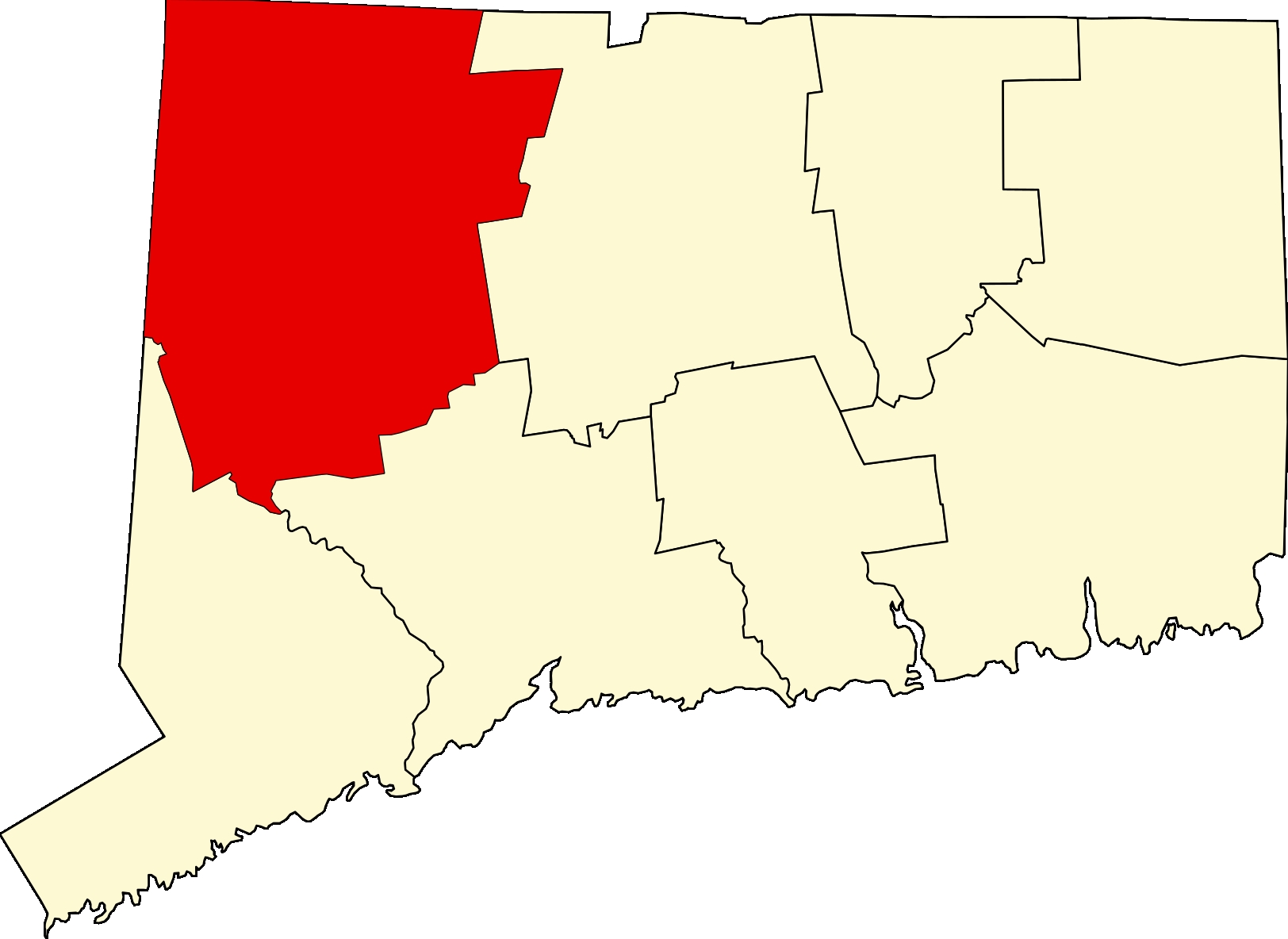
Finally, here are some notes about Litchfield County, Connecticut, and its government. The map below shows the state of Connecticut and its county lines, with Litchfield County shaded in red in the northwest corner of the state.

The boundaries of (former) Litchfield County within the state of Connecticut.

However, this is an old configuration. Connecticut did away with county governments some 50 years ago in the 1960s (as did the state of Rhode Island, for what it’s worth). Counties in Connecticut were replaced by judicial districts. The old Litchfield Courthouse was still in operation during my visit in 2013 as part of a larger judicial district, but all functions in the old courthouse were removed in 2017 and now reside at the new Litchfield Judicial District Courthouse in Torrington, Connecticut.

The (former) Litchfield County Courthouse in Litchfield, Connecticut.

A list of all photo posts from the American County Seats series in TimManBlog can be found here.

All photos were taken by the author on September 10, 2013.

My hobby is traveling to America’s county courthouses. Each month, I post about a visit to a scenic or exciting county seat. It’s a hobby, and donations are greatly appreciated to help cover my costs.

Donations to TimManBlog

Use this form to make donations to support this site. Paypal, Visa, Mastercard, Amex, and Discover cards are accepted. Donations can be made in increments of $5.00; increase the number of units to increase the donation amount.

$5.00


A Photographic Journey Through Everett, WA

August 31, 2024
(photos and memories from August 2022)
(If you like my posts, you can support this site with a donation via Paypal, Visa, Amex, Mastercard, or Discover by using the form at the bottom of this post. Thank you.)

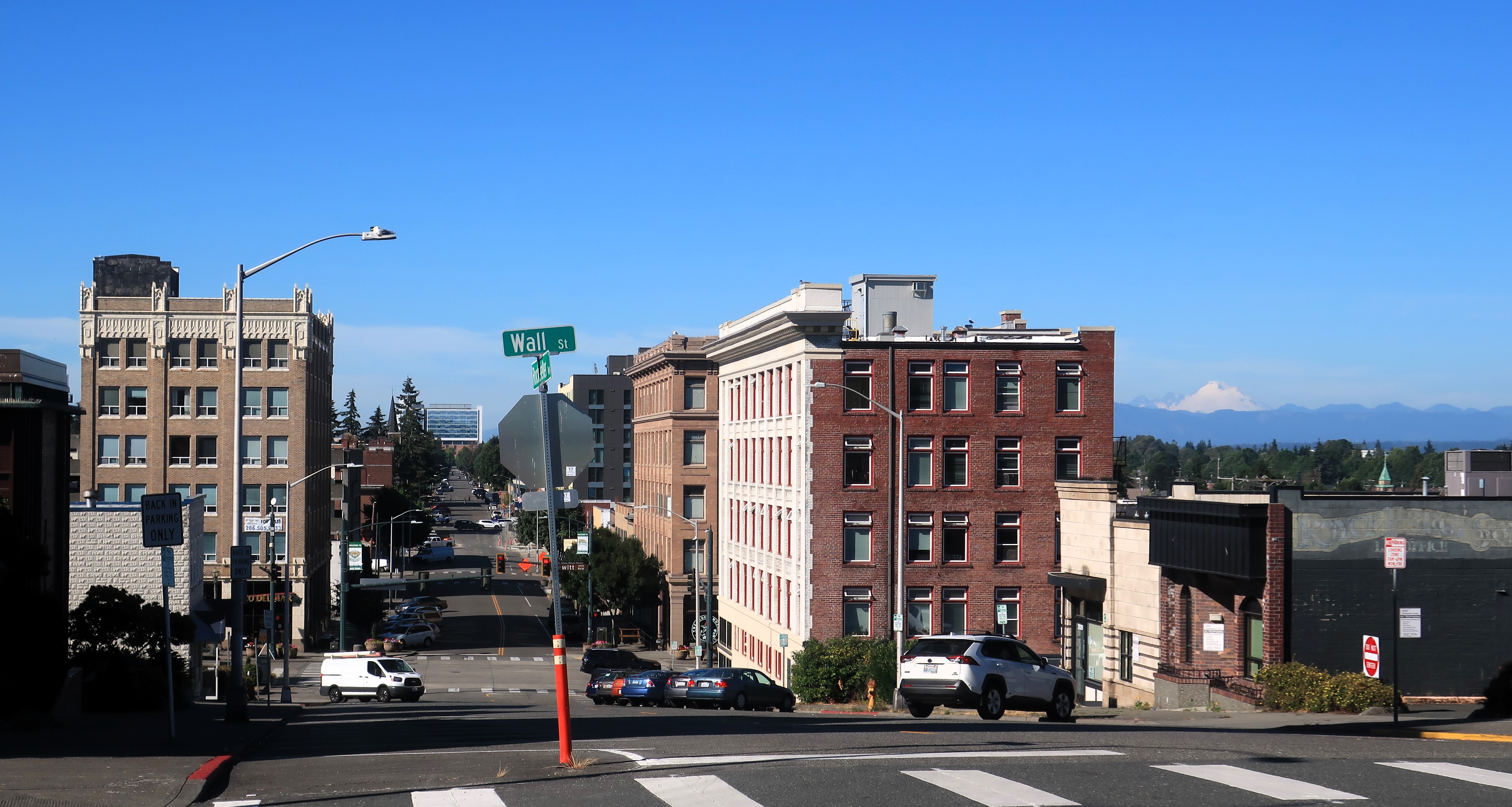
Central Everett, looking north on Rockefeller Avenue with Mount Baker in the distance.

Late on an August afternoon, I drove 25 miles north to Everett, Washington, from downtown Seattle, where I had spent most of the day. In Seattle, I had to side-step drug users passed out on sidewalks near Pioneer Place and saw (and smelled) many other examples of degradation. Seattle is a mess.

But Everett isn’t Seattle. Seattle has a population of 755,000, while Everett is comparatively “tiny” with only 110,000 people. But the stark difference between the two cities is much more than just size. I hope the photos below will show that.
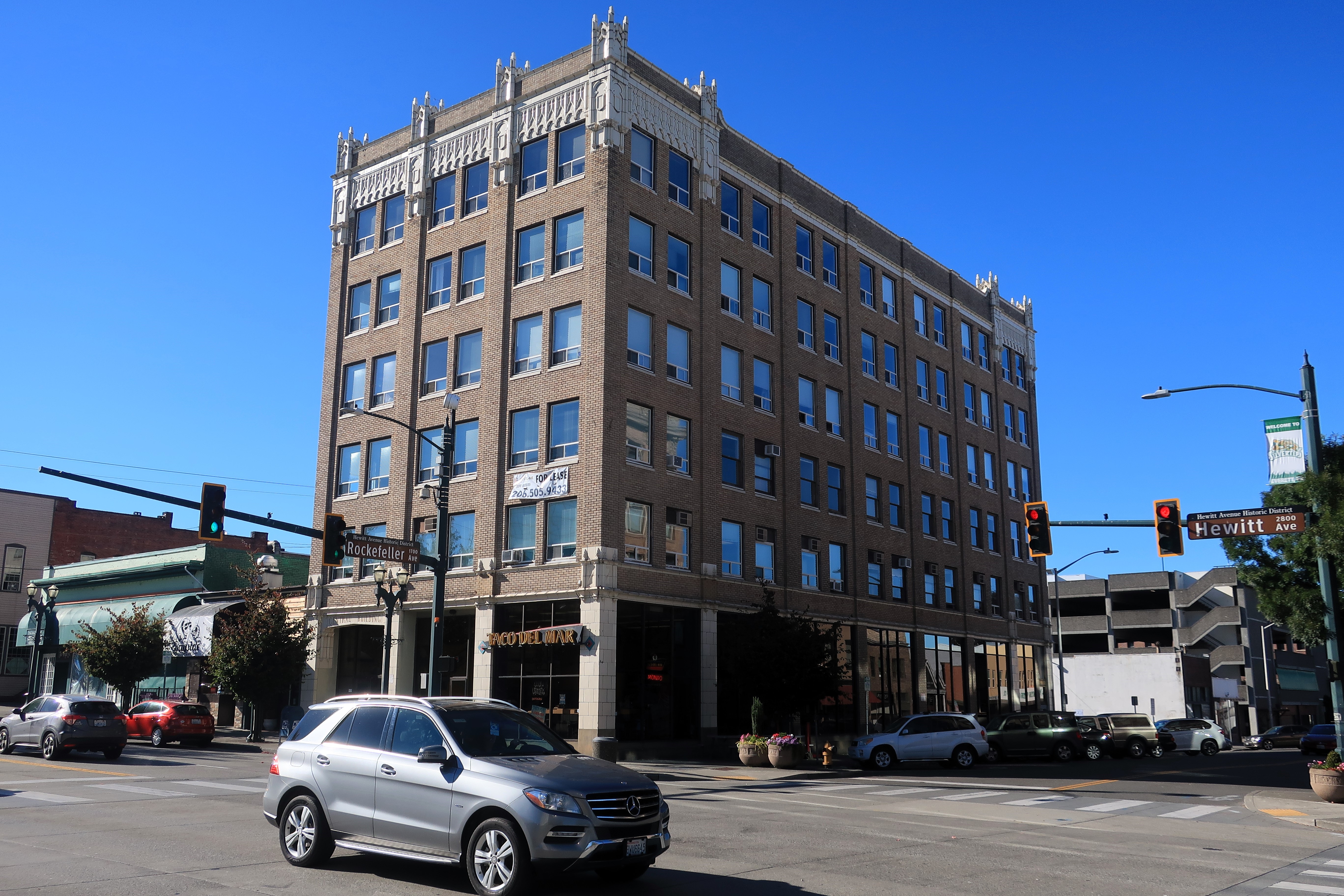
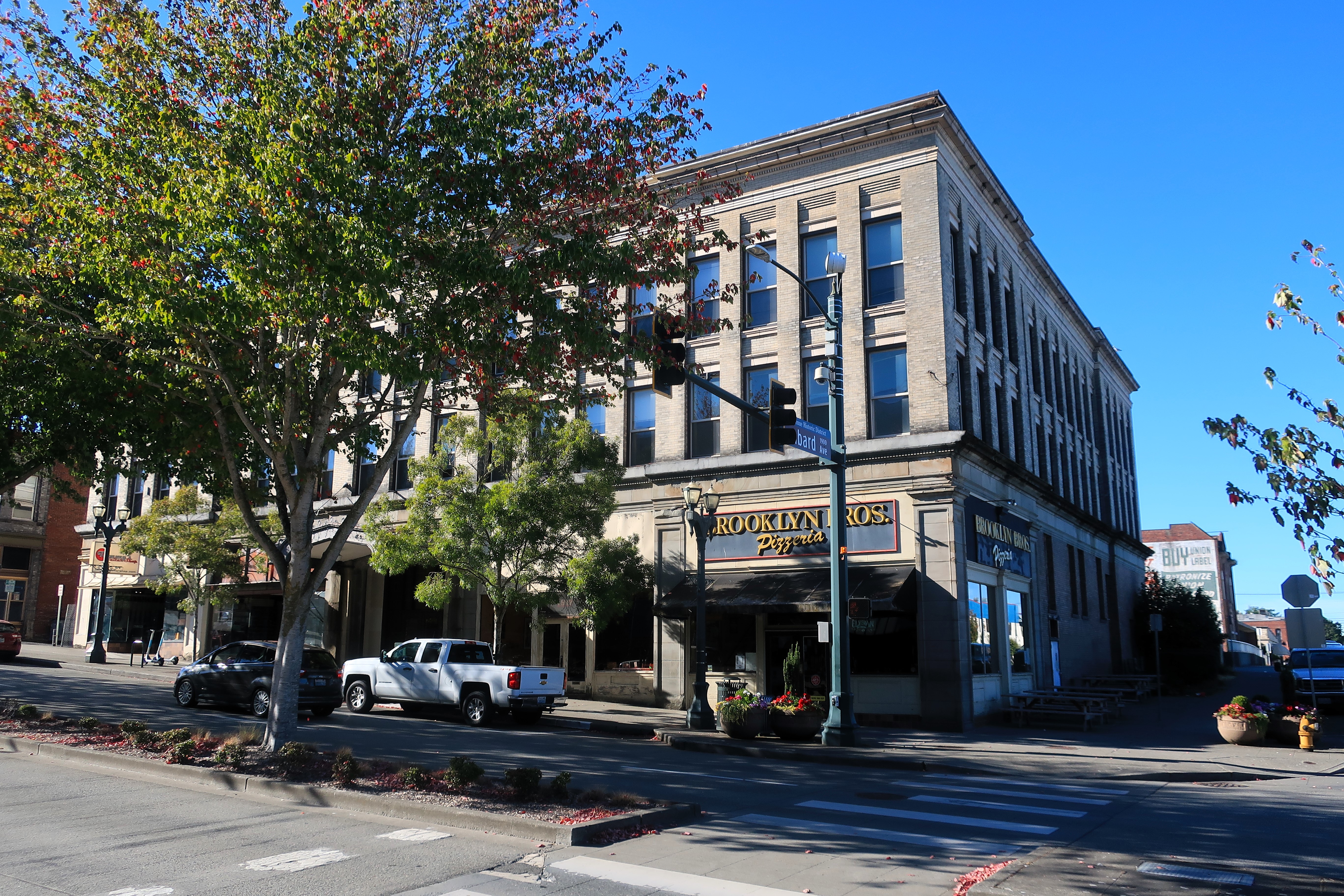
Everett’s main street is Hewitt Avenue, which is part of the Hewitt Avenue National Historic District. The main cross street is Rockefeller Avenue, so I imagine if I looked into Everett’s history, I would find that John D. Rockefeller had a place in developing the area. It’s true — Rockefeller funded the late 19th-century development of Everett from a coastal village into a commercial seaport on Puget Sound.

The Hewitt Avenue Historic District is Everett’s “old” downtown; a newer downtown is over a hill a few blocks away toward the waterfront. Before going there, I wanted to check out the Snohomish County Courthouse in this part of town.

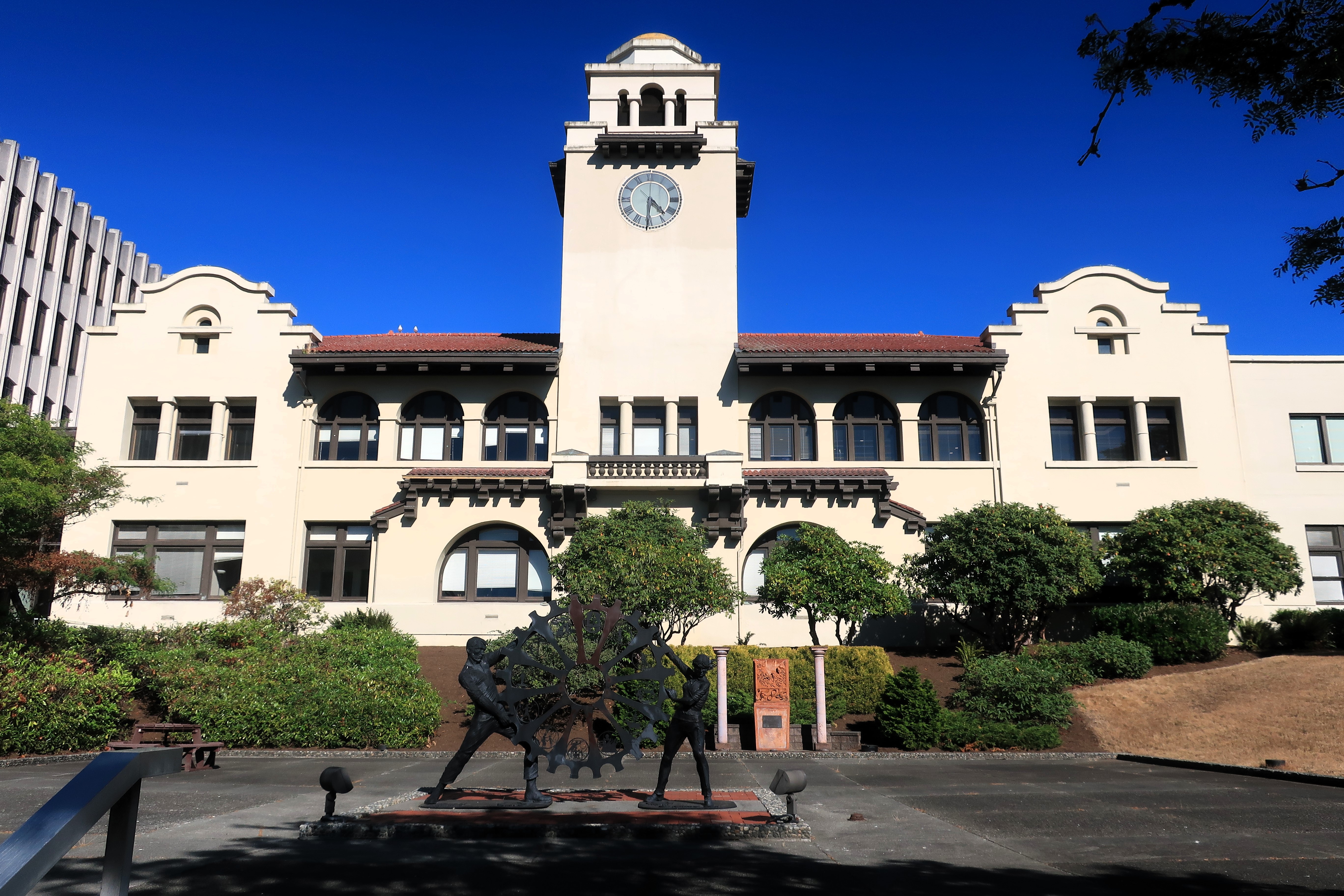
The Spanish Mission-style Snohomish County Courthouse was built in 1911.

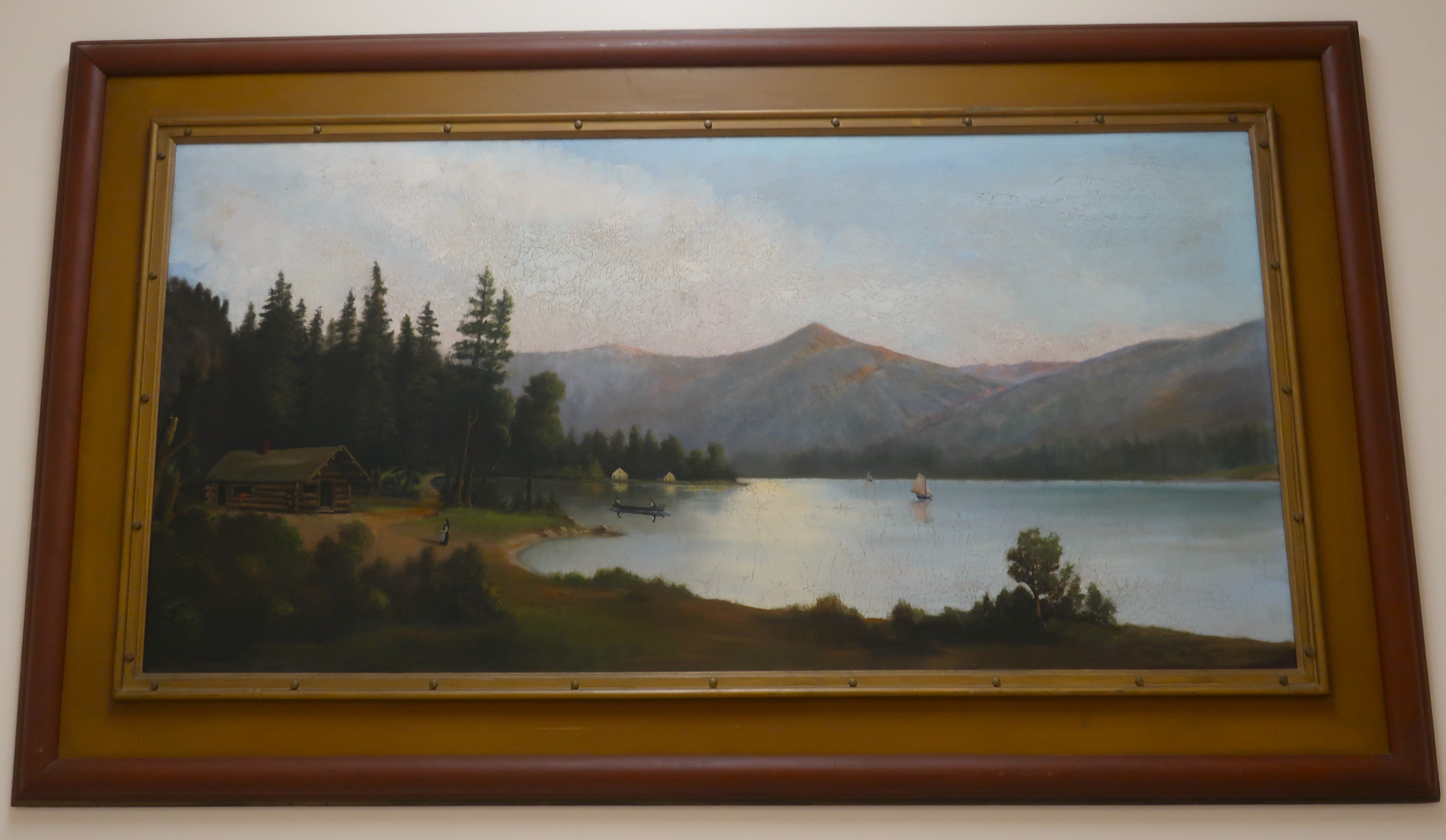
The Spanish Mission architecture is very unusual for Washington state, and it seems out of place since we’re so far north of California. However, the “mission building,” as it is called, is beautiful. I went inside and noticed that the old stairwells use marble for stairs and railings. One old oil painting of a settler on the shores of Puget Sound hangs in one of the main stairwells, reminding everyone what the Puget Sound region looked like in the old days.

An oil painting depicts an early settlement along Puget Sound.

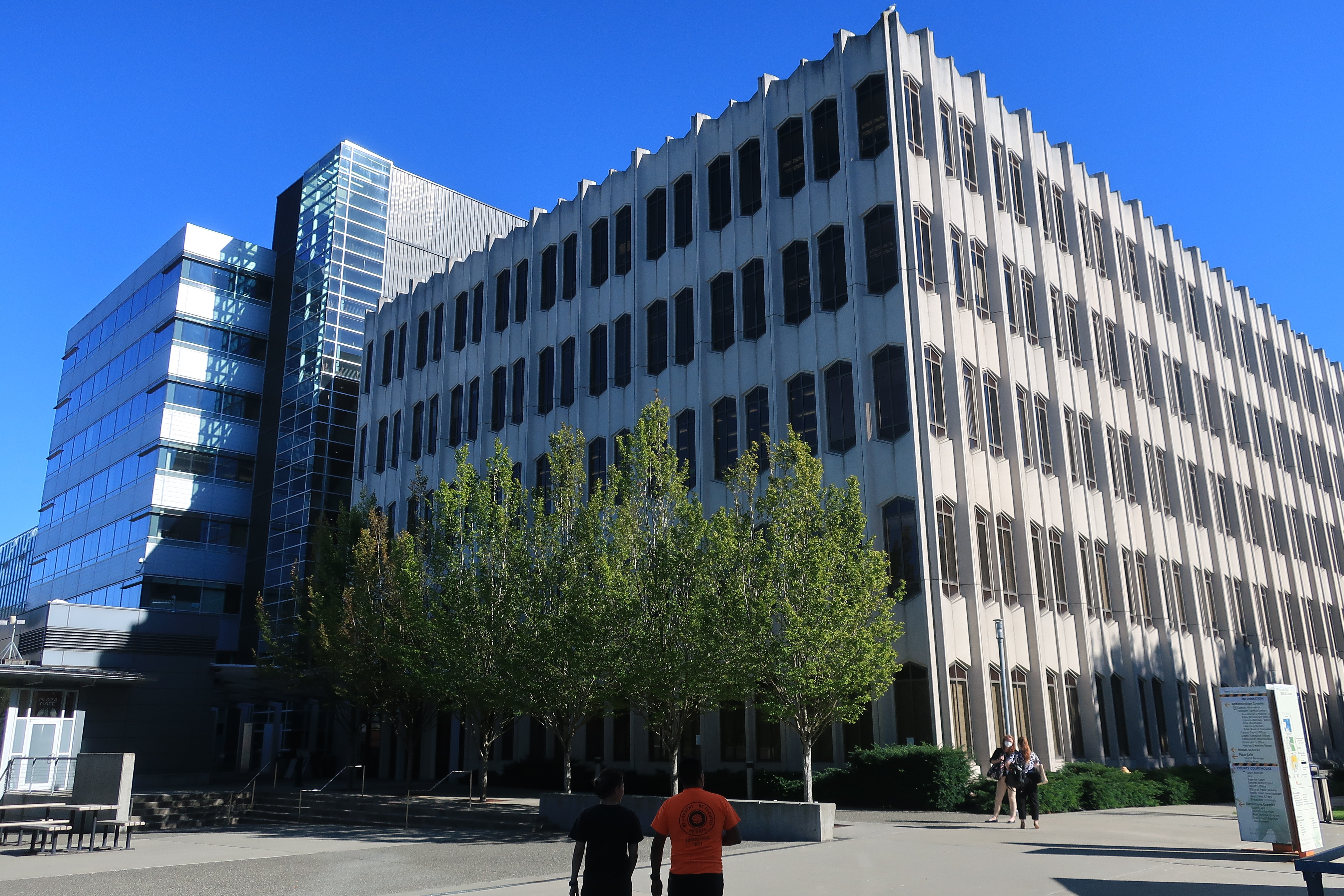
As Everett and Snohomish County grew, large wings were added to the old mission building.

Snohomish County Courthouse in Everett, Washington.

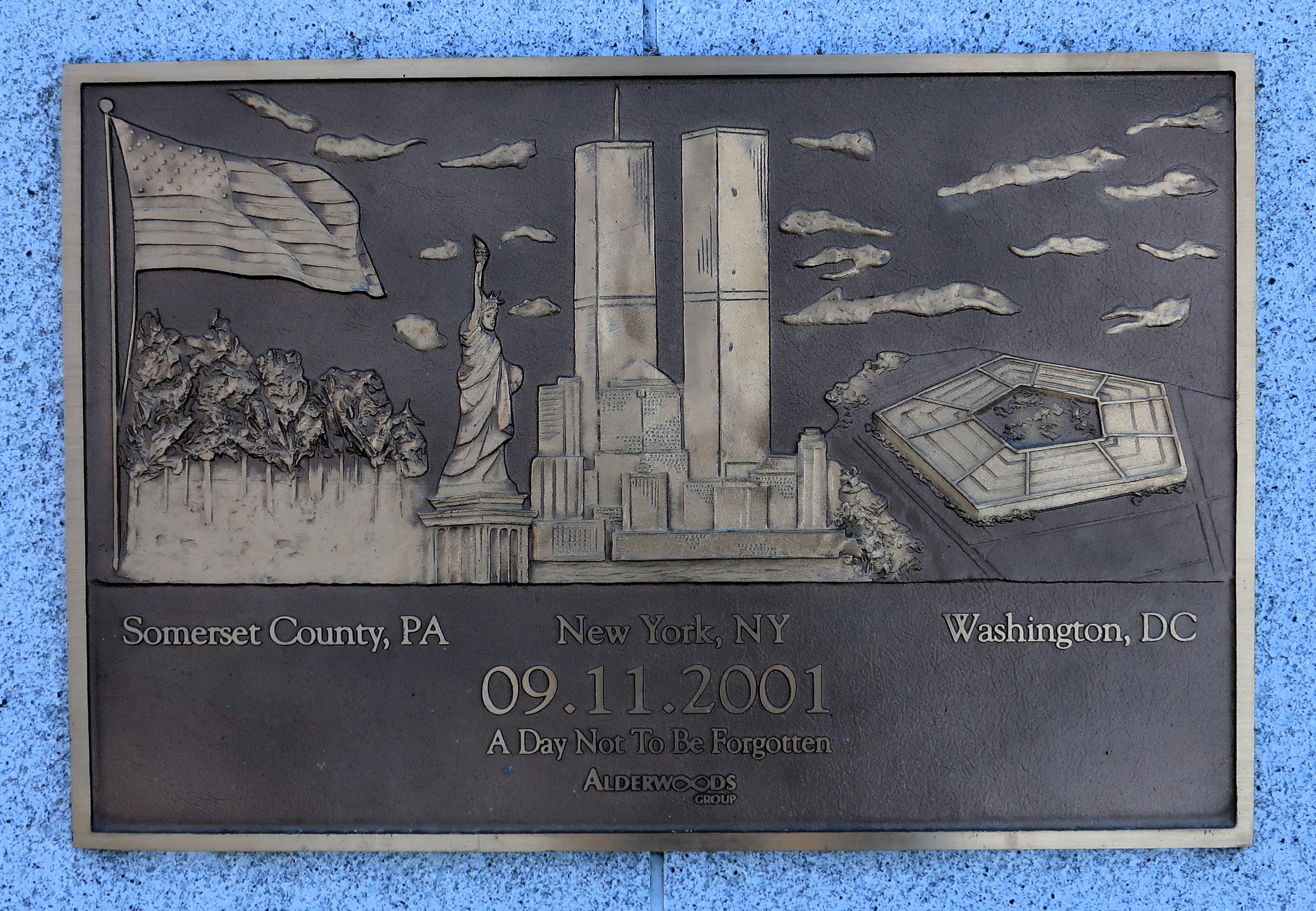
Several patriotic memorials prominently decorate the courthouse plaza area, including a veterans’ memorial, a Ten Commandments statue, a 9-11 memorial, and others. The tone of the memorials seems strange compared to what I saw in Seattle, where I saw little patriotic feeling. These courthouse displays reminded me that Everett was the home of Senator Henry “Scoop” Jackson, the leader of the Democratic Party’s “Jackson Wing” that favored a strong military. Scoop Jackson served in the Senate from 1953 to 1983.

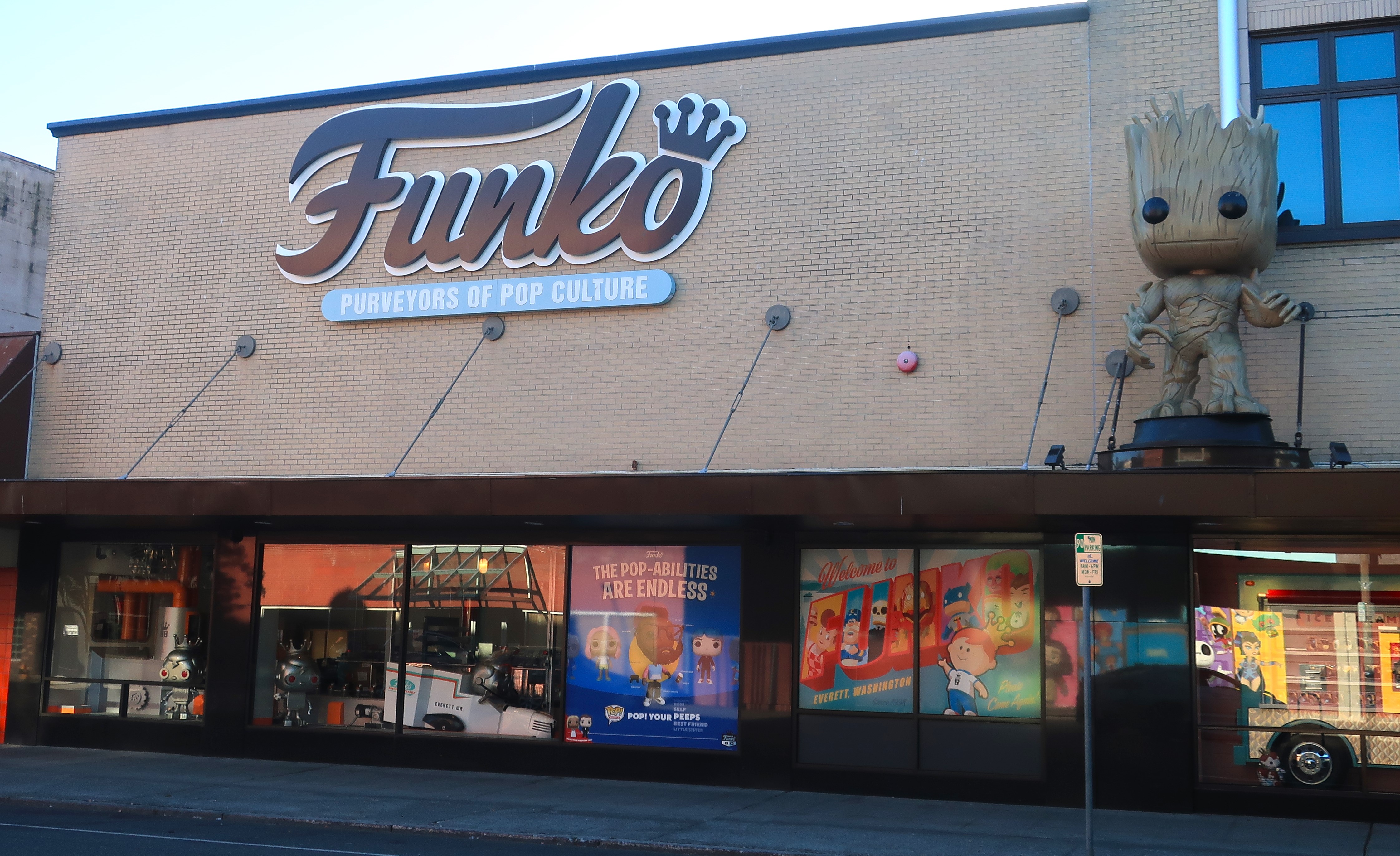
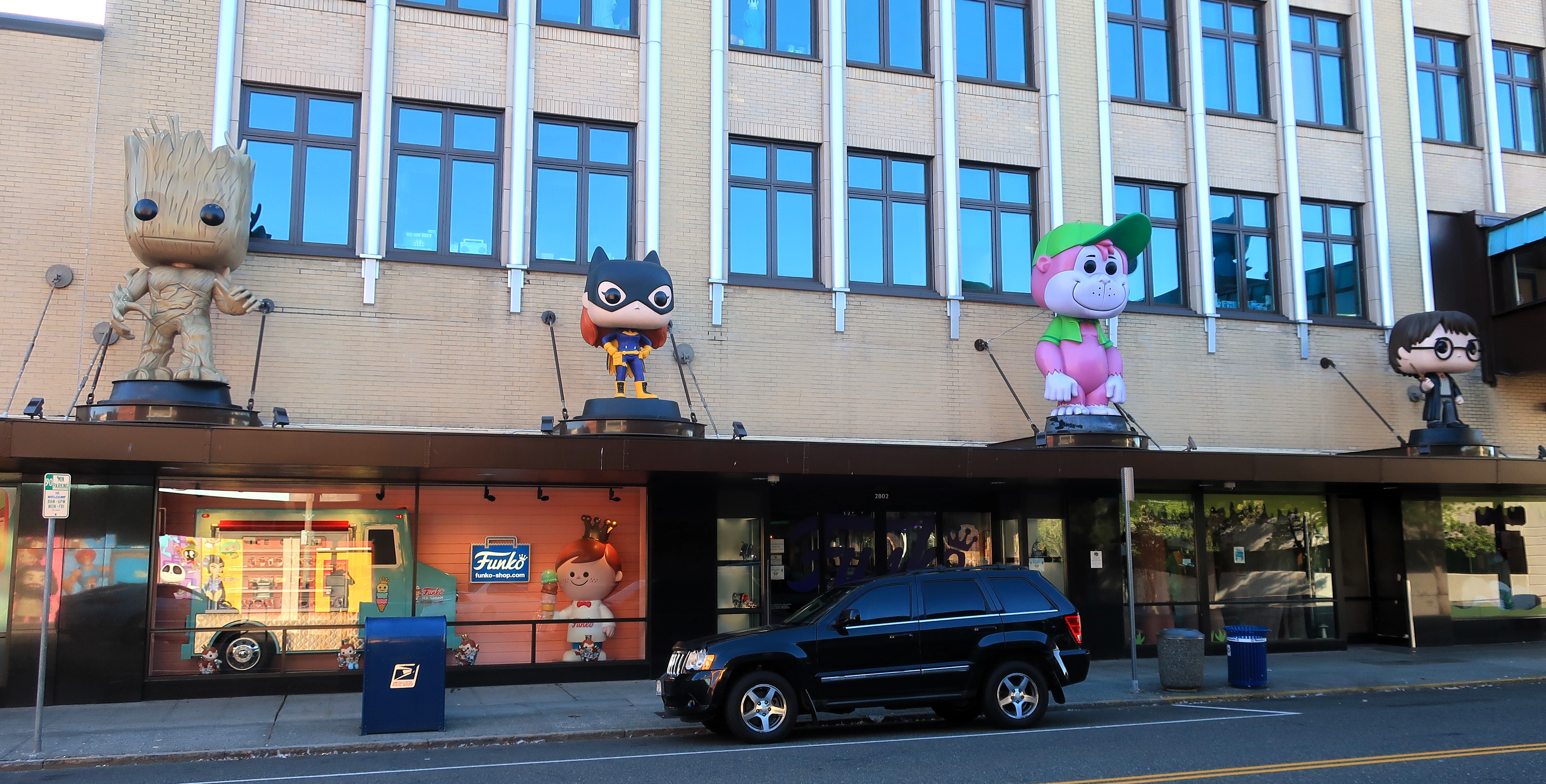
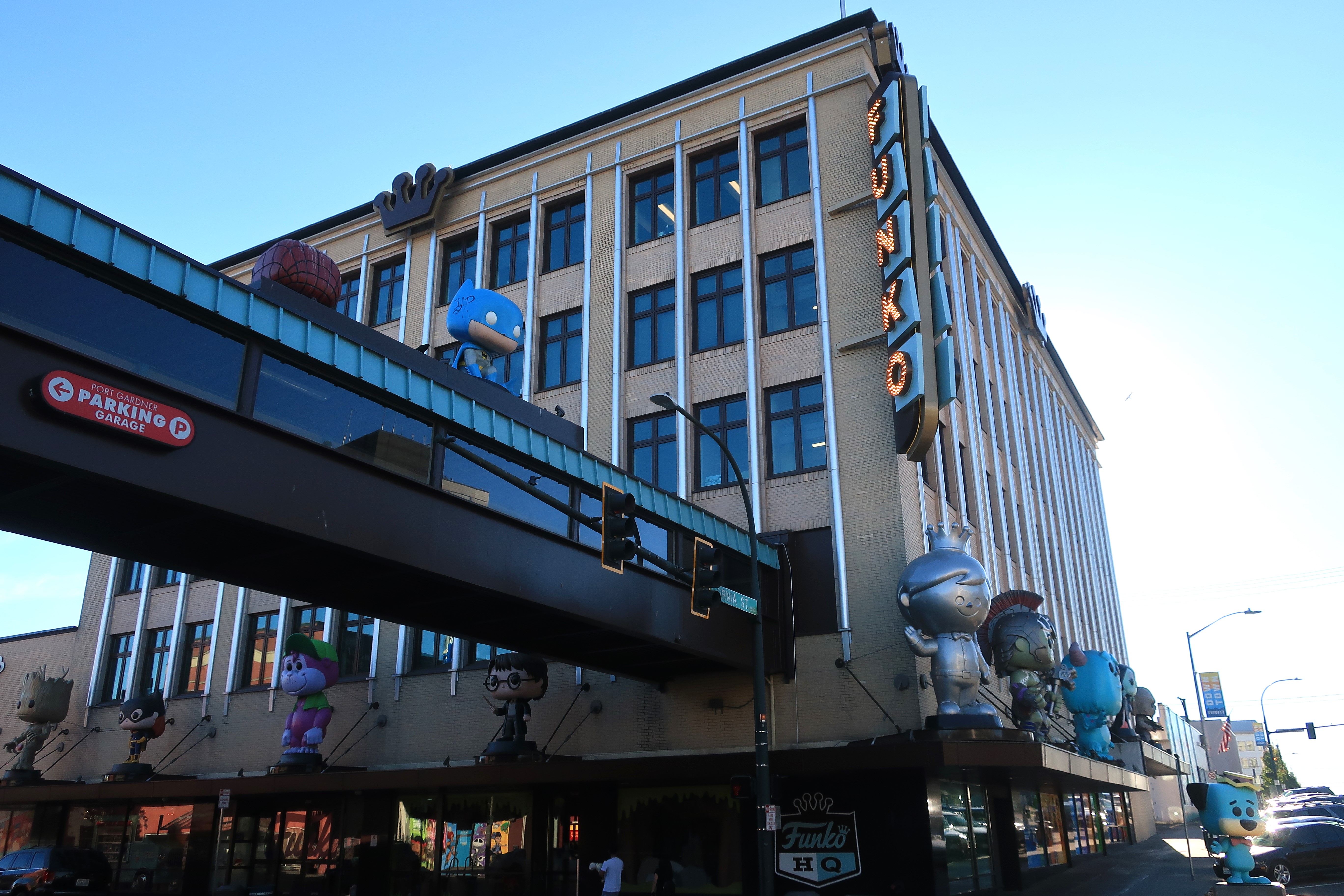
Just over the hill from the courthouse and Hewitt Avenue area, another business district appears along Wetmore Avenue. This area is dominated by the headquarters of the toy company Funko, which bills itself as “purveyors of pop culture.” I’m not familiar with the company, but I was dazzled by the large statues of their cartoon-like characters attached to the front and sides of their building.

However, my favorite statue of theirs stands by itself further down the avenue. It reminds me of the iconic statue of Mary Tyler Moore in downtown Minneapolis, Minnesota.

A statue of a Funko character on the downtown streets of Everett, Washington.

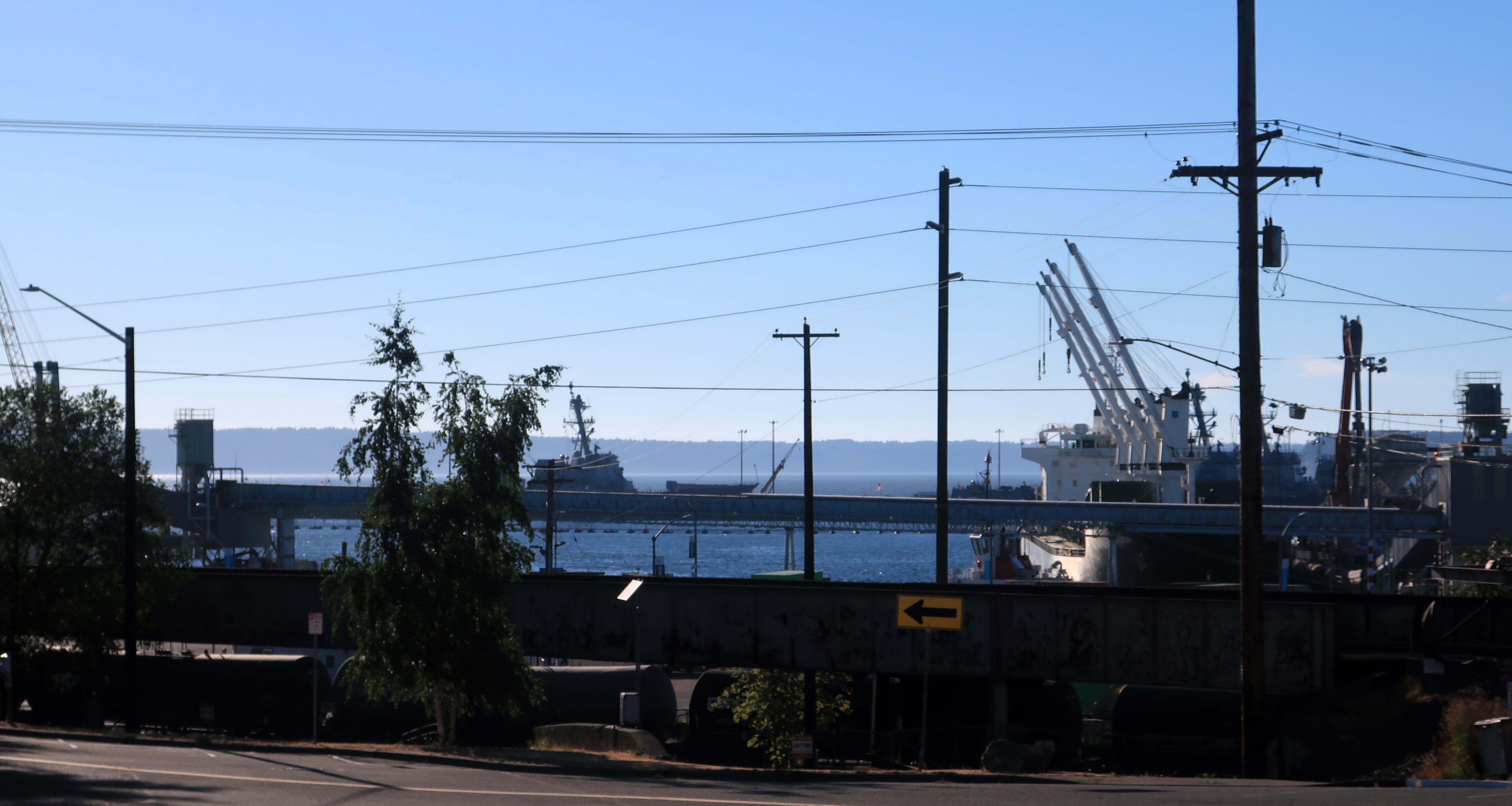
I walked around some more toward the city’s Puget Sound docks. Now, Everett doesn’t seem so small anymore. I saw characteristic signs of a working-class town where shipping industries predominate.

The docks along Puget Sound in Everett, Washington.

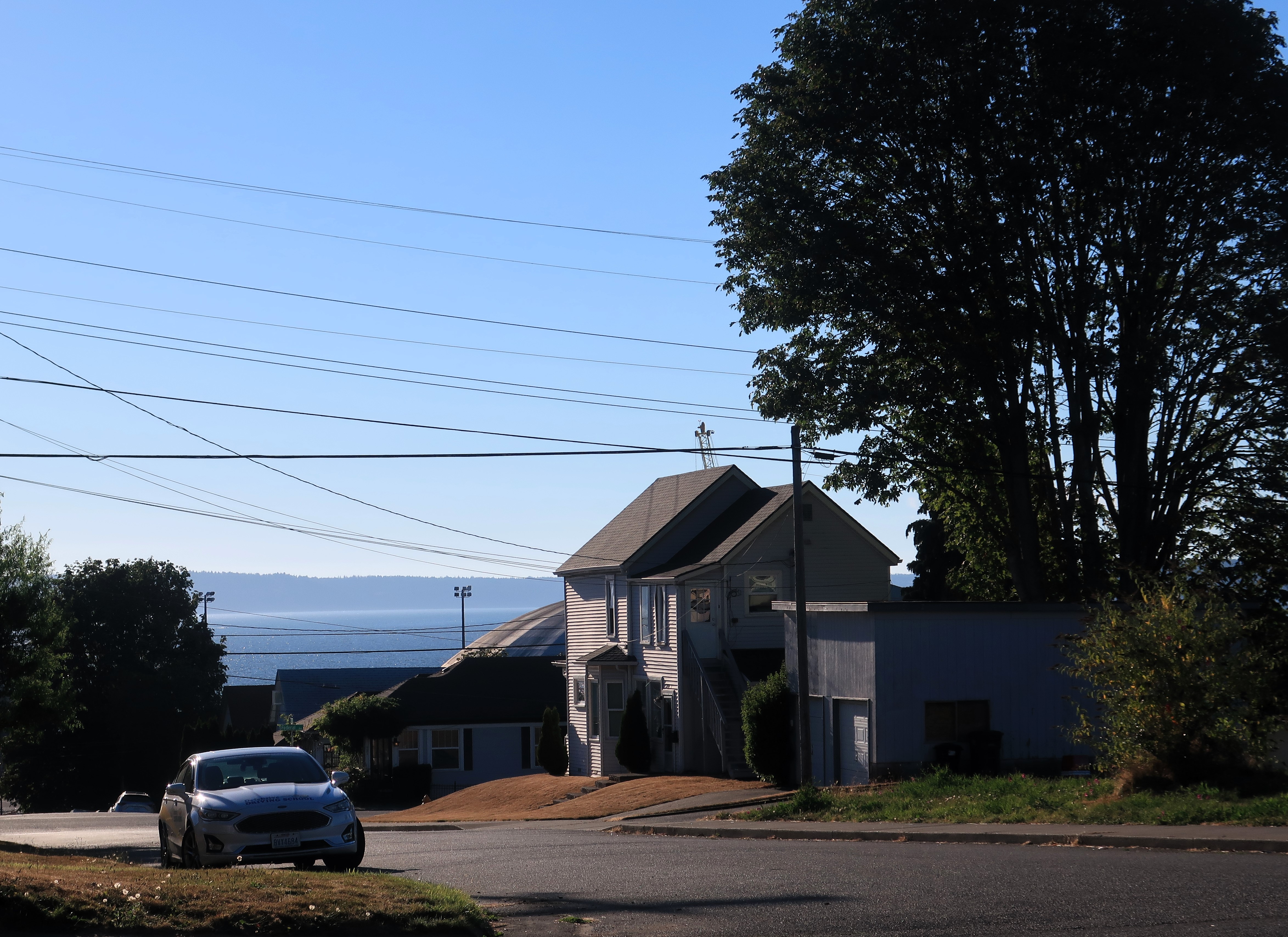
Although new apartment buildings have encroached on nearby neighborhoods, working-class homes can still be found near downtown Everett.

A wood-frame working-class home stands on a residential street overlooking Puget Sound.

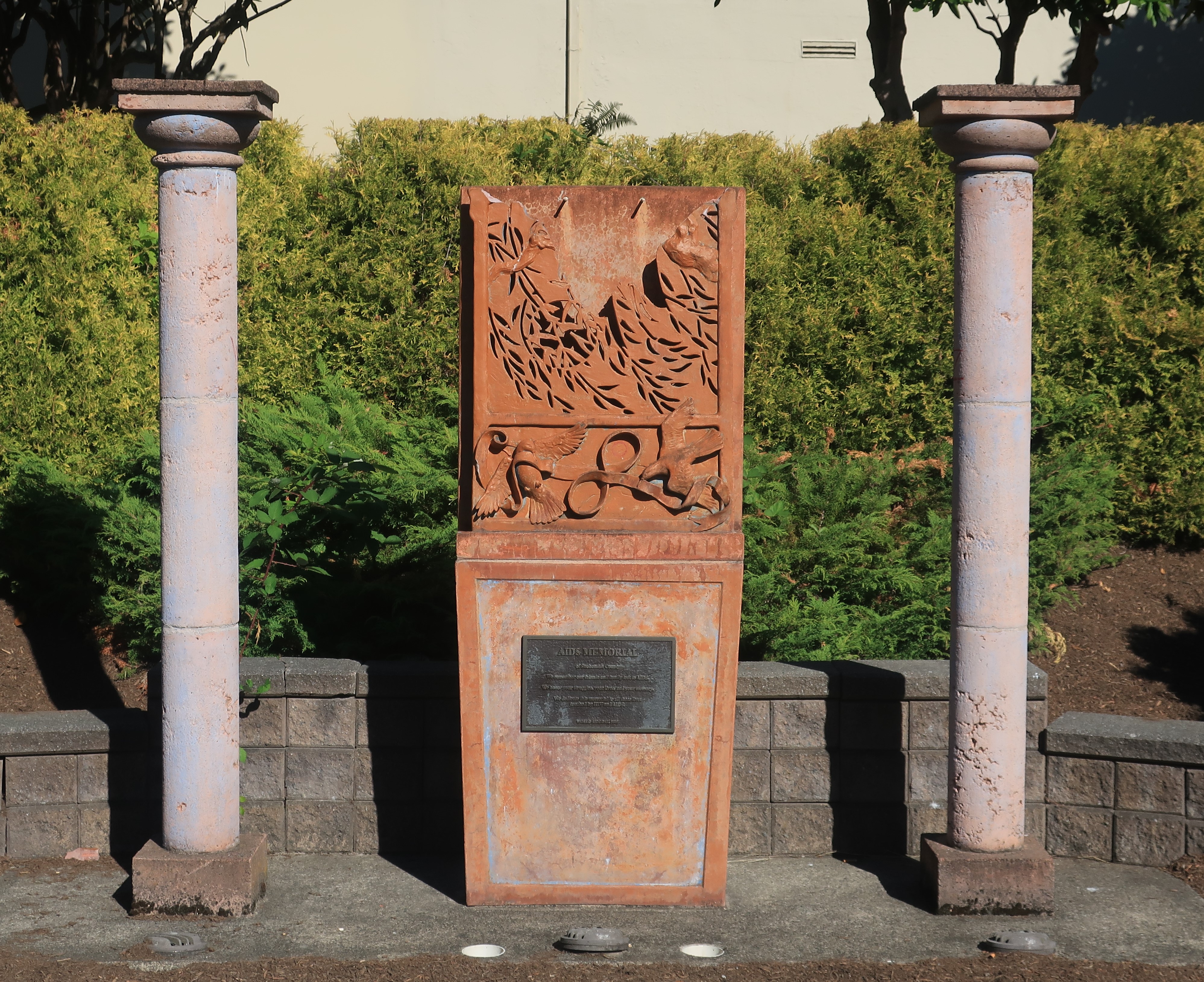
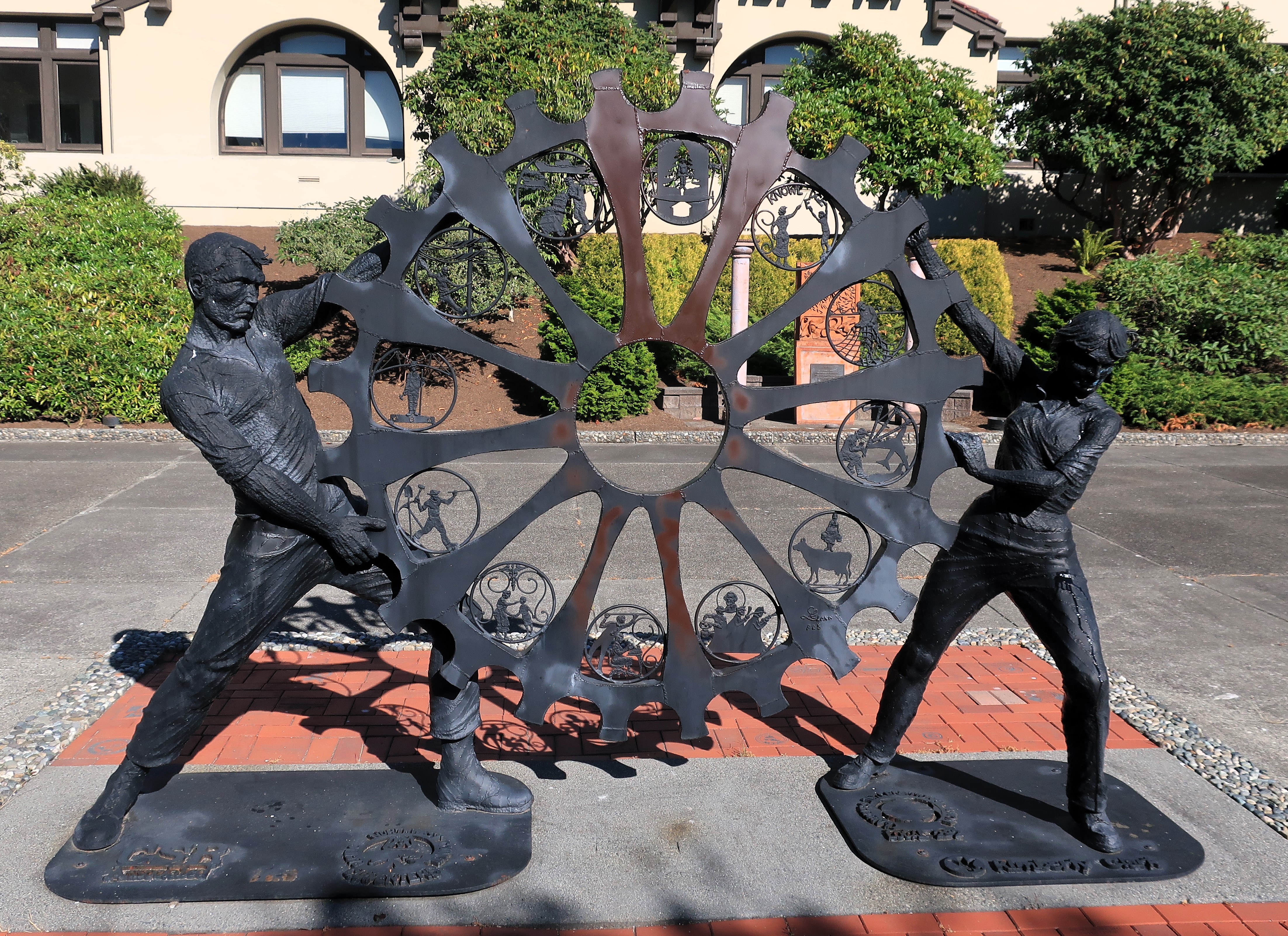
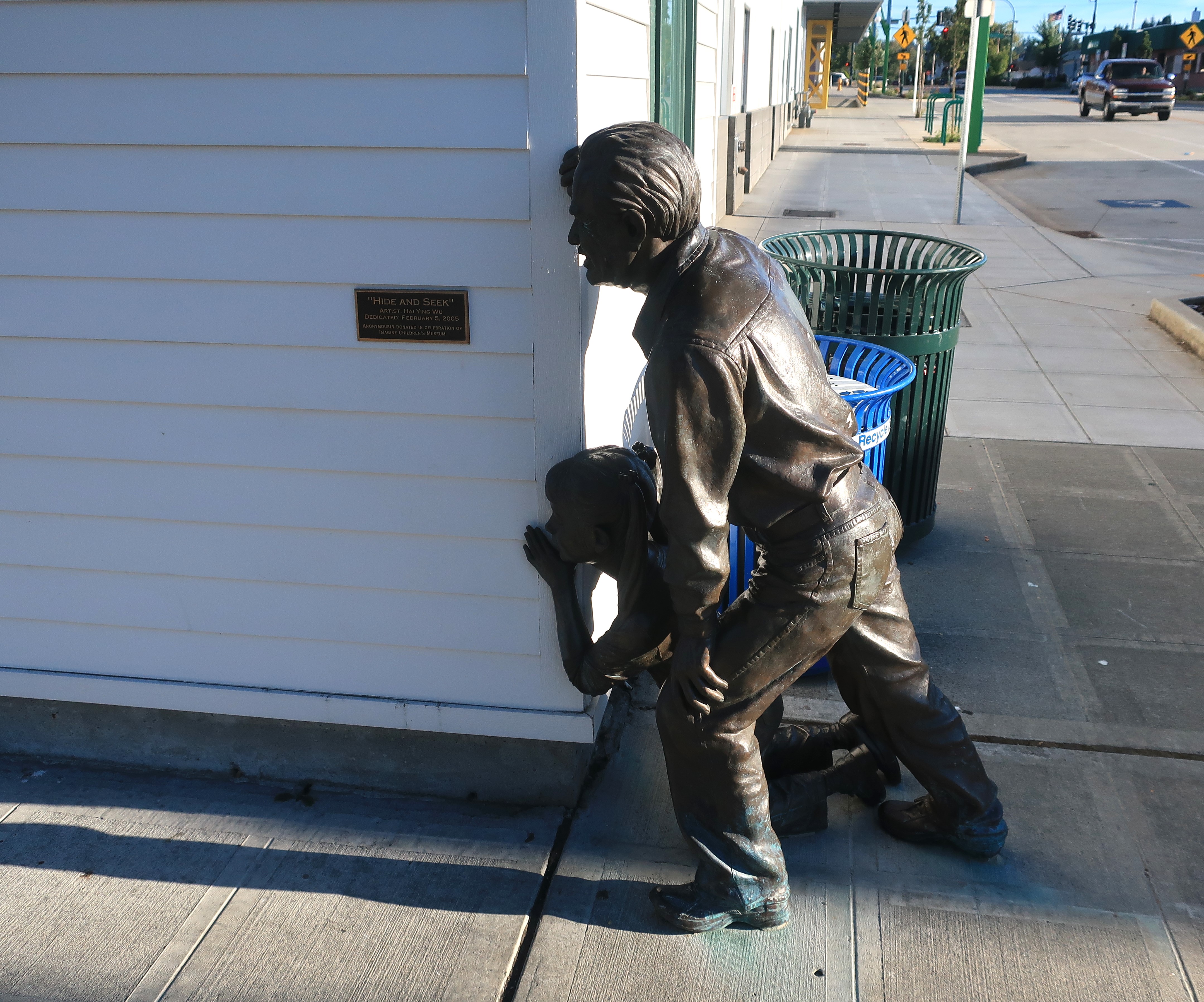
Finally, here’s some interesting artwork I saw — three statues depicting a game of hide-and-seek.

Snohomish County within the state of Washington

A list of all photo posts from the American County Seats series in TimManBlog can be found here.

All photos were taken by the author on August 29, 2022.

My hobby is traveling to America’s county courthouses. Each month, I post about a visit to a scenic or exciting county seat. It’s a hobby, and donations are greatly appreciated to help cover my costs.

Donation to TimManBlog

Use this form to make donations to support this site. Paypal, Visa, Mastercard, Amex, and Discover cards are accepted. Donations can be made in increments of $5.00; increase the number of units to increase the donation amount.

$5.00

Exploring Baudette: The Coldest Town in Minnesota

July 31, 2024
(photos and memories from July 2023)
(If you like my posts, you can support this site with a donation via Paypal, Visa, Amex, Mastercard, or Discover by using the form at the bottom of this post. Thank you.)

Willy the Walleye at the entrance to Baudette, Minnesota — the “Walleye Capital of the World.”

It’s a natural tendency among people to want to be the best at something. It usually doesn’t matter very much what that “something” is, whether it is virtuous or not, significant or not, astounding or not. People just want to have something to be proud of.

In the case of Baudette, Minnesota (population 966), that something is the notoriety of being the coldest town among the lower 48 states of the U.S.

Baudette is the county seat of Lake of the Woods County in north central Minnesota. Its northern border (including the “Northwest Angle,” the notch of land that sticks up above the 49th parallel) is contiguous with the southern border of Canada. To the east of Baudette is the larger and more famous town of International Falls, Minnesota. Baudette and International Falls are rivals for the distinction of being the coldest town in the lower 48. According to popular reputation alone, International Falls is the victor in the contest, but Baudette has arguments in its favor.

Lake of the Woods County in the state of Minnesota

In the contest as to which town is the coldest, Baudette can boast that it is home to Automotive Enviro Testing, a cold-weather testing facility used by prominent automakers including Honda, Tesla, and others. Thus, Baudette’s claim is more than just reputation, it is backed up industrial choice.

I am not a cold-weather person, so I came to Baudette in the month of “high summer” — July. Baudette was warm and welcoming with many visitors plying the waters for walleye since Baudette claims to be the Walleye Capital of the World.

The main intersection in Baudette, Minnesota, with Wally the Walleye near the center.

Baudette is a fairly young town. It was founded in 1907 at the point where the Baudette River flows into the Rainy River. The Rainy River captures the outflow from the Lake of the Woods and serves as the boundary between Minnesota and Ontario, Canada. The town of Rainy River, Ontario, lies across the international bridge from Baudette. The bridge can be seen in the background of the photos below.

The Baudette River as it flows north into the Rainy River at the U.S. – Canadian border.

Below: private docks along the Baudette River with the International bridge in the background.

The old Rex Hotel in Baudette, Minnesota
The central intersection in Baudette, Minnesota, population 966.

The single-courtroom Lake of the Woods County Courthouse is part of the new government center built at the edge of town. I walked into the atrium and noticed that the courtroom was closed. The walls of the atrium were lined with old black and white hunting photos and family photos of old settlers.

Lake of the Woods County Government Center in Baudette, Minnesota.

A list of all photo posts from the American County Seats series in TimManBlog can be found here.

All photos were taken by the author on July 14, 2023.

My lifetime hobby is traveling to all of America’s county courthouses, and each month, I post about a visit to a scenic or exciting county seat. It’s a hobby, and donations are greatly appreciated to help cover my costs.

Donations to TimManBlog

Use this form to make donations to support this site. Paypal, Visa, Mastercard, Amex, and Discover cards are accepted. Donations can be made in increments of $5.00; increase the number of units to increase the donation amount.

$5.00

Surprises in Manti, Utah

June 30, 2024
(photos and memories from June 2012)
(If you like my posts, you can support this site with a donation via Paypal, Visa, Amex, Mastercard, or Discover by using the form at the bottom of this post. Thank you.)

In 1846, Brigham Young led his followers, the Mormons, from Nauvoo, Illinois, into the Rocky Mountains to resettle in the valley of the Great Salt Lake, establishing present-day Salt Lake City, Utah. Once their initial settlement was stable, Young and the other Mormon church elders sent some of their followers into the Wasatch Mountains, searching for hospitable locations where additional Mormon settlements could be established. The town of Manti was one of the earliest of those new Mormon settlements. Founded by George Washington Bradley and Isaac Morley, Manti (sometimes called “Manti City”) was named for a city mentioned in the Book of Mormon. The town of 3,500 is well-situated, happily nestled beneath the palisades of the Sanpete Mountains in central Utah, 125 miles south of Salt Lake City.

The old Manti town Assembly Hall beneath the Sanpete Mountains of central Utah.

Like so many Mormon towns throughout Utah, Manti is a quiet, orderly place with wide, tree-lined streets.

The 1879 Manti Temple of the Church of Jesus Christ of Latter Day Saints.

The modern four-story hilltop Mormon Manti Utah Temple is the largest building in town by far.

A performance of the “Mormon Miracle Pageant” was being advertised when I was in Manti.

Here are some homes, new and old, that I saw around town:

Manti is the seat of Sanpete County, Utah. The Sanpete County Courthouse is shown below.

A residential street in Manti beneath the summits of the Sanpete Mountains.

I was shocked to see this poster on a local shop window along Main Street. References to something called “Rat Fink” seemed greatly out of place in this quiet, staid Mormon town.

Advertisement for the 10th Annual Ed “Big Daddy” Roth Rat Fink Reunion.

What the heck is this? This seems like something straight out of California, not Utah.

I looked up “Rat Fink” in Wikipedia (all the links work, and will explain everything):

Rat Fink is one of several hot rod characters created by artist Ed “Big Daddy” Roth, one of the originators of Kustom Kulture of automobile enthusiasts. Roth conceived Rat Fink as an anti-hero to Mickey Mouse.”

Rat Fink has its origins in California as I suspected. Ed “Big Daddy” Roth was born in Beverly Hills and grew up in the Los Angeles area, where he achieved fame for his artwork. Later in life, Roth married a girl from Manti and joined the Church of Jesus Christ of Latter Day Saints in 1974. He spent the rest of his life in Manti, where he died in 2001.

The Rat Fink Reunion is now an annual event in Manti. Here is a link to the 2024 Rat Fink Reunion website.

I was in Manti on June 1, 2012, and I wrote the following note to mark the visit:

“Welcome June, welcome summer! Welcome heat! Welcome blue skies! Welcome little girls standing on tiptoes to buy ice cream with dollar bills begged from their grandfathers! Welcome teenage boys crossing Main Street on their lawnmowers, heading toward their next grass-cutting job. Memories are being made, both for them and for me.”

Good times, good times.

Sanpete County in the state of Utah

A list of all photo posts from the American County Seats series in TimManBlog can be found here.

All photos were taken by the author on June 1, 2012.

My lifetime hobby is traveling to all of America’s county courthouses, and each month, I post about a visit to a scenic or exciting county seat. It’s a hobby, and donations are greatly appreciated to help cover my costs.

Donations to TimManBlog

Use this form to make donations to support this site. Paypal, Visa, Mastercard, Amex, and Discover cards are accepted. Donations can be made in increments of $5.00; increase the number of units to increase the donation amount.

$5.00

The Far Edge of the Country: Gold Beach, Oregon

May 31, 2024
(photos and memories from May 2017)
(If you like my posts, you can support this site with a donation via Paypal, Visa, Amex, Mastercard, or Discover by using the form at the bottom of this post. Thank you.)

Seven years ago, on my birthday, I returned to Curry County, Oregon, hoping that some sort of birthday magic would provide me with a beautiful day. It worked.

The southern Oregon coast near Gold Beach.

For those of you unfamiliar with this part of the country and this part of Oregon, Gold Beach is a town, not a beach resort. It was never at the end of the Oregon Trail — that pathway of emigration dropped off its travelers over 300 miles to the north near Portland and the Columbia River. Gold Beach is the seat of Curry County at the southwestern corner of Oregon, at the mouth of southern Oregon’s Rogue River, just north of the California border.

Gold Beach earned its name when early settlers found specks of gold in the sands at the mouth of the Rogue. There was great anticipation of more gold to be found, but the miners were ultimately disappointed. Some residents stayed here anyway, and Gold Beach became a town in 1890. Its population today is a bit over 2,000.

Below is a rundown of the town’s history, as told by the sign in front of the county courthouse.

The history of Gold Beach, Oregon.
Curry County within the state of Oregon

Although strategically located at the mouth of a large river, the Rogue, Gold Beach has never grown as a seaport since lands bordering the river are steep, rocky, and difficult to farm. Only a few roads head inland from Gold Beach; these roads are steep gravel tracks without asphalt. (I traveled them once years ago in my passenger car and deemed myself lucky not to have slid off the side of a cliff.) The terrain is so difficult that mail to upriver residents is delivered by U.S. Postal Service mailboats, one of only two rural mailboat routes remaining in the country. The Patterson Bridge over the Rogue River was built in 1932 during the Great Depression, allowing traffic to move north and south along U.S. Highway 101 up and down the Oregon Coast without interruption.

But that’s enough background. Here are some photos of this beautiful area.

The Patterson Bridge over the Rogue River at Gold Beach, Oregon. Built in 1932.
Boats moored along the Rogue at Gold Beach.

U.S. Highway 101 runs along the length of the Pacific Coast from Washington to California. This is Gold Beach’s main street, and the small town has only a few other streets besides this one. Below is Highway 101’s appearance in Gold Beach and some businesses and signs associated with the local commerce.

The Gold Beach Pioneer Cemetary, overlooking the Pacific Ocean.
The Curry County Courthouse in Gold Beach, Oregon.

This next picture might be my favorite. See that house halfway up the hillside? It overlooks town and the Pacific Ocean. There’s been a little bit of retirement settlement in town, and this house might belong to someone who has moved here after making their fortune in California. I’d happily live there, enjoying the ocean views every single day.

Hillsides overlooking Gold Beach.
Gold Beach’s new 4-story hospital.

I’ll finish the post with some views of the Pacific Ocean. These were taken at various turnouts along Highway 101 south of Gold Beach toward the larger town of Brookings. Brookings is the largest town in Curry County — it has 6,000 residents.


A list of all photo posts from the American County Seats series in TimManBlog can be found here.

All photos were taken by the author on May 22, 2017, except for the photo of the sign explaining Gold Beach’s history — that photo was taken in 2007.

My lifetime hobby is traveling to all of America’s county courthouses, and each month, I post about a visit to a scenic or exciting county seat. It’s a hobby, and donations are greatly appreciated to help cover my costs.

Donations to TimManBlog

Use this form to make donations to support this site. Paypal, Visa, Mastercard, Amex, and Discover cards are accepted. Donations can be made in increments of $5.00; increase the number of units to increase the donation amount.

$5.00

Eureka Springs, Arkansas

April 30, 2024
(photos and memories from April 2018)
(If you like my posts, you can support this site with a donation via Paypal, Visa, Amex, Mastercard, or Discover by using the form at the bottom of this post. Thank you.)

“Eureka” means “I have found it.”

I drove into Eureka Springs from the north, not knowing what to expect as I entered Arkansas from Missouri. I soon found myself passing through a stone canyon along whose stream the Eureka Springs and Northern Arkansas Railroad had laid its tracks. I hadn’t expected to find a railroad.

The Depot.
The Dining Car.

Upon stopping for a look around, I found that the old railroad is still operational, but only for recreational purposes, and runs from April through October. The depot was outside of town, and I found other businesses here.

Businesses near the old train depot.

I continued into the center of town. By the surroundings of North Main Street, it became apparent that Eureka Springs was a resort town. Early settlers believed that the nearby natural springs had healing powers. Starting in 1879, the area was promoted as a destination for tourists and cure-seekers. Eureka Springs grew up around this activity, producing a thriving town full of Victorian architecture.

The 1905 Victorian Basin Park Hotel next to Basin Spring Park in Eureka Springs, Arkansas.
Basin Spring Park in Eureka Springs, Arkansas. The spring flows from the hillside above the platform.
The old Basin Spring Bath House in the Eureka Springs downtown historic district.

Although the popularity of “taking the waters” has declined in this century, Eureka Springs still draws tourists for its winding streets, old hotels, souvenir shops, mountain views, and old buildings.

I spent an hour walking through town. Main Street is at the lowest level, and the other streets wind uphill. I took photos of some old luxury hotels (still in use) and many old 19th-century buildings. Here are a few of the gems:

Carroll County, Arkansas, has two county seats: Berryville and Eureka Springs. In the early 1900s, Eureka Springs successfully lobbied for the establishment of a second county seat because the county’s hilly terrain made travel to the Berryville courthouse was so difficult.

Carroll County Courthouse, Western District. Eureka Springs, Arkansas.

The courthouse for the Western District of Carroll County was erected in 1908. This is a three-story limestone block structure with a bell tower and a US flag flying above it. However, the courtroom itself was closed because the bailiff had not yet arrived to unlock it. A sign explained as much.

Carroll County Courthouse. Eureka Springs, Arkansas.

I had no idea that Eureka Springs was such a beautiful tourist town before I arrived. All I had known previously was that it was a dot on the map and one of the two seats of Carroll County, Arkansas.

Carroll County within the state of Arkansas.

A list of all photo posts from the American County Seats series in TimManBlog can be found here.

All photos were taken by the author on April 16, 2018.

My lifetime hobby is traveling to all of America’s county courthouses, and each month, I post about a visit to a scenic or exciting county seat. It’s a hobby, and donations are greatly appreciated to help cover my costs.

Donations to TimManBlog

Use this form to make donations to support this site. Paypal, Visa, Mastercard, Amex, and Discover cards are accepted. Donations can be made in increments of $5.00; increase the number of units to increase the donation amount.

$5.00

Post Navigation