TimManBlog

Whatever I'm Thinking

Archive for the category “Travel Posts”

Ashland’s March Thaw

March 31, 2024
(photos and memories from March 2009)
(If you like my posts, you can support this site with a donation via Paypal, Visa, Amex, Mastercard, or Discover by using the form at the bottom of this post. Thank you.)
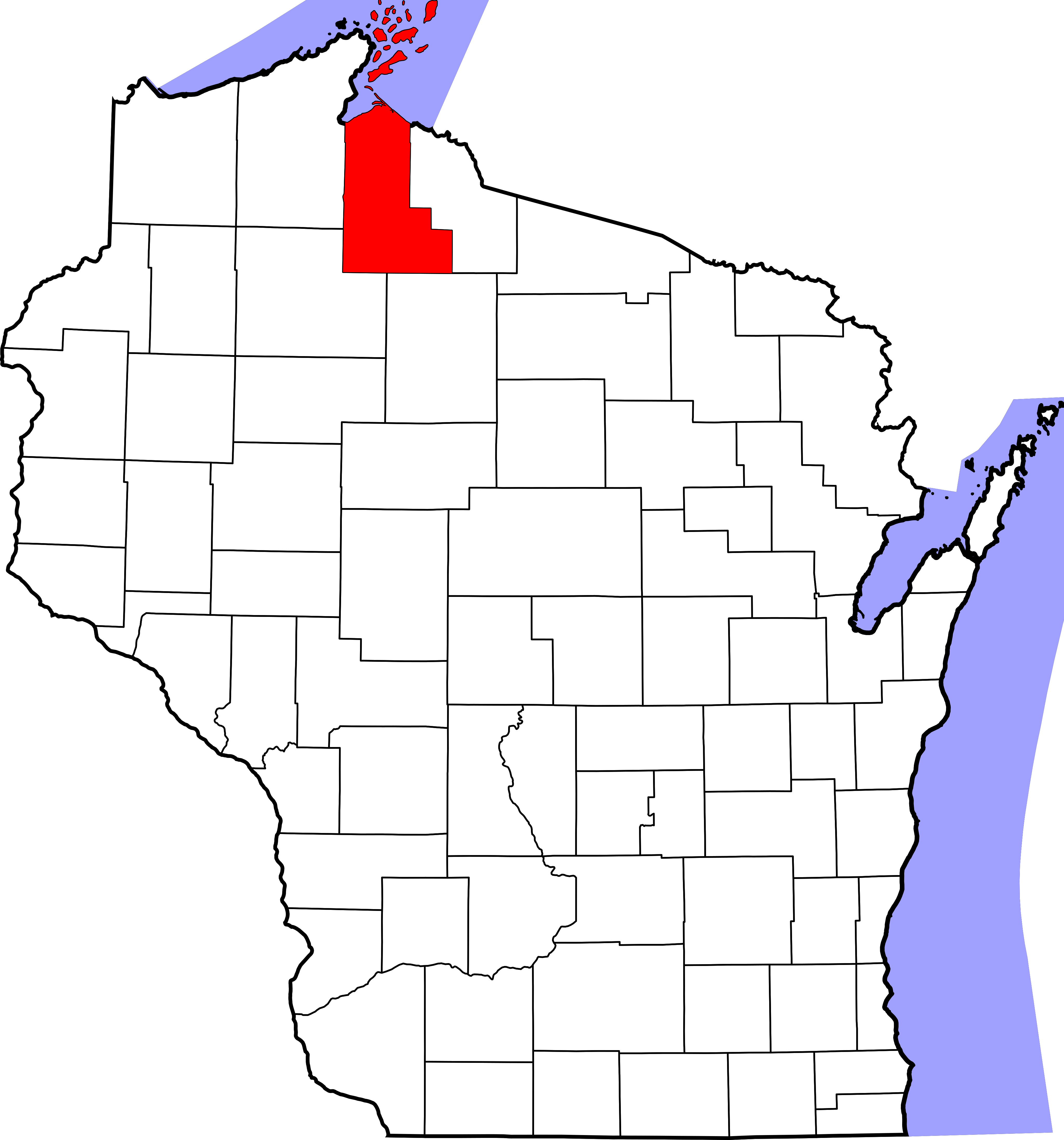
This is Ashland County, Wisconsin, on the shores of Lake Superior at the northernmost point of a northern state. Up here, winter always overstays its welcome, and when it leaves, everyone notices.

Ashland County within the state of Wisconsin.
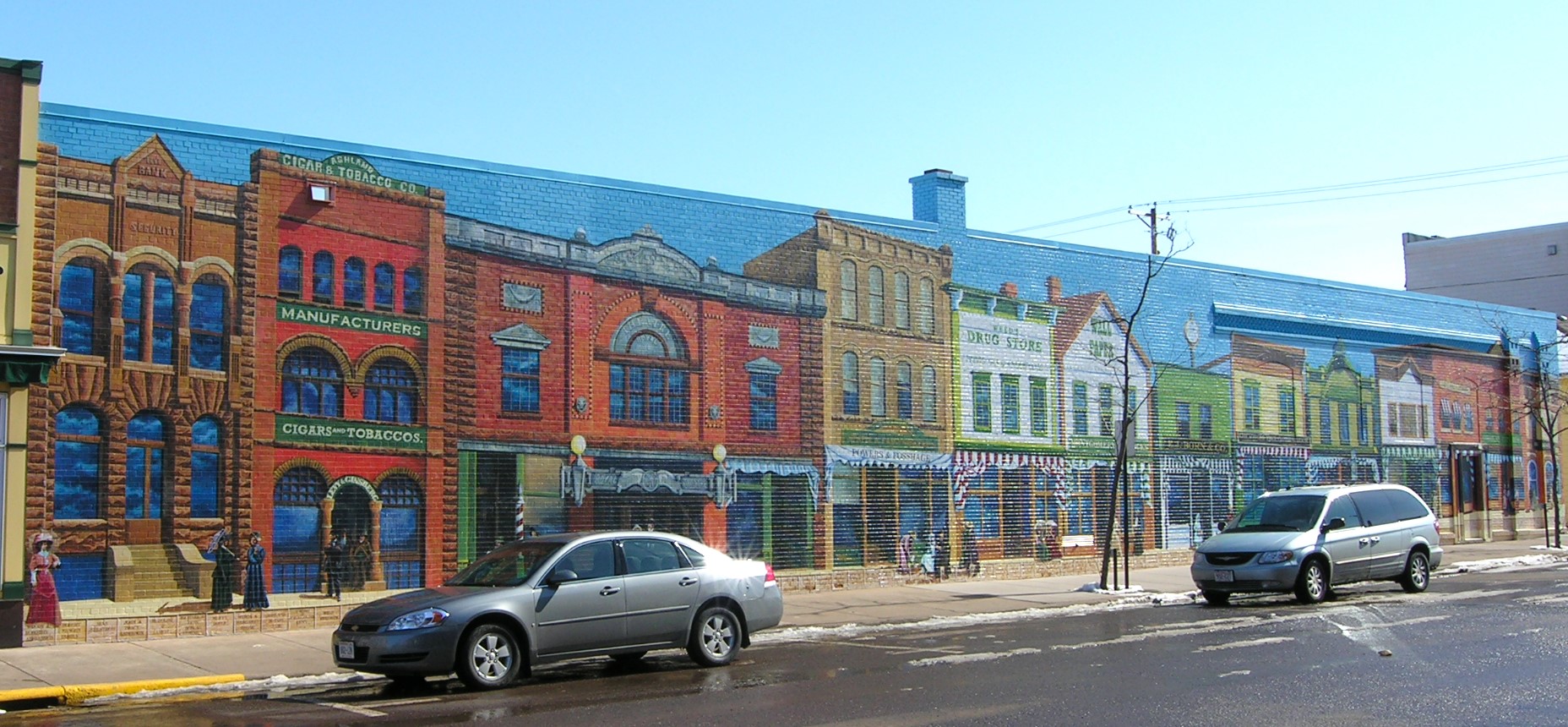
An Ashland street mural re-creates a late 19th-century street scene.

The sidewalks are still icy and slush-covered, but walkers quickly reduce the wintry mix to puddles of water. Storm drains flow briskly, washing the wintry stuff down toward Lake Superior. March is a special time of year for Wisconsinites—you can see the glee on their faces as the snow disappears.

I realize it’s warm enough to trade my quilted parka for a Pittsburgh Steelers hoodie while others forego their coats altogether.

The first shirt-sleeve weather of Spring!

Starting in the 1970s with the widespread availability of air conditioning, populations shifted from northern states to sunbelt states. The movement continued for several decades as whole industries were relocated. Assisted by the decline of iron ore mining here, the population of Ashland dropped from 9,615 in 1970 to 7,918 in 2020.

One thing to remember, though, is that the folks who remain in northern Wisconsin have stayed because they absolutely love it here. And I find it an absolute joy to be around people who love where they live.

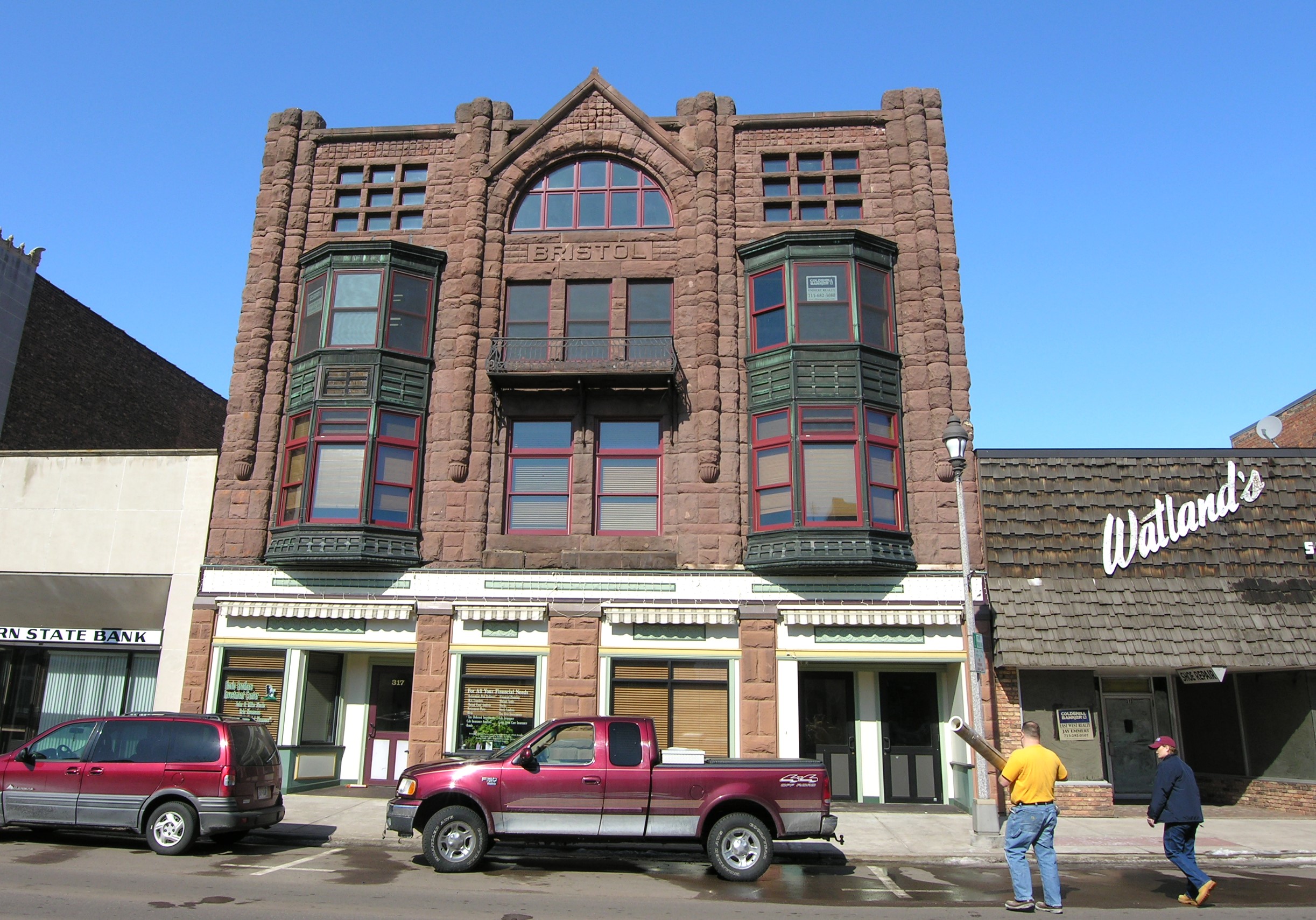
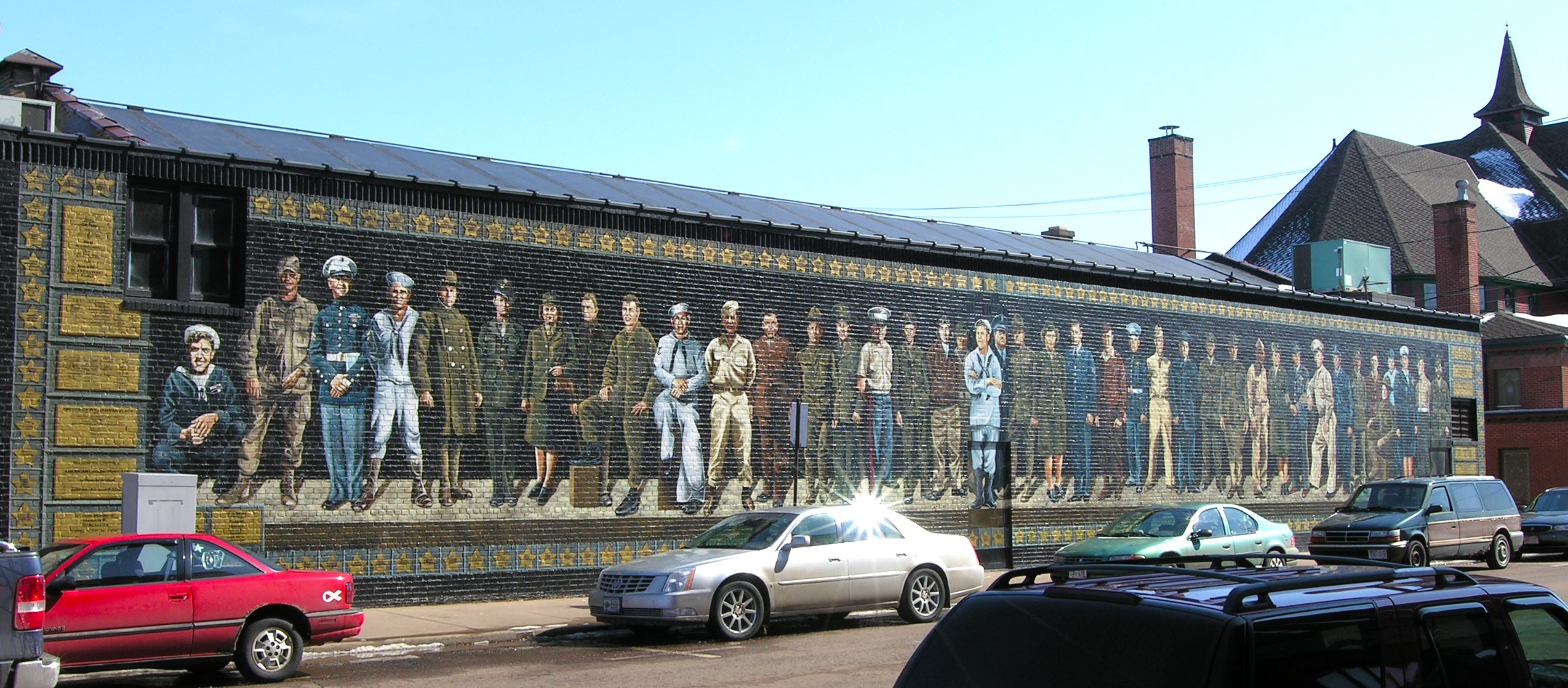
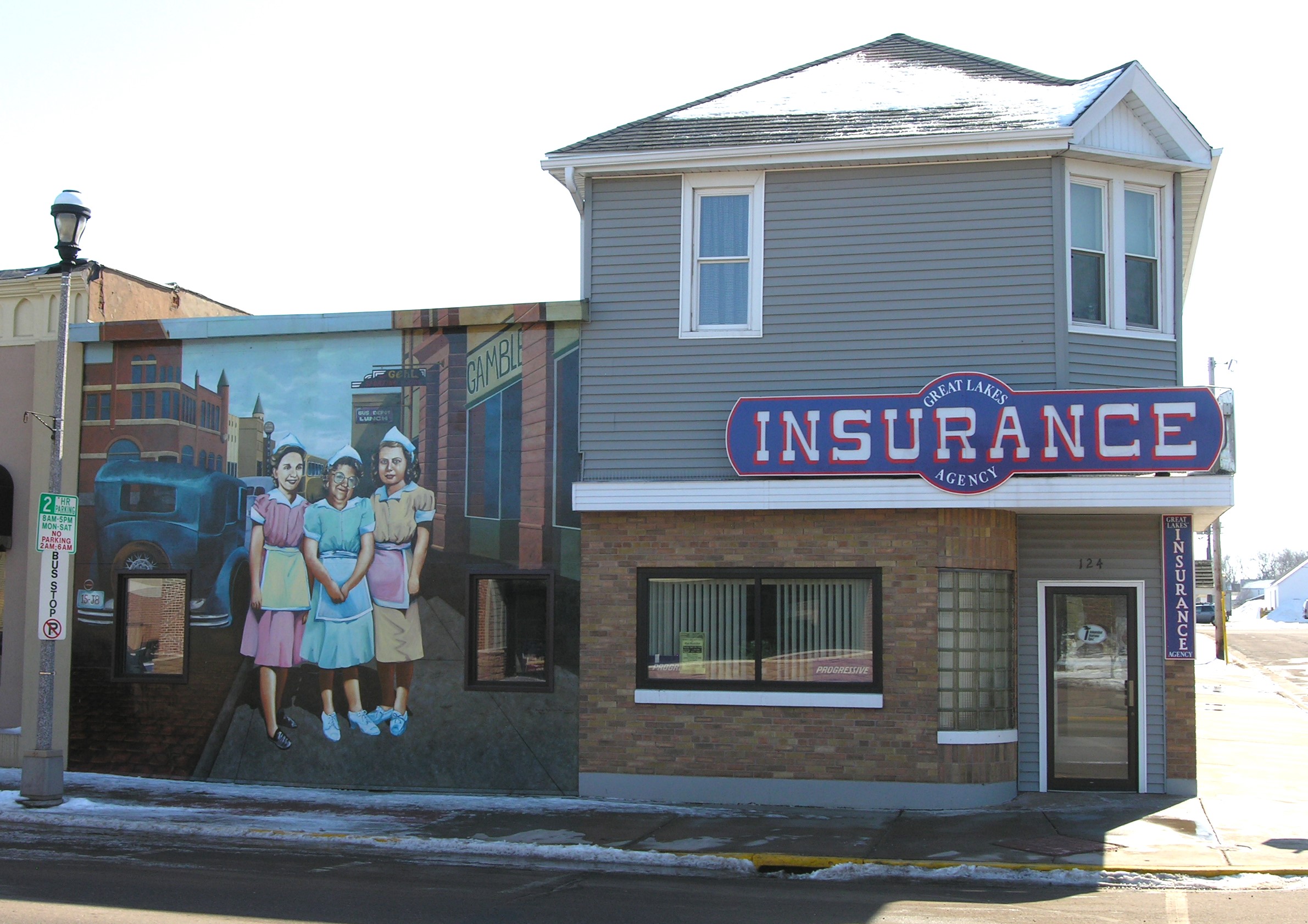
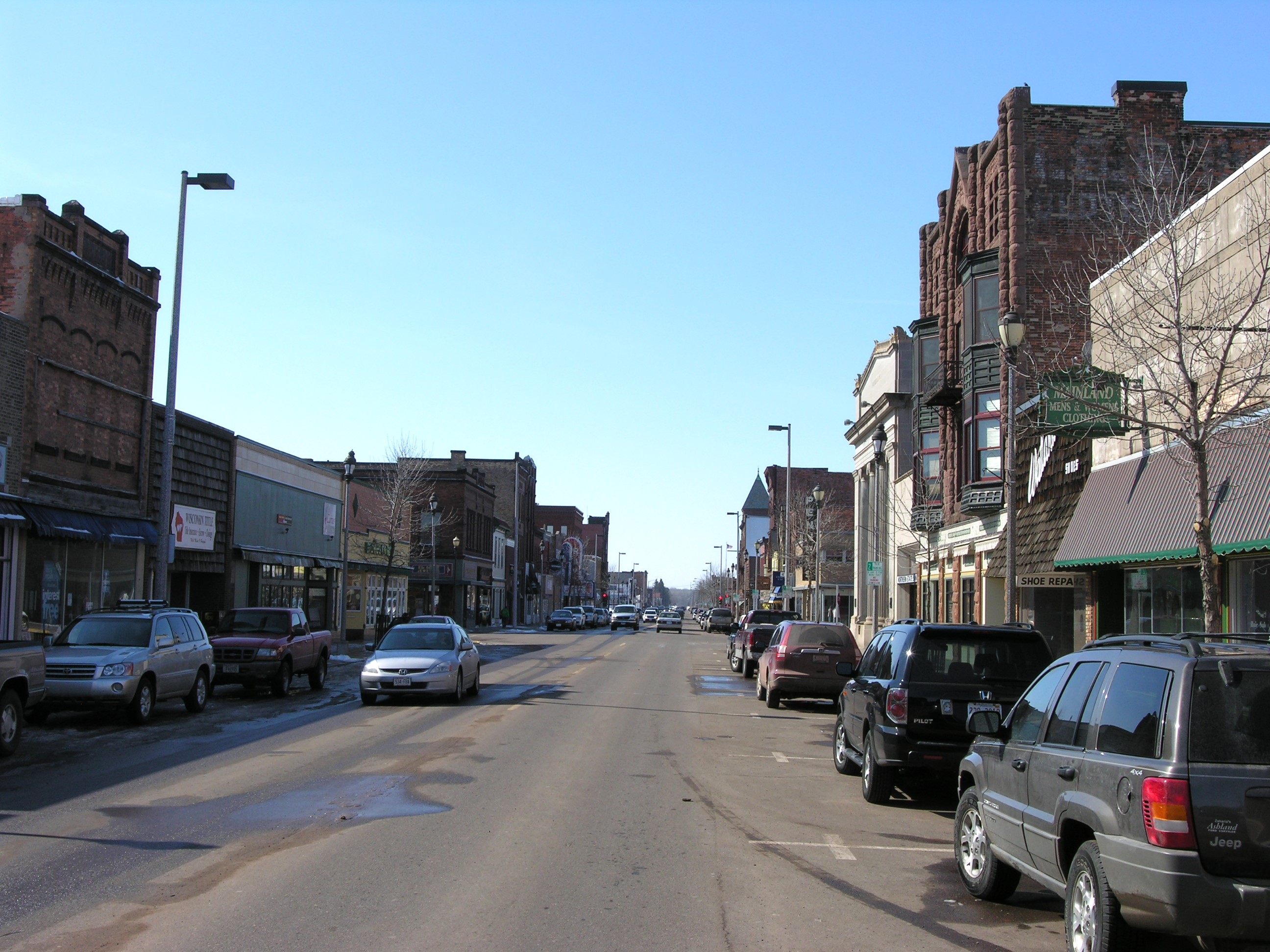
Below: Some of Ashland’s faces can be found painted on its downtown streets. The image at the bottom right shows the view down Main Street.

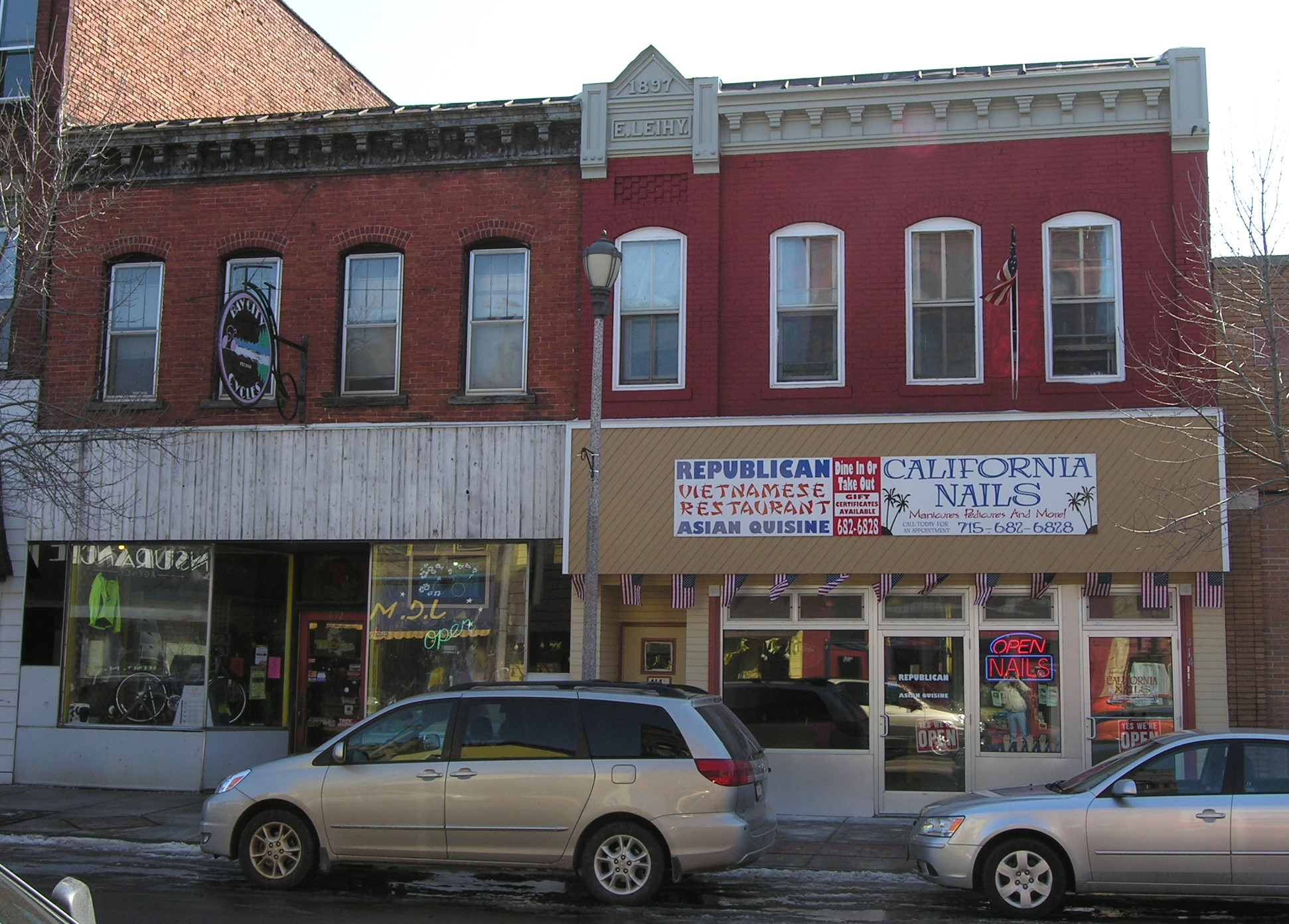
A Vietnamese restaurant and a nail salon occupy on old (1897) commercial building downtown.

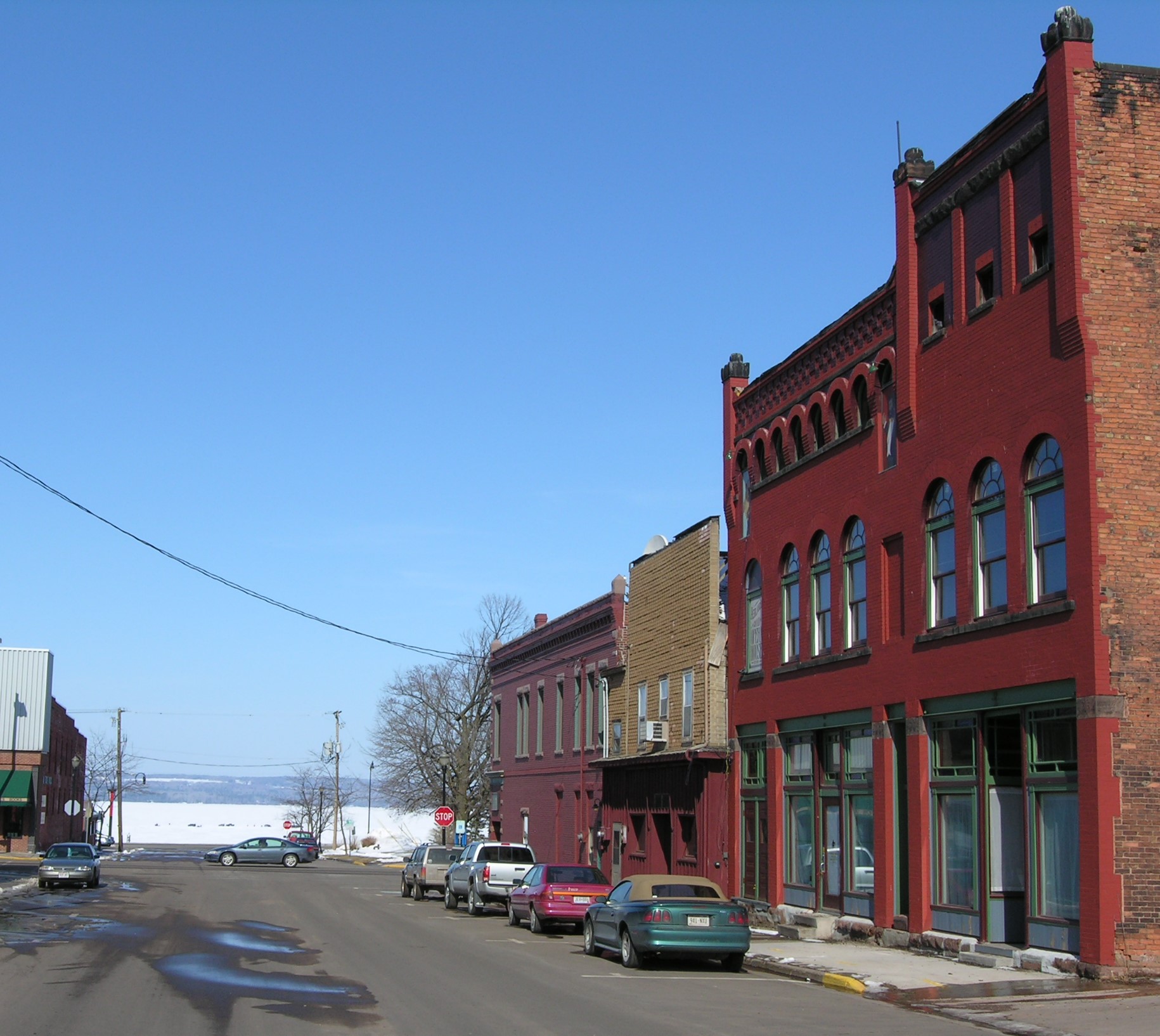
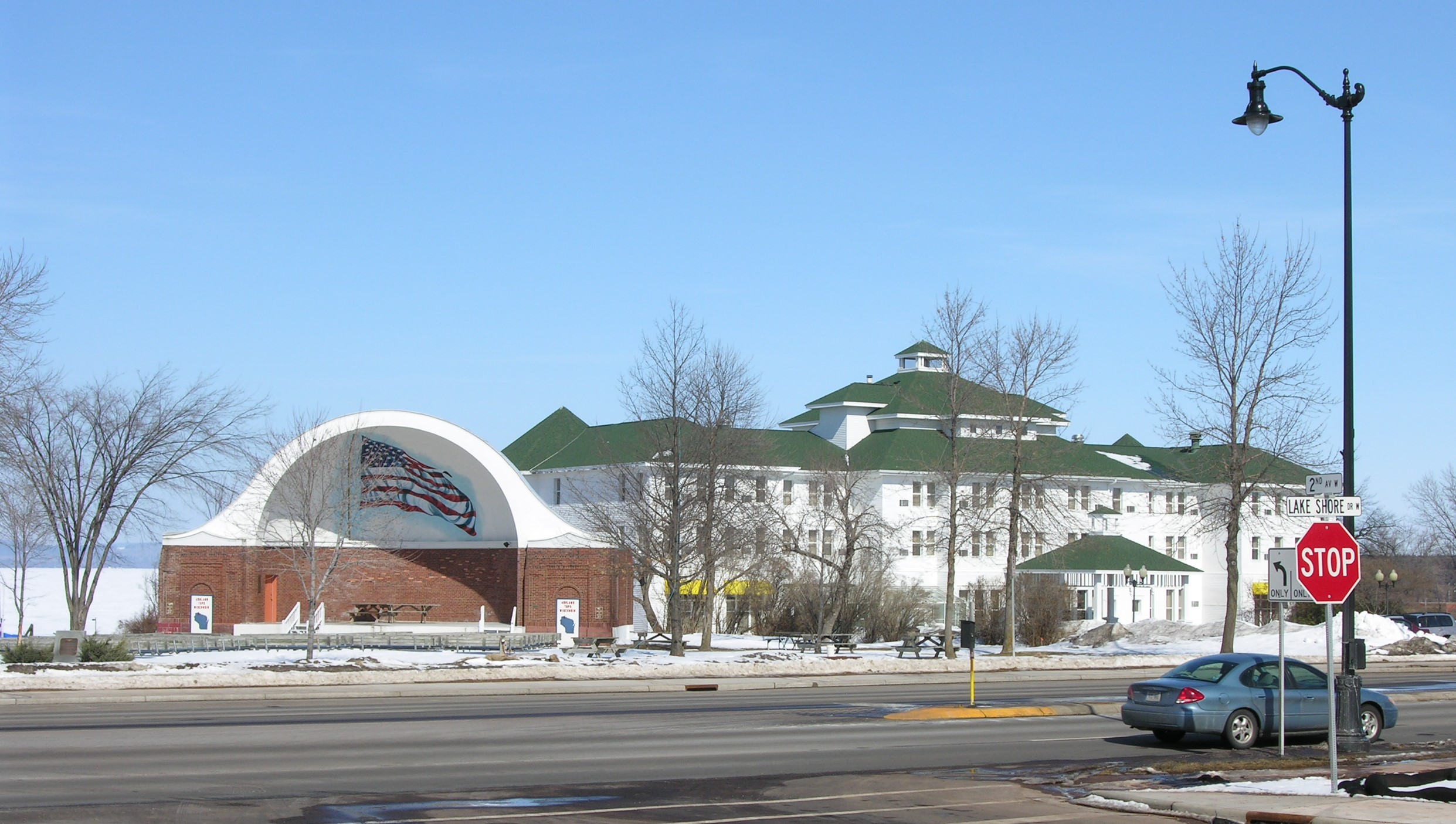
Even during the March thaw, Lake Superior remains frozen at Ashland’s harbor. Lake Superior can be seen in the background in the photo below left and in the upper photo below right. The image at the bottom right shows a lakefront hotel next to the Ashland town park and amphitheater.

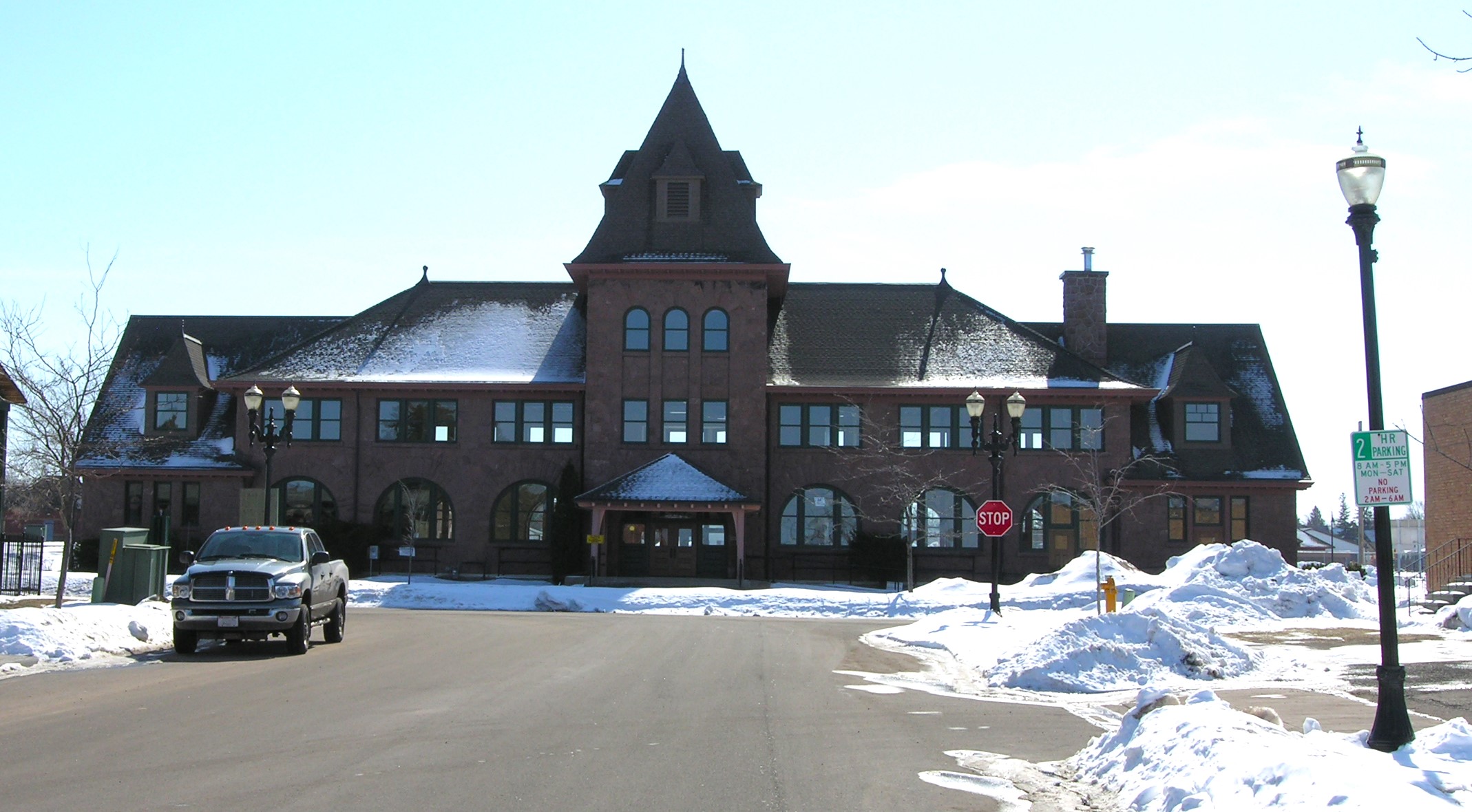
Railroads were the hub of Ashland’s commerce. Trains brought timber and iron ore from the surrounding countryside to be loaded for transport on Lake Superior freighters.

The Ashland train station

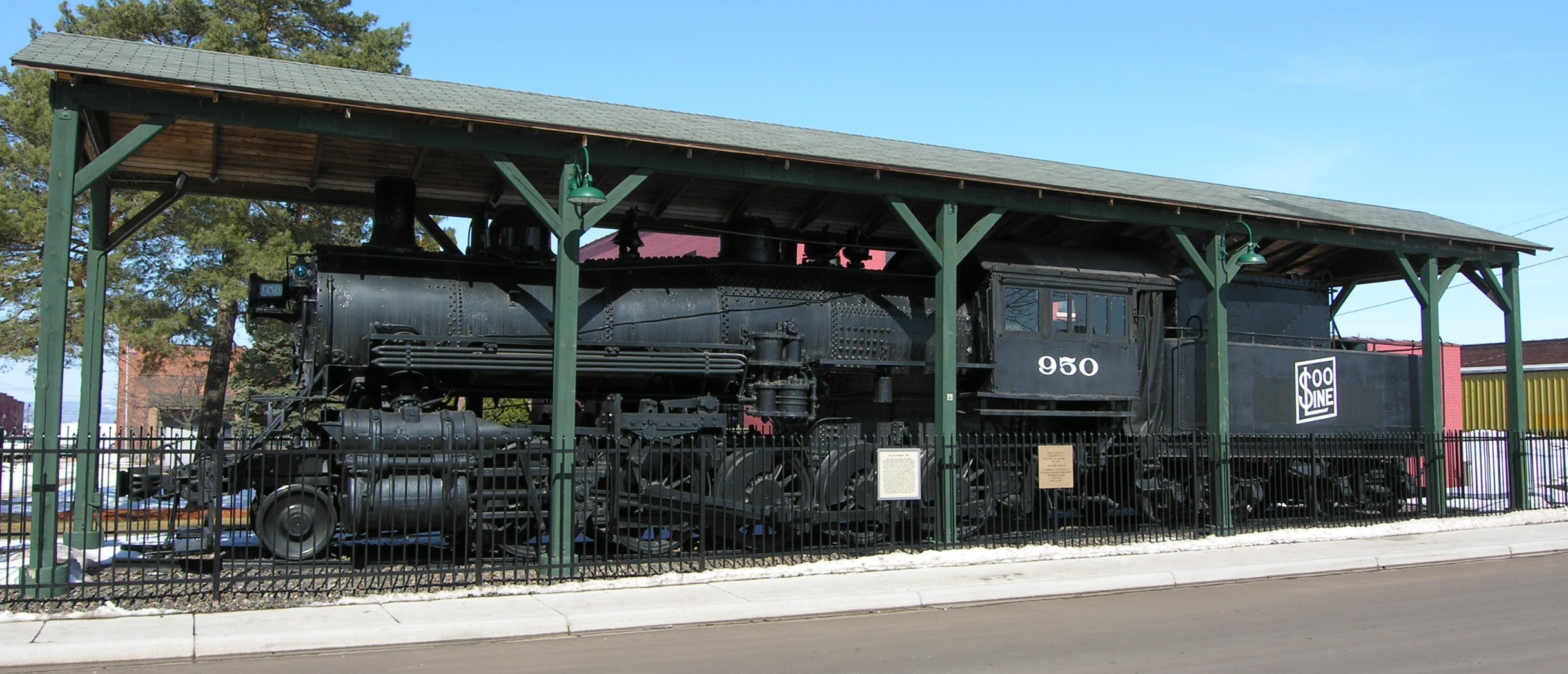
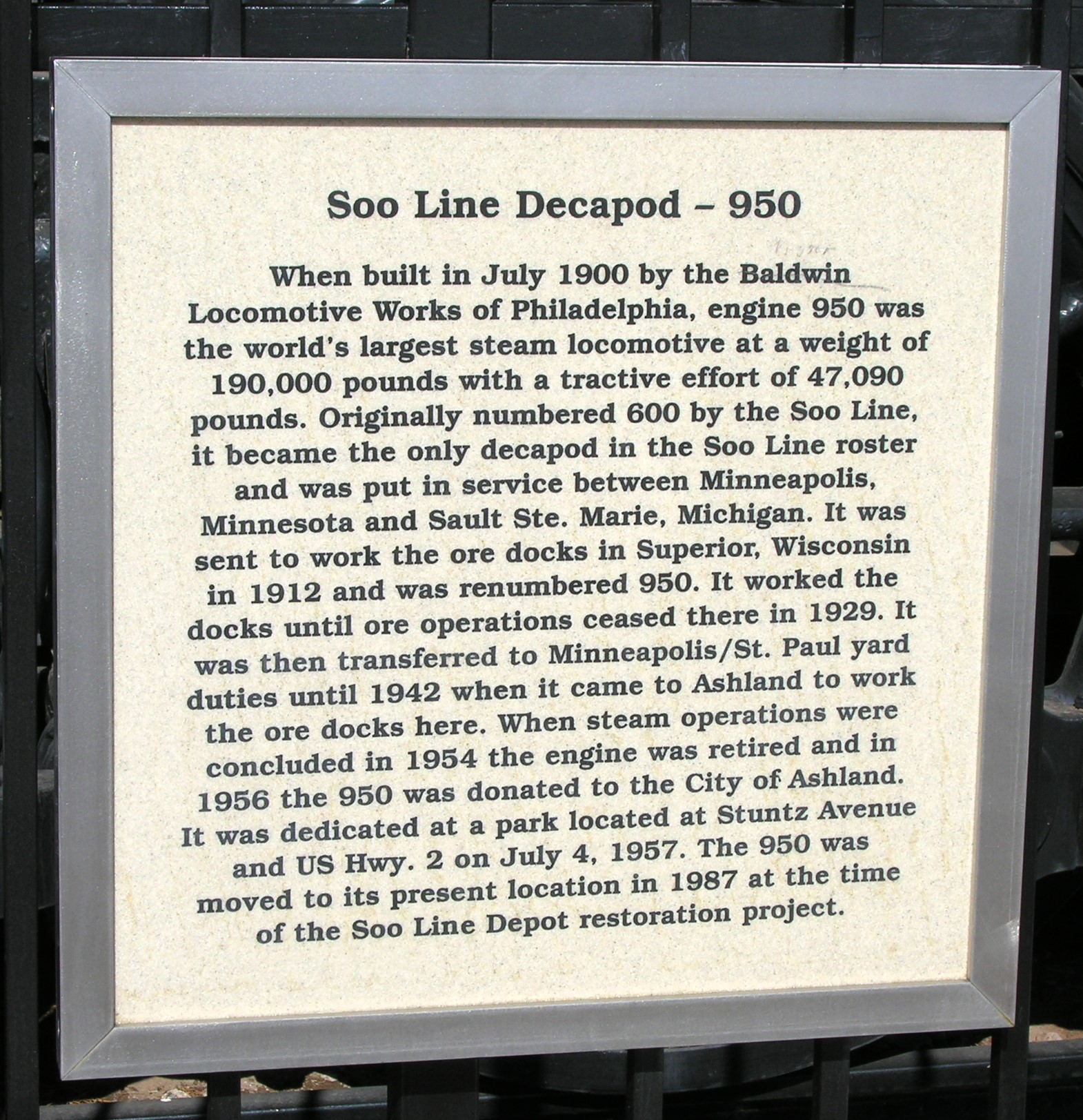
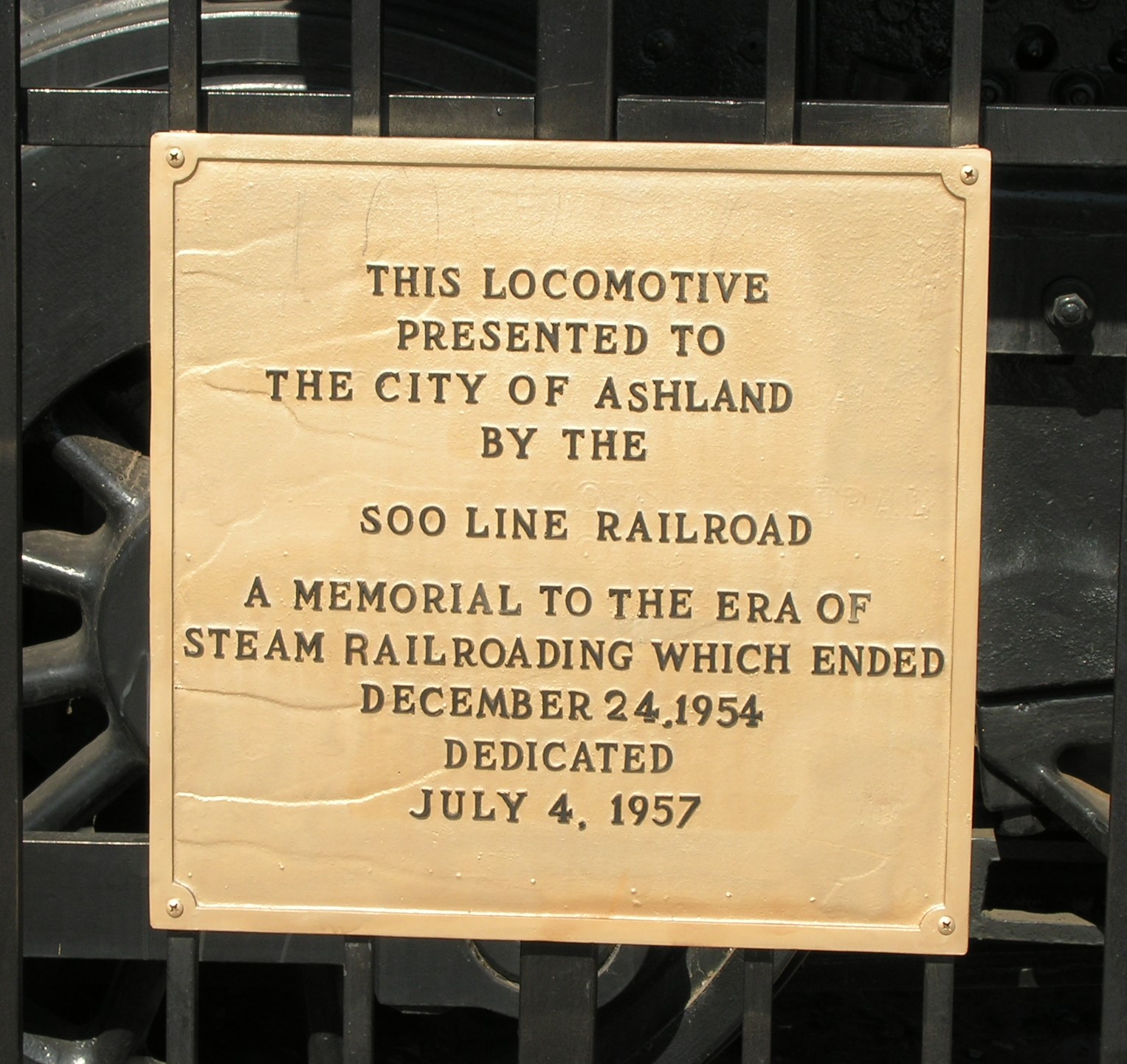
An old Soo Line locomotive on display near the station brings back memories of early 20th-century railroads.

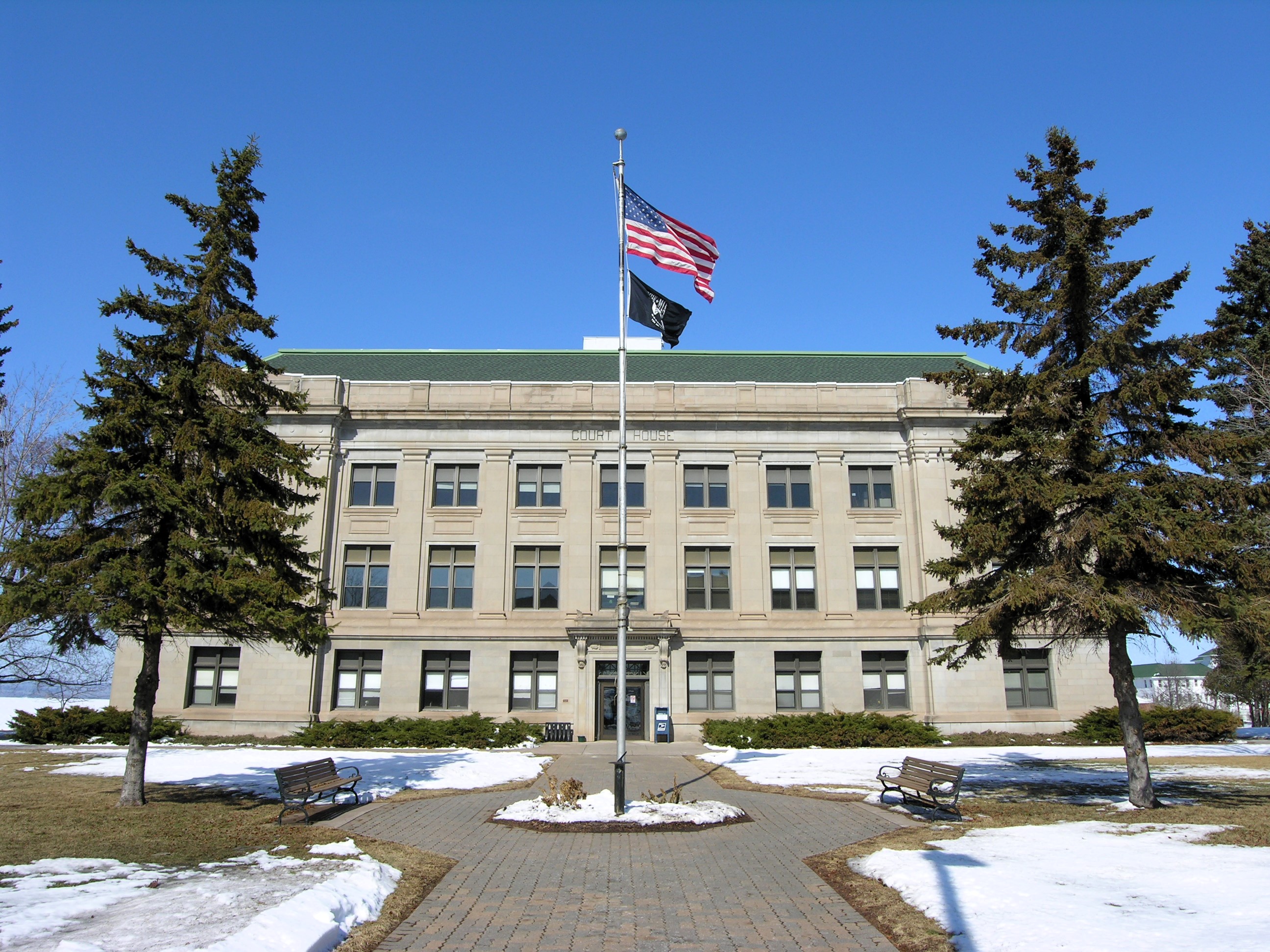
The Ashland County Courthouse, also on the lakefront.

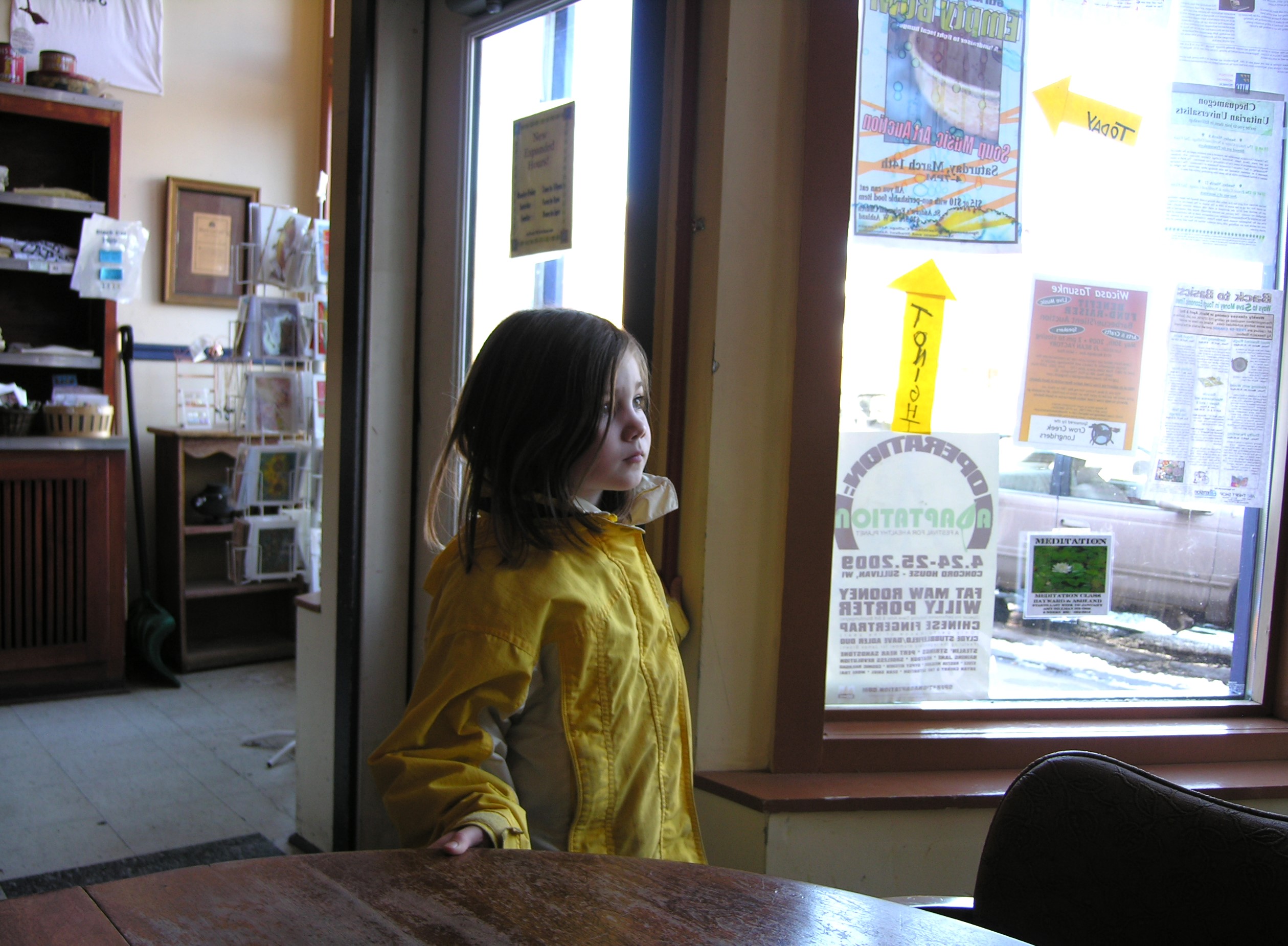
These last two photos were taken in downtown Ashland’s Black Cat Coffeehouse. I did not ask the little girl to pose for this photo — she’s just naturally photogenic.


A list of all photo posts from the American County Seats series in TimManBlog can be found here.

All photos were taken by the author on March 14, 2009.

My lifetime hobby is traveling to all of America’s county courthouses, and each month, I post about a visit to a scenic or exciting county seat. It’s a hobby, and donations are greatly appreciated to help cover my costs.
Thanks,
Tim

Donations to TimManBlog

Use this form to make donations to support this site. Paypal, Visa, Mastercard, Amex, and Discover cards are accepted. Donations can be made in increments of $5.00; increase the number of units to increase the donation amount.

$5.00
Street Murals of Dothan, Alabama

February 25, 2024
(Photos and memories of February 14, 2013)
(If you like my posts, you can support this site with a donation via Paypal, Visa, Amex, Mastercard, or Discover by using the form at the bottom of this post. Thank you.)

Dothan, Alabama, is the seat of Houston County, Alabama. I found Dothan to be full of life. Downtown is a set of narrow streets lined with old brick buildings of odd shapes and sizes, and enough shops and restaurants to please everyone.

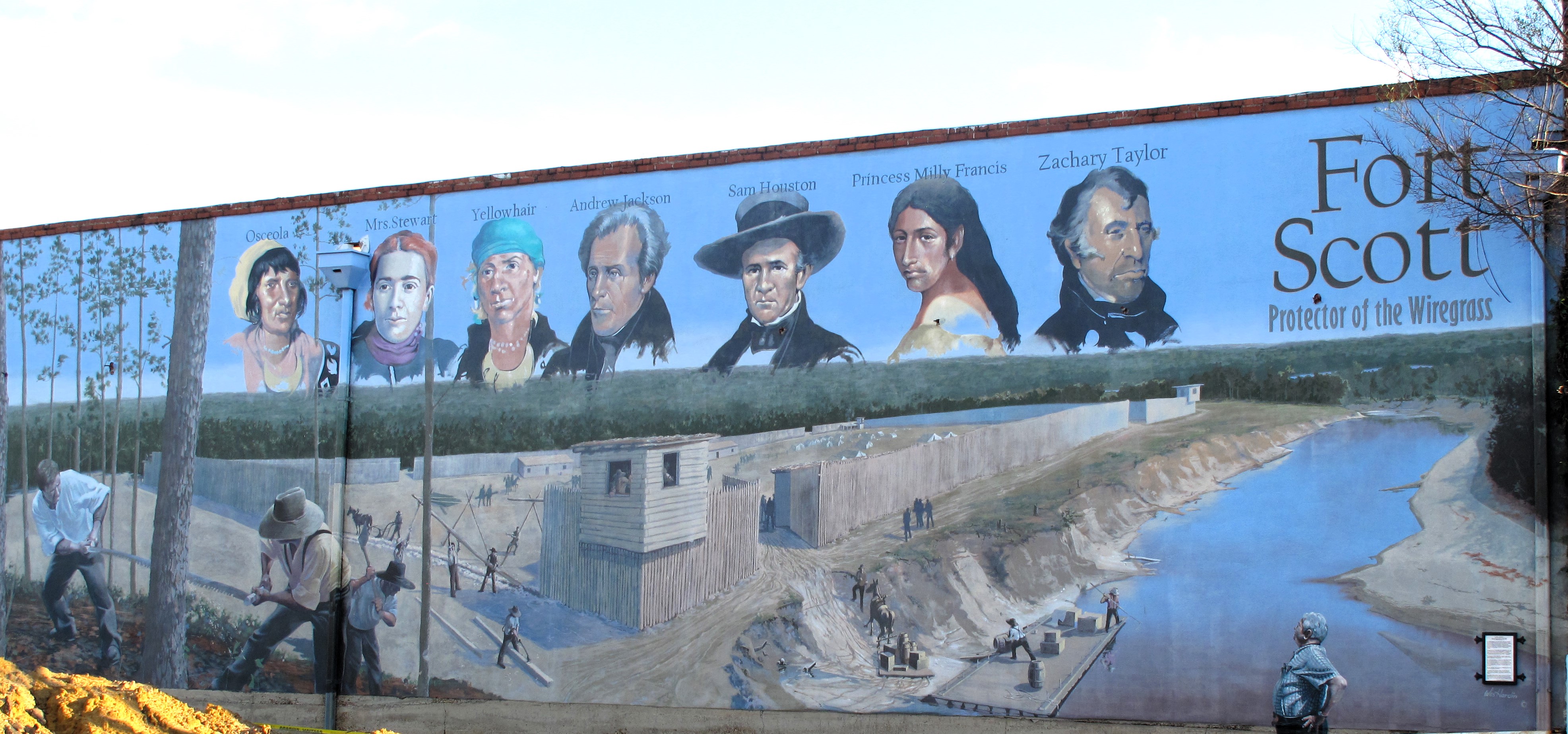
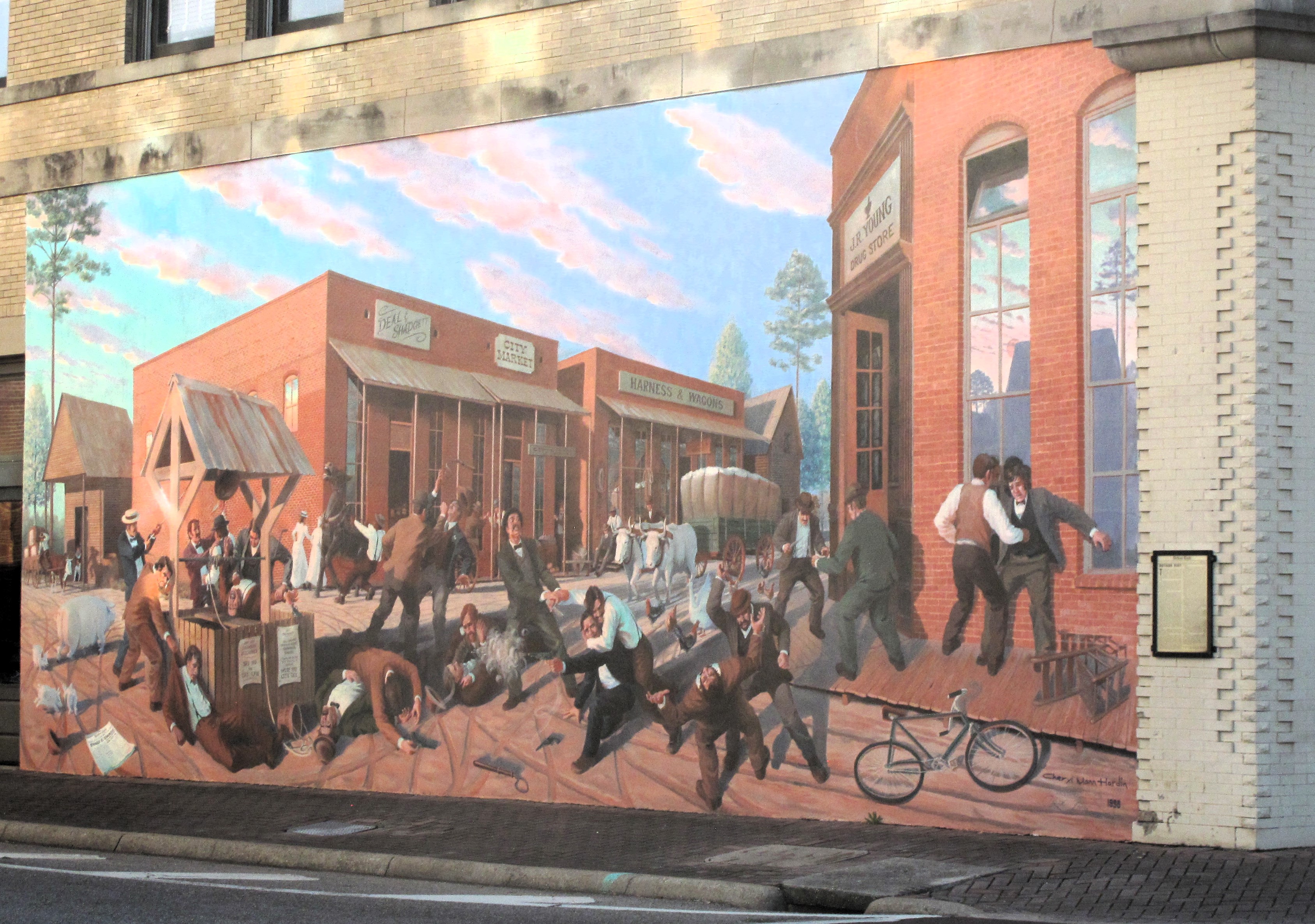
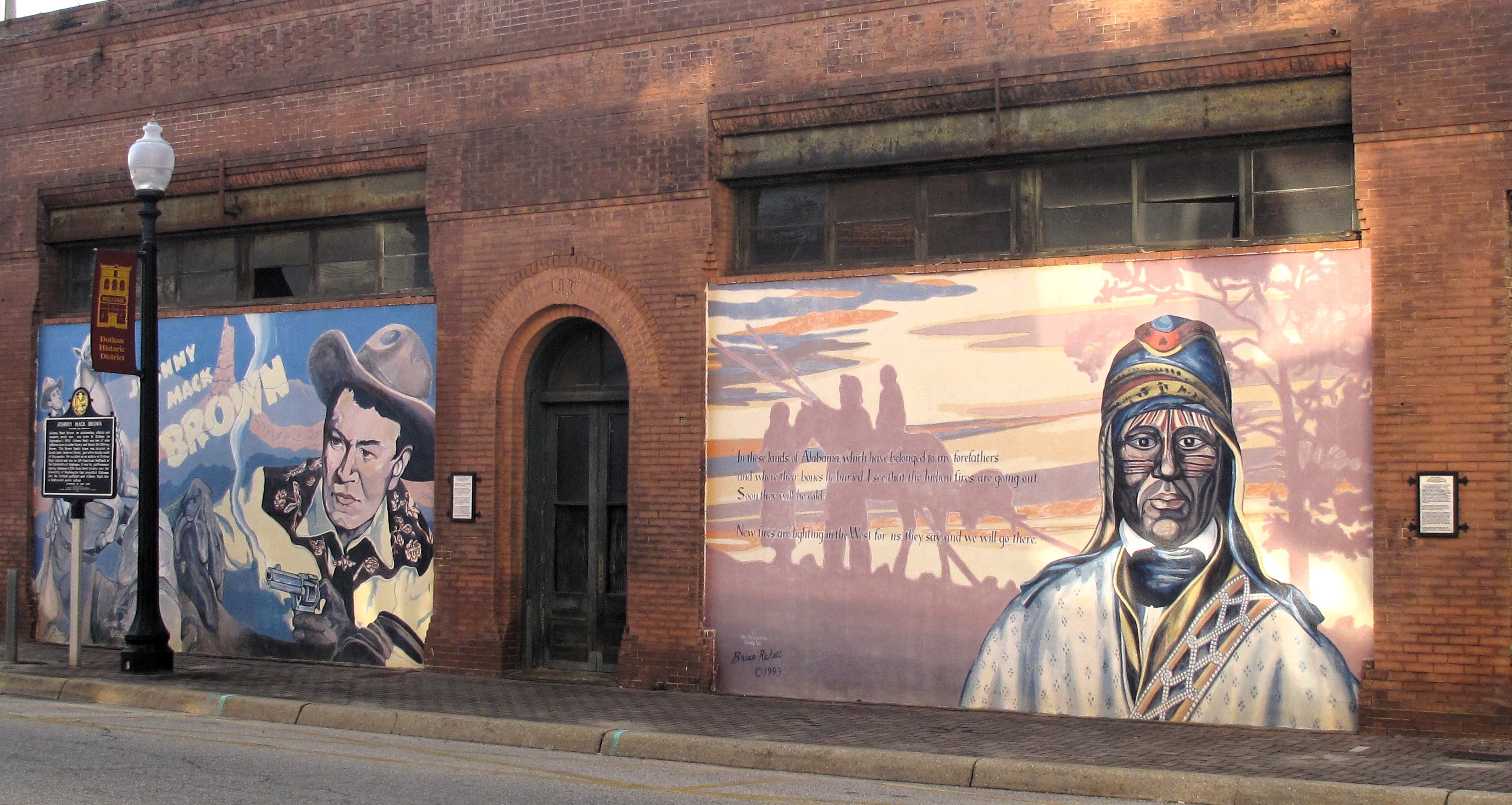
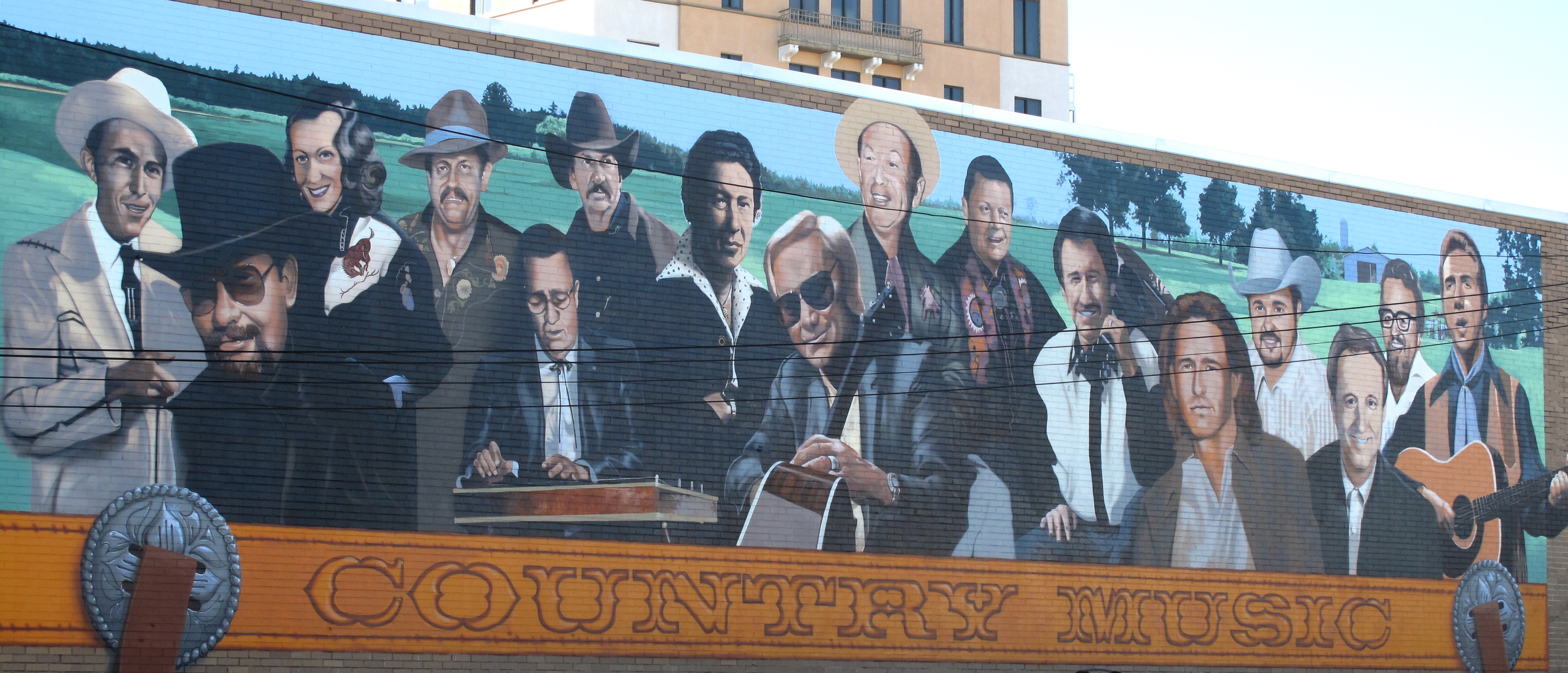
I took a bunch of photos of vivid murals along St. Andrews Street. The murals depict old Fort Scott, the Steamboat Era, Creek Indian chiefs, the Dothan riot of 1889, the famous Tuskegee Airmen, and favorite-son-turned-movie-star James Mack Brown. They are a history lesson about this part of the country.

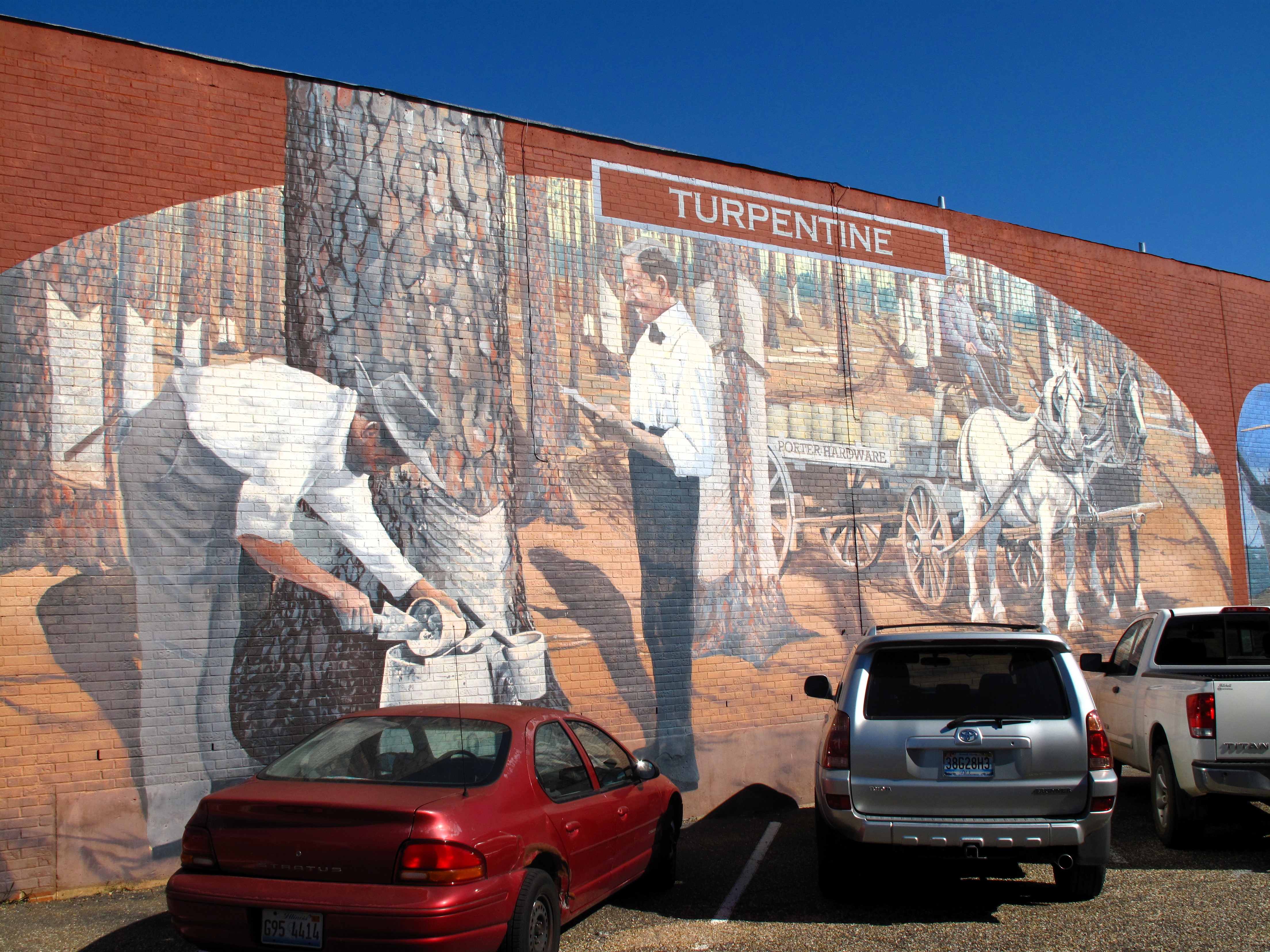
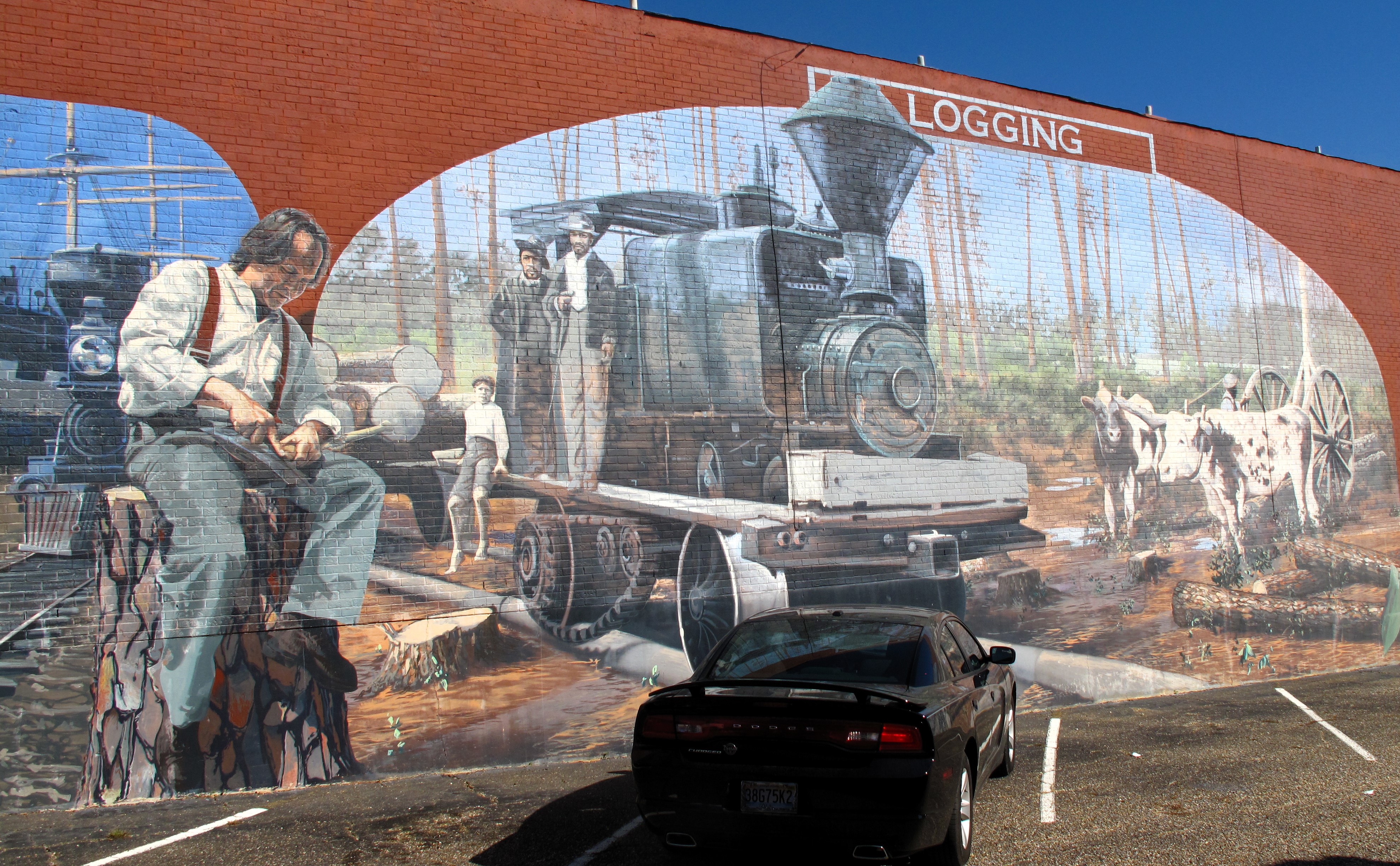
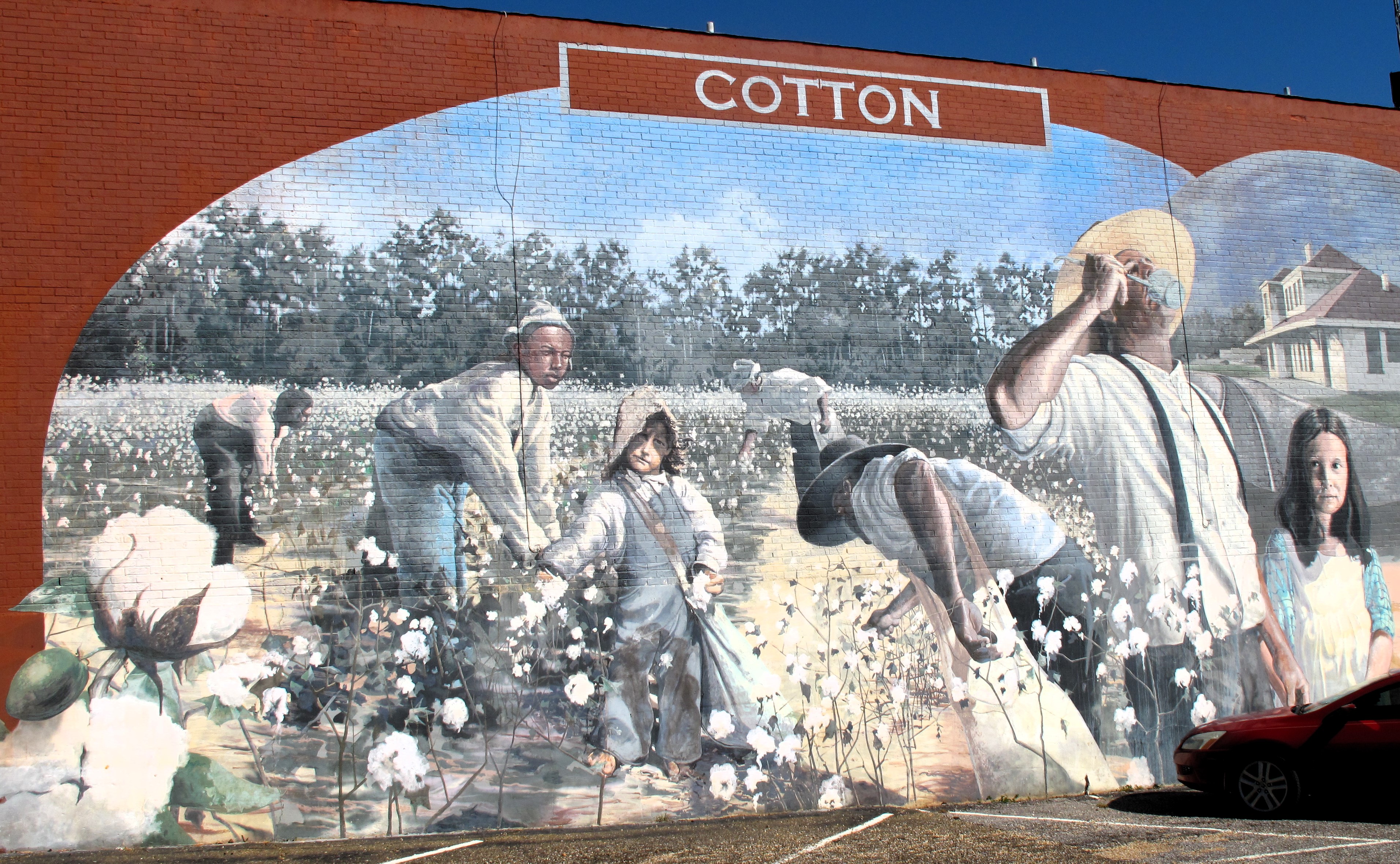
Some of the murals describe life in this rural southeastern Alabama town — full of turpentine, logging, cotton, and country music. That’s awesome, since Alabama is often overlooked by the rest of the country.

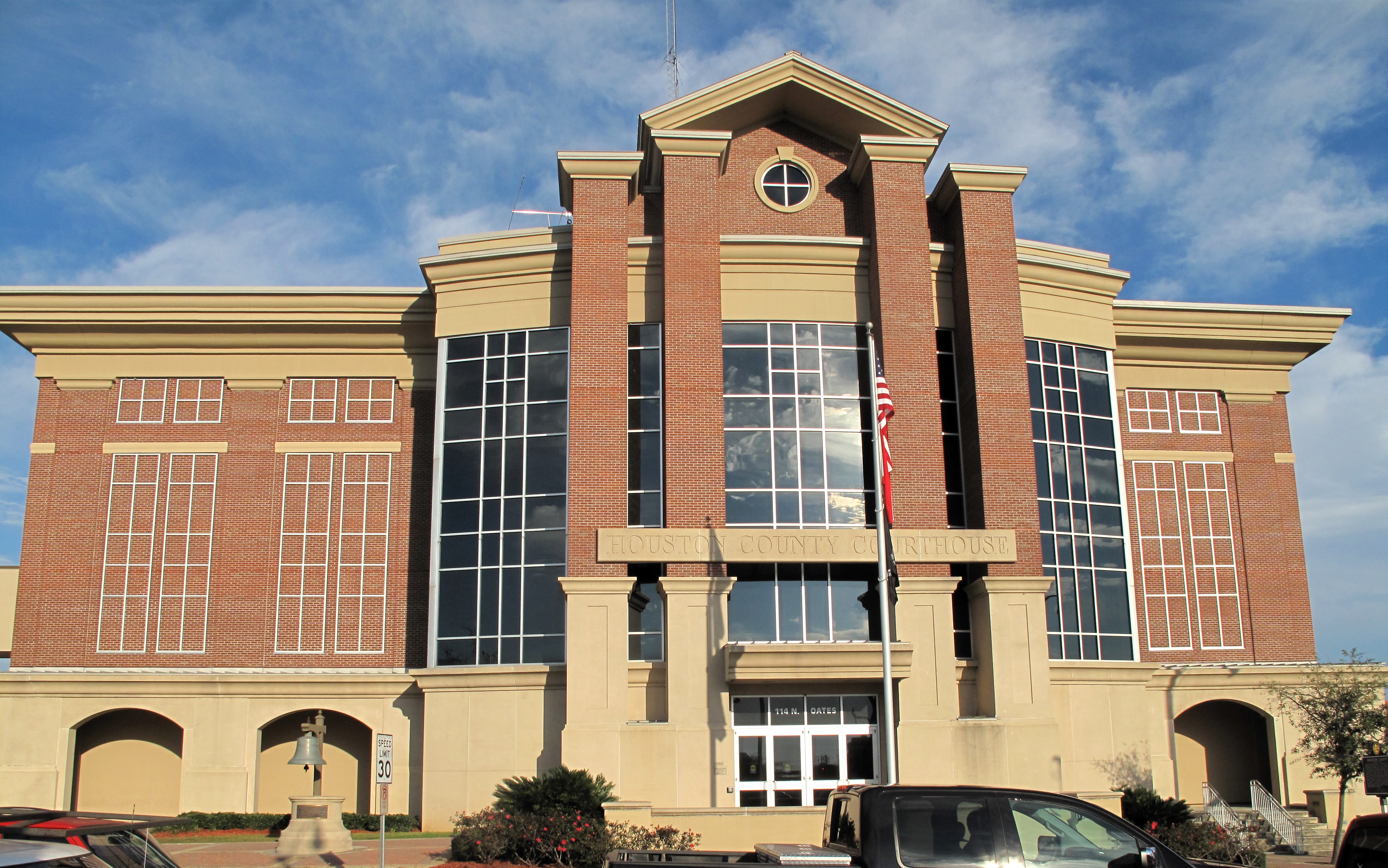
The Houston County courthouse stands at the central intersection in town. It was built in the 1960s but renovated in 2002.

Houston County Courthouse in Dothan, Alabama
Houston County in the state of Alabama

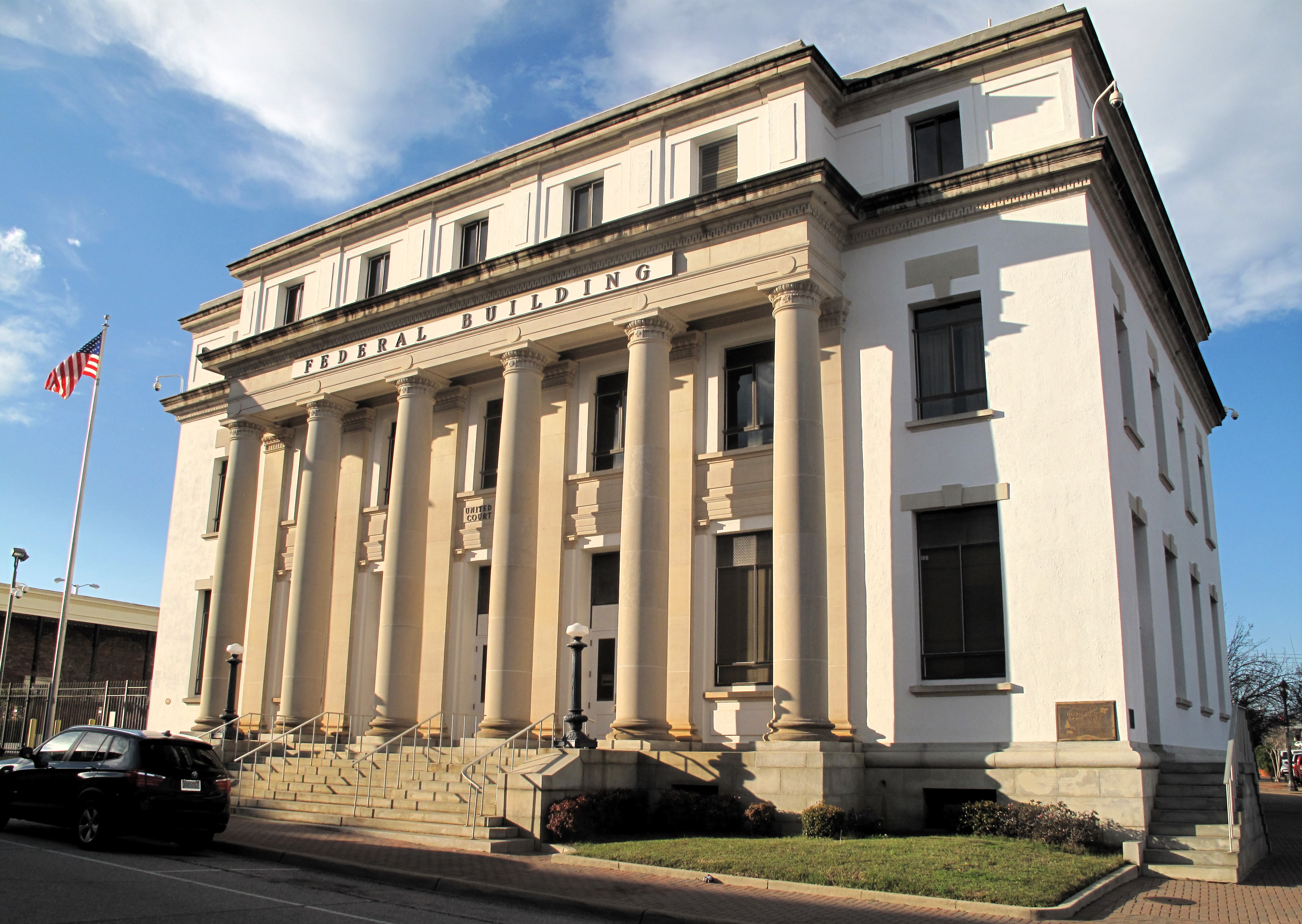
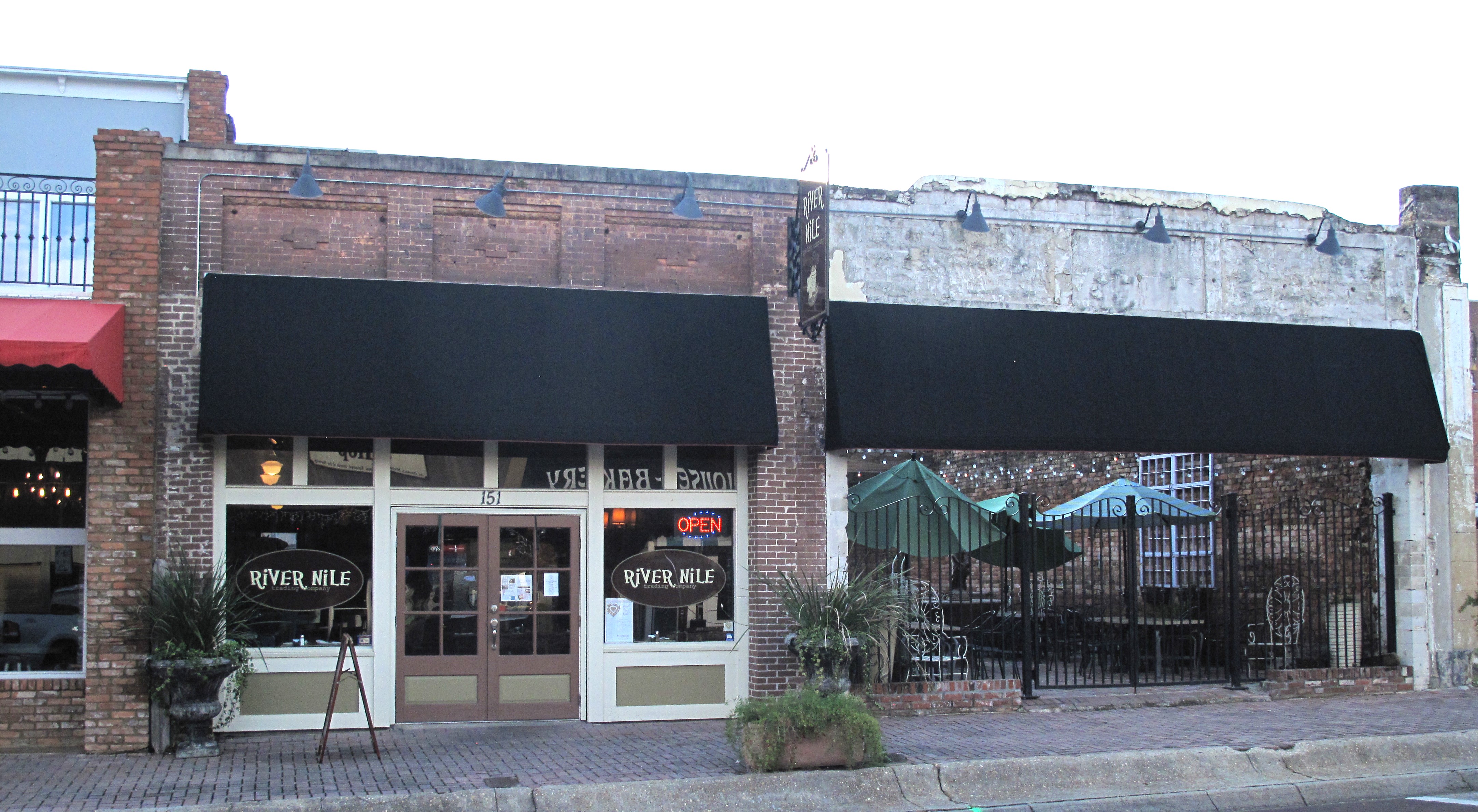
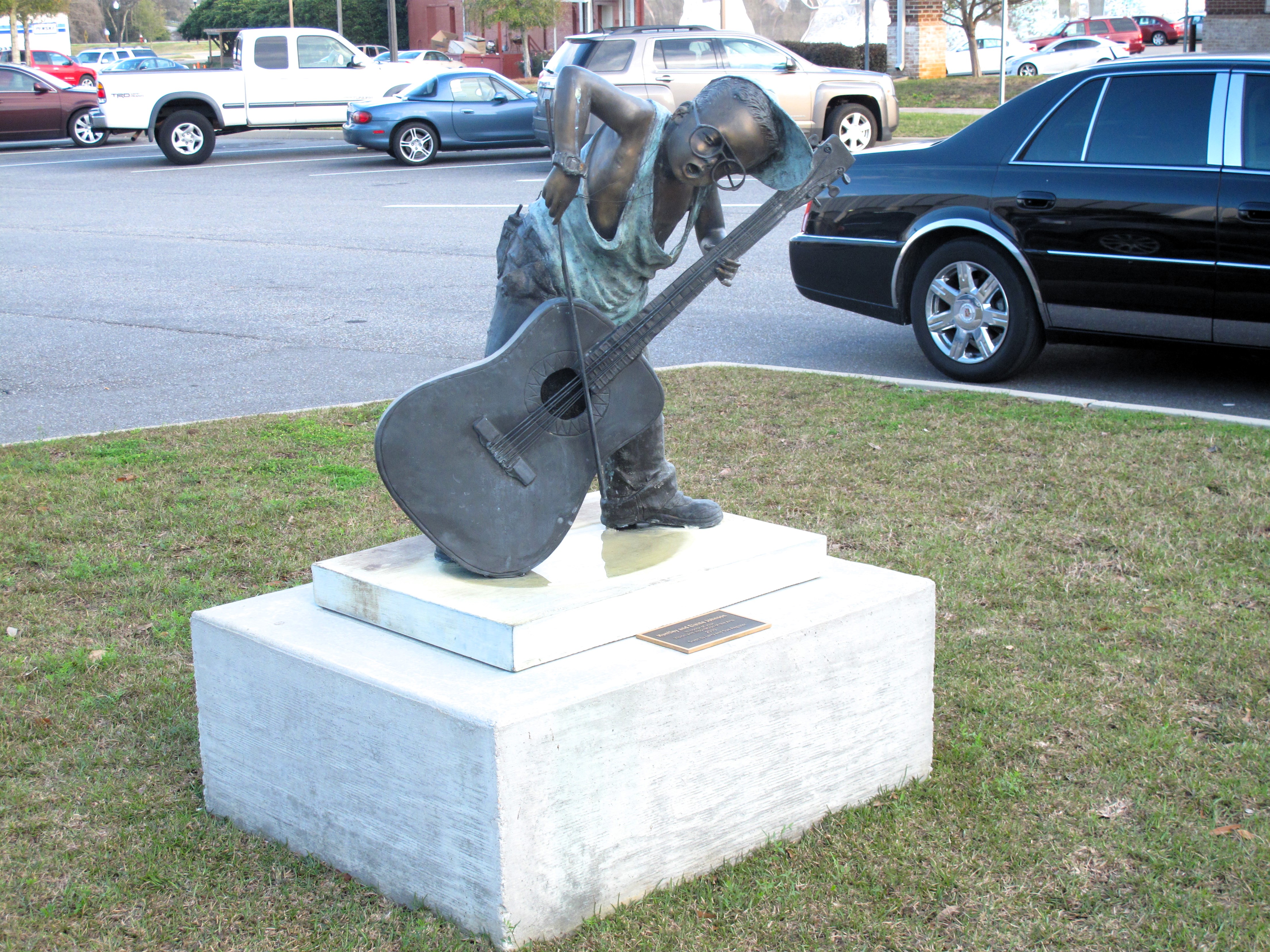
Here are some other memorable photos from Dothan: The classical style of the Federal Building, the Freemason’s Hall, some Southern restaurants, and a statue of a young boy wailing on a guitar with a bow.

Plastic decorated peanuts can be found throughout Dothan; southeast Alabama is prolific peanut producing region.

This is my favorite mural of all of them.


A list of all photo posts from the American County Seats series in TimManBlog can be found here.

All photos were taken by the author on February 14, 2013.

My lifetime hobby is traveling to all of America’s county courthouses, and each month, I post about a visit to a scenic or exciting county seat. It’s a hobby, and donations are greatly appreciated to help cover my costs.
Thanks,
Tim

Donations to TimManBlog

Use this form to make donations to support this site. Paypal, Visa, Mastercard, Amex, and Discover cards are accepted. Donations can be made in increments of $5.00; increase the number of units to increase the donation amount.

$5.00

Clovis, New Mexico

January 27, 2024
(Photos and memories of January 2007, 2011, and 2016)
(If you like my posts, you can support this site with a donation via Paypal, Visa, Amex, Mastercard, or Discover by using the form at the bottom of this post. Thank you.)

I’ve been to Curry County, New Mexico, thrice in the past 20 years, each time in January. Since I’m currently living in cold and snowy Colorado, a road trip down to the plains of eastern New Mexico offers a chance for some (relative) warmth and sunshine.

A quiet Main Street Sunday morning in Clovis, New Mexico, with the old Hotel Clovis in the background.

Although the street in the photo above looks rather deserted, Clovis is a relatively large town, having a population of 38,500. This is one of the largest towns in eastern New Mexico, a land of vast grasslands and ranches beyond the western border of the Texas Panhandle. Clovis is home to Cannon Air Force Base (a special operations base), a major BNSF Railway terminal, and the Southwest Cheese Company — the largest cheddar cheese producer in America. Only the larger town of Roswell (known best for its UFO encounters) rivals Clovis for eastern New Mexico supremacy.

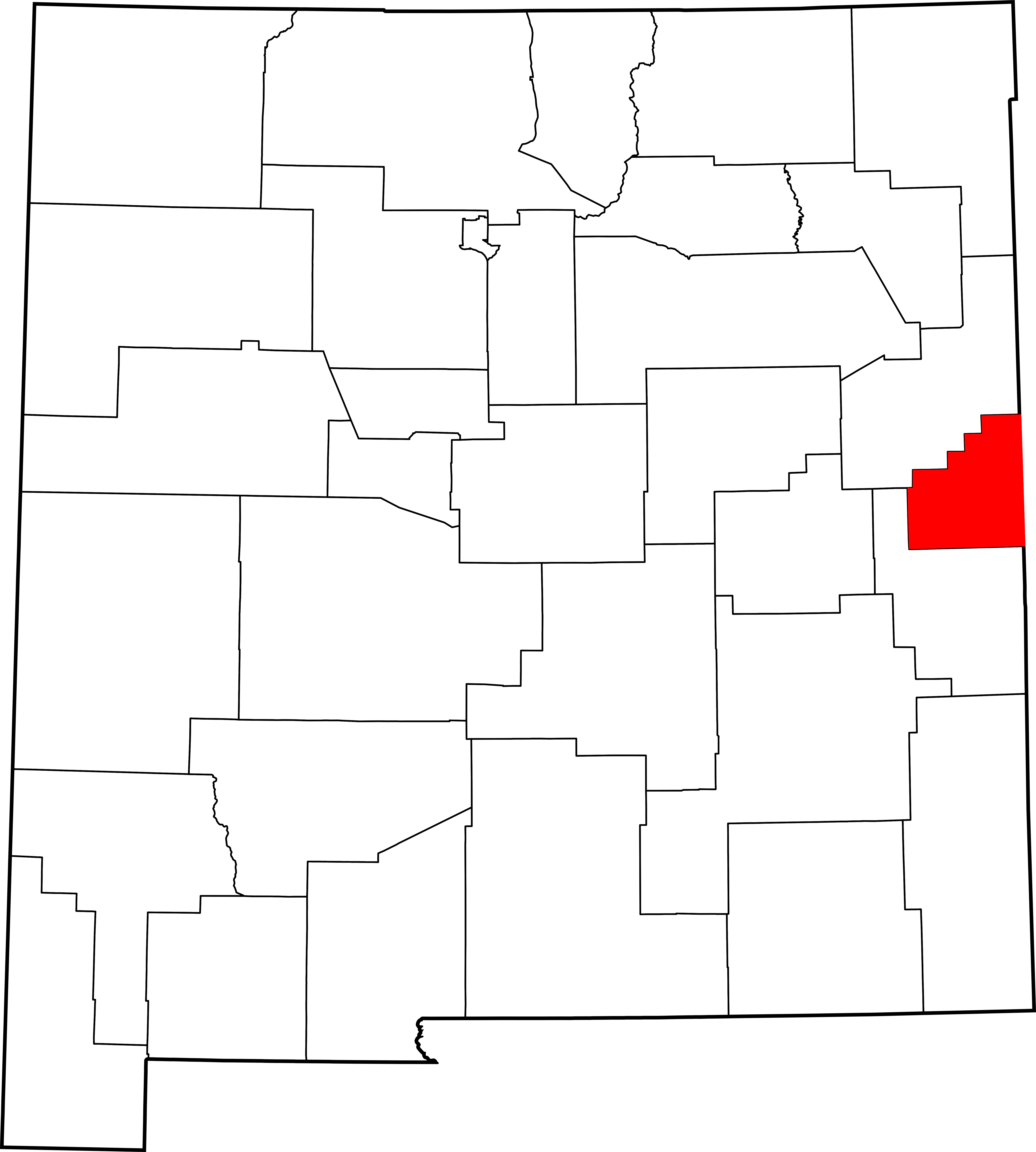
Curry County within the state of New Mexico

The “western” culture is strong here.

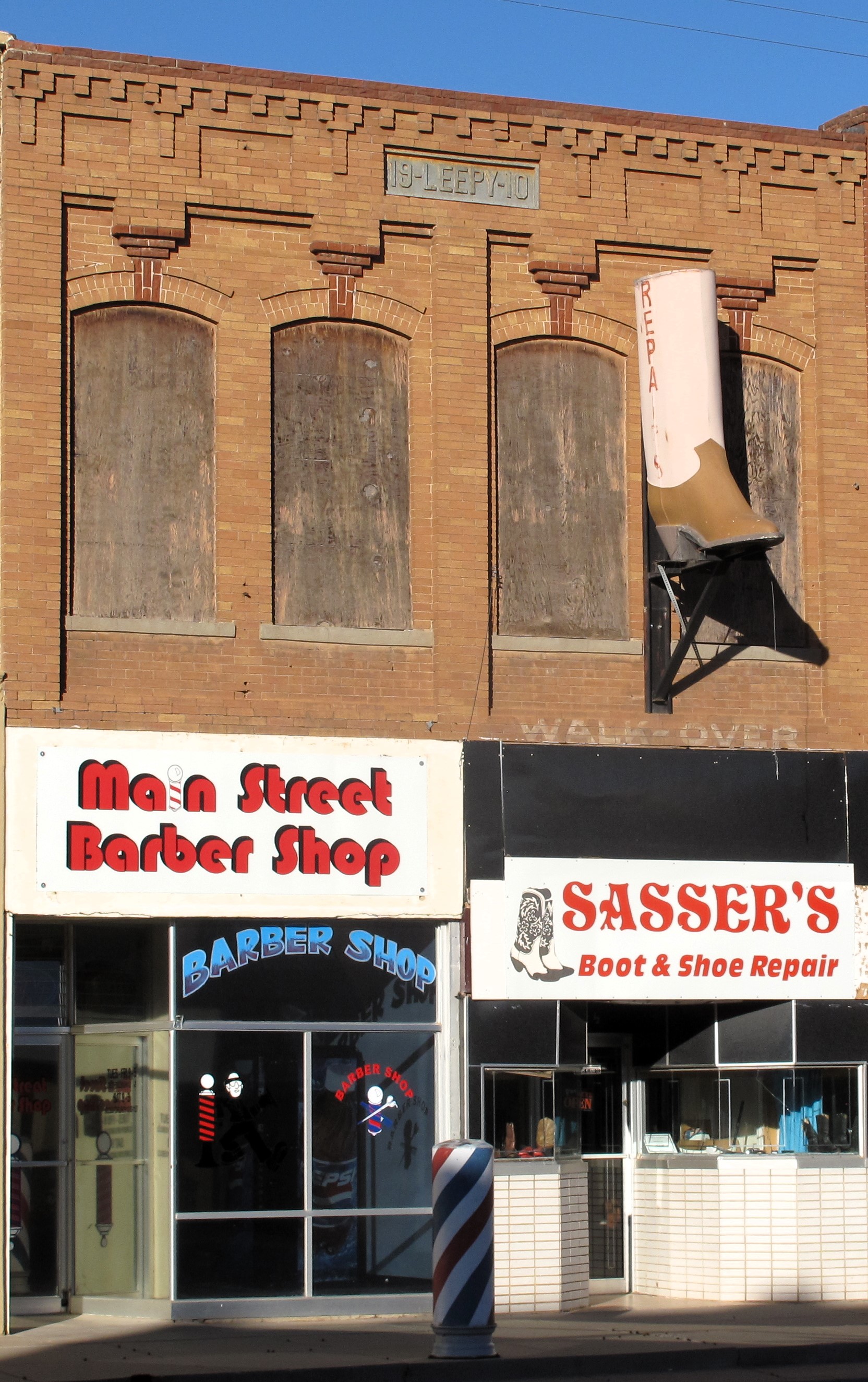
A large cowboy boot advertises boot & shoe repair on Main Street in Clovis.

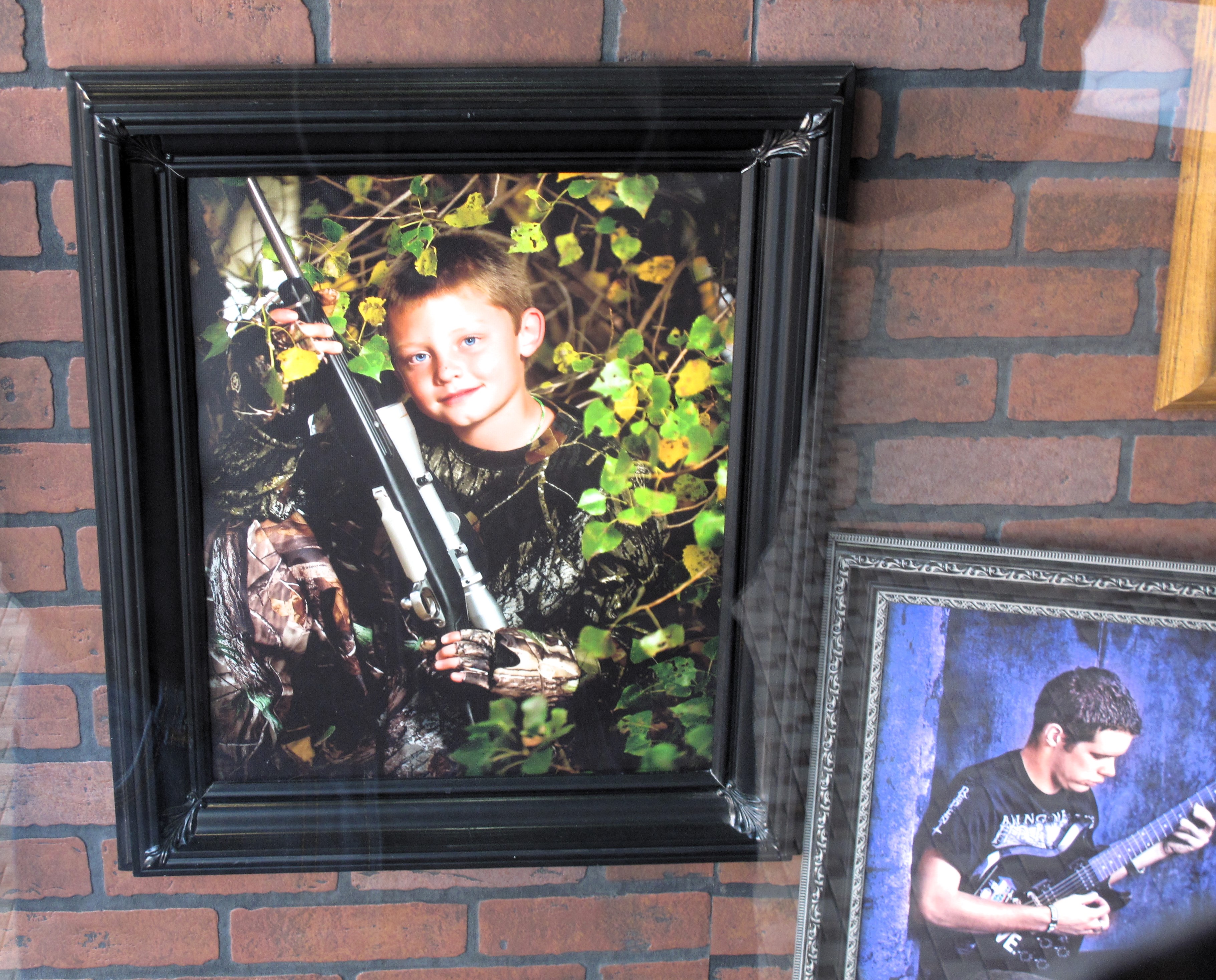
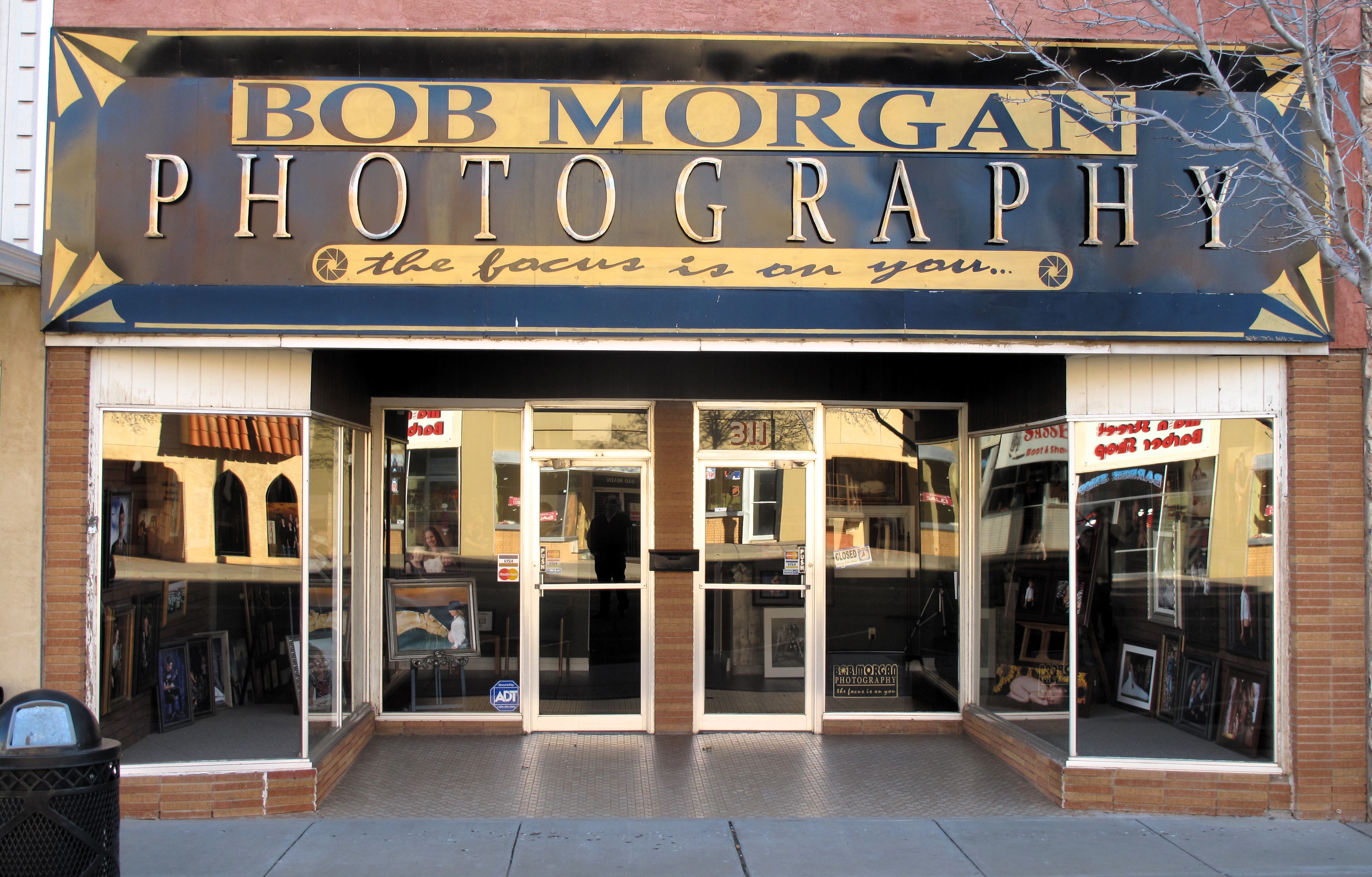
Small-town photographers often show off their best photos in Main Street display windows. Their images provide a view into the local culture, which always interests me. Below is the work of Bob Morgan Photography in Clovis: guitars, rifles, pickup trucks, Airmen in uniform, and weddings on horse ranches. I love it; it’s classic New Mexico.

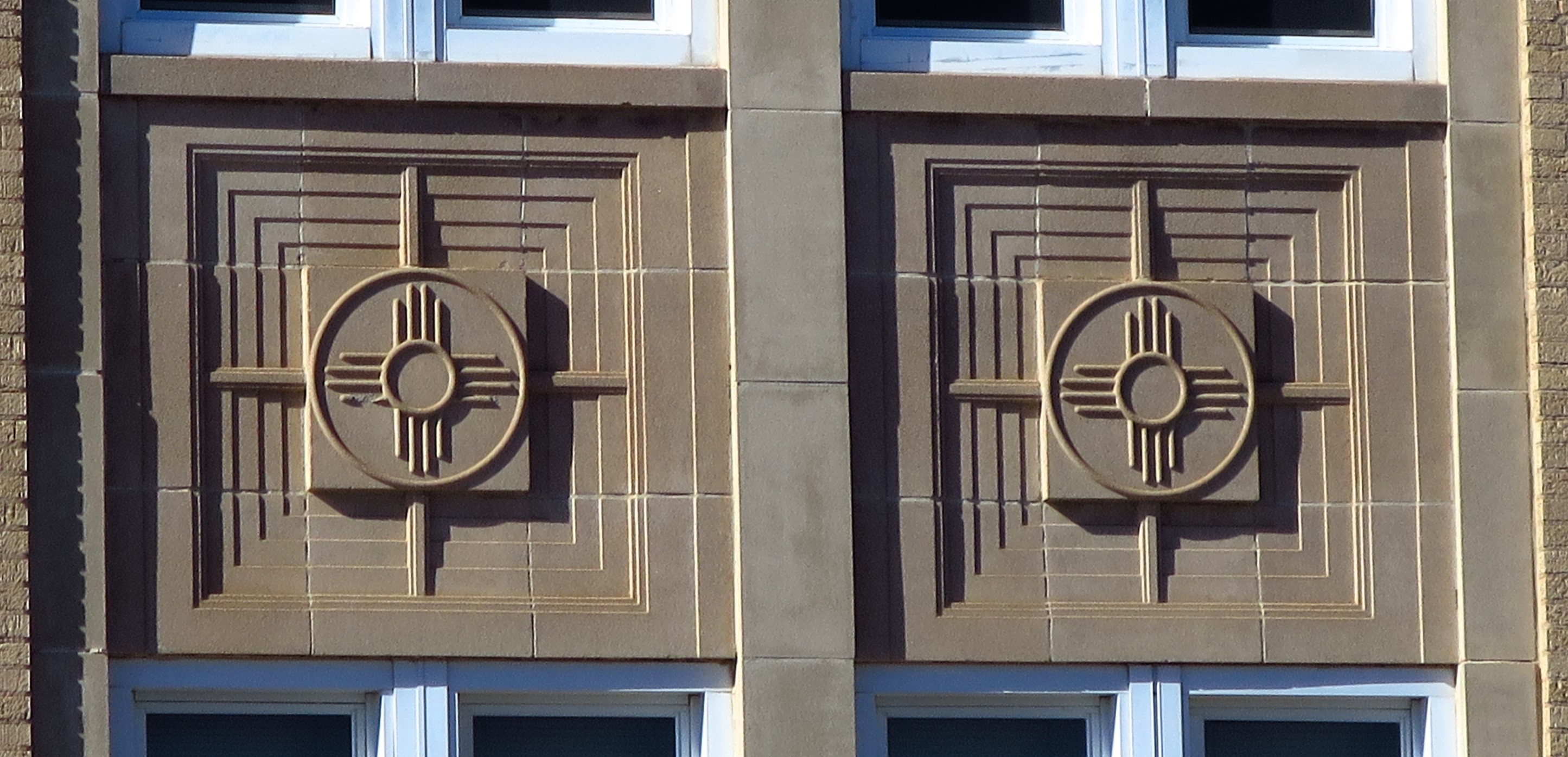
The Curry County Courthouse is further up Main Street. Its art deco features suggest that it was built in the 1930s, perhaps funded by the Depression-era Works Progress Administration (W.P.A.). The W.P.A. built dozens of rural courthouses throughout the U.S.

The Curry County Courthouse in Clovis, New Mexico.

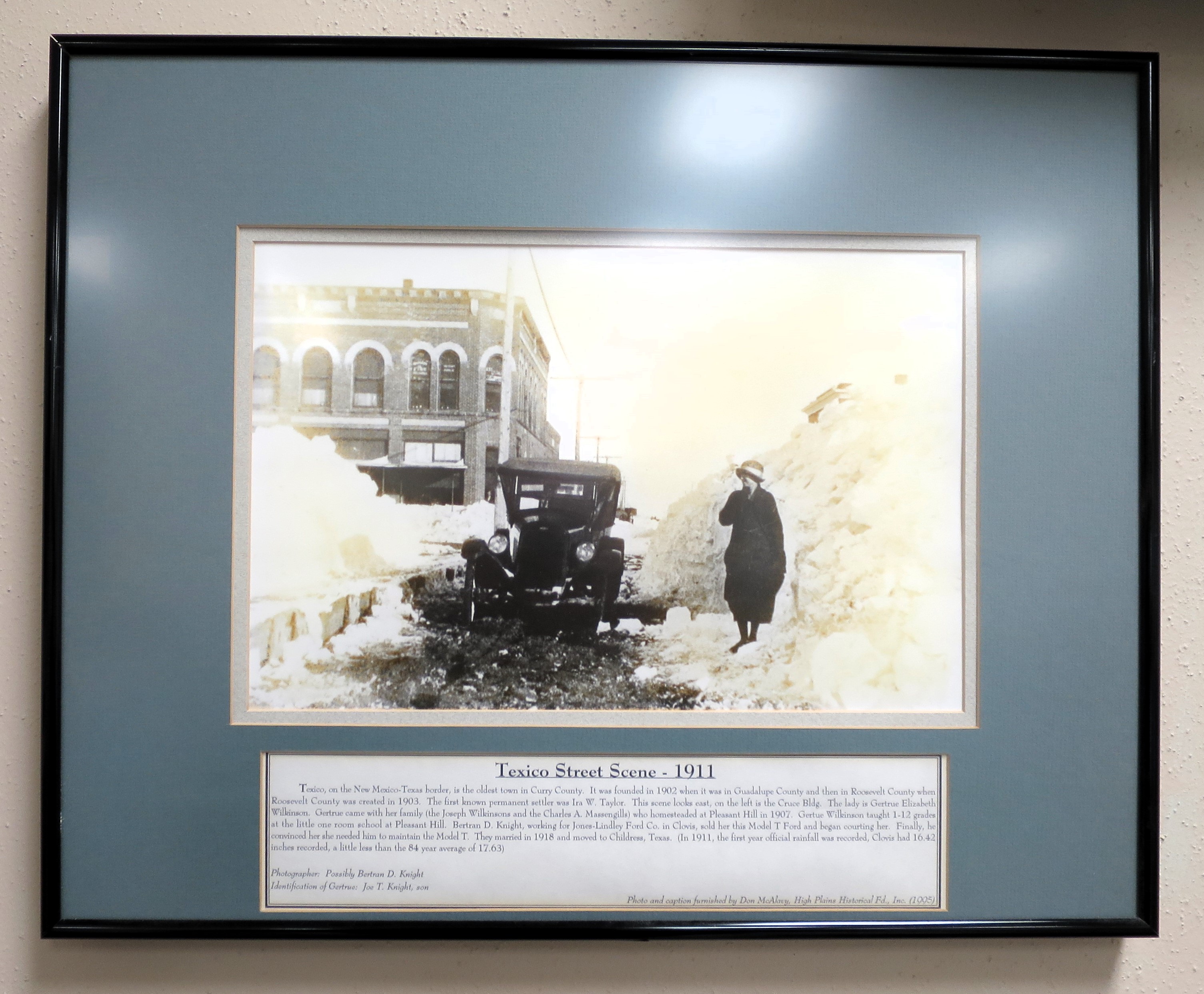
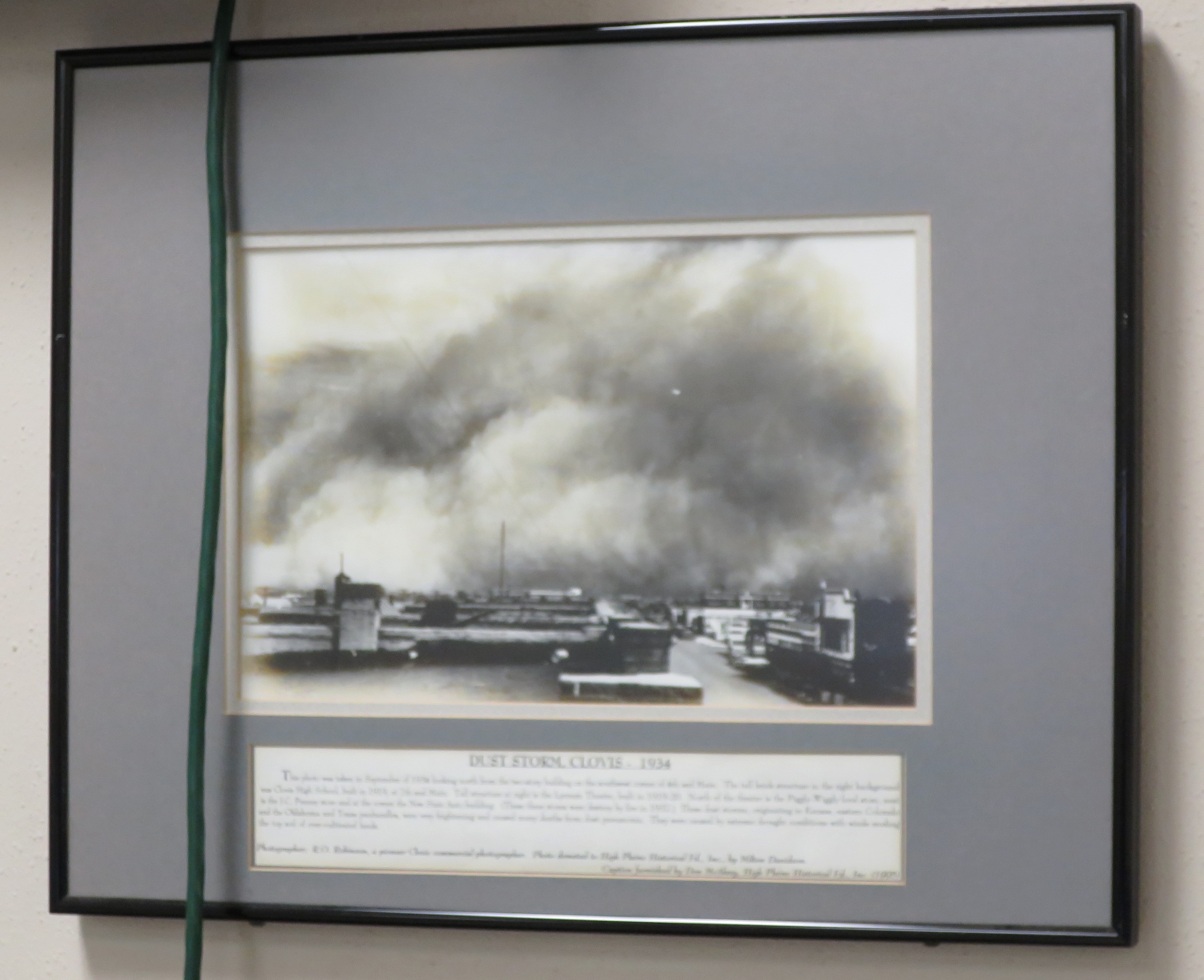
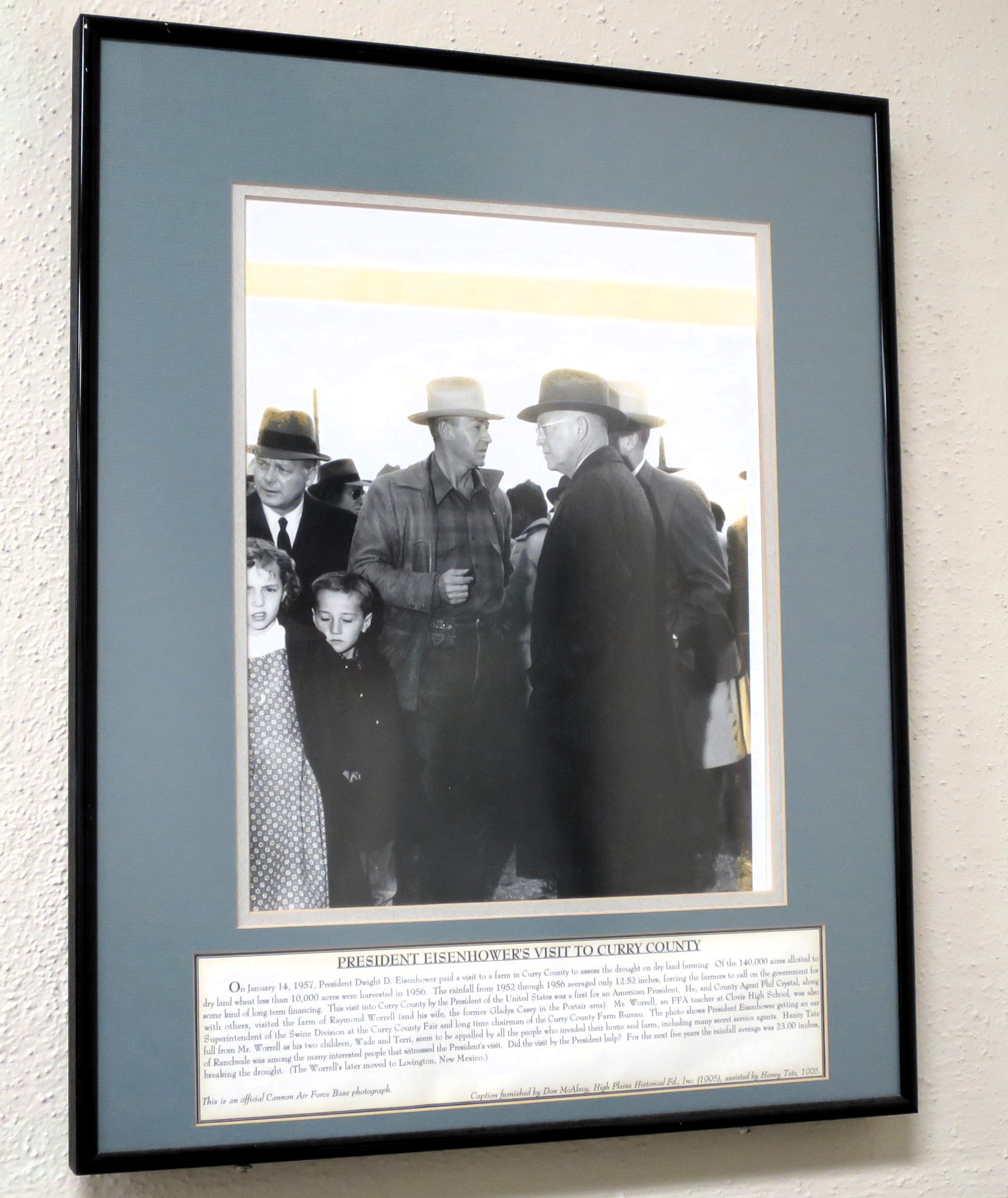
Here are three interesting photos found inside the courthouse highlighting significant events in the county’s 100-year history:
 (left) Massive snowfall in 1911.
 (middle) A 1934 dust storm during the Dust Bowl era.
 (right) A 1957 visit from President Dwight Eisenhower to inspect regional drought conditions.

Buddy Holly’s Connection to Clovis, New Mexico

Rock and Roll legend Buddy Holly was born in 1936 in Lubbock, Texas, 100 miles southeast of Clovis. (See my January 2012 post about Buddy Holly and Lubbock, “A Big and Notable Place — Lubbock, Texas“)

After souring on his first record deal with Nashville’s Decca Records, Holly reached out to record producer and Clovis native Norman Petty. In 1957, Buddy Holly recorded the hit single “That’ll Be the Day” in Norman Petty’s Clovis recording studio. It was Buddy Holly’s first hit single, reaching number 1 on the U.S. and U.K. charts. Later that same year, Holly recorded another hit single, “Peggy Sue,” at the Norman Petty Studios in Clovis. “Peggy Sue” reached number 3 on the U.S. charts and number 6 on the U.K. charts.

As they say, the rest is history. Here is where history was made.

The story of Norman Petty and Norman Petty Studios in Clovis.
Norman Petty Recording Studio on 7th Street in Clovis. (His parents owned the gas station next door.)
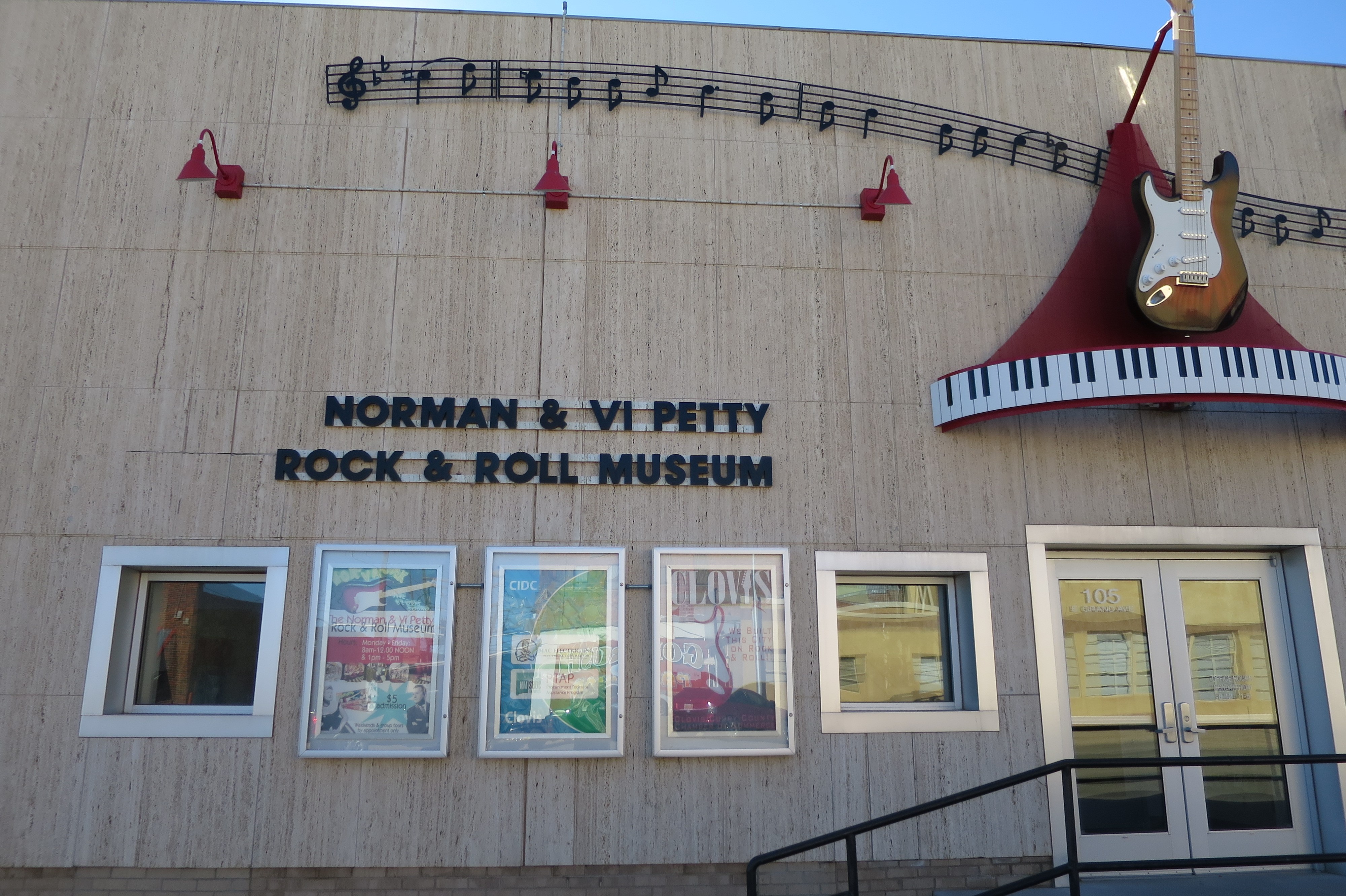
The Norman & Vi Petty Rock & Roll Museum in Clovis, New Mexico. Open Monday through Friday.

The museum was opened in 2008. It boasts Clovis as “The Biggest Little Music City in the World!” Do check it out when you’re out on a wander in January.

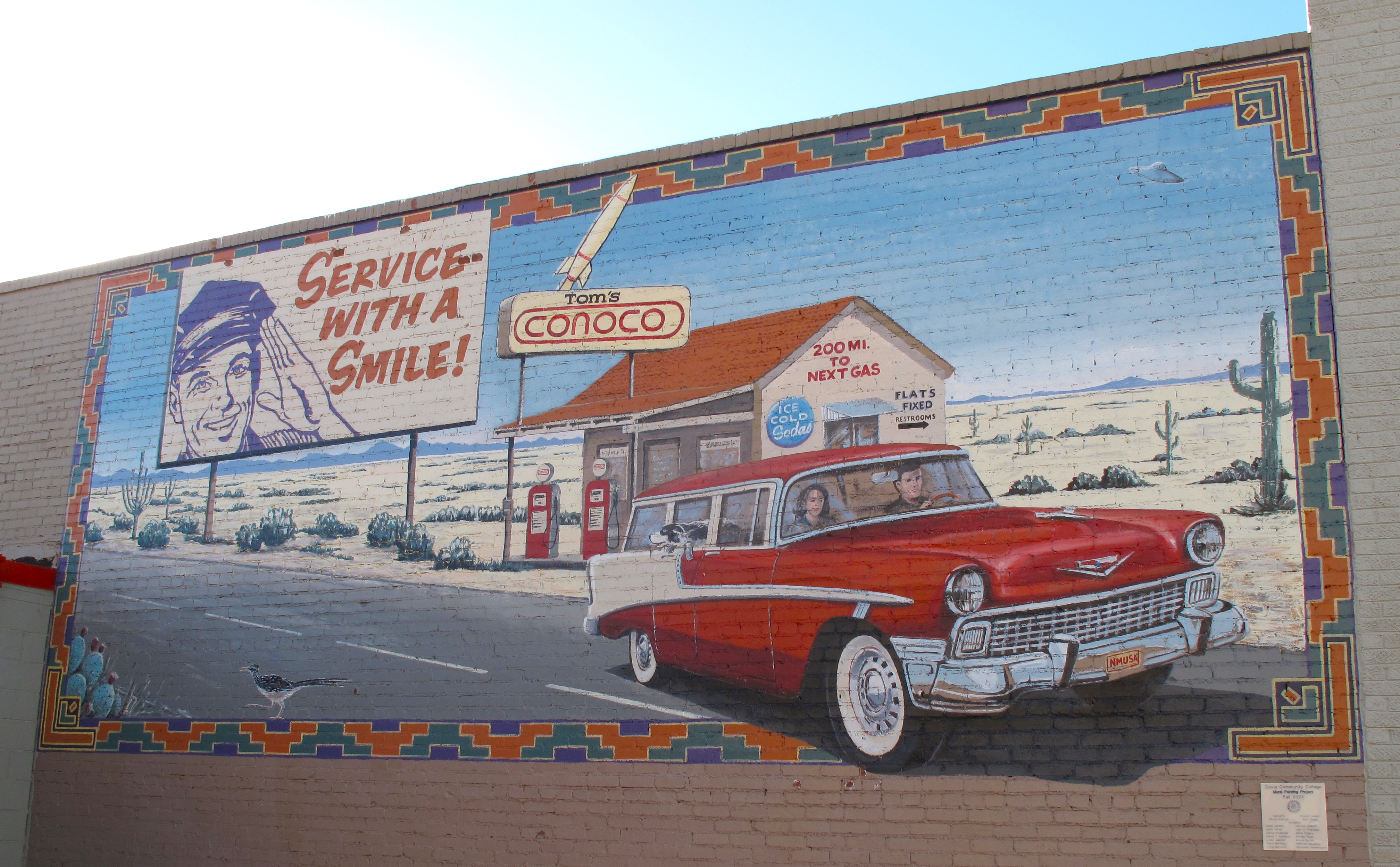
Since we’re reminiscing about the 1950s, I thought this last photo would be an appropriate ending to this post. It’s a mural from a brick wall in downtown Clovis. Notice the roadrunner is in the bottom left corner, but the coyote is nowhere to be found.


A list of all photo posts from the American County Seats series in TimManBlog can be found here.

All photos were taken by the author on January 30, 2007, January 22, 2011, or January 21, 2016.

My lifetime hobby is traveling to all of America’s county courthouses, and each month, I post about a visit to a scenic or exciting county seat. It’s a hobby, and donations are greatly appreciated to help cover my costs.
Thanks,
Tim

Donations to TimManBlog

Use this form to make donations to support this site. Paypal, Visa, Mastercard, Amex, and Discover cards are accepted. Donations can be made in increments of $5.00; increase the number of units to increase the donation amount.

$5.00

A Shiny Glimpse of Manhattan at Christmas

December 31, 2023
(Photos and memories of December 9th and 10th, 2009)
(If you like my posts, you can support this site with a donation via Paypal, Visa, Amex, Mastercard, or Discover by using the form at the bottom of this post. Thank you.)

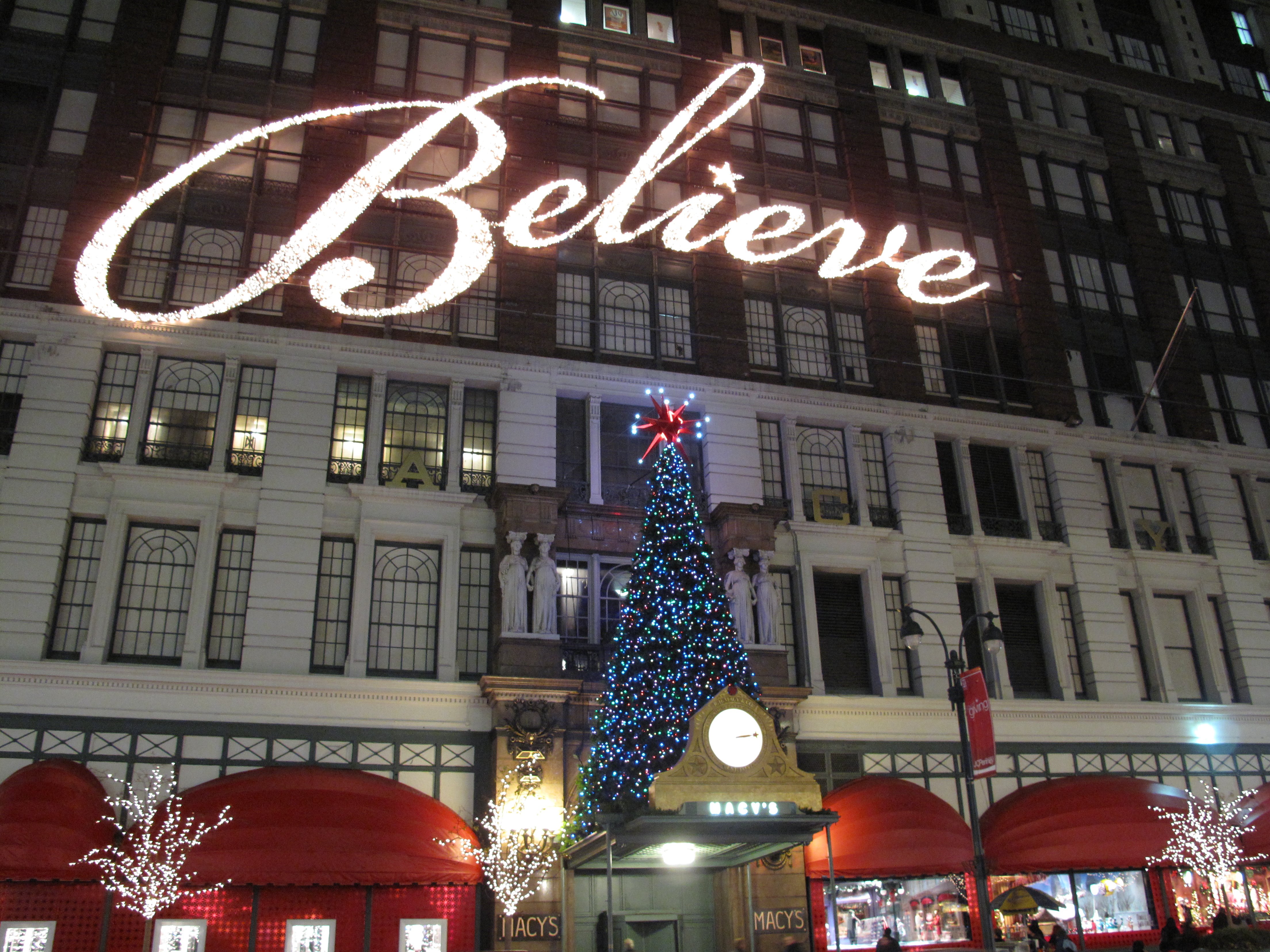
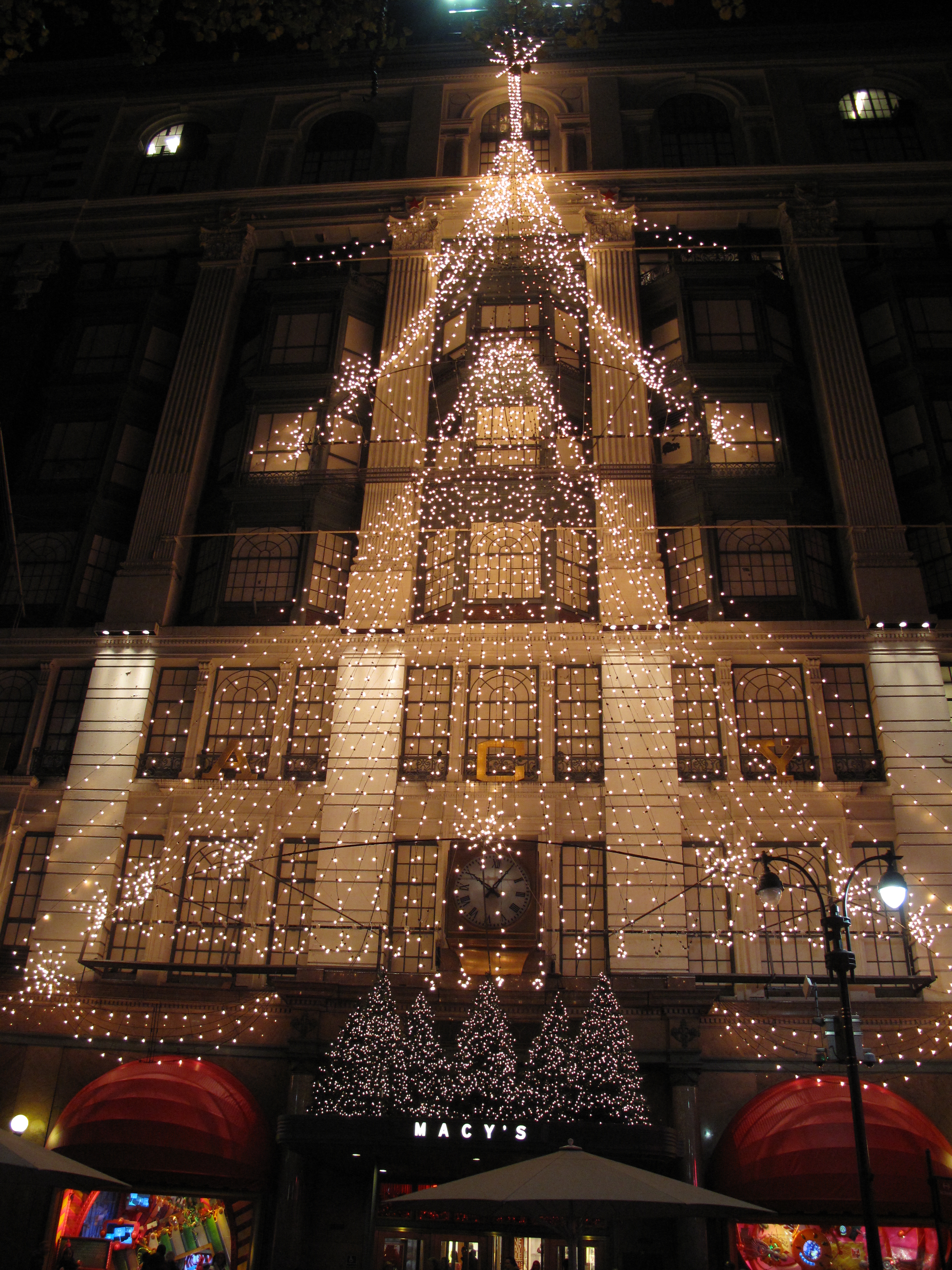
The facade of Macy’s department store in midtown Manhattan at Christmastime, 2009.

It’s been 14 years since I last visited New York City. Since then, old Gotham has been subjected to floods of criticism for its rising crime rates, rampant homelessness, and plain old filth. Perhaps things were better back in December 2009. I didn’t stay long enough to tour the whole city, but I found a number of places worthy of fond memories.

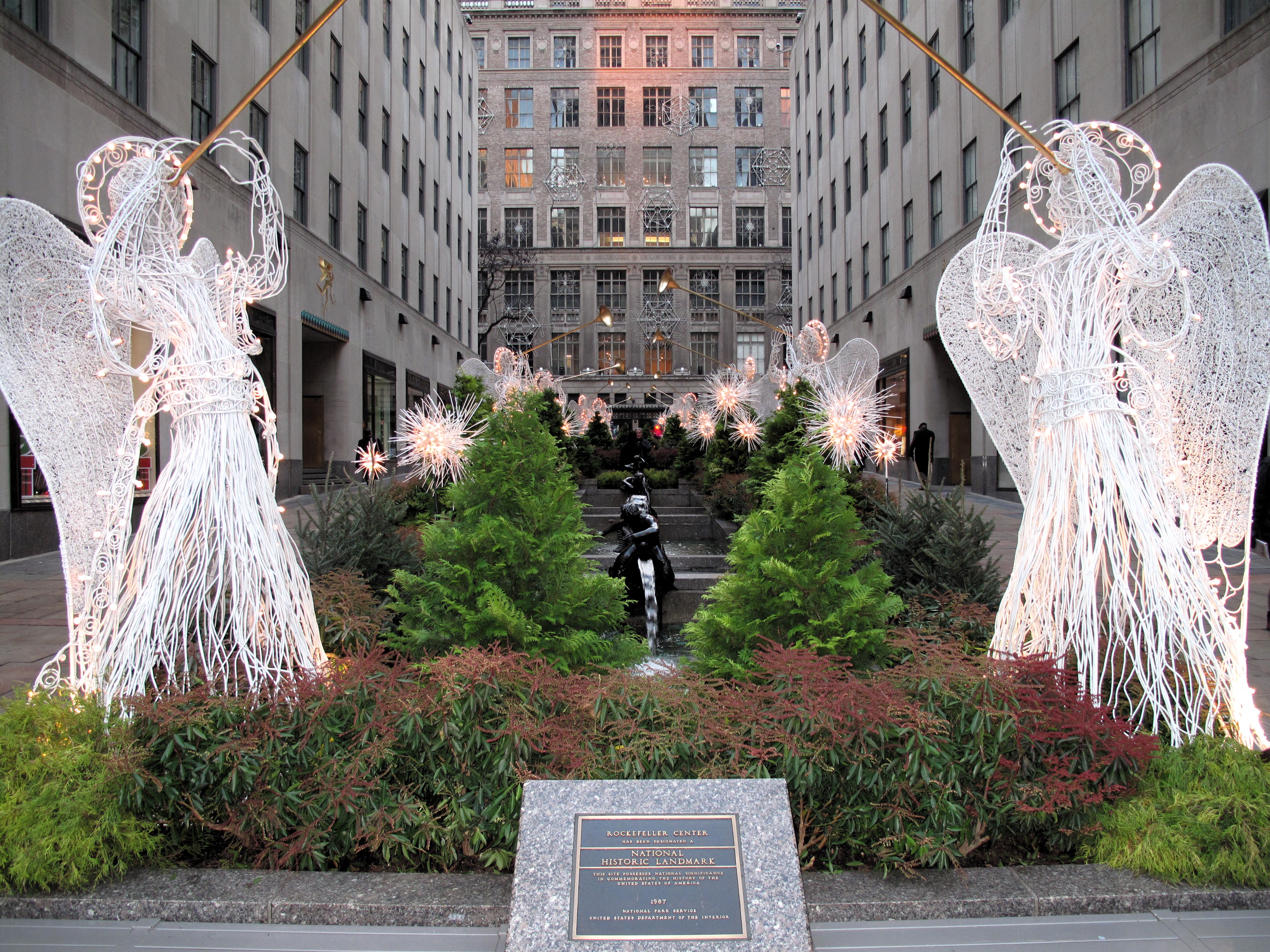
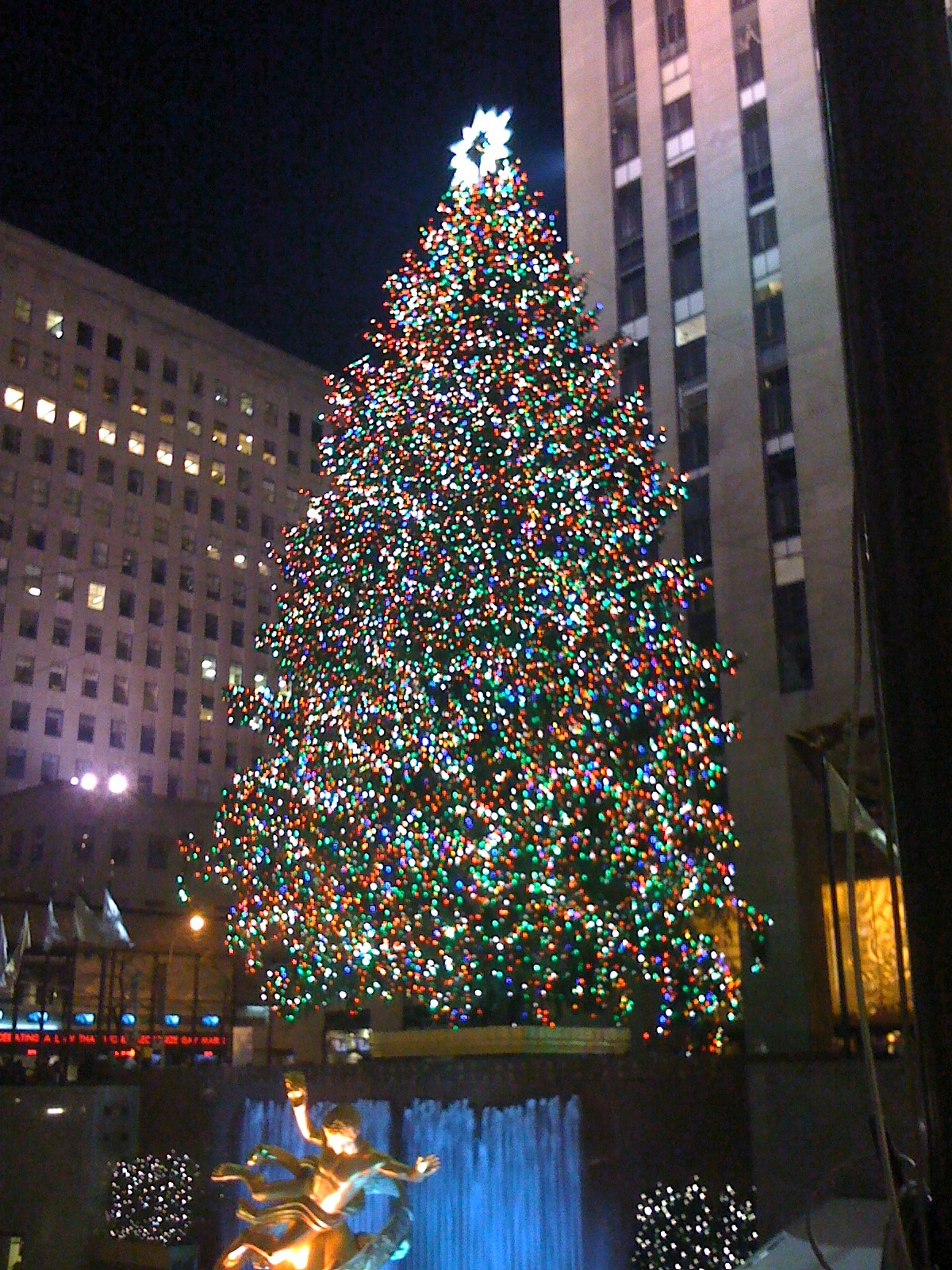
As a tourist at Christmastime, the first stop had to be Rockefeller Center for its giant tree, its ice rink, and its Christmas decorations.

The Rockefeller Center Christmas tree. December 2009.
The Herald Angels at Rockefeller Center.

Below (left to right) : The Rockefeller Center Christmas tree at night; its iconic statue, and skaters on the ice rink.

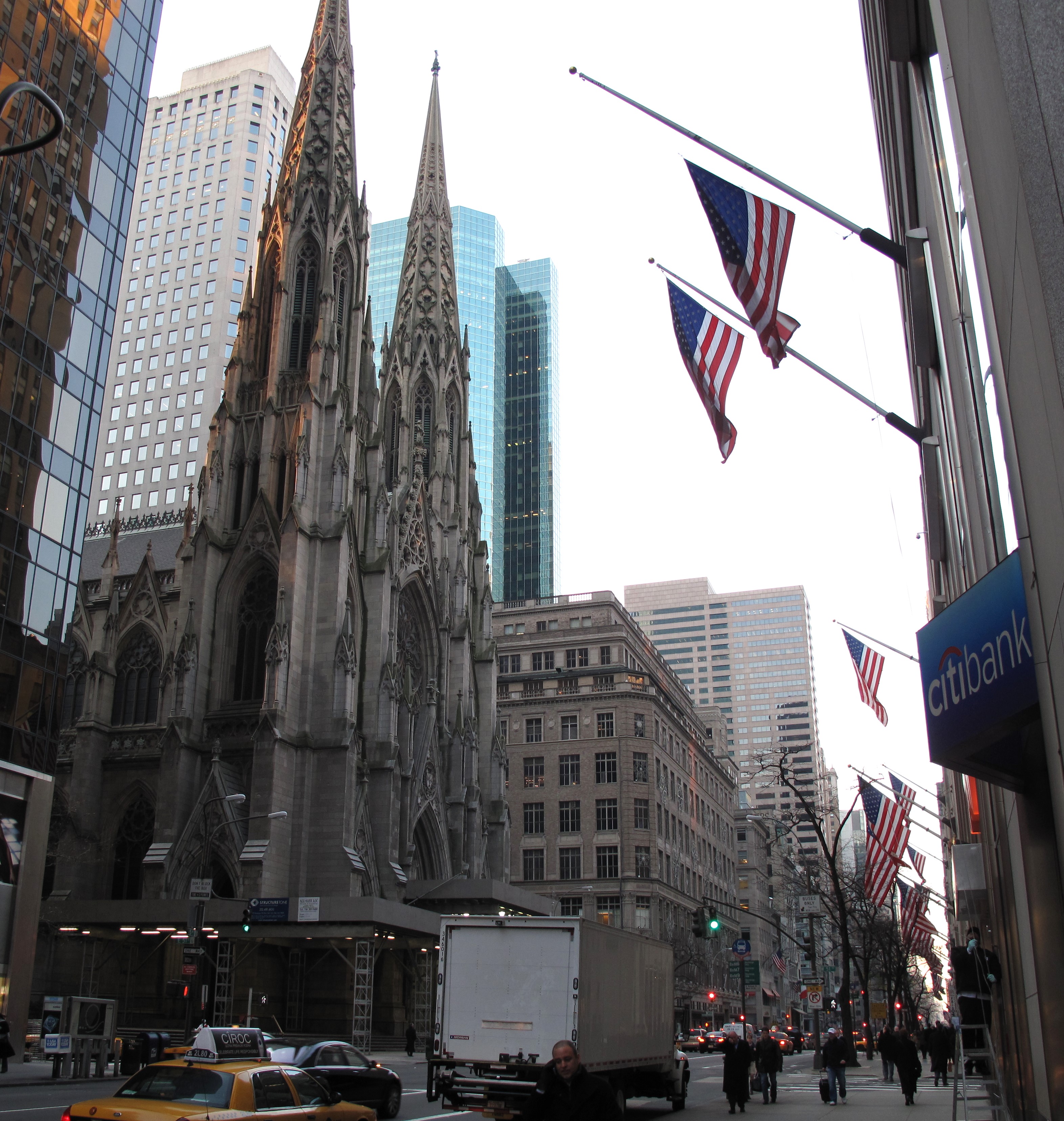
I snapped some other photos of Midtown. Americans are seen throughout the world as a proud, flag-waving people. I’ve seen this especially in rural areas, but it’s also apparent in Manhattan.

St. Patrick’s Cathedral on 5th Avenue in Midtown Manhattan.
Cartier and Versace stores along 5th Avenue in Manhattan.

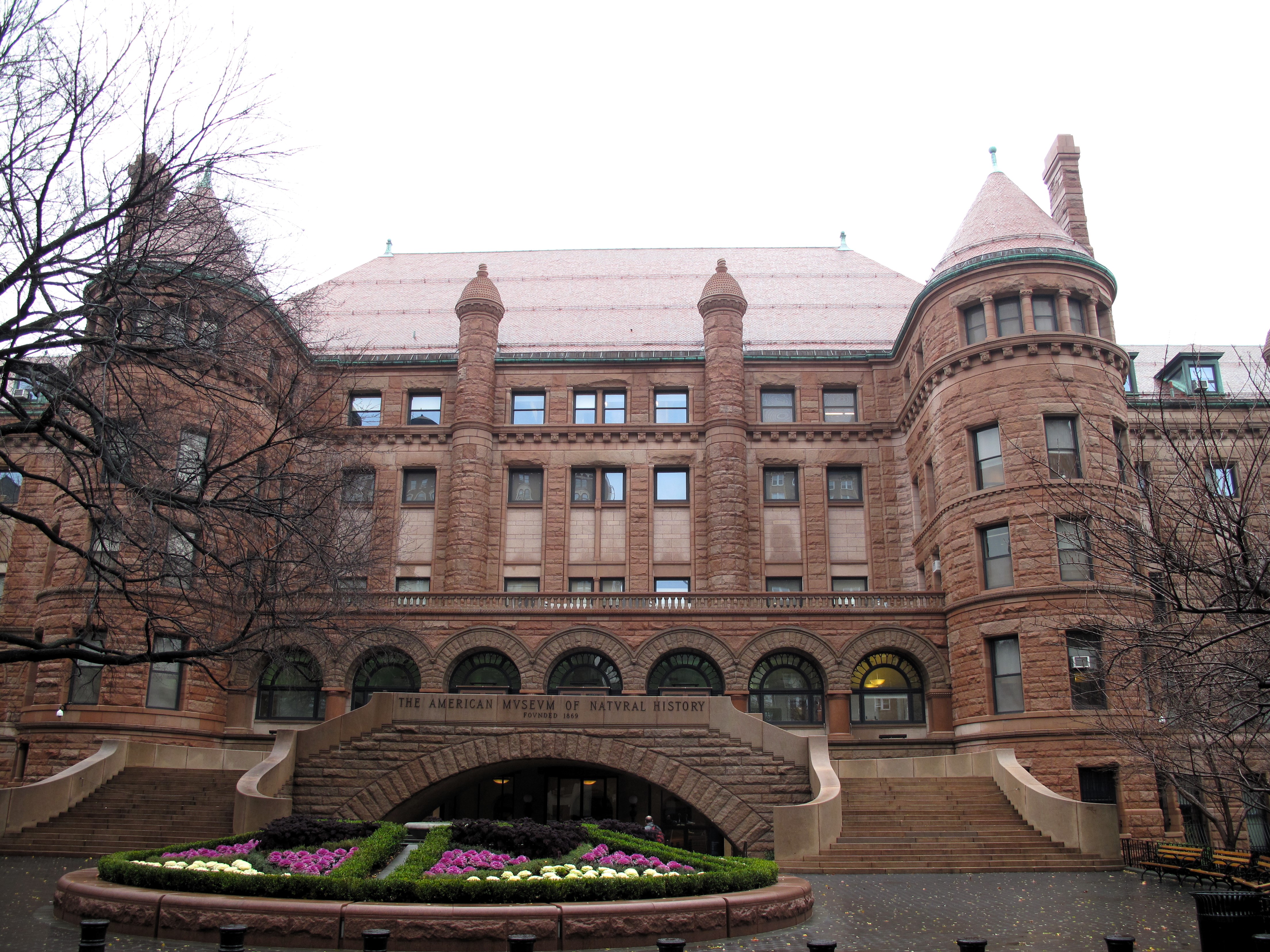
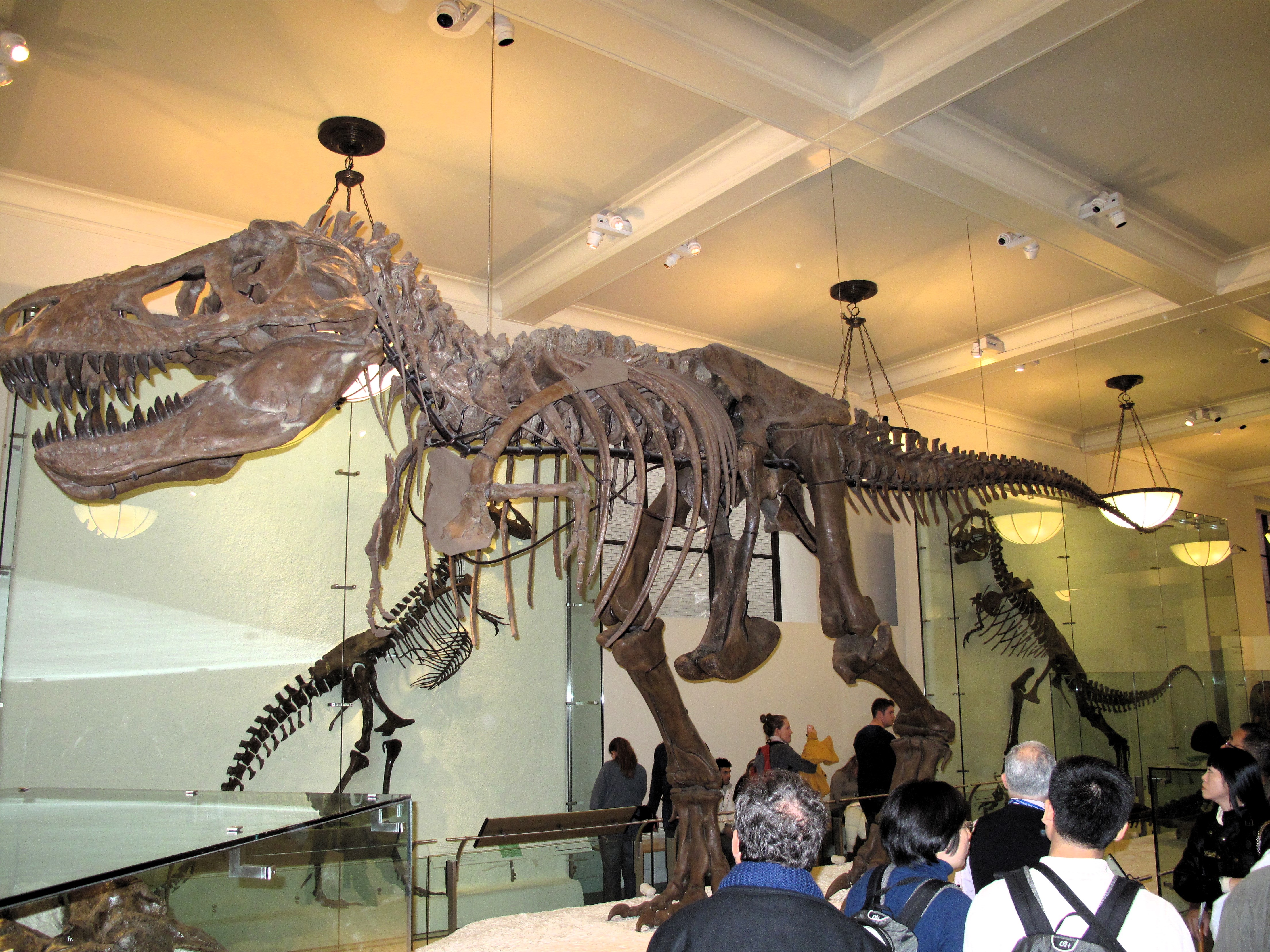
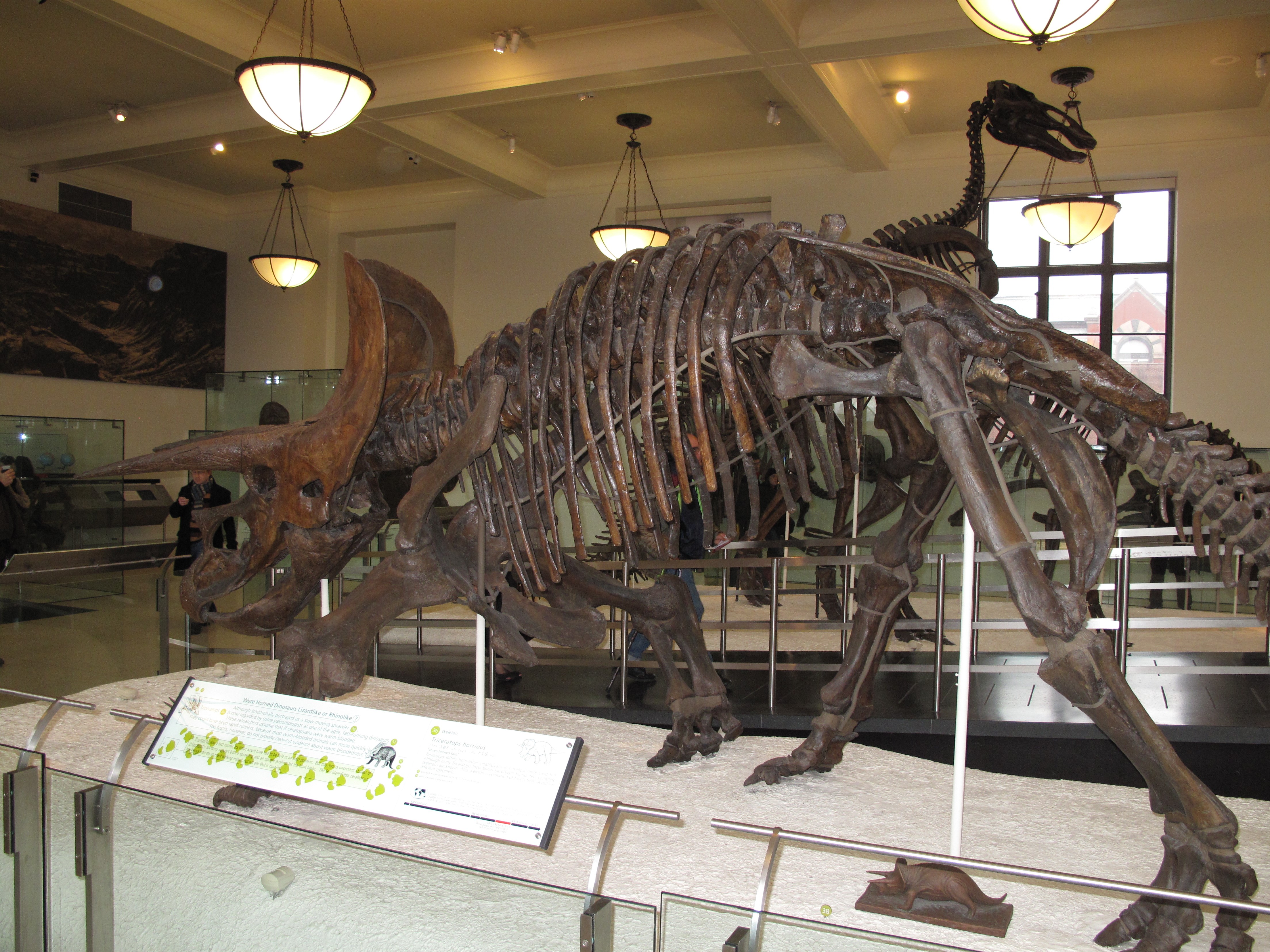
Tired of shiny new things, I stopped at the American Museum of Natural History to see old things.

The American Museum of Natural History. Central Park West, Manhattan.
Tyrannosaurus Rex. American Museum of Natural History.
Triceratops. American Museum of Natural History.
Brontosaurus. American Museum of Natural History.

Now, back to the human species.

I’ve set a goal to see all of America’s county courthouses in my lifetime, and this includes New York City. Although the city is commonly thought of as a single entity divided into five boroughs, the boroughs of New York City also comprise 5 counties:
  New York County — Manhattan
  Richmond County — Staten Island
  Bronx County — The Bronx
  Kings County — Brooklyn
  Queens County — Queens

Here is the New York County Criminal Courts building in lower Manhattan. It’s a huge structure of 20 stories or so. Many (but not all) of the windows have little air conditioning units. Google Maps includes Night Court somewhere within the building.

New York County Criminal Courts Building. Manhattan, New York.

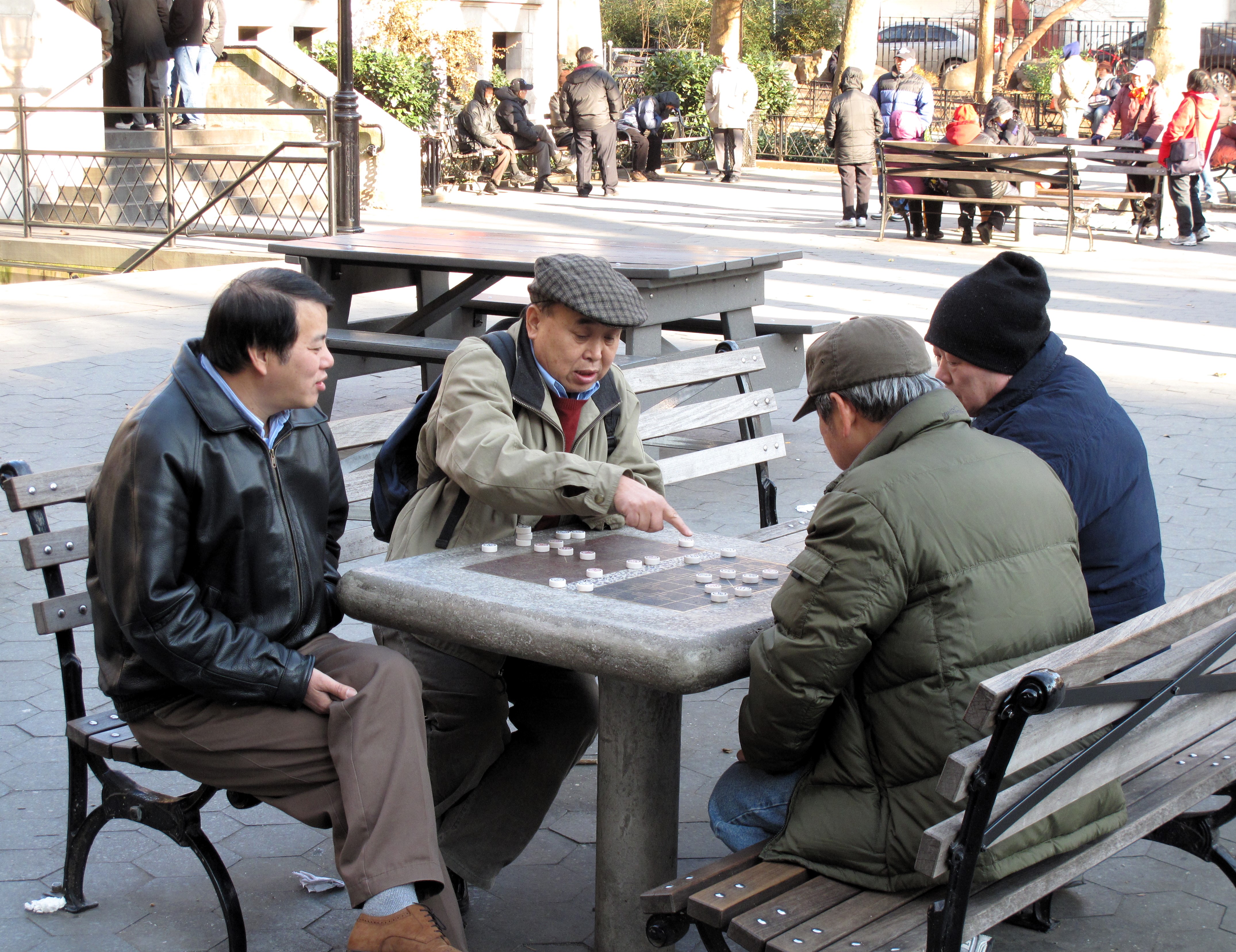
Chinatown and Columbus Park are nearby. The park is a gathering place for Chinese men enjoying board games. They might be playing the Chinese board game “Go” — or it could just be checkers — I’m not sure.

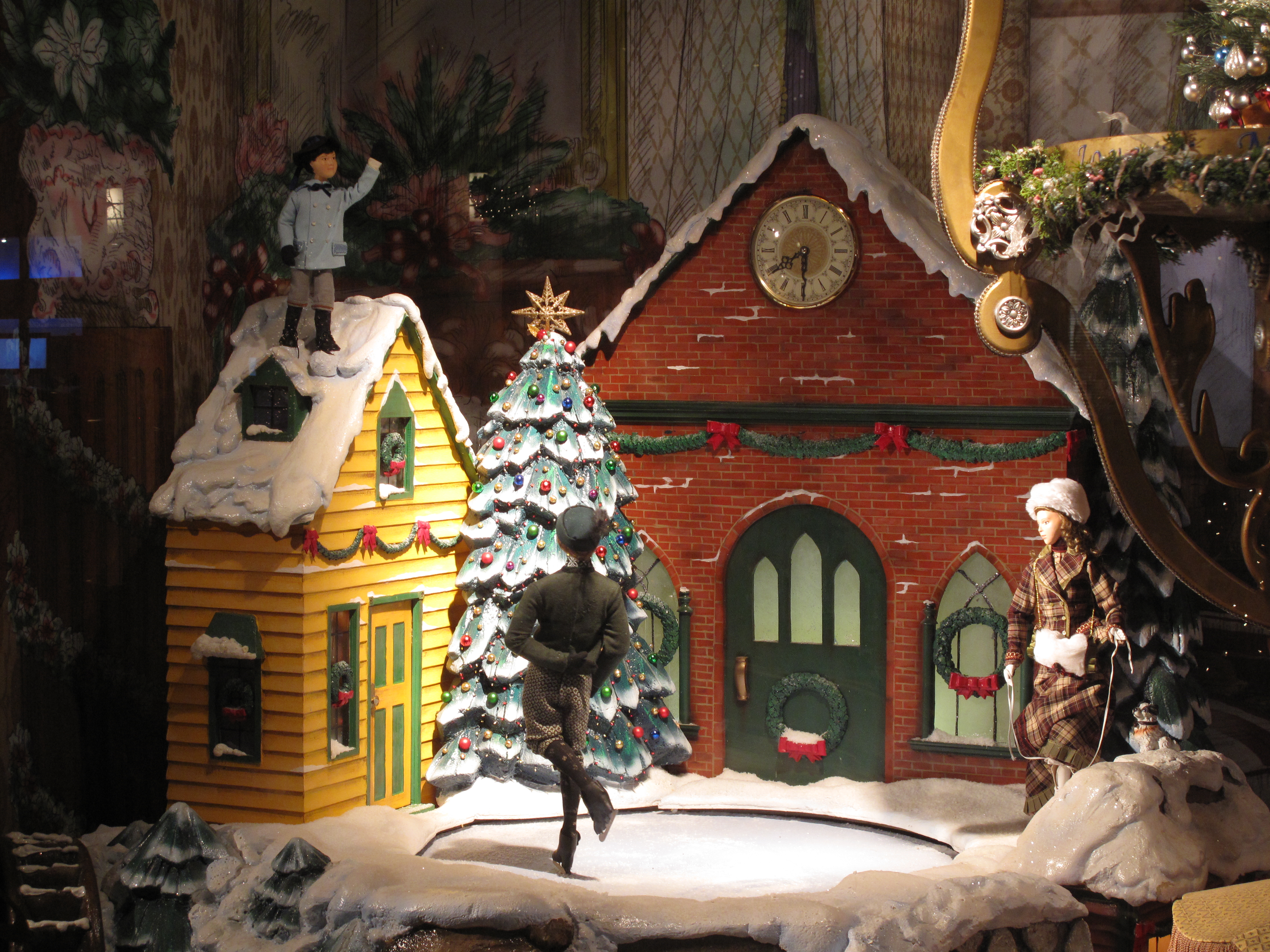
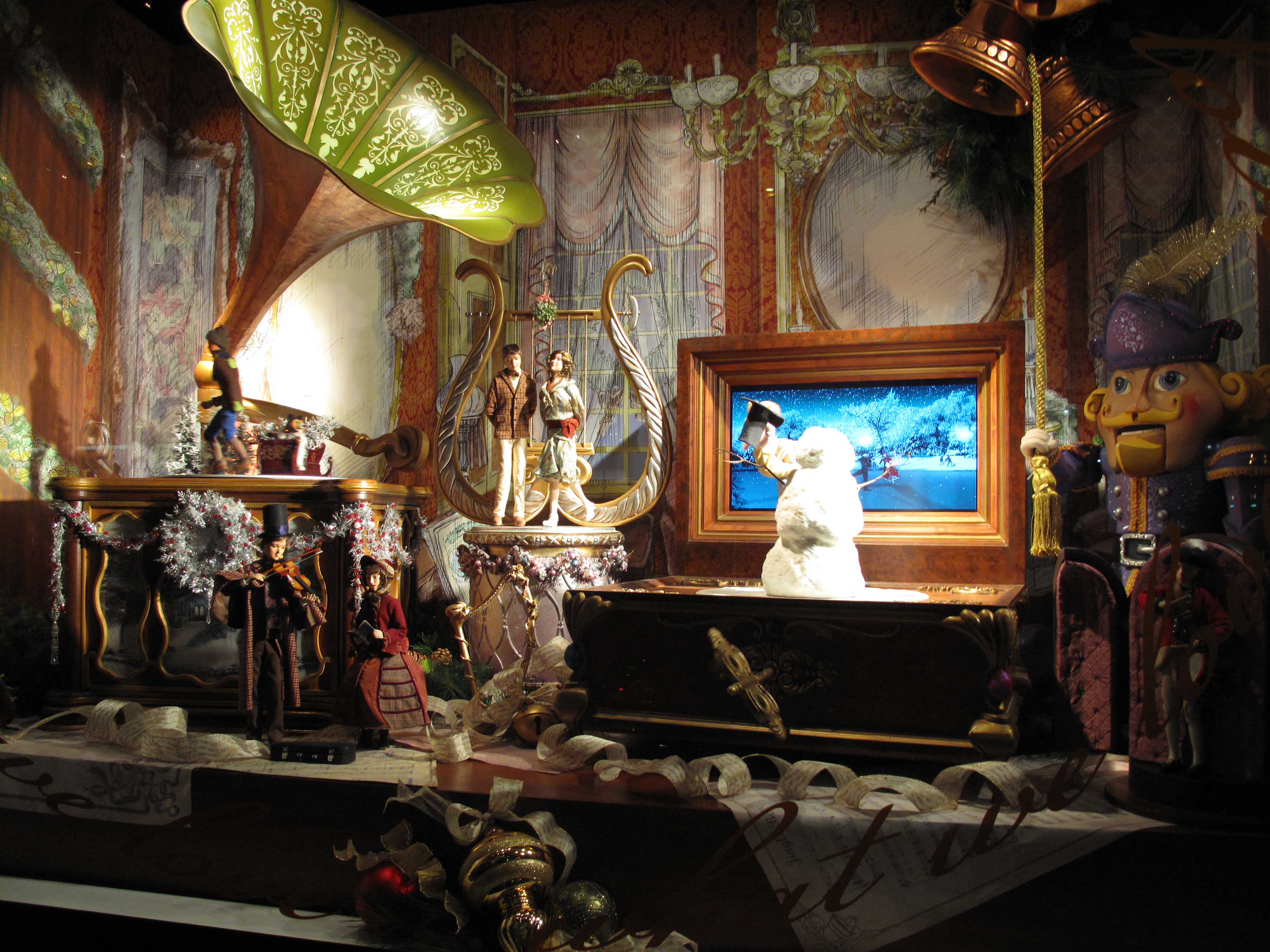
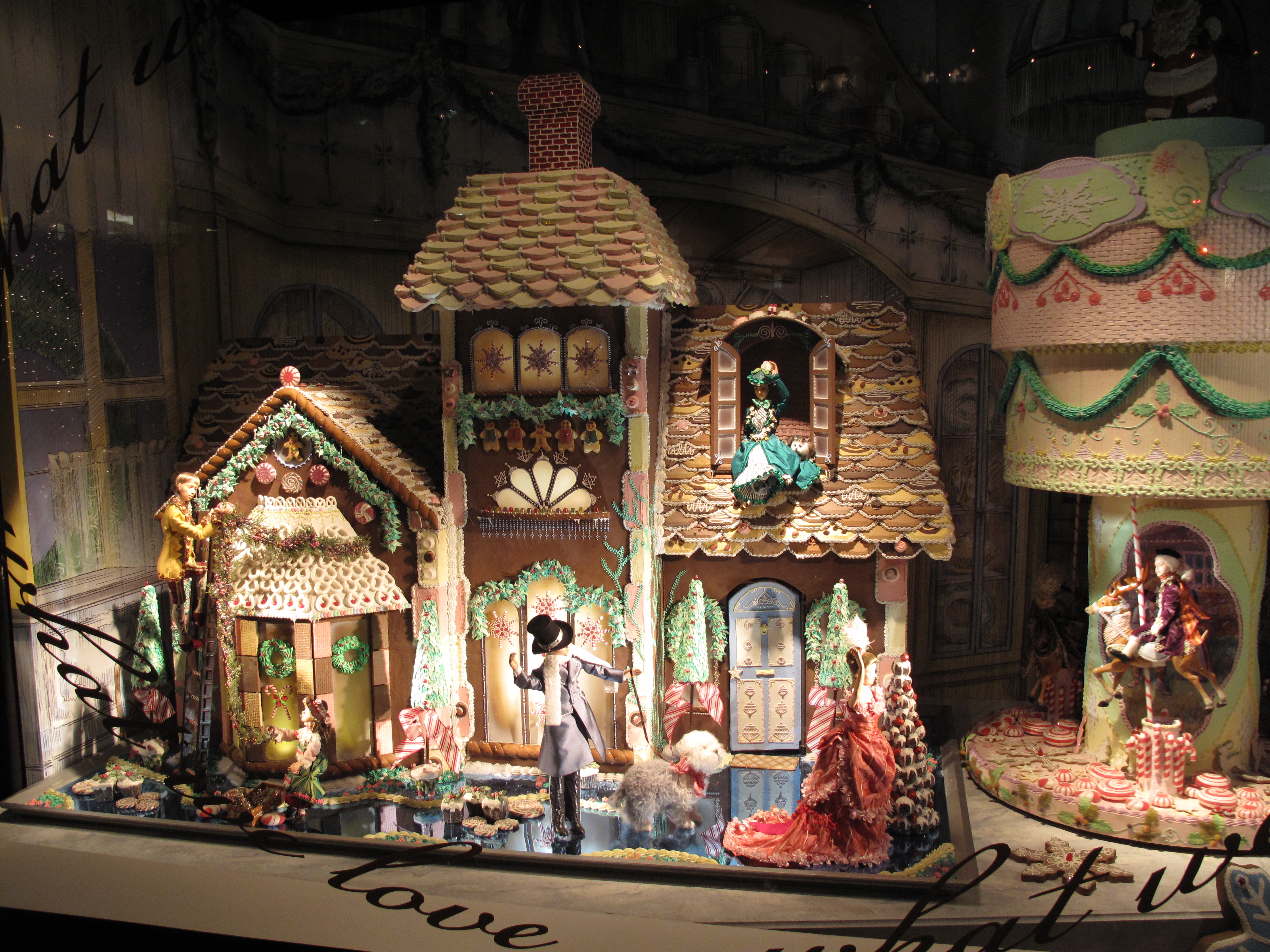
In the evening, I reviewed the famous Midtown windows for their Christmas displays.

Scenes from the classic Christmas movie “Miracle on 34th Street,” covered several adjacent windows.

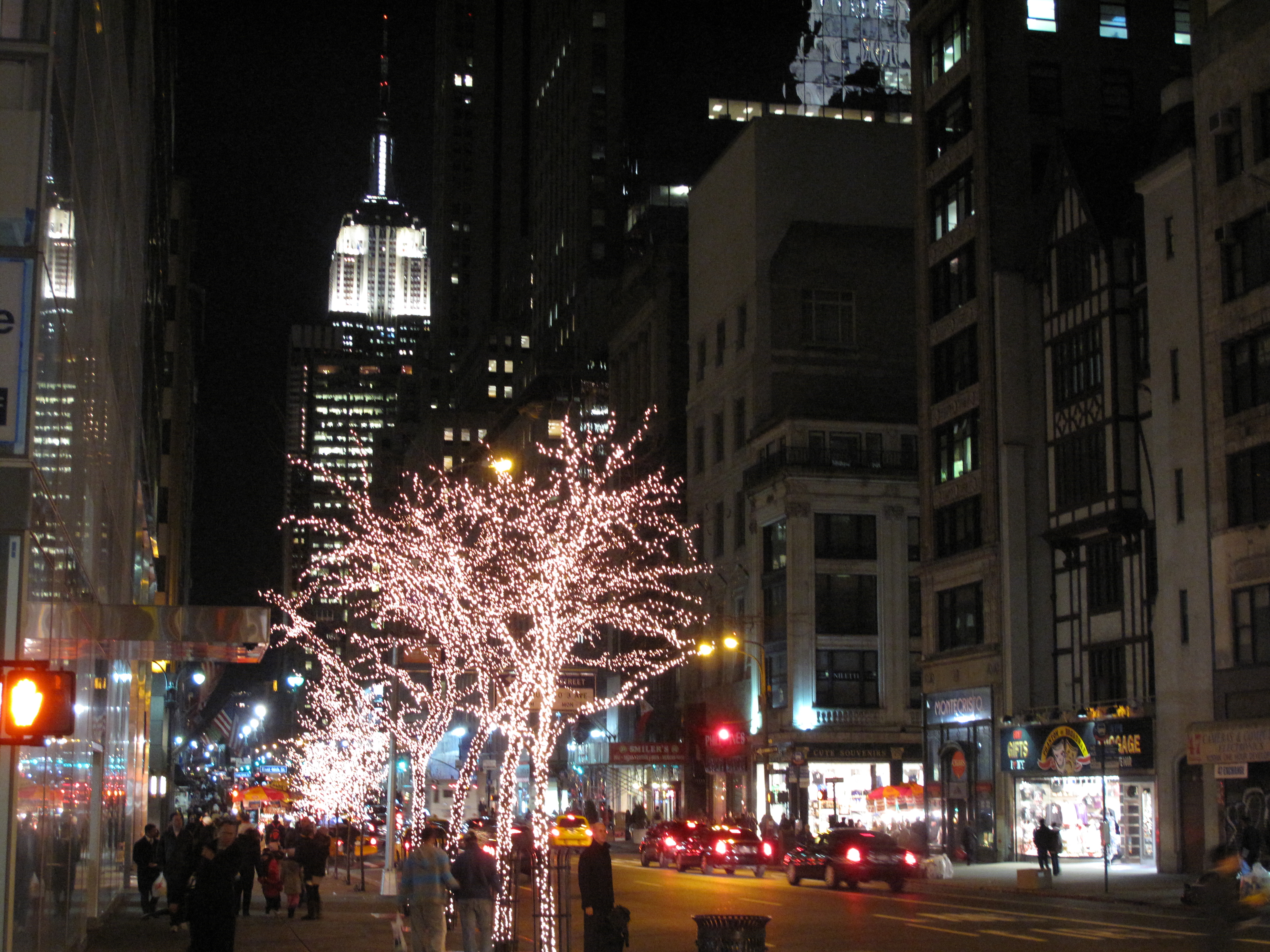
I’ll finish off this post with some views of Midtown’s street scenes at night.

Macy’s Department store
Midtown Manhattan with the Empire State Building in the background.

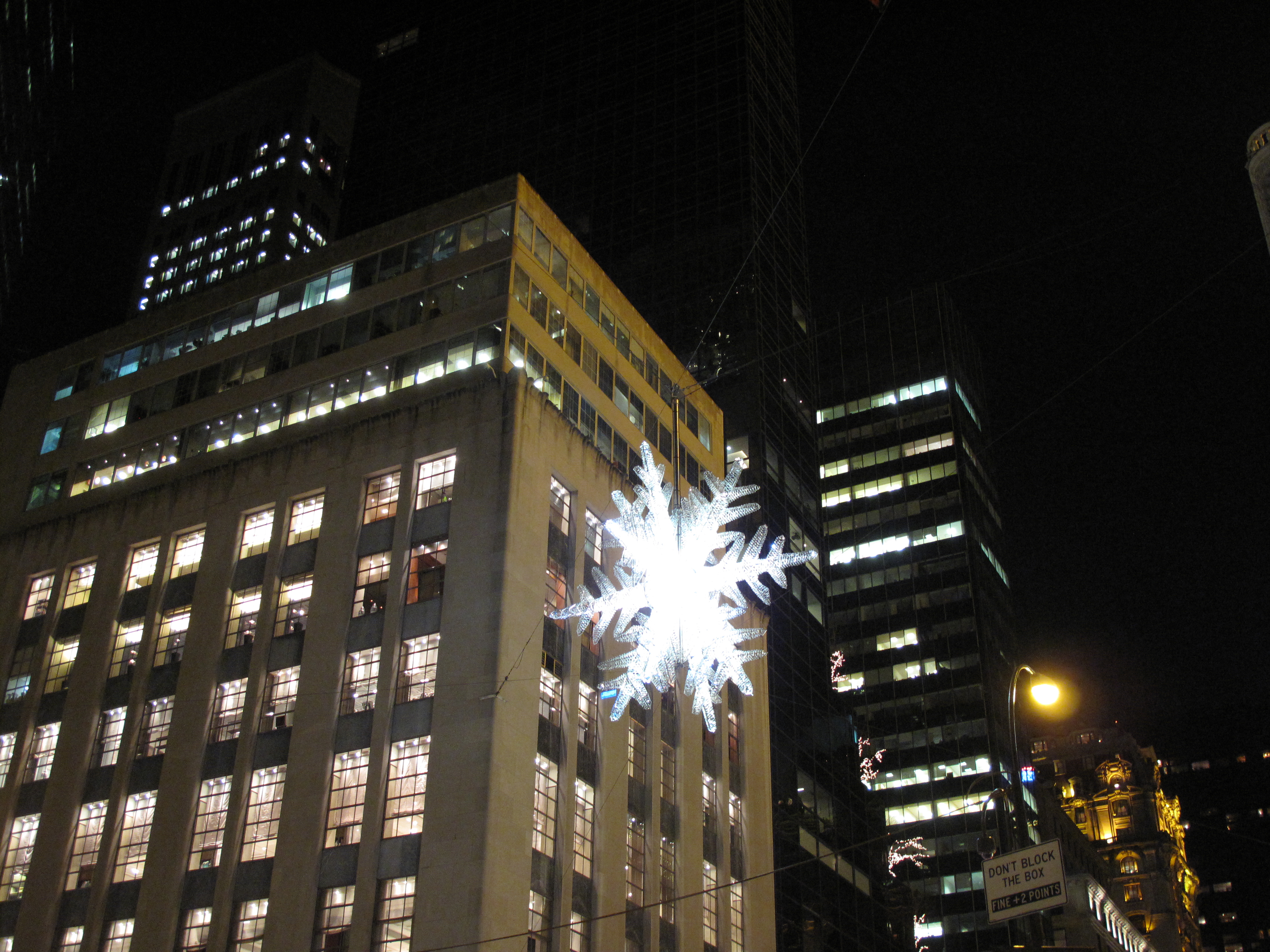
Now, one giant snowflake for the last shot.


A list of all photo posts from the American County Seats series in TimManBlog can be found here.

All photos were taken by the author on December 9th or 10, 2009.

My lifetime hobby is traveling to all of America’s county courthouses, and each month I post about a visit to a scenic or interesting county seat. It’s a hobby, and donations are greatly appreciated to help cover my costs.
Thanks,
Tim

Donations to TimManBlog

Use this form to make donations to support this site. Paypal, Visa, Mastercard, Amex, and Discover cards are accepted. Donations can be made in increments of $5.00; increase the number of units to increase the donation amount.

$5.00

Smith County, Kansas: The Center of the USA

November 30, 2023
(Photos and memories of November 23, 2011)
(If you like my posts, you can support this site with a donation via Paypal, Visa, Amex, Mastercard, or Discover by using the form at the bottom of this post. Thank you.)

A street mural from downtown Smith Center, Smith County, Kansas

Welcome to Smith Center, Kansas, center of the USA! Well, sort of.

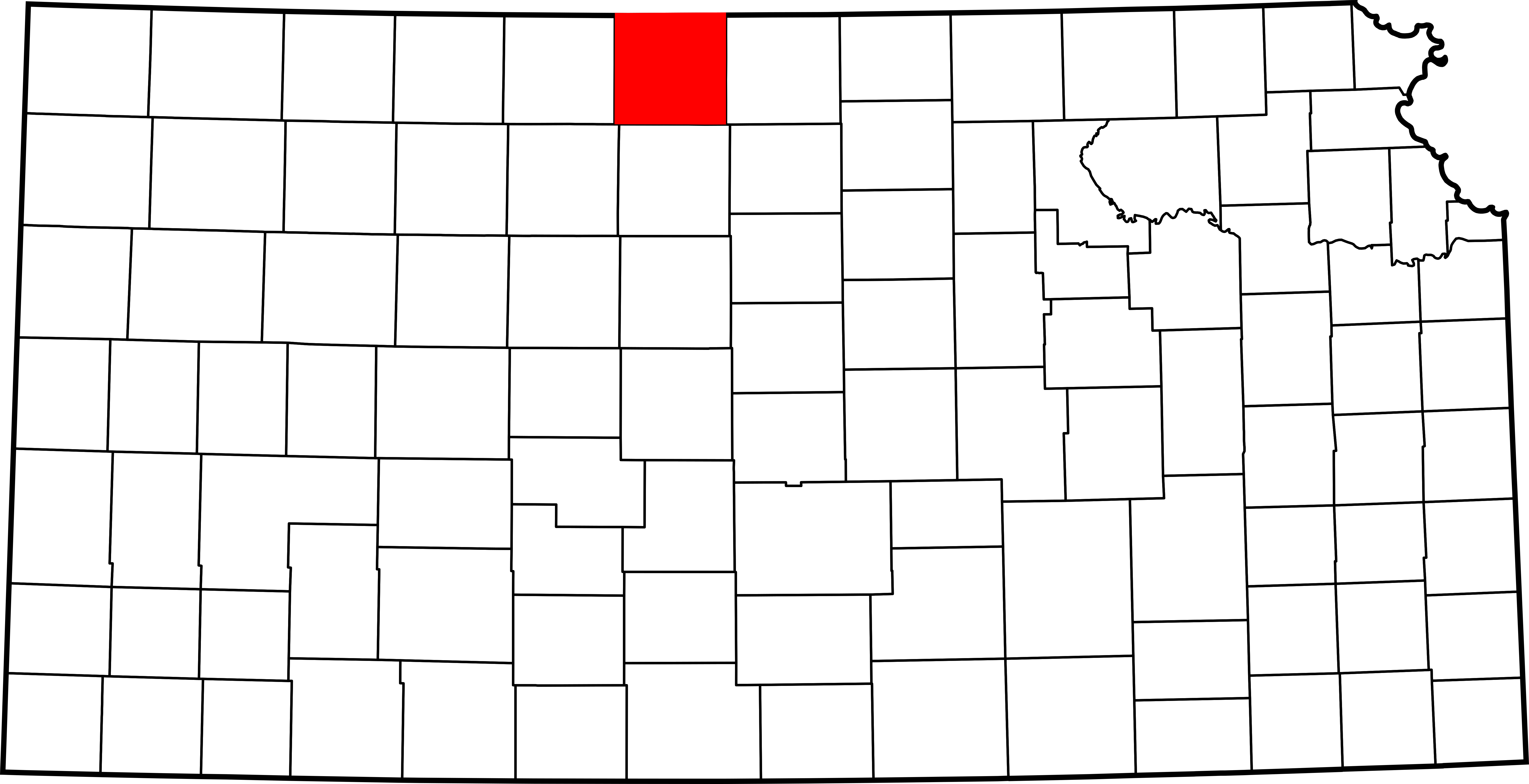
The location of Smith County within the state of Kansas

The town of Smith Center, Kansas, has a population of 1,571 according to the 2020 Census, and lies near the center of Smith County, Kansas, population 3,570. Both the town and county were named for J. Nelson Smith, a major in the 2nd Colorado Cavalry Regiment during the American Civil War. Major Smith was killed at the Battle of Westport (known as the “Gettysburg of the West”) in 1864. If you’ve ever been through Kansas, you know that many of their counties were named for Union Civil War officers and soldiers.

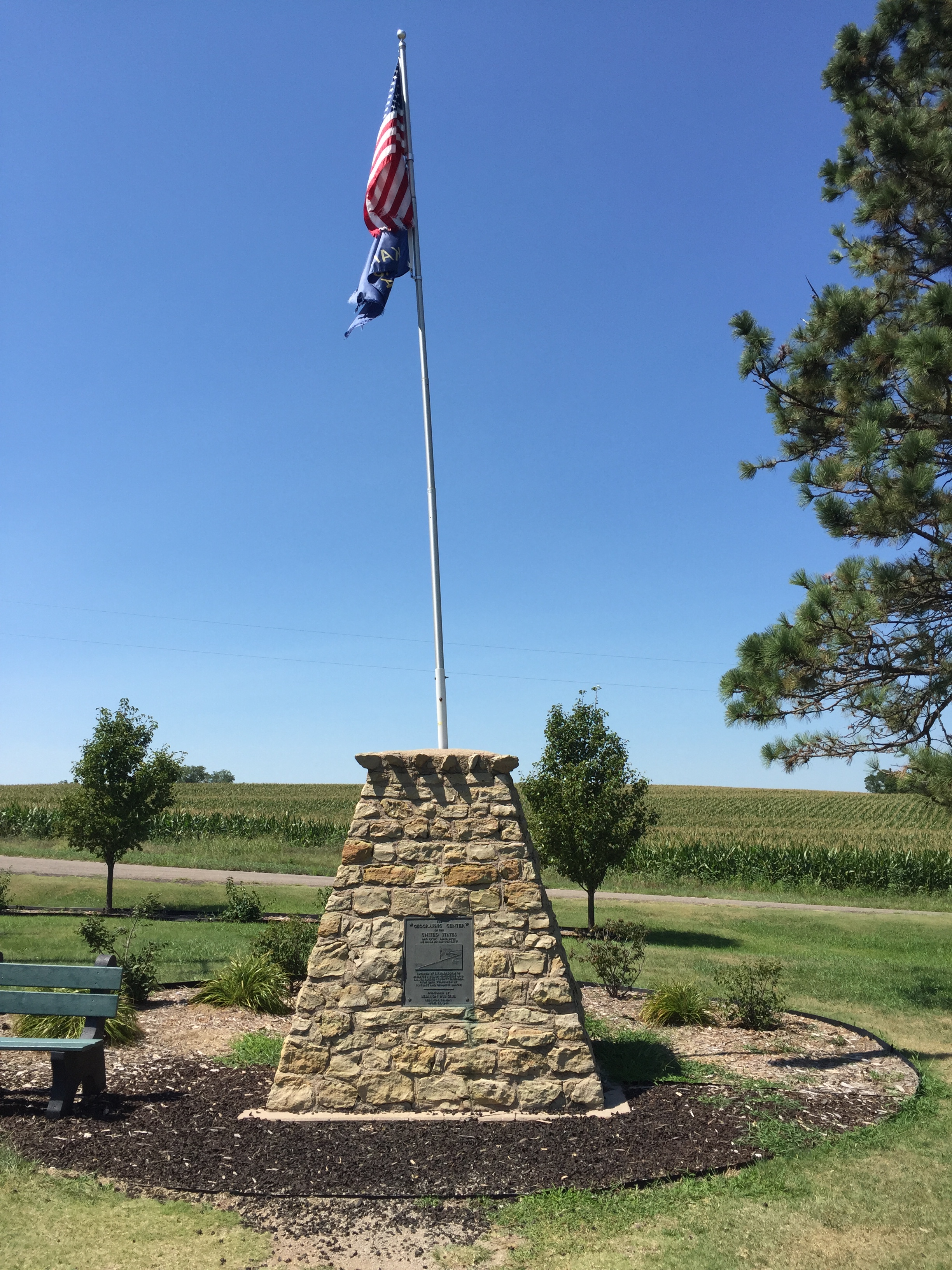
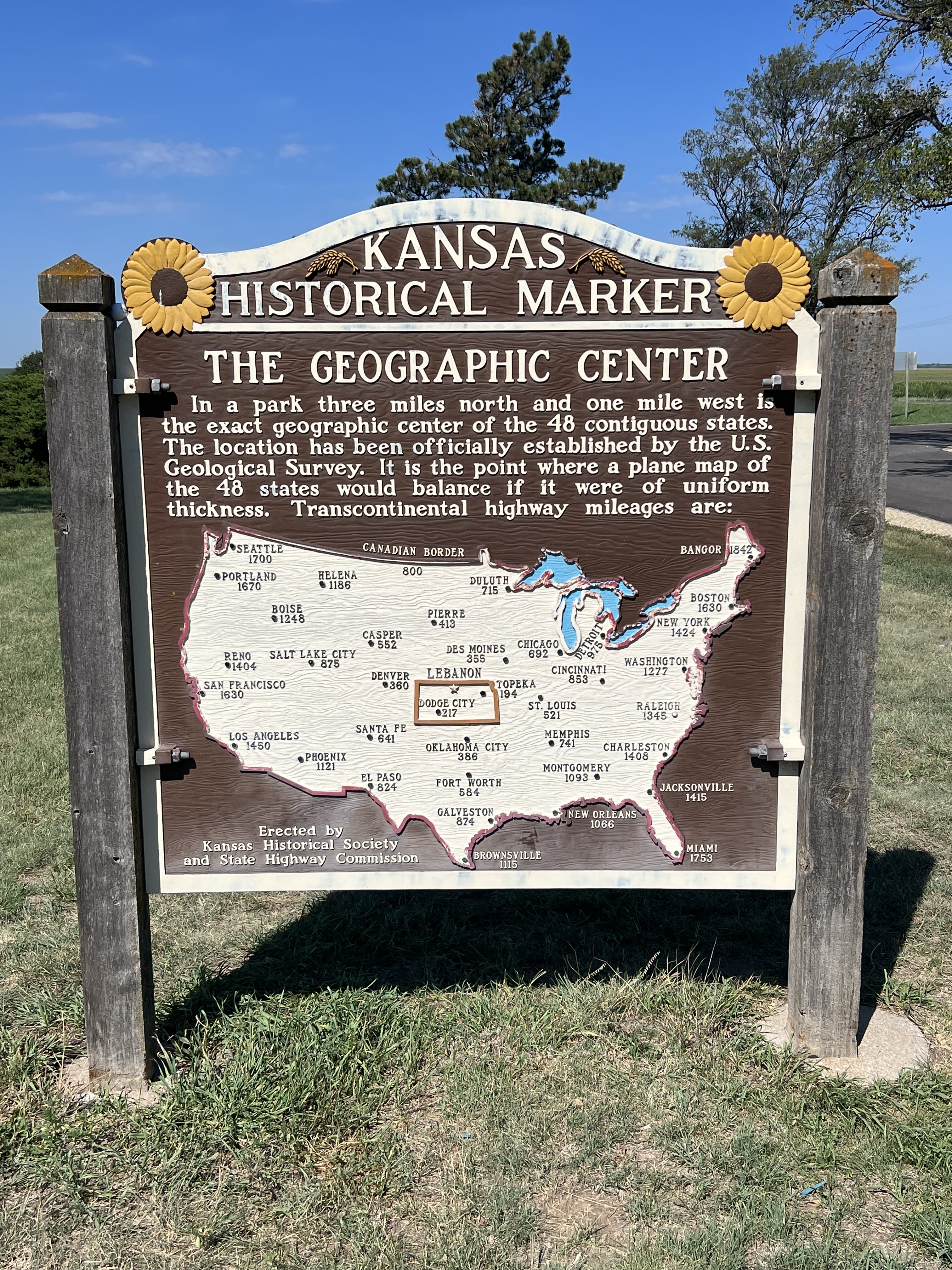
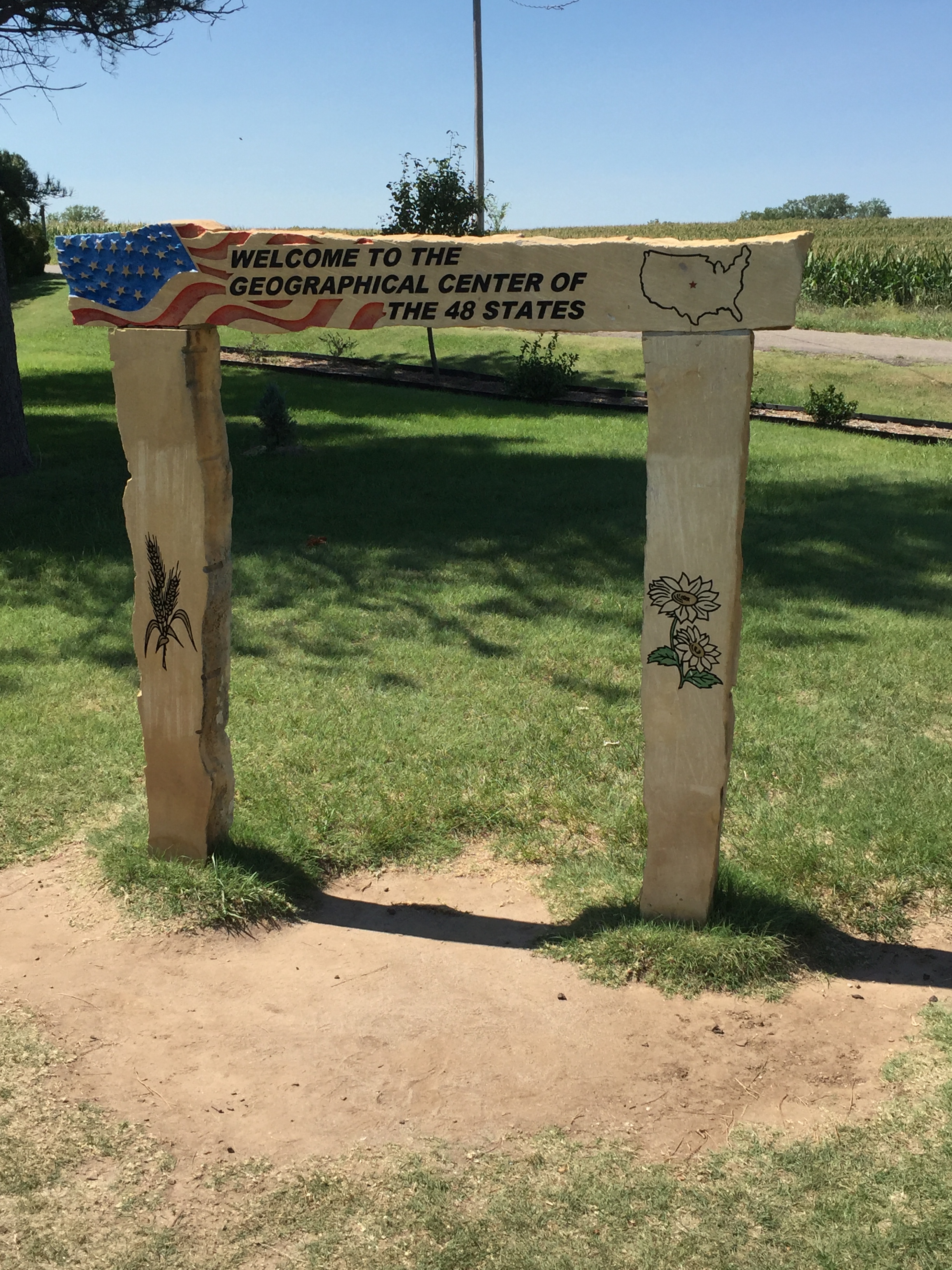
In 1918, while the United States consisted only of the “lower 48 states,” a survey team determined the Geographic Center of the Contiguous United States to lie within Smith County, Kansas, a few miles northeast of Smith Center. The spot is a tourist marker a few miles off U.S. Route 36, which runs east and west through the northern tier of counties in Kansas. Here are some photos of it, and its associated historical signs:

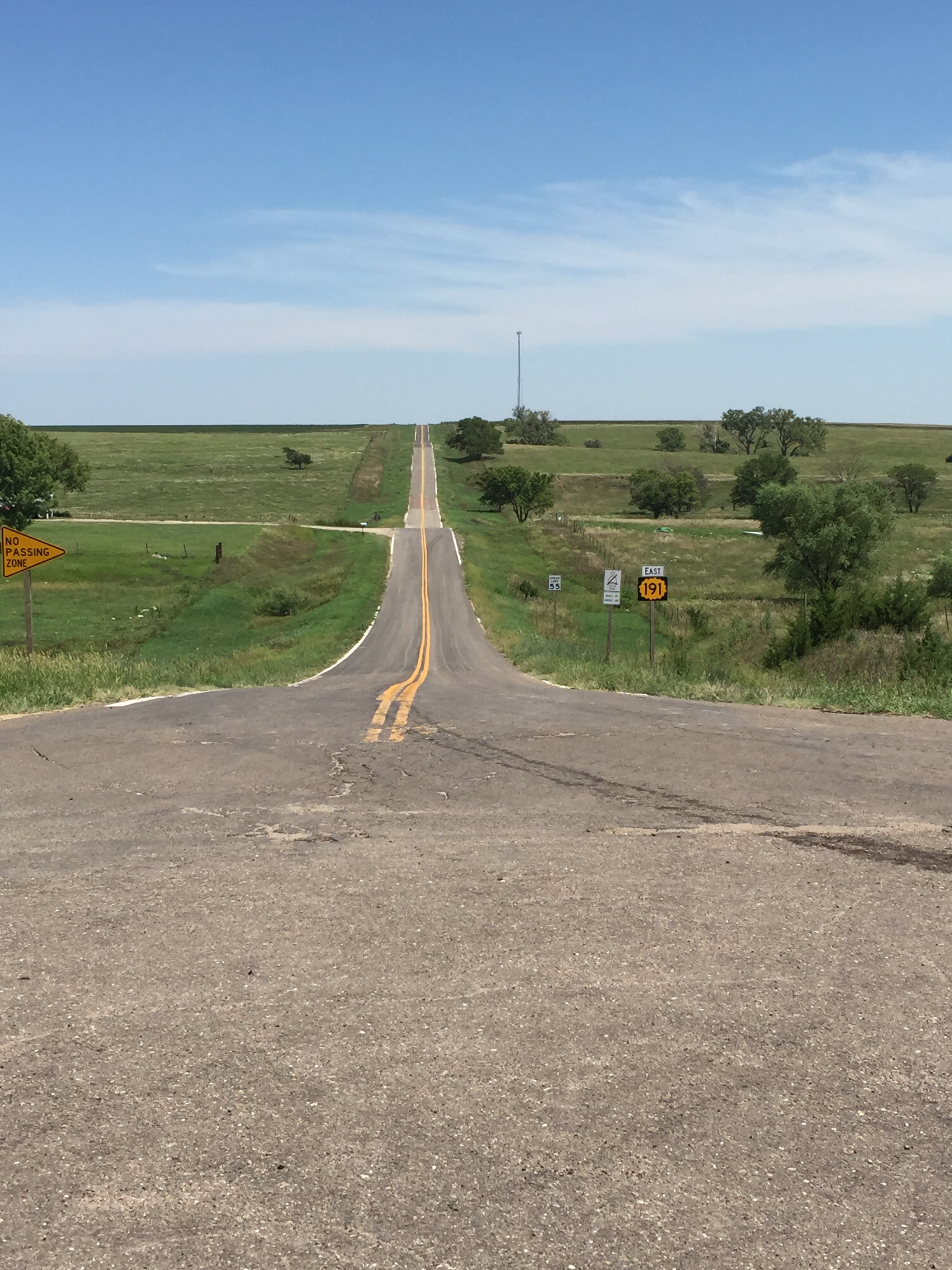
So, Smith County used to be able to call itself the “Center of the USA,” until Alaska and Hawaii joined the Union. Nevertheless, anyone looking at the photo below can confidently say that this is the “middle of the country.”

The undulating Kansas countryside looking east from the “Center of the USA” marker.

Smith County is home to another historic site, the Home on the Range Cabin near Smith Center. The cabin is associated with the song, “Home on the Range.” The song was written in the 1870s as a cowboy folk song. It became the Kansas State song in 1847.

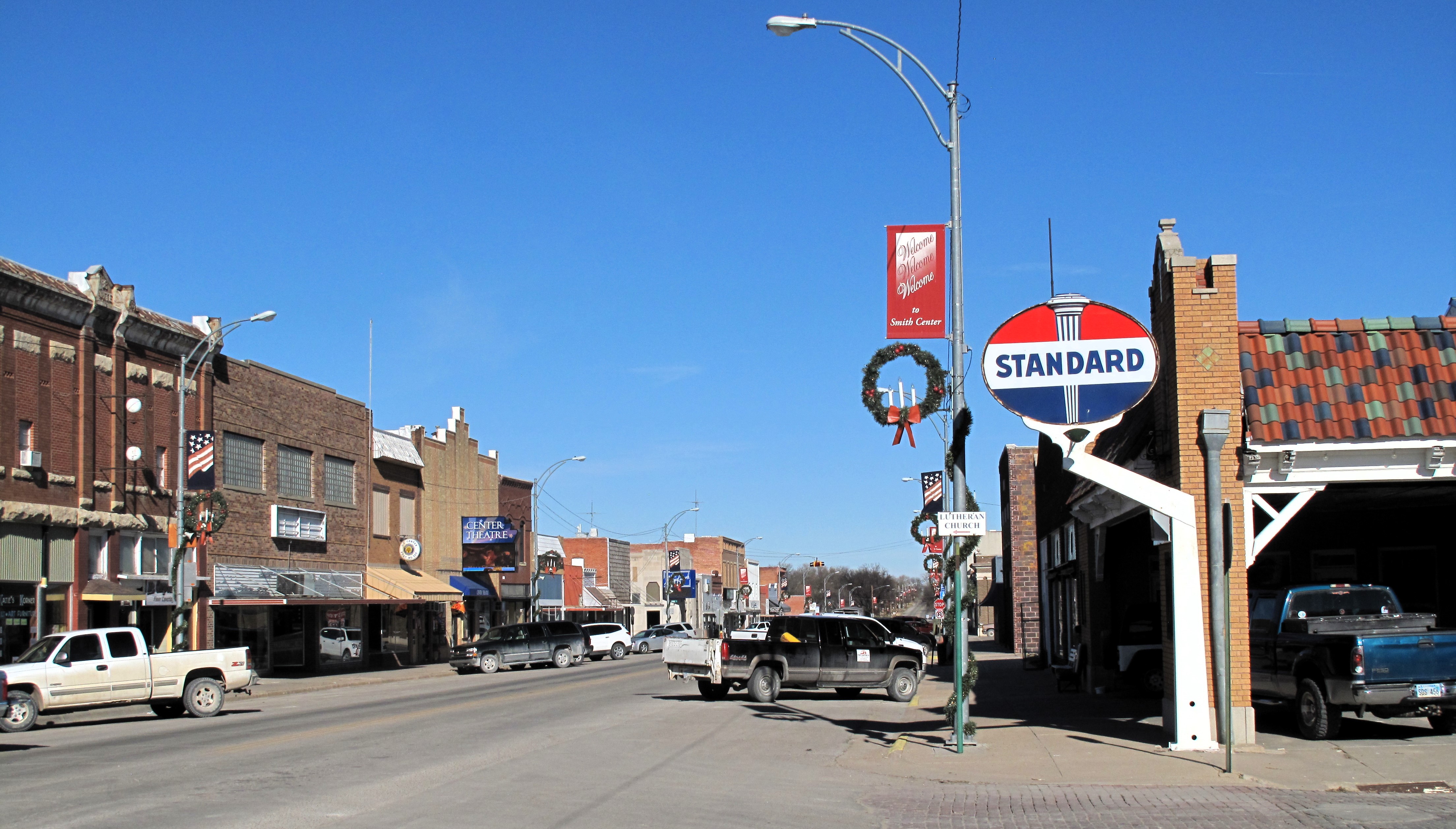
The town of Smith Center has a quiet feel to it, but several American symbols are recognizable along its Main Street: a steakhouse, a movie theatre, and an old Standard Oil gasoline sign.

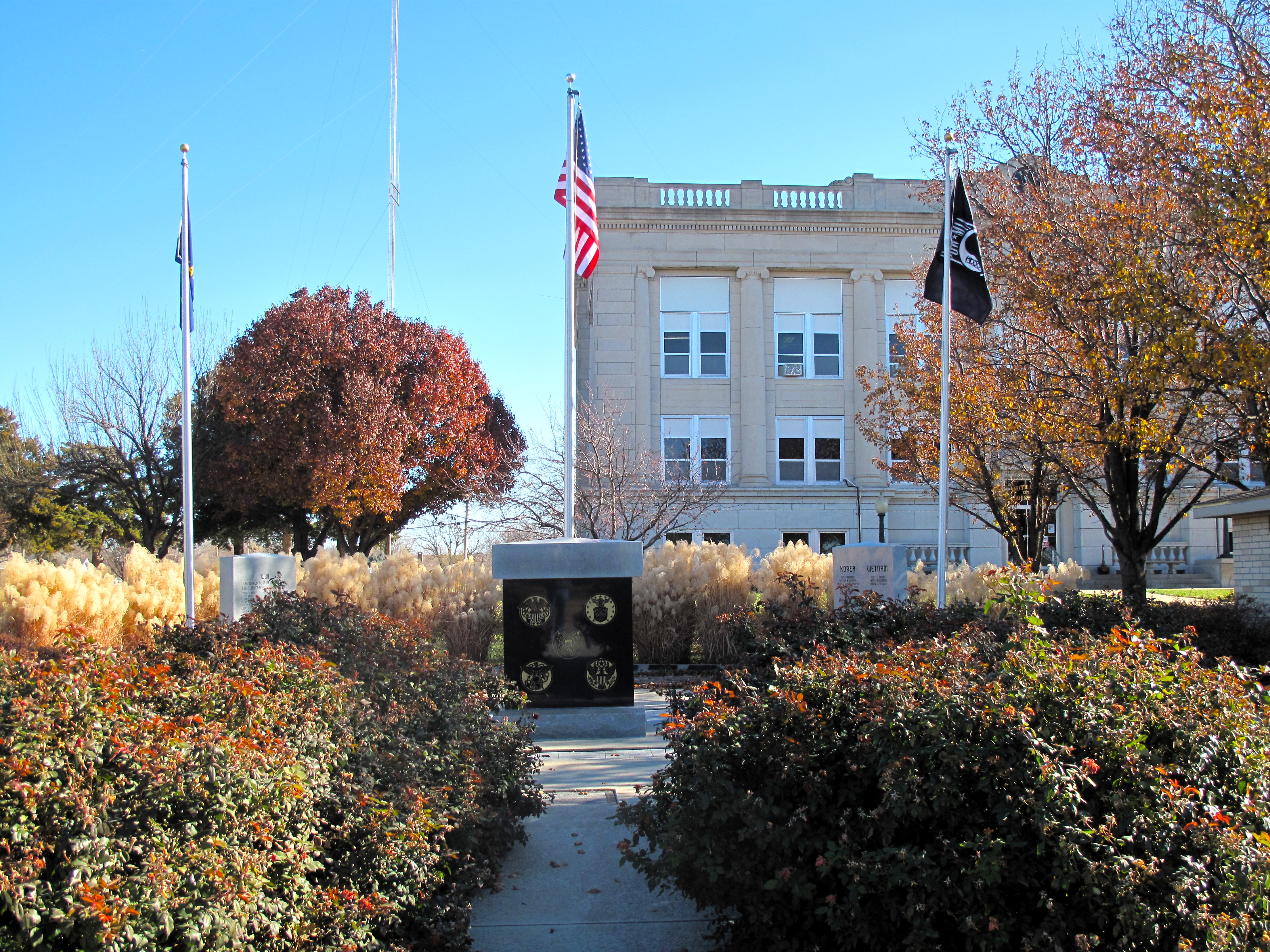
The Smith County Courthouse in Smith Center was built in 1918, the same year as the survey that found Smith County to be the center of the country. The courthouse was built in the neo-classical style.

Smith County Courthouse, Smith Center, Kansas

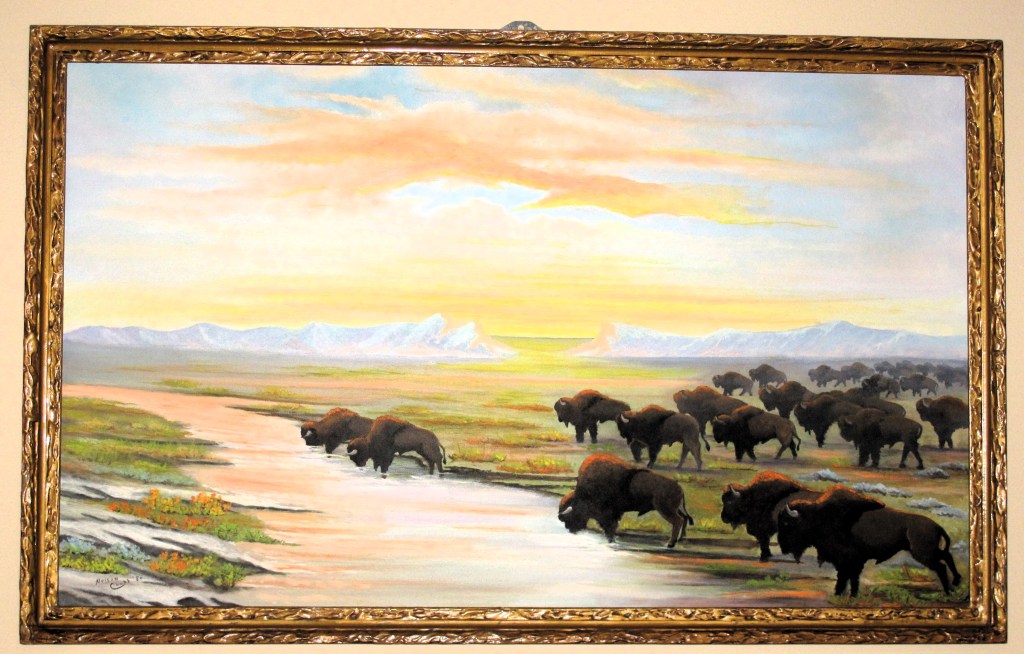
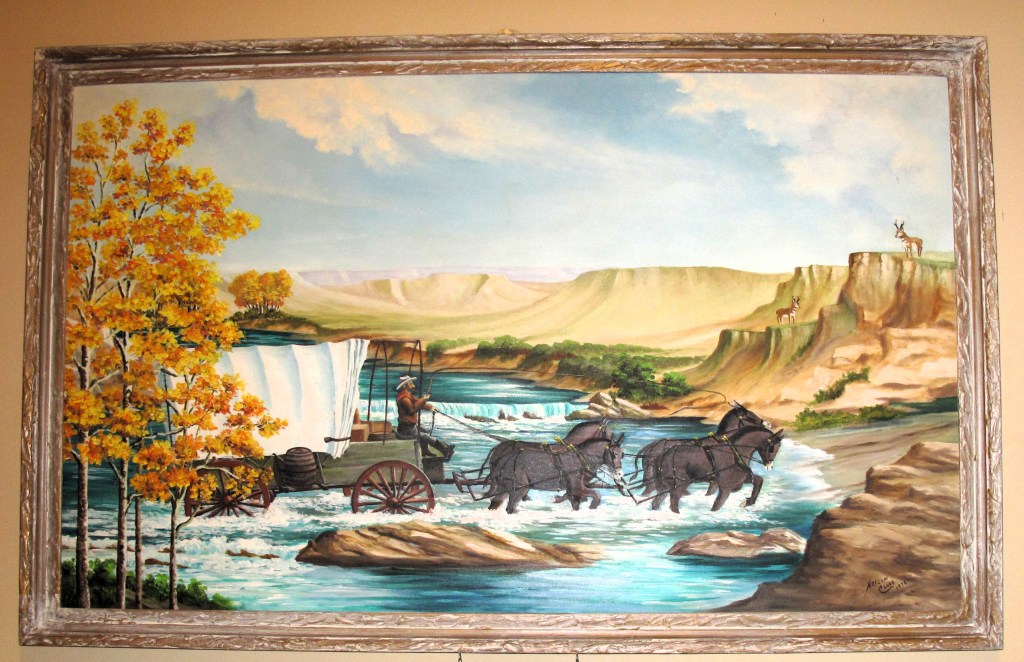
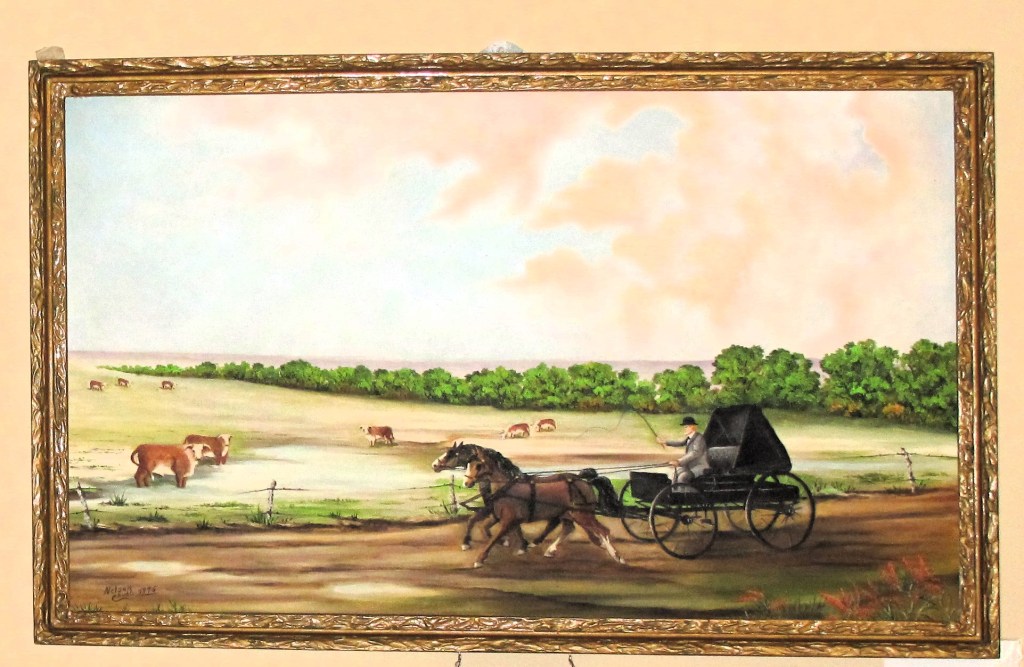
I was able to go inside the courthouse; these interesting oil paintings were hung in the hallways. I think they were done by a local artist.

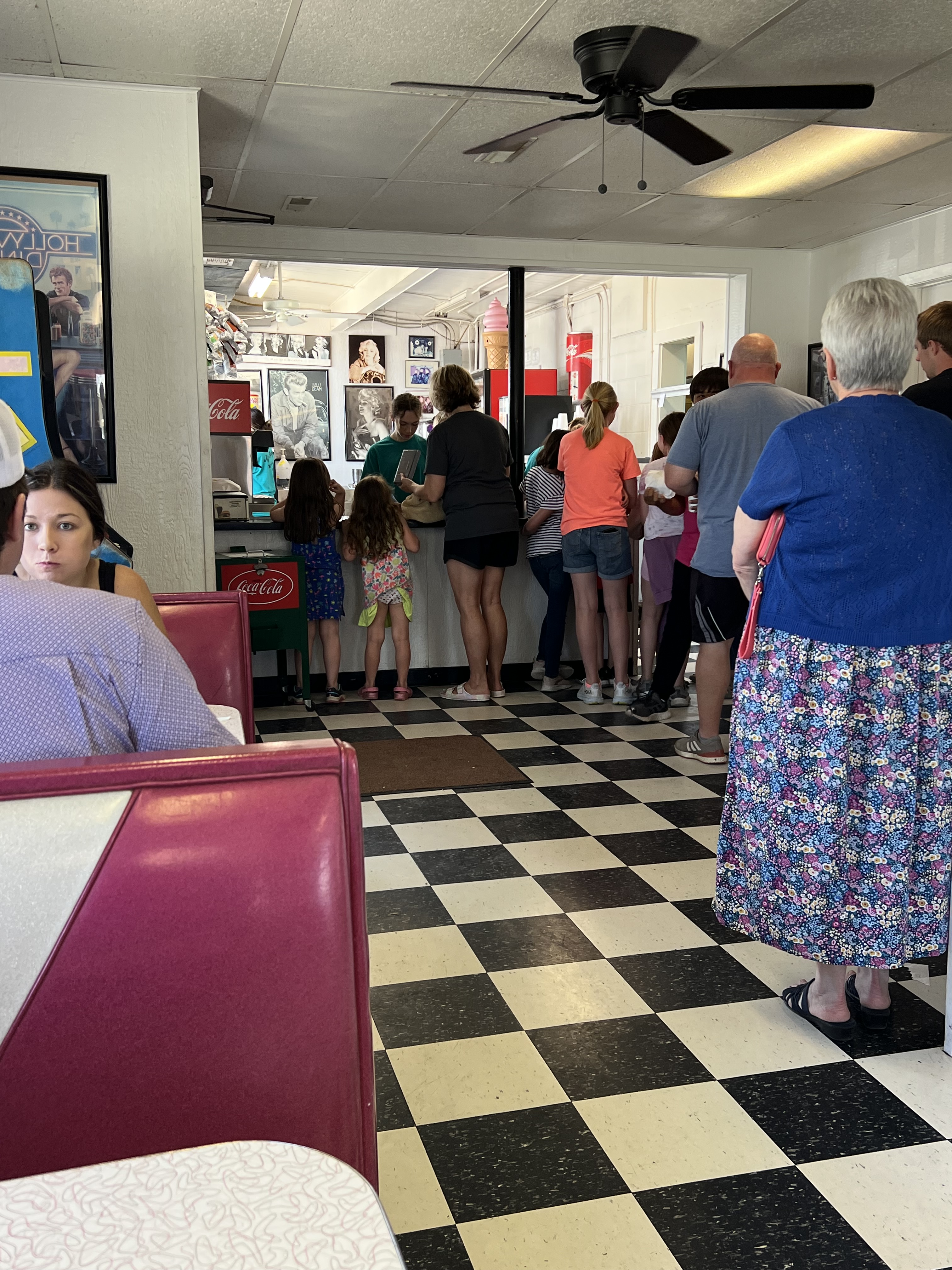
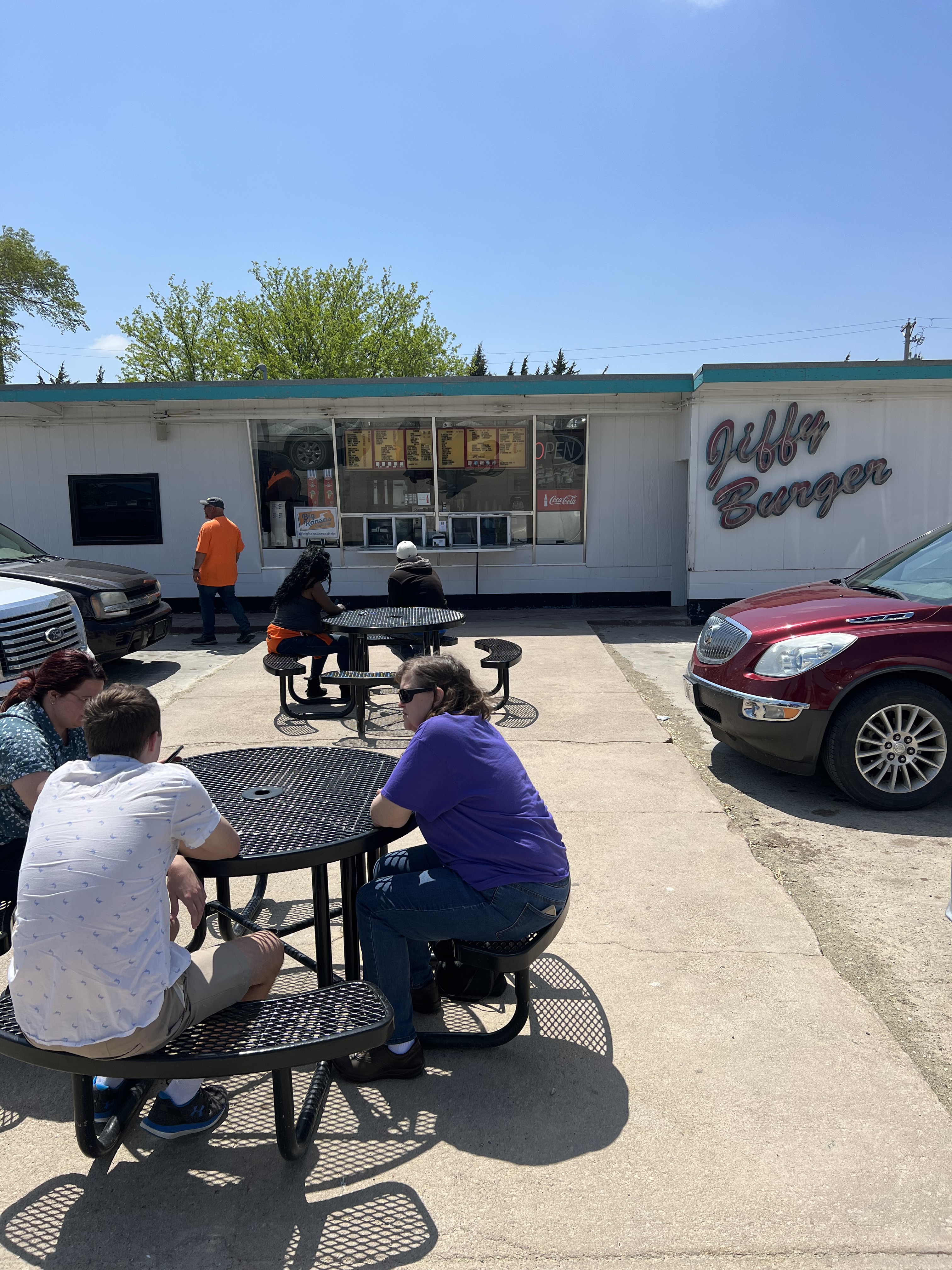
One last thing. A year ago, I discovered a great little hamburger stand in Smith Center called Jiffy Burger. Located along U.S. Route 36 just east of the main intersection in town, Jiffy Burger is a great place to stop for a burger, fries, ice cream, and even hush puppies. Try it the next time you’re in town — you’ll probably meet a sizeable portion of Smith Center’s population inside.


A list of all photo posts from the American County Seats series in TimManBlog can be found here.

All photos were taken by the author on November 23, 2011, August 16, 2016, August 13, 2022, or May 6, 2023.

My lifetime hobby is traveling to all of America’s county courthouses, and each month I post about a visit to a scenic or interesting county seat. It’s a hobby, and donations are greatly appreciated to help cover my costs.
Thanks,
Tim

Donations to TimManBlog

Use this form to make donations to support this site. Paypal, Visa, Mastercard, Amex, and Discover cards are accepted. Donations can be made in increments of $5.00; increase the number of units to increase the donation amount.

$5.00
October Foliage in Crystal Falls, Michigan

October 30, 2023
(Photos and memories of October 5, 2021)
(If you like my posts, you can support this site with a donation via Paypal, Visa, Amex, Mastercard, or Discover by using the form at the bottom of this post. Thank you.)

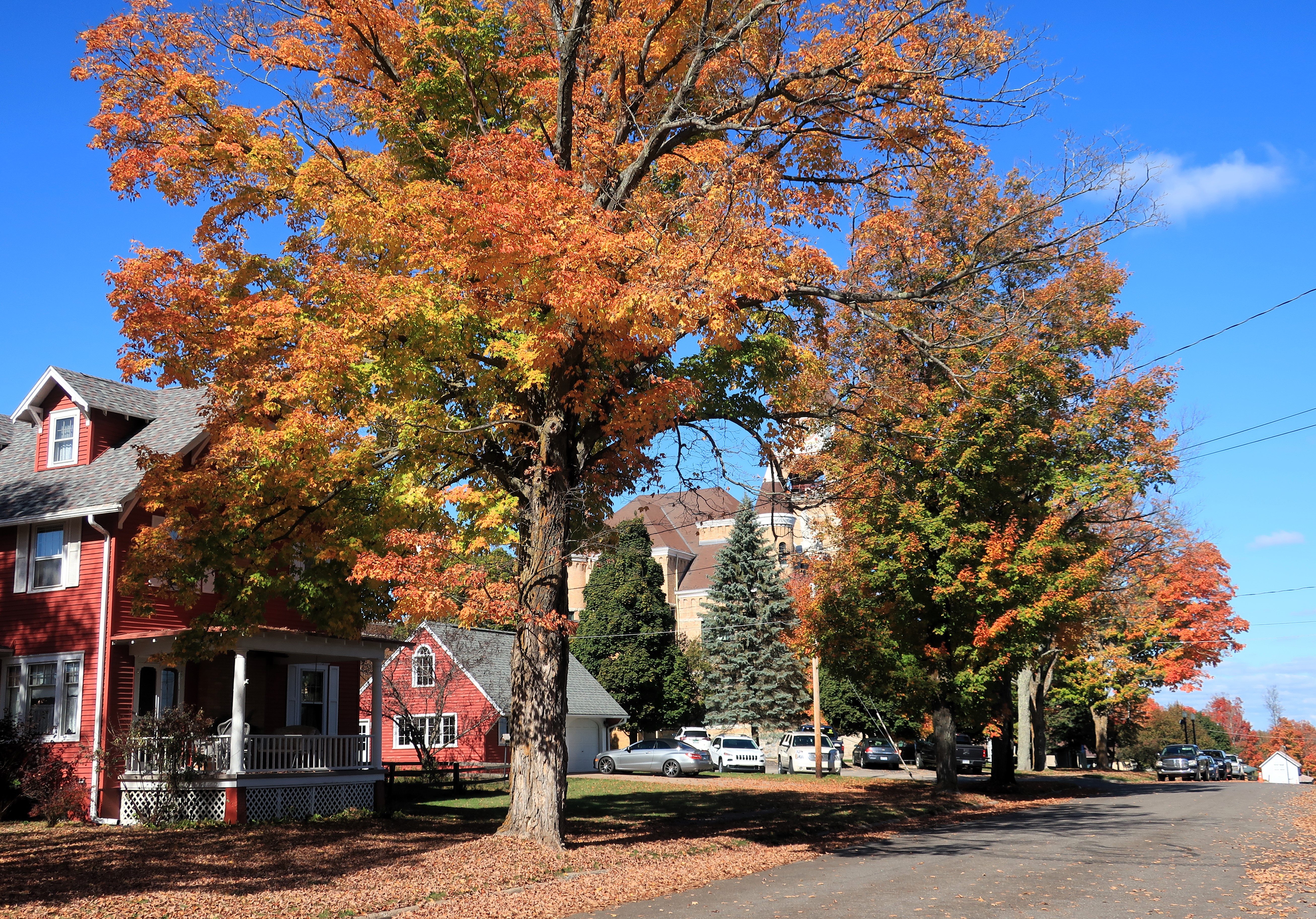
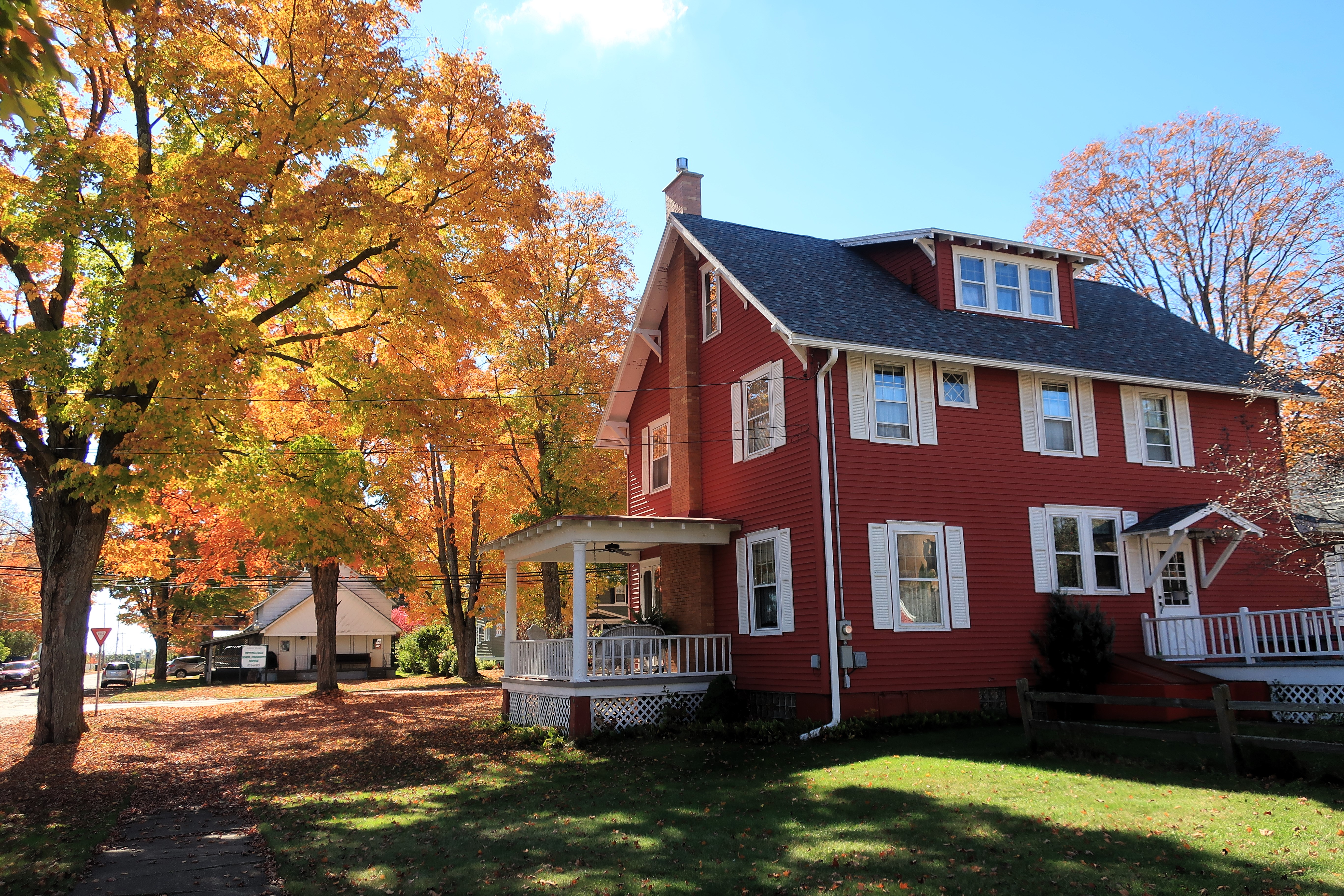
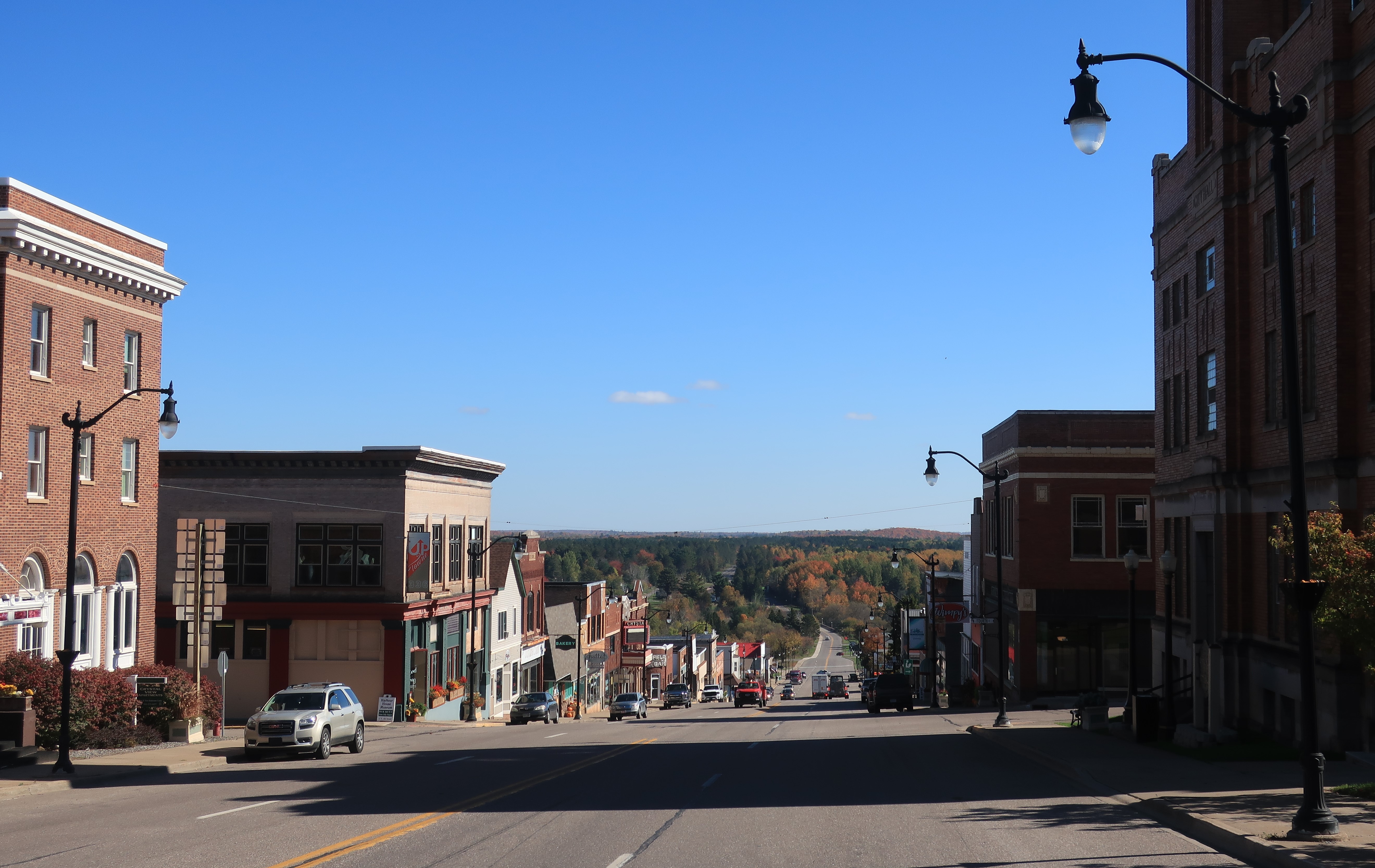
Michigan’s Upper Peninsula in the first week of October can be one of the best places to see fall foliage. I was lucky enough to catch a warm day with bright blue skies, and I took a lot of pictures.

Oaks and maples form the staples of autumn brilliance in Crystal Falls.
The afternoon sun shining through the reds, yellows, and oranges in Crystal Falls, Michigan.
The perfect Fall scene includes leaves on the trees and on the ground.

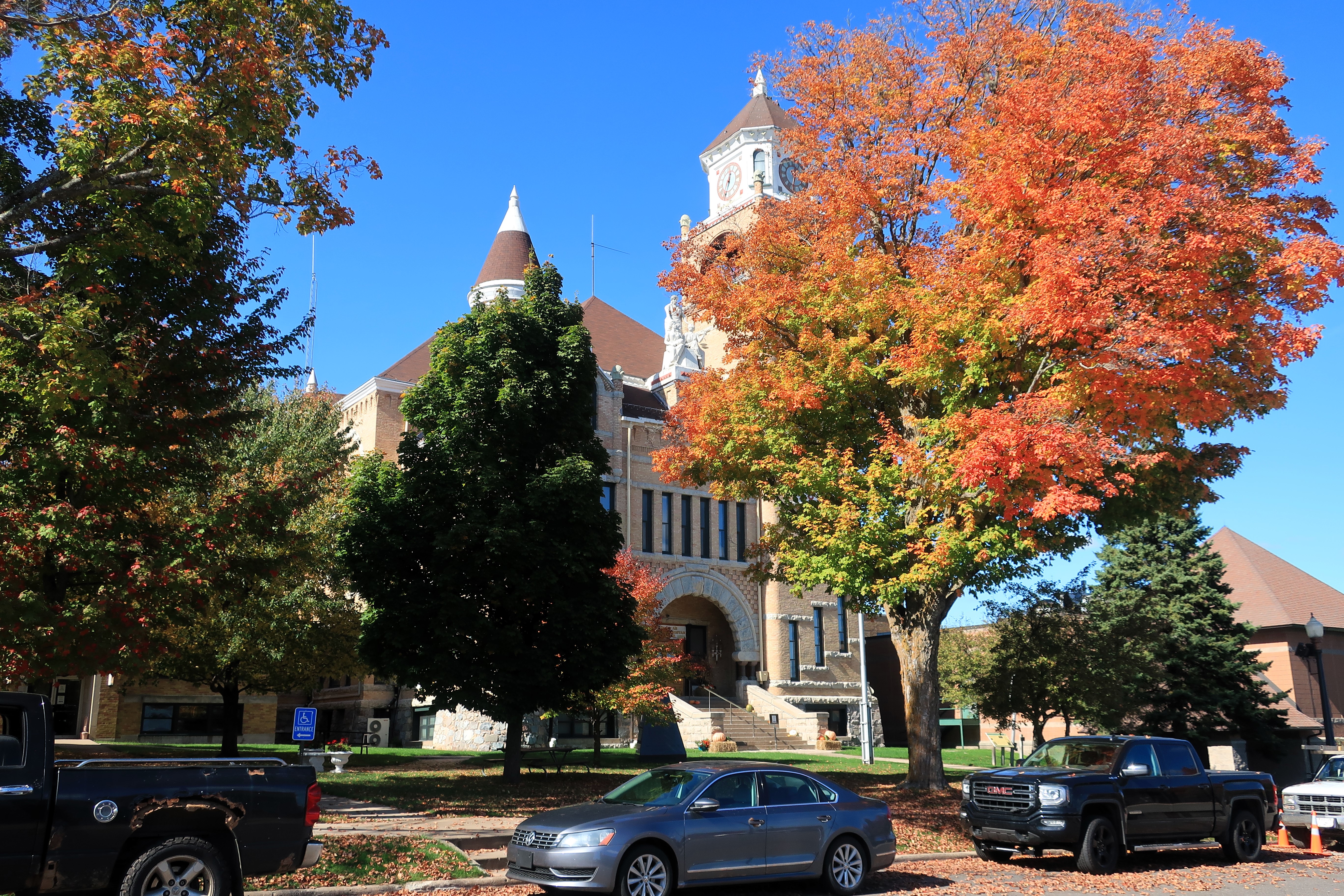
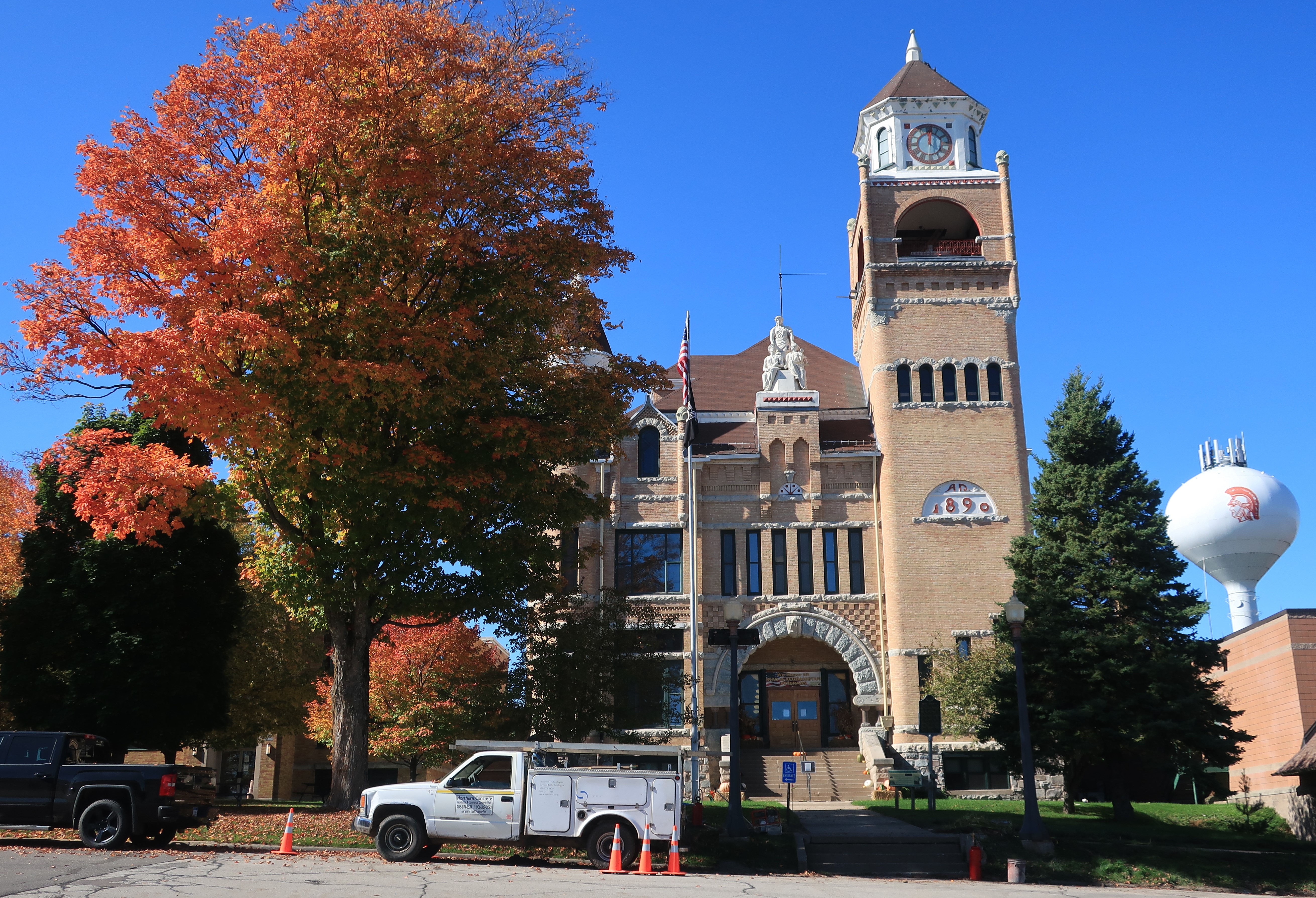
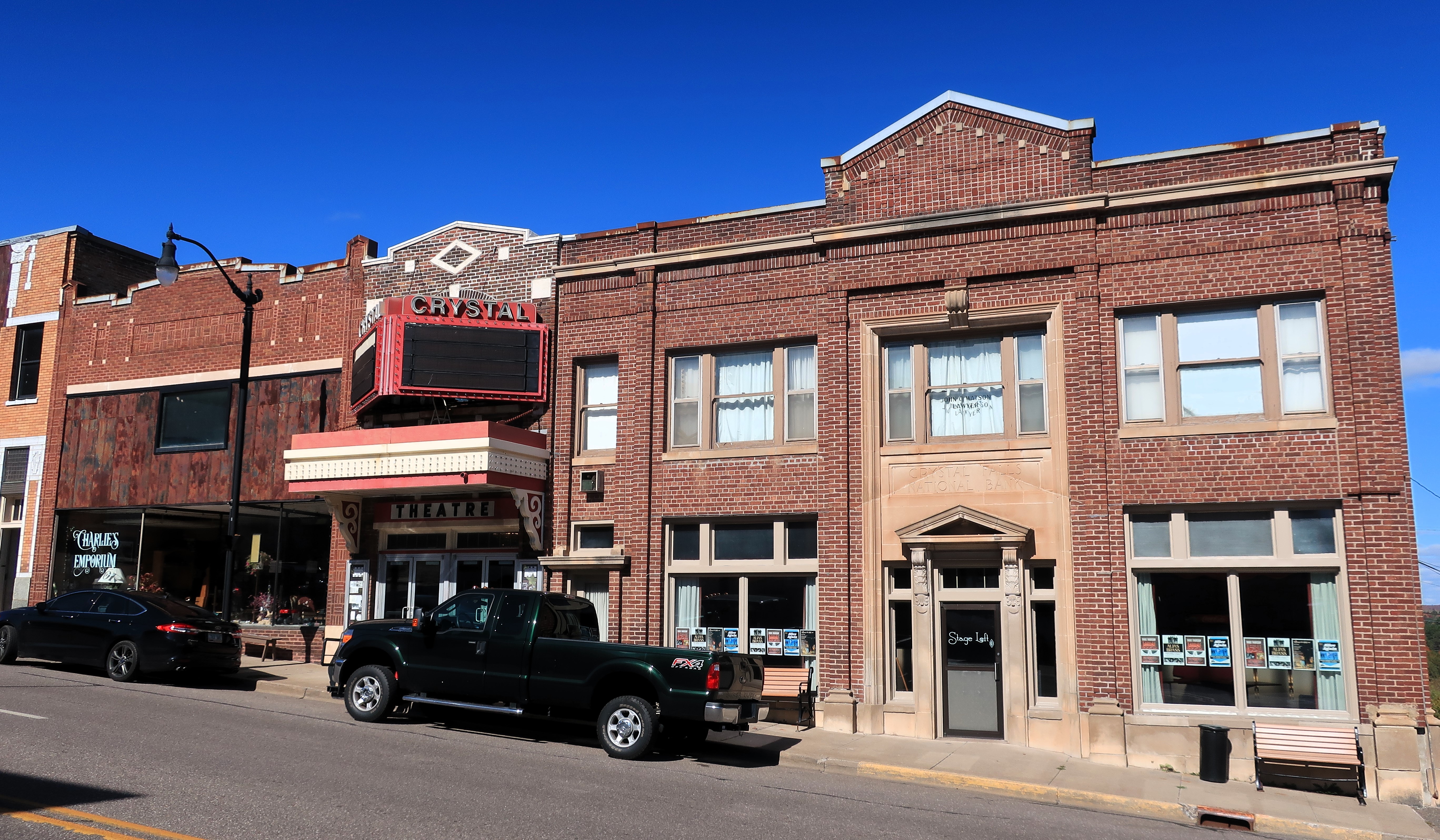
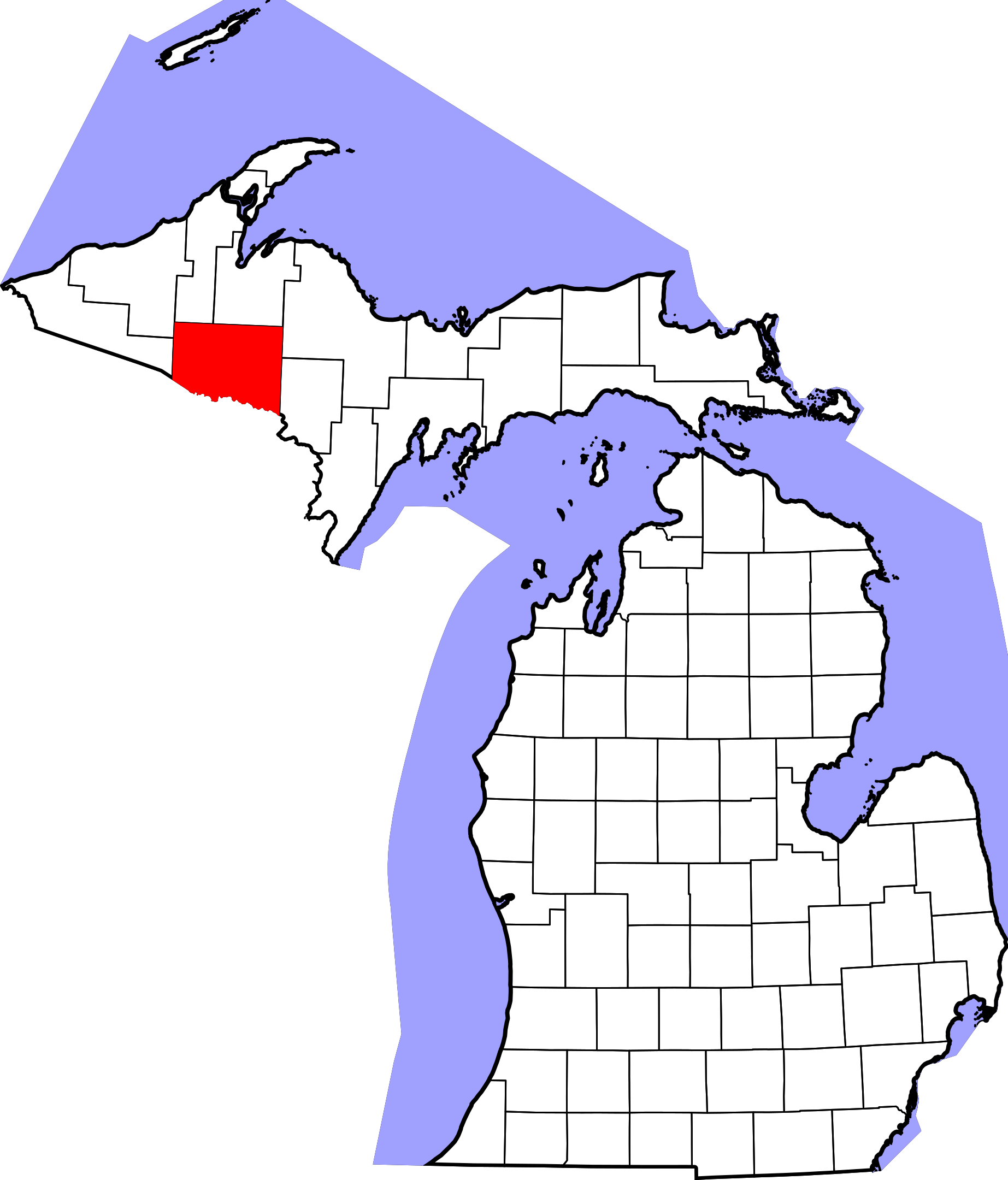
Crystal Falls, MIchigan, has a population of 1,598 persons and is the seat of Iron County. The county was established in the late 1880’s and was named for the rich iron ore deposits found here. Wealth from iron mining built their 1890 Richardson Romanesque courthouse.

Iron County Courthouse in Crystal Falls, Michigan
Iron County Courthouse. Crystal Falls, Michigan.

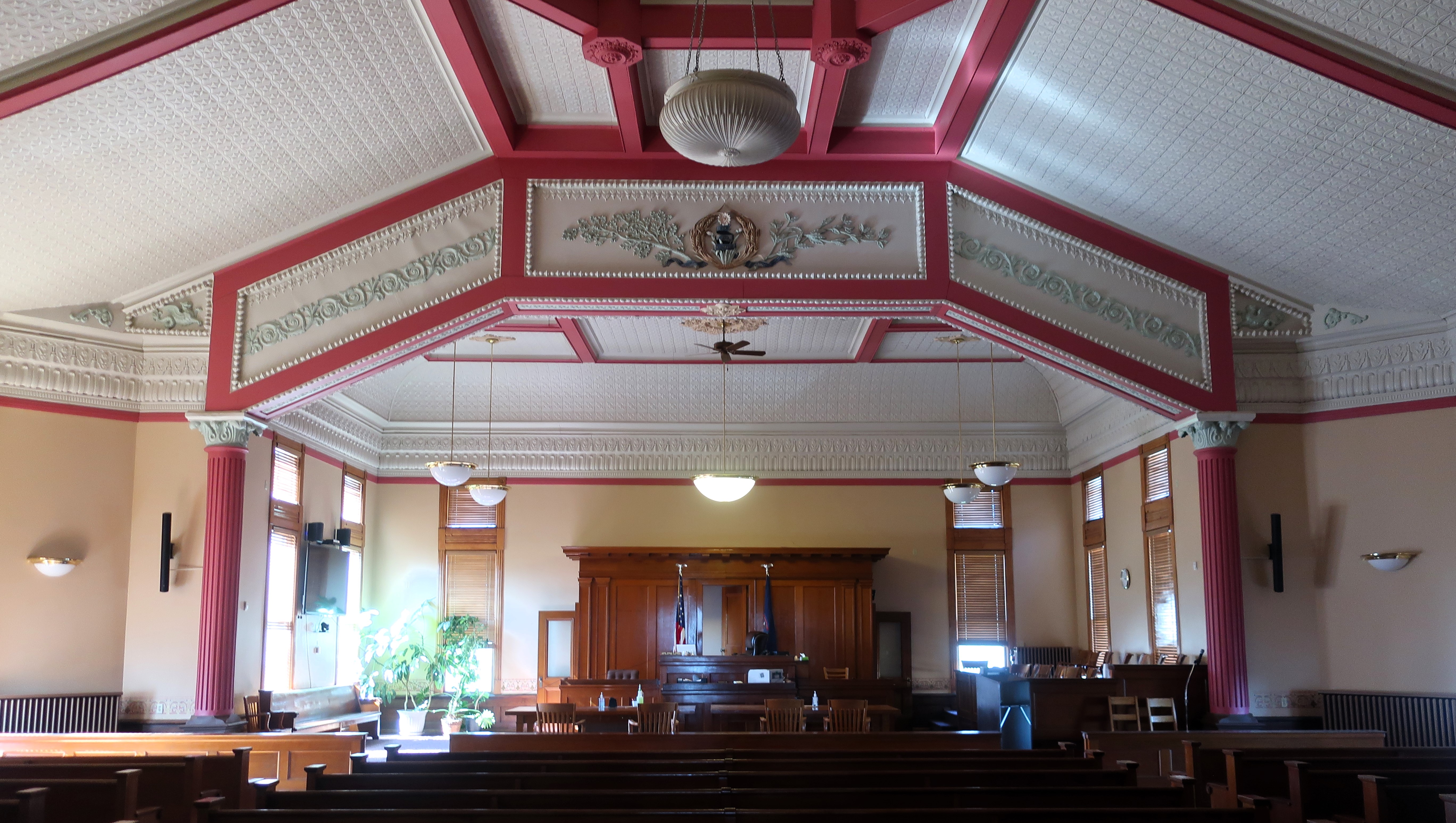
This courthouse was built in 1890. Pictured below (left to right) are its grand entrance door, its statue of Lady Justice above, and its main courtroom on the second floor.

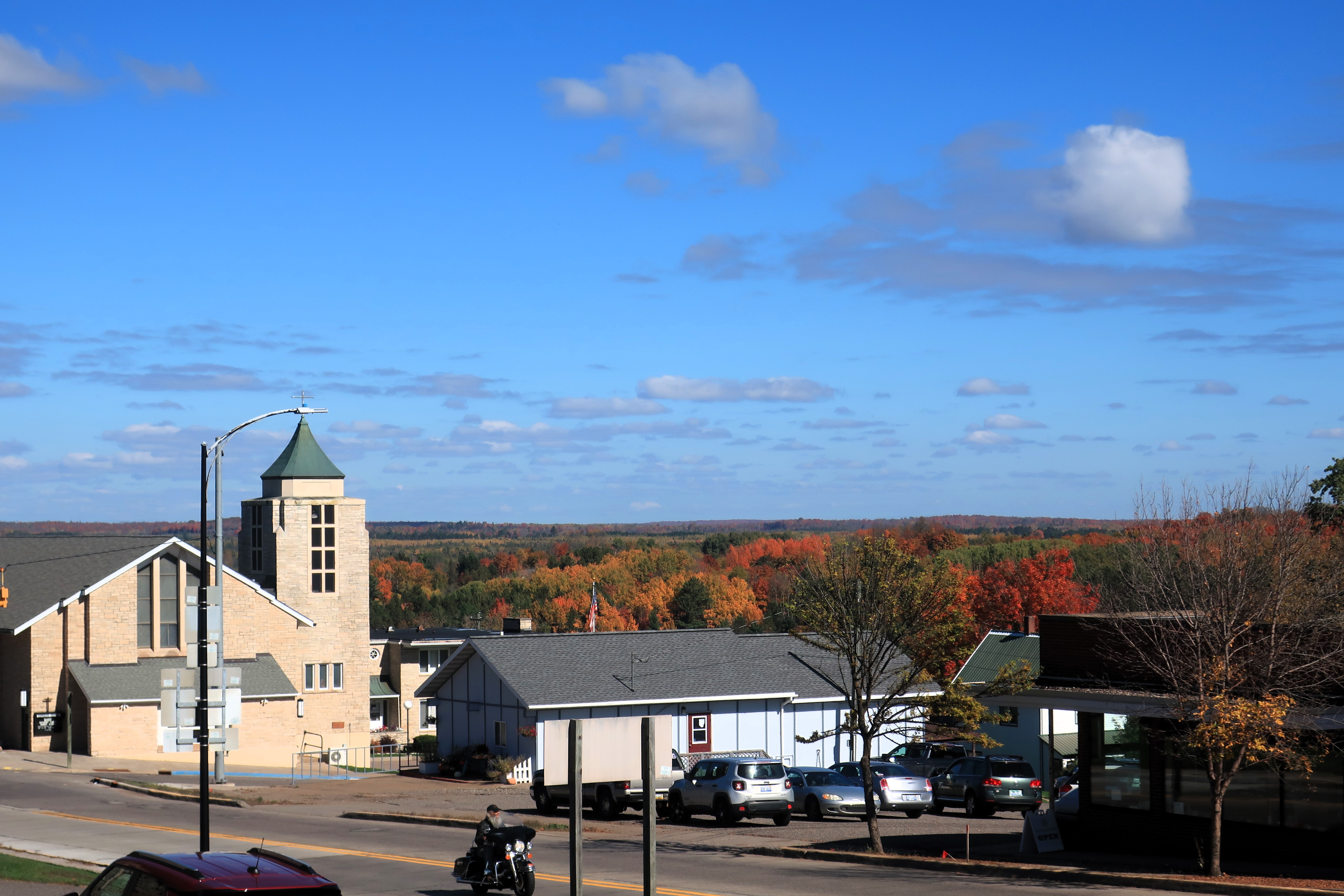
This view is from the courthouse steps looking over the Upper Michigan countryside on October 5, 2021.

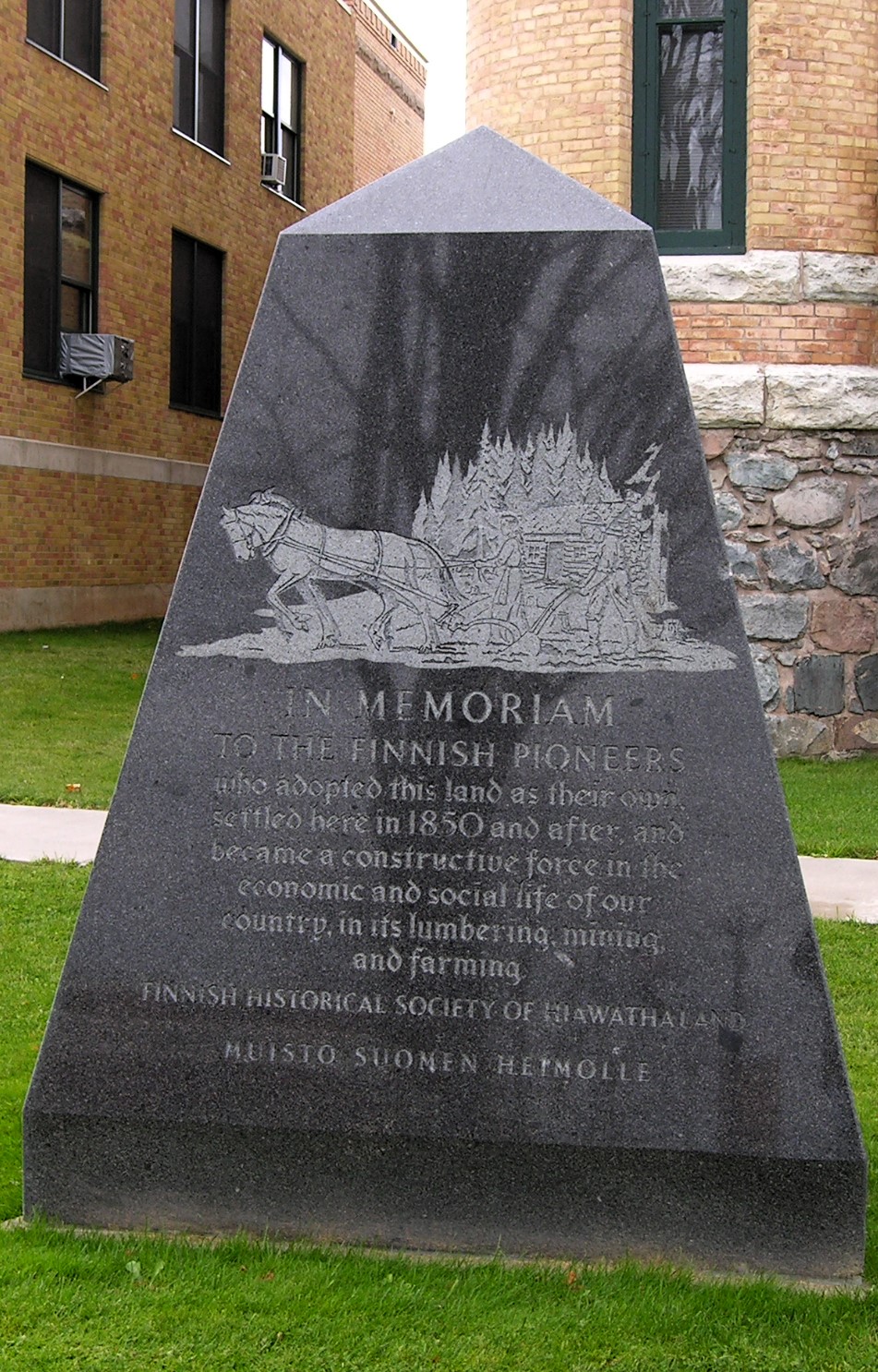
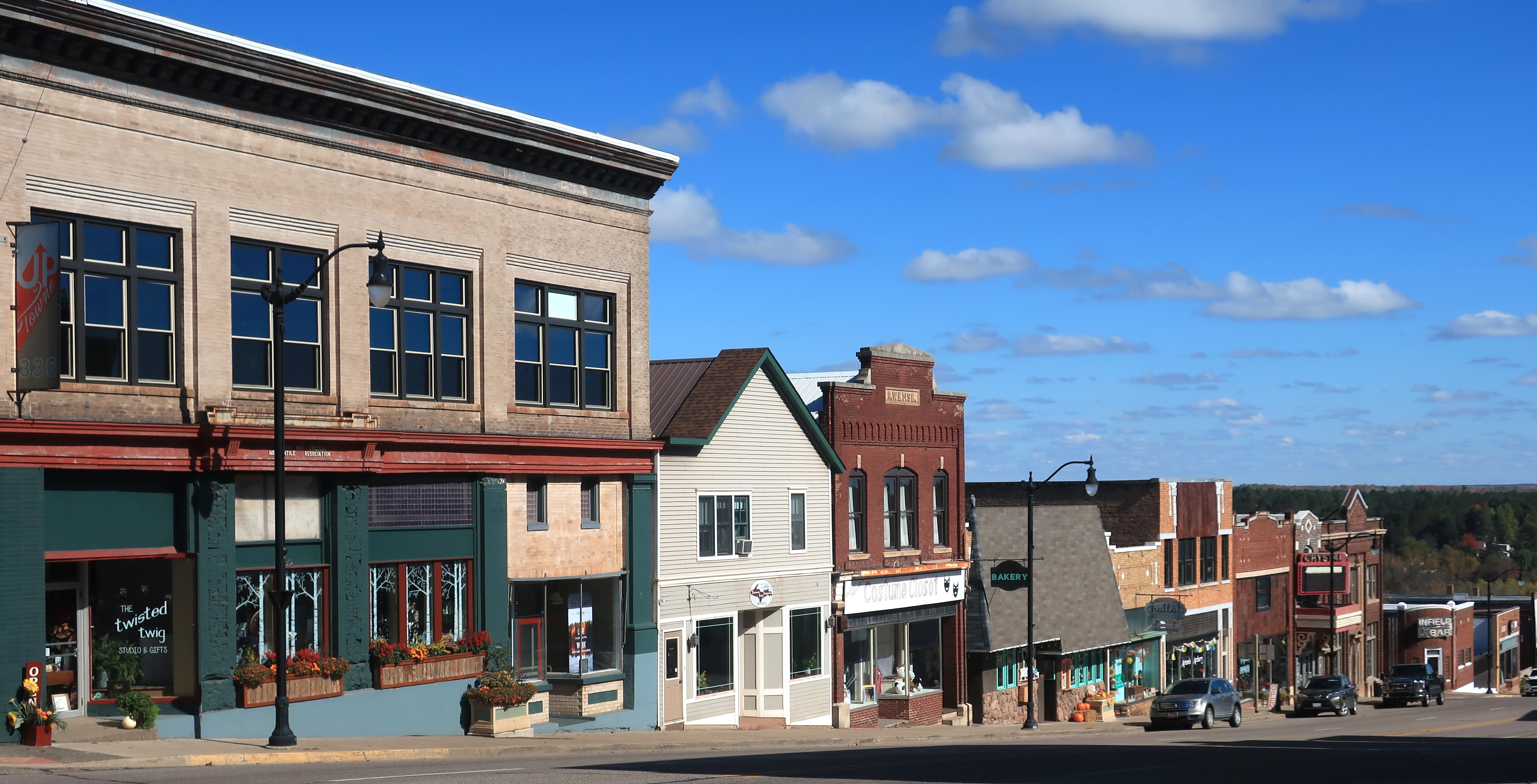
Below: A memorial to Finnish pioneers who settled this area in the mid 1800’s, and photos of the handiwork of their descendants along Superior Avenue in Crystal Falls.

Iron County within the state of Michigan

A list of all photo posts from the American County Seats series in TimManBlog can be found here.

All photos were taken by the author on October 5, 2021.

My lifetime hobby is traveling to all of America’s county courthouses, and each month I post about a visit to a scenic or interesting county seat. It’s a hobby, and donations are greatly appreciated to help cover my costs.
Thanks,
Tim

Donations to TimManBlog

Use this form to make donations to support this site. Paypal, Visa, Mastercard, Amex, and Discover cards are accepted. Donations can be made in increments of $5.00; increase the number of units to increase the donation amount.

$5.00
September in Manchester, Vermont

September 27, 2023
(Photos and memories of September 9, 2013)
(If you like my posts, you can support this site with a donation via Paypal, Visa, Amex, Mastercard, or Discover by using the form at the bottom of this post. Thank you.)

One of my bucket list items is to travel to upper New England to experience the peak of their annual fall foliage season. Unfortunately, I don’t know precisely the span of their foliage season since I’ve never lived in New England and have only been there a few times.

In 2013, I flew into Albany, New York, in mid-September and made a short tour of southern Vermont, hoping to see some blazing reds, oranges, and yellows. I was disappointed in that regard, but it wasn’t a wasted trip since the green-covered mountains I saw were stunning in their own right.

Manchester’s Veterans’ Memorial honors “the Men of Manchester.”

The man on the statue may be Vermonter Ethan Allen, who led his Green Mountain Boys in the attack on Fort Ticonderoga during the Revolutionary War. But maybe not, since I cannot find the name “Ethan Allen” anywhere on the statue. Here’s a closer look.

Statue honoring “Men of Manchester” in Manchester Village, Vermont.
Historical sign explaining Manchester’s part in the taking of Fort Ticonderoga.

Manchester is a tiny village two miles south of the much larger Manchester Center.  Both are part of the Town (township) of Manchester, Vermont.

The Bennington County Courthouse is a small, two-story building; the county shares the building with the Village of Manchester’s town offices. Manchester’s courthouse is the second of two courthouses in Bennington County; the other is in Bennington, Vermont, 26 miles south of Manchester. 

Bennington County Courthouse. Manchester, Vermont.

The massive Equinox Golf Resort and Spa is across the street from the courthouse and the town green. Although it might initially appear like a quaint country inn, Equinox’s 4-story rear wing belies that pretense.  Nevertheless, it looks like an enjoyable place to stay — a golf course a block away is associated with the resort, and ski slopes are in the mountains nearby.

The Equinox Golf Resort and Spa in Manchester, Vermont.
The Equinox. Manchester, Vermont.

Across the street from the Equinox is Manchester’s old Congregational church.  As I photographed the church, the bells rang out their 3:30 sequence, and the church’s chimes played “Raise Him Up on Eagles Wings.”

The First Congregational Church of Manchester.

Finally, there’s this. I love the front porch on this old wooden home; I wonder if there’s another porch in the rear to soak in the mountain views.

A great American home in the Manchester Village Historic District.
Bennington County within the state of Vermont.

A list of all photo posts from the American County Seats series in TimManBlog can be found here.

All photos were taken by the author on September 9, 2013.

My lifetime hobby is traveling to all of America’s county courthouses, and each month I post about a visit to a scenic or interesting county seat. It’s a hobby, and donations are greatly appreciated to help cover my costs.
Thanks,
Tim

Donations to TimManBlog

Use this form to make donations to support this site. Paypal, Visa, Mastercard, Amex, and Discover cards are accepted. Donations can be made in increments of $5.00; increase the number of units to increase the donation amount.

$5.00
Le Mars: Iowa’s Ice Cream City

August 30, 2023
(Photographs and memories from August 16, 2012)
(If you like my posts, you can support this site with a donation via Paypal, Visa, Amex, Mastercard, or Discover by using the form at the bottom of this post. Thank you.)

Once again, I’ve found a little Iowa town that looks like a postcard. Miniature ice cream statues dot the sidewalks in town.

A statue of a mint chocolate chip ice cream cone on a downtown corner in Le Mars, Iowa.

This is Le Mars, Iowa, population 10,571, the seat of Plymouth County, located in the northwest corner of the state. The town was founded in 1871 along the new Iowa Falls and Sioux City Railroad Line, and its name was taken from an acronym of the first names of eight women among the first settlers. These days, it’s the home of Blue Bunny Ice Cream. Wells Enterprises operates a 900,000-square-foot plant with a 12-story refrigeration tower to support production. The ice cream factory offers tours. 

Le Mars claims to be the Ice Cream capital of the World.  Nice place, right?  How would you have liked growing up in an ice cream town?  How about such a town as this as a place to raise your kids? 

The Blue Bunny Ice Cream Parlor. 115 Central Avenue, Le Mars, Iowa.

Le Mars places plaster ice cream cone statues along their downtown sidewalks and lampposts the way other towns show off their high school mascots. It’s a festive place.

Downtown Le Mars, Iowa, has several blocks of 19th Century buildings.

After some searching, I located the county courthouse three blocks east and two blocks south of the center of town. The red sandstone Plymouth County Courthouse was built in 1901 of carved red blocks. This style was very popular then, and the stone was likely quarried in Michigan’s Upper Peninsula.  It’s three stories of magnificence, including red pillars.  The building sits in the middle of a sloping lawn surrounded by tall sycamores. 

The Plymouth County Courthouse in Le Mars, Iowa.

The main entrance is a bit higher than the street in front of it, so 50 feet of front lawn slopes downward from the door, reinforcing the idea that the courts of law occupy an elevated place in society.

It’s a walk of five or six blocks from the courthouse to the central business district in town.  In almost every Iowa town I’ve stopped in, I see residential streets lined with large white wooden homes.  Each has two stories: an attic, a front porch, a green front lawn, a sidewalk, and a driveway.  Tall sycamores, maples, and oaks line the paved streets, shading homes and streets alike.  The houses are old, and the trees are old and mature. They’ve survived the weather across many storm seasons.

I was hungry for dinner and went into Habitué, a Coffeehouse & Creperie.  Their apple, bacon, and Swiss crepe were delicious.  The decor was brand new and featured bible verses painted on the wall.  That ensures it will be a quiet place. I ate in a little courtyard patio behind the store, on a wrought iron table beside a waterfall along the courtyard wall.  After eating, I wrote these notes while seated in a brown leather chair, into which I sank a foot when sitting down.

Habitue Coffeehouse. 108 Central Avenue, Le Mars, Iowa

I think I’ll have that ice cream now.  Maybe I’ll look for some For Sale signs.

Plymouth County within the state of Iowa.

A list of all photo posts from the American County Seats series in TimManBlog can be found here.

All photos were taken by the author on August 16, 2012.

My lifetime hobby is traveling to all of America’s county courthouses, and each month I post about a visit to a scenic or interesting county seat. It’s a hobby, and donations are greatly appreciated to help cover my costs.
Thanks,
Tim

Donations to TimManBlog

Use this form to make donations to support this site. Paypal, Visa, Mastercard, Amex, and Discover cards are accepted. Donations can be made in increments of $5.00; increase the number of units to increase the donation amount.

$5.00
Salmon, Idaho — Birthplace of Sacajawea

July 31, 2023
(Photographs and memories from June 2012 and July 2020)
(If you like my posts, you can support this site with a donation via Paypal, Visa, Amex, Mastercard, or Discover by using the form at the bottom of this post. Thank you.)

Roadside Welcome Sign at the entry to Salmon, Idaho.
Statue of Sacajawea and her son Jean Baptiste Charbonneau in Salmon, Idaho.

Salmon, Idaho (or nearby) is the birthplace of Sacajawea, a famous Lemhi Shoshone member of the Lewis and Clark Expedition of 1804-1806. The story of Sacajawea is well-known, so I won’t go into detail about it. See her Wikipedia entry here for more information on her life. (Note that I’ll use the spelling “Sacajawea” instead of its rivals “Sacagawea” or “Sakakawea” since Sacajawea is the spelling preferred by the Shoshone.)

Salmon, Idaho, is a busy town. Although the town’s population is only 3,000, it seems more active because all human activity in this remote part of Idaho must be squeezed through a narrow corridor of land below the goliath Sawtooth Mountains above the town and the rushing Salmon River that runs through it. The smaller Lemhi River joins the Salmon River just north of downtown.

Main Street Salmon, Idaho, looking south (photo taken June 2012).
Main Street Salmon, Idaho, looking north toward the Salmon River bridge (photo taken June 2012).
A relatively calm portion of the Salmon River flows under the Main Street Bridge in Salmon.

Across the river from downtown Salmon, the 1909 Lemhi County Courthouse provides some stately grandeur to the small town. The building is listed on the National Register of Historic Places.

Salmon is the county seat of Lemhi County, Idaho, one of the state’s most remote counties. Except for U.S. Highway 93 bisecting the county from north to south, only one other paved road allows automobile traffic into Lemhi County.

Ironically, the name “Lemhi” is not from the Shoshone language but was taken from the Book of Mormon and applied by a Mormon missionary settlement in the 1850s.

Lemhi County within the state of Idaho.

In July 2020, I decided to revisit Salmon. That was the summer of the pernicious Covid lockdowns, and I decided to escape Democrat-controlled Colorado for a place of more sanity, which I found here in Idaho. There were no lockdowns here, nor any other silliness fueled by the hysterics of the Covid crisis. It was indeed a “Freedom Voyage” at its best.

I arrived in Salmon from the southeast, following the footsteps of the Lewis and Clark Expedition. Seeking the Continental Divide and a waterway to the Pacific Ocean, Meriwether Lewis ascended the 7,373-foot Lemhi Pass and crossed the Divide on August 12, 1805. The rest of the “Corps of Discovery” followed soon after.

Checking off one of my life’s bucket list items, on July 11, 2020, I followed Lewis and Clark’s footsteps. I reached Lemhi Pass (after diverting onto a westward-leading gravel road from Interstate 15 in Montana in my old Honda Accord).

Upon reaching the Continental Divide at this spot, Captain Lewis peered over the horizon to his west, hoping to see a gently sloping valley leading to the waters of the Columbia River and then the Pacific. Instead, he saw range after range of mountains. The rest of the journey would be difficult.

The view to the west from the summit of Lemhi Pass, looking into the Idaho wilderness.
This dirt road leads steeply down the western side of Lemhi Pass into Lemhi County, Idaho.

Unlike the hardships encountered by the famous explorers, I spent that night in comfort at a hotel along the Salmon River and enjoyed coffee from my hotel balcony the next morning.

Morning coffee along the Salmon River at the StageCoach Inn in Salmon, Idaho.

It was a much rougher experience for Lewis and Clark after crossing Lemhi Pass and reaching the Salmon River. The explorers cut down trees and built canoes here, hoping to float down the river to reach the Columbia River. However, they found the Salmon River downstream of this point entirely unsuitable for canoe travel, and the party was forced to cross the mountains at another point, following the lead of their Shoshone guides.

Rapids on the nearly impassable Salmon River below Salmon, Idaho.

In our century, the Salmon River is a magnet for kayakers and whitewater rafting enthusiasts. Although boats can navigate the rapids floating downstream, the waters are too rough for any motorized craft to return upstream. This is why the Salmon River is called the “River of No Return.” The lands drained by the Salmon River have been set aside by Congress as the “River of No Return Wilderness.”


A list of all photo posts from the American County Seats series in TimManBlog can be found here.

All photos were taken by the author on June 20, 2012, or July 11-13, 2020.

My lifetime hobby is traveling to all of America’s county courthouses, and each month I post about a visit to a scenic or interesting county seat. It’s a hobby, and donations are greatly appreciated to help cover my costs.
Thanks,
Tim

Donations to TimManBlog

Use this form to make donations to support this site. Paypal, Visa, Mastercard, Amex, and Discover cards are accepted. Donations can be made in increments of $5.00; increase the number of units to increase the donation amount.

$5.00
Pagosa Springs, Colorado

June 28, 2023
(photos and memories from July 2, 2005, and June 20, 2008)
(If you like my posts, you can support this site with a donation via Paypal, Visa, Amex, Mastercard, or Discover by using the form at the bottom of this post. Thank you.)

Welcome to the great Pagosa Hot Springs of southwestern Colorado!

The Springs Resort and Spa. Pagosa Springs, Colorado.

Situated along southern Colorado’s San Juan River, Pagosa Springs takes its name from a Ute Indian word meaning “water that boils.” Some say that ‘Pagosa’ is best translated as “healing waters” since the Utes and white newcomers claim that the hot springs have medicinal properties.

The town of Pagosa Springs formed in the late 1880s around a medical practice begun by Dr. Mary Winter Fisher, who ventured west from Chicago to start a medical and healing practice here.

Historical sign explaining the history and origin of Pagosa Hot Springs.

The hot springs themselves are a boiling pond about 30 feet in diameter near the banks of the San Juan River. Water is drained from the pond to feed some bathing areas at the privately-run Springs Resort and Spa.

The Springs Resort and Spa, with hot springs feeding bathing facilities along the San Juan River.

Below: More views of the hot springs and the Springs private resort.

A volcano-like mound of mineral deposits associated with the hot springs.
Fishing along the San Juan River at Pagosa Springs, Colorado.
The San Juan River with the snow-covered peaks of the San Juan Mountains in the distance.

The downtown area of Pagosa Springs is located along the opposite side of the river from the hot springs and the private resort. Shops along Pagosa Street (main street) include many real estate offices and Western-style art galleries. The town’s economy depends on tourism and recreation; only a few old mines and logging areas remain from earlier days. Vacation homes abound in the spruce and aspen hills surrounding the town.

Pagosa Springs is the seat of Archuleta County, Colorado. The county courthouse is located along Pagosa Street downtown.

Archuleta County Courthouse. Pagosa Springs, Colorado.
The location of Archuleta County within the state of Colorado.

A list of all photo posts from the American County Seats series in TimManBlog can be found here.

All photos were taken by the author on July 2, 2005, or June 20, 2008.

My lifetime hobby is traveling to all of America’s county courthouses, and each month I post about a visit to a scenic or interesting county seat. It’s a hobby, and donations are greatly appreciated to help cover my costs.
Thanks,
Tim

Donations to TimManBlog

Use this form to make donations to support this site. Paypal, Visa, Mastercard, Amex, and Discover cards are accepted. Donations can be made in increments of $5.00; increase the number of units to increase the donation amount.

$5.00
Post Navigation