Discover Abbeville: A Gem in Louisiana’s Cajun Country
Please consider donating to support my travels using the form at the bottom of the post. PayPal, Visa, American Express, Mastercard, Discover, and Maestro are accepted. Thank you.
February 27, 2025
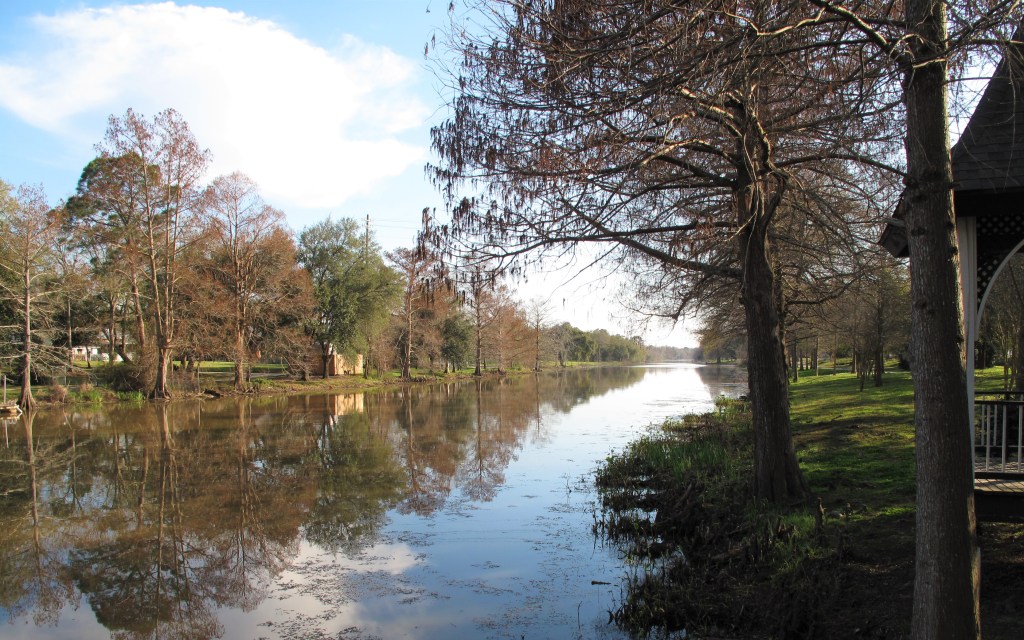
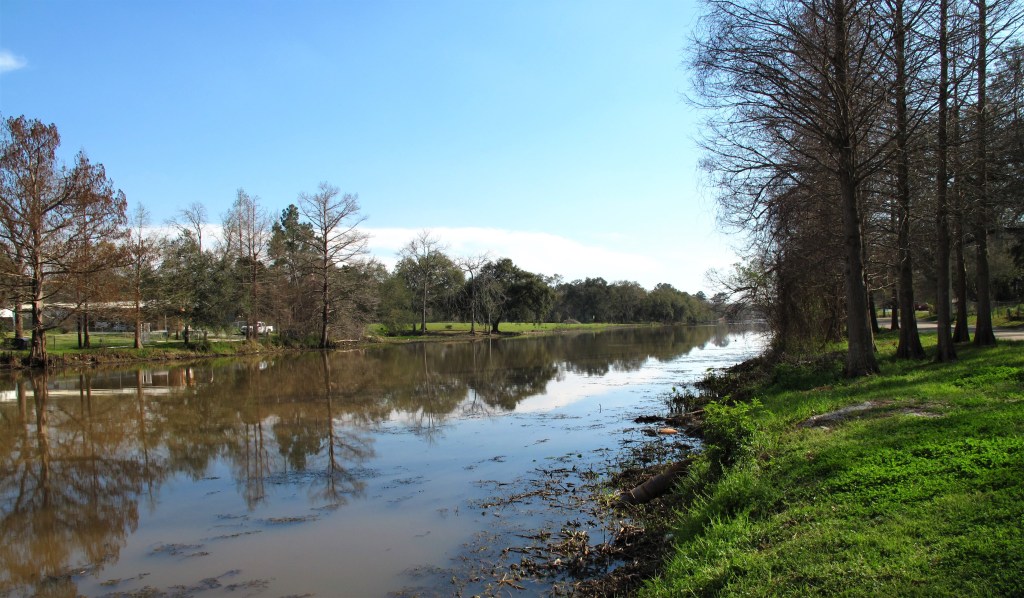
In February 2017, I enjoyed a long February drive along Louisiana’s coastal wetlands to the exemplary town of Abbeville. This Cajun town sits along the slow-moving waters of Bayou Vermilion, and 12,000 people call Abbeville home. Abbeville is a beautiful place; I’ll describe it starting at the town center.
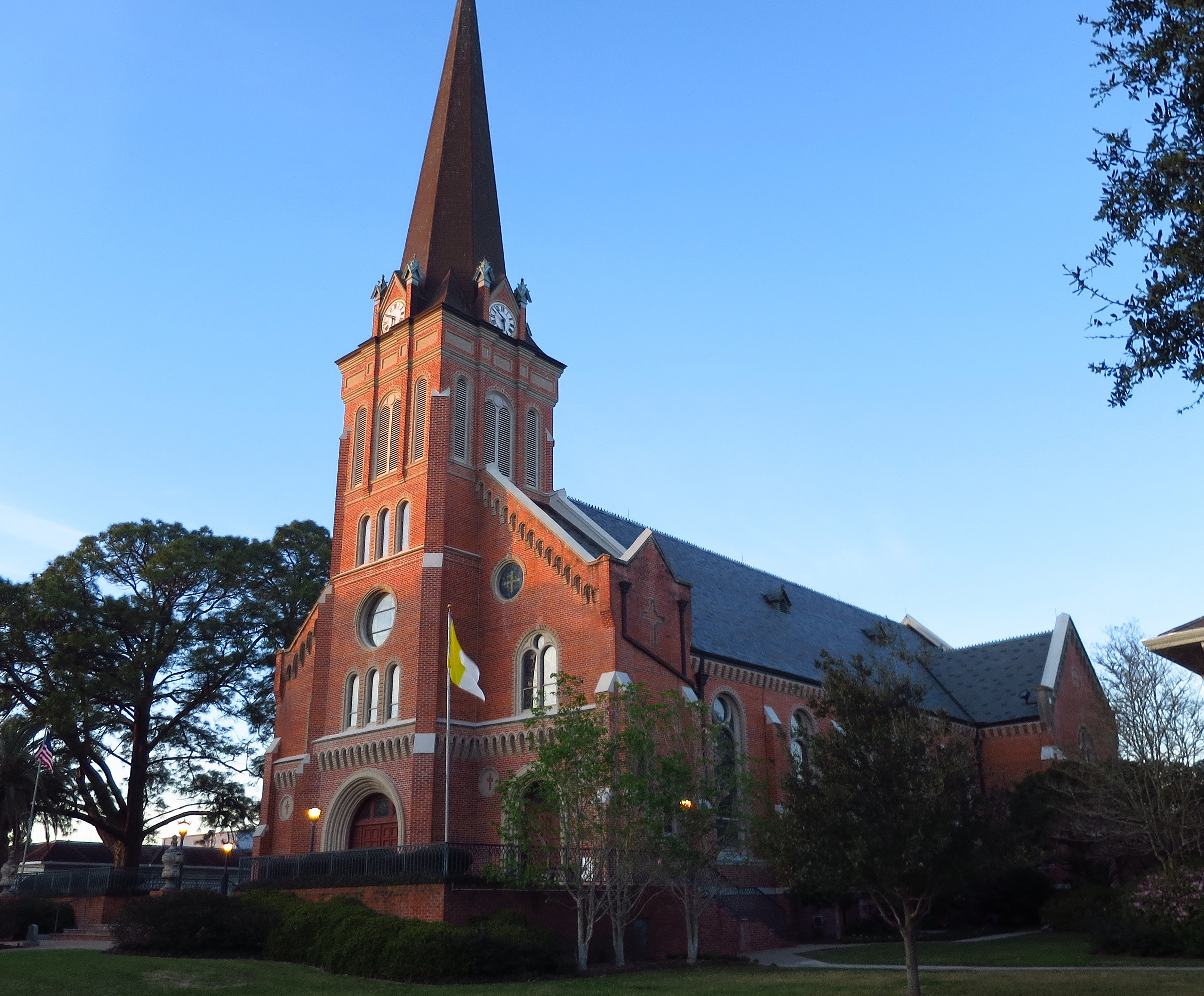
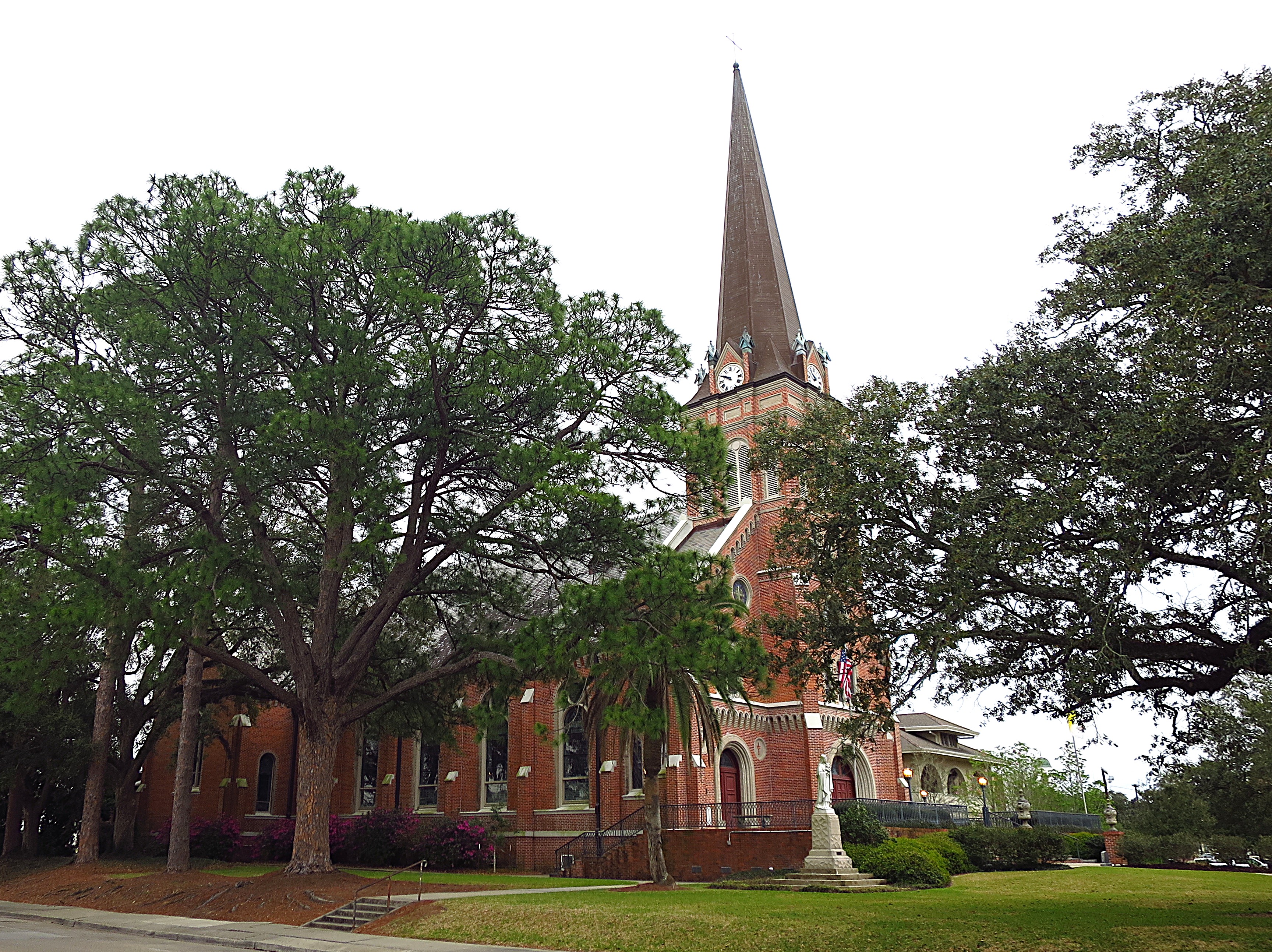
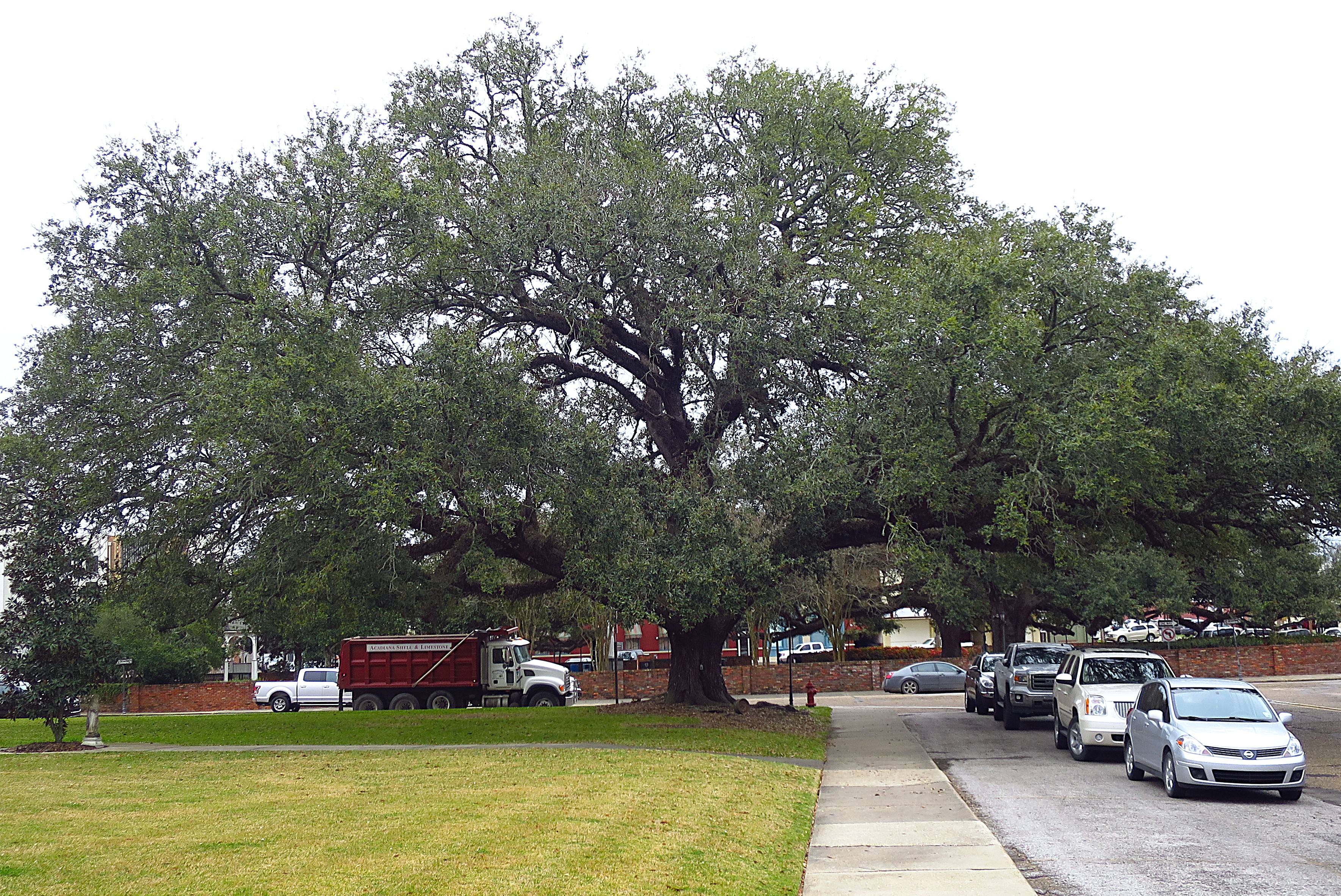
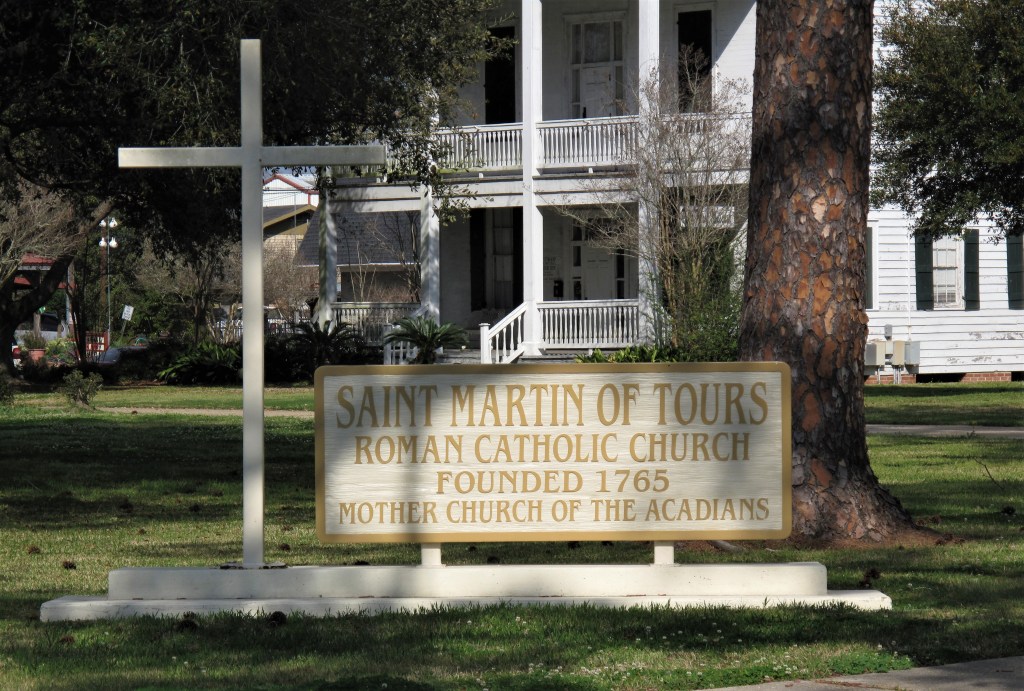
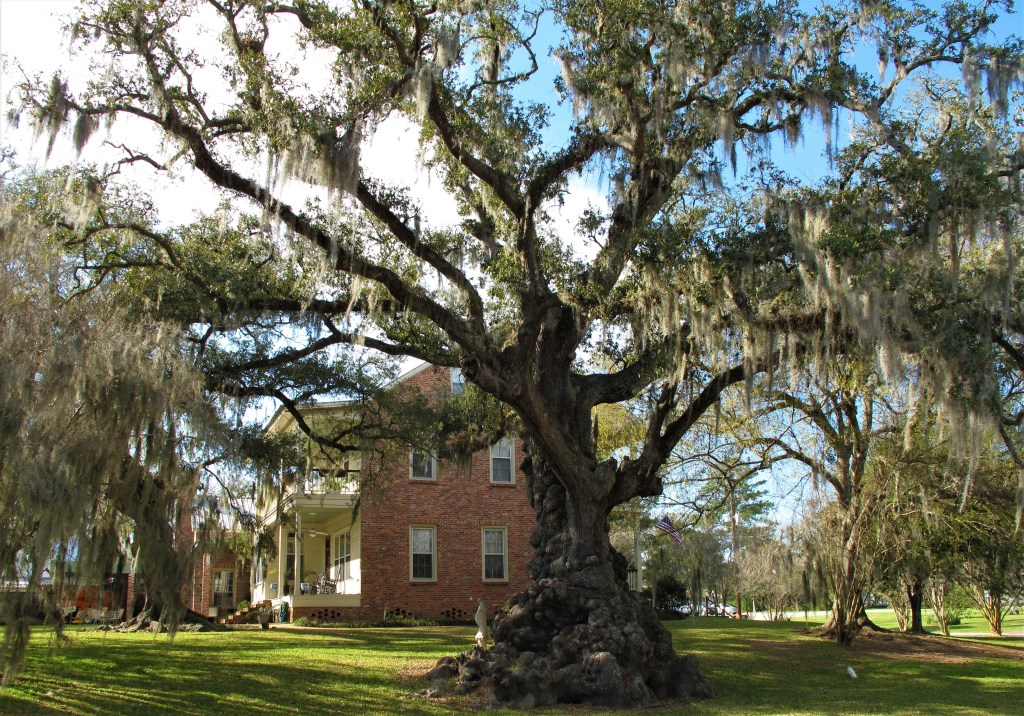
A French priest named Antoine Désiré Mégret purchased the land that became Abbeville in 1843. He named the town for his birthplace, Abbeville, a beautiful town in northern France. Father Mégret’s statue stands beneath the shade of some live oak trees next to the parish church he founded. His biography is carved into the sides of the statue. One side is in English, and the other is in French.

Father Megret’s original chapel burned down in 1907. To replace it, local parishioners built St. Mary Magdalen Church in 1910. The church is listed on the National Register of Historic Places.
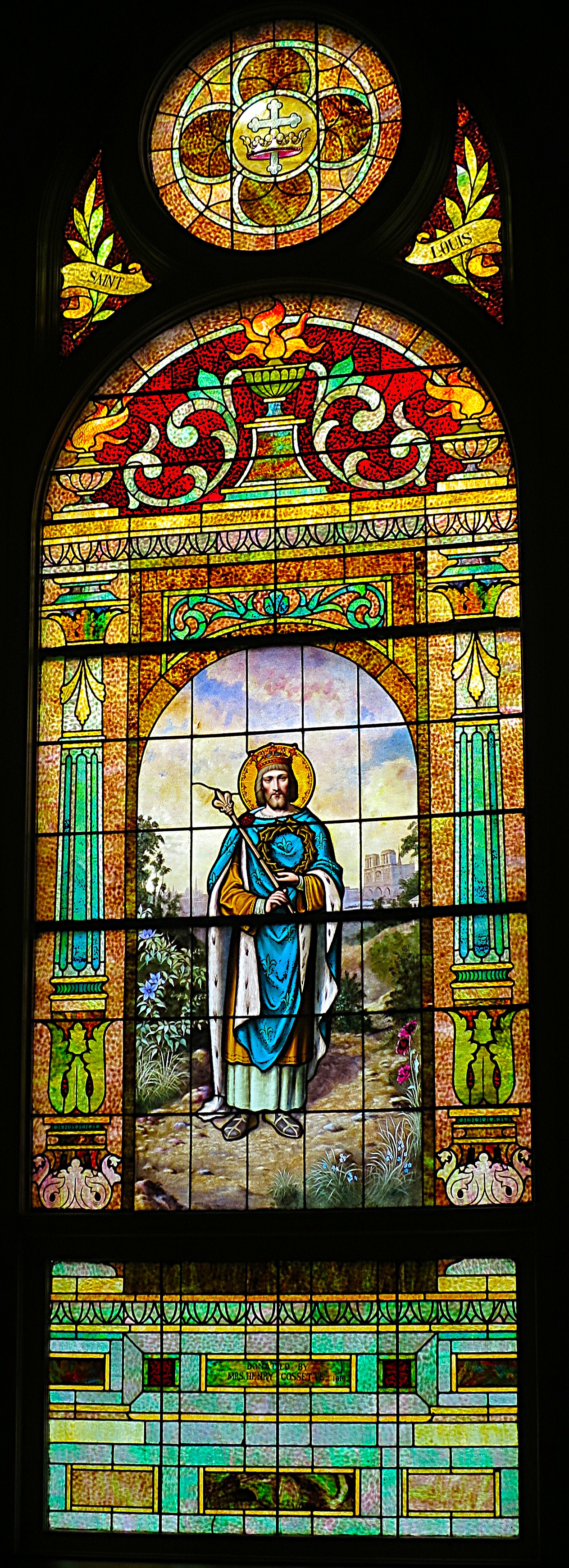
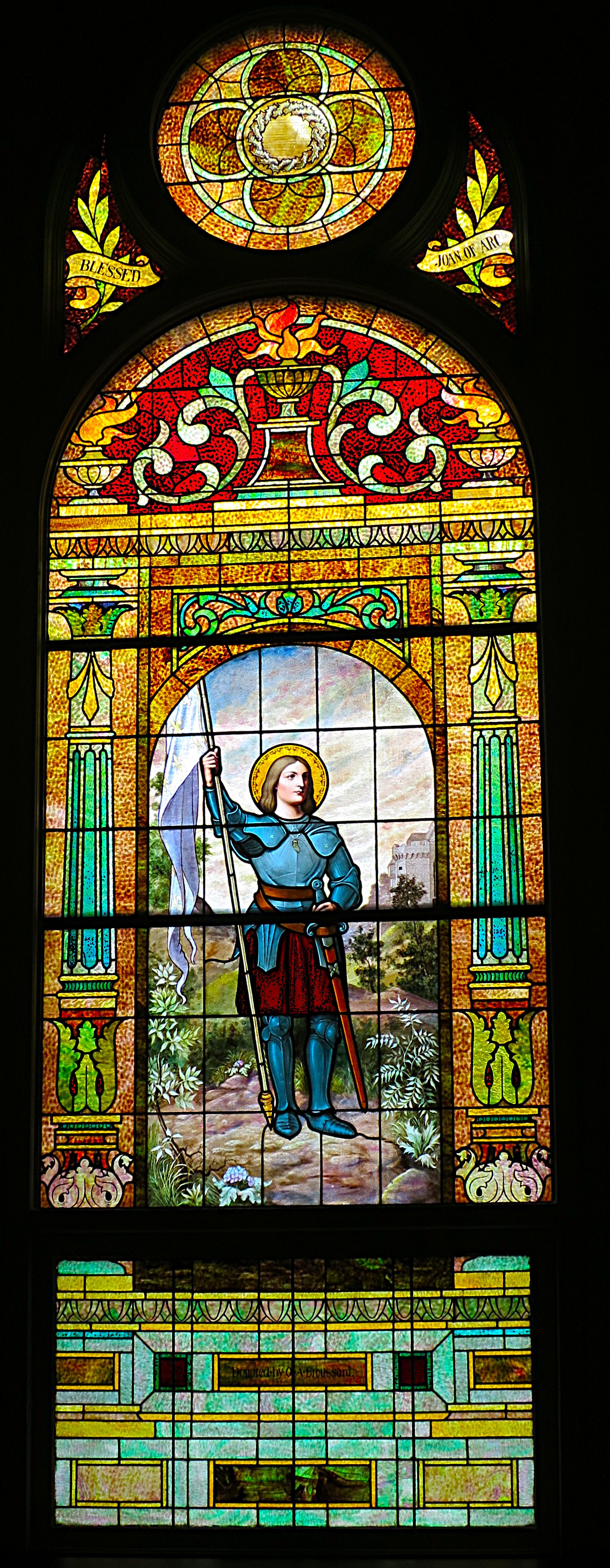
Below are photos of the interior of St. Mary Magdalen Church. The stained-glass figure on the left is France’s Saint Louis, and on the right is Joan of Arc.

Like many southwest Louisiana towns, Abbeville was settled by descendants of French Acadians. Known as “Cajuns,” these people fled Nova Scotia after the British victory in the French and Indian War. The part of Louisiana known for Cajun culture is now known as Acadiana.
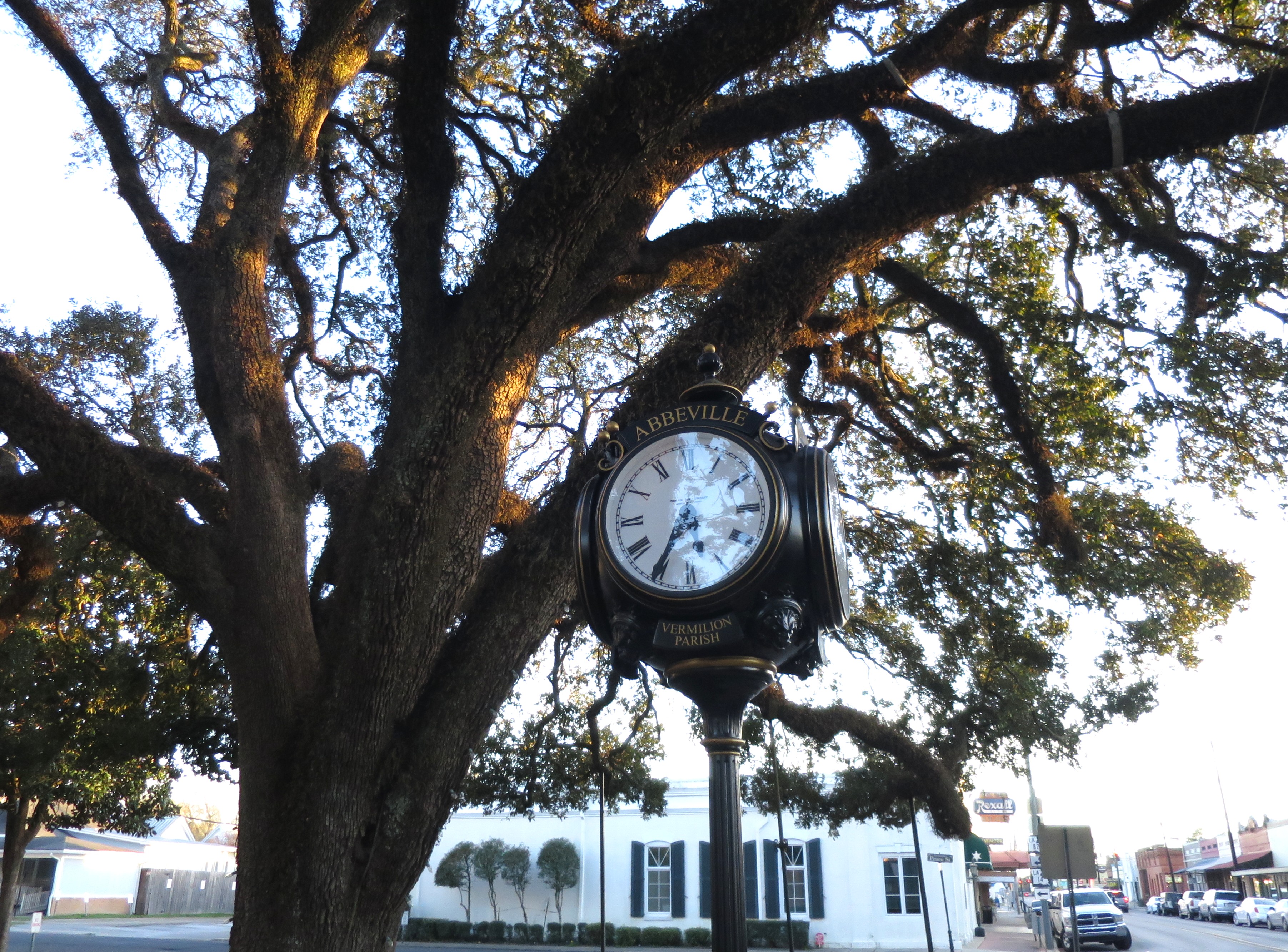
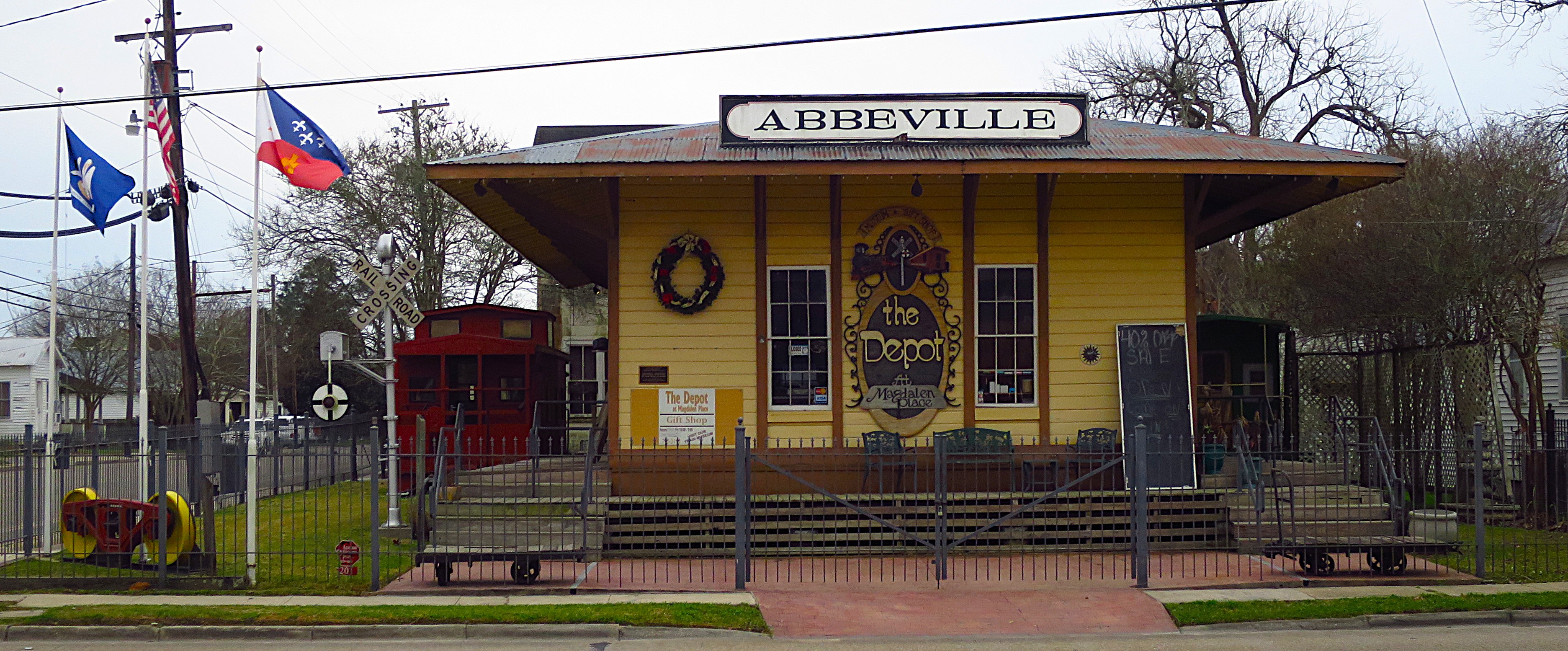
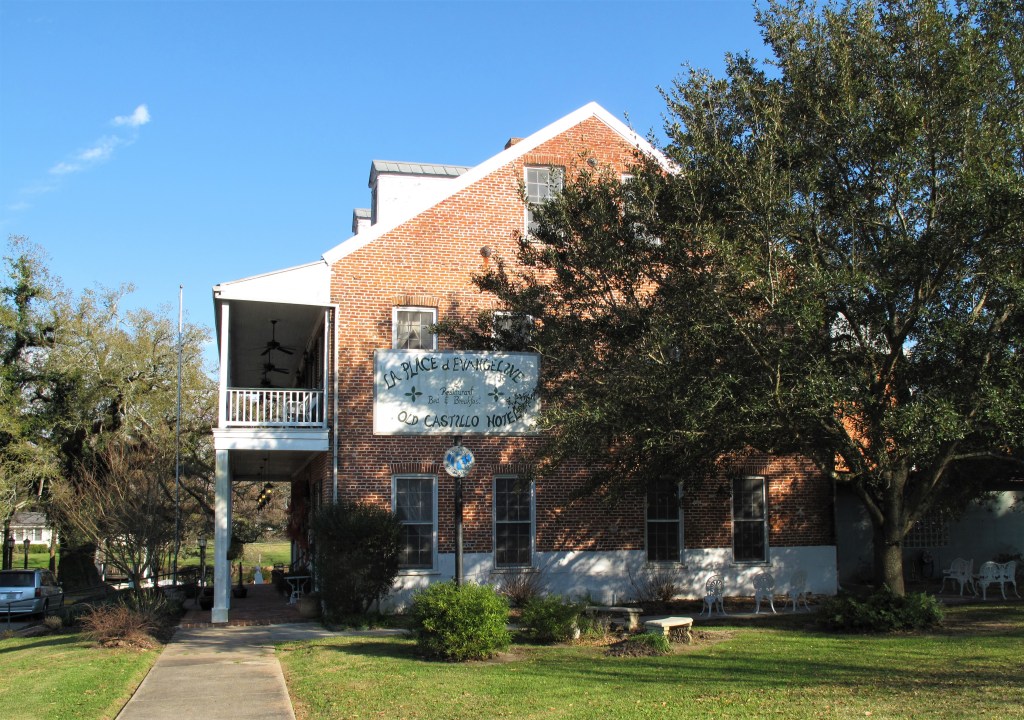
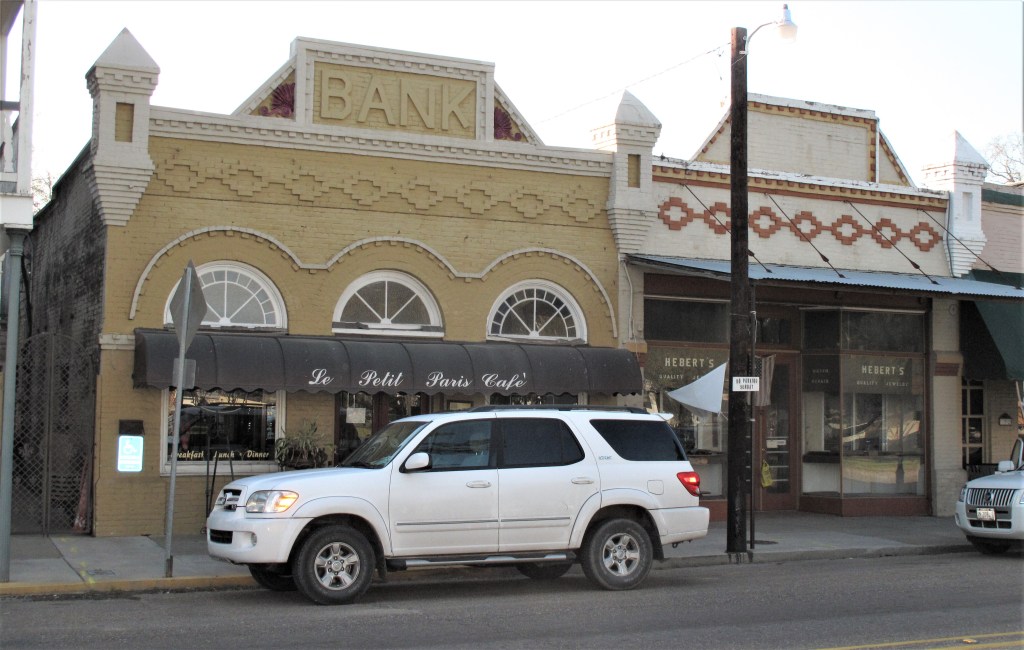
Some of the colorful buildings of Abbeville are reminiscent of old French towns and castles. But, for the most part, Abbeville is unmistakably Louisianan.
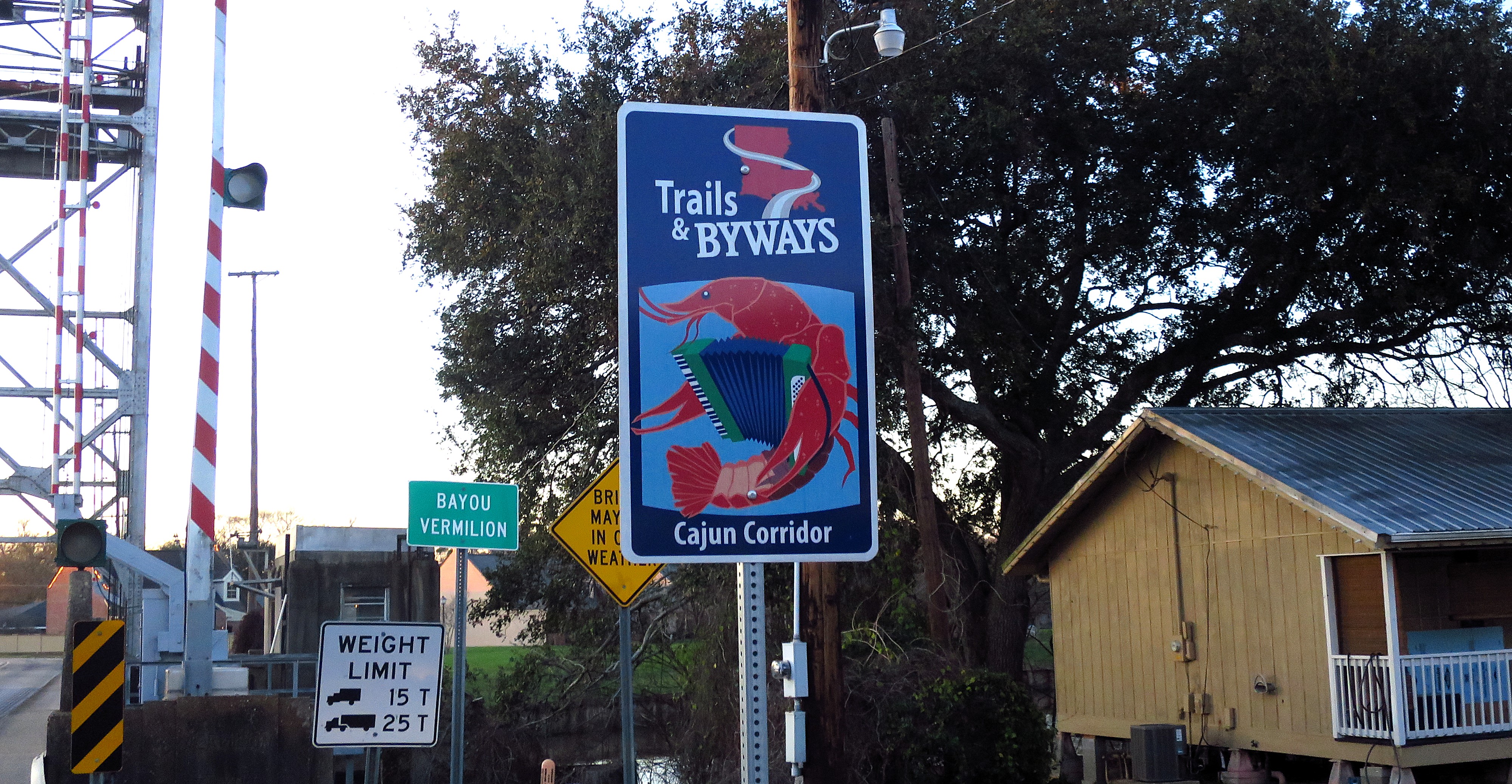
Clockwise from top: the old Abbeville Train Depot, Blacks’s and a bayou street mural, an open oyster painted on a building’s side, a colorful business block, a highway sign for Louisiana Trails & Byways next to a steel bridge over Bayou Vermilion, and a castle-like town building (probably once a bank.)



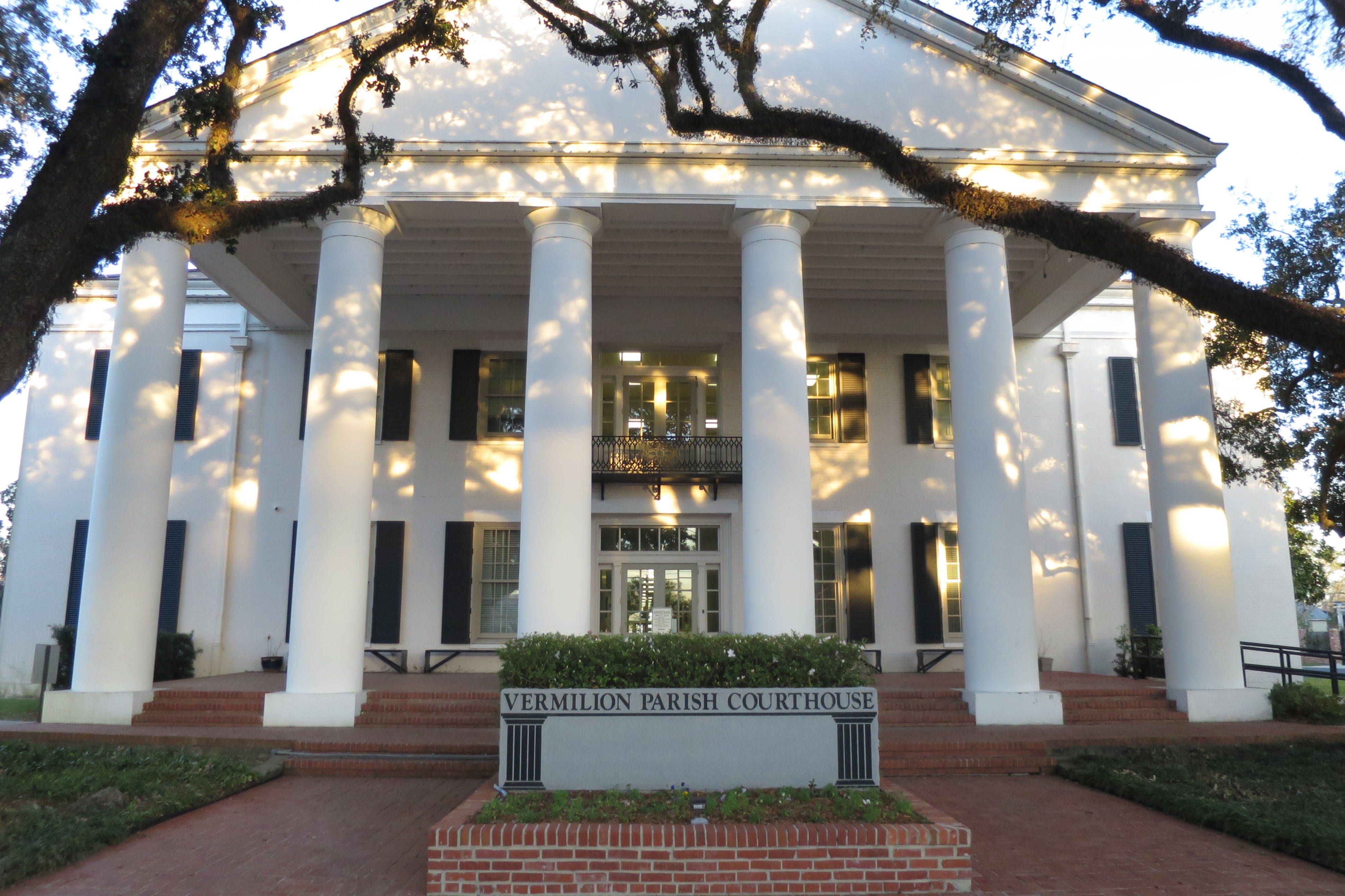
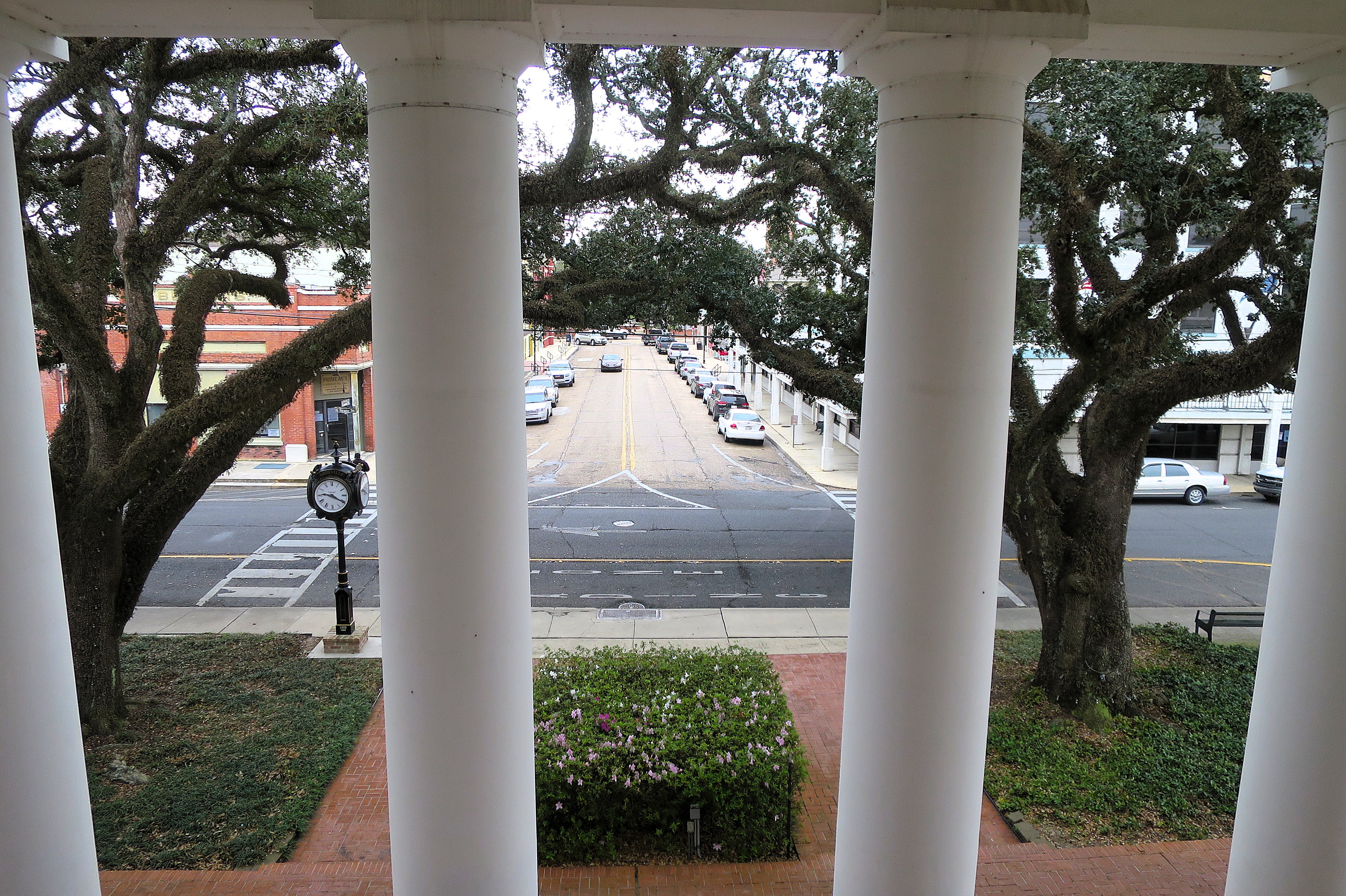
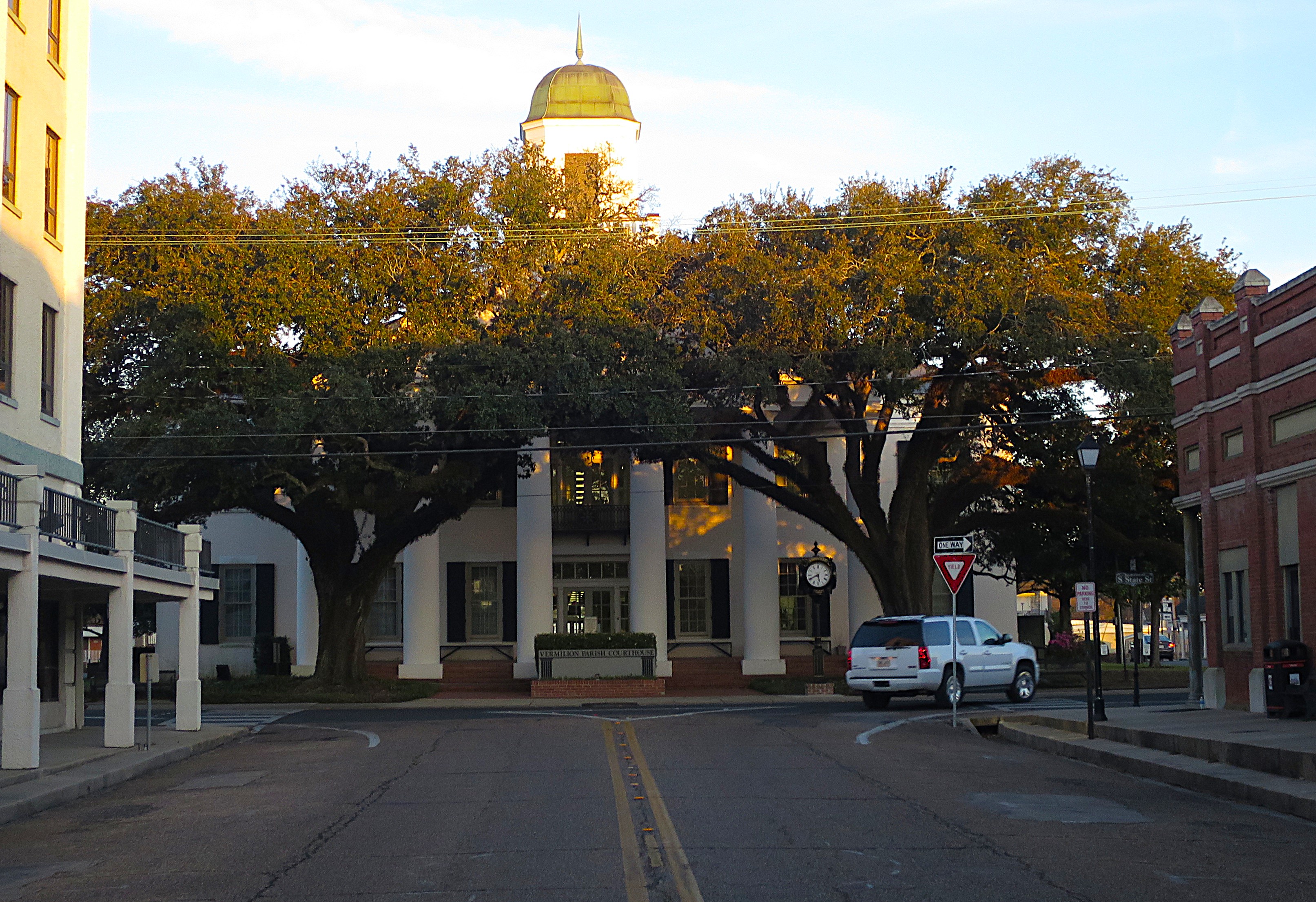
As you probably have heard, Louisiana has “parishes” instead of “counties.” Abbeville is the seat of Vermilion Parish. The pillars of the Vermilion Parish Courthouse mark end of Concord Street, Abbeville’s main business street. Below (left) is a view of the courthouse at the end of the street. Below (right) is a view of Concord Street from behind the courthouse pillars.
Here’s a wider view of the courthouse at the end of Concord Street. State Street runs north and south in front of the building.
(below) A bright chandelier inside the courthouse entrance lights a spiraling staircase leading from the entrance to the second floor.

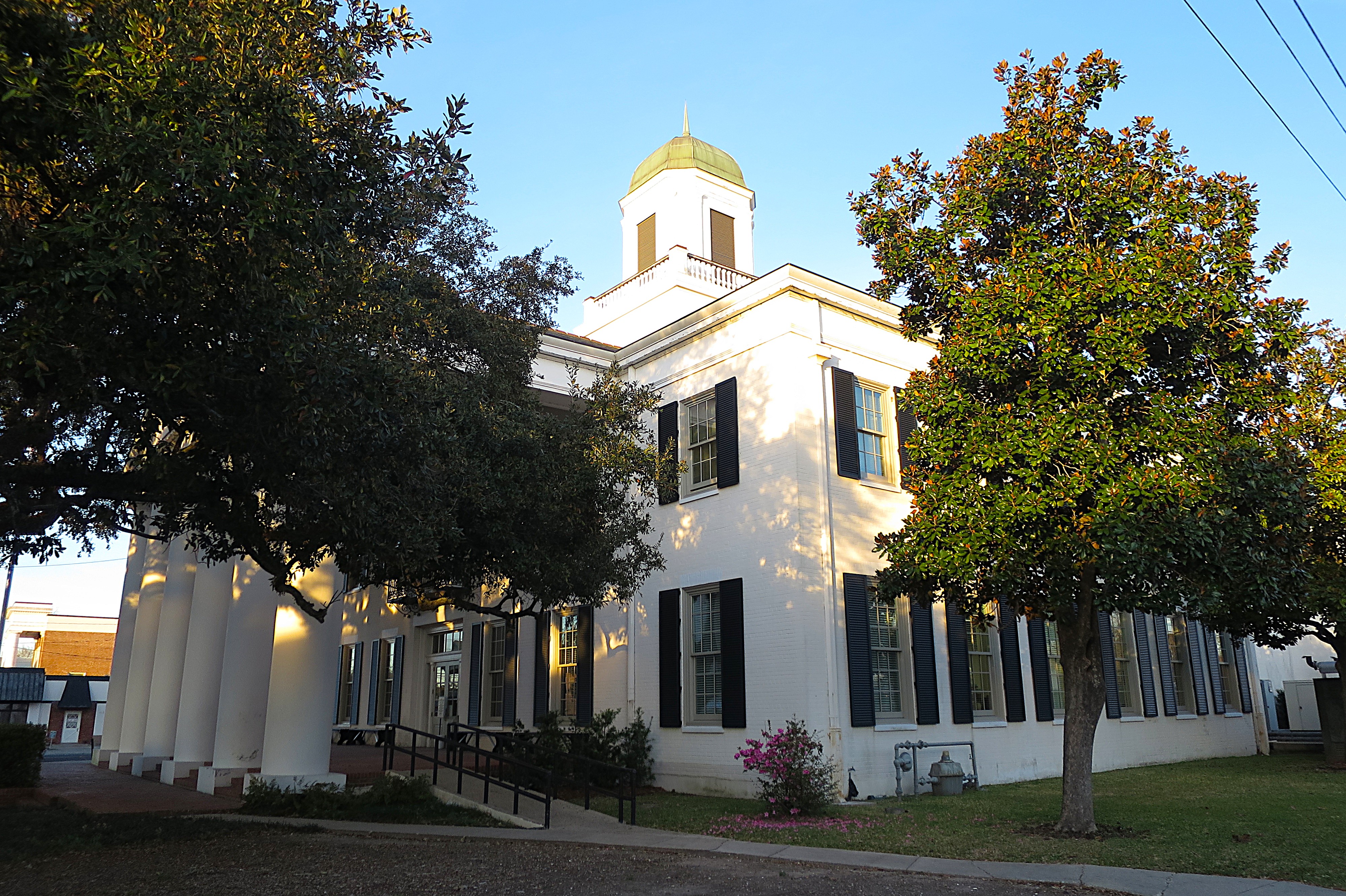
Below left: the courthouse and the trees around it.
Below right: A 9-11 Memorial on the courthouse lawn. Vermilion Parish is one of many American localities that have constructed 9-11 memorials. This is despite being many hundreds of miles away from the events of that day.

A collection of stunning oil paintings adorns the walls of the courthouse hallways. Most of these paintings showcased Cajun rural life in the area, capturing the essence of southwestern Louisiana. The countryside I drove through features a blend of farms and bayous, with a few charming towns scattered about. I found these paintings fascinating because they vividly reflected what I saw through my car window.
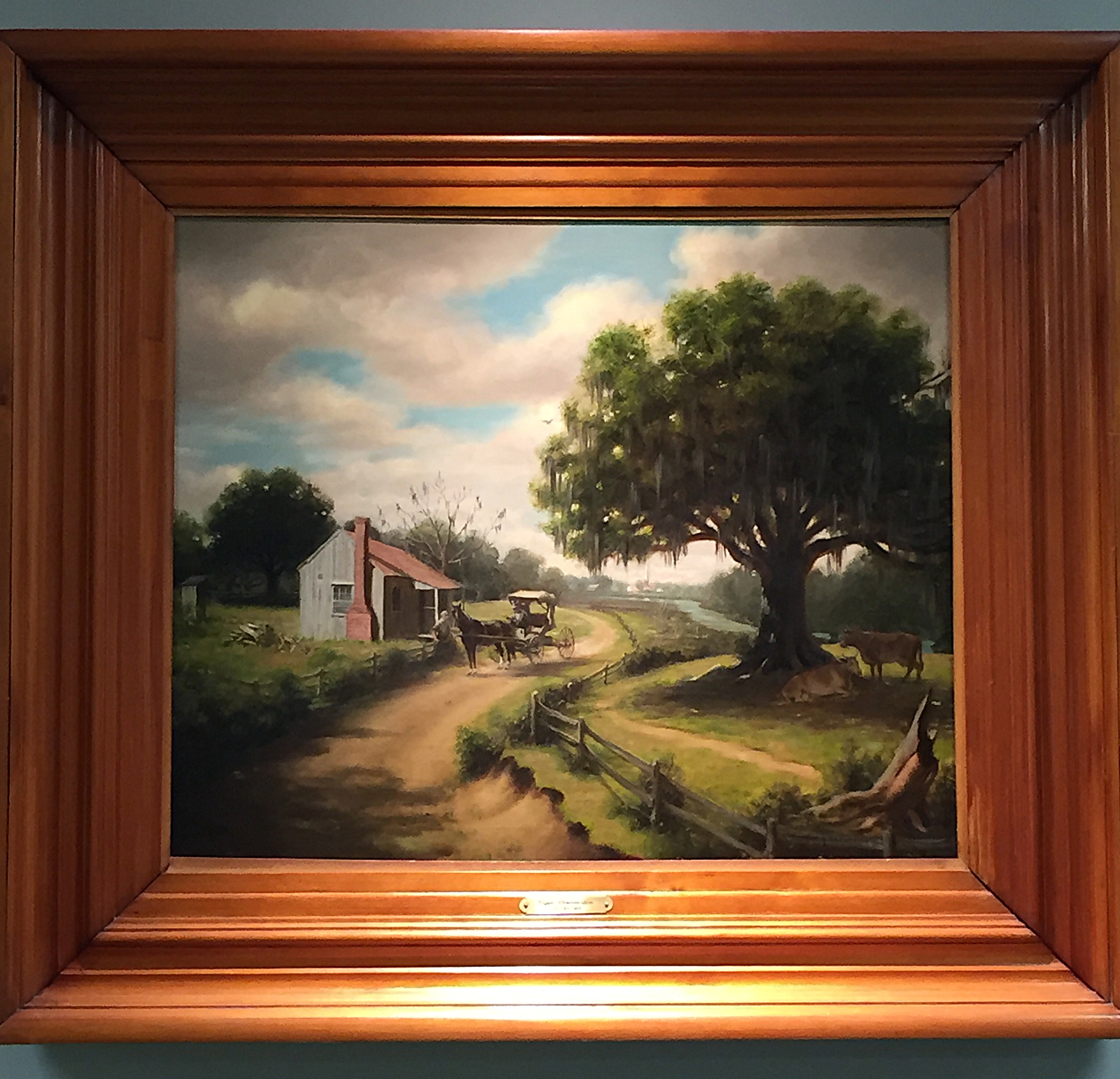

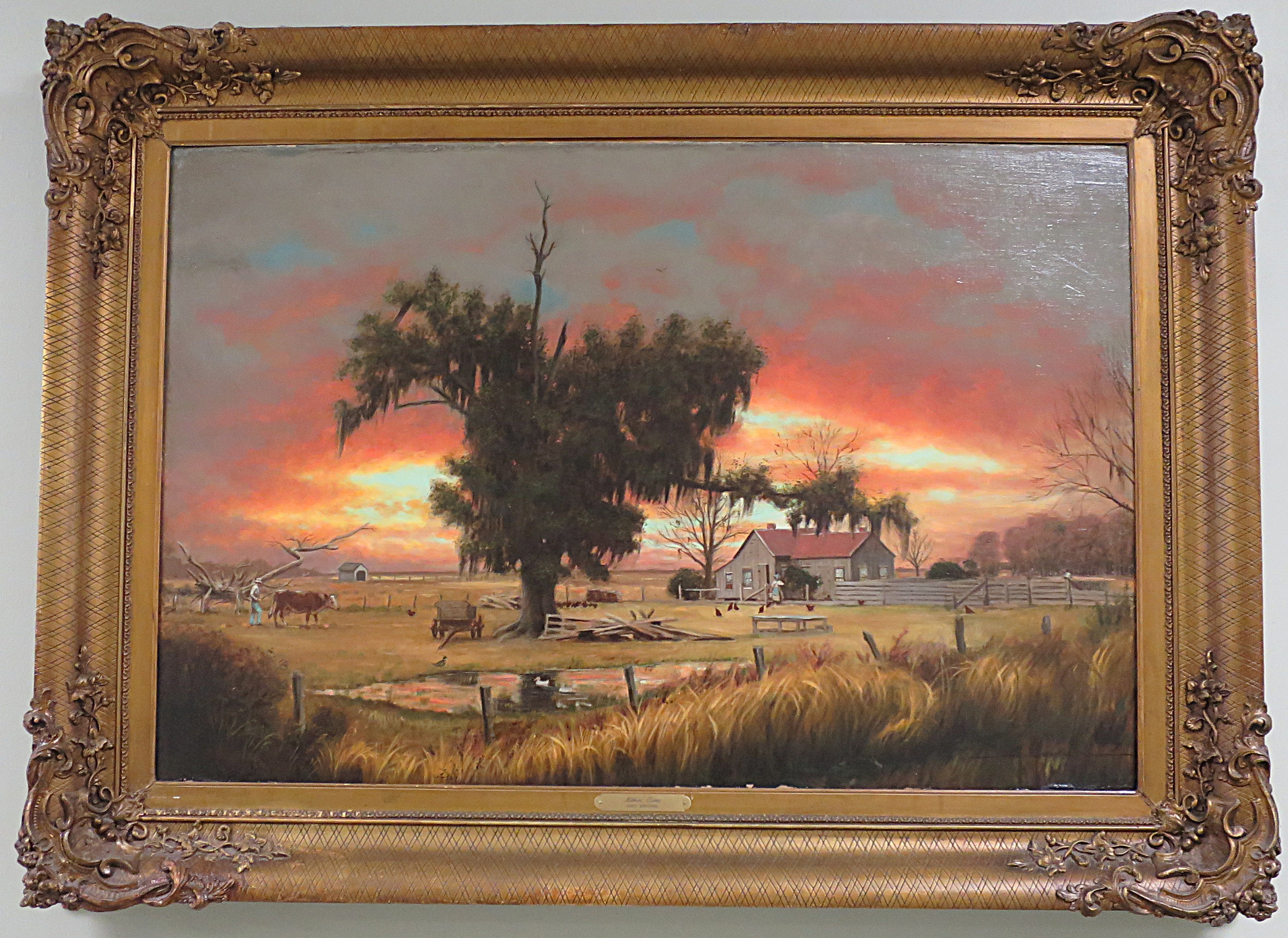


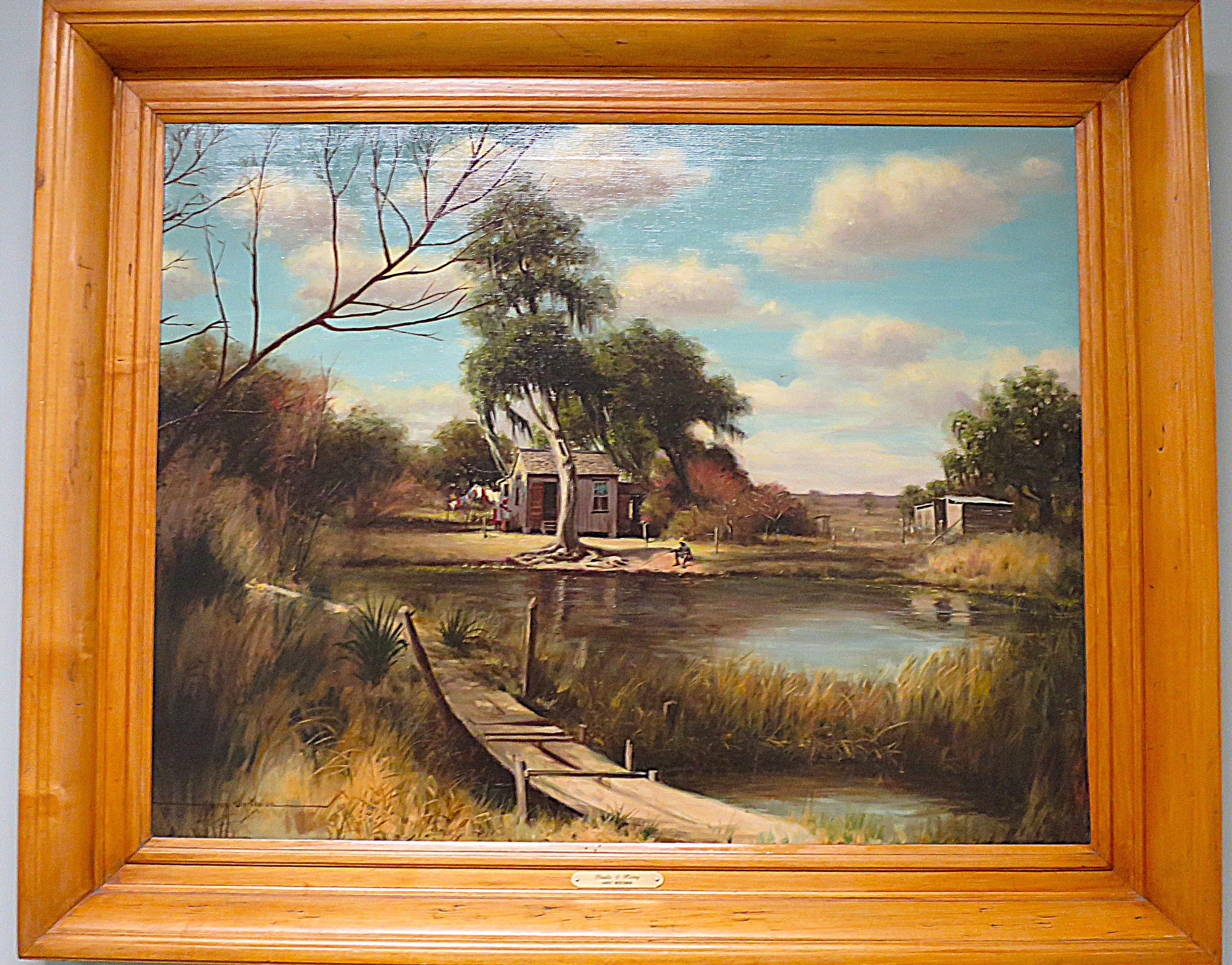
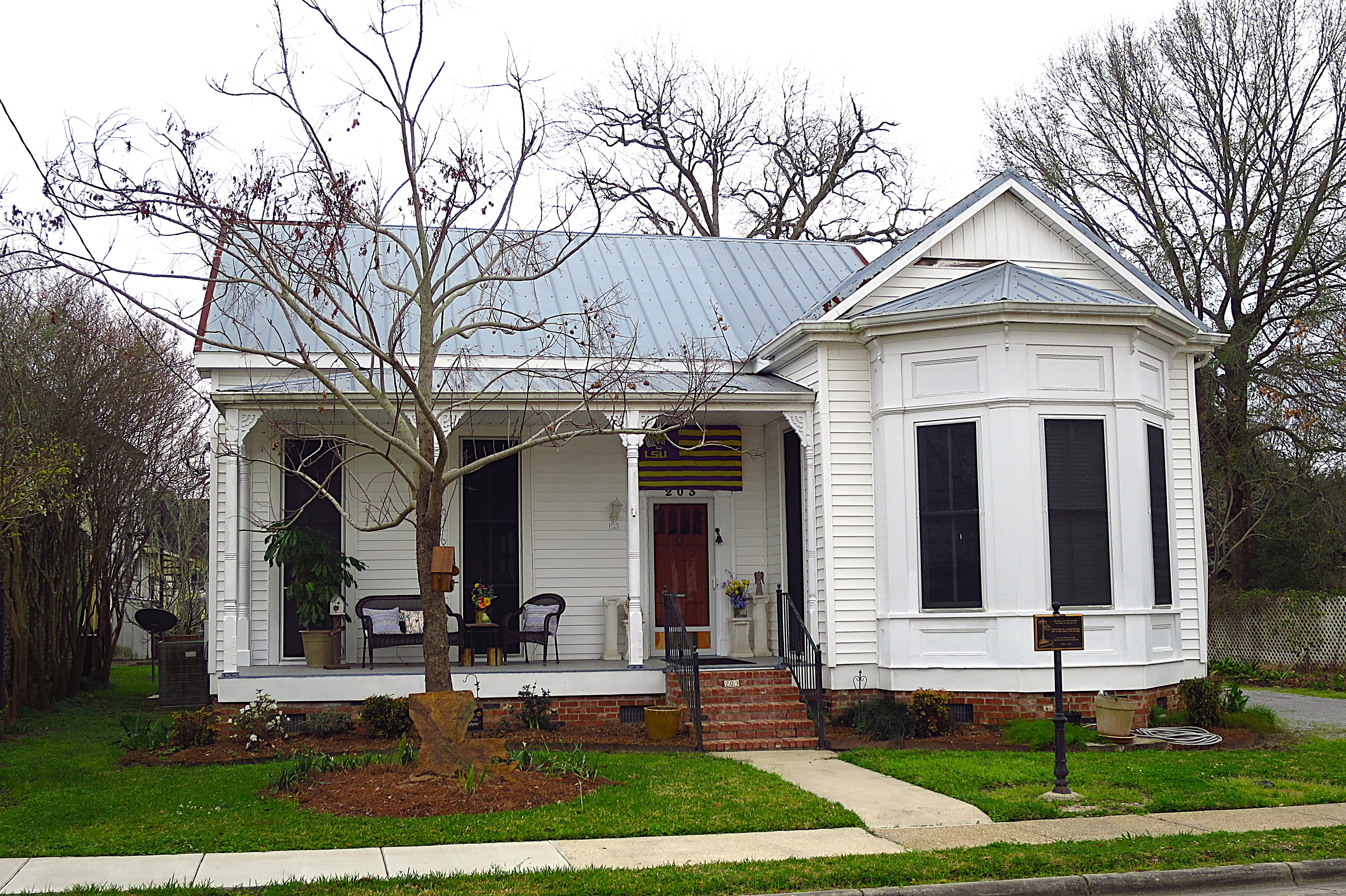
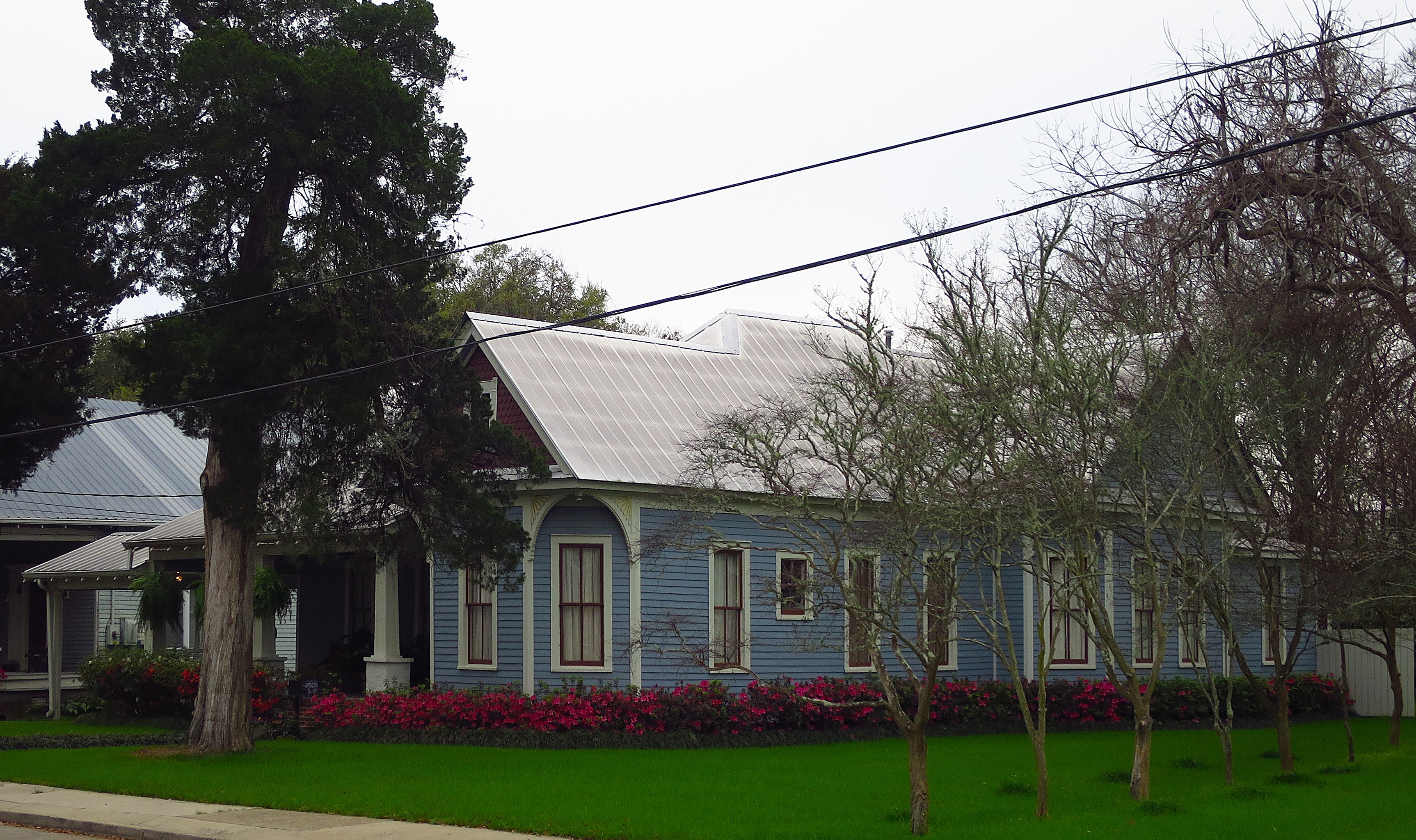
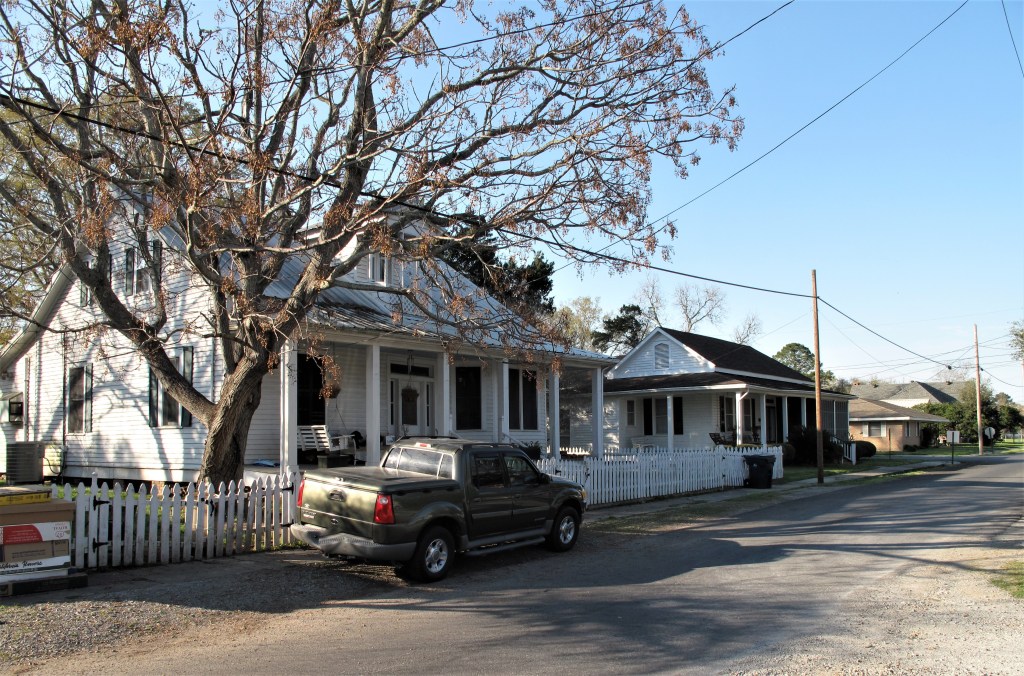
I had a little time to walk around the nearby residential streets before dark. I found several lovely old homes with well-trimmed yards.
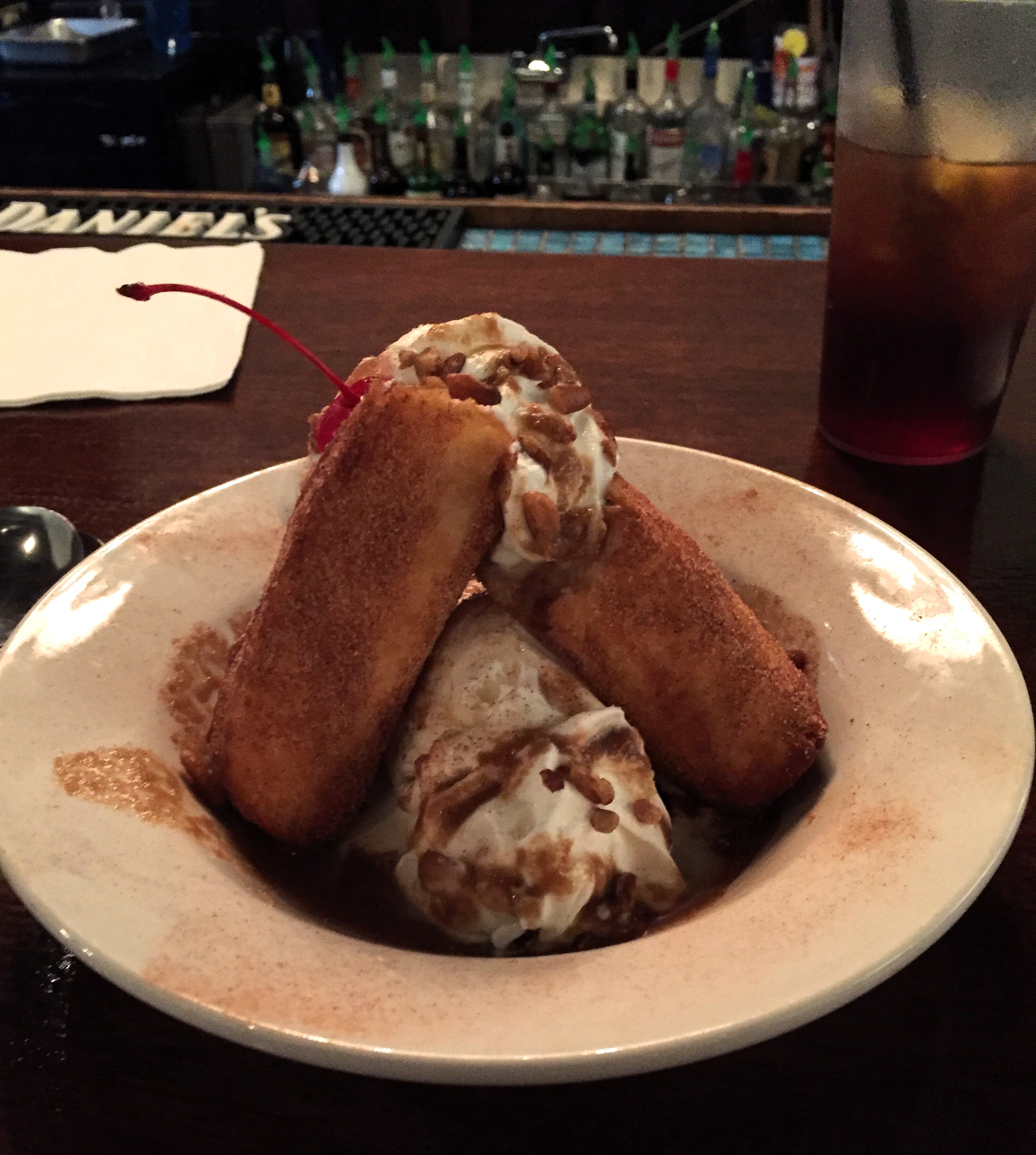
An old Cajun man sitting in the park saw me and my camera and started explaining his town. Looking for a sample of excellent Cajun cuisine, I asked for a restaurant recommendation, and he gave me three. I have to admit — I ate the gumbo so eagerly that I forgot to take a photograph. I have nothing to share in that regard, but the dessert was special too.

Here is a link to a list of all posts in the American County Seats Series in TimManBlog — link.
The author took all the photos in this post on February 16 and 17, 2017.
America’s county courthouses are my hobby. Each month, I post about a visit to a scenic or exciting county seat. Donations are greatly appreciated to help cover my costs.
Donations to TimManBlog
Please use this form to donate to my travel writing. (Change the number in the ‘Price’ box to increase the donation amount.) The form accepts PayPal, Visa, Mastercard, Amex, Discover, and Maestro.
$1.00
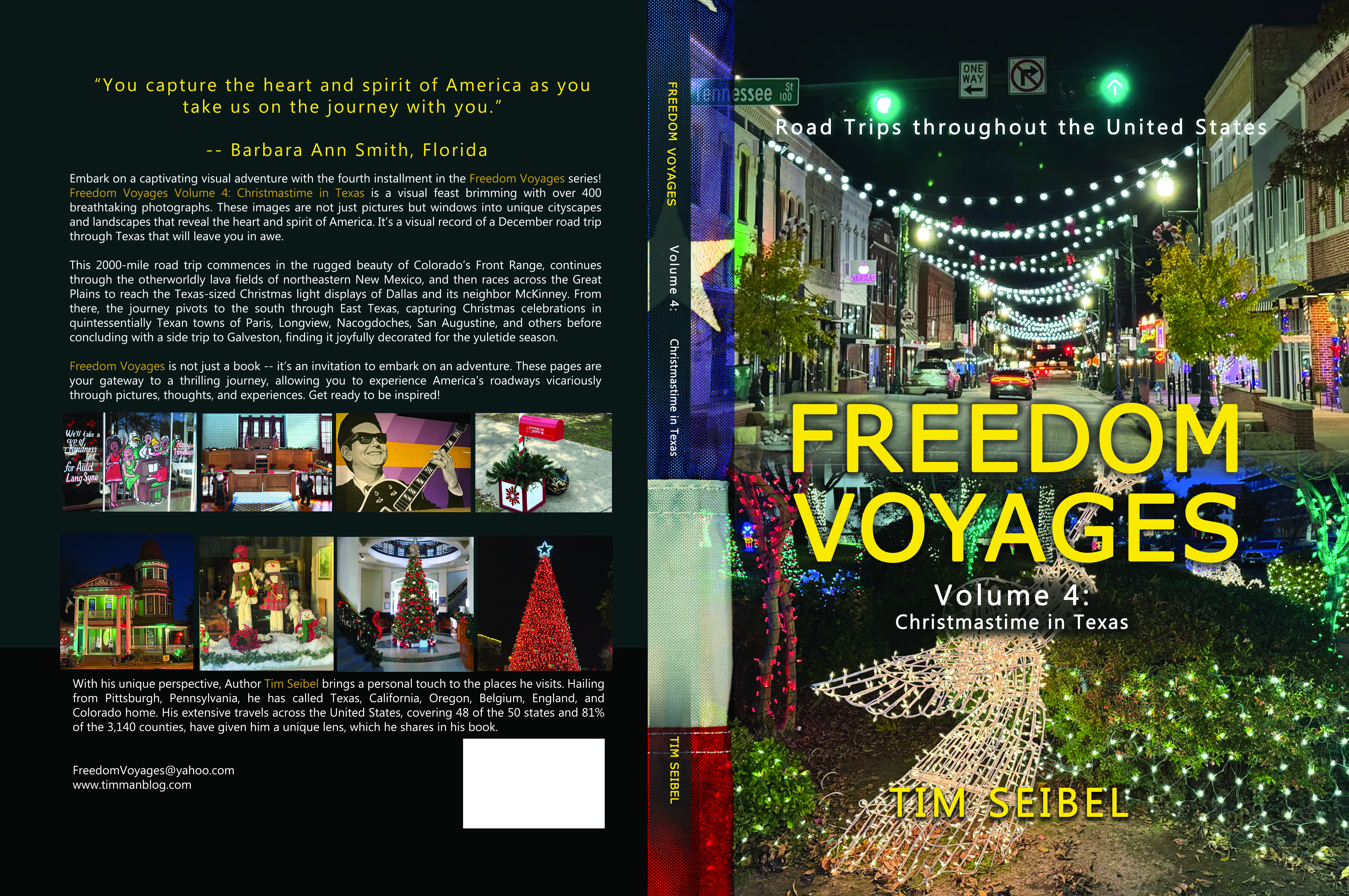
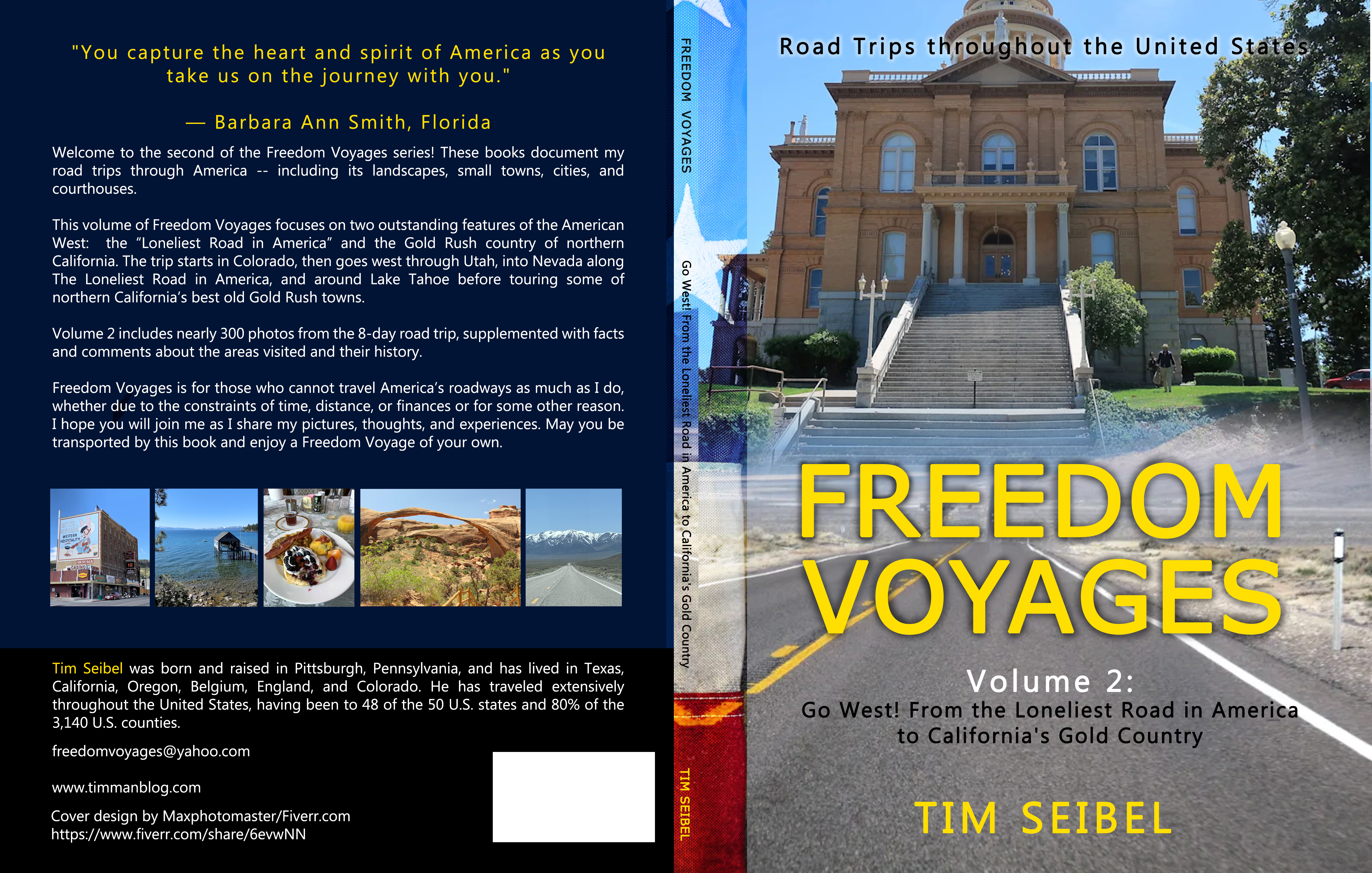
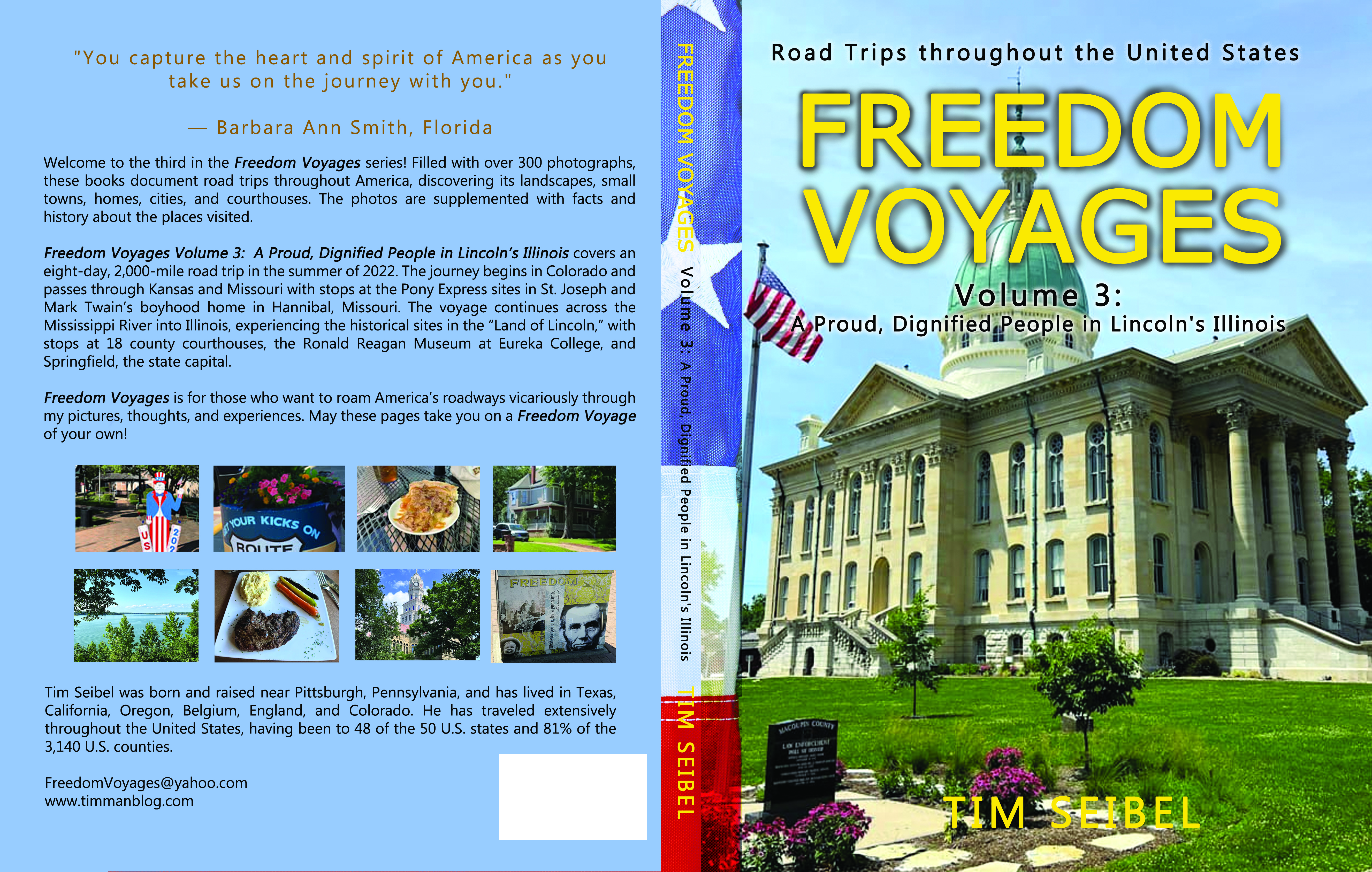
Check out the FREEDOM VOYAGES series! These books document my road trips across the United States and include hundreds of stunning photographs. Each of the four books in the series is available on Amazon and Barnes & Noble. This includes my most recent release, FREEDOM VOYAGES Volume 4: Christmastime in Texas!
Earlier volumes in the FREEDOM VOYAGES series:
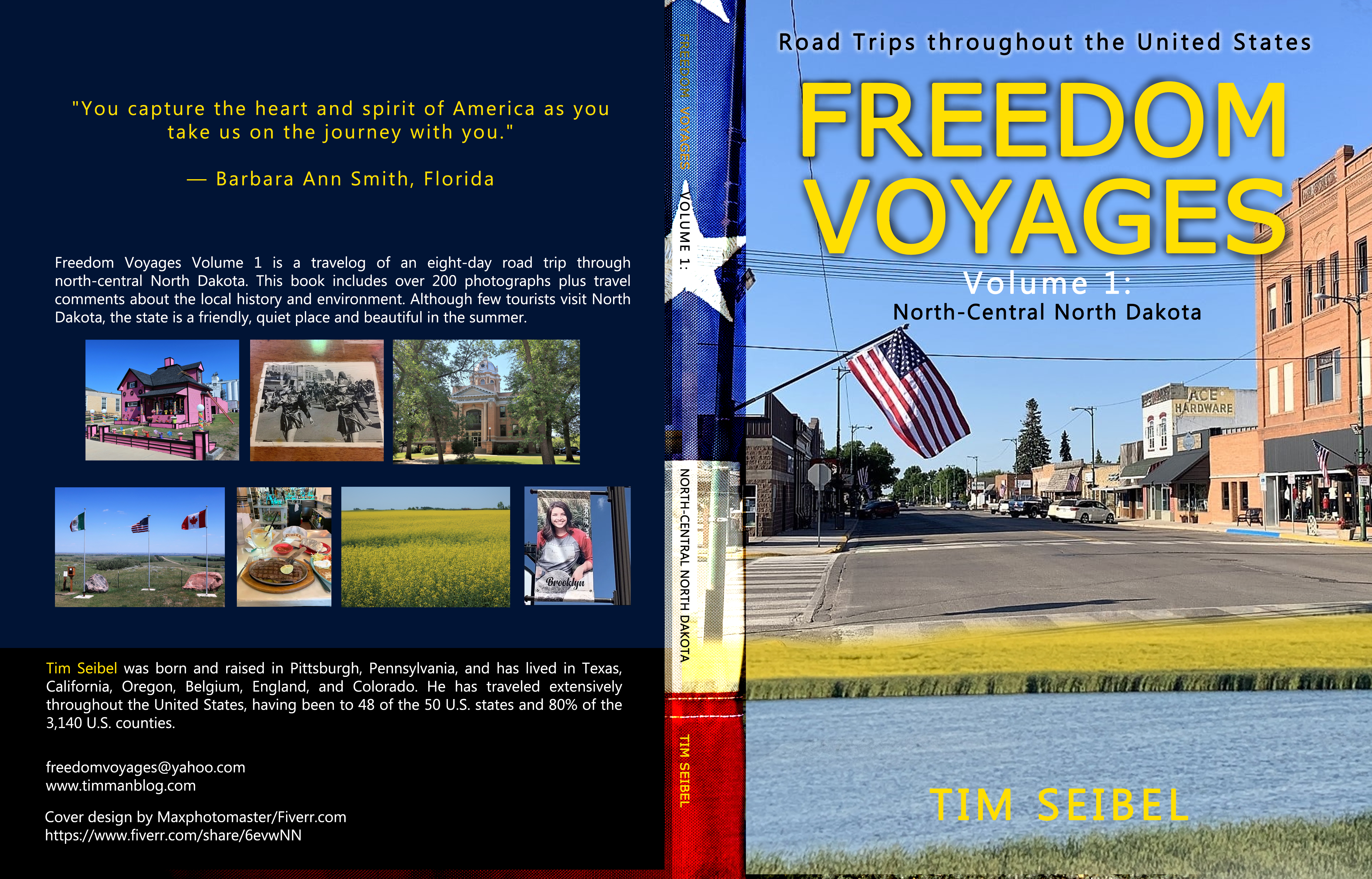
Vol. 1: North-Central North Dakota
Vol. 2: Go West! From the Loneliest Road in America to California’s Gold Country
Vol. 3: A Proud, Dignified People in Lincoln’s Illinois





 TimManBlog