TimManBlog

Whatever I'm Thinking

Archive for the tag “food”

Exploring Knoxville: A Vibrant Spring Adventure

Please consider donating to support my travels using the form at the bottom of the post. PayPal, Visa, American Express, Mastercard, Discover, and Maestro are accepted. Thank you.

March 30, 2026

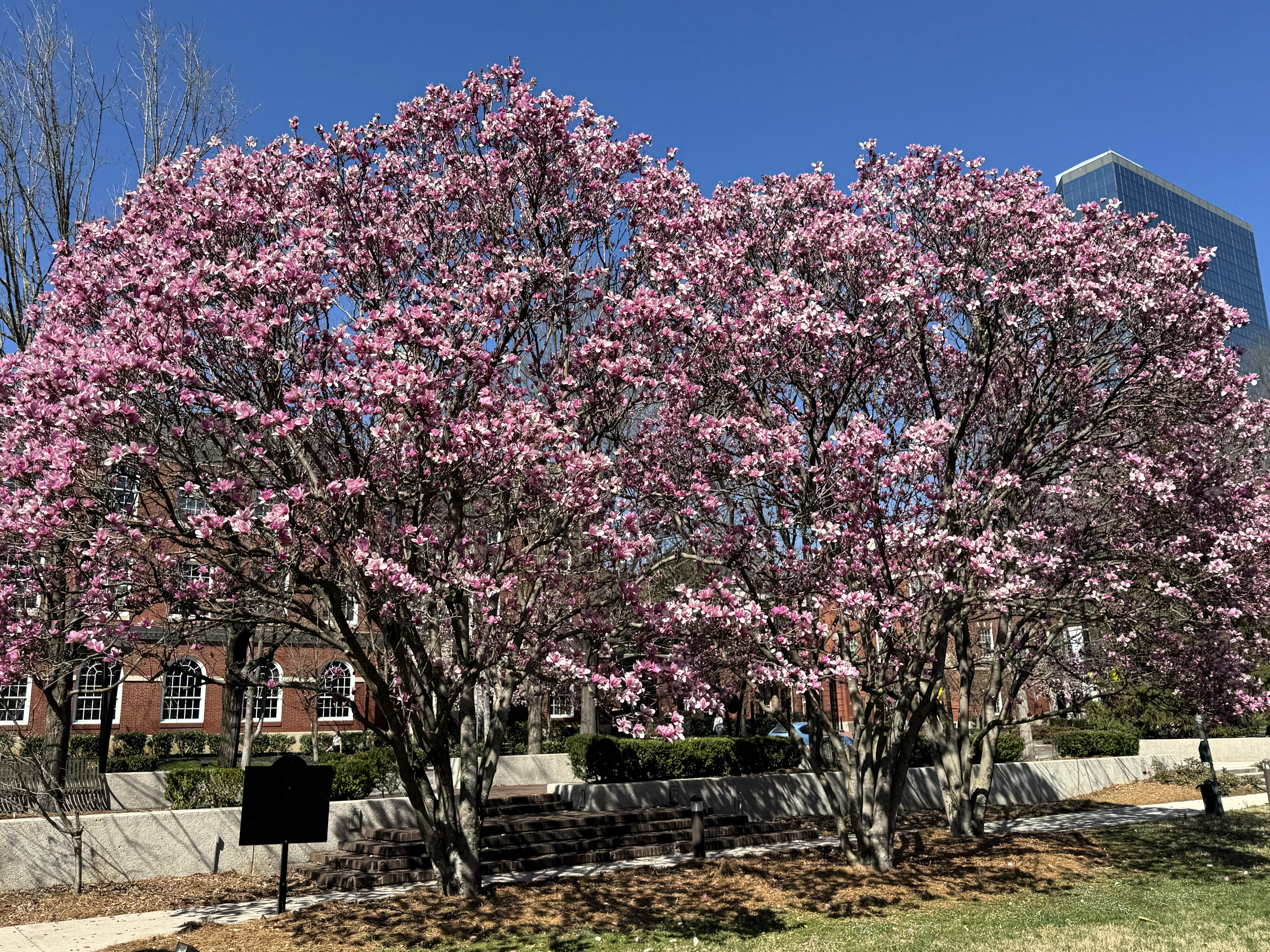
Welcome to Knoxville! The month of March in eastern Tennessee, especially in the valleys west of the Great Smoky Mountains, offers visitors a very colorful early spring, with red, white, and pink flowers on early-blossoming trees. I was here on March 12th of 2025 and spent a few hours walking around town.
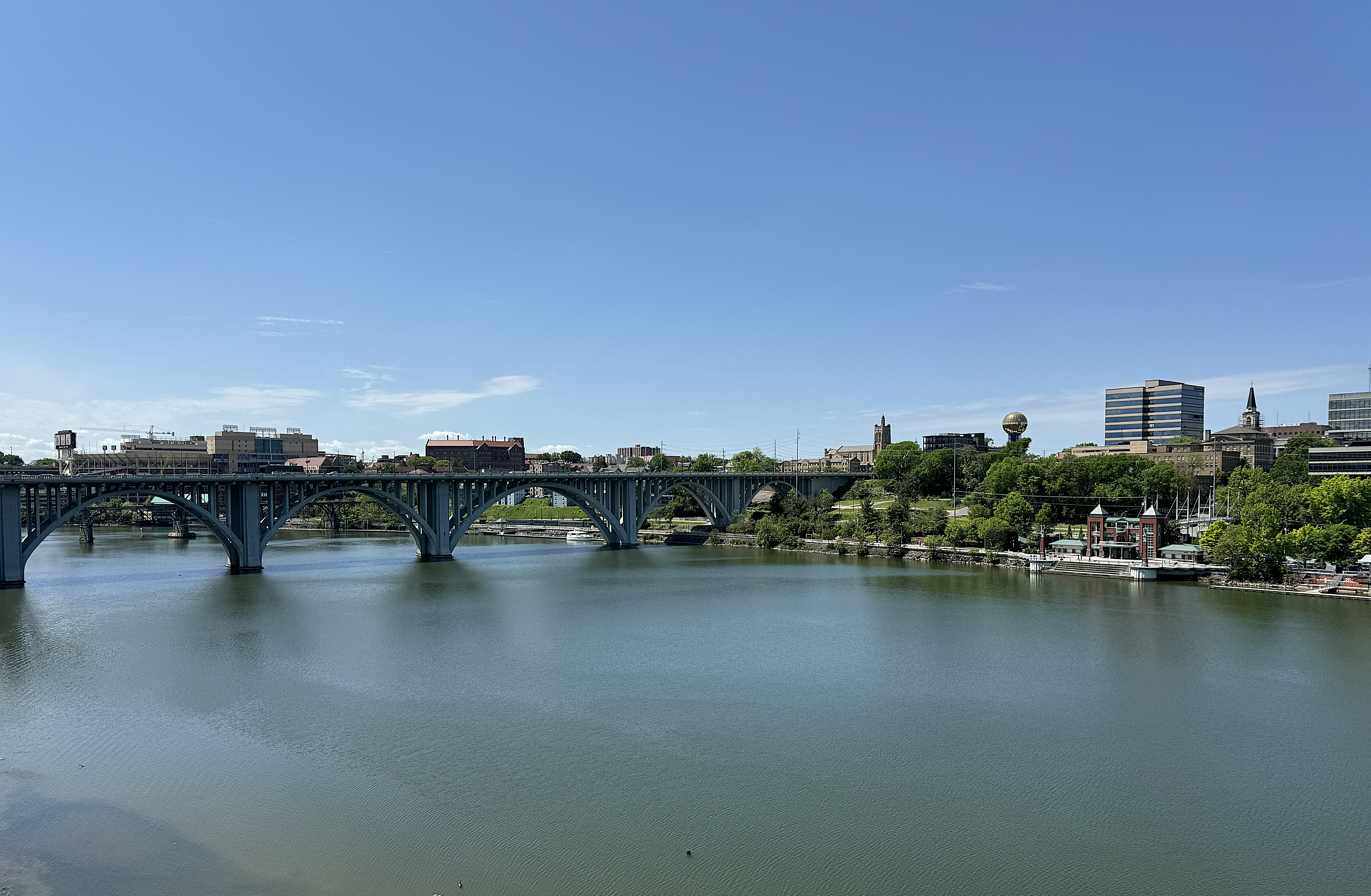
The courthouse area of Knoxville is situated atop a cliff overlooking the Tennessee River. Across the river, on the bluff overlooking the south side, are several new apartments and student housing buildings. Many of these are six stories high. Not only is Knoxville home to the University of Tennessee, but it is also a fast-growing city and a destination for recent emigrants from other states, including retirees and “blue-state refugees.”

Knoxville and the surrounding Knox County have a population of just over half a million persons. Their county courthouse (technically the city-county building) is a massive structure with three floors of offices at the top levels and several parking floors below the office floors. I’ll admit I’m more of a fan of classical than modern architecture, so I wasn’t immediately thrilled with this building’s odd shape and liberal use of concrete. However, the design may be the best available layout for a large building forced to reside on a small footprint perched next to a 100-foot cliff.

I started my tour at the Knox County Courthouse, which stands at the edge of a bluff overlooking the Tennessee River far below.
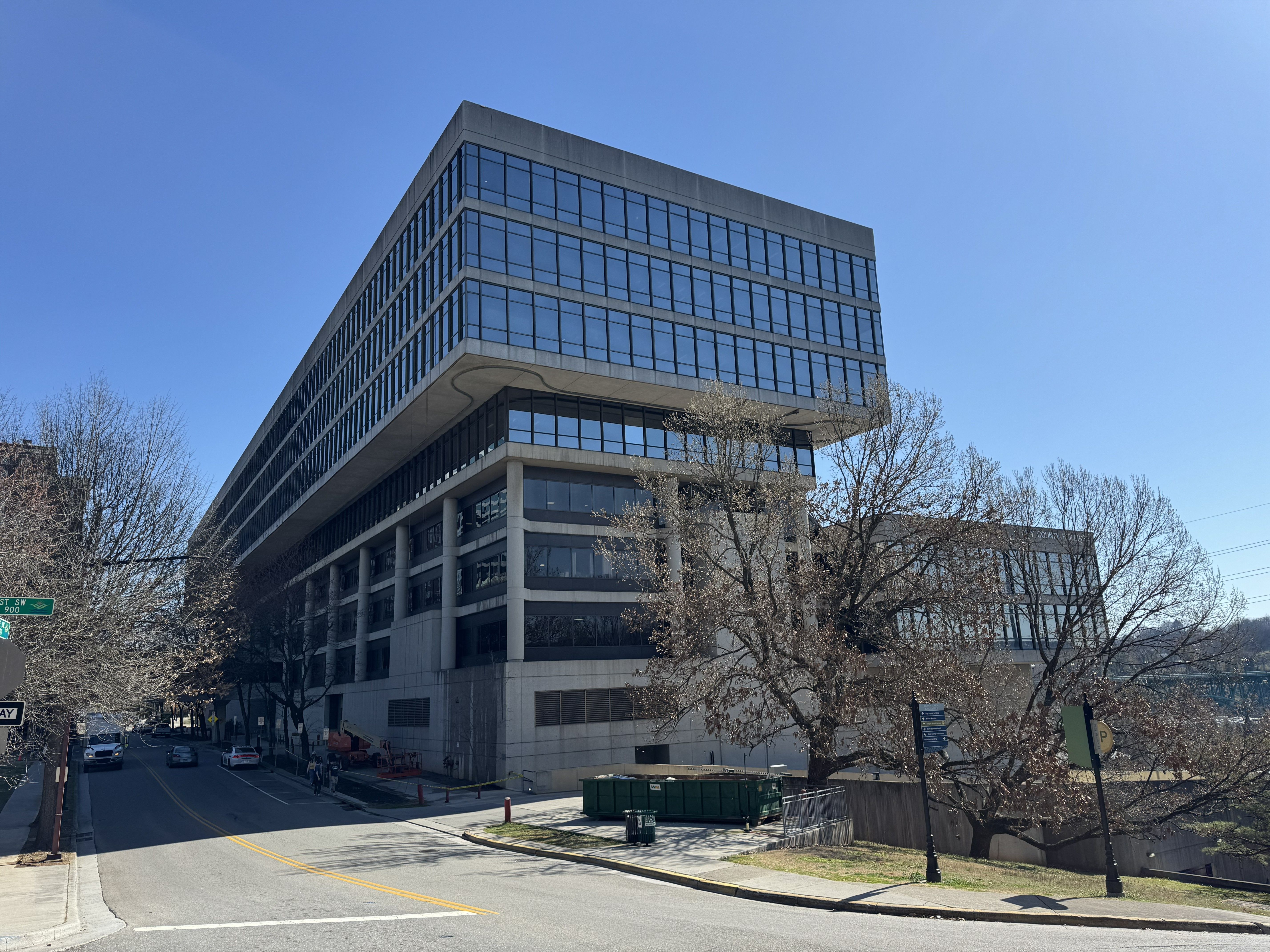
Knox County Courthouse. Knoxville, Tennessee

The former courthouse is next door. It was built in 1895, features a central bell tower and a weathervane that make it look like a building from America’s colonial era.
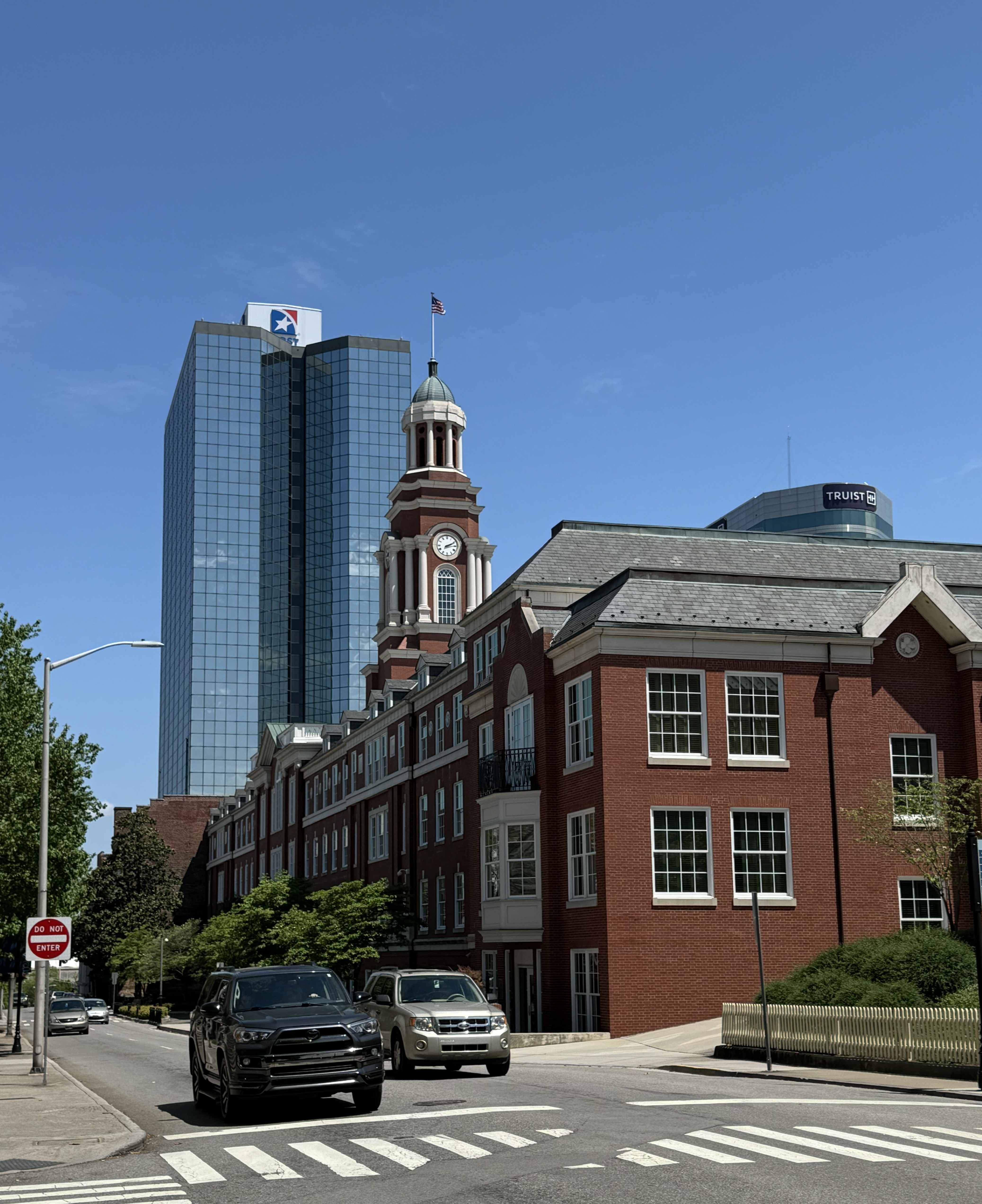
The old Knox County Courthouse. Knoxville, Tennessee.

The monuments on the grounds of the old courthouse include a statue of a Spanish-American War fighter and an obelisk dedicated to John Sevier, the first governor of Tennessee. Knoxville was settled way back in 1786 and was the first state capital of Tennessee.
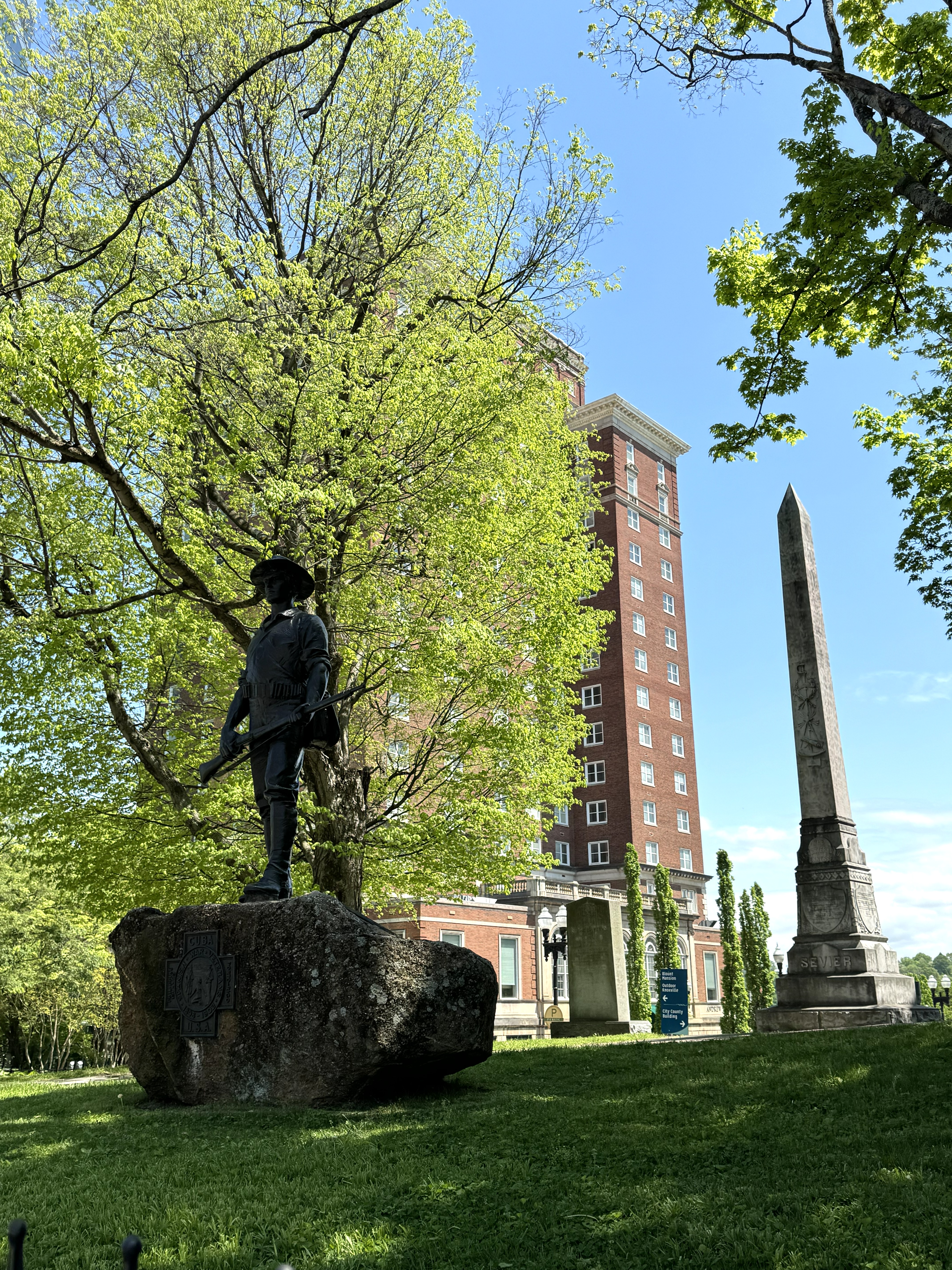
Also near the county courthouse is the Howard H. Baker United States Courthouse (left below). Baker was a prominent U.S. Senator representing Tennessee during the Watergate era. The statue on the right (below) is displayed on the grounds.
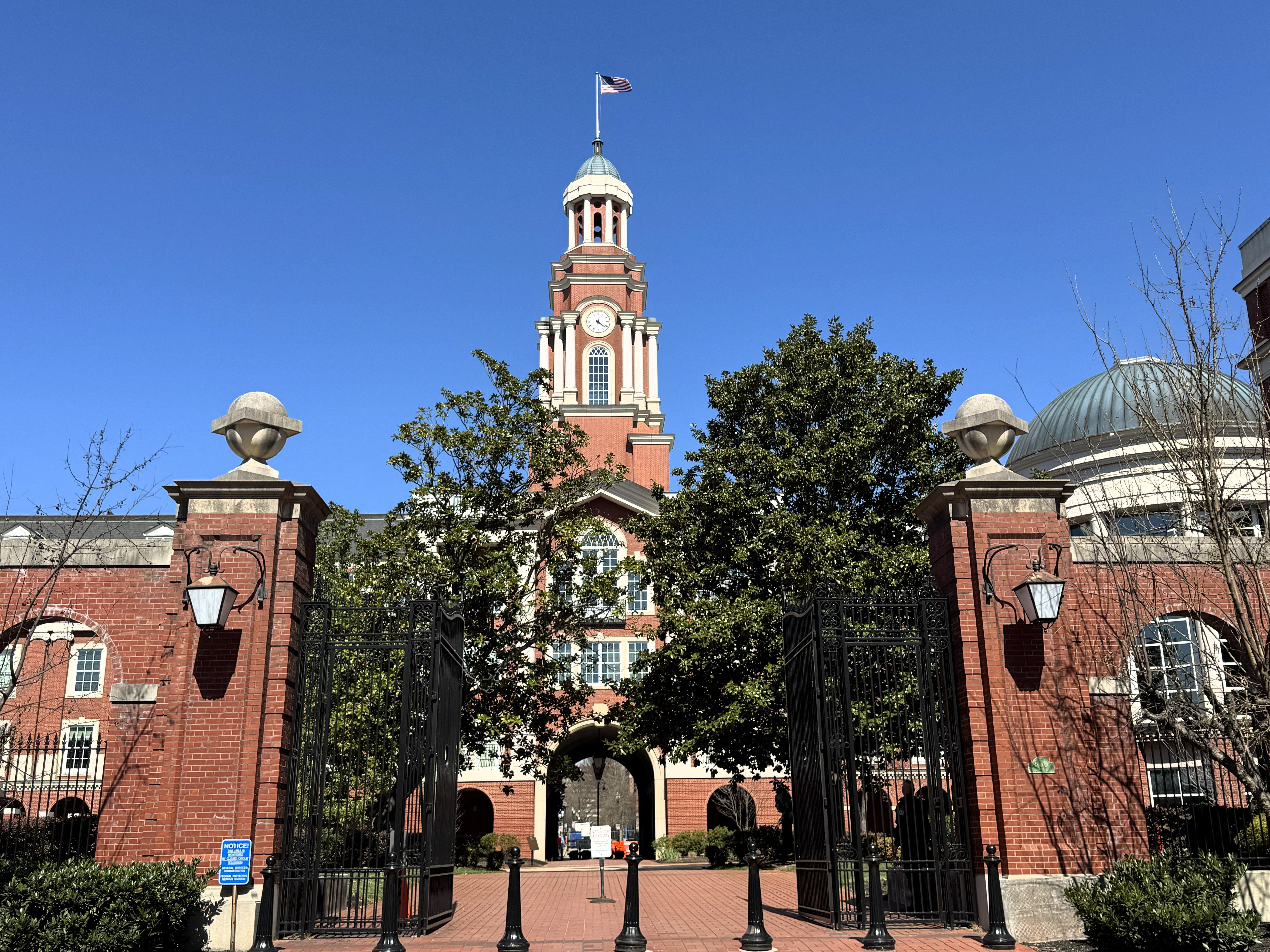
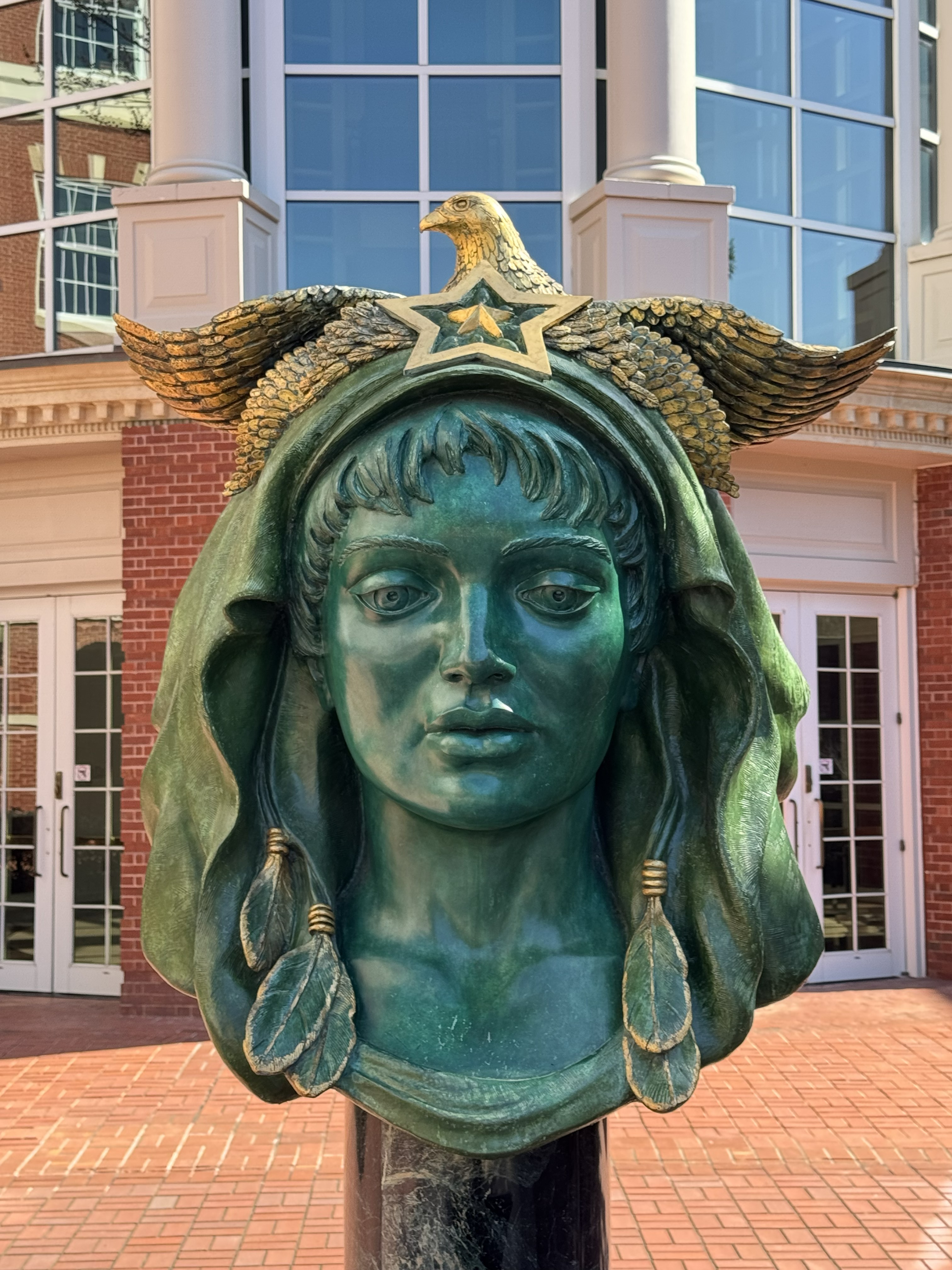
After finishing photos of the courthouses, I photographed the Blount Mansion next door and the street murals nearby that highlight Tennessee’s music legacy. The Blount Mansion was begun in 1820 for William Blount, a signer of the United States Constitution, who represented North Carolina and was an early pioneer of Tennessee.
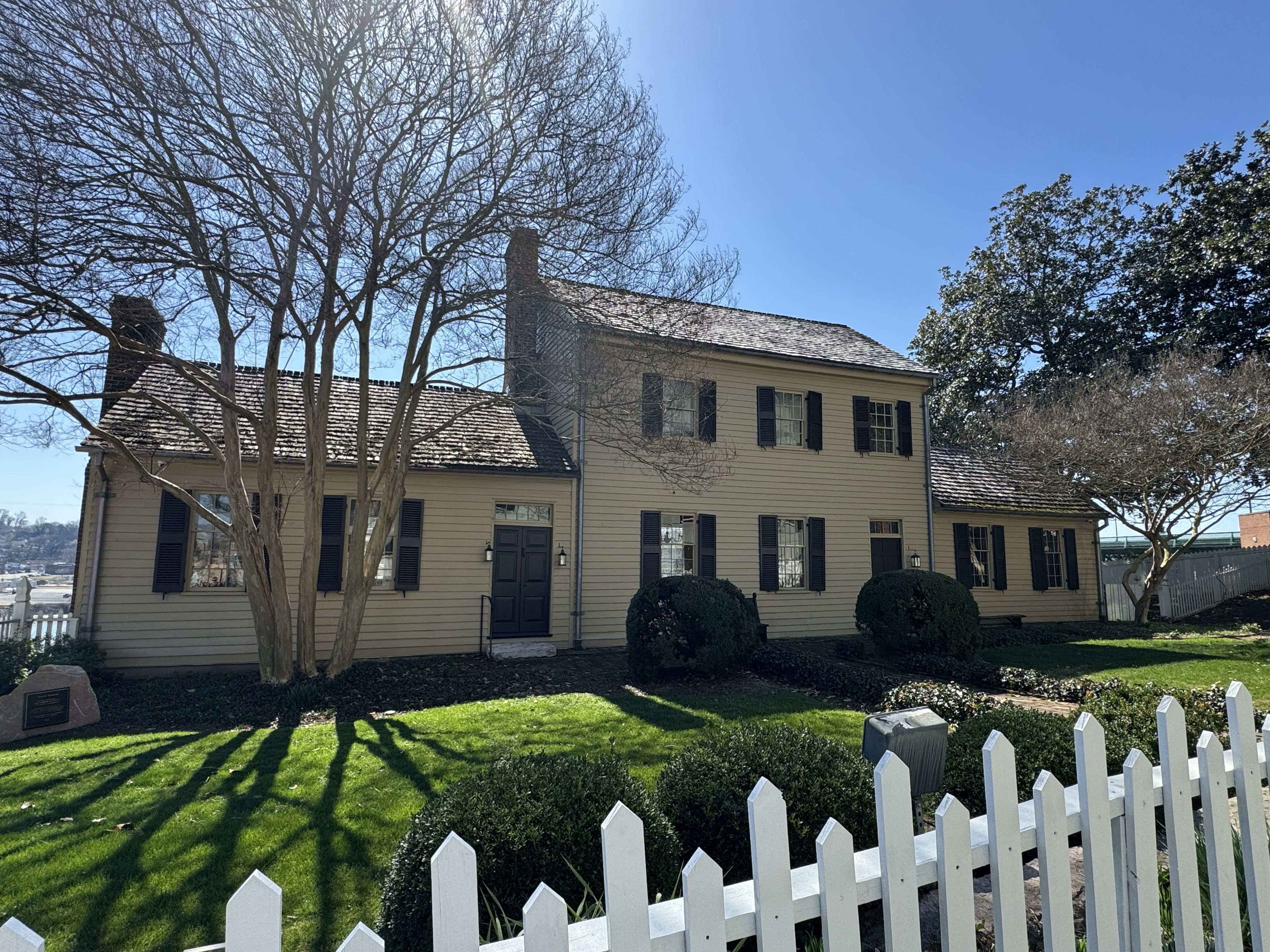
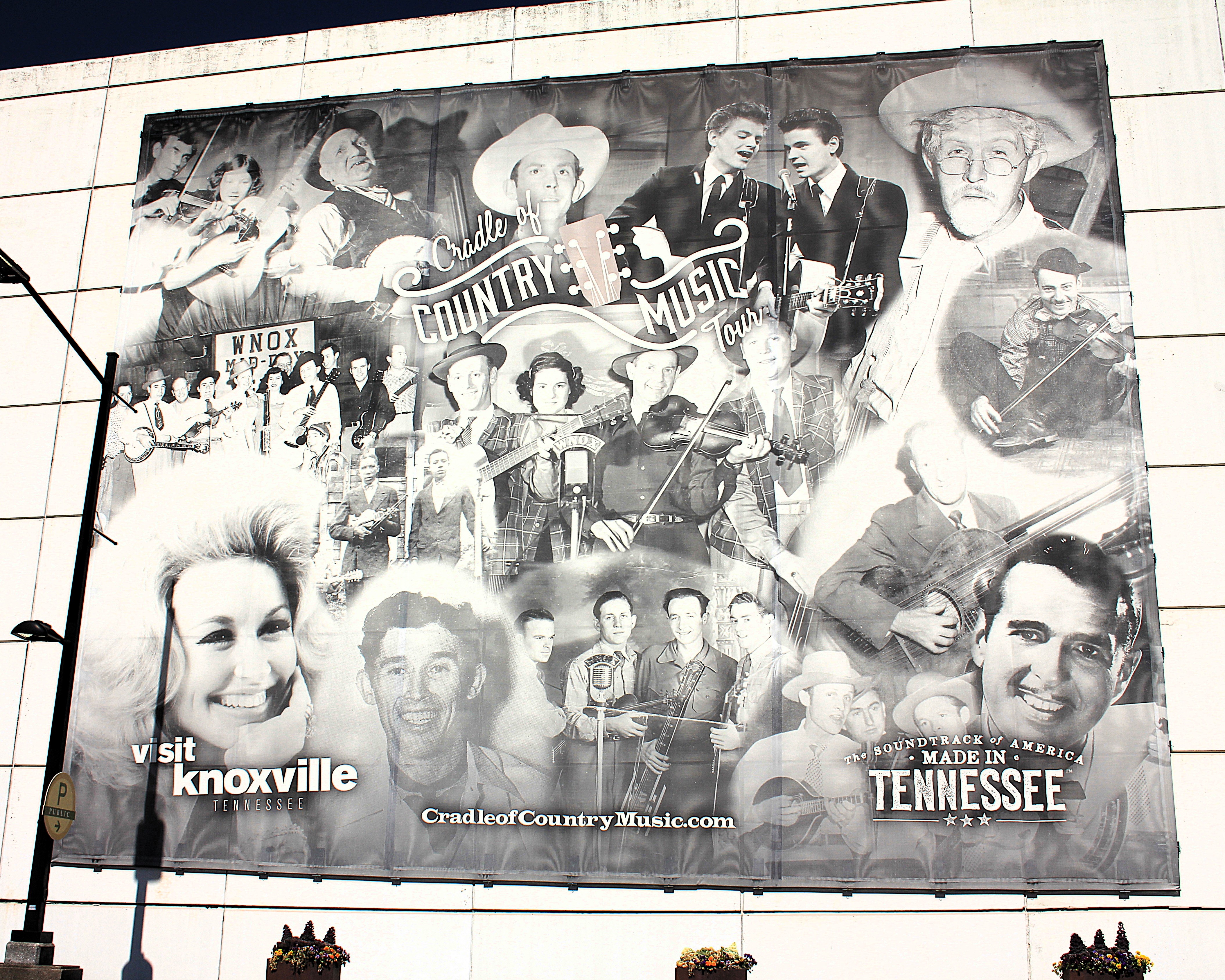
Gay Street is one of the main streets in Knoxville, running south from the business district to the courthouse and then over a bridge across the river.

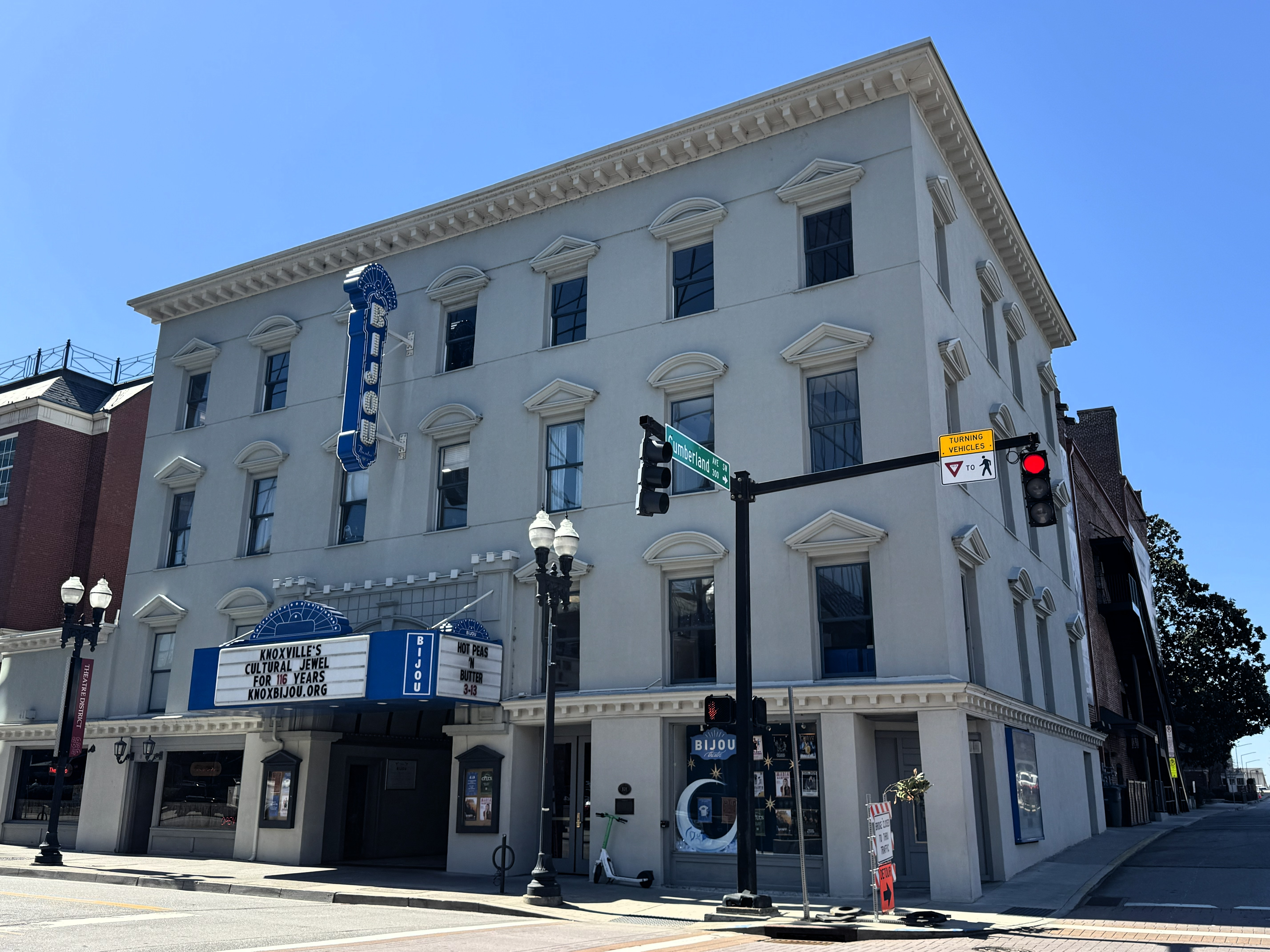
I walked up and down Gay Street, taking photos of many hundred-year-old buildings, most of which are still in great shape. The photo below is from the middle of Gay Street, looking south toward the river. Along Gay Street are the famous Tennessee Theatre (top right photo) and the historic Bijou Theatre (bottom right photo).
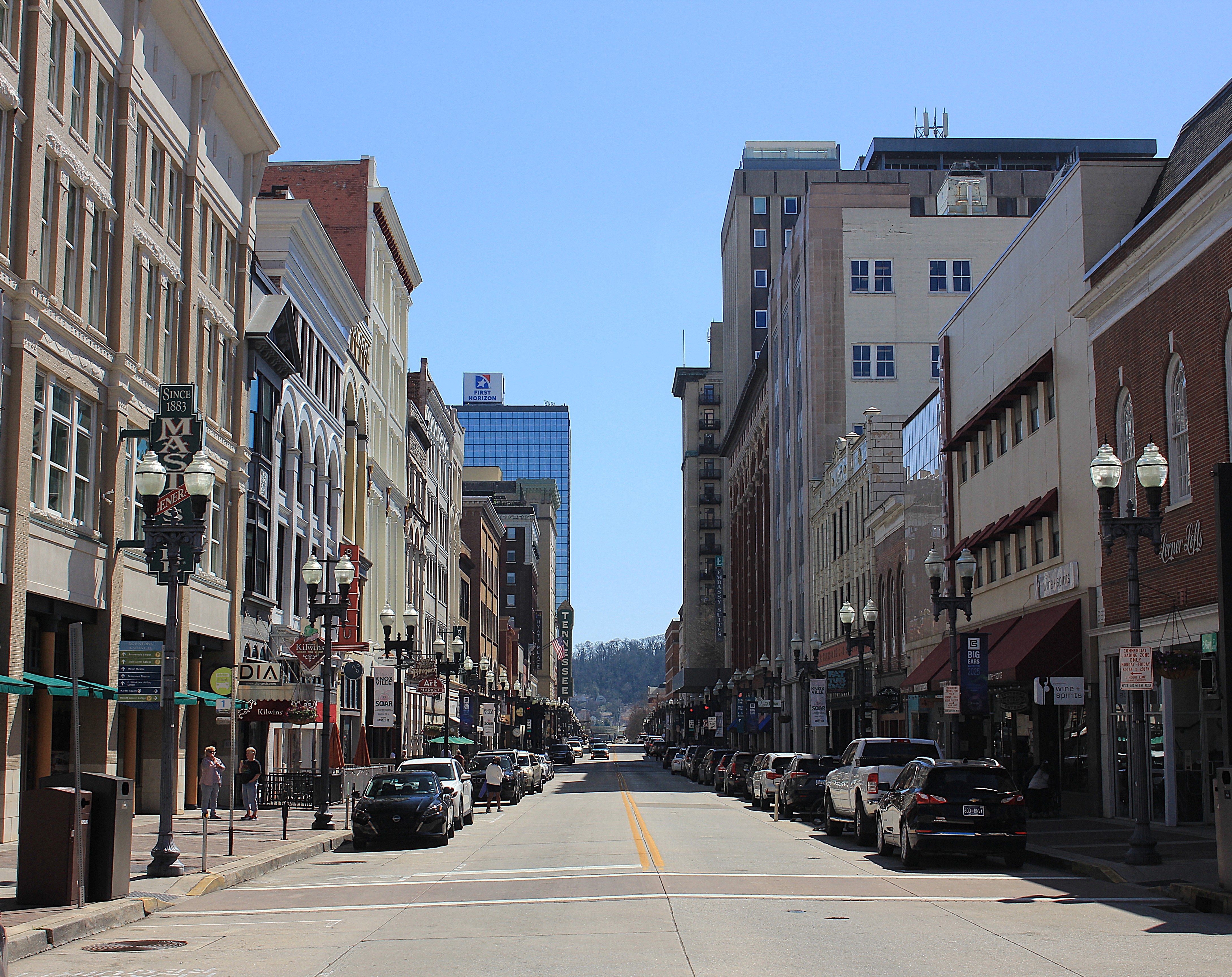
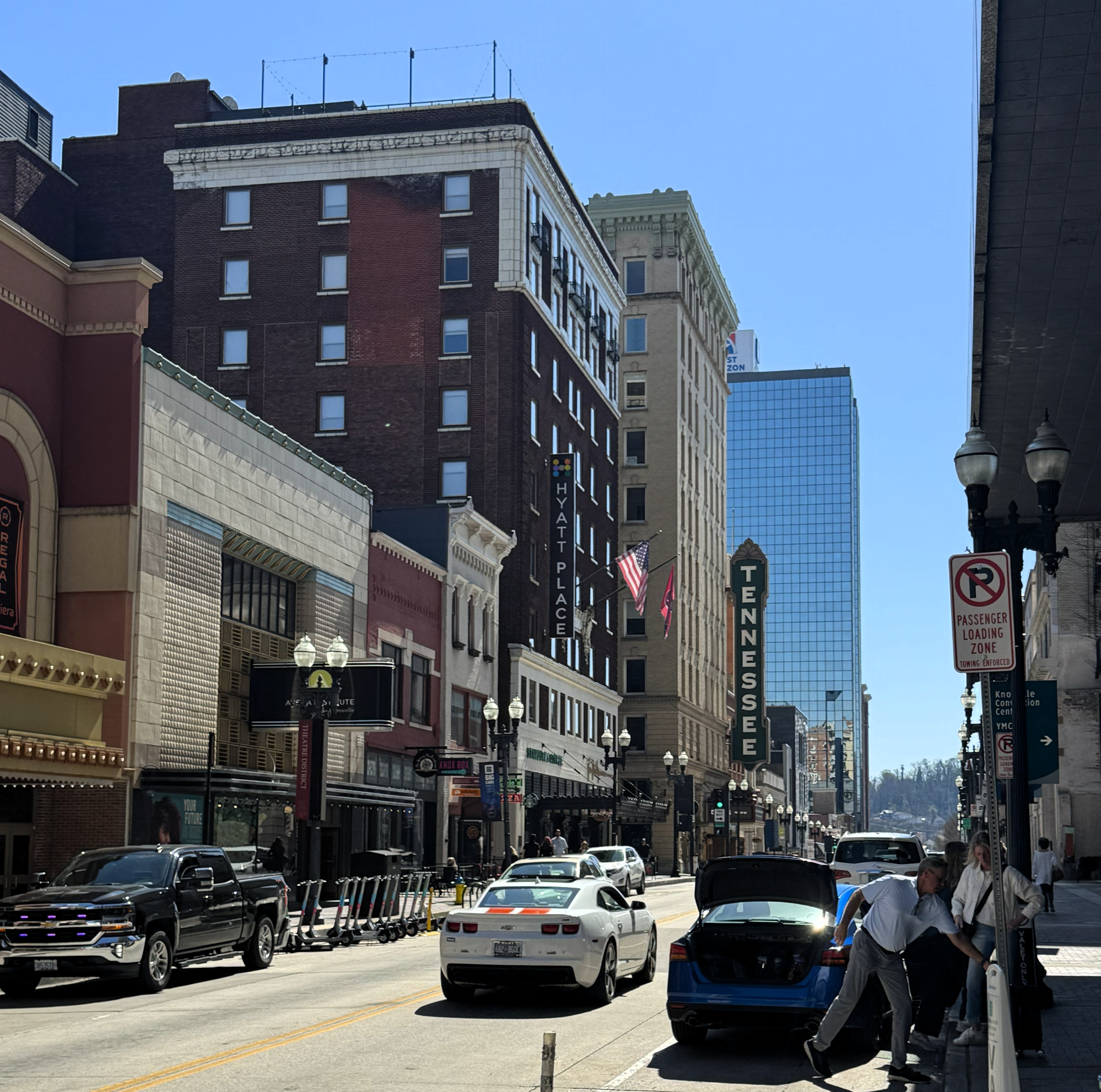
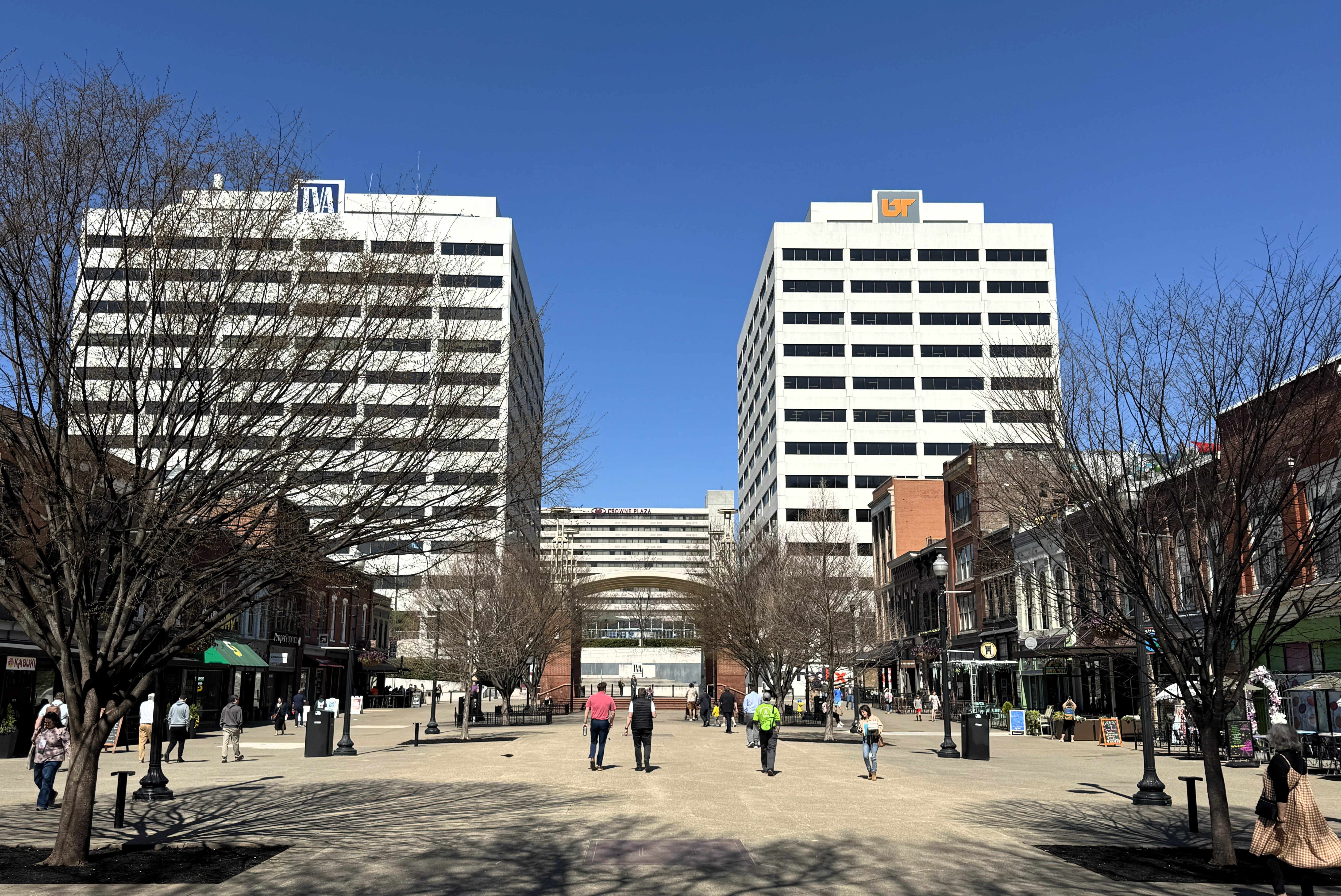
A block away from Gay Street, Market Square is an open space lined with older two—and three-story brick buildings. These are now primarily bars and restaurants. It is a very vibrant area and probably fun for Mardi Gras, St. Patrick’s Day, Cinco de Mayo, the Fourth of July, or any party following a big game at the University of Tennessee.
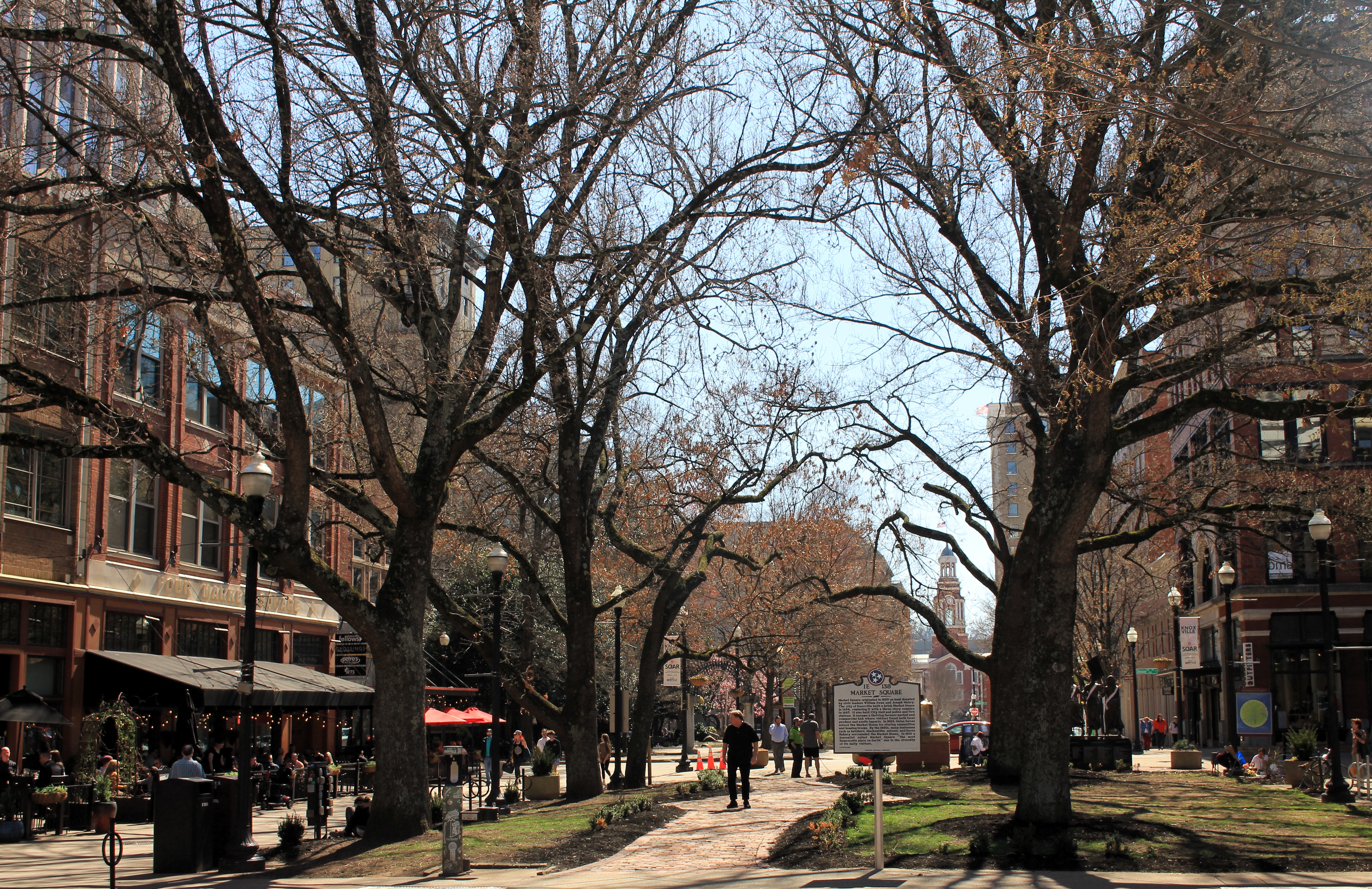
The edge of Market Square, looking south toward the courthouses and the river.

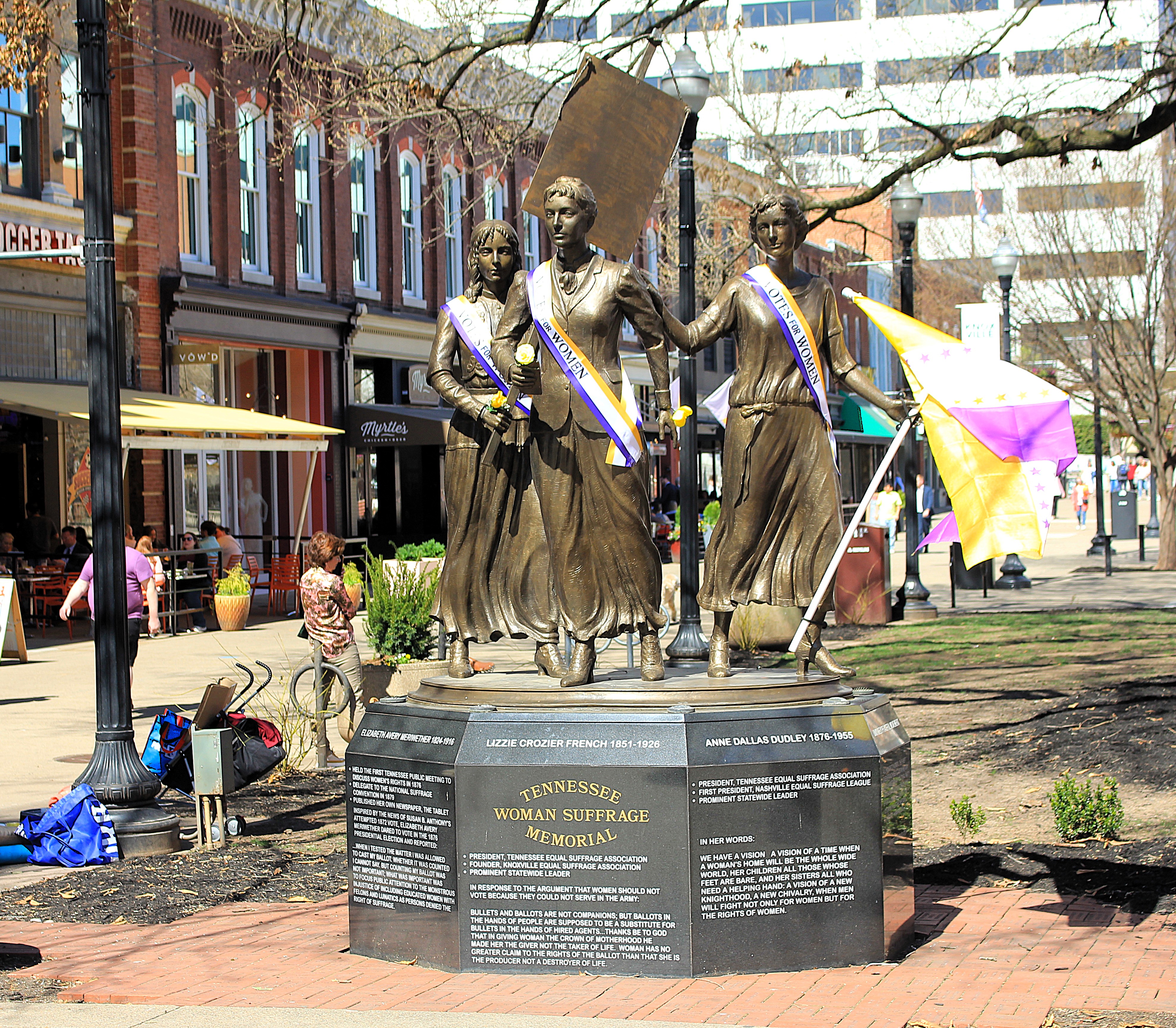
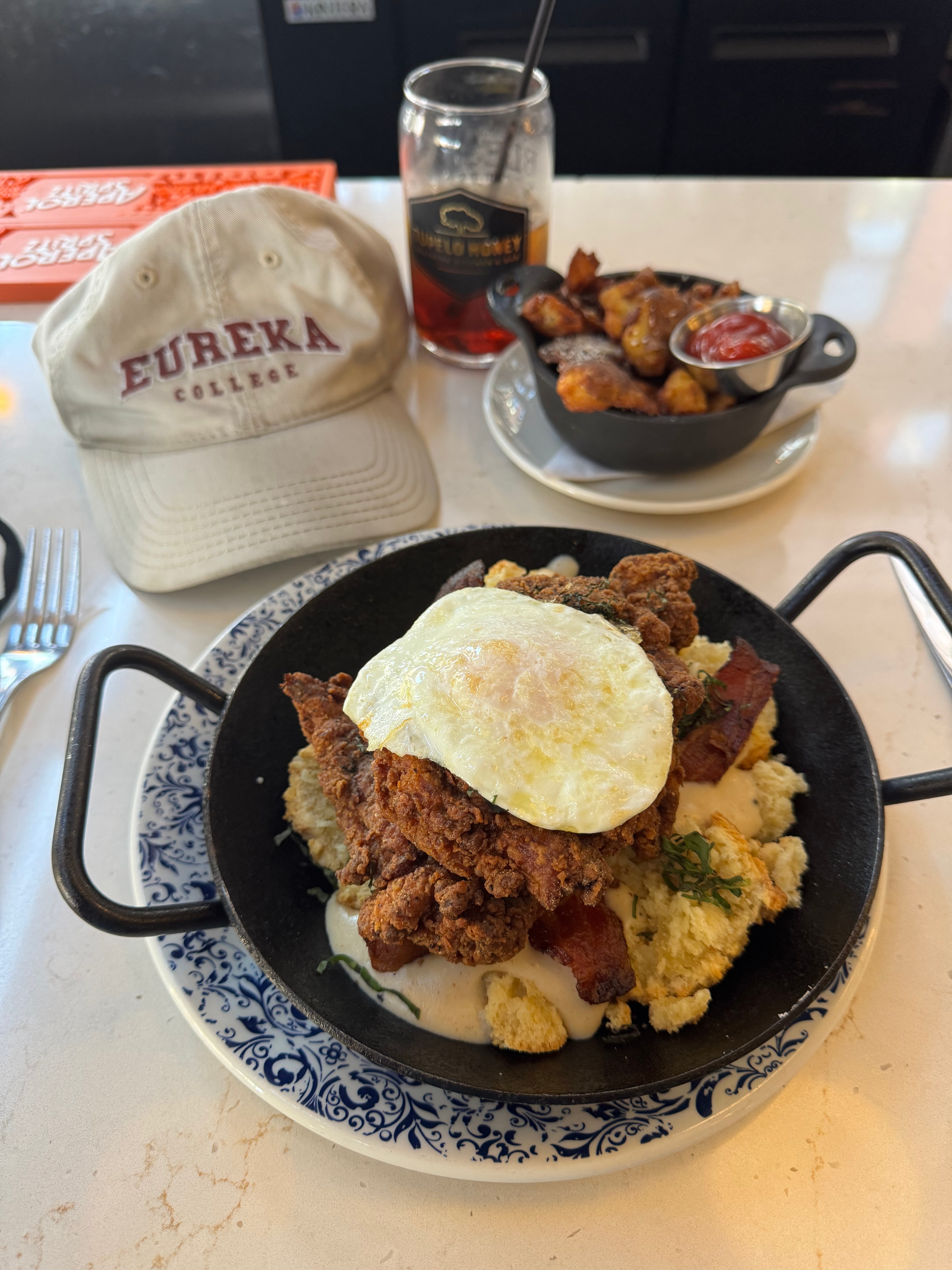
Three more photos of Market Square are below. I ate lunch at Tupelo Honey inside the Oliver Hotel and enjoyed some chicken tenders over biscuits and gravy.
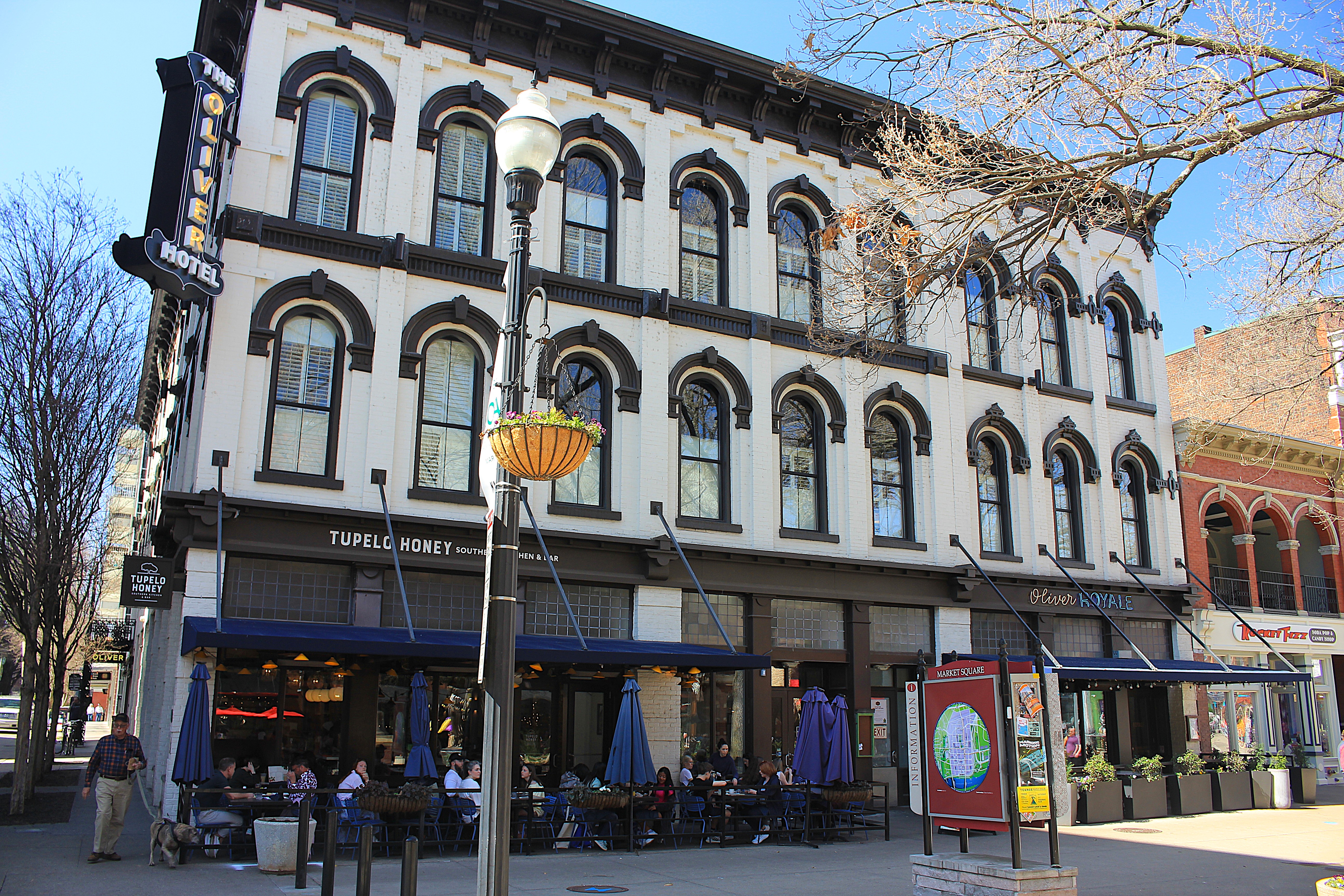
Tennessee Woman Suffrage Memorial. Market Square, Knoxville, Tennessee

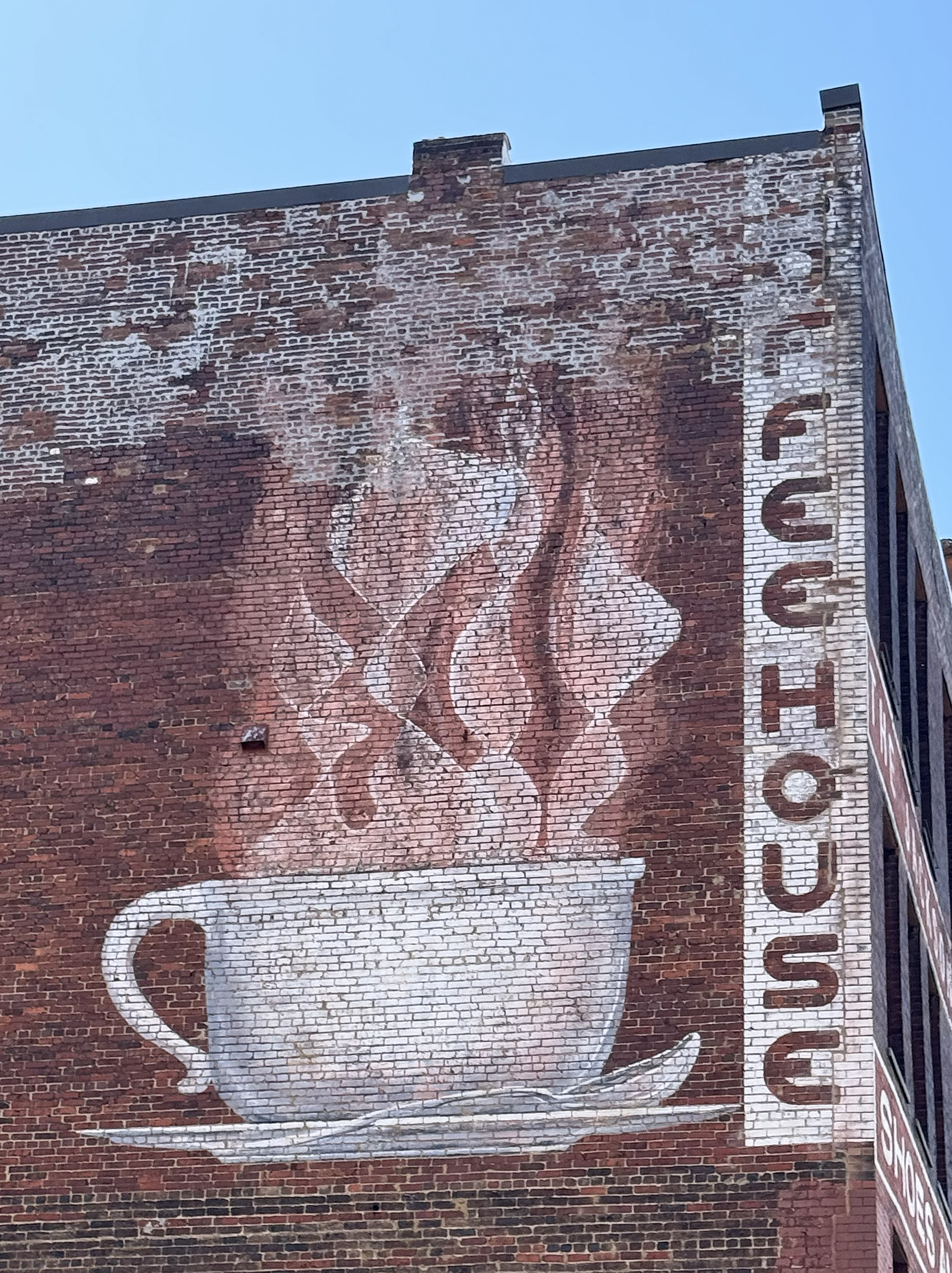
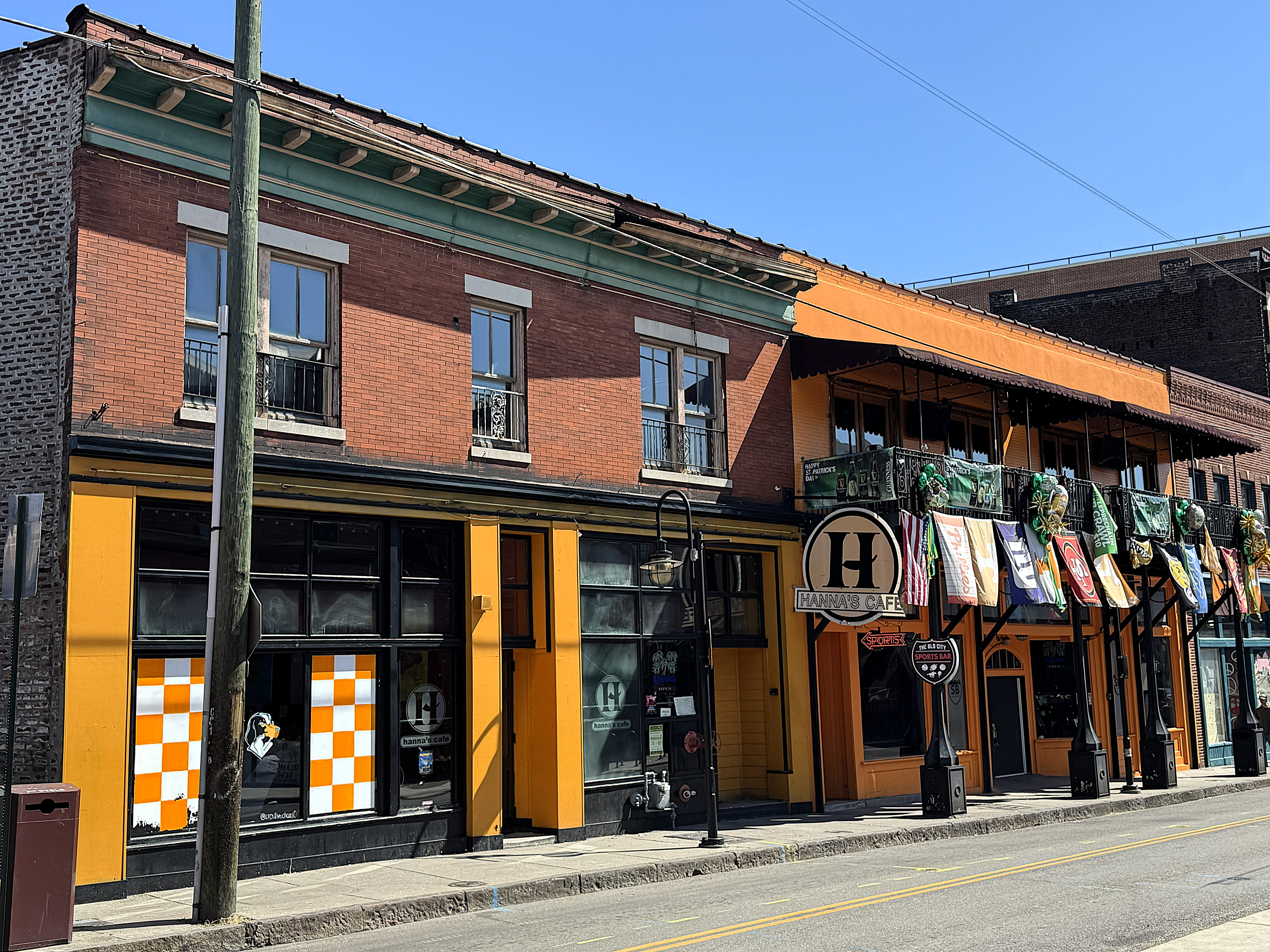
After finishing lunch and Market Square, I did a loop through the Arts District and the Old City. These sections are filled with old buildings, bars, and coffee places where students open their laptops to work while sitting at outdoor tables.
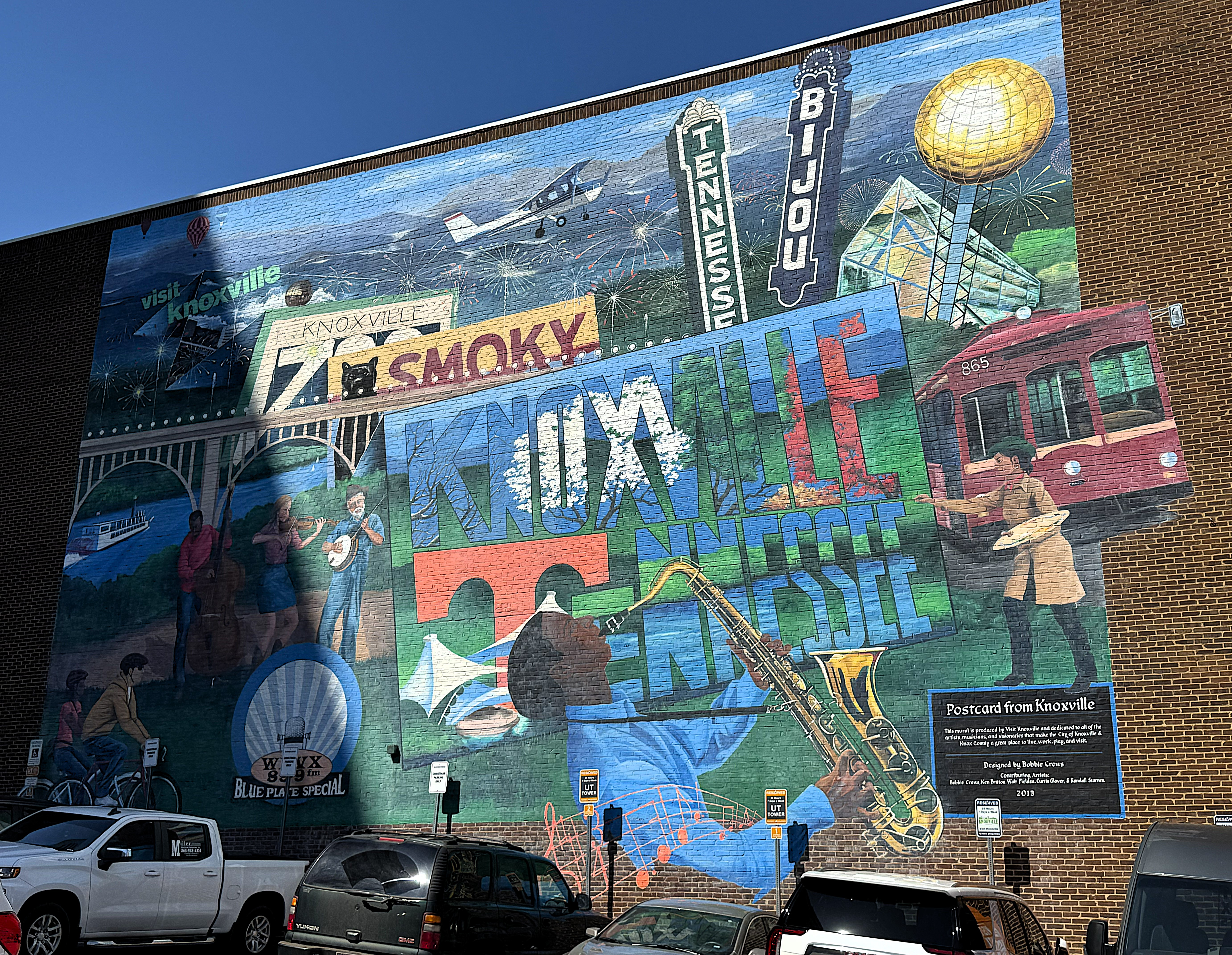
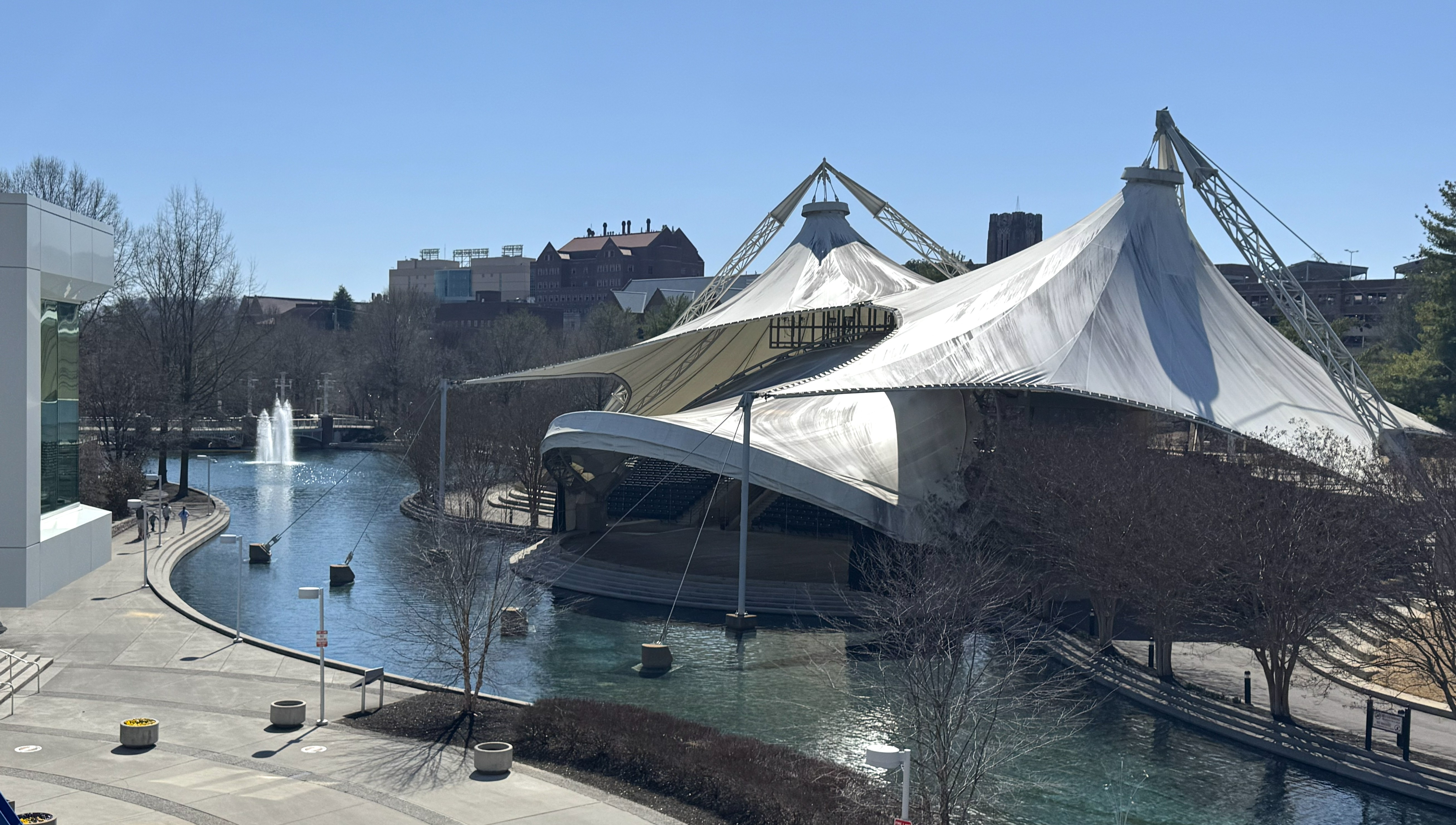
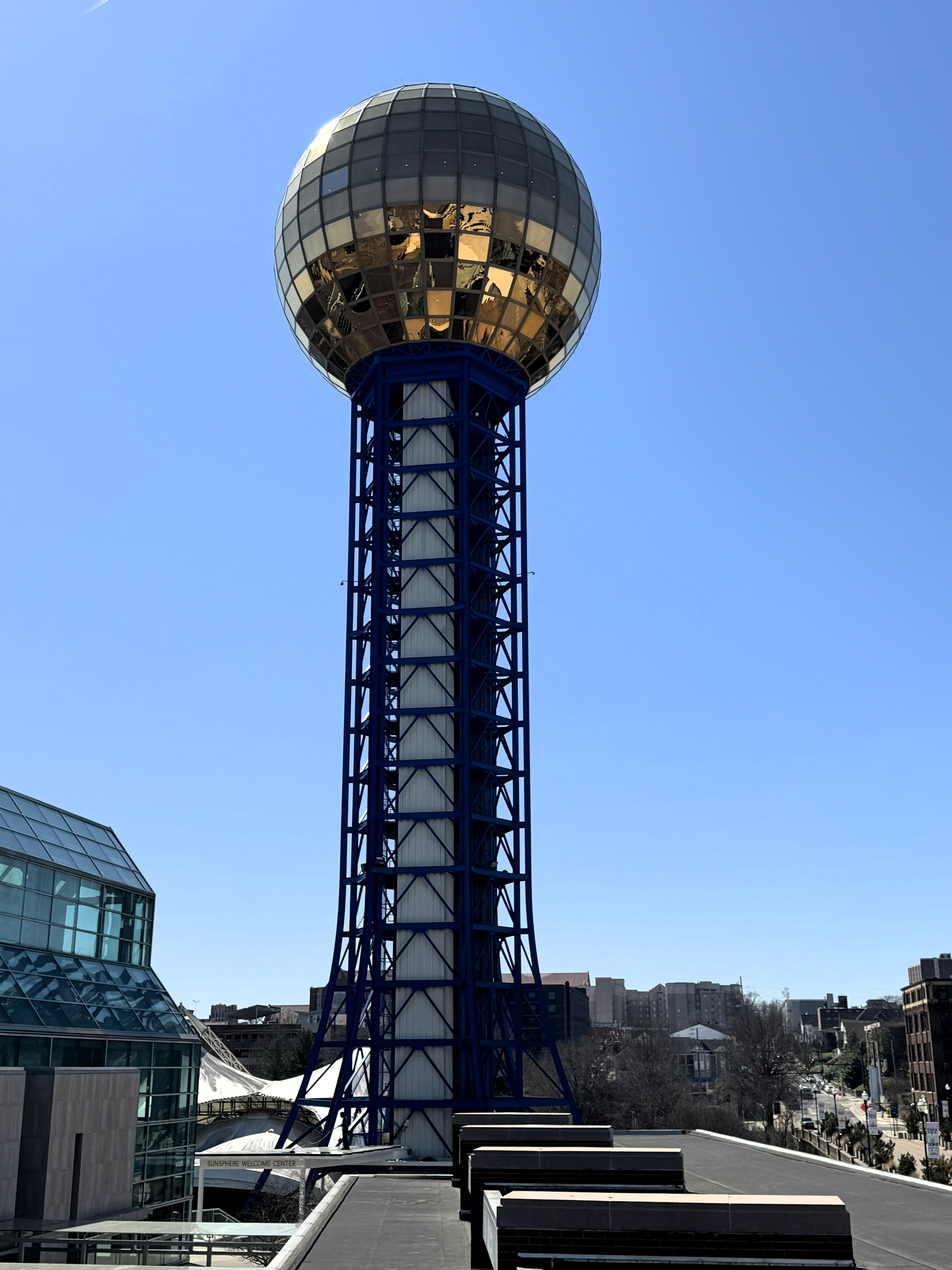
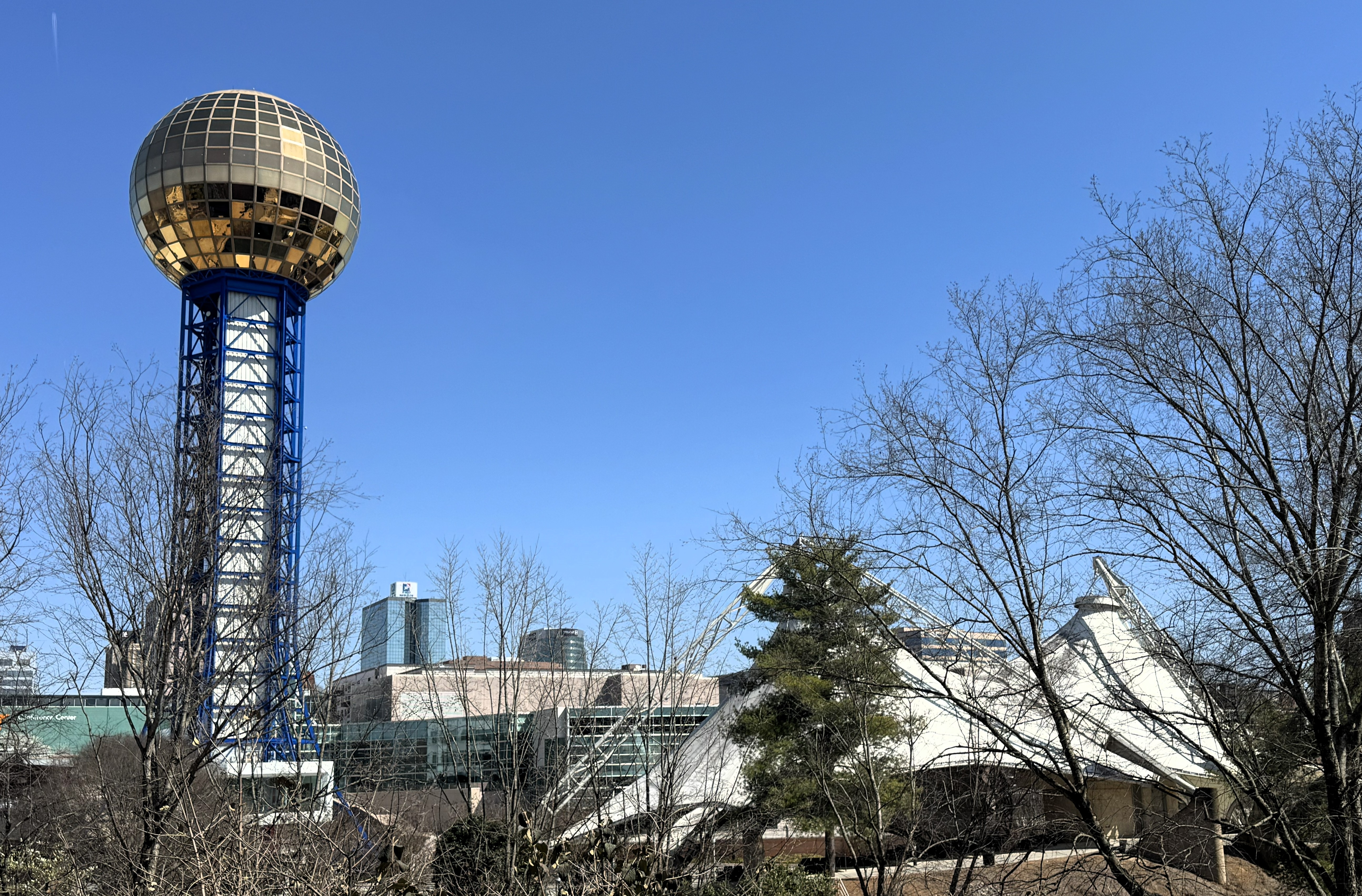
Heading west toward the University of Tennessee campus, I passed by World’s Fair Park and took photos of the World’s Fair Sphere and pavilions built for the event. Knoxville hosted the World’s Fair — officially known as the “Knoxville International Energy Exposition” — in 1982.
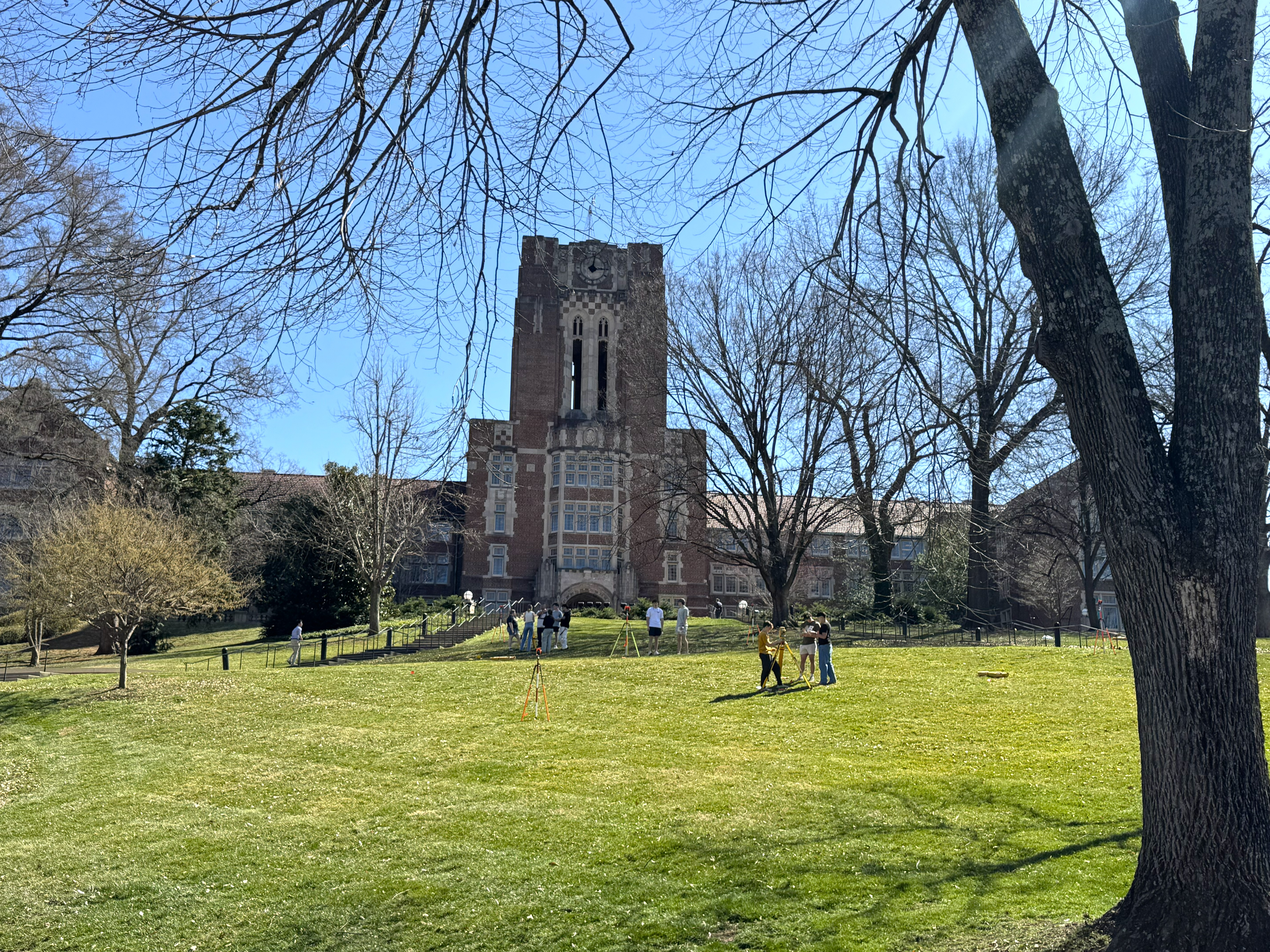
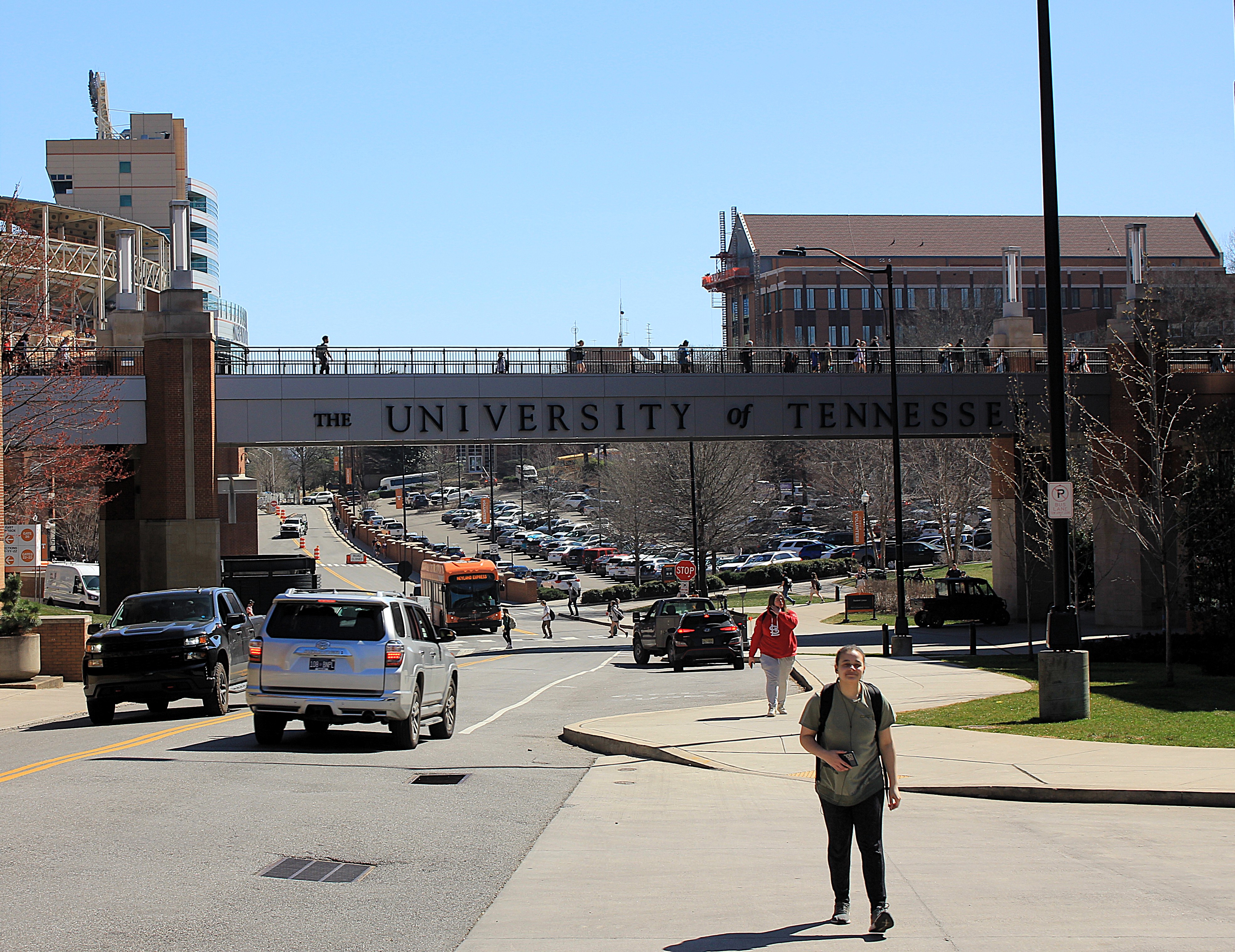
I continued walking for about half a mile to the University of Tennessee campus, using Google Maps to guide me. The streets were full of college students going to and from classes, and I felt a little out of place — although they didn’t seem to mind a man with a camera walking among them.
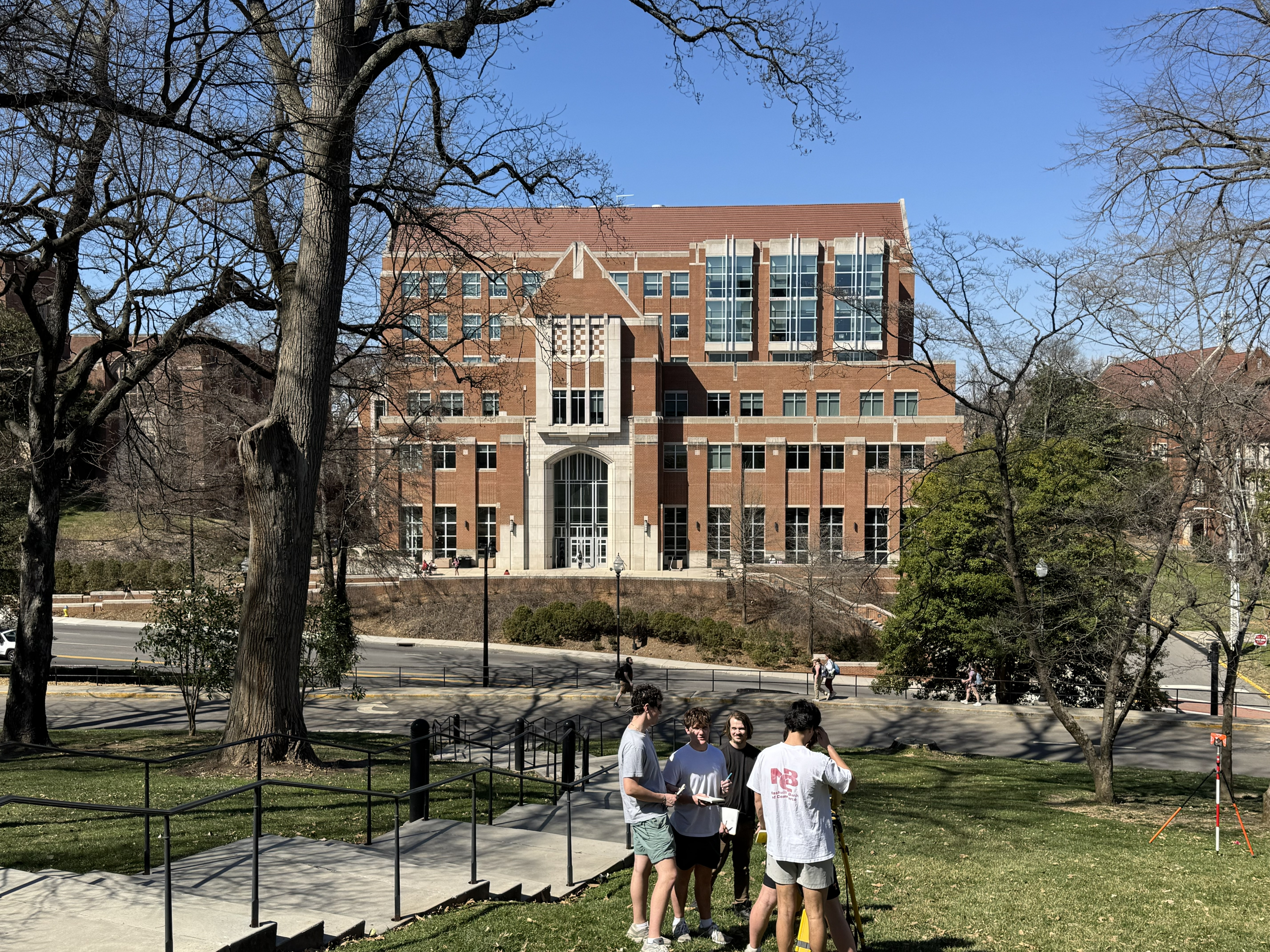
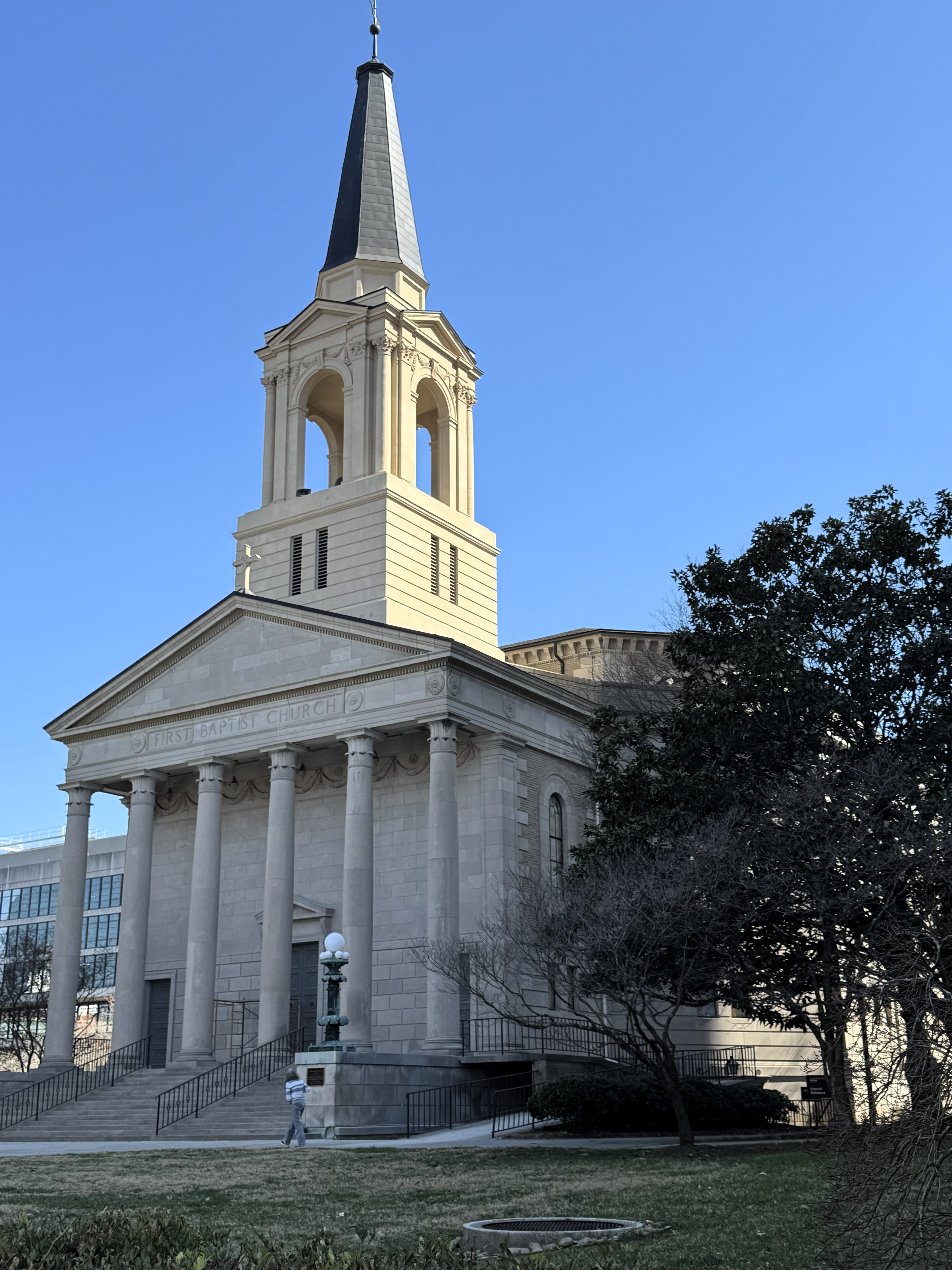
I passed Knoxville’s First Baptist Church building on my way back to the car. I couldn’t help snapping a photo of its classic style.
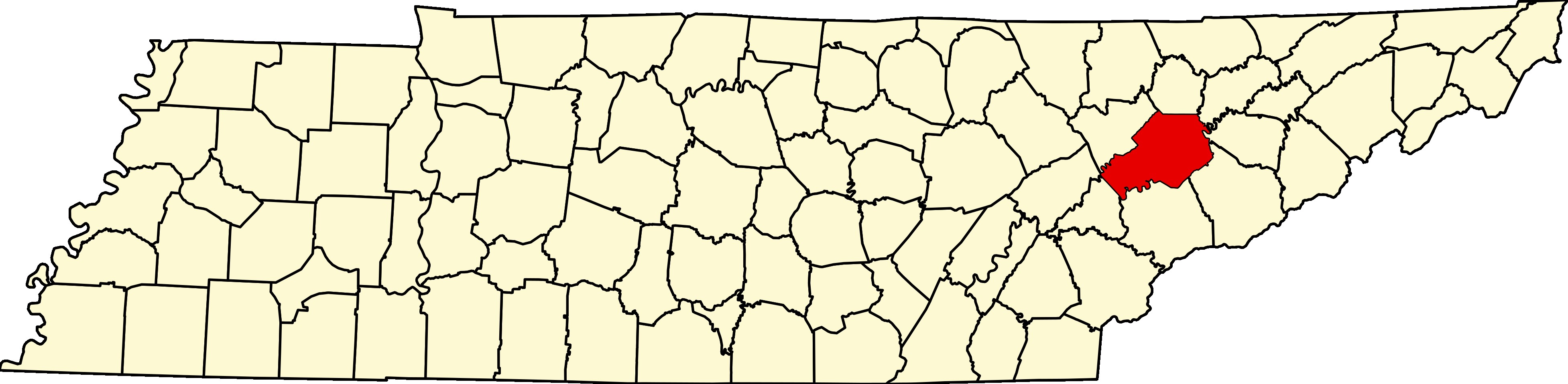
Knox County within the State of Tennessee

Click here for a list of all TimManBlog American County Seats Series posts.
The photos in this post were taken on March 12, 2025, and are copyrighted by Tim Seibel.

Donations to TimManBlog

I post about a visit to one of America’s 3,150 county seats each month. Donations are greatly appreciated to help defray my travel costs.

$5.00

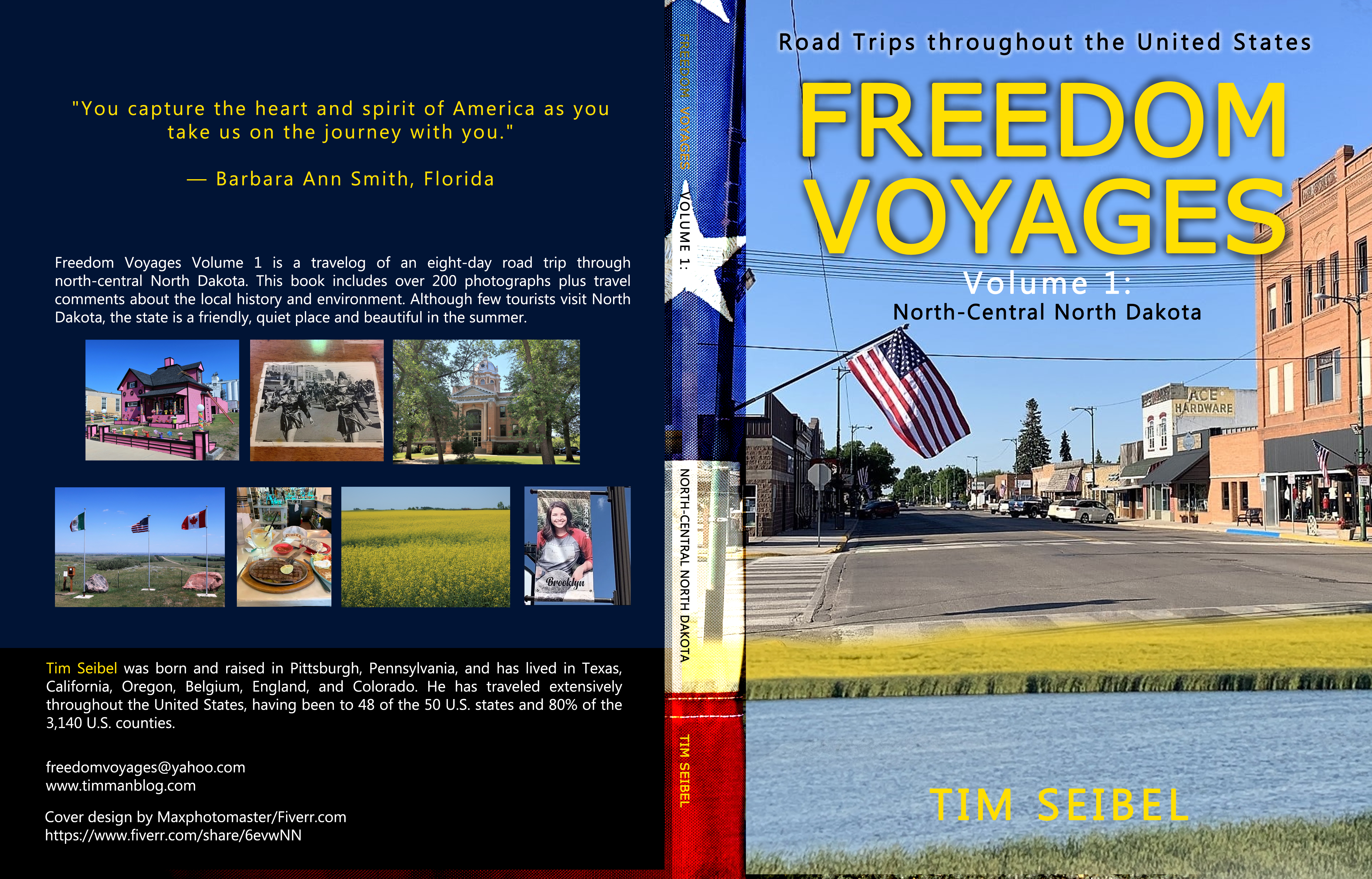
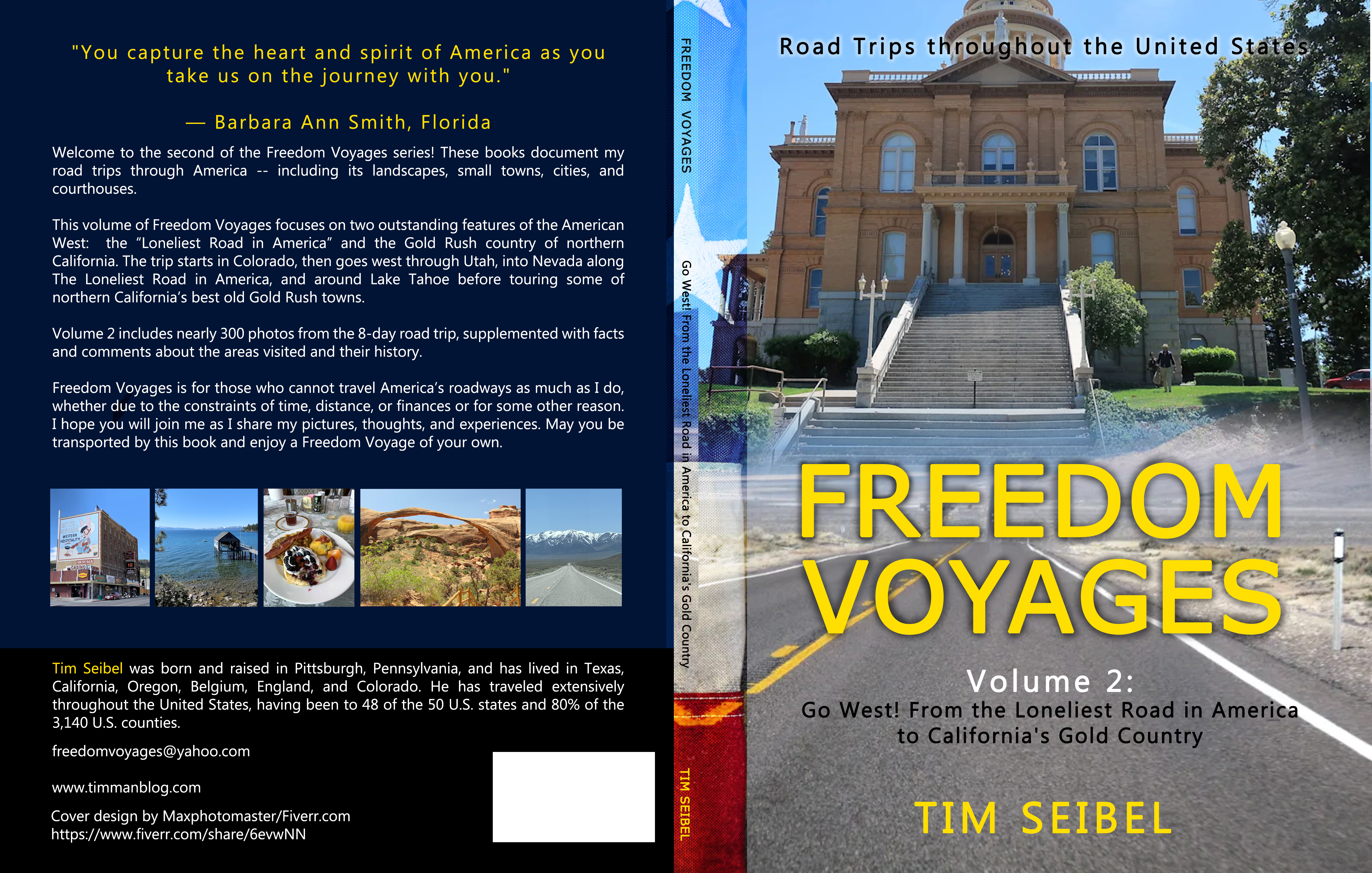
Check out the FREEDOM VOYAGES book series! These books document my road trips across the United States and include hundreds of stunning photographs. Each of the four books in the series is available on Amazon and Barnes & Noble. This includes my most recent release, FREEDOM VOYAGES Volume 4: Christmastime in Texas!
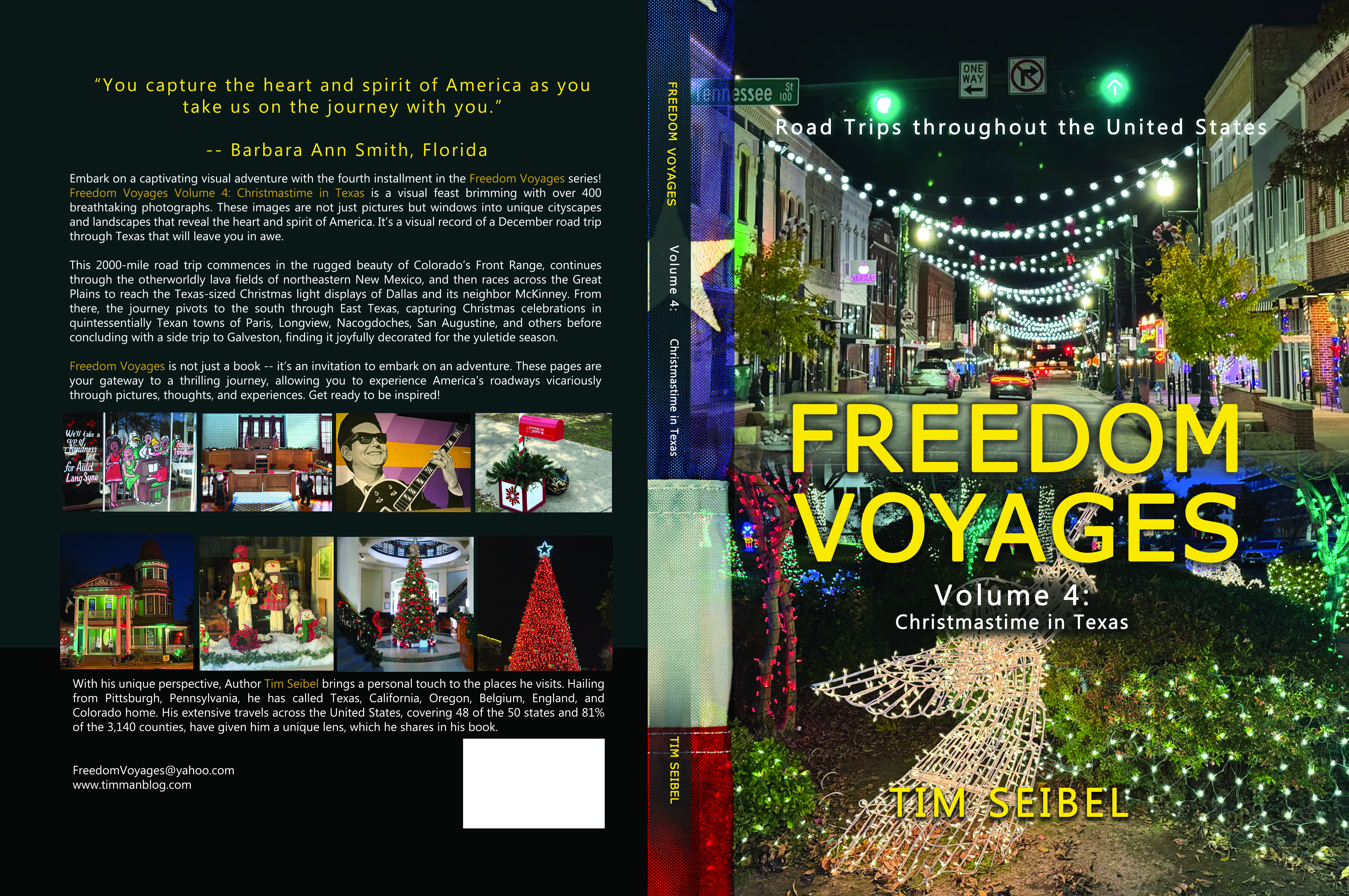
FREEDOM VOYAGES Volume 4: Christmastime in Texas. Available at Amazon.com and Barnes & Noble.

Earlier volumes in the FREEDOM VOYAGES series are also available:
Vol. 1: North-Central North Dakota
Vol. 2: Go West! From the Loneliest Road in America to California’s Gold Country
Vol. 3: A Proud, Dignified People in Lincoln’s Illinois
All FREEDOM VOYAGES books are on sale at Amazon.com and Barnes & Noble.

Discover the Historic Beauty of Bisbee, Arizona in Pictures

Please consider donating to support my travels using the form at the bottom of the post. PayPal, Visa, American Express, Mastercard, Discover, and Maestro are accepted. Thank you.

January 28, 2026

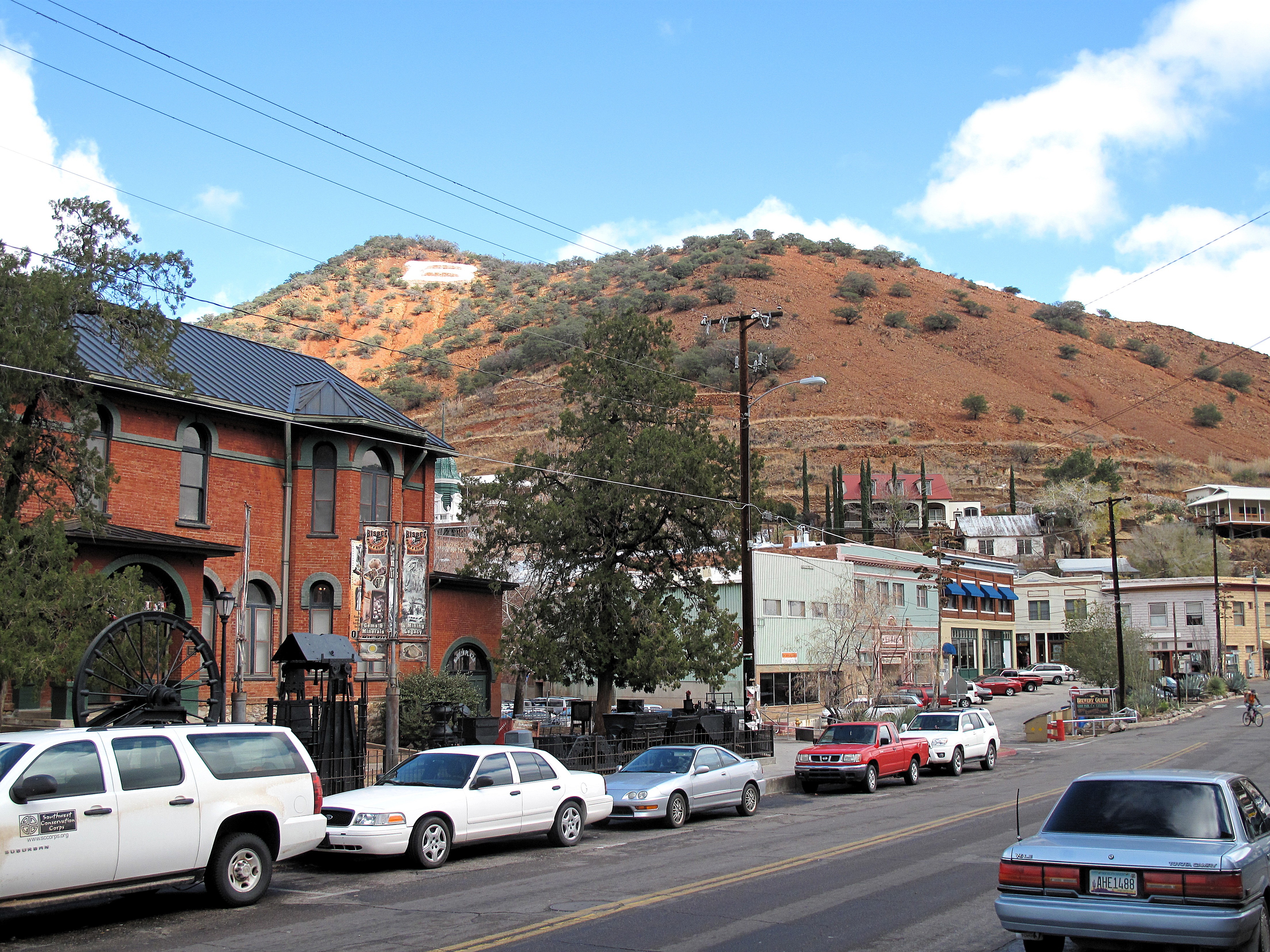
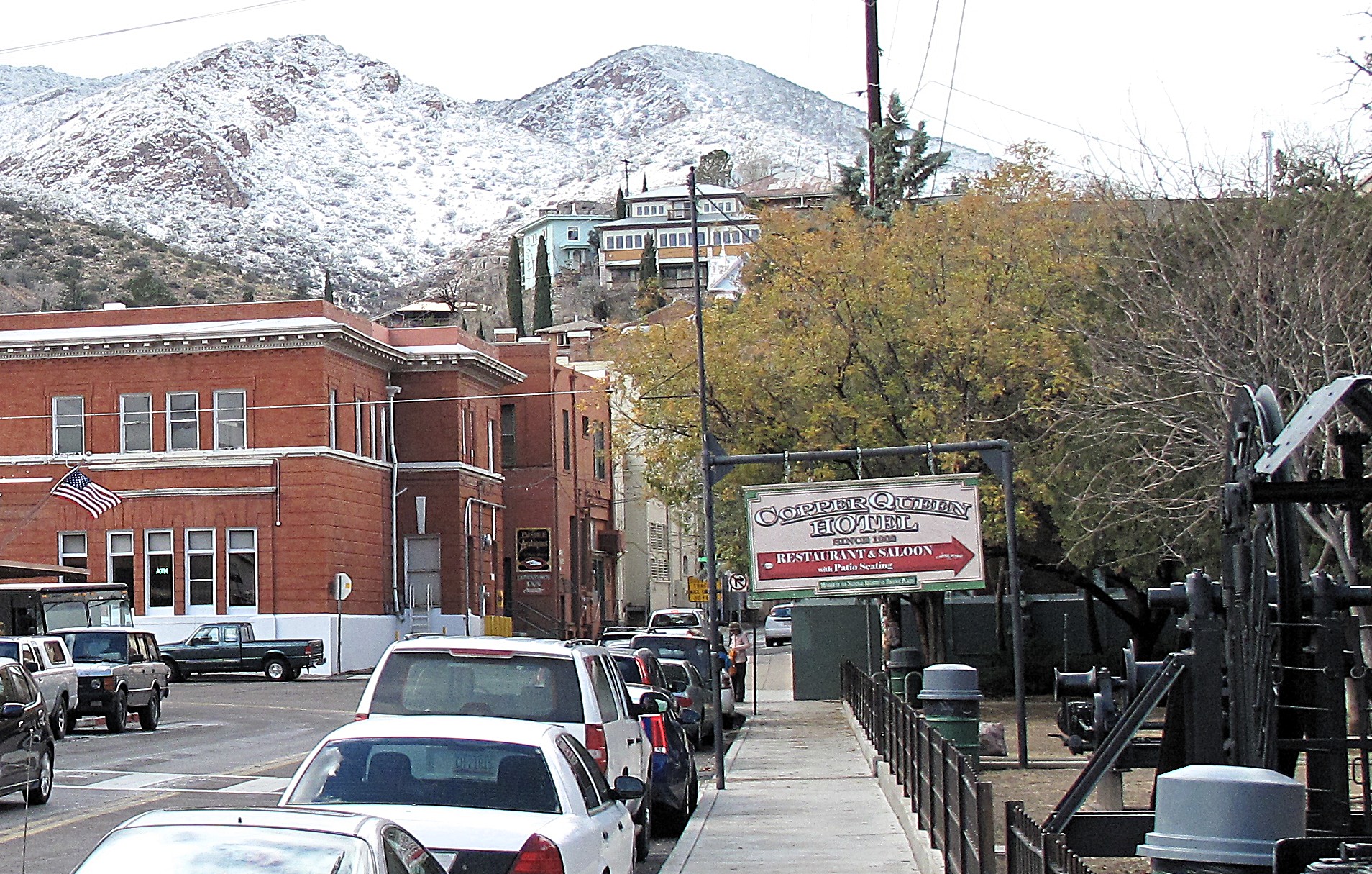
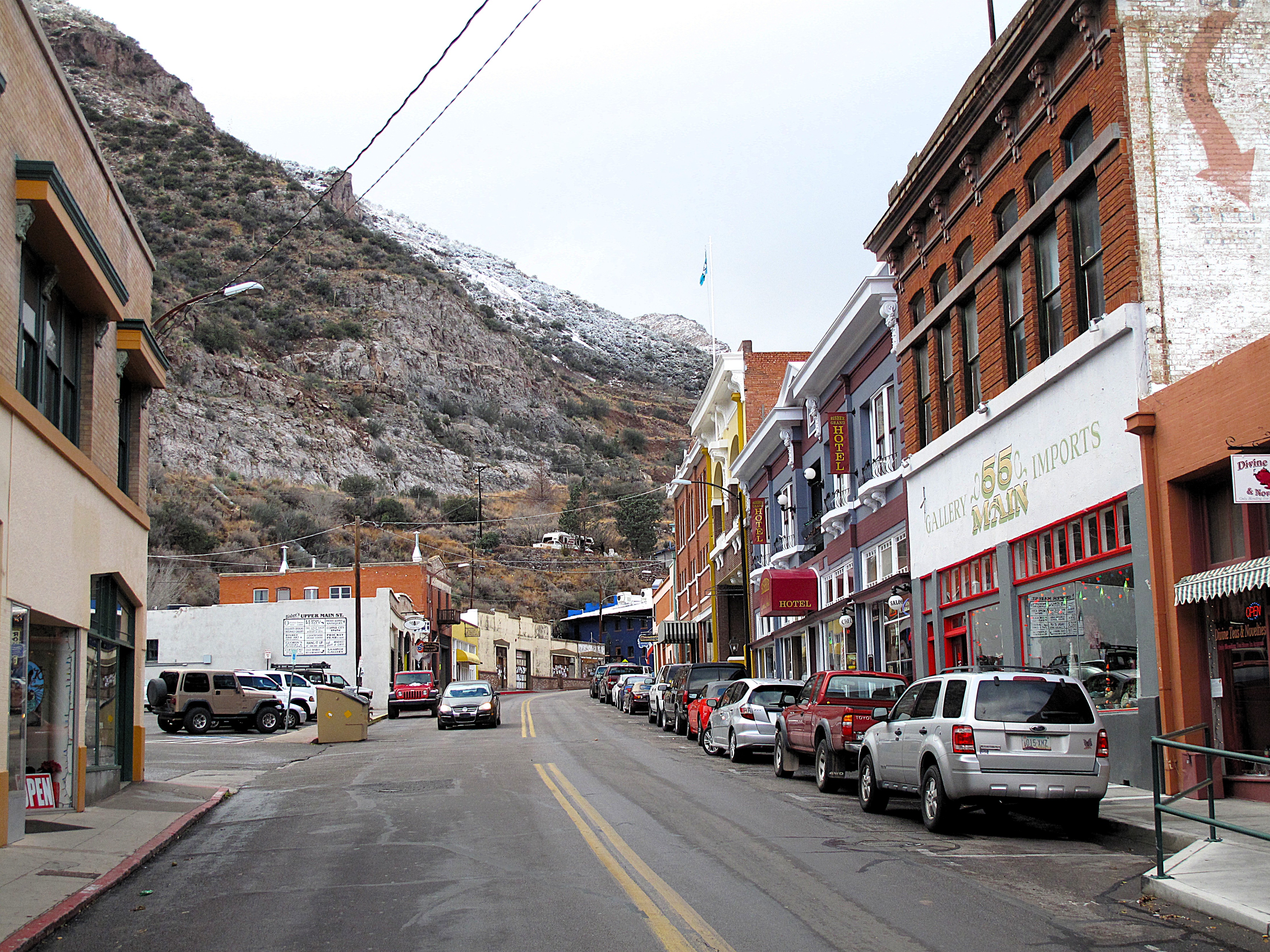
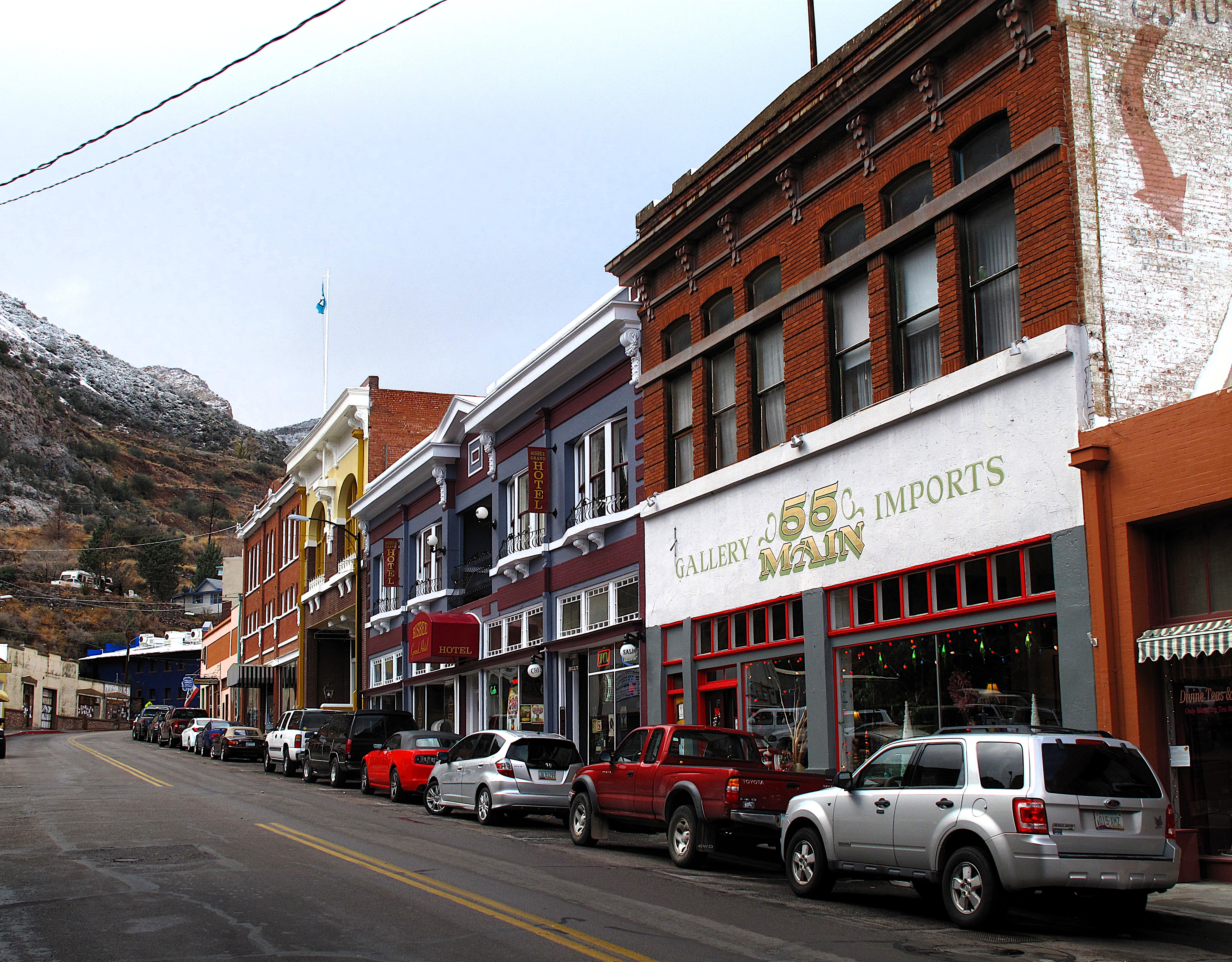
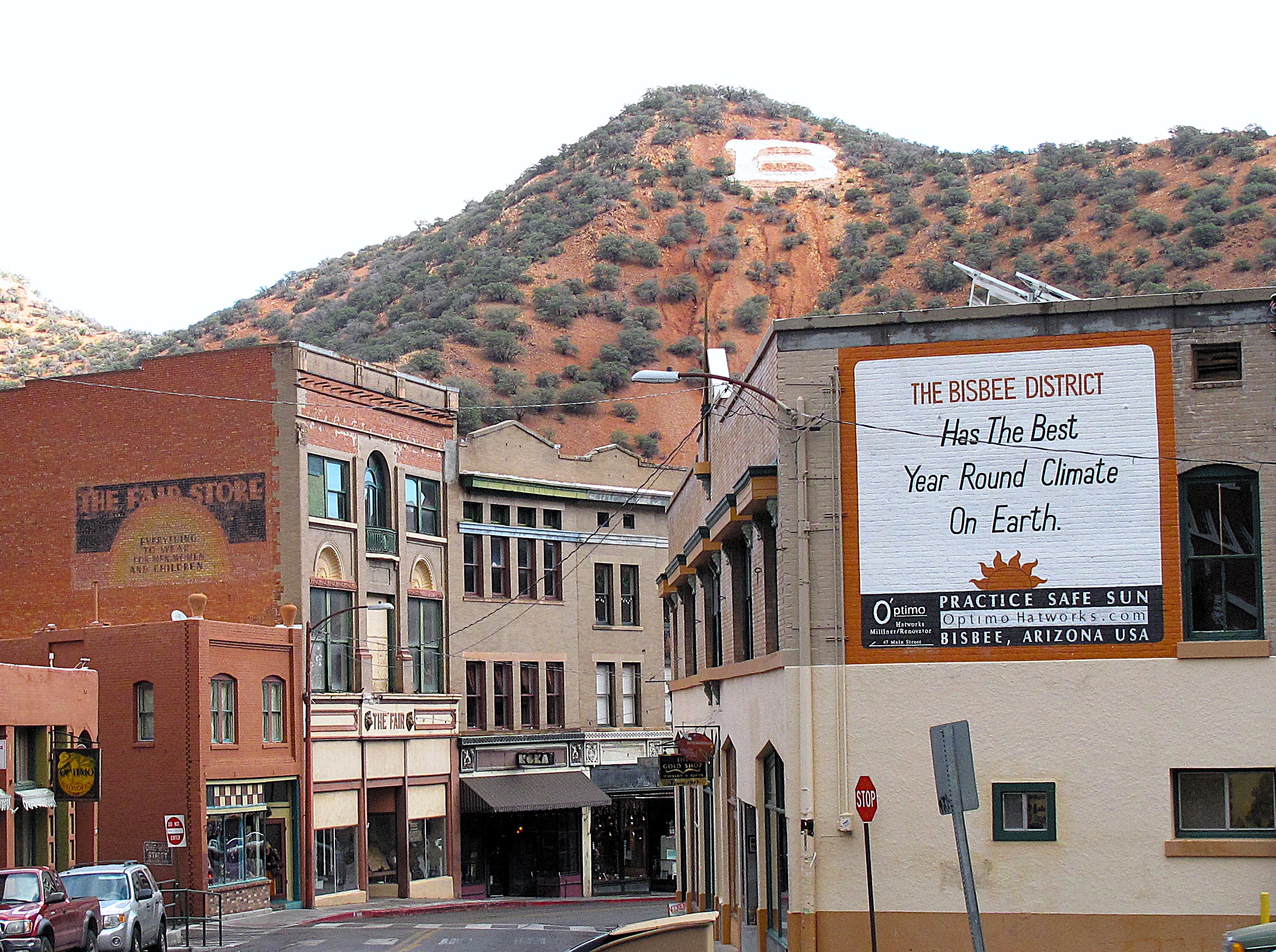
Boasting of having “the best year-round climate on Earth,” Bisbee, Arizona, sports a dusting of snow on its hillsides on a crisp, cold January morning. Bisbee is an old Western town that does a nice job of combining its old mining-town look with newer shops and restaurants. Seniors love it here. Motorists enjoy the winding streets through Bisbee’s hillsides, not knowing what lies around the next bend. I’d say it’s the American Southwest’s answer to an Italian mountain village like Assisi or Perugia.

Bisbee, Arizona — the “Best Year-Round Climate on Earth.”

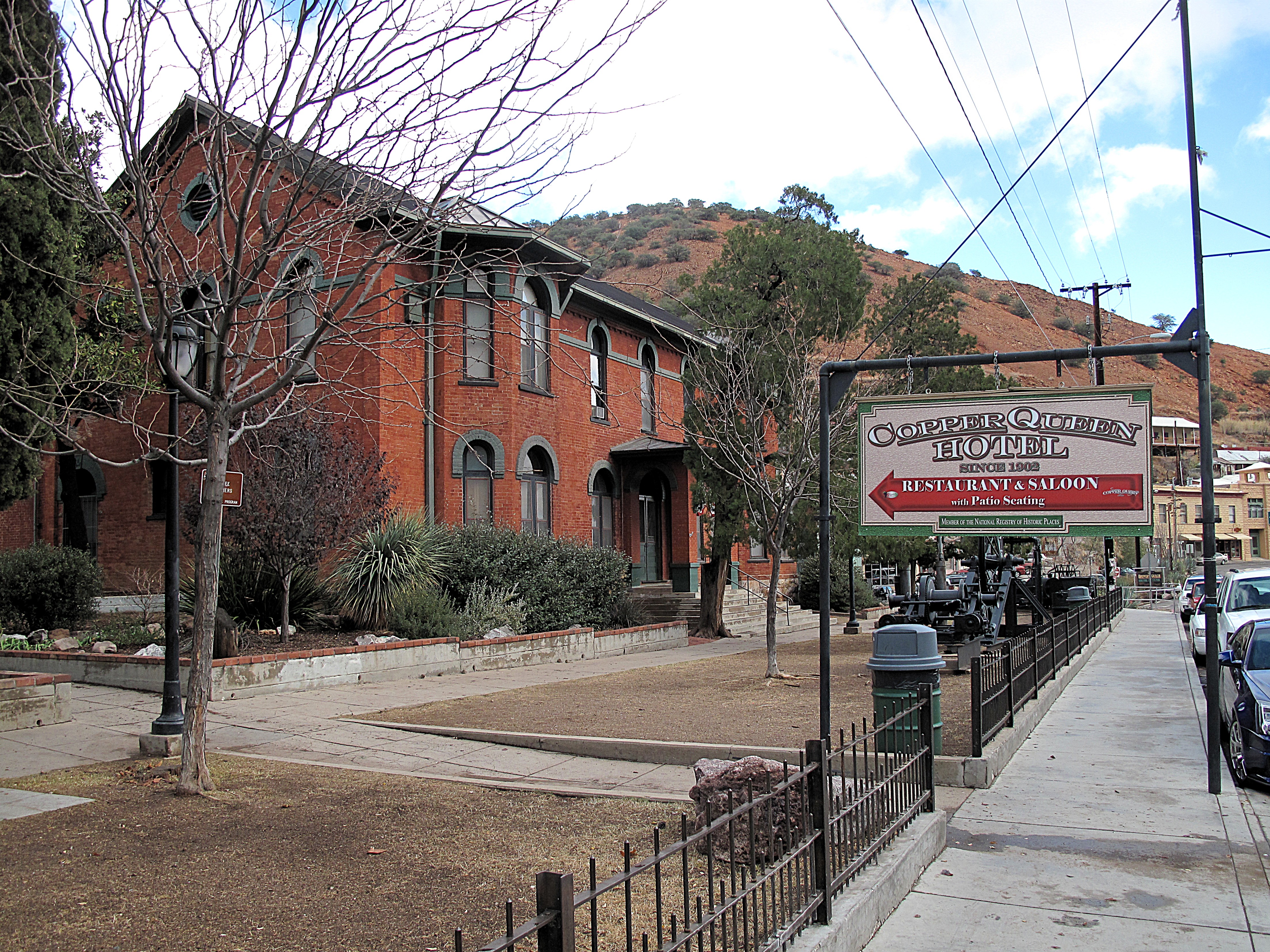
The following photographs will take you on an inspiring journey through Bisbee’s winding streets, showcasing its historic hotels and leading you up to the magnificent Cochise County Courthouse on Tombstone Canyon Road. We will conclude at the remarkable source of Bisbee’s old wealth — an open-pit copper mine.

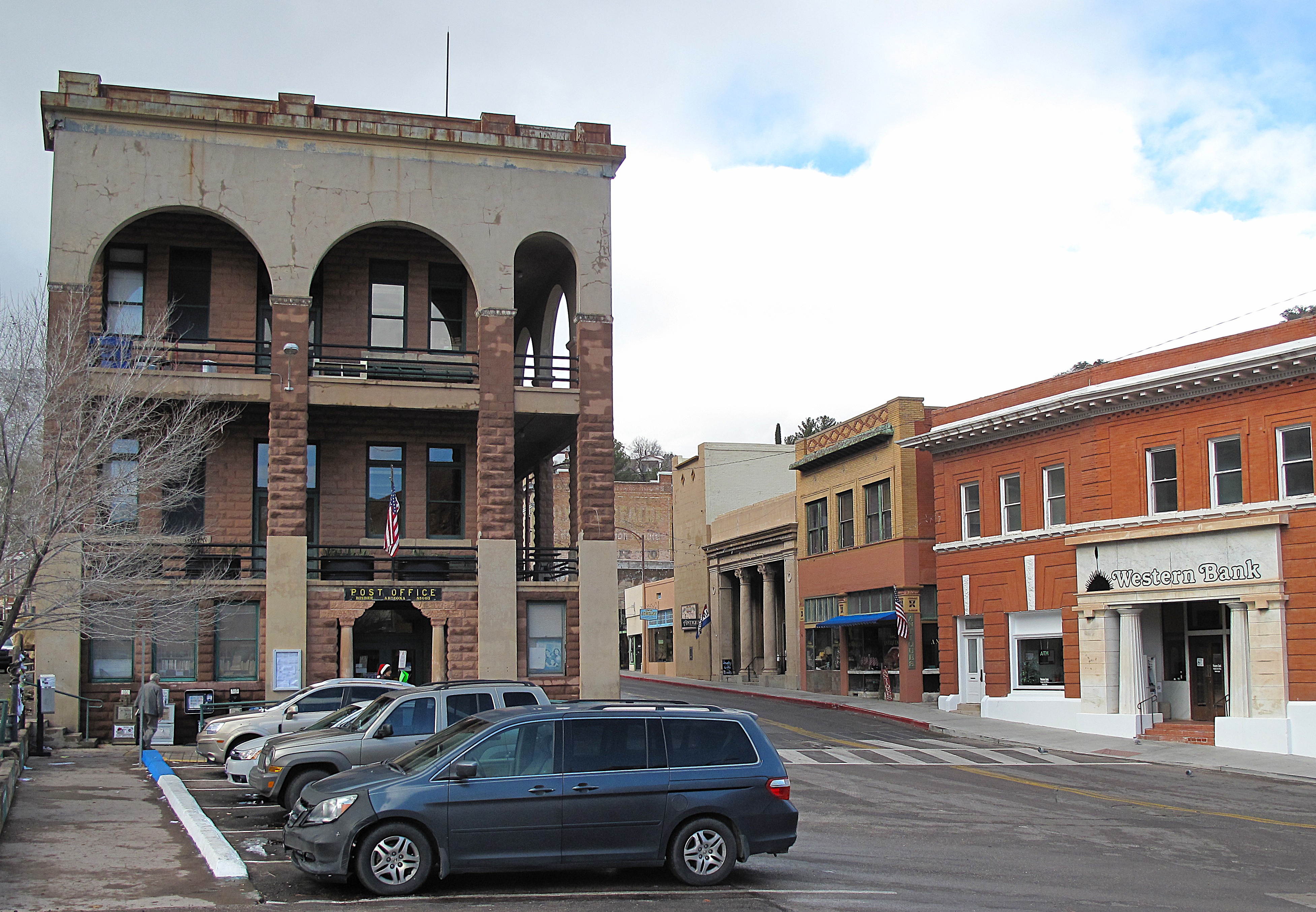
We’ll start near the bottom of the hill, near the old post office building, and move upward from there.

United States Post Office and the Western Bank across the street in Bisbee.

Amid the scrub trees on the hillside behind the hotel is a giant “B” for “Bisbee.”

Bisbee’s hillsides can be snow-covered in January, but the canyons below remain warm.

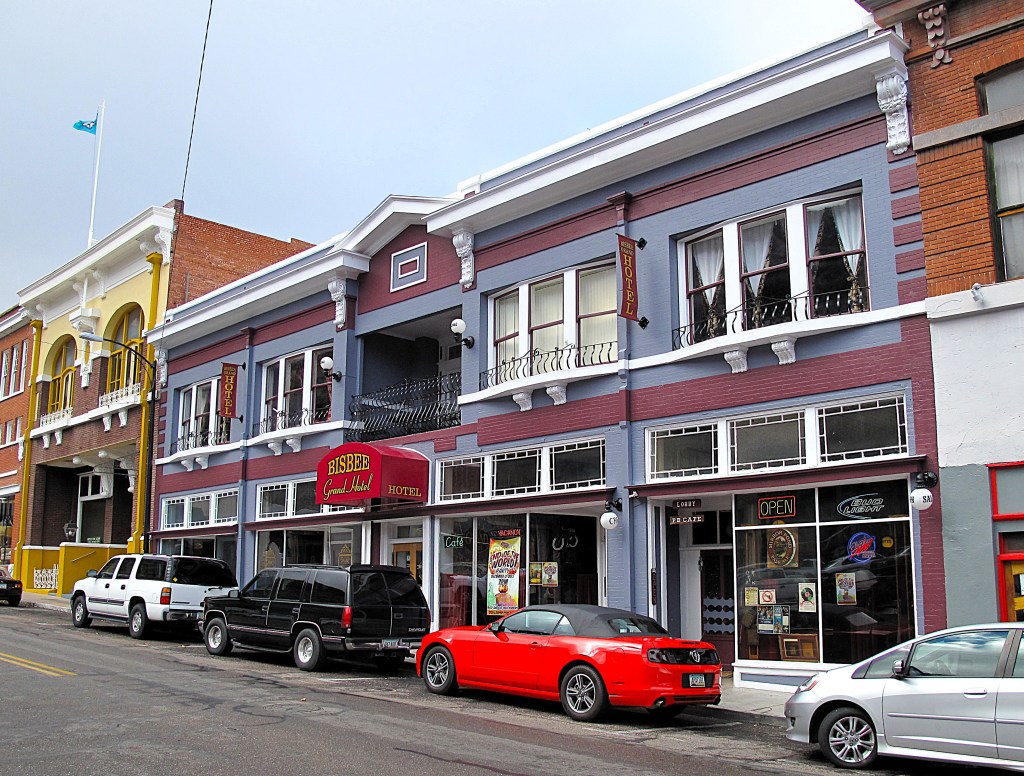
Winding uphill now, we pass old Victorian buildings. Downtown Bisbee is amazing!

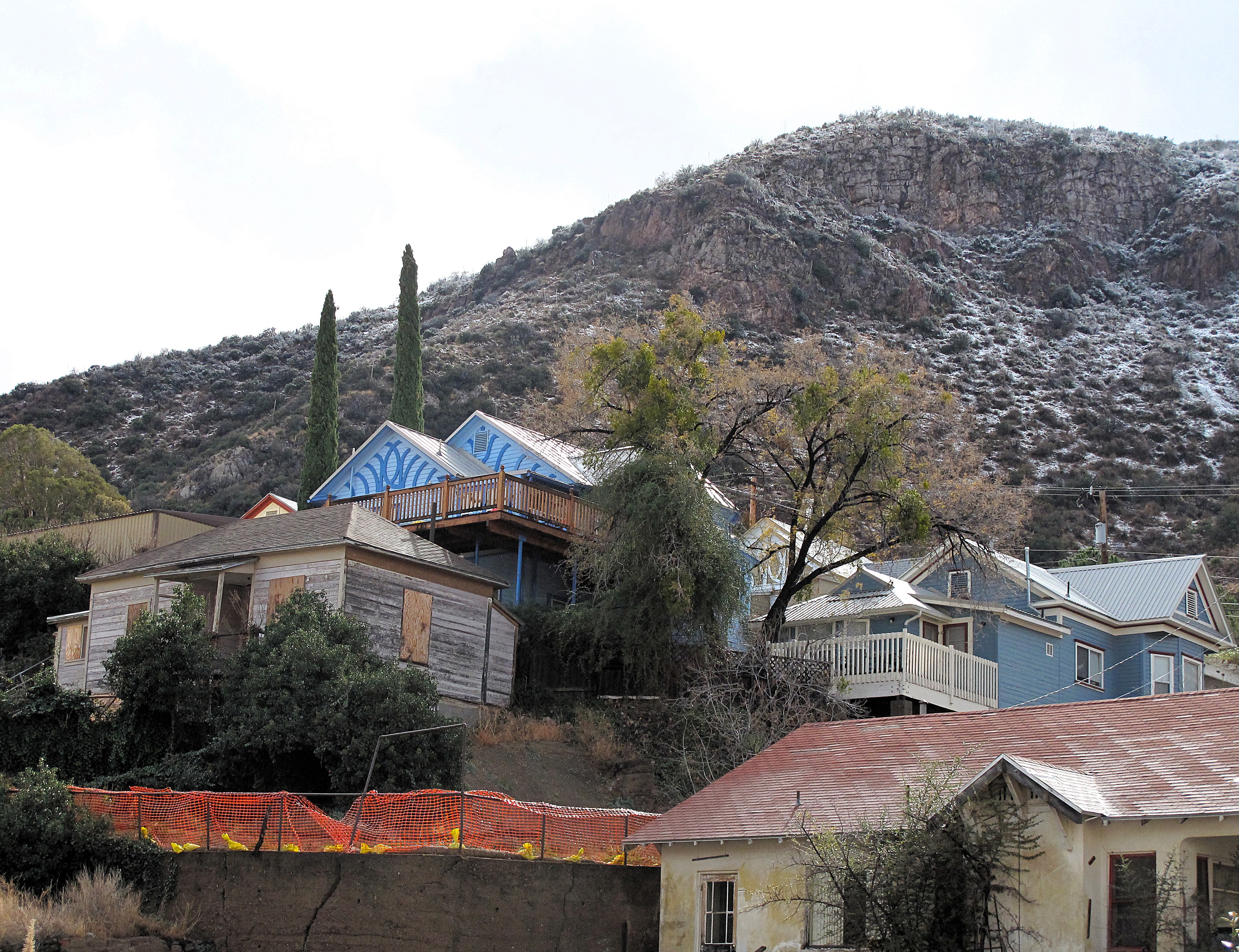
Old homes on the Bisbee hillsides.

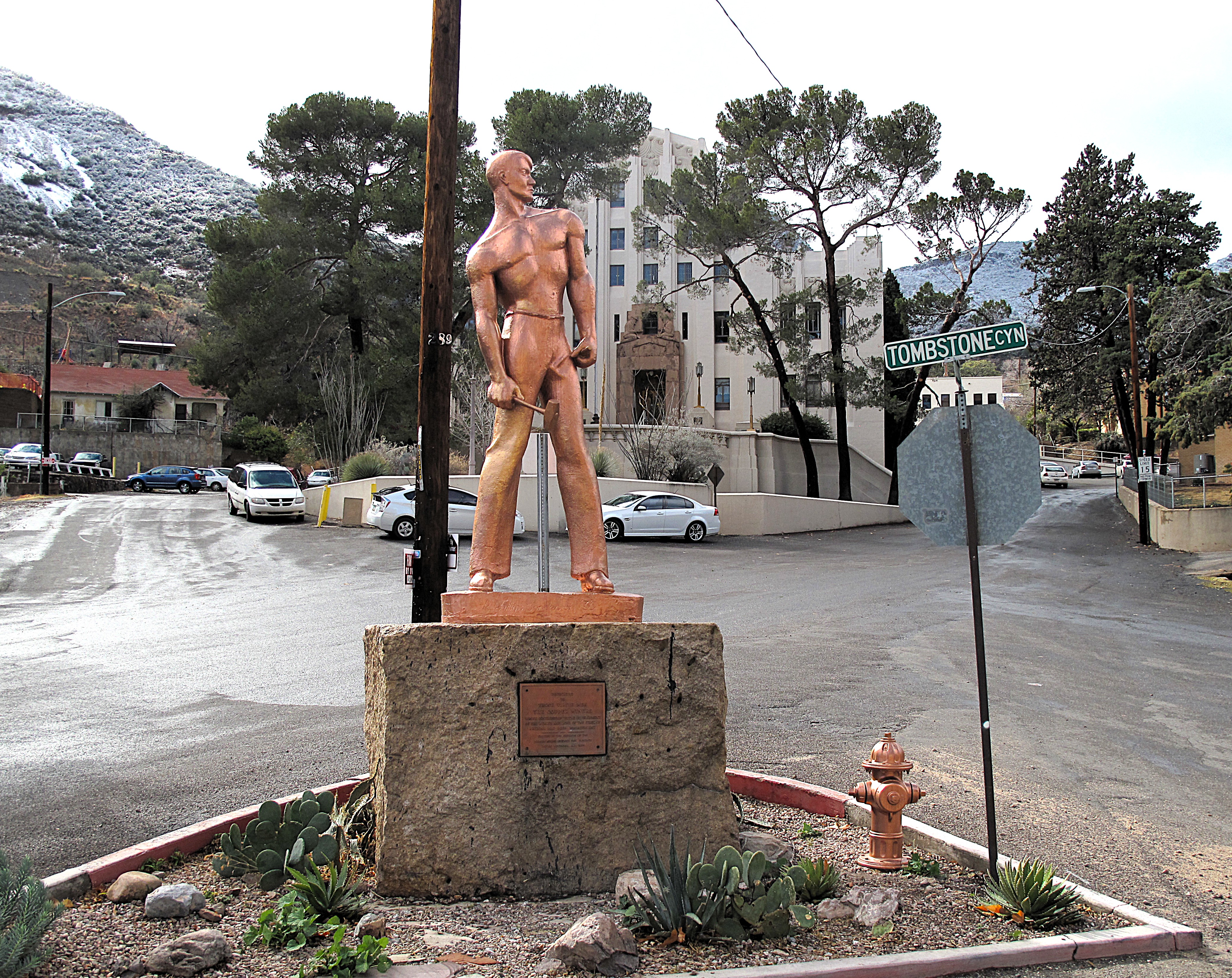
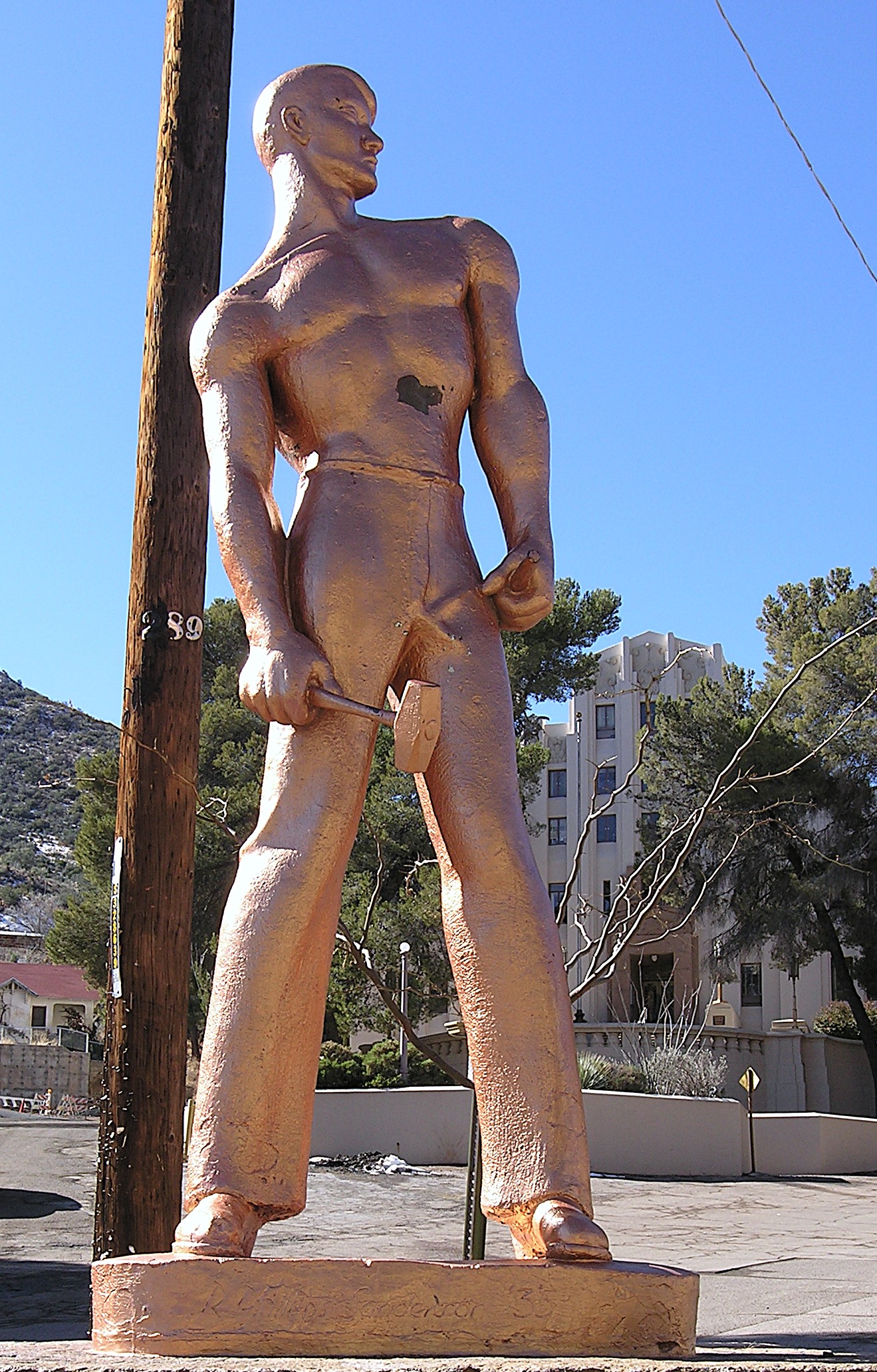
Above downtown, along Tombstone Canyon Road, stands a statue of a miner in front of the Cochise County Superior Court building. This statue, created by a local artist in 1935, is commonly referred to as Iron Man, the Virile Copper Miner, or the Copper Man. Its official name is the Courthouse Plaza Miners’ Monument. Interestingly, the statue is not made of iron or copper; it is made of concrete and coated in copper.

The Bisbee Copper Miner — “The Iron Man

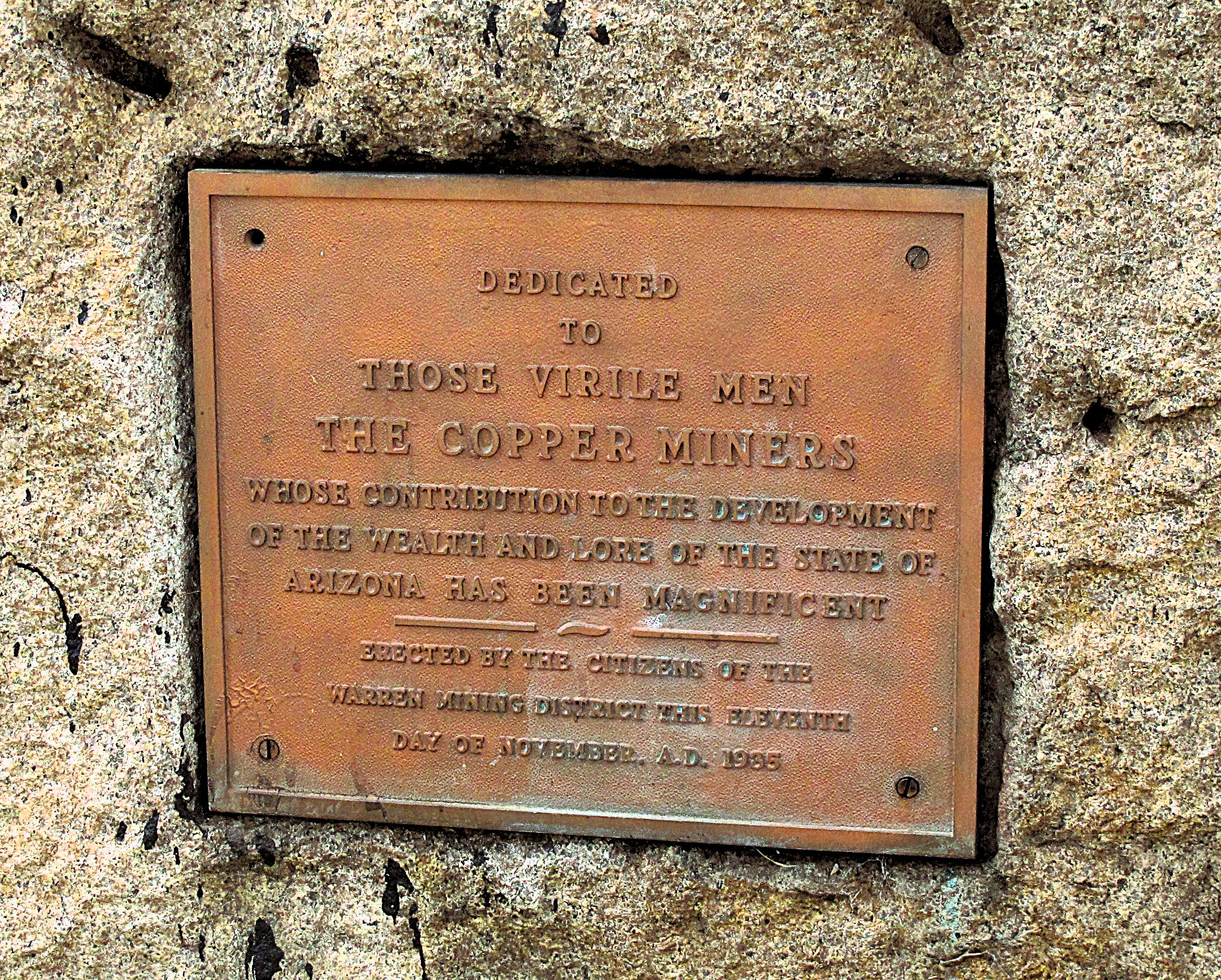
Below the statue is a plaque dedicated to “those virile men, the copper miners…”

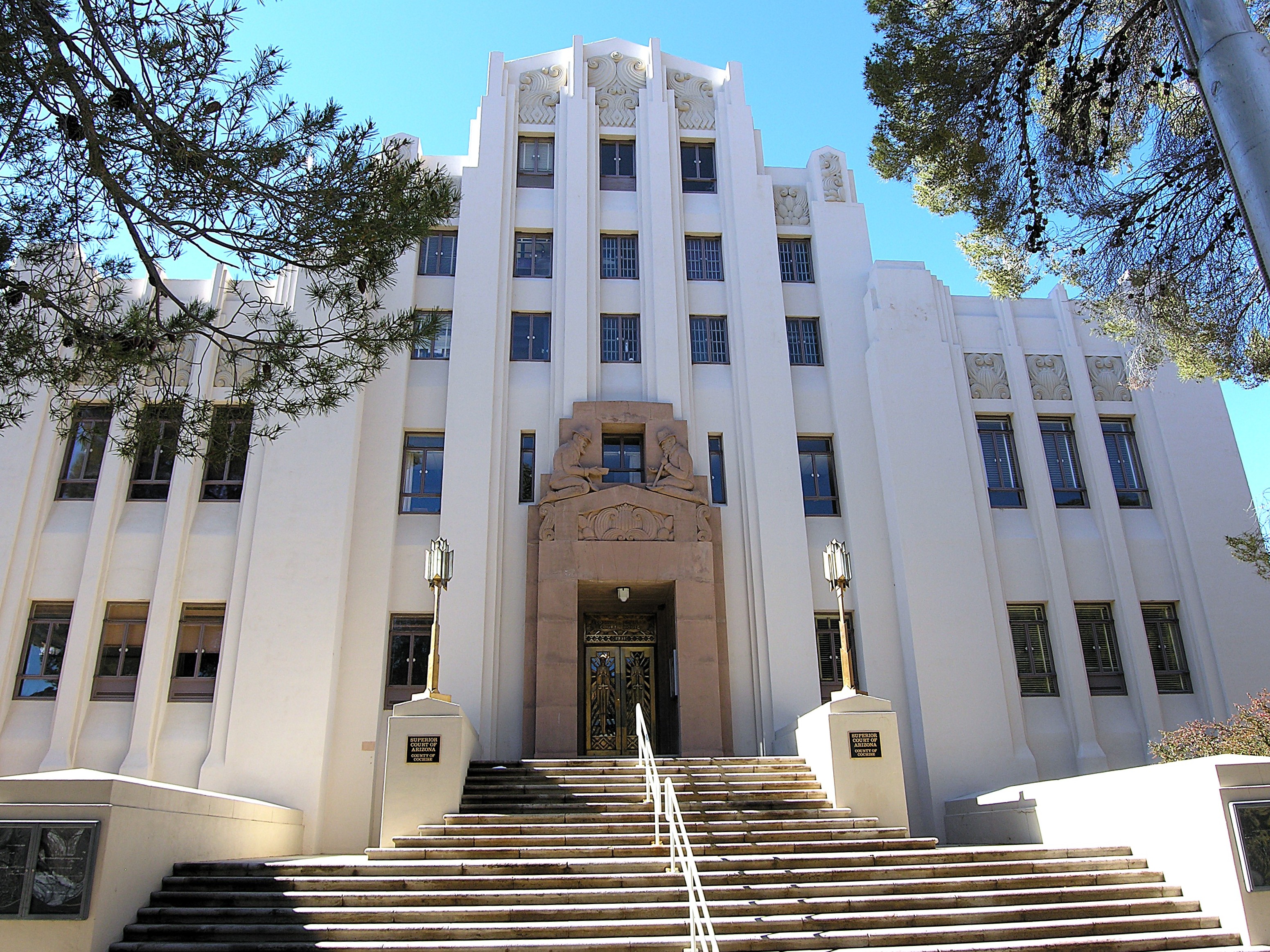
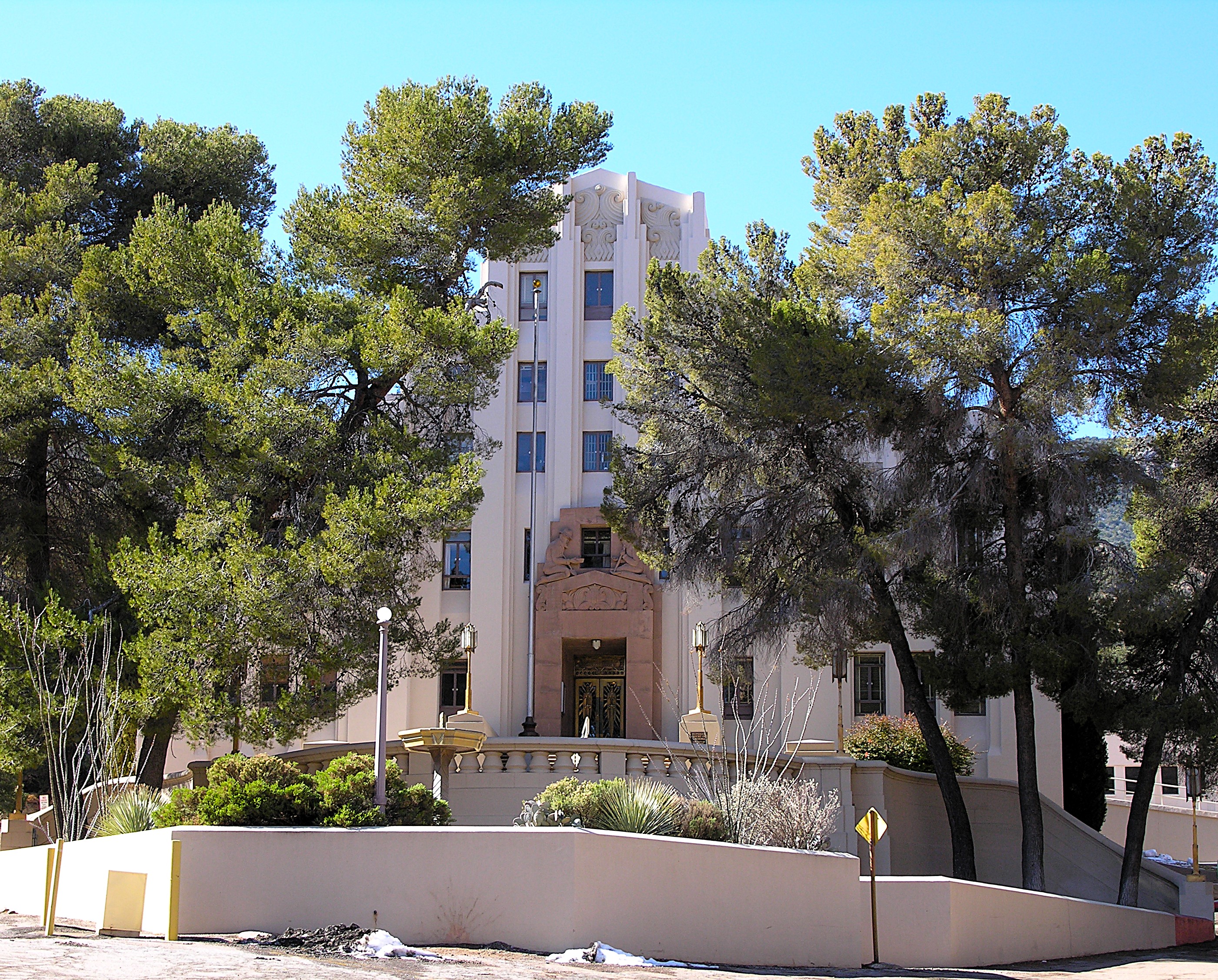
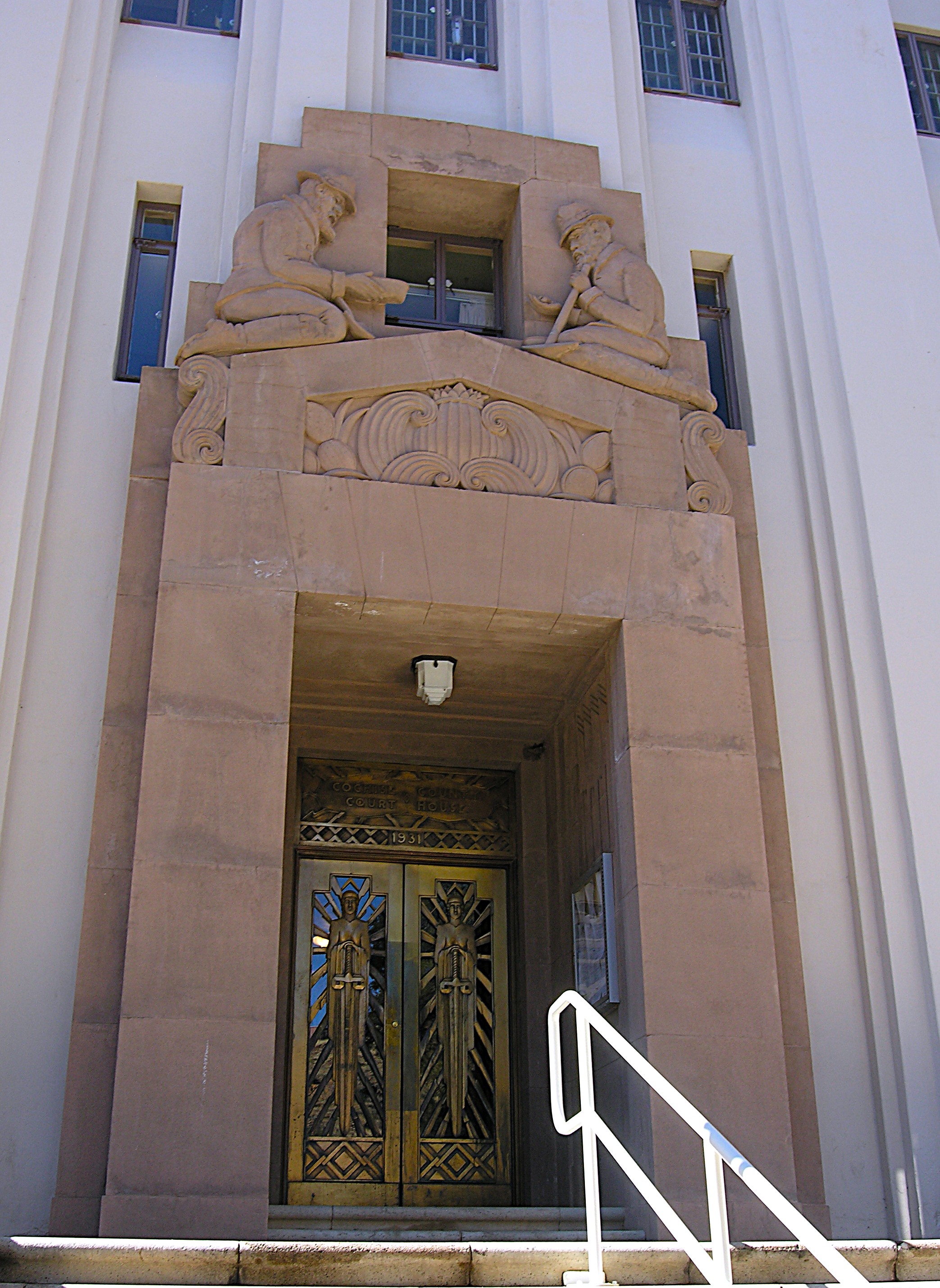
In the nearby plaza, the impressive Art Deco Cochise County courthouse stands as a tribute to copper. The building features all the distinctive Art Deco elements, including brass doors, ornate lampposts, and whitewashed walls.

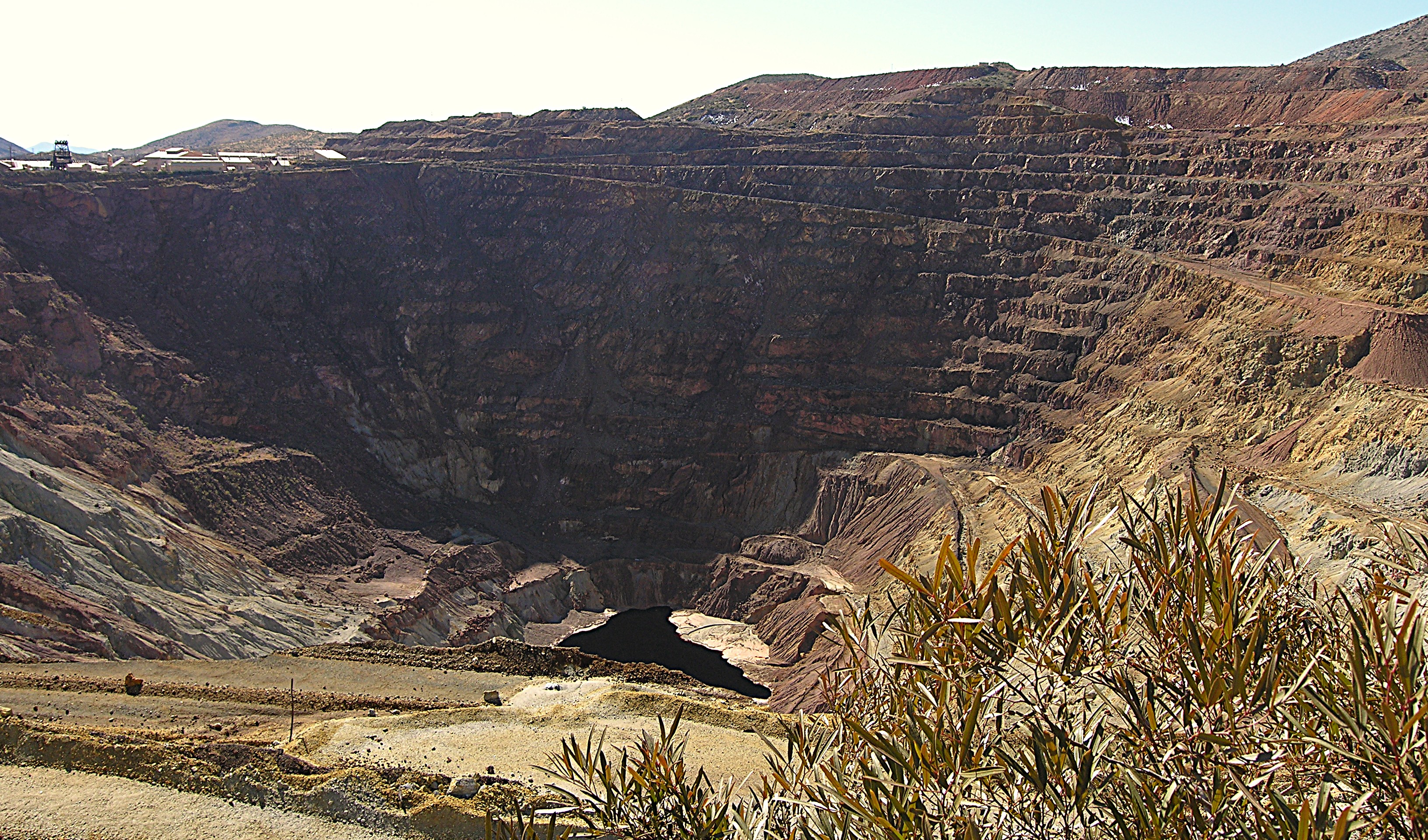
Approximately a mile away, but still within the city limits, lies the Lavender Pit open-pit copper mine. Although it closed in 1974, the pit continues to produce a small amount of metal through leaching.


The Lavender Pit copper mine (closed in 1974).
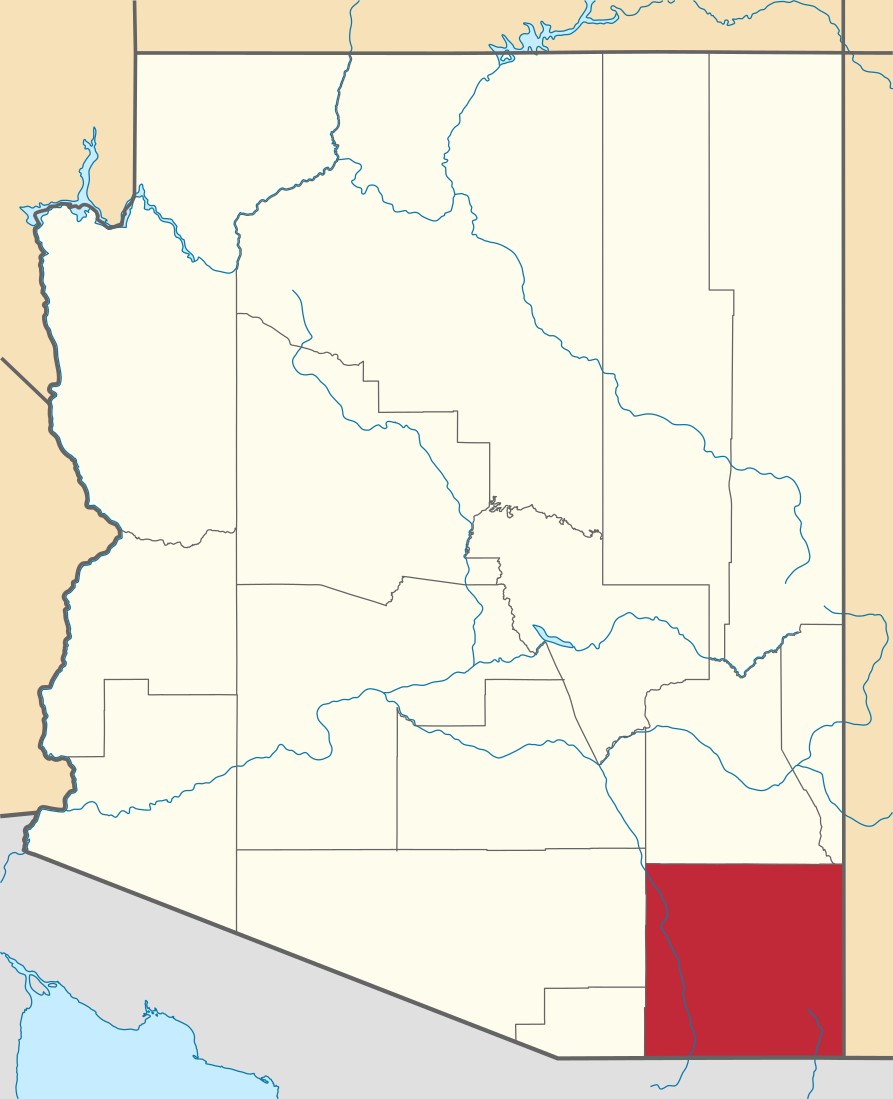
Cochise County within the state of Arizona

Click here for a list of all TimManBlog American County Seats Series posts.
The photos in this post were taken either on January 7, 2007, or December 14, 2012, and are copyrighted by Tim Seibel.

Donations to TimManBlog

I post about a visit to one of America’s 3,150 county seats each month. Donations are greatly appreciated to help defray my travel costs.

$5.00

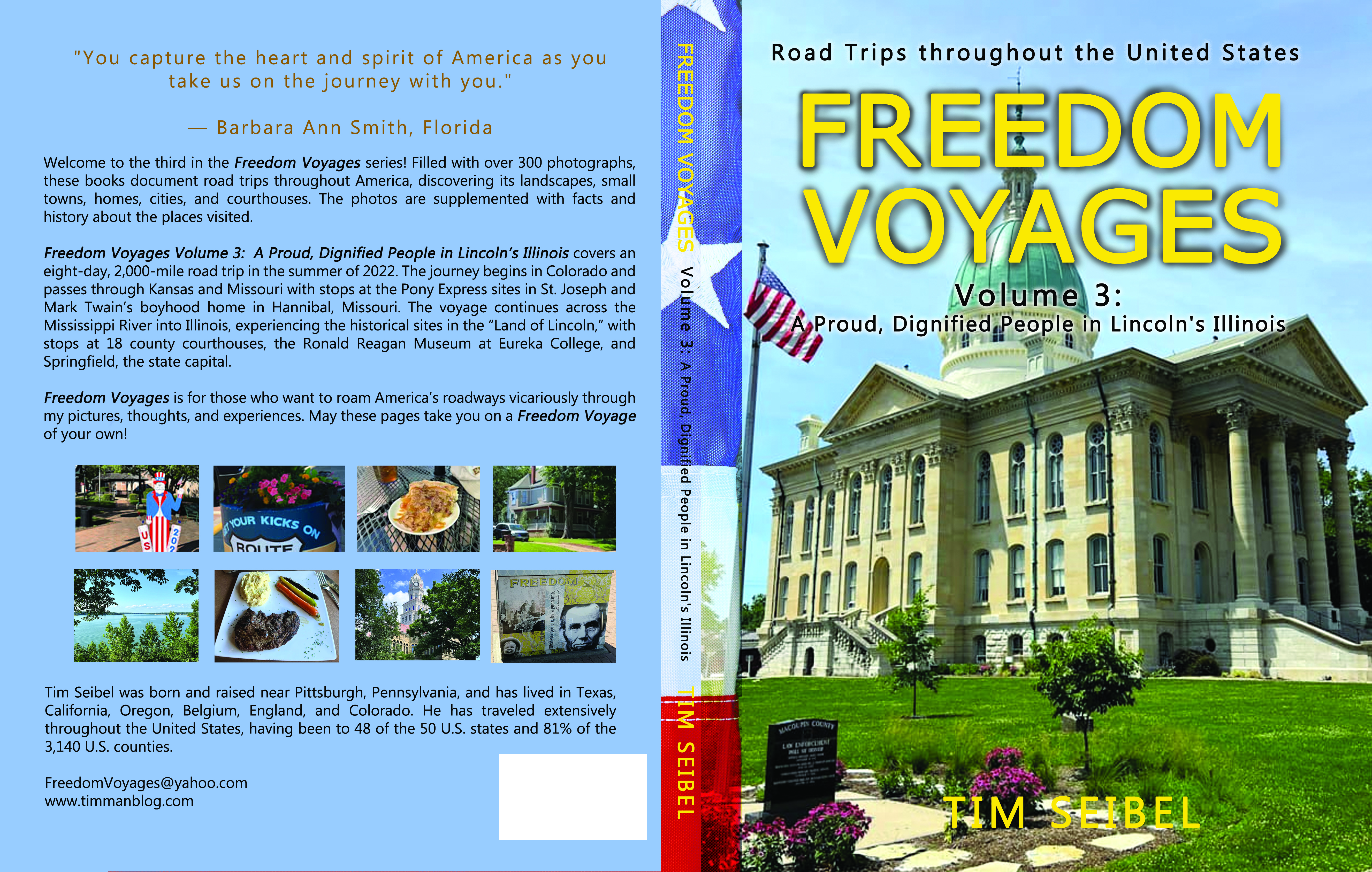
Check out the FREEDOM VOYAGES book series! These books document my road trips across the United States and include hundreds of stunning photographs. Each of the four books in the series is available on Amazon and Barnes & Noble. This includes my most recent release, FREEDOM VOYAGES Volume 4: Christmastime in Texas!

FREEDOM VOYAGES Volume 4: Christmastime in Texas. Available at Amazon.com and Barnes & Noble.

Earlier volumes in the FREEDOM VOYAGES series are also available:
Vol. 1: North-Central North Dakota
Vol. 2: Go West! From the Loneliest Road in America to California’s Gold Country
Vol. 3: A Proud, Dignified People in Lincoln’s Illinois
All FREEDOM VOYAGES books are on sale at Amazon.com and Barnes & Noble.
The Mansions of Cumberland, Maryland

Please consider donating to support my travels using the form at the bottom of the post. PayPal, Visa, American Express, Mastercard, Discover, and Maestro are accepted. Thank you.

October 31, 2025

What a cool town!

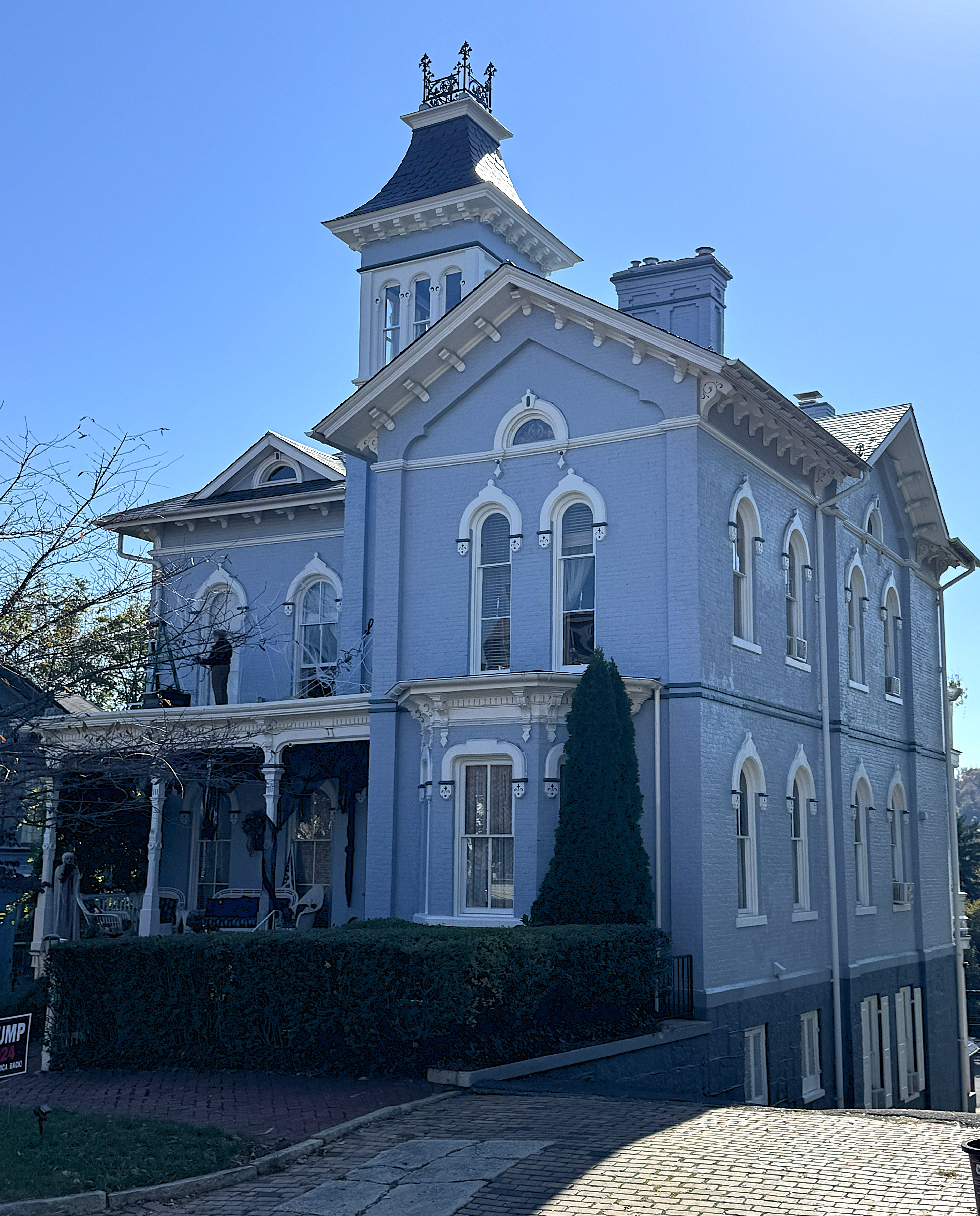
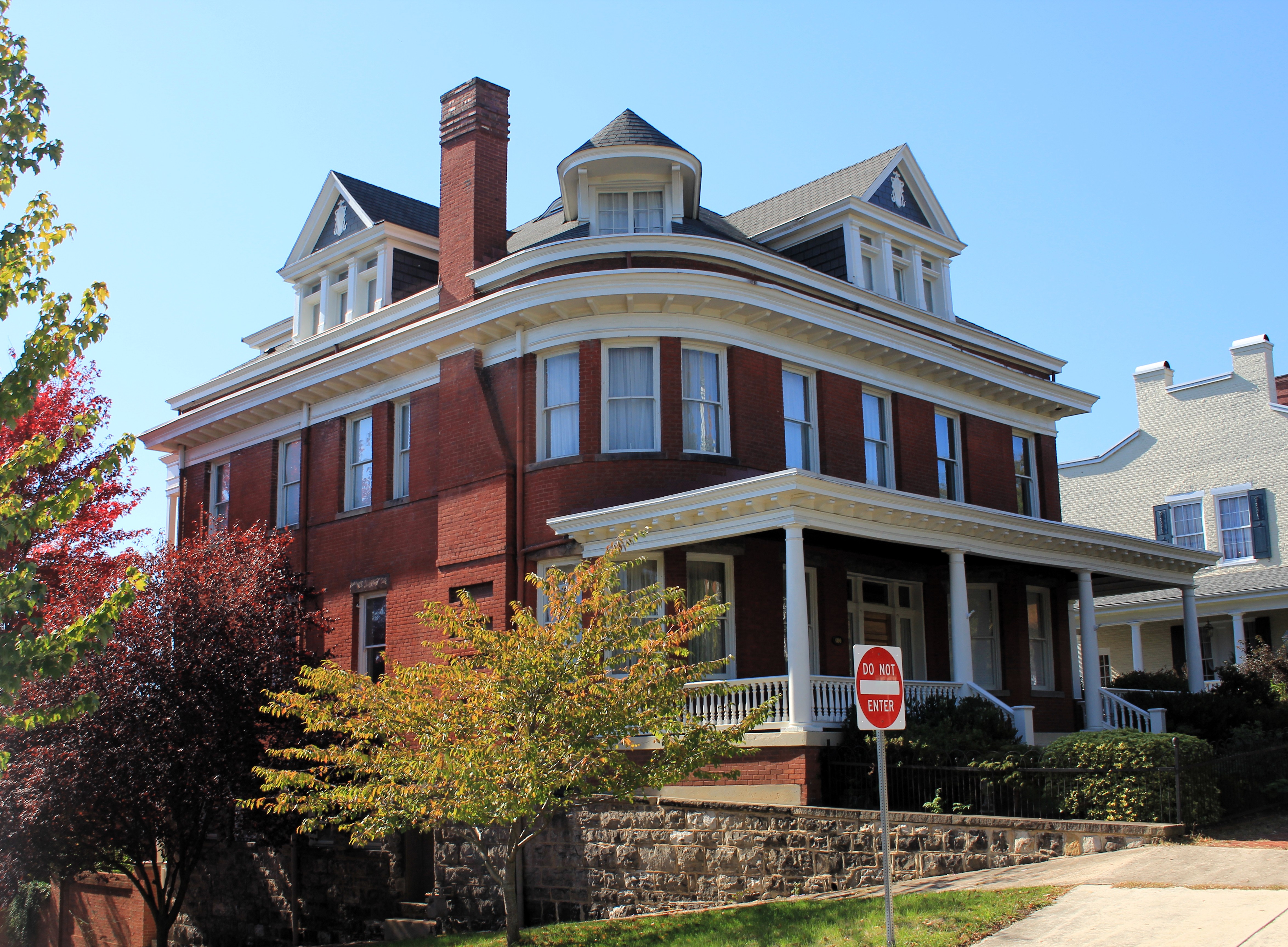
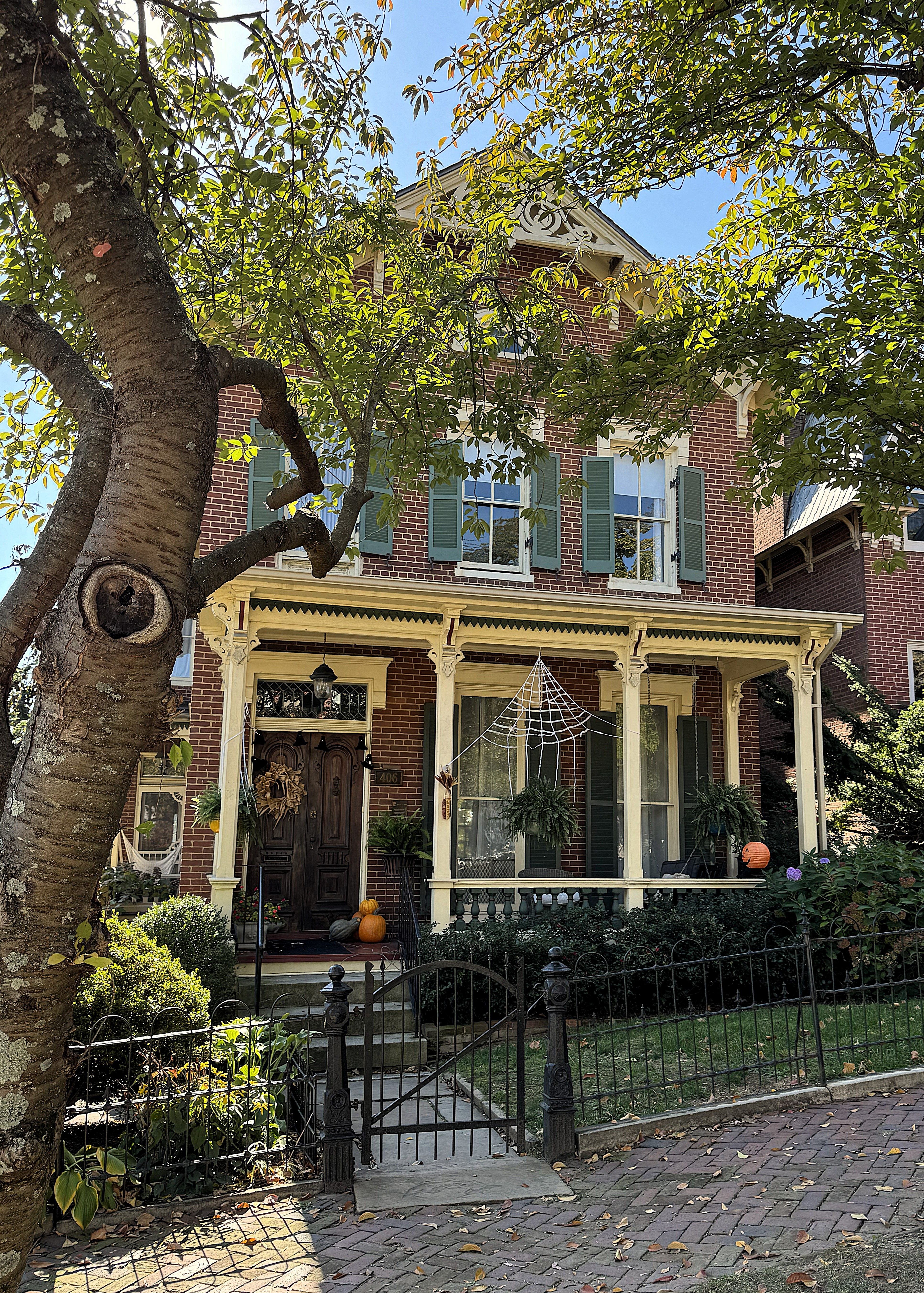
A Victorian mansion on Washington Street in Cumberland, Maryland.

I came to Cumberland, Maryland, to see the Allegany County Courthouse. I found a parking space on a shaded part of Washington Street, a block from the courthouse.

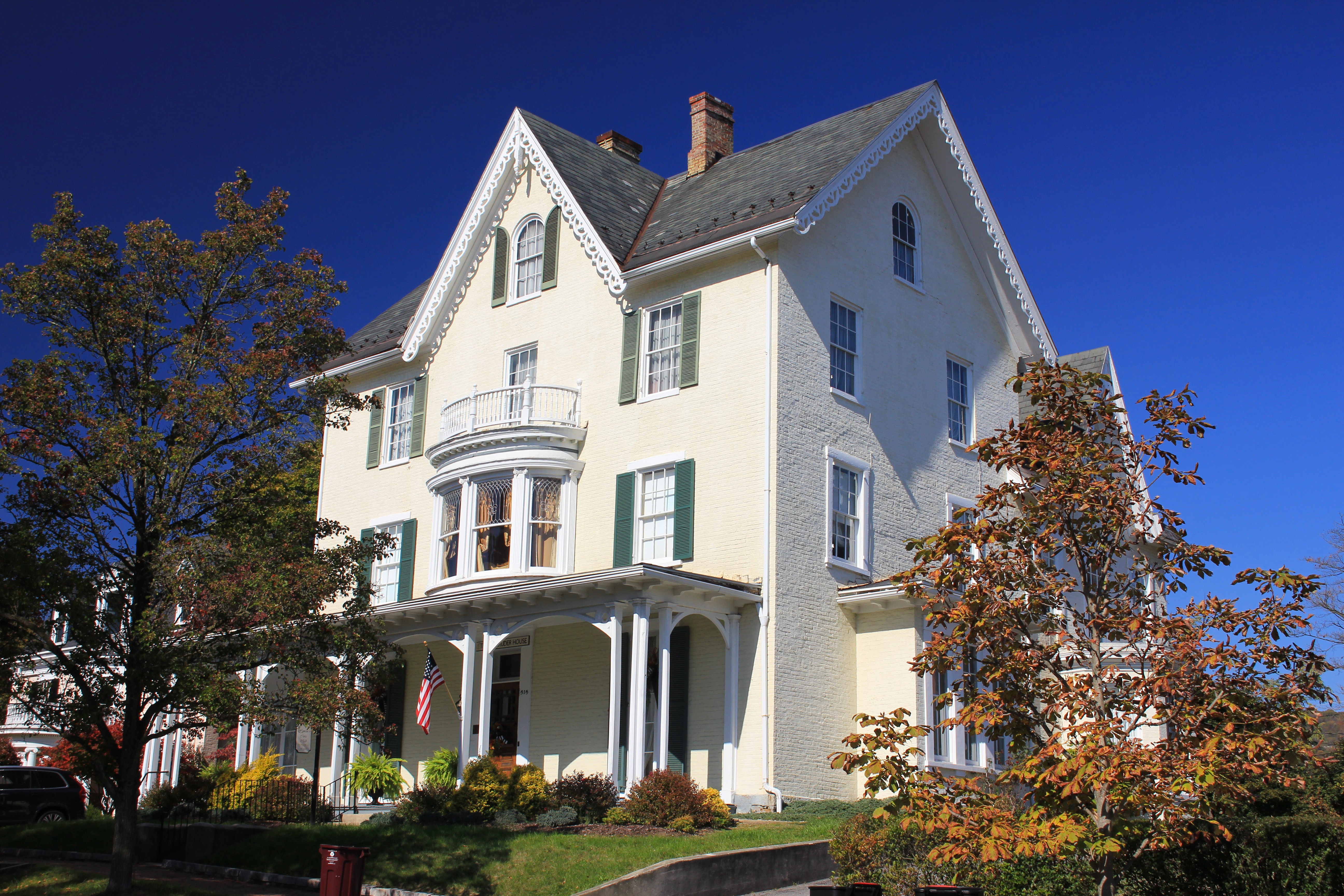
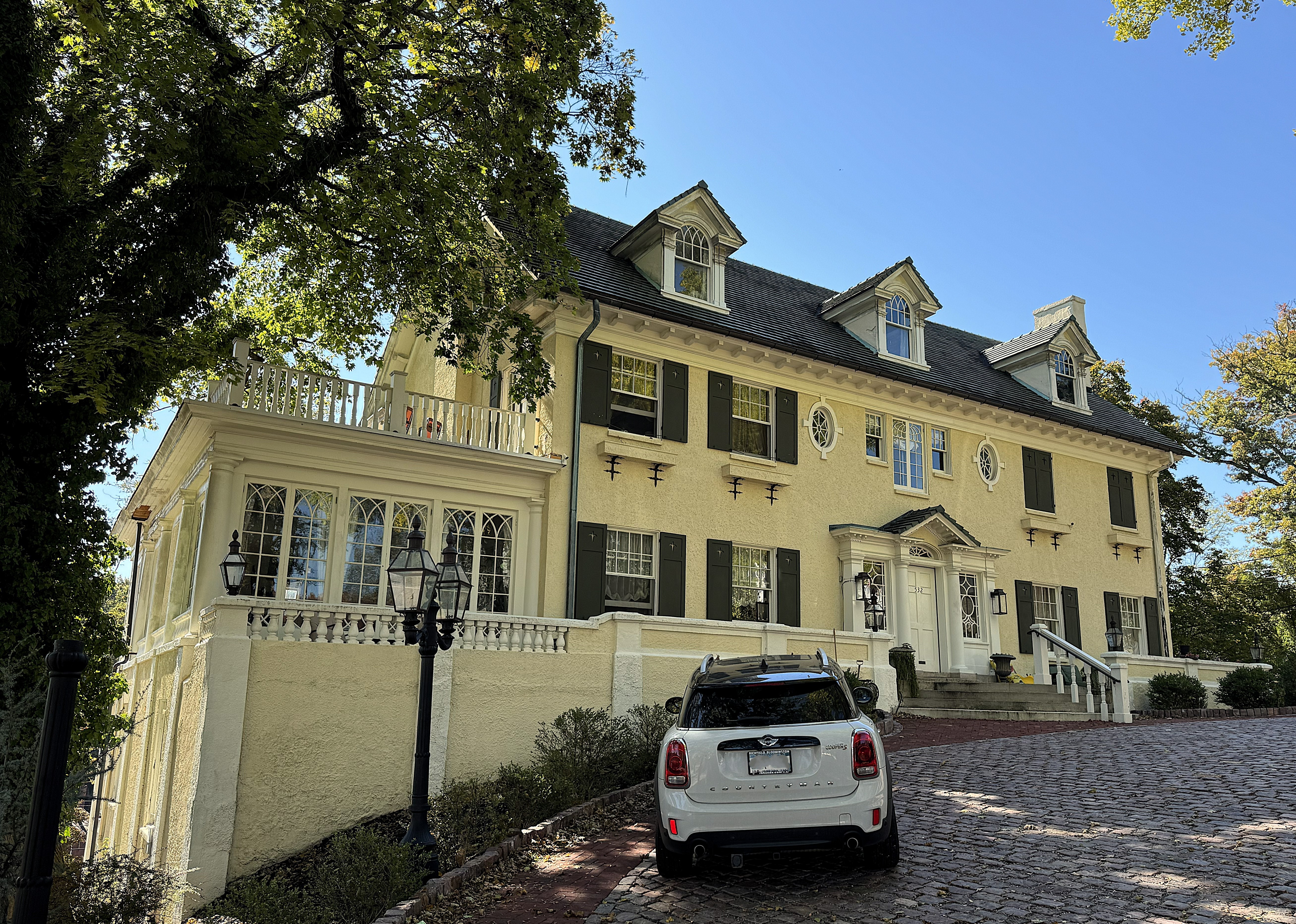
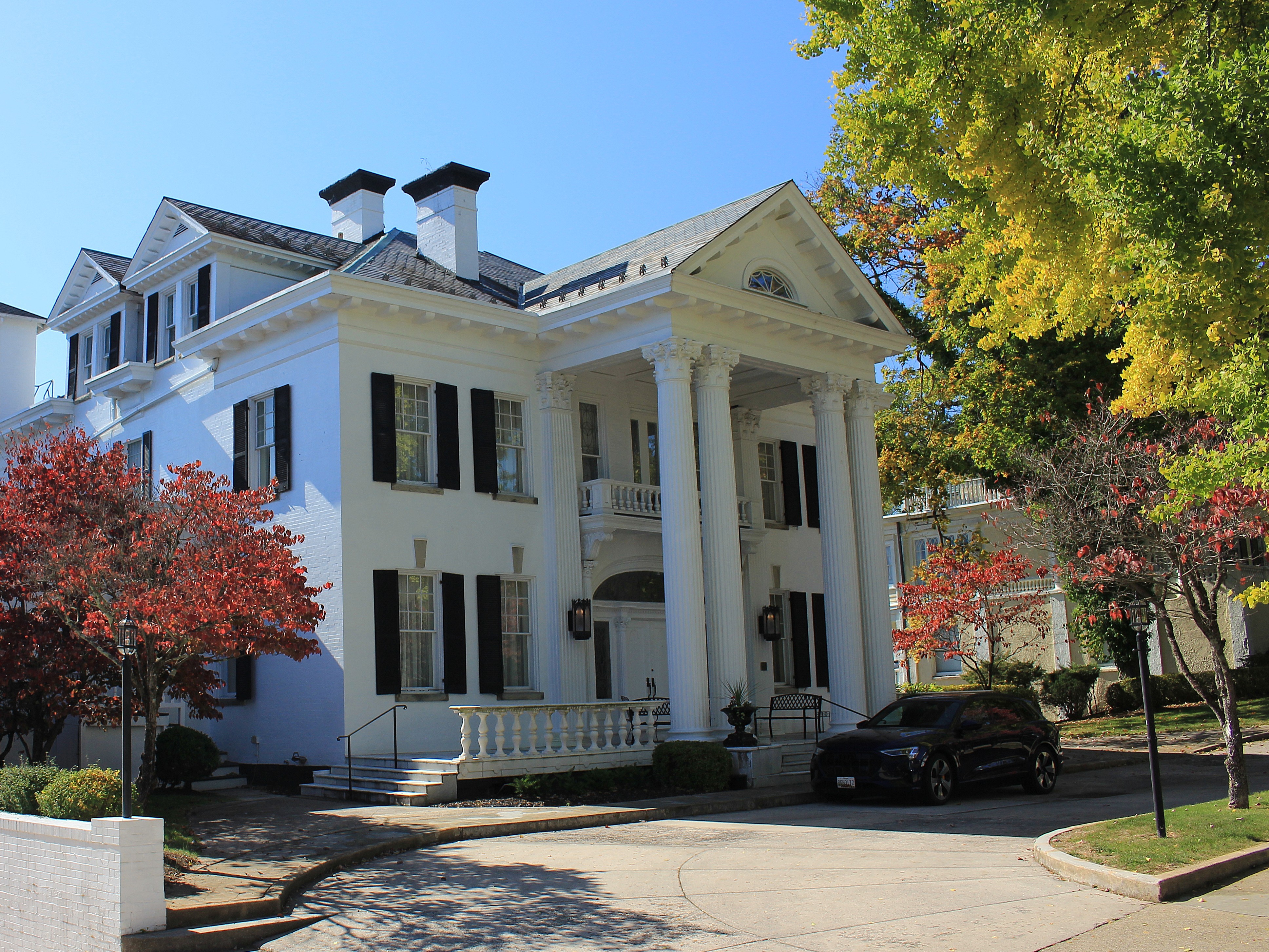
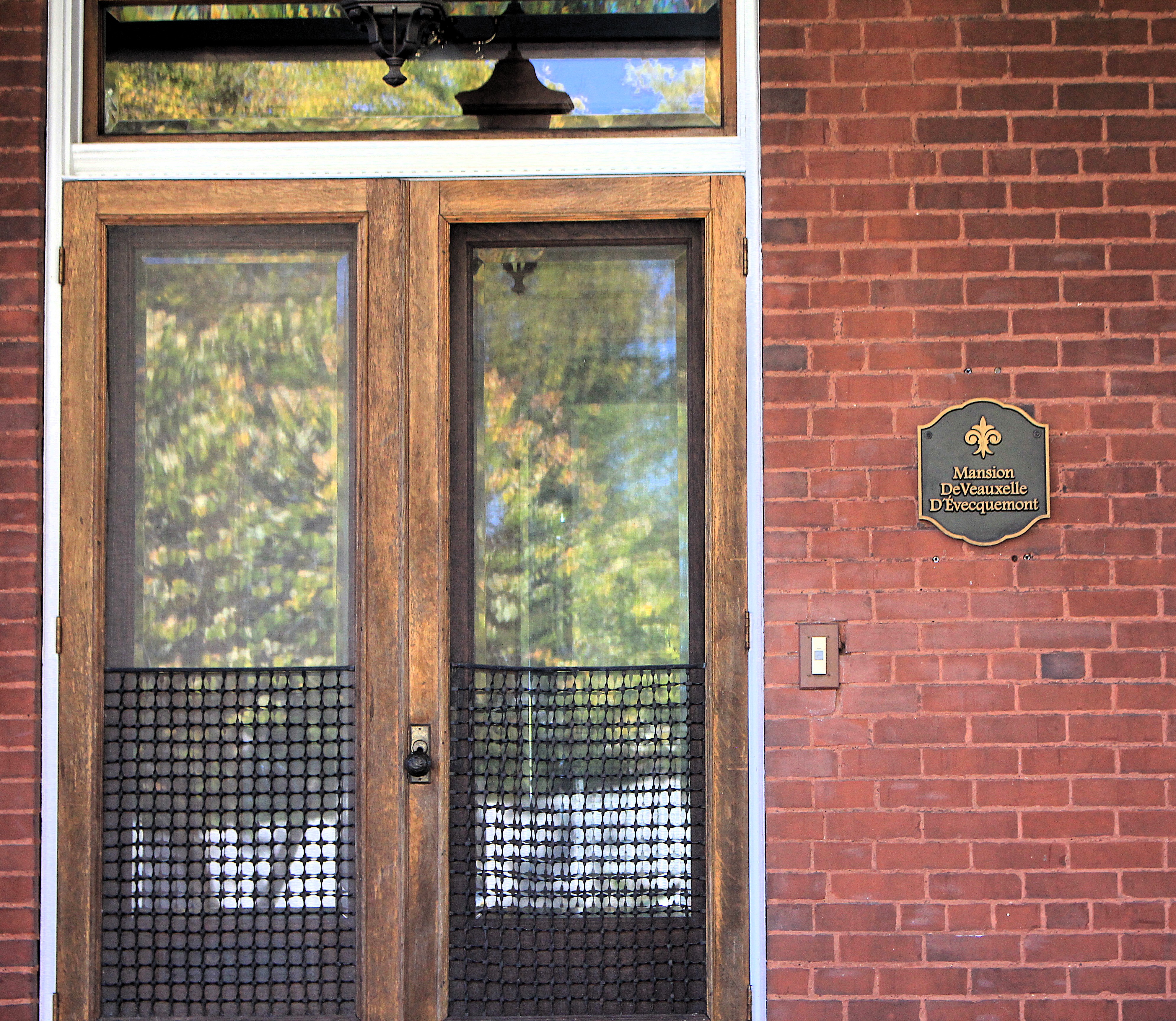
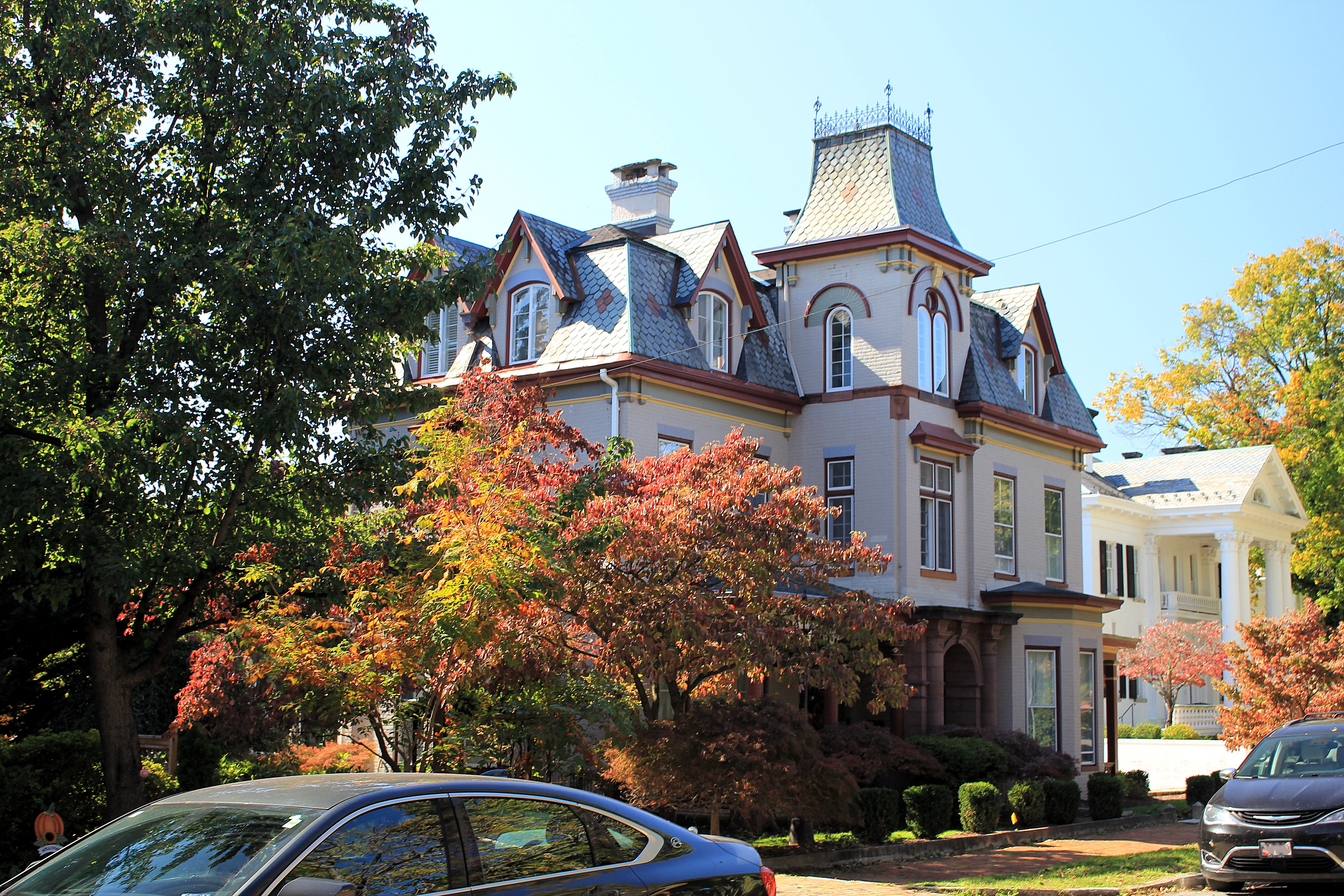
Before I could enter the courthouse, I was captivated by the sight of Victorian mansions along Washington Street that overlooked the county government building. As I began walking up the hillside with my camera, I took photos of the most magnificent ones — which turned out to be almost every house. Many of these homes had plaques indicating their construction dates, with some dating back to the 1870s. One of the mansions even had a French name on its plaque. I was amazed to discover that Cumberland had once been so wealthy.

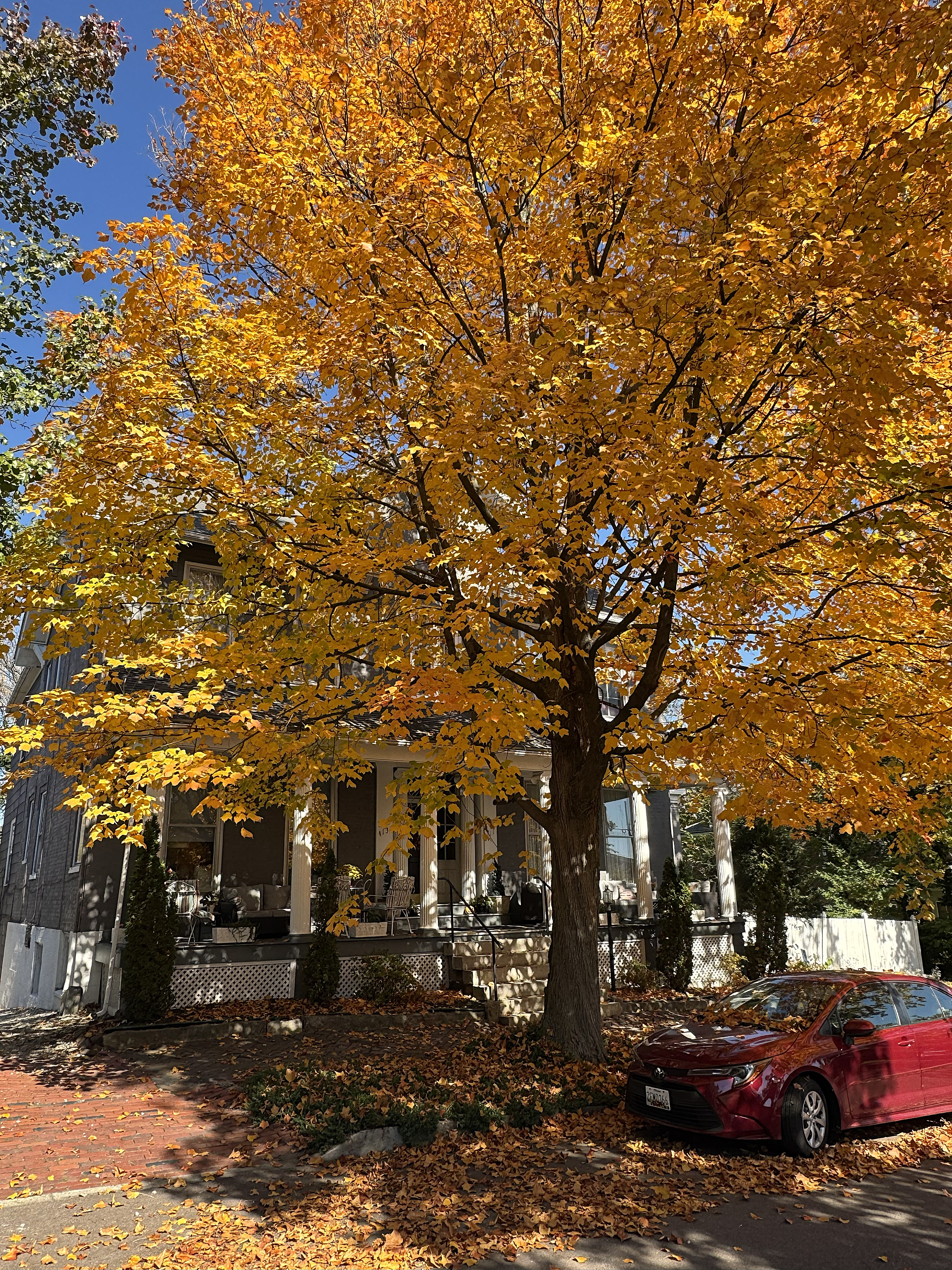
All I need do now is show you a gallery of some of the best:

This photo is more about a grand tree than a house, but still, it’s grand.

Below: I included the middle photo on the left to show its plaque. The plaque says:
“Mansion DeVeauxelle D’Evecquemont.” The home carries the name of French immigrant Pierre DeVeauxelle D’Evecquemont, who came to America to escape a death sentence for shooting a man in a duel. He served with the Marquis de LaFayette during the American Revolution. D’Evecquemont died in 1803 and is buried in Clarksburg, West Virginia.

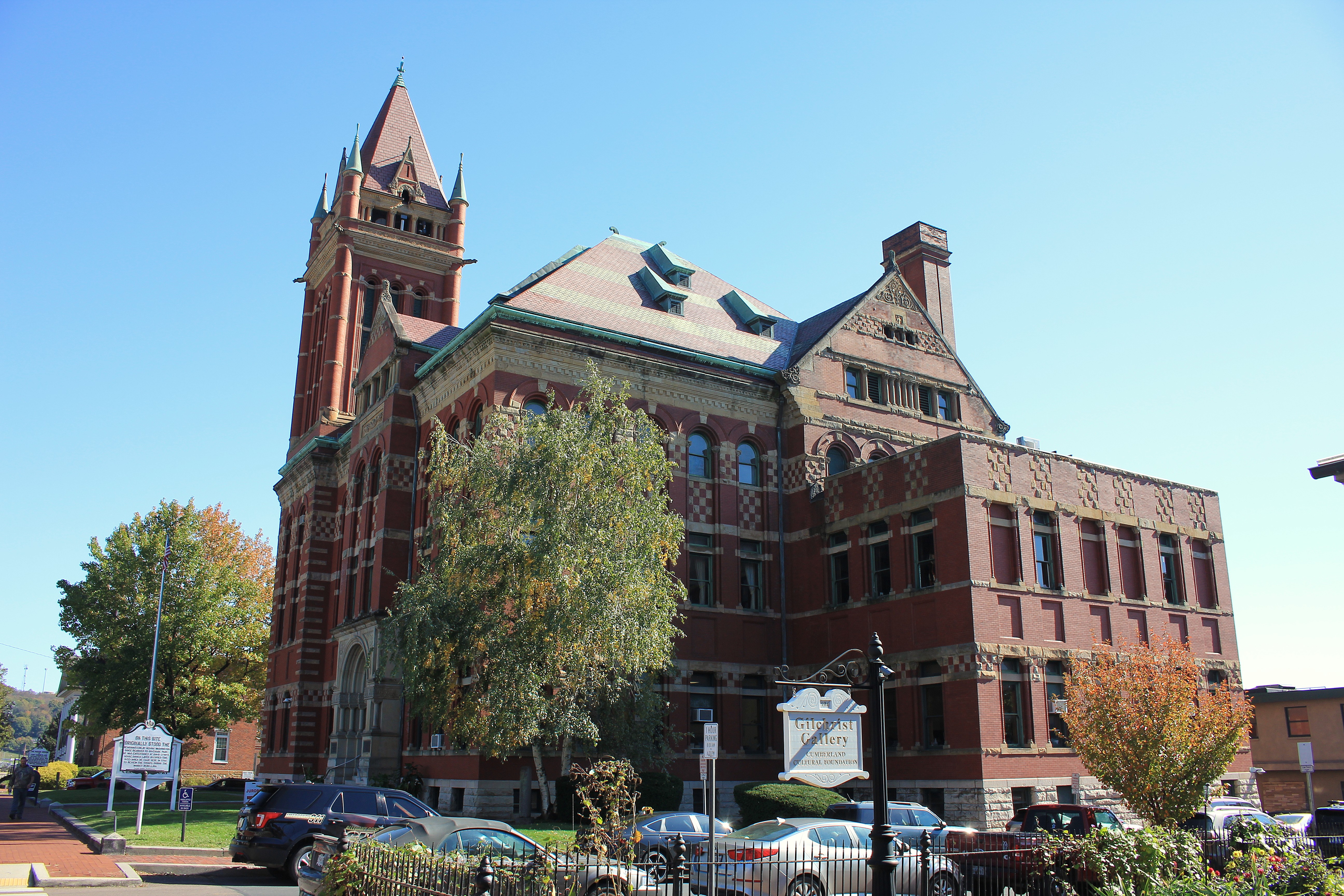
After that detour, I made my way back down the hill to photograph the Allegany County Courthouse. This building is located near the remnants of Fort Cumberland, perched on a hill overlooking the present-day downtown business district. Constructed in 1894, this three-story structure features Richardsonian Romanesque architecture. The courthouse is made of red-and-white checkerboard granite and features a striking central tower that gives it a castle-like appearance.

The 1894 Allegany County Courthouse in Cumberland, Maryland.
Allegany County Courthouse

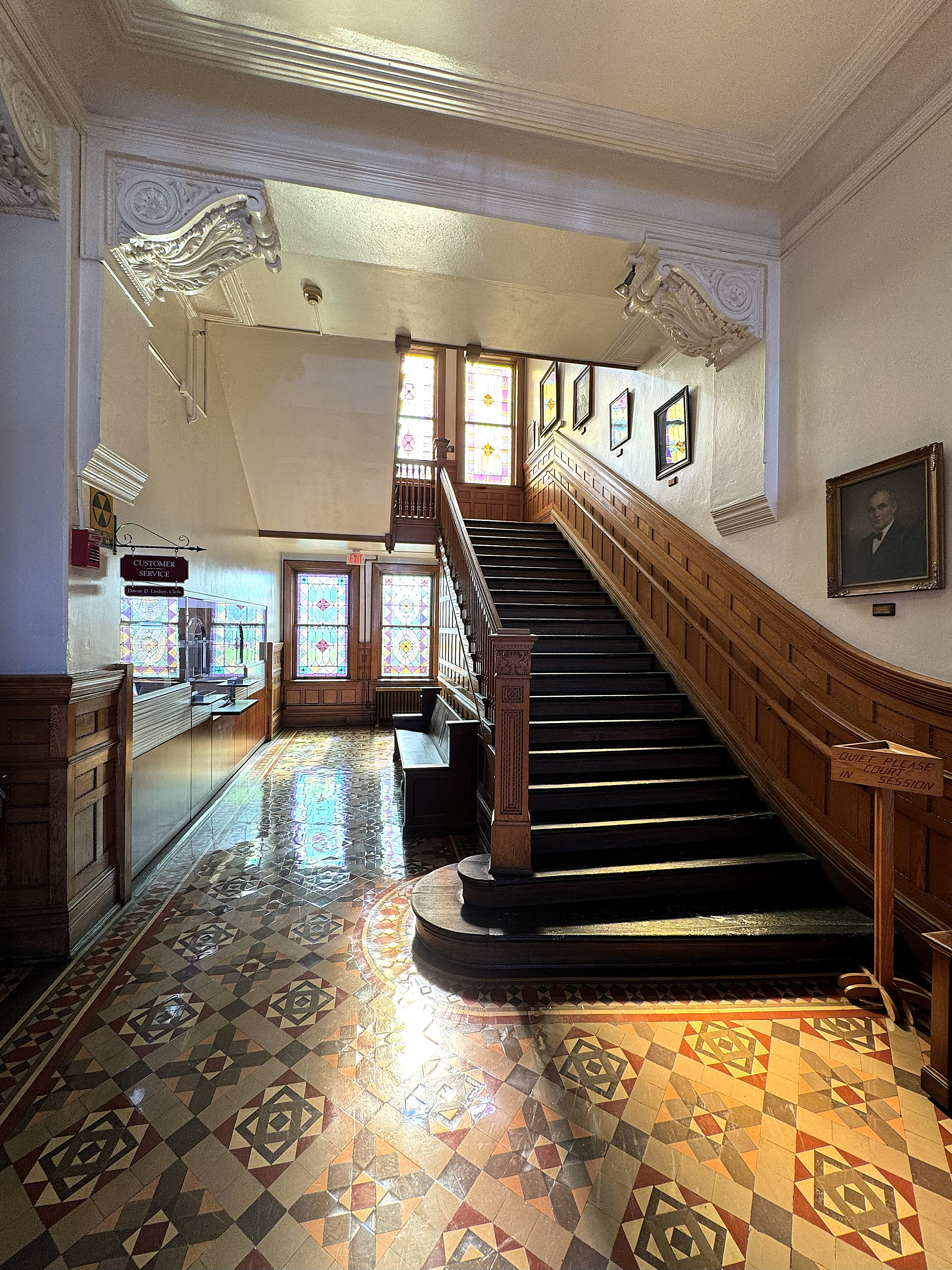
I went inside to explore the first floor, where I admired the beautiful stained-glass windows and the carved wood banisters on the staircase leading to the second and third floors.

A striking statue of a young George Washington stands just a few feet from the corner of the courthouse. Surrounding the monument are plaques on six sides that explain Washington’s connection to the area.

Washington visited this region three times during his lifetime:
— In 1754, as a colonel in the Virginia militia before the outbreak of the French and Indian War.
— From 1755 to 1758, during the War, he used a nearby cabin as his headquarters.
— In 1794, as President of the United States, he visited the American troops assembled here to suppress the Whiskey Rebellion.

Next to the courthouse stands Emmanuel Episcopal Church. The church was built in 1851 on the actual foundations of old Fort Cumberland. The church was a key stop on the “Underground Railroad” before the Civil War. Tunnels beneath the church were used to hide escaping slaves — especially from Virginia, which lies directly across the Potomac River from Cumberland.

Emmanuel Episcopal Church. Cumberland, Maryland.

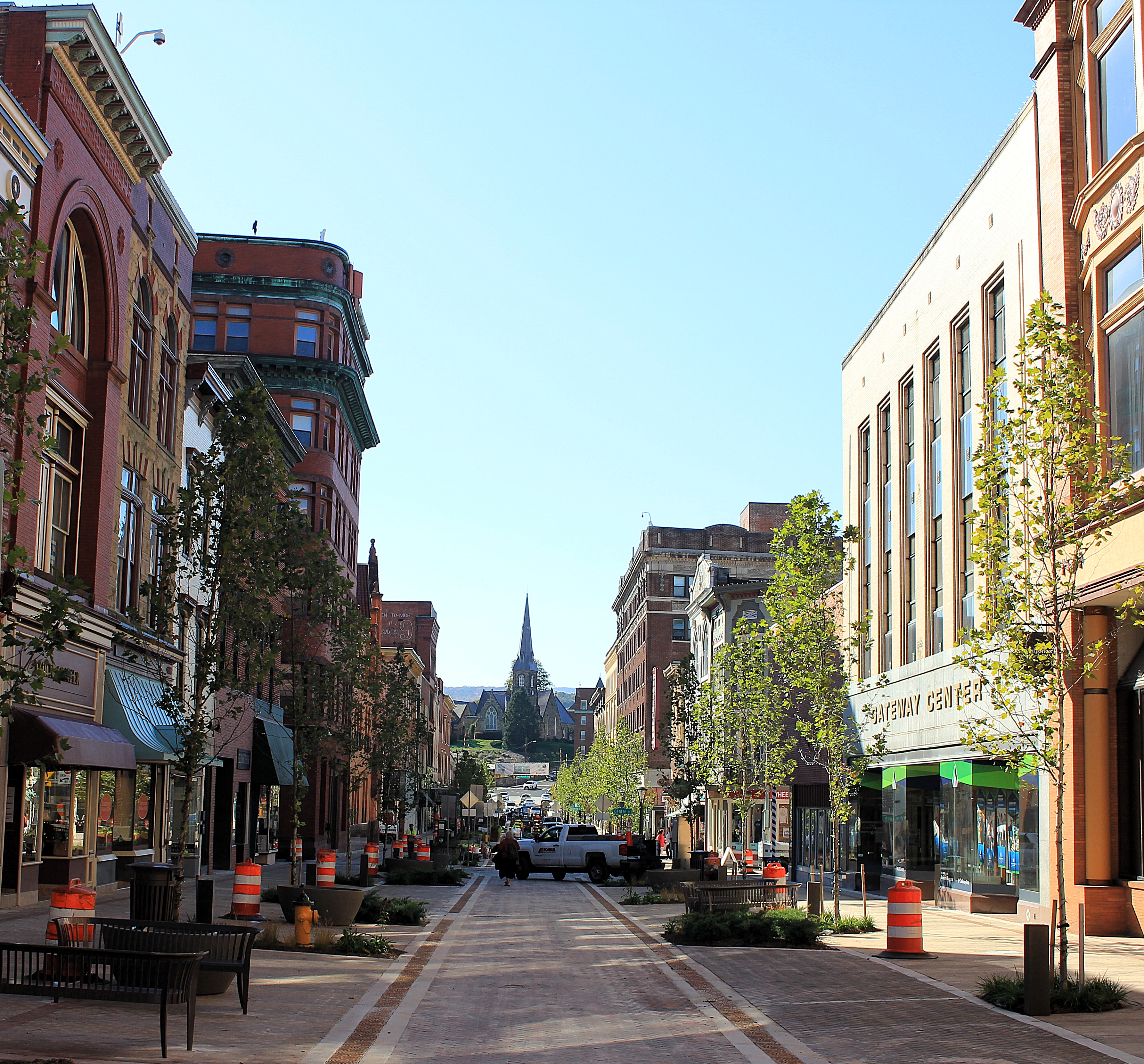
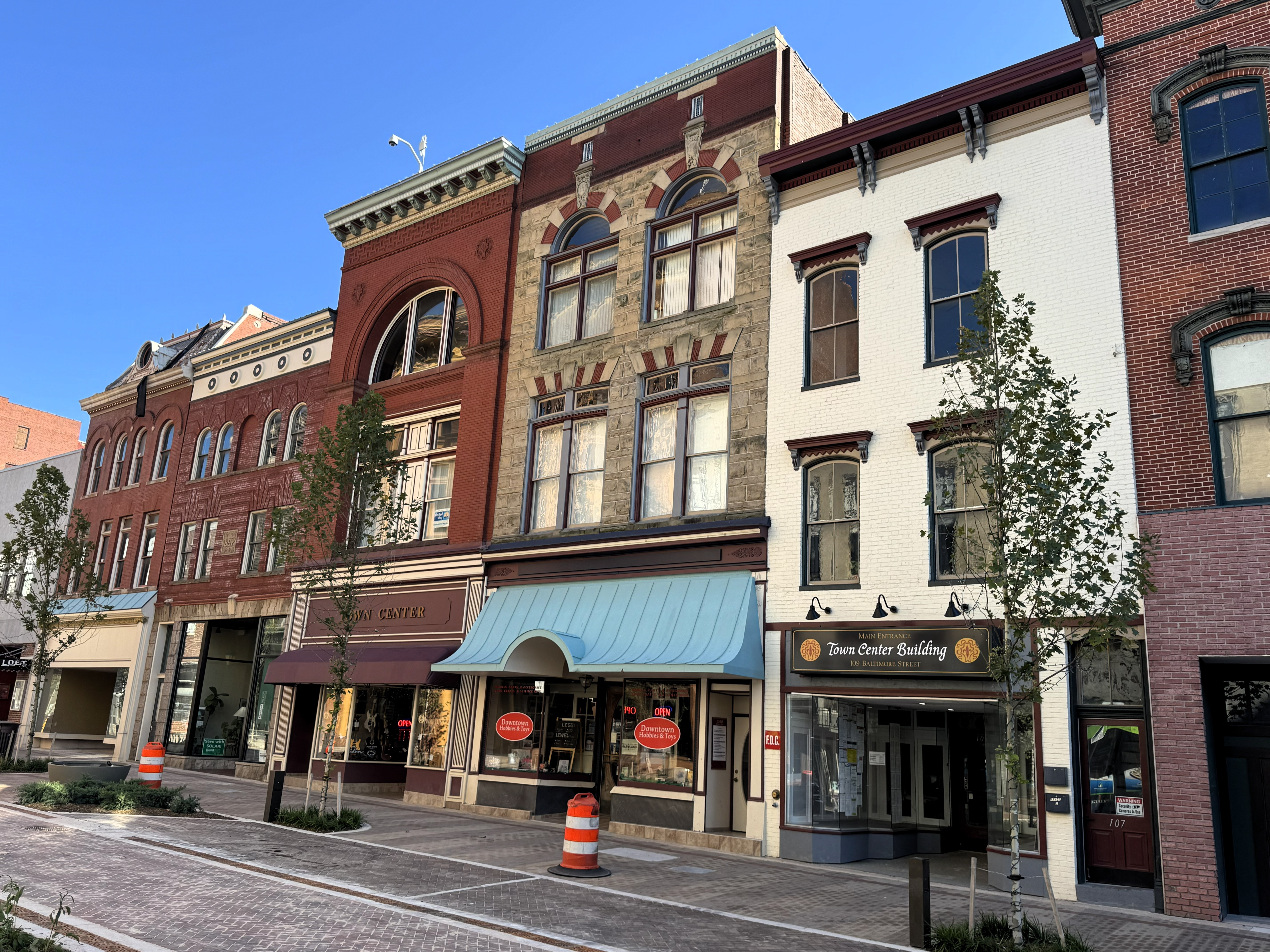
When I finally visited downtown, I found Baltimore Street lined with impressive three- and four-story, ornate brick buildings built in the late 19th century. The tall buildings create a striking little canyon with a view toward the old Episcopal Church above.

Baltimore Street in Cumberland, Maryland.

Here are some of the more notable buildings along Baltimore Street:

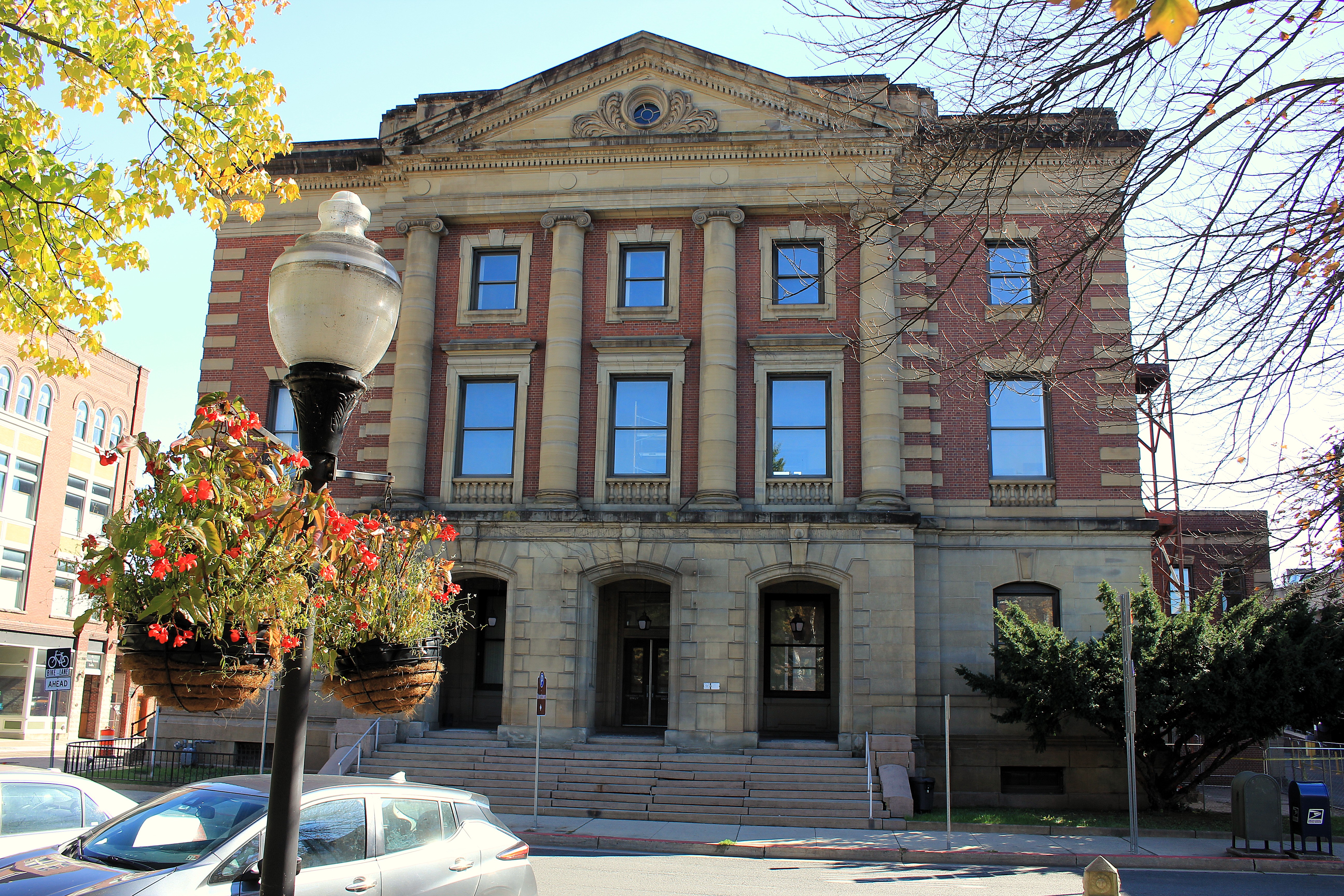
Although Cumberland’s current population is only 19,000, the town obviously once had a much larger population — in fact, in 1940 its population (39,000) was nearly double what it is today.

The old U.S. Post Office Building at Frederick & Liberty Streets.

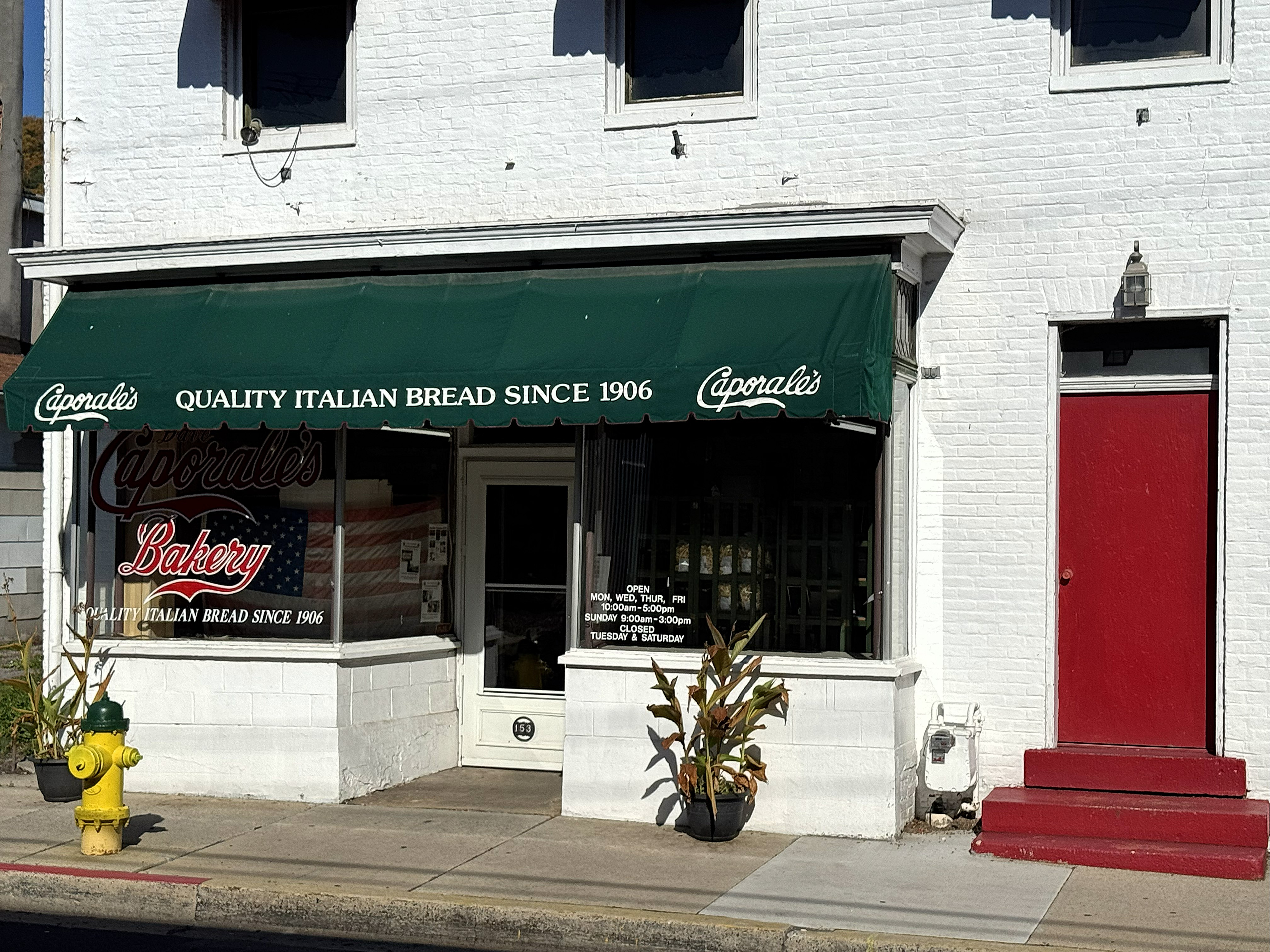
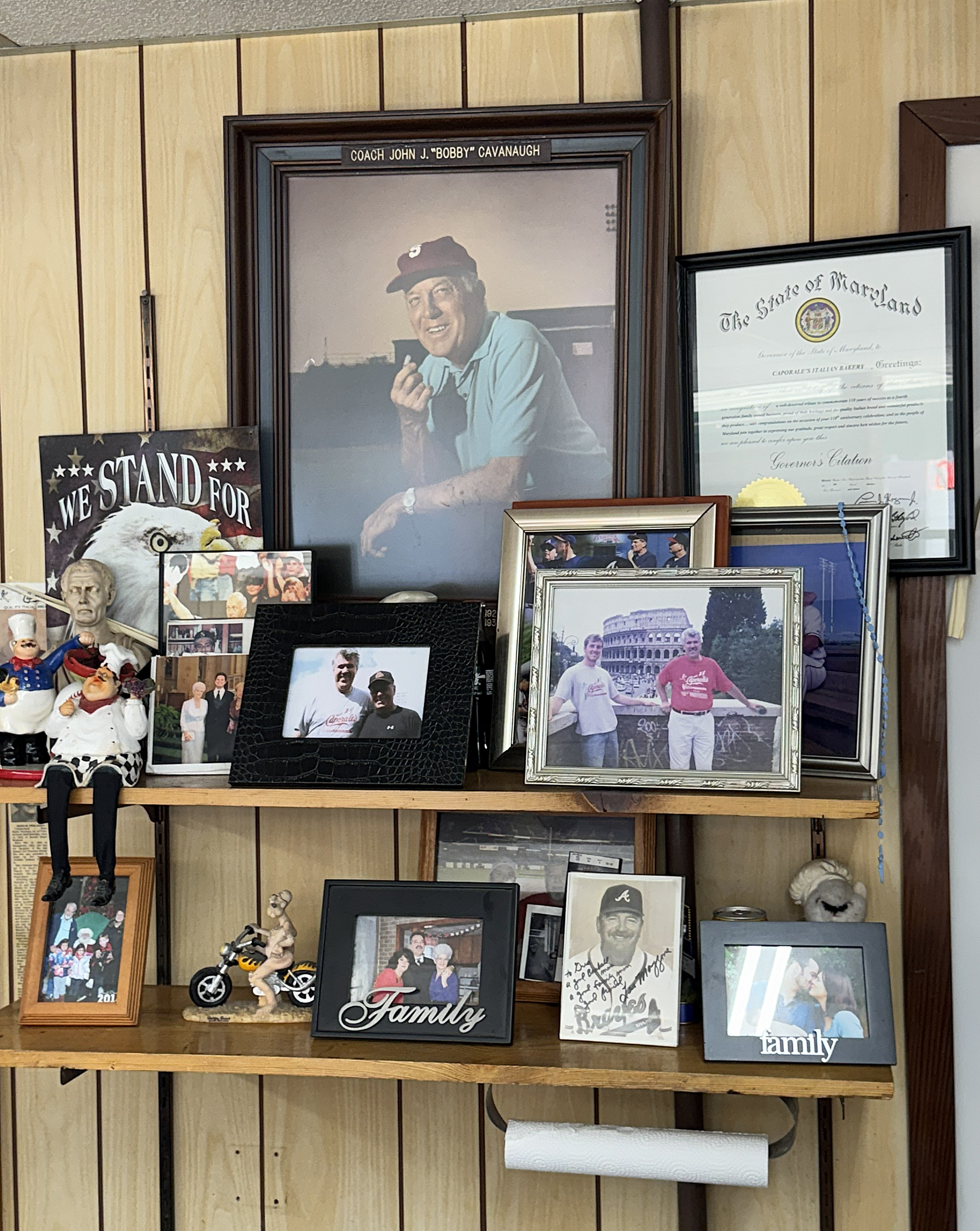
I love finding old Italian bakeries in Eastern cities. Here is Caporale’s in downtown Cumberland. Photographs on the wall of this family bakery include a signed photo of legendary Atlanta Braves pitching coach Leo Mazzone, a native of the Cumberland area.

That’s all. Hope you can visit Cumberland — it’s well worth the trip!

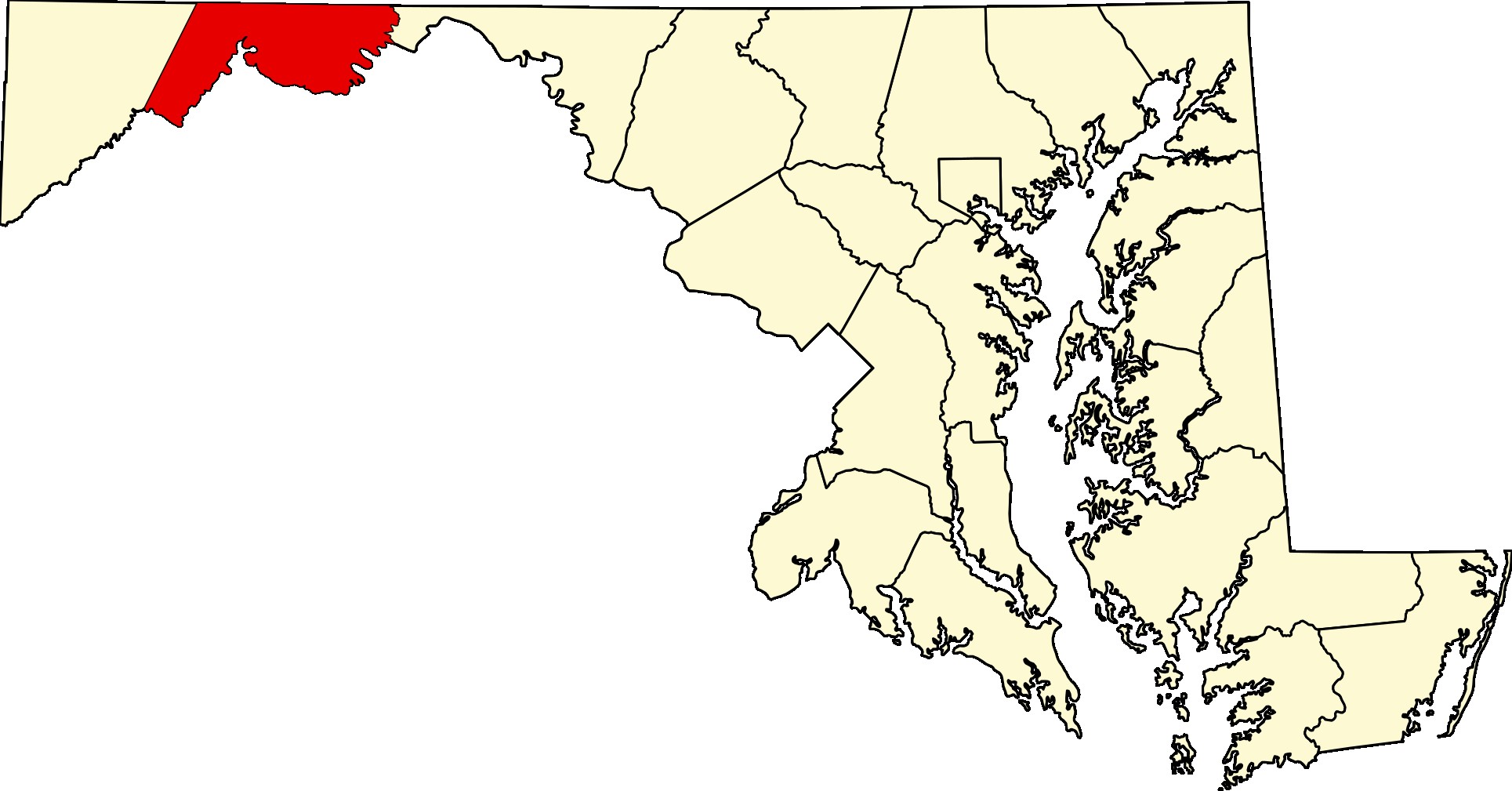
Allegany County within the state of Maryland

Click here for a list of all TimManBlog American County Seats Series posts.
The photos in this post were taken on October 21, 2024, and are copyrighted by Tim Seibel.

Donations to TimManBlog

I post about a visit to one of America’s 3,150 county seats each month. Donations are greatly appreciated to help defray my travel costs.

$5.00

Check out the FREEDOM VOYAGES book series! These books document my road trips across the United States and include hundreds of stunning photographs. Each of the four books in the series is available on Amazon and Barnes & Noble. This includes my most recent release, FREEDOM VOYAGES Volume 4: Christmastime in Texas!

FREEDOM VOYAGES Volume 4: Christmastime in Texas. Available at Amazon.com and Barnes & Noble.

Earlier volumes in the FREEDOM VOYAGES series are also available:
Vol. 1: North-Central North Dakota
Vol. 2: Go West! From the Loneliest Road in America to California’s Gold Country
Vol. 3: A Proud, Dignified People in Lincoln’s Illinois

All FREEDOM VOYAGES books are on sale at Amazon.com and Barnes & Noble.
Exploring Bristol: The City Split by a State Line

Please consider donating to support my travels using the form at the bottom of the post. PayPal, Visa, American Express, Mastercard, Discover, and Maestro are accepted. Thank you.

August 31, 2025

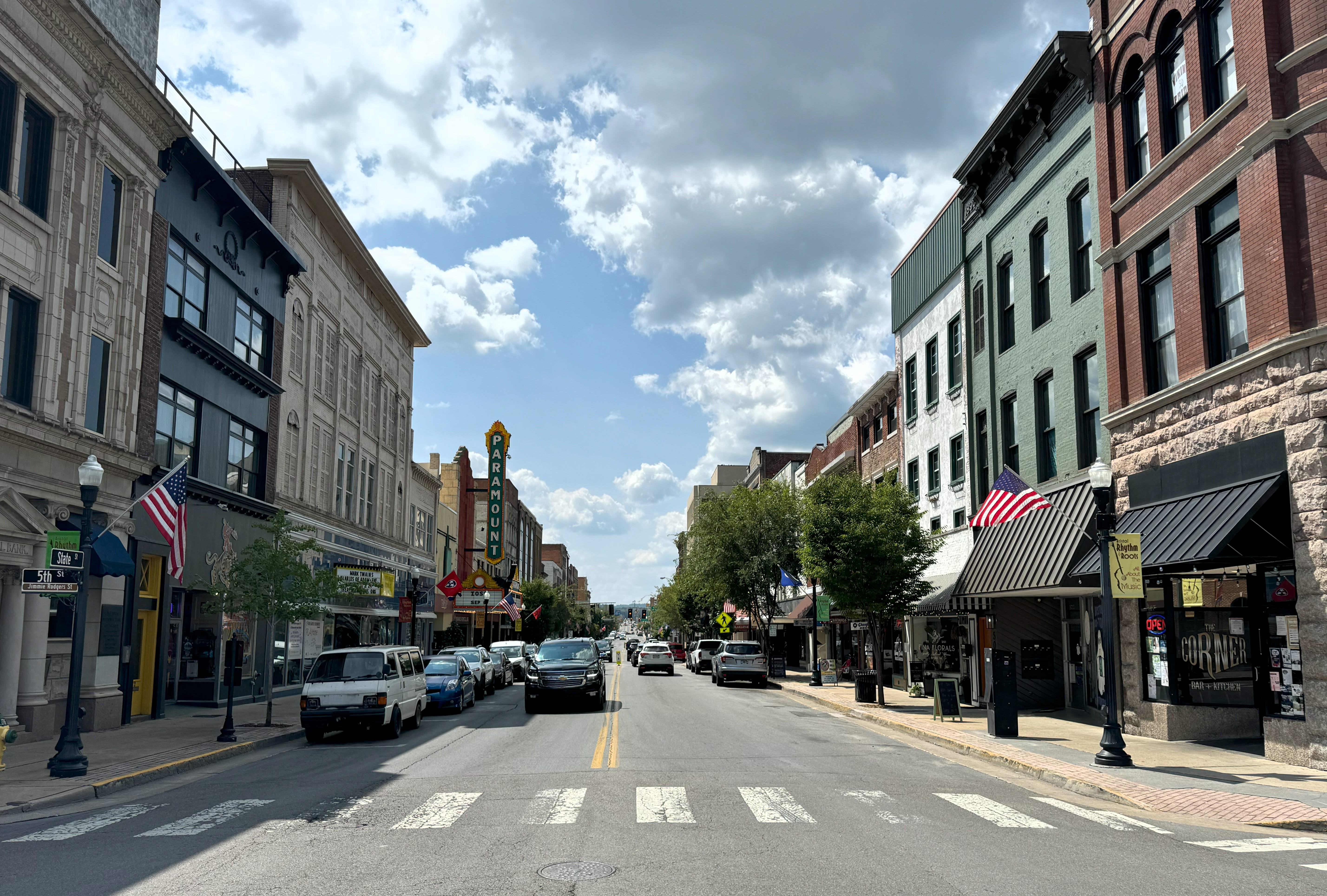
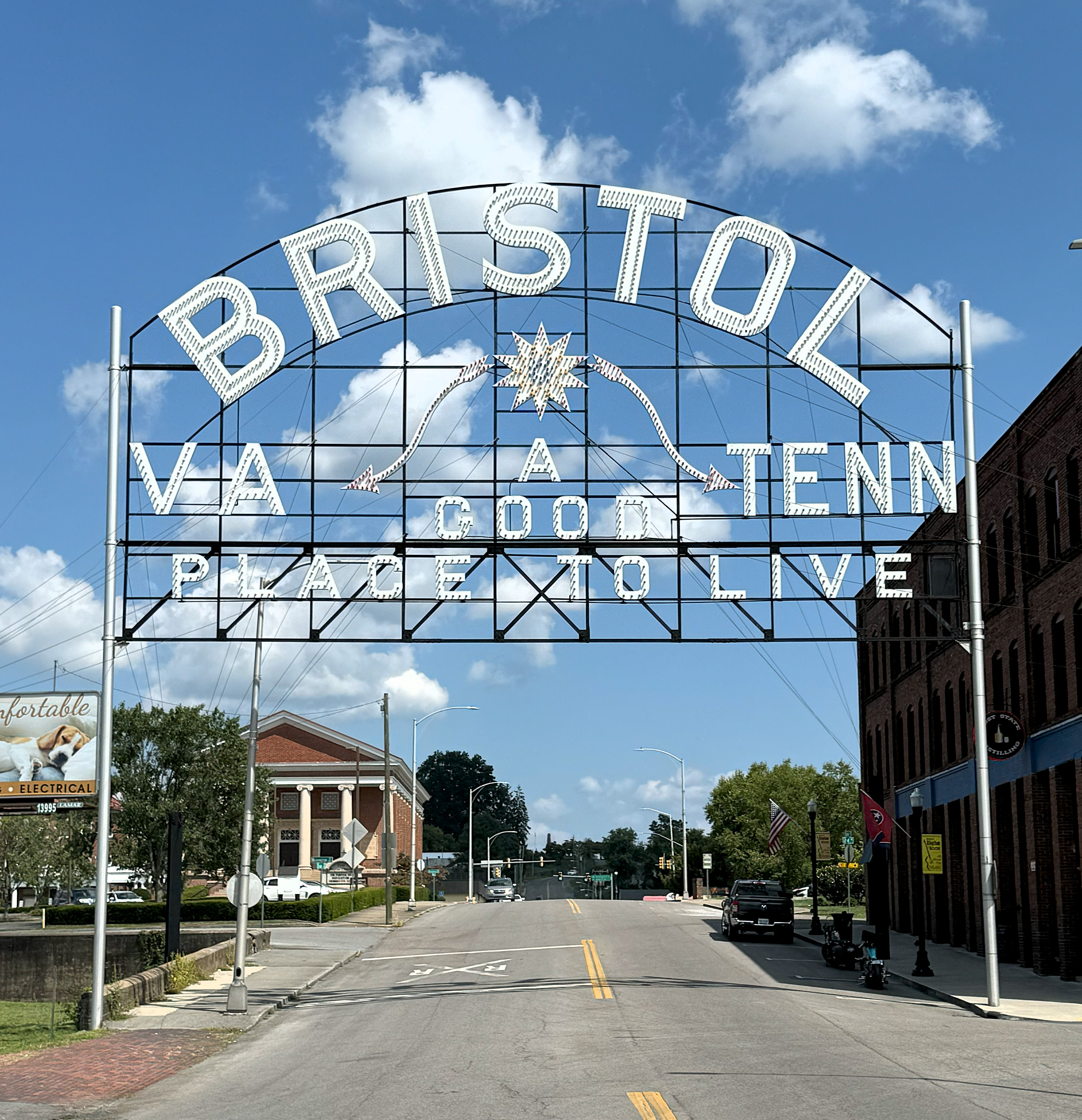
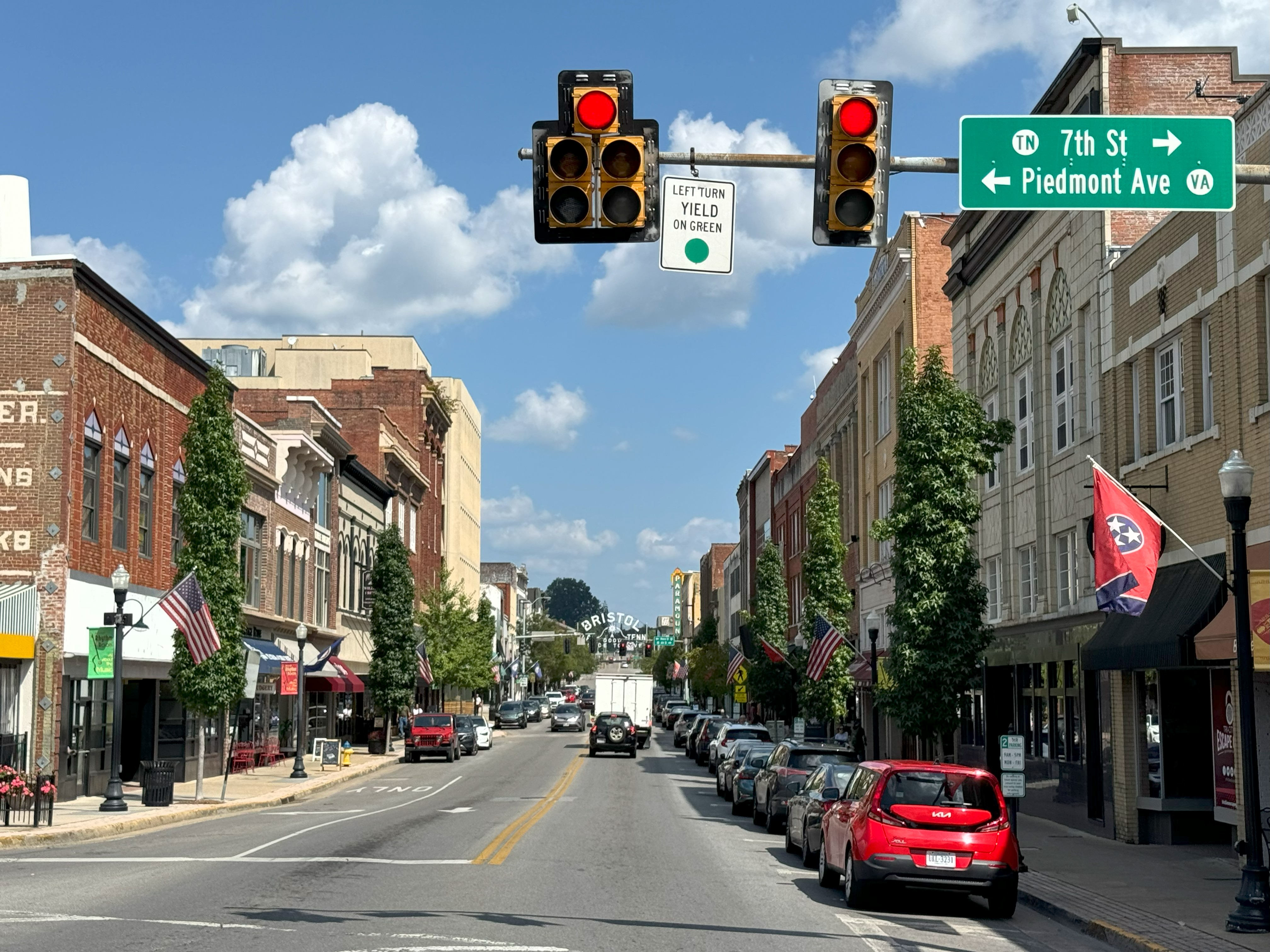
Bristol is one of the most unusual cities in the United States because it is split down the middle of its main street between two states: Virginia and Tennessee. Technically, Bristol is two cities, with a state line running along the double-yellow line in the middle of State Street. However, except for separate governments for each side, Bristol functions as a single city.

The two cities of Bristol — split down the double-yellow line between Tennessee (left) and Virginia (right).
Looking east this time — Virginia is on the left, and Tennessee is on the right.

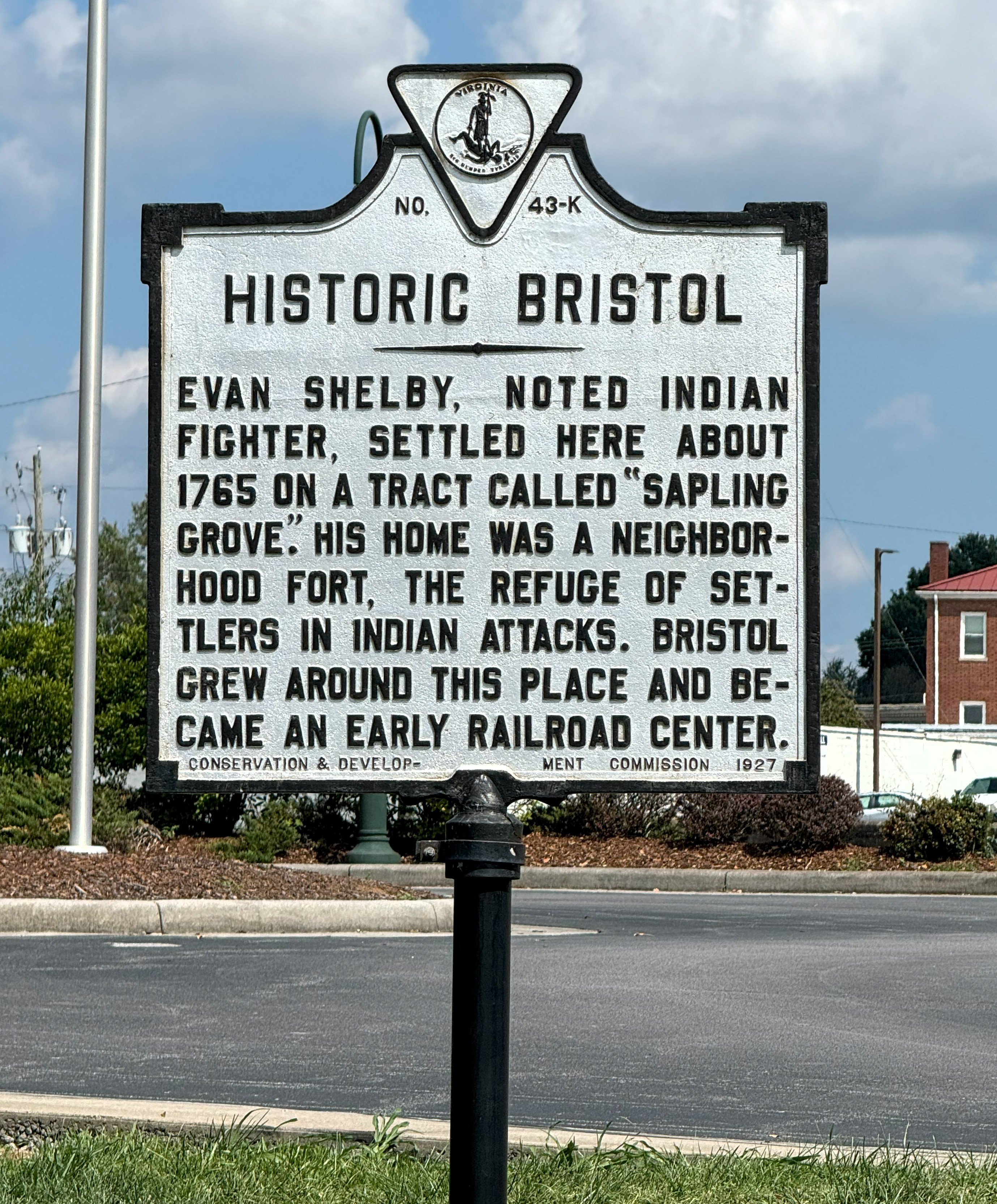
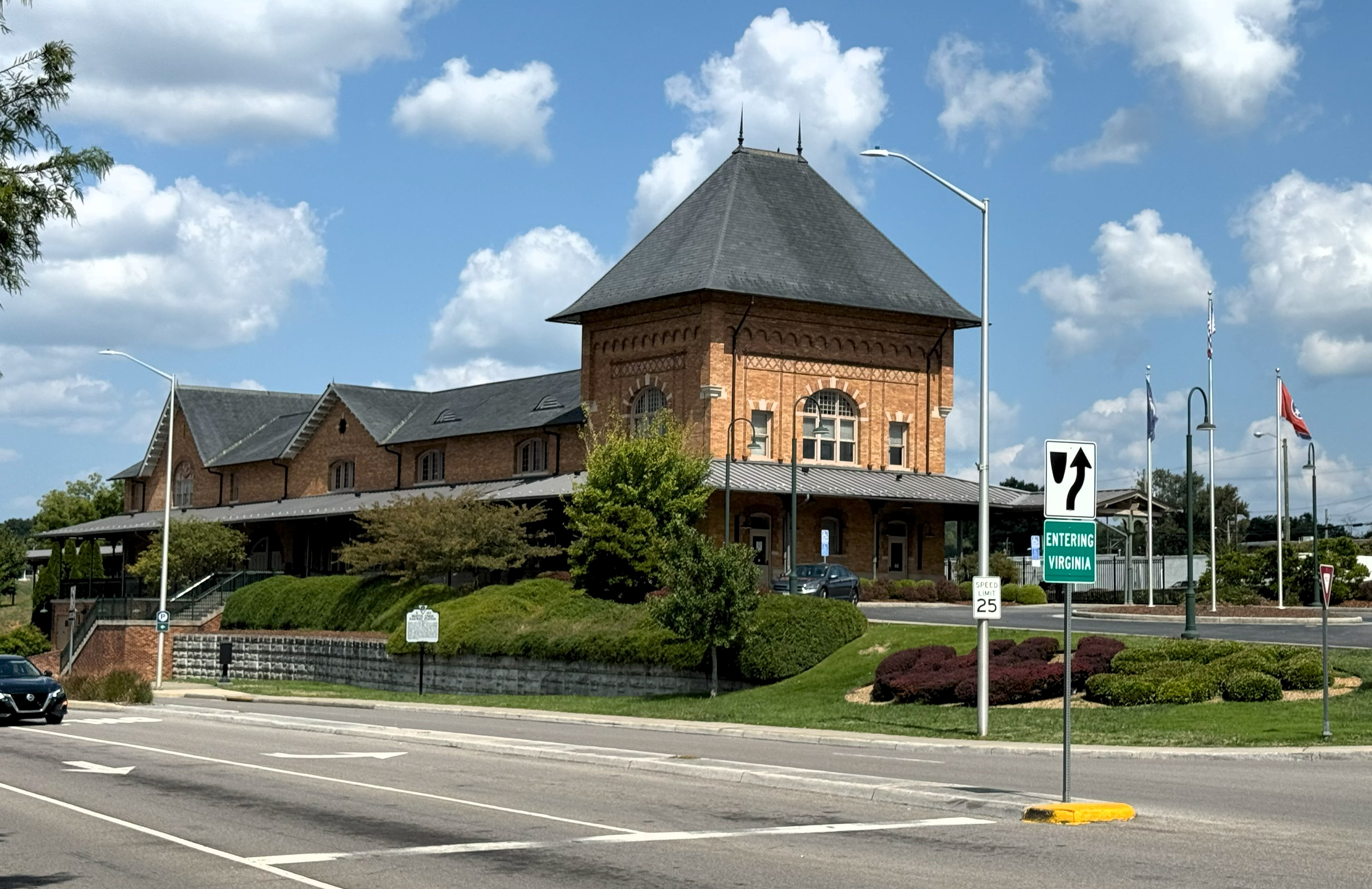
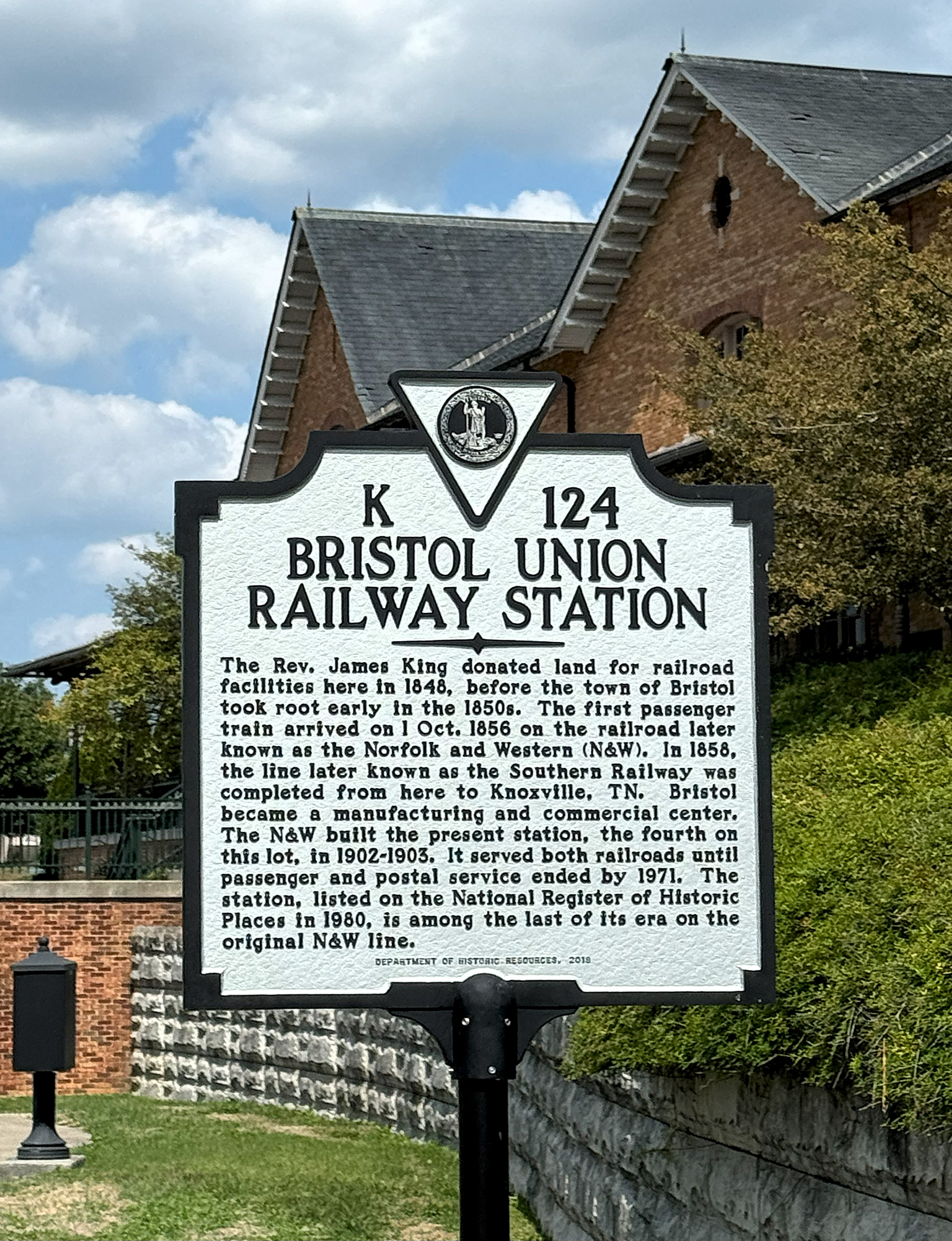
A historical sign (located on the Virginia side of town) explains the history of Bristol, but it doesn’t explain how Main Street was placed on top of a state boundary. Wikipedia provides some explanation in its article on Bristol, Virginia (link here).

Originally, Bristol was located in both Goodson, Virginia, and Bristol, Tennessee, and had two train lines and two train depots — one for each side of the state line. When visitors began referring to the entire area as “Bristol,” Goodson, Virginia, abandoned its original name and adopted the name Bristol as well.

Bristol, Virginia, is one of Virginia’s independent cities, which means it also functions as its own county. Bristol, Tennessee, is located in Sullivan County, Tennessee, but it is not the county seat. Because this blog is about county courthouses and county seats, the rest of this post will focus on Bristol, Virginia.

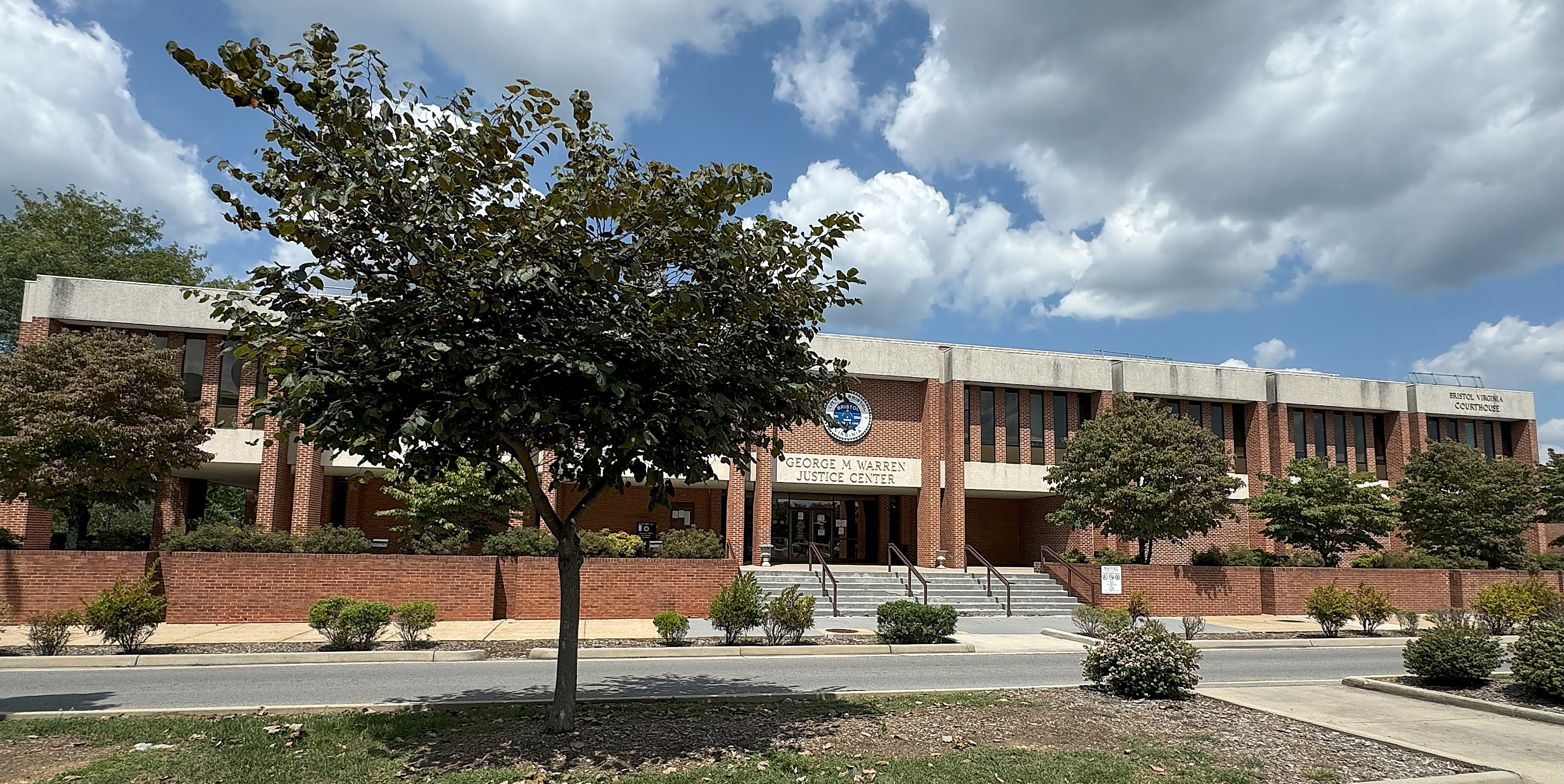
As the seat of both the city and county of Bristol, the Bristol Courthouse serves as a combination of a courthouse and City Hall. The building itself is a simple two-story red brick structure.

The George M. Warren Justice Center / Bristol, Virginia Courthouse in Bristol, Virgina

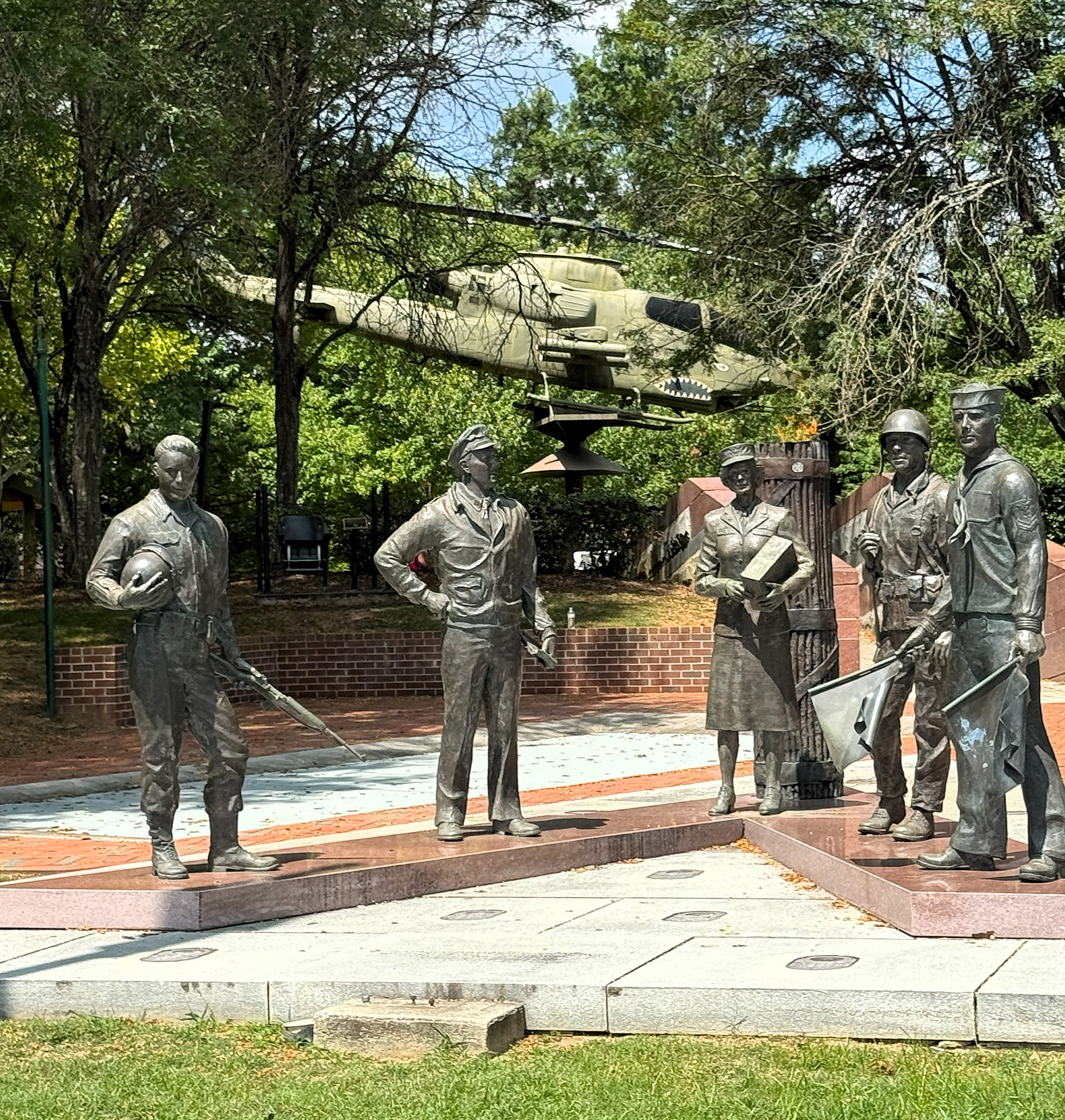
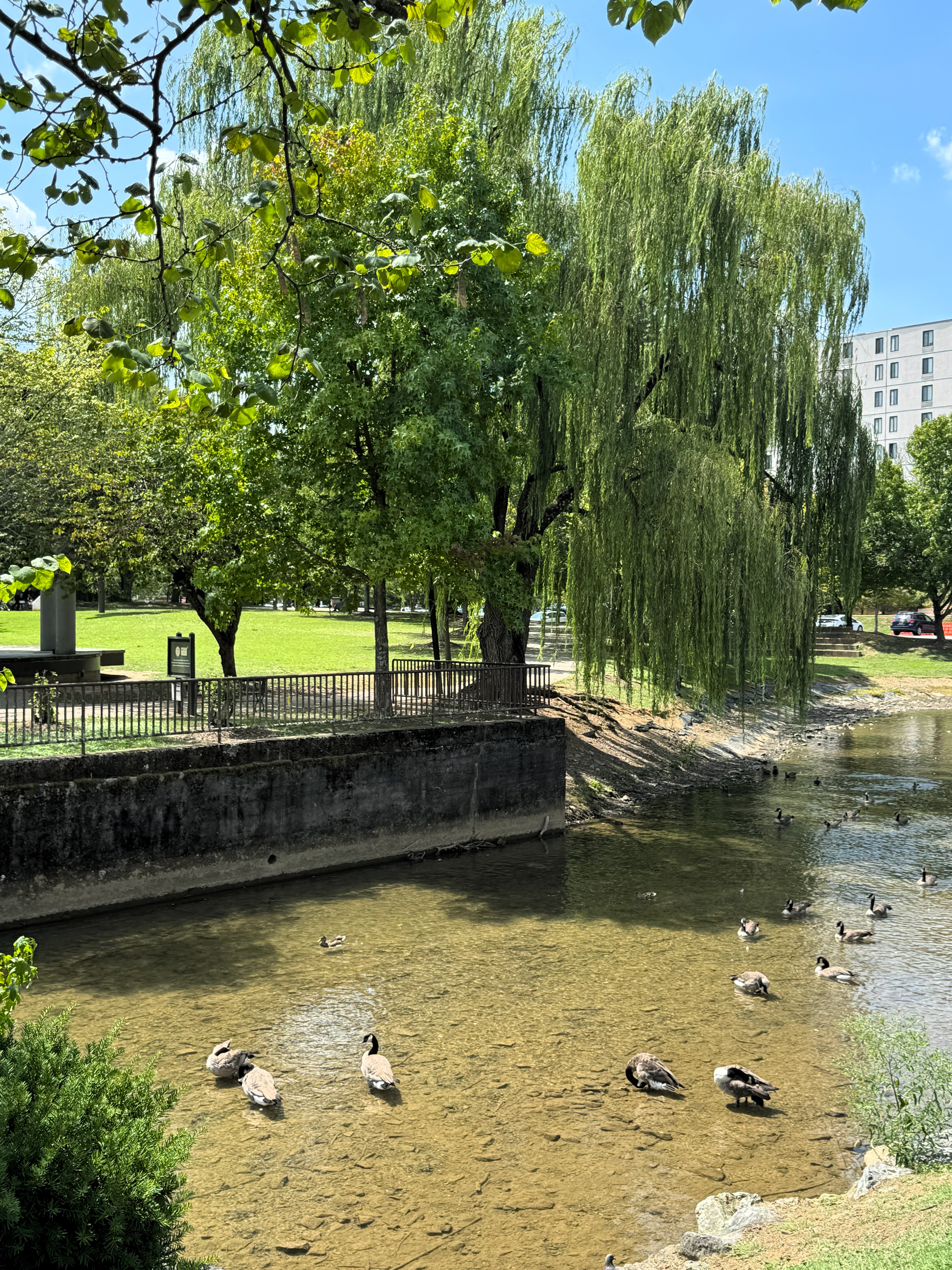
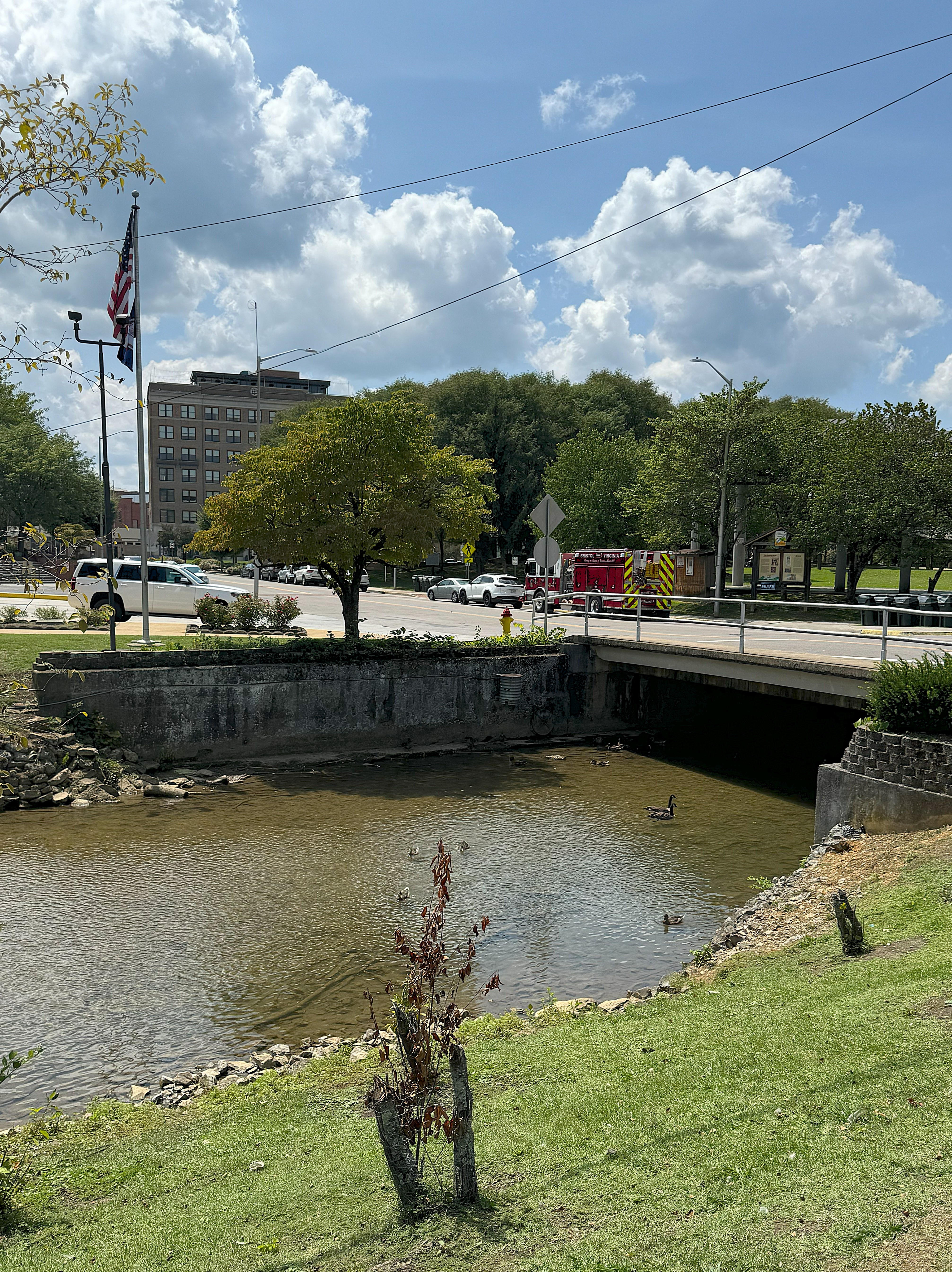
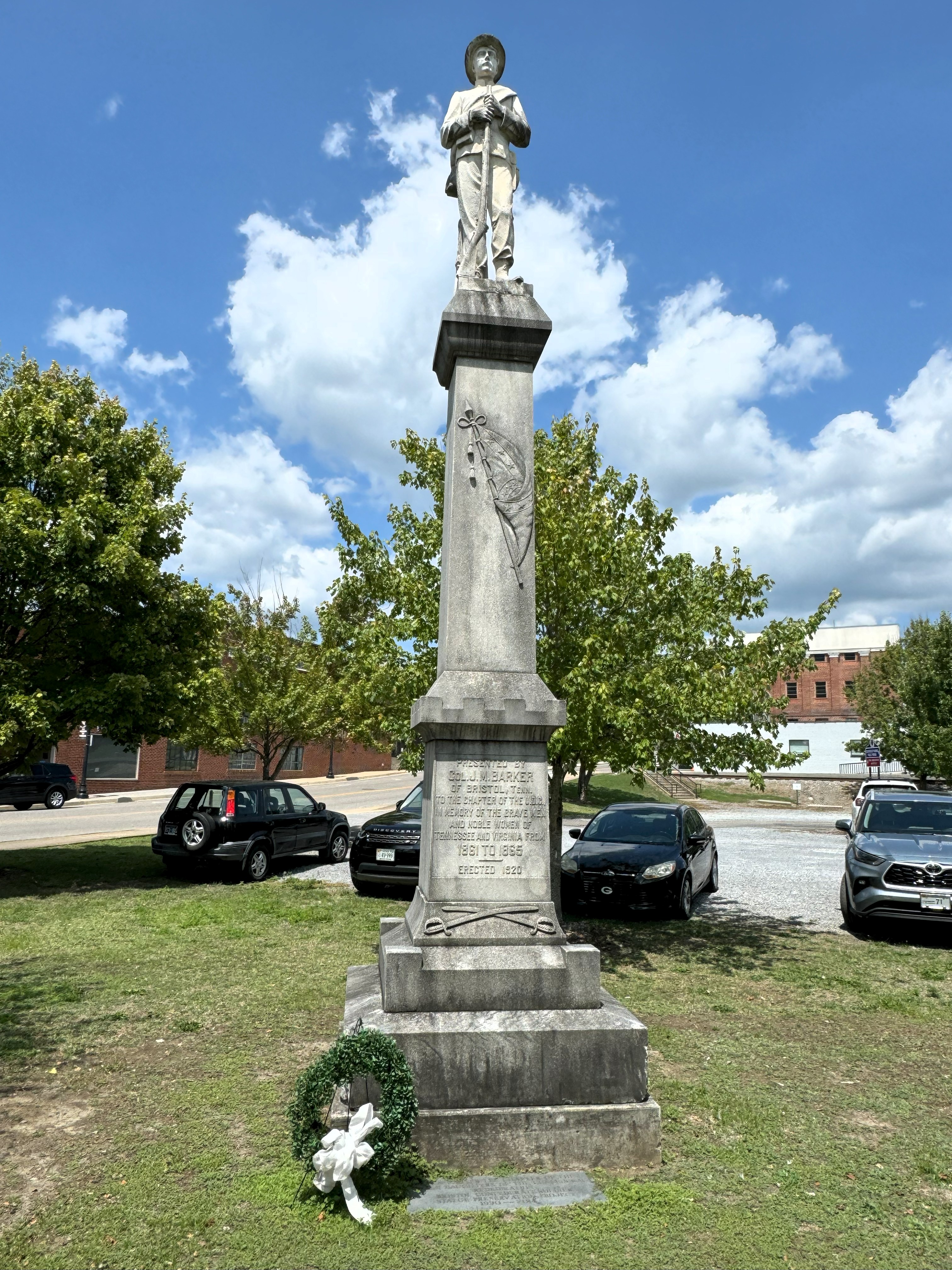
Across the street from Bristol City Hall and Courthouse, Cumberland Park features a Vietnam-era helicopter and a memorial dedicated to Vietnam veterans. Nearby, I found ducks feeding in the creek and the town’s old Confederate memorial.

The Bristol Hotel is only a few blocks away. Built in 1925, the Bristol has been restored and converted into a boutique hotel. It’s a fun place and boasts a rooftop bar.

The 1925 Bristol Hotel in Bristol, Virginia

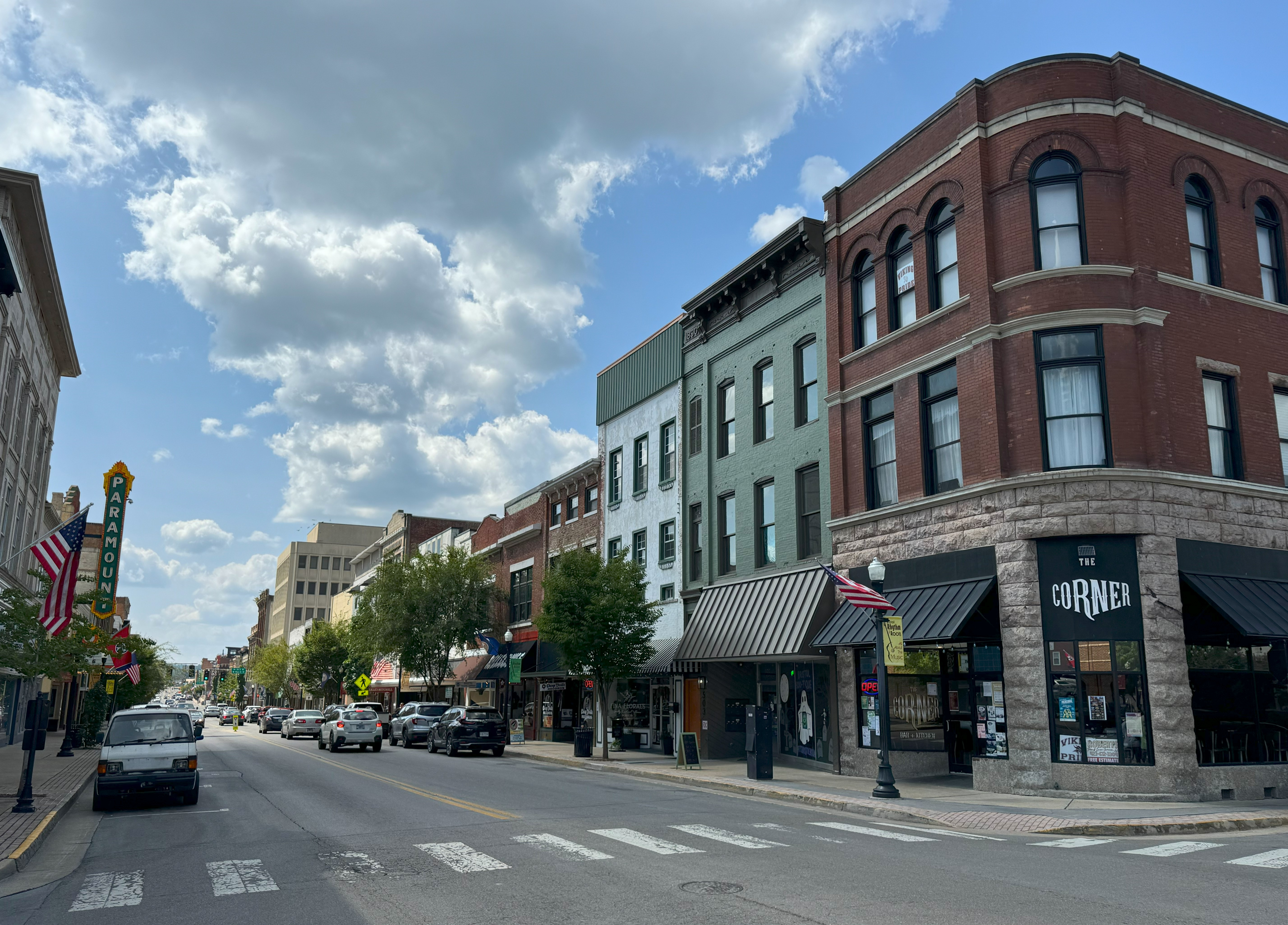
Just two blocks away, I walked down State Street, which separates Virginia from Tennessee. This is Bristol’s main street in almost all respects — the largest shops and restaurants are here.

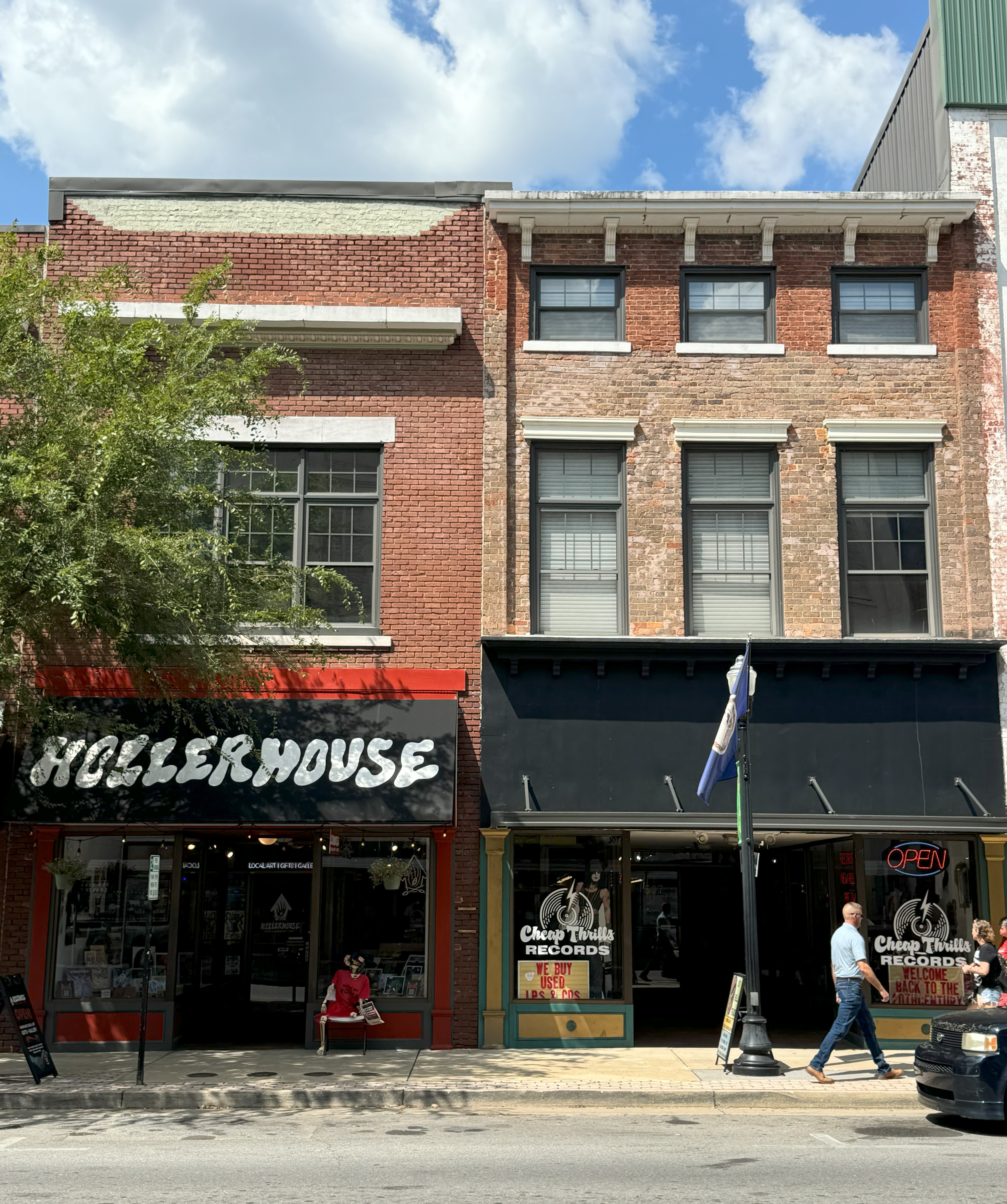
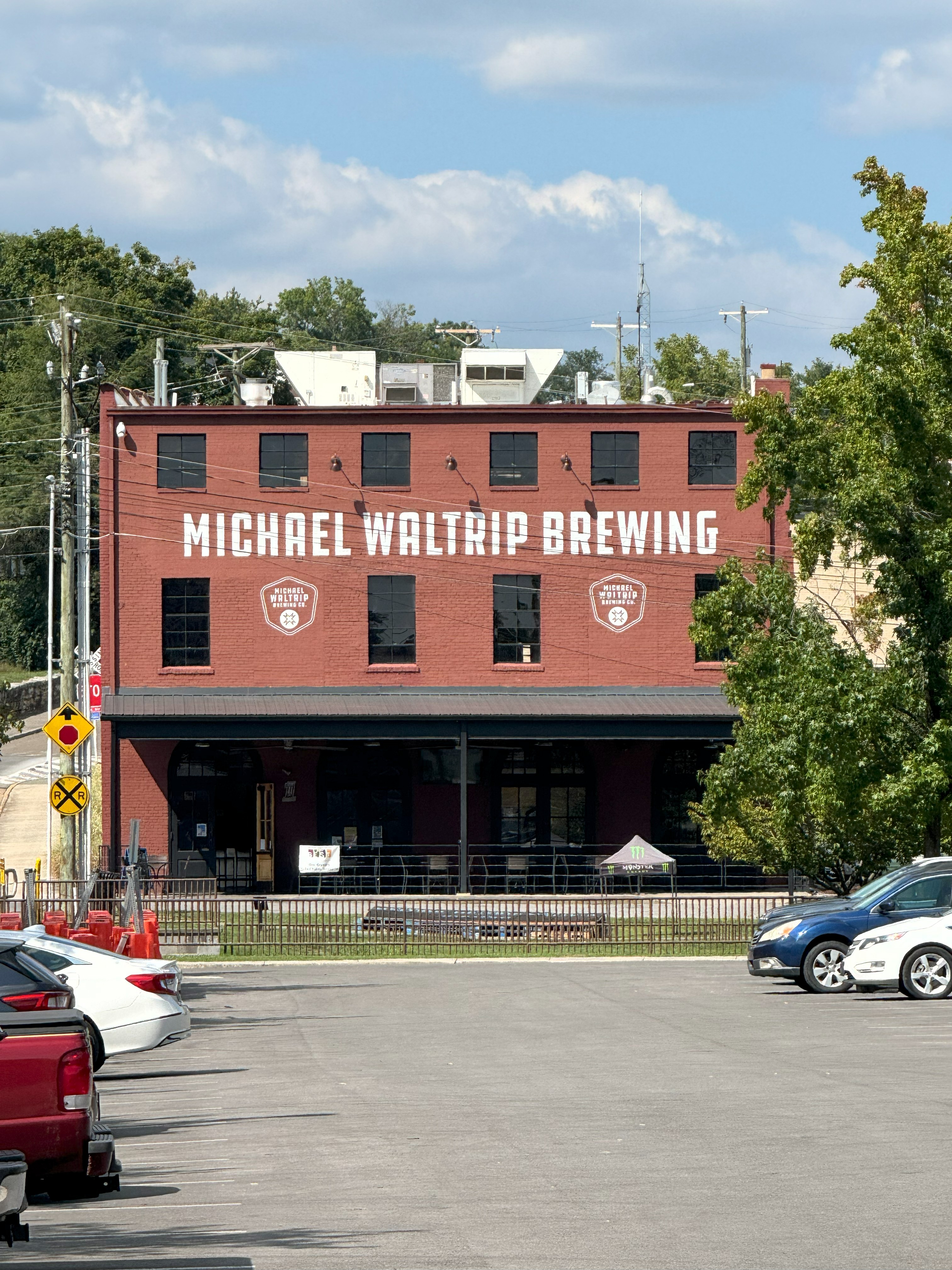
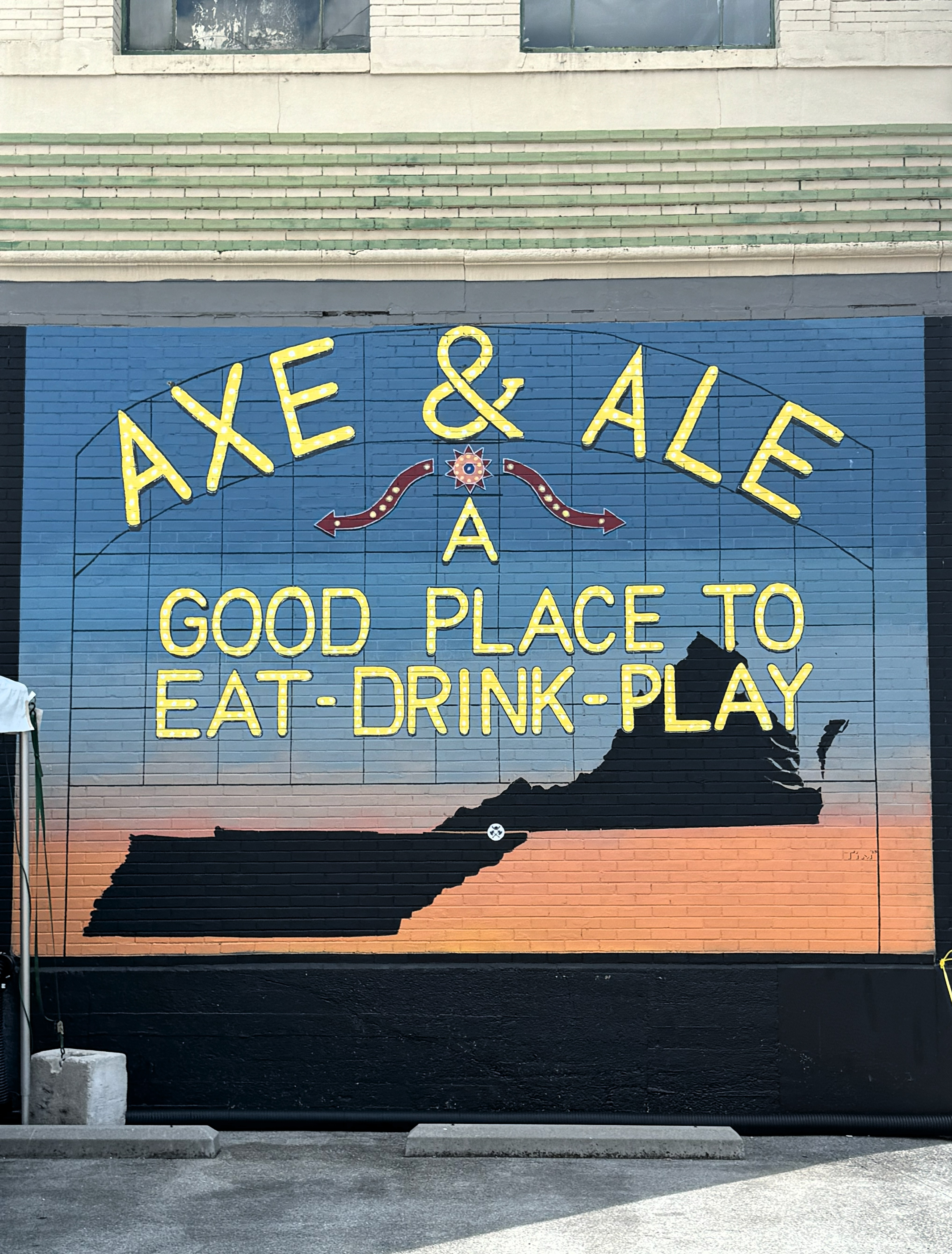
Have a look for yourself — except for the two mid-street shows below, all of these are photos of the Virginia side of the street:

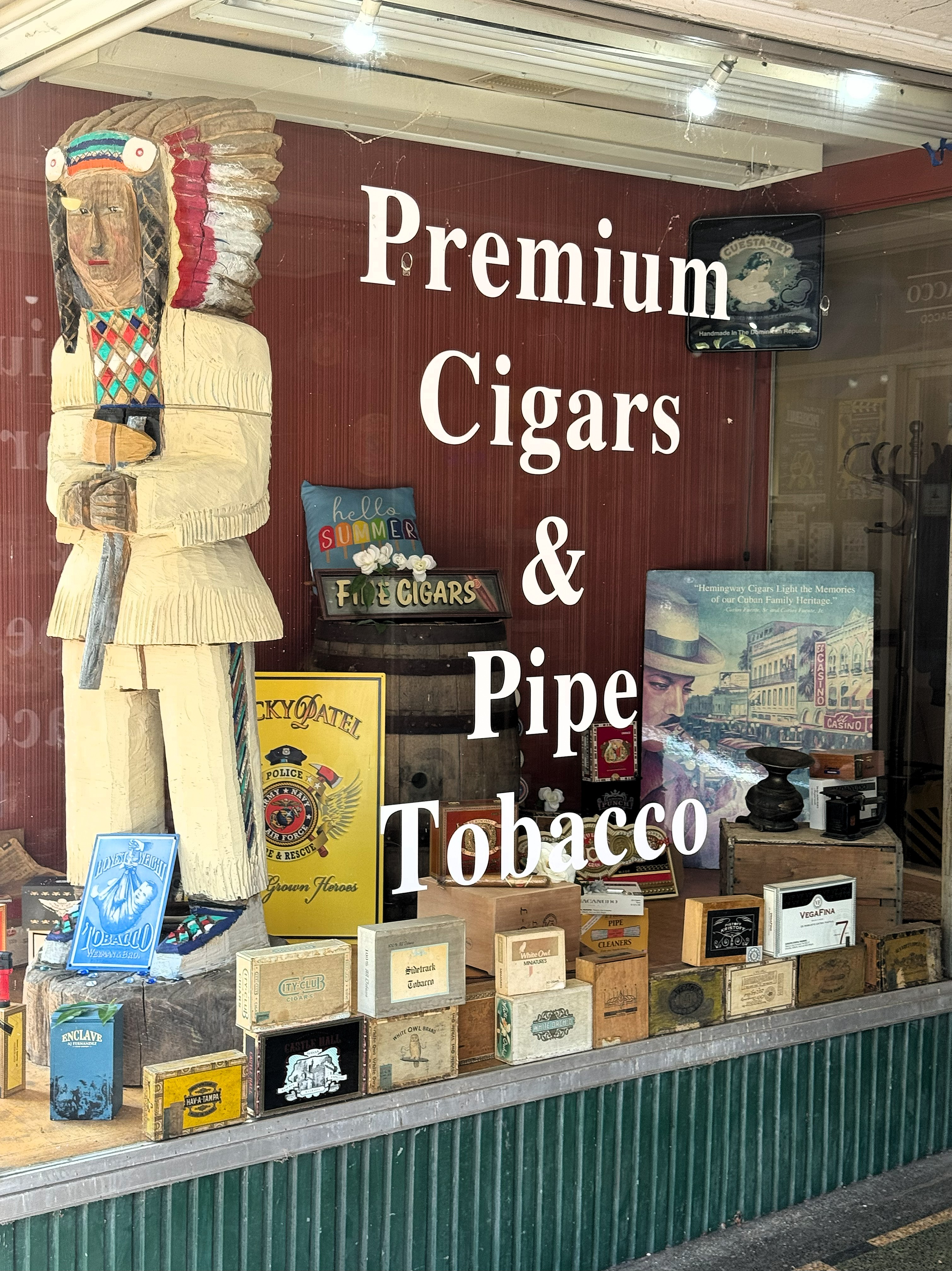
Here’s to the Axe & Ale, the Corner Bar & Grill, Michael Waltrip Brewing, and an art gallery — the HollerHouse of Bristol.

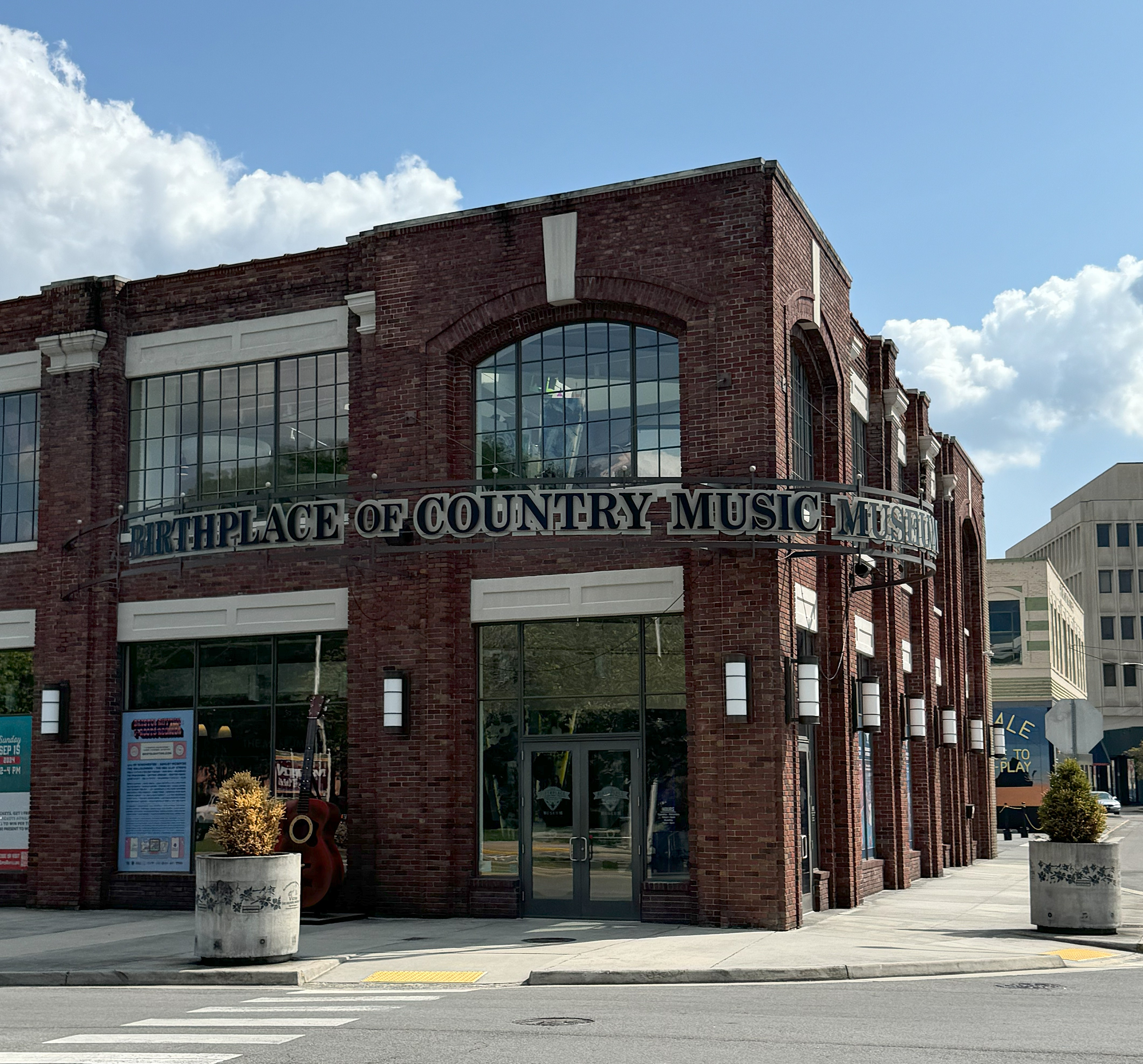
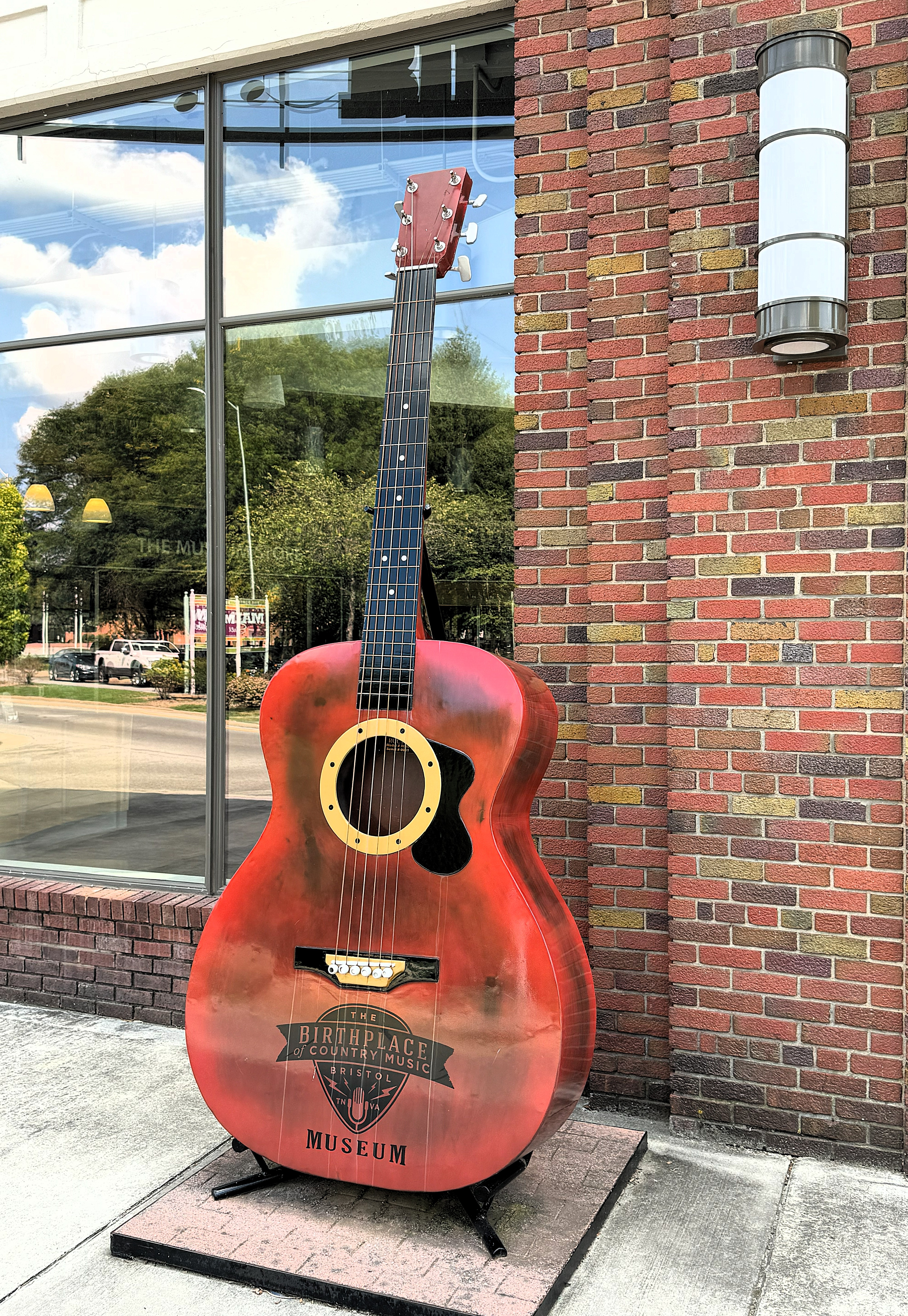
Bristol, Virginia, also boasts a great musical history and is the home to the Birthplace of Country Music Museum.

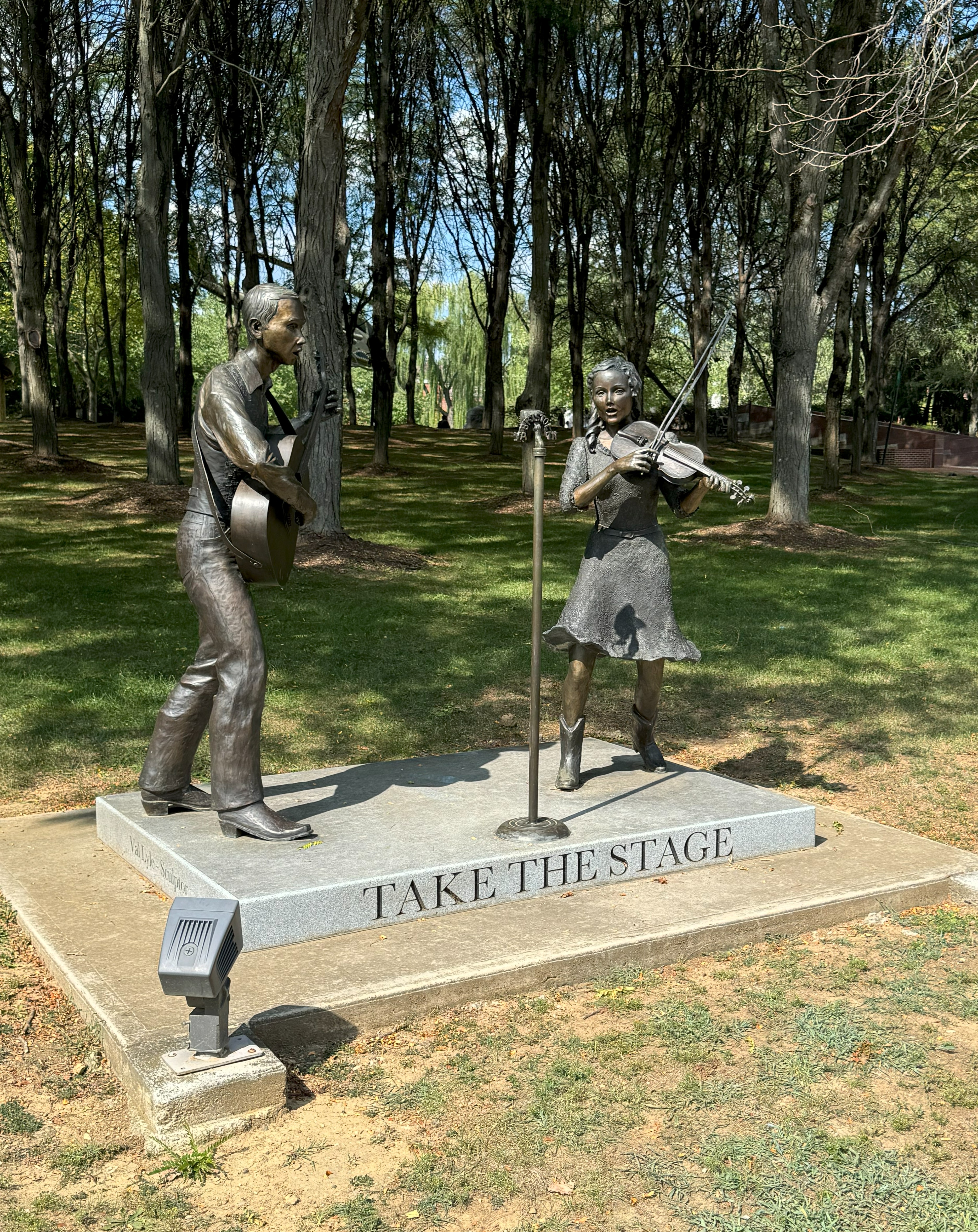
Below: a statue of a country music duo in Cumberland Park, and a Virginia road sign for the Crooked Road — Virginia’s music heritage roadway and trail.

If you’re curious, the Tennessee side of town is the larger of the two Bristols. Bristol, Tennessee, has a population of about 27,000, while Bristol, Virginia, has only 17,000 residents. Historically, the Tennessee city has always been larger than its counterpart, and this disparity has grown in recent years due to Tennessee’s more favorable tax policies compared to Virginia. Also, Bristol, Tennessee, can boast of the Bristol Motor Speedway.

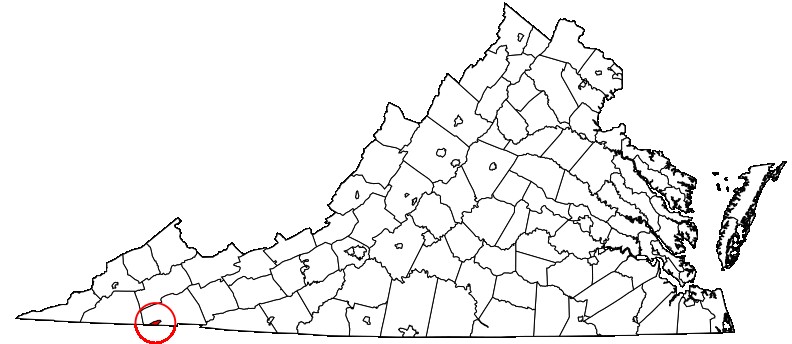
Bristol, Virginia, within the state of Virginia

Click here for a list of all TimManBlog American County Seats Series posts.
The photos in this post were taken on July 9, 2023, and are copyrighted by Tim Seibel.

Donations to TimManBlog

I post about a visit to one of America’s 3,150 county seats each month. Donations are greatly appreciated to help defray my travel costs.

$5.00

Check out the FREEDOM VOYAGES book series! These books document my road trips across the United States and include hundreds of stunning photographs. Each of the four books in the series is available on Amazon and Barnes & Noble. This includes my most recent release, FREEDOM VOYAGES Volume 4: Christmastime in Texas!

FREEDOM VOYAGES Volume 4: Christmastime in Texas. Available at Amazon.com and Barnes & Noble.

Earlier volumes in the FREEDOM VOYAGES series are also available:
Vol. 1: North-Central North Dakota
Vol. 2: Go West! From the Loneliest Road in America to California’s Gold Country
Vol. 3: A Proud, Dignified People in Lincoln’s Illinois

All FREEDOM VOYAGES books are on sale at Amazon.com and Barnes & Noble.
Post Navigation