TimManBlog

Whatever I'm Thinking

Archive for the tag “Gilded Age”

Litchfield, Connecticut: ‘A Stop at Willoughby’

September 29, 2024 — photos and memories from my visit in September 2013.
(You can support this site with a donation via Paypal, Visa, Amex, Mastercard, or Discover by using the form at the bottom. Thank you.)

The state of Connecticut is often seen as a congested place wedged between the big cities of New York and Boston that absorbs the excess population from both cities. However, some areas in Connecticut have retained their historical charm, resembling how they looked a century ago. Litchfield is one such place; its old town center retains the New England charm of a village green surrounded by old churches and short blocks of small businesses.
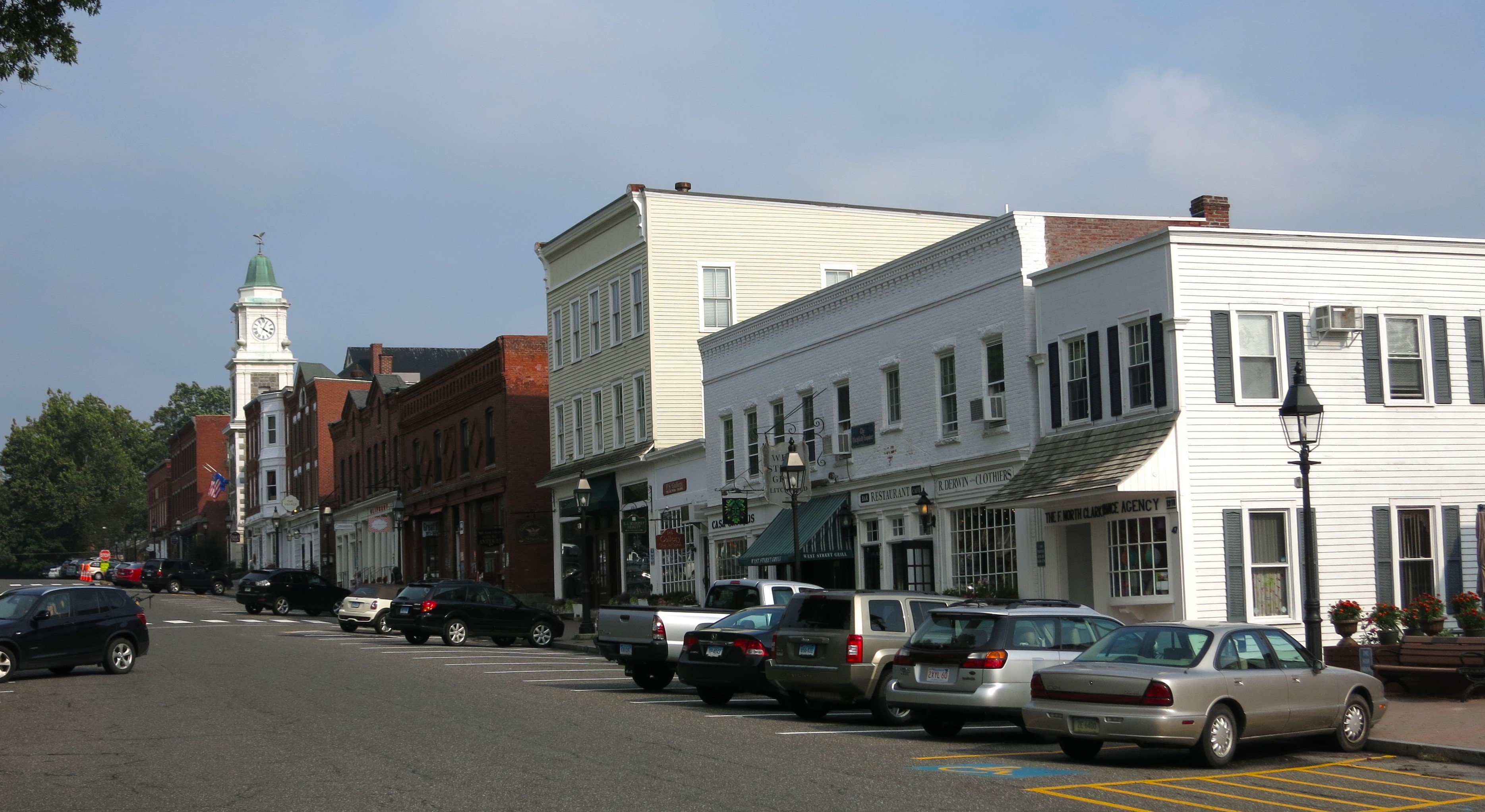
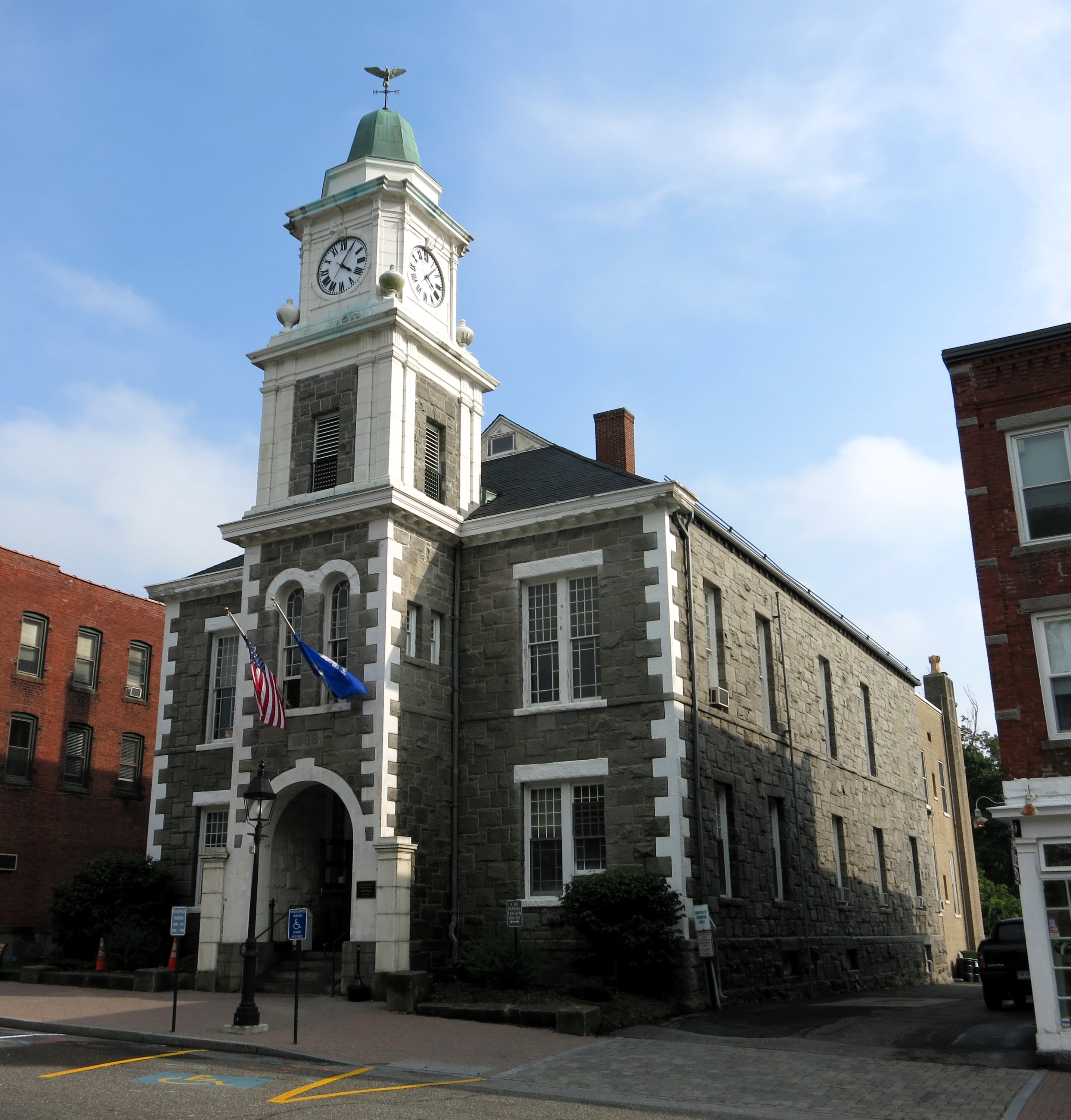
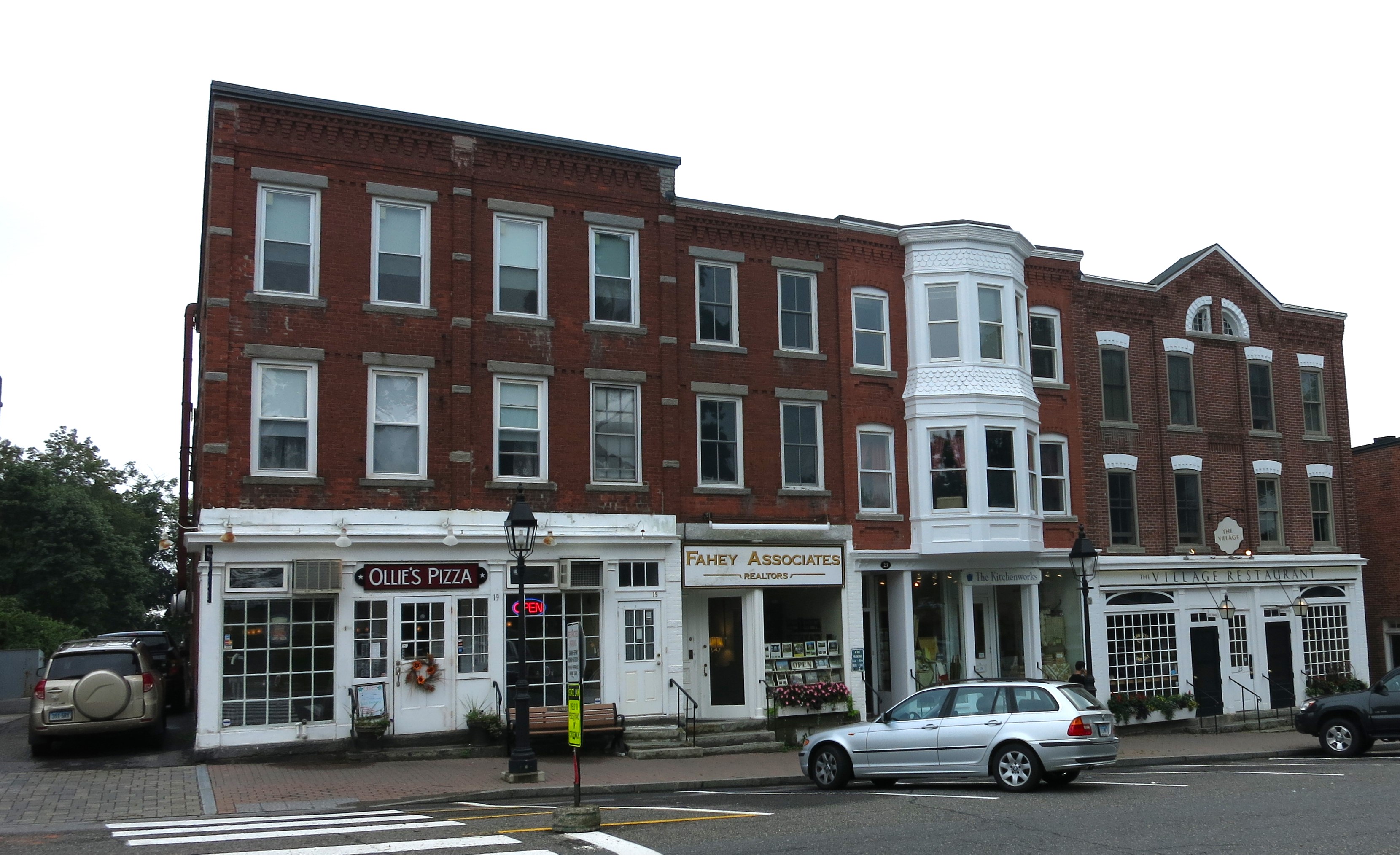
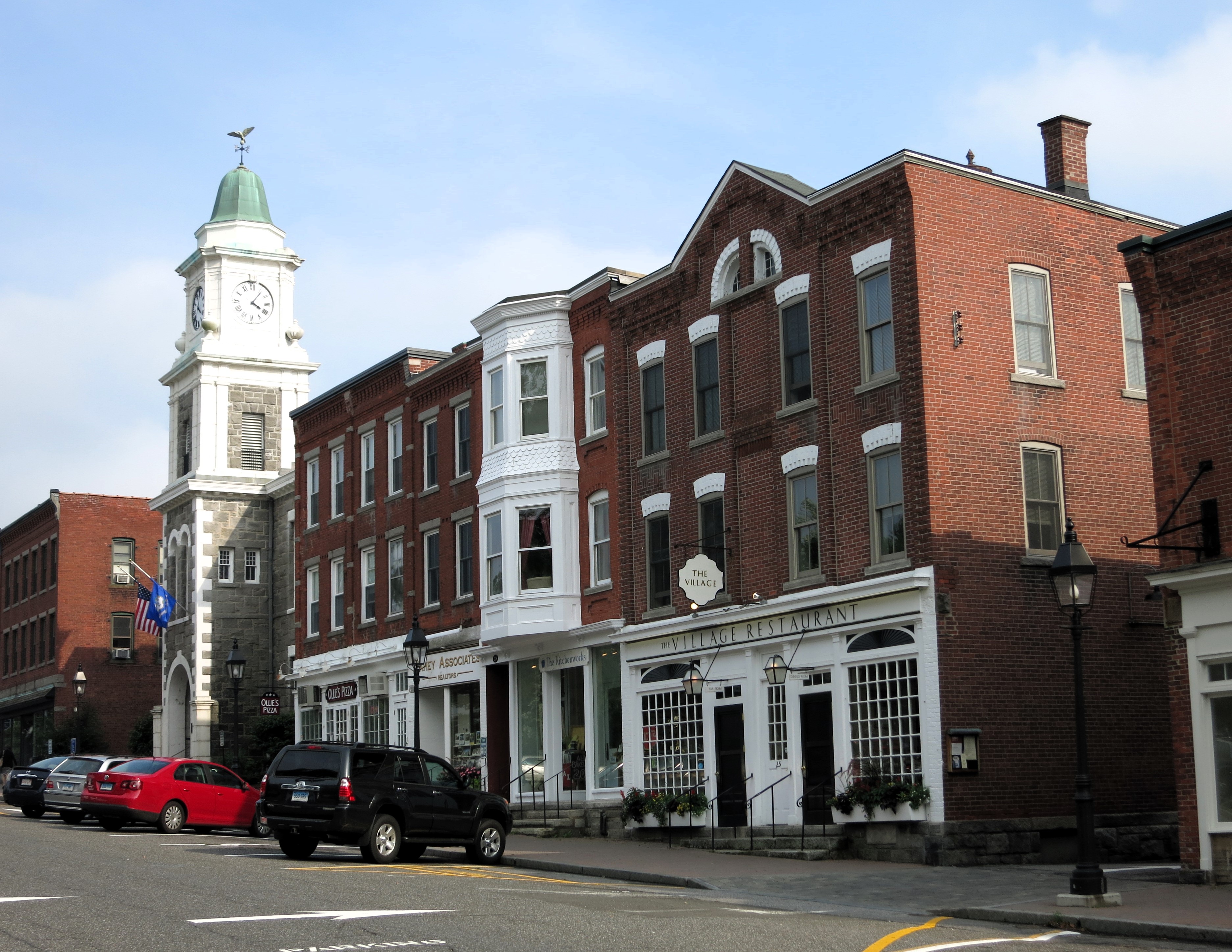
Litchfield’s “main street” is a row of small business buildings leading up to the old courthouse.
The old Litchfield County Courthouse.

When I parked the car in Litchfield, I was reminded of the quiet little town featured in “A Stop at Willoughby,” an episode of the 1950s Twilight Zone television series. In that episode, a stressed New York advertising executive dreams of peaceful small-town life in New England.

Each night, after a manic day at his “push-push-push” Manhattan job, the harried ad executive would fall asleep on the train ride home. Each time he nodded off, he would dream that the train passed the idyllic town of Willoughby. Willoughby had the tranquil pace of the 1890s — courting couples leisurely walked the streets arm-in-arm while village children could be seen racing down to a nearby fishing hole. Townspeople would pass by riding penny farthings.
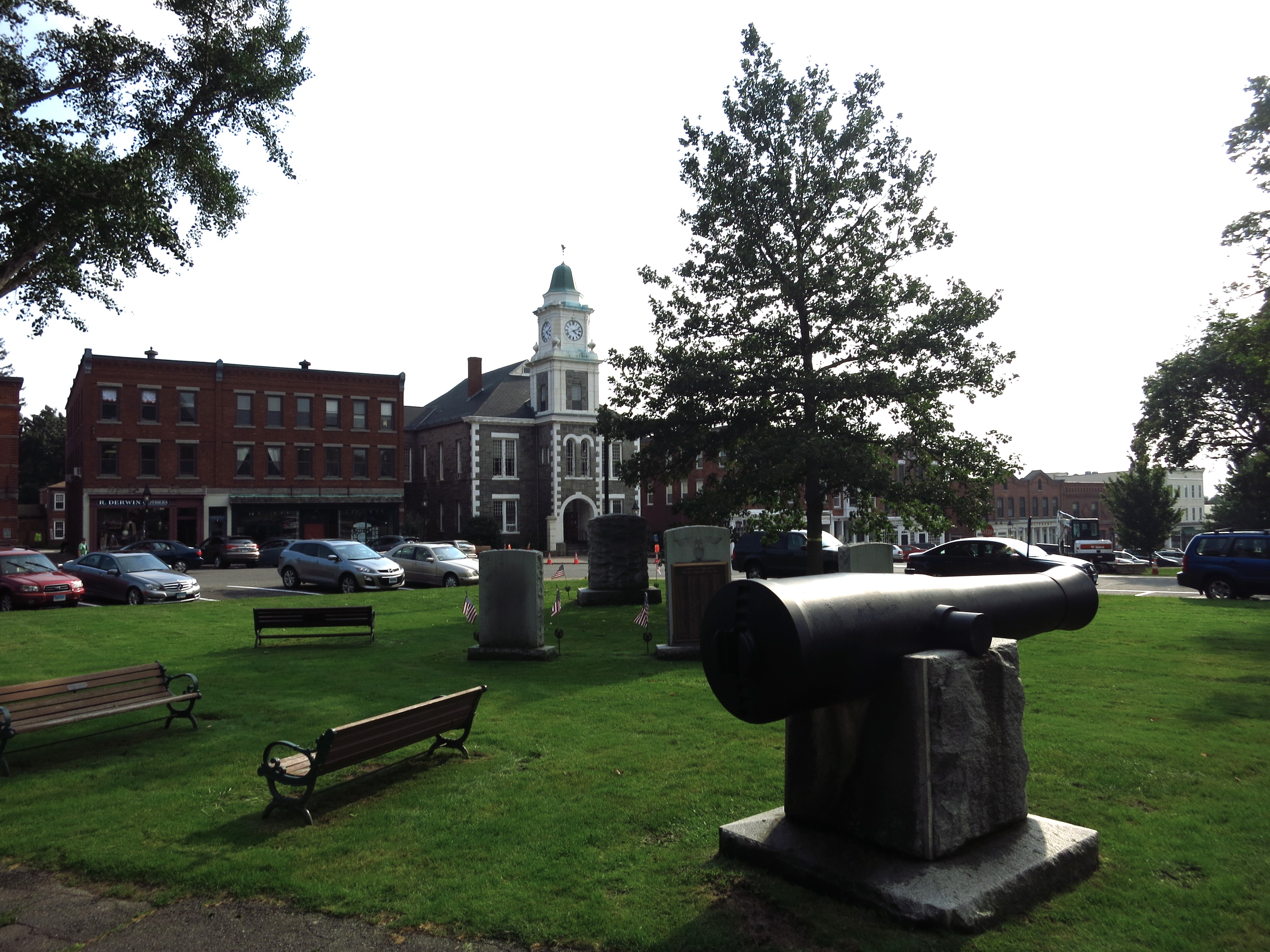
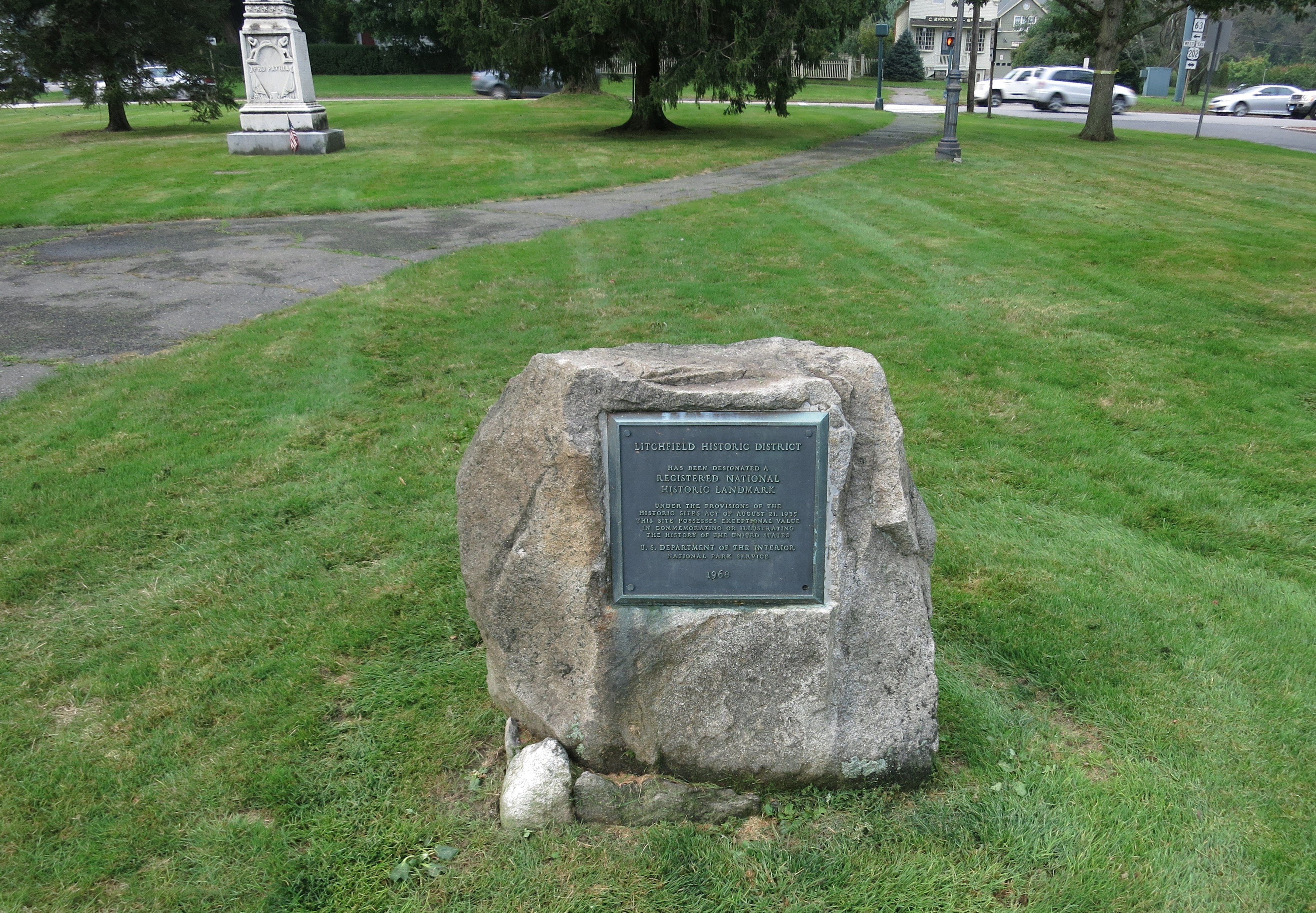
The Litchfield village green. The old county courthouse is in the background in the photo above, while the green’s many monuments appear in the images below.
The ad man longed for the life he saw through the train window each evening, and after many such dreams, he vowed, “Next time, I’ll get off at Willoughby.”
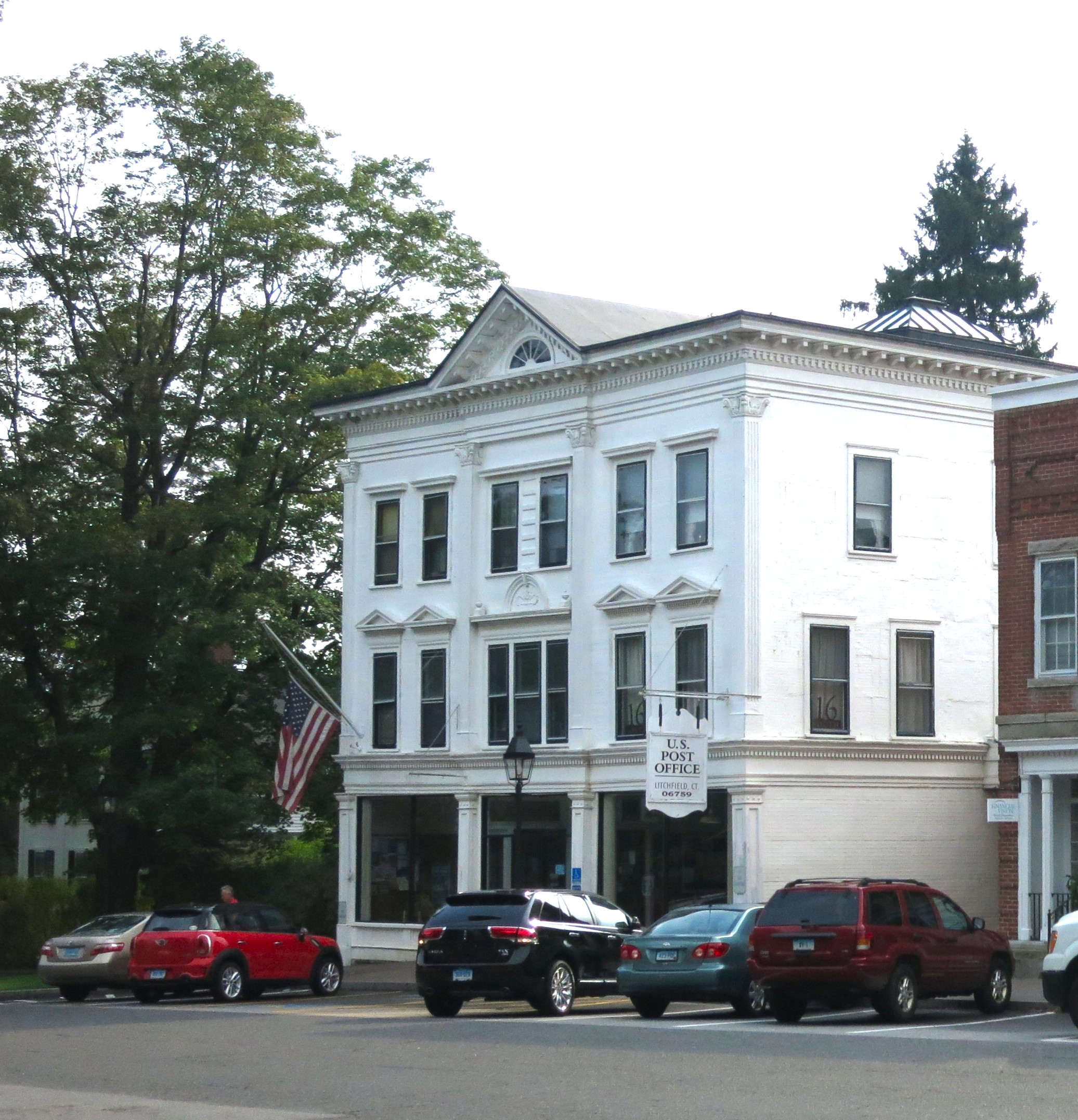
U.S. Post Office, Litchfield, Connecticut

Happy endings are rare in “Twilight Zone” stories. In “A Stop at Willoughby,” the advertising man suffers a particularly disastrous day at the office and so rushes back to the train ride home and the comfort of his recurring dream. This time, however, he willfully steps off the train at the peaceful Willoughby station. The episode’s final scene shows the train conductor finding the ad man’s lifeless body next to the train tracks, revealing that he had jumped off the train to his death.
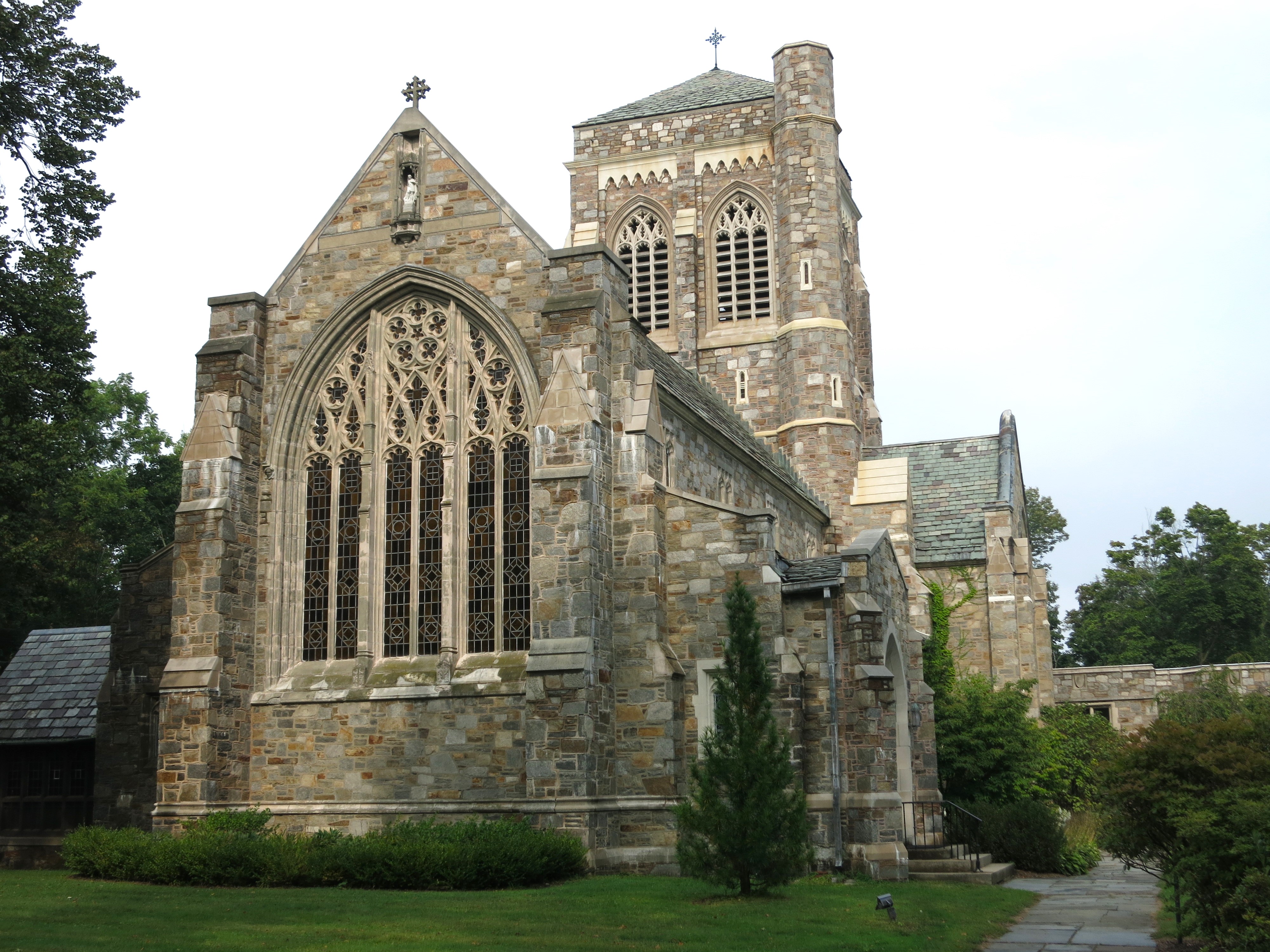
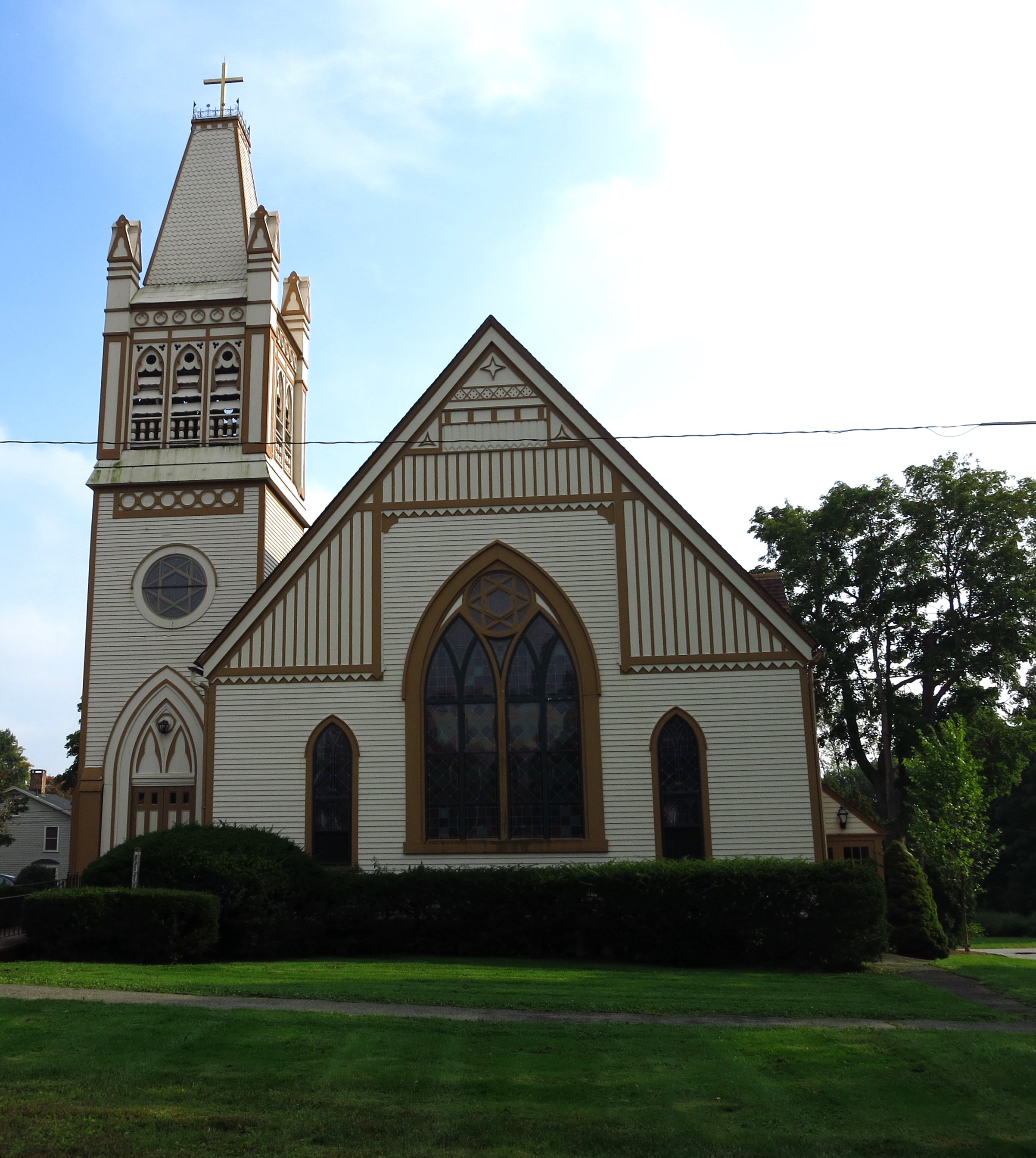
St. Michael’s Episcopal Church on South Street. Litchfield, Connecticut.

The lesson from ‘A Stop at Willoughby’ is not that the quiet life is better than the ambitious life. We are all different, and each is suited for a different life. Instead, the lesson here is that one must actively pursue happiness in the real world to achieve it. The Manhattan ad man is thus revealed to be a coward since he is afraid to make the hard decisions that a happy life requires. His search for escape became his suicide.

State Highway 63 leading down to the Litchfield courthouse and town center.

A stroll through the streets of Litchfield today showcases stunning hardwood trees providing shade to grand, million-dollar homes. Many of these homes were built during the Gilded Age of the late 1800s. Each house has its unique story, and each tale most likely involves someone pursuing their dreams robustly and during waking hours.
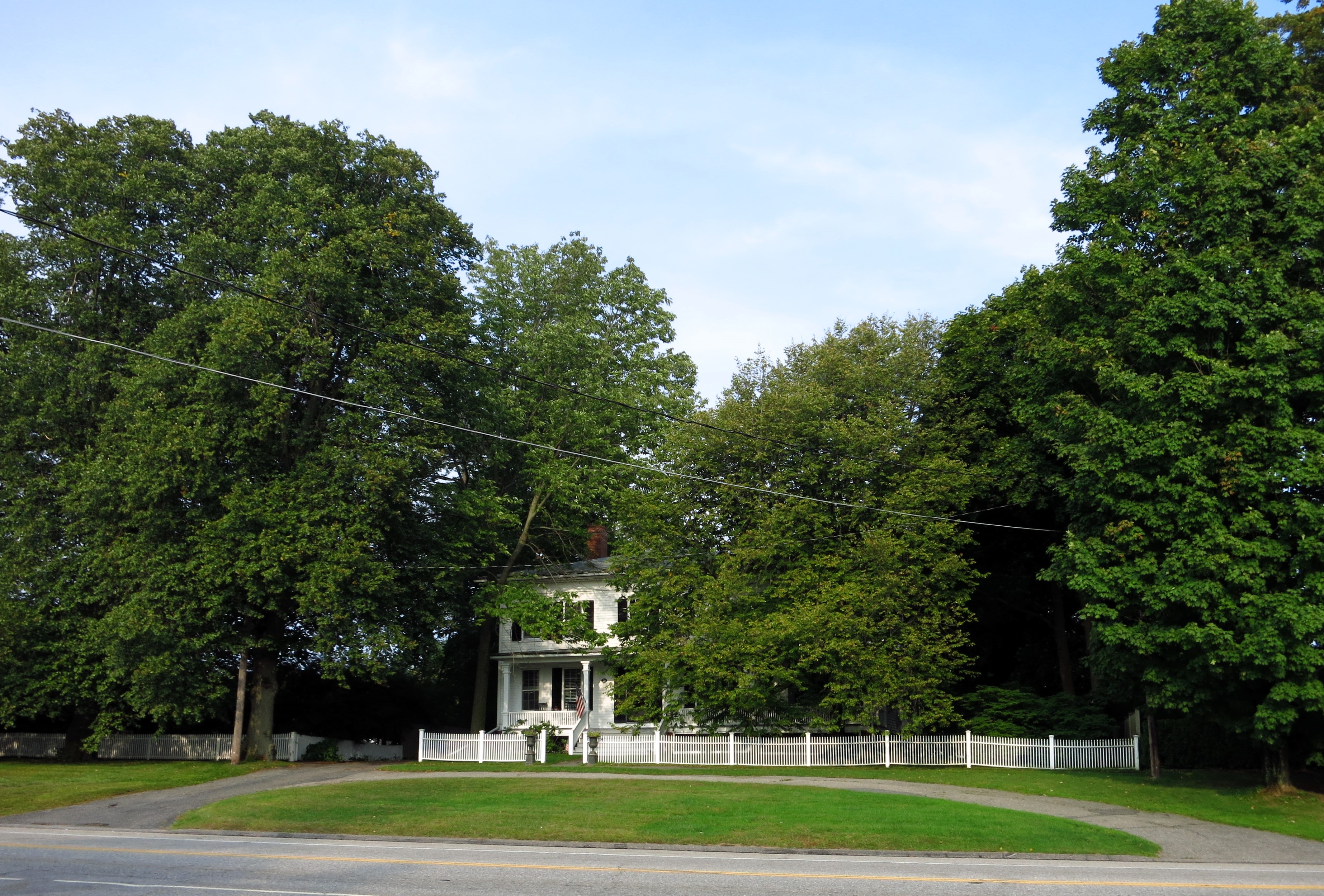
A tree-shaded home near the Litchfield village green.

Besides wealthy homeowners, others from Litchfield have made their mark on history. From 1810 to 1826, Litchfield was the home of Calvinist abolitionist preacher Lyman Beecher, who was minister at Litchfield’s First Congregational Church. Minister Beecher was the father of Harriet Beecher Stowe, author of the abolitionist novel Uncle Tom’s Cabin, and Henry Ward Beecher, a noted clergyman who raised money to purchase slaves from captivity and rifles for abolitionists fighting in Kansas. The rifles would become known as “Beecher’s Bibles.” Both Harriet Beecher Stowe and Henry Ward Beecher were born in Litchfield.
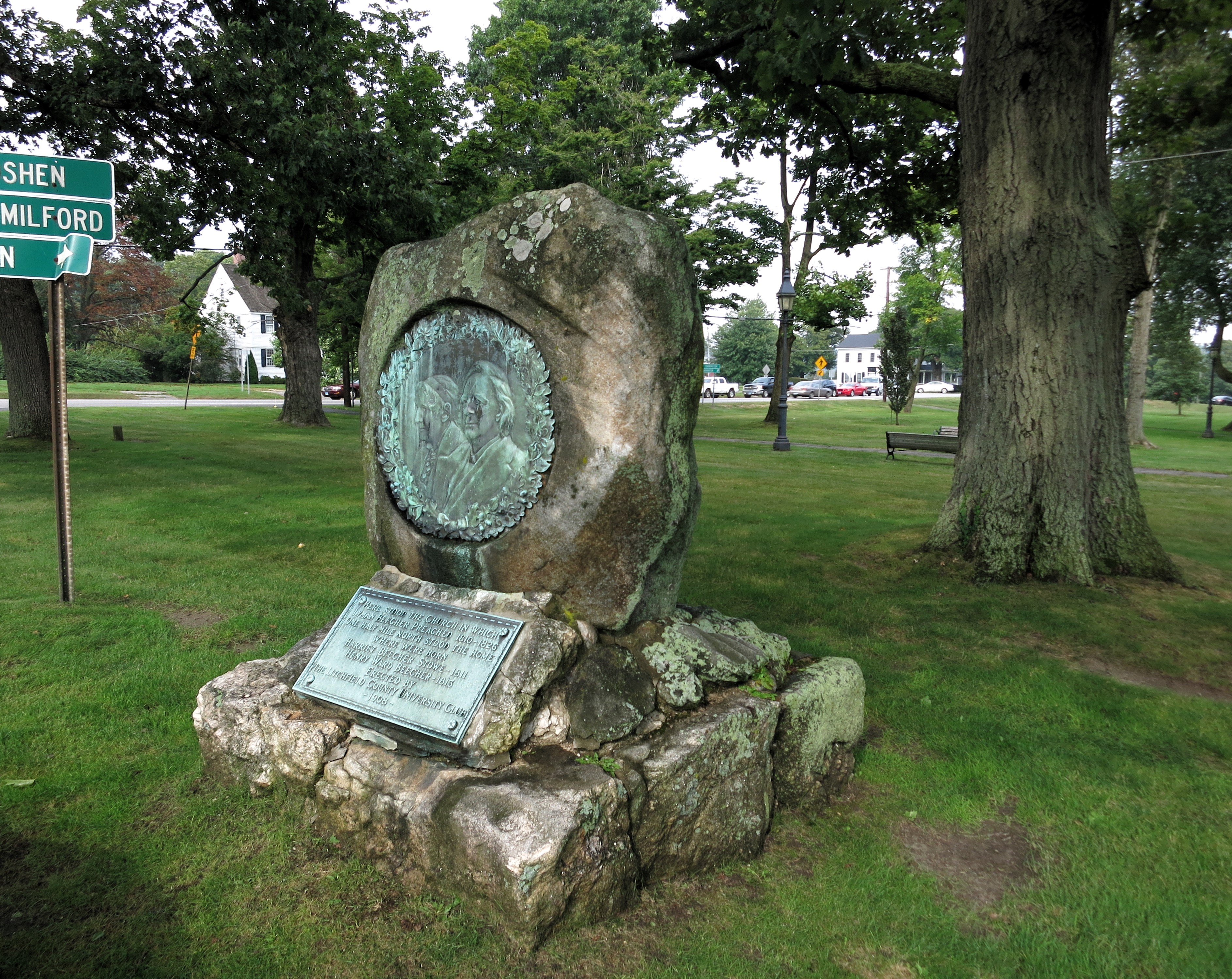
The old stones and plaque in the village green mark the site of Lyman Beecher’s church.

Below: The First Congregational Church of Litchfield is at the top left; two other prominent local churches are shown at the bottom left and right.
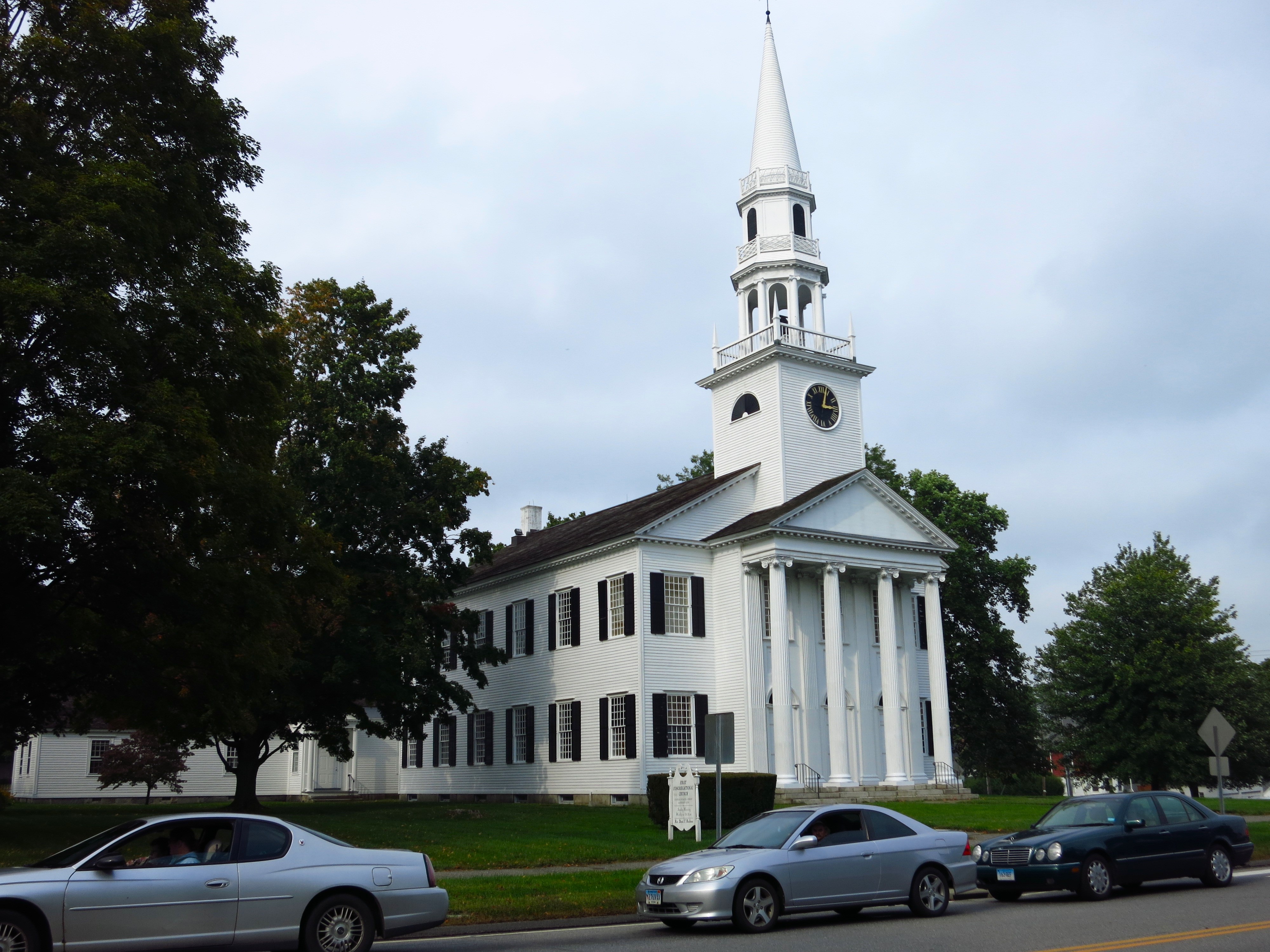
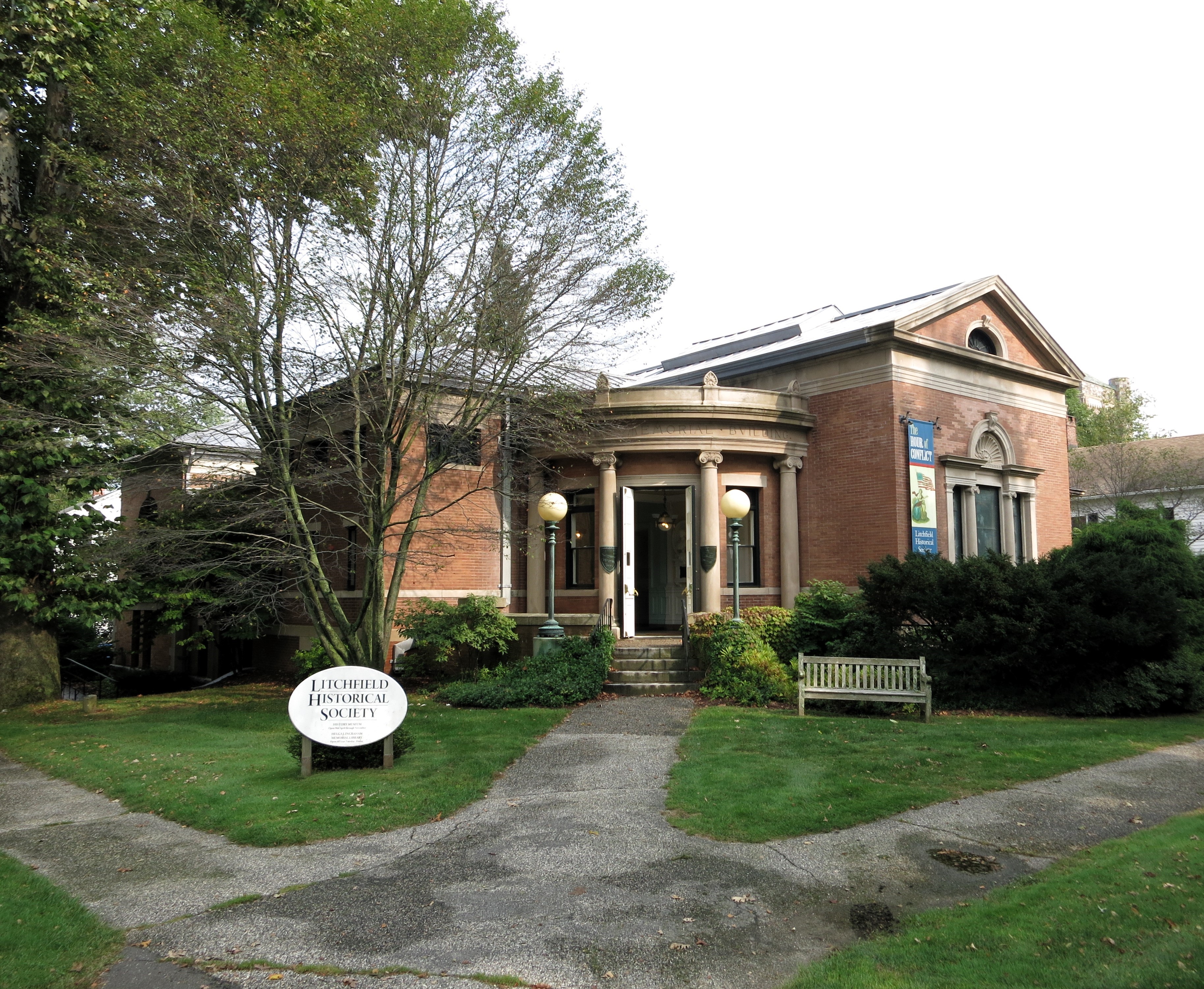
I took photos of some other prominent buildings around the Litchfield village green, including the building that houses the Litchfield Historical Society (top left).
Finally, here are some notes about Litchfield County, Connecticut, and its government. The map below shows the state of Connecticut and its county lines, with Litchfield County shaded in red in the northwest corner of the state.
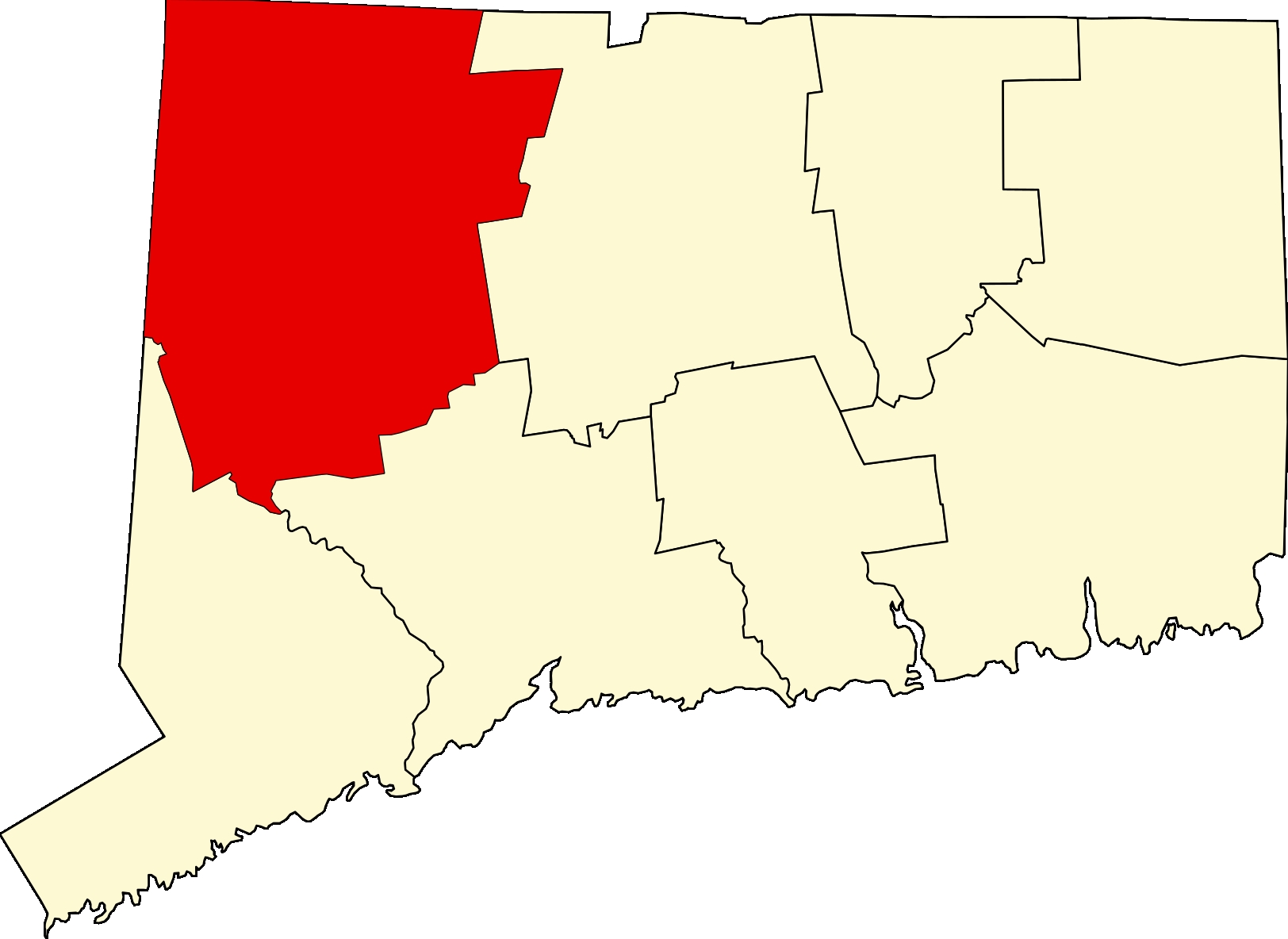
The boundaries of (former) Litchfield County within the state of Connecticut.

However, this is an old configuration. Connecticut did away with county governments some 50 years ago in the 1960s (as did the state of Rhode Island, for what it’s worth). Counties in Connecticut were replaced by judicial districts. The old Litchfield Courthouse was still in operation during my visit in 2013 as part of a larger judicial district, but all functions in the old courthouse were removed in 2017 and now reside at the new Litchfield Judicial District Courthouse in Torrington, Connecticut.
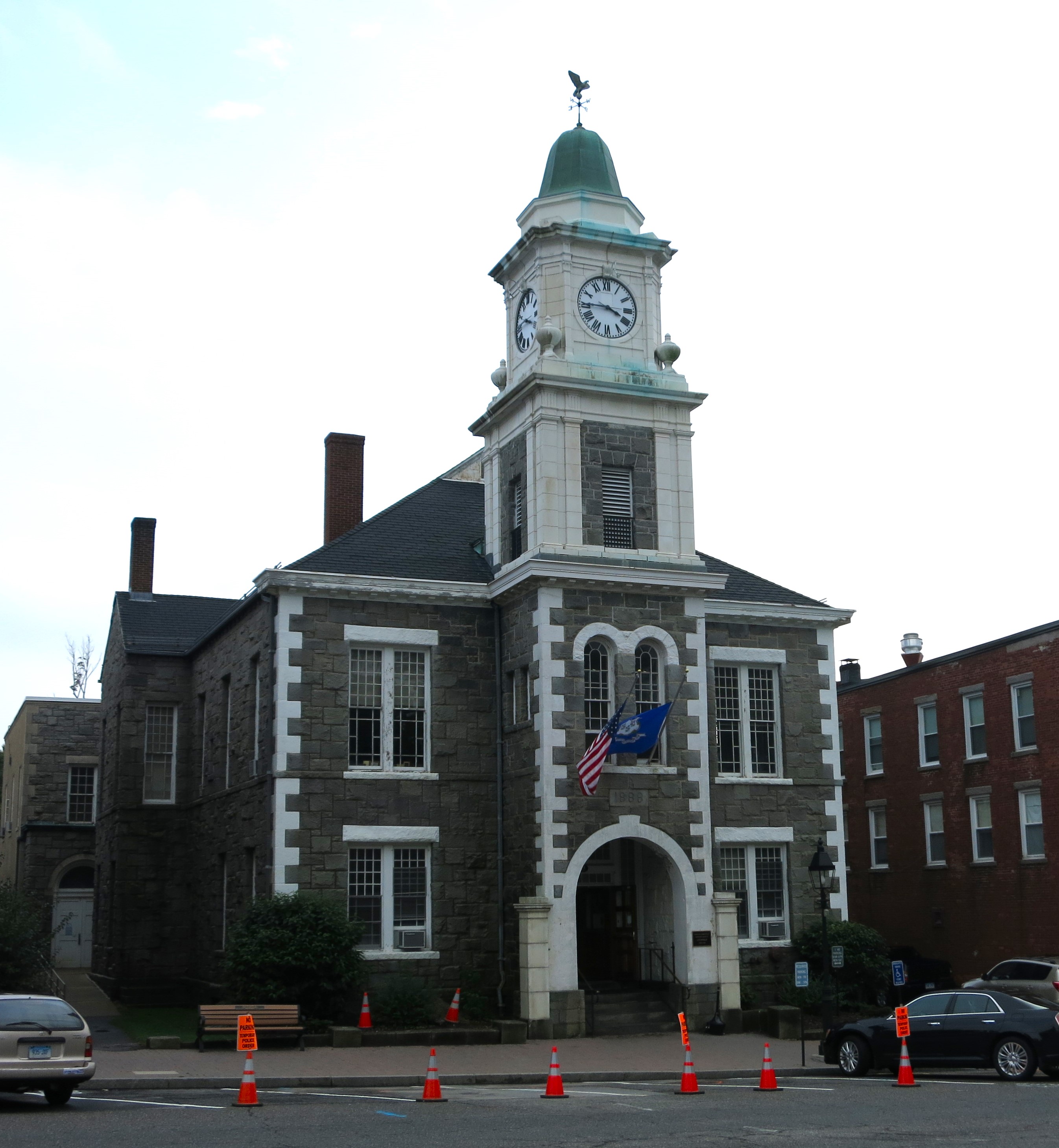
The (former) Litchfield County Courthouse in Litchfield, Connecticut.

A list of all photo posts from the American County Seats series in TimManBlog can be found here.

All photos were taken by the author on September 10, 2013.

My hobby is traveling to America’s county courthouses. Each month, I post about a visit to a scenic or exciting county seat. It’s a hobby, and donations are greatly appreciated to help cover my costs.

Donations to TimManBlog

Use this form to make donations to support this site. Paypal, Visa, Mastercard, Amex, and Discover cards are accepted. Donations can be made in increments of $5.00; increase the number of units to increase the donation amount.

$5.00


The Entire State is New York and Albany is its Capital

October 1, 2013

New Yorkers are funny; they always have me laughing, or at least shaking my head.

After landing at the Albany airport on a quiet, sunny Sunday afternoon I let the GPS direct me onto a backwoods route to my hotel.  Nearing a rural roadside craft sale, held in a barn, I saw a sign warning to watch for pedestrians. Then I noticed a petite Asian woman on the side of the road ready to cross.  Seeing no crosswalk but figuring that New York pedestrian right-of-way laws were very strict, I stopped my car completely and motioned for her to cross.  She hesitantly approached the edge of the road, then set her feet and tilted her head at such an angle that she could both look down and sideways at me at the same time.  I checked my mirrors; mine was the only car in sight in either direction.  I waved my hand again.  She tensed ever so slightly at the invitation, but finally declined and just stood there, motionless, looking down, refusing to place one foot on the asphalt.  Apparently, New Yorkers are not a trusting breed.  I conceded the stand-off to her and drove on by.

Welcome to New York.

The next morning in downtown Albany I saw a woman’s transmission fail in the middle of an uphill street.  She was trying to climb the hill but each time she shifted into ‘Drive’ and hit the gas the car merely rolled further backward downhill.  Wishing to help, my first instinct was to look around for someone who might have access to a payphone. (I must have very old instincts. People have cell phones now and can call their own tow trucks.)  I noticed a middle-aged woman having a smoke outside the courthouse door and shouted to her, “Could you please call a tow truck?”  She gaped at me, pointed at her chest, and mouthed indignantly, “ME? You want ME to call?” Apparently, I had broken the Sacred Law of the Street. Since the whole scene was comically absurd, I drifted away shaking my head and laughing.

Welcome to New York.

The previous bit of pseudo-drama took place outside the new Albany County Judicial Center, across the street from the old county courthouse.  The new building is a four-story brick structure with an underground entrance for defendants and such. All sorts of suits stood outside, exiled to the sidewalk for needing to smoke.

Albany County Judicial Center

The old courthouse next door is more ornate and even has a special entrance for “G.A.R.” members.  (The G.A.R. was the “Grand Army of the Republic”, an association of Union Civil War Veterans.)

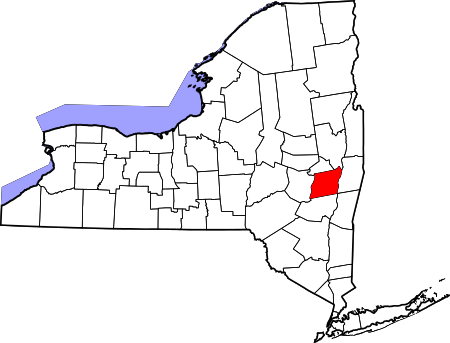
Albany County in the state of New York

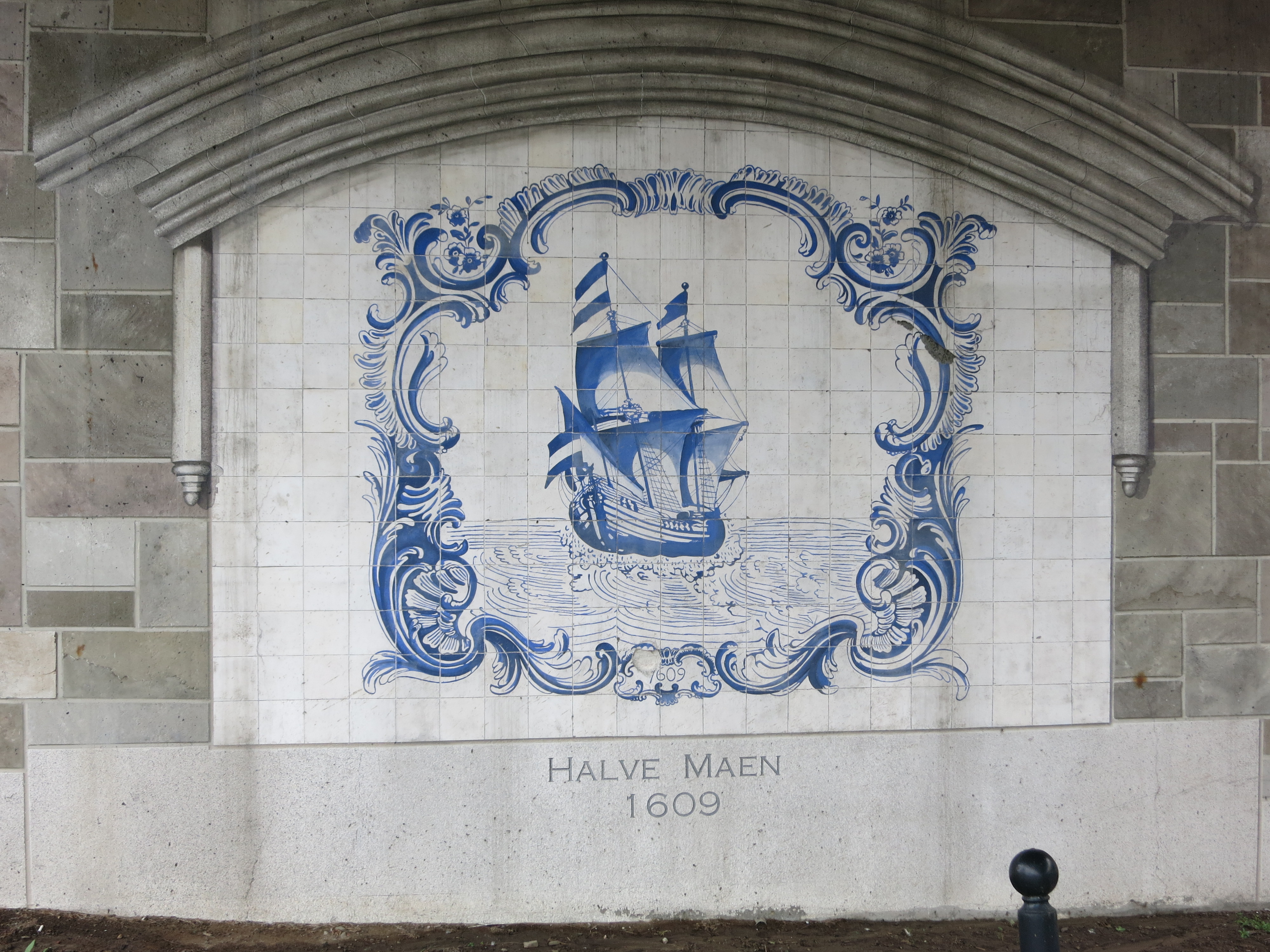
Albany has a long history. European settlement began with Henry Hudson’s 1609 voyage up the river which carries his name, looking for the fabled northwest passage to the Indies.  It was at this point that the Hudson River became too narrow for him to continue and forced him to turn back downstream.

Memorial to Hudson's ship the "Halve Maen" (Half Moon), Albany New York
Memorial to Hudson’s ship the “Halve Maen” (the Half Moon), Albany, New York

That was four hundred years ago. Ages have gone by. Today Albany is a collection of distinct parts each associated with specific periods.

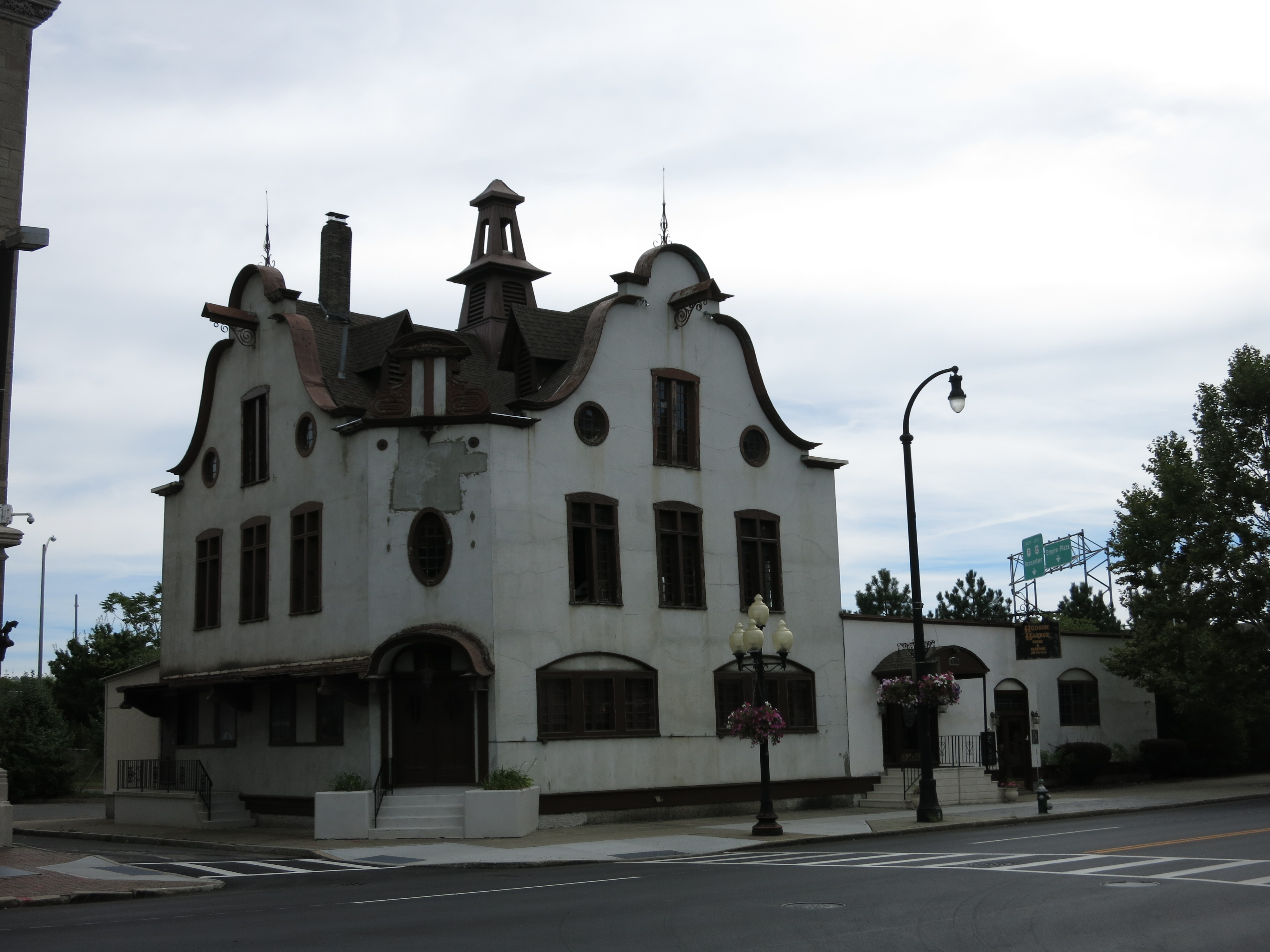
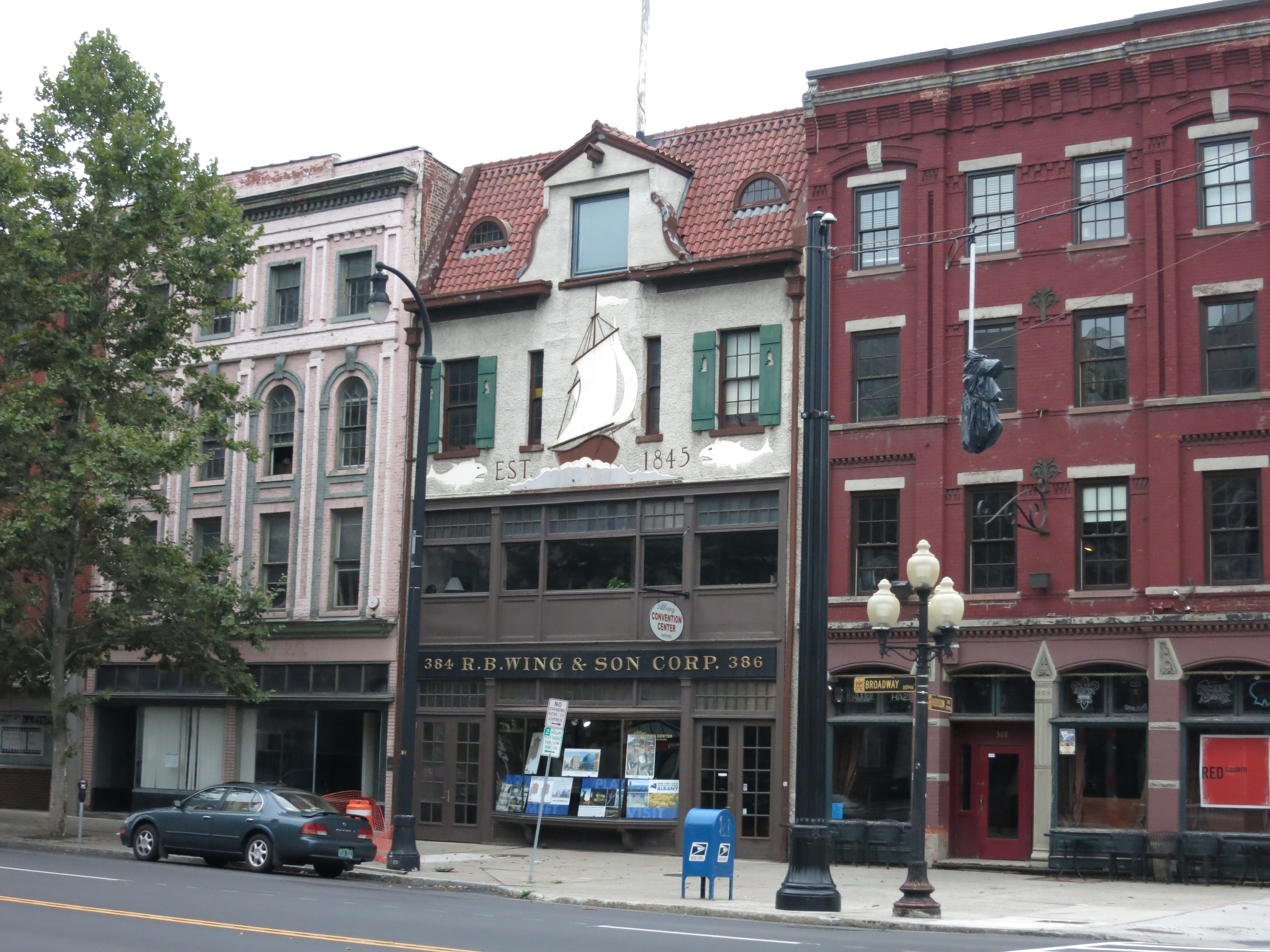
The oldest part of Albany is along the Hudson River where I found some Dutch architecture:

The Hudson Harbor Restaurant
Old Business Block along Broadway, Albany, New York

The state government buildings comprise the next part of town. Albany became the permanent New York State Capital in 1797. The Capitol building itself was completed in the 1870s and looks like a European palace.  The statue in front is of Union Civil War hero (and Albany native) General Philip Sheridan.

New York State Capitol, Albany

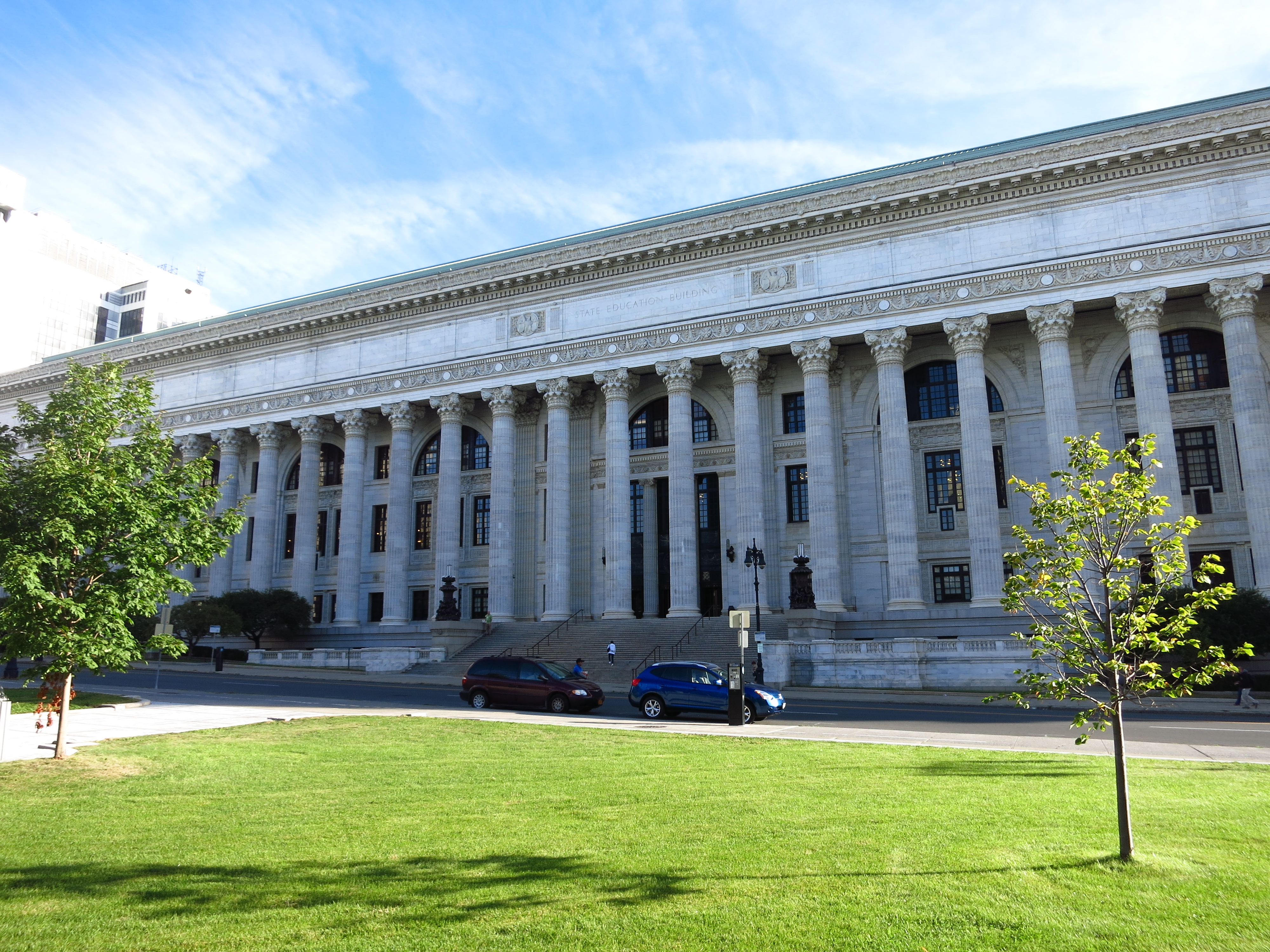
The Classical columns on the building across the street from the Capitol make it look like a judicial building, but it’s not. This is the New York State Department of Education.

New York State Department of Education, Albany

The building’s classical columns suggest that New York Education occupies the place Justice occupied in classical thought. Considering that these are the offices of the bureaucracy, that’s a very scary thought.

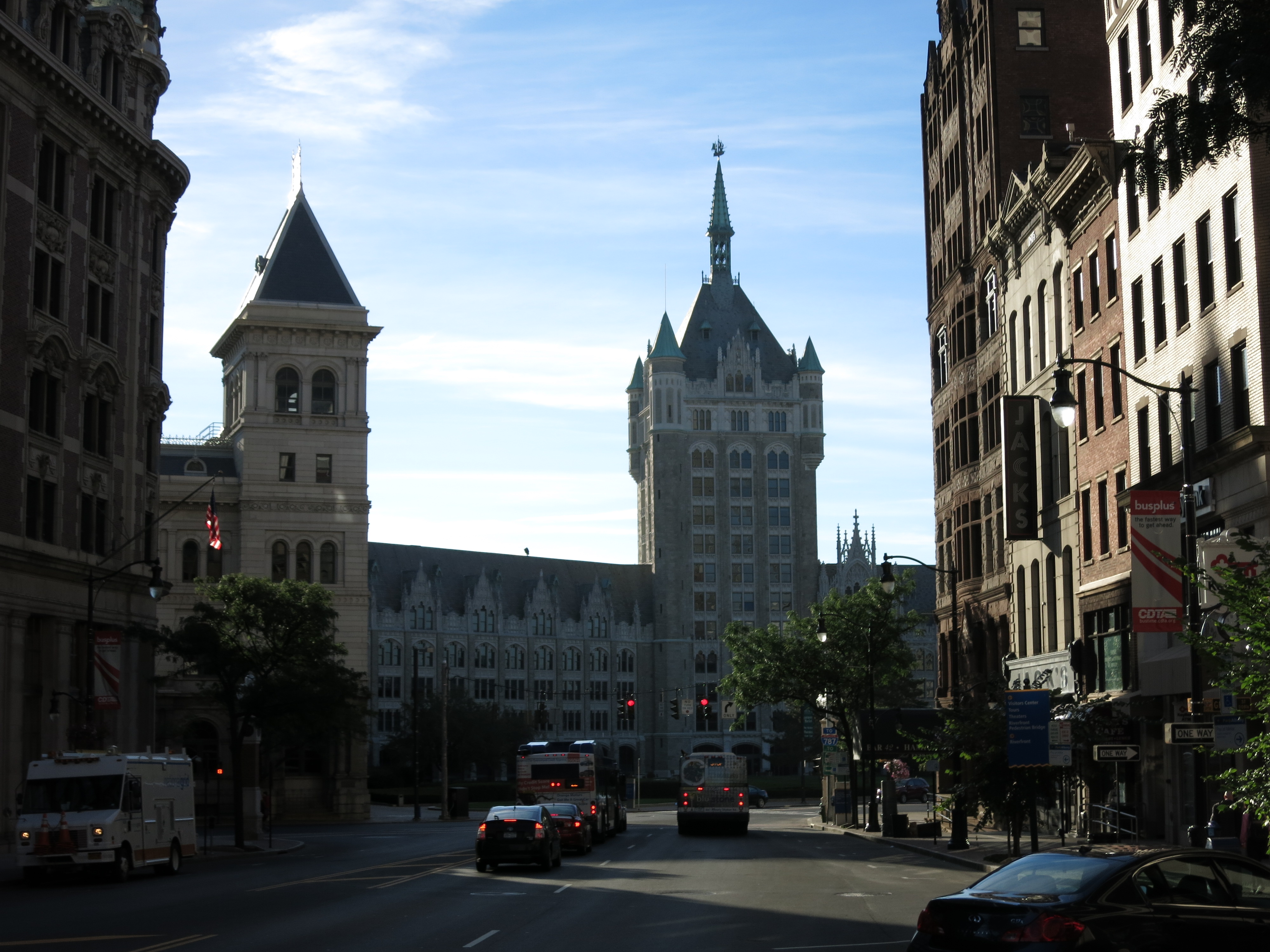
The administrative offices of SUNY (the State University of New York) are in an equally grandiose building at the foot of State Street. It’s too large to fit into one photograph.  The Gothic towers are remarkable:

SUNY Administration Plaza, Albany New York
SUNY Administration Tower and Plaza, Albany

The word “education” is derived from Latin and means “to raise up from within.” By the two examples above it seems that the State of New York has built a grand central administration whose purpose can only be to “push down from above”, i.e., indoctrinate.

Moving on to the private sector, the next part of Albany is the Pearl Street commercial district. Many of these structures date from the Gilded Age of the late 1800s. Prominent towers and intricately carved red sandstone were the hallmarks of this age. The buildings were purposely ostentatious and opulent yet beautiful; they are still beautiful today.

Gilded Age building on North Pearl Street, Albany
Gilded Age building on North Pearl Street, Albany, New York

On the building below the corner, offices have alcoves jutting over the streets.  That’s the Gilded Age’s way of saying, “let me be part of the city and as close as possible to it while still enjoying my comforts.” These days the Pearl Street Pub occupies the ground floor of this old block.

North Pearl Street and Pearl Street Pub, Albany New York
North Pearl Street and Pearl Street Pub, Albany, New York

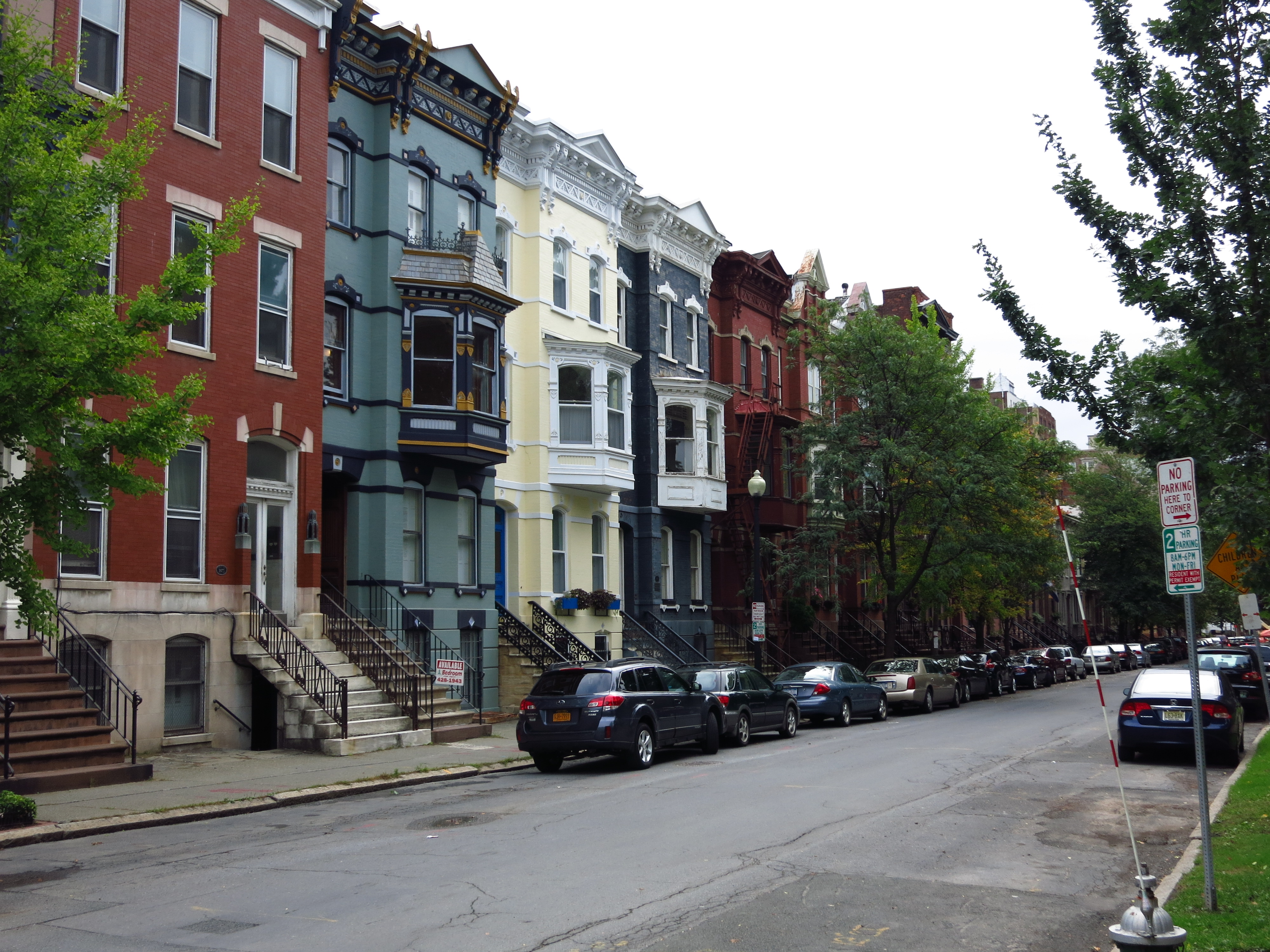
Next is an old residential area above the state Capitol, now occupied mainly by professionals. These are townhouses across from a city park.  Many have intricately painted trim.  Most have bay windows on the second floor:

Townhouses along State Street, Albany New York
Townhouses along State Street, Albany, New York

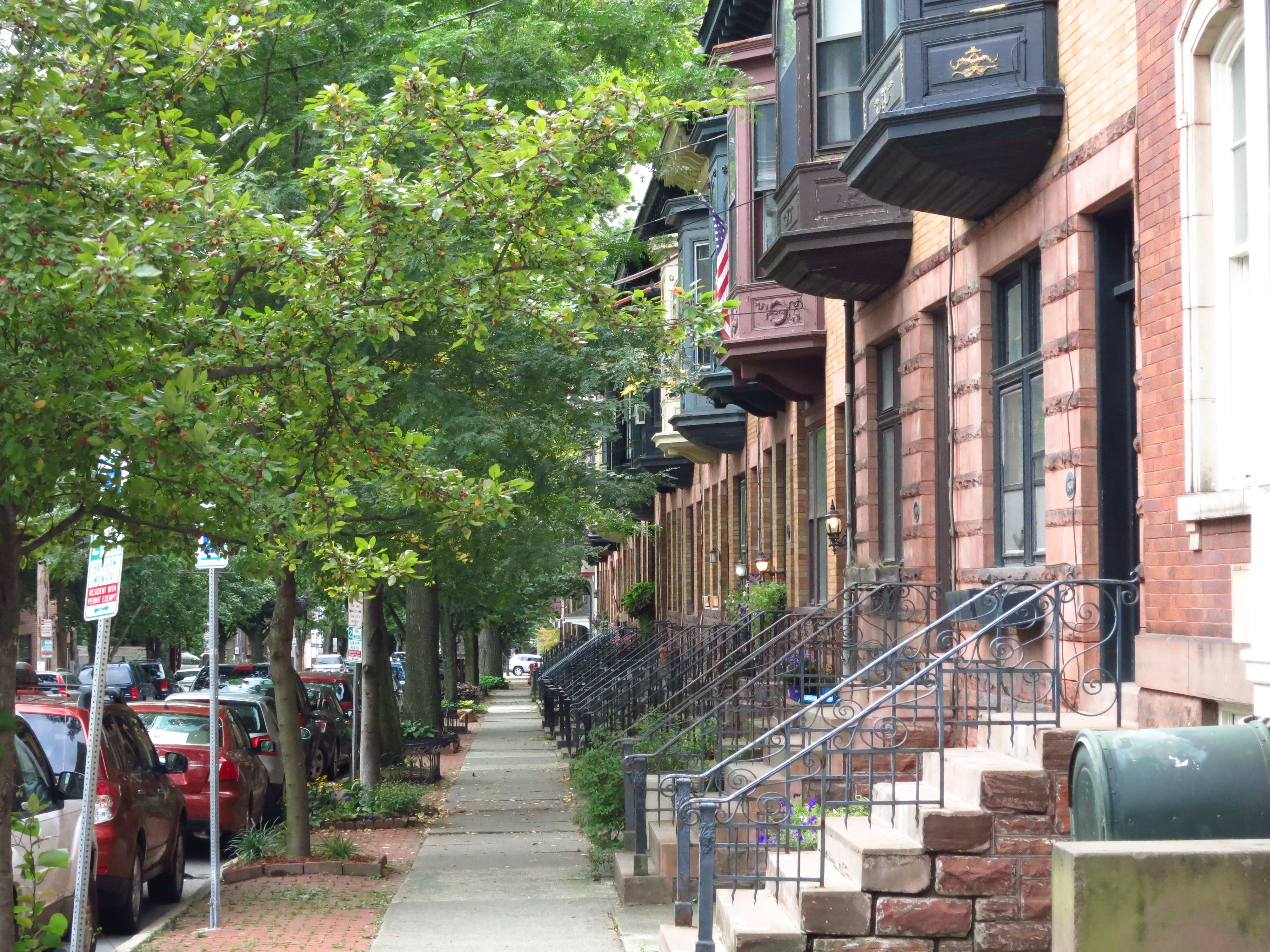
These townhouses could be mistaken for the Greenwich Village walk-ups found in Manhattan 150 miles downstream:

Walk-ups along State Street, Albany New York
Walk-ups along State Street, Albany, New York

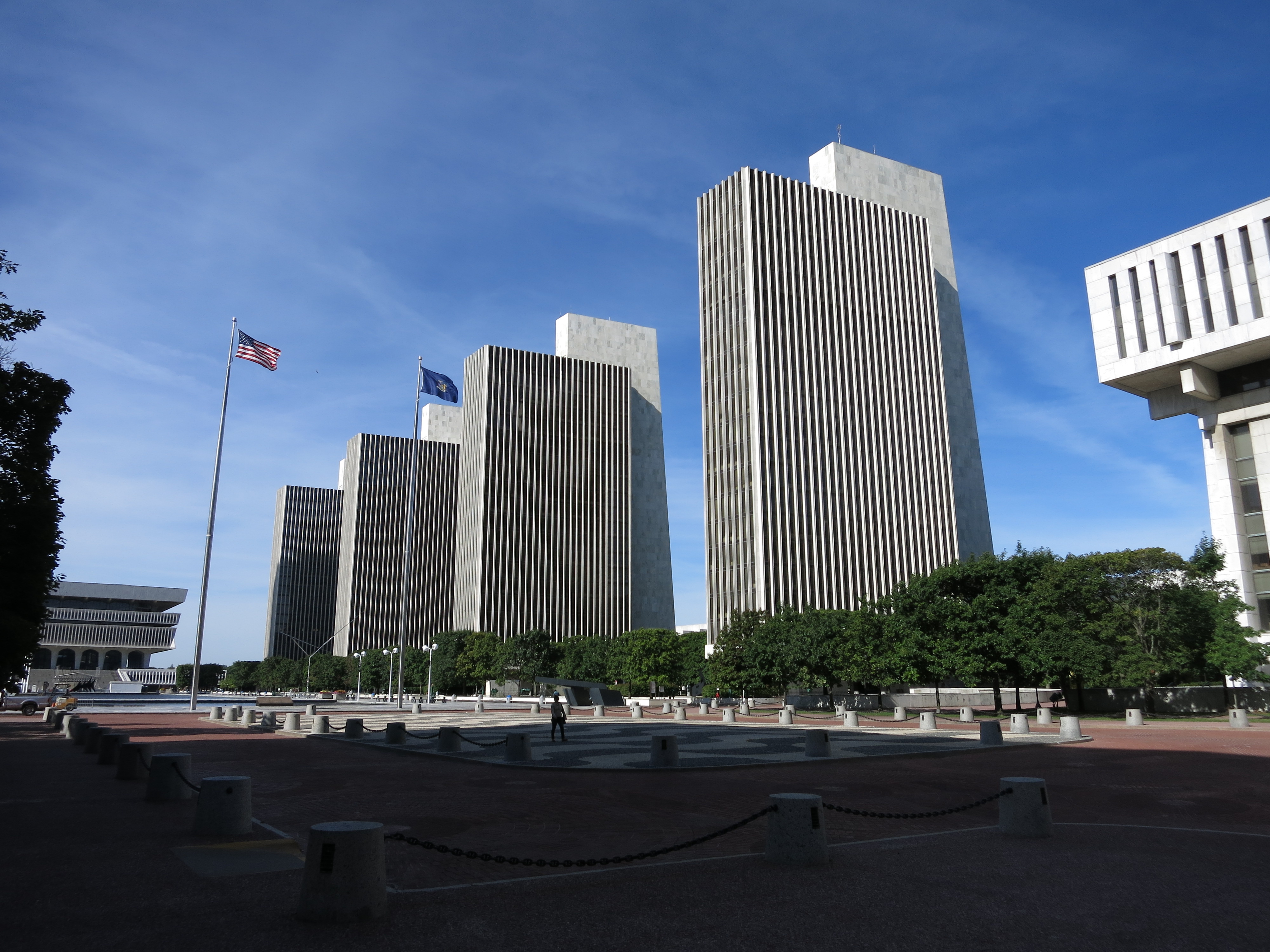
Finally, in some mistaken vision of the future, Albany shows you the Governor Nelson A. Rockefeller Empire State Plaza — a group of buildings that include four identical (and identically ugly) concrete towers, a tilted mushroom-type thing, and two stumpy 4-story buildings serving as bookends. The Plaza is integrated with the State Capitol across the street and houses various government agencies of the State of New York:

Governor Nelson A. Rockefeller Plaza, Albany New York
Governor Nelson A. Rockefeller Empire State Plaza, Albany, New York

Here’s the “tilted mushroom” building I mentioned, separated from the concrete towers by a wide pedestrian area.  I didn’t bother to look up its real name or purpose. I don’t want to know.

The 'Tilted Mushroom', Nelson A. Rockefeller Plaza, Albany New York
The ’tilted mushroom’, Nelson A. Rockefeller Empire State Plaza, Albany, New York

The Plaza was the idea of Governor Nelson Rockefeller (Republican) who was served as New York Governor during the 1960s and U.S. Vice President under Gerald Ford in the mid-1970s.  Rockefeller led the patrician wing of the Republican Party whose adherents at that time were known, unsurprisingly, as “Rockefeller Republicans.”

These days Rockefeller Republicans are called “RINOs”.  No one likes them.  In New York and elsewhere they are responsible for great government edifices just as domineering as those of the Education bureaucracy, which is dominated by the Democratic Party.  The Rockefellers intend their efforts to be unique and inspiring, yet like the tilted mushroom they just leave me shaking my head.


A list of all photo posts from the American County Seats series in TimManBlog can be found here.

I’m trying to travel to all of America’s county courthouses, and each month a post about my visit to the most interesting county seats. It’s only a hobby — but donations are greatly appreciated to help defer my costs.
Thanks,
Tim

One-Time
Monthly
Yearly

Make a one-time donation

Make a monthly donation

Make a yearly donation

Choose an amount

¤5.00
¤15.00
¤100.00
¤5.00
¤15.00
¤100.00
¤5.00
¤15.00
¤100.00

Or enter a custom amount

¤

Your contribution is appreciated.

Your contribution is appreciated.

Your contribution is appreciated.

DonateDonate monthlyDonate yearly

Post Navigation