Litchfield, Connecticut: ‘A Stop at Willoughby’
September 29, 2024 — photos and memories from my visit in September 2013.
(You can support this site with a donation via Paypal, Visa, Amex, Mastercard, or Discover by using the form at the bottom. Thank you.)
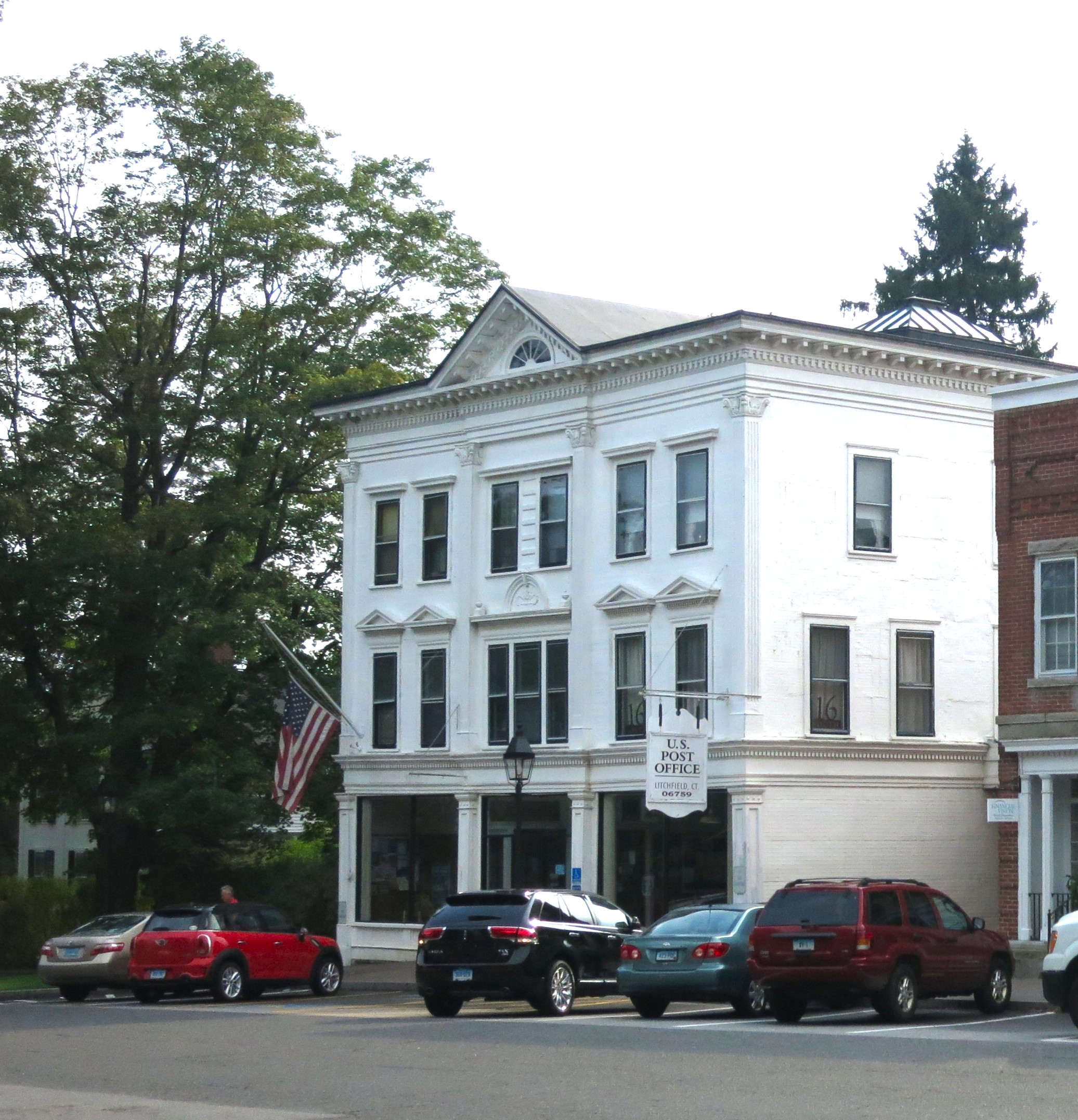
The state of Connecticut is often seen as a congested place wedged between the big cities of New York and Boston that absorbs the excess population from both cities. However, some areas in Connecticut have retained their historical charm, resembling how they looked a century ago. Litchfield is one such place; its old town center retains the New England charm of a village green surrounded by old churches and short blocks of small businesses.
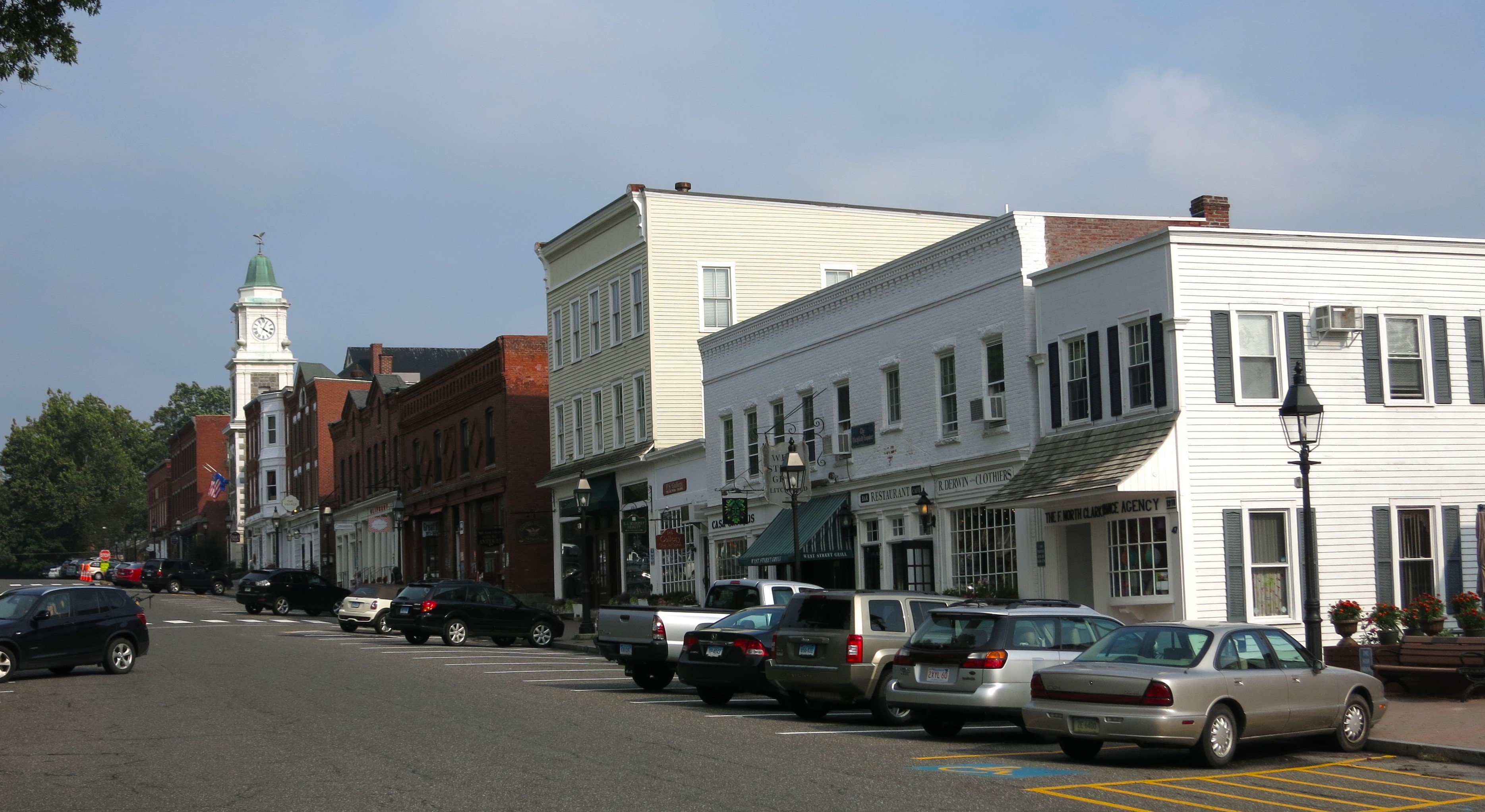
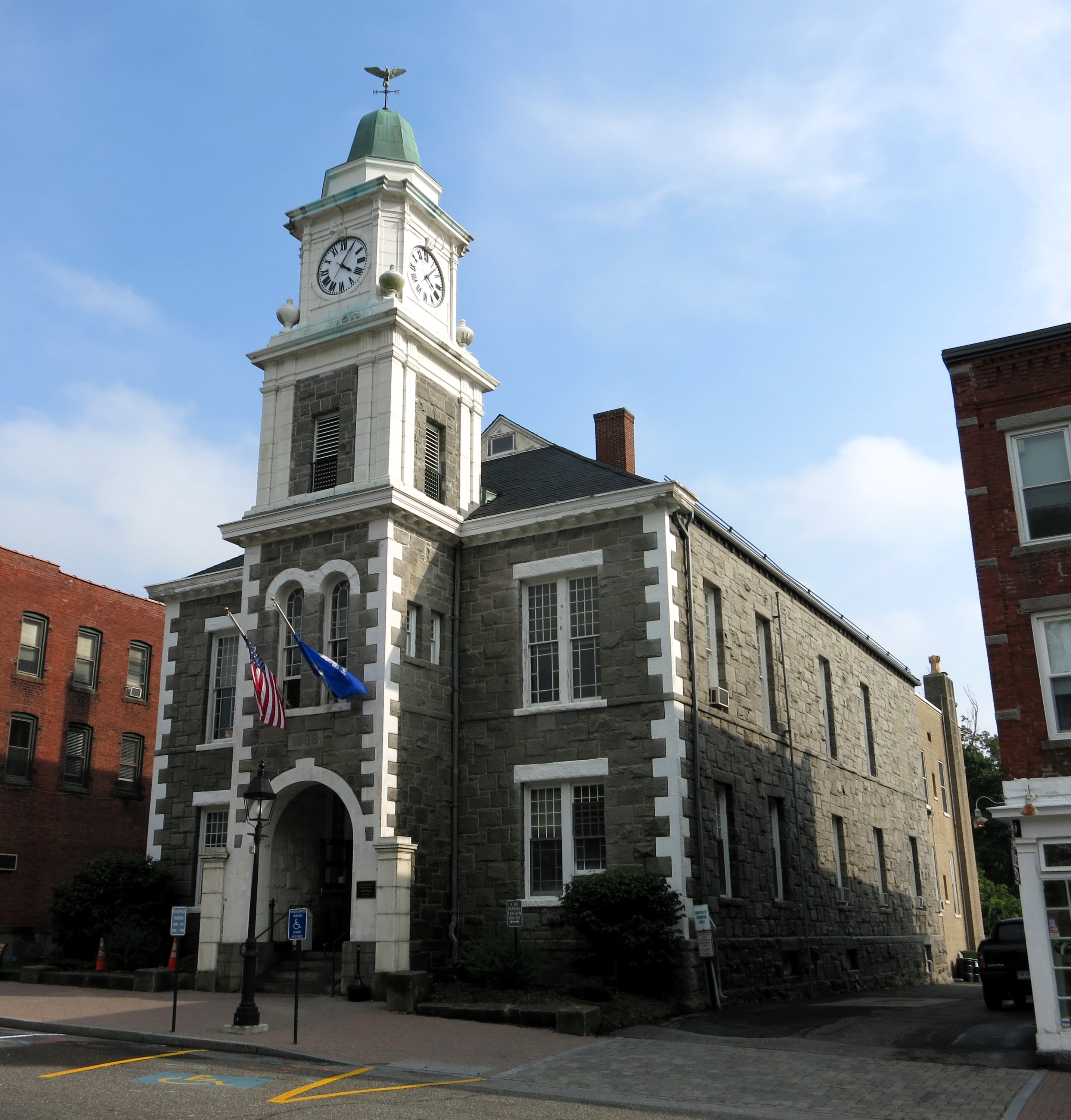
When I parked the car in Litchfield, I was reminded of the quiet little town featured in “A Stop at Willoughby,” an episode of the 1950s Twilight Zone television series. In that episode, a stressed New York advertising executive dreams of peaceful small-town life in New England.
Each night, after a manic day at his “push-push-push” Manhattan job, the harried ad executive would fall asleep on the train ride home. Each time he nodded off, he would dream that the train passed the idyllic town of Willoughby. Willoughby had the tranquil pace of the 1890s — courting couples leisurely walked the streets arm-in-arm while village children could be seen racing down to a nearby fishing hole. Townspeople would pass by riding penny farthings.
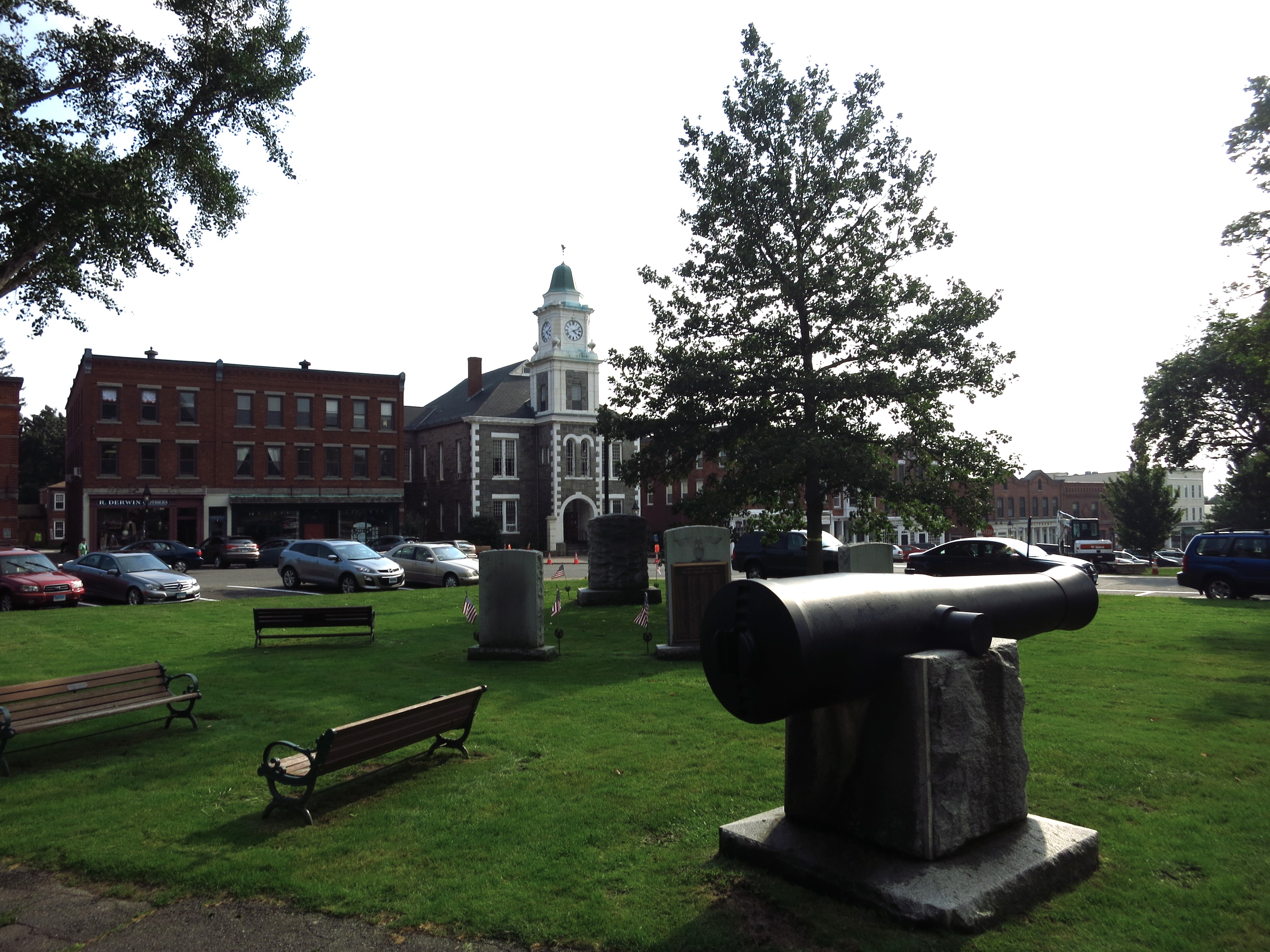
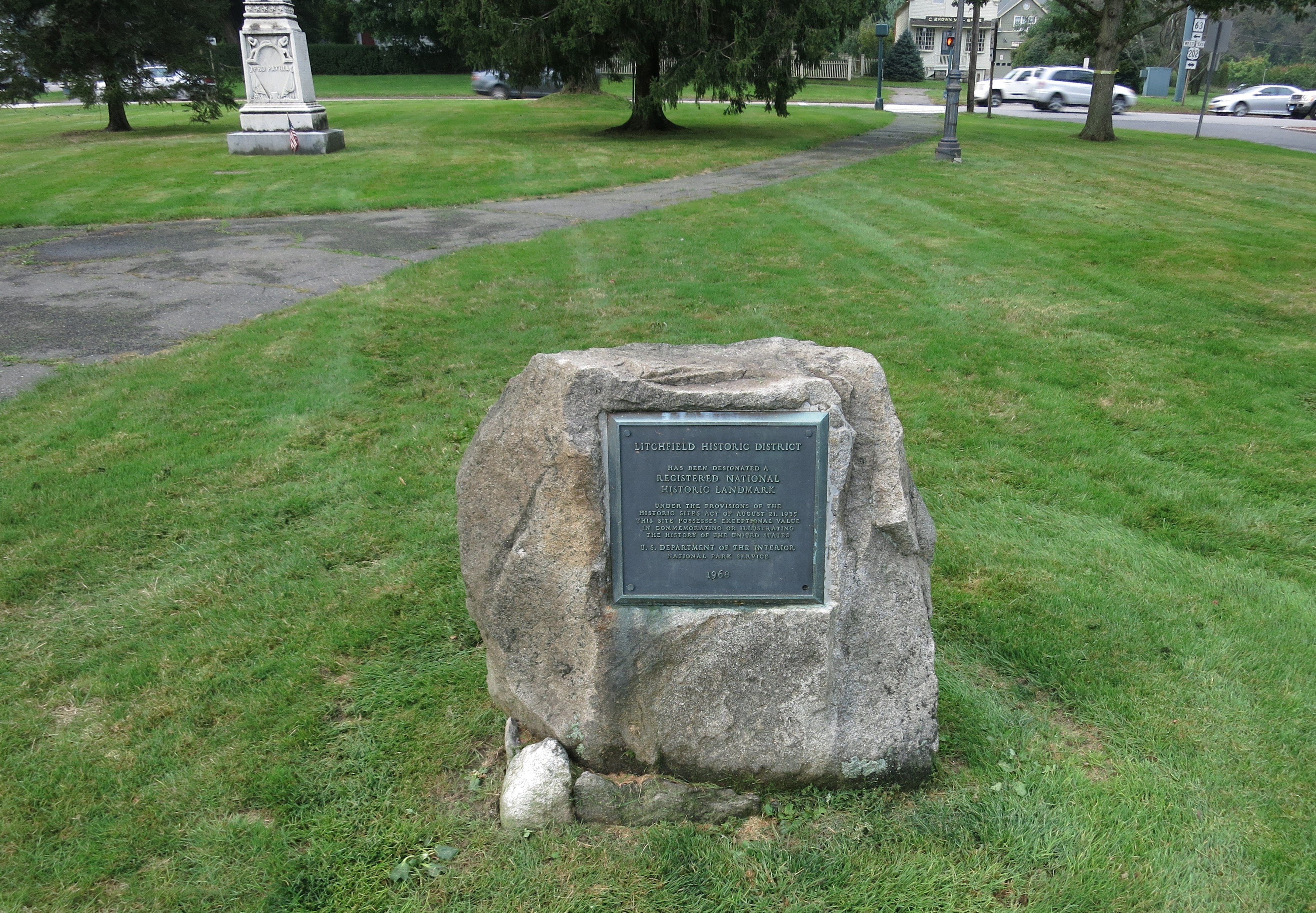
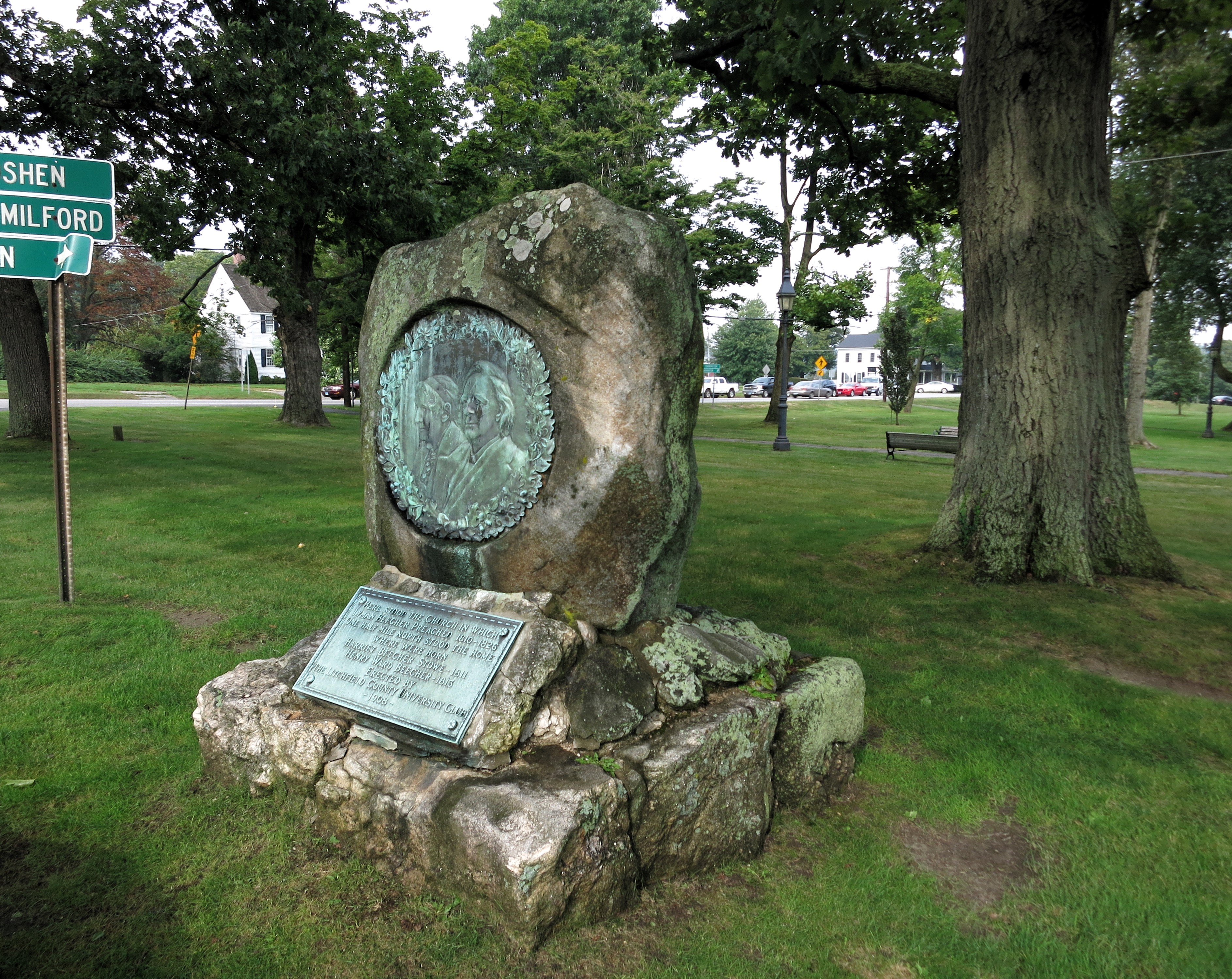
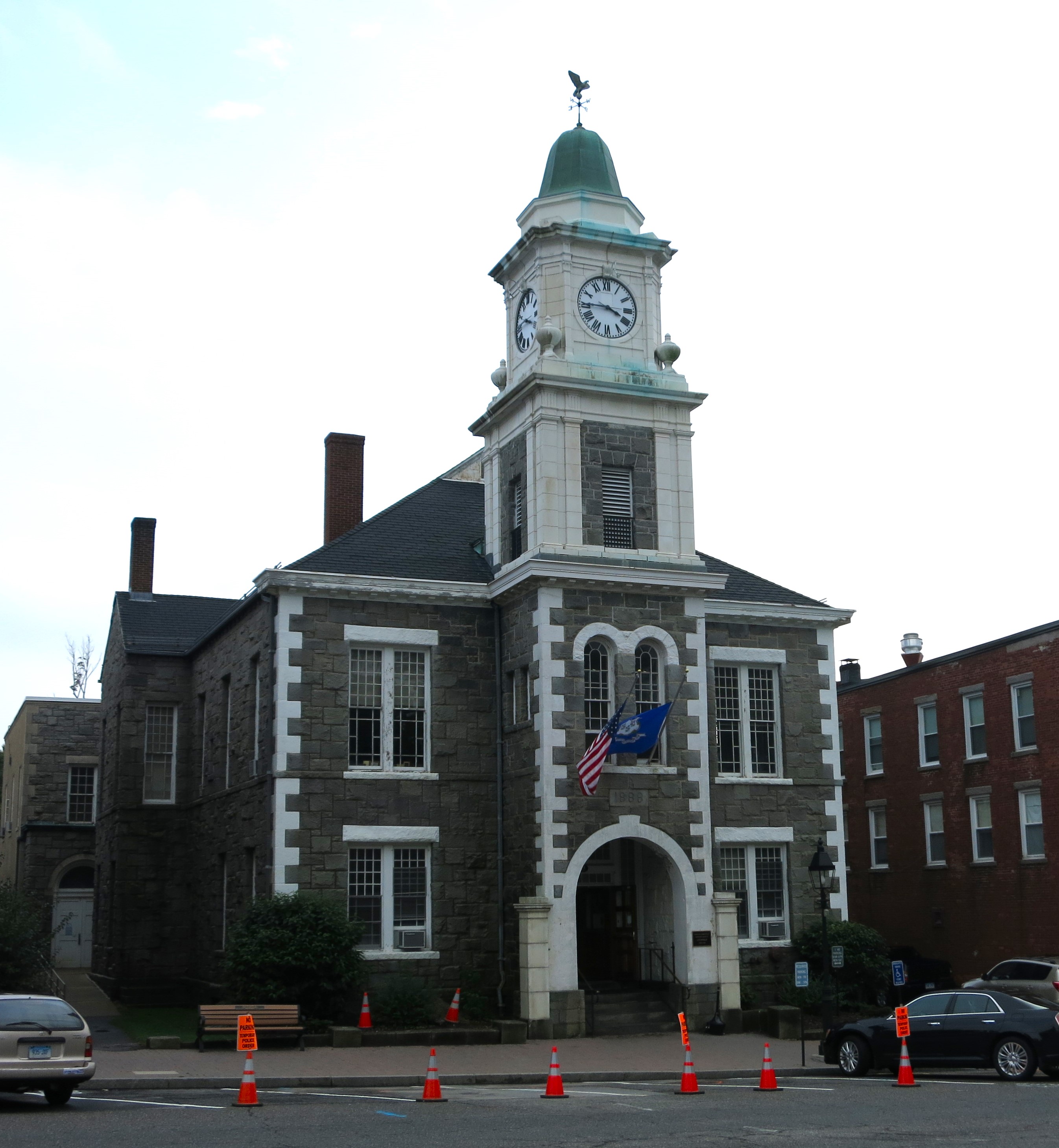
The Litchfield village green. The old county courthouse is in the background in the photo above, while the green’s many monuments appear in the images below.

The ad man longed for the life he saw through the train window each evening, and after many such dreams, he vowed, “Next time, I’ll get off at Willoughby.”
Happy endings are rare in “Twilight Zone” stories. In “A Stop at Willoughby,” the advertising man suffers a particularly disastrous day at the office and so rushes back to the train ride home and the comfort of his recurring dream. This time, however, he willfully steps off the train at the peaceful Willoughby station. The episode’s final scene shows the train conductor finding the ad man’s lifeless body next to the train tracks, revealing that he had jumped off the train to his death.
The lesson from ‘A Stop at Willoughby’ is not that the quiet life is better than the ambitious life. We are all different, and each is suited for a different life. Instead, the lesson here is that one must actively pursue happiness in the real world to achieve it. The Manhattan ad man is thus revealed to be a coward since he is afraid to make the hard decisions that a happy life requires. His search for escape became his suicide.

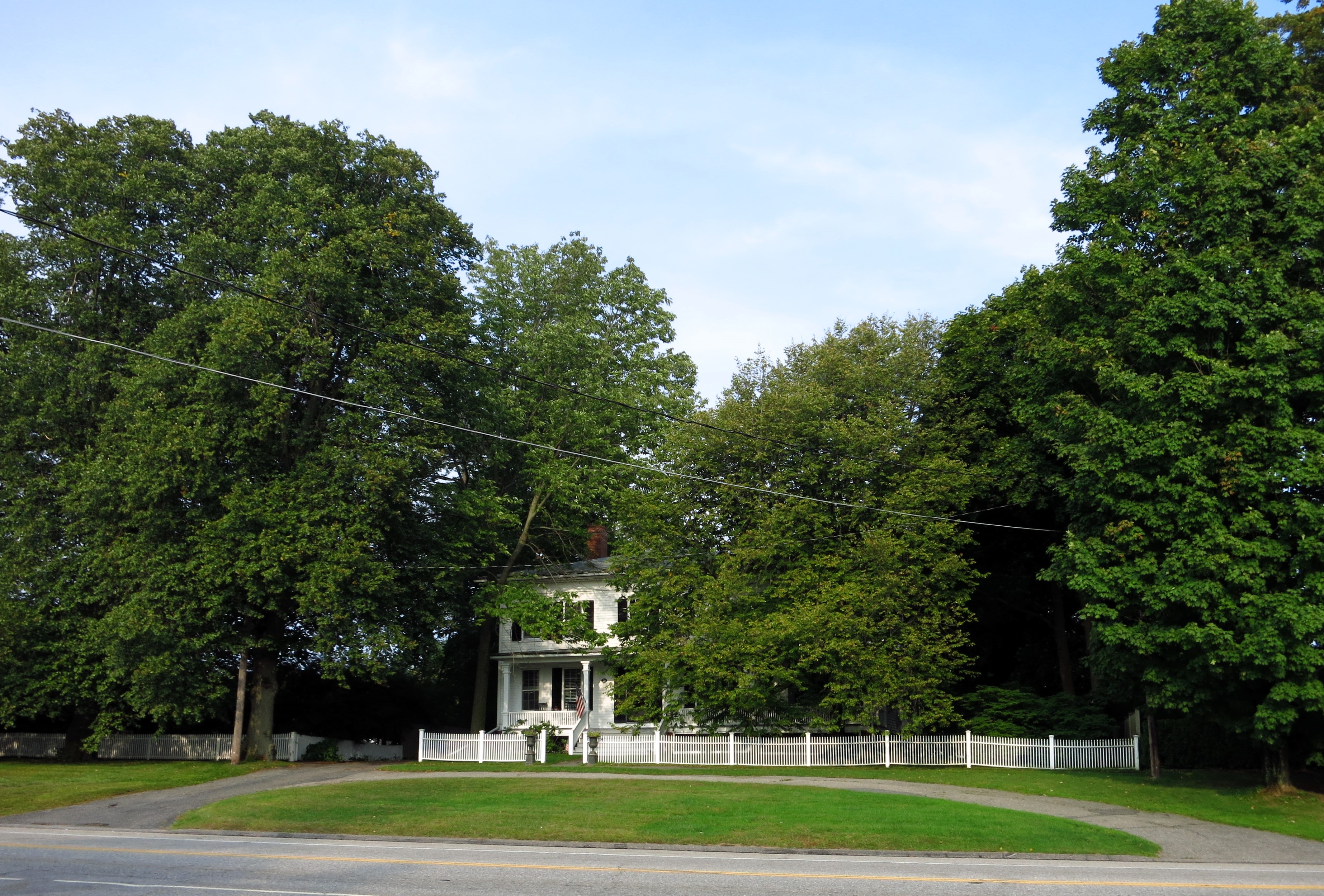
A stroll through the streets of Litchfield today showcases stunning hardwood trees providing shade to grand, million-dollar homes. Many of these homes were built during the Gilded Age of the late 1800s. Each house has its unique story, and each tale most likely involves someone pursuing their dreams robustly and during waking hours.
Besides wealthy homeowners, others from Litchfield have made their mark on history. From 1810 to 1826, Litchfield was the home of Calvinist abolitionist preacher Lyman Beecher, who was minister at Litchfield’s First Congregational Church. Minister Beecher was the father of Harriet Beecher Stowe, author of the abolitionist novel Uncle Tom’s Cabin, and Henry Ward Beecher, a noted clergyman who raised money to purchase slaves from captivity and rifles for abolitionists fighting in Kansas. The rifles would become known as “Beecher’s Bibles.” Both Harriet Beecher Stowe and Henry Ward Beecher were born in Litchfield.
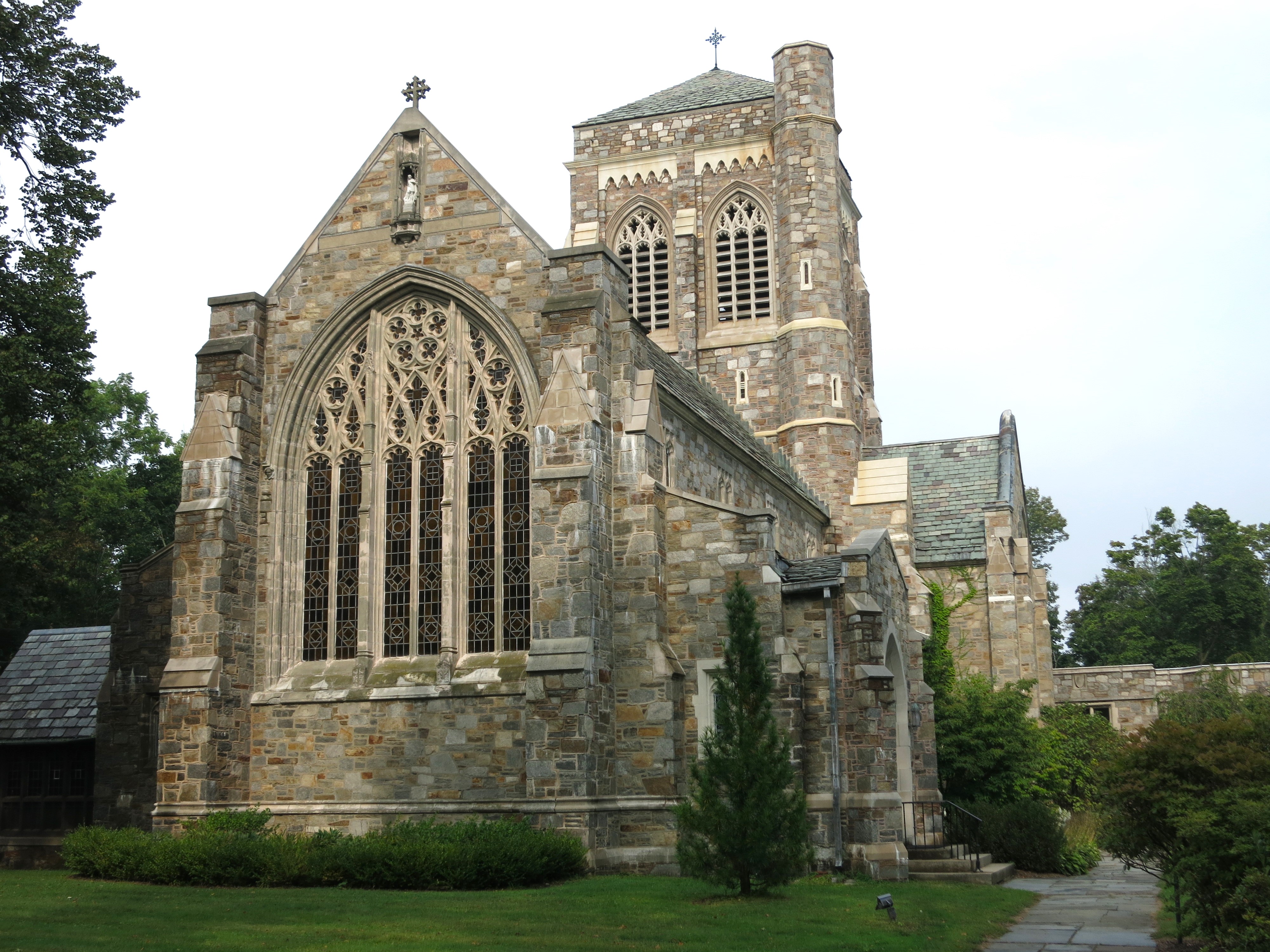
Below: The First Congregational Church of Litchfield is at the top left; two other prominent local churches are shown at the bottom left and right.
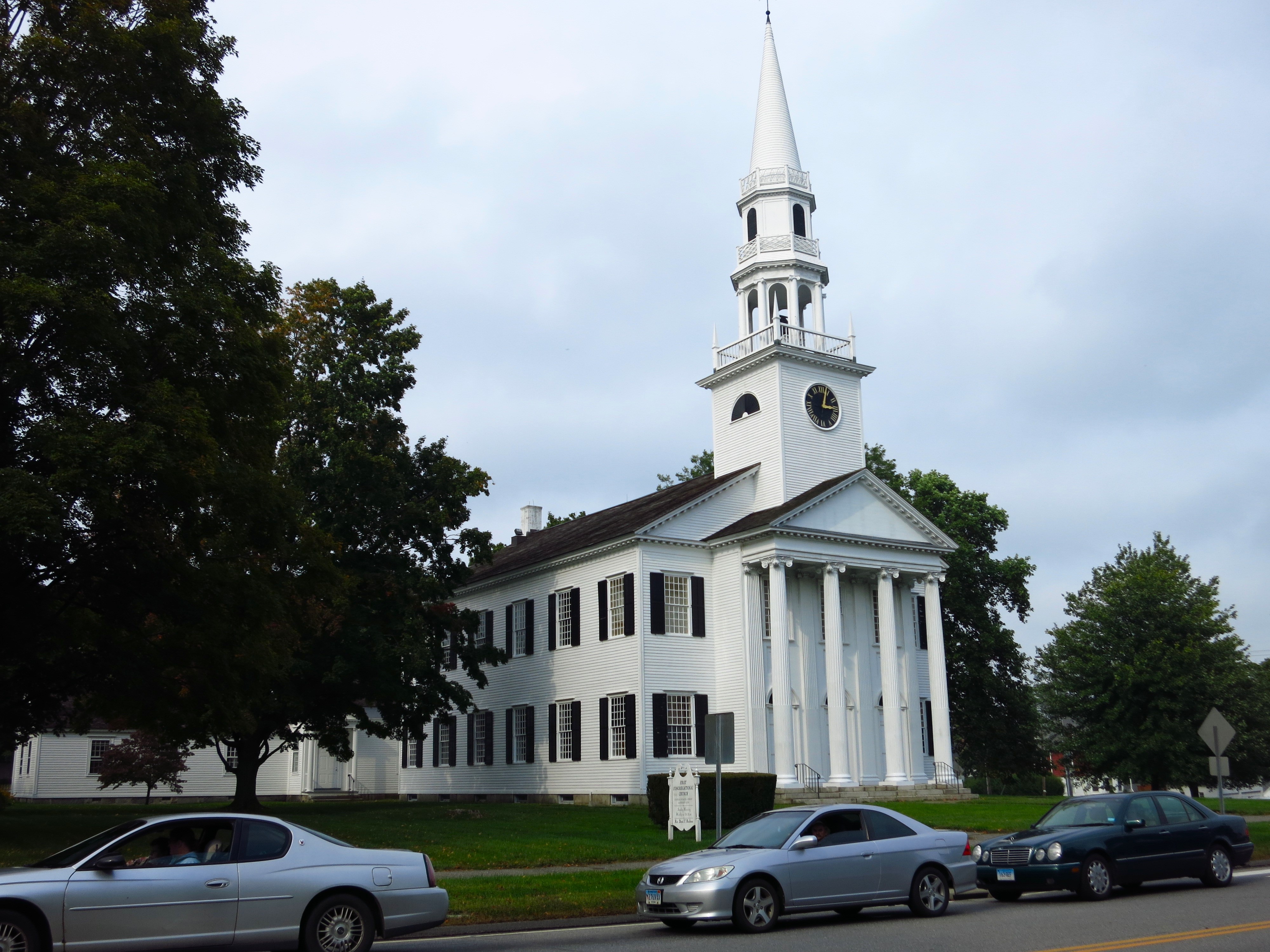

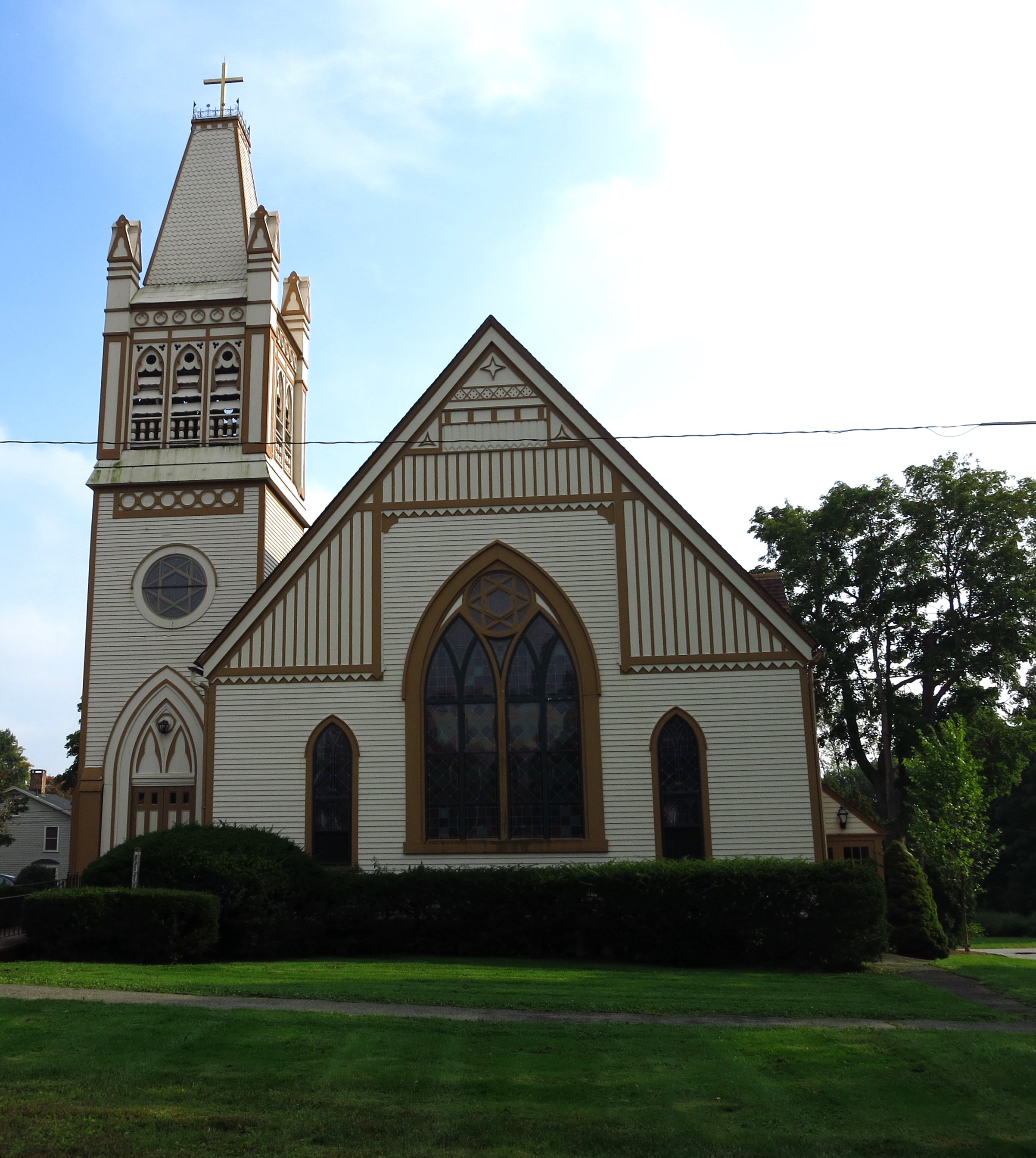
I took photos of some other prominent buildings around the Litchfield village green, including the building that houses the Litchfield Historical Society (top left).
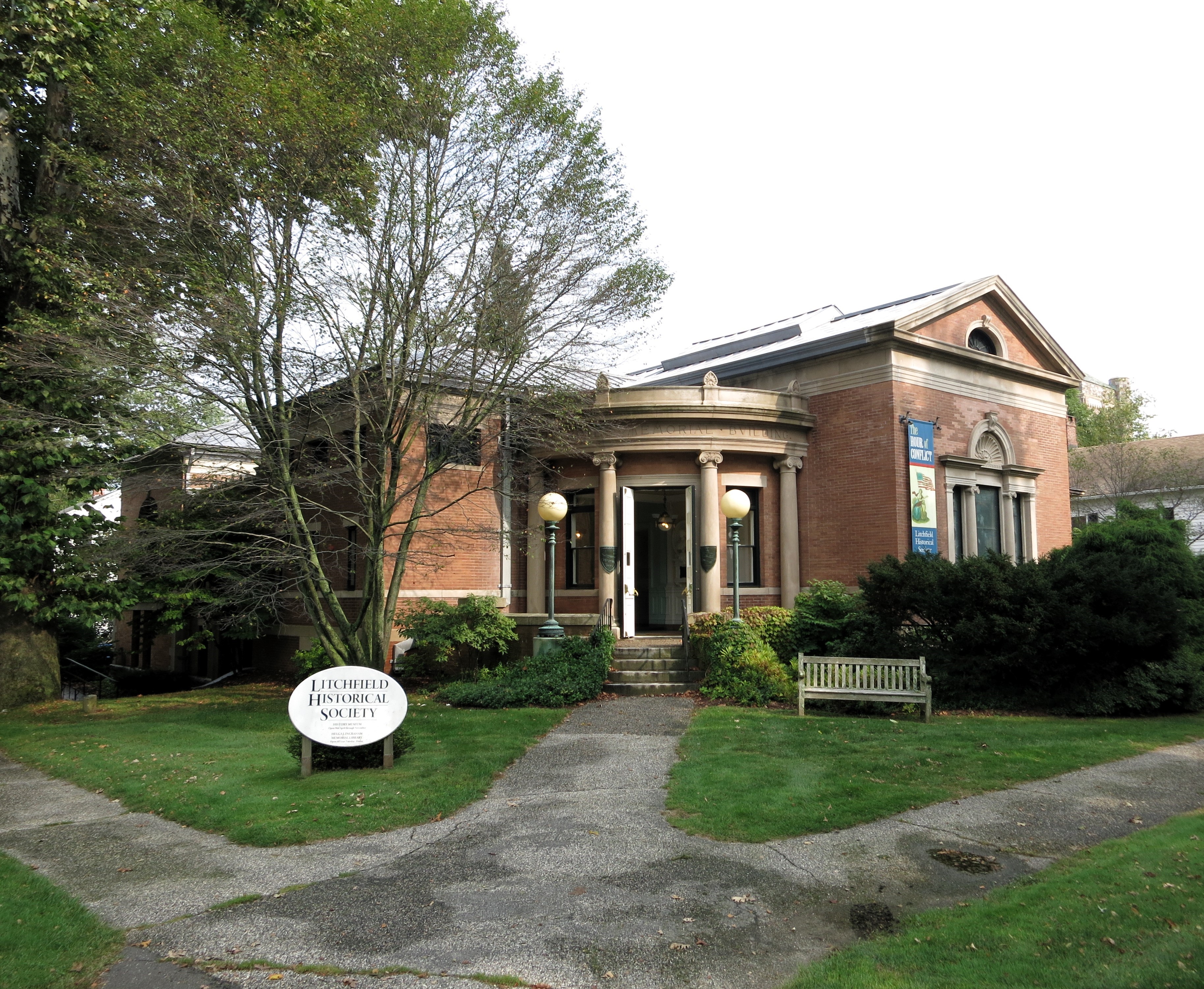

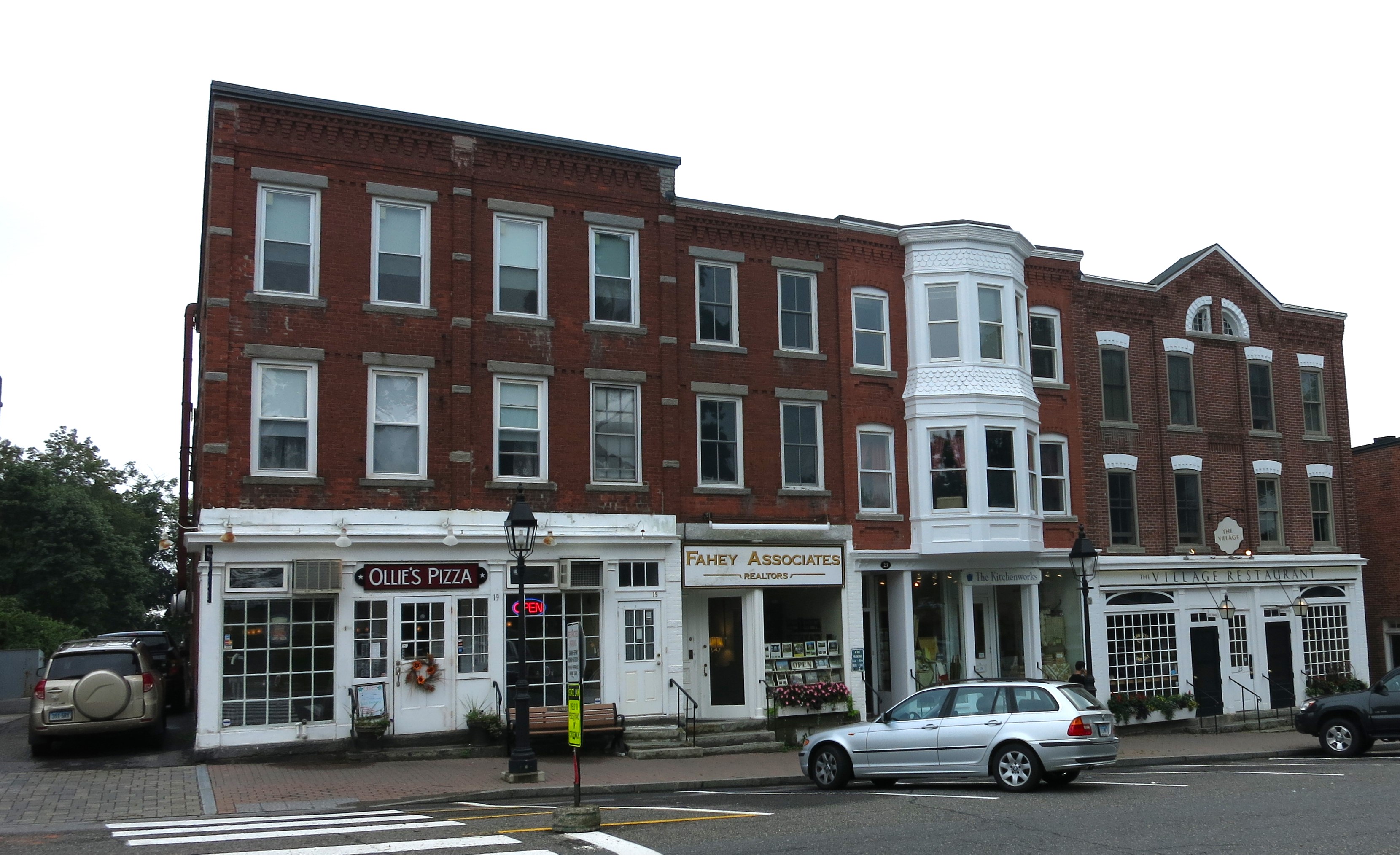
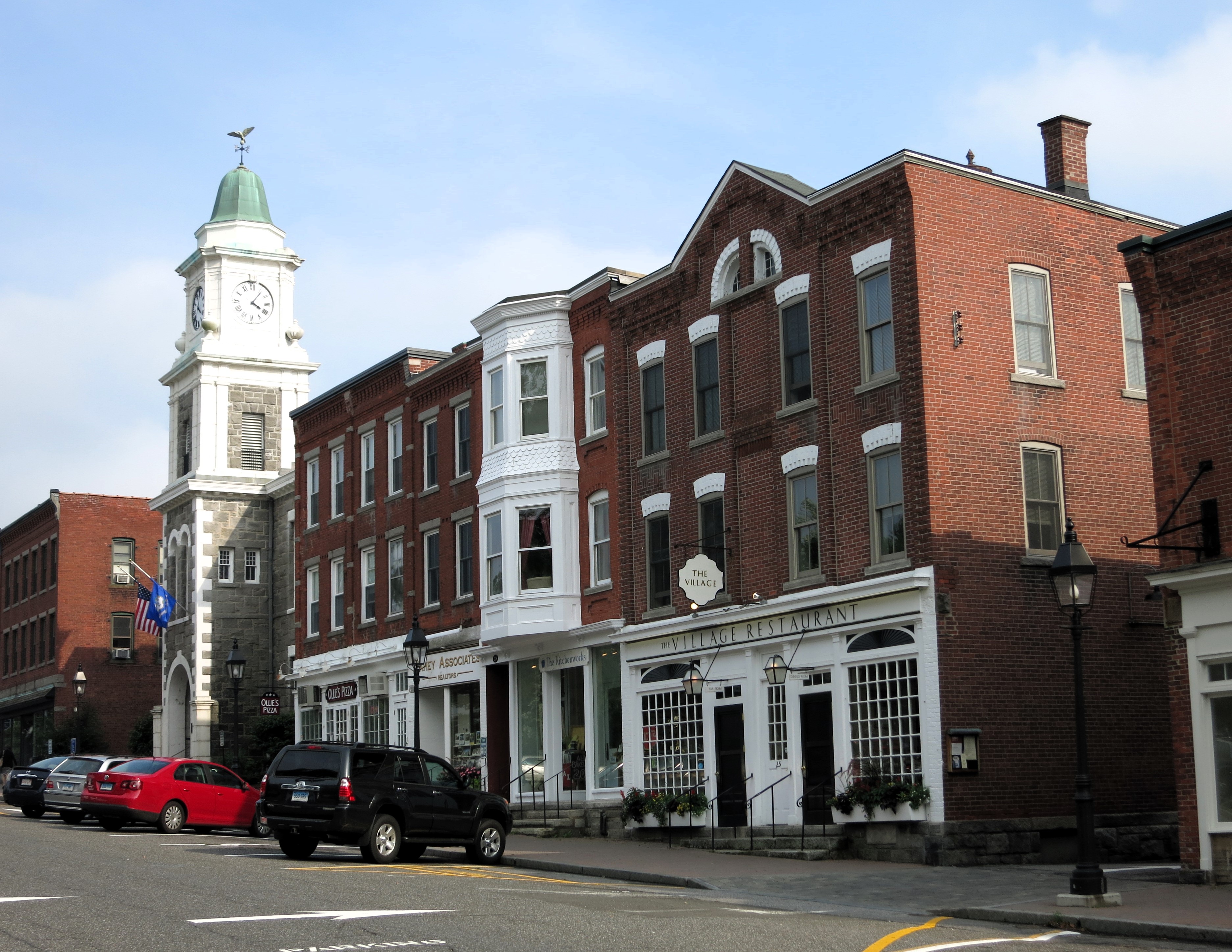
Finally, here are some notes about Litchfield County, Connecticut, and its government. The map below shows the state of Connecticut and its county lines, with Litchfield County shaded in red in the northwest corner of the state.
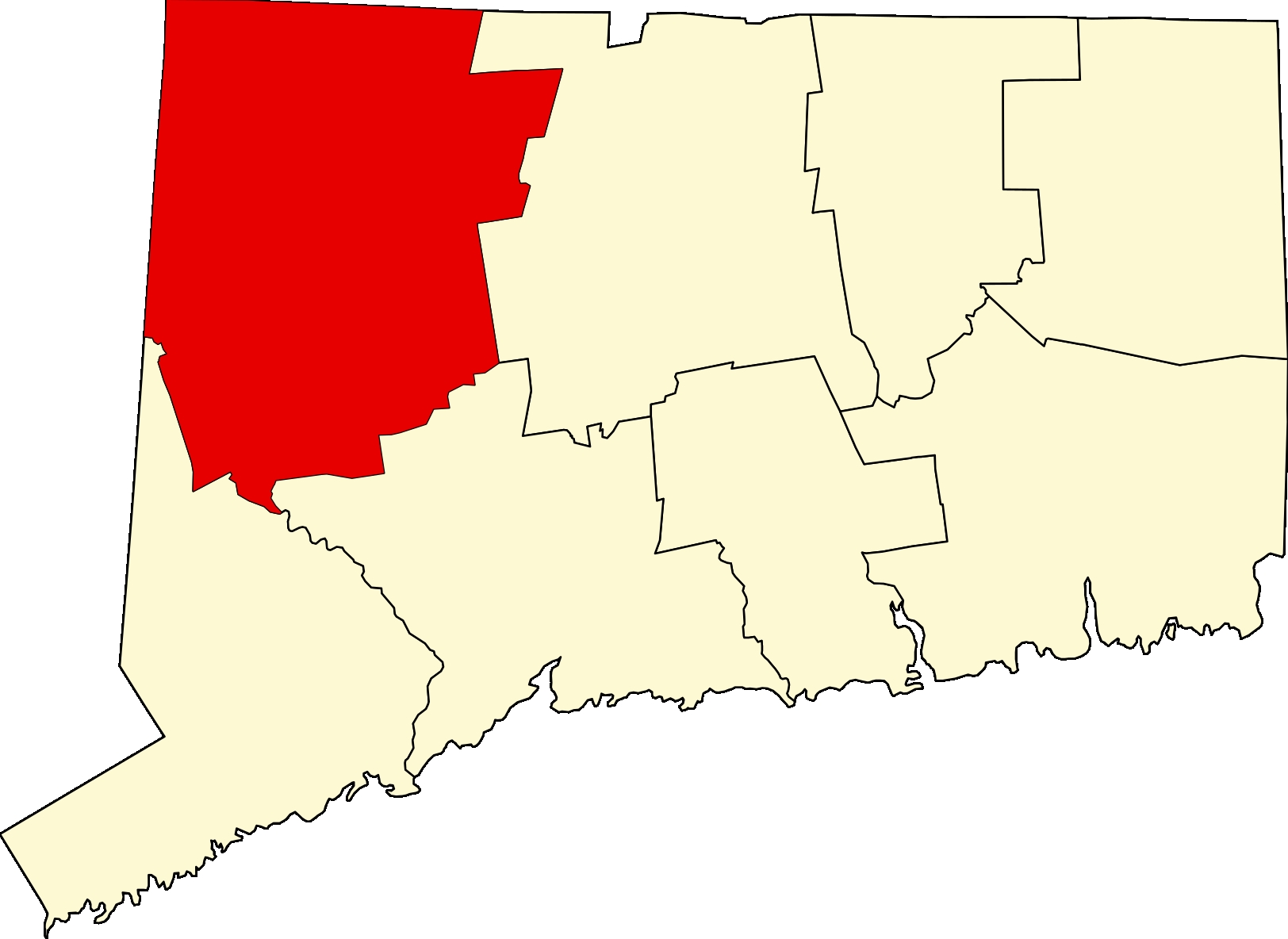
However, this is an old configuration. Connecticut did away with county governments some 50 years ago in the 1960s (as did the state of Rhode Island, for what it’s worth). Counties in Connecticut were replaced by judicial districts. The old Litchfield Courthouse was still in operation during my visit in 2013 as part of a larger judicial district, but all functions in the old courthouse were removed in 2017 and now reside at the new Litchfield Judicial District Courthouse in Torrington, Connecticut.
A list of all photo posts from the American County Seats series in TimManBlog can be found here.
All photos were taken by the author on September 10, 2013.
My hobby is traveling to America’s county courthouses. Each month, I post about a visit to a scenic or exciting county seat. It’s a hobby, and donations are greatly appreciated to help cover my costs.
Donations to TimManBlog
Use this form to make donations to support this site. Paypal, Visa, Mastercard, Amex, and Discover cards are accepted. Donations can be made in increments of $5.00; increase the number of units to increase the donation amount.
$5.00
 TimManBlog