TimManBlog

Whatever I'm Thinking

Archive for the tag “Marquis de Lafayette”

The Mansions of Cumberland, Maryland

Please consider donating to support my travels using the form at the bottom of the post. PayPal, Visa, American Express, Mastercard, Discover, and Maestro are accepted. Thank you.

October 31, 2025

What a cool town!
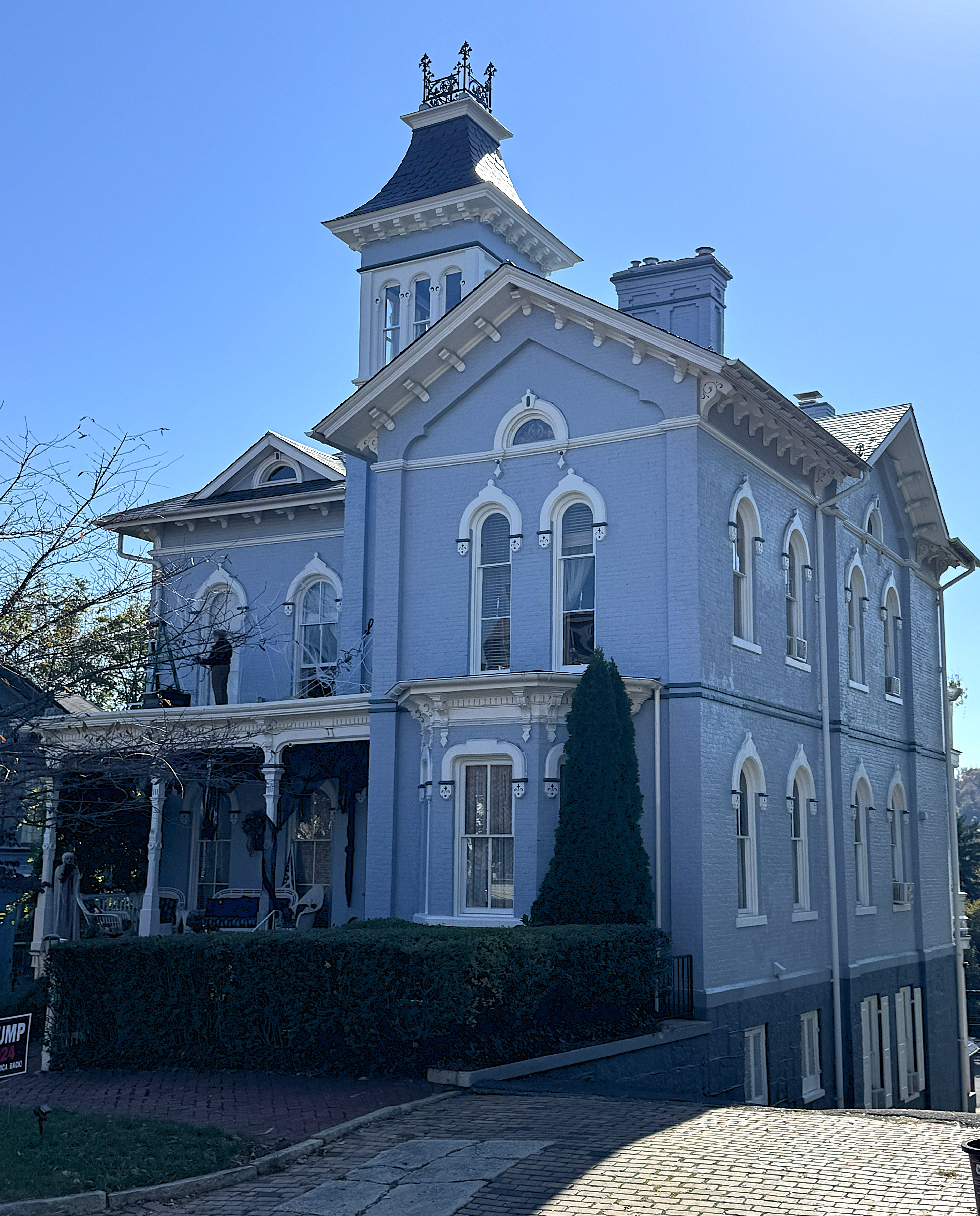
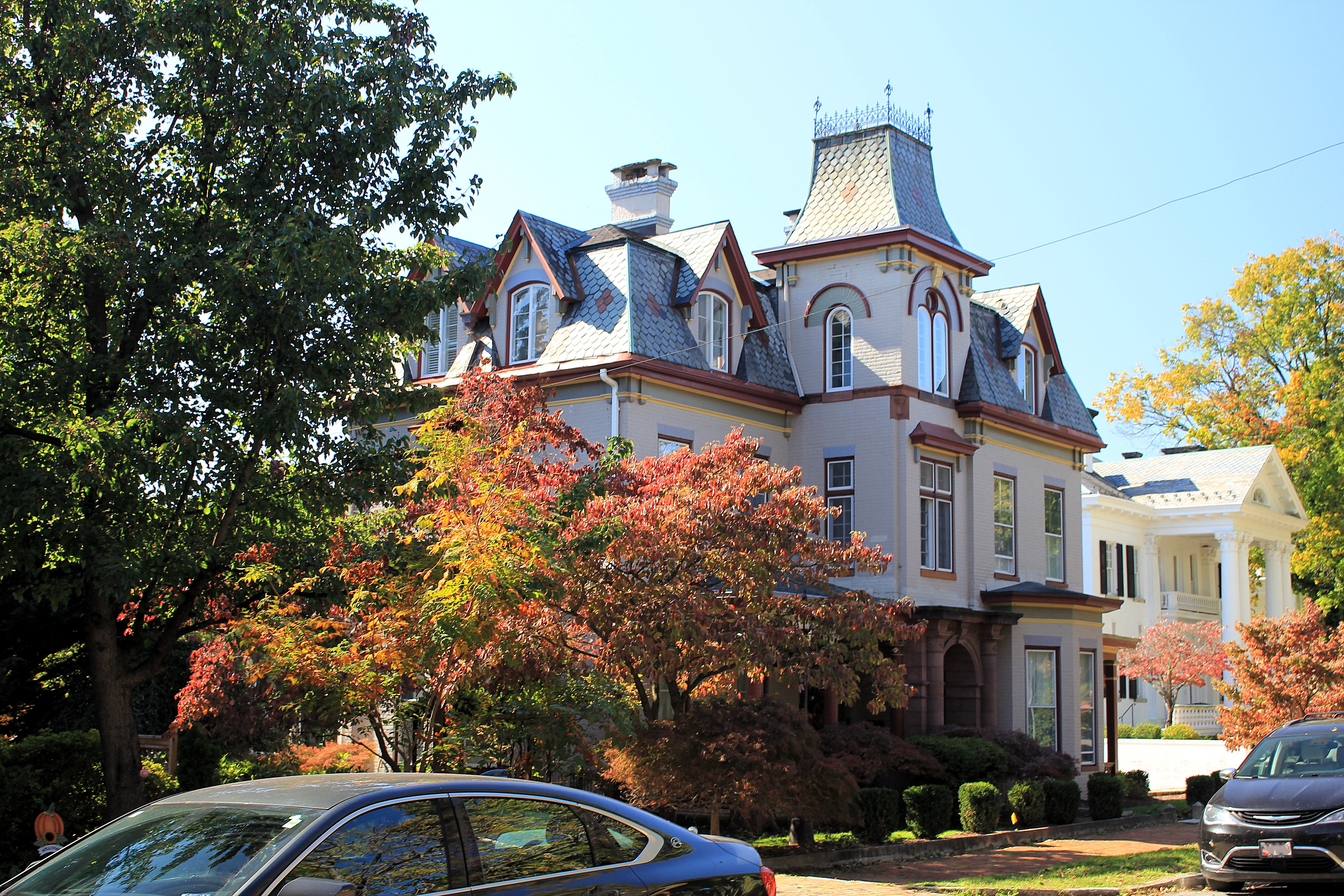
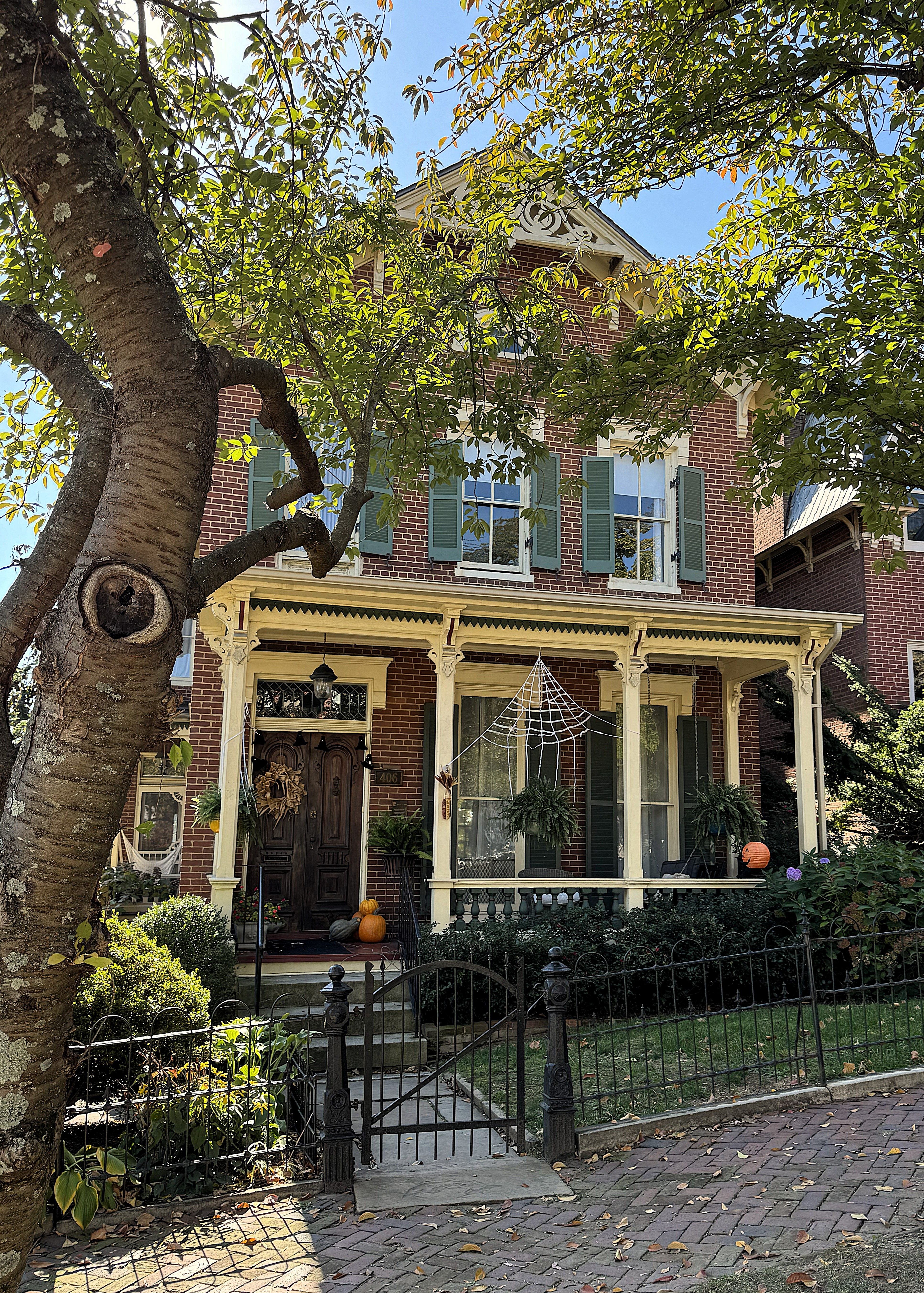
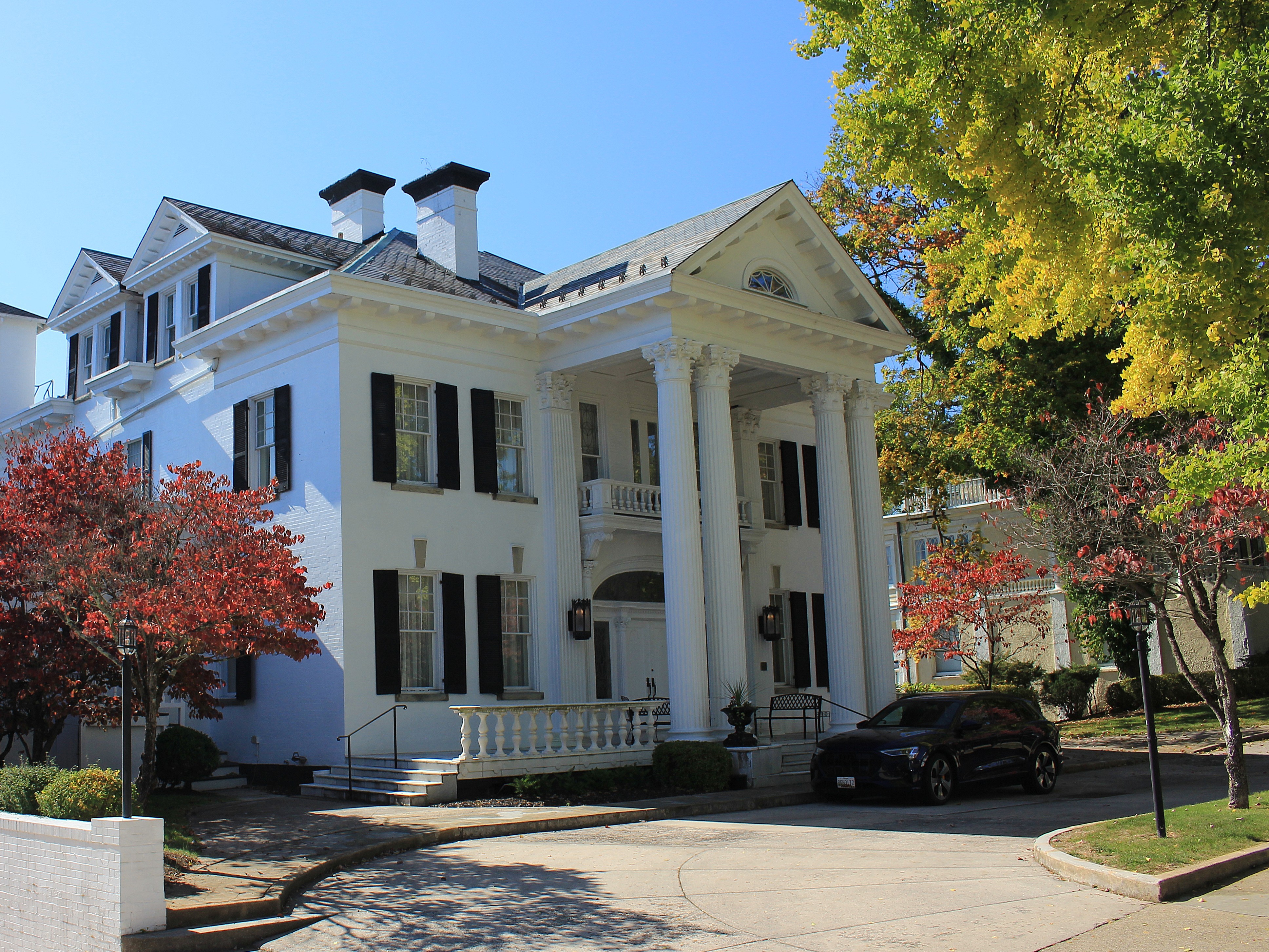
A Victorian mansion on Washington Street in Cumberland, Maryland.

I came to Cumberland, Maryland, to see the Allegany County Courthouse. I found a parking space on a shaded part of Washington Street, a block from the courthouse.

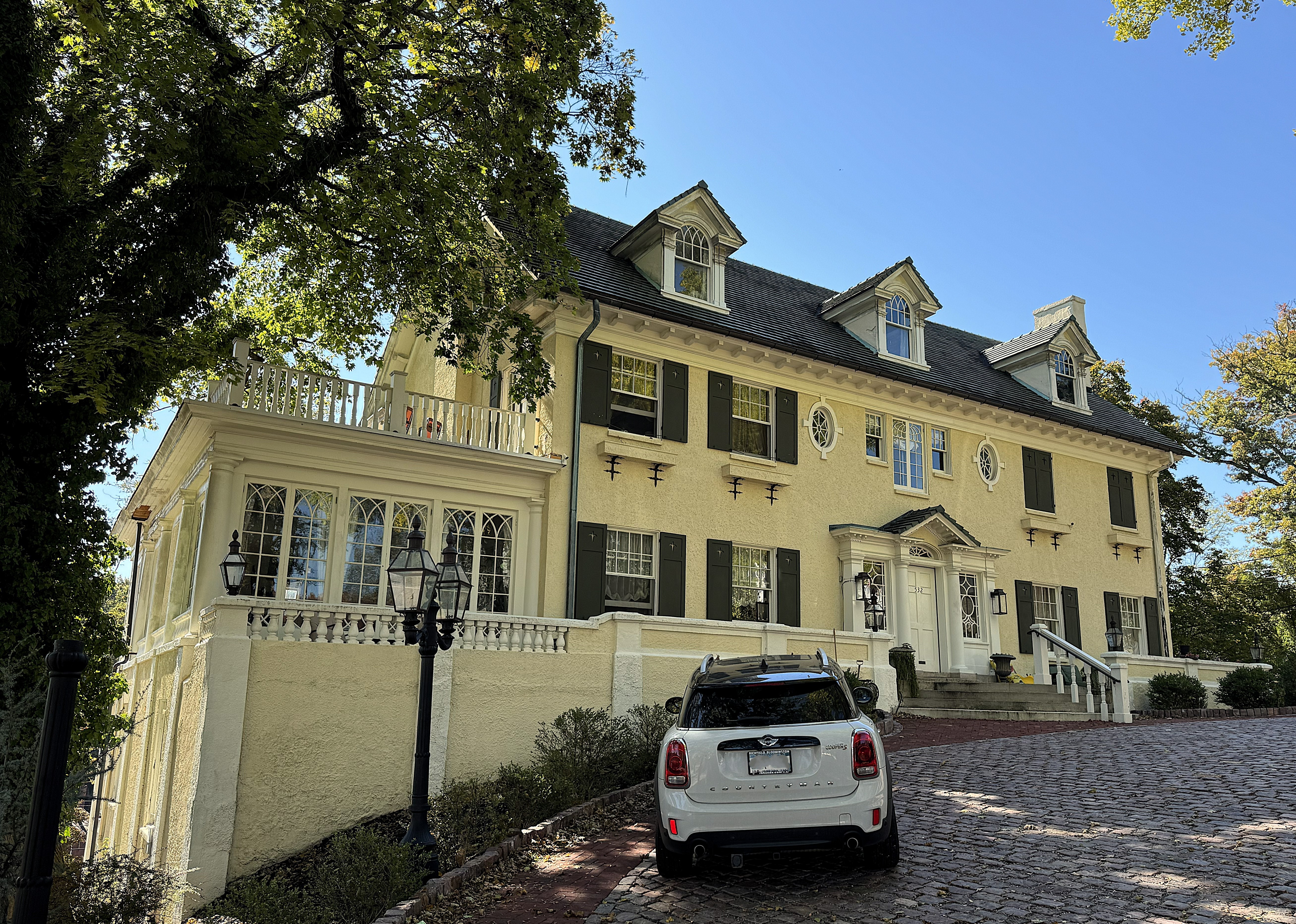
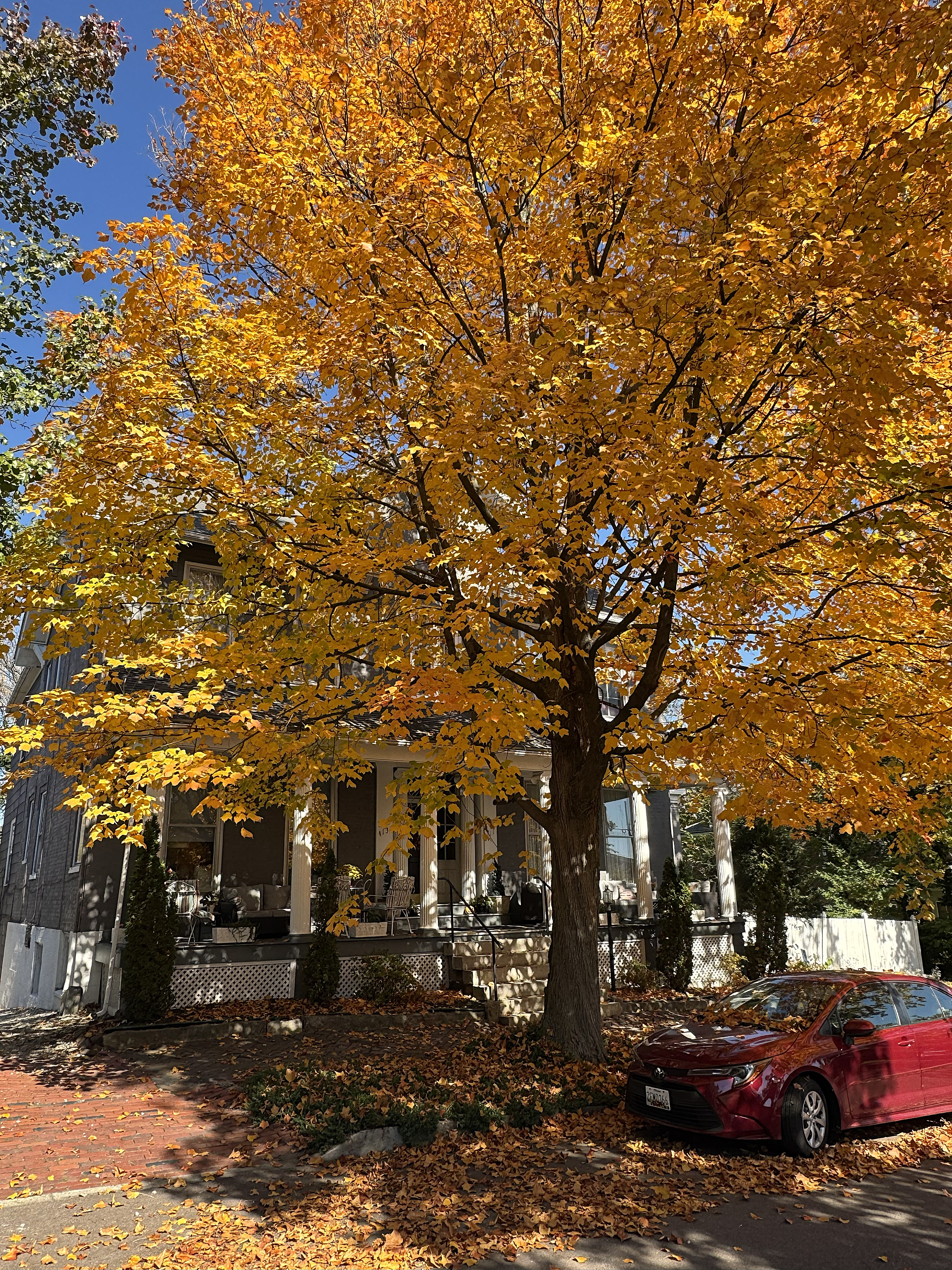
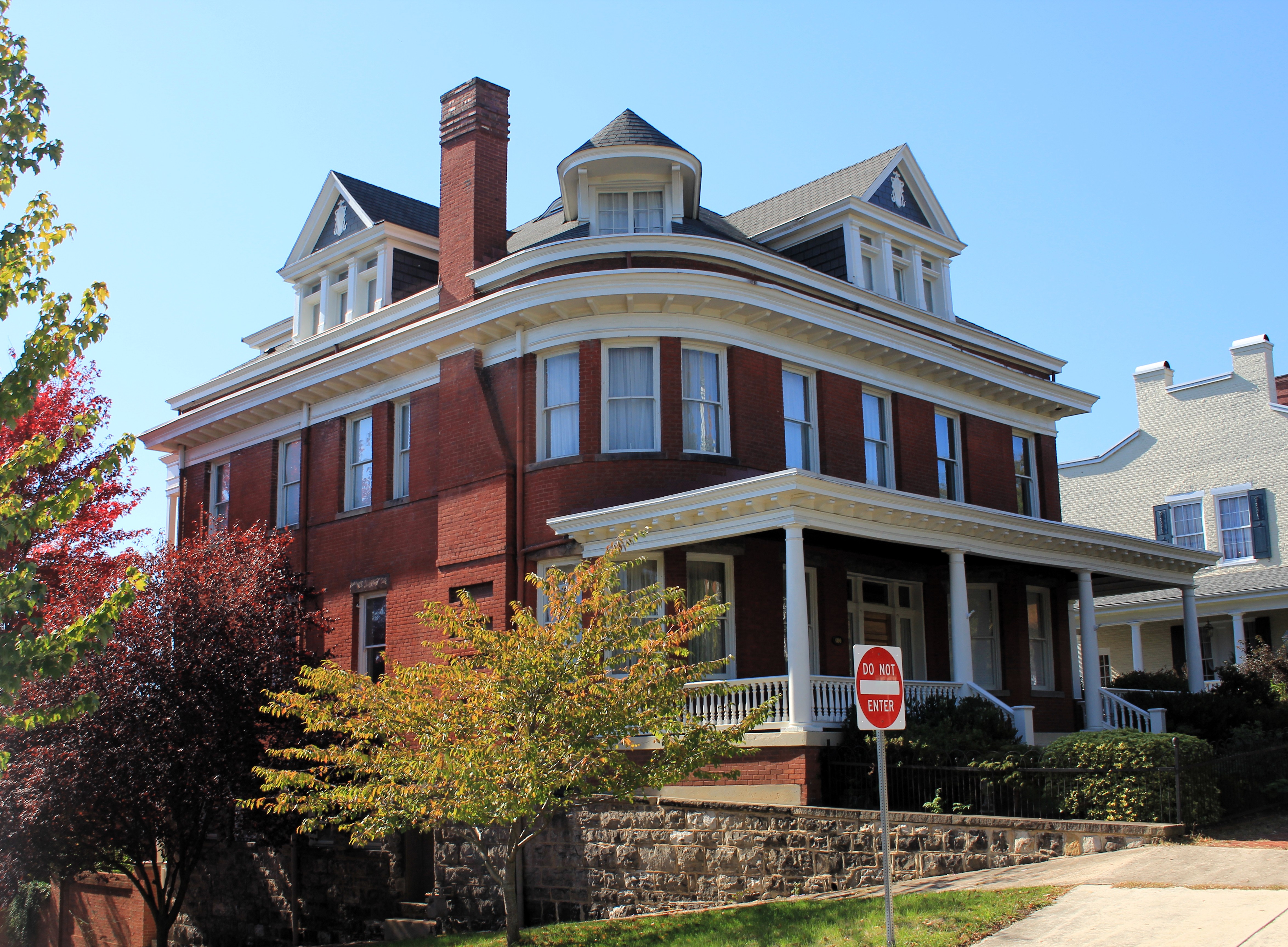
Before I could enter the courthouse, I was captivated by the sight of Victorian mansions along Washington Street that overlooked the county government building. As I began walking up the hillside with my camera, I took photos of the most magnificent ones — which turned out to be almost every house. Many of these homes had plaques indicating their construction dates, with some dating back to the 1870s. One of the mansions even had a French name on its plaque. I was amazed to discover that Cumberland had once been so wealthy.

All I need do now is show you a gallery of some of the best:
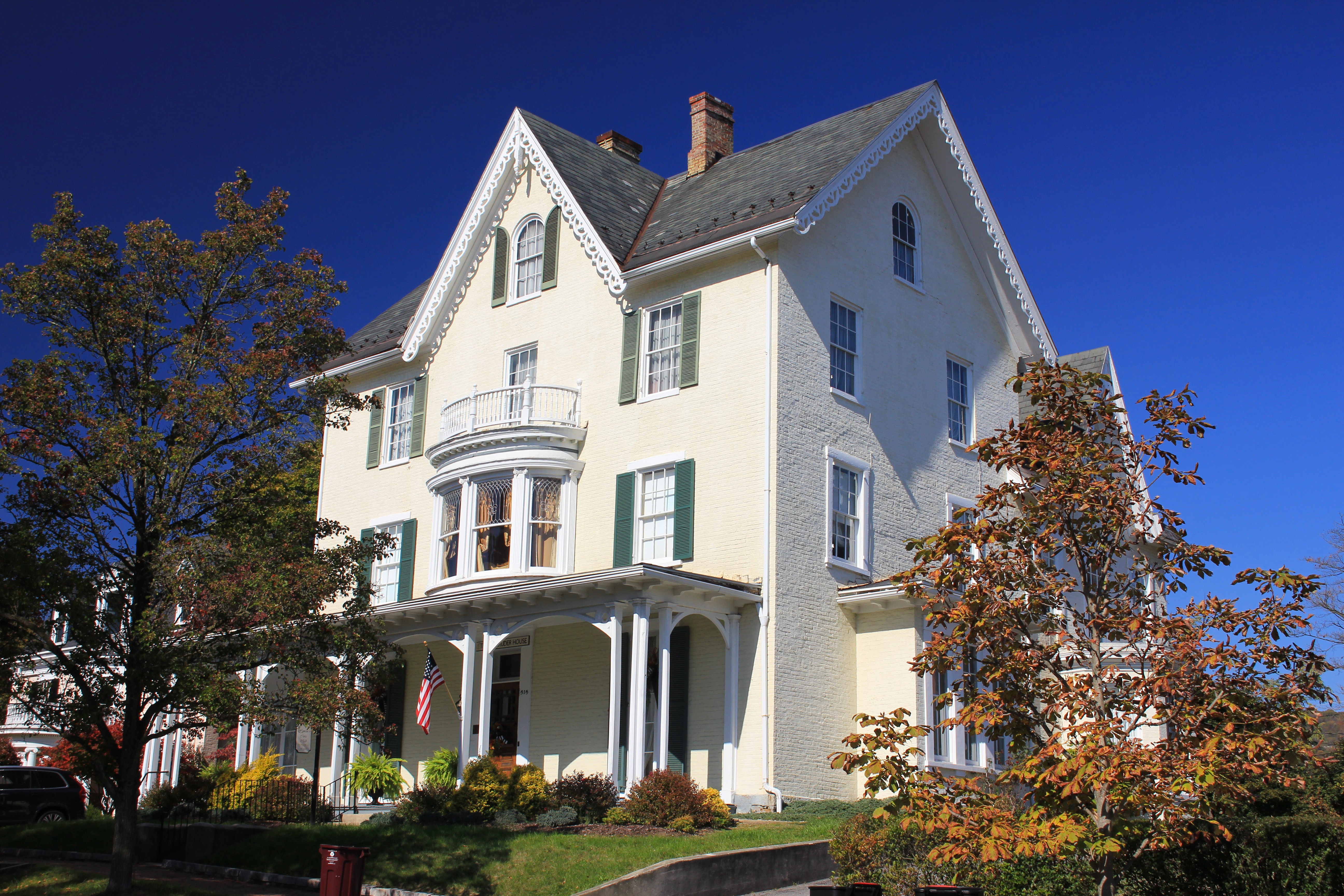
This photo is more about a grand tree than a house, but still, it’s grand.

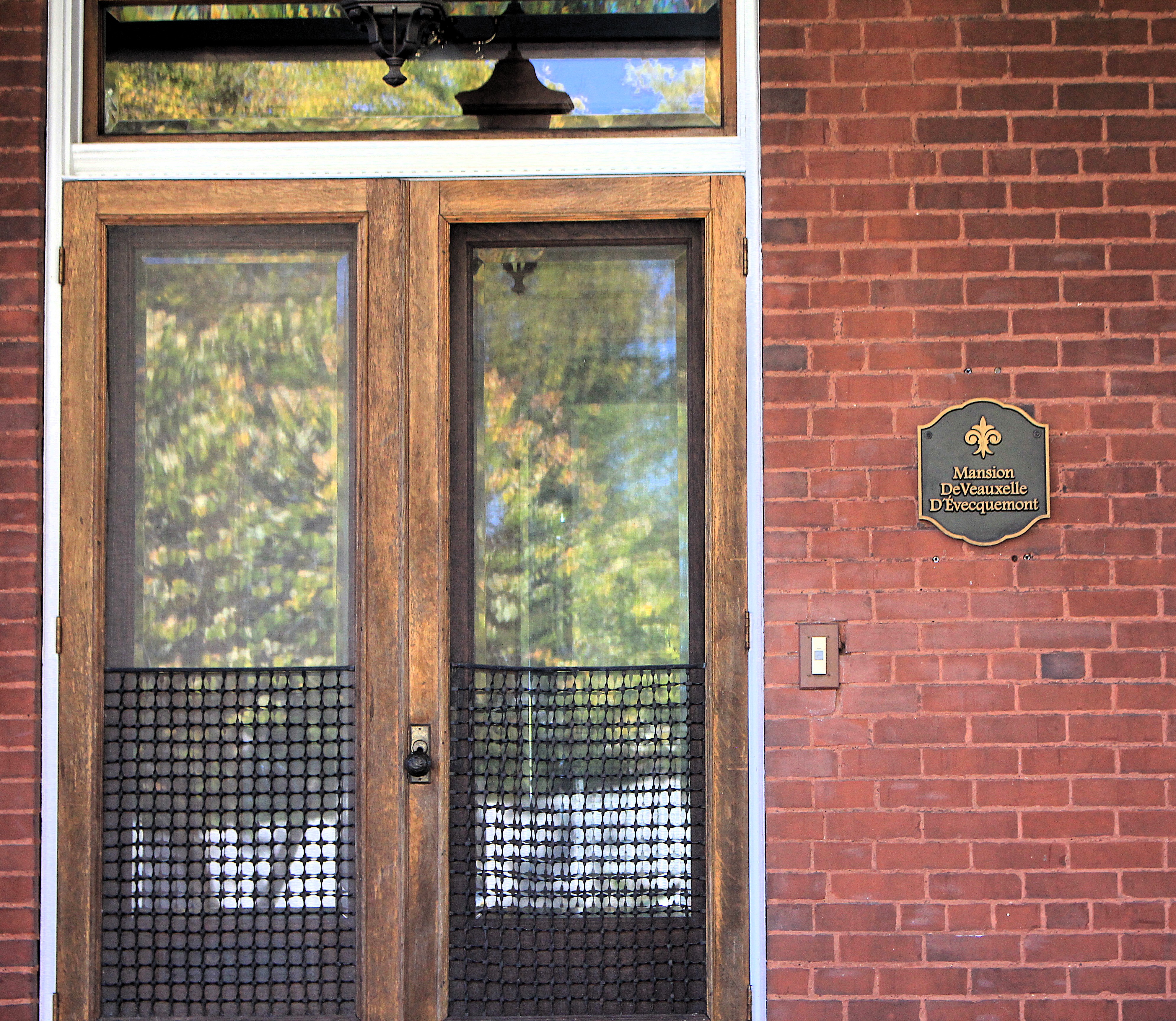
Below: I included the middle photo on the left to show its plaque. The plaque says:
“Mansion DeVeauxelle D’Evecquemont.” The home carries the name of French immigrant Pierre DeVeauxelle D’Evecquemont, who came to America to escape a death sentence for shooting a man in a duel. He served with the Marquis de LaFayette during the American Revolution. D’Evecquemont died in 1803 and is buried in Clarksburg, West Virginia.
After that detour, I made my way back down the hill to photograph the Allegany County Courthouse. This building is located near the remnants of Fort Cumberland, perched on a hill overlooking the present-day downtown business district. Constructed in 1894, this three-story structure features Richardsonian Romanesque architecture. The courthouse is made of red-and-white checkerboard granite and features a striking central tower that gives it a castle-like appearance.

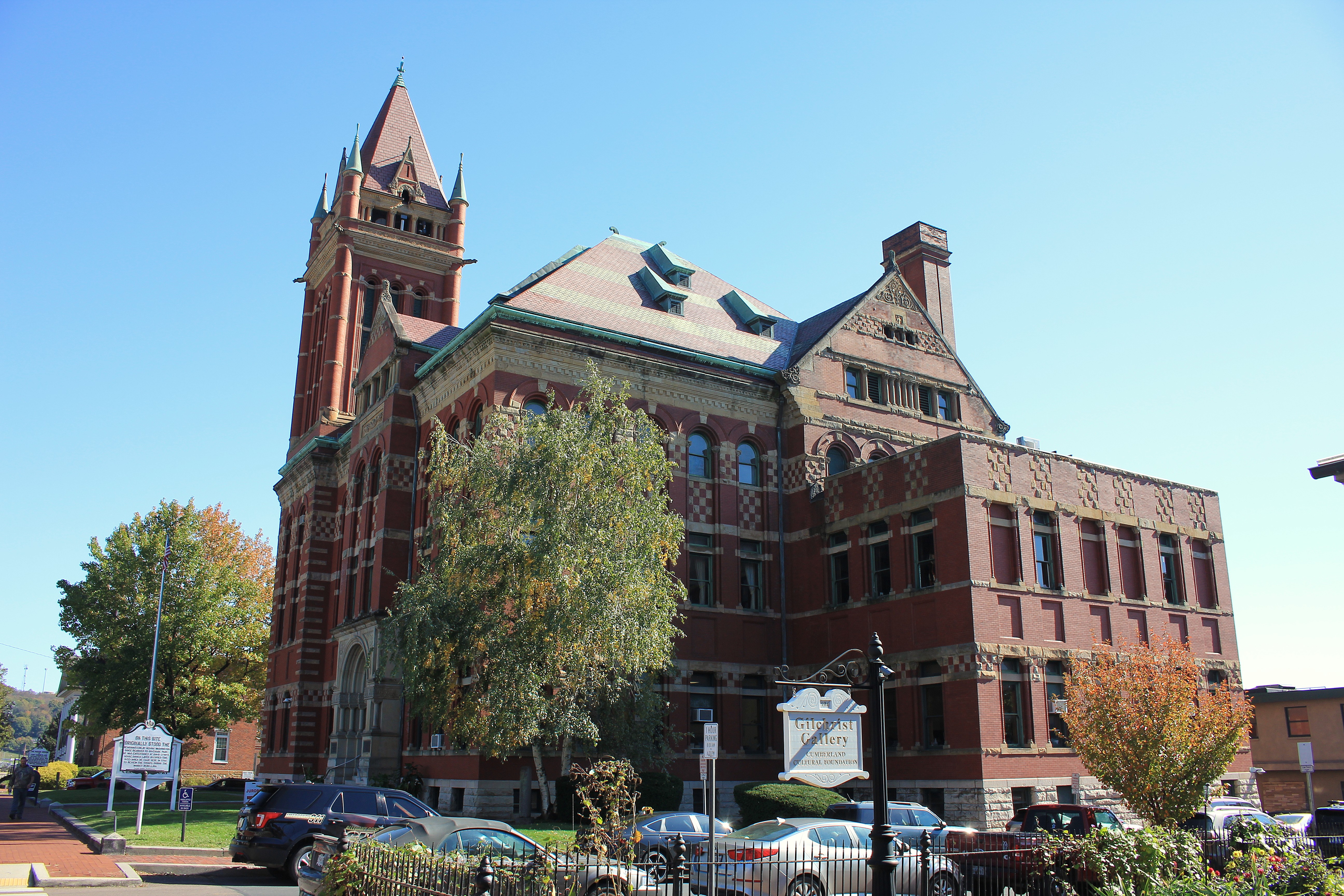
The 1894 Allegany County Courthouse in Cumberland, Maryland.
Allegany County Courthouse

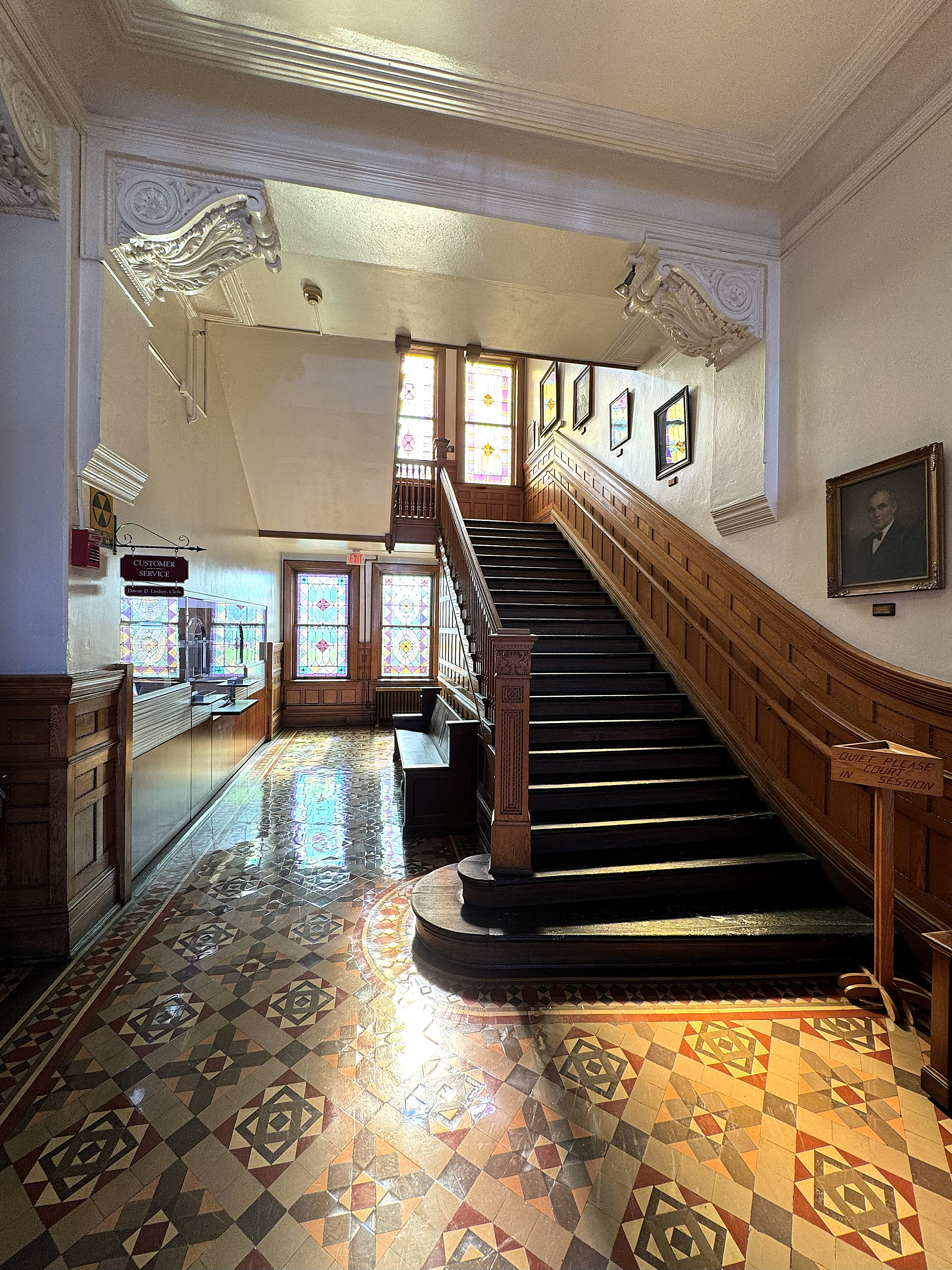
I went inside to explore the first floor, where I admired the beautiful stained-glass windows and the carved wood banisters on the staircase leading to the second and third floors.
A striking statue of a young George Washington stands just a few feet from the corner of the courthouse. Surrounding the monument are plaques on six sides that explain Washington’s connection to the area.

Washington visited this region three times during his lifetime:
— In 1754, as a colonel in the Virginia militia before the outbreak of the French and Indian War.
— From 1755 to 1758, during the War, he used a nearby cabin as his headquarters.
— In 1794, as President of the United States, he visited the American troops assembled here to suppress the Whiskey Rebellion.

Next to the courthouse stands Emmanuel Episcopal Church. The church was built in 1851 on the actual foundations of old Fort Cumberland. The church was a key stop on the “Underground Railroad” before the Civil War. Tunnels beneath the church were used to hide escaping slaves — especially from Virginia, which lies directly across the Potomac River from Cumberland.

Emmanuel Episcopal Church. Cumberland, Maryland.

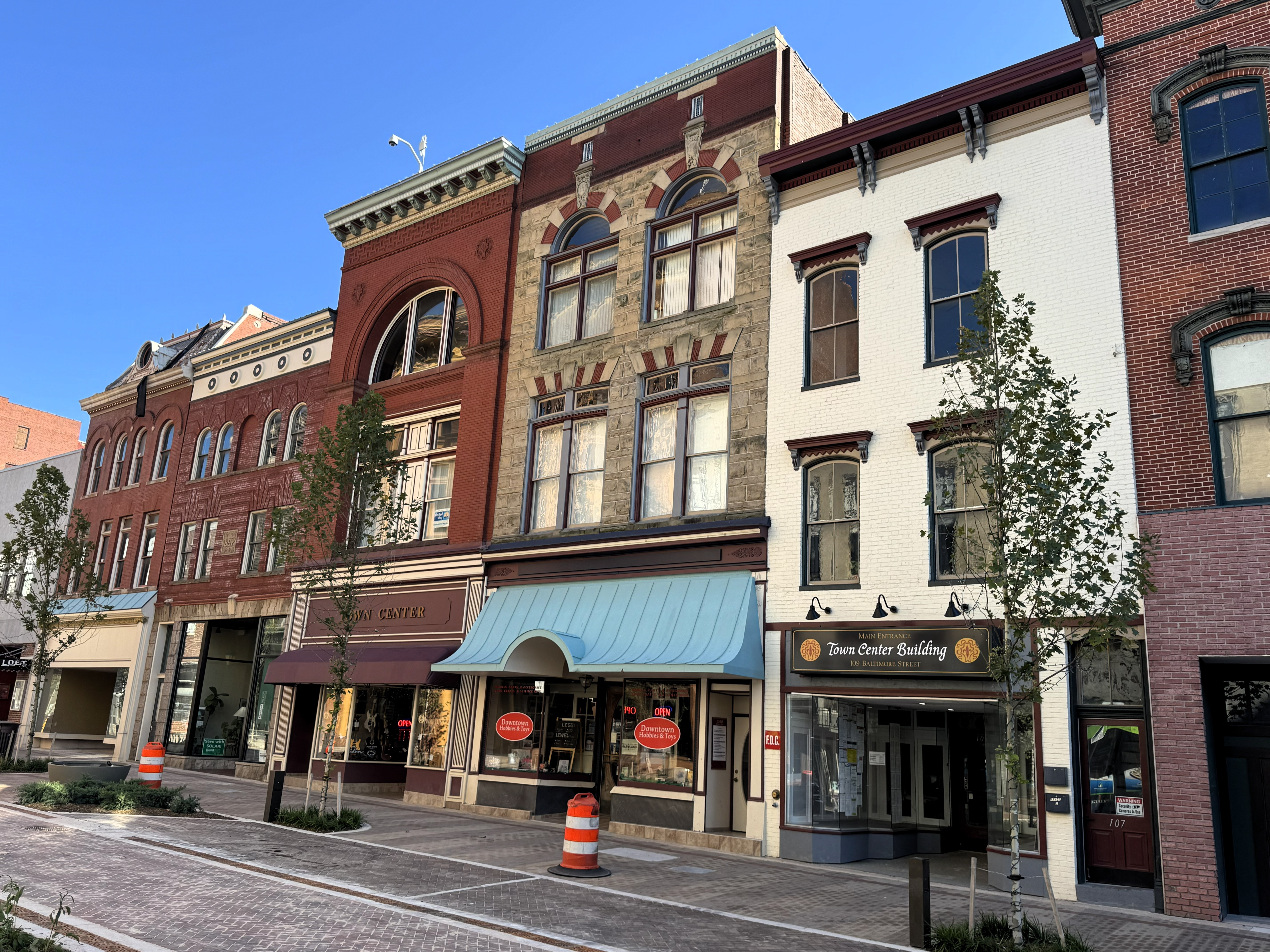
When I finally visited downtown, I found Baltimore Street lined with impressive three- and four-story, ornate brick buildings built in the late 19th century. The tall buildings create a striking little canyon with a view toward the old Episcopal Church above.
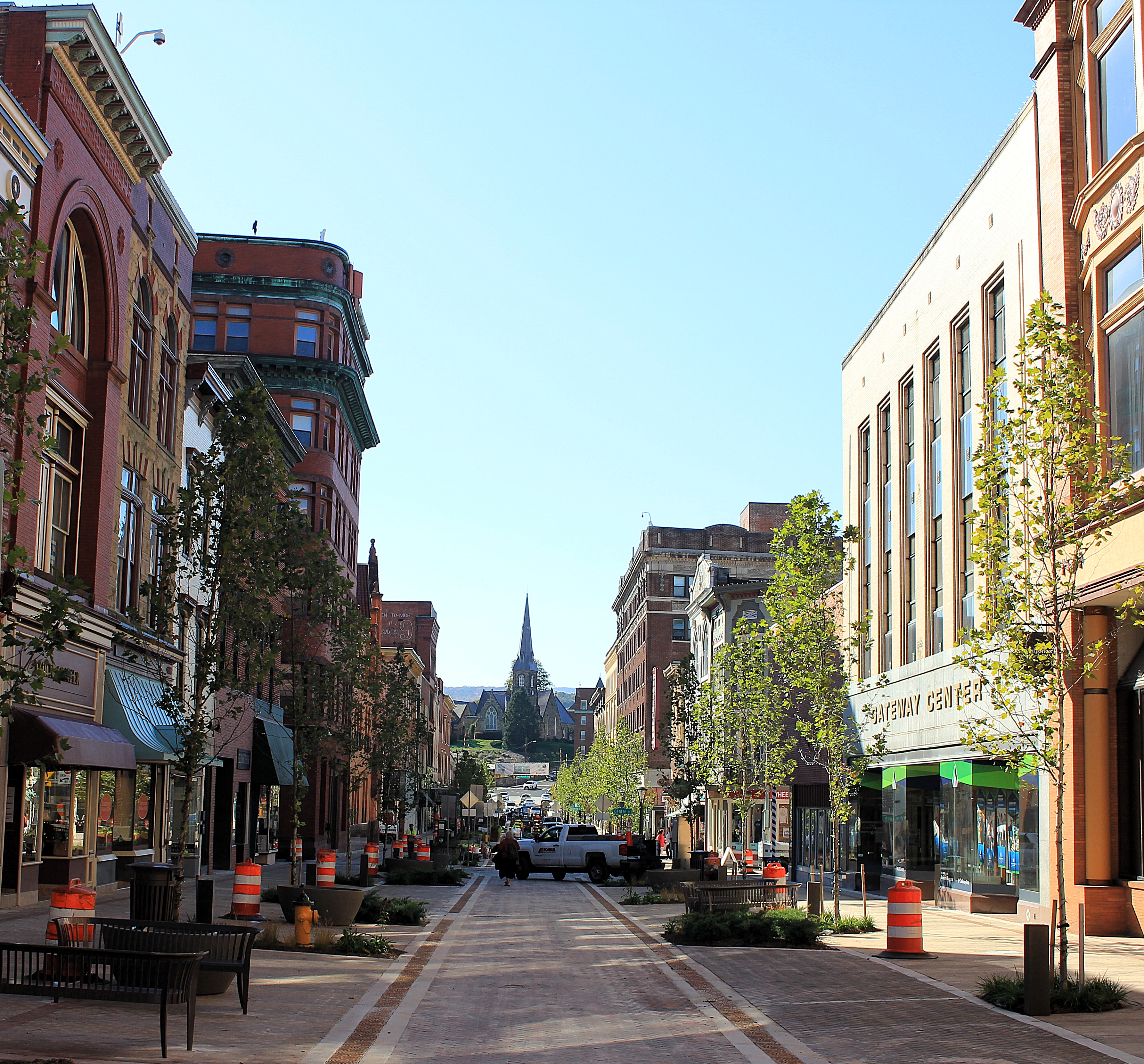
Baltimore Street in Cumberland, Maryland.

Here are some of the more notable buildings along Baltimore Street:

Although Cumberland’s current population is only 19,000, the town obviously once had a much larger population — in fact, in 1940 its population (39,000) was nearly double what it is today.
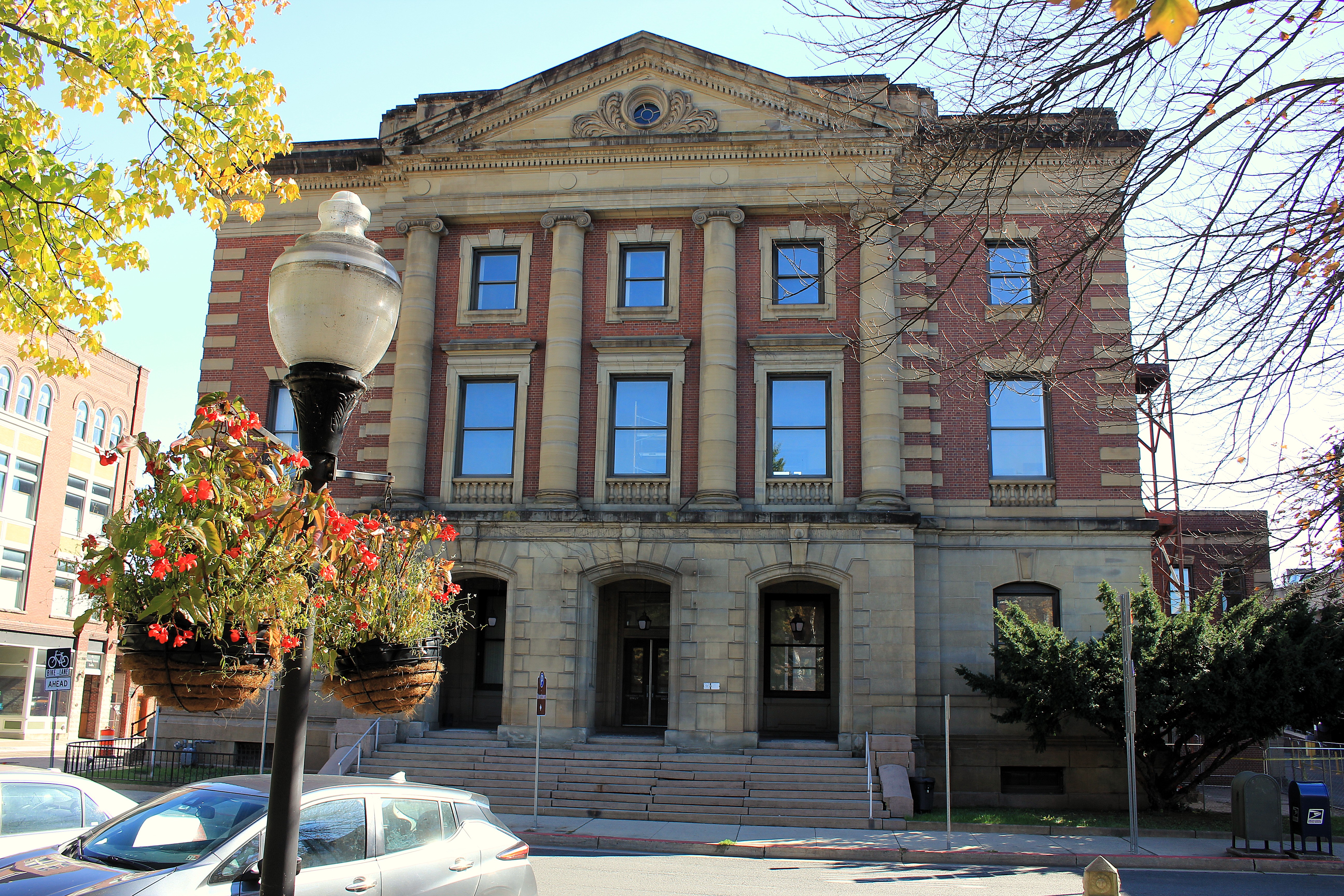
The old U.S. Post Office Building at Frederick & Liberty Streets.

I love finding old Italian bakeries in Eastern cities. Here is Caporale’s in downtown Cumberland. Photographs on the wall of this family bakery include a signed photo of legendary Atlanta Braves pitching coach Leo Mazzone, a native of the Cumberland area.
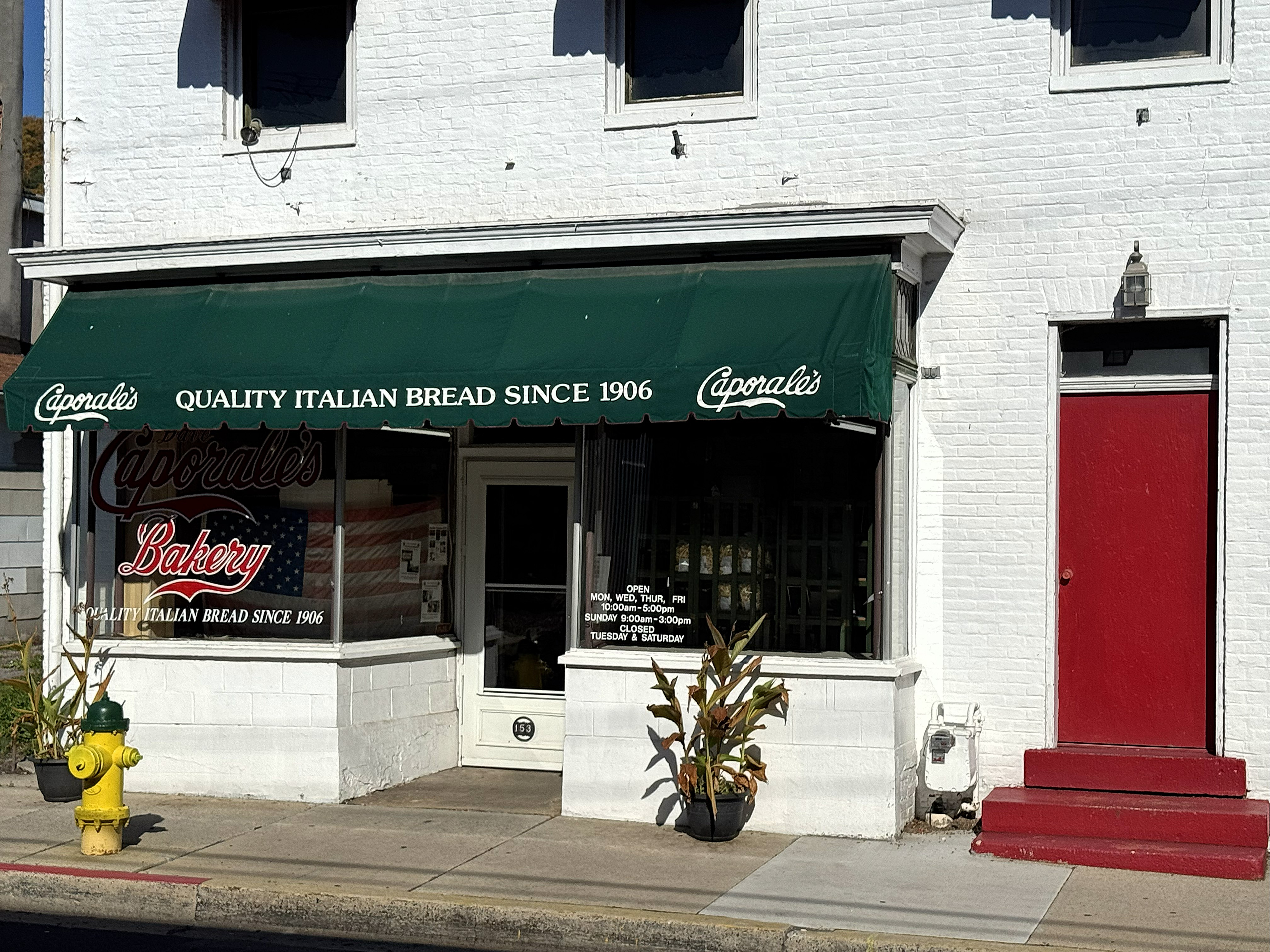

That’s all. Hope you can visit Cumberland — it’s well worth the trip!
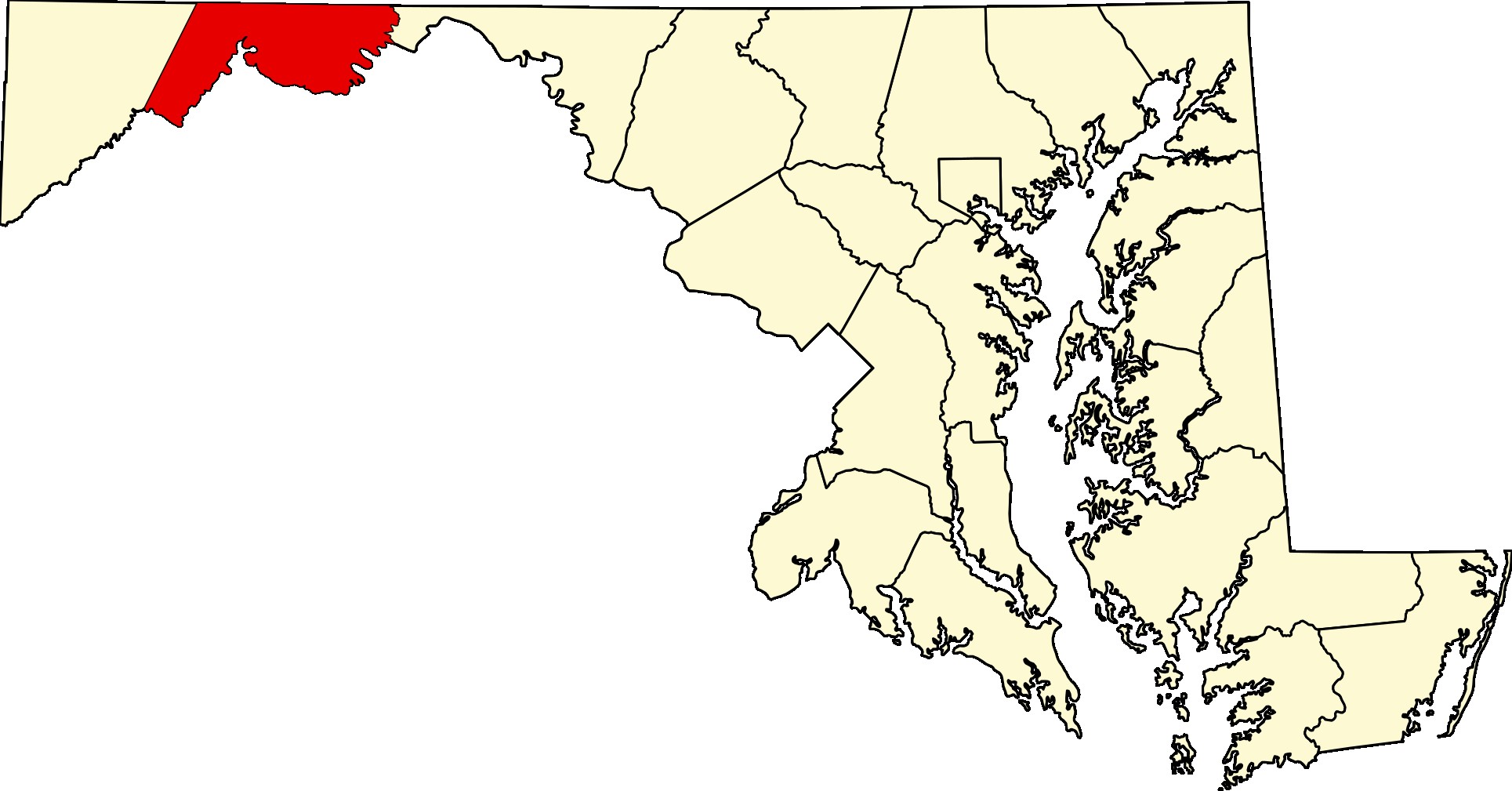
Allegany County within the state of Maryland

Click here for a list of all TimManBlog American County Seats Series posts.
The photos in this post were taken on October 21, 2024, and are copyrighted by Tim Seibel.

Donations to TimManBlog

I post about a visit to one of America’s 3,150 county seats each month. Donations are greatly appreciated to help defray my travel costs.

$5.00

Check out the FREEDOM VOYAGES book series! These books document my road trips across the United States and include hundreds of stunning photographs. Each of the four books in the series is available on Amazon and Barnes & Noble. This includes my most recent release, FREEDOM VOYAGES Volume 4: Christmastime in Texas!

FREEDOM VOYAGES Volume 4: Christmastime in Texas. Available at Amazon.com and Barnes & Noble.

Earlier volumes in the FREEDOM VOYAGES series are also available:
Vol. 1: North-Central North Dakota
Vol. 2: Go West! From the Loneliest Road in America to California’s Gold Country
Vol. 3: A Proud, Dignified People in Lincoln’s Illinois


All FREEDOM VOYAGES books are on sale at Amazon.com and Barnes & Noble.

Milledgeville’s Historic Sites: Walking Tour of Georgia’s Former Capital

Please consider donating to support my travels using the form at the bottom of the post. PayPal, Visa, American Express, Mastercard, Discover, and Maestro are accepted. Thank you.

January 31, 2025

Even a small town like Milledgeville, Georgia, with a population of 17,000, can offer plenty to do in just one day. This is especially true in January. If you’ve traveled south from a colder climate, you’ll appreciate being free to step outside in just a light jacket. A hoodie will suffice as well.

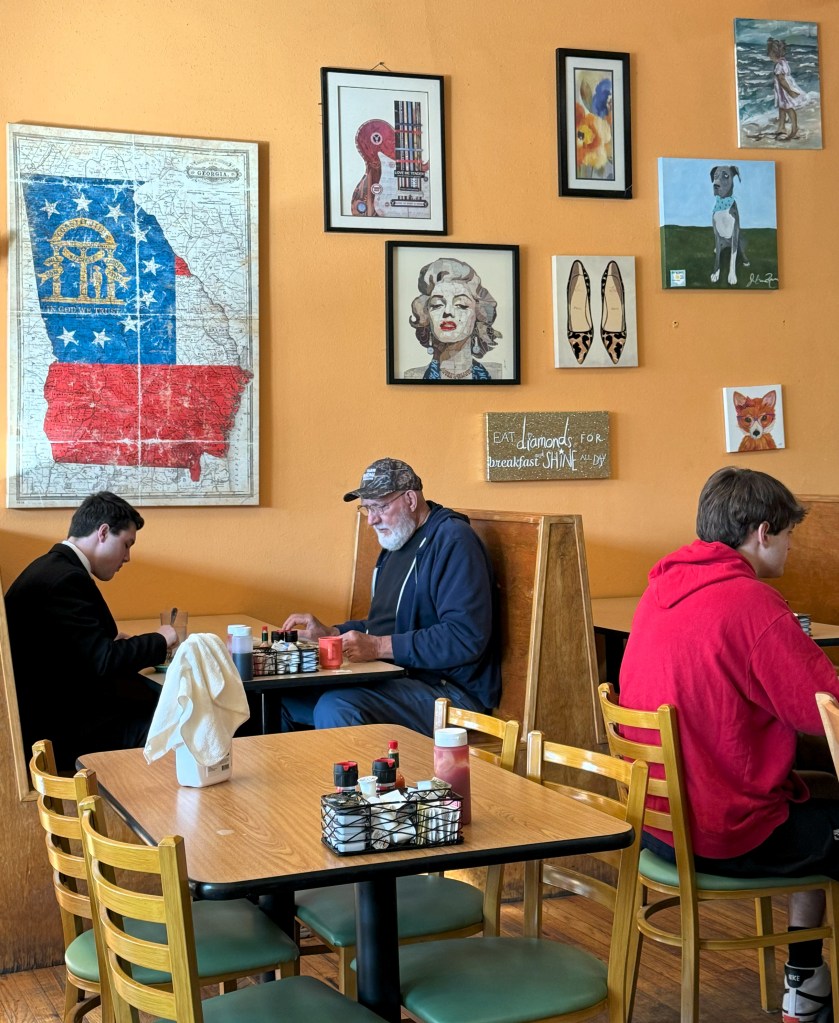
The morning started with breakfast at The Local Yolkal Cafe, a popular East Hancock Street downtown spot. The menu is very Southern. In my experience, Southerners are our country’s best cooks.

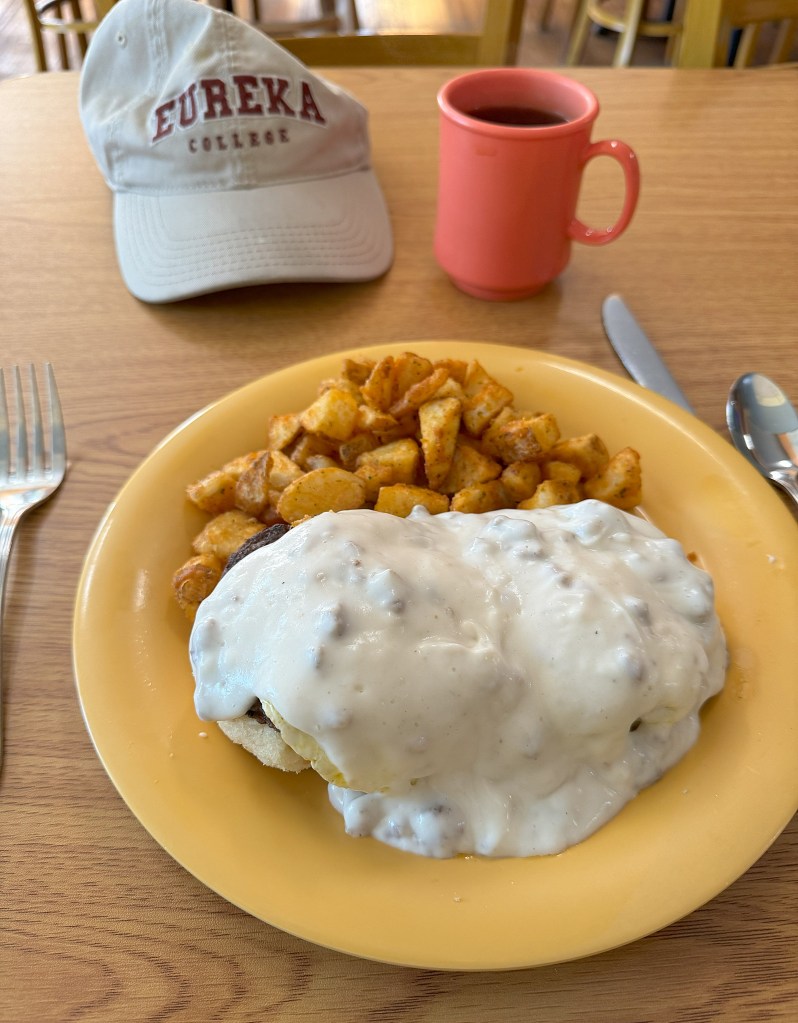
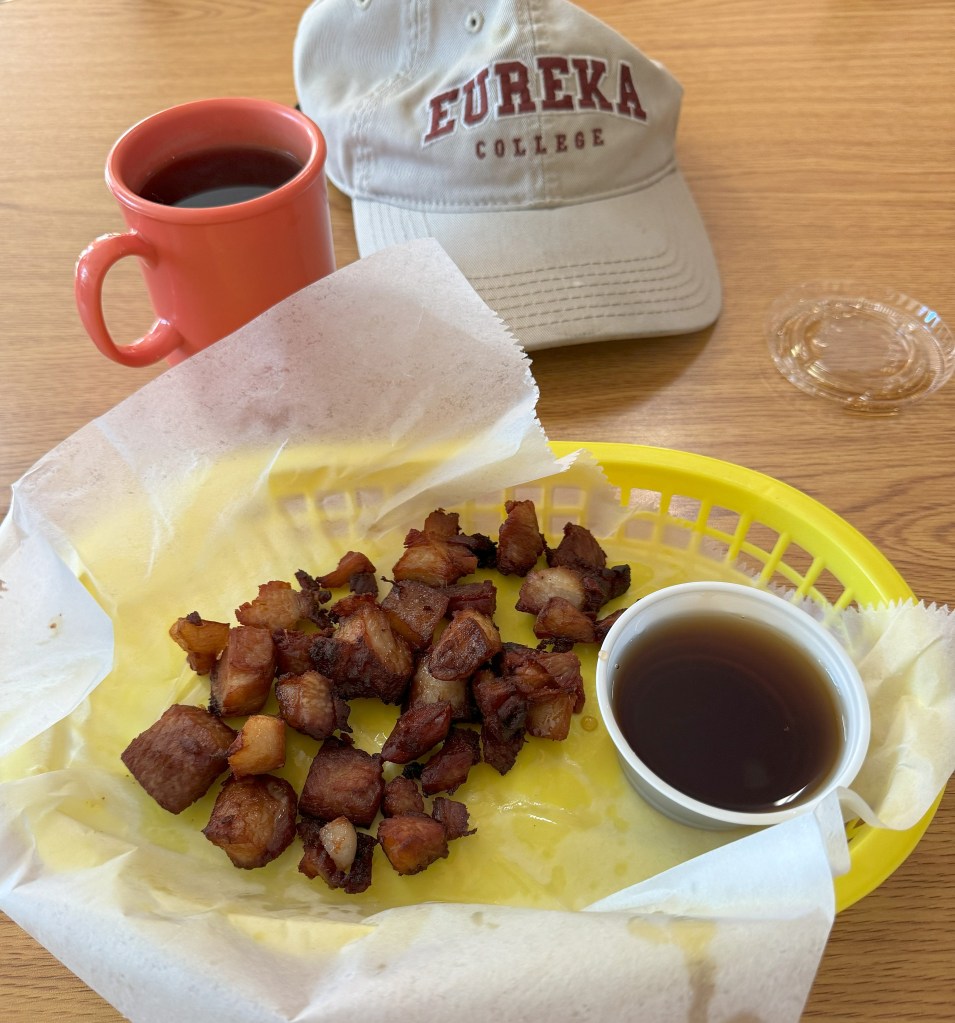
I had the Beauregard Benedict—two eggs, two sausage patties, and two buttermilk biscuits smothered in country gravy. Then to try something I’d never had before, I asked the waitress for some Pork Belly Bites. They’re great when dipped in maple syrup.

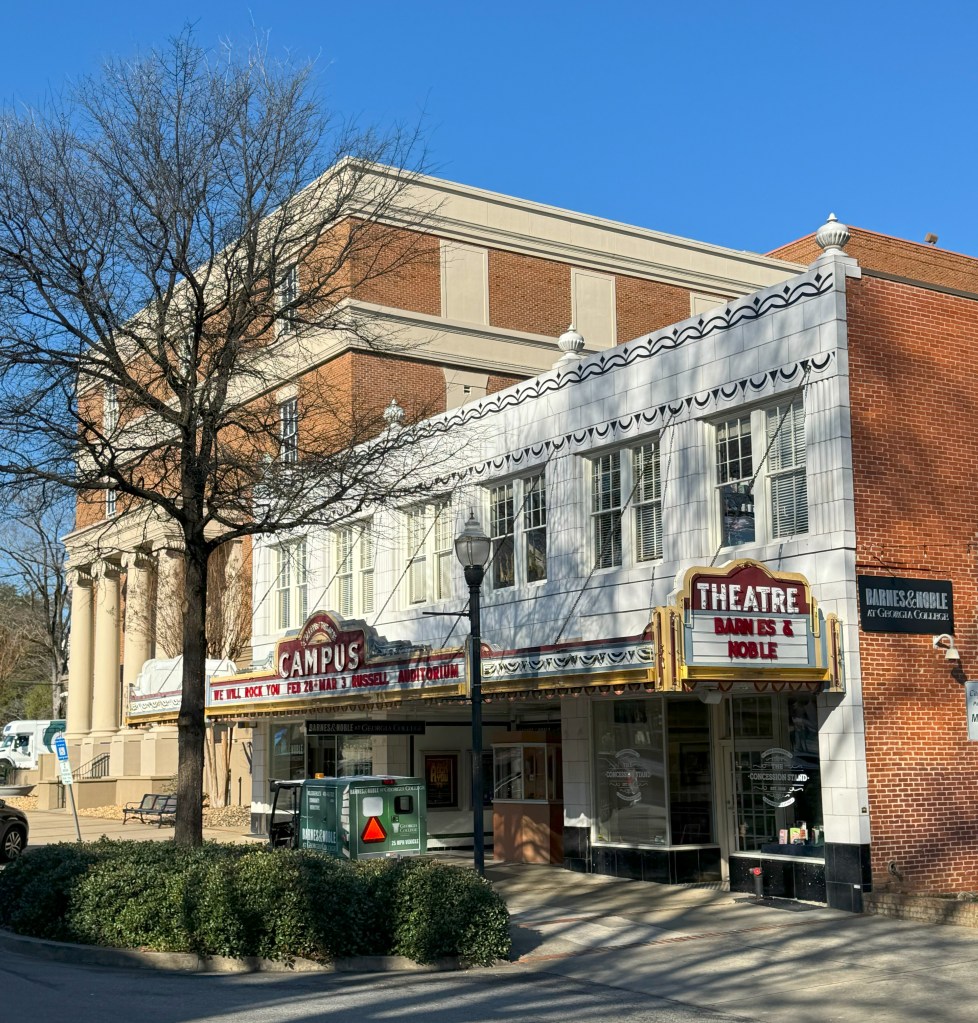
When I visit a town, I like to walk its downtown streets to get a feel for my surroundings. In Milledgeville, East Hancock Street runs through the downtown center. The area is bright and lively on a sunny January morning, even though its shade trees will be winter-bare for a few more weeks. Hancock has plenty of shops and restaurants, and the old Campus Theater is the centerpiece. A modern Barnes & Noble bookstore occupies part of the old movie house.

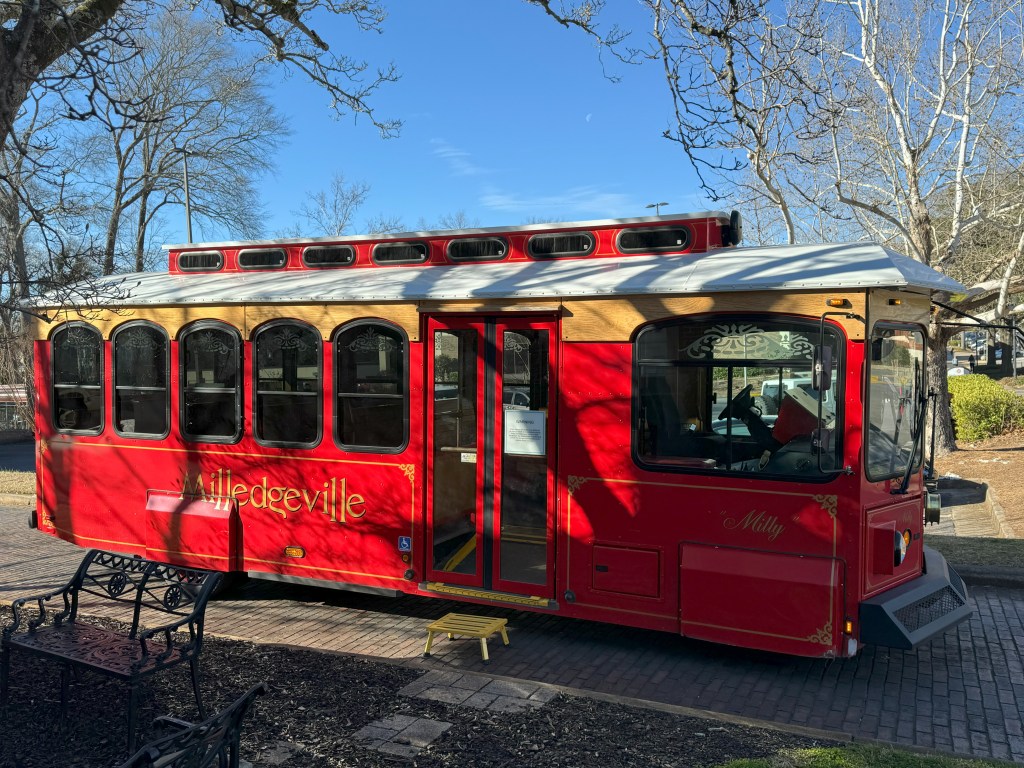
Here is a well-preserved relic of Milledgeville transportation from its earlier days.

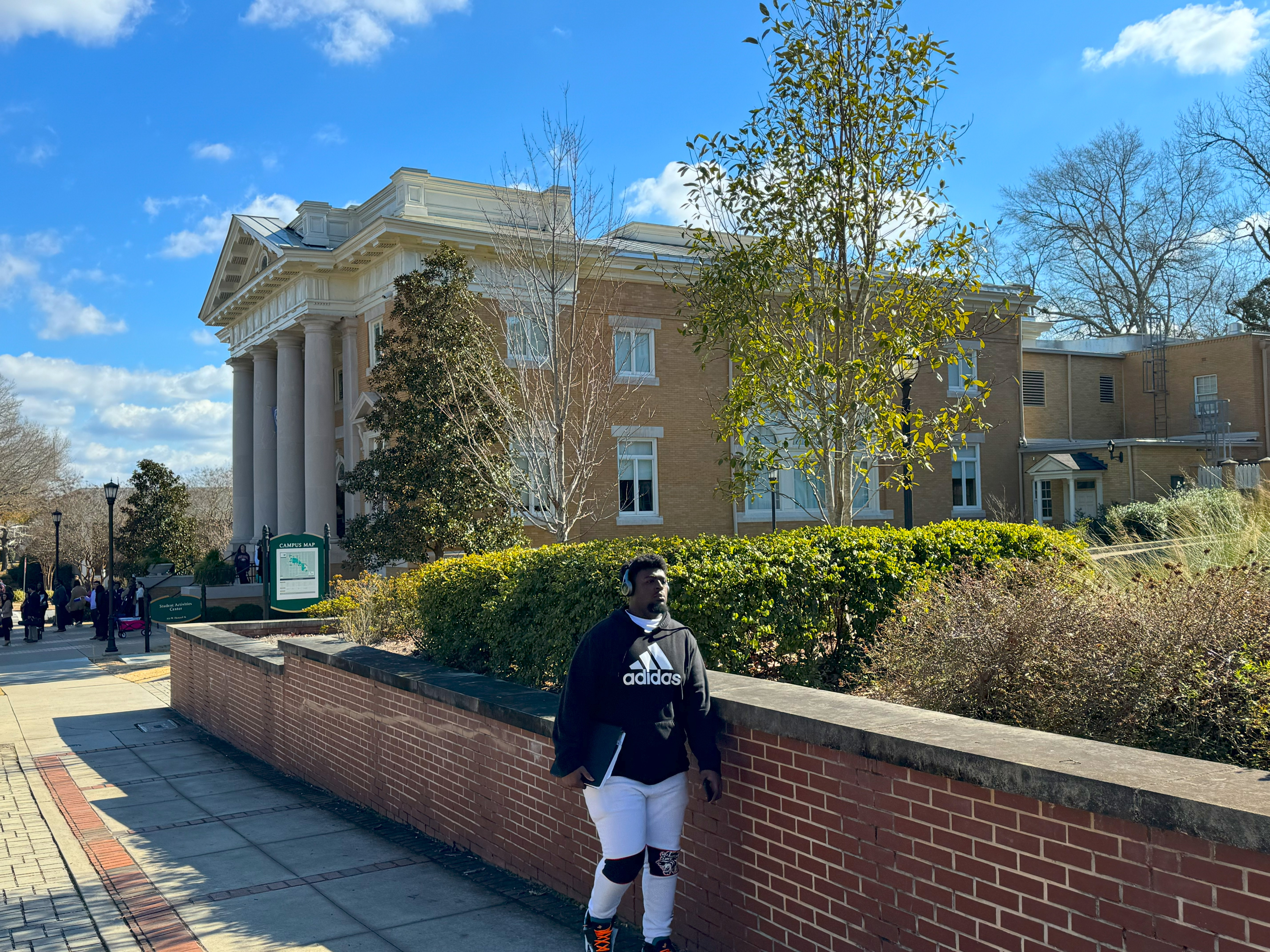
Milledgeville is a college town. A block north on Hancock Street is the campus of Georgia College and State University (GCSU) campus. The school was founded in 1889 as the Georgia Normal and Industrial College. It has changed names and purposes several times over the decades. For example, from 1922 to 1967, it was a women’s college. Today, GCSU functions as a liberal arts college with 6,000 undergraduate students.

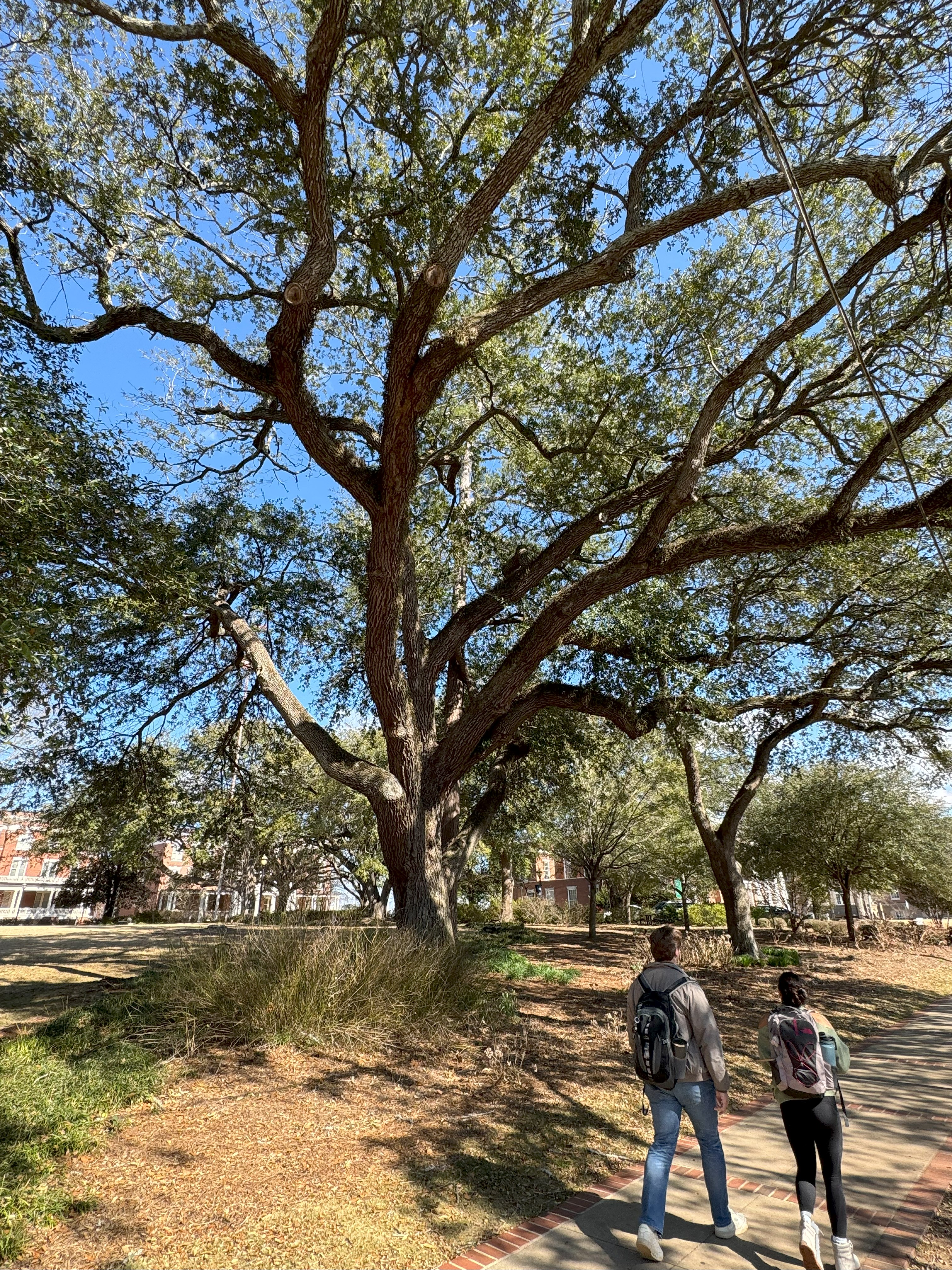
GCSU has a pleasing atmosphere. Apart from the Southern live oak trees, it could be mistaken for an Ivy League school.

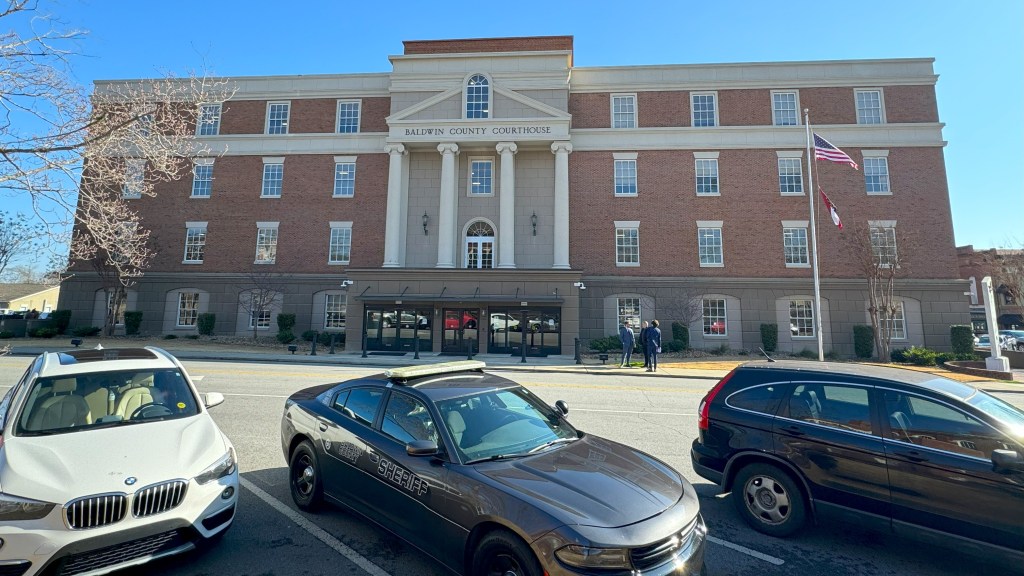
Milledgeville is also the seat of Baldwin County, Georgia. The old county courthouse and the new 1996 courthouse are also along Hancock Street downtown. The old courthouse is now part of the GCSU campus. (It’s the building in the top left corner of the gallery above.)

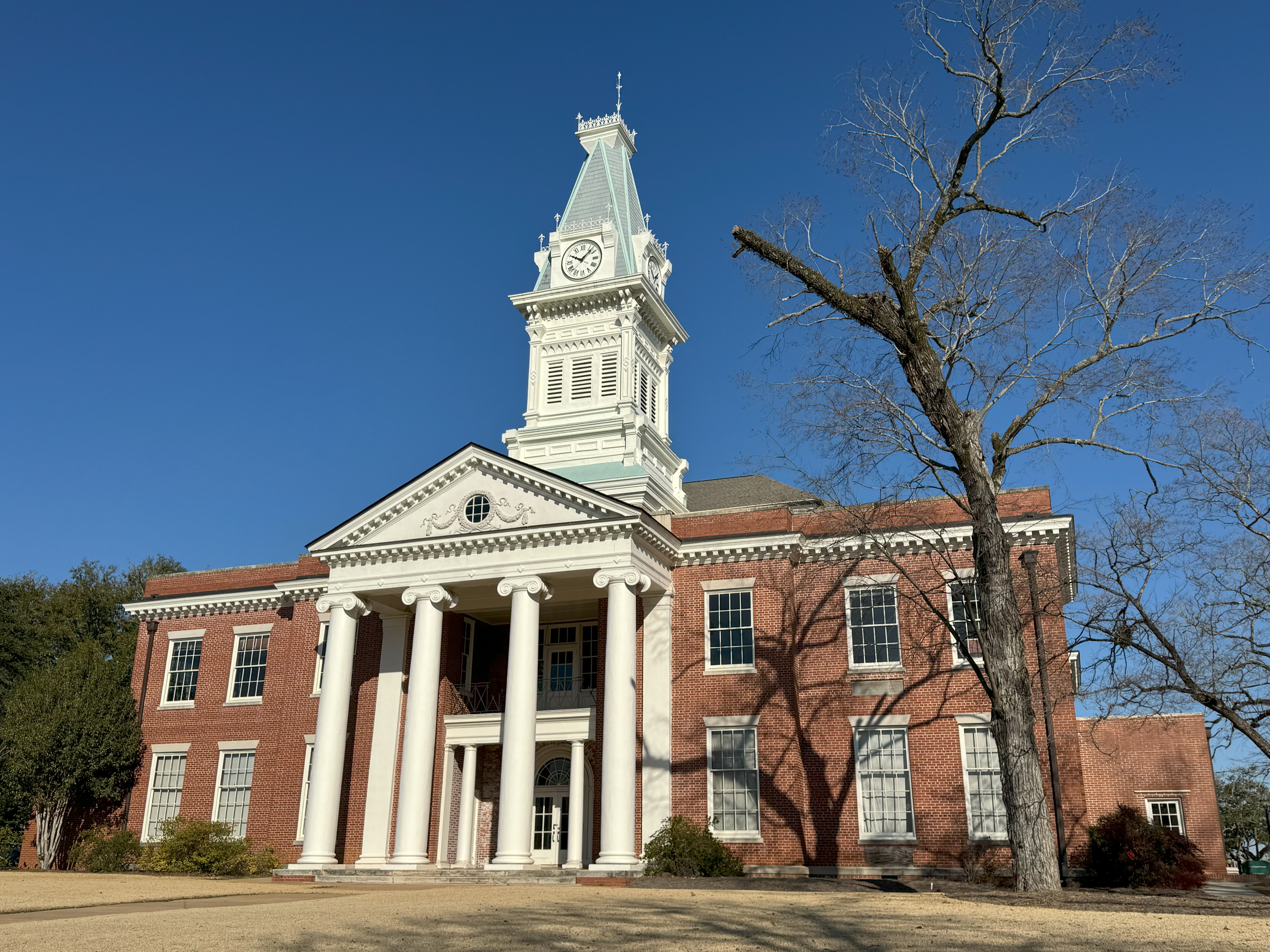
The new Baldwin County Courthouse is built in a style reminiscent of Greek revival buildings. It has four stories and a red brick exterior. Four Greek columns stand in front of the two outside entrances.

The Baldwin County Courthouse in Milledgeville, Georgia.

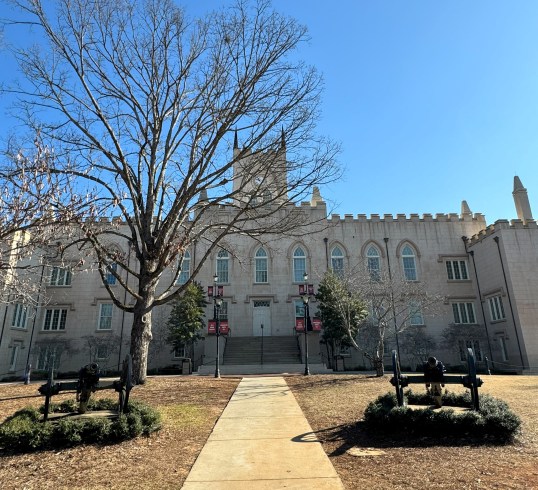
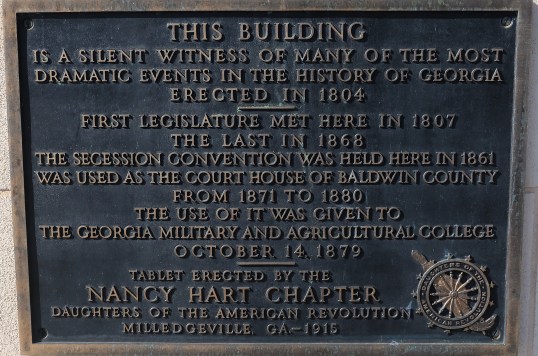
Milledgeville was the state capital of Georgia until 1868 when the capital was moved to Atlanta. When that happened, the old capitol building was re-purposed as a military college known as Georgia Military College (GMC). The grounds are just a few blocks from downtown. I saw groups of cadets walking around the grounds in red sweaters and black pants. I saw others in soldier’s fatigues. I think I saw as many women cadets as men.

The old capitol building looks like a fortress:

The old Georgia State Capitol, now a military college, guarded by a pair of cannons.
Historical plaque at the old Georgia State Capitol

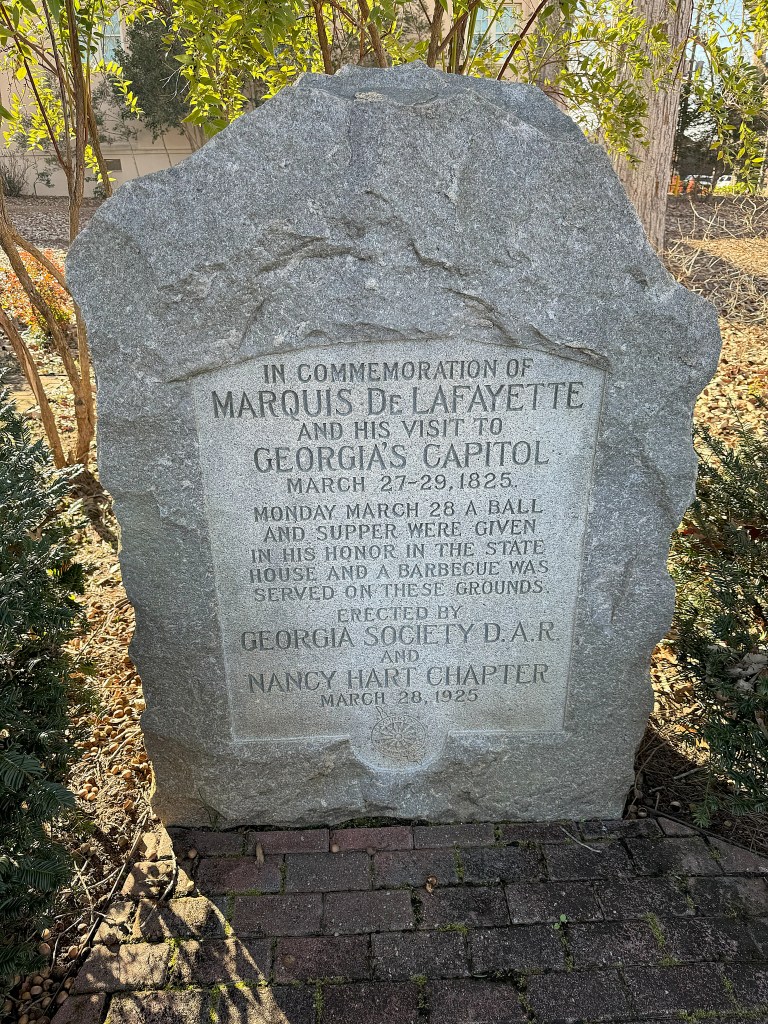
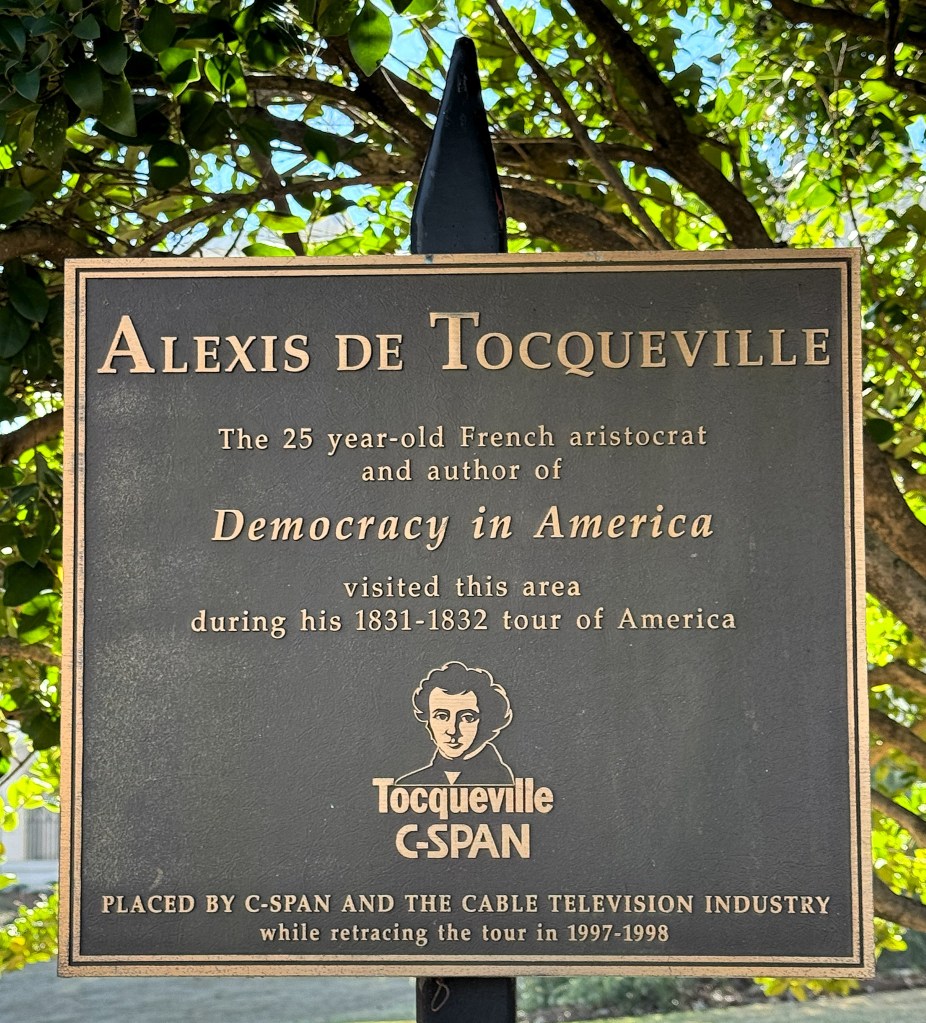
Before the Civil War, Milledgeville’s status as Georgia state capital attracted many dignitaries. Two famous Frenchmen are remembered in particular. The first is Revolutionary War hero the Marquis de Lafayette. The second is noted political scientist Alexis de Tocqueville. Both were French aristocrats who toured America extensively in the early 1800s, praising its democratic forms. Lafayette was one of George Washington’s favorite lieutenants. Tocqueville wrote Democracy in America, which is is often praised as being “both the best book on Democracy and the best book on America.”

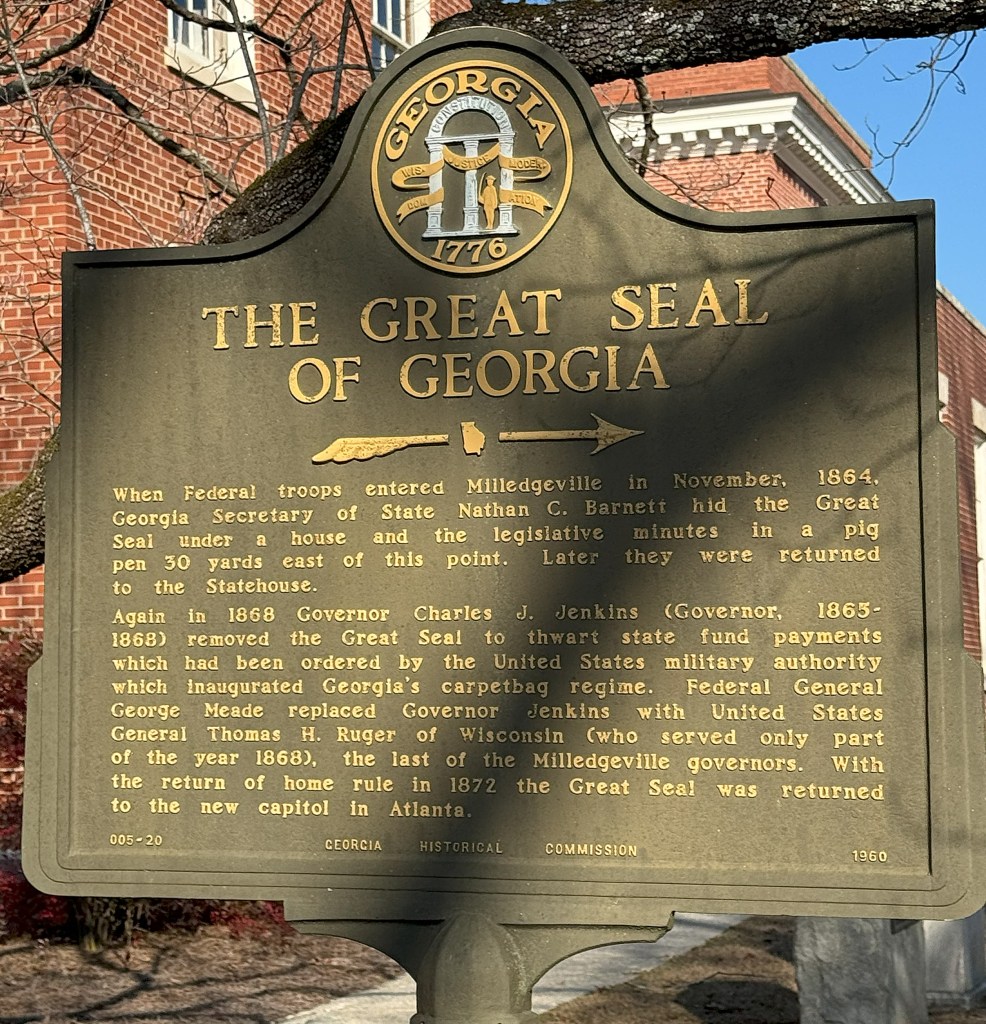
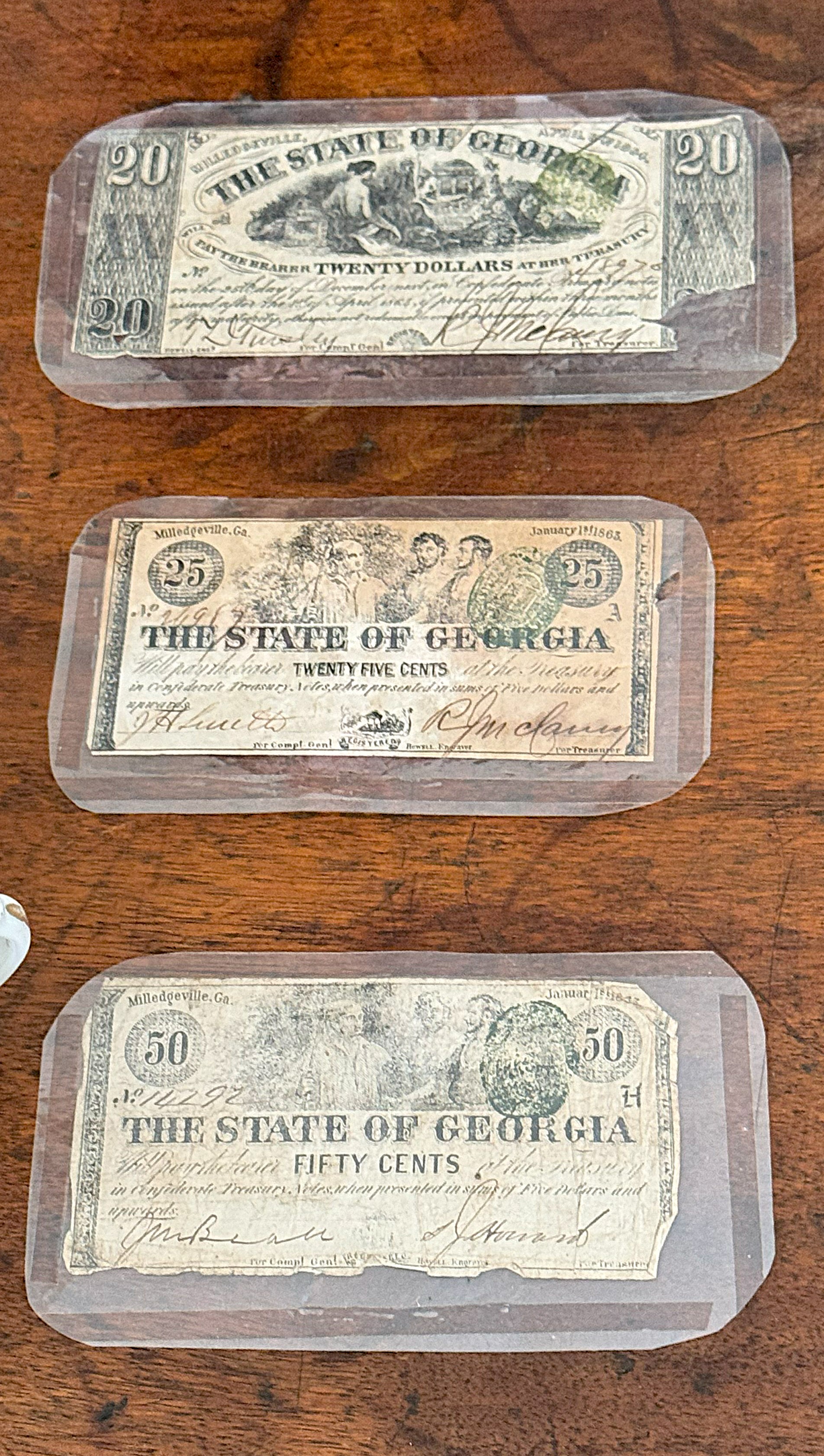
In the fall and winter of 1864, Union General William Tecumseh Sherman started out from Atlanta on his great “March to the Sea.” Milledgeville was directly in the path of his armies. Below, a state historical sign explains how the Georgia Secretary of State hid Georgia’s great seal in a nearby pig pen.

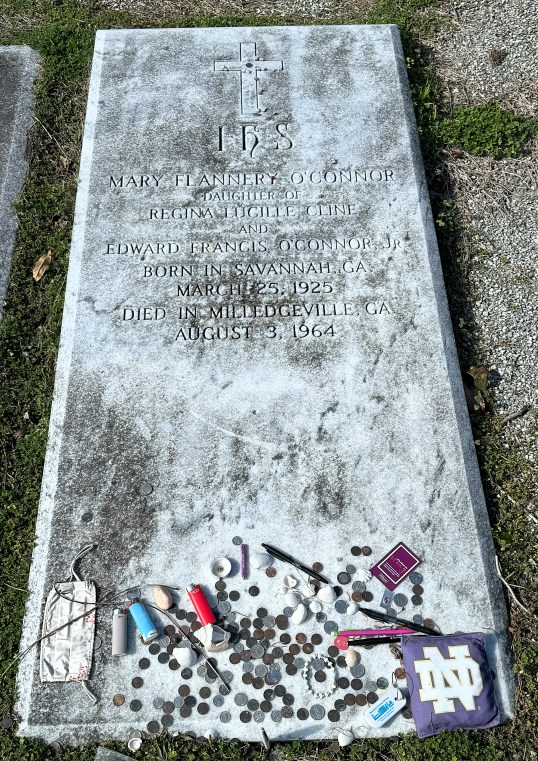
I walked a few blocks from the old state capitol to visit a graveyard on top of a small hill. This is the Memory Hill Cemetery, where many of the most notable former citizens of Milledgeville now rest. Among the most notable is Flannery O’Connor (1925-1964). She is the acclaimed author of A Good Man is Hard to Find and many other short stories. She also wrote two novels.

(left) Flannery O’Connor in 1947.
(This image is licensed under the Creative Commons Attribution-Share Alike 3.0 Unported license. I copied the photo from Wikipedia and did not make changes.)

(below) the grave of Flannery O’Connor in the Memory Hill Cemetery in Milledgeville.

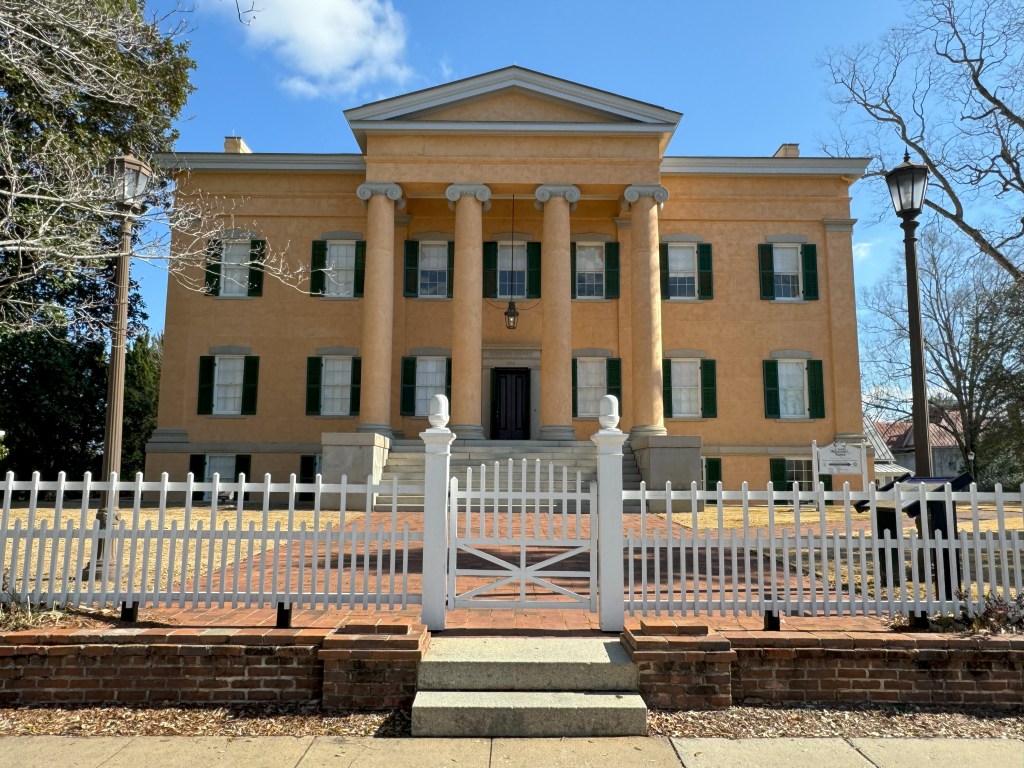
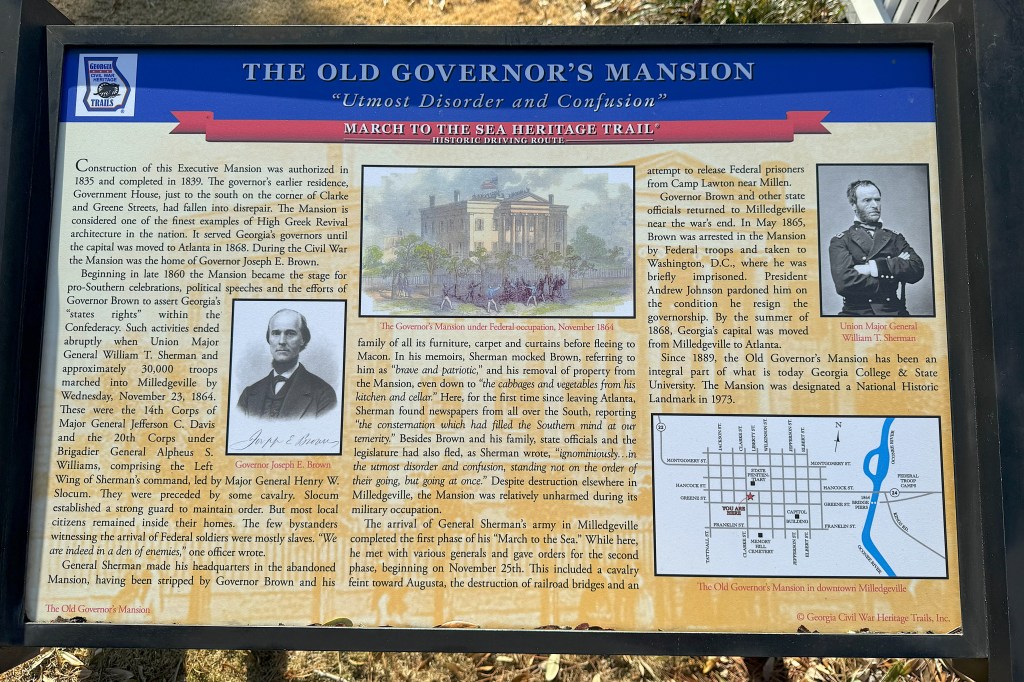
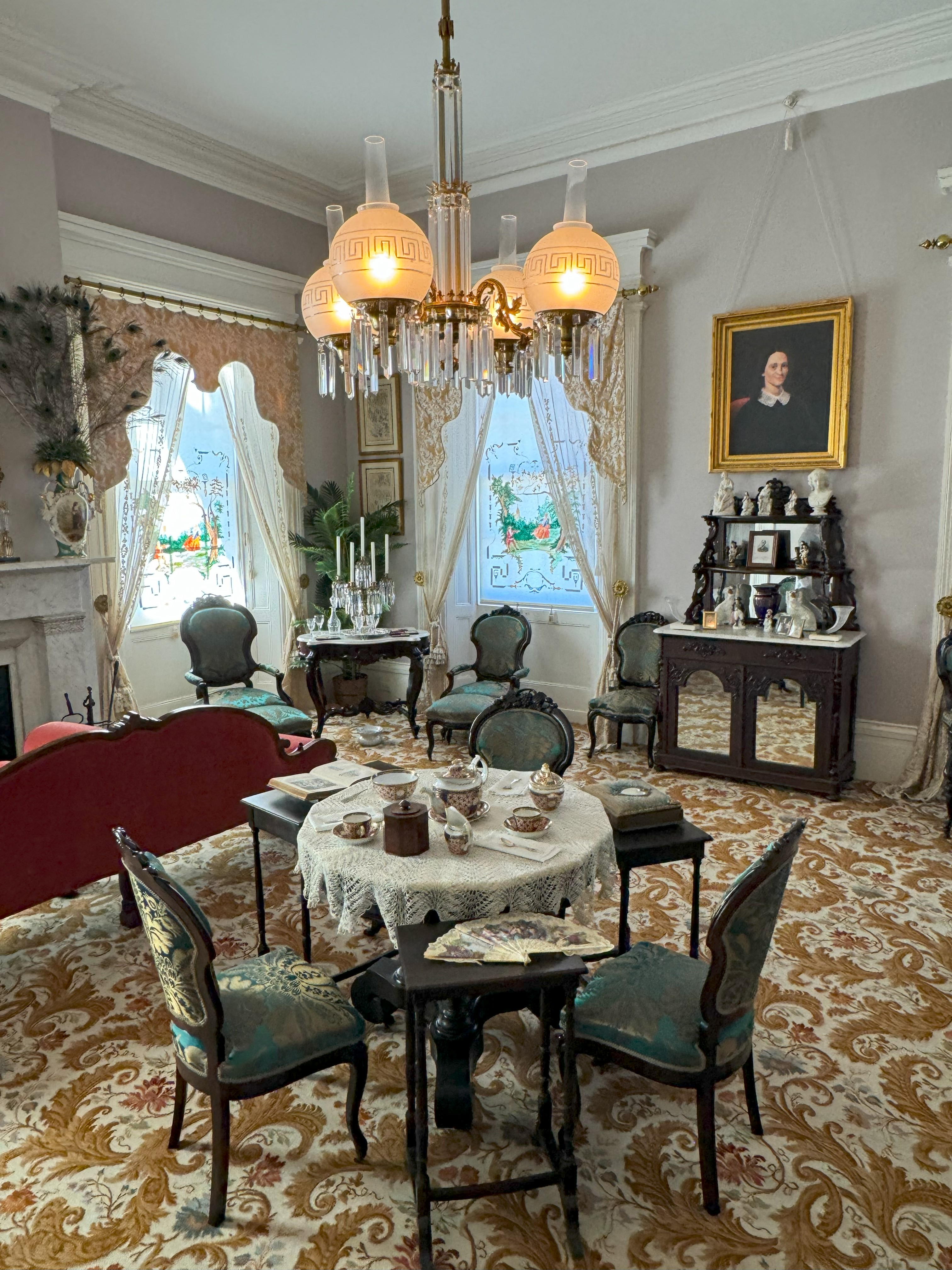
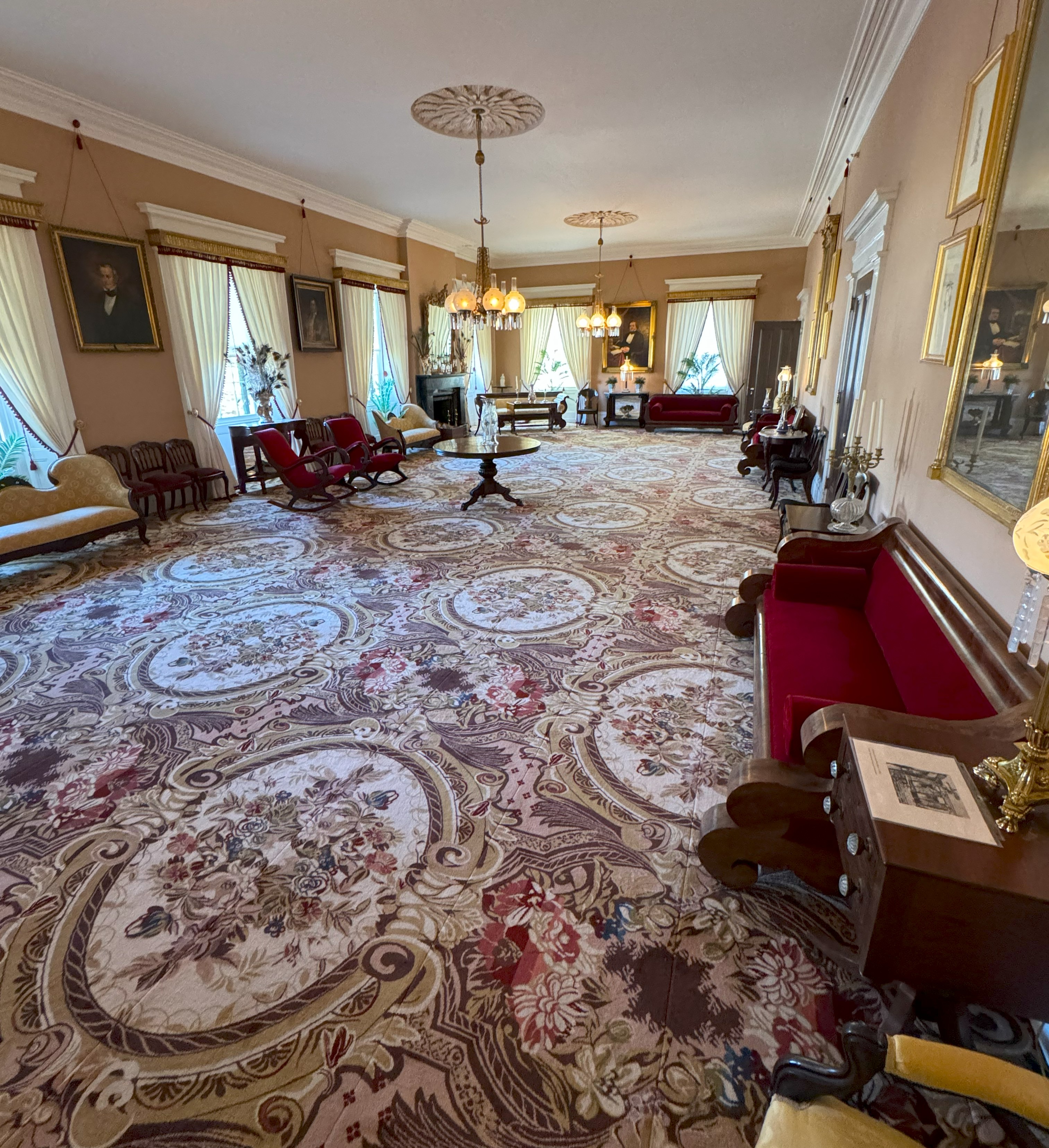
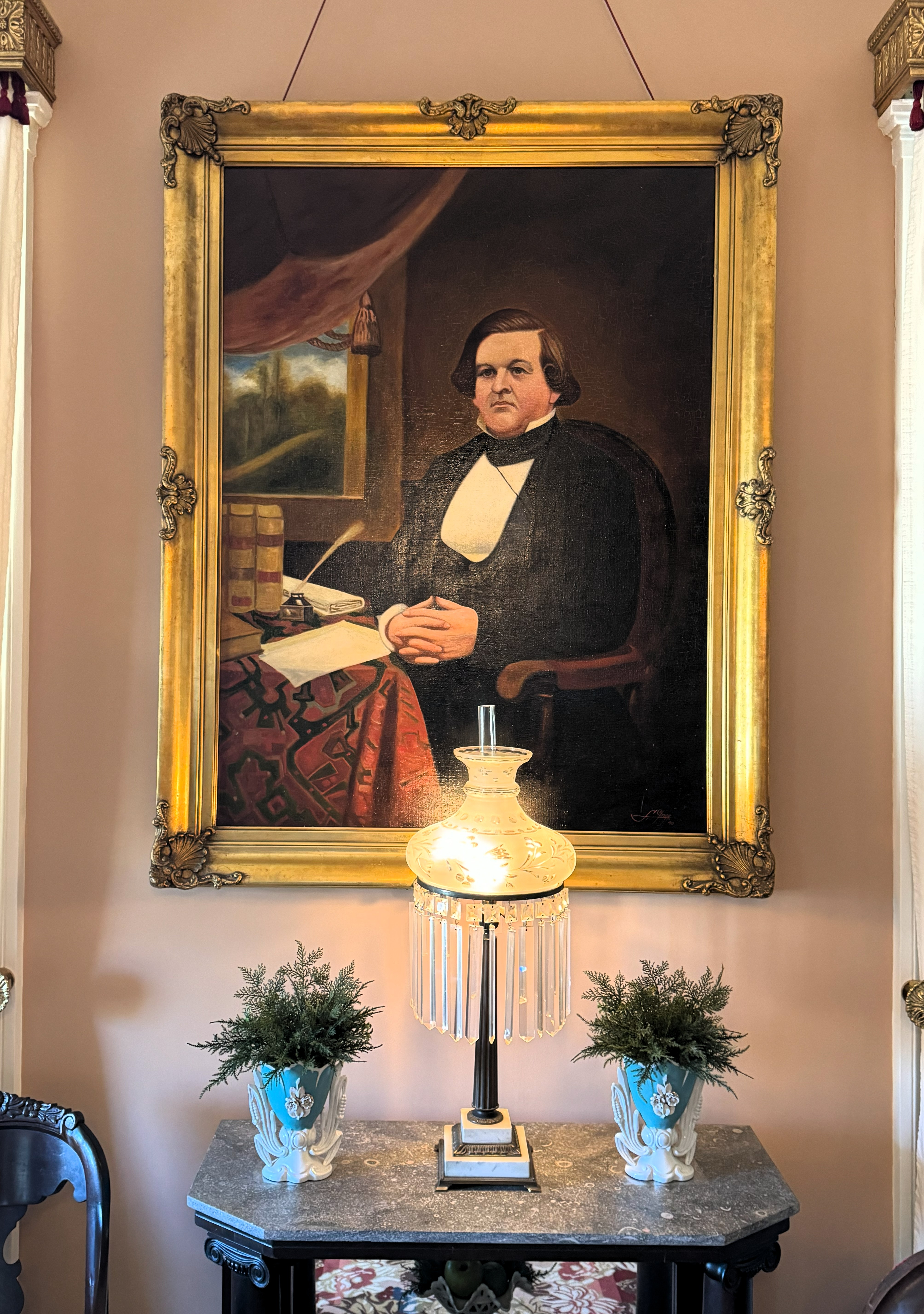
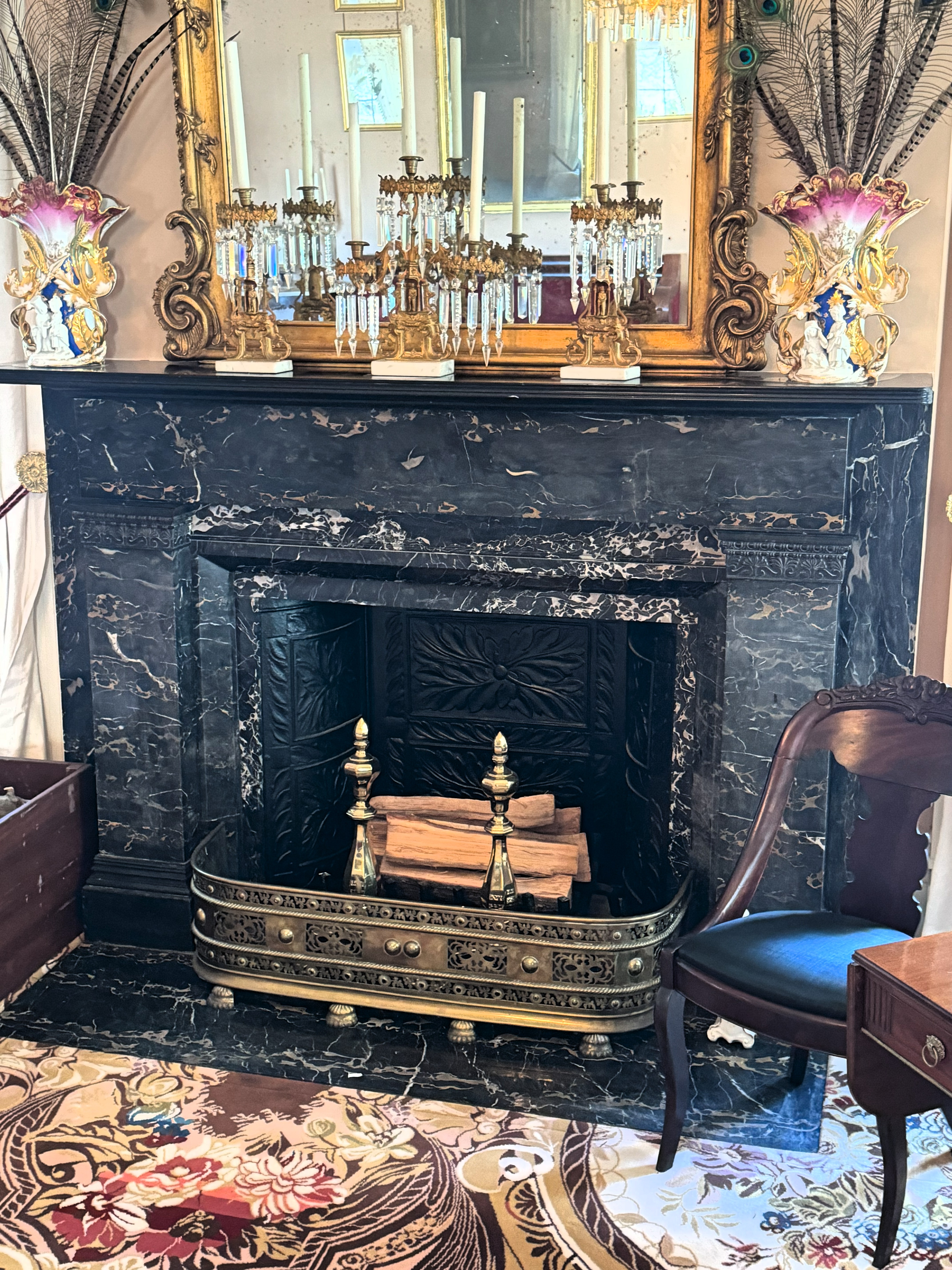
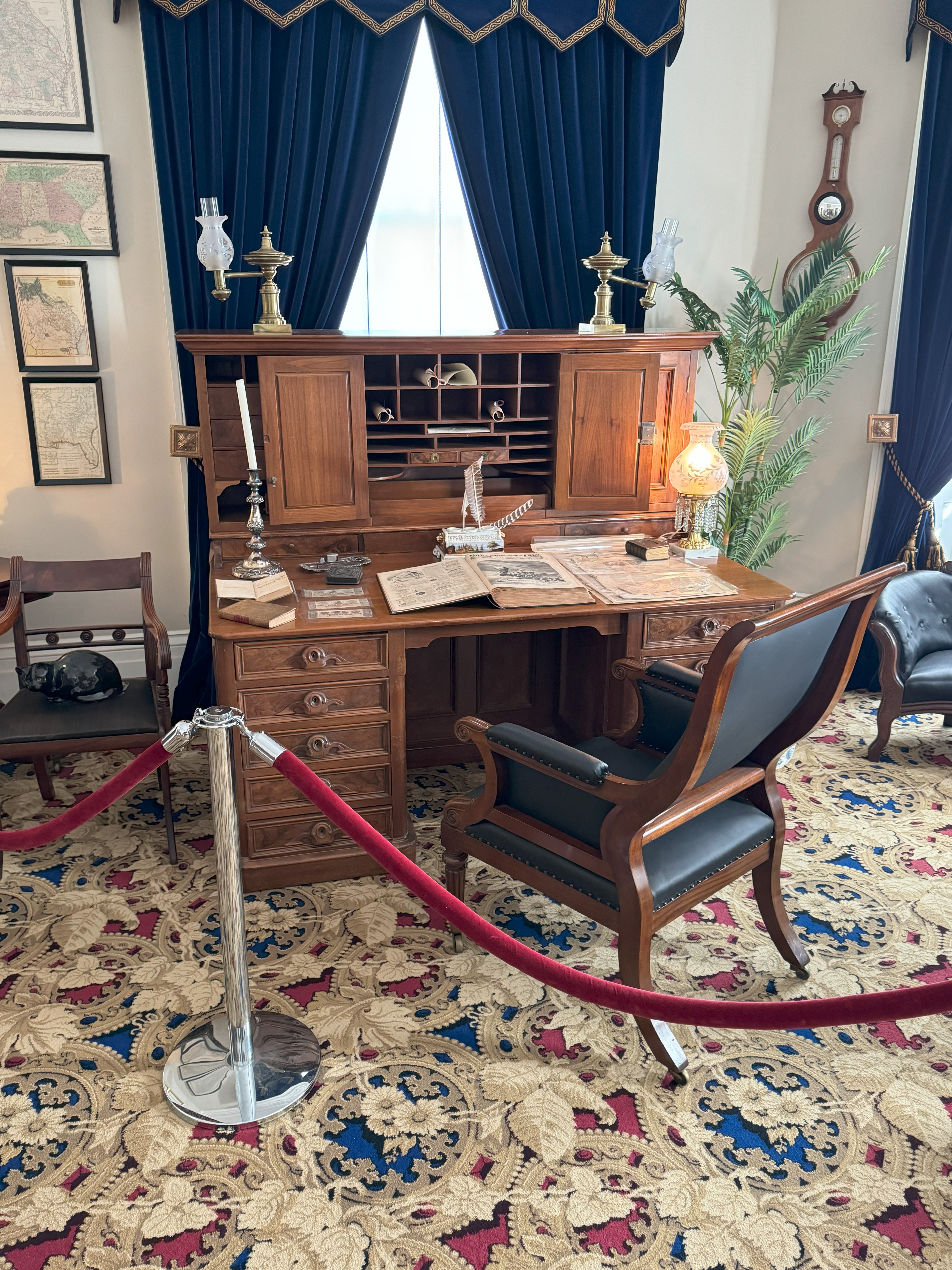
After noon I visited the Georgia’s Old Governor’s Mansion. This grand house is maintained as part of Georgia College and State University, and charges $10 for a guided tour. The tour is well worth the cost.

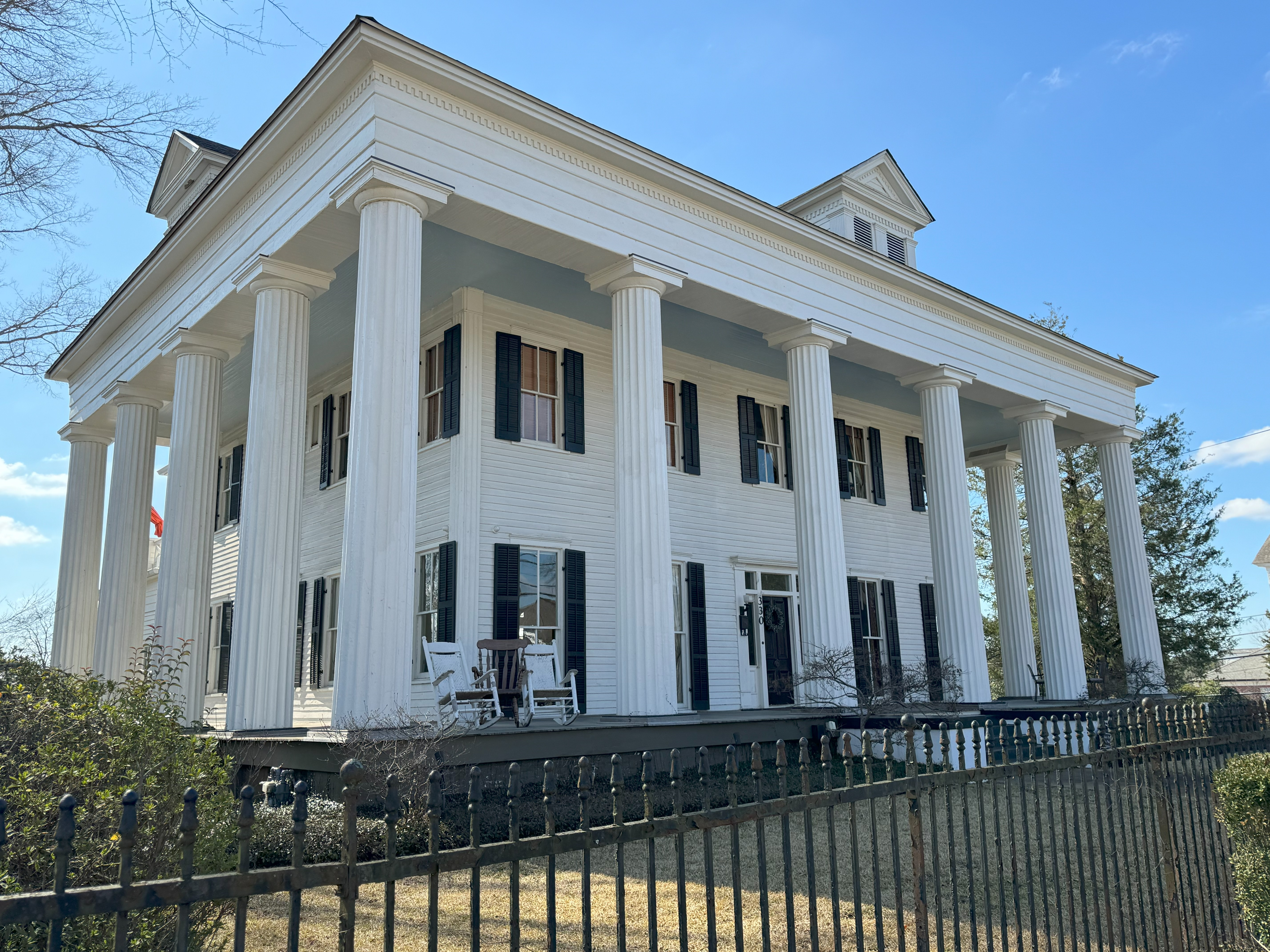
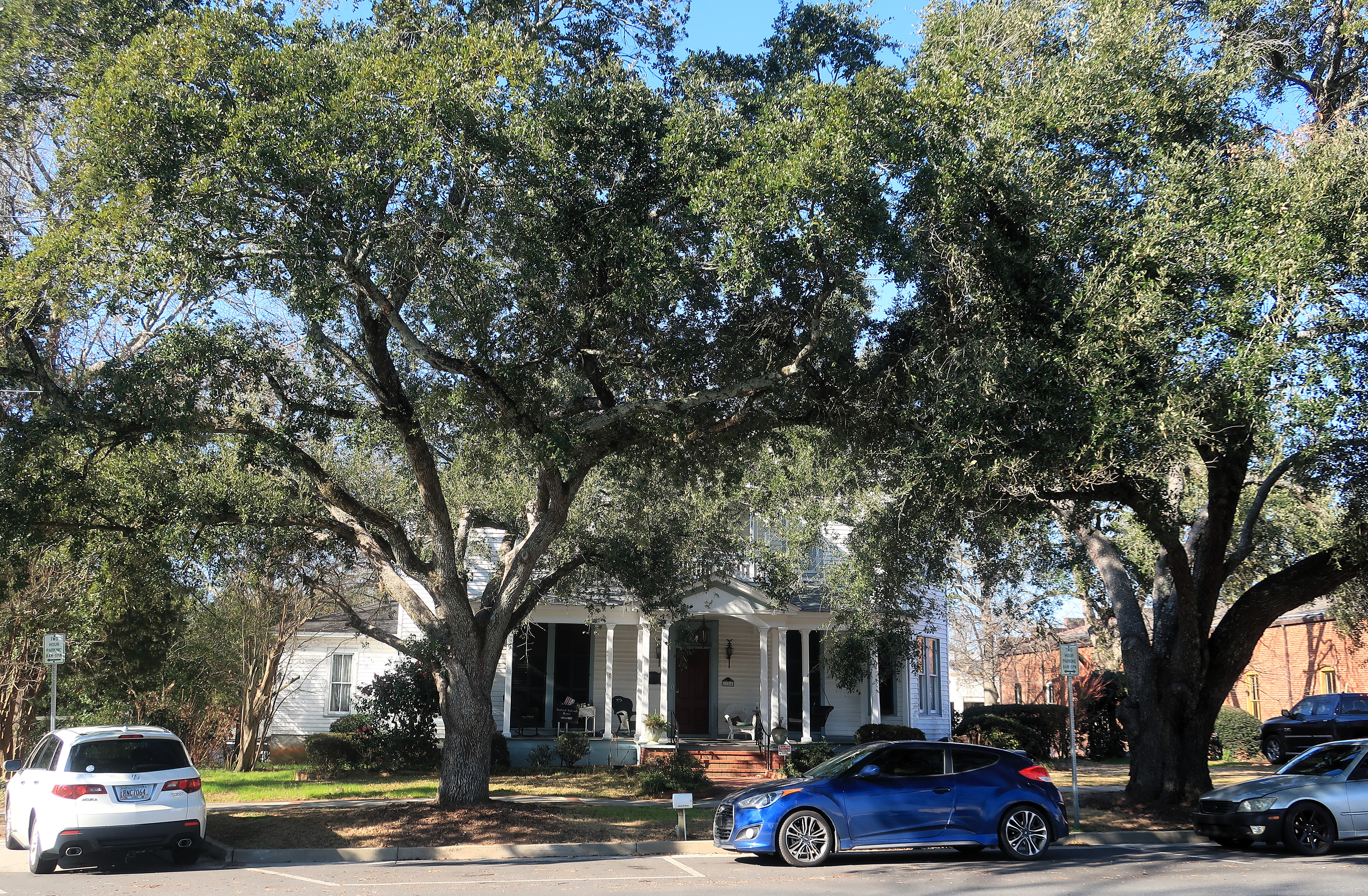
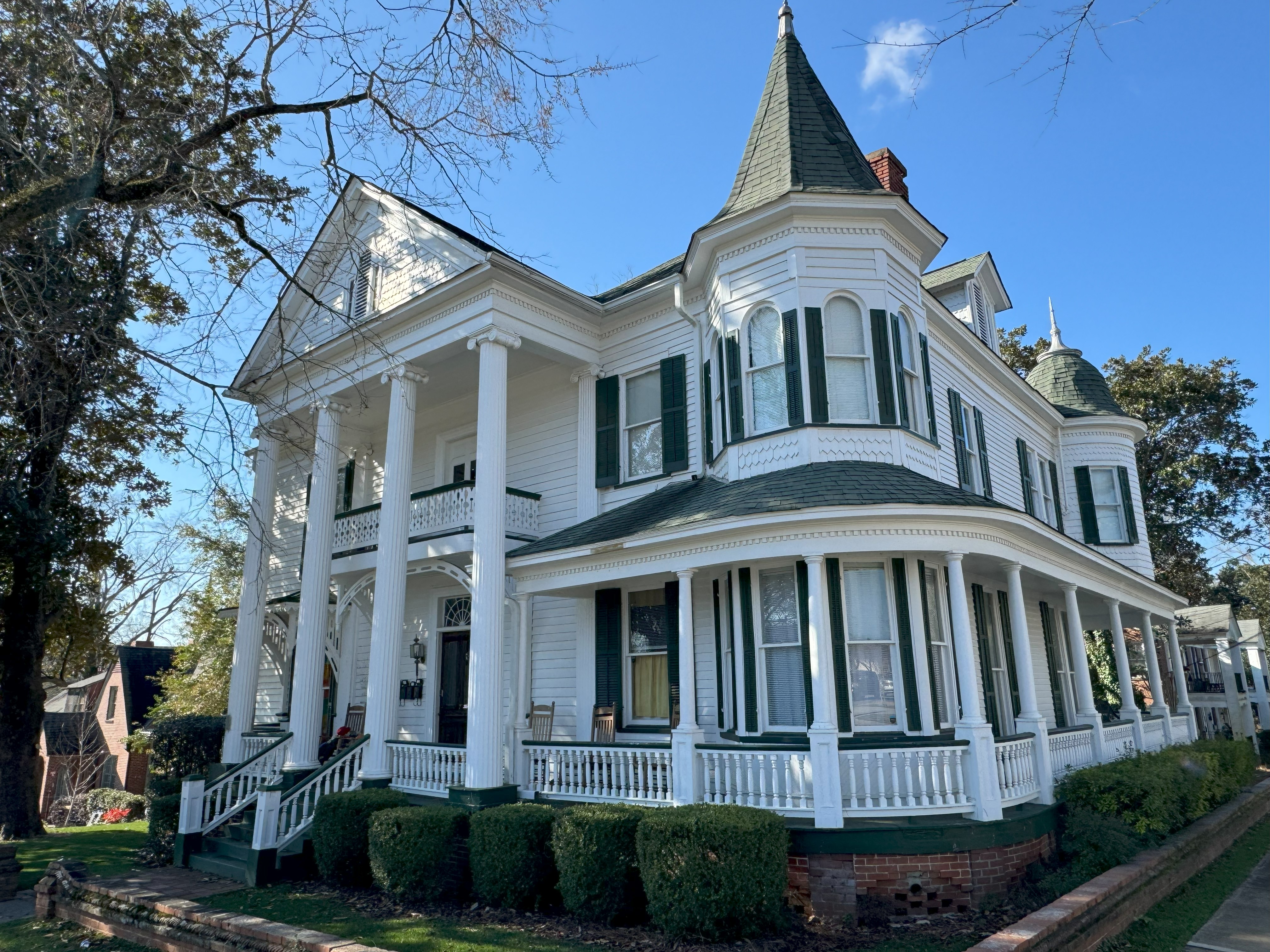
After finishing my tour of the old executive mansion, I spent an hour wandering around the residential streets near downtown. I found some grand old homes while enjoying the live oaks and sunshine. Many of these homes were built in the classical style with pillars in the front. A few were built before the Civil War, but most were added later. Let’s call this wandering “time well-wasted.”

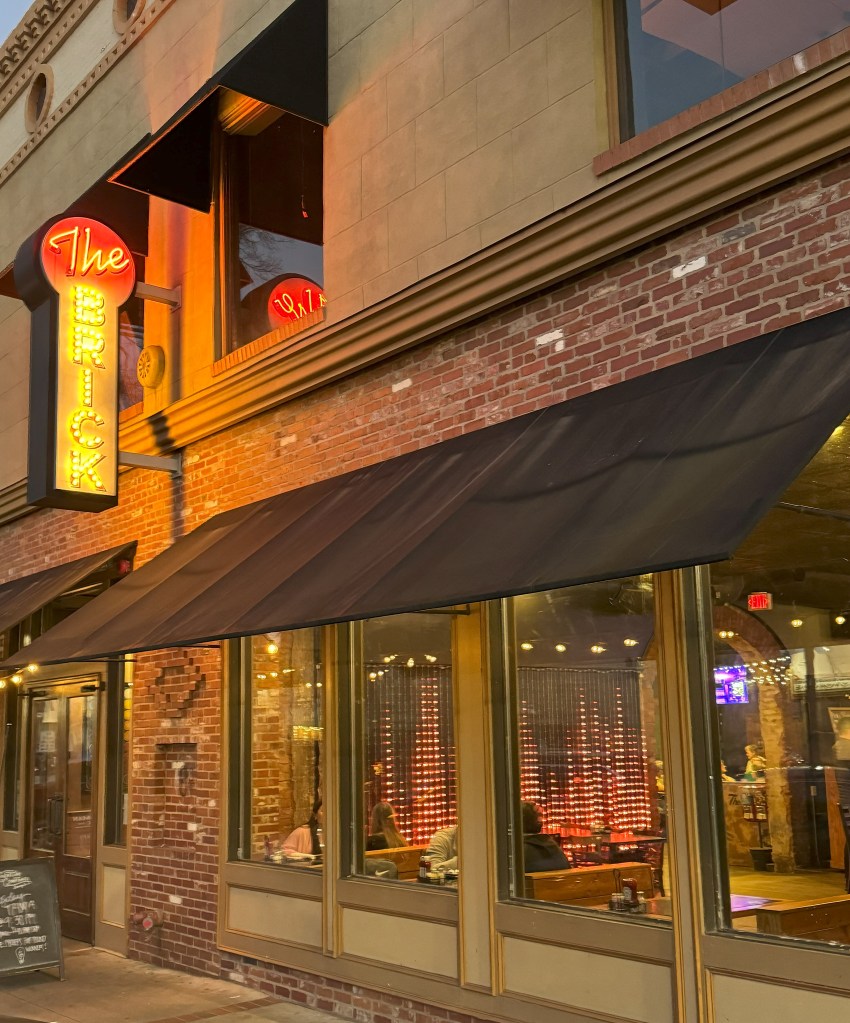
No great day ends without a great dinner. If you’re ever in Milledgeville, do yourself a favor. Go to The Brick on East Hancock downtown. Order the “Park Slope” with penne, alfredo, jerk chicken, bacon, and peas. I added a salad on the side.

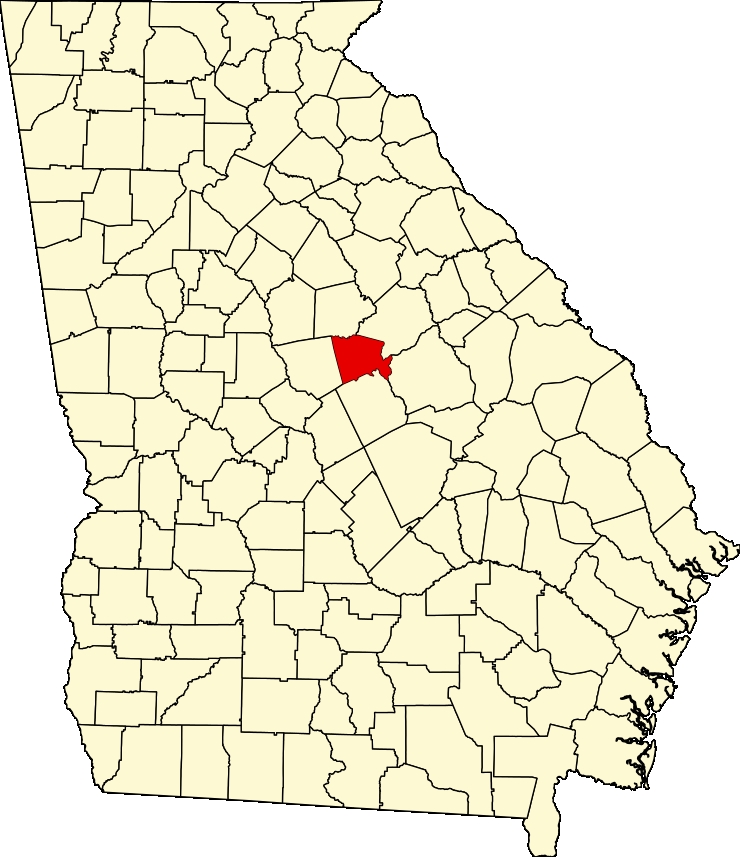
The location of Baldwin County within the state of Georgia.

A list of all photo posts from the American County Seats series in TimManBlog can be found here. The author took all photos in this post between January 31 and February 2, 2024.

My hobby is traveling to America’s county courthouses. Each month, I post about a visit to a scenic or exciting county seat. Donations are greatly appreciated to help cover my costs.

Donations to TimManBlog

Please use this form to donate to my travel writing. (Change the number in the ‘Price’ box to increase the donation amount.) The form accepts PayPal, Visa, Mastercard, Amex, Discover, and Maestro.

$1.00

Check out the FREEDOM VOYAGES series! These books document my road trips across the United States and include hundreds of stunning photographs. Each of the four books in the series is available on Amazon and Barnes & Noble. This includes my most recent release, FREEDOM VOYAGES Volume 4: Christmastime in Texas!

FREEDOM VOYAGES Volume 4: Christmastime in Texas. Available at Amazon.com and Barnes & Noble.

Earlier volumes in the FREEDOM VOYAGES series:
Vol. 1: North-Central North Dakota
Vol. 2: Go West! From the Loneliest Road in America to California’s Gold Country
Vol. 3: A Proud, Dignified People in Lincoln’s Illinois

Post Navigation