TimManBlog

Whatever I'm Thinking

Archive for the tag “Michigan”

Eagle River’s Transformation: Winter to Fall

Please consider donating to support my travels using the form at the bottom of the post. PayPal, Visa, American Express, Mastercard, Discover, and Maestro are accepted. Thank you.

March 31, 2025

Welcome to Michigan’s Keweenaw County!

Pronounced “KEE-wə-naw,” the county is named for the Keweenaw Peninsula, a spur of land jutting 65 miles into Lake Superior from Michigan’s Upper Peninsula (known as the “U.P.”). Because of its northern exposure, “The Keweenaw” bears the brunt of some of the worst winter weather in the United States. For example, the village of Calumet, Michigan, often measures over 300 inches of snowfall annually.
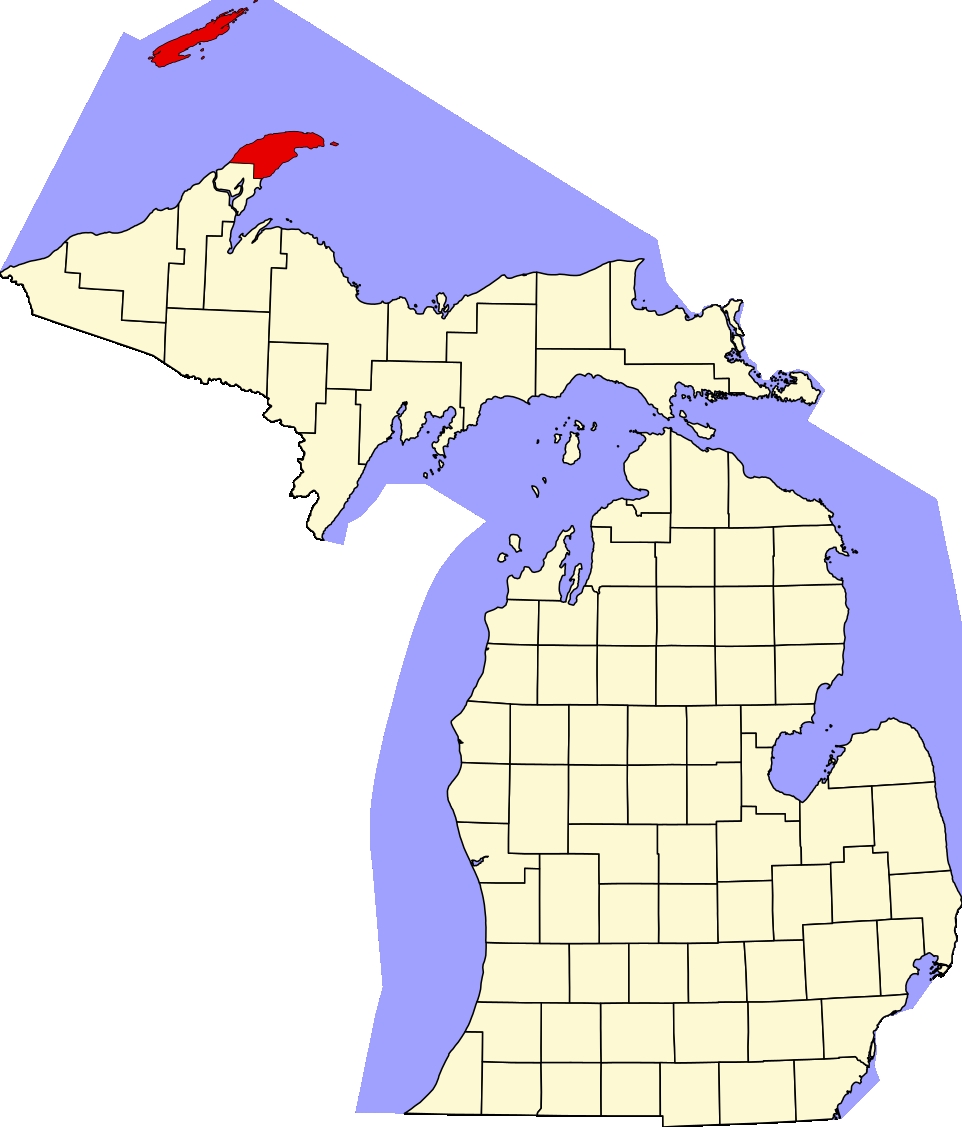
Keweenaw County within the state of Michigan

I’ve been to the U.P. many times, and I love it because it’s an entirely different place from one season to the next. In this post, I’ll first show you pictures taken during a March 2009 visit. Then, I’ll show you photos of the same spots in October, several years later. It’s like pictures of two different worlds.

On March 1, 2009, I started my activities by tracing U.S. Highway 41 to its northern terminus at Copper Harbor, Michigan. The “BEGIN Highway 41” sign peeks above a snowbank to tell us that Miami, Florida, is at U.S. 41’s southern end, 1990 miles away. The sign mentions the Isle Royale Ferry, which only operates during the summer. Isle Royale is an island in Lake Superior off the coast of the Keweenaw Peninsula; it makes up most of Isle Royale National Park.
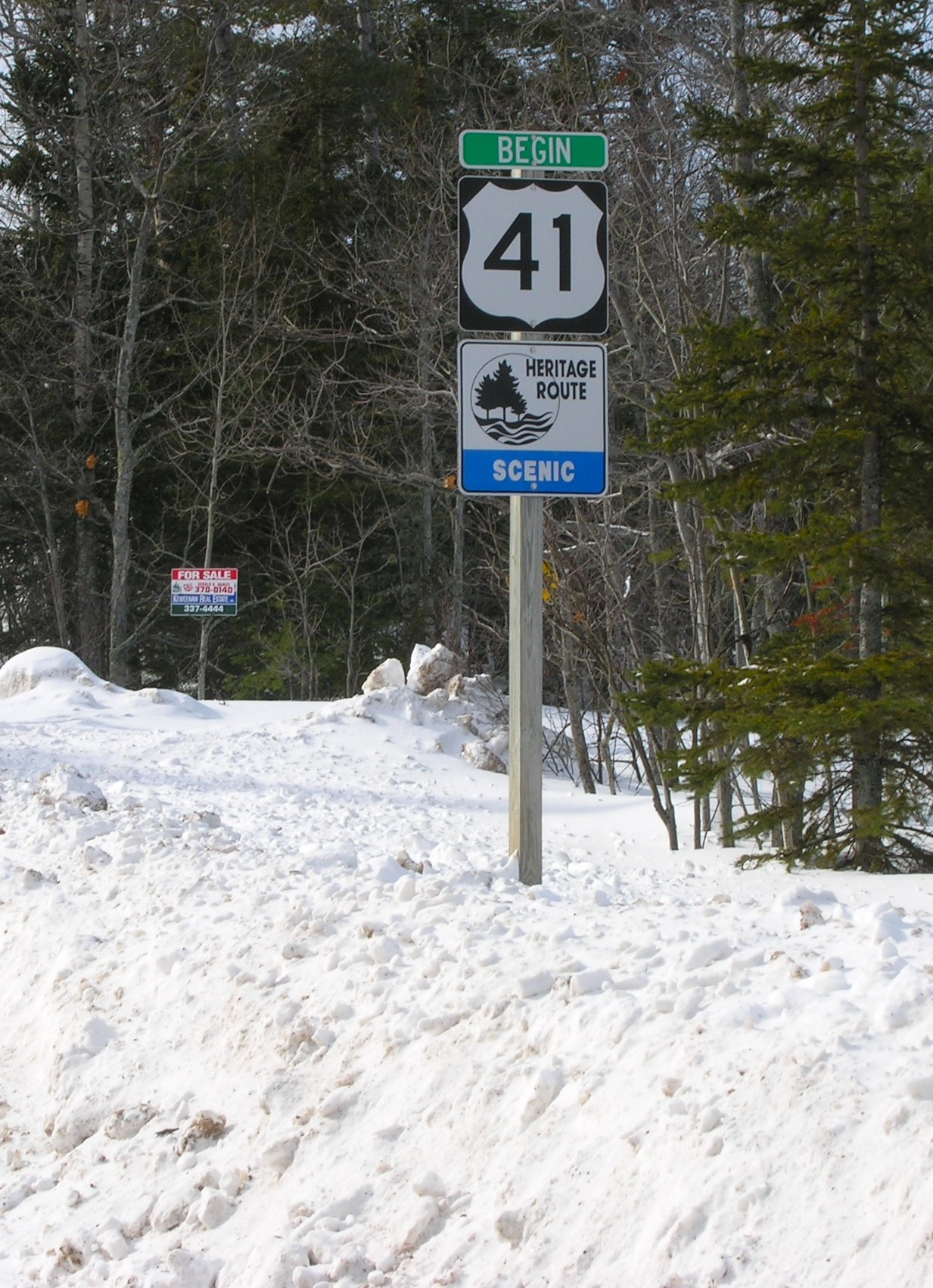
U.S. Highway 41 in Keweenaw County resembles a path through the woods instead of a national highway. The road was snow-packed, with trees and five-foot high snowbanks instead of guard rails. From Copper Harbor, Highway 41 continues for 23 miles until it reaches the Keweenaw County seat of Eagle River. With a 2020 Census population of 65, the village of Eagle River is barely a town.

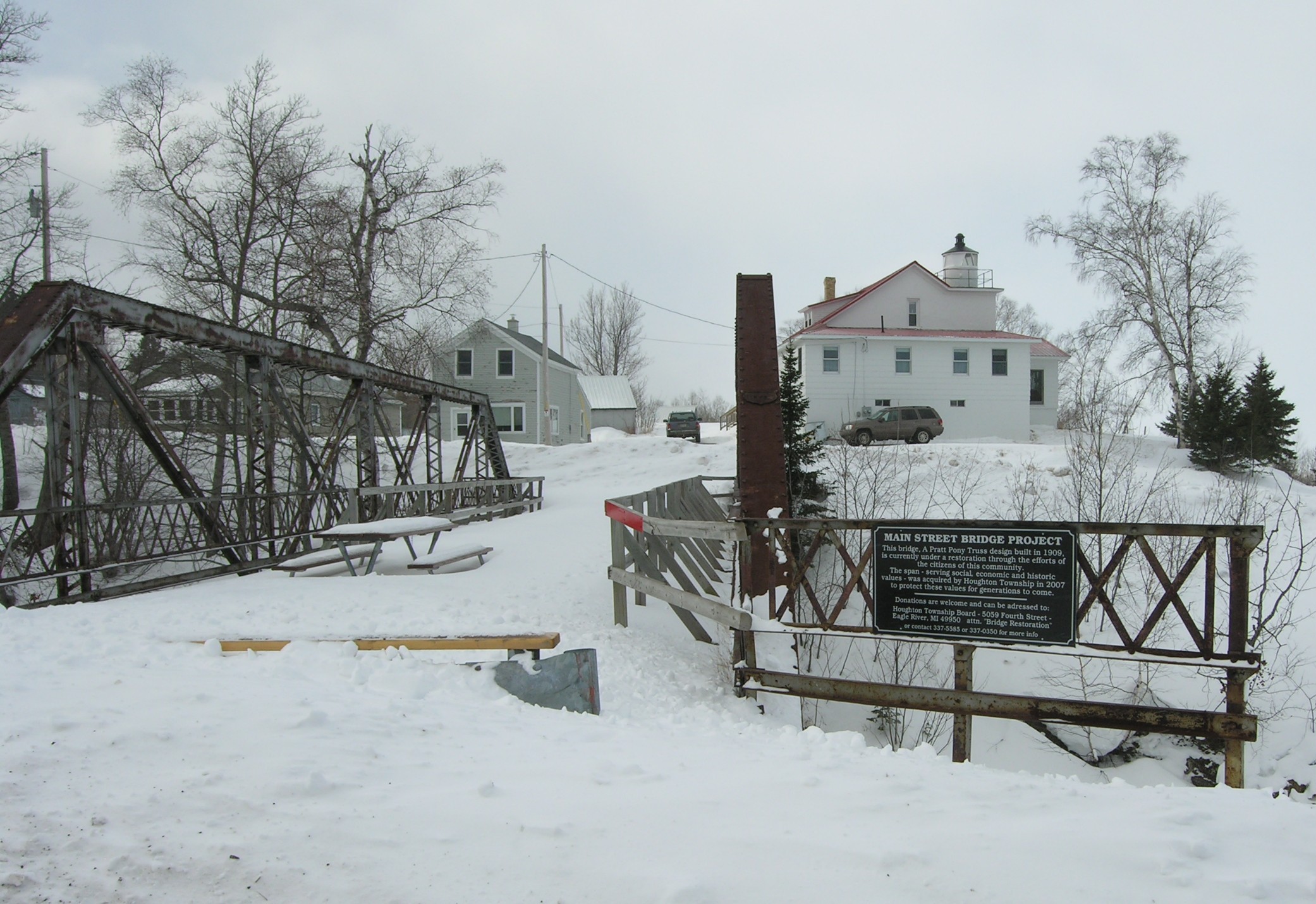
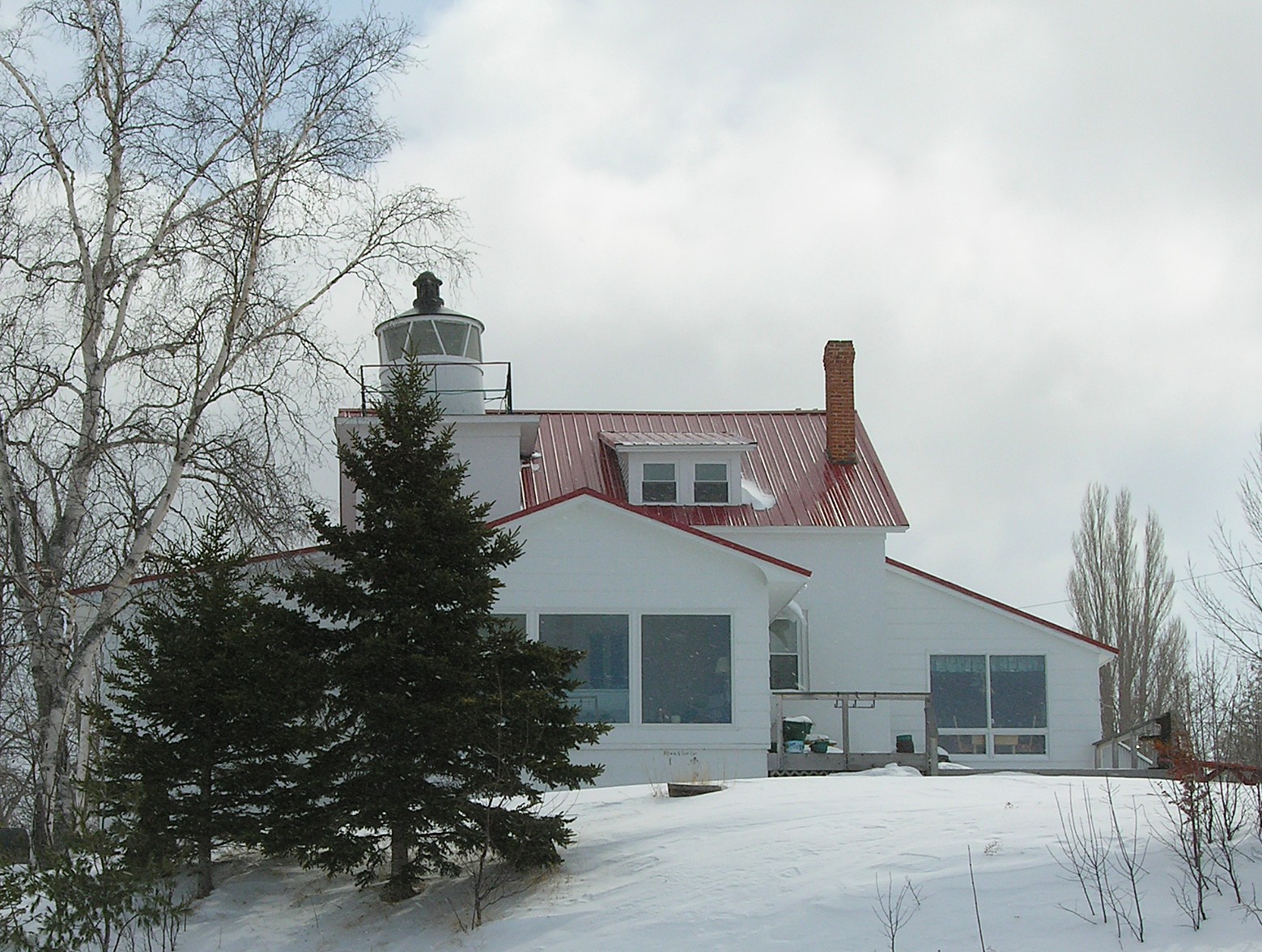
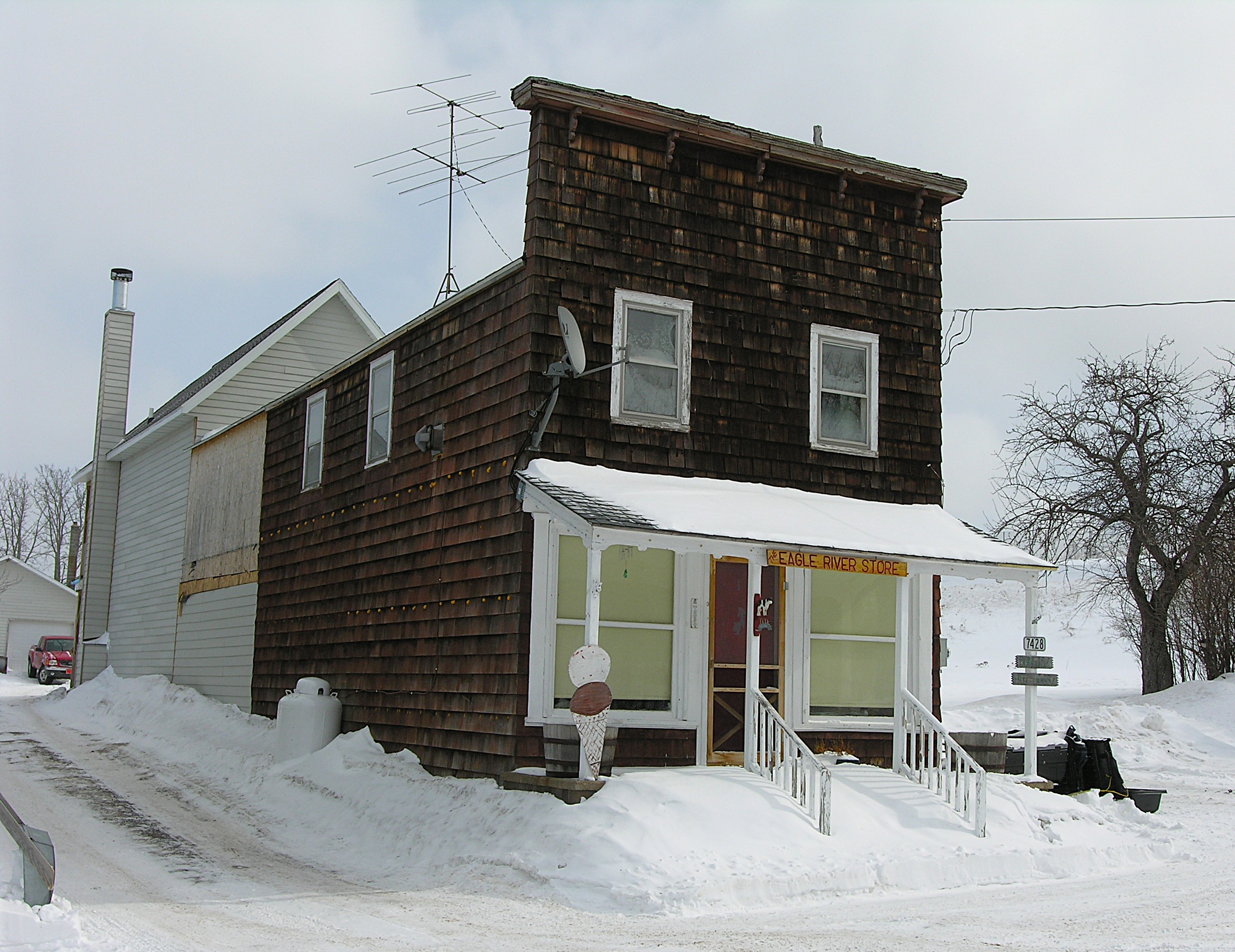
It was a quiet Sunday afternoon. Eagle River has a “Main Street” and a general store. But the store was closed. A red Toyota parked near the general store was covered with snow plowed from the street. A nearby footbridge over a creek leads to the Eagle River Lighthouse on the other side. The path was blocked by snowbanks.
Main Street leads down to the Lake Superior beachfront. Little dunes of sand covered the beach, and all the sand was snow-covered. Chunks of ice covered the waters below a whitish horizon, beyond which was nothingness. Looking down the street toward all this whiteness gives Eagle River an otherworldly feel, like it was the end of the earth.
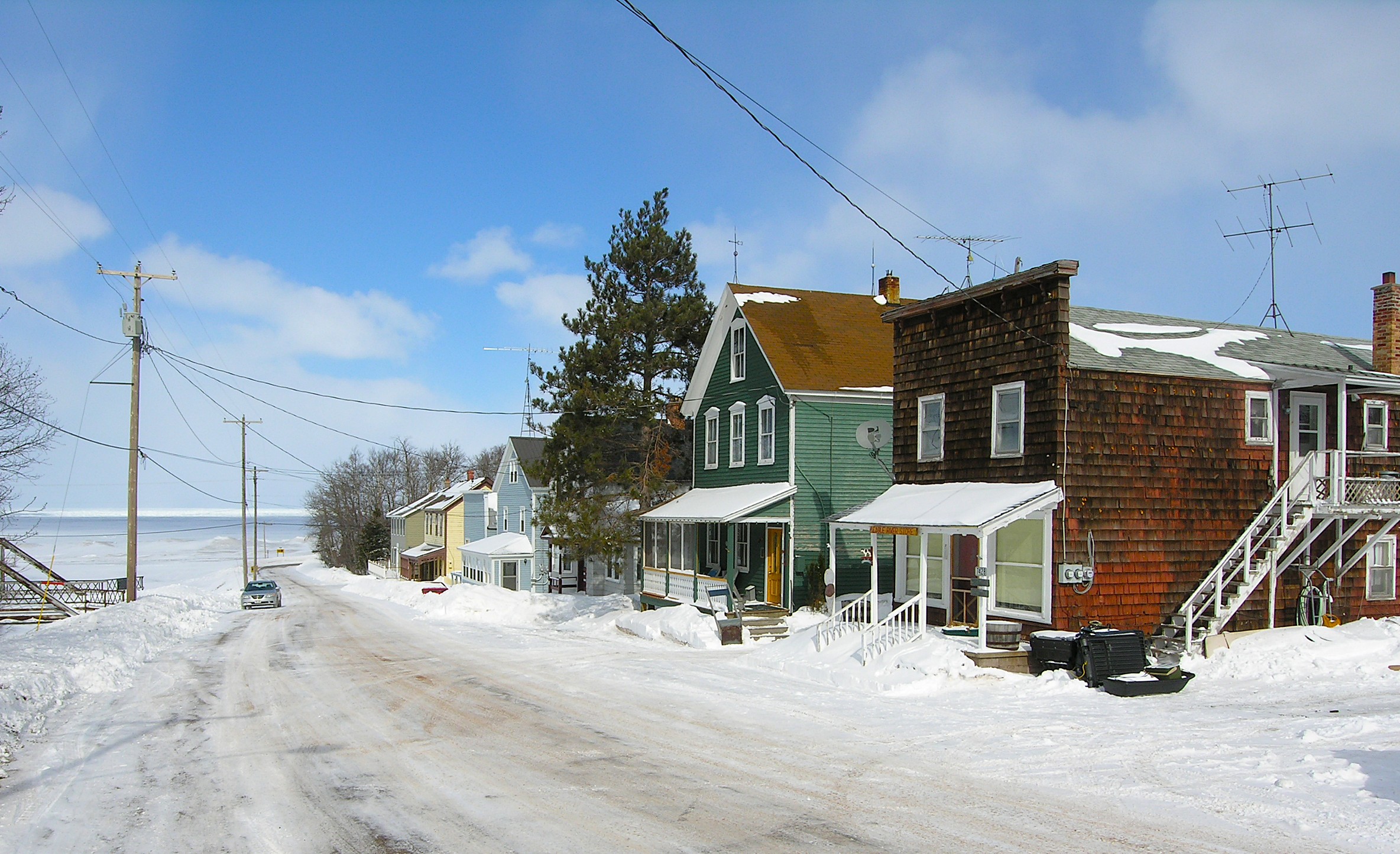
Main Street Eagle River, looking down toward the Lake Superior shoreline on March 1st, 2009.

It’s a clear day today. Still, the north wind is blowing off Lake Superior, and the wind chill is below zero. Lake-effect snow showers come with the winds. In the Keweenaw, you don’t need a weather front to get snow; all you need is a northerly wind.
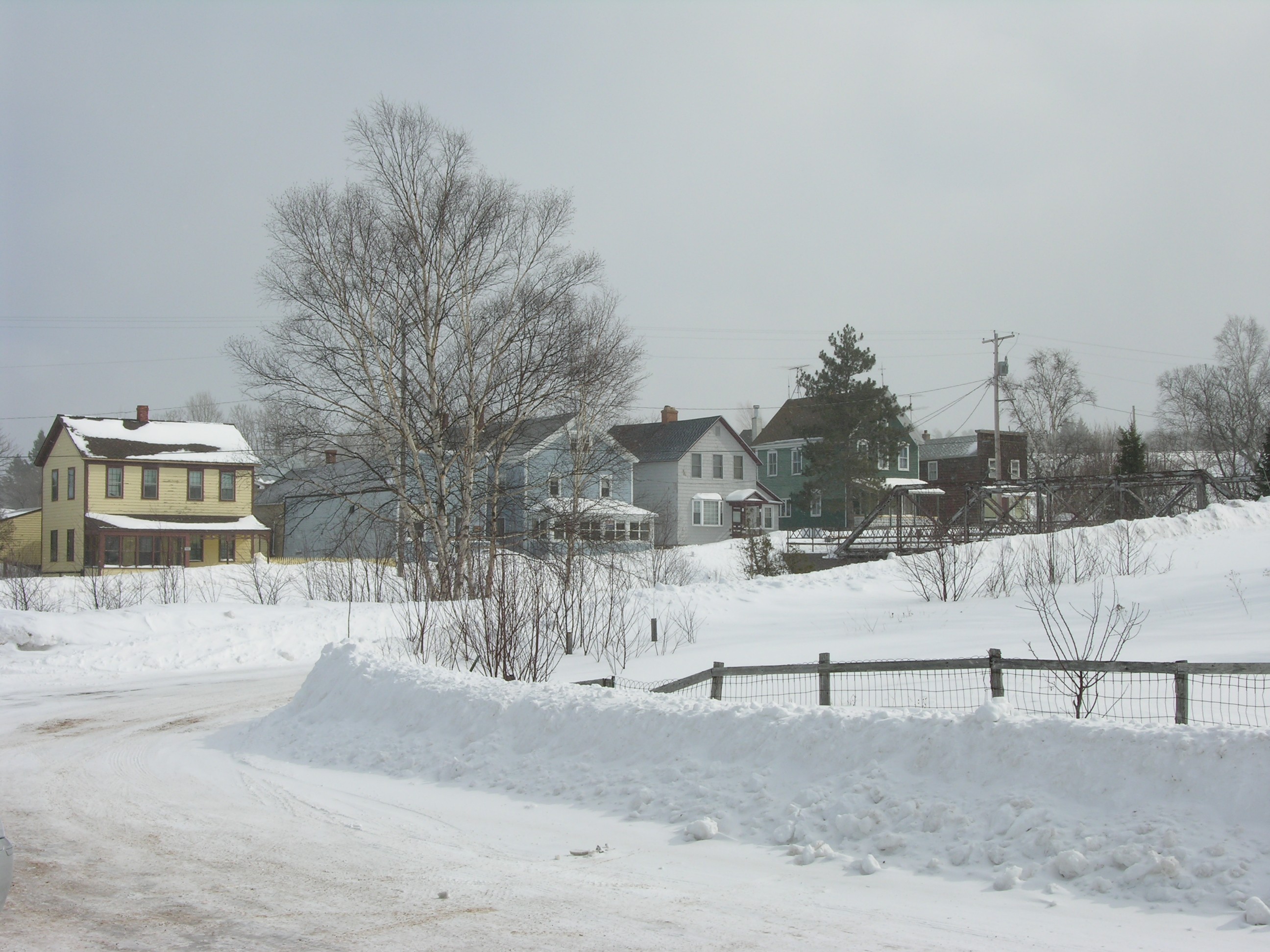
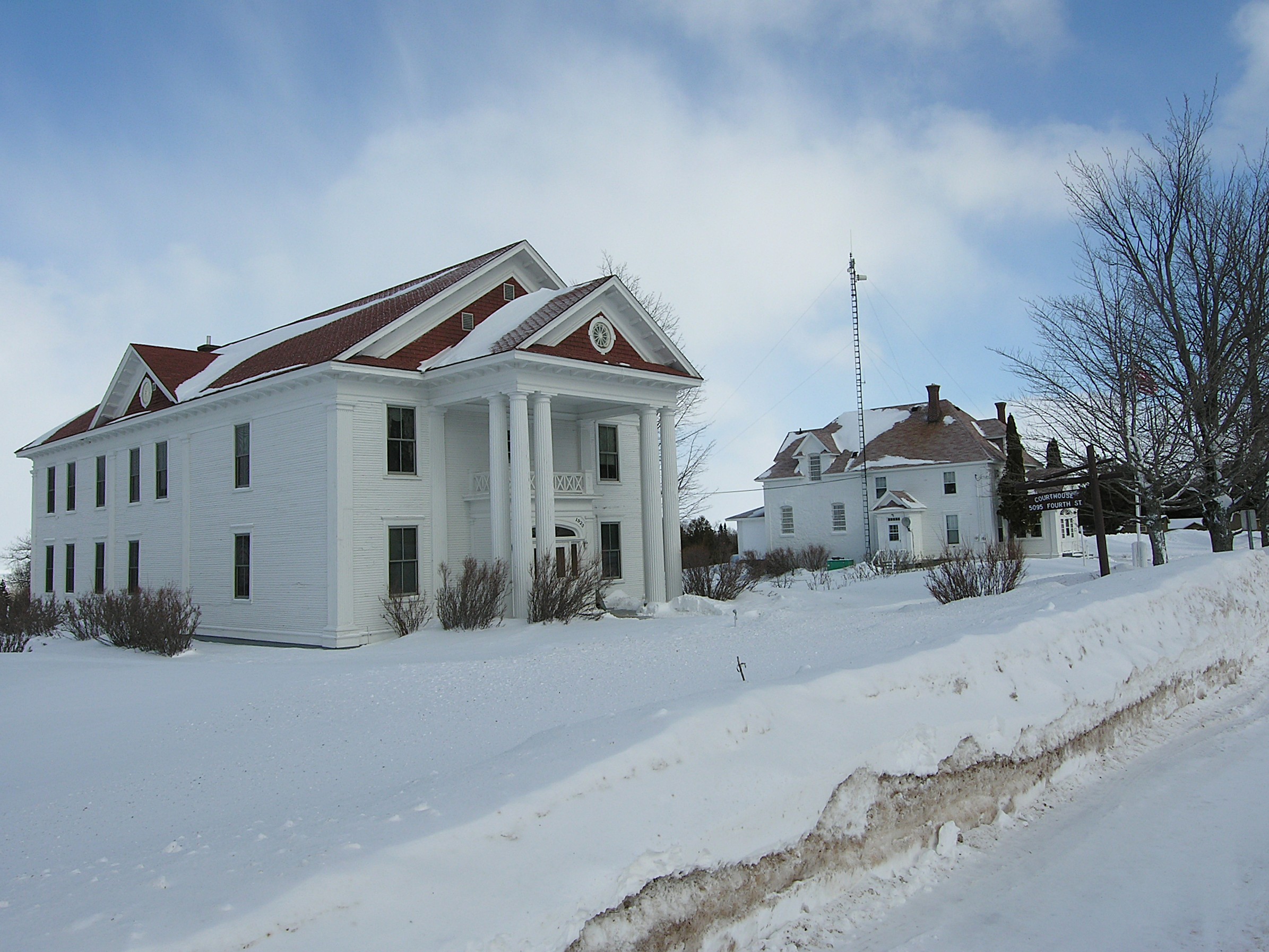
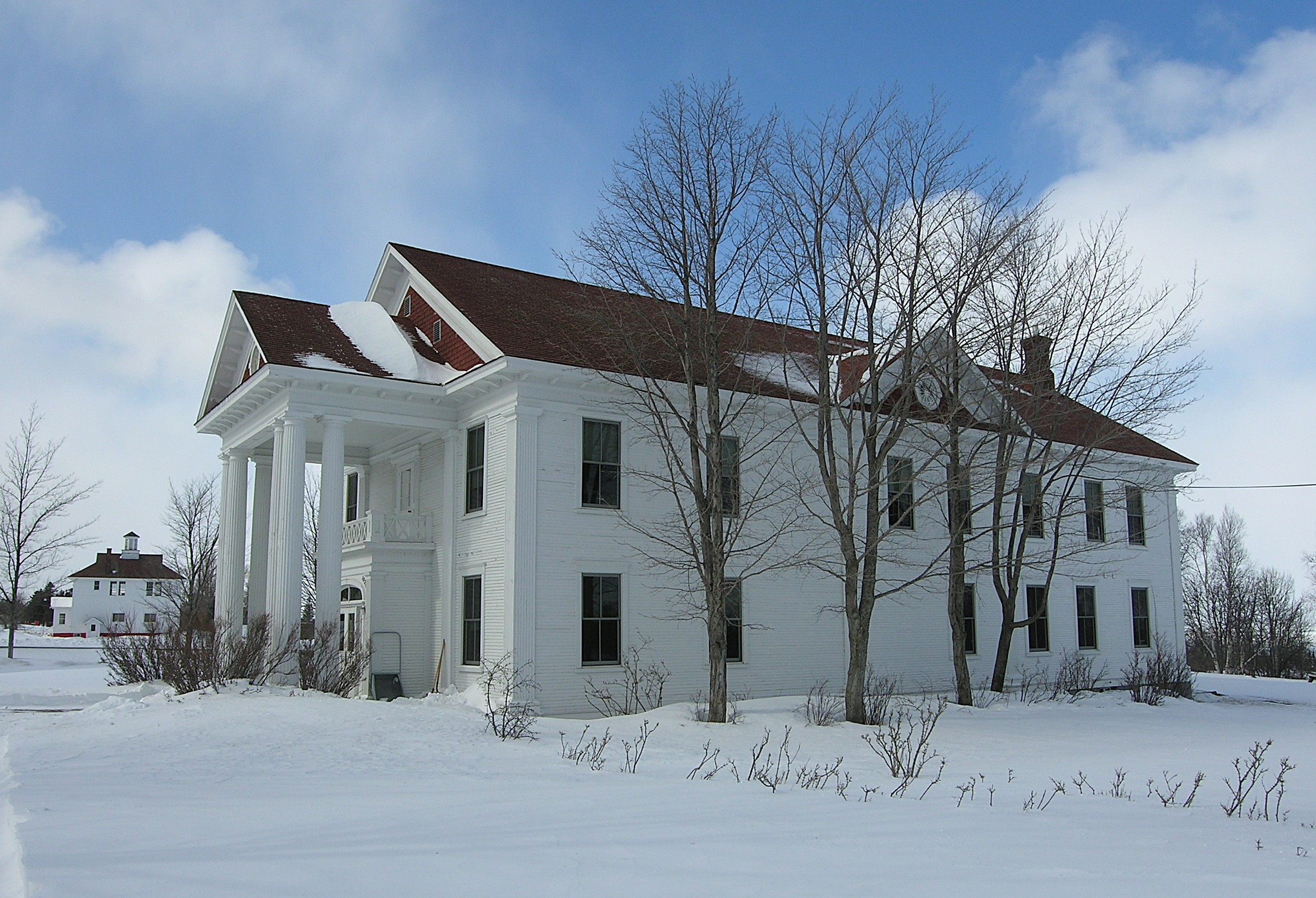
The Keweenaw County Courthouse is perched atop a hill overlooking a few houses scattered below toward the lakeshore. The courthouse is a small, two-story wood building painted white with white pillars at its entrance. I can’t imagine any other county courthouse in Michigan being smaller.

The Keweenaw County Courthouse in Eagle River, Michigan, on March 1, 2009.

In the cold, I had to stop and look around for a moment. It was so quiet. It was so cold. An old dog was chained across the street but couldn’t muster the strength to bark more than twice. Down the hill were a crowd of twenty deer digging in the snow for food.

Beyond the deer lay the frozen chunks of water in Lake Superior. Soon, these chunks will melt to become waves, and the Keweenaw will burst open as a summer resort. Today is March 1; February passed last night. Winter has made its final stop, and Spring is marching ahead.


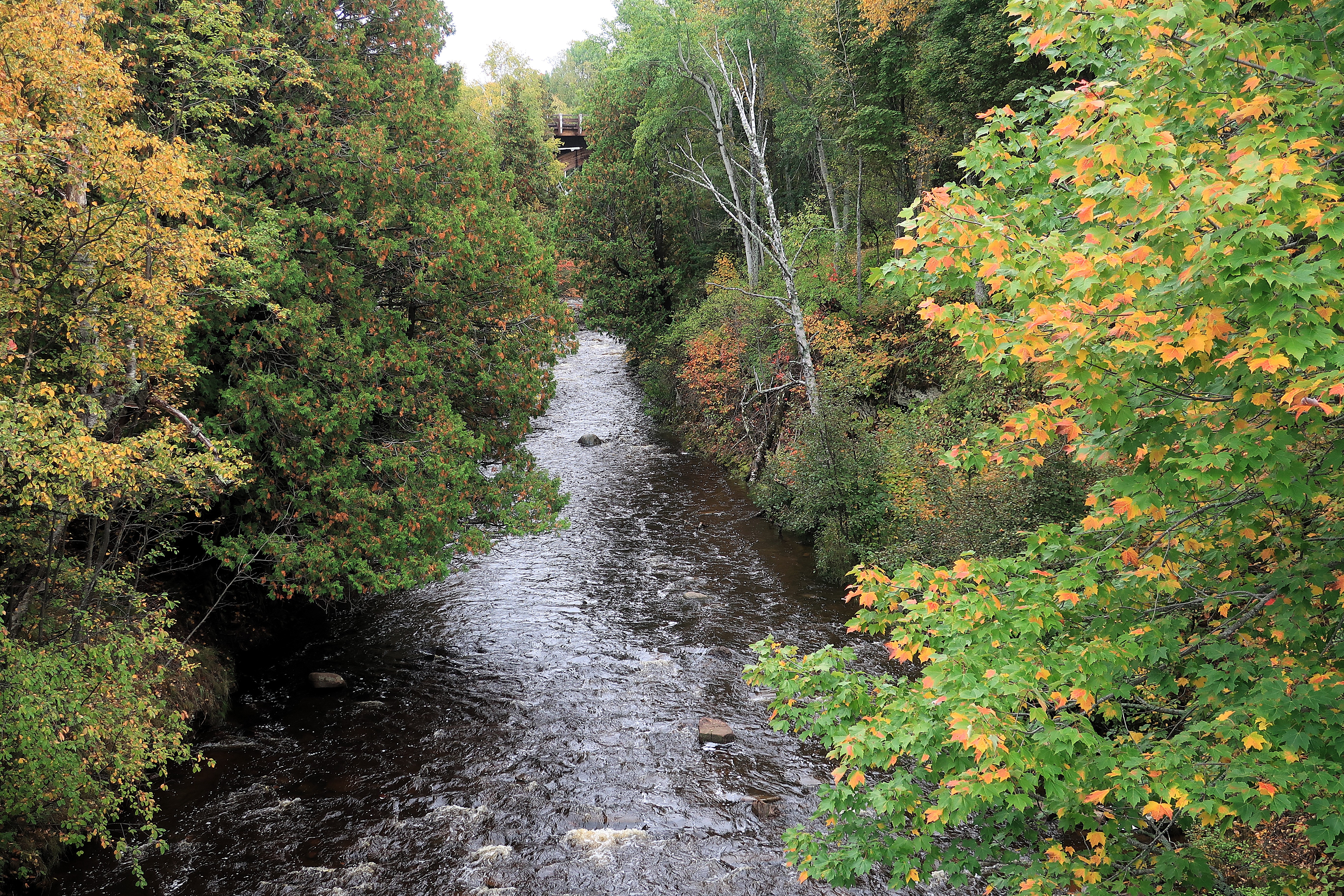
I returned to Eagle River, Michigan, on October 4, 2021. My first visit had been at the end of winter, while this visit took place at the end of summer. The courthouse and the town were adorned with autumn leaves, starkly contrasting the snowbanks I had seen in March.

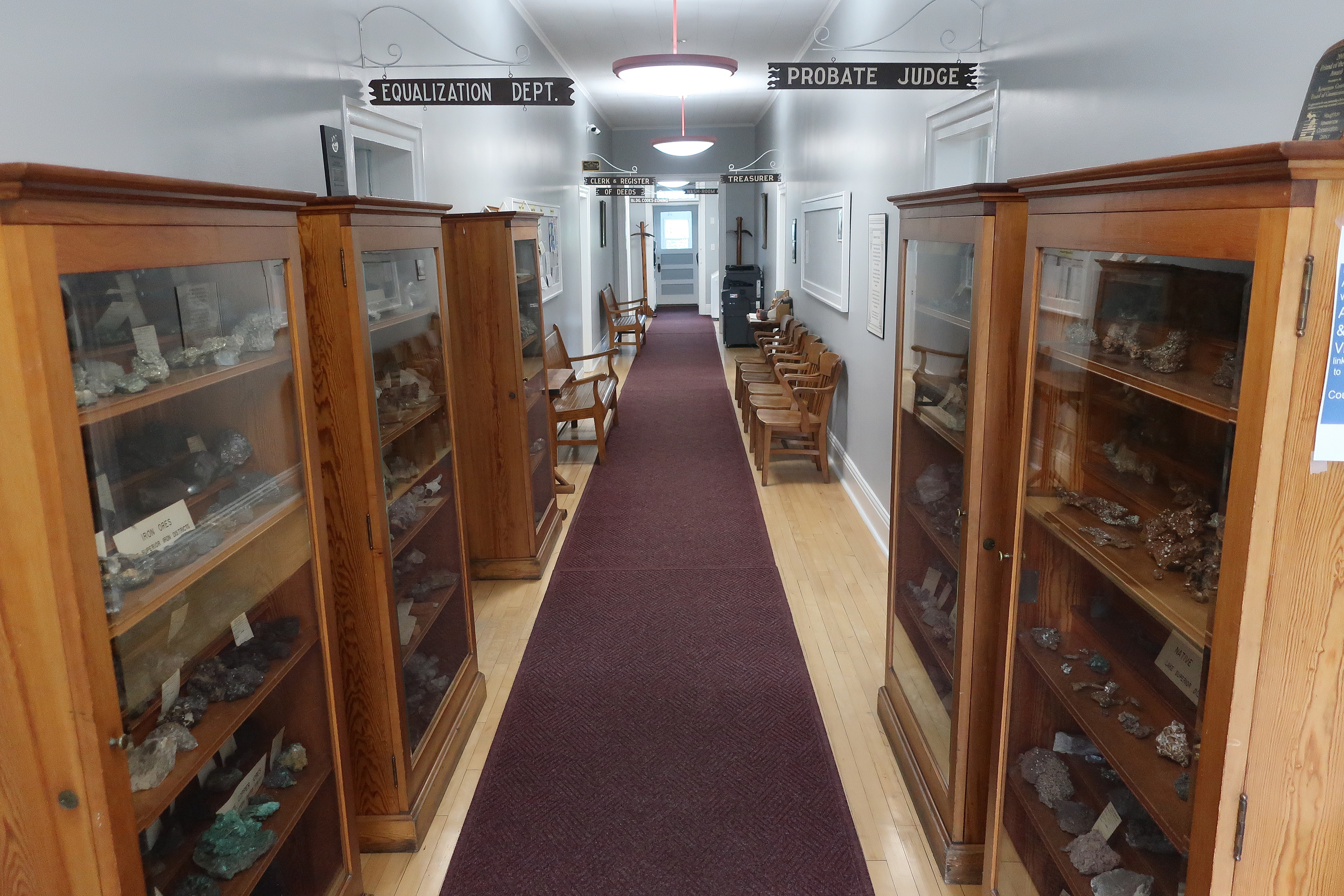
The first floor of the courthouse features five display cases. They contain local ore samples from old copper and iron mines on the Keweenaw Peninsula. Further down the hallway, two large pencil drawings of Presidents Washington and Lincoln hang from the walls.
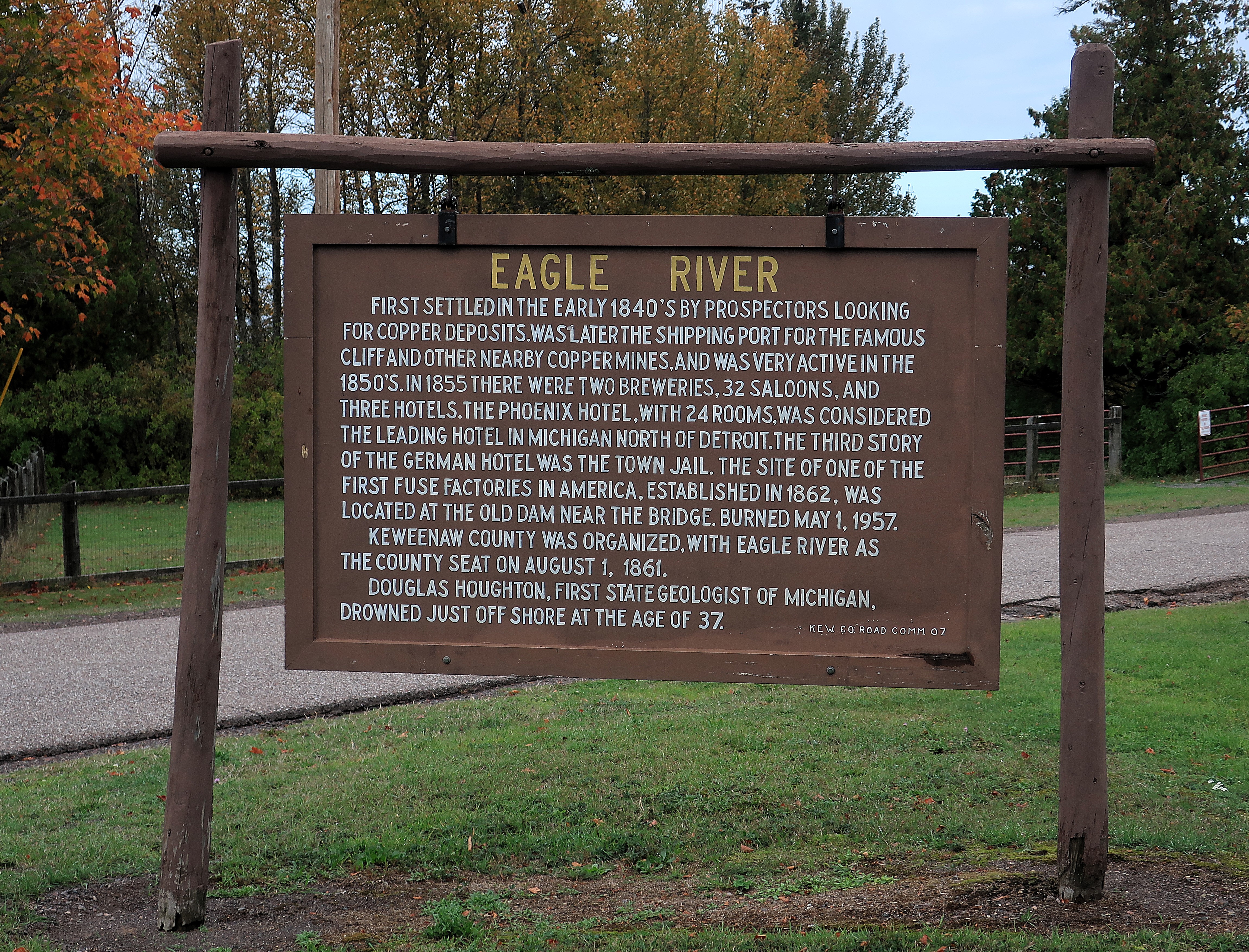
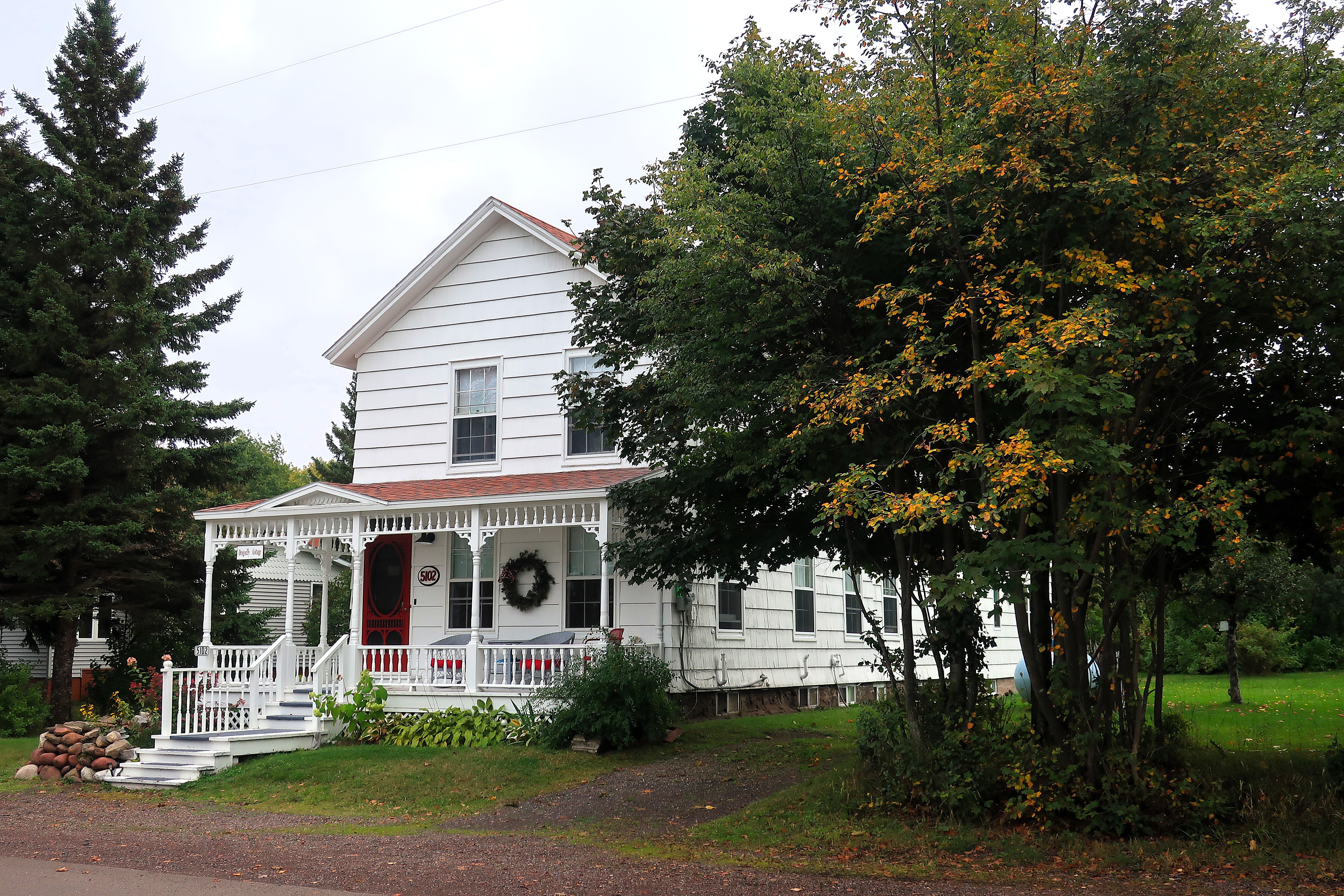
(below left) A historical sign explains the history of Eagle River. (right) A well-kept home in town shows off some delicate wood trim on its front porch.
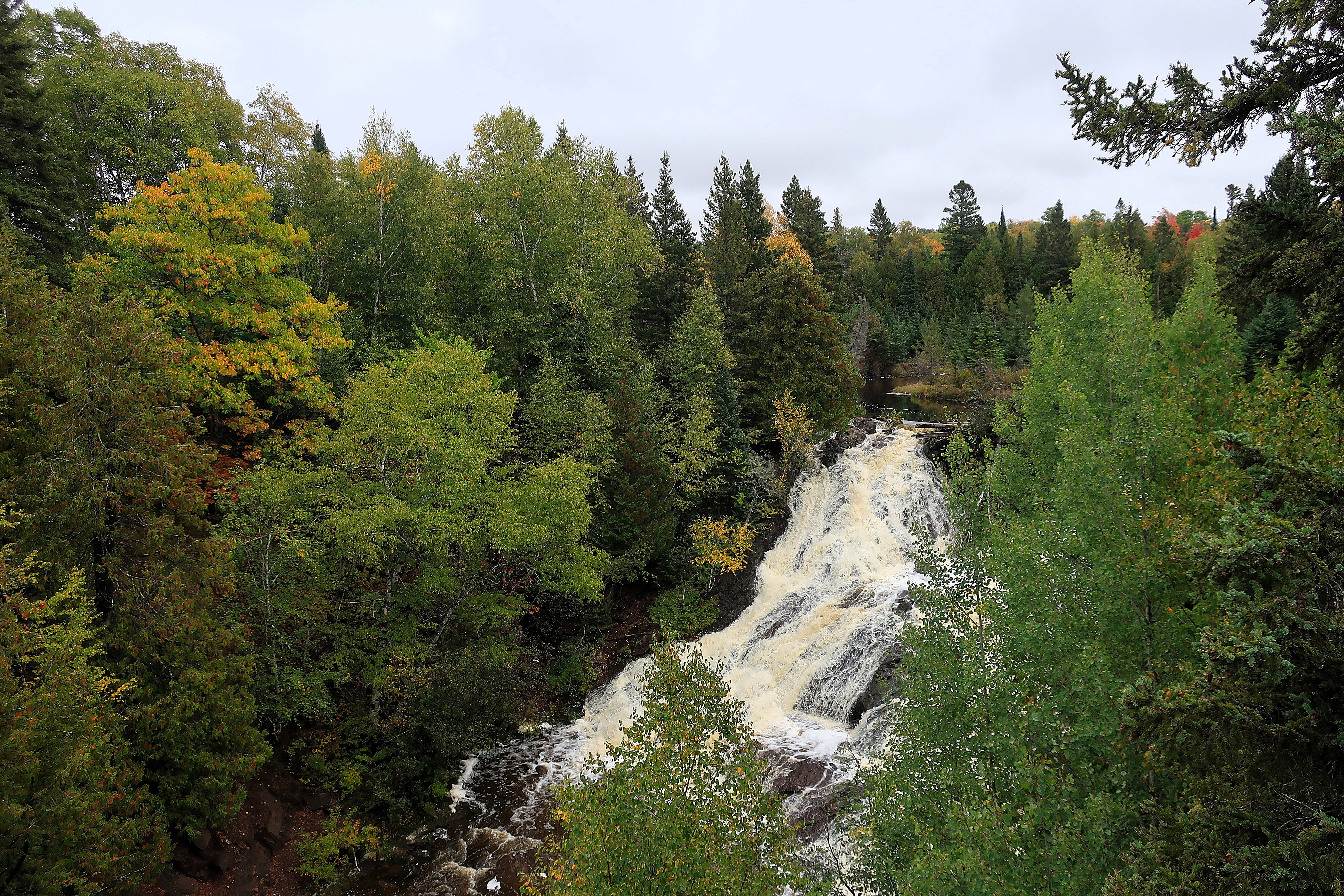
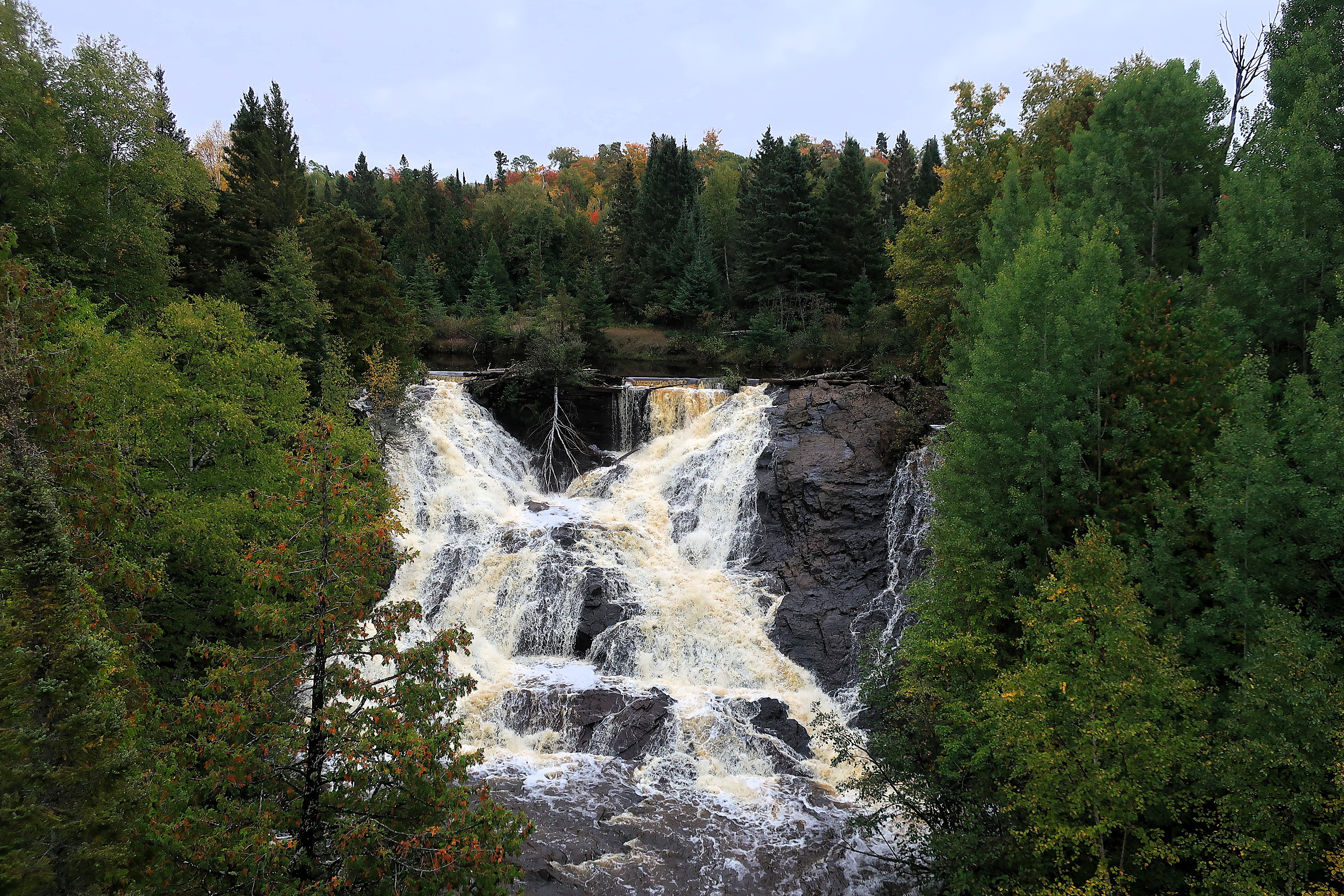
Just past the courthouse, I walked across the Eagle River Timber Arch Bridge and photographed Eagle River Falls.

Eagle River’s Main Street looks quite different after a long summer.
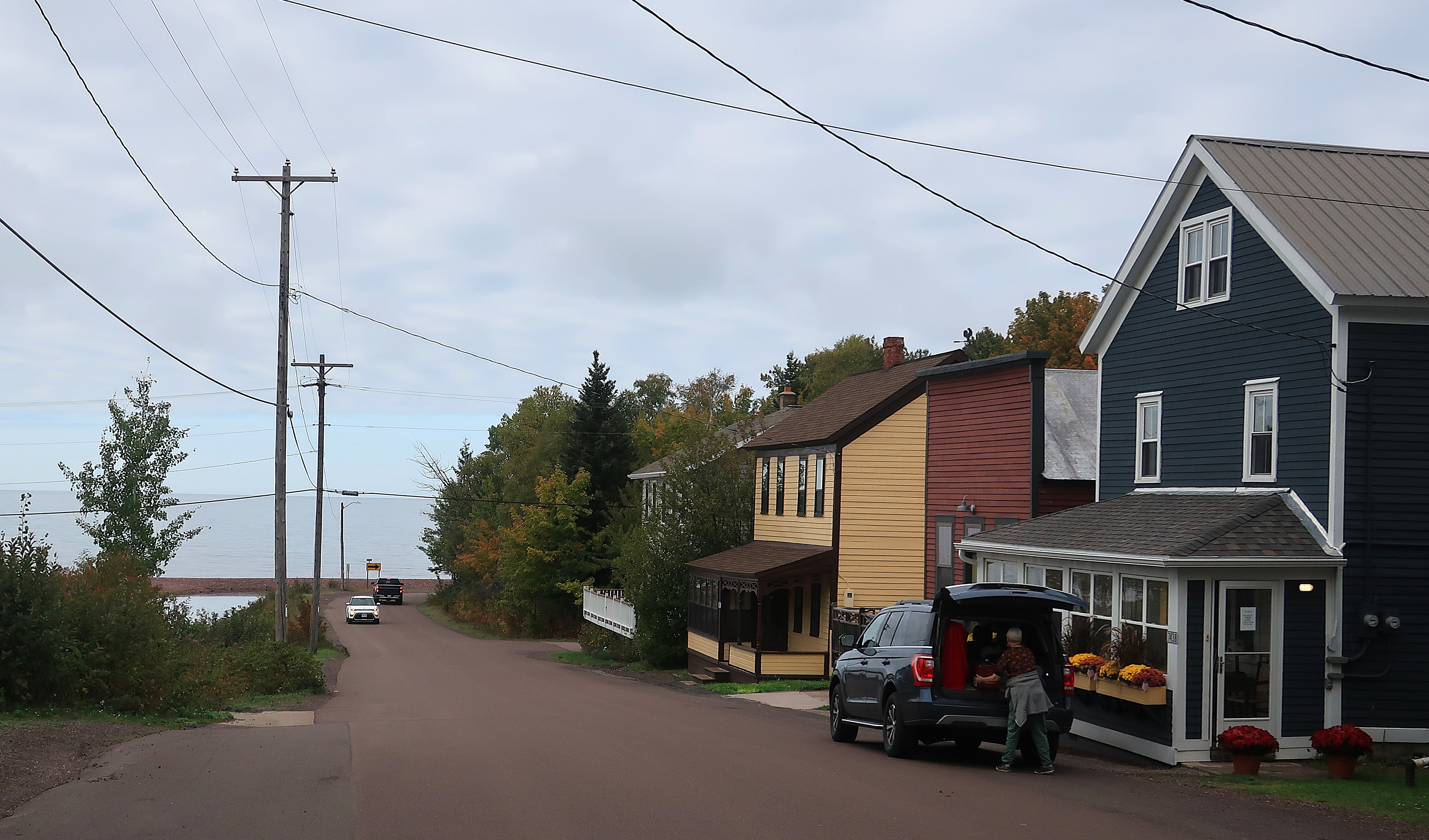
Main Street Eagle River, looking down toward the Lake Superior shoreline on October 4, 2021.

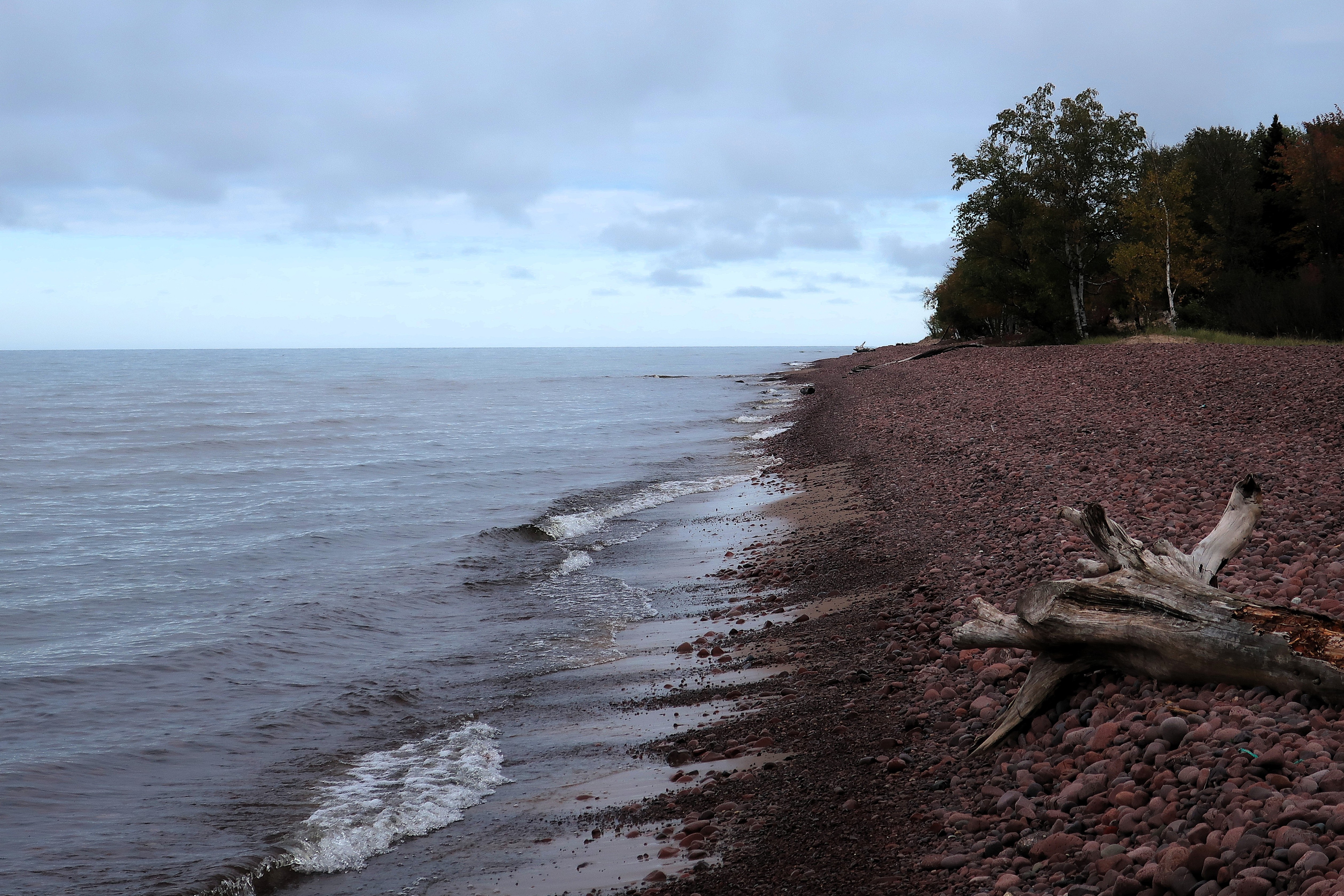
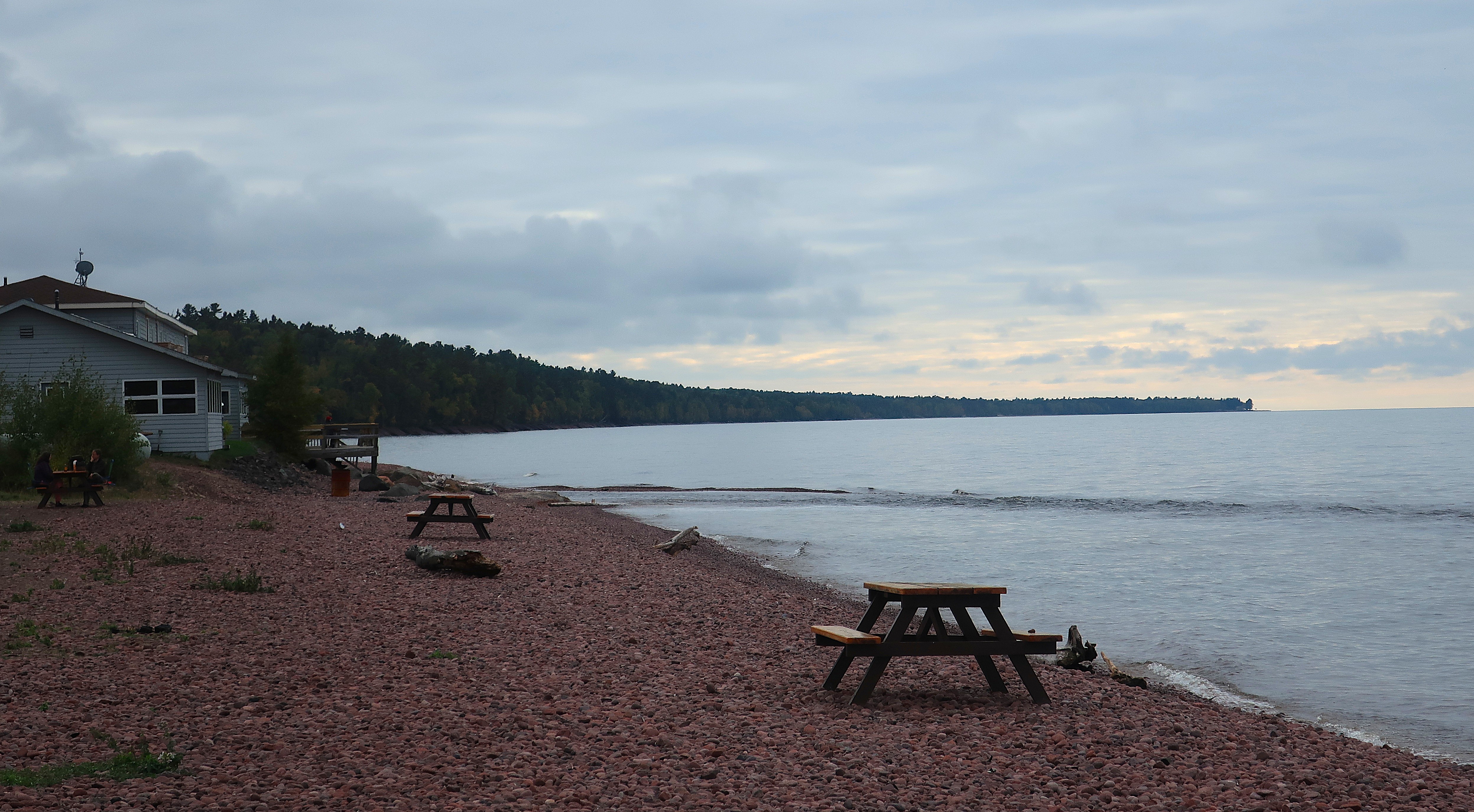
This is the Lake Superior shoreline in Eagle River. In the top right photo, a tanker ship (perhaps carrying iron ore?) can be seen on the distant horizon.

Click here to see a list of all posts in the TimManBlog American County Seats Series.
The photos in this post were taken on March 1, 2009 or October 4, 2021. All photos are copyrighted by Tim Seibel.

My hobby is attempting to visit all 3,150 of America’s county courthouses. Each month, I post about a visit to a scenic or historic county seat. Donations are greatly appreciated to help cover my costs.

Donations to TimManBlog

Please use this form to donate to my travel writing. (Change the number in the ‘Price’ box to increase the donation amount.) The form accepts PayPal, Visa, Mastercard, Amex, Discover, and Maestro.

$1.00

Check out the FREEDOM VOYAGES series! These books document my road trips across the United States and include hundreds of stunning photographs. Each of the four books in the series is available on Amazon and Barnes & Noble. This includes my most recent release, FREEDOM VOYAGES Volume 4: Christmastime in Texas!

FREEDOM VOYAGES Volume 4: Christmastime in Texas. Available at Amazon.com and Barnes & Noble.

Earlier volumes in the FREEDOM VOYAGES series are also available:
Vol. 1: North-Central North Dakota
Vol. 2: Go West! From the Loneliest Road in America to California’s Gold Country
Vol. 3: A Proud, Dignified People in Lincoln’s Illinois


Marquette, Michigan: Experience the Warmth!

February 29, 2020

Today is Leap Day, February 29th, a day which comes only once every four years. I remember a former colleague of mine insisting that Leap Day should be a company holiday — if not a national holiday. “It’s an extra day, people! Why do you want to work?” Hard to argue with that logic.

So, for such a rare day I offer a glimpse of the fine city of Marquette, Michigan, where the street signs invite you to Experience the Warmth beneath 10 inches of accumulated snow! (Ten inches is the statistical average of constant snow depth in Marquette during February.) It’s a nice town, despite the irony. Enjoy!

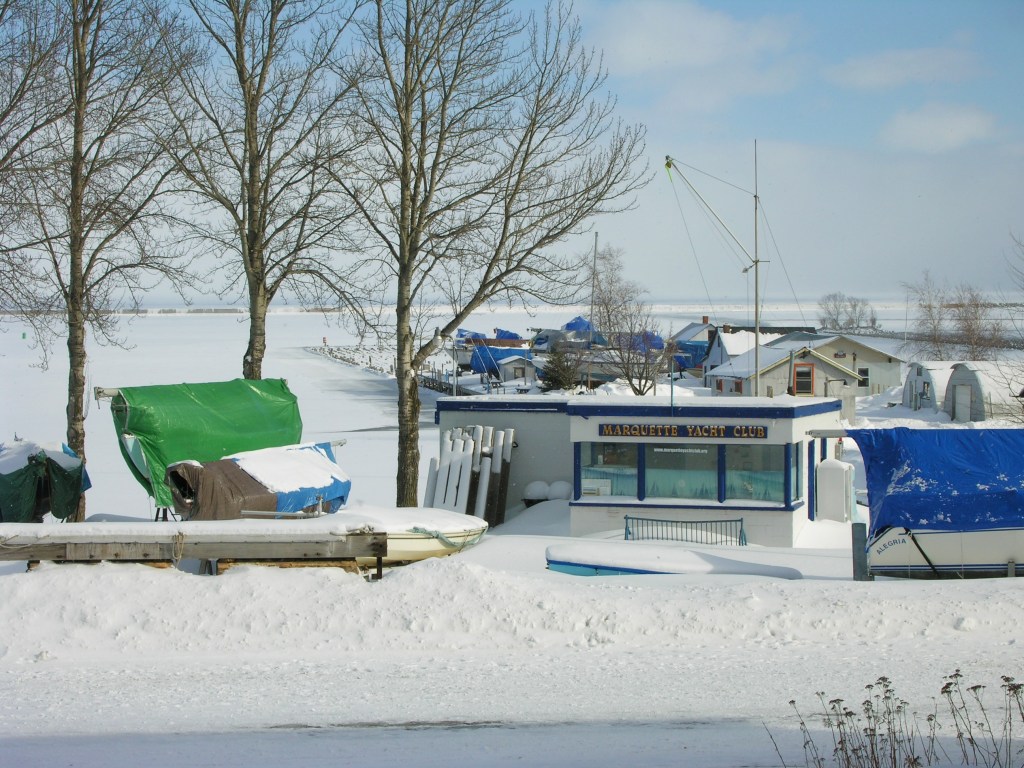
Marquette Yacht Club with frozen Lake Superior in the background

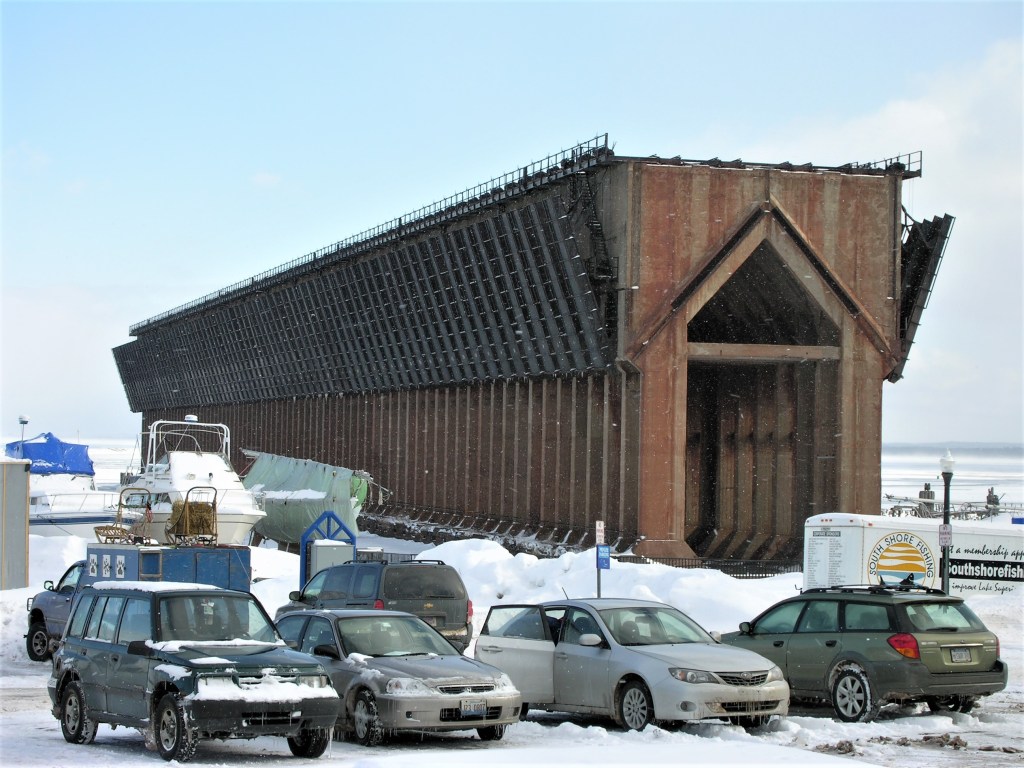
Marquette, Michigan (population 22,000 or so) is a small city on the shores of Lake Superior. Established around iron ore mining in the mid-1800s, Marquette was the largest iron boomtown in Michigan’s Upper Peninsula (the “U.P”) and it’s still the largest town in the U.P. today. 7.9 million gross tons of ore passed through Marquette’s Presque Isle Harbor in 2005.

Lower Harbor Ore Dock, Marquette, Michigan

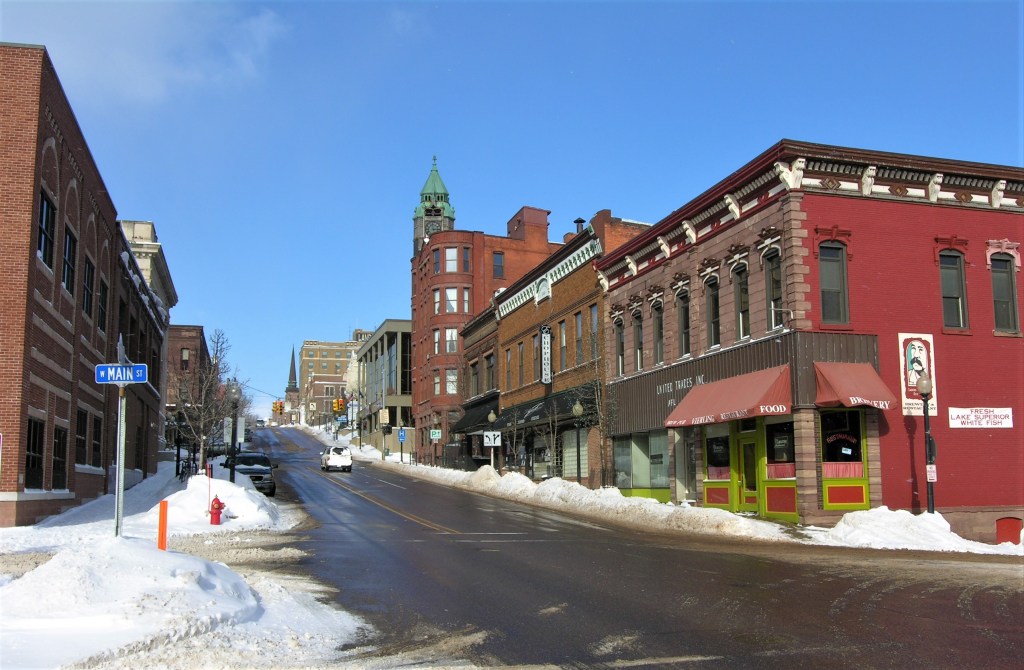
Despite the gritty image of iron ore mining, Marquette’s commercial district boasts some grand old buildings along its main street (Washington Street) with an equally grand view over a bluff down to the shores of the lake. 

Marquette City Hall

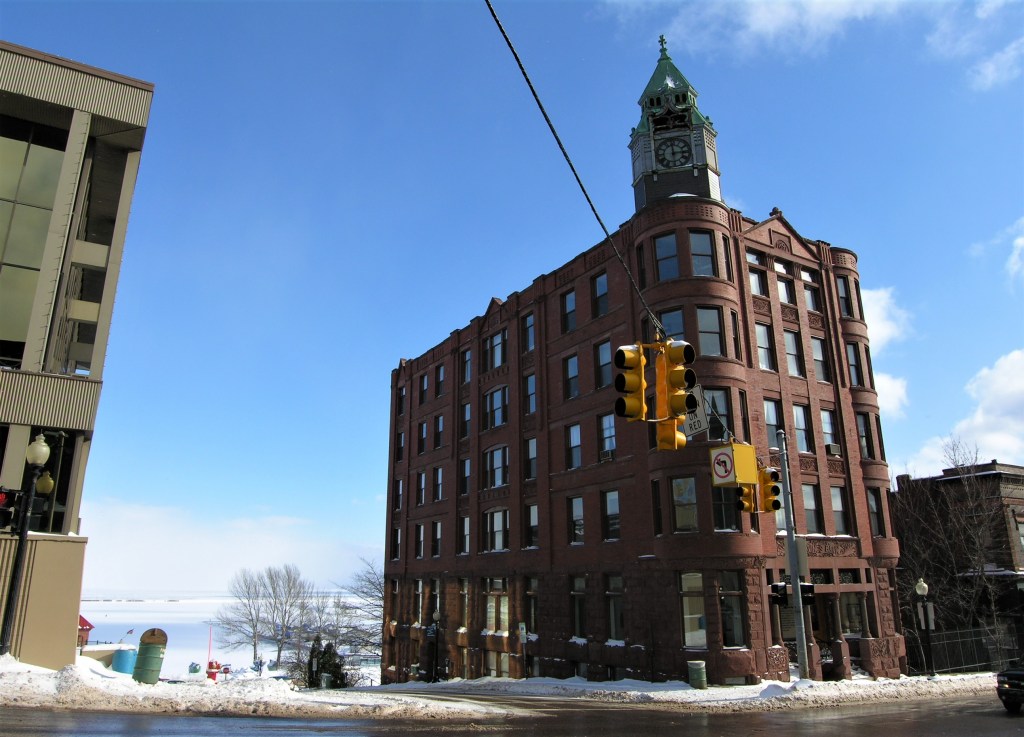
The old Savings Bank building (photo below) was built in 1891 and is still used for commercial office space. Because the building rises above a cliff leading down to the lakeshore, the front side has five floors while the rear has seven. I can only imagine the views from a corner office space. Wikipedia has an entry and more photos here.

Marquette’s Savings Bank building. Listed on the National Register of Historic Places

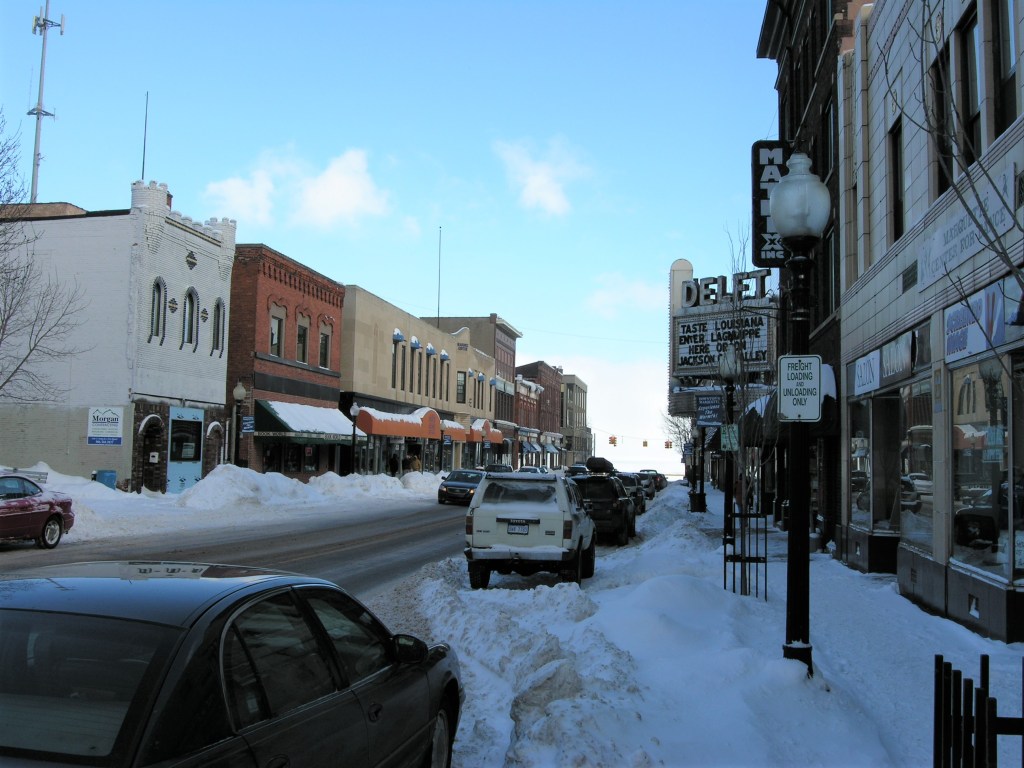
Even in winter, downtown Marquette remains a vibrant place full of cozy restaurants, bars, and hotels.

Marquette, Michigan: view looking north along Front Street from Main toward Washington

What could warm your stomach better than the Lagniappe Cajun Creole Eatery? It’s there on the right in the photo below, occupying an old movie theatre.

Marquette, Michigan along Washington Street
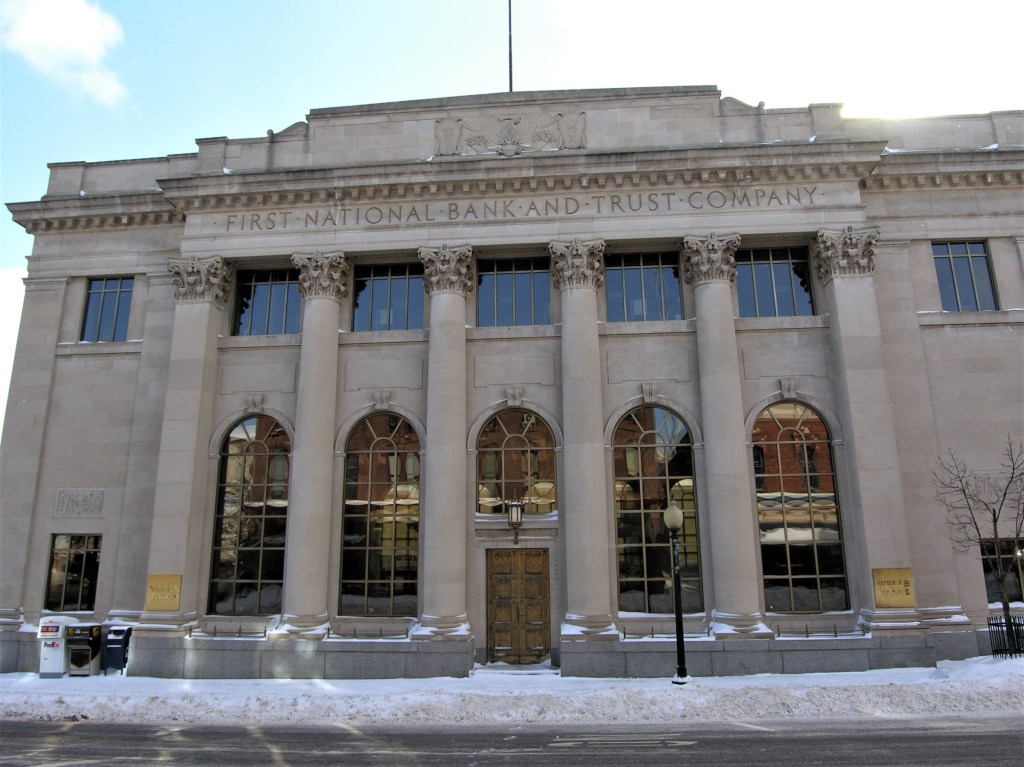
Currently a Wells Fargo branch. Notice the front floor-to-ceiling windows.

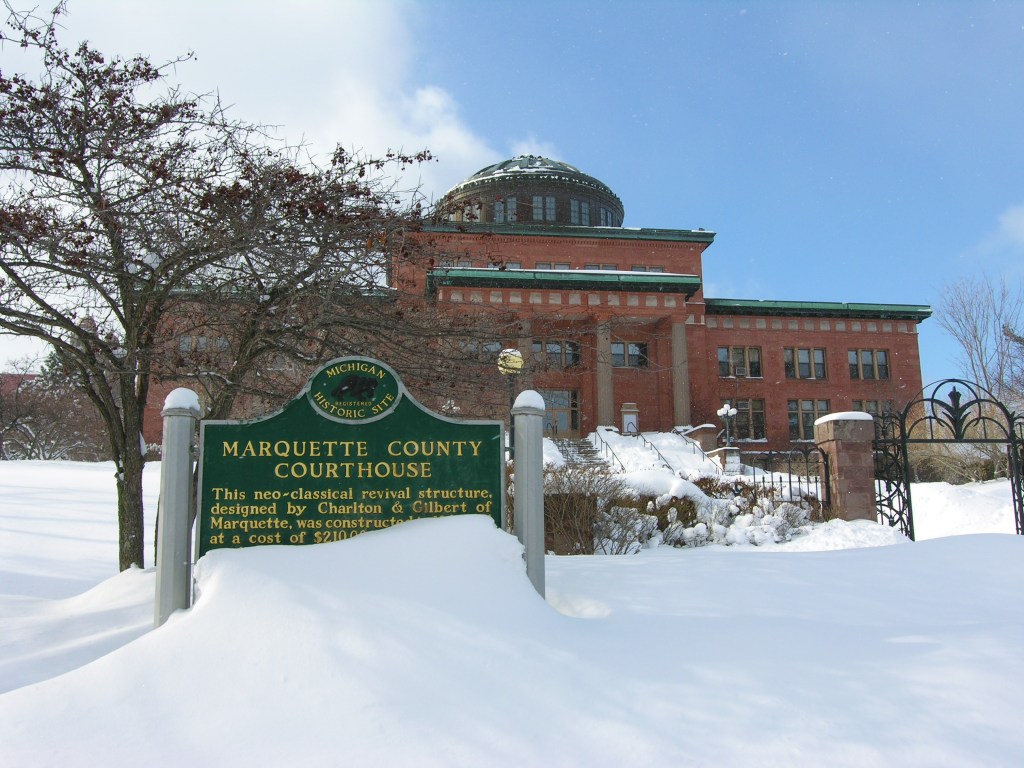
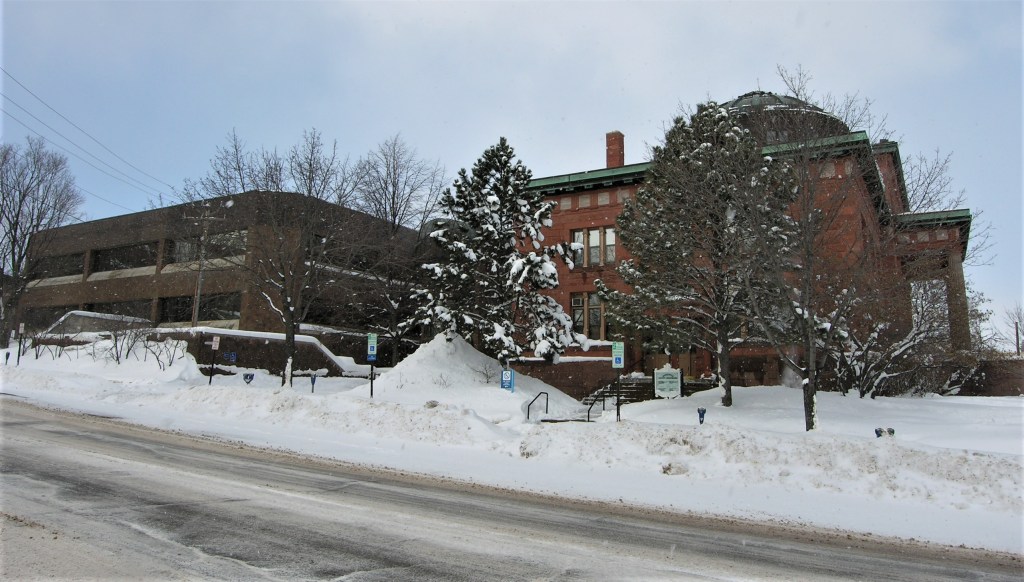
Many of the buildings in old Marquette were constructed using attractive Jacobsville red sandstone and often have iron cupola domes. This includes the Marquette County Courthouse.  This attractive building sits atop a little rise overlooking both the harbor and a few blocks of the downtown district.  They’ve added an annex and a jail behind the original structure. More here.

Marquette County Courthouse
Marquette County Courthouse including annex and jail
Marquette County Courthouse
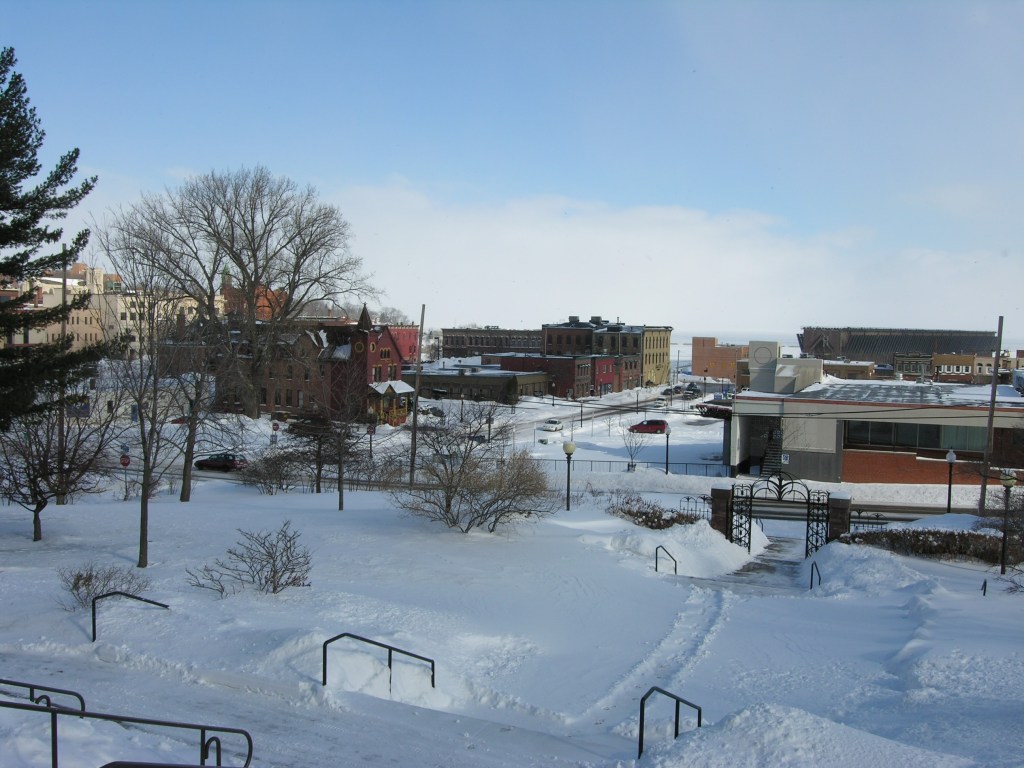
View of downtown Marquette from the courthouse. The lower harbor ore dock and Lake Superior are in the background.
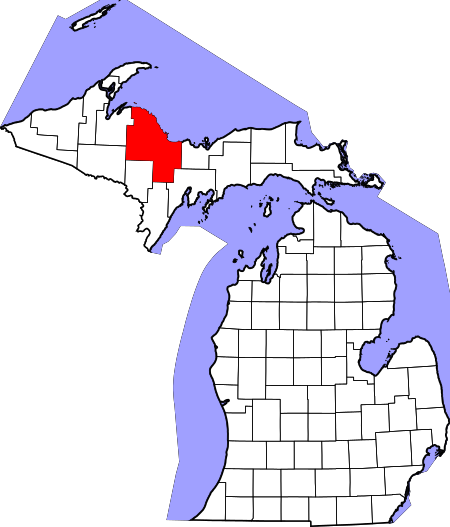
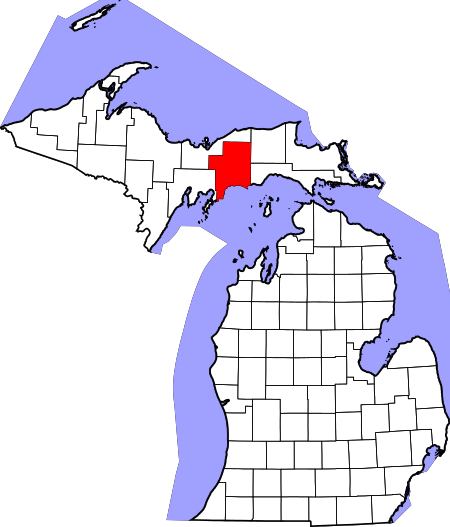
Marquette County in the state of Michigan

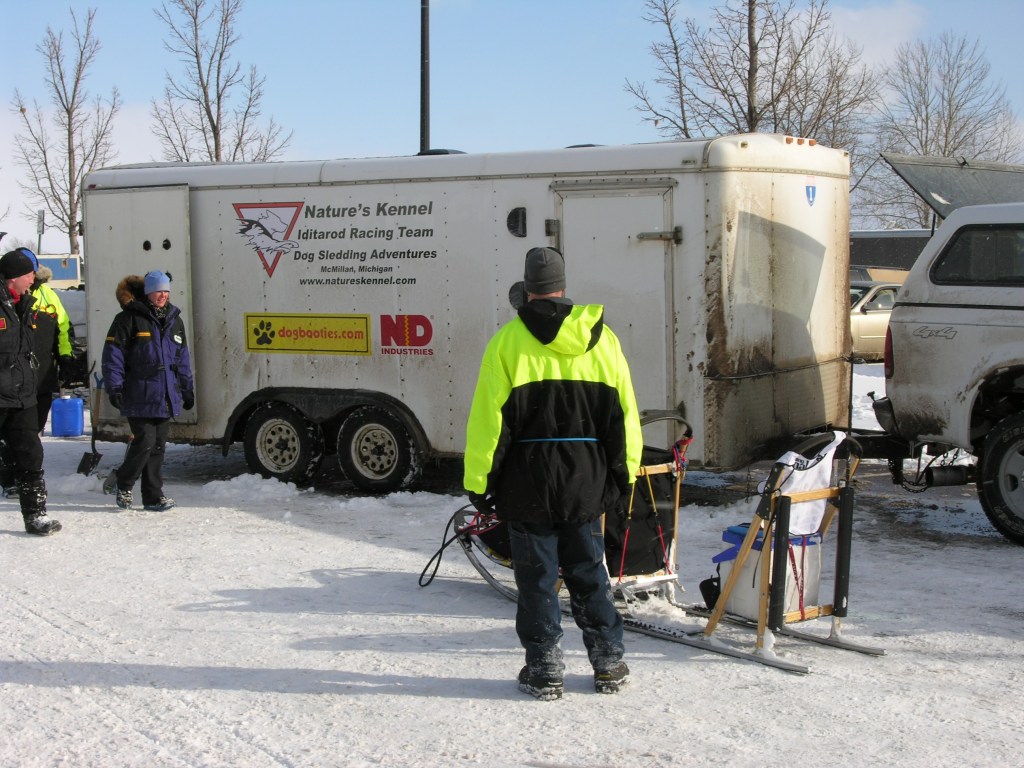
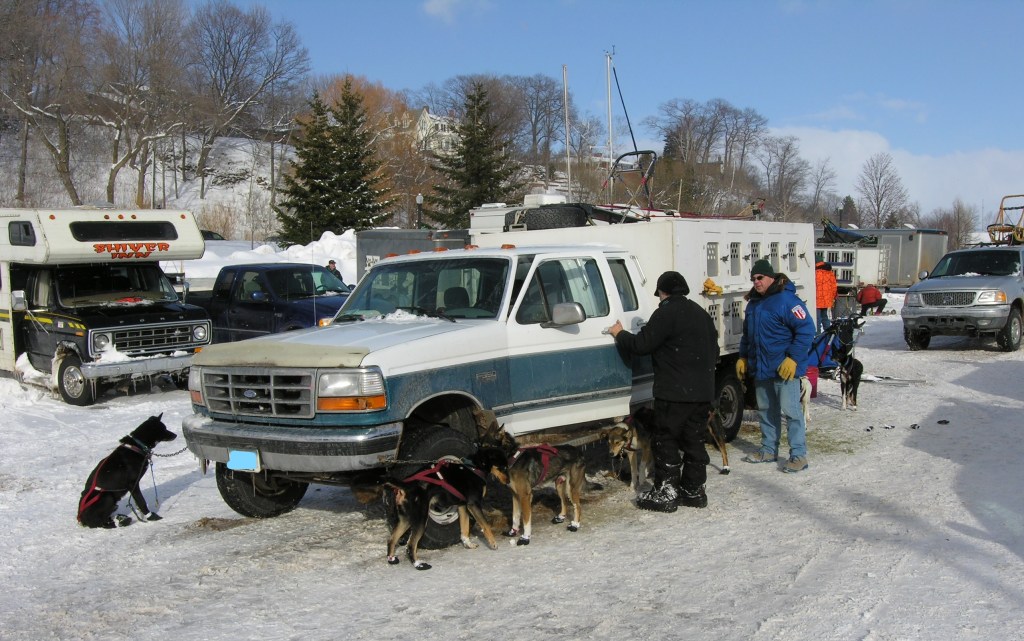
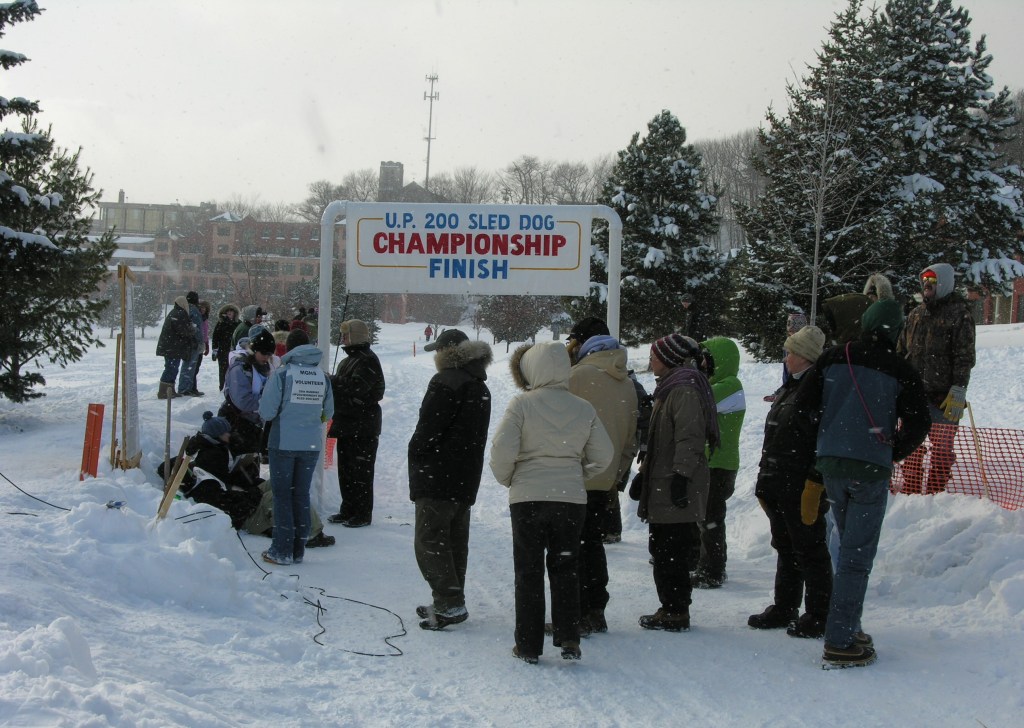
People have come to Marquette on this day to watch the sled dog races.  I didn’t catch all the details but it seems to be a big and well-organized event since they have officials and official volunteers.  I walked down to the finish line where Starbucks was giving away free cups of coffee to the humans.  Both dogs and people seemed to be having a good time.

Sled dog sled (with musher?)
Sled dogs after the race
The Finish Line

The backdrop to the festivities:

Frozen Lake Superior at Marquette, Michigan, in February 2009

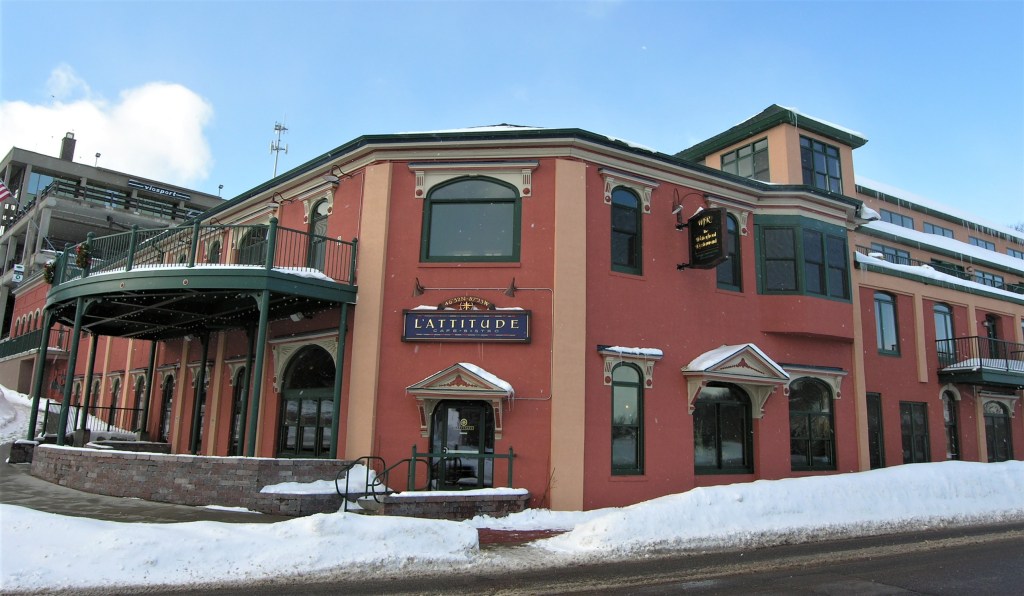
Need a warm-up after the race? Go for a beer at L’Attitude Bistro (now the Iron Bay Tap Room).

This little place on Marquette’s frozen waterfront occupies the basement of a refurbished old downtown building.  The inside walls are old brick and the hallways back to the kitchen and restrooms are like a labyrinth of caverns.  The urban tourist crowd loves this place and many of the tables are filled with skiers and old hippies with hoop earrings and long, gray ponytail manes. 

Seriously, Marquette is a great town. In 2012 it was named among the 10 best places to retire in the United States. (Wikipedia entry here)

Enjoy the Warmth!


All photos by the author and were taken in February 2009.

A list of all photo posts from the American County Seats series in TimManBlog can be found here.

Donations are happily accepted if you’d like to help defer my costs.
Thanks,
Tim

One-Time
Monthly
Yearly

Make a one-time donation

Make a monthly donation

Make a yearly donation

Choose an amount

¤5.00
¤15.00
¤100.00
¤5.00
¤15.00
¤100.00
¤5.00
¤15.00
¤100.00

Or enter a custom amount

¤

Your contribution is appreciated.

Your contribution is appreciated.

Your contribution is appreciated.

DonateDonate monthlyDonate yearly

Manistique — The Battle for Michigan

February 25, 2012
(If you like my posts, you can support this site with a donation via Paypal, Visa, Amex, Mastercard, or Discover by using the form at the bottom of this post. Thank you.)

The Michigan primary is next Tuesday. Since political talk can sometimes become dry I thought I’d combine a travel post with some thoughts about the upcoming contest. In fact, my first blog post was such a combination — “Mennonite Pastries Banned in Cimarron Kansas” — and I thought it came out well, photos and all, so here goes. (All photos are my own, taken in February 2009.)

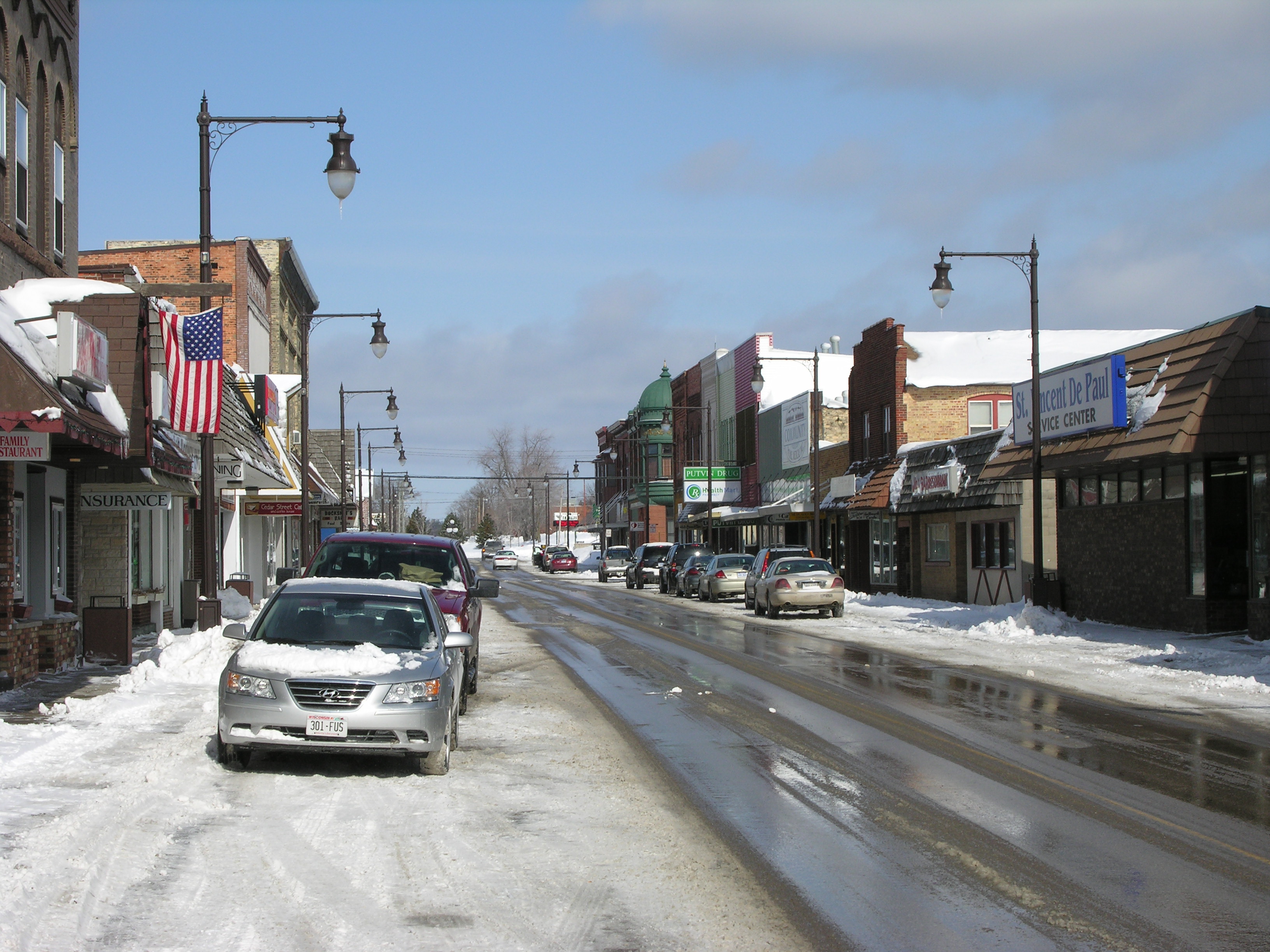
Manistique, a town in Michigan’s Upper Peninsula along the Lake Michigan shoreline, is so small that it reminds me of an Alaskan town, or what I imagine an Alaskan town might look like.  Few of the buildings here are as tall as two stories and there are just a couple of those.  Streets are lined with piles of shoveled snow that can dwarf the cars parked next to them. In fact, in the wintertime snowmobiles become as common a means of transportation as cars. When I was here in February 2009 the noontime temperature struggled to reach 17 degrees, and that was on a sunny day.

Manistique, Michigan, February 2009

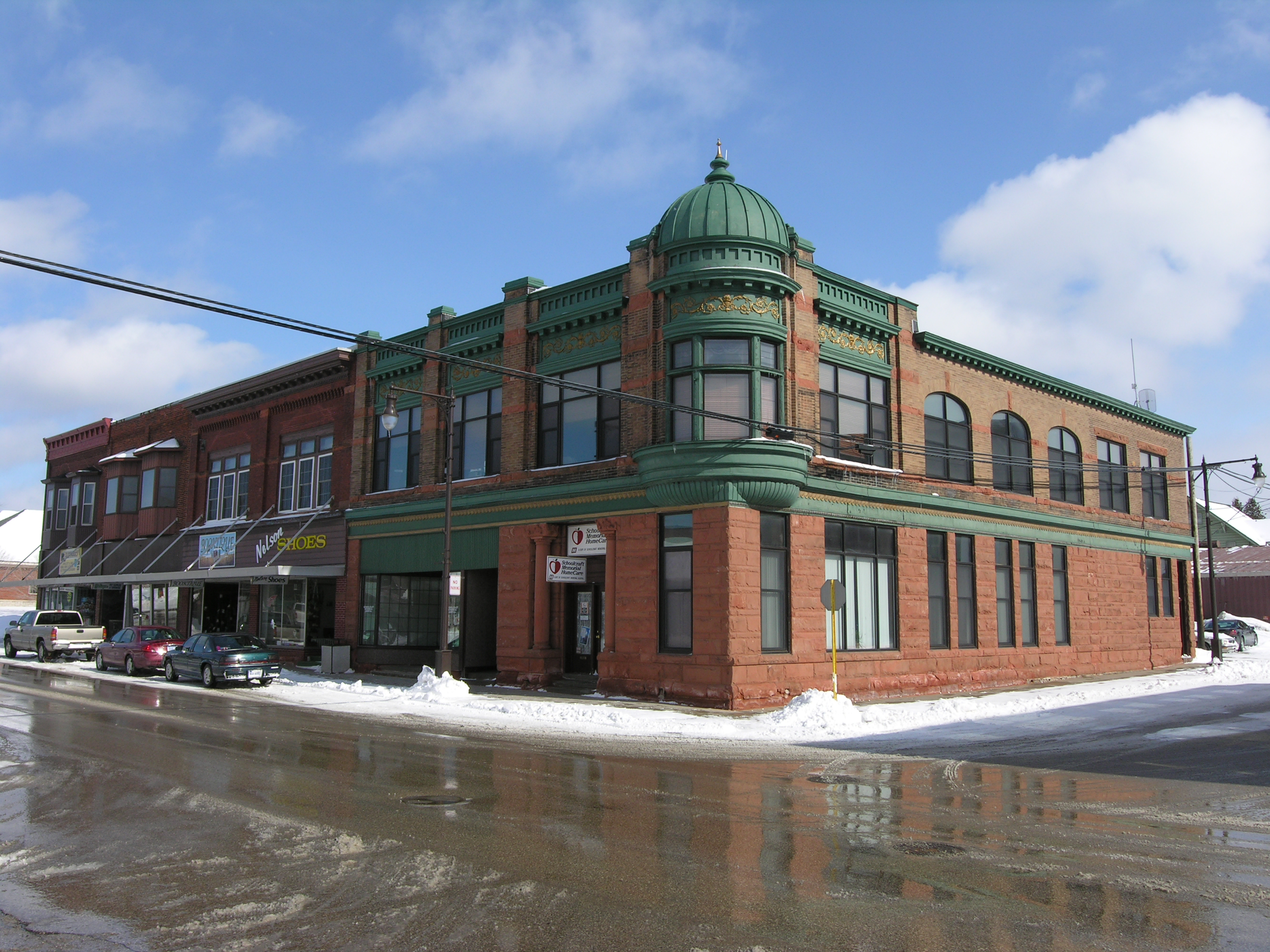
At the turn of the 20th Century Michigan’s Upper Peninsula (known as the “U.P.”) was famous for its Jacobsville red sandstone, a burgundy red stone in demand worldwide. Architects loved to use Jacobsville for the facades of their best structures since artisans could carve intricate designs into the stone without compromising its strength. Jacobsville was used in the Tribune Building in Chicago and at the original Waldorf-Astoria in New York among many other places.  Manistique has one such Jacobsville building — it originally housed a prominent bank but now a home health agency occupies the first and second floors.

Corner bank building, Manistique, Michigan, February 2009

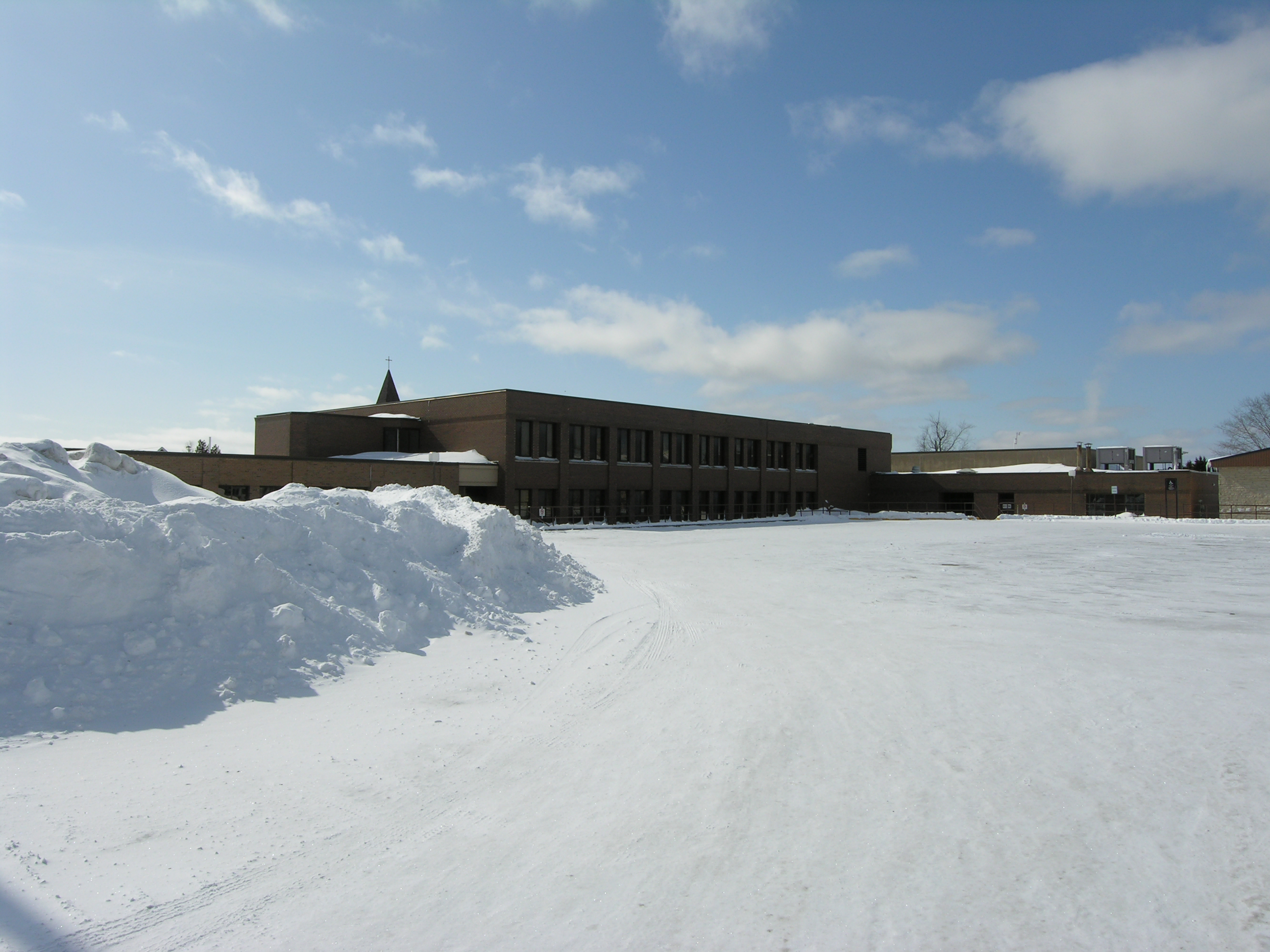
Manistique is the seat of Schoolcraft County. The courthouse here is a fairly new ranch-style building that does not photograph well.  The only markers are the county’s war memorial in front of the adjacent sheriff’s office.

Schoolcraft County Courthouse, Manistique, Michigan, February 2009
Schoolcraft County in the state of Michigan

Behind the courthouse, I saw two official Schoolcraft County Sheriff’s Department snowmobiles parked in a trailer.  So — the local police chase ne’er-do-wells on snowmobiles! Can you imagine if Hollywood was to make a tv show called “The U.P.”?  These cop snowmobiles would be on the opening credits tearing paths through the wilderness with sirens blaring and emergency lights blazing red and blue over the snow trails! Wouldn’t that put Erik Estrada’s old CHiPs motorcycles to shame?

Official Schoolcraft County Sheriff’s Department Snowmobile Cruisers (“Sheriff” emblem on visor)

I ate lunch at the Cedar Street Café and Coffee House. This is a fine place, built into one of the refurbished older business buildings in the old town business district. Such cafes are becoming common in small Midwestern towns. Yet they shouldn’t be called “mom and pop” places because typically they are run entirely by women entrepreneurs. The inside decor was inviting — festive Mardi Gras beads bedecked the wooden tables while oil paintings (for sale by local artists) decorated a wall of exposed brick.  Painted on the opposite wall was a country mural covering over 20 square feet from the hardwood floor to the antique pressed metal ceiling. By the way, the sausage gumbo here was just fantastic — rich brown gravy with chunks of sausage and spices over rice.  Of course, I don’t know if any Louisianan would call it “gumbo” but being authentic doesn’t matter if you’re just plain good.

What’s interesting about Manistique politically is that it sits in the heart of former Democrat Bart Stupak’s 1st Congressional District, most of which was on Michigan’s Upper Peninsula. The majority of the people in the U.P. are the descendants of German and Polish immigrants who came here in the late 19th century to work the iron mines and rock quarries. It is a heavily Catholic, heavily Democratic, working-class region. Bart Stupak has represented the district since 1993. Obama won this district 49%-48% in 2008.

Yet Michigan’s 1st District went Republican in the elections of 2010 for the first time since 1933. Here’s what happened. During the Congressional debate over Obamacare in 2009, Stupak led a group of pro-life House Democrats wary of passing Obamacare since they feared the bill would mandate government funding of abortions. They held out for a while, but long story short Stupak and his gang finally caved to pressure from Speaker Nancy Pelosi and voted for the legislation. In return for their votes, they were given a pledge that Obamacare would not fund abortions, but the pledge turned out to be phony and Bart Stupak became very unpopular with his Catholic, working-class constituency. Stupak decided to retire rather than run for re-election in 2010 and has since taken up the lobbyist’s trade.

In Tuesday’s primary, the focus will be on Romney versus Santorum, although Ron Paul will get some votes. Gingrich isn’t campaigning in Michigan, choosing instead to concentrate his energies on upcoming primaries in the South.

Romney is the home state guy, of course. Mitt’s father George Romney was Michigan’s governor for many years. That will mean a lot. Residents of the U.P. (called “Yoopers”) are proud to be from Michigan. Local radio broadcasts Detroit Tigers games, not the Milwaukee Brewers even though Milwaukee is a shorter drive than Detroit for most yoopers.

At the same time, these are exactly the kind of voters Rick Santorum is banking on. They are Catholic, working-class, rural, Democratic historically but not afraid to switch parties.  Michigan’s is an open primary, meaning that registered Democrats can cross party lines to vote in the Republican primary. This might boost Santorum’s turnout in the U.P., and apparently, his campaign has picked up on this possibility and has scheduled a Santorum campaign rally in the U.P.’s largest town of Marquette. (Info here. The link was good as of 2/25/12)

The Michigan Primary will put to the test two competing opinions of Santorum’s campaign strategy.  On one side is demographics expert Henry Olsen of the American Enterprise Institute. (Henry is an old graduate school colleague of mine — he’s a very bright guy and has an unstoppable hook shot.) He wrote a piece a few weeks ago called “Two Decades Too Late” in which he described Santorum’s campaign strategy as an attempt

…to resurrect the Reagan general-election strategy of 1980 — first and foremost, to win over the conservative base on fiscal and social issues by portraying himself as a man of principle, the only candidate who will not waver.

But, according to Olsen, Santorum’s strategy is doomed to failure because the demographics of 1980 have changed during the past 30 years — a resurrection of the coalition with the old “Reagan Democrats” is no longer possible. In a nod to the timeliness of Olsen’s piece, the archetypes of the 1980 Reagan Democrats were Michigan voters.  We’ll see how many Reagan Democrats turn out for Santorum Tuesday night.

On the other side of the strategy, argument is Jeffrey Bell, an “early supply-sider” and author of the forthcoming book, “The Case for Polarized Politics.”  In a recent interview with James Taranto of the Wall Street Journal (“Social Issues and the Santorum Surge“), Bell argues that social conservatism is a winning strategy for the GOP because its appeal is strongest amongst not the wealthy but the working class:

Mr. Bell notes that social conservatism is largely a working-class phenomenon: “Middle America does have more children than elite America, and they vote socially conservative, even though they might not necessarily be behaving that way in their personal life. They may be overwhelmed by the sexual revolution and its cultural impacts.”

Mr. Bell squares that circle by arguing that social conservatism is “aspirational” and “driven by a sense in Middle America that the kind of cultural atmosphere we have, the kind of incentives, the example set by the government, is something that has to be pushed back against.”

In an ironic twist, Santorum has become identified with the social issues mostly because of the media’s portrayal of him as such. He has not actually campaigned on contraception, abortion, or gay marriage. I can personally attest to this fact as I’ve attended four Santorum events and at none of them were these issues part of the candidate’s speech. Not once.

So, Michigan will be a test. Romney has the home-state advantage while Santorum tests his campaign strategy.  We’ll see what happens in Manistique.

Snow-bound church, Manistique, Michigan, February 2009

A list of all photo posts from the American County Seats series in TimManBlog can be found here.

I’m trying to travel to all of America’s county courthouses, and each month a post about my visit to the most interesting county seats. It’s only a hobby — but donations are greatly appreciated to help defer my costs.
Thanks,
Tim

Donations to TimManBlog

Use this form to make donations to support this site. Paypal, Visa, Mastercard, Amex, and Discover cards are accepted. Donations can be made in increments of $5.00; increase the number of units to increase the donation amount.

$5.00

Post Navigation