TimManBlog

Whatever I'm Thinking

Archive for the tag “travel”

Exploring Bristol: The City Split by a State Line

Please consider donating to support my travels using the form at the bottom of the post. PayPal, Visa, American Express, Mastercard, Discover, and Maestro are accepted. Thank you.

August 31, 2025

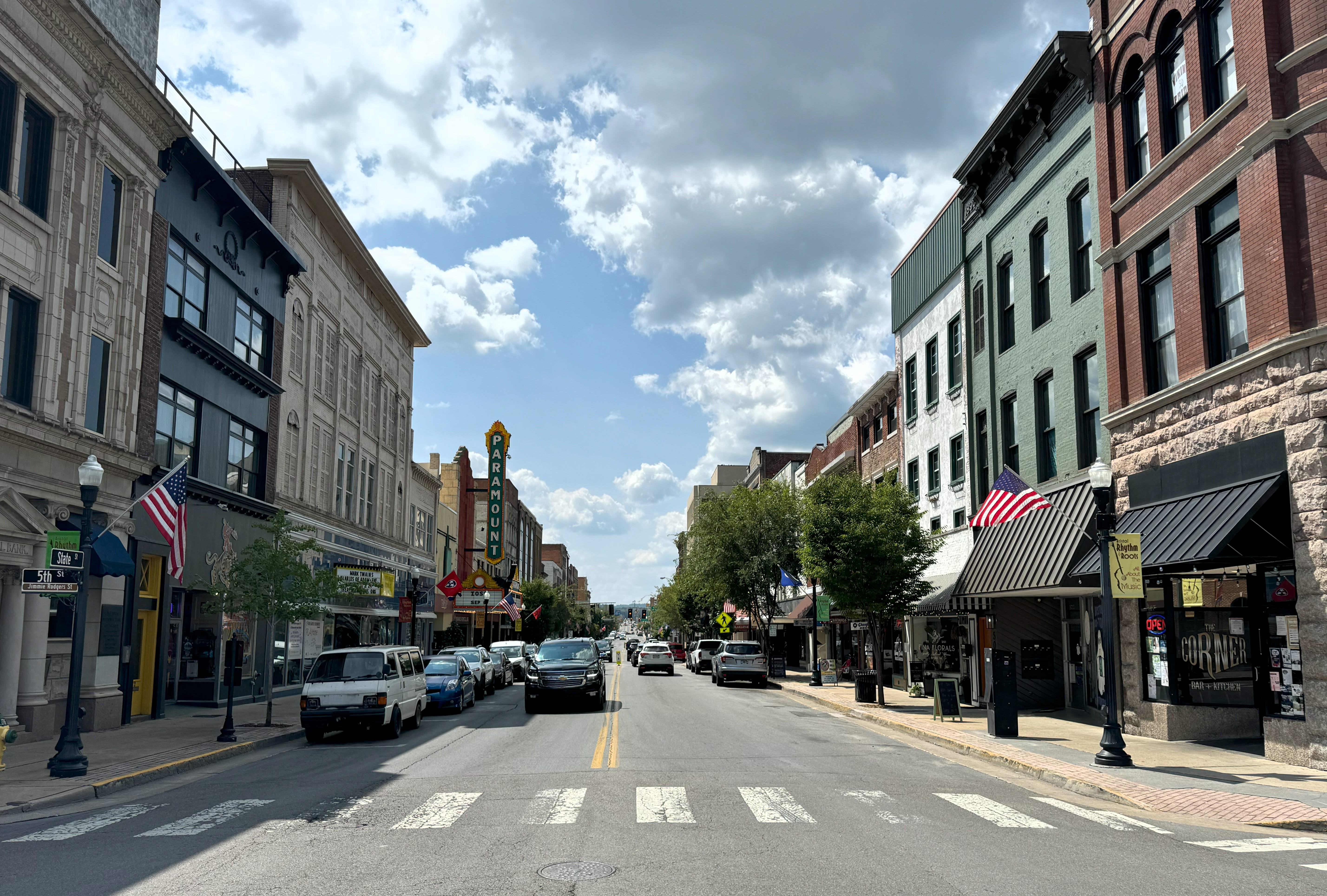
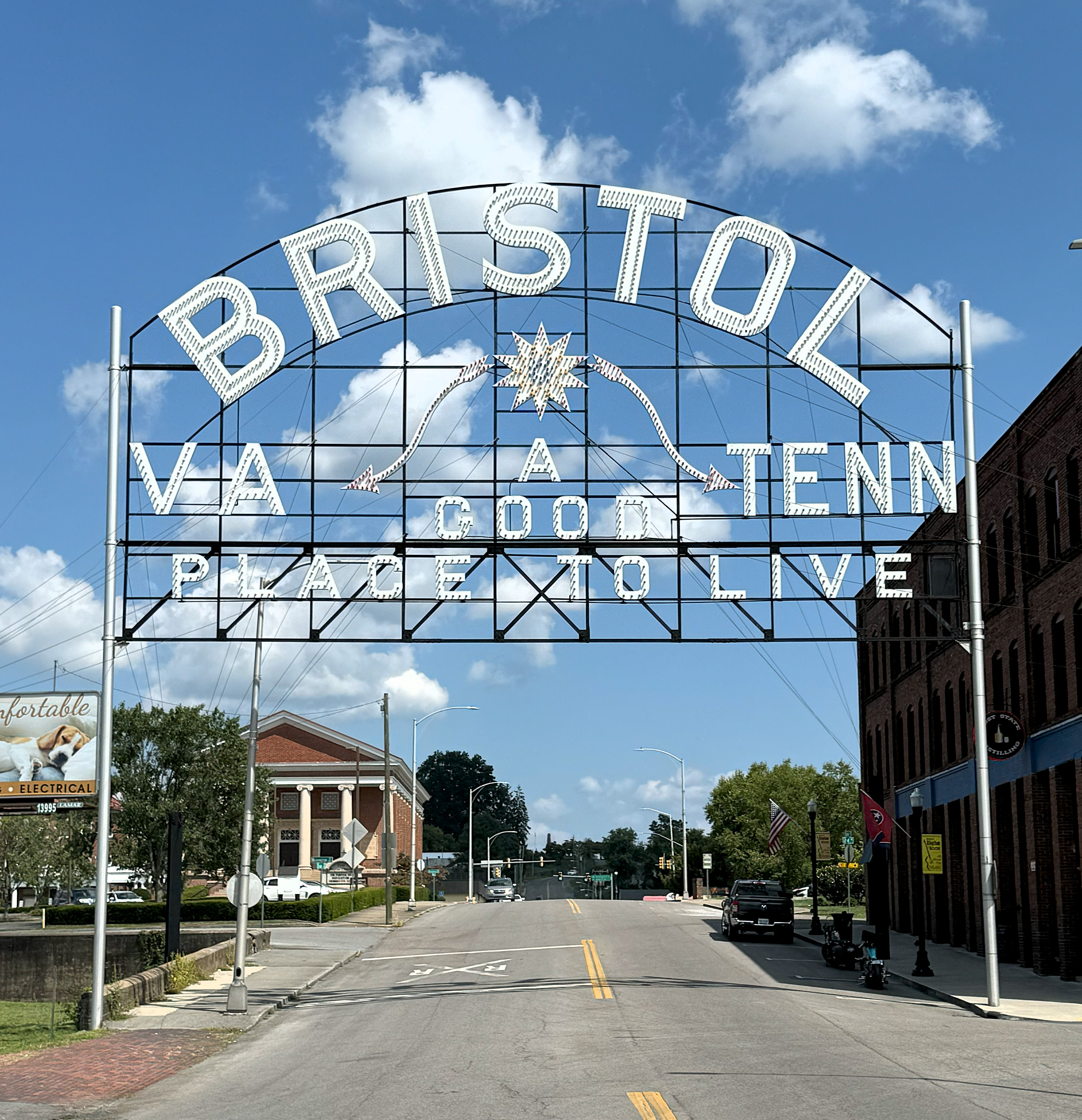
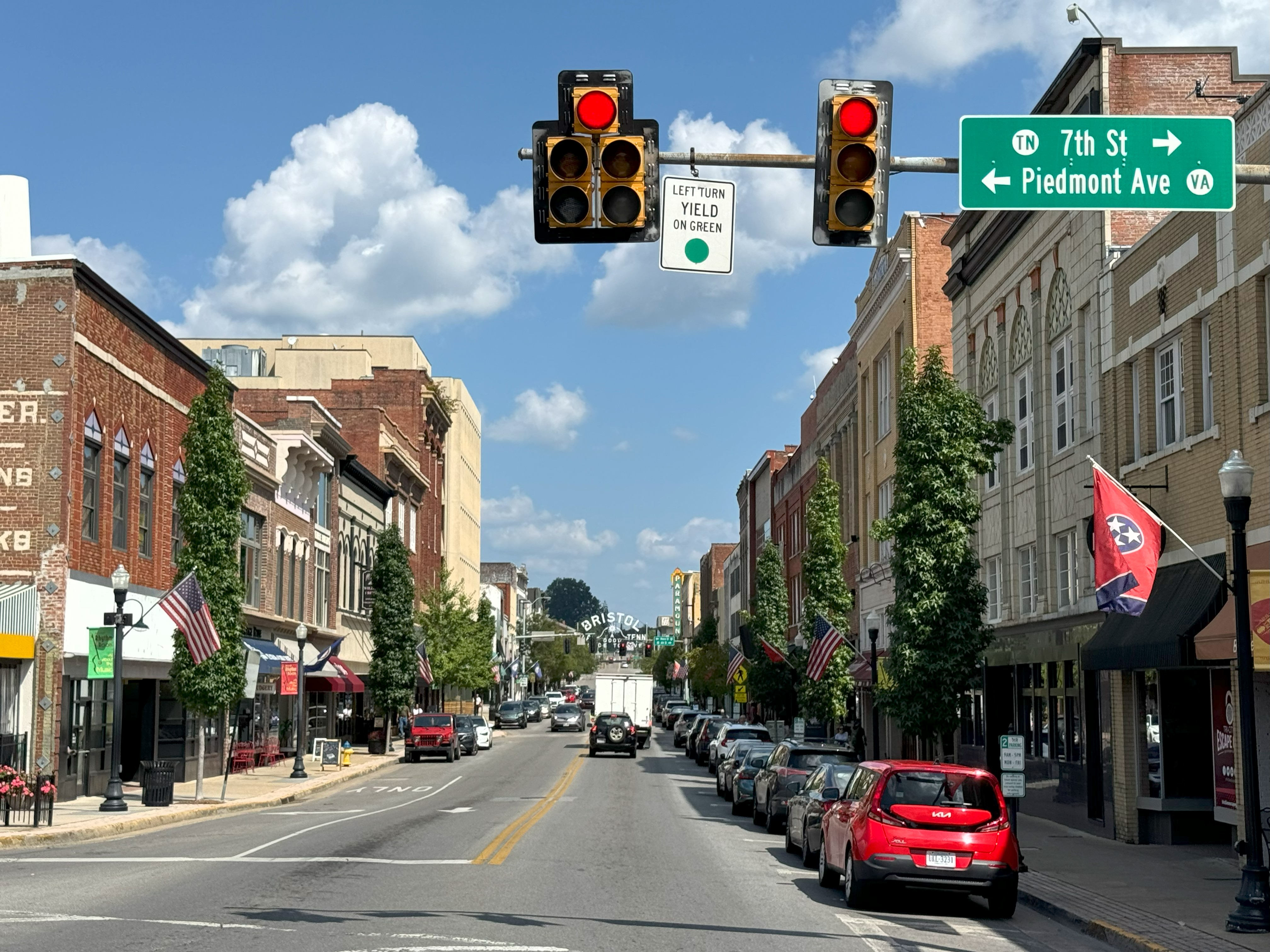
Bristol is one of the most unusual cities in the United States because it is split down the middle of its main street between two states: Virginia and Tennessee. Technically, Bristol is two cities, with a state line running along the double-yellow line in the middle of State Street. However, except for separate governments for each side, Bristol functions as a single city.

The two cities of Bristol — split down the double-yellow line between Tennessee (left) and Virginia (right).
Looking east this time — Virginia is on the left, and Tennessee is on the right.

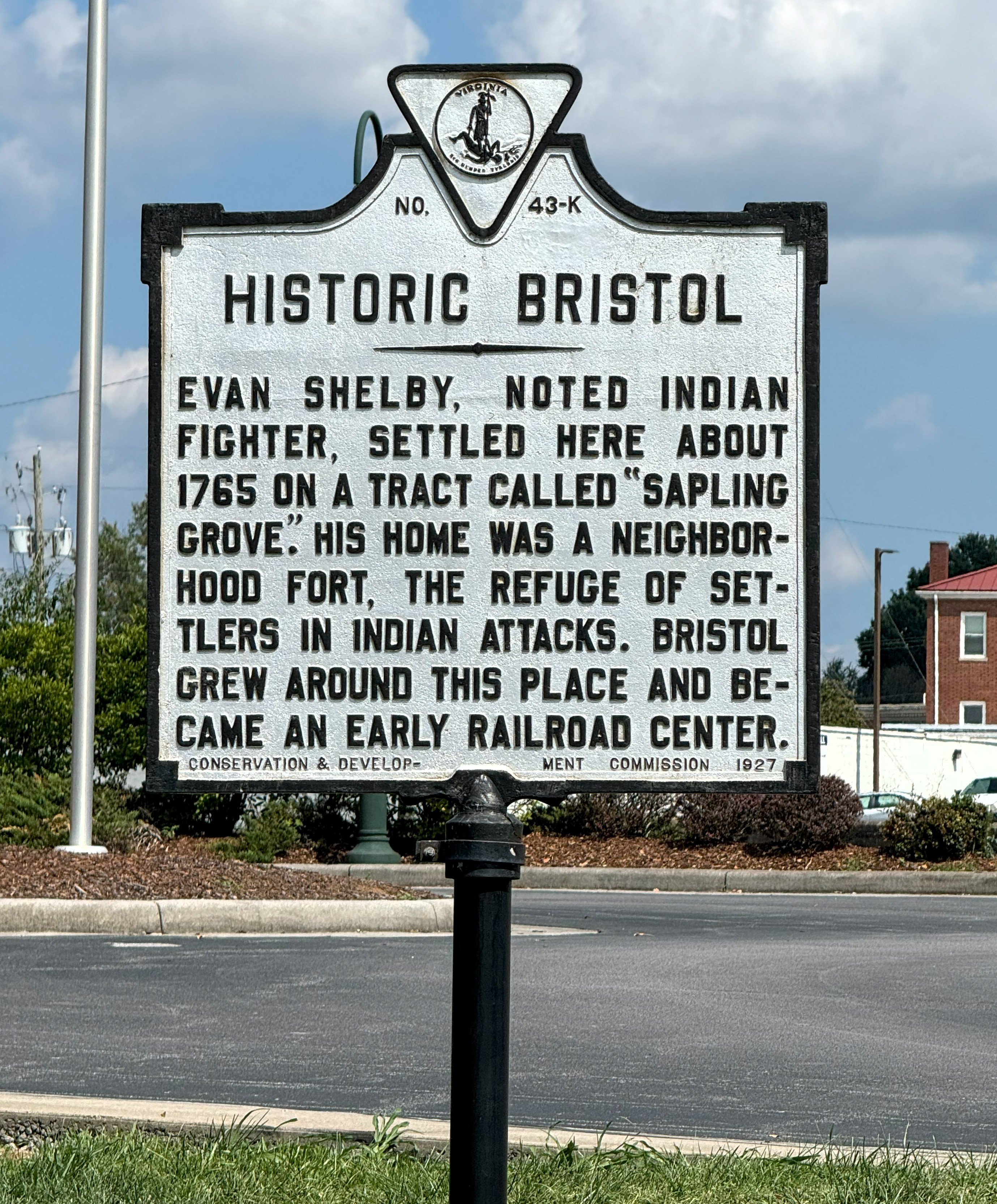
A historical sign (located on the Virginia side of town) explains the history of Bristol, but it doesn’t explain how Main Street was placed on top of a state boundary. Wikipedia provides some explanation in its article on Bristol, Virginia (link here).

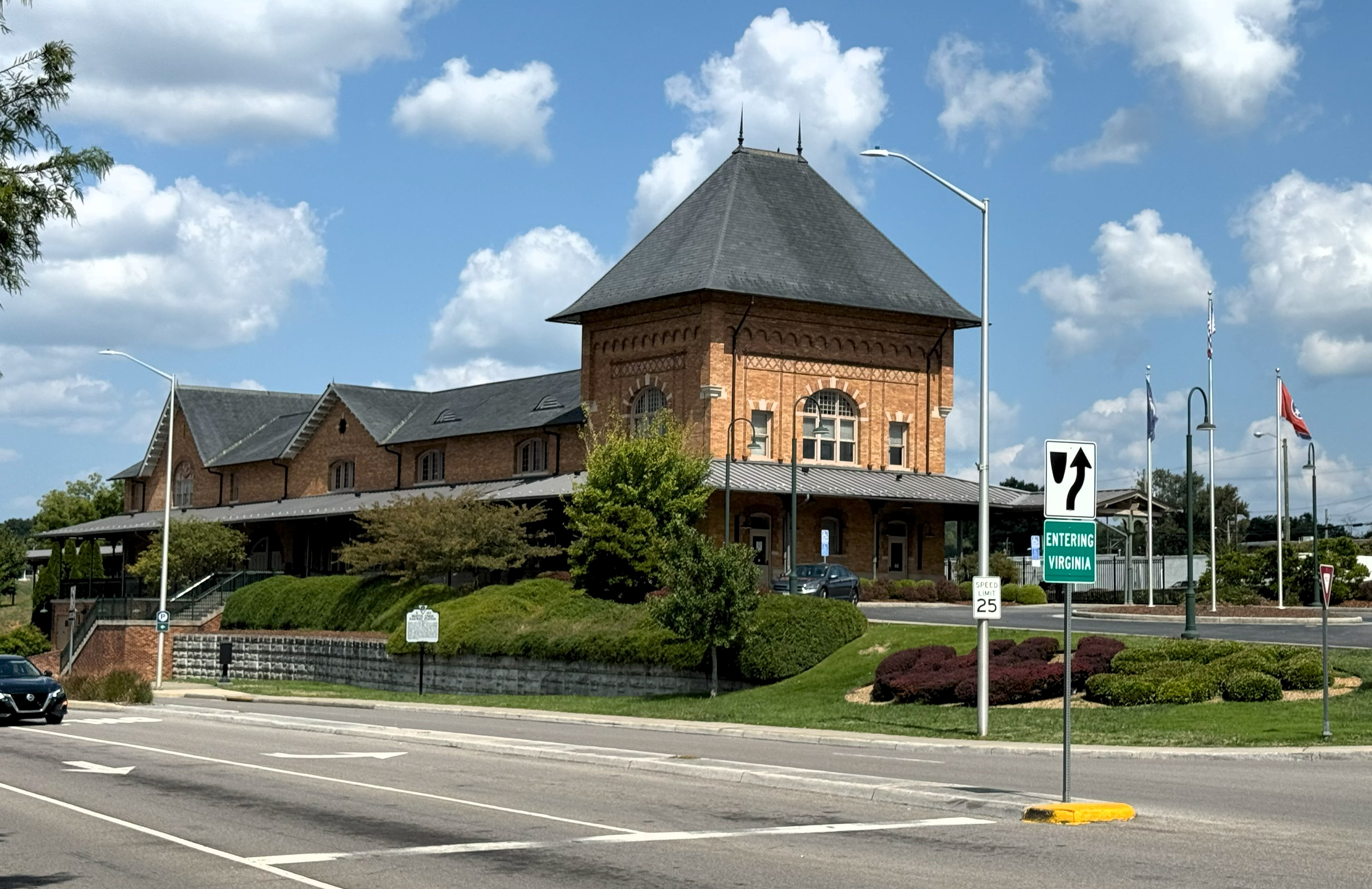
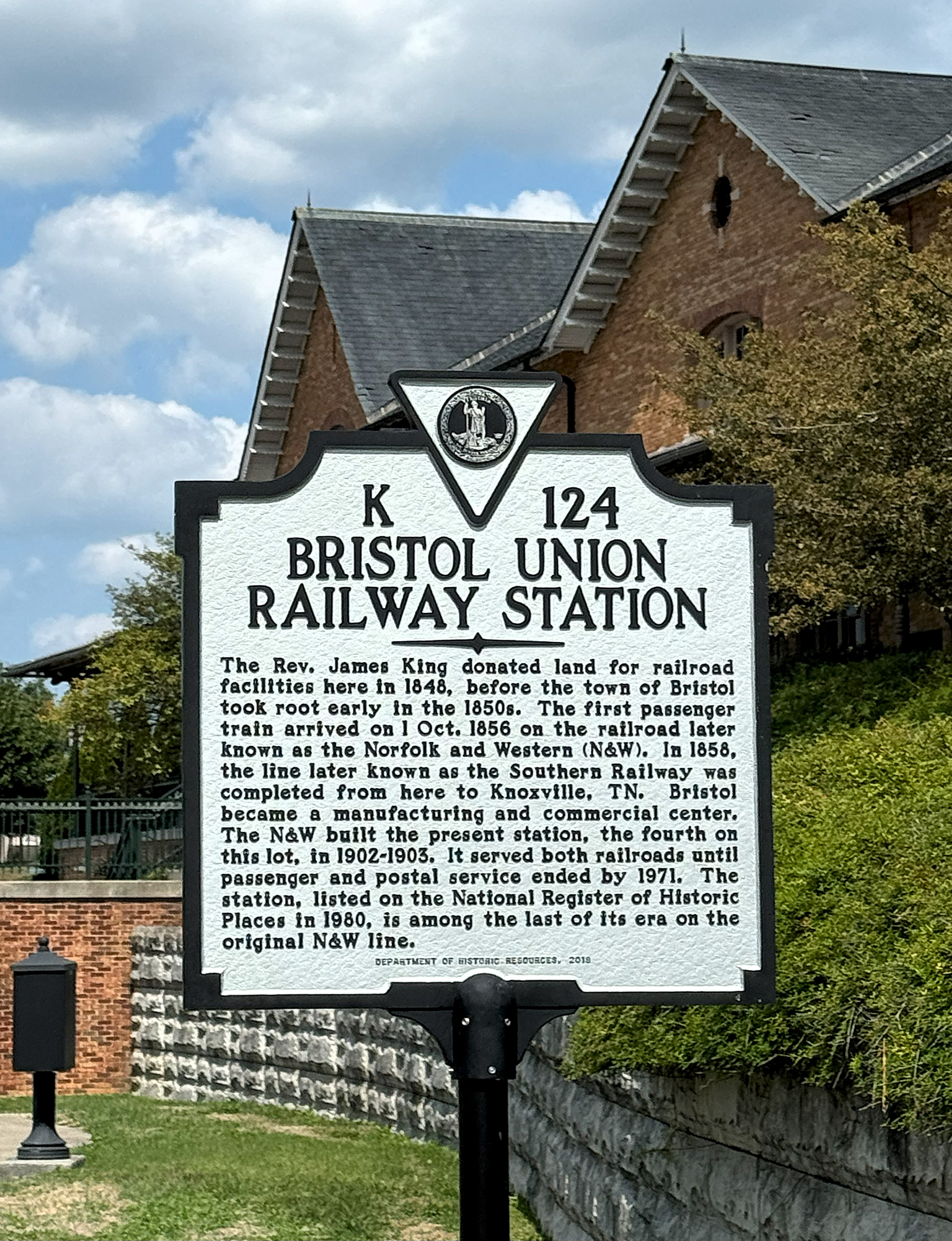
Originally, Bristol was located in both Goodson, Virginia, and Bristol, Tennessee, and had two train lines and two train depots — one for each side of the state line. When visitors began referring to the entire area as “Bristol,” Goodson, Virginia, abandoned its original name and adopted the name Bristol as well.

Bristol, Virginia, is one of Virginia’s independent cities, which means it also functions as its own county. Bristol, Tennessee, is located in Sullivan County, Tennessee, but it is not the county seat. Because this blog is about county courthouses and county seats, the rest of this post will focus on Bristol, Virginia.

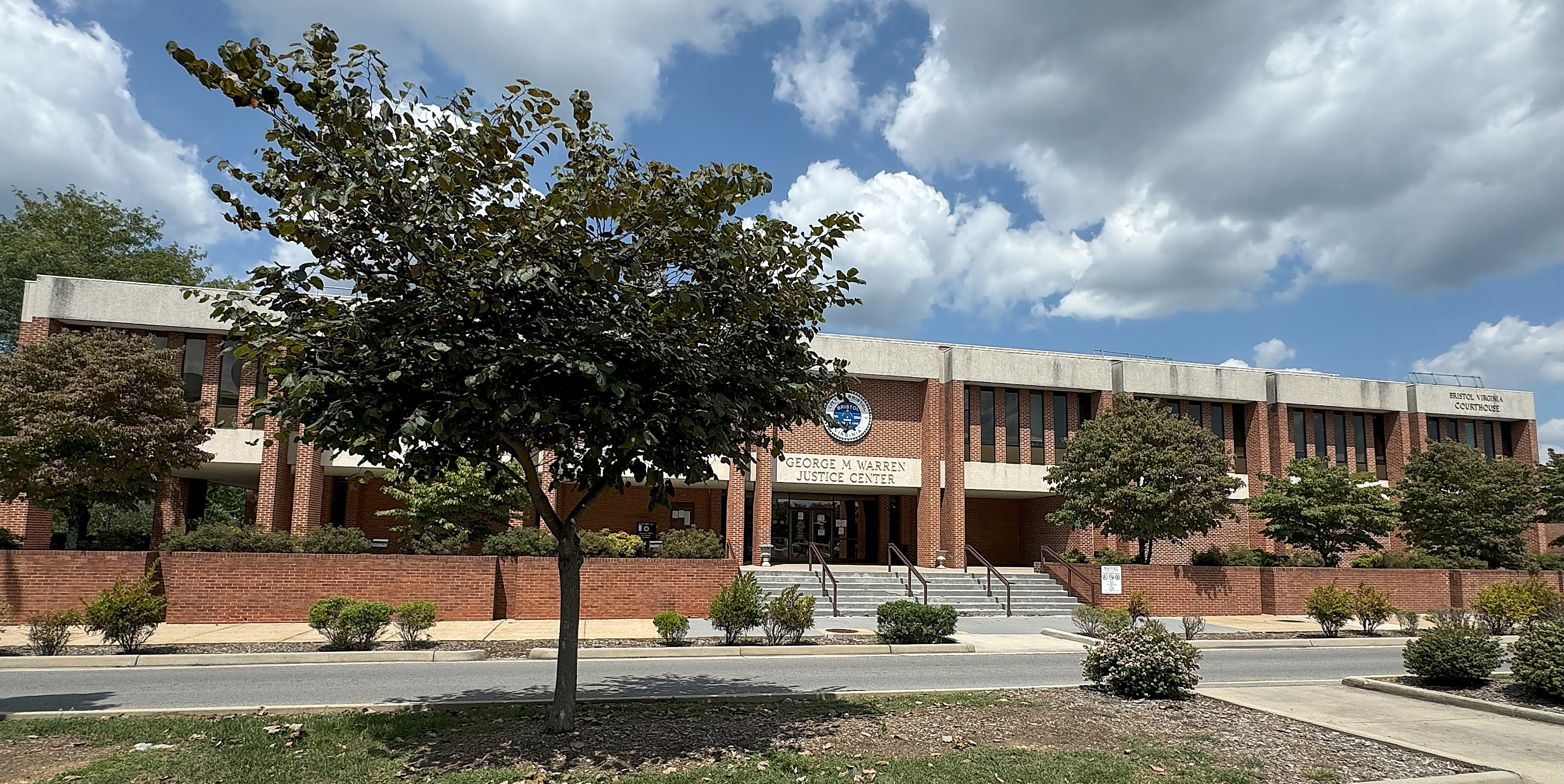
As the seat of both the city and county of Bristol, the Bristol Courthouse serves as a combination of a courthouse and City Hall. The building itself is a simple two-story red brick structure.

The George M. Warren Justice Center / Bristol, Virginia Courthouse in Bristol, Virgina

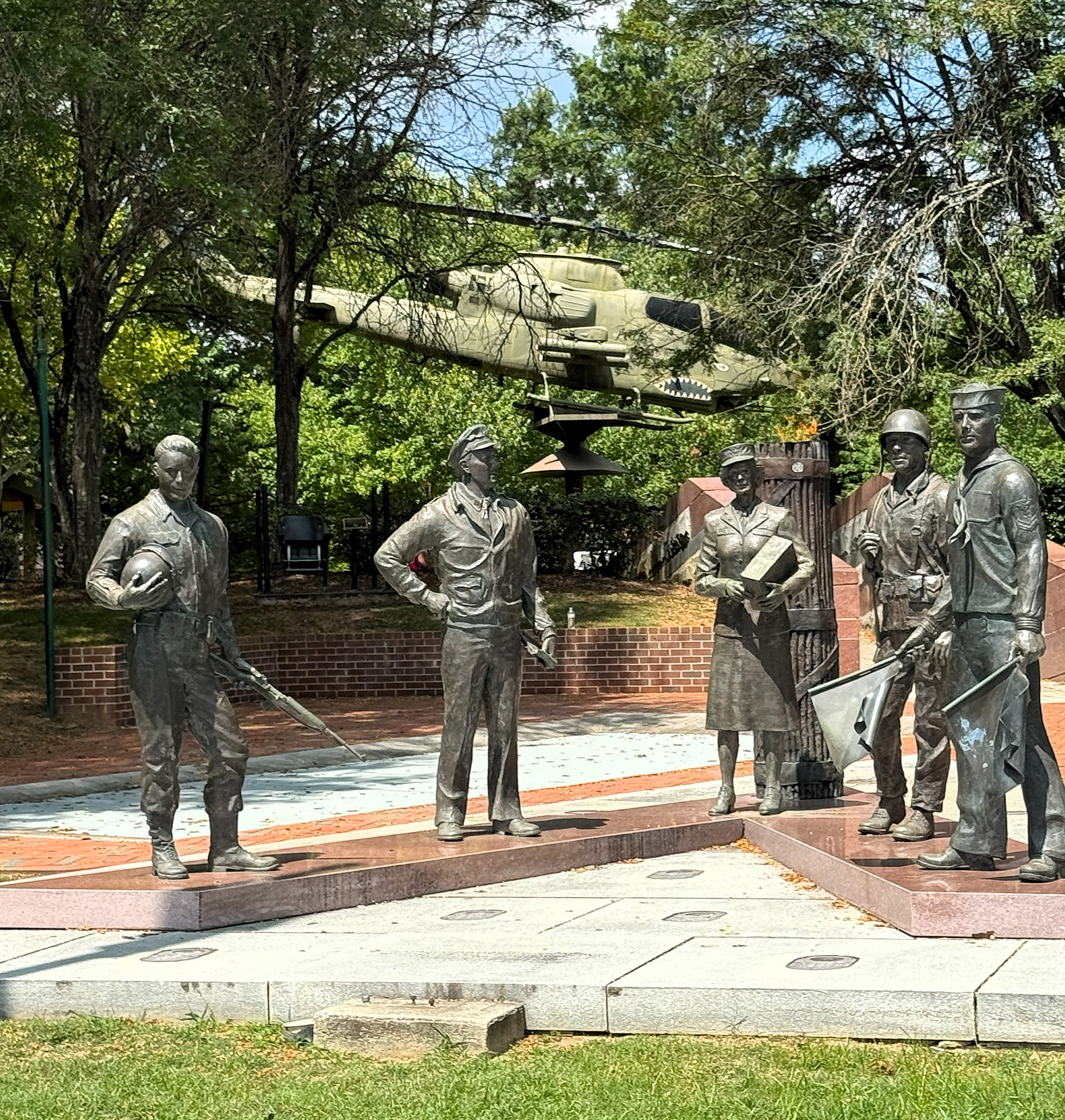
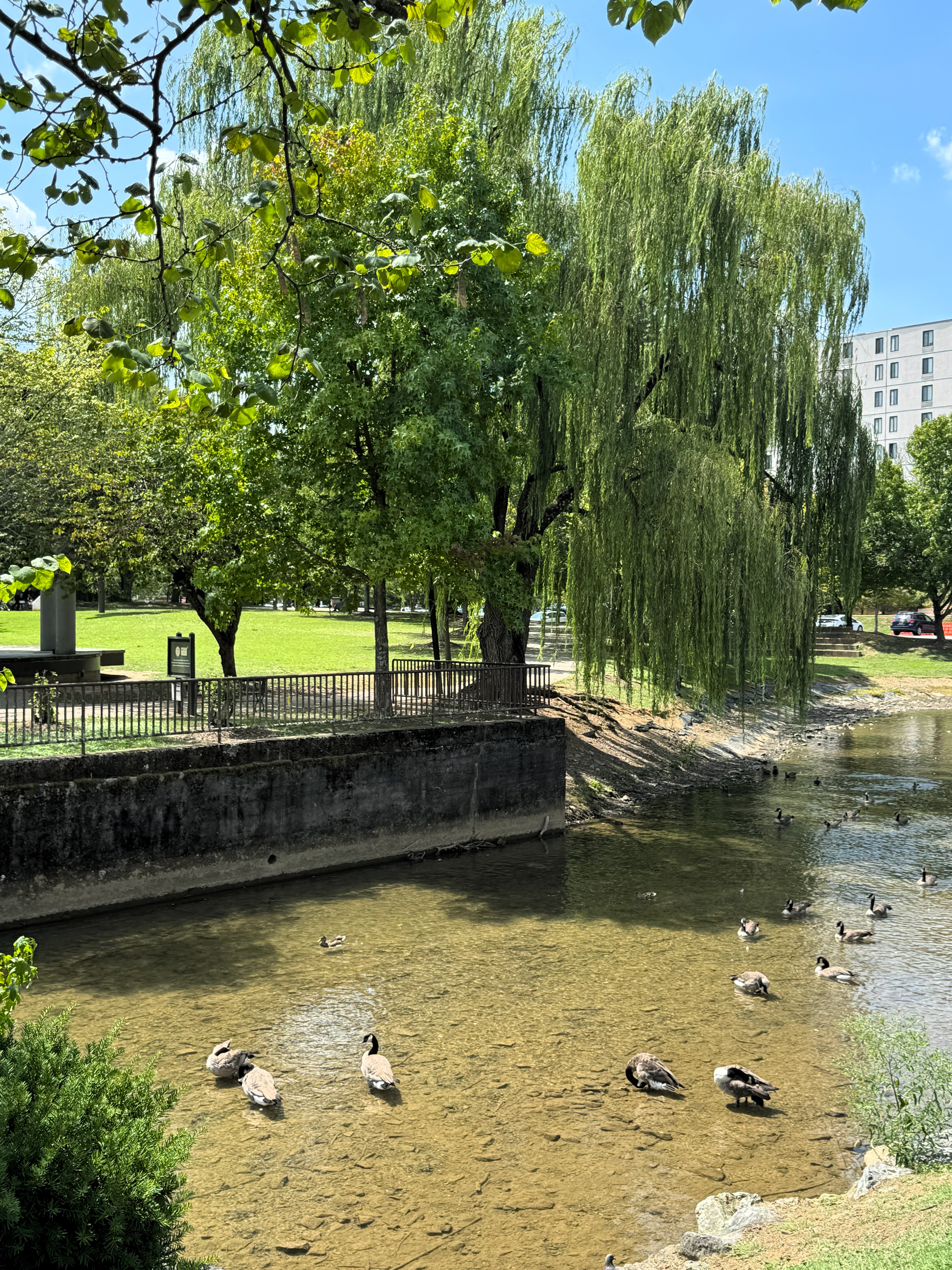
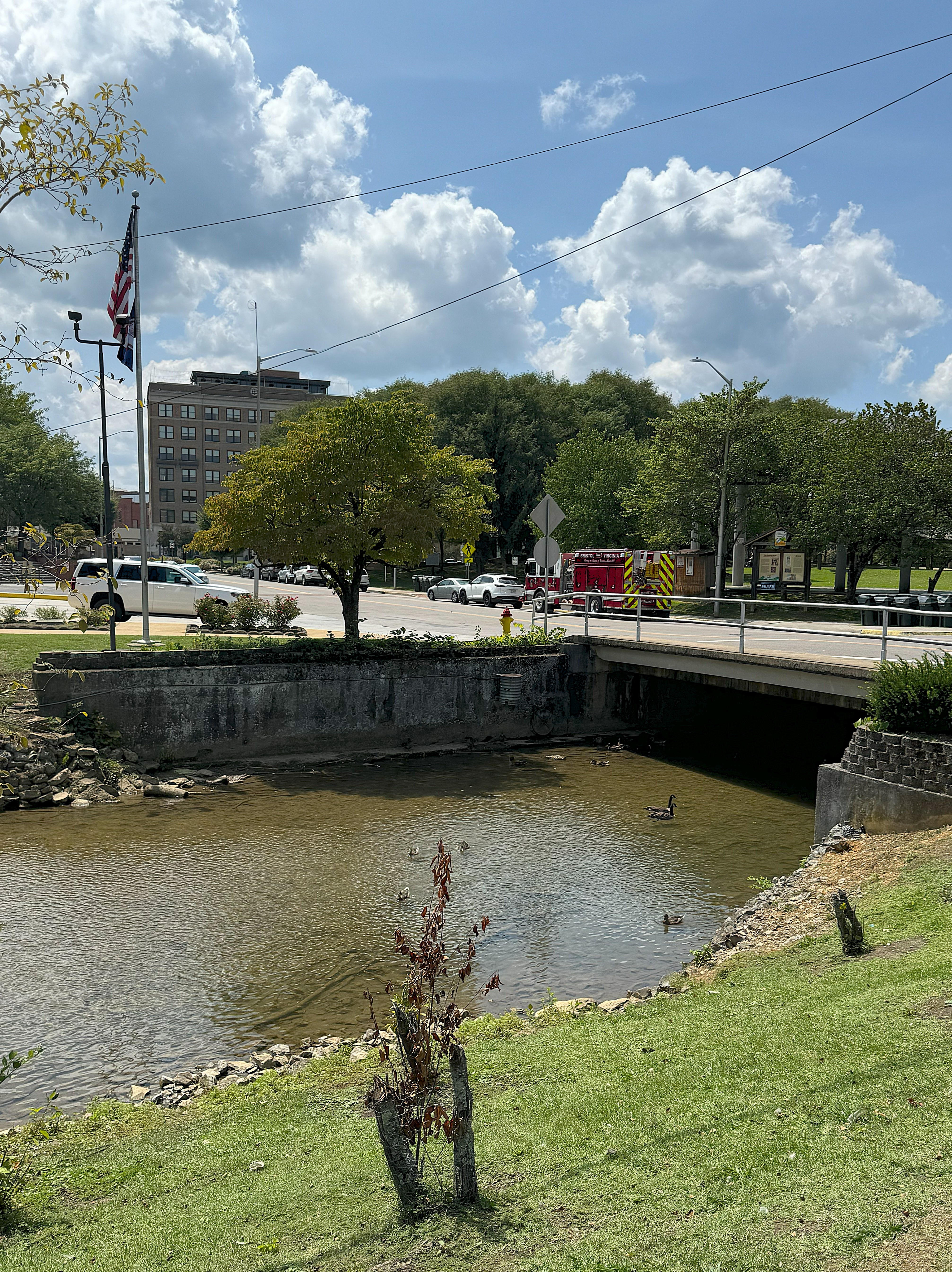
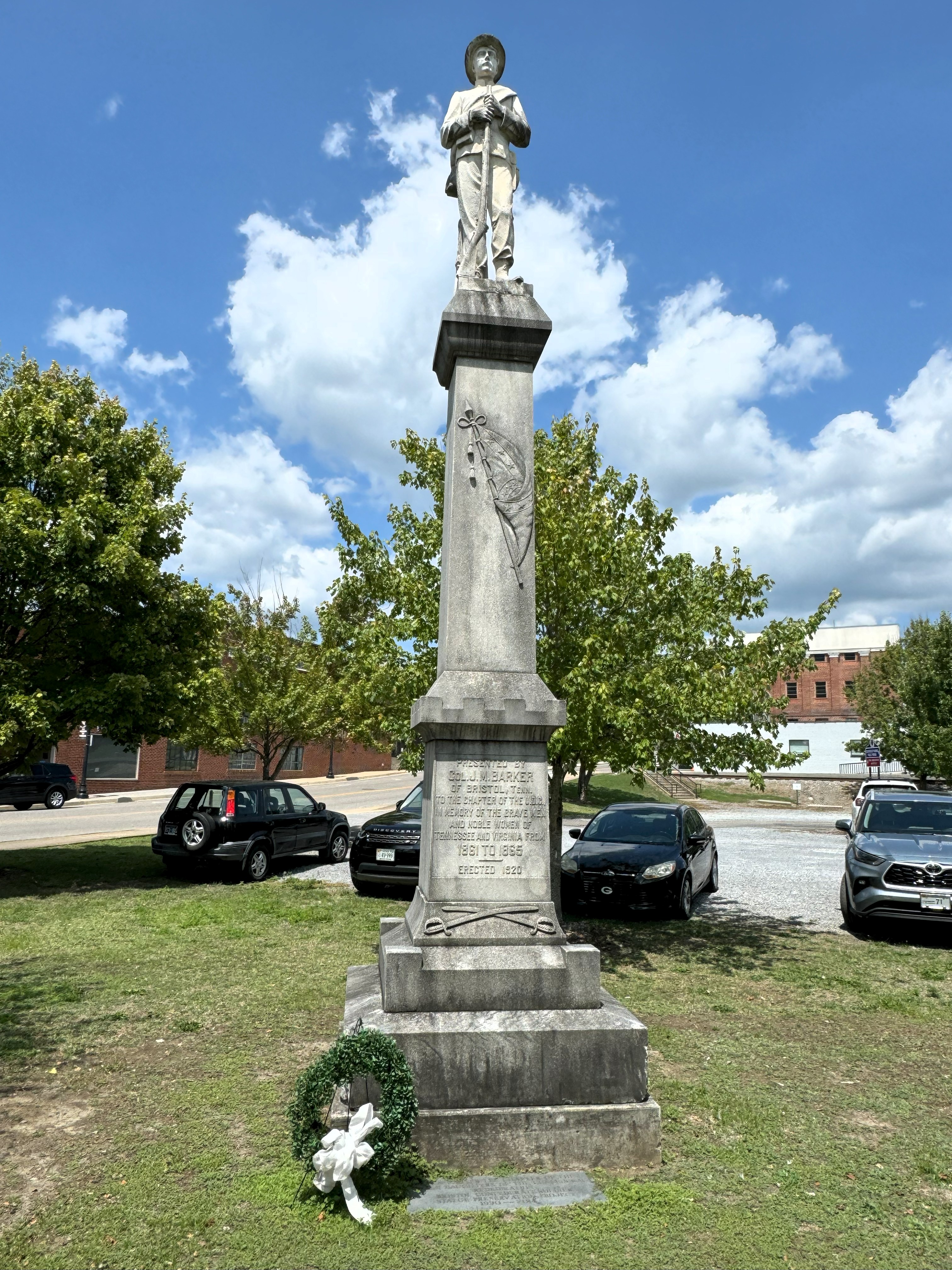
Across the street from Bristol City Hall and Courthouse, Cumberland Park features a Vietnam-era helicopter and a memorial dedicated to Vietnam veterans. Nearby, I found ducks feeding in the creek and the town’s old Confederate memorial.

The Bristol Hotel is only a few blocks away. Built in 1925, the Bristol has been restored and converted into a boutique hotel. It’s a fun place and boasts a rooftop bar.

The 1925 Bristol Hotel in Bristol, Virginia

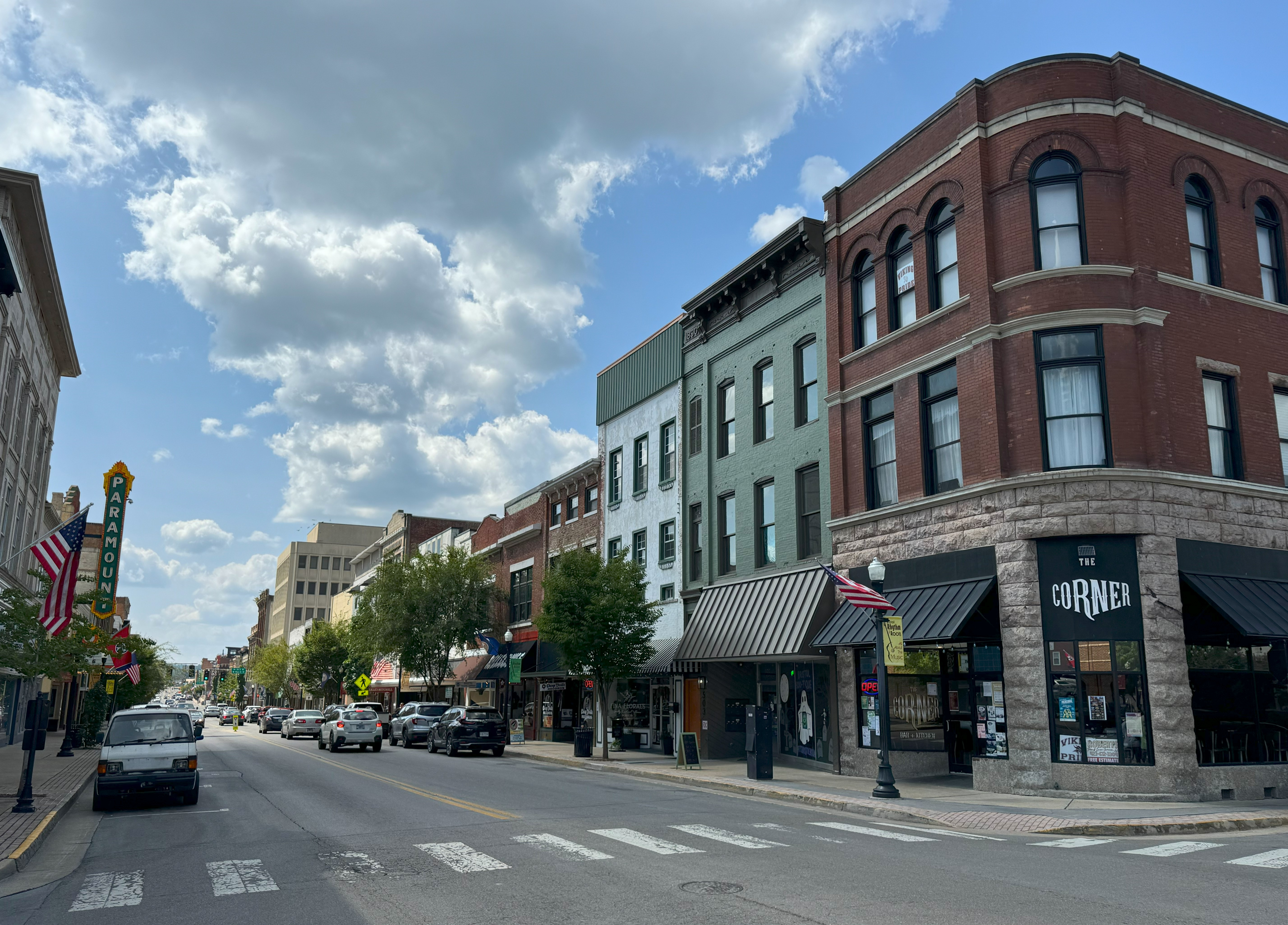
Just two blocks away, I walked down State Street, which separates Virginia from Tennessee. This is Bristol’s main street in almost all respects — the largest shops and restaurants are here.

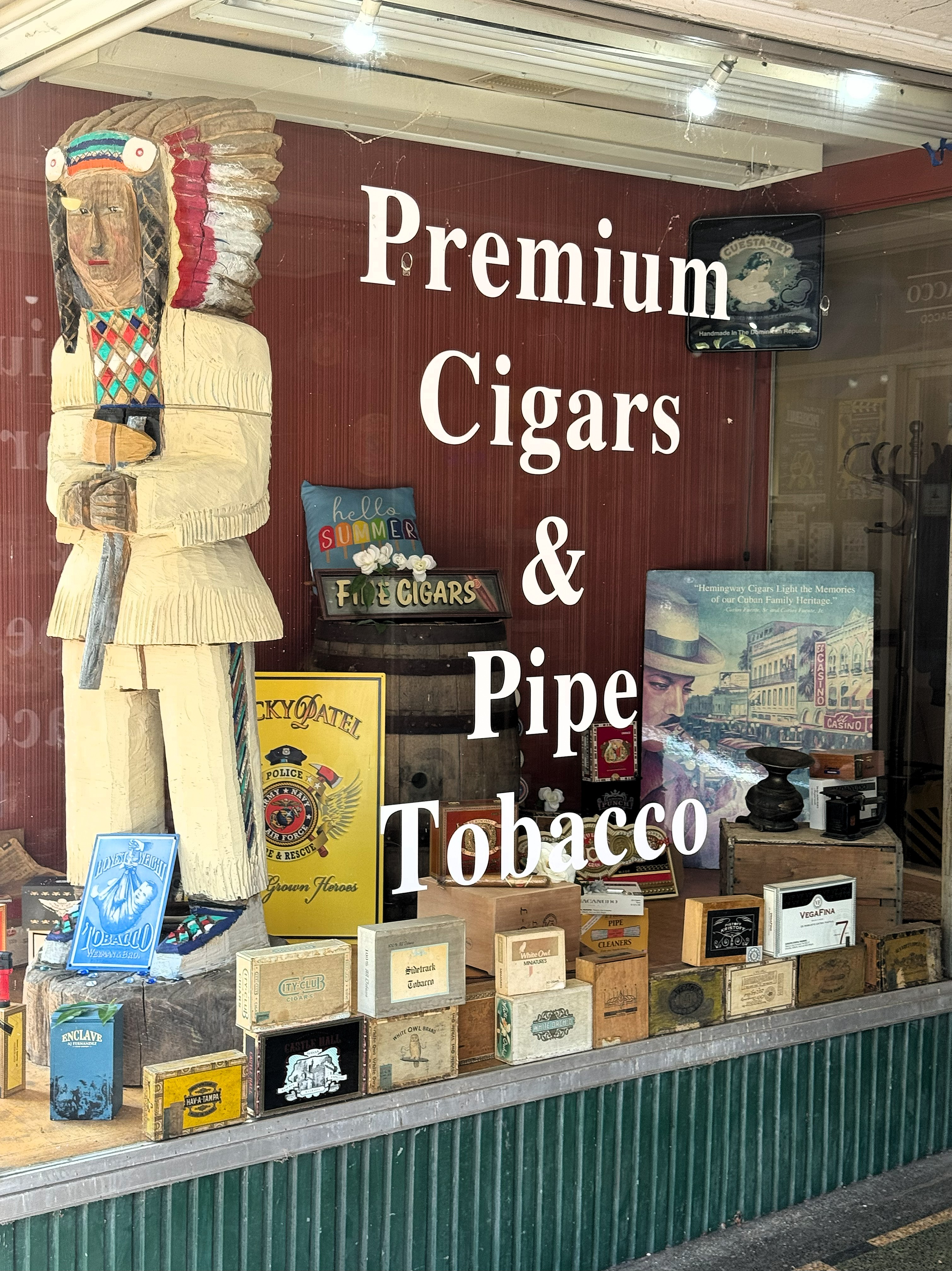
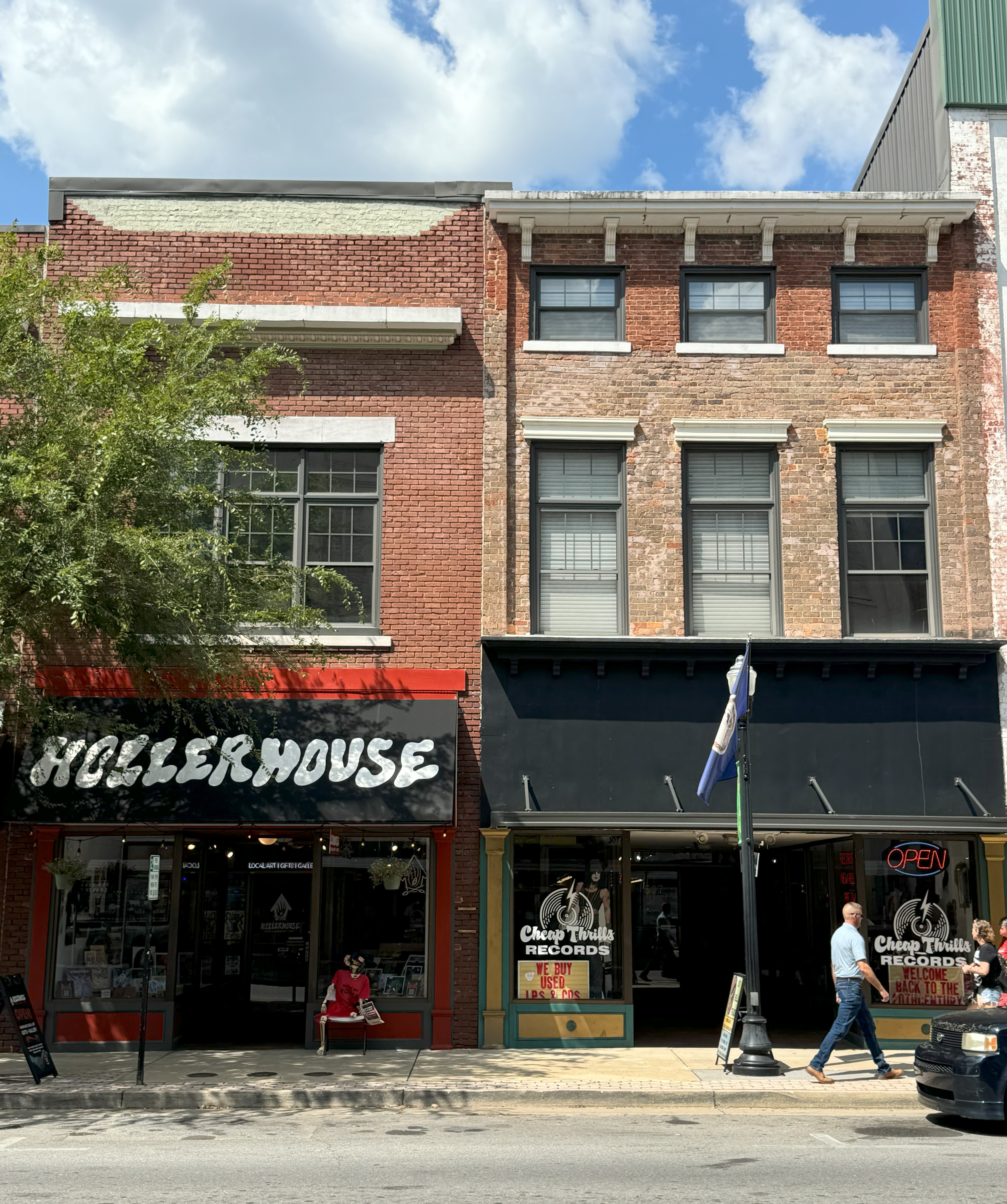
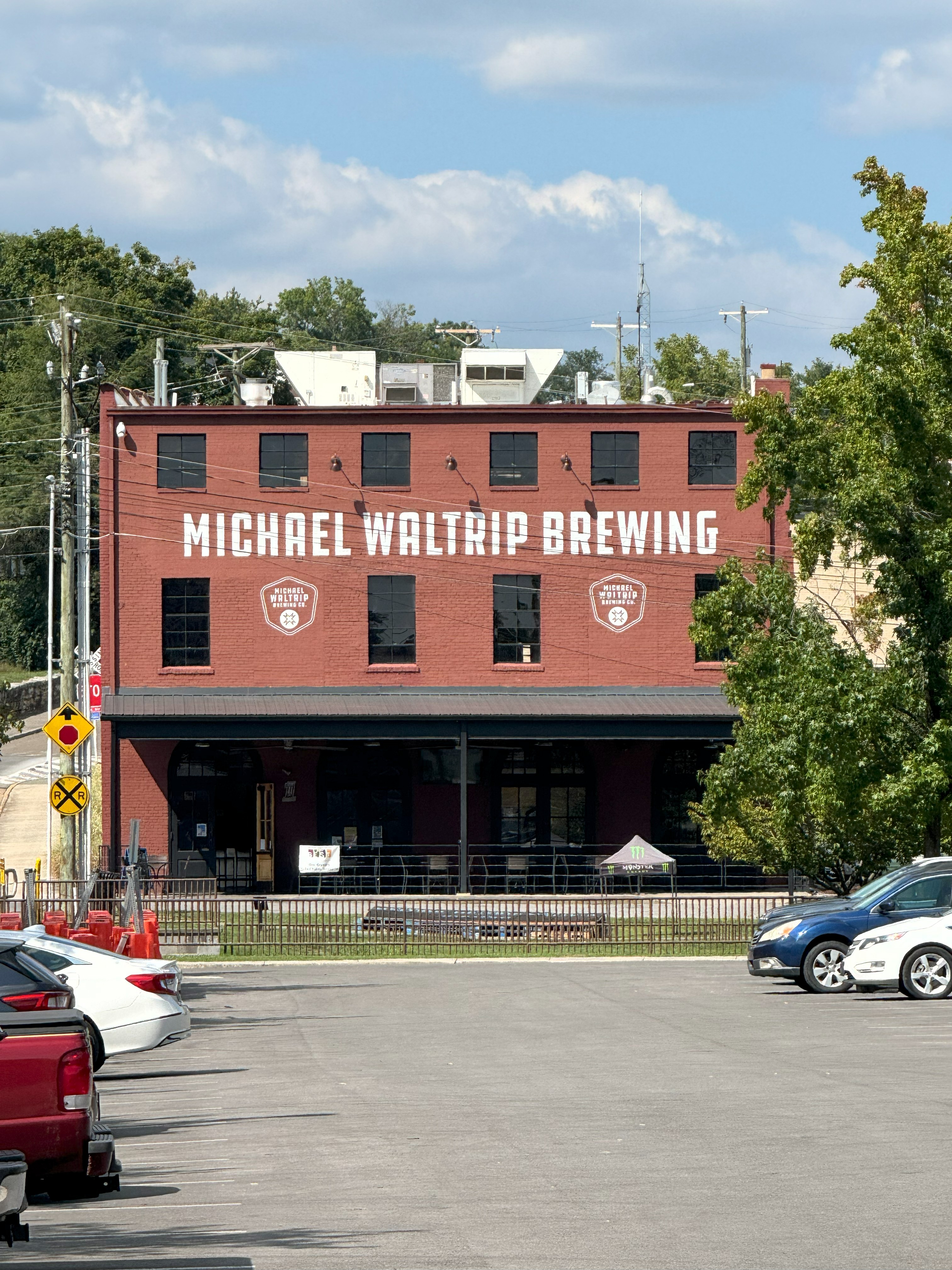
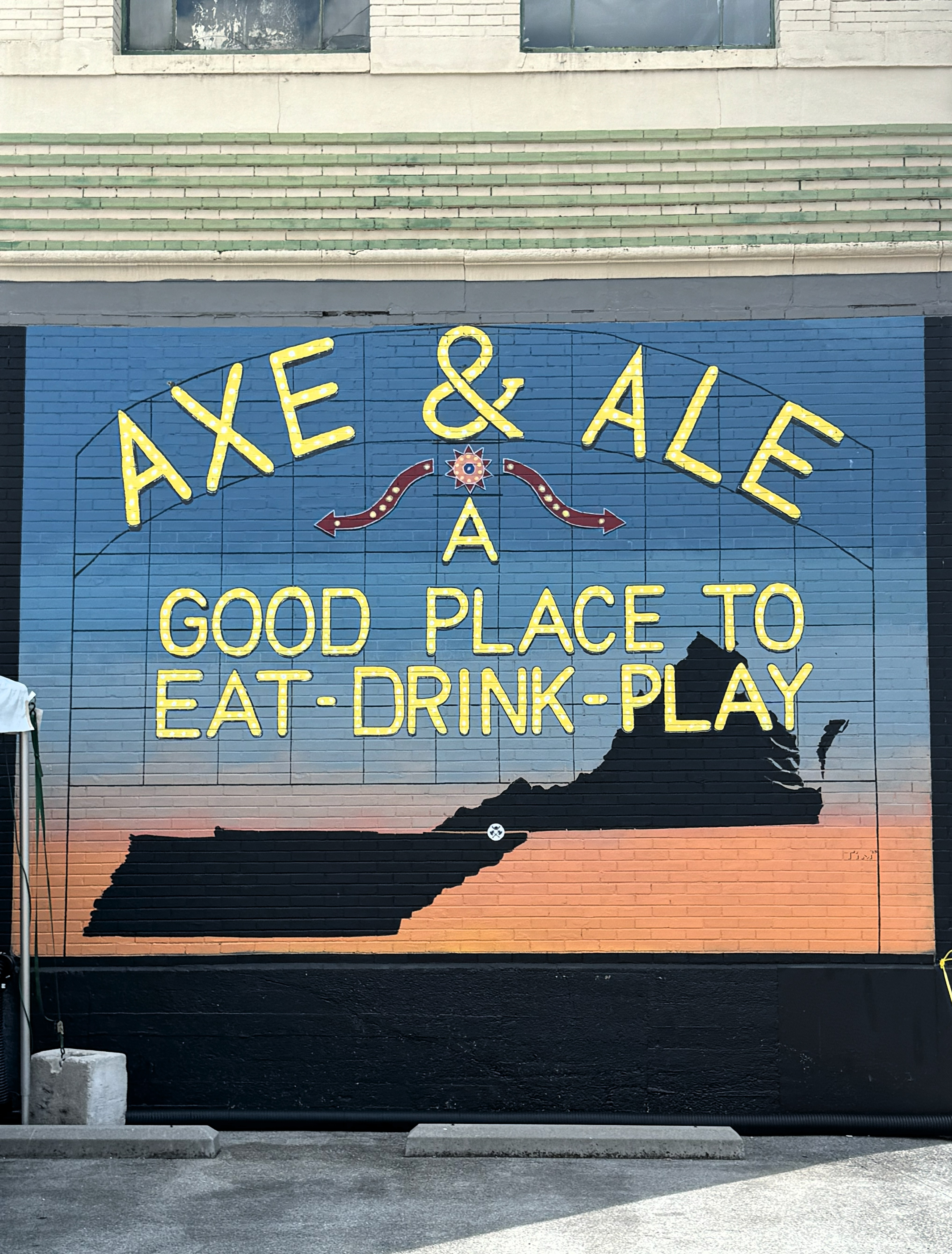
Have a look for yourself — except for the two mid-street shows below, all of these are photos of the Virginia side of the street:

Here’s to the Axe & Ale, the Corner Bar & Grill, Michael Waltrip Brewing, and an art gallery — the HollerHouse of Bristol.

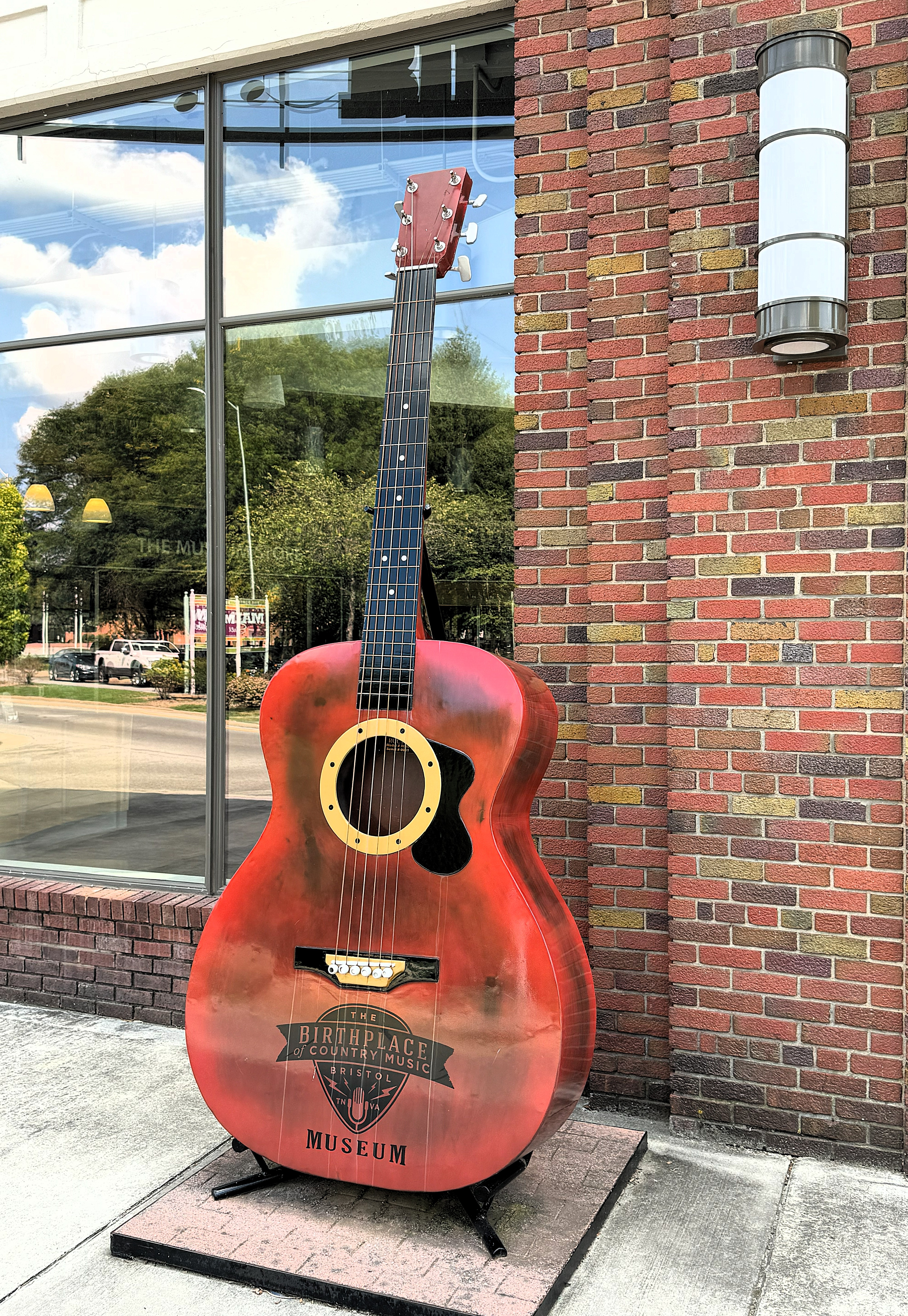
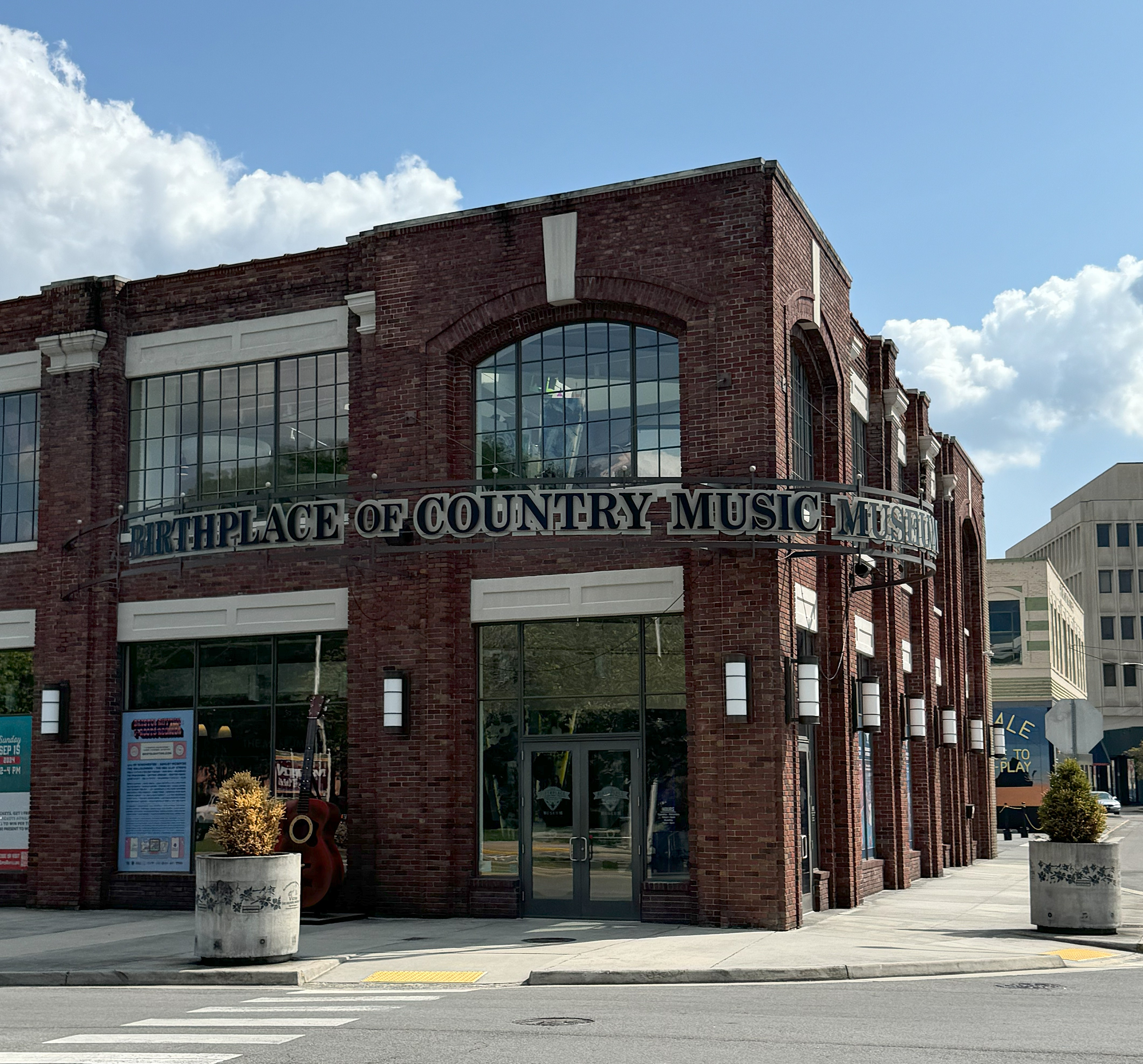
Bristol, Virginia, also boasts a great musical history and is the home to the Birthplace of Country Music Museum.

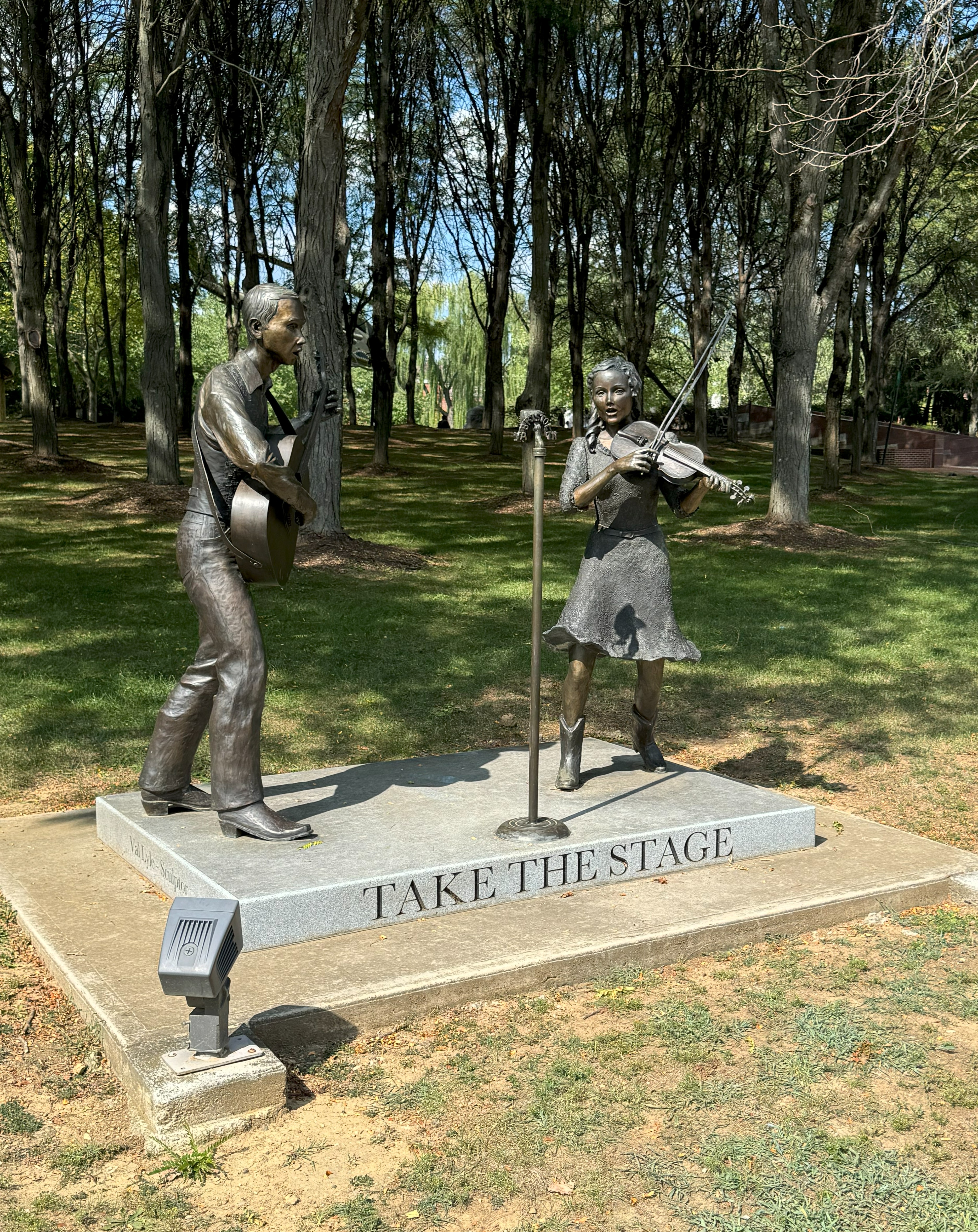
Below: a statue of a country music duo in Cumberland Park, and a Virginia road sign for the Crooked Road — Virginia’s music heritage roadway and trail.

If you’re curious, the Tennessee side of town is the larger of the two Bristols. Bristol, Tennessee, has a population of about 27,000, while Bristol, Virginia, has only 17,000 residents. Historically, the Tennessee city has always been larger than its counterpart, and this disparity has grown in recent years due to Tennessee’s more favorable tax policies compared to Virginia. Also, Bristol, Tennessee, can boast of the Bristol Motor Speedway.

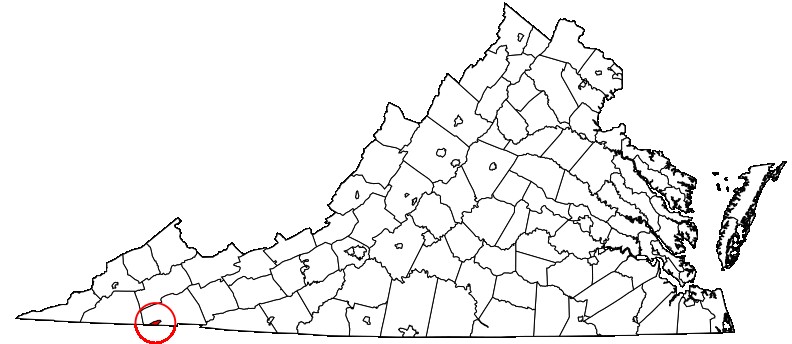
Bristol, Virginia, within the state of Virginia

Click here for a list of all TimManBlog American County Seats Series posts.
The photos in this post were taken on July 9, 2023, and are copyrighted by Tim Seibel.

Donations to TimManBlog

I post about a visit to one of America’s 3,150 county seats each month. Donations are greatly appreciated to help defray my travel costs.

$5.00

Check out the FREEDOM VOYAGES book series! These books document my road trips across the United States and include hundreds of stunning photographs. Each of the four books in the series is available on Amazon and Barnes & Noble. This includes my most recent release, FREEDOM VOYAGES Volume 4: Christmastime in Texas!

FREEDOM VOYAGES Volume 4: Christmastime in Texas. Available at Amazon.com and Barnes & Noble.

Earlier volumes in the FREEDOM VOYAGES series are also available:
Vol. 1: North-Central North Dakota
Vol. 2: Go West! From the Loneliest Road in America to California’s Gold Country
Vol. 3: A Proud, Dignified People in Lincoln’s Illinois

All FREEDOM VOYAGES books are on sale at Amazon.com and Barnes & Noble.

Discover Abbeville: A Gem in Louisiana’s Cajun Country

Please consider donating to support my travels using the form at the bottom of the post. PayPal, Visa, American Express, Mastercard, Discover, and Maestro are accepted. Thank you.

February 27, 2025

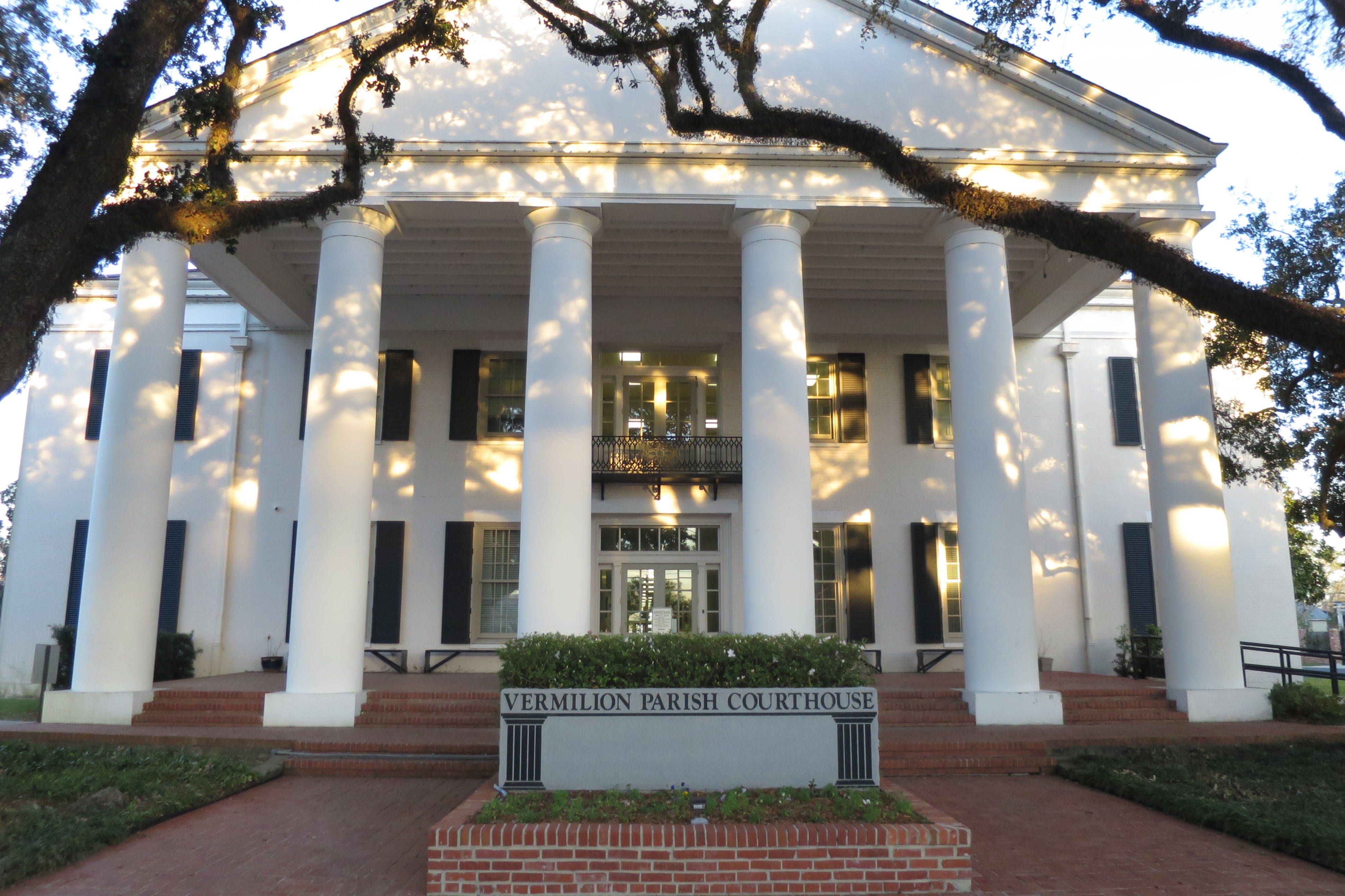
The Vermilion Parish Courthouse in Abbeville, Louisiana

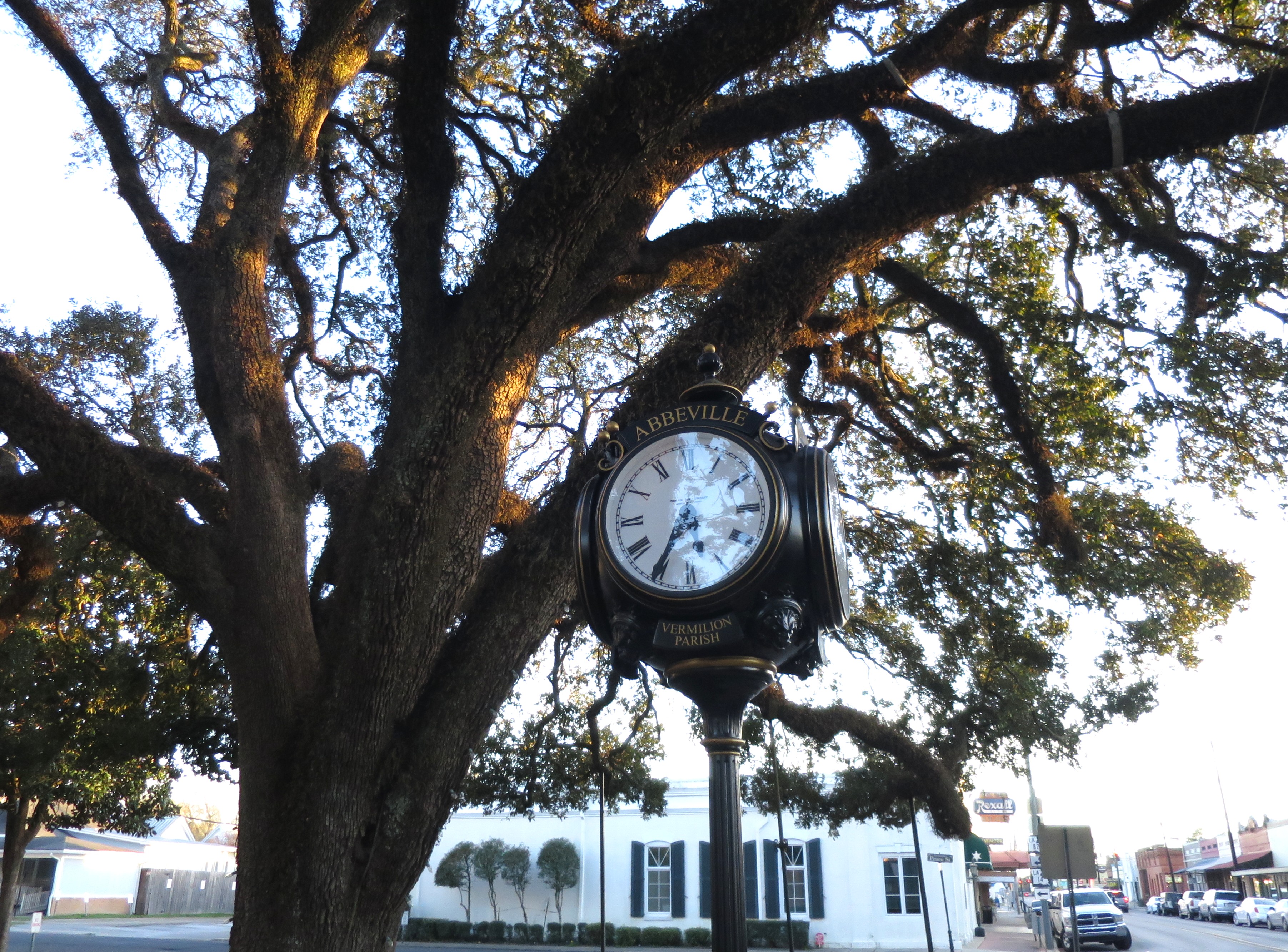
In February 2017, I enjoyed a long February drive along Louisiana’s coastal wetlands to the exemplary town of Abbeville. This Cajun town sits along the slow-moving waters of Bayou Vermilion, and 12,000 people call Abbeville home. Abbeville is a beautiful place; I’ll describe it starting at the town center.

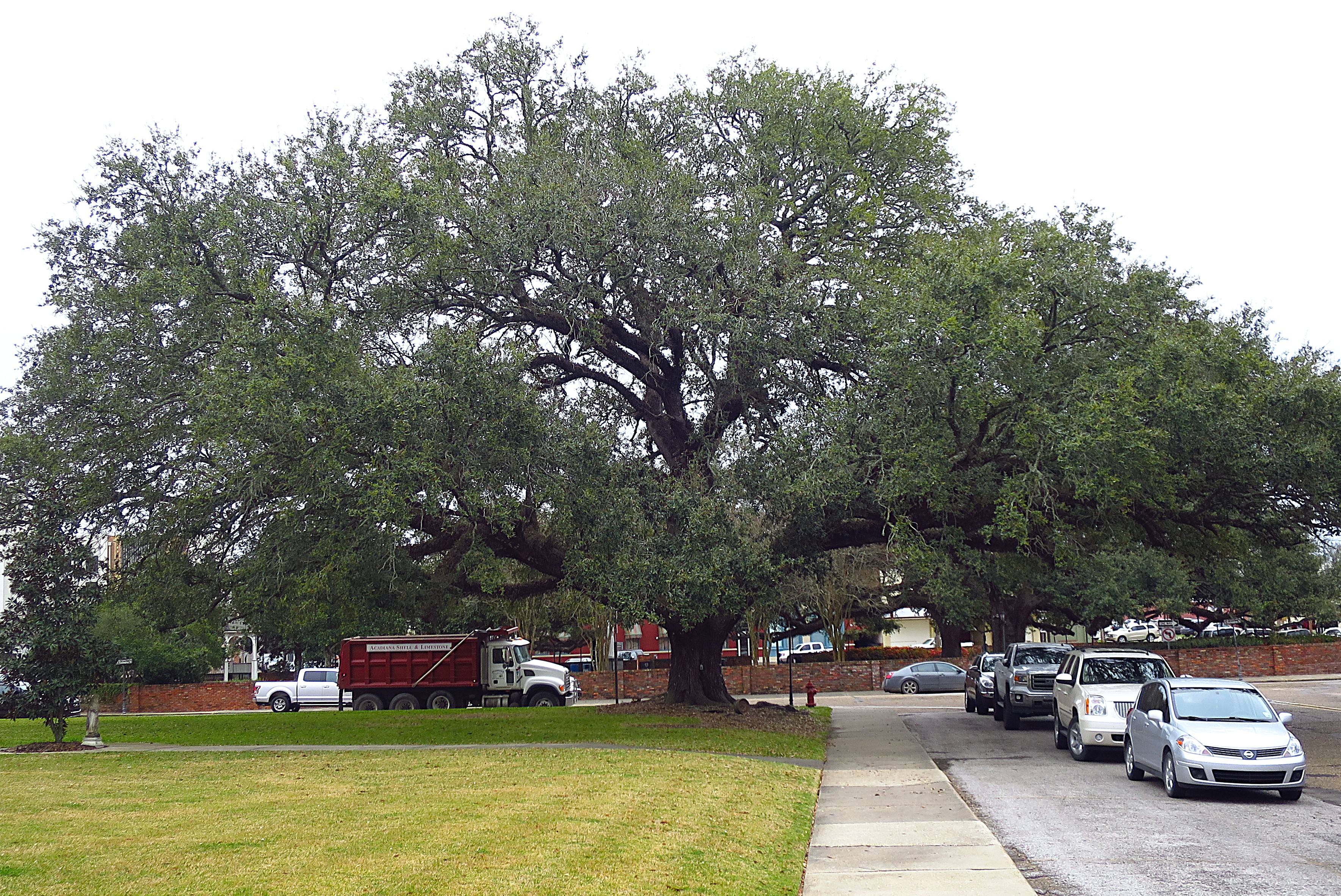
A French priest named Antoine Désiré Mégret purchased the land that became Abbeville in 1843. He named the town for his birthplace, Abbeville, a beautiful town in northern France. Father Mégret’s statue stands beneath the shade of some live oak trees next to the parish church he founded. His biography is carved into the sides of the statue. One side is in English, and the other is in French.

Statue of Abbeville’s founder, Père Antoine Désiré Mégret.

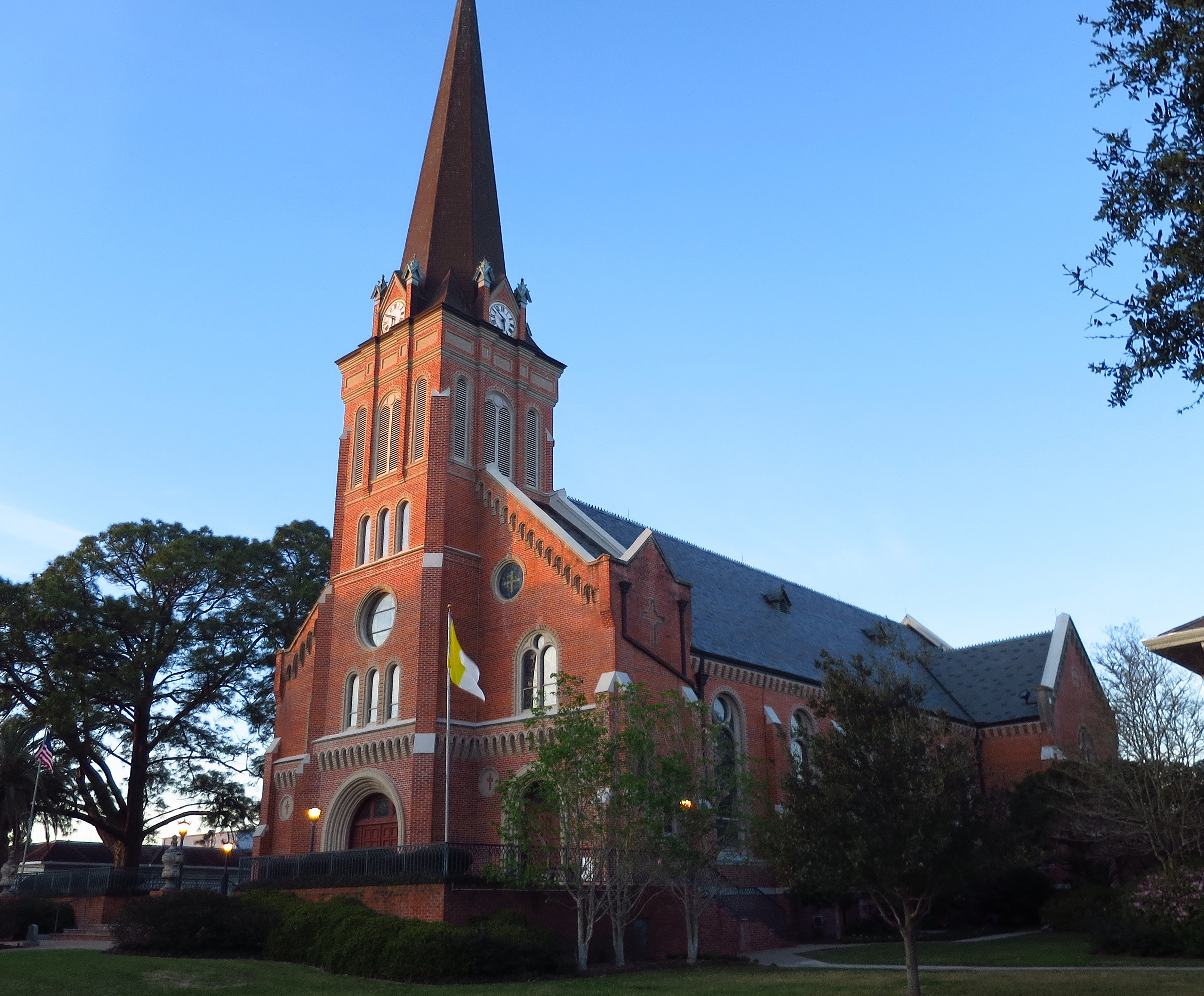
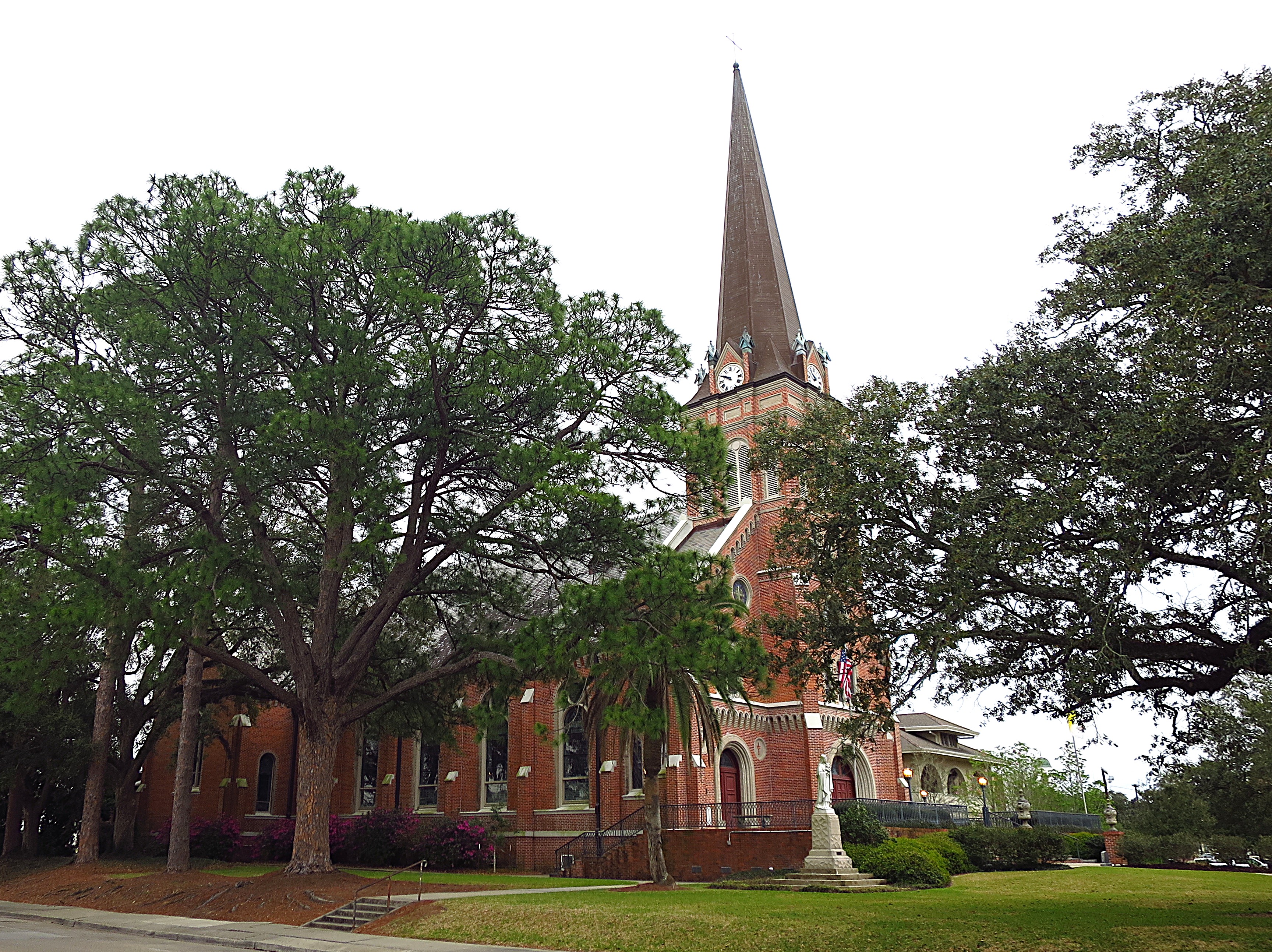
Father Megret’s original chapel burned down in 1907. To replace it, local parishioners built St. Mary Magdalen Church in 1910. The church is listed on the National Register of Historic Places.
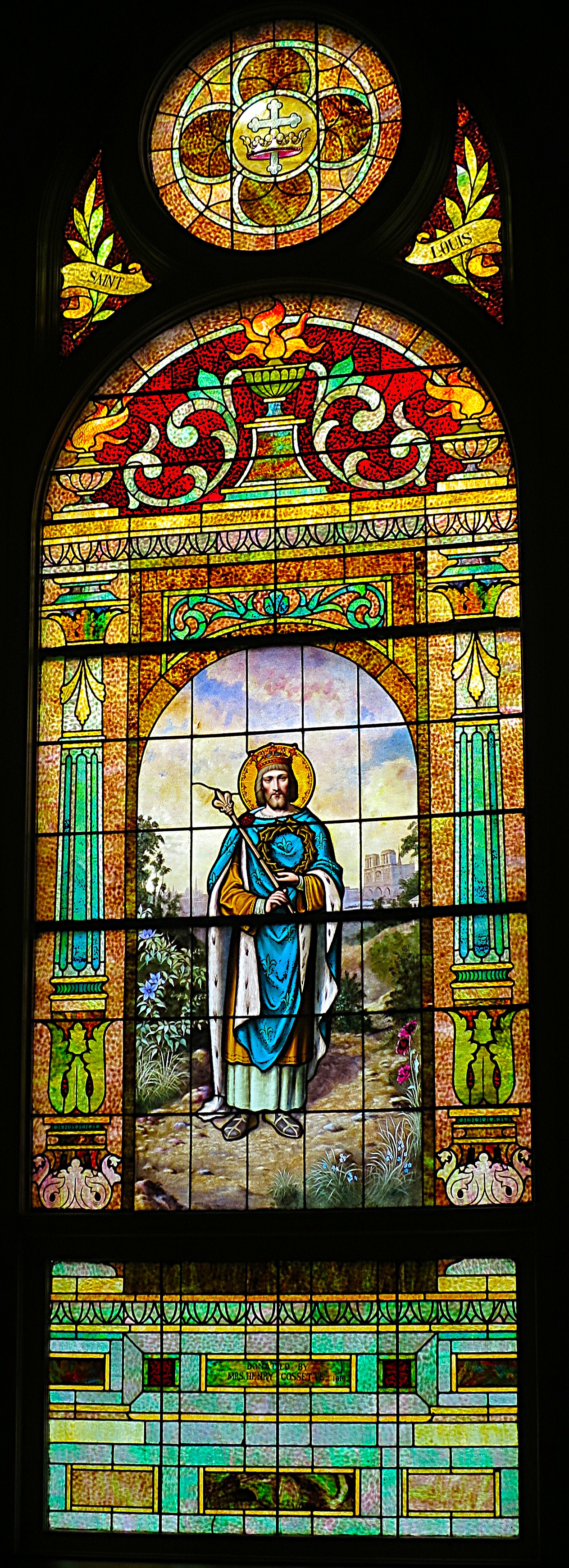
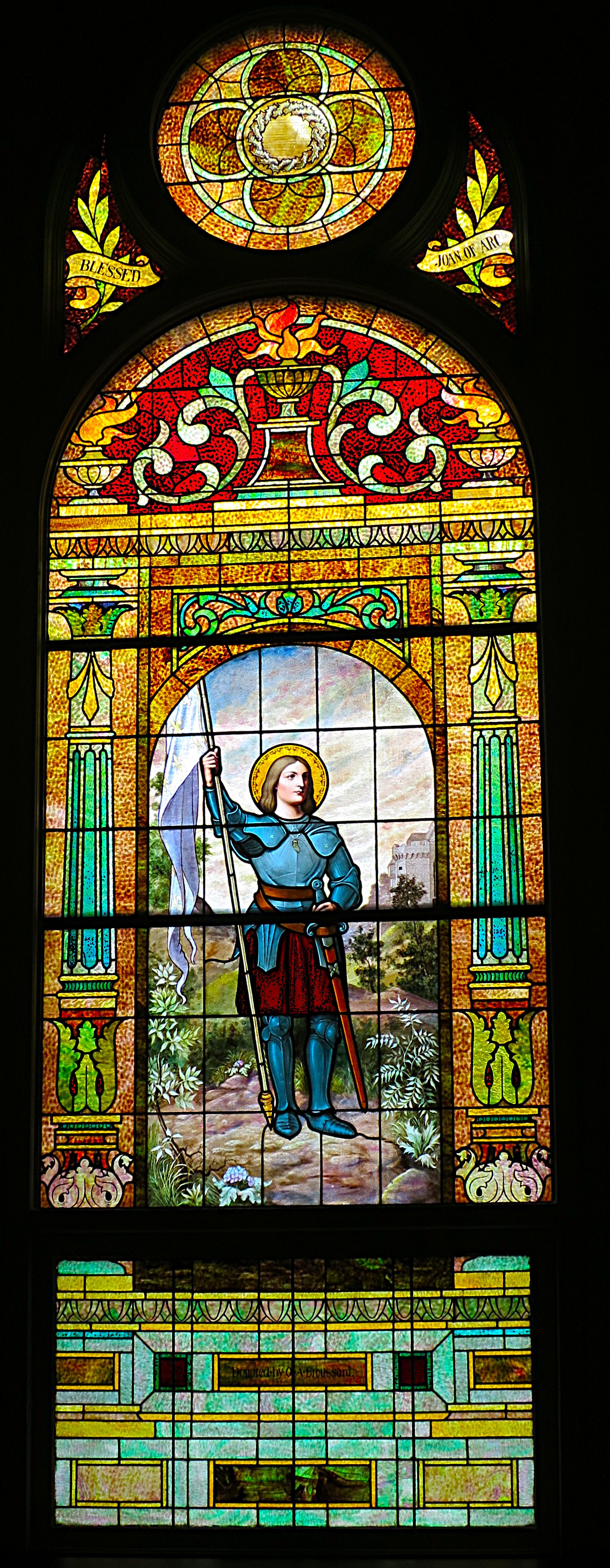
Below are photos of the interior of St. Mary Magdalen Church. The stained-glass figure on the left is France’s Saint Louis, and on the right is Joan of Arc.

Like many southwest Louisiana towns, Abbeville was settled by descendants of French Acadians. Known as “Cajuns,” these people fled Nova Scotia after the British victory in the French and Indian War. The part of Louisiana known for Cajun culture is now known as Acadiana.

Some of the colorful buildings of Abbeville are reminiscent of old French towns and castles. But, for the most part, Abbeville is unmistakably Louisianan.

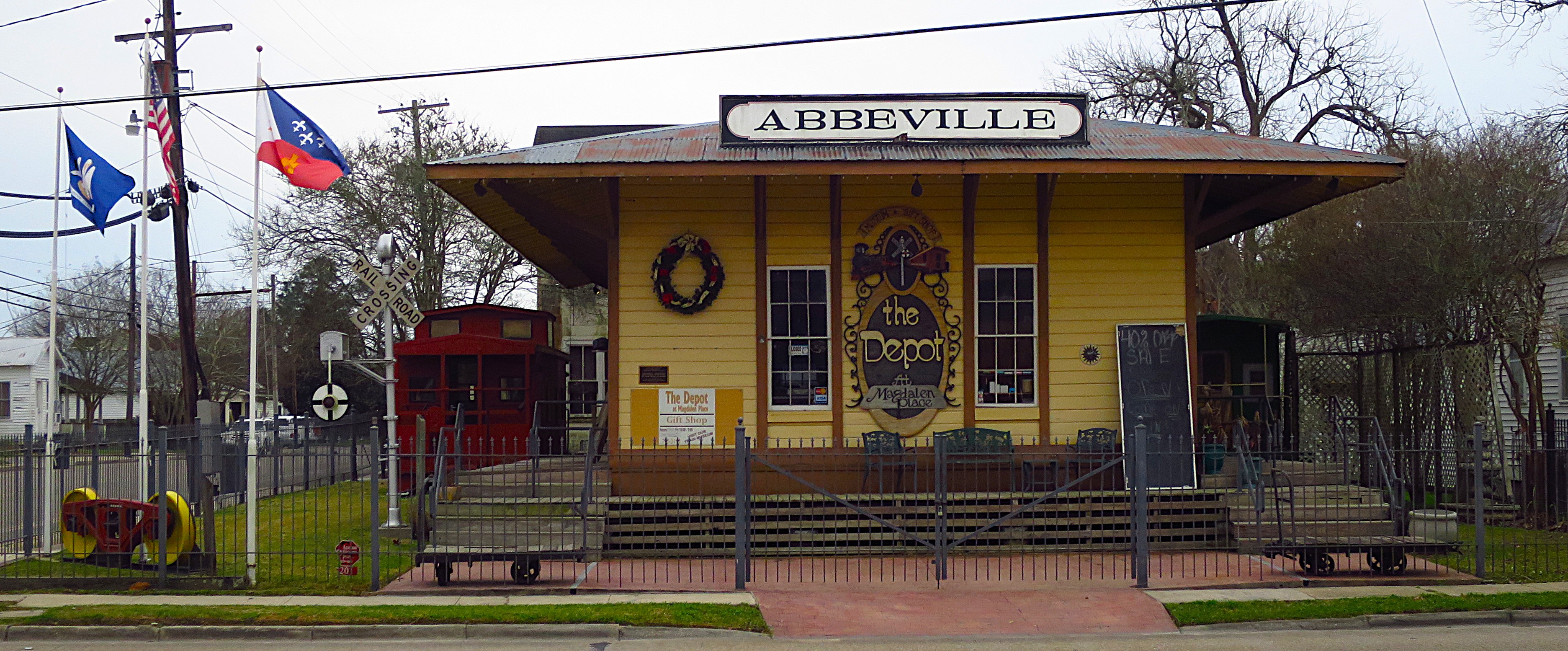
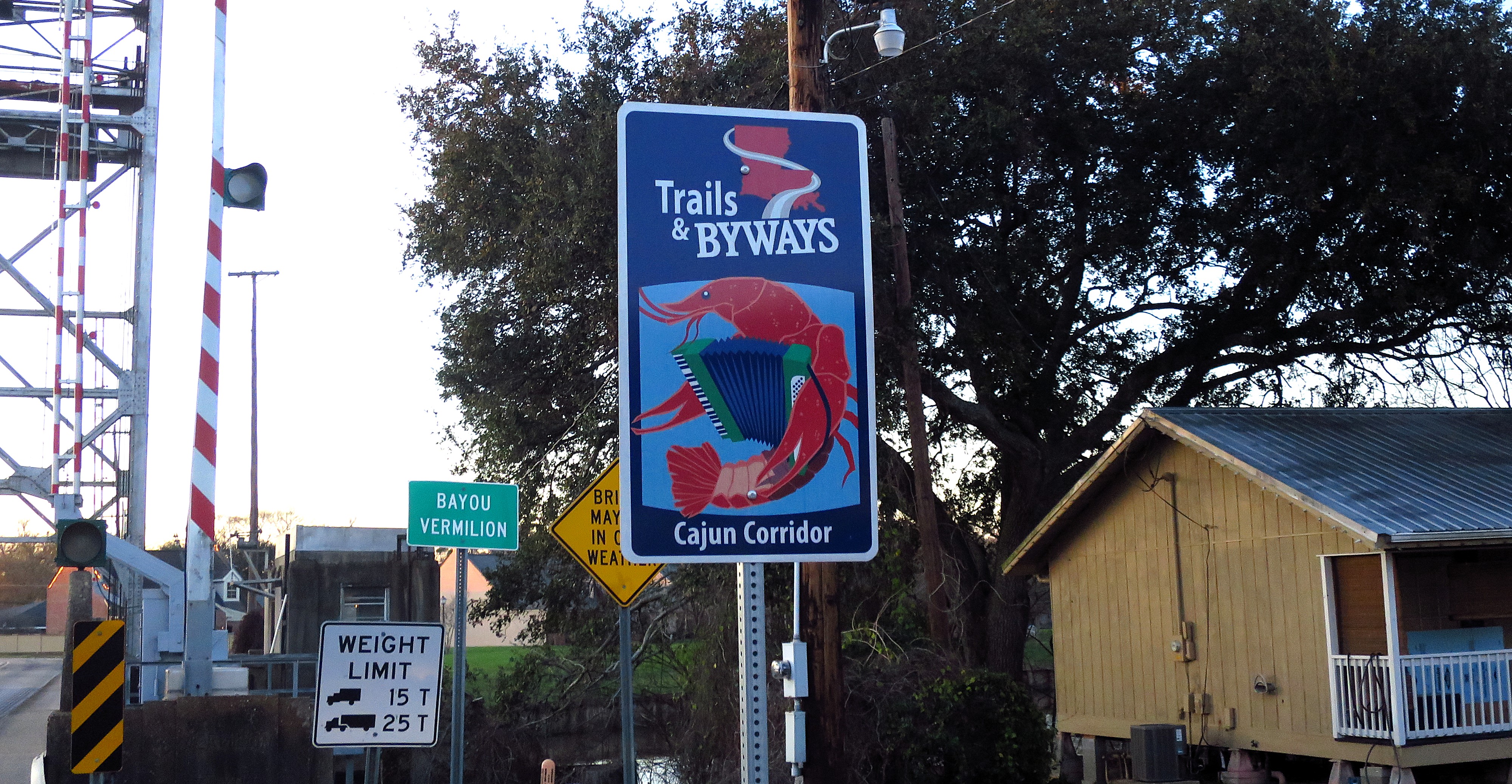
Clockwise from top: the old Abbeville Train Depot, Blacks’s and a bayou street mural, an open oyster painted on a building’s side, a colorful business block, a highway sign for Louisiana Trails & Byways next to a steel bridge over Bayou Vermilion, and a castle-like town building (probably once a bank.)

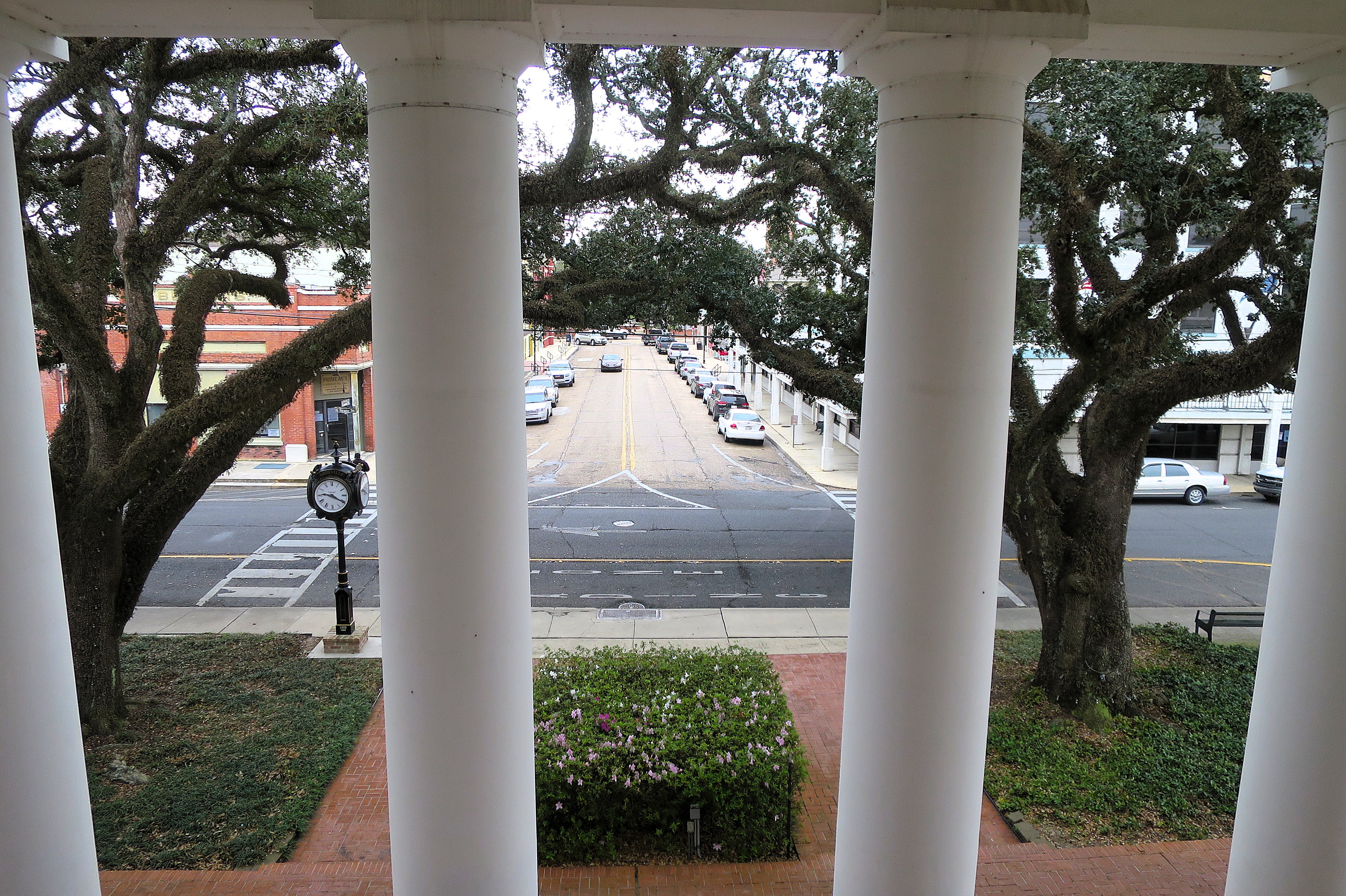
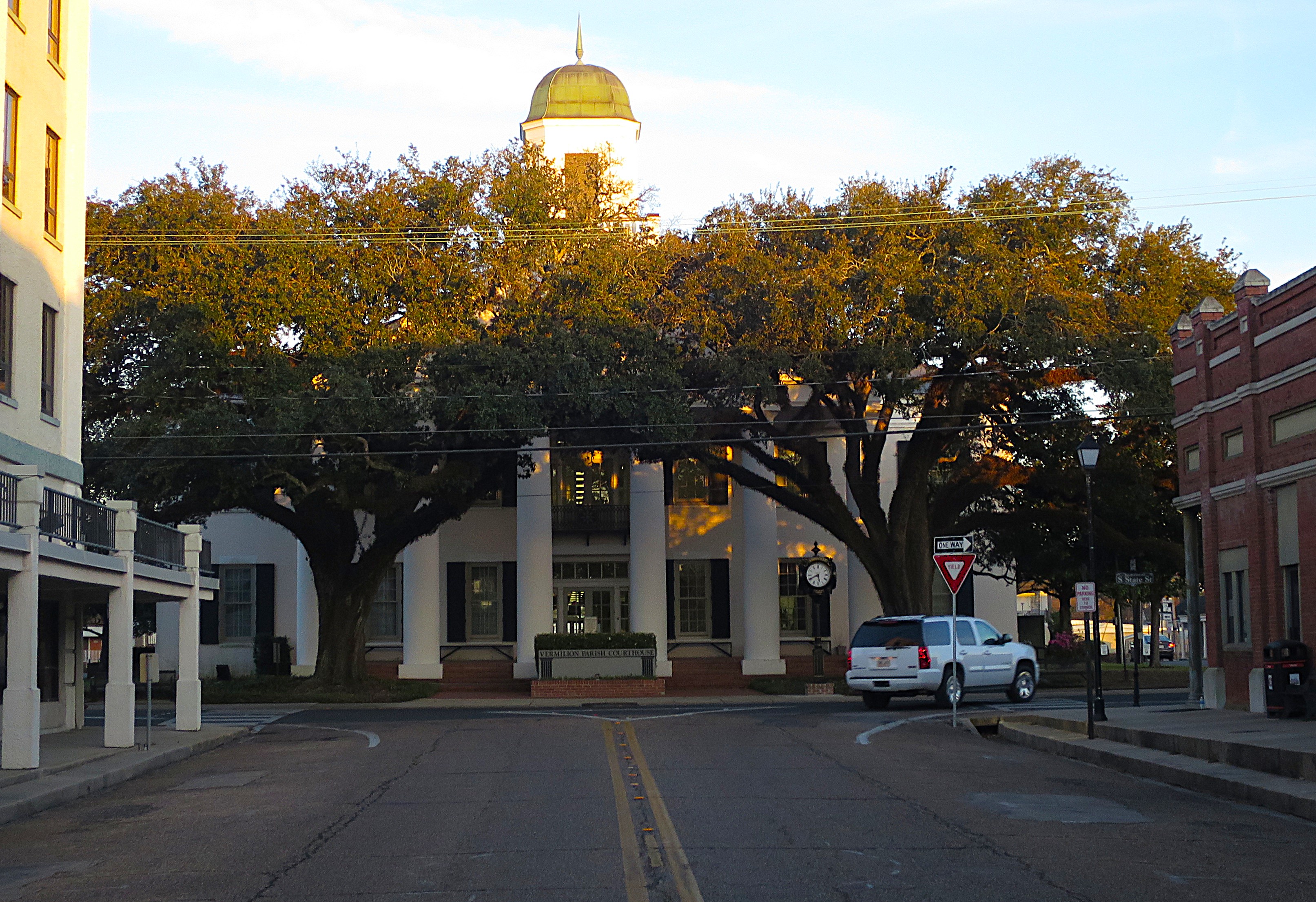
As you probably have heard, Louisiana has “parishes” instead of “counties.” Abbeville is the seat of Vermilion Parish. The pillars of the Vermilion Parish Courthouse mark end of Concord Street, Abbeville’s main business street. Below (left) is a view of the courthouse at the end of the street. Below (right) is a view of Concord Street from behind the courthouse pillars.

Here’s a wider view of the courthouse at the end of Concord Street. State Street runs north and south in front of the building.

The Vermilion Parish Courthouse at the end of Concord Street. Abbeville, Louisiana.

(below) A bright chandelier inside the courthouse entrance lights a spiraling staircase leading from the entrance to the second floor.

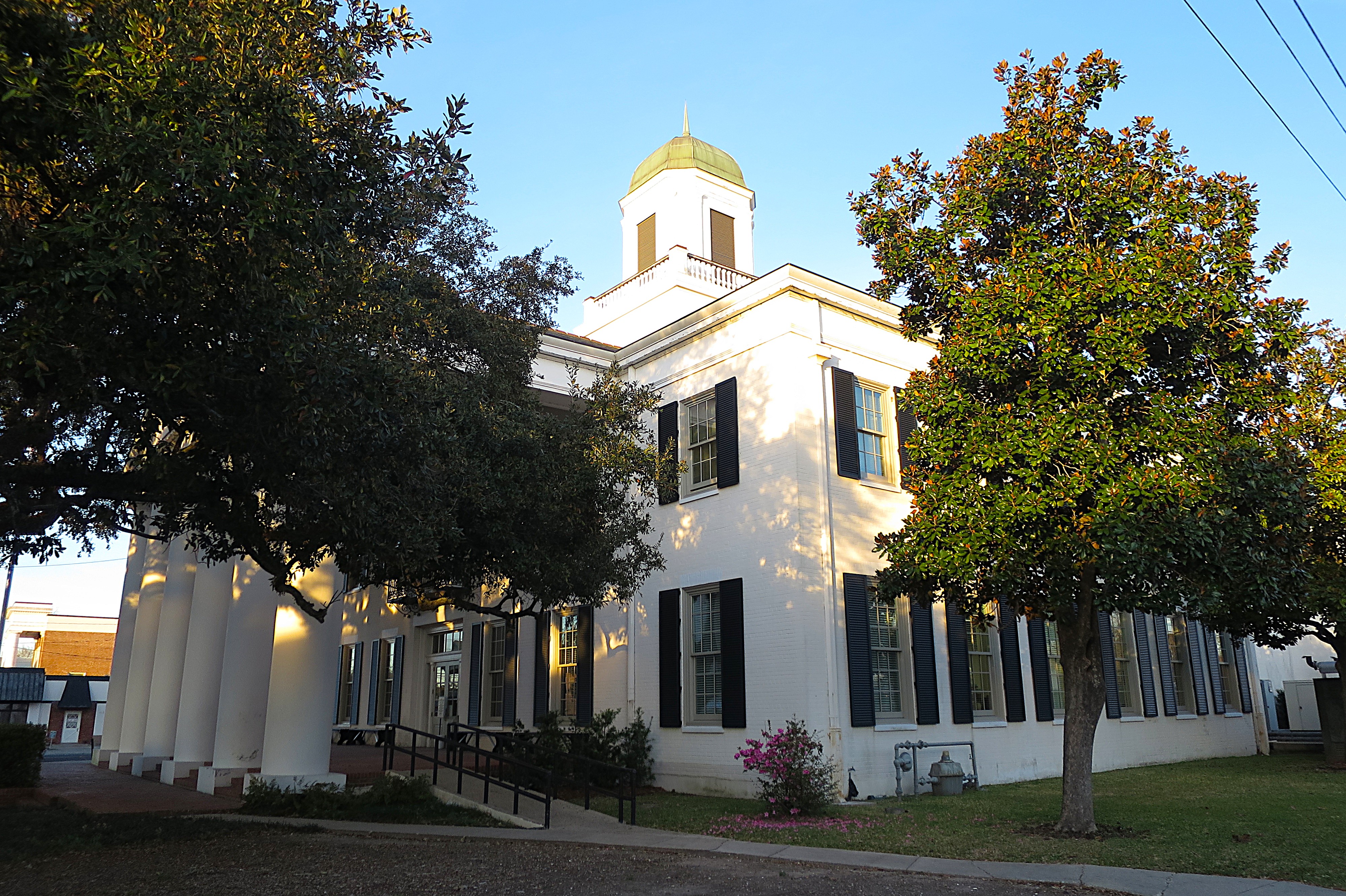
Below left: the courthouse and the trees around it.
Below right: A 9-11 Memorial on the courthouse lawn. Vermilion Parish is one of many American localities that have constructed 9-11 memorials. This is despite being many hundreds of miles away from the events of that day.

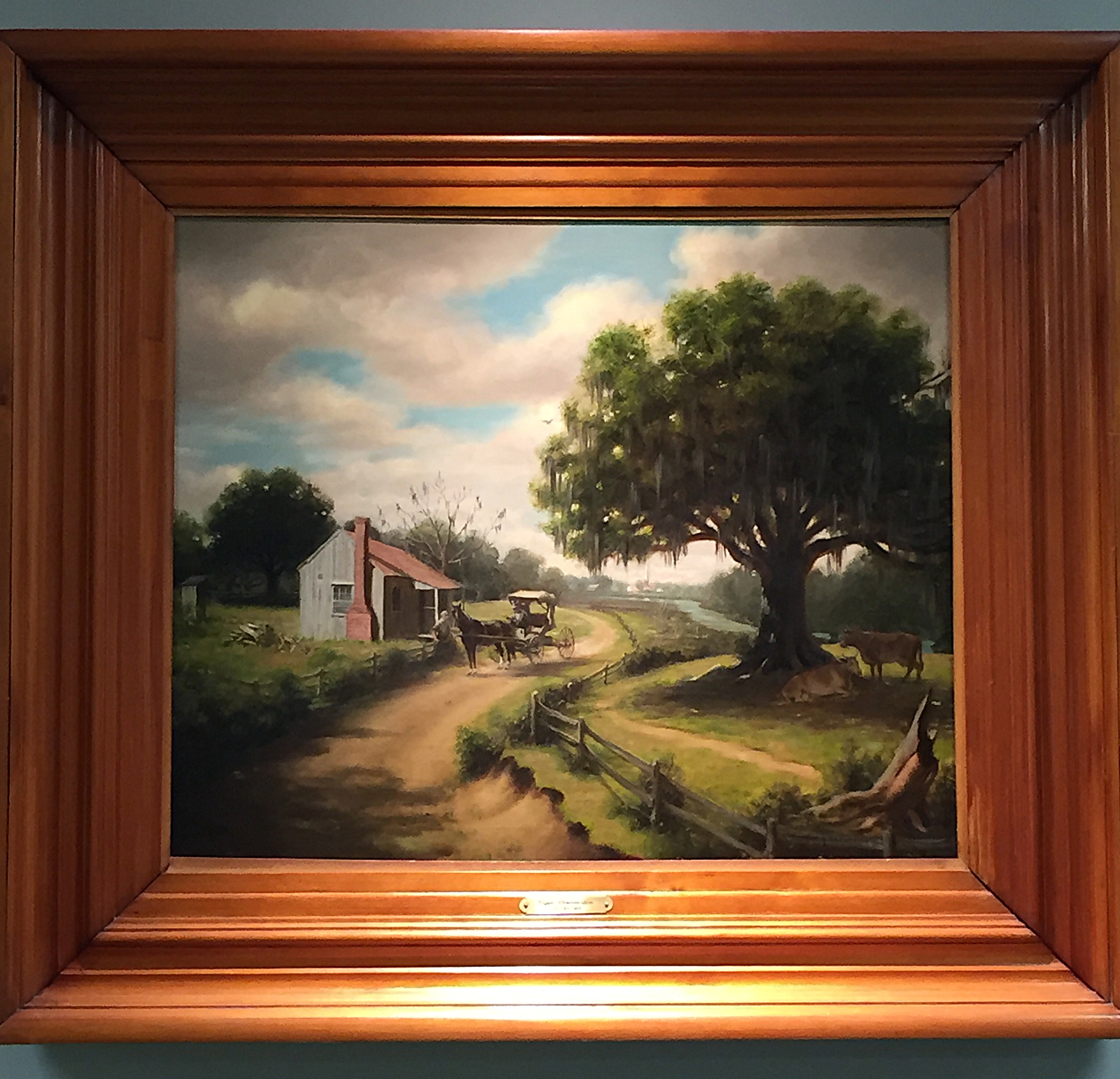
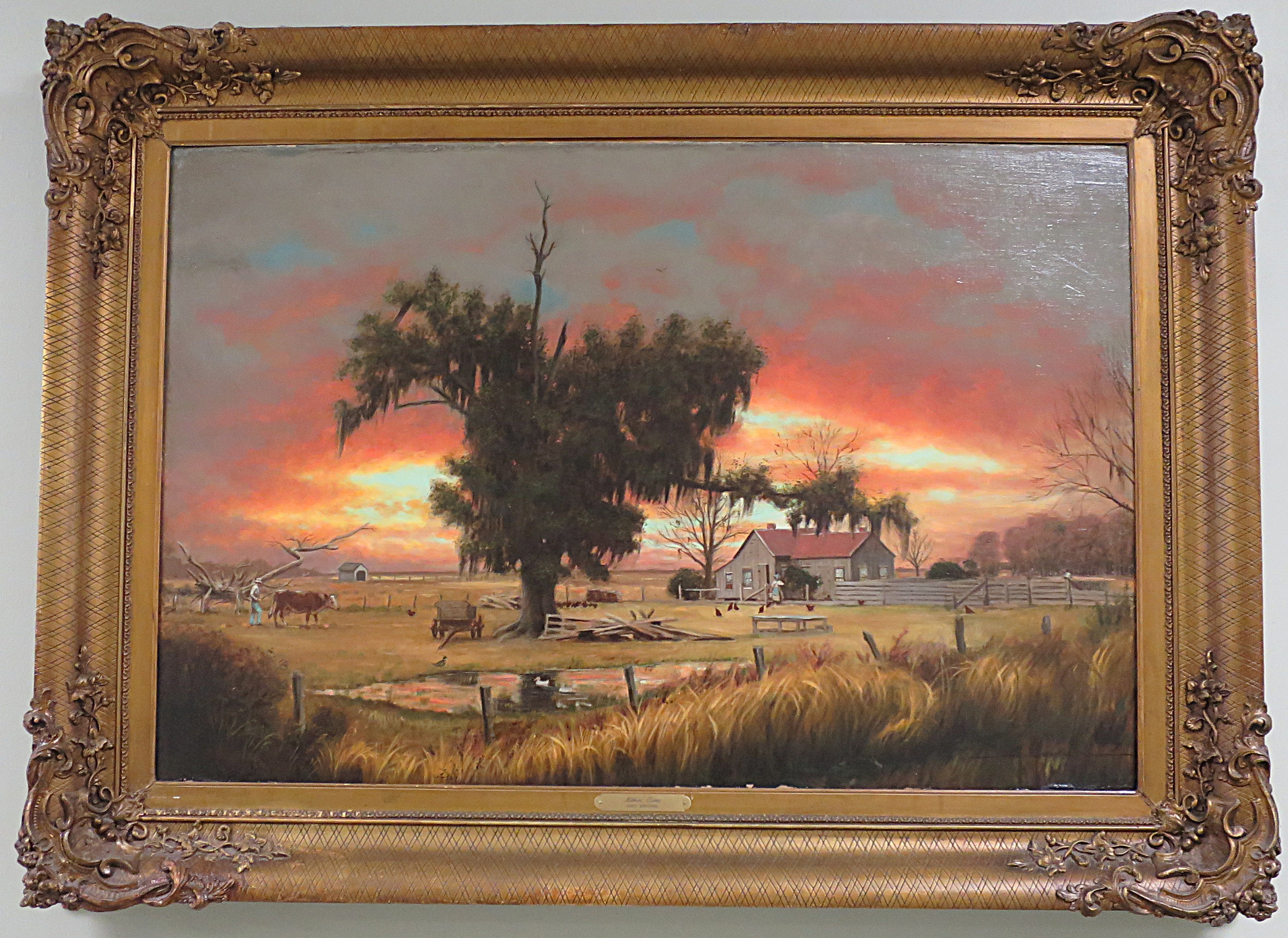
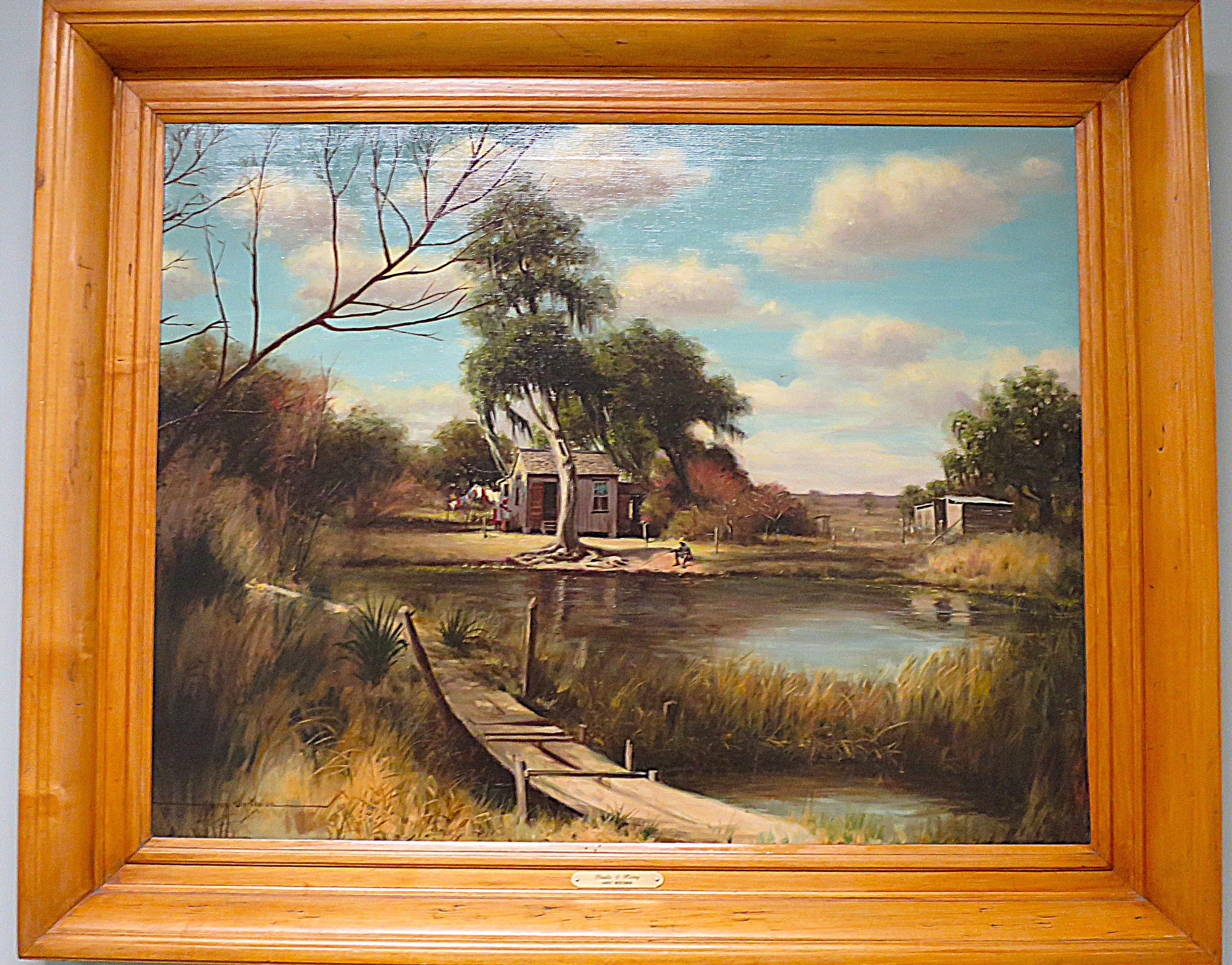
A collection of stunning oil paintings adorns the walls of the courthouse hallways. Most of these paintings showcased Cajun rural life in the area, capturing the essence of southwestern Louisiana. The countryside I drove through features a blend of farms and bayous, with a few charming towns scattered about. I found these paintings fascinating because they vividly reflected what I saw through my car window.

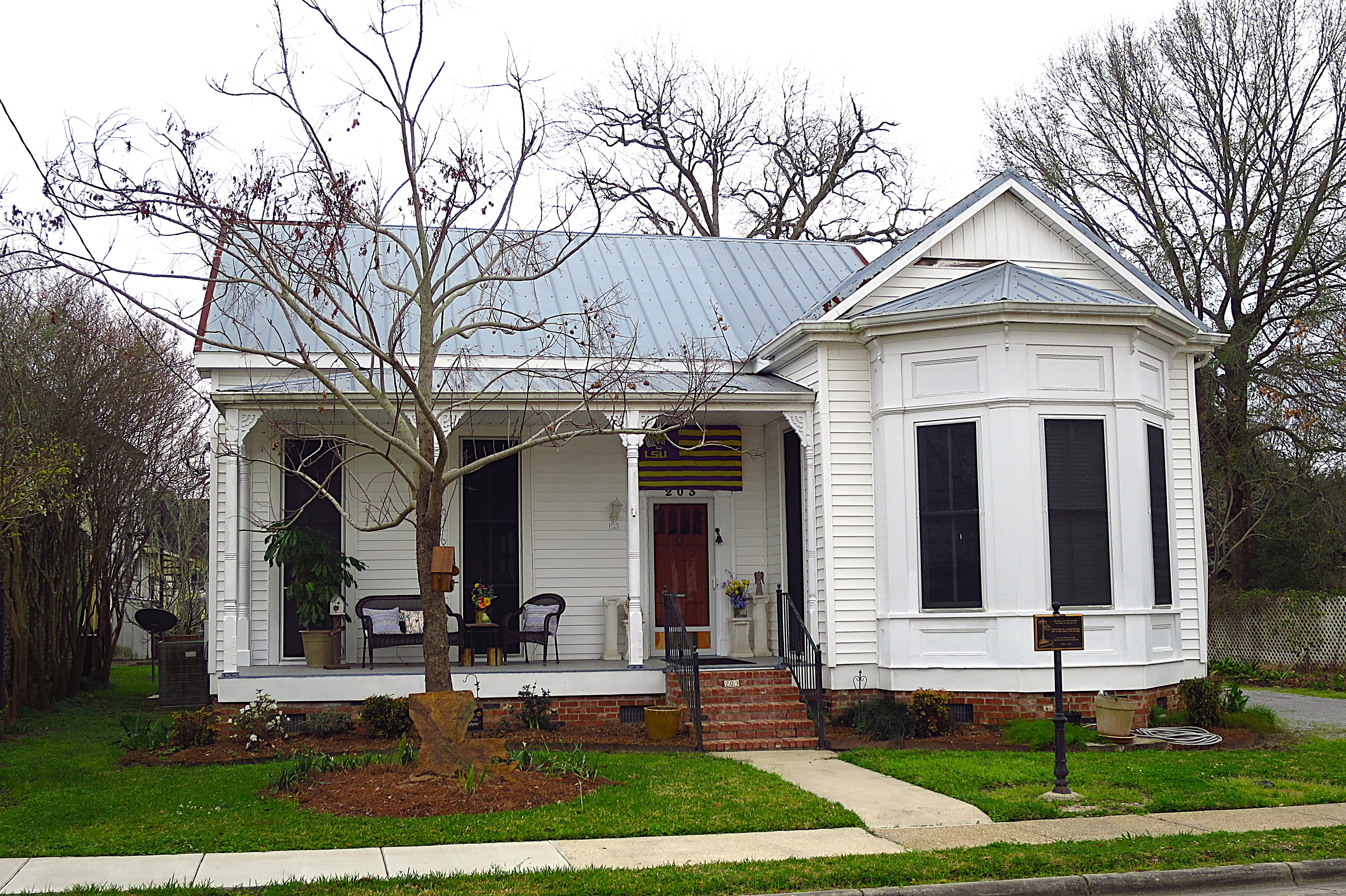
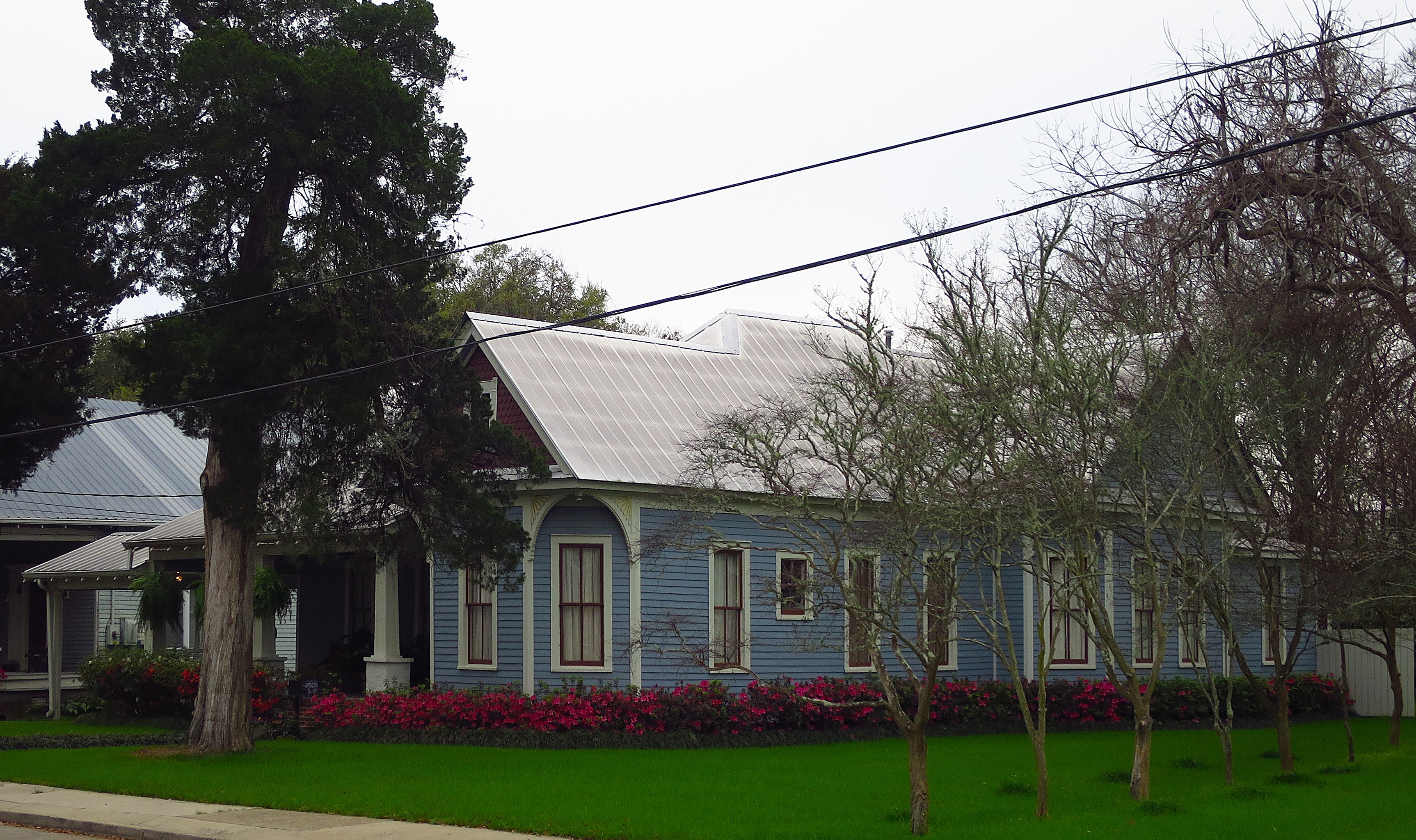
I had a little time to walk around the nearby residential streets before dark. I found several lovely old homes with well-trimmed yards.

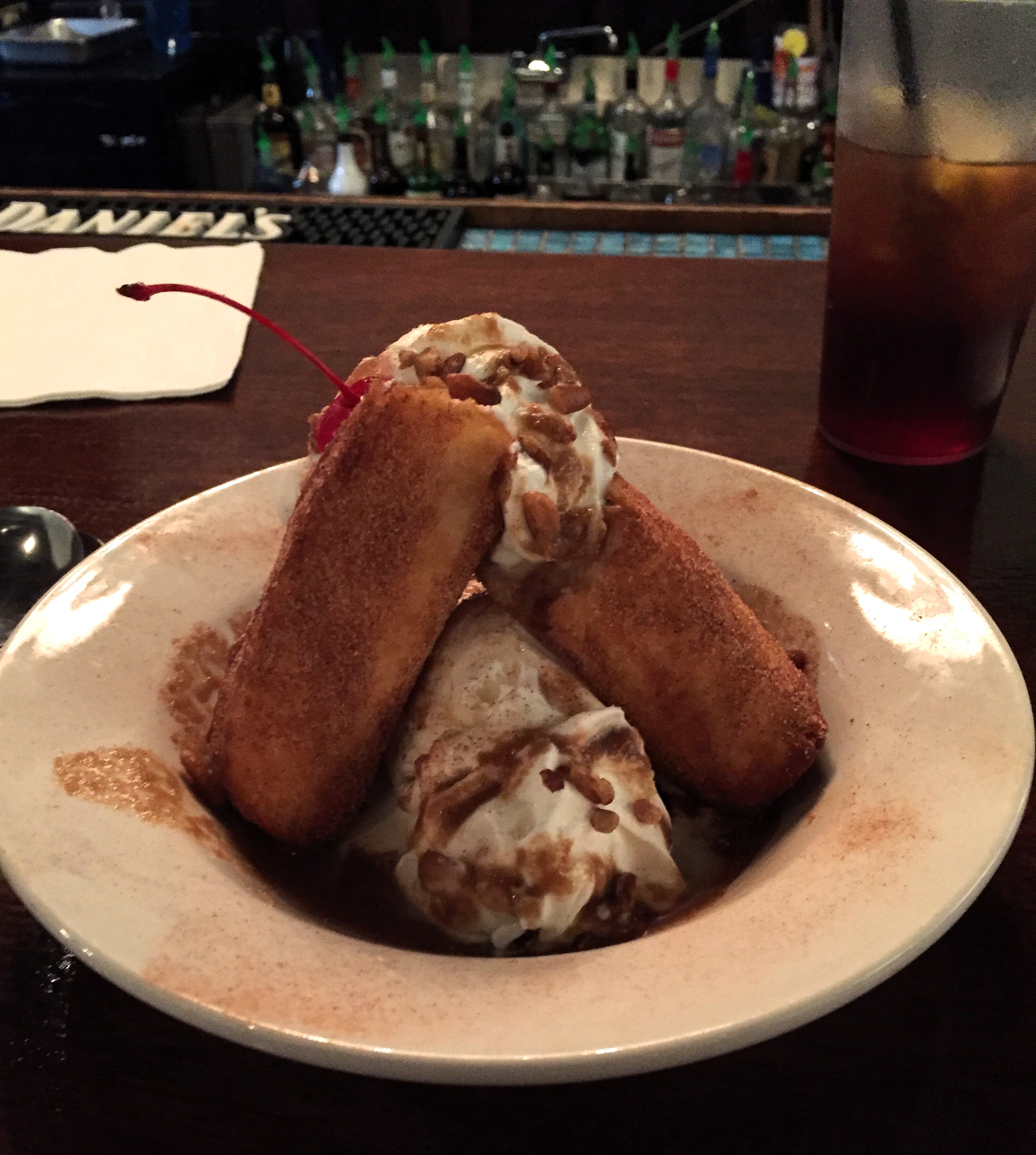
An old Cajun man sitting in the park saw me and my camera and started explaining his town. Looking for a sample of excellent Cajun cuisine, I asked for a restaurant recommendation, and he gave me three. I have to admit — I ate the gumbo so eagerly that I forgot to take a photograph. I have nothing to share in that regard, but the dessert was special too.

Dessert in Abbeville, Louisiana
Vermilion Parish within the state of Louisiana

Here is a link to a list of all posts in the American County Seats Series in TimManBlog — link.
The author took all the photos in this post on February 16 and 17, 2017.

America’s county courthouses are my hobby. Each month, I post about a visit to a scenic or exciting county seat. Donations are greatly appreciated to help cover my costs.

Donations to TimManBlog

Please use this form to donate to my travel writing. (Change the number in the ‘Price’ box to increase the donation amount.) The form accepts PayPal, Visa, Mastercard, Amex, Discover, and Maestro.

$1.00

Check out the FREEDOM VOYAGES series! These books document my road trips across the United States and include hundreds of stunning photographs. Each of the four books in the series is available on Amazon and Barnes & Noble. This includes my most recent release, FREEDOM VOYAGES Volume 4: Christmastime in Texas!

FREEDOM VOYAGES Volume 4: Christmastime in Texas. Available at Amazon.com and Barnes & Noble.

Earlier volumes in the FREEDOM VOYAGES series:
Vol. 1: North-Central North Dakota
Vol. 2: Go West! From the Loneliest Road in America to California’s Gold Country
Vol. 3: A Proud, Dignified People in Lincoln’s Illinois

Litchfield, Connecticut: ‘A Stop at Willoughby’

September 29, 2024 — photos and memories from my visit in September 2013.
(You can support this site with a donation via Paypal, Visa, Amex, Mastercard, or Discover by using the form at the bottom. Thank you.)

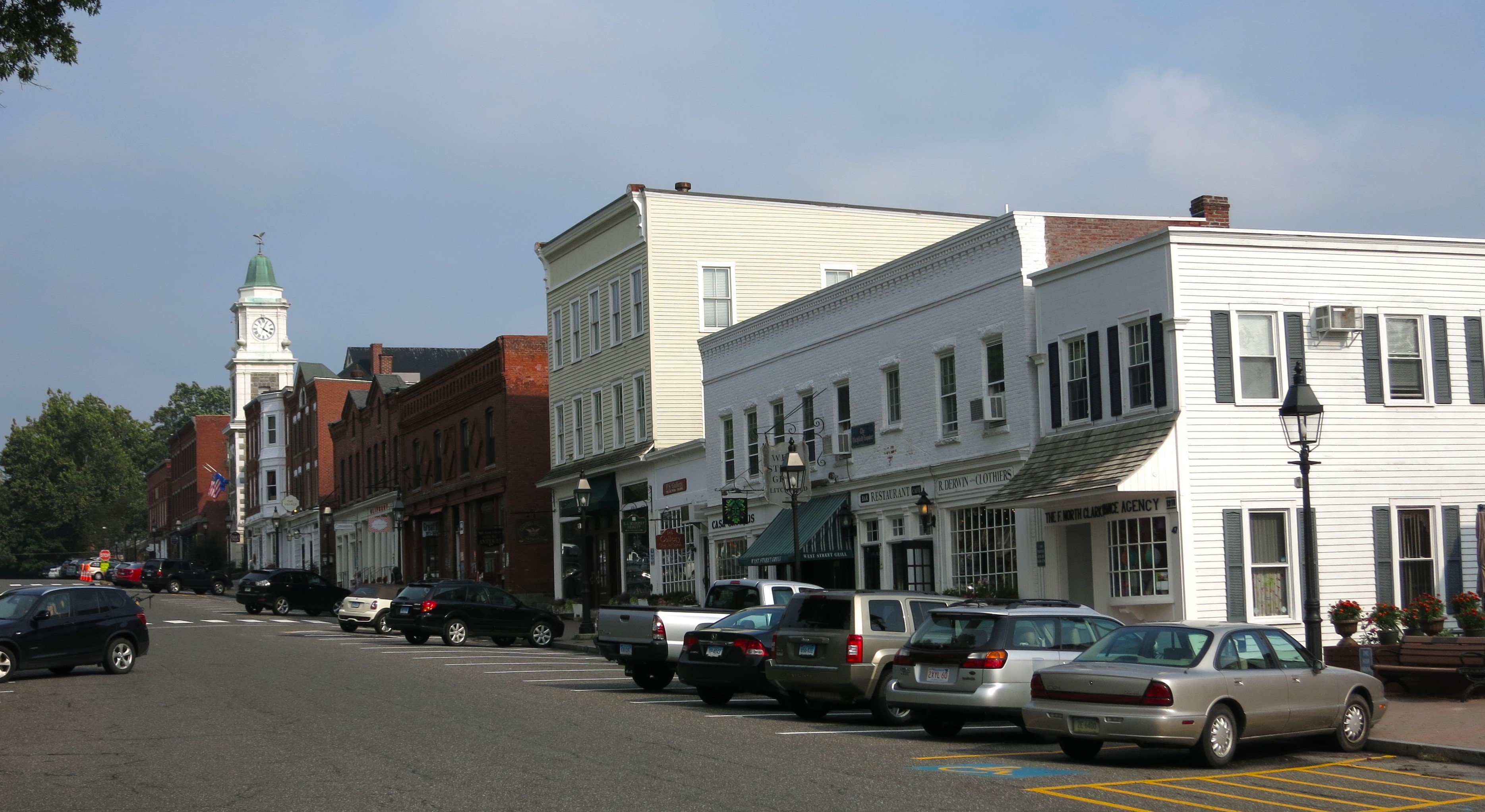
The state of Connecticut is often seen as a congested place wedged between the big cities of New York and Boston that absorbs the excess population from both cities. However, some areas in Connecticut have retained their historical charm, resembling how they looked a century ago. Litchfield is one such place; its old town center retains the New England charm of a village green surrounded by old churches and short blocks of small businesses.

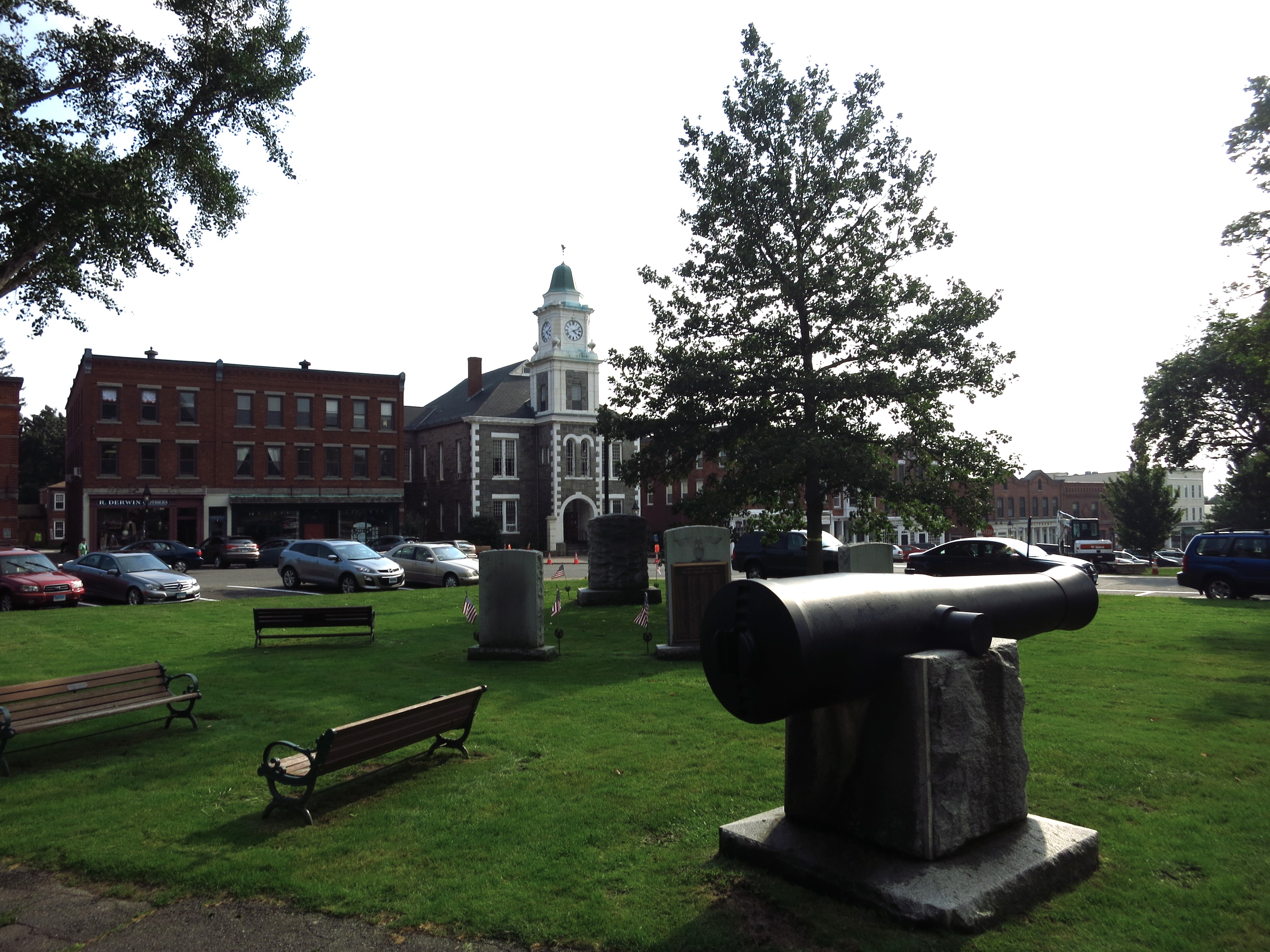
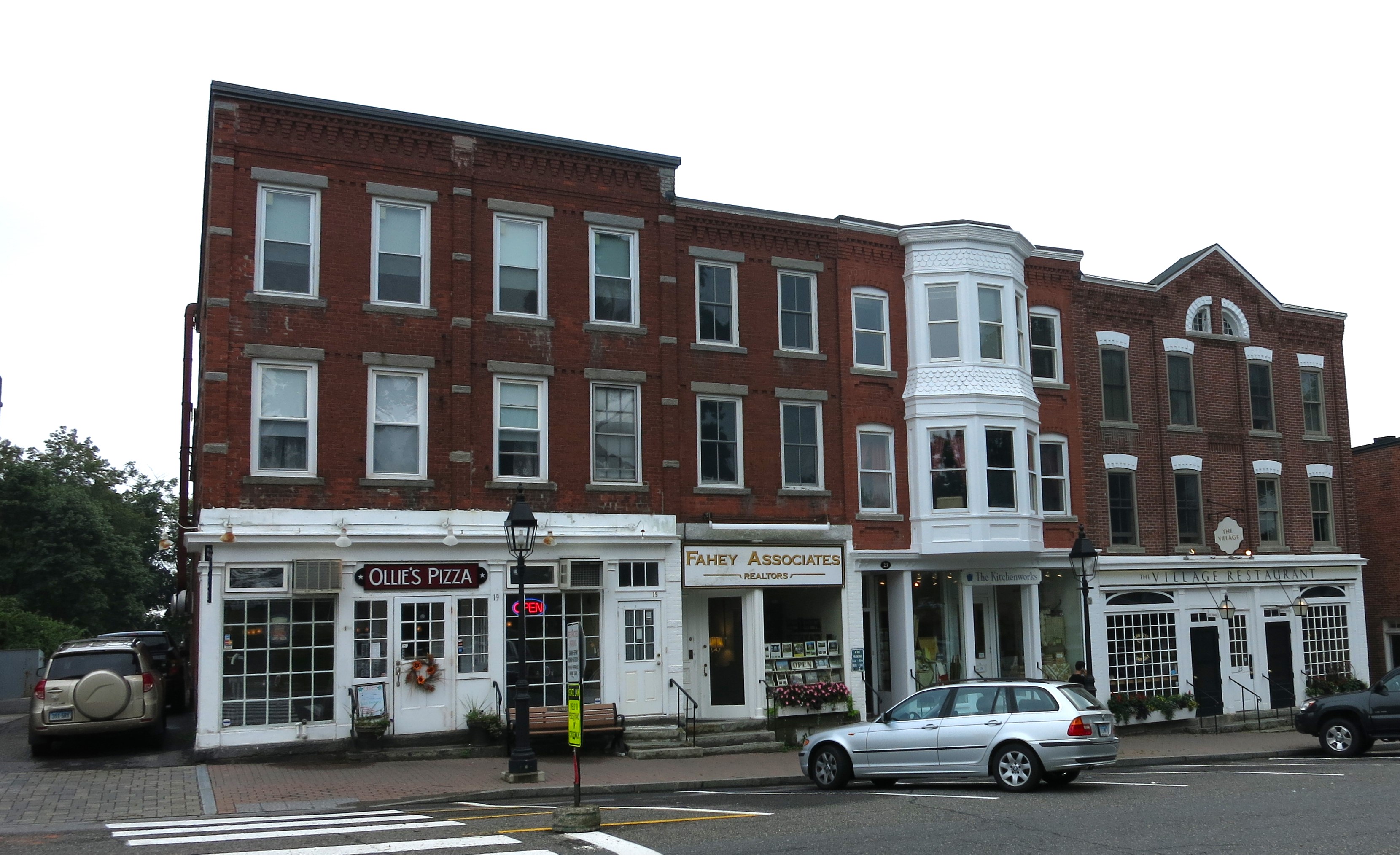
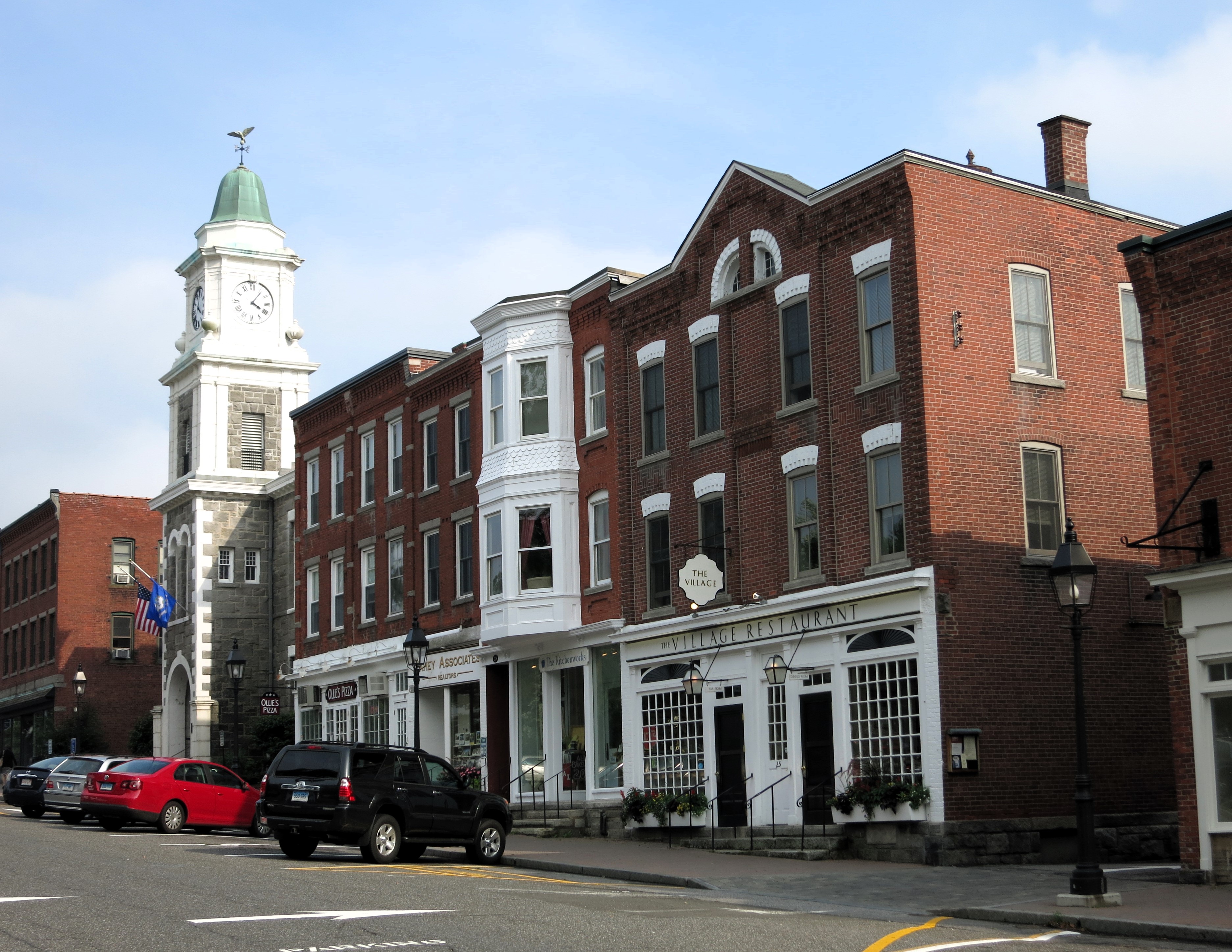
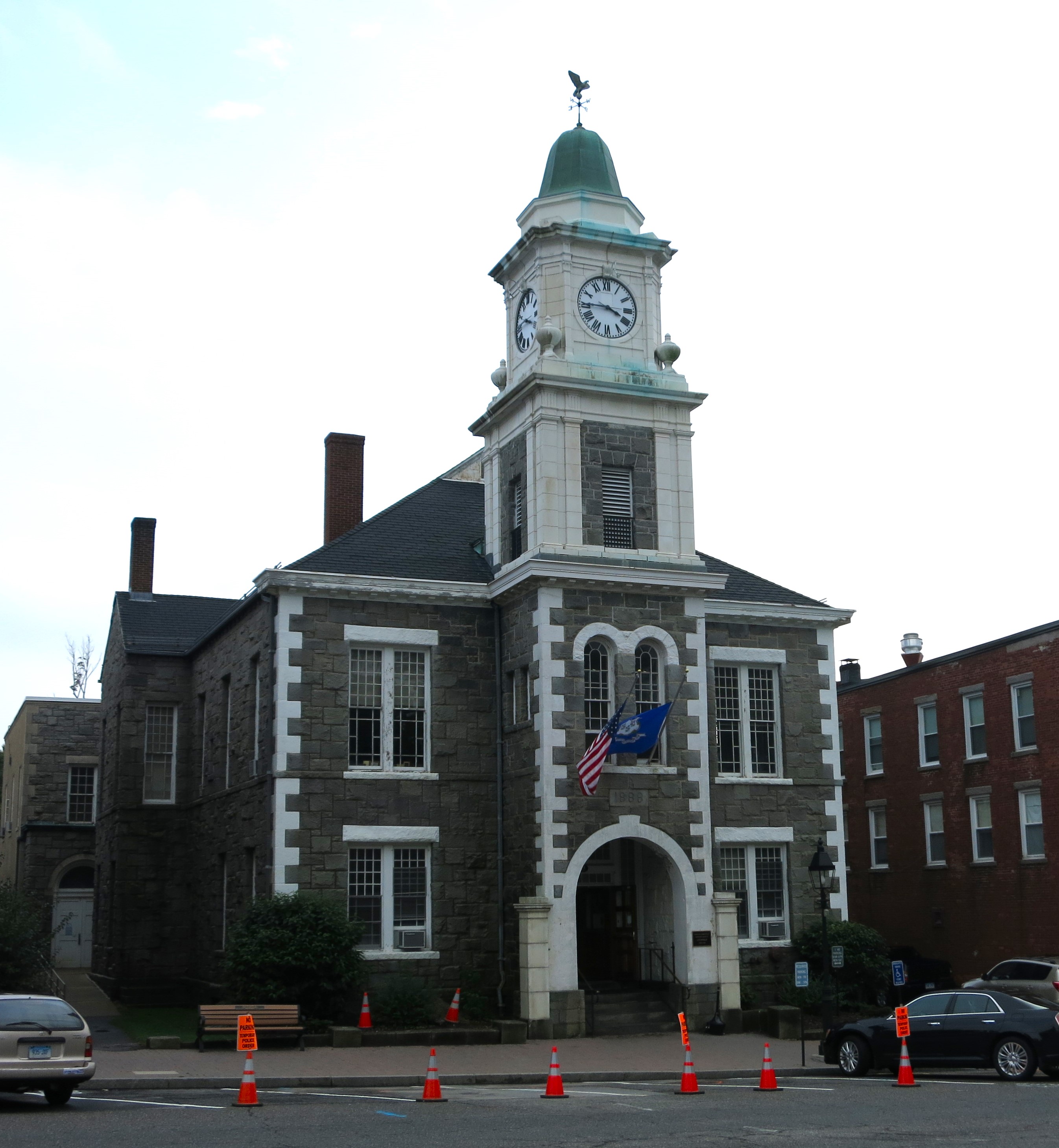
Litchfield’s “main street” is a row of small business buildings leading up to the old courthouse.
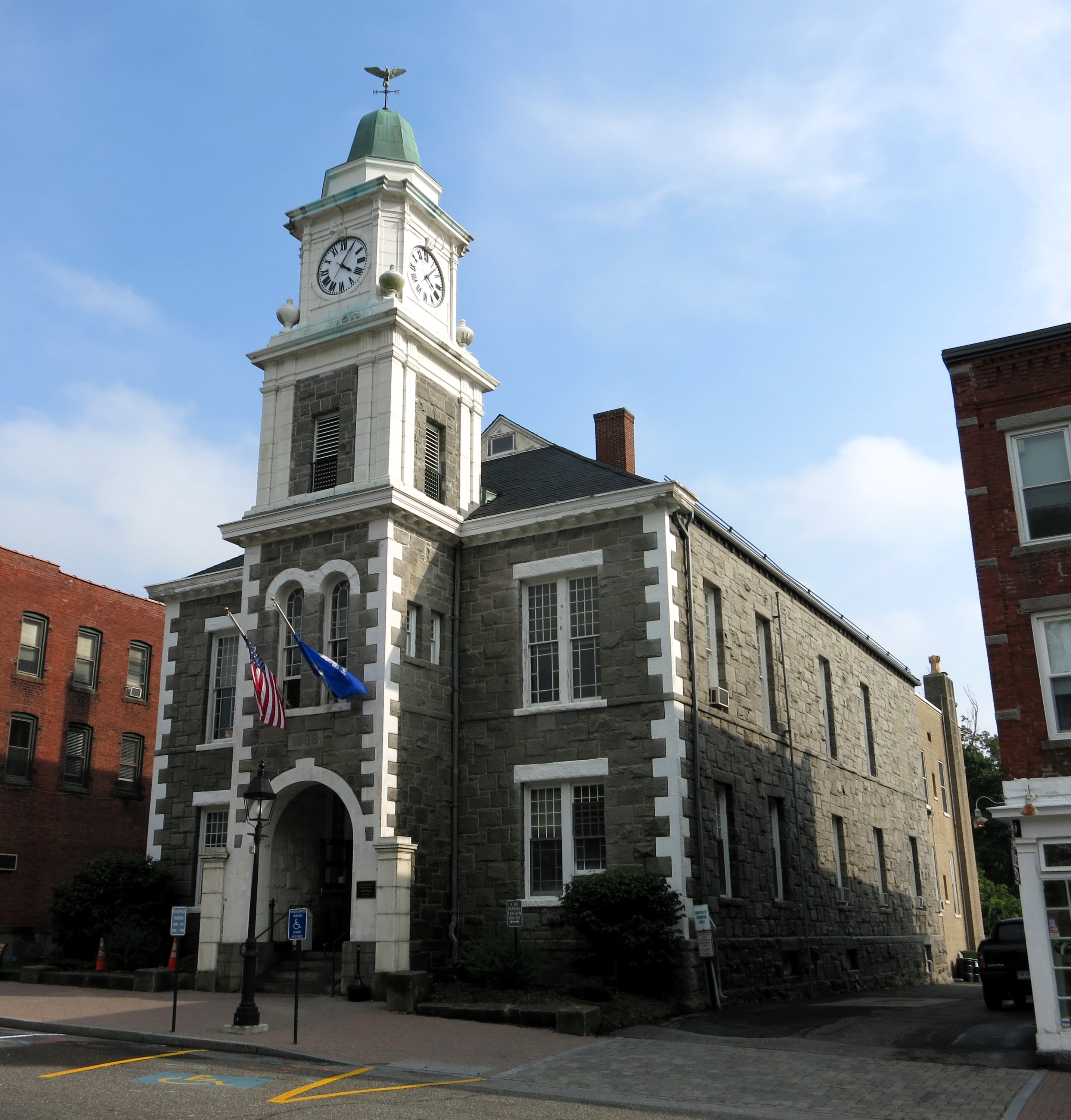
The old Litchfield County Courthouse.

When I parked the car in Litchfield, I was reminded of the quiet little town featured in “A Stop at Willoughby,” an episode of the 1950s Twilight Zone television series. In that episode, a stressed New York advertising executive dreams of peaceful small-town life in New England.

Each night, after a manic day at his “push-push-push” Manhattan job, the harried ad executive would fall asleep on the train ride home. Each time he nodded off, he would dream that the train passed the idyllic town of Willoughby. Willoughby had the tranquil pace of the 1890s — courting couples leisurely walked the streets arm-in-arm while village children could be seen racing down to a nearby fishing hole. Townspeople would pass by riding penny farthings.
The Litchfield village green. The old county courthouse is in the background in the photo above, while the green’s many monuments appear in the images below.

The ad man longed for the life he saw through the train window each evening, and after many such dreams, he vowed, “Next time, I’ll get off at Willoughby.”

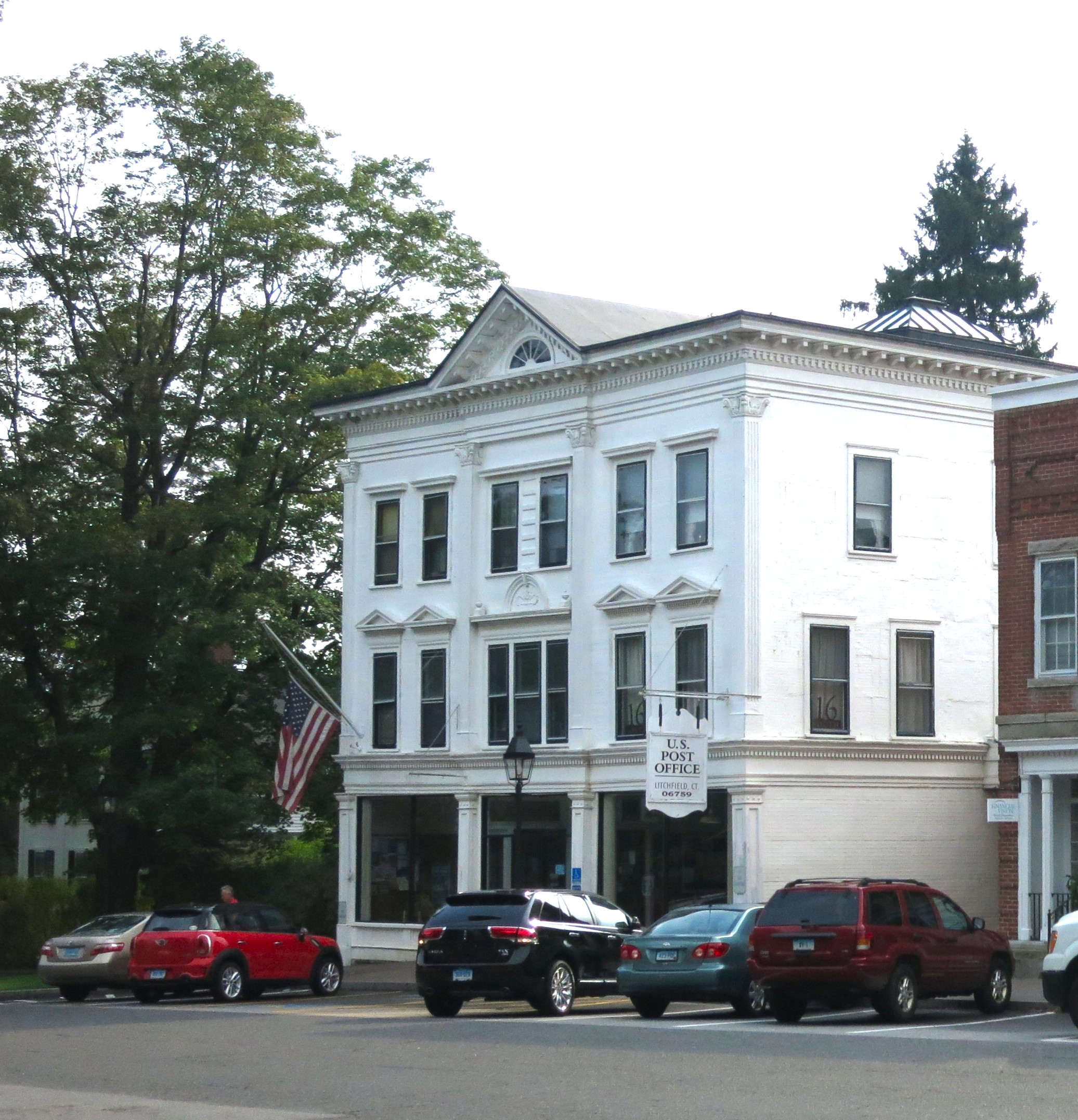
U.S. Post Office, Litchfield, Connecticut

Happy endings are rare in “Twilight Zone” stories. In “A Stop at Willoughby,” the advertising man suffers a particularly disastrous day at the office and so rushes back to the train ride home and the comfort of his recurring dream. This time, however, he willfully steps off the train at the peaceful Willoughby station. The episode’s final scene shows the train conductor finding the ad man’s lifeless body next to the train tracks, revealing that he had jumped off the train to his death.

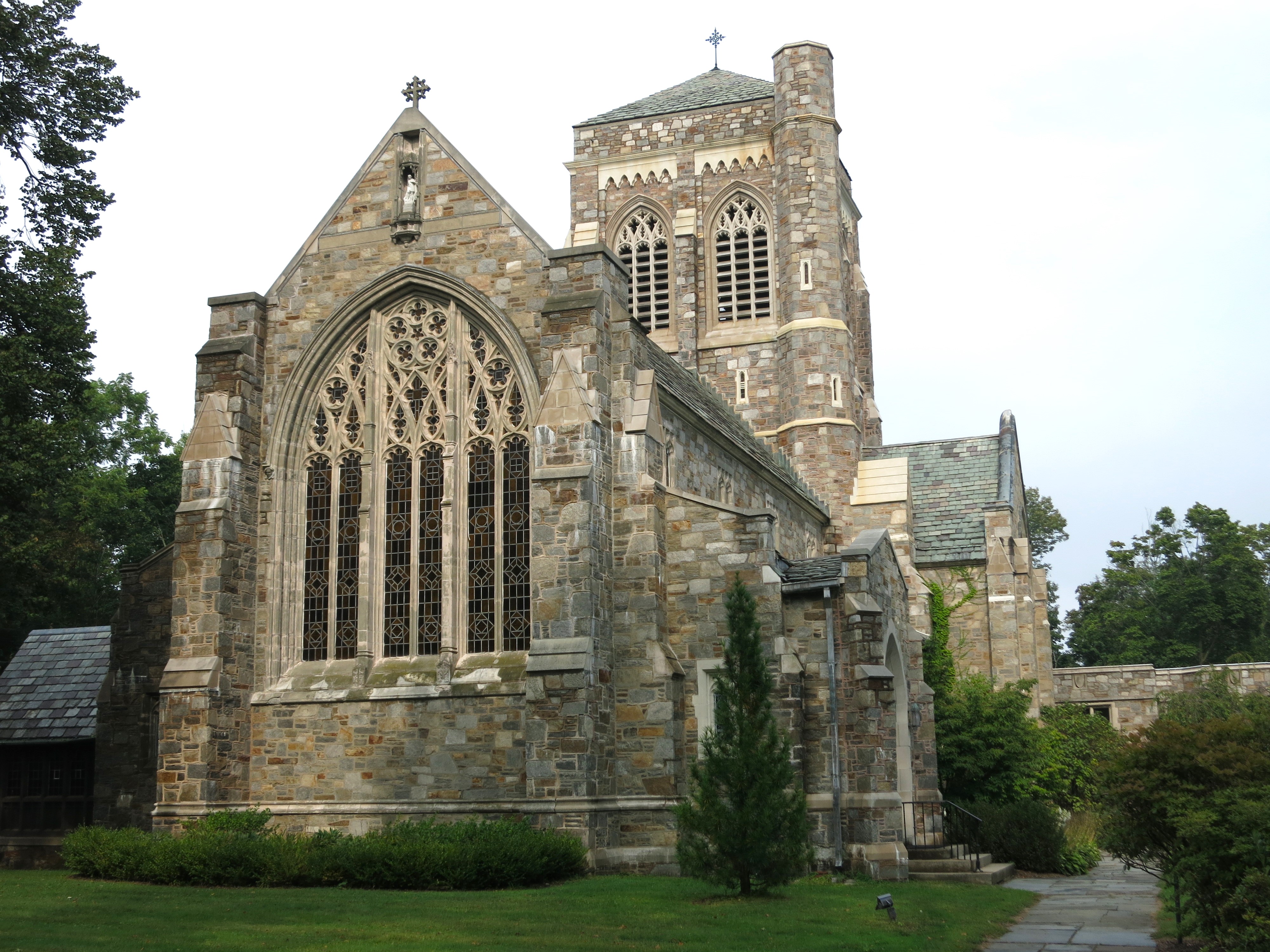
St. Michael’s Episcopal Church on South Street. Litchfield, Connecticut.

The lesson from ‘A Stop at Willoughby’ is not that the quiet life is better than the ambitious life. We are all different, and each is suited for a different life. Instead, the lesson here is that one must actively pursue happiness in the real world to achieve it. The Manhattan ad man is thus revealed to be a coward since he is afraid to make the hard decisions that a happy life requires. His search for escape became his suicide.
State Highway 63 leading down to the Litchfield courthouse and town center.
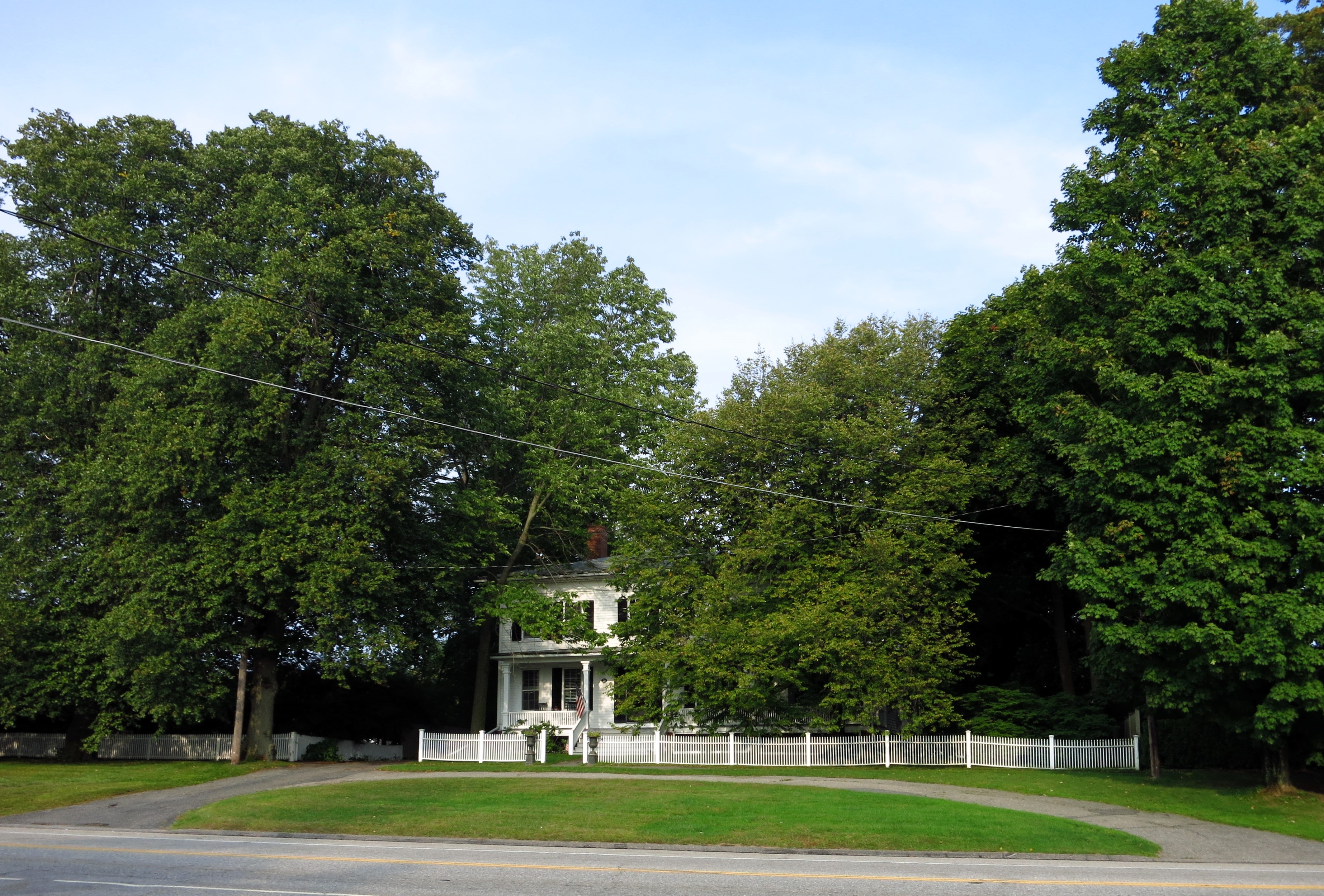
A stroll through the streets of Litchfield today showcases stunning hardwood trees providing shade to grand, million-dollar homes. Many of these homes were built during the Gilded Age of the late 1800s. Each house has its unique story, and each tale most likely involves someone pursuing their dreams robustly and during waking hours.

A tree-shaded home near the Litchfield village green.

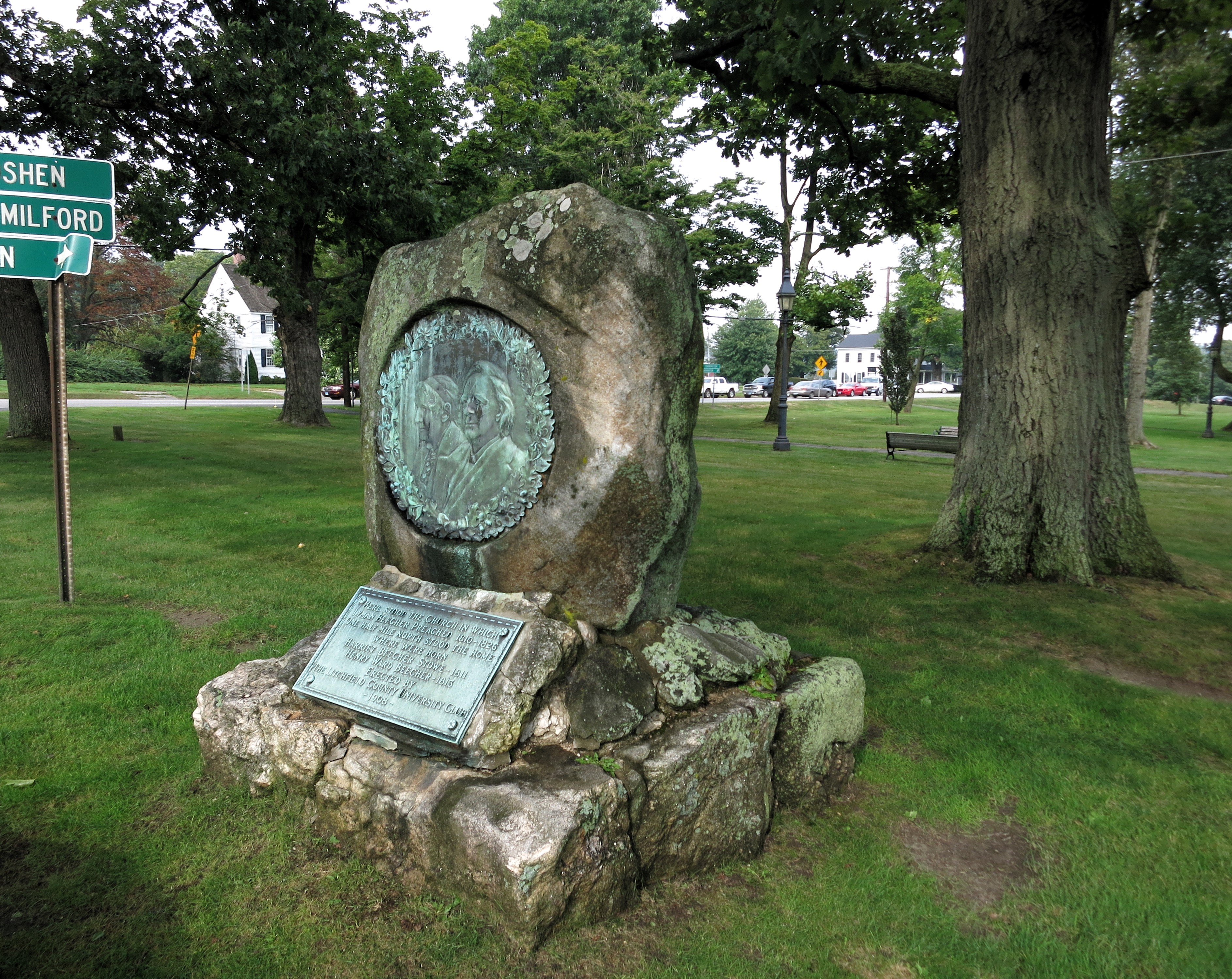
Besides wealthy homeowners, others from Litchfield have made their mark on history. From 1810 to 1826, Litchfield was the home of Calvinist abolitionist preacher Lyman Beecher, who was minister at Litchfield’s First Congregational Church. Minister Beecher was the father of Harriet Beecher Stowe, author of the abolitionist novel Uncle Tom’s Cabin, and Henry Ward Beecher, a noted clergyman who raised money to purchase slaves from captivity and rifles for abolitionists fighting in Kansas. The rifles would become known as “Beecher’s Bibles.” Both Harriet Beecher Stowe and Henry Ward Beecher were born in Litchfield.

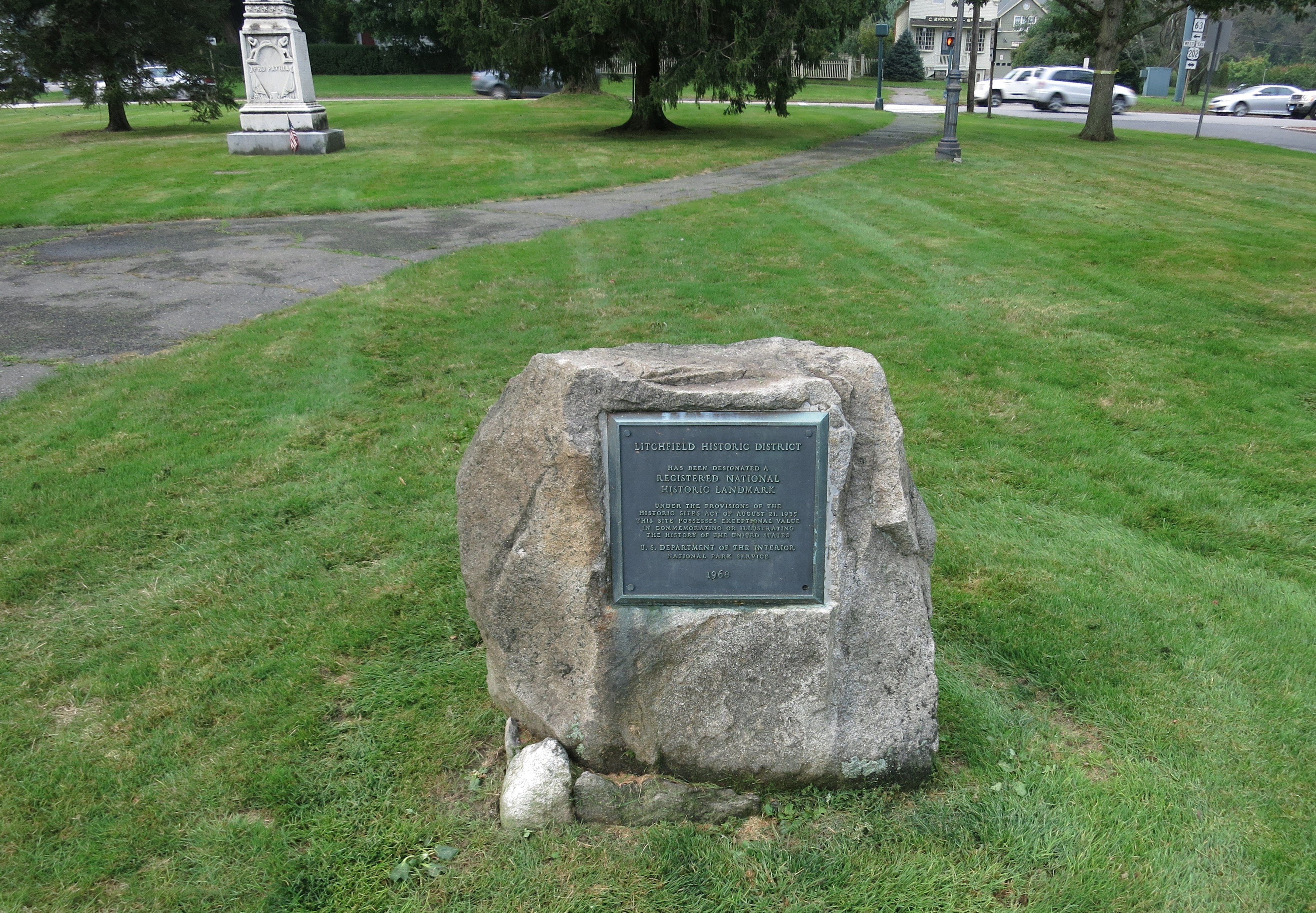
The old stones and plaque in the village green mark the site of Lyman Beecher’s church.

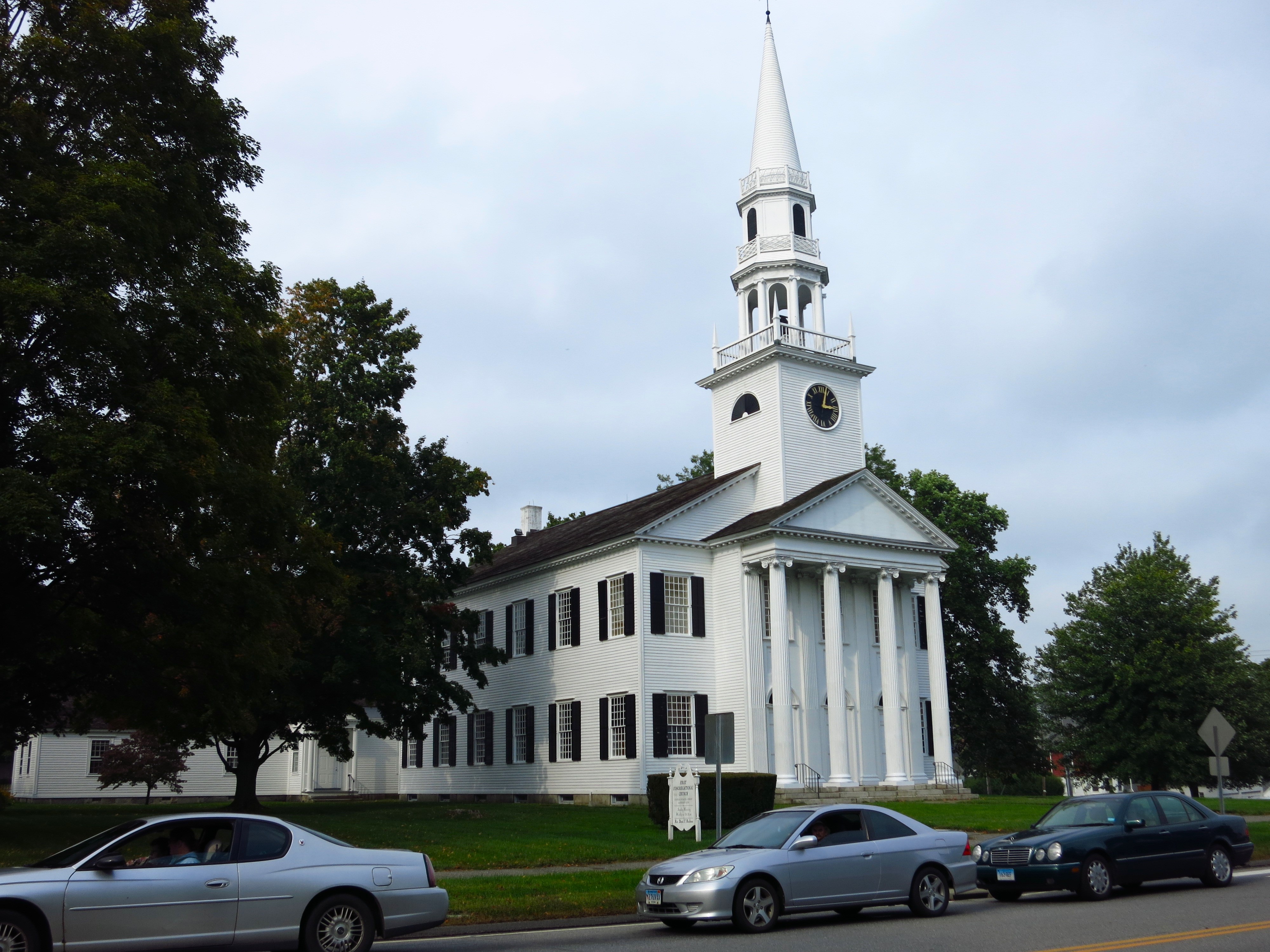
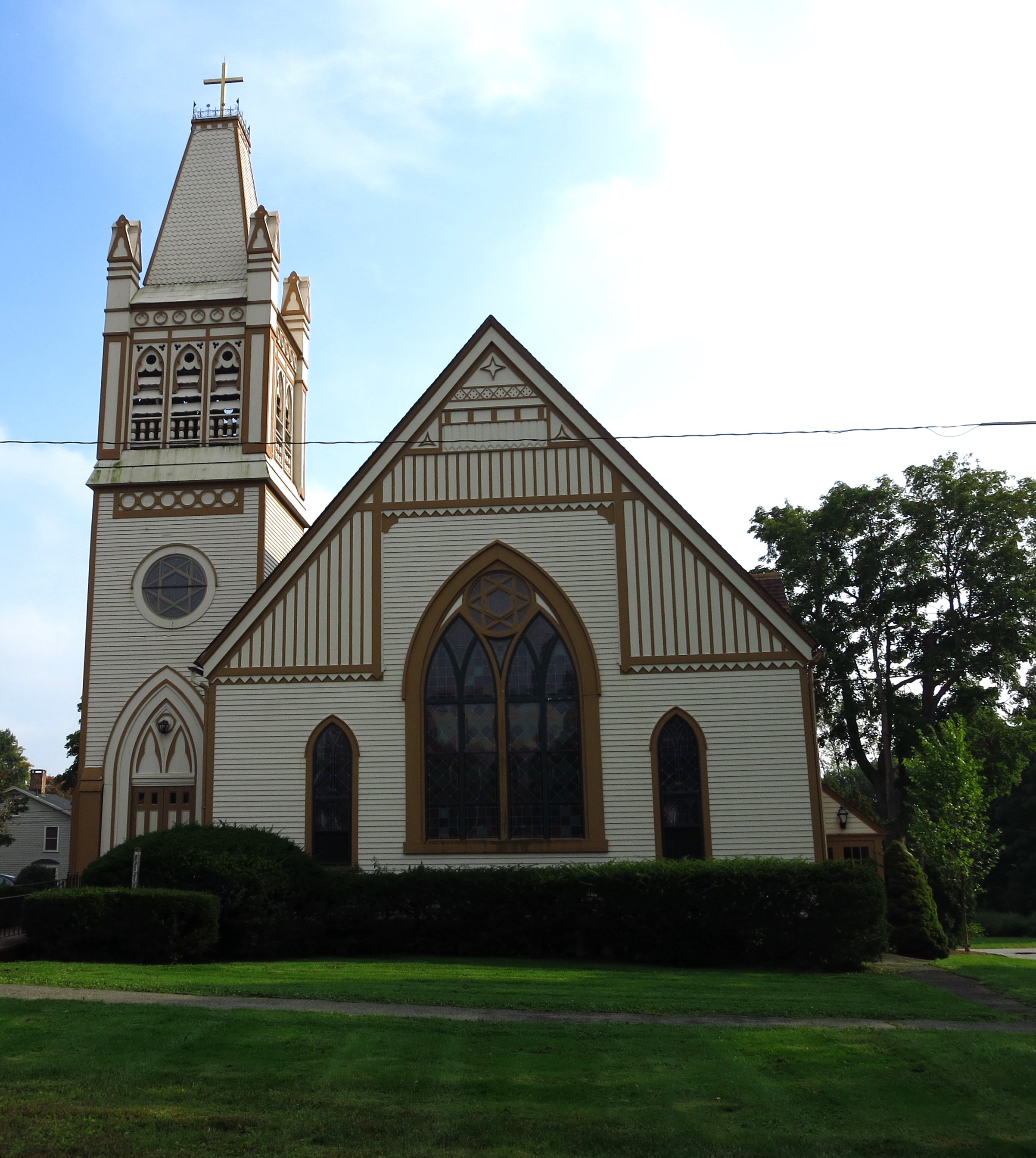
Below: The First Congregational Church of Litchfield is at the top left; two other prominent local churches are shown at the bottom left and right.

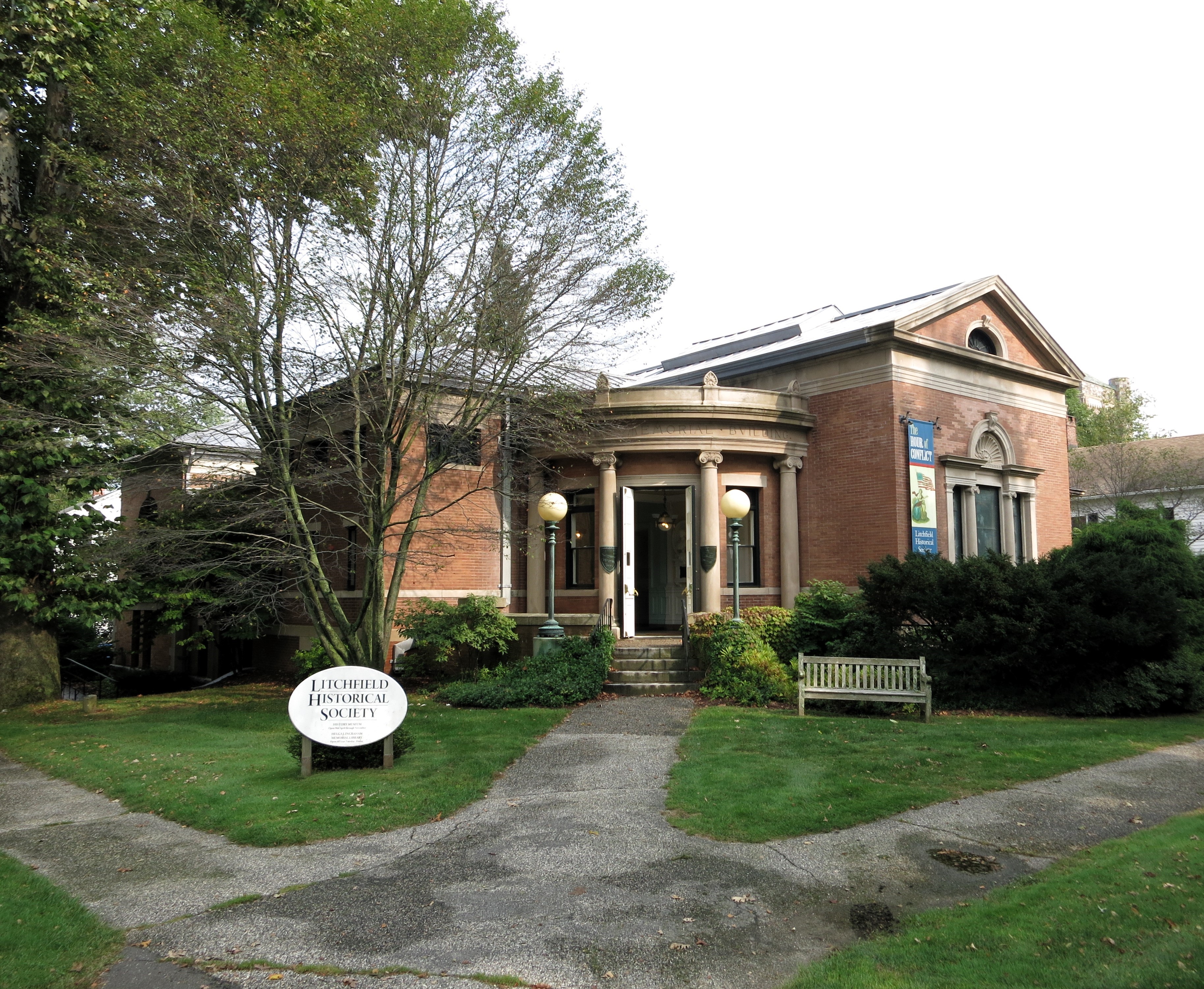
I took photos of some other prominent buildings around the Litchfield village green, including the building that houses the Litchfield Historical Society (top left).

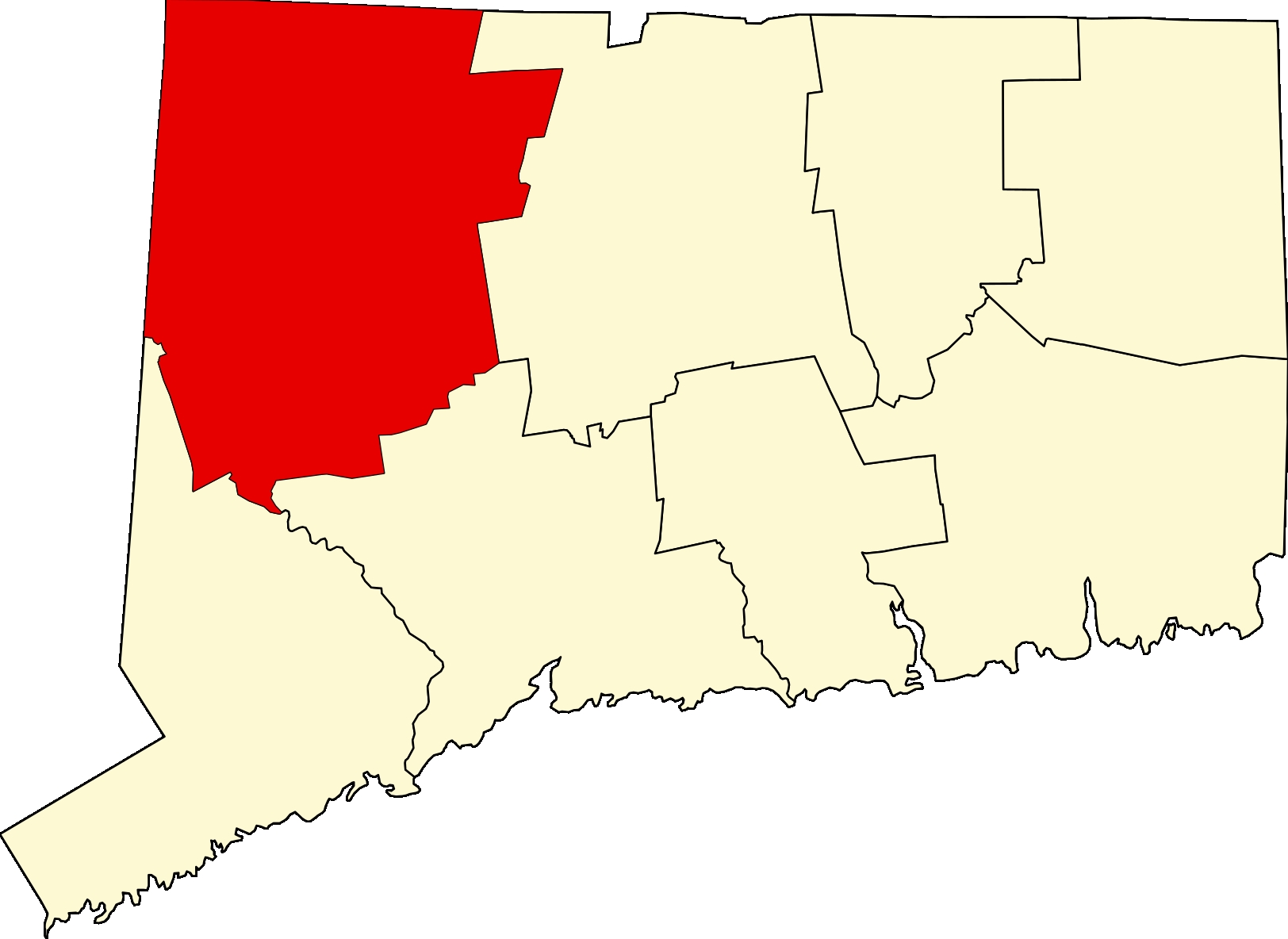
Finally, here are some notes about Litchfield County, Connecticut, and its government. The map below shows the state of Connecticut and its county lines, with Litchfield County shaded in red in the northwest corner of the state.

The boundaries of (former) Litchfield County within the state of Connecticut.

However, this is an old configuration. Connecticut did away with county governments some 50 years ago in the 1960s (as did the state of Rhode Island, for what it’s worth). Counties in Connecticut were replaced by judicial districts. The old Litchfield Courthouse was still in operation during my visit in 2013 as part of a larger judicial district, but all functions in the old courthouse were removed in 2017 and now reside at the new Litchfield Judicial District Courthouse in Torrington, Connecticut.

The (former) Litchfield County Courthouse in Litchfield, Connecticut.

A list of all photo posts from the American County Seats series in TimManBlog can be found here.

All photos were taken by the author on September 10, 2013.

My hobby is traveling to America’s county courthouses. Each month, I post about a visit to a scenic or exciting county seat. It’s a hobby, and donations are greatly appreciated to help cover my costs.

Donations to TimManBlog

Use this form to make donations to support this site. Paypal, Visa, Mastercard, Amex, and Discover cards are accepted. Donations can be made in increments of $5.00; increase the number of units to increase the donation amount.

$5.00


Surprises in Manti, Utah

June 30, 2024
(photos and memories from June 2012)
(If you like my posts, you can support this site with a donation via Paypal, Visa, Amex, Mastercard, or Discover by using the form at the bottom of this post. Thank you.)

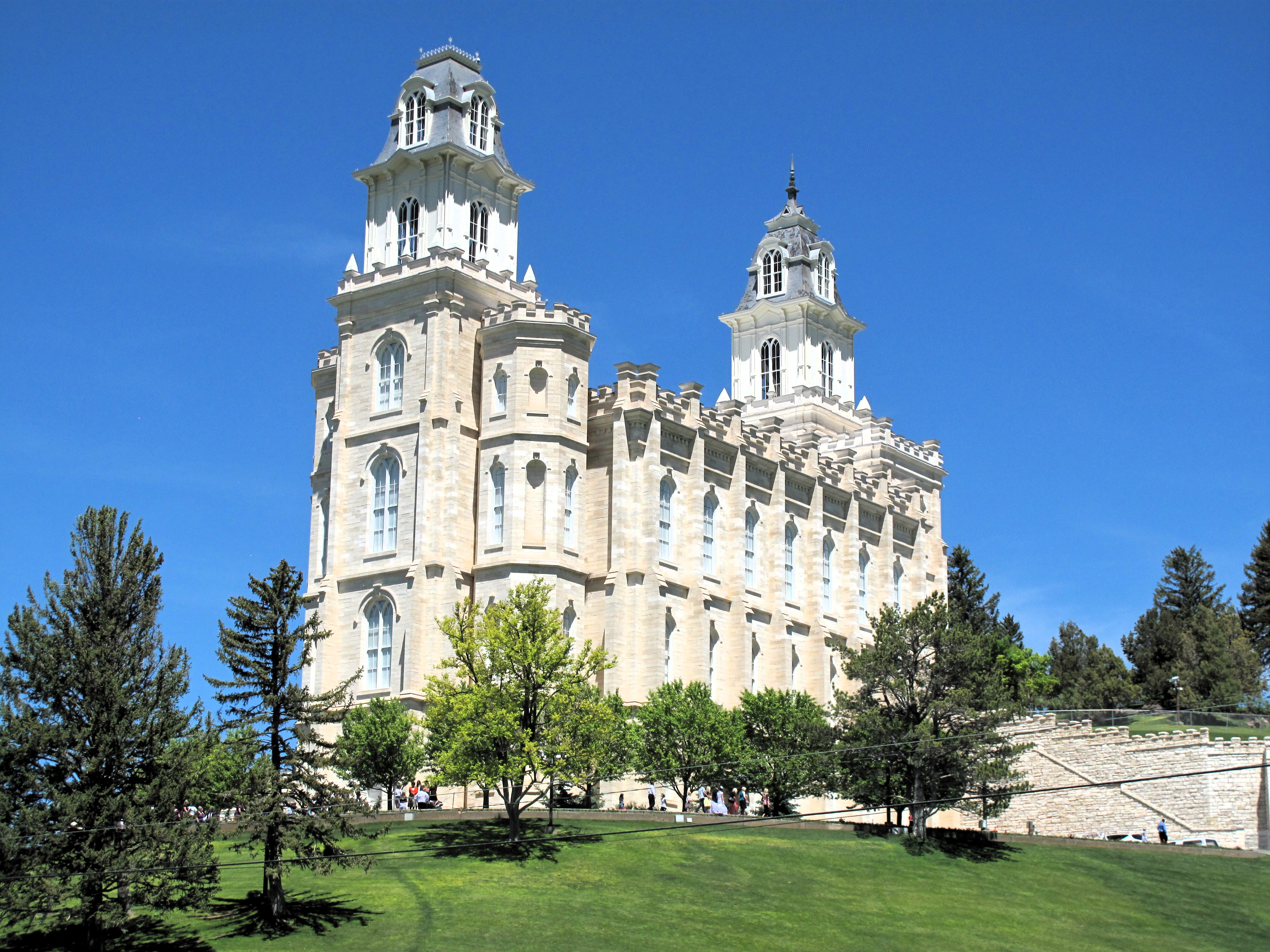
In 1846, Brigham Young led his followers, the Mormons, from Nauvoo, Illinois, into the Rocky Mountains to resettle in the valley of the Great Salt Lake, establishing present-day Salt Lake City, Utah. Once their initial settlement was stable, Young and the other Mormon church elders sent some of their followers into the Wasatch Mountains, searching for hospitable locations where additional Mormon settlements could be established. The town of Manti was one of the earliest of those new Mormon settlements. Founded by George Washington Bradley and Isaac Morley, Manti (sometimes called “Manti City”) was named for a city mentioned in the Book of Mormon. The town of 3,500 is well-situated, happily nestled beneath the palisades of the Sanpete Mountains in central Utah, 125 miles south of Salt Lake City.

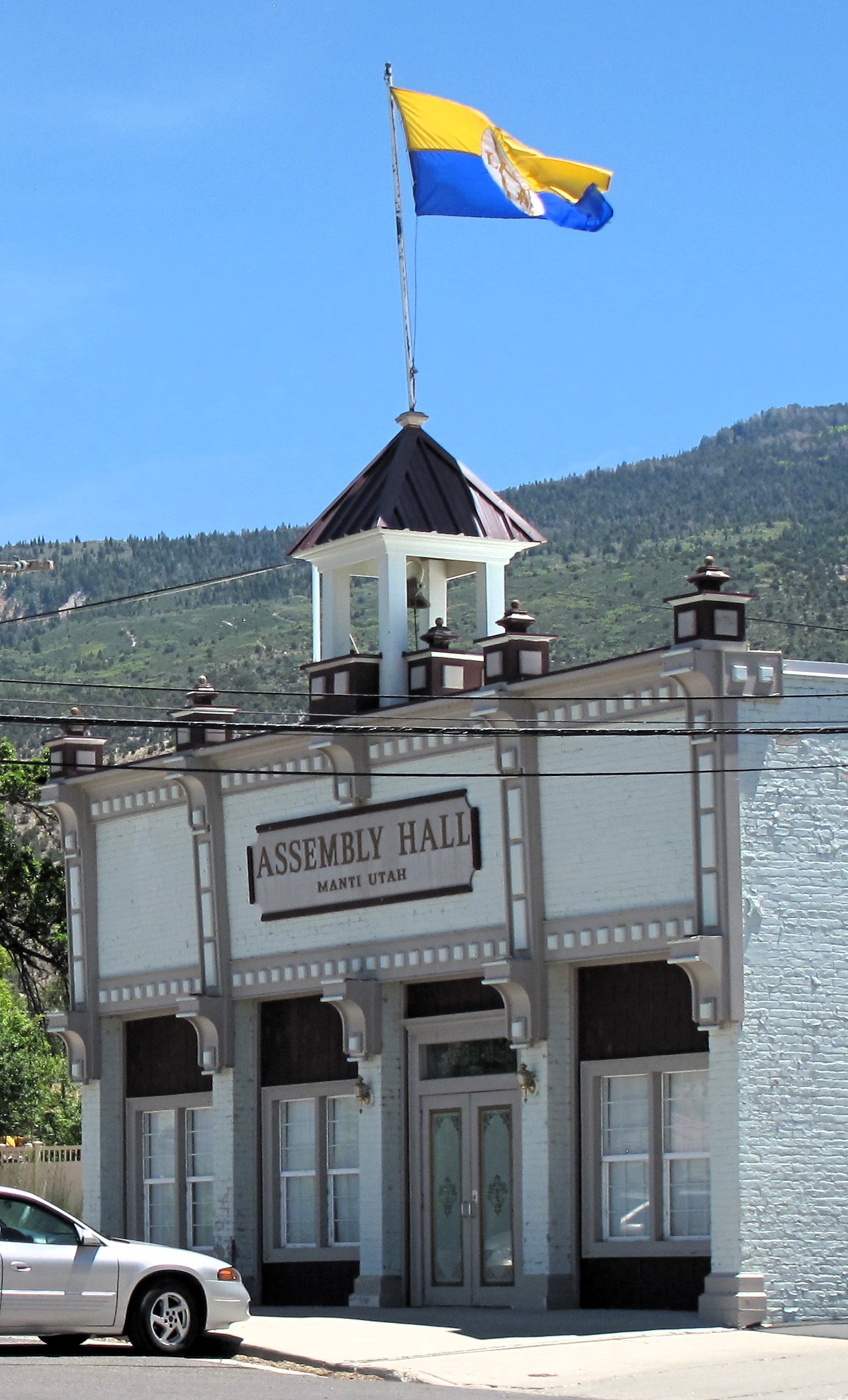
The old Manti town Assembly Hall beneath the Sanpete Mountains of central Utah.

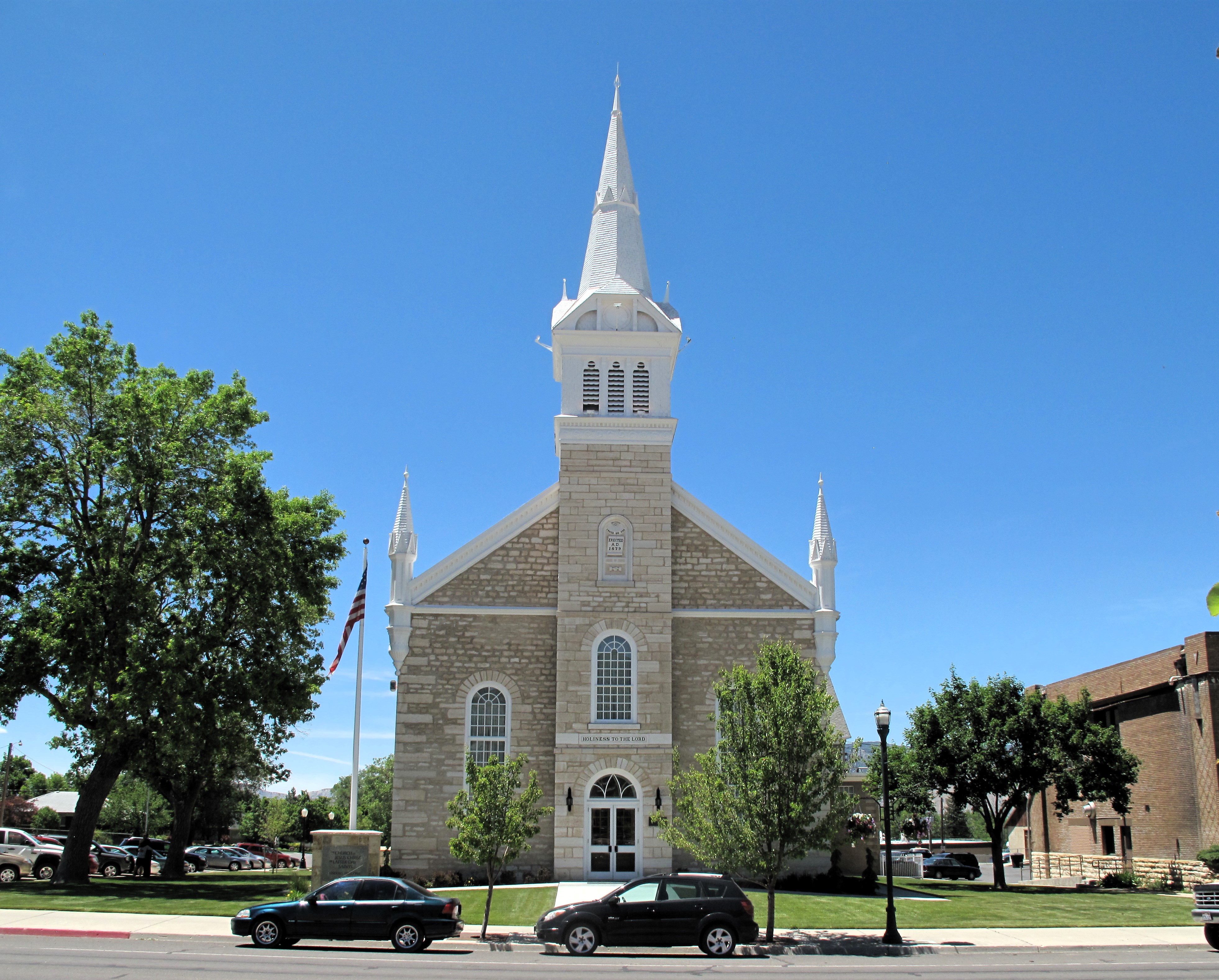
Like so many Mormon towns throughout Utah, Manti is a quiet, orderly place with wide, tree-lined streets.

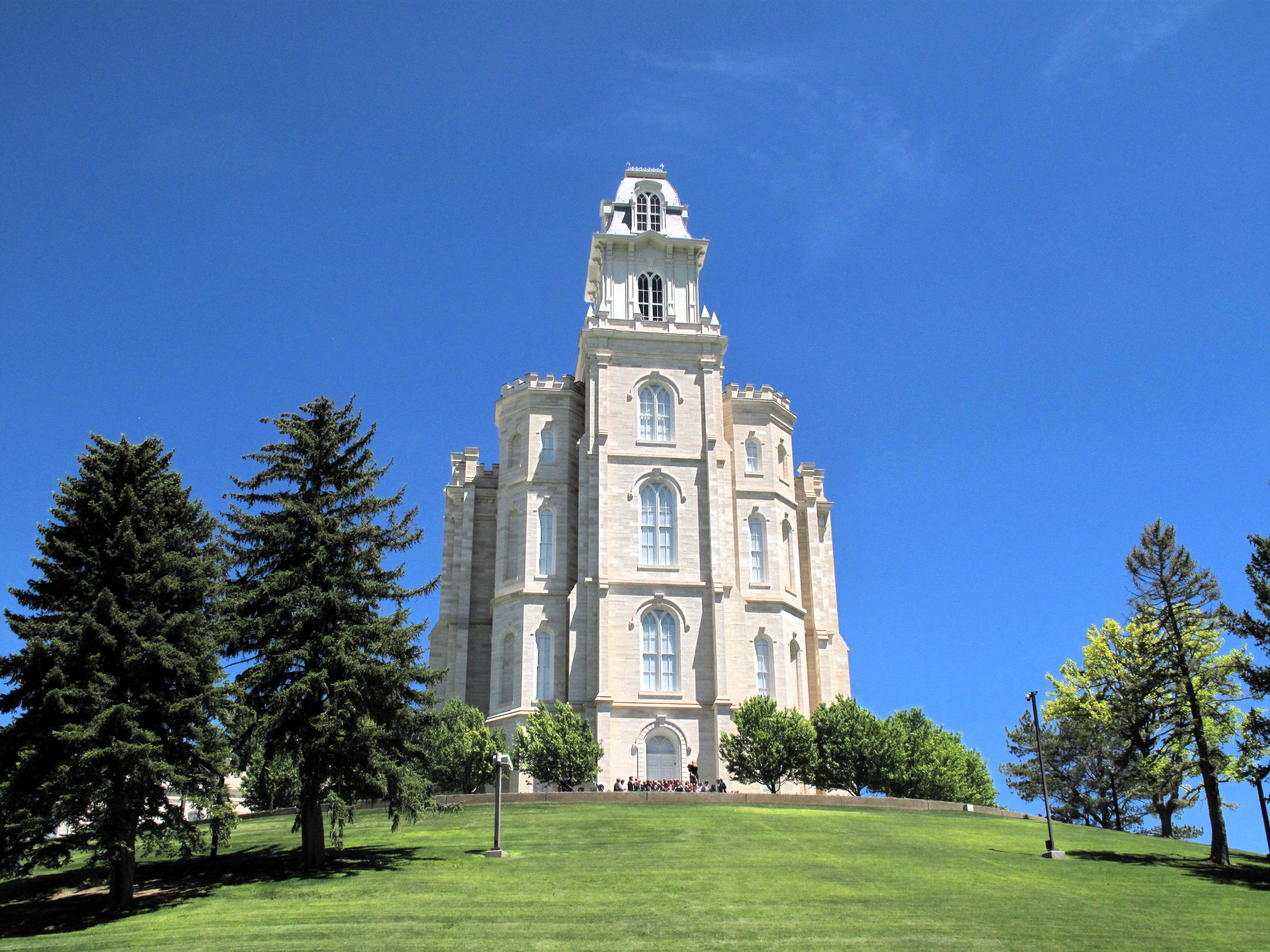
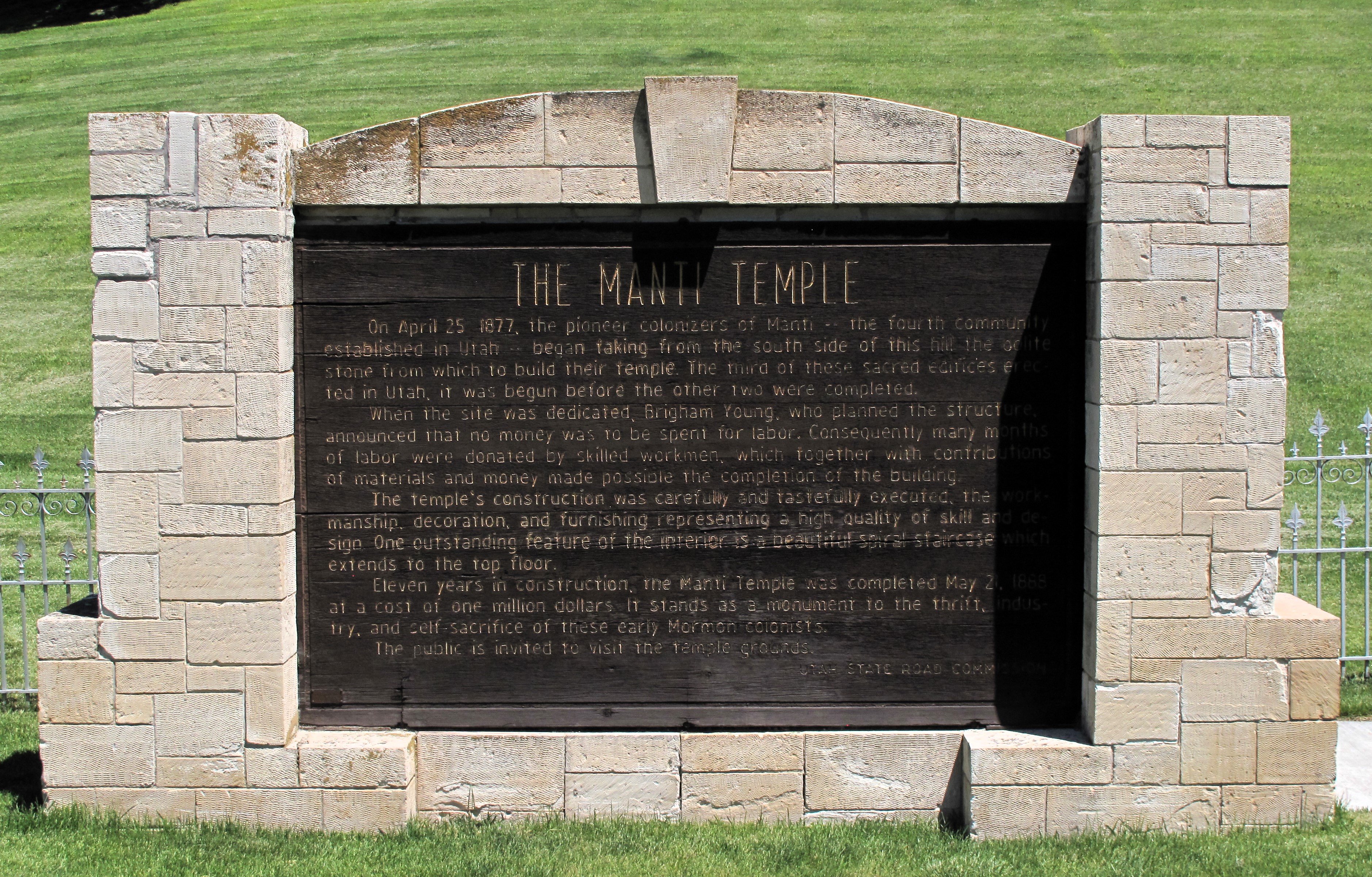
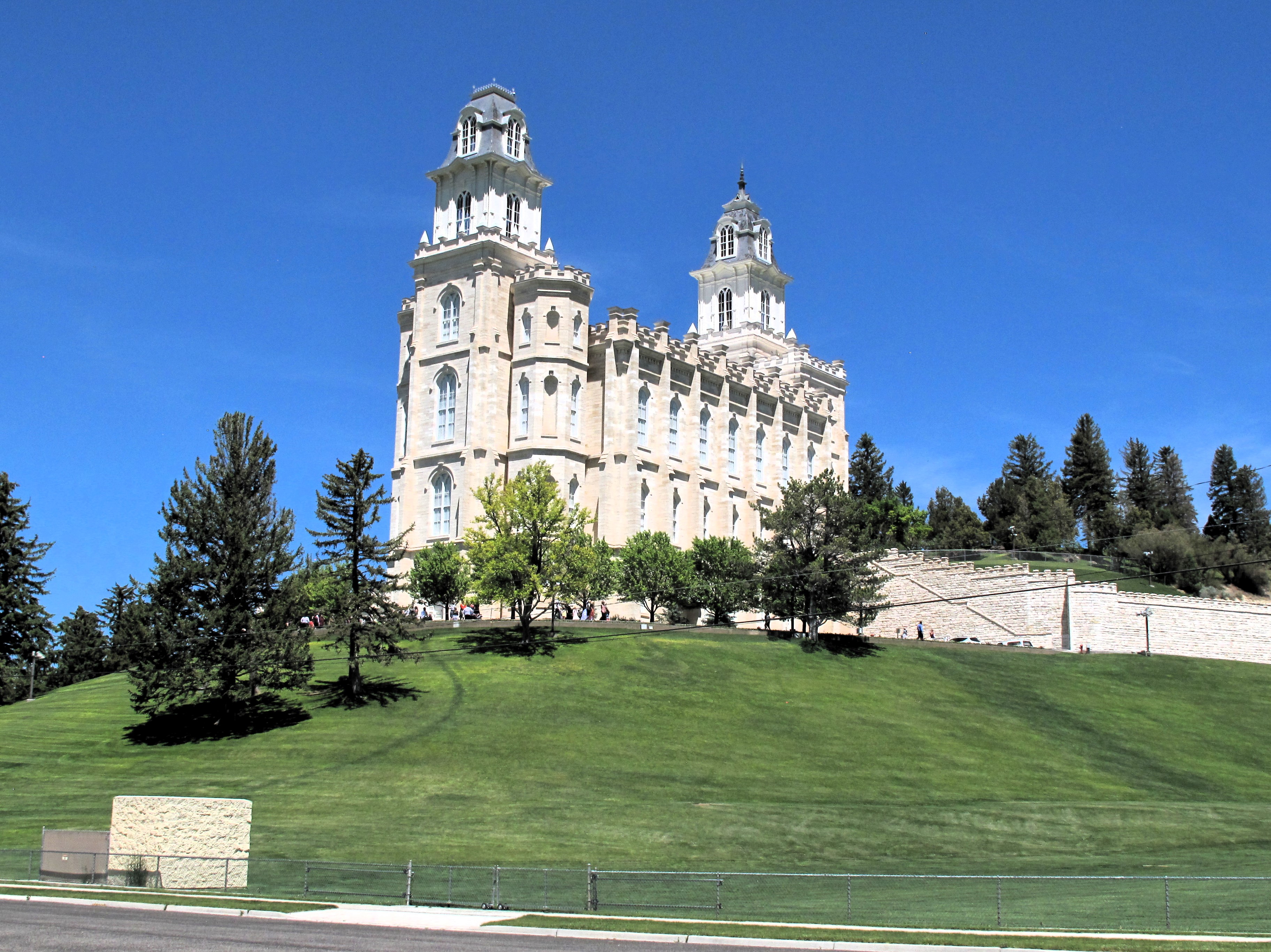
The 1879 Manti Temple of the Church of Jesus Christ of Latter Day Saints.

The modern four-story hilltop Mormon Manti Utah Temple is the largest building in town by far.

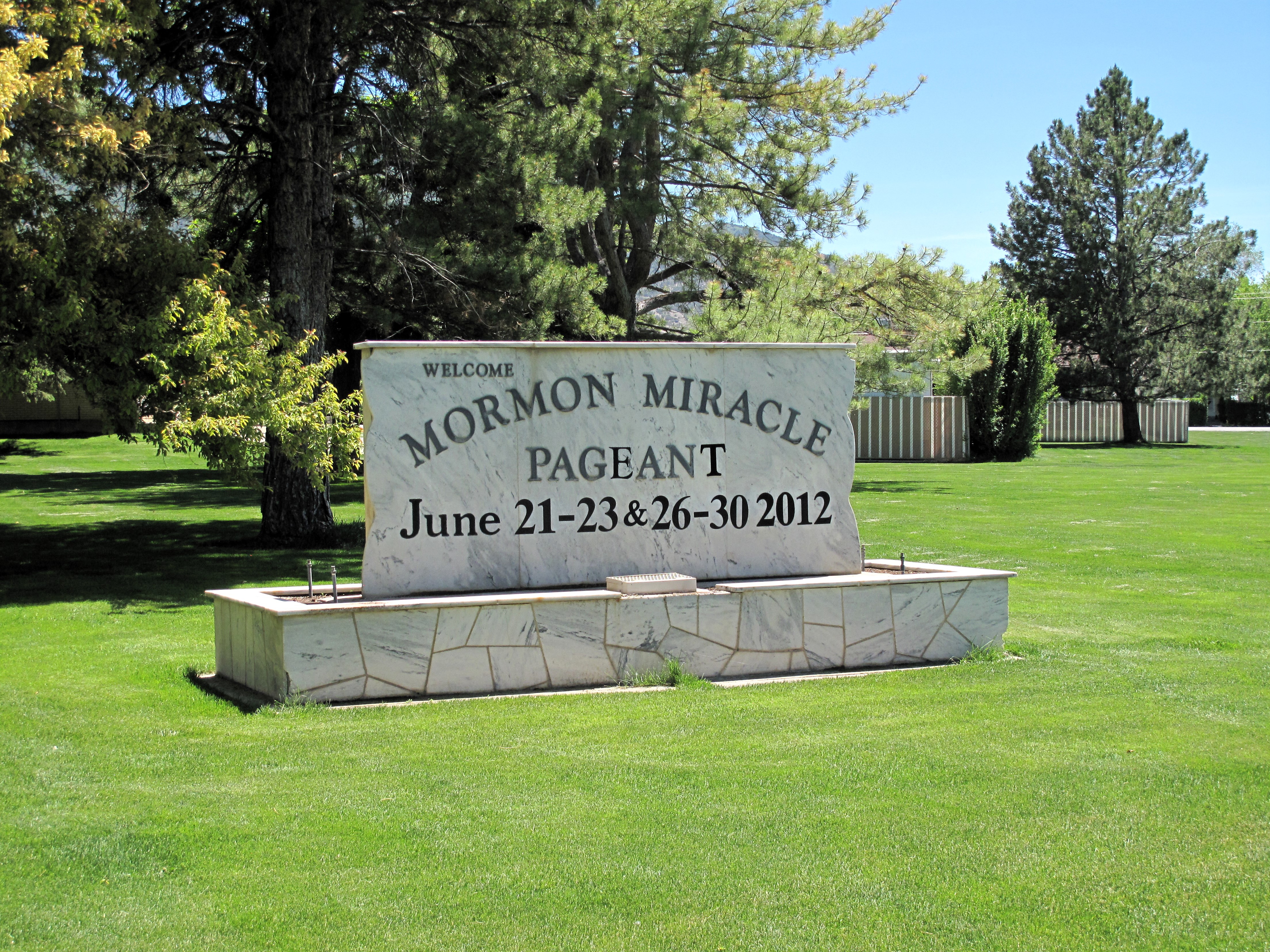
A performance of the “Mormon Miracle Pageant” was being advertised when I was in Manti.

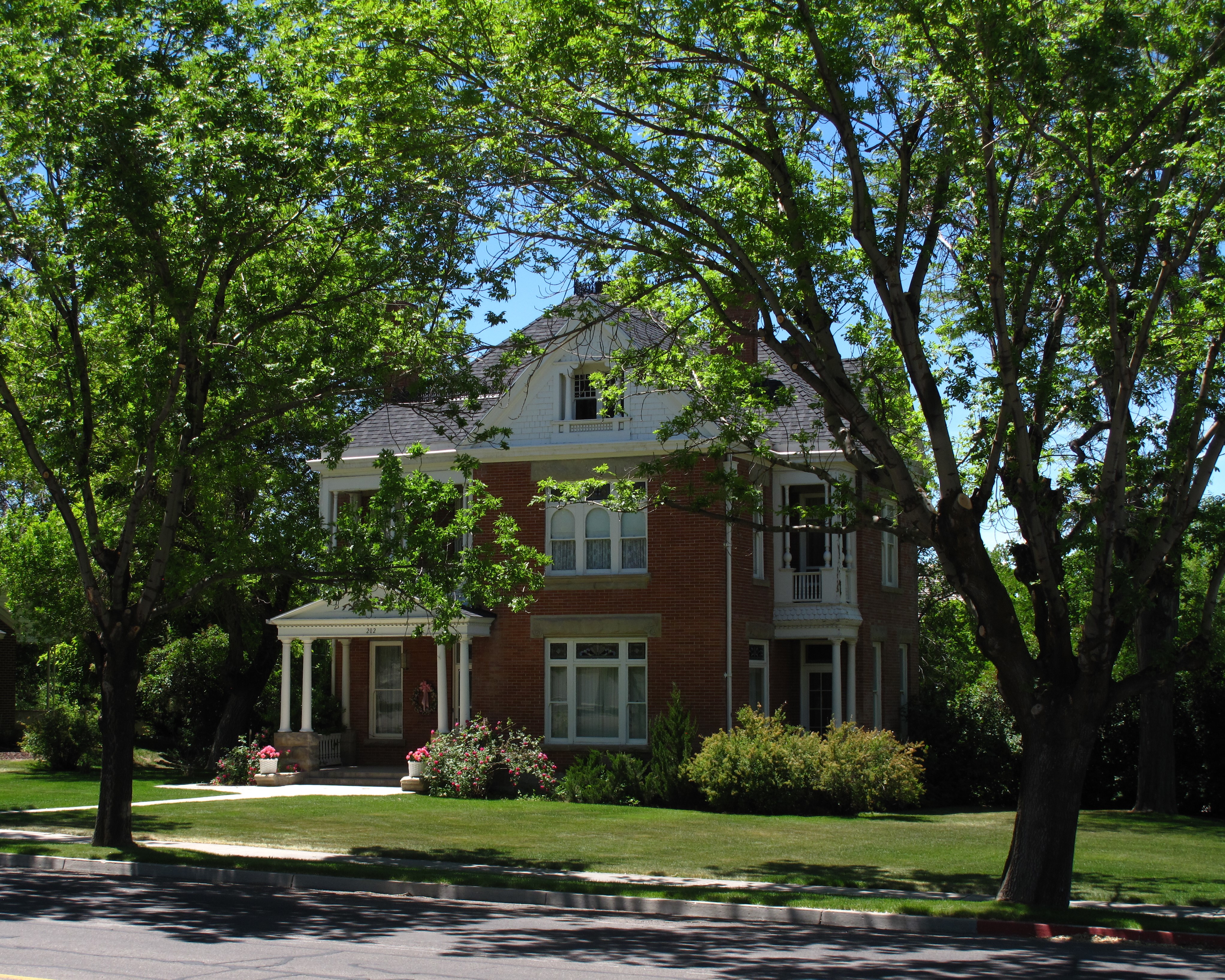
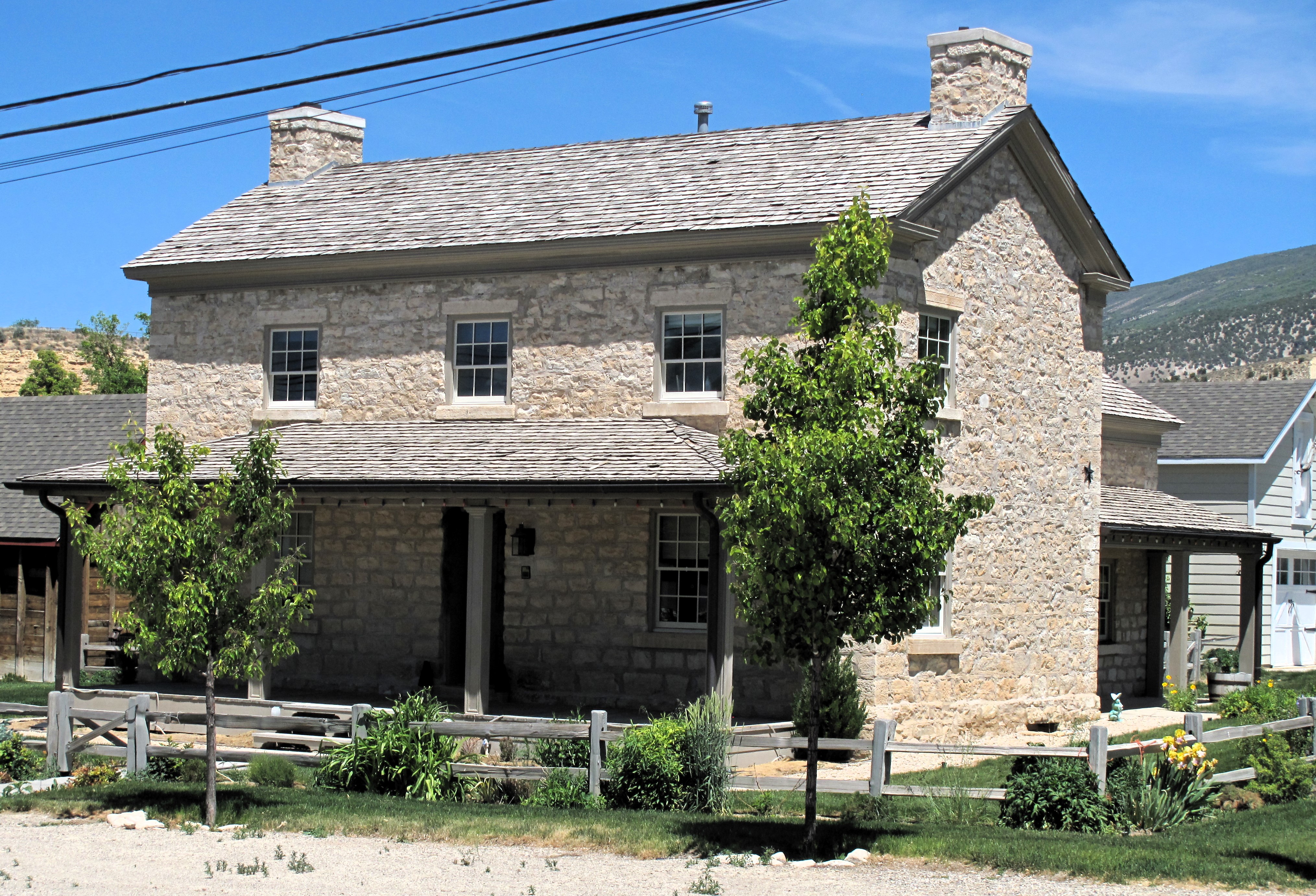
Here are some homes, new and old, that I saw around town:

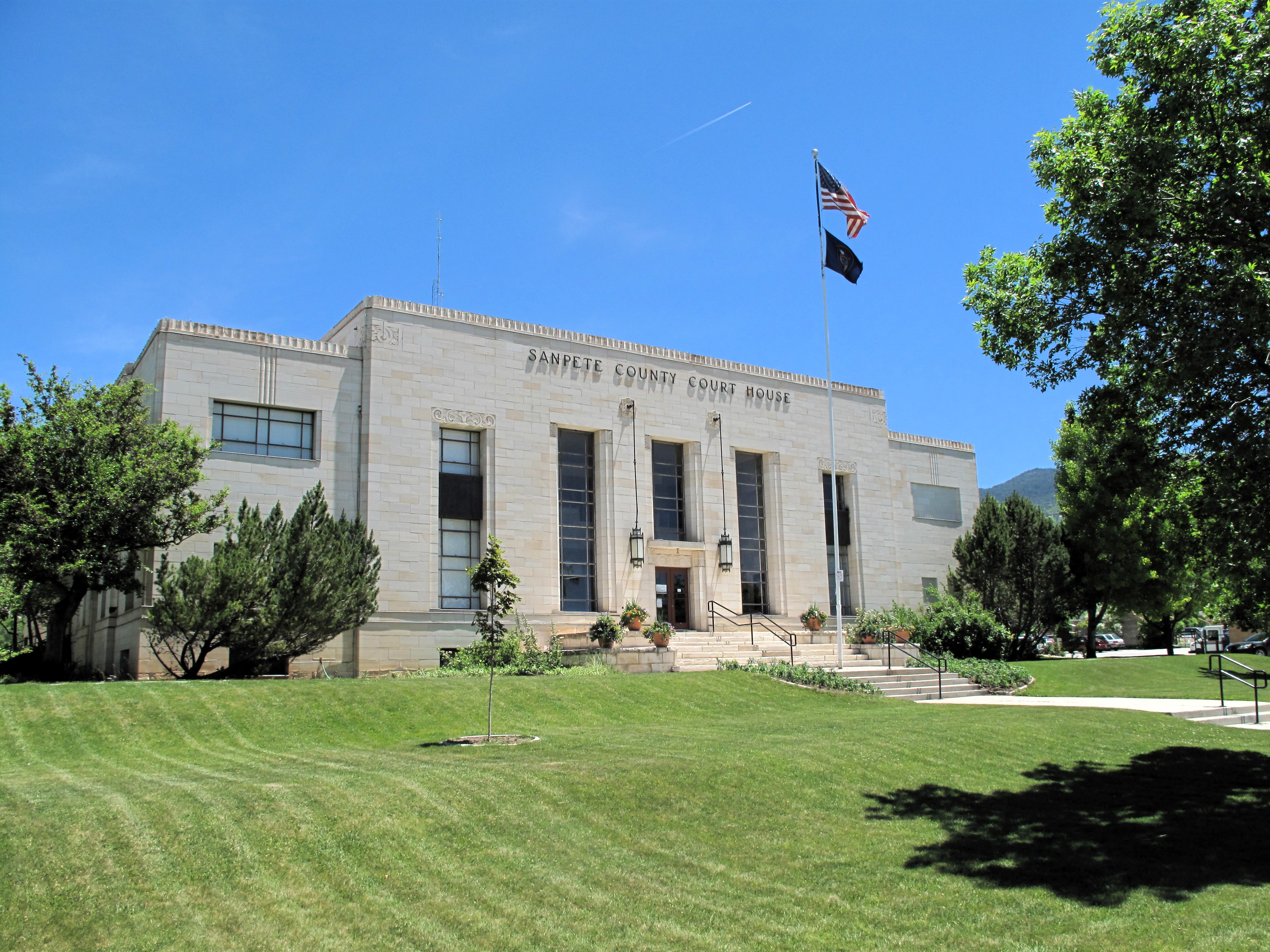
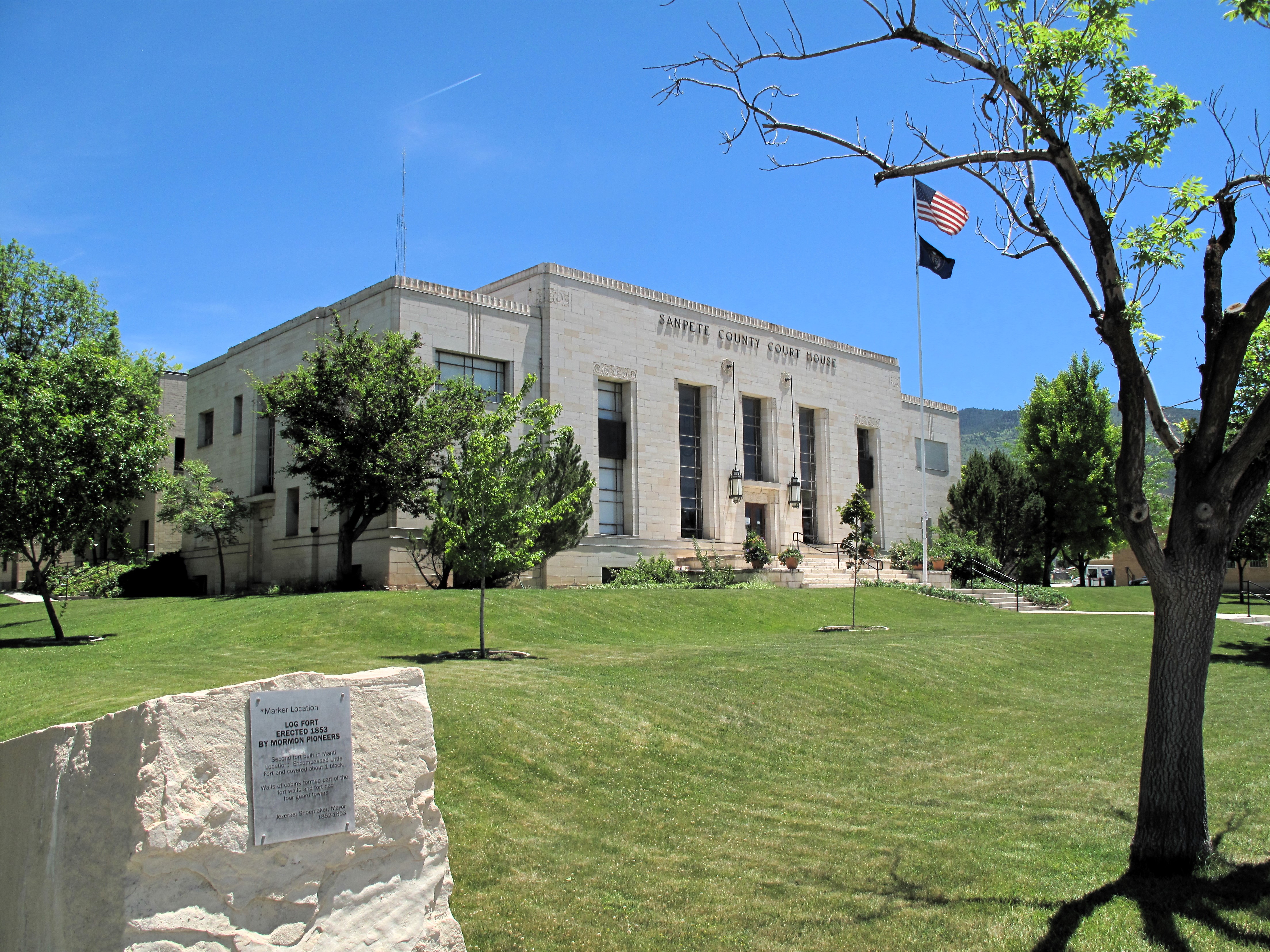
Manti is the seat of Sanpete County, Utah. The Sanpete County Courthouse is shown below.

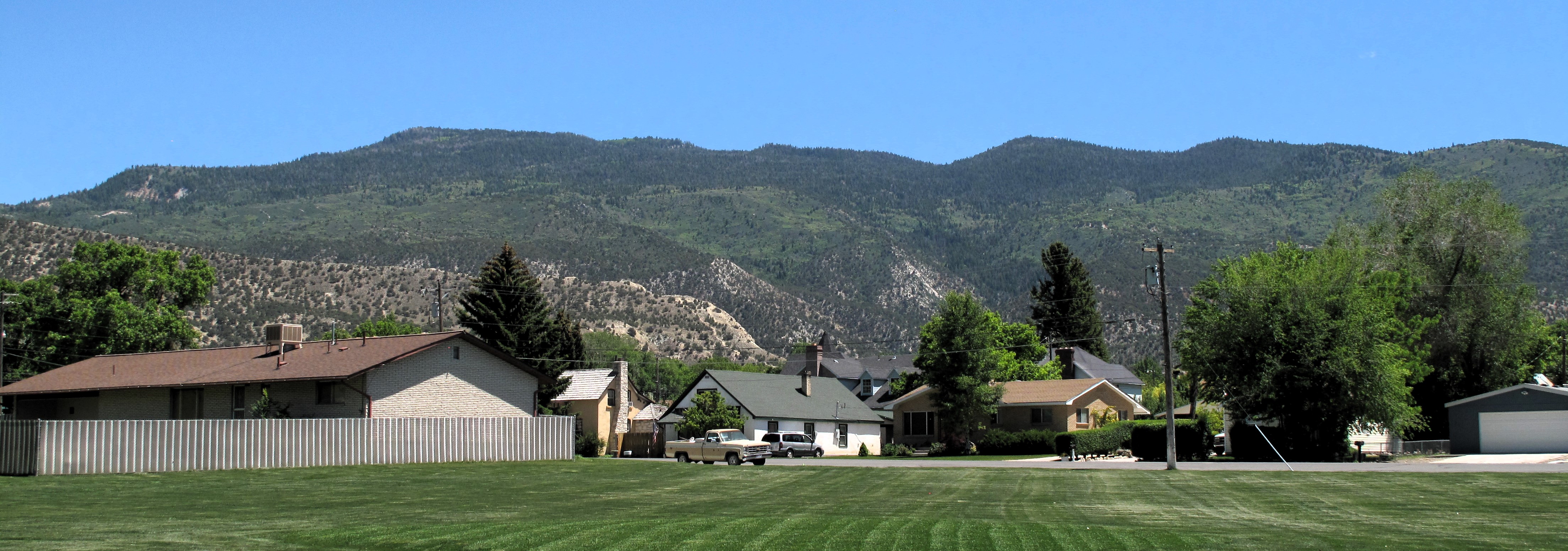
A residential street in Manti beneath the summits of the Sanpete Mountains.

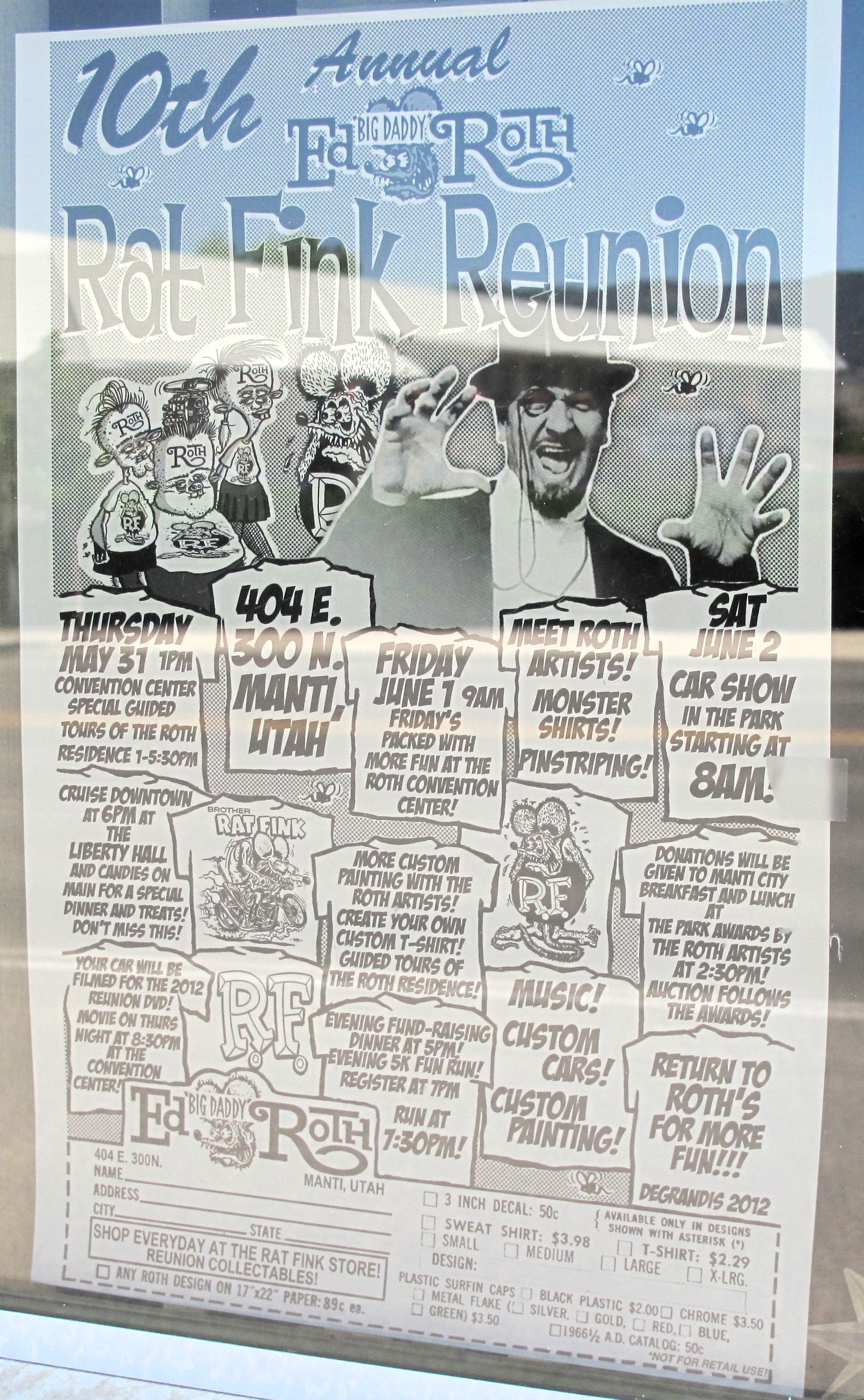
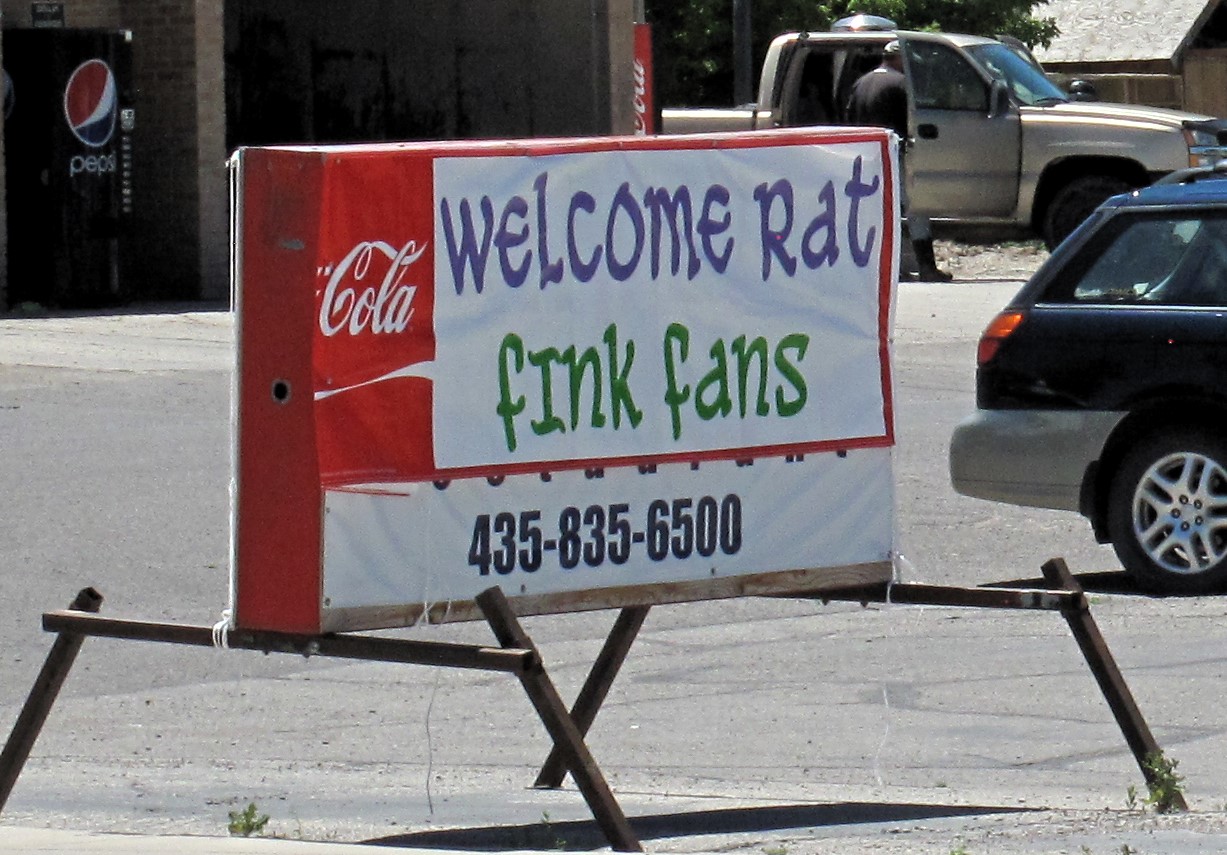
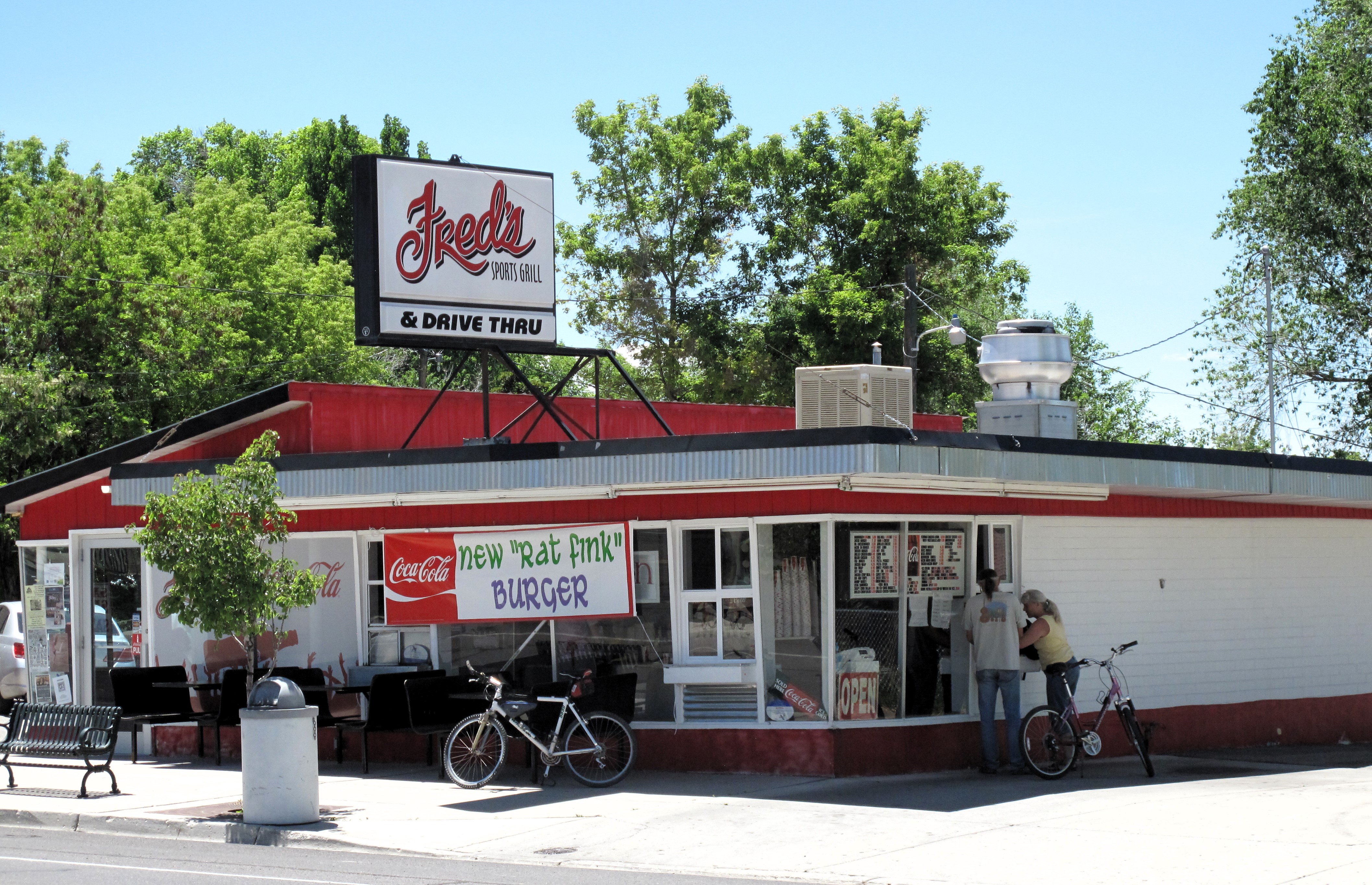
I was shocked to see this poster on a local shop window along Main Street. References to something called “Rat Fink” seemed greatly out of place in this quiet, staid Mormon town.

Advertisement for the 10th Annual Ed “Big Daddy” Roth Rat Fink Reunion.

What the heck is this? This seems like something straight out of California, not Utah.

I looked up “Rat Fink” in Wikipedia (all the links work, and will explain everything):

Rat Fink is one of several hot rod characters created by artist Ed “Big Daddy” Roth, one of the originators of Kustom Kulture of automobile enthusiasts. Roth conceived Rat Fink as an anti-hero to Mickey Mouse.”

Rat Fink has its origins in California as I suspected. Ed “Big Daddy” Roth was born in Beverly Hills and grew up in the Los Angeles area, where he achieved fame for his artwork. Later in life, Roth married a girl from Manti and joined the Church of Jesus Christ of Latter Day Saints in 1974. He spent the rest of his life in Manti, where he died in 2001.

The Rat Fink Reunion is now an annual event in Manti. Here is a link to the 2024 Rat Fink Reunion website.

I was in Manti on June 1, 2012, and I wrote the following note to mark the visit:

“Welcome June, welcome summer! Welcome heat! Welcome blue skies! Welcome little girls standing on tiptoes to buy ice cream with dollar bills begged from their grandfathers! Welcome teenage boys crossing Main Street on their lawnmowers, heading toward their next grass-cutting job. Memories are being made, both for them and for me.”

Good times, good times.

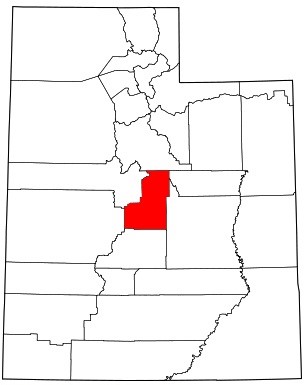
Sanpete County in the state of Utah

A list of all photo posts from the American County Seats series in TimManBlog can be found here.

All photos were taken by the author on June 1, 2012.

My lifetime hobby is traveling to all of America’s county courthouses, and each month, I post about a visit to a scenic or exciting county seat. It’s a hobby, and donations are greatly appreciated to help cover my costs.

Donations to TimManBlog

Use this form to make donations to support this site. Paypal, Visa, Mastercard, Amex, and Discover cards are accepted. Donations can be made in increments of $5.00; increase the number of units to increase the donation amount.

$5.00

Eureka Springs, Arkansas

April 30, 2024
(photos and memories from April 2018)
(If you like my posts, you can support this site with a donation via Paypal, Visa, Amex, Mastercard, or Discover by using the form at the bottom of this post. Thank you.)

“Eureka” means “I have found it.”

I drove into Eureka Springs from the north, not knowing what to expect as I entered Arkansas from Missouri. I soon found myself passing through a stone canyon along whose stream the Eureka Springs and Northern Arkansas Railroad had laid its tracks. I hadn’t expected to find a railroad.

The Depot.
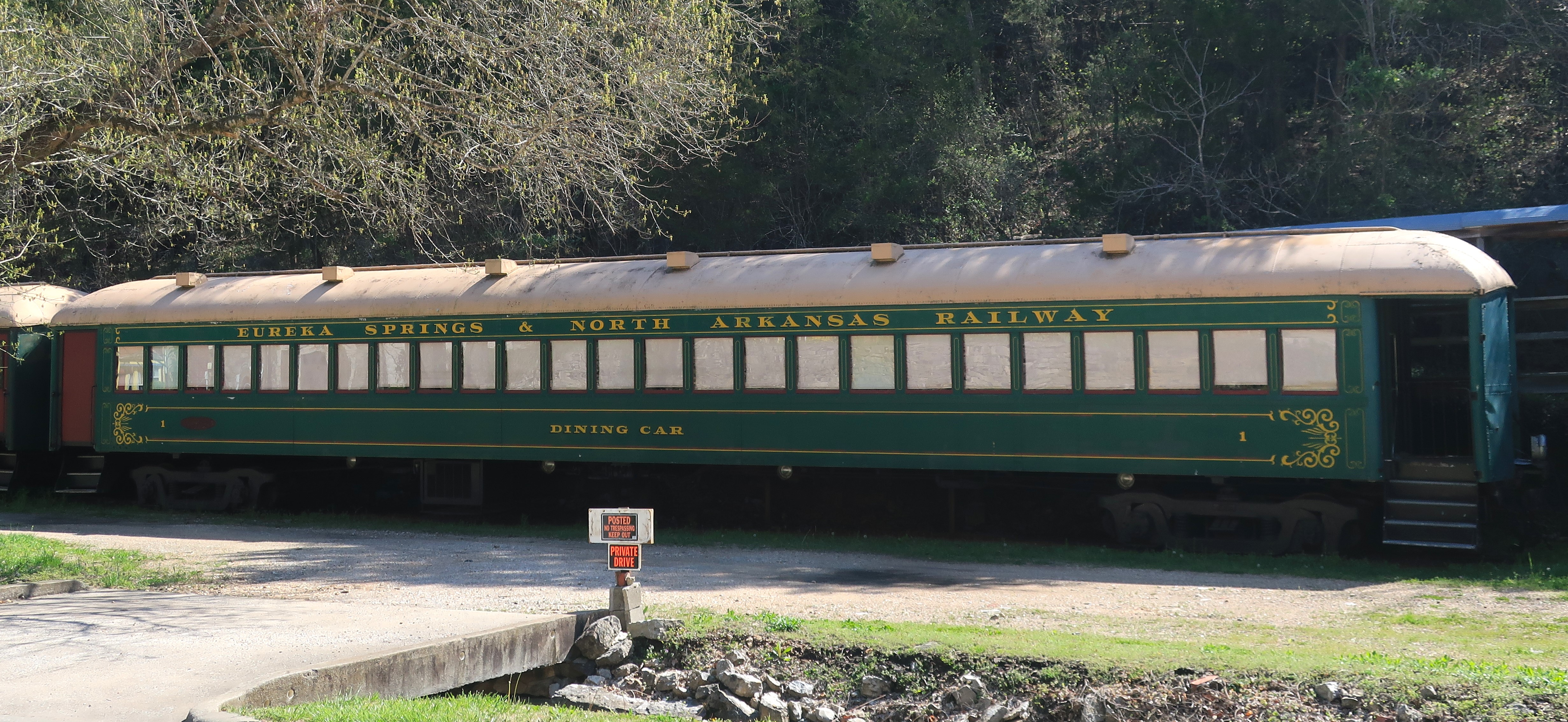
The Dining Car.

Upon stopping for a look around, I found that the old railroad is still operational, but only for recreational purposes, and runs from April through October. The depot was outside of town, and I found other businesses here.

Businesses near the old train depot.

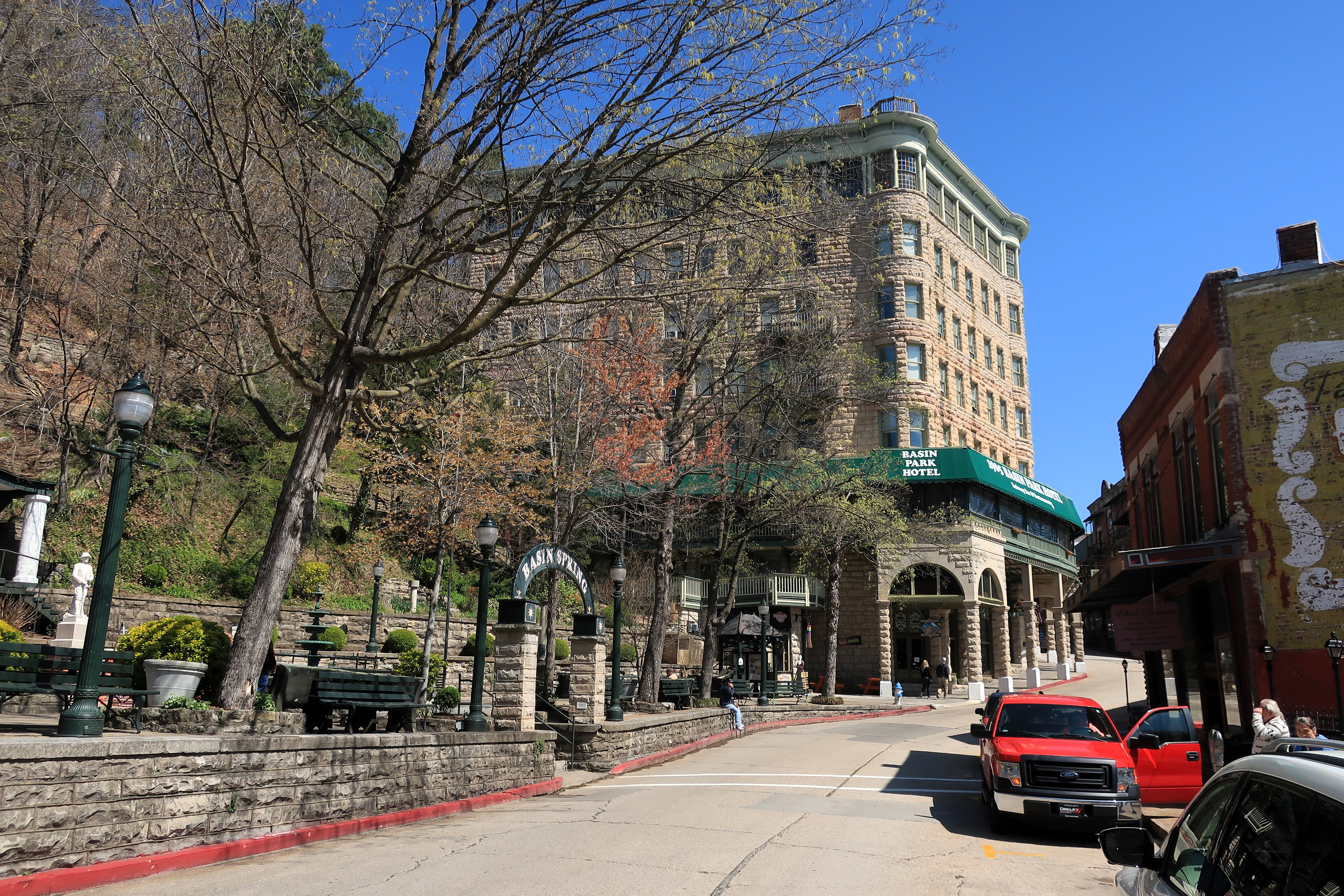
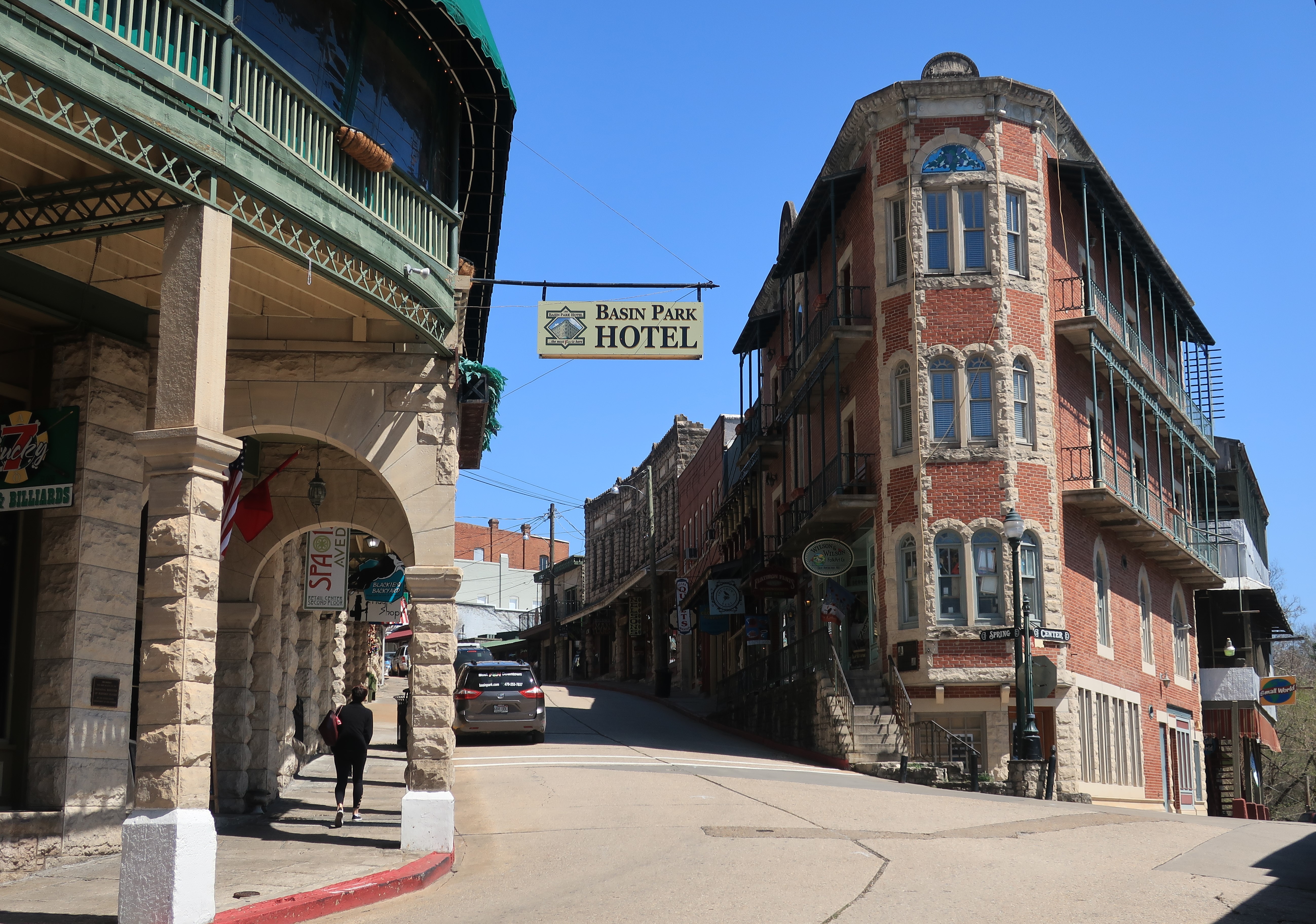
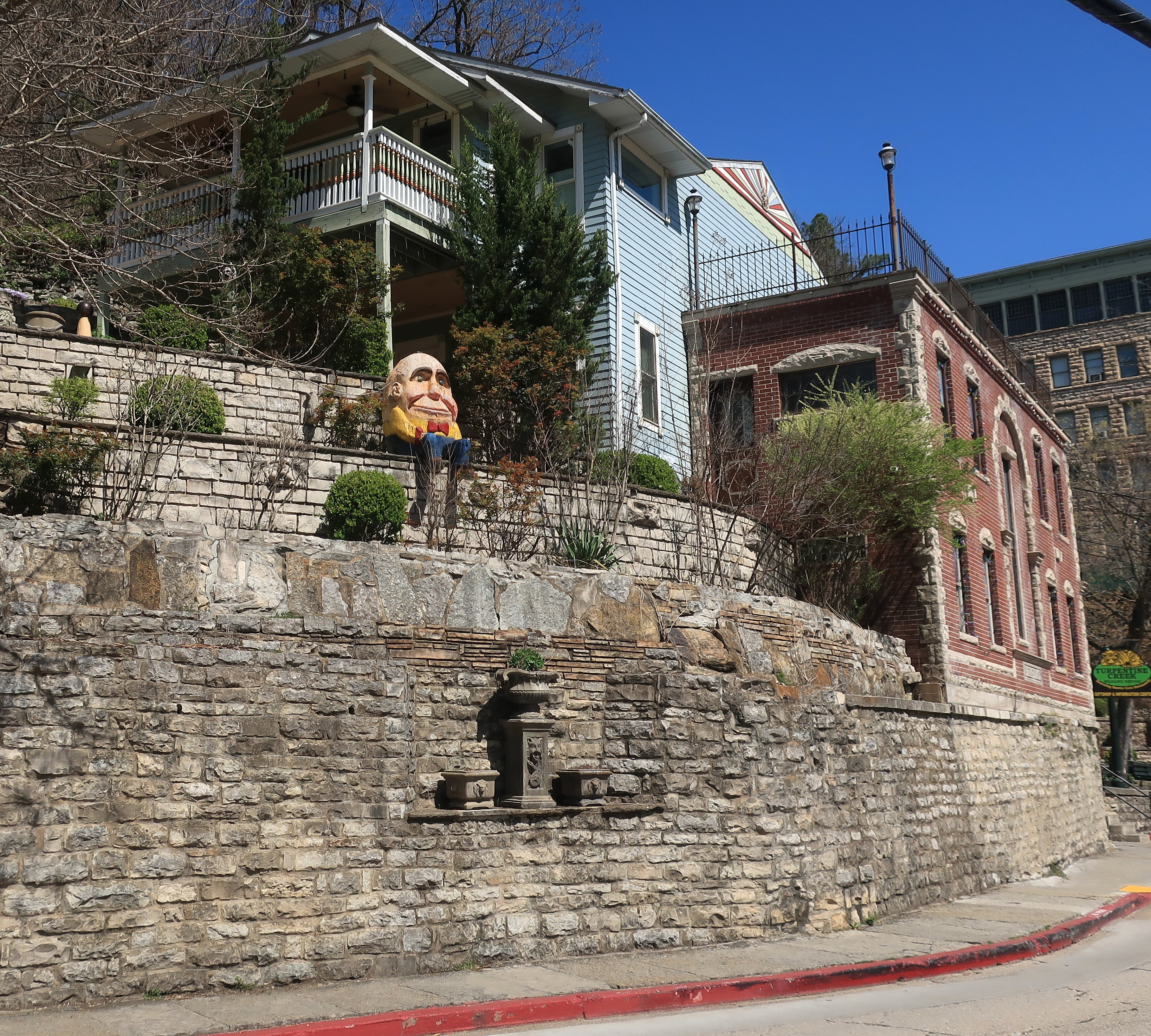
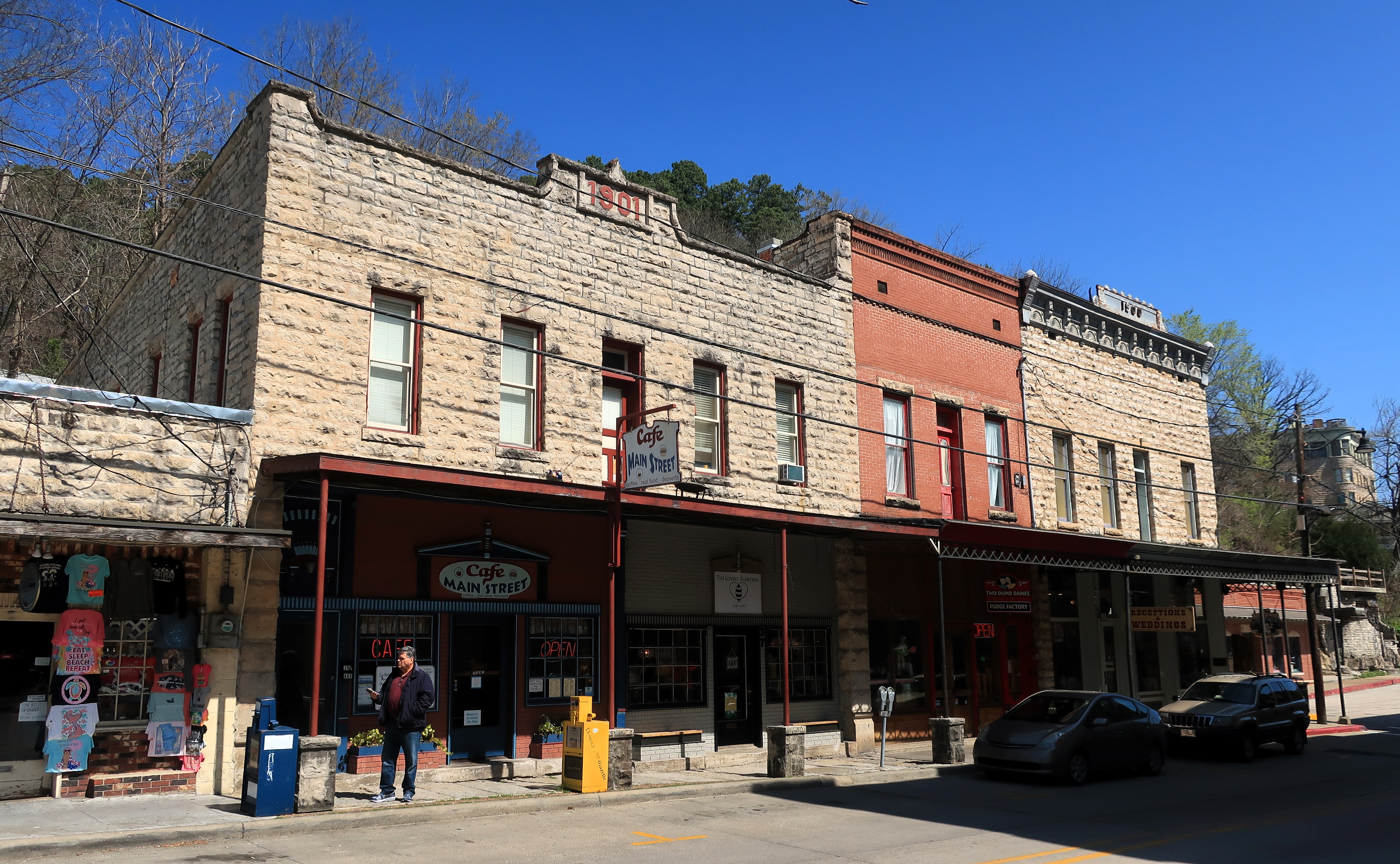
I continued into the center of town. By the surroundings of North Main Street, it became apparent that Eureka Springs was a resort town. Early settlers believed that the nearby natural springs had healing powers. Starting in 1879, the area was promoted as a destination for tourists and cure-seekers. Eureka Springs grew up around this activity, producing a thriving town full of Victorian architecture.

The 1905 Victorian Basin Park Hotel next to Basin Spring Park in Eureka Springs, Arkansas.
Basin Spring Park in Eureka Springs, Arkansas. The spring flows from the hillside above the platform.
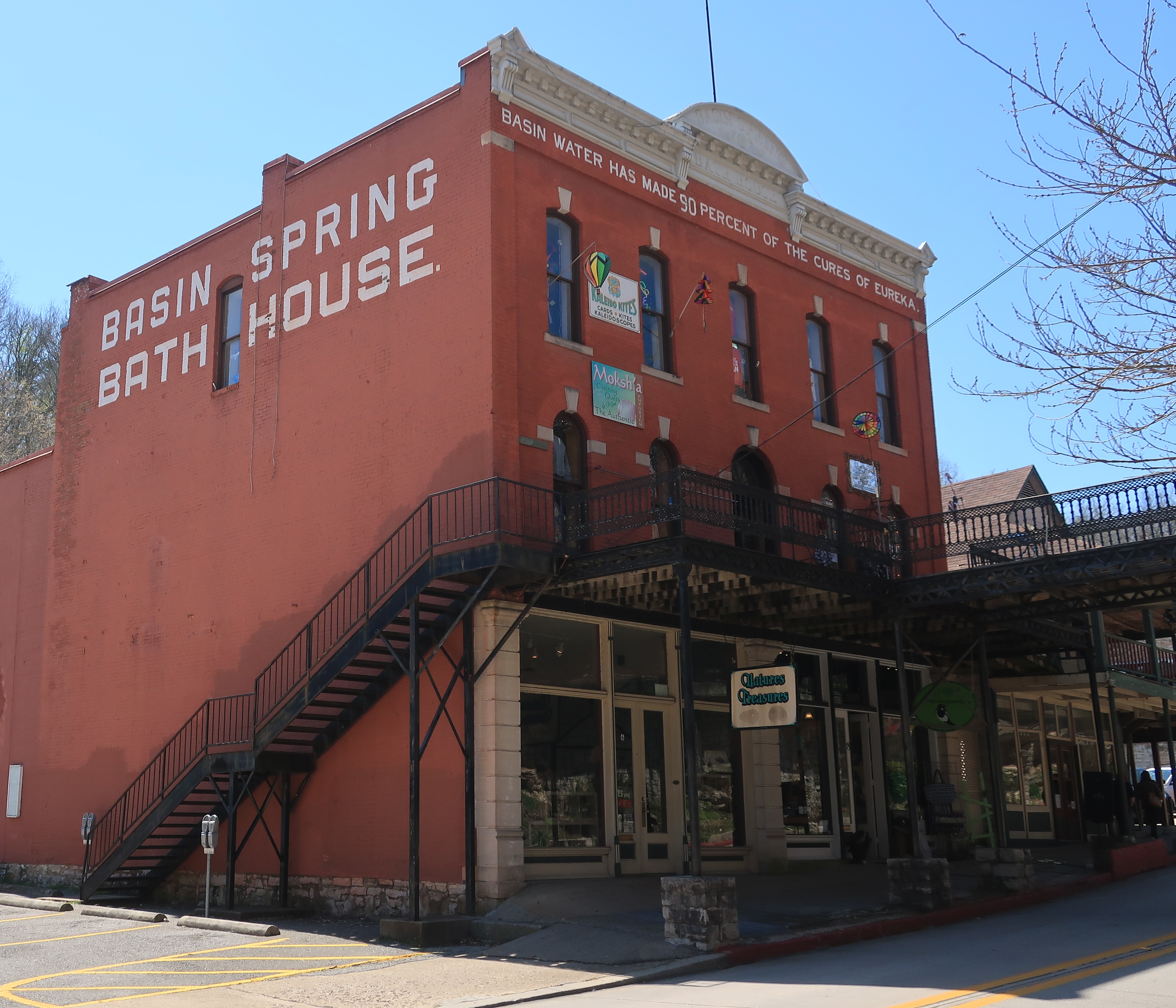
The old Basin Spring Bath House in the Eureka Springs downtown historic district.

Although the popularity of “taking the waters” has declined in this century, Eureka Springs still draws tourists for its winding streets, old hotels, souvenir shops, mountain views, and old buildings.

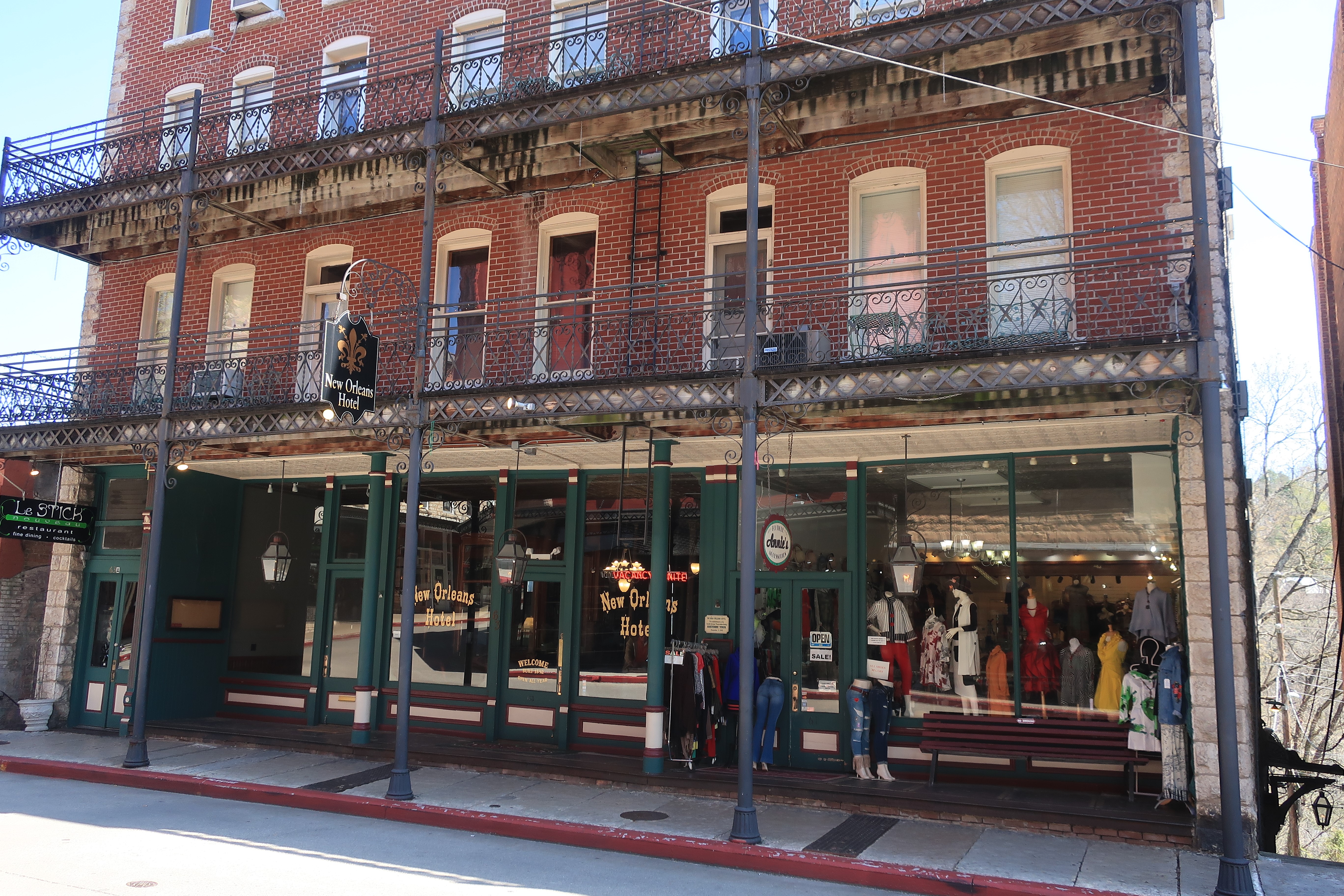
I spent an hour walking through town. Main Street is at the lowest level, and the other streets wind uphill. I took photos of some old luxury hotels (still in use) and many old 19th-century buildings. Here are a few of the gems:

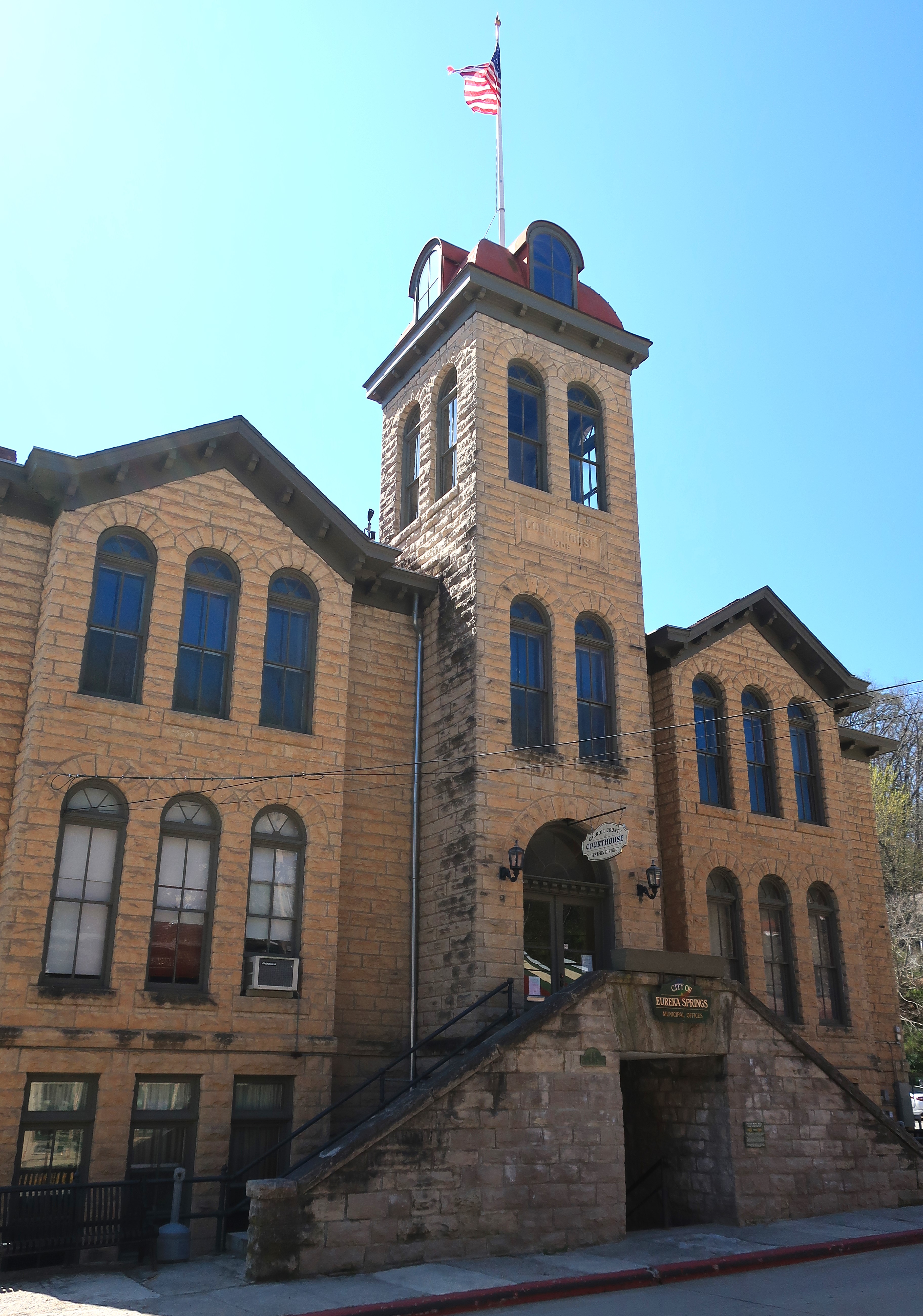
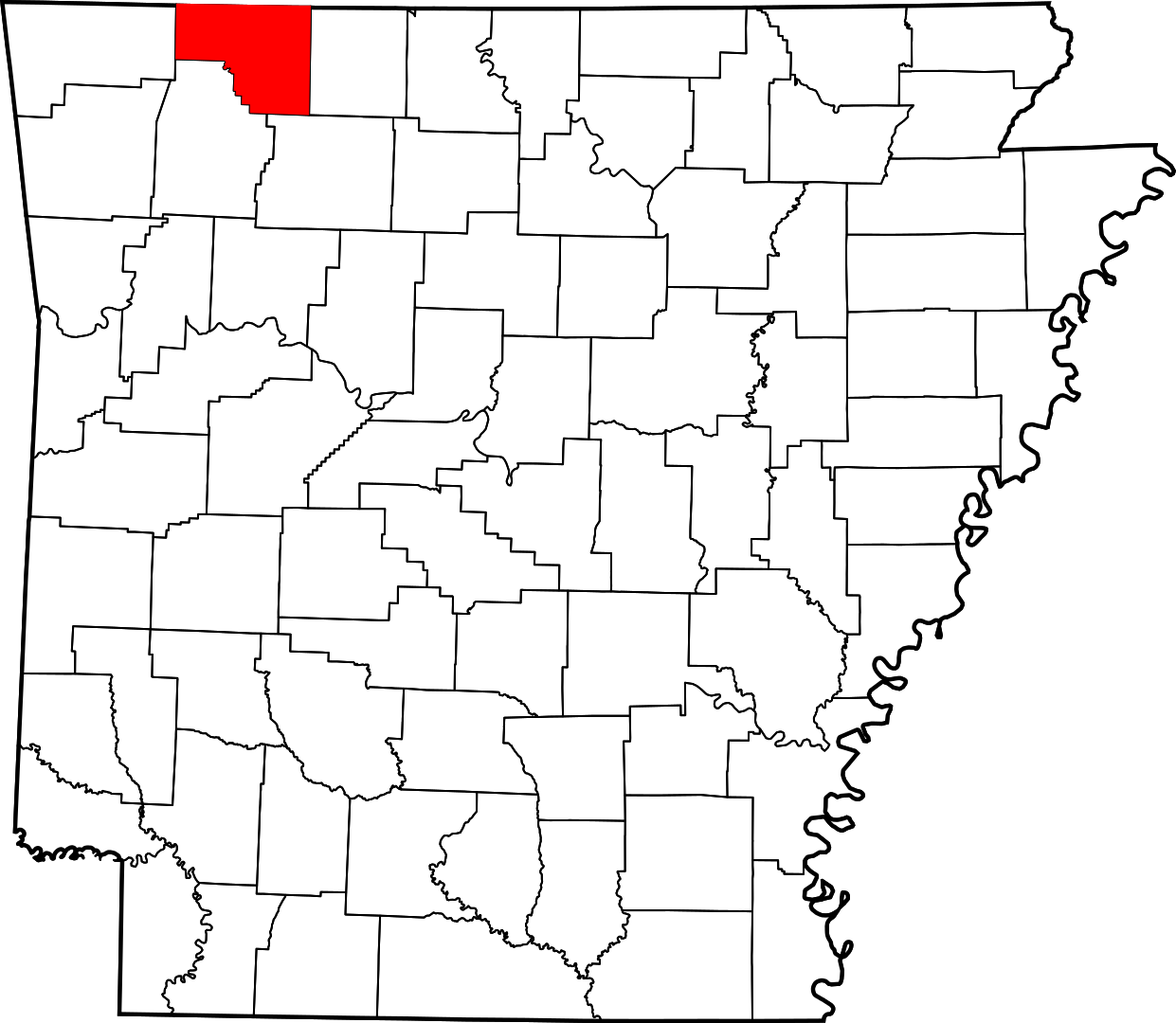
Carroll County, Arkansas, has two county seats: Berryville and Eureka Springs. In the early 1900s, Eureka Springs successfully lobbied for the establishment of a second county seat because the county’s hilly terrain made travel to the Berryville courthouse was so difficult.

Carroll County Courthouse, Western District. Eureka Springs, Arkansas.

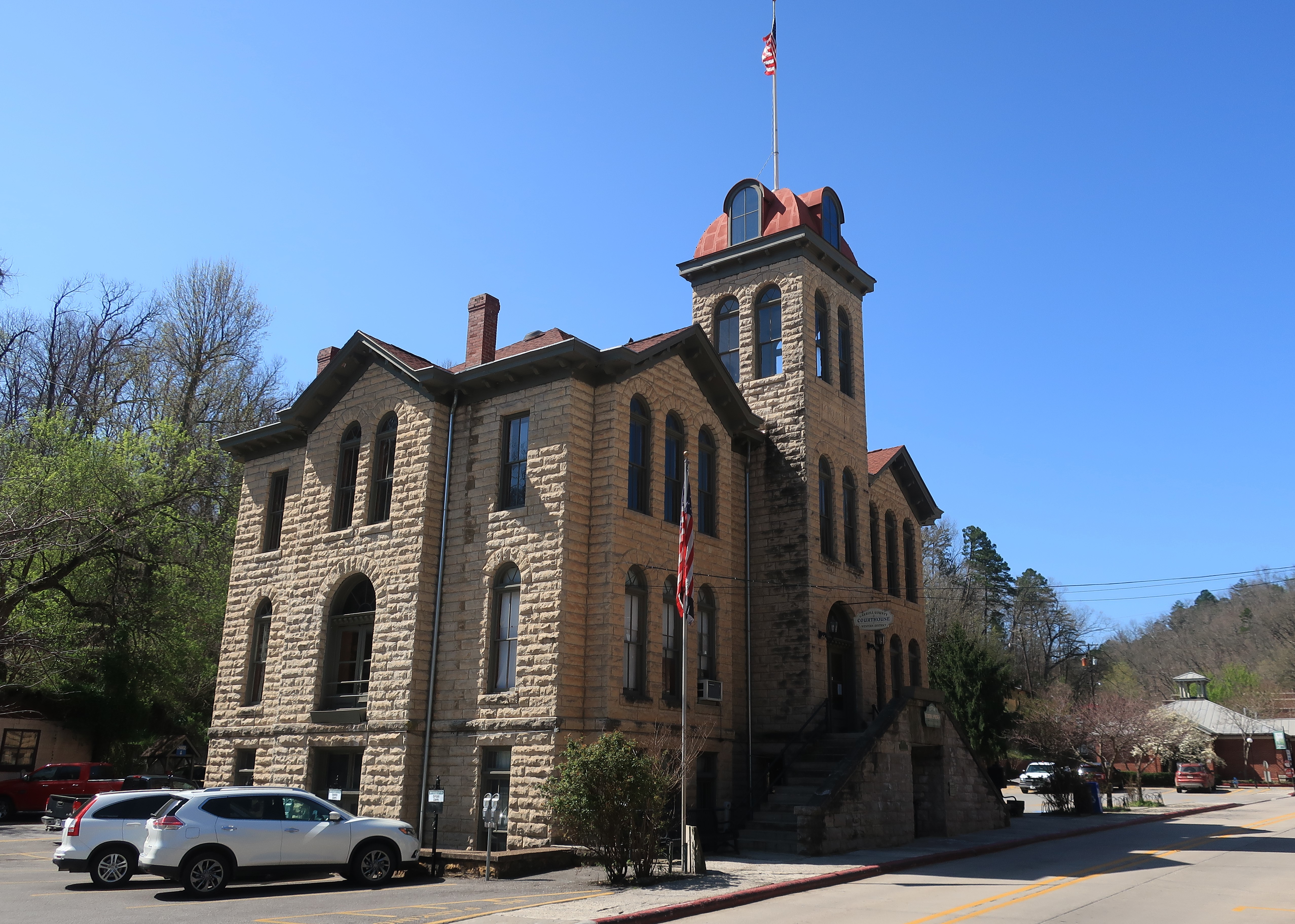
The courthouse for the Western District of Carroll County was erected in 1908. This is a three-story limestone block structure with a bell tower and a US flag flying above it. However, the courtroom itself was closed because the bailiff had not yet arrived to unlock it. A sign explained as much.

Carroll County Courthouse. Eureka Springs, Arkansas.

I had no idea that Eureka Springs was such a beautiful tourist town before I arrived. All I had known previously was that it was a dot on the map and one of the two seats of Carroll County, Arkansas.

Carroll County within the state of Arkansas.

A list of all photo posts from the American County Seats series in TimManBlog can be found here.

All photos were taken by the author on April 16, 2018.

My lifetime hobby is traveling to all of America’s county courthouses, and each month, I post about a visit to a scenic or exciting county seat. It’s a hobby, and donations are greatly appreciated to help cover my costs.

Donations to TimManBlog

Use this form to make donations to support this site. Paypal, Visa, Mastercard, Amex, and Discover cards are accepted. Donations can be made in increments of $5.00; increase the number of units to increase the donation amount.

$5.00

Post Navigation