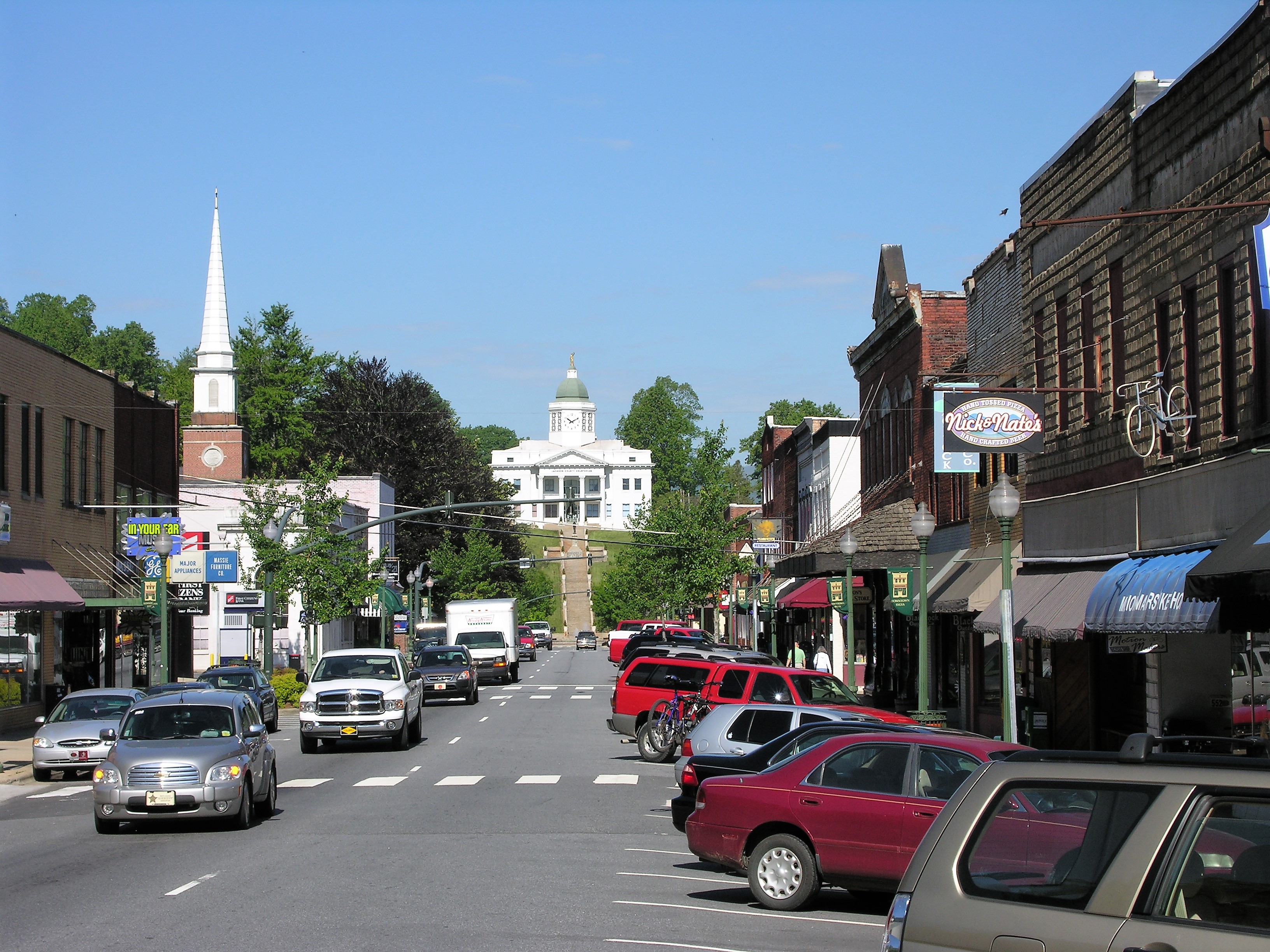
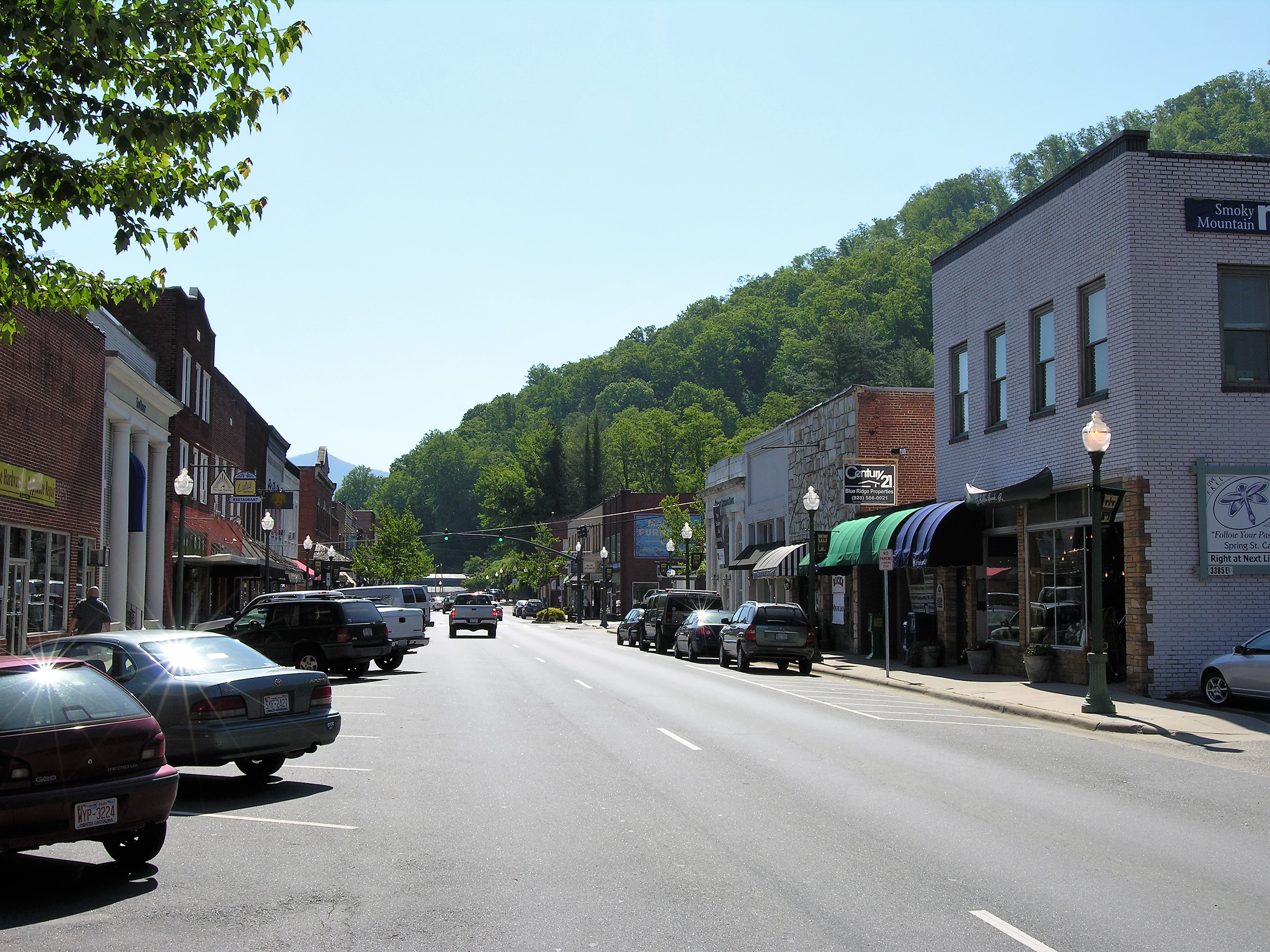
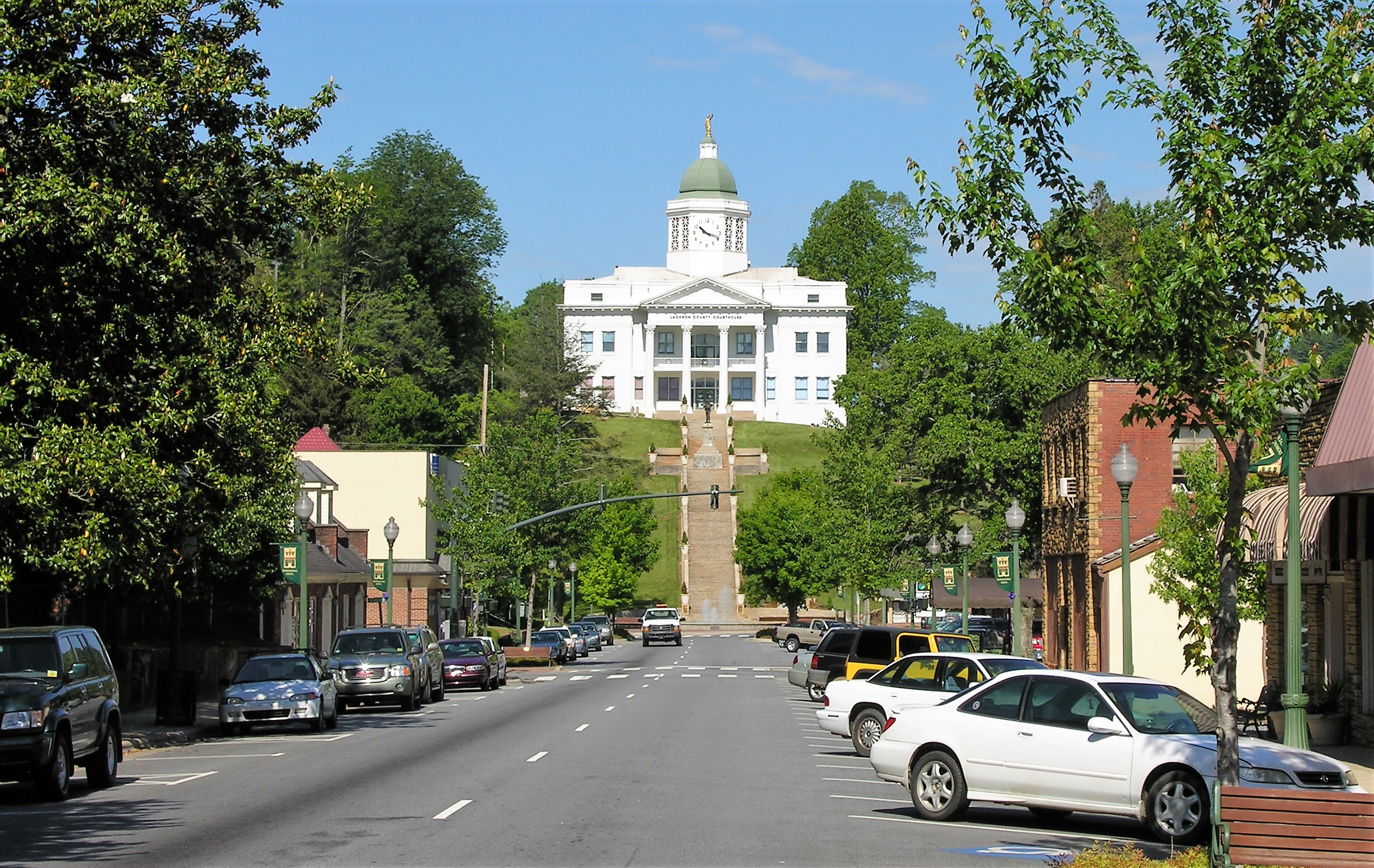
If someone were ever to write the Great California Epic, they might wisely choose Mariposa as the central setting, for Mariposa, near the entrance to the great Yosemite Valley, is the navel of the Golden State. All California life seems to flow from this place like water from a spring.
Mariposa is nestled in the foothills of California’s central Sierra Nevada Mountains, just outside the boundaries of Yosemite National Park.
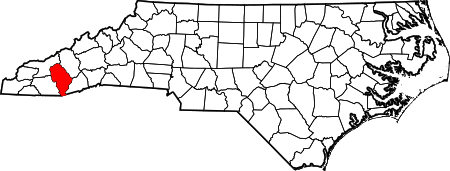
Mariposa County in the state of California
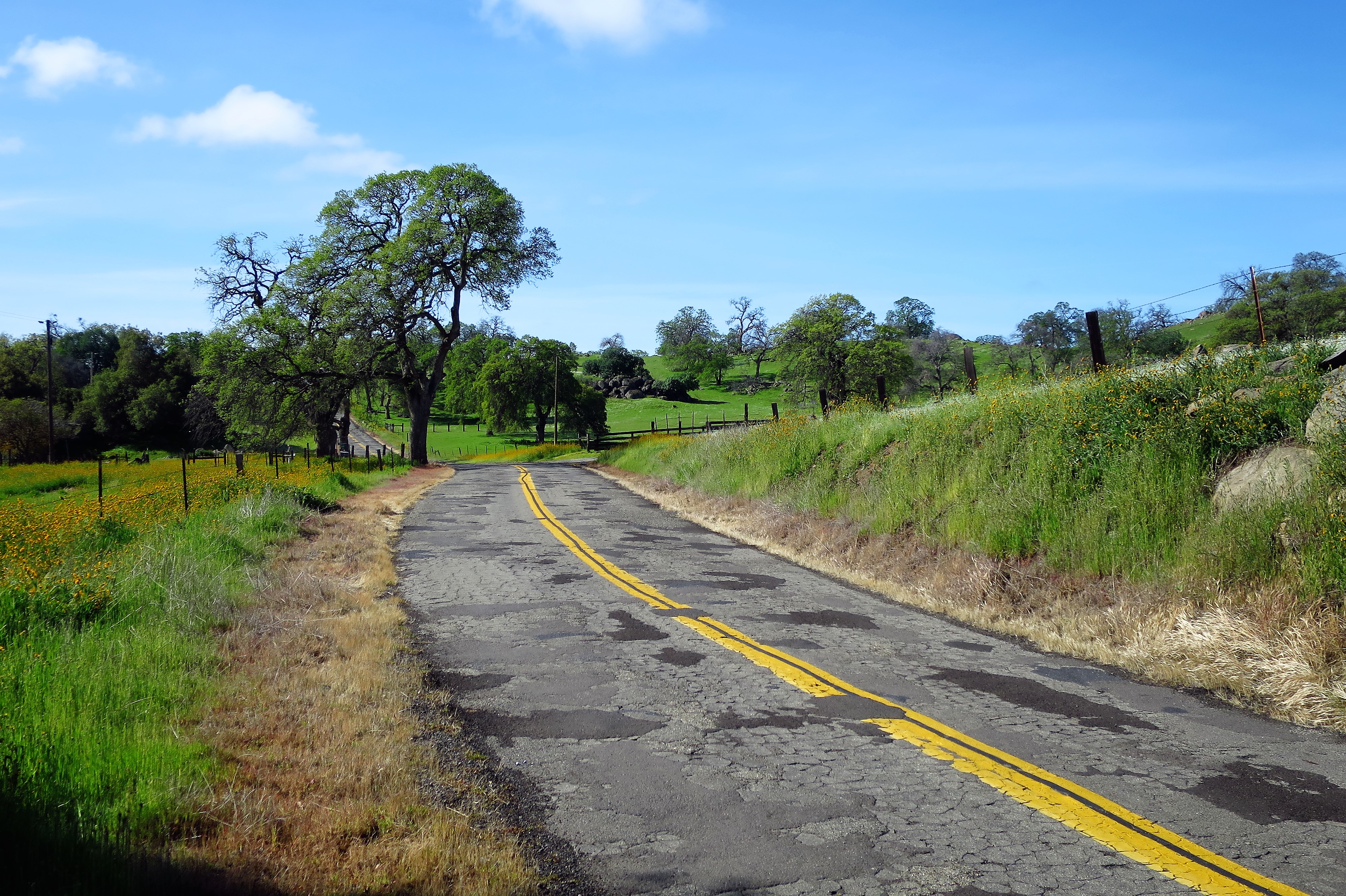
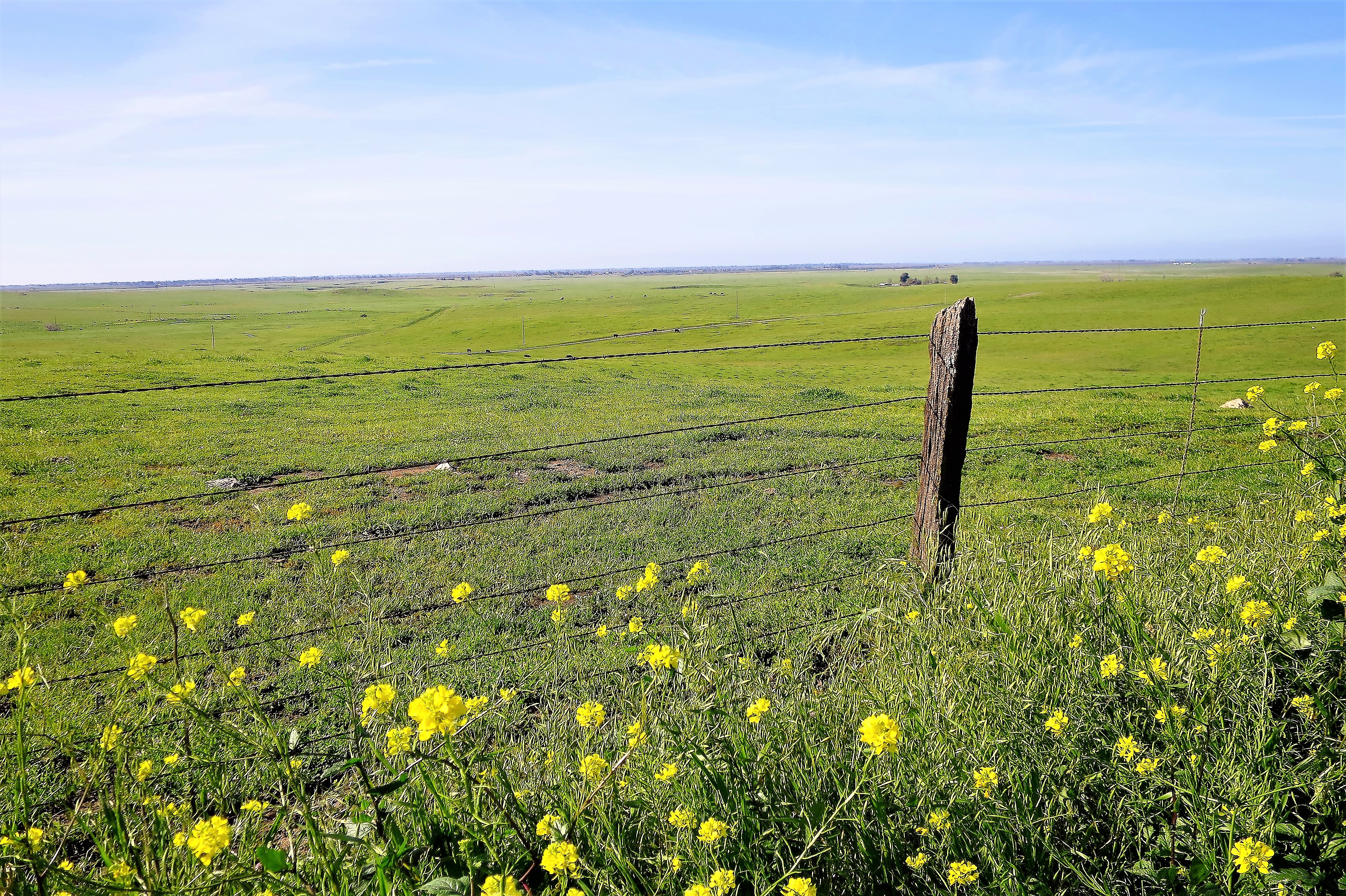
To get here, start from the San Joaquin Valley raisin towns of Fresno or Madera on a clear March morning (as I did, back in March 2016). Then, put away the road map and turn on Google Maps. Change the settings to “avoid highways” and follow the roads uphill. Here’s what your climb will look like:
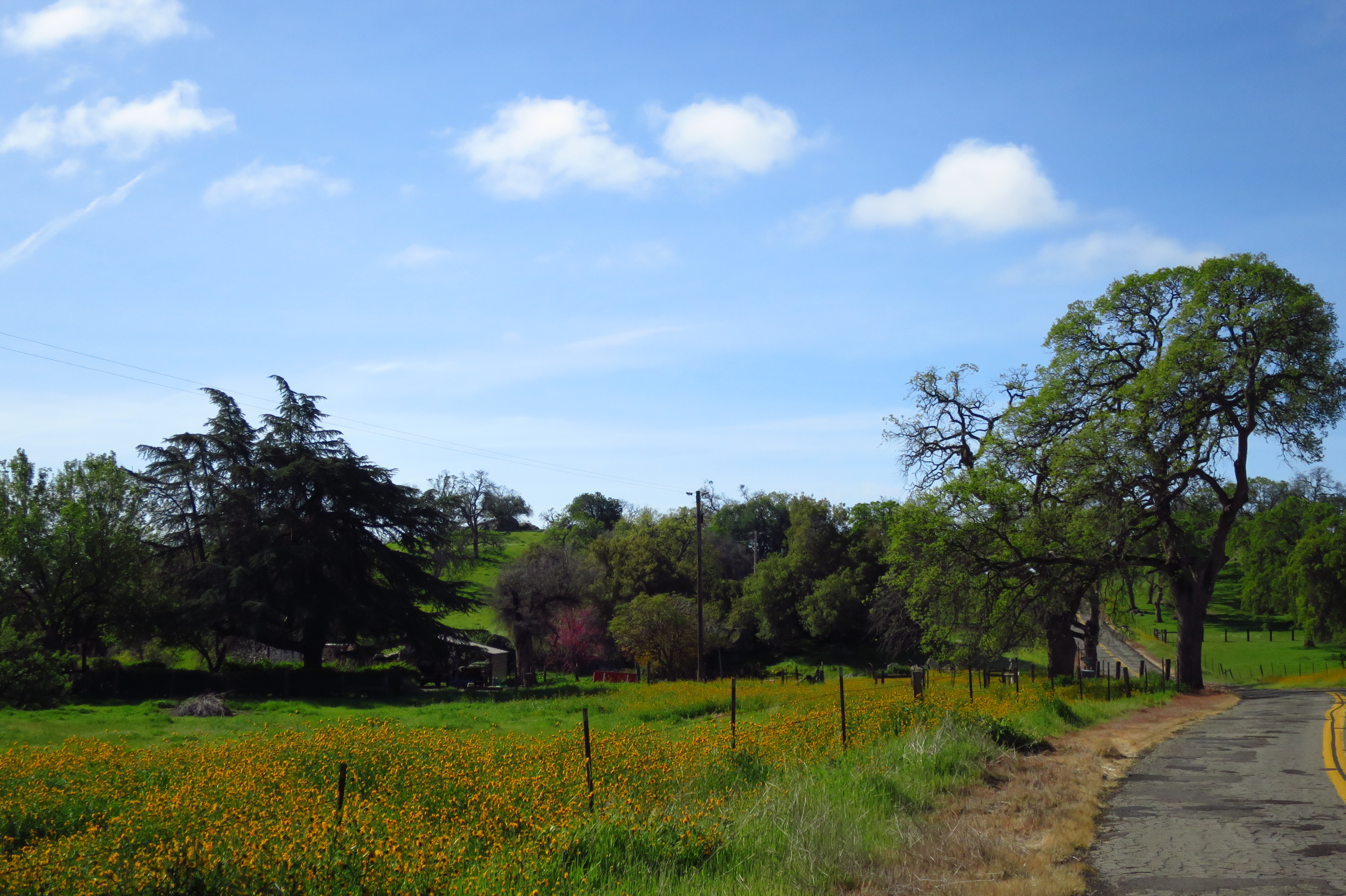
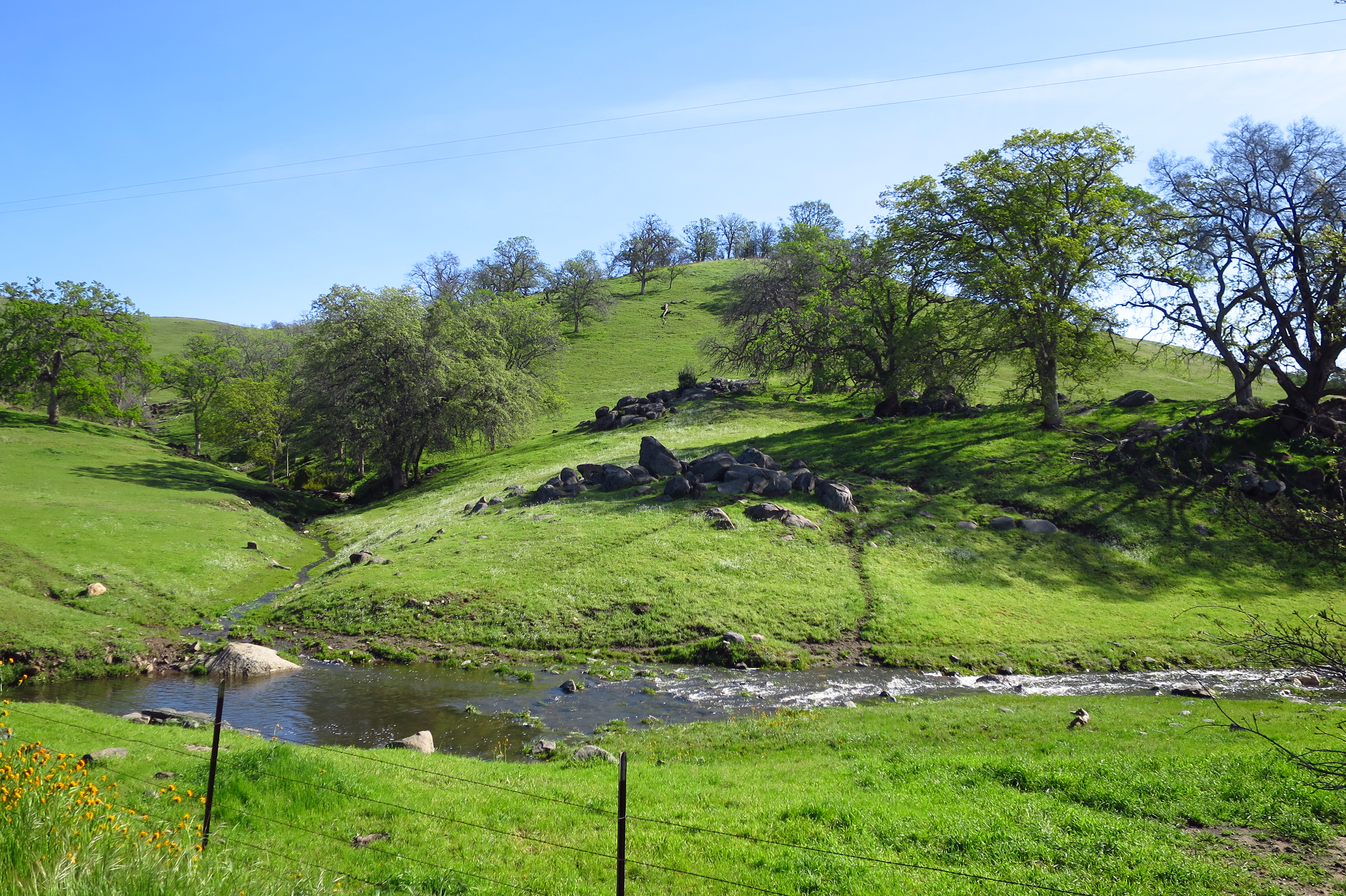
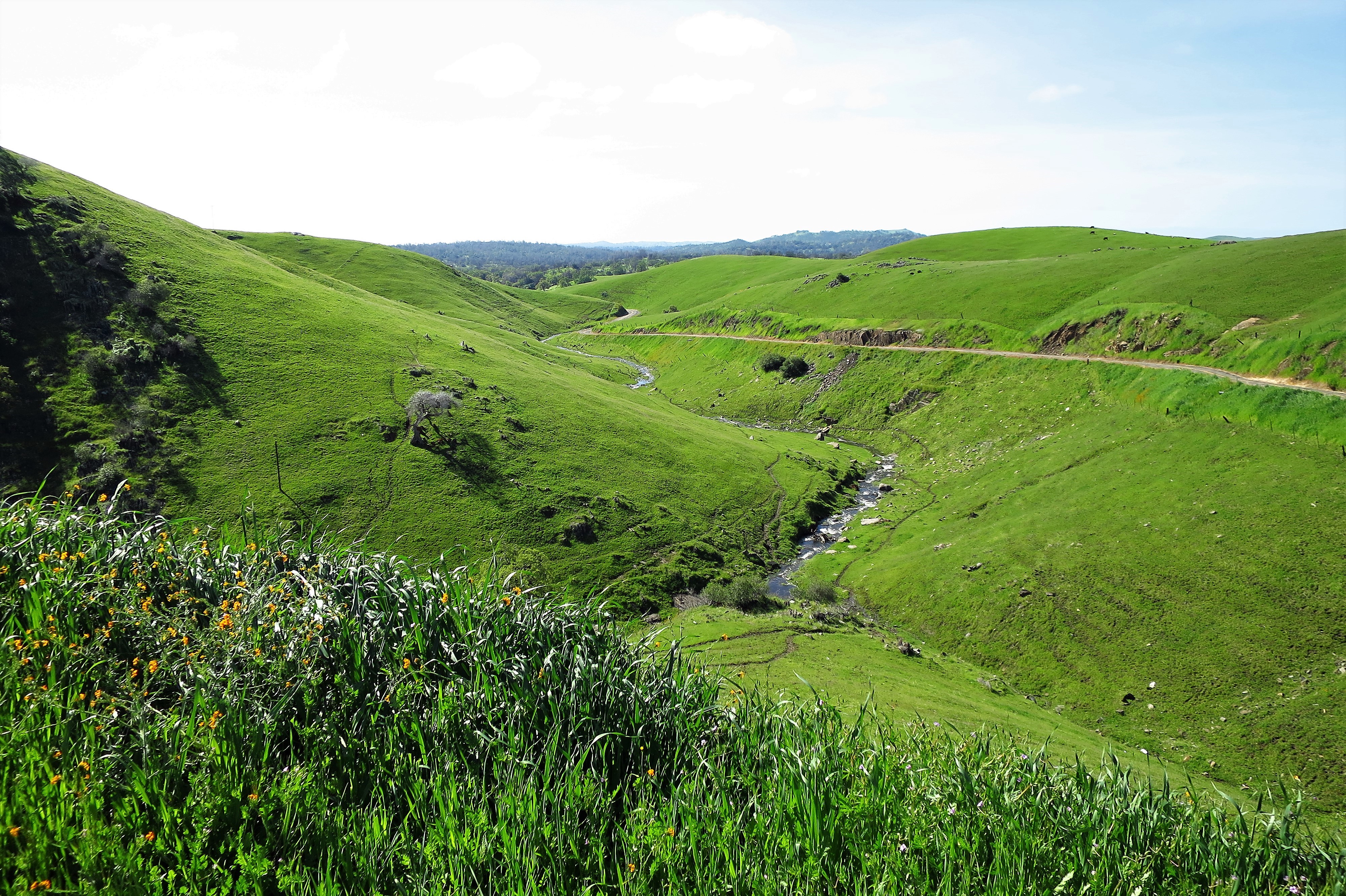
Climbing above the San Joaquin Valley (Madera County, California)Country road, Madera CountyIsolated ranch hours, Madera County
Entering Mariposa County:
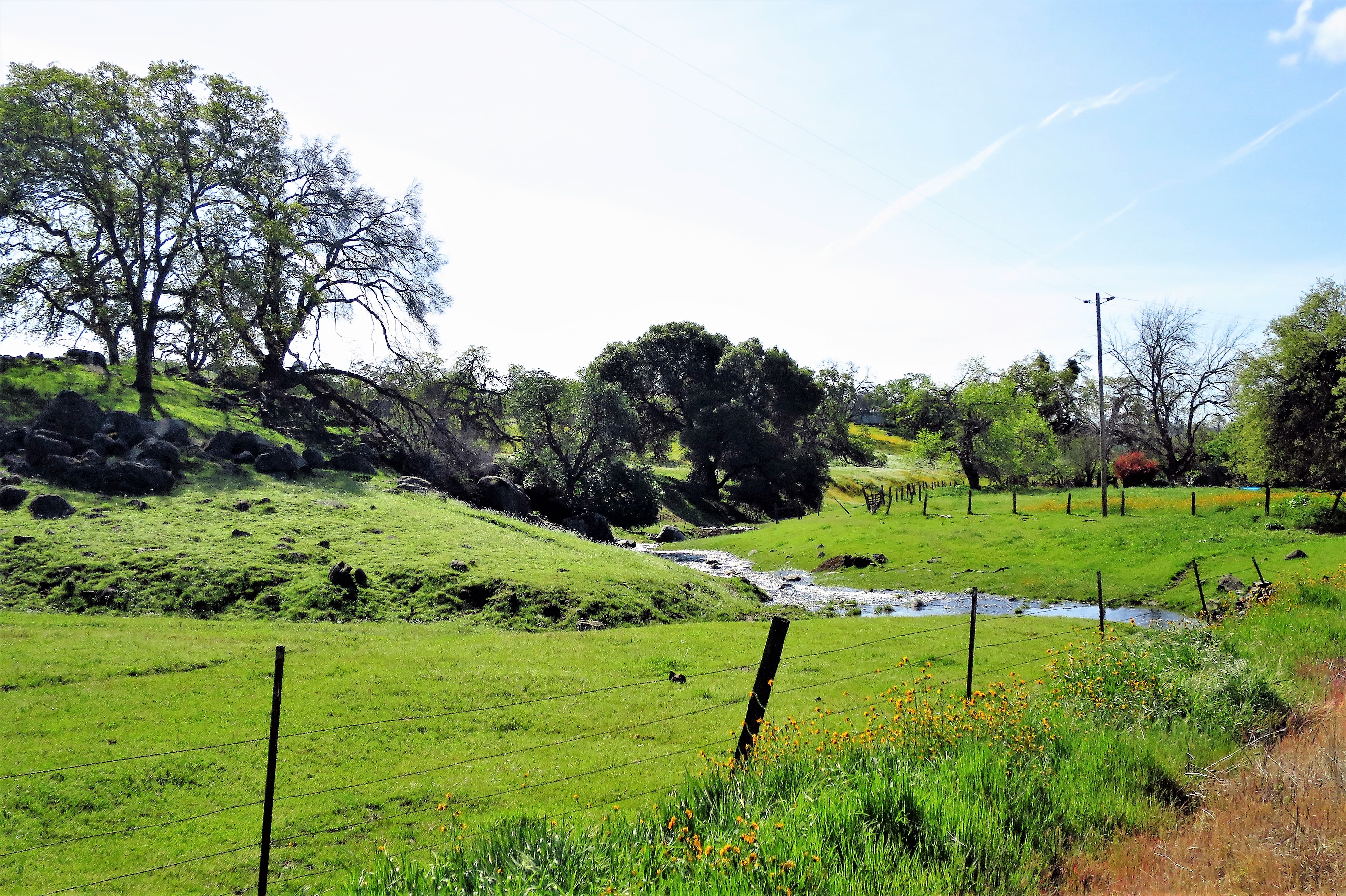
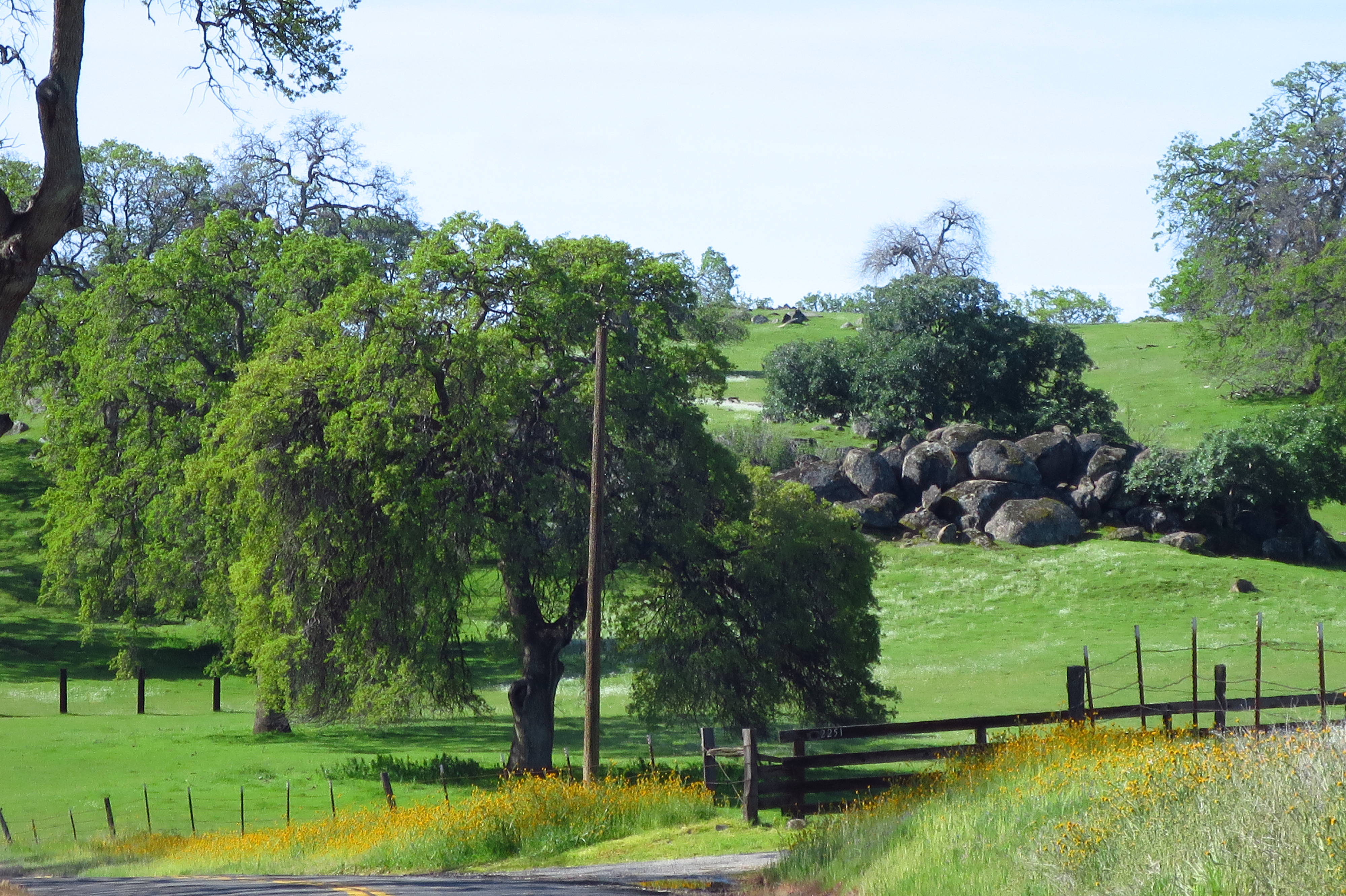
Old Farm house, Mariposa CountyOak Trees, ranches, and Sierra spring run-off
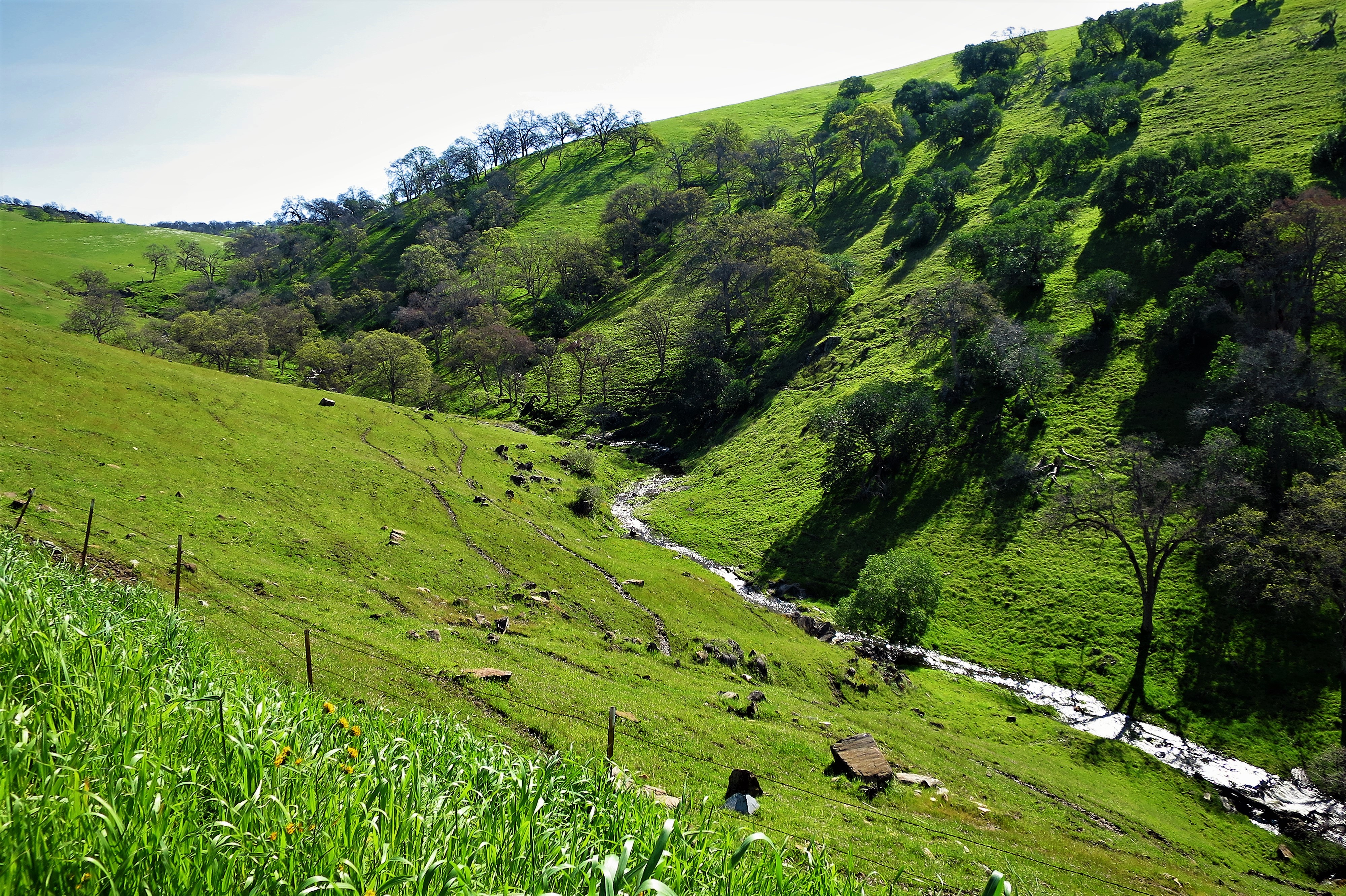
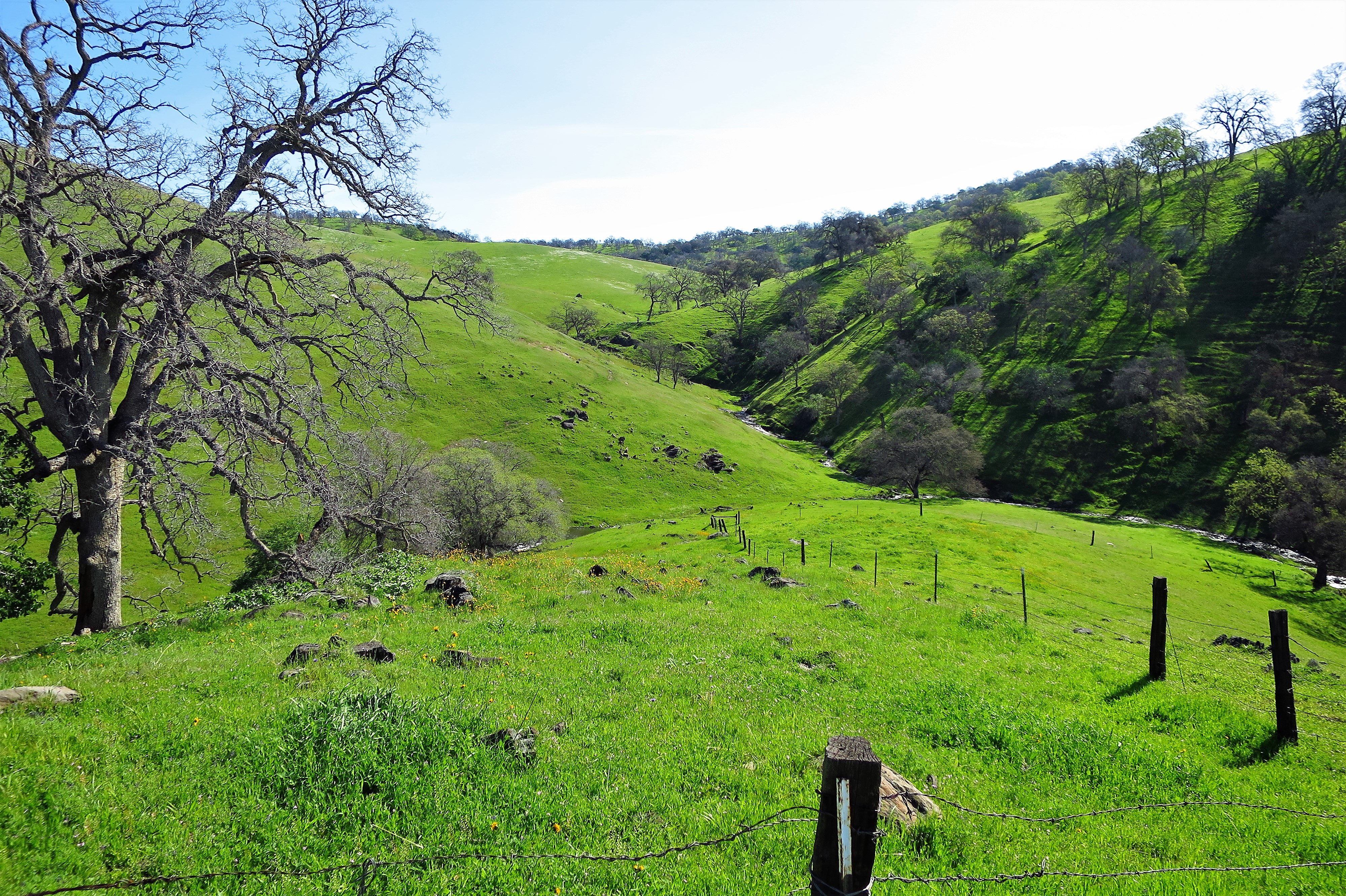
The climb gets steeper as you get higher into the Sierra, but the grass is still as green as if it were Ireland.
Sierra Nevada foothills, Mariposa County, CaliforniaSpring freshet, Mariposa County
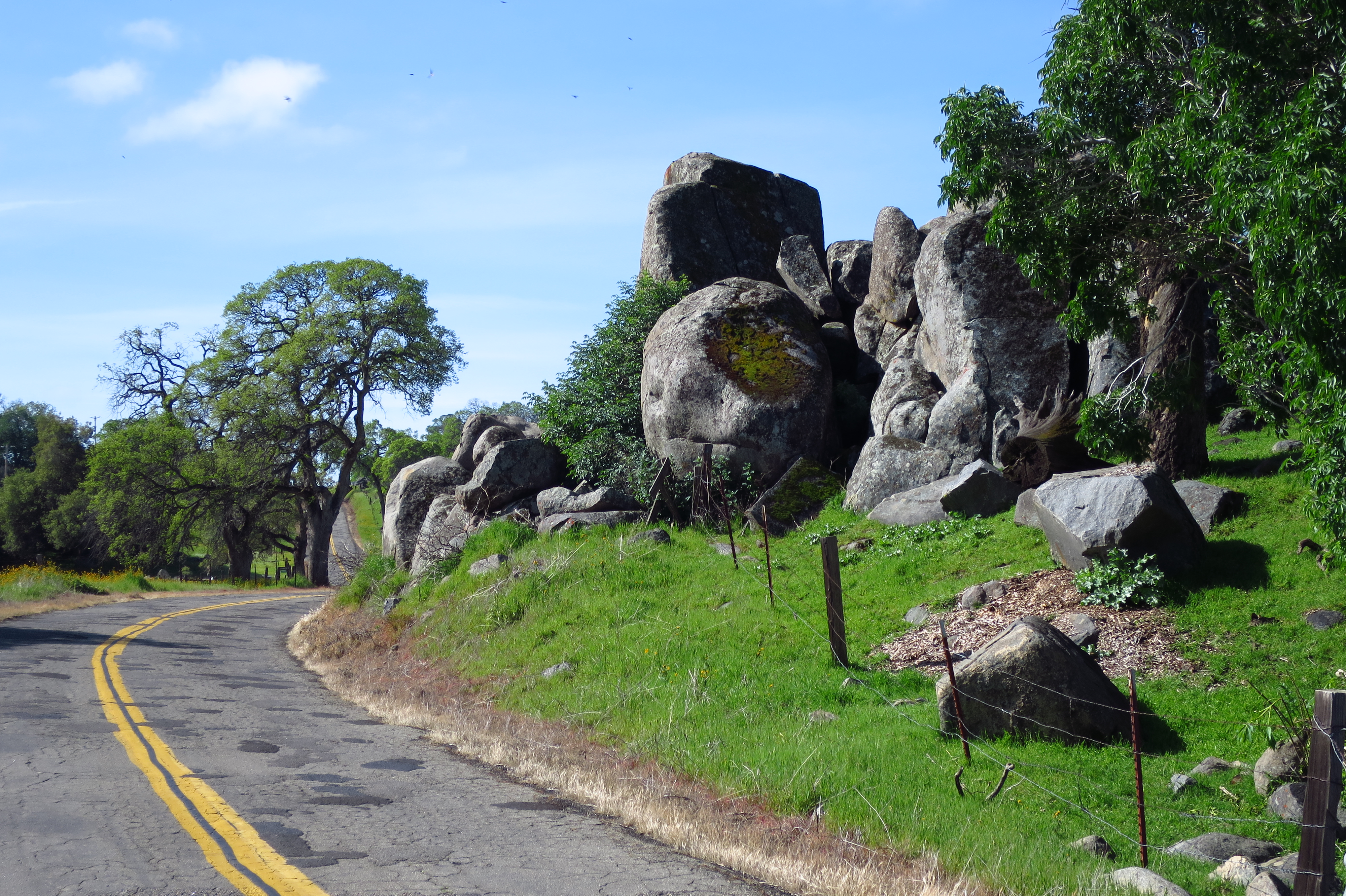
The road twists around granite boulders as you climb higher into the mountains.
Mariposa County
Finally, you arrive.
Downtown Mariposa, California along the “Central Yosemite Highway”
I remember coming up to Mariposa for the first time back in the 90s with my then-girlfriend. She pointed out that Mariposa means “butterfly” in Spanish. She knew of what she spoke.
Mariposa, California
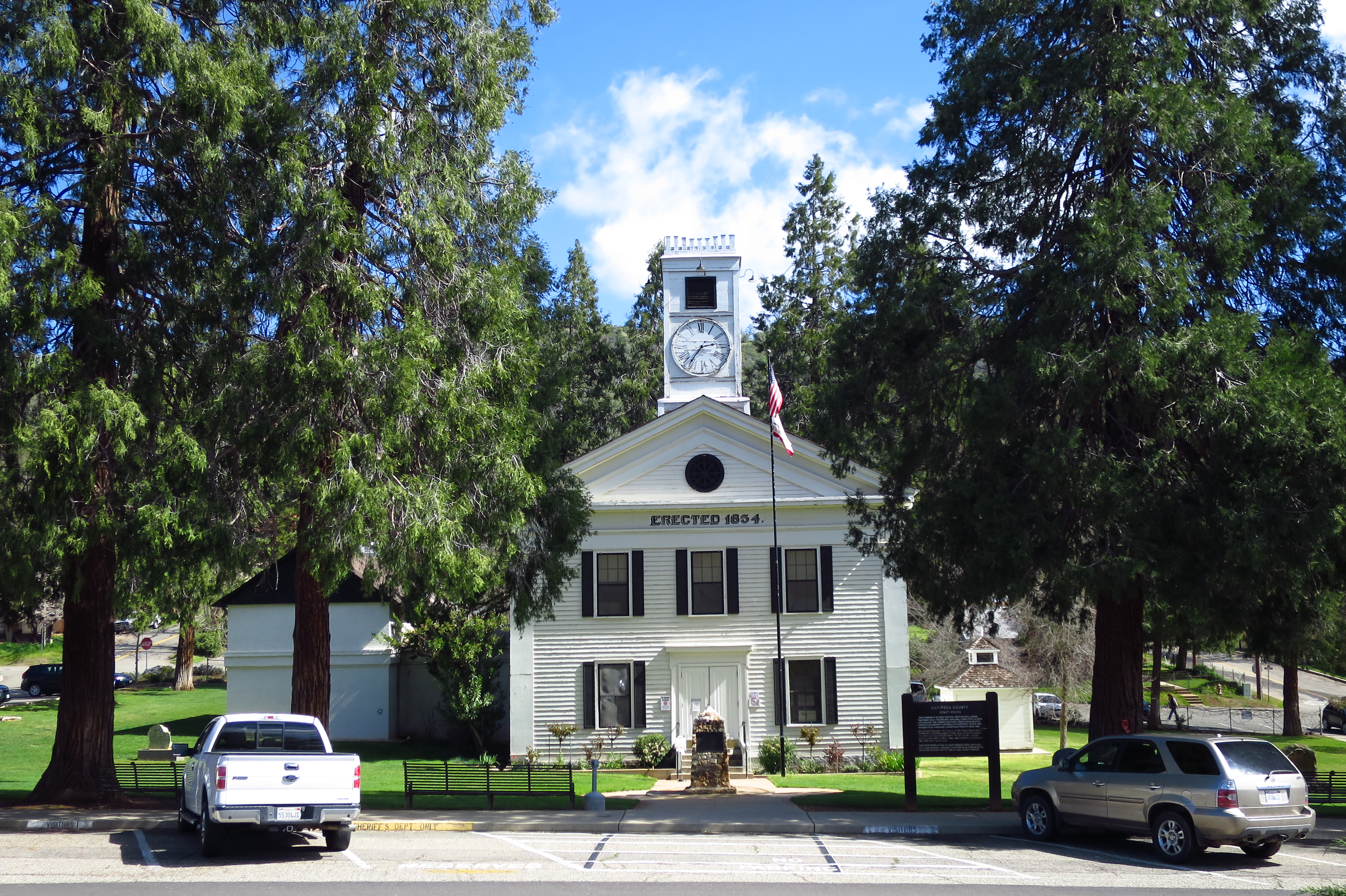
Mariposa is an old gold mining town and the seat of Mariposa County. The old courthouse was built in 1854, was the scene of some landmark mining cases, and is still in use today. It’s the oldest county courthouse in the state of California. It may be even older than the two Sequoia trees which guard the front entrance.
Mariposa County Courthouse.Mariposa County Courthouse
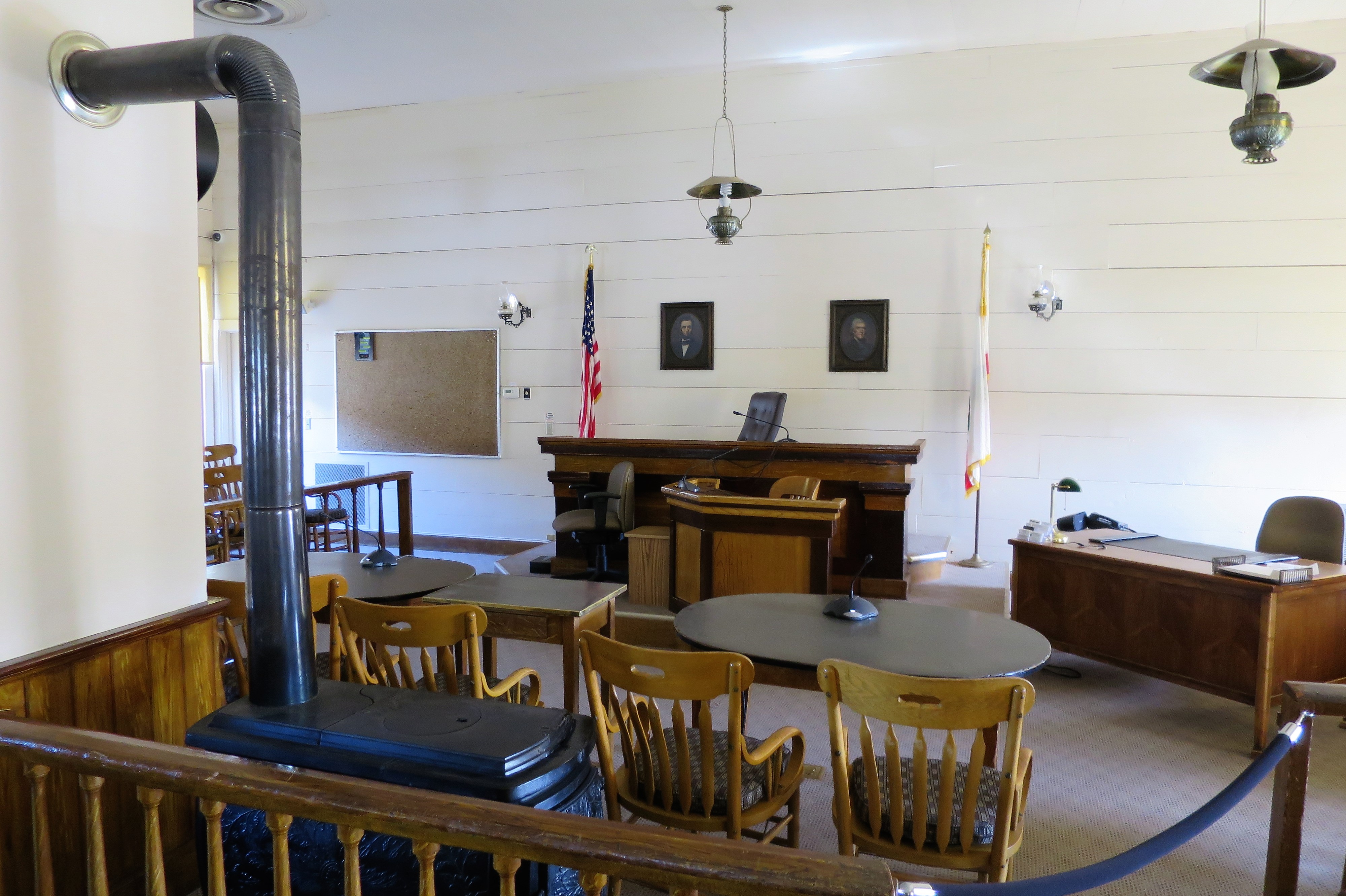
The courthouse has only one courtroom. Portraits of Lincoln and Jefferson are the only adornment on the wall behind the Judge’s seat, which is odd considering that judges, lawyers, and juries were meeting here before Abraham Lincoln was even elected President. I’m told that the old stove still provides primary heating for the courtroom.
Main courtroom, Mariposa County Courthouse
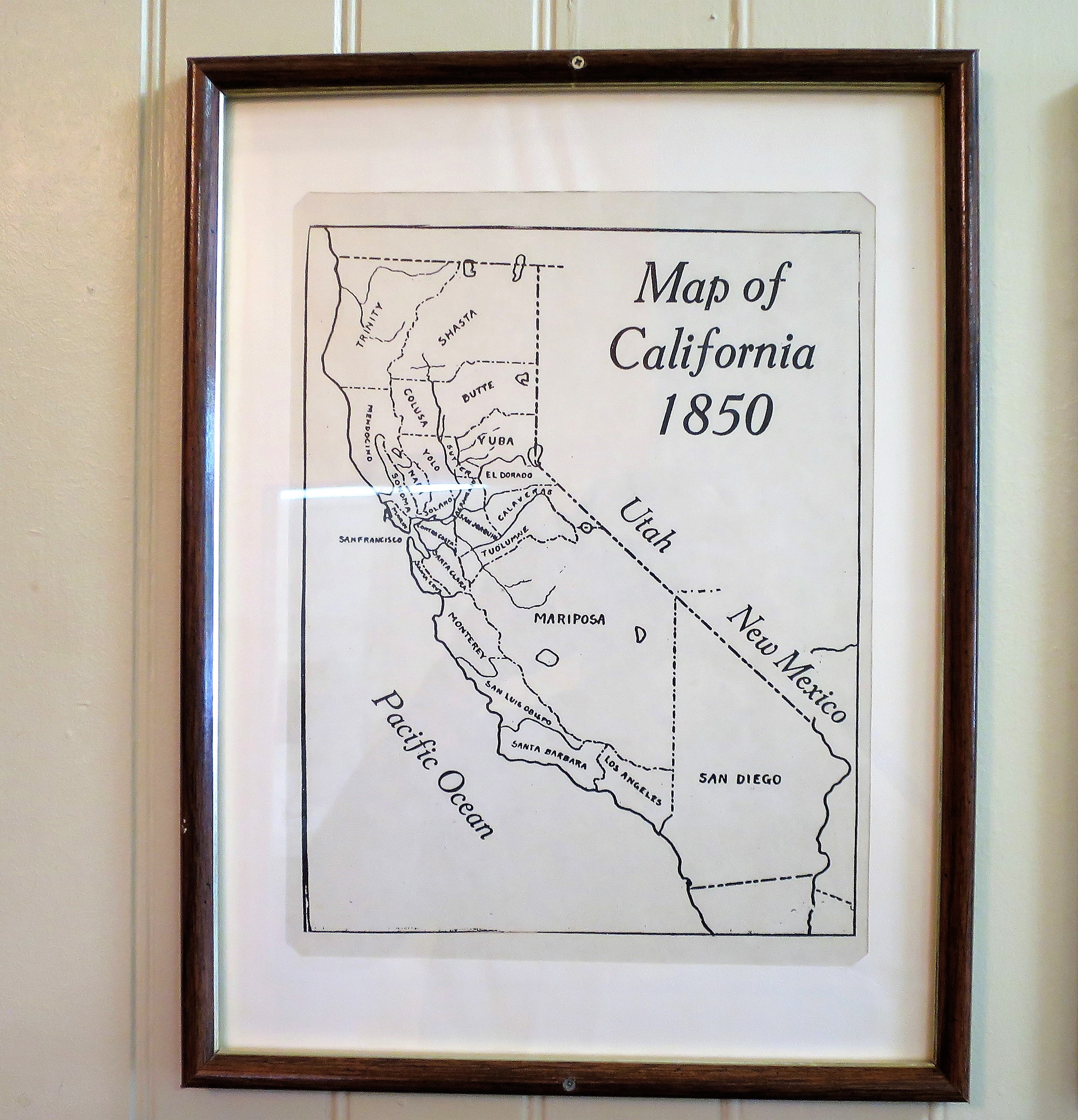
Mariposa County was once huge, covering most of central California but has since been carved into many other counties. Its namesake butterflies are actually only found in the San Joaquin Valley below the mountains, now part of other counties.
Want to stay in town? The 5th Street Inn looks nice.
5th Street Inn, Mariposa, CaliforniaChristian Science Church, Mariposa
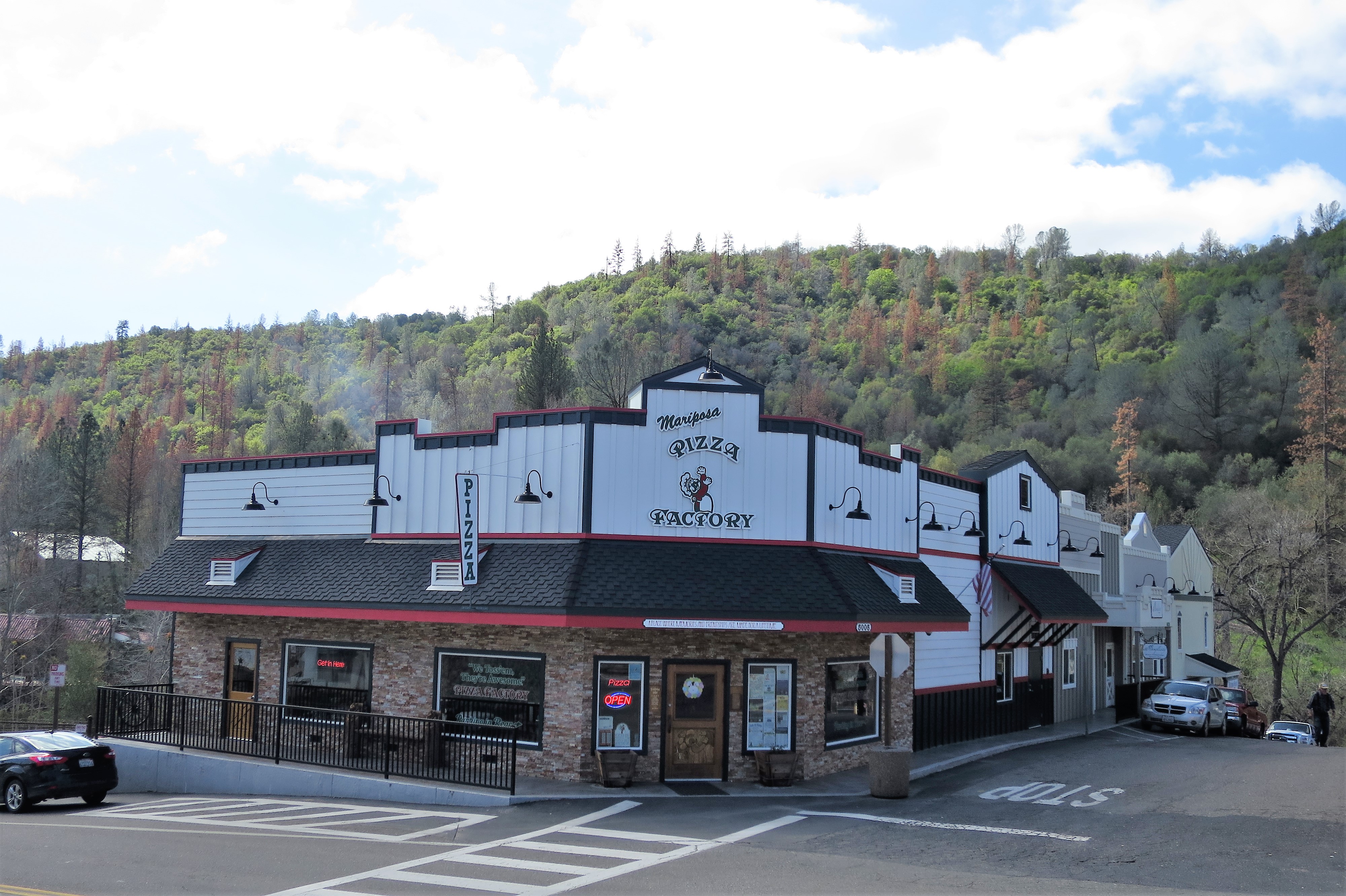
Here’s where the locals eat — the Pizza Factory. It was busy when I was there. Good food, spacious seating. Here policemen, firemen, and other local residents enjoy a respite from seasonal tourists.
(Mariposa) Pizza Factory
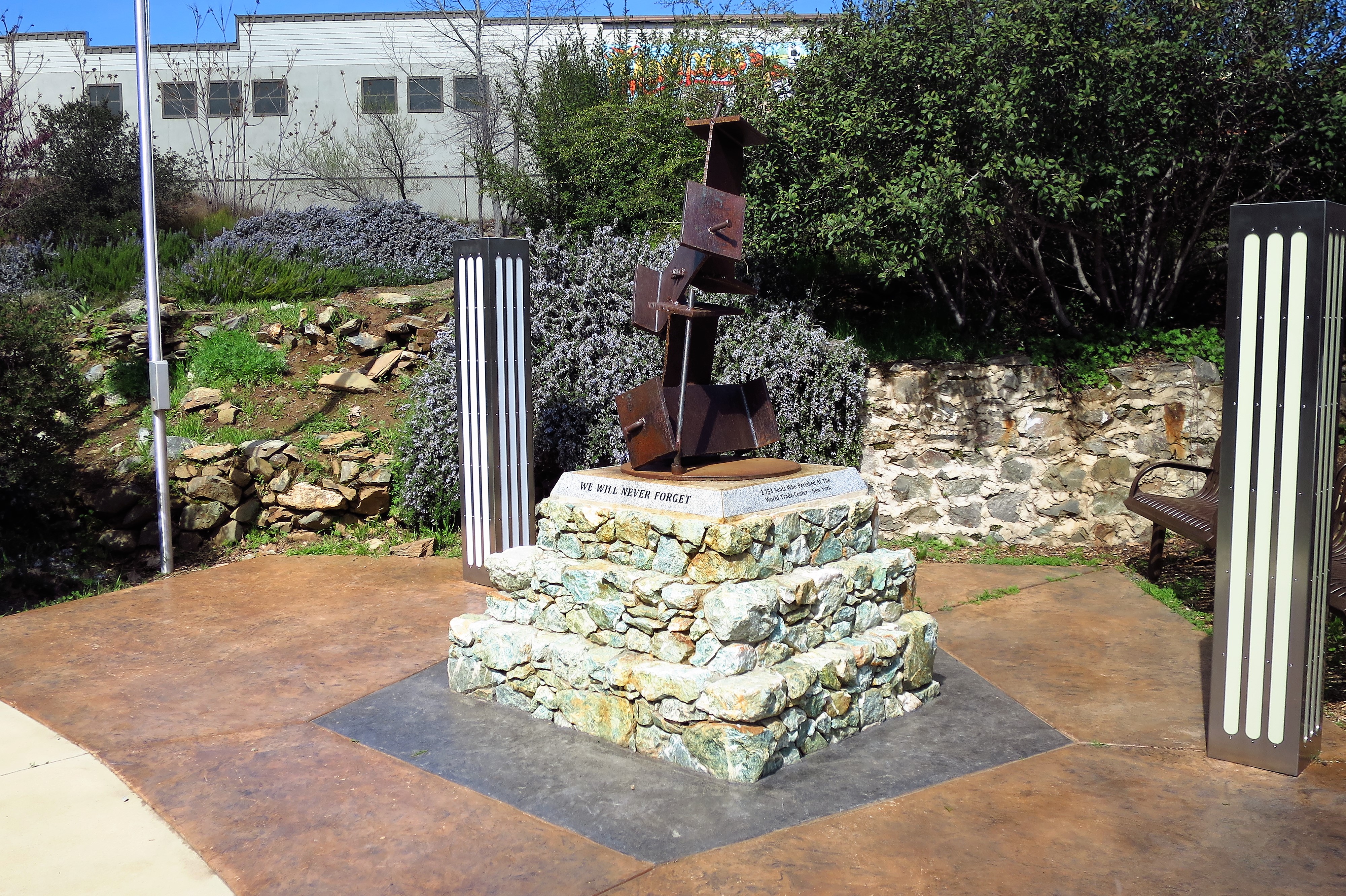
Just to remind you that you’re still in America, there’s this:
9-11 Memorial, Mariposa, California
All photos were taken by the author. Photos were taken in March 2016.
A list of all photo posts from the American County Seats series in TimManBlog can be found here.
I’m trying to travel to all of America’s county courthouses, and each month a post about my visit to the most interesting county seats. It’s only a hobby — but donations are greatly appreciated to help defer my costs. Thanks, Tim
Even though January has turned into February, it remains the year 2019 and so my 2019 New Years’ “Goals”, or Resolutions, still apply. One post per month I resolved — I wrote down the goal on paper and even worse, I posted my intentions on Facebook. Now that promise is forever on the internet, and there can be no excuses. So herewith is the February 2019 installment featuring an old friend — warm, sunny Kingman, Arizona.
Welcome to Kingman, Arizona
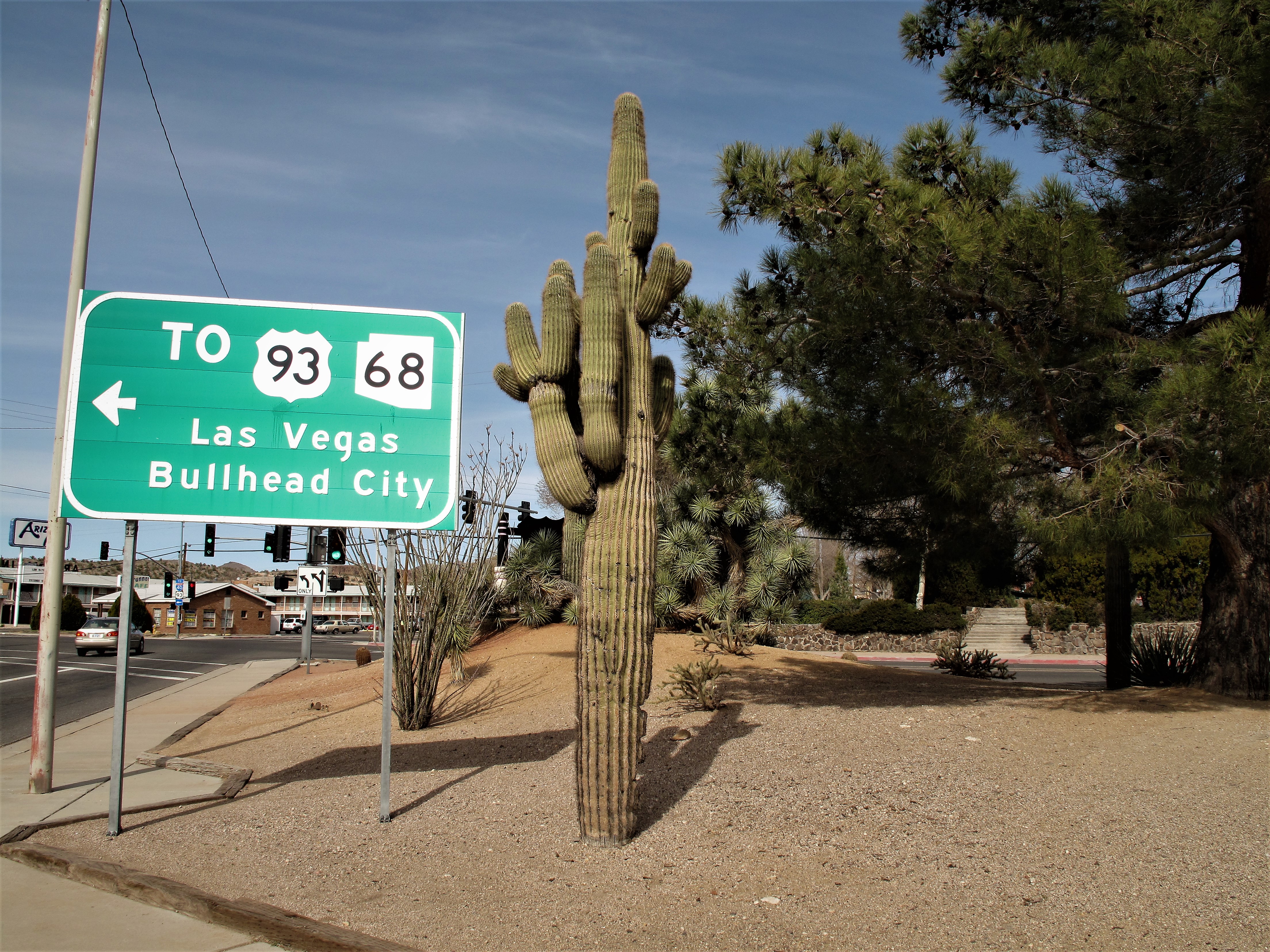
I’d seen Kingman several times before. Kingman is a crossroads. Looking eastward from Los Angeles (where I lived during the 1980s) Kingman is the gateway to the rest of the country. I drove through Kingman to get to the Grand Canyon, Amarillo, Kentucky, and to my parent’s home back in Pittsburgh. If you’re traveling north and south instead of east and west, the long desert highway that is US 93 intersects the I-40 in Kingman, about halfway between Las Vegas and Phoenix.
At first, I saw the town as a hot, dusty Arizona truck stop, but I wasn’t the first caravan to come through.
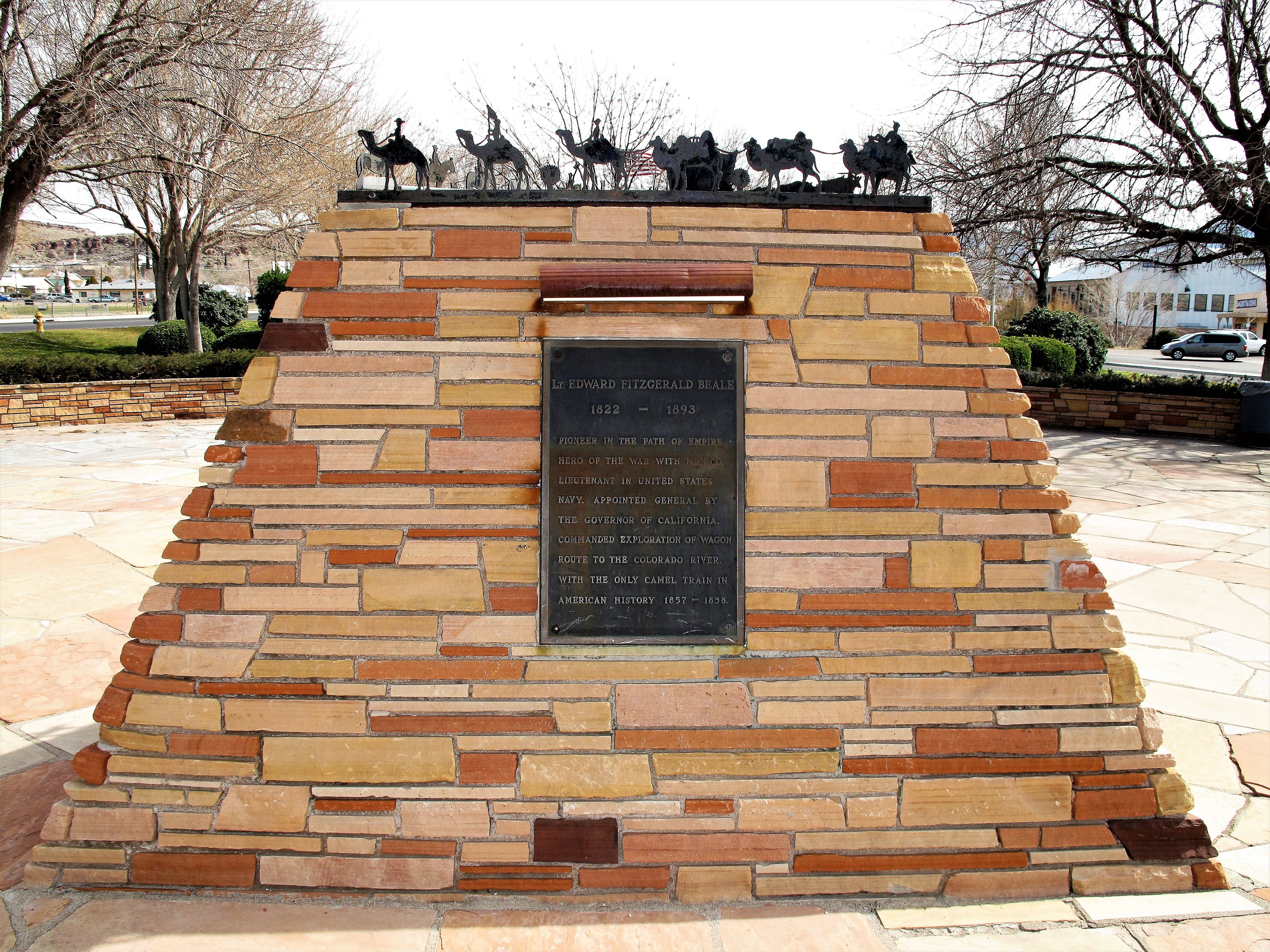
Lieutenant Edward Fitzgerald Beale, commanding a caravan of camels, blazed a wagon route through Northern Arizona Territory back in 1857-58. Beale Street in Kingman is named for him. (But apparently not Beale Street in Memphis. Wikipedia has Beale’s resume.)
Beale is remembered here:
Lt. Edward Fitzgerald Beale, 1822-1893. Pioneer in the Path of Empire. Hero of the War with Mexico. Lieutenant in the United States Navy. Appointed General by the Governor of California. Commanded exploration of wagon route to the Colorado River with the only camel train in American history, 1857-1858.
Beale’s wagon route soon became a railroad route. Mining sprang up in Kingman and then receded. As cars followed trains, Route 66 followed the railroad route, then Interstate 40 replaced US 66. Even with the mines gone, Kingman is forever a crossroads and will never disappear.
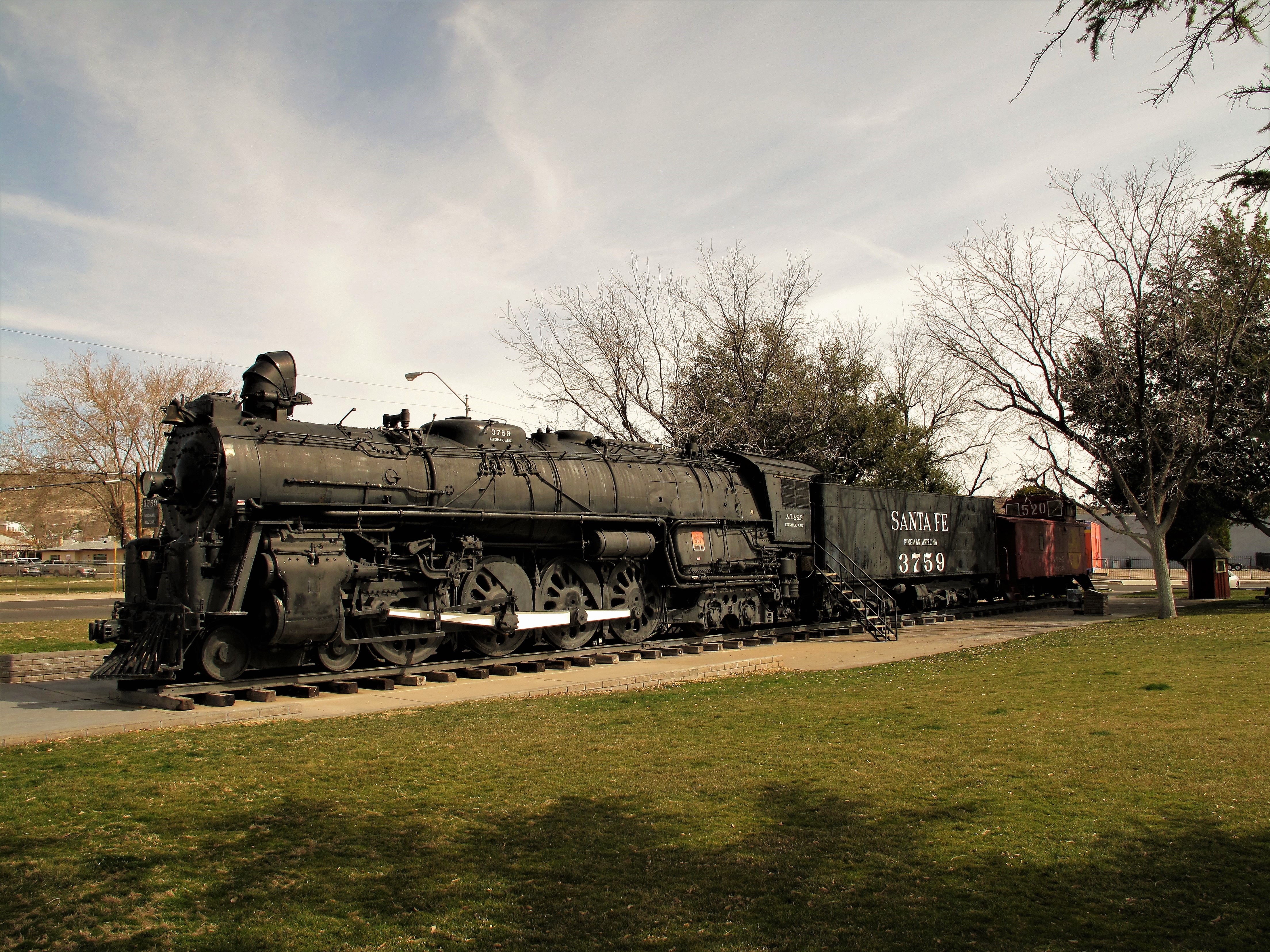
An old Santa Fe locomotive in town park
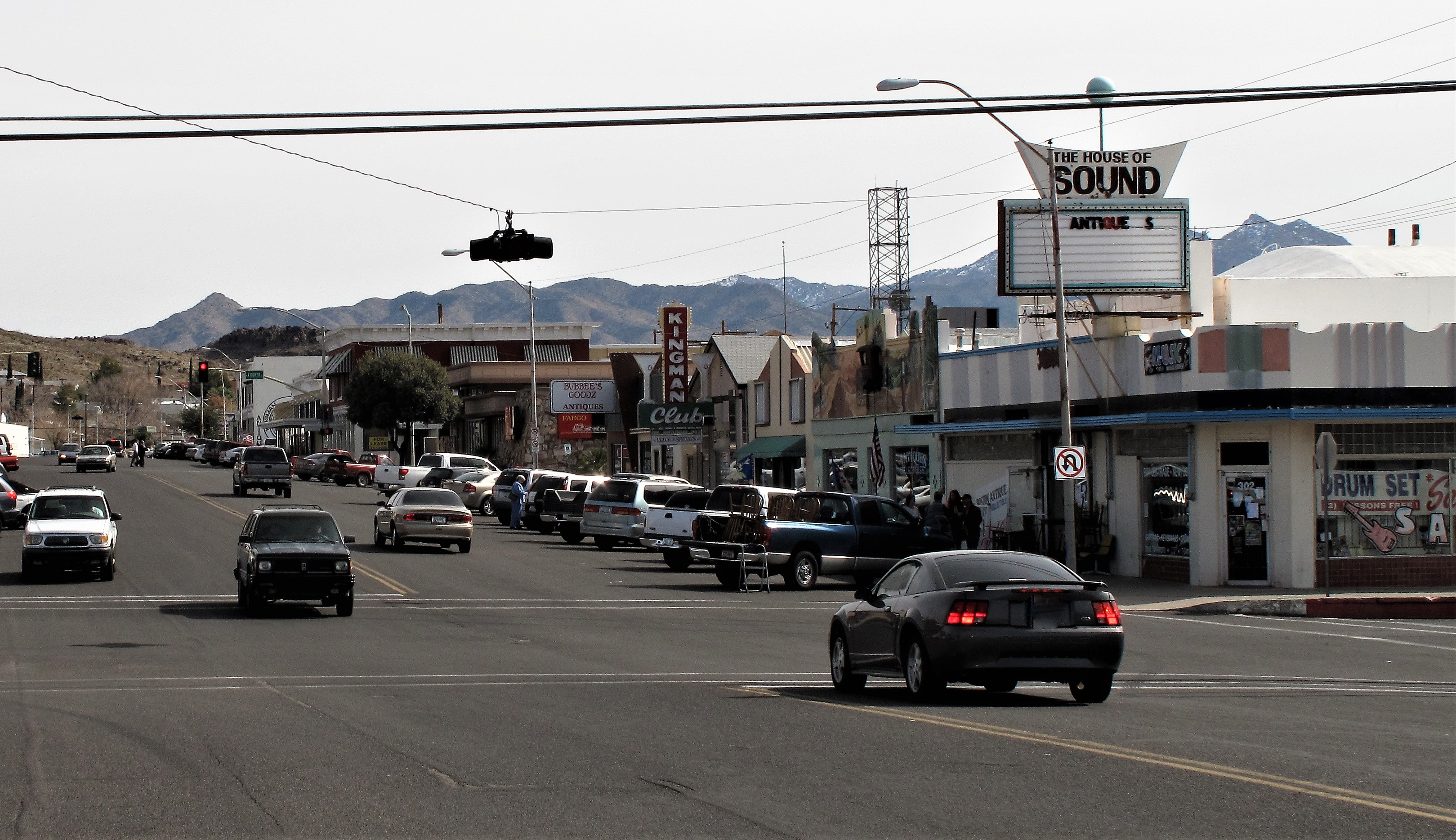
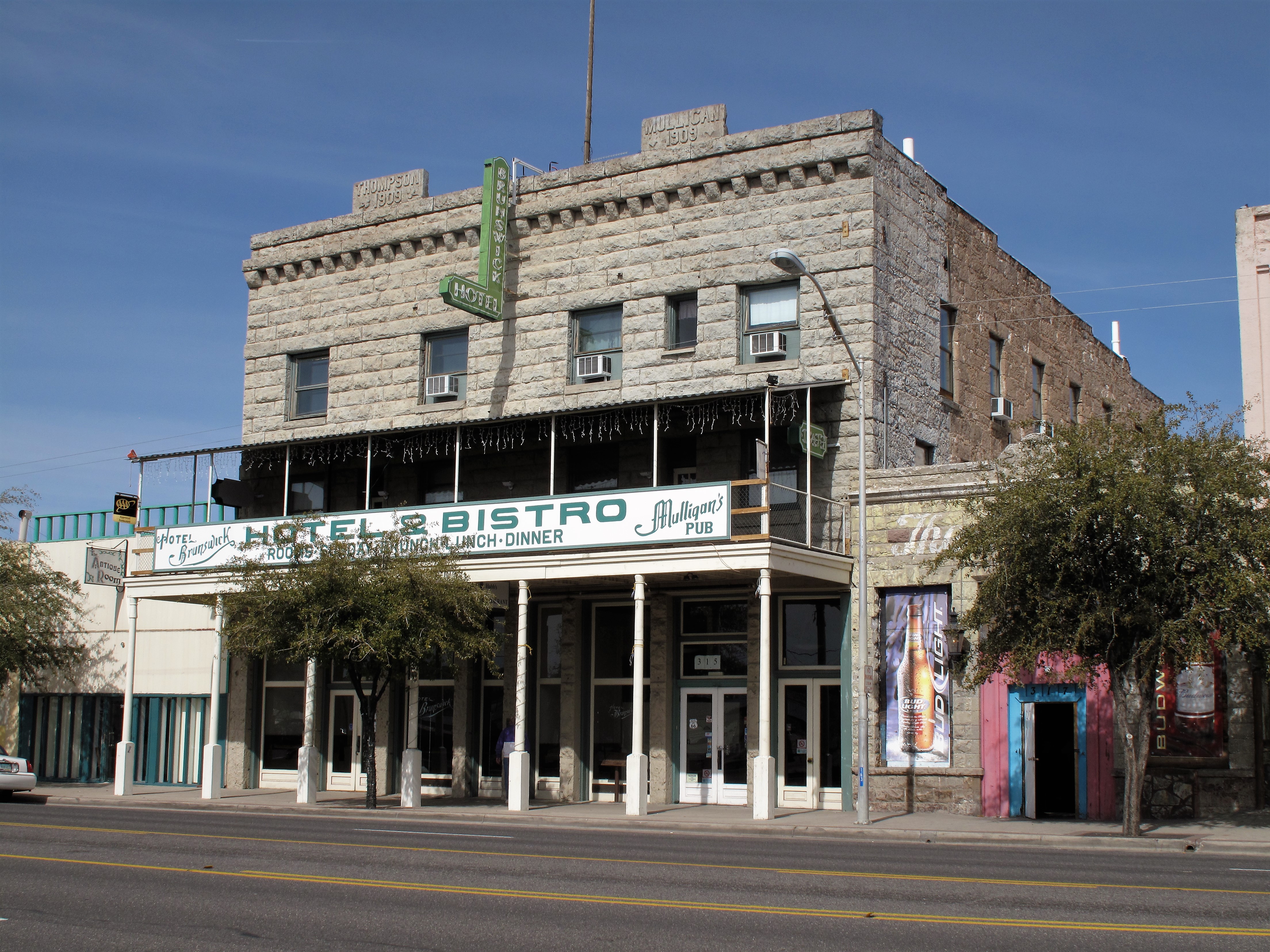
Unless you get off the Interstate you won’t notice the snow-covered rocky cliffs above the historic buildings along old Route 66. Kingman has a few nostalgic hotels here, some old bars, and so forth. The Beale Street Brews coffee house brings life to this street, along with the Red Neck Pit BBQ next door (now Floyd and Company Real Pit BBQ). Here are a few buildings and street scenes:
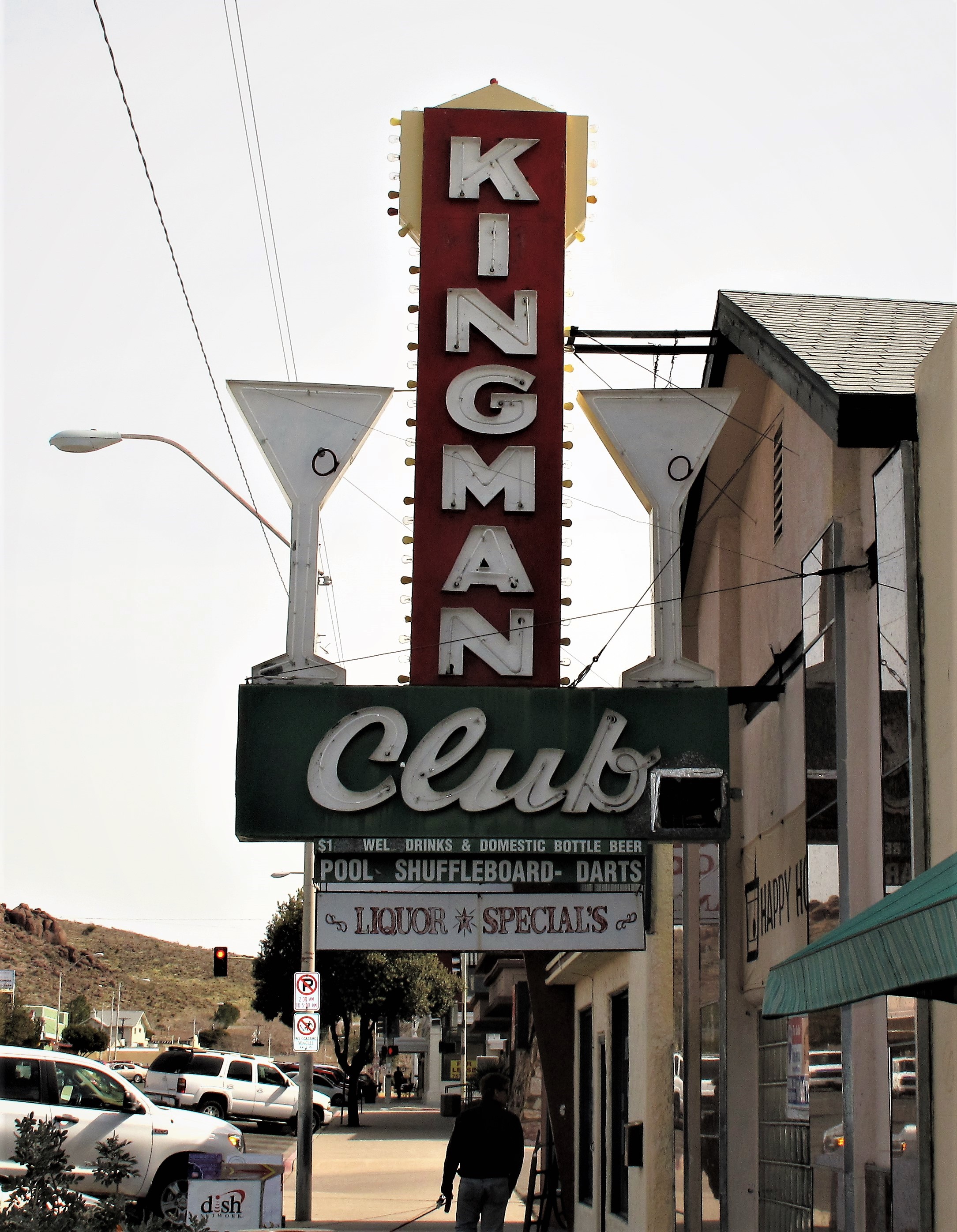
Snow-speckled mountains above old Route 66 in KingmanThe old Kingman Club (I wonder if Jack Kerouac drank here?)The old Brunswick Hotel (now “Hotel Brunswick Suites”) Route 66, Kingman
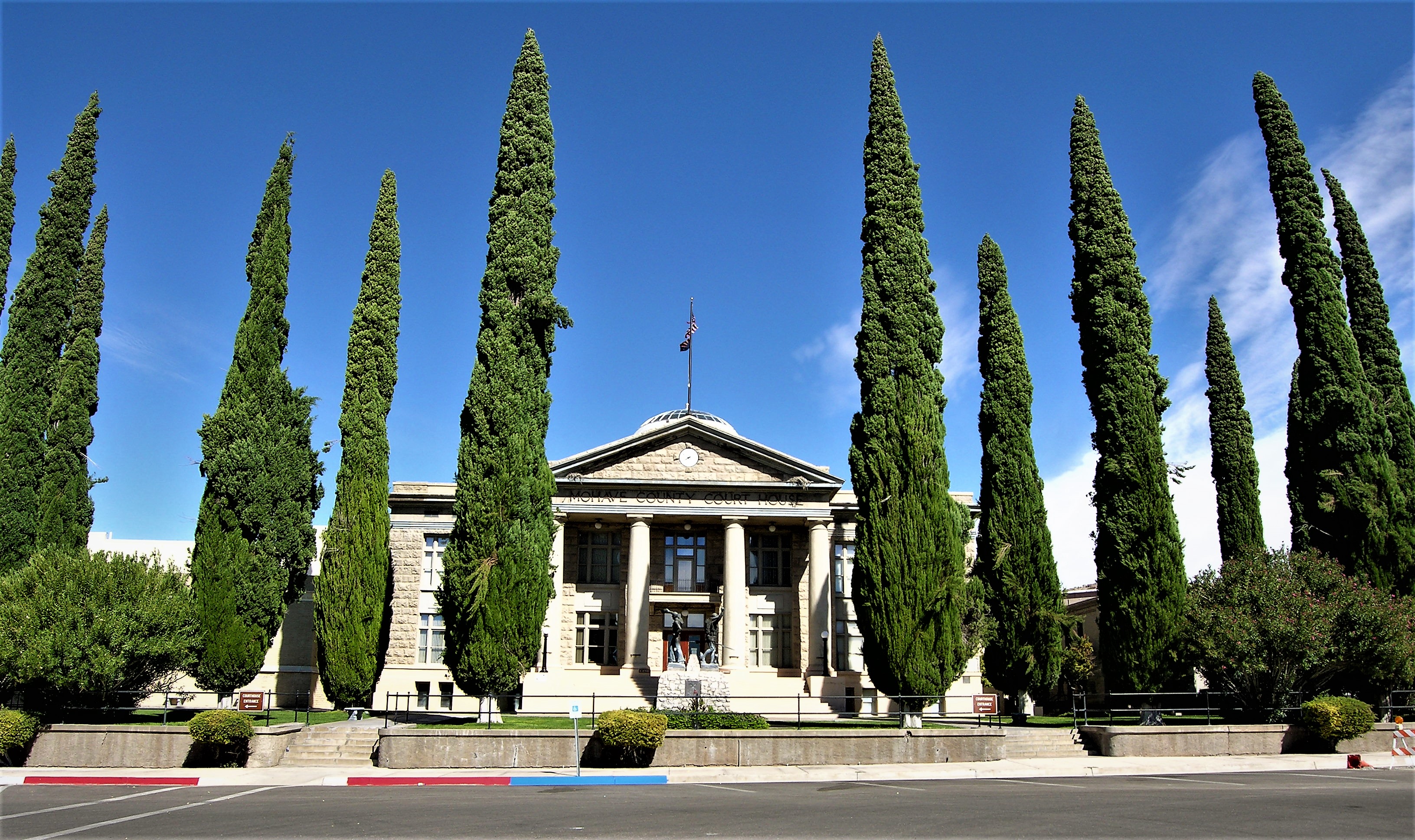
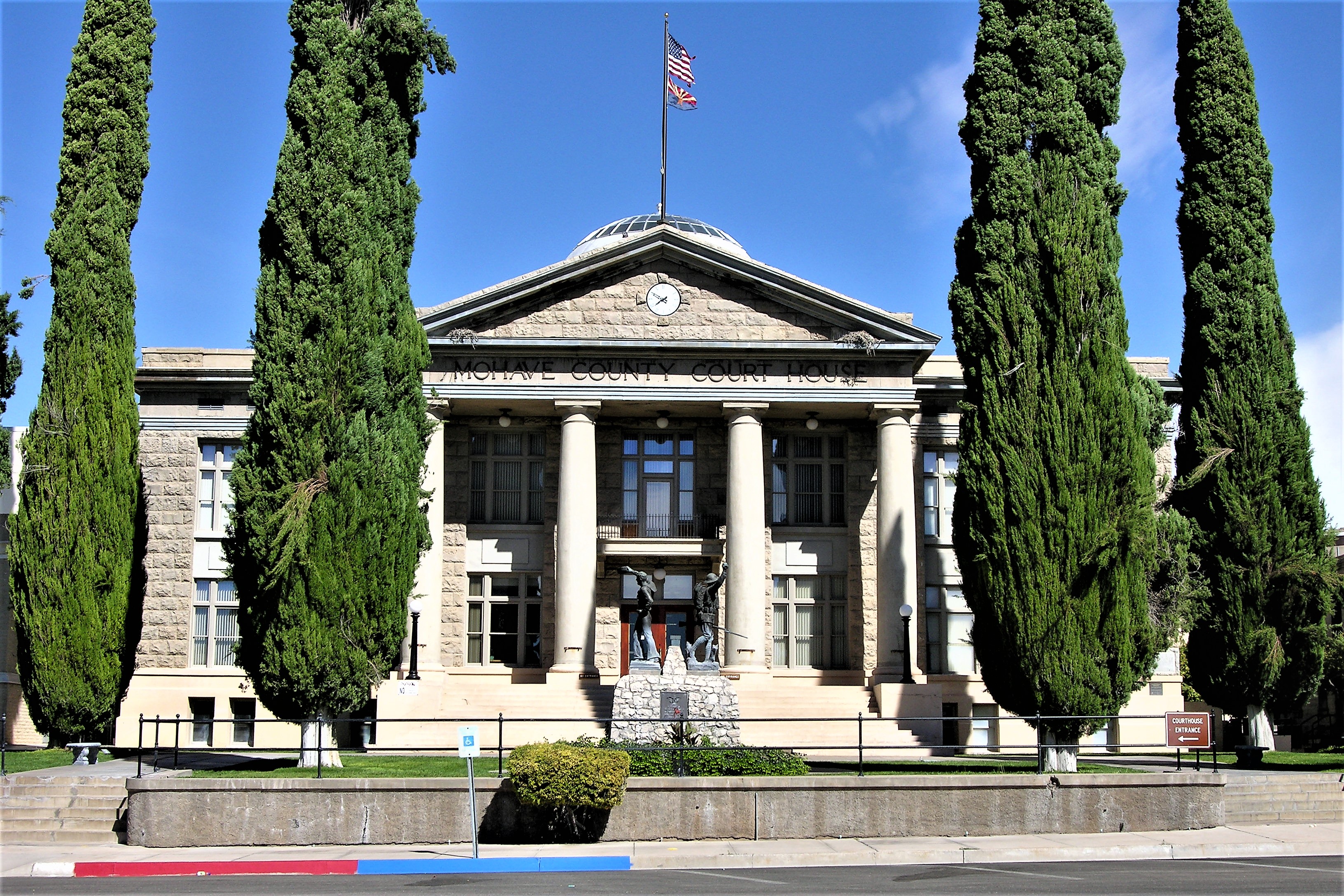
A few blocks off Beale Street the Mohave County Courthouse stands like a Roman temple above the forum. Built in 1914 of local gray stone, it emerges behind a line of tall, thick juniper trees. The trees are three stories high; the courthouse is only two, but the cupola adds maybe another story and a half. The building stands at the top of Fourth Street, looking down on Kingman from above – a good place from which to administer Justice.
Mohave County Superior Court, Kingman, Arizona
As the courthouse was built in 1914, the front statue was likely added a few years afterward, following the end of World War I. This particular design — a doughboy holding a hand grenade aloft in his right hand — is a common design for World War I memorials seen throughout the country.
World War I Memorial
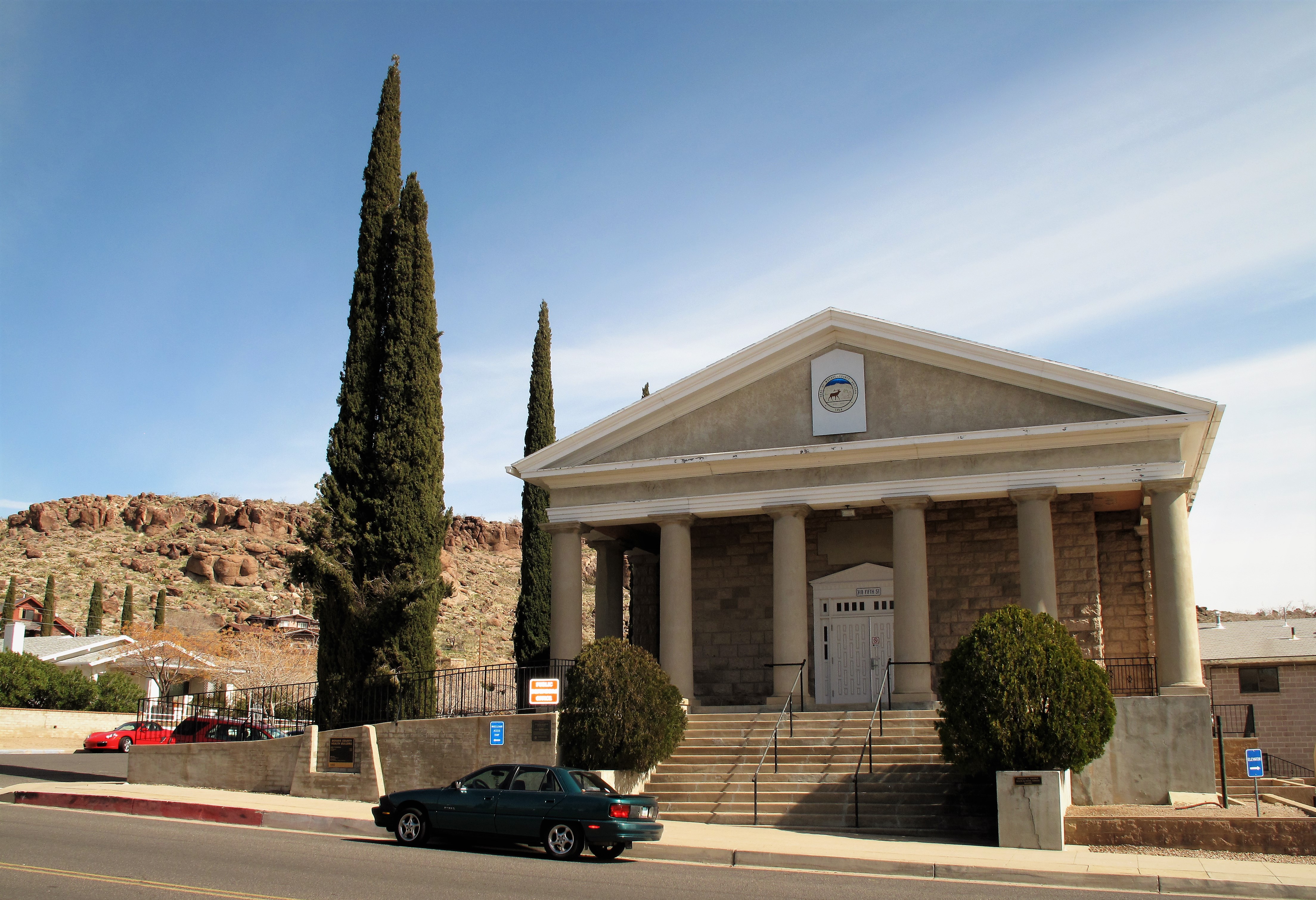
Finally, some more examples of old stone construction:
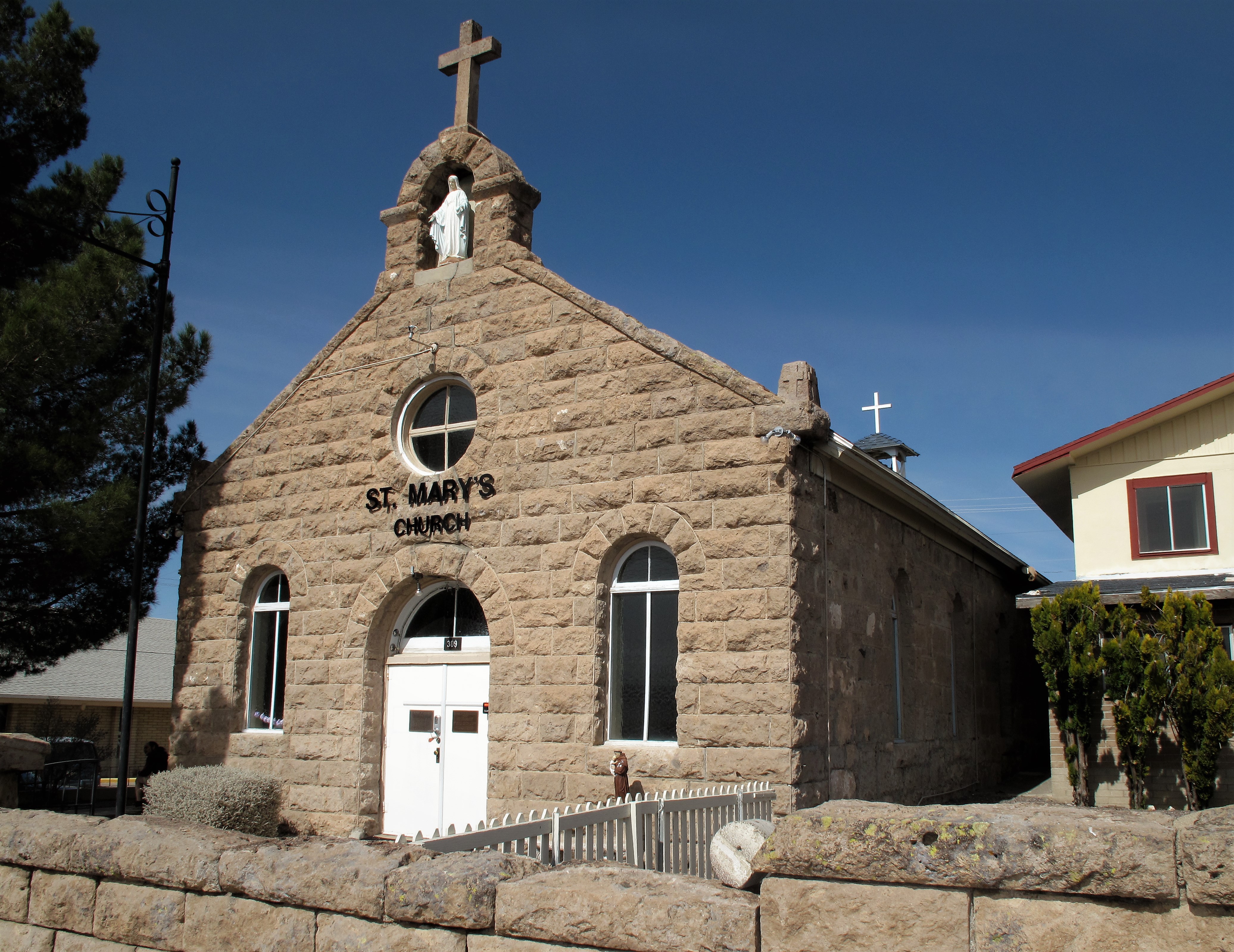
Mohave County Health Department (old building, scenic view)St. Mary’s Roman Catholic Church, Kingman
I hope you enjoyed Kingman and are enjoying your February. March is just around the corner…
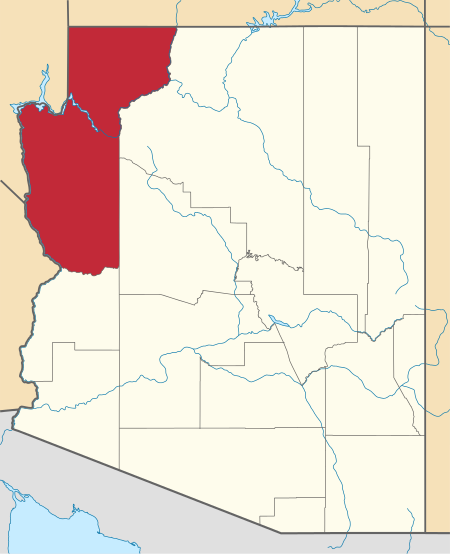
Mohave County in the state of Arizona
All photos by the author. Photos were taken in February 2010, except for the courthouse photos which are from October 2005.
A list of all photo posts from the American County Seats series in TimManBlog can be found here.
I’m trying to travel to all of America’s county courthouses, and each month a post about my visit to the most interesting county seats. It’s only a hobby — but donations are greatly appreciated to help defer my costs. Thanks, Tim
One of my 2019 New Years’ “Goals”, or Resolutions, was to resurrect my old blog on which I haven’t posted since the summer of 2017. One post per month I resolved — and I wrote down the goal on paper and even worse, I posted the resolution on Facebook. Now the promise is on the internet which means it’s forever. No excuses anymore.
Since it’s the month of January why not some photos from the past January? Back in 2009 I was working on a consulting contract in Green Bay, Wisconsin, and spent my weekends traveling the frozen roads of the Badger State. I wandered into snow-covered Baraboo on Saturday, January 10, 2009. It’s a nice place. Check it out — I think you’ll like it.
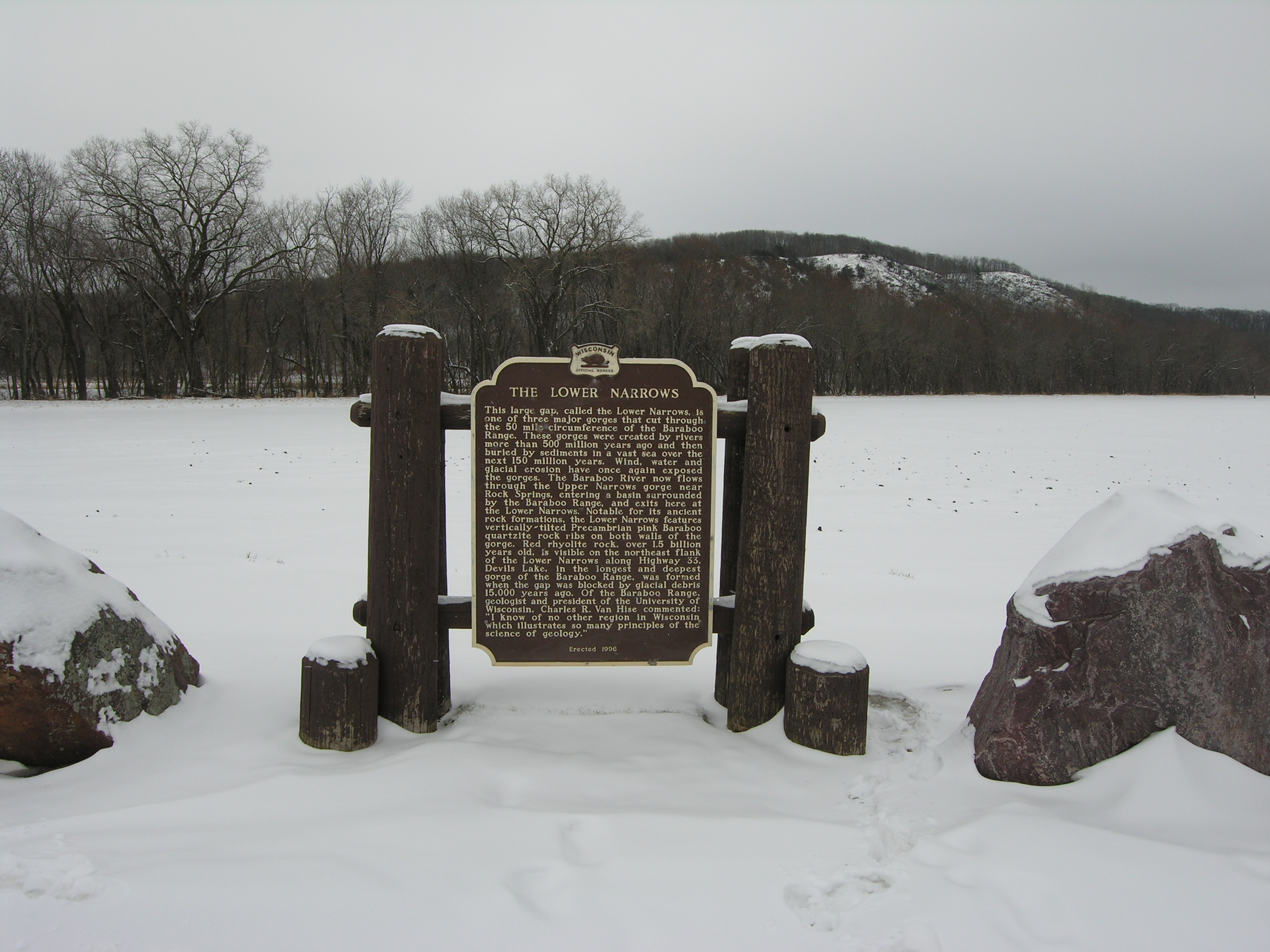
I approached Baraboo through a geologic feature called “The Narrows.” There are old glacial hills here next to the metamorphic rock, both of which seem far out of place in the dairy state.
The Narrows, granite rocks and hills beyond. Read the sign for some interesting geologic info.
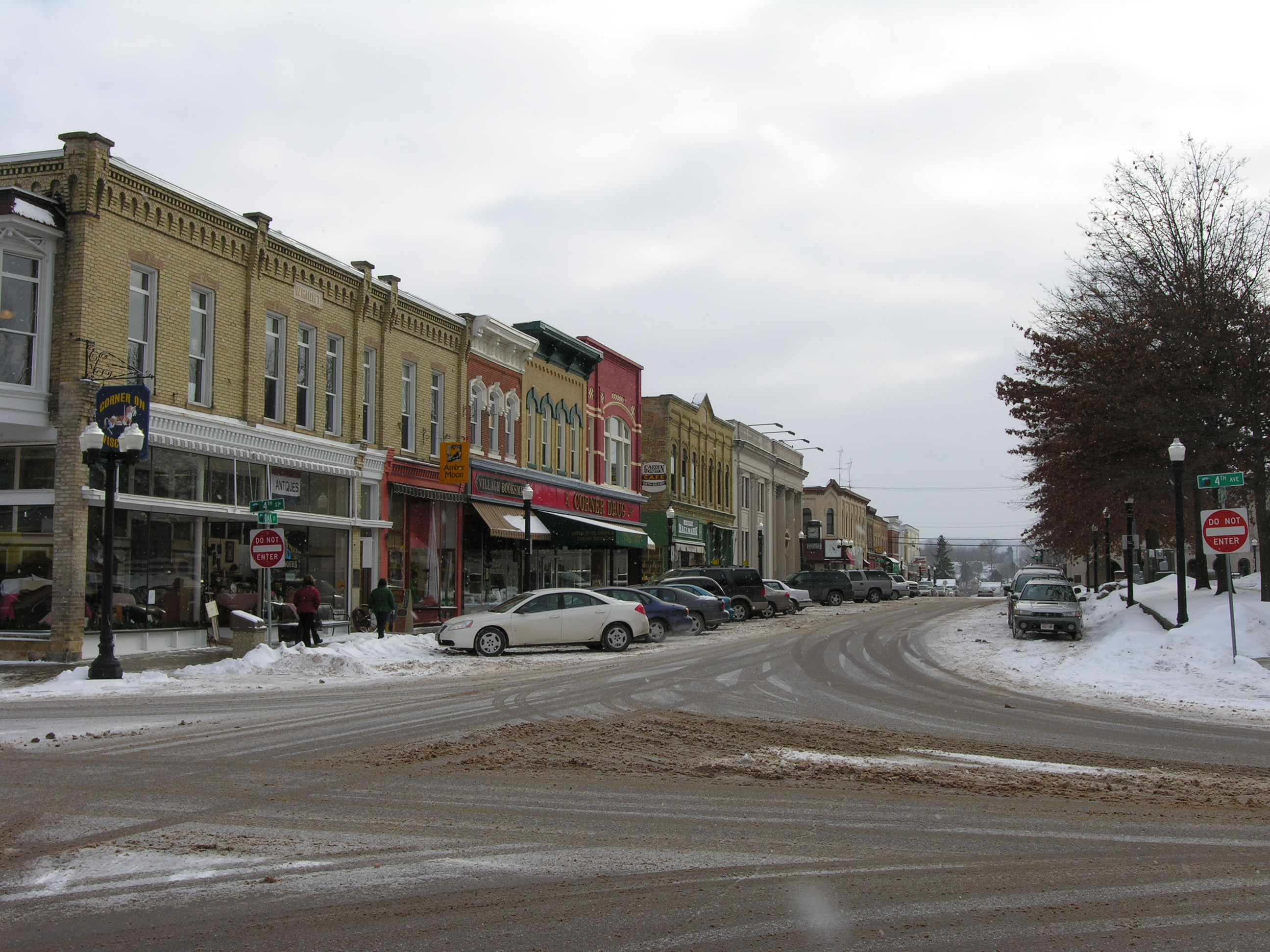
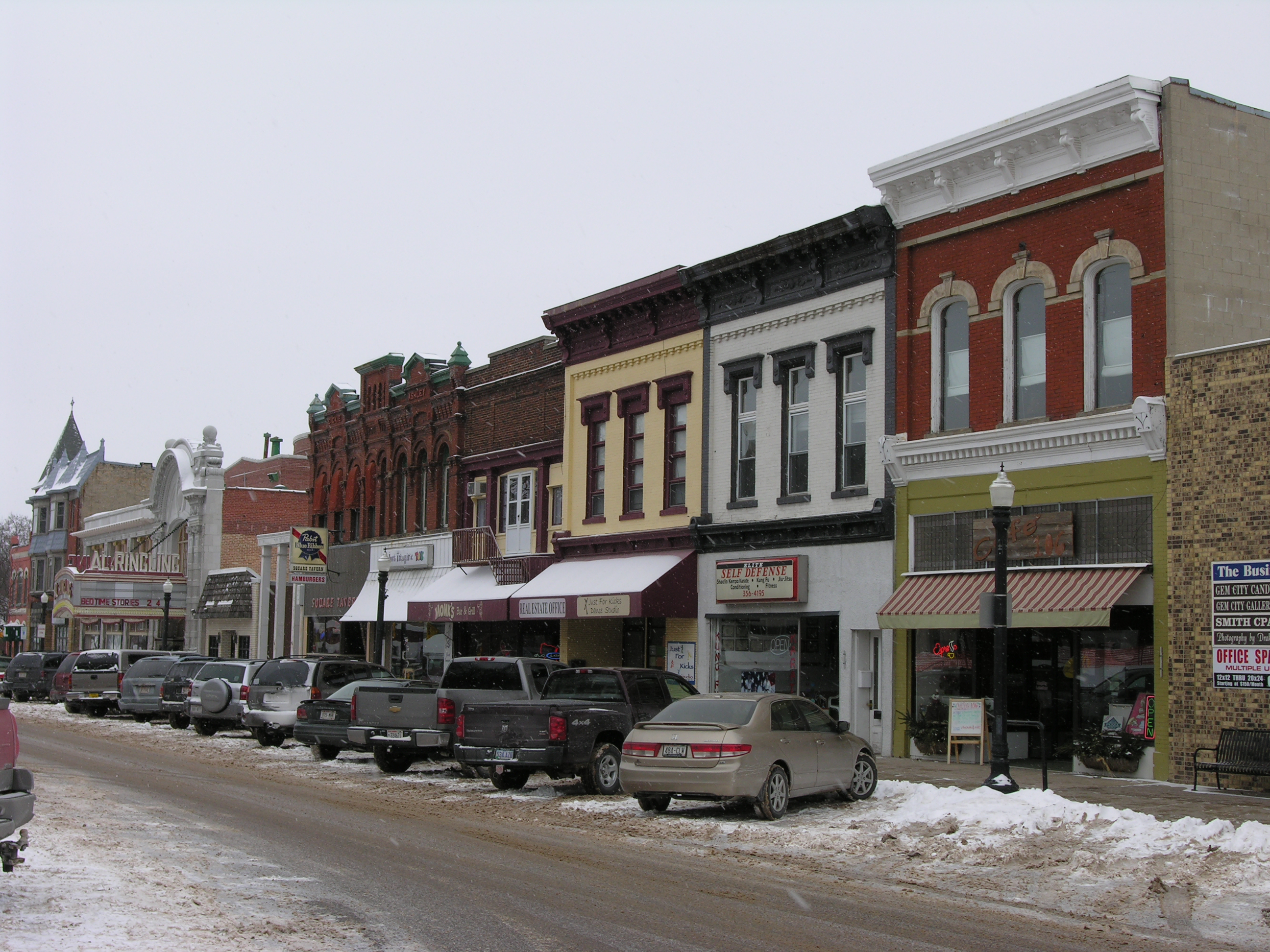
Once beyond the Narrows gateway, I found a busy downtown Saturday morning even though piles of snow banked the sidewalks and the temperature hovered in the upper teens. Parked cars took almost every space. Restaurants and coffee shops were busy. Even the galleries (whose mere existence demonstrates that the town attracts some tourist trade) saw traffic on a cold, post-Christmas day.
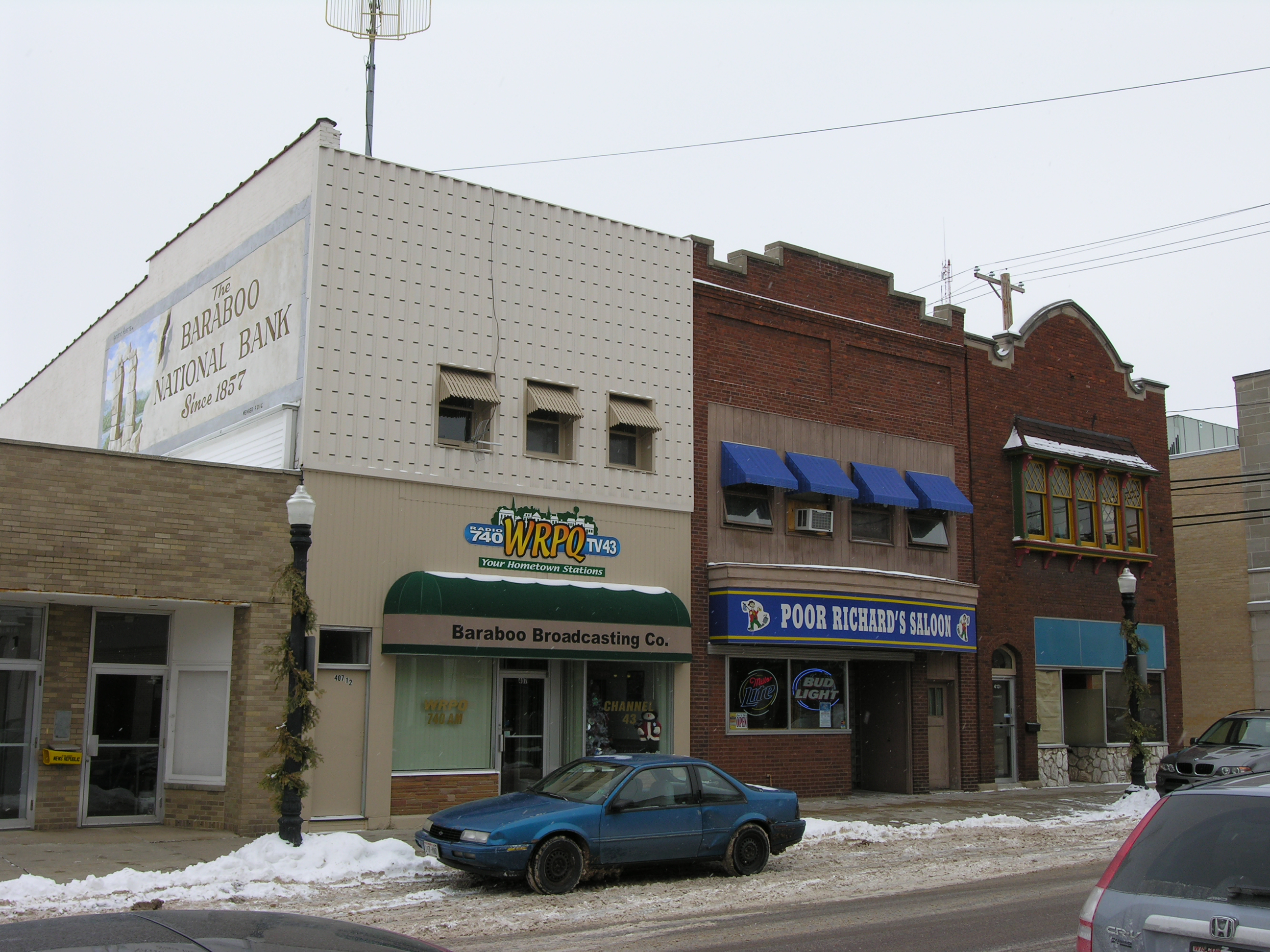
Saturday traffic in Baraboo, WisconsinCourthouse Square Tavern in the old Dickie and Ashley building, probably built in the 1880s More Baraboo Courthouse Square shops. The Al. Ringling Theatre is at the far left.
From Wikipedia:
“The city was the home of the Ringling Brothers. From 1884 to 1917 it was the headquarters of their circus and several others, leading to the nickname “Circus City”. Today Circus World Museum is located in Baraboo. A living history museum, it has a collection of circus wagons and other circus artifacts. It also has the largest library of circus information in the United States.”
The AL. Ringling Theatre, built by the Ringling Family
Baraboo was named for an 18th Century French voyageur Barabeauy. However, German influences are more apparent here than in French. Notice the names — Ploetz Furniture has a building in the square. Burkhalter Travel is next door, and the famous Ringling Brothers (originally Rüngling) were descendants of a harness maker from Hanover, Germany.
I ate lunch at the Garden Party Café above the “Corner Drug Store,” which locals said has been around since the mid 1800s. The Garden Party’s walls were covered with paintings for sale and decorative flower pots. Most of my fellow diners were weekend tourists like me.
The Corner Drug and environs, Baraboo, Wisconsin
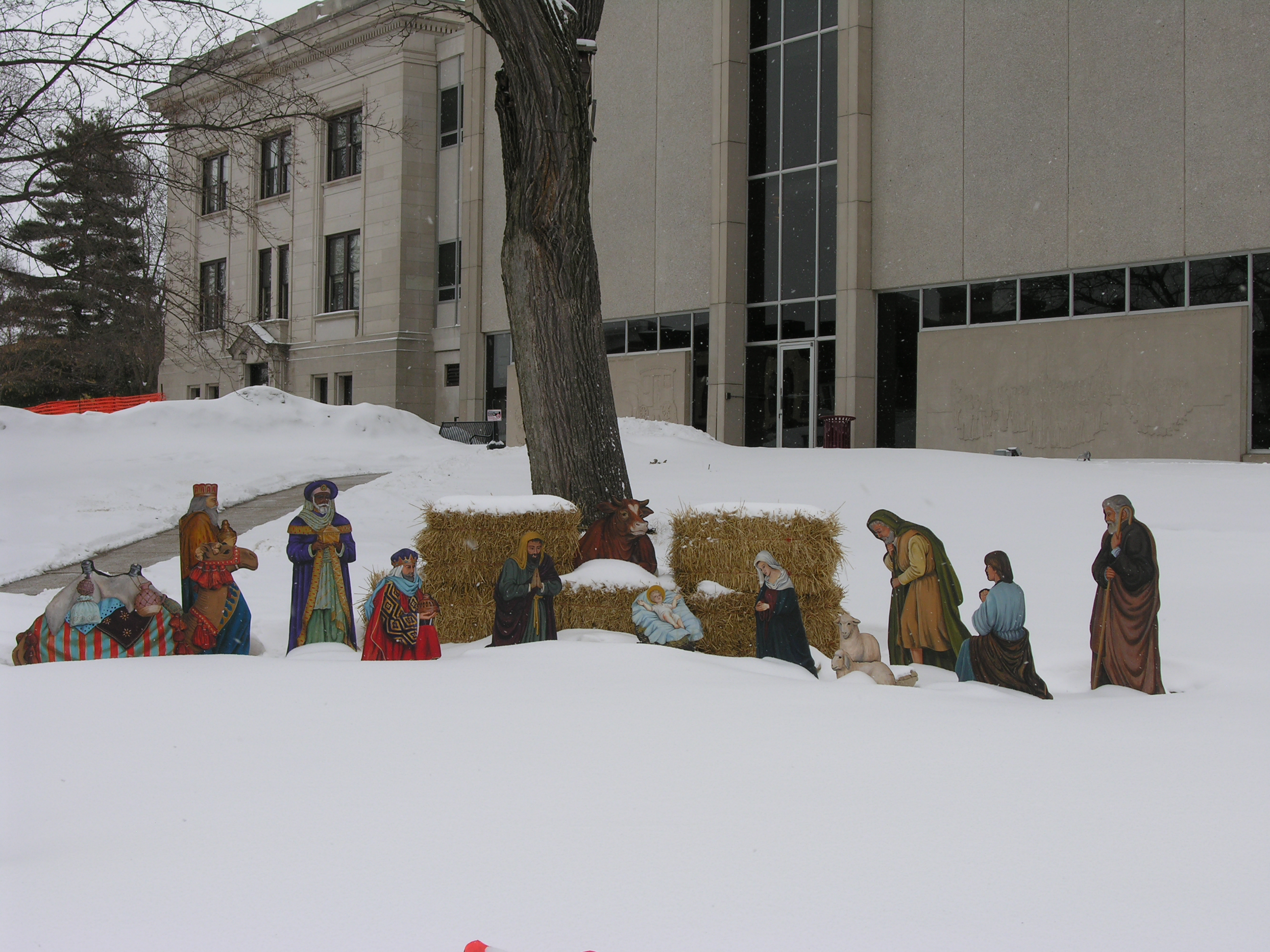
The Sauk County Courthouse is the centerpiece of this downtown scene. Out of sight of ACLU scrutiny, rural Wisconsinites decorate their courthouse grounds with Christmas Manger scenes, and they’re a little slow to take them down in frigid January.
Christmas Manger scene outside the Sauk County CourthouseSauk County Courthouse, Baraboo, Wisconsin
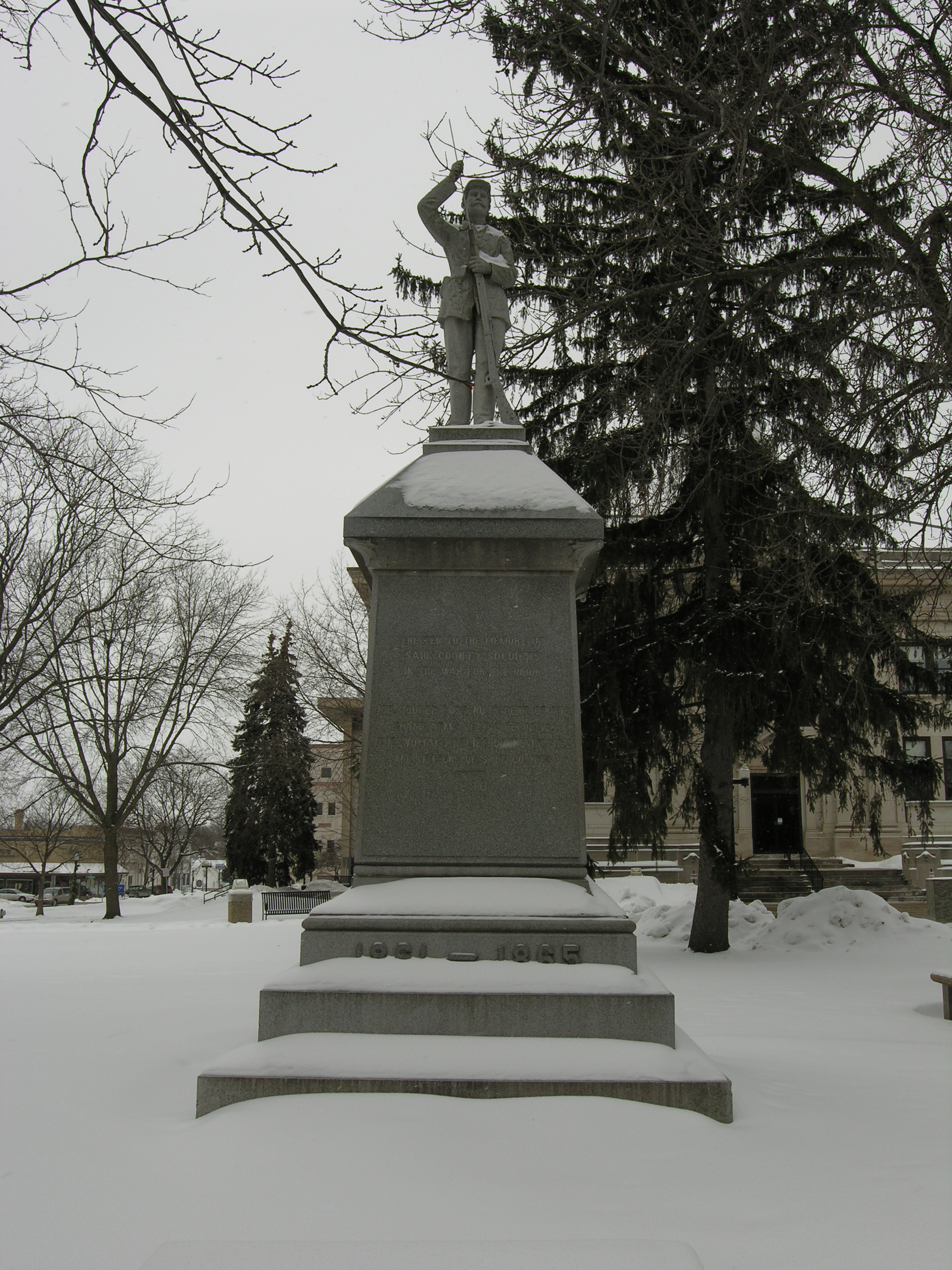
Sauk County was founded in 1846, Baraboo in 1852. Old enough to have Civil War memories: “Erected to the Memory of Sauk County soldiers in the War For the Union”
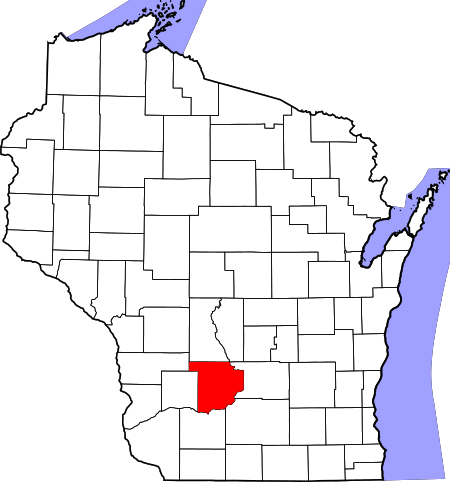
Union soldiers memorial, Sauk County CourthouseSauk County in the state of Wisconsin
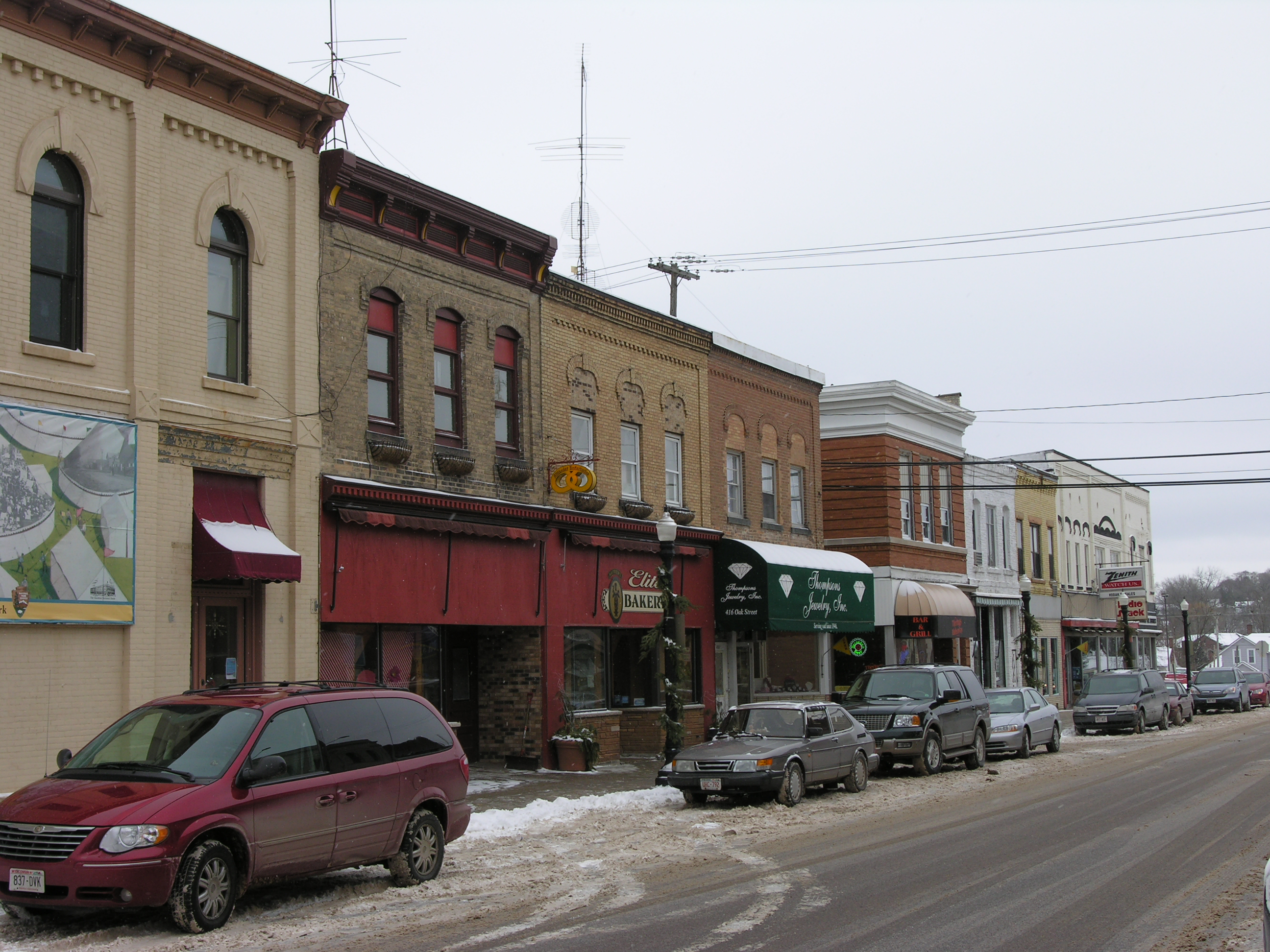
Thanks for reliving old memories with me. Please excuse the dim photos taken on an overcast day — but Saturday is the best day of the week regardless of the weather, right? Here are a few extra snapshots to finish off:
A list of all photo posts from the American County Seats series in TimManBlog can be found here.
I’m trying to travel to all of America’s county courthouses, and each month a post about my visit to the most interesting county seats. It’s only a hobby — but donations are greatly appreciated to help defer my costs. Thanks, Tim
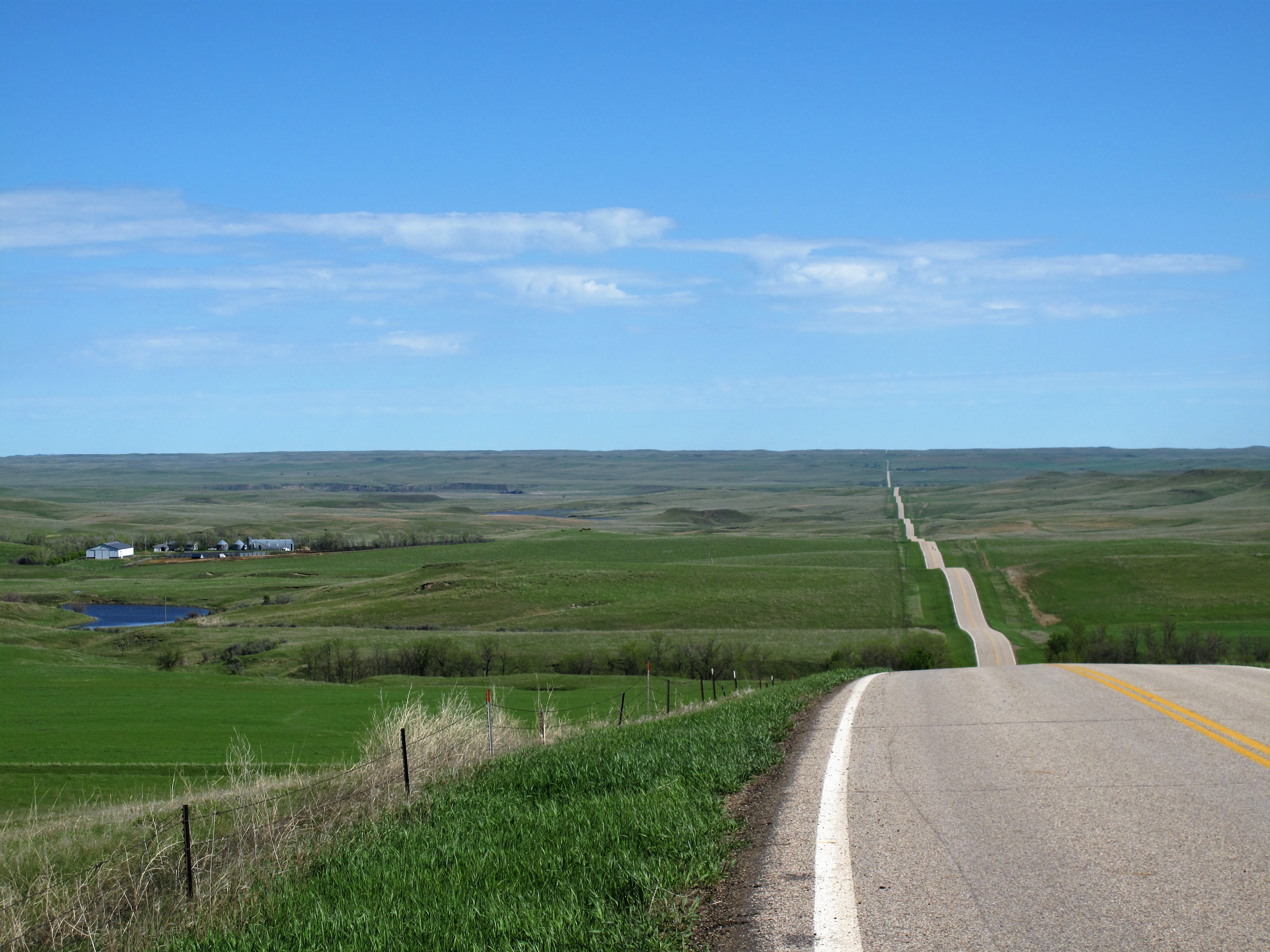
Such a grand vista. A long, straight, gently undulating highway, traversing seemingly endless beaver ponds and pastures to join the far horizon below a boundlessly pleasant summer sky.
The American prairie makes us look far.
Gazing ahead you foresee a great drive, maybe in a car or on a bicycle.
But suppose you were all alone and badly injured and had to crawl this road instead of driving it. Would you be able to keep calm, keep your head down, pull yourself elbow over elbow again and again until you’ve met the distant horizon, not knowing how far that might be?
Long ago a man did just that. He was a fur trapper and mountain man. The locals remember him to this day.
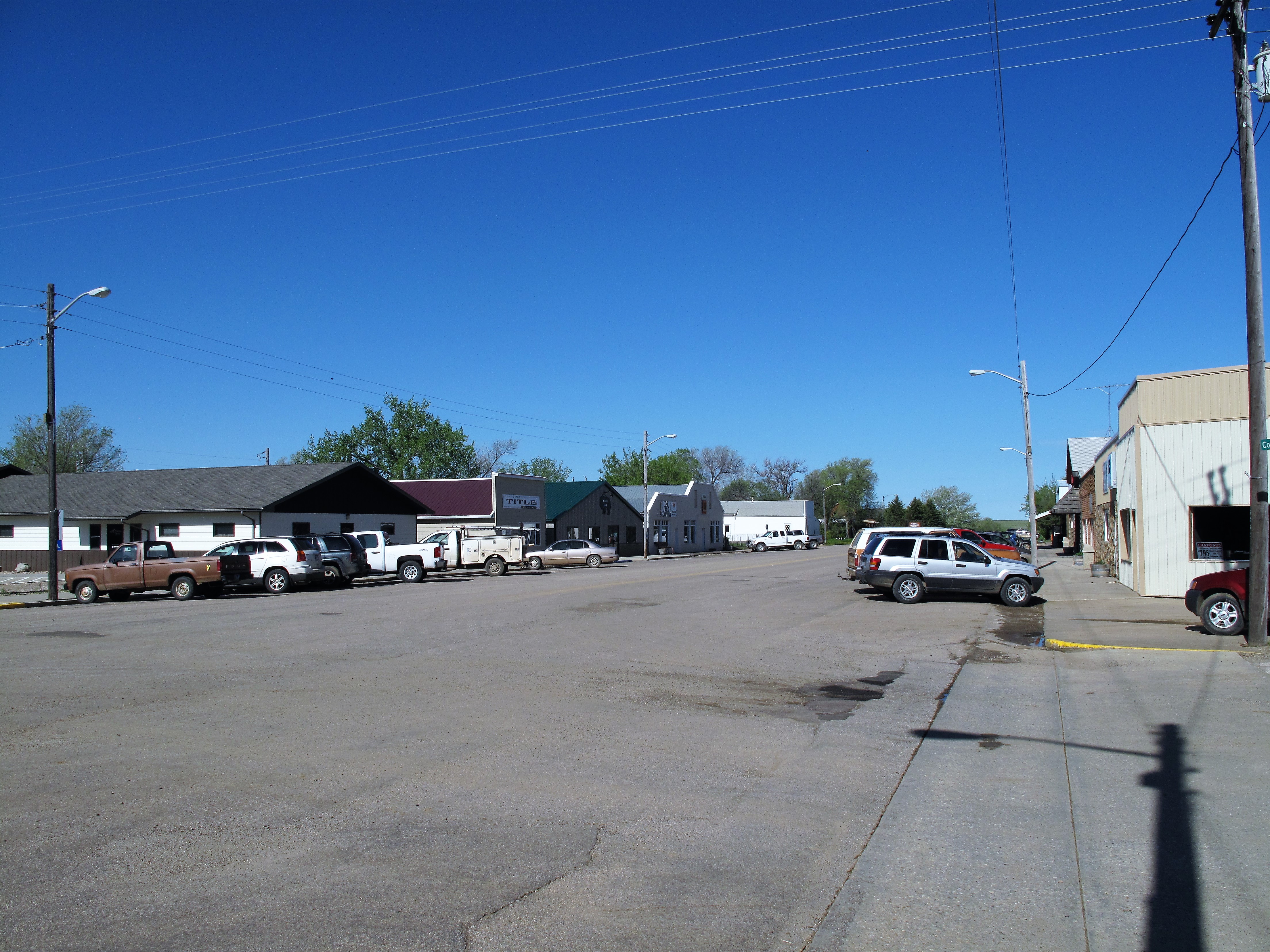
This is Bison, South Dakota, population 333.
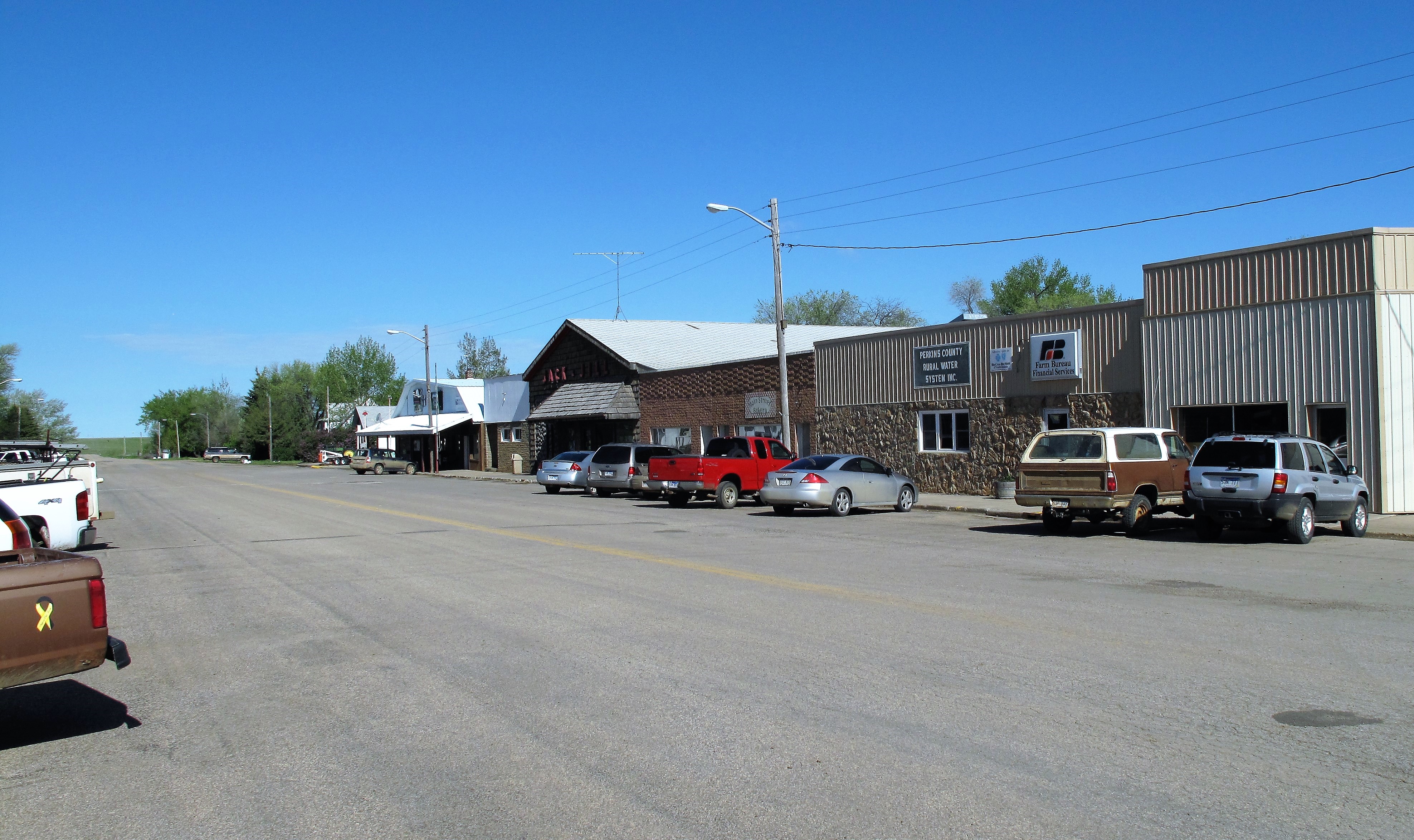
Here are some of the principal town establishments: The Bison Bar, County Title office…
…the Bison Community Center, American Legion Post 255, the Bison Senior Citizens center. Structures (and people) are plain yet sturdy, built to withstand the strong winds and heavy snows of the Northern Plains.
The Jack and Jill grocery store dominates local commerce. I walked in at 10:00 on a Wednesday morning and noticed a handwritten sign posted on the front door. It said simply:
“We will be closed from 10:45 to 12:30 for the funeral.”
Whose funeral? Someone from the store? A prominent man-about-town? Who?
The sign didn’t say. Apparently, it didn’t have to; if you live in town, you will already know. They say that in small towns everyone knows your business. That may be true, but on the other hand, everyone misses you when you’re gone.
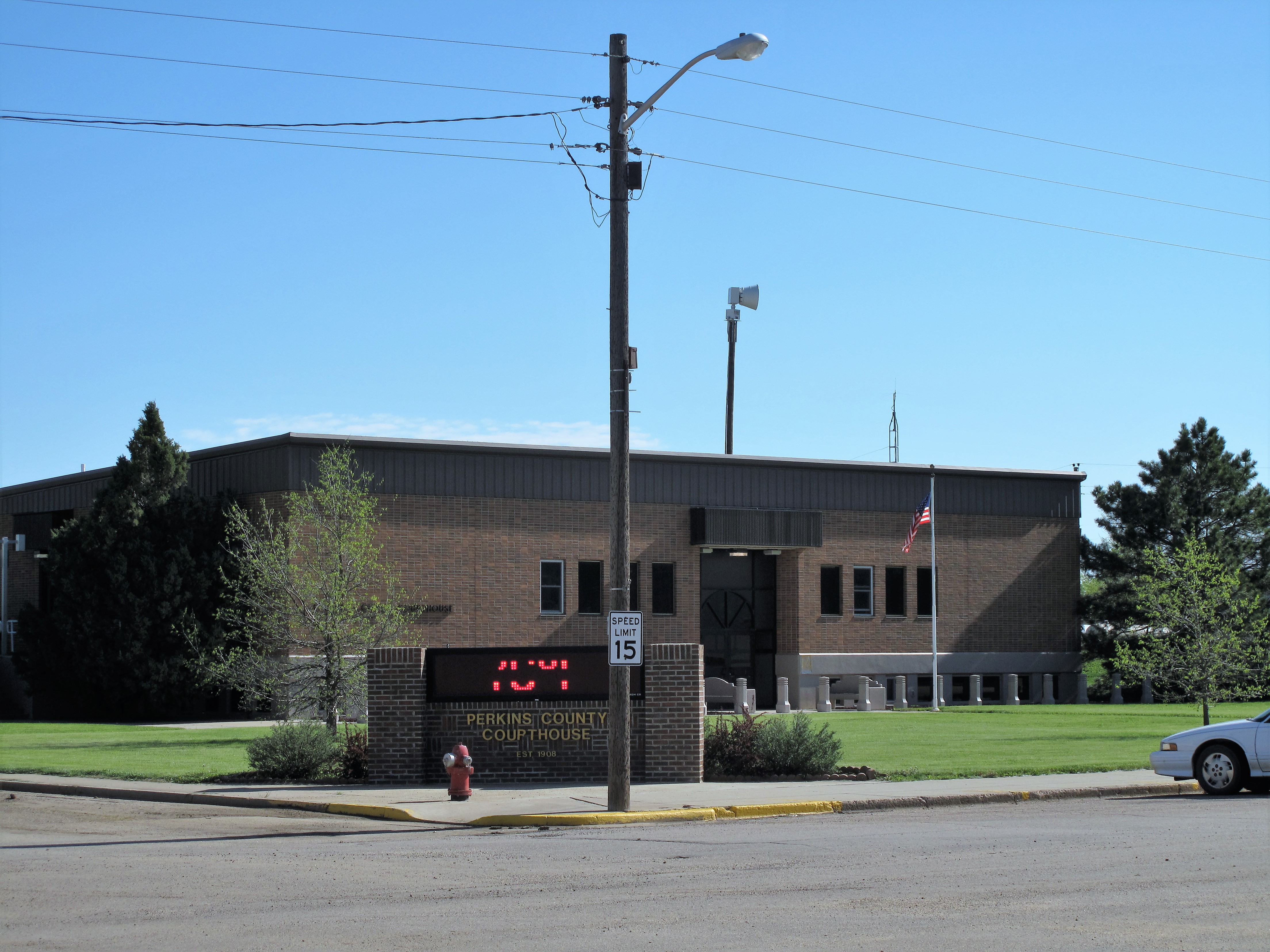
The Perkins County Courthouse occupies a prominent corner block on Bison’s Main Street. Perkins County boasts a total population of 2,982. Donald Trump won 83% of the vote here in 2016. Pretty good for a New Yorker.
Perkins County in the state of South Dakota
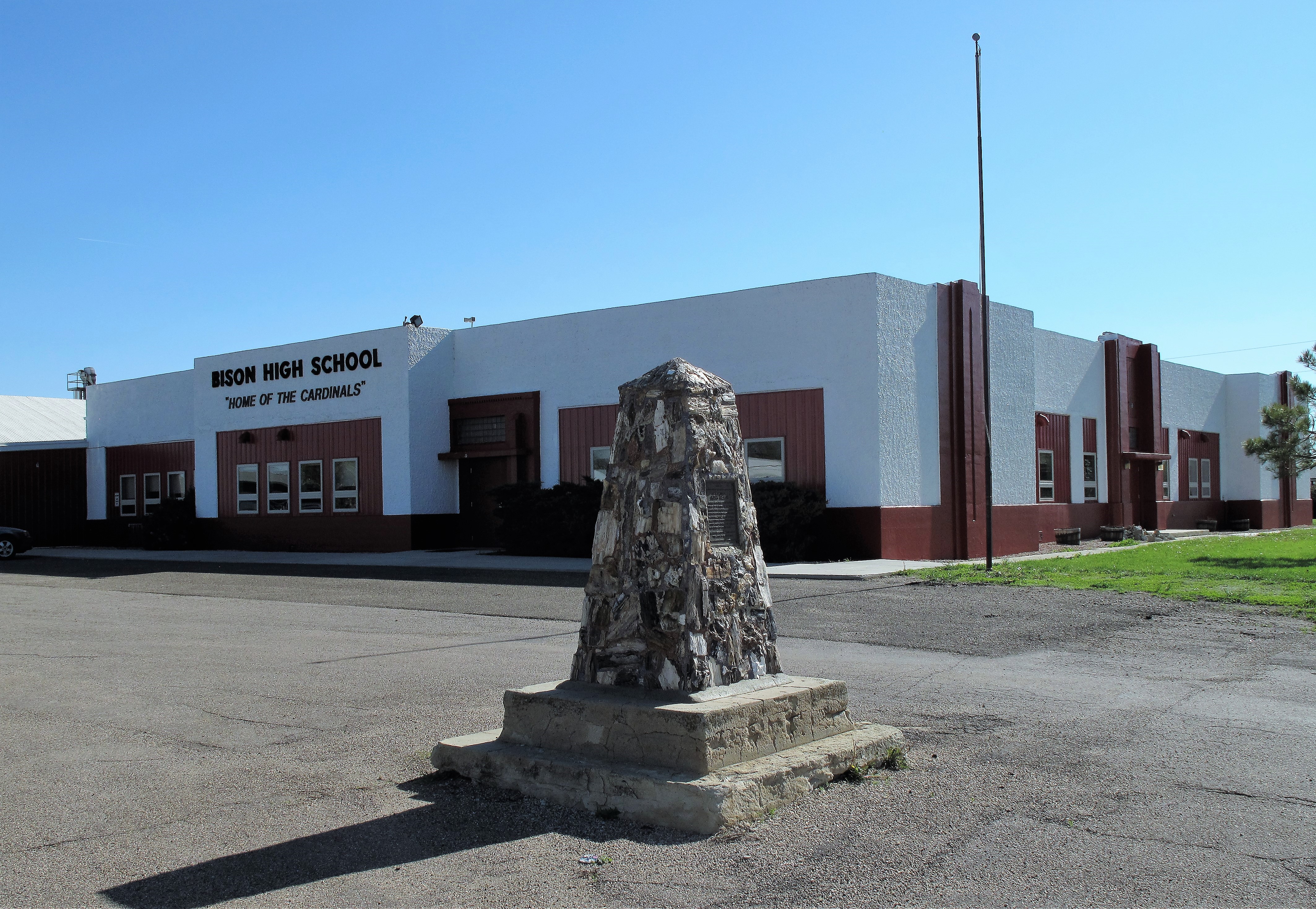
Bison High School: “Home of the Cardinals” — because the “Bison Buffaloes” would invite derision. While school mascot names are fun, the obelisk in front of the school teaches a serious lesson.
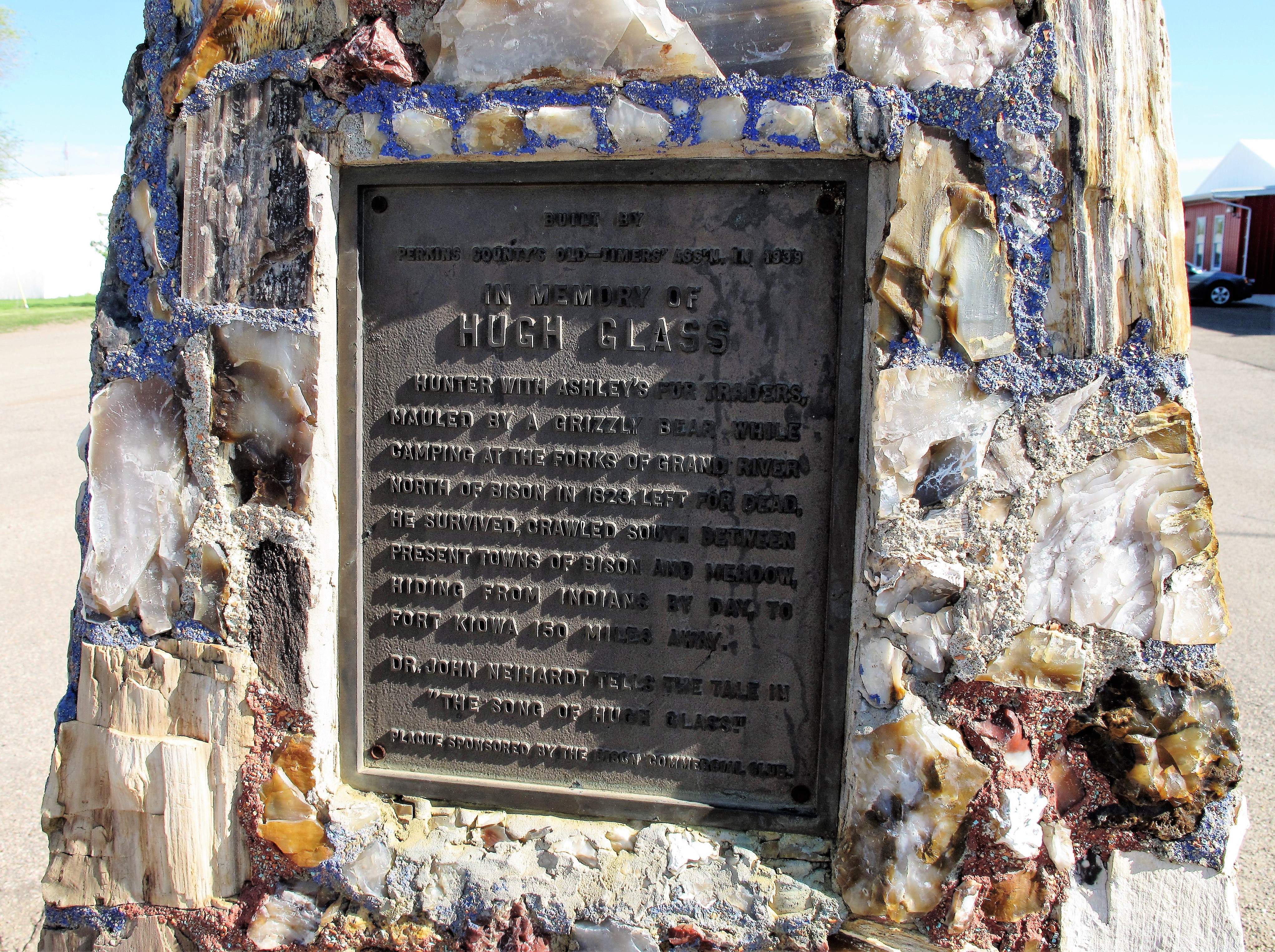
This is a monument to mountain man Hugh Glass, whom I mentioned at the beginning.
Here’s the text of the monument:
HughGlass. Hunter with Ashley’s fur traders, mauled by a grizzly bear while camping at the forks of Grand River north of Bison in 1823. Left for dead, he survived, crawled south between present towns of Bison and Meadow, hiding from Indians by day, to Fort Kiowa 150 miles away.Dr. John Neihardt tells the tale in “The Song of Hugh Glass.”
Keep calm and look far. Hugh Glass reached his destination after crawling on his elbows for 150 miles. If we must, we can do the same.
These are tumultuous times. Yet like Hugh Glass, we cannot stop here to re-suffer the past. America still has great places ahead of us and great achievements to offer mankind if we keep a level head “with firmness in the right, as God gives us to see the right.” Keep calm and look far — persistence will conquer distance.
(Note: Since visiting Bison I’ve learned that the Jack and Jill grocery store has apparently changed hands and been renamed the Bison Food Store.)
A list of all photo posts from the American County Seats series in TimManBlog can be found here.
I’m trying to travel to all of America’s county courthouses, and each month a post about my visit to the most interesting county seats. It’s only a hobby — but donations are greatly appreciated to help defer my costs. Thanks, Tim
This week the political media frenzy swirls through South Carolina like a transient storm. Last Saturday the GOP held its presidential primary here and this Saturday the Democrats hold theirs. As pundits dissect this state, wielding the scalpels of scientific polling and demographics, I thought it fitting and proper to provide a glimpse beneath the hullabaloo.
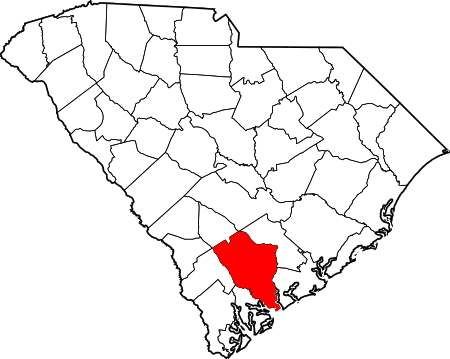
Colleton County in the state of South Carolina
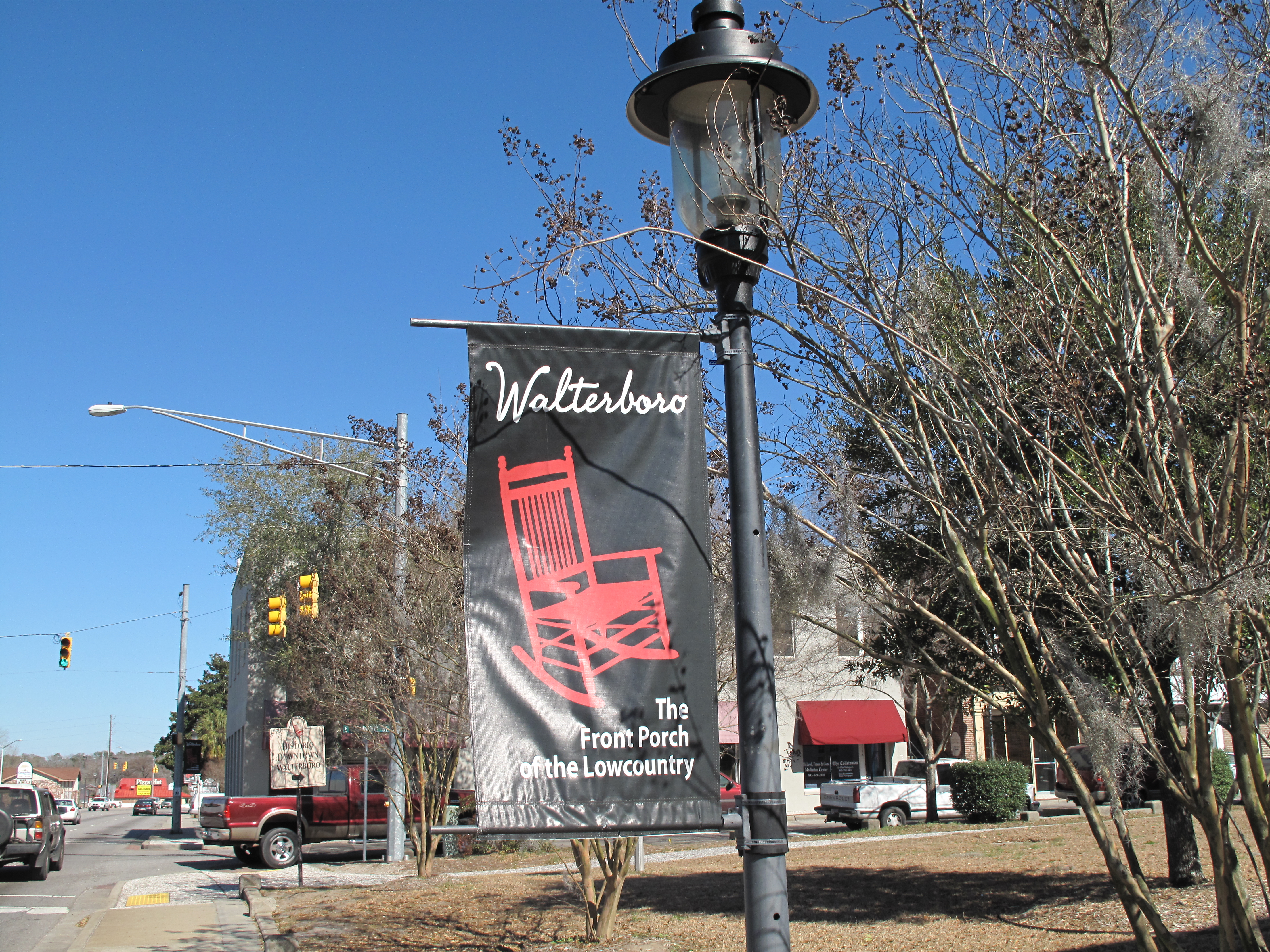
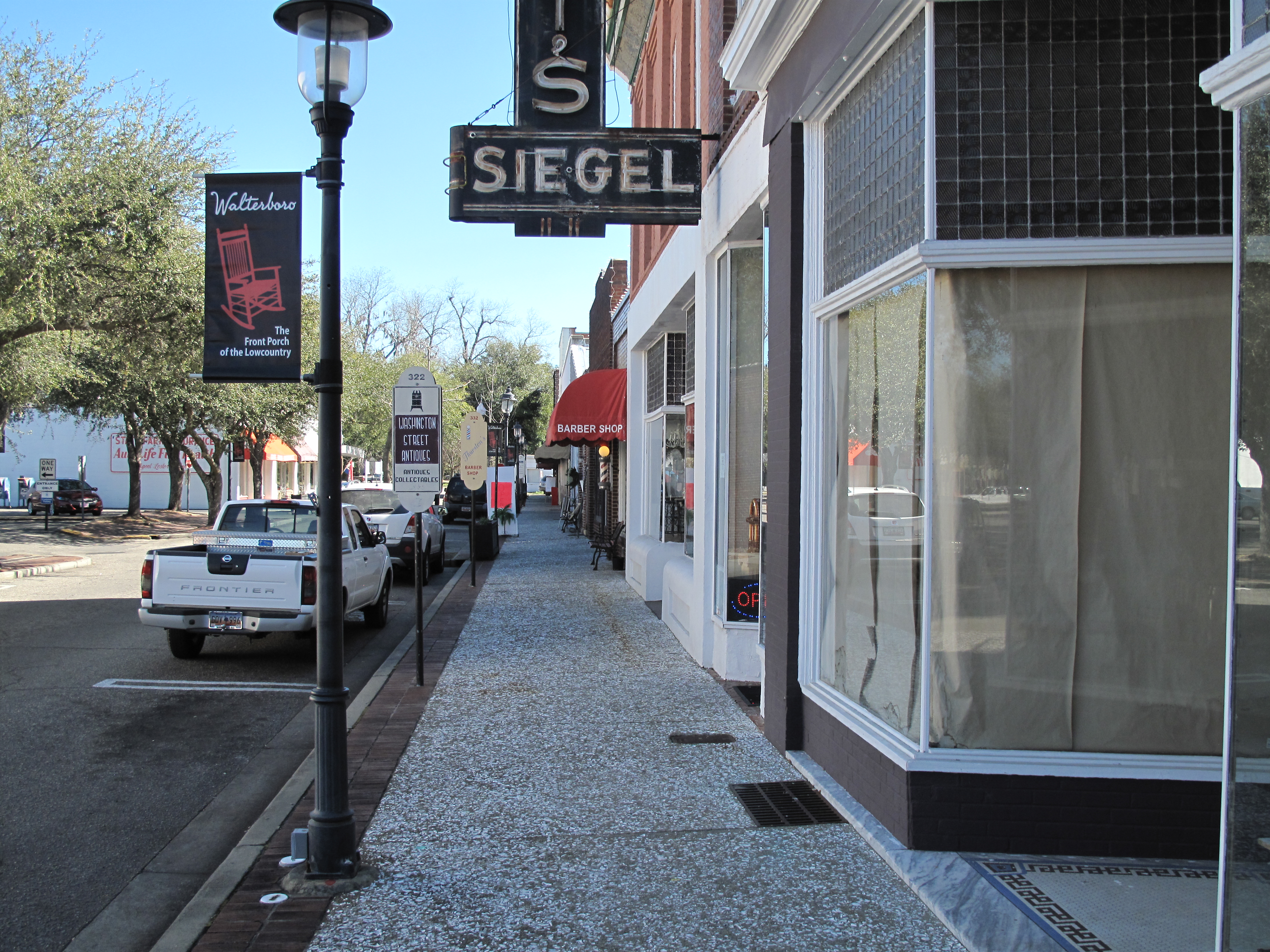
Along Washington Street in the small Palmetto State town of Walterboro, banners on the streetlamps proclaim it “The Front Porch of the Low Country.” Walterboro is 40 miles from the ocean, 50 miles from Charleston, and far, far away from northern climes shivering through February squalls. It seems peaceful here, very quiet, quiet enough to catch the slow creaking of an old red wood rocking chair.
Sidewalks in town are paved with a conglomerate made of white seashells over which I would not want to walk barefoot. (This may be purposeful — I doubt the local merchants want you to enter their shops in bare feet.)
Of course, you must smile and say hello to each and every one you pass by; they will certainly offer it to you expecting the same in return.
Even though some old storefronts have changed hands over the years, the general atmosphere feels familiar, and so the former Farmers and Merchants Bank is now the Old Bank Christmas and Gifts shop. The fixture clock was almost certainly the town meeting place back in the day.
Old Bank Christmas and Gift Shop
I had lunch at the counter of Hiott’s Pharmacy down the street. The Coca-Cola dispenser on the counter is a classic and probably worth some money as an antique but they don’t seem to know that — or perhaps they don’t care.
A few old-timers sat with me at the counter, and I enjoyed listening to them — accents uncorrupted by the standardized pronunciations one hears today on national newscasts. The Southern accent is strong here, but the formality of their manners is even stronger. Tags of “Yes Sir, No Sir, Yes Ma’am, and No Ma’am” punctuated their conversations like dance steps and created a kind of rhythm, a cadence, reminiscent of a high school marching band or a cheerleader squad’s holler-back routine.
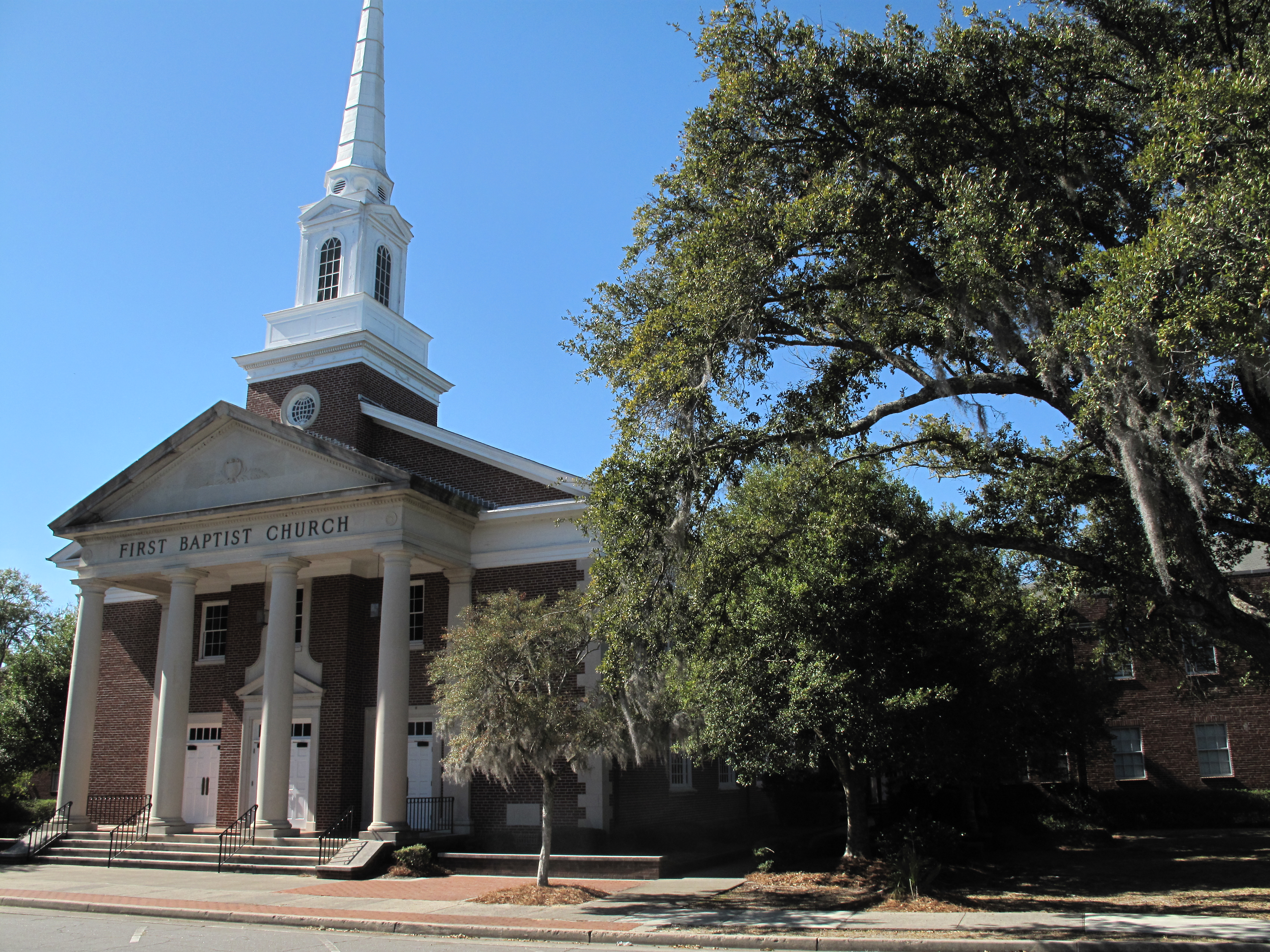
Just a peek around the corner leads to the First Baptist Church and its tall white steeple. Each rural South Carolina town must have one of these. If you’ve only seen such churches in photos, then you’ve missed the best effect — the majestic old oak tree covered in Spanish moss. Blue sky, white steeple, and green leaves are standard fare in these parts even in February, but wonderful to one visiting from the snowy Rocky Mountains.
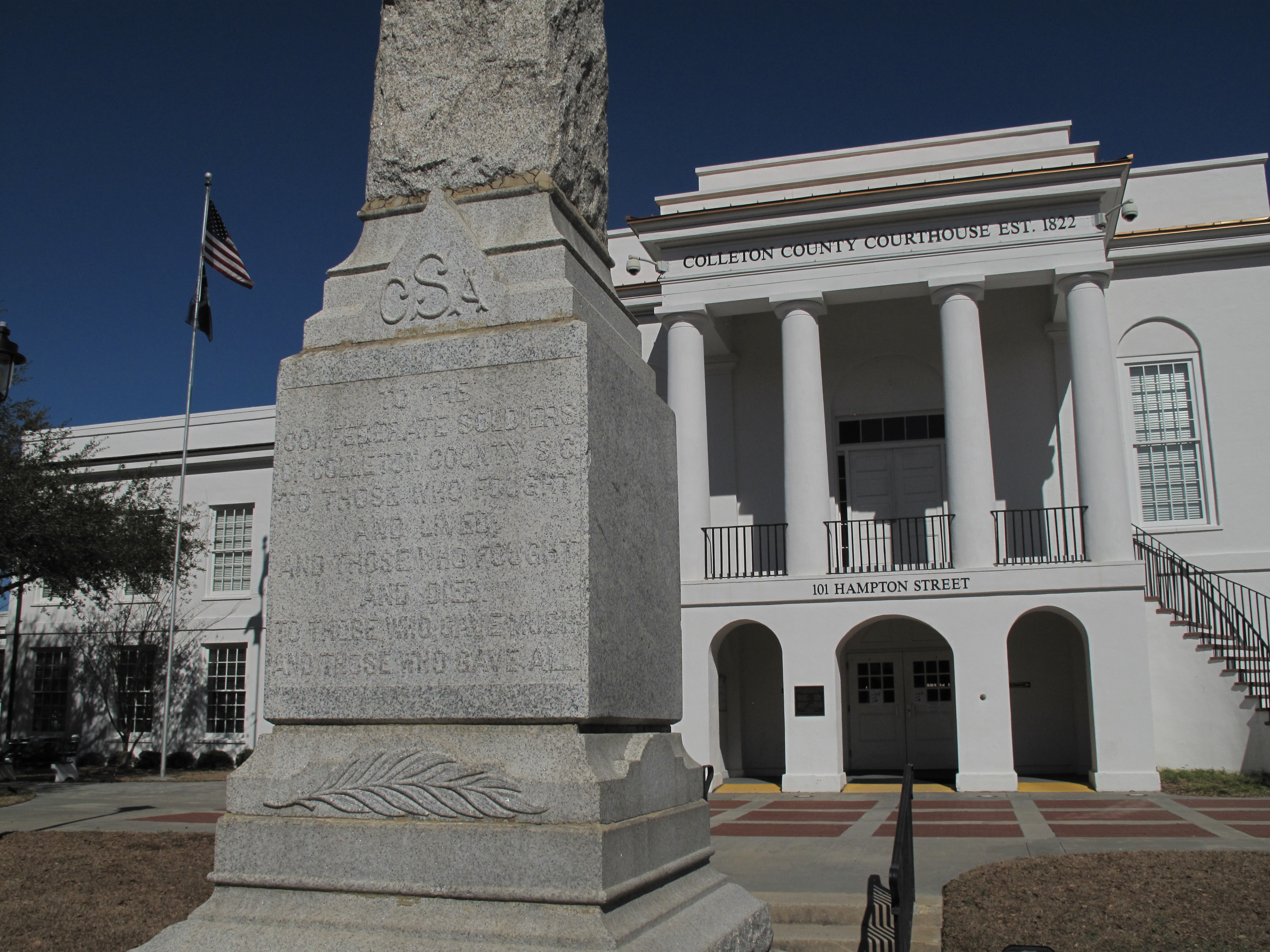
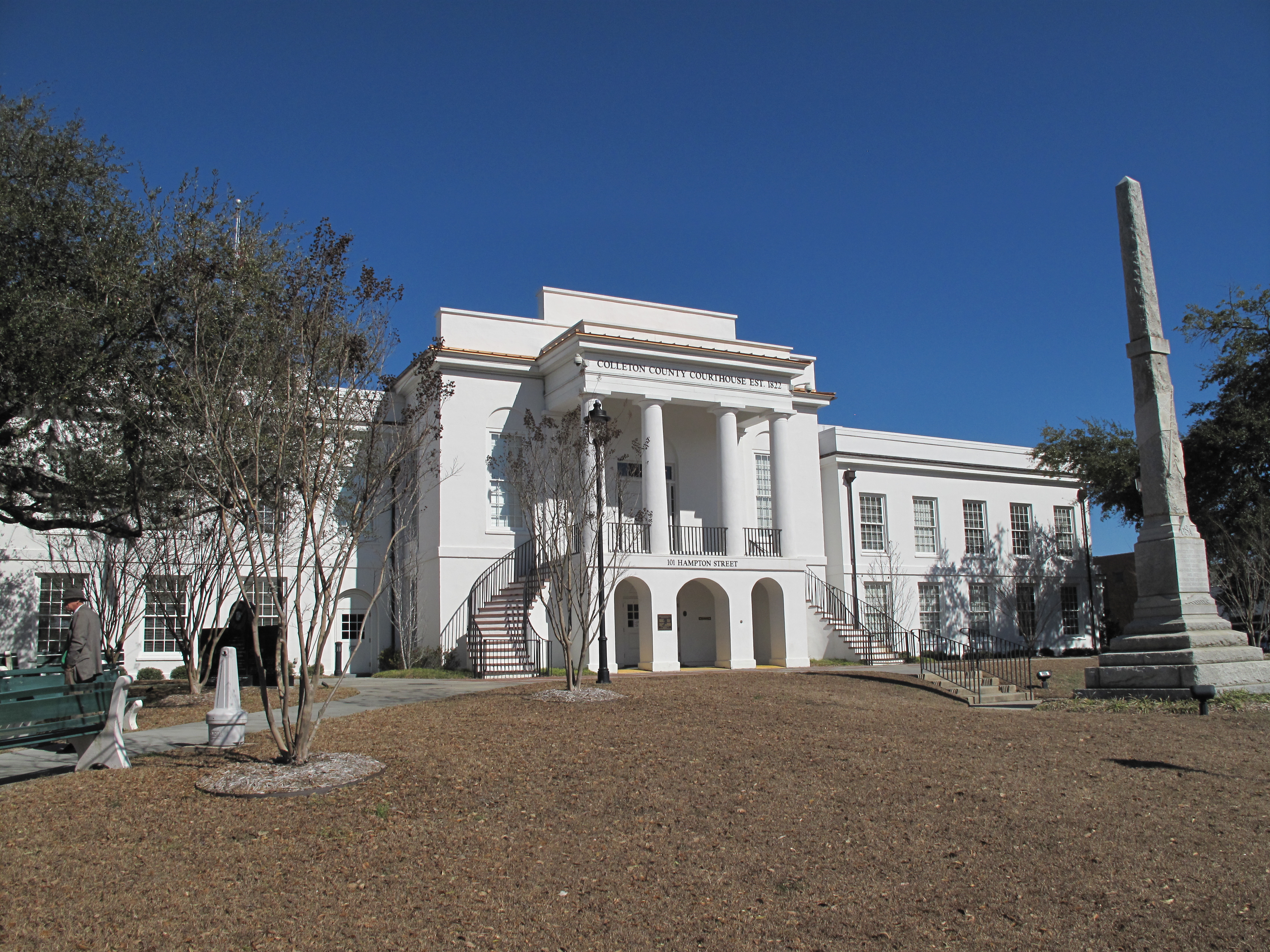
The Colleton County Courthouse complements the rest. This is a two-story whitewashed building with two half-spiral staircases at the main entrance. As with most Southern courthouses, a granite Confederate statue dominates the grounds. Live oak trees spread their wide branches on either side of the building.
Colleton County Courthouse. Walterboro, South CarolinaColleton County Courthouse
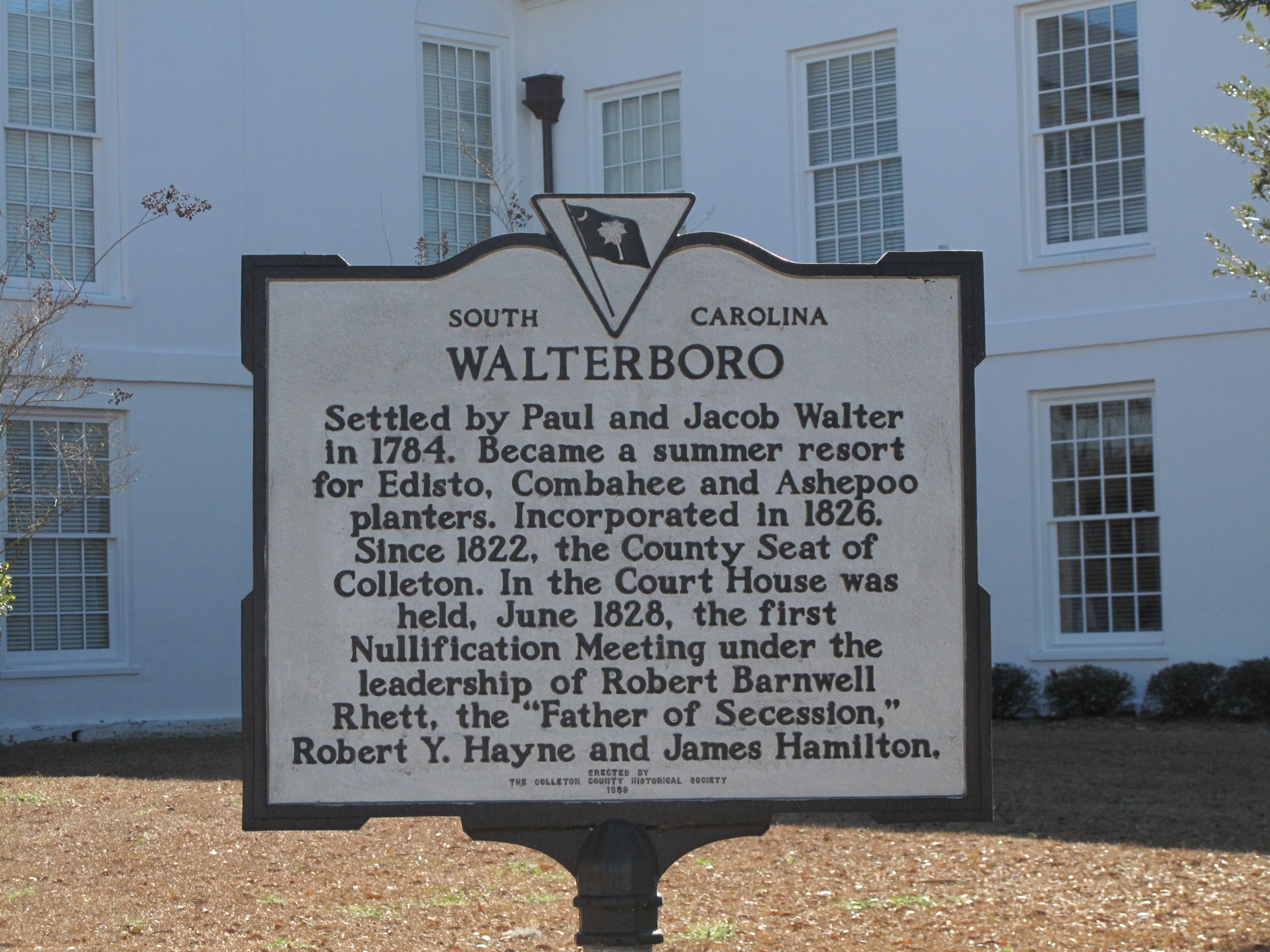
Beneath the small-town quiet, Colleton County has a combative history commensurate with its South Carolina heritage — the Nullification Crisis of 1832, and a hotbed of secession.
I chatted briefly with a few folks as I took photos of the courthouse. Around here, although people won’t ignore you, they’re not mistrustful. They do understand humor. Carrying my camera and cell phone in one hand, I asked the guard at the courthouse entrance if these items were allowed inside. He answered me with perfunctory precision:
“Prohibited items are knives and pistols and rifles. Do you have these?”
“Well…not all three,” I deadpanned.
He let out a belly laugh and let me pass through the metal detector as I held my camera and phone to one side for him to see. We’re all just folks.
East Washington Street business district, Walterboro, South Carolina
A list of all photo posts from the American County Seats series in TimManBlog can be found here.
I’m trying to travel to all of America’s county courthouses, and each month a post about my visit to the most interesting county seats. It’s only a hobby — but donations are greatly appreciated to help defer my costs. Thanks, Tim
New Yorkers are funny; they always have me laughing, or at least shaking my head.
After landing at the Albany airport on a quiet, sunny Sunday afternoon I let the GPS direct me onto a backwoods route to my hotel. Nearing a rural roadside craft sale, held in a barn, I saw a sign warning to watch for pedestrians. Then I noticed a petite Asian woman on the side of the road ready to cross. Seeing no crosswalk but figuring that New York pedestrian right-of-way laws were very strict, I stopped my car completely and motioned for her to cross. She hesitantly approached the edge of the road, then set her feet and tilted her head at such an angle that she could both look down and sideways at me at the same time. I checked my mirrors; mine was the only car in sight in either direction. I waved my hand again. She tensed ever so slightly at the invitation, but finally declined and just stood there, motionless, looking down, refusing to place one foot on the asphalt. Apparently, New Yorkers are not a trusting breed. I conceded the stand-off to her and drove on by.
Welcome to New York.
The next morning in downtown Albany I saw a woman’s transmission fail in the middle of an uphill street. She was trying to climb the hill but each time she shifted into ‘Drive’ and hit the gas the car merely rolled further backward downhill. Wishing to help, my first instinct was to look around for someone who might have access to a payphone. (I must have very old instincts. People have cell phones now and can call their own tow trucks.) I noticed a middle-aged woman having a smoke outside the courthouse door and shouted to her, “Could you please call a tow truck?” She gaped at me, pointed at her chest, and mouthed indignantly, “ME? You want ME to call?” Apparently, I had broken the Sacred Law of the Street. Since the whole scene was comically absurd, I drifted away shaking my head and laughing.
Welcome to New York.
The previous bit of pseudo-drama took place outside the new Albany County Judicial Center, across the street from the old county courthouse. The new building is a four-story brick structure with an underground entrance for defendants and such. All sorts of suits stood outside, exiled to the sidewalk for needing to smoke.
Albany County Judicial Center
The old courthouse next door is more ornate and even has a special entrance for “G.A.R.” members. (The G.A.R. was the “Grand Army of the Republic”, an association of Union Civil War Veterans.)
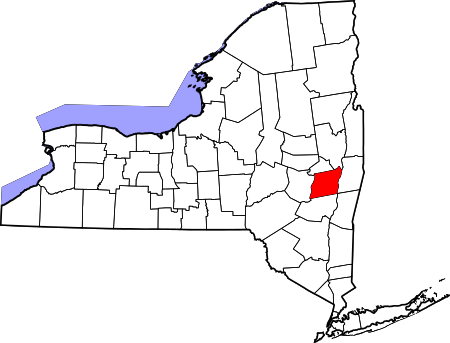
Albany County in the state of New York
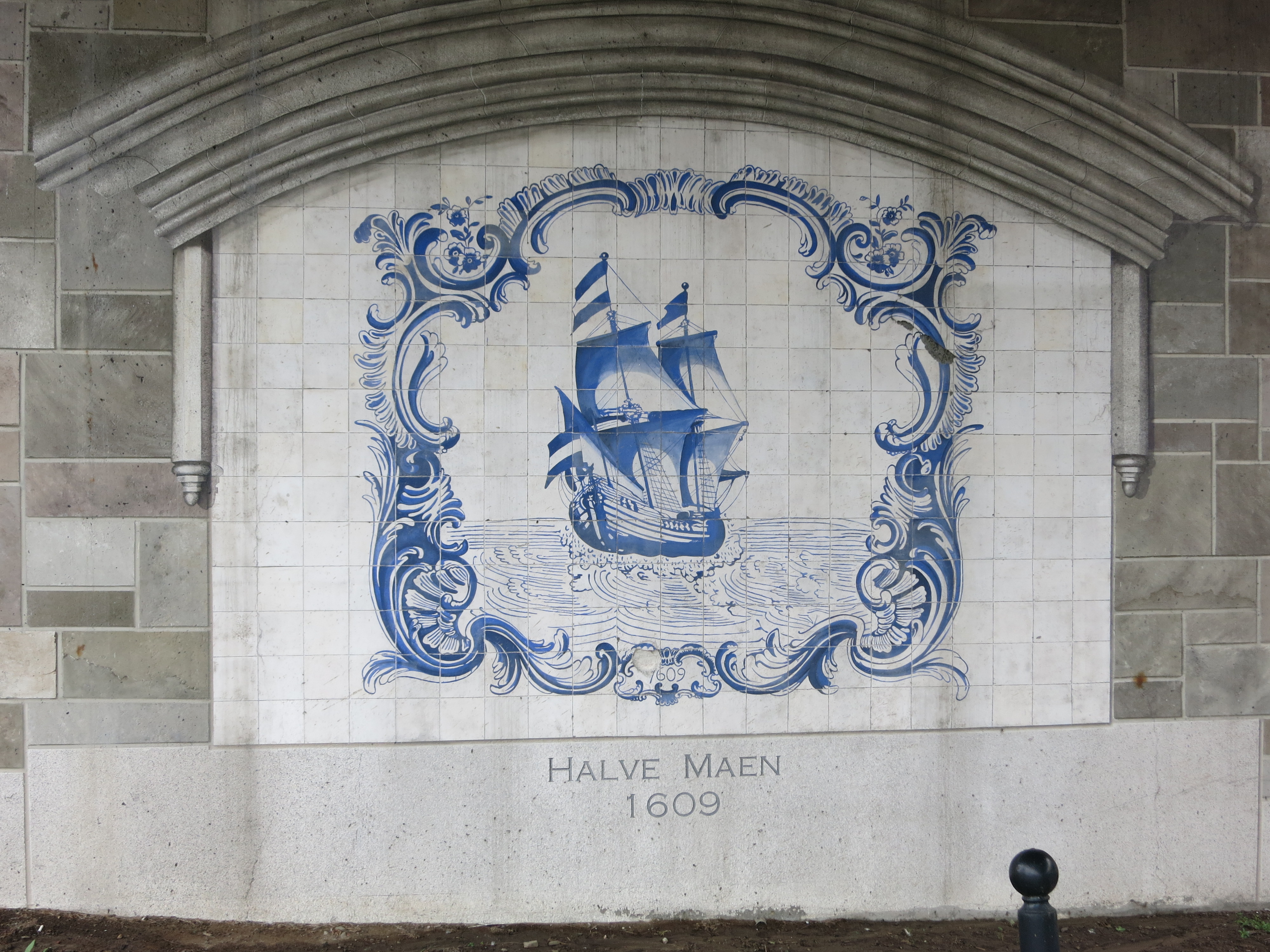
Albany has a long history. European settlement began with Henry Hudson’s 1609 voyage up the river which carries his name, looking for the fabled northwest passage to the Indies. It was at this point that the Hudson River became too narrow for him to continue and forced him to turn back downstream.
Memorial to Hudson’s ship the “Halve Maen” (the Half Moon), Albany, New York
That was four hundred years ago. Ages have gone by. Today Albany is a collection of distinct parts each associated with specific periods.
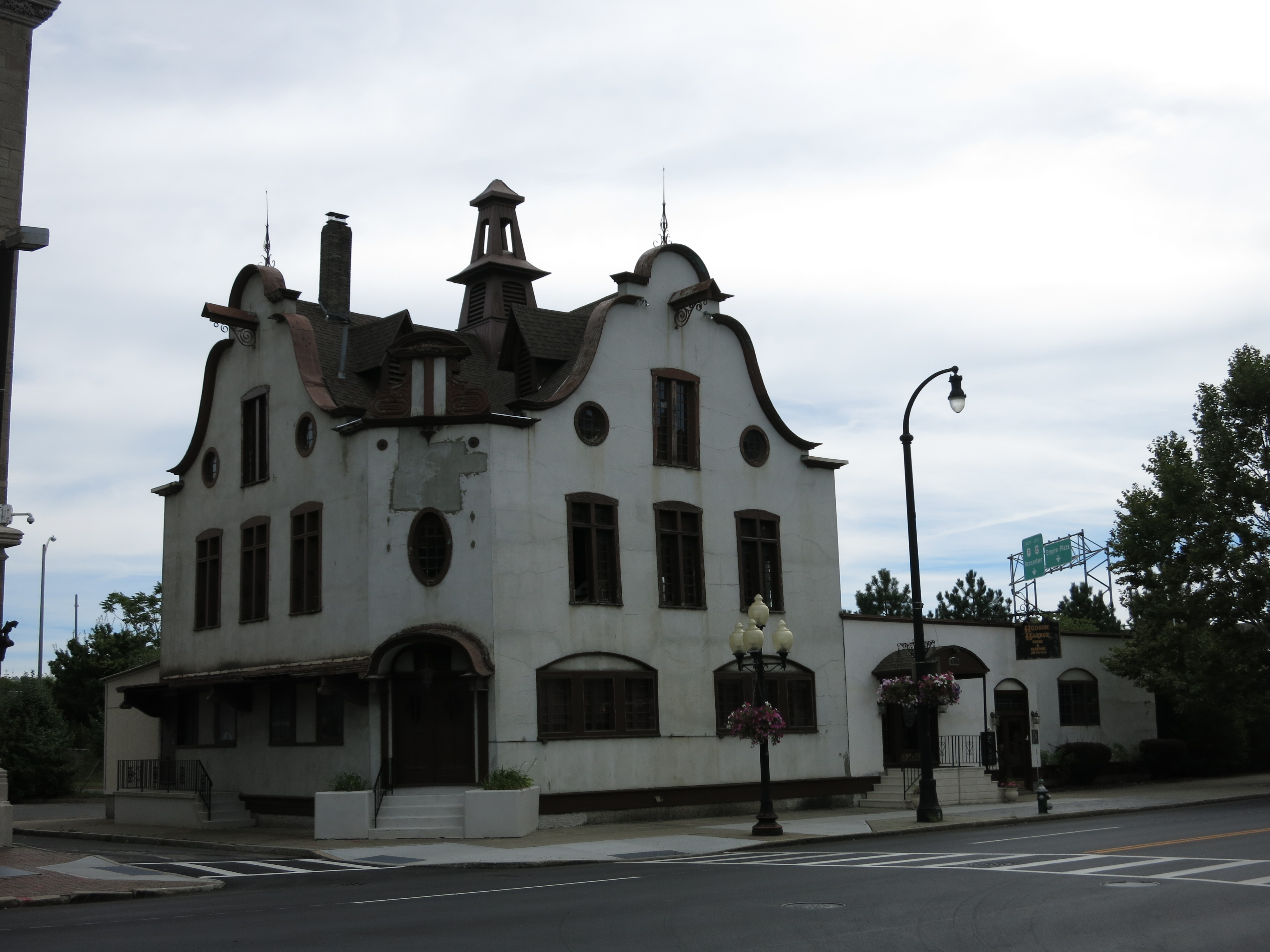
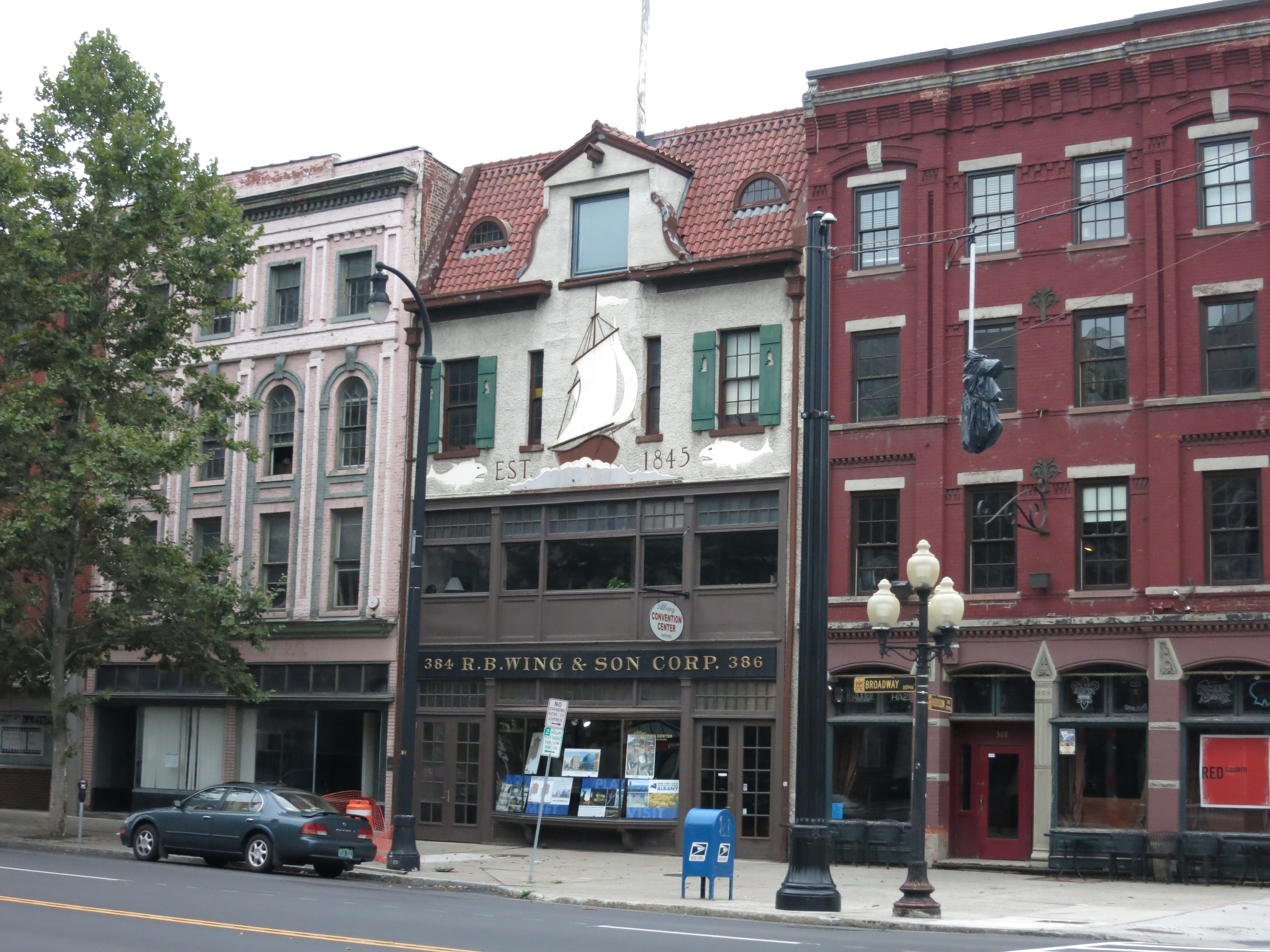
The oldest part of Albany is along the Hudson River where I found some Dutch architecture:
The Hudson Harbor Restaurant
Old Business Block along Broadway, Albany, New York
The state government buildings comprise the next part of town. Albany became the permanent New York State Capital in 1797. The Capitol building itself was completed in the 1870s and looks like a European palace. The statue in front is of Union Civil War hero (and Albany native) General Philip Sheridan.
New York State Capitol, Albany
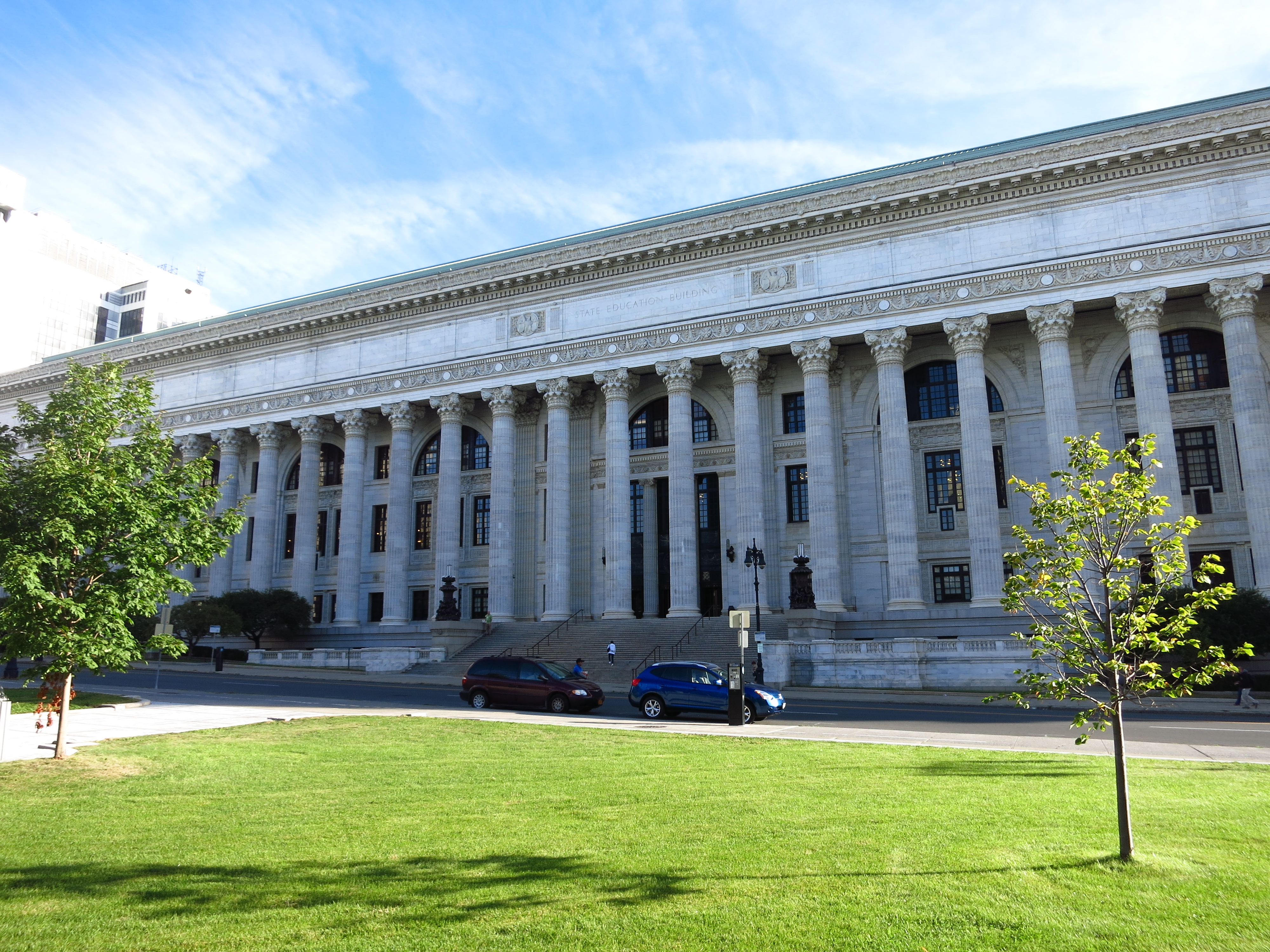
The Classical columns on the building across the street from the Capitol make it look like a judicial building, but it’s not. This is the New York State Department of Education.
New York State Department of Education, Albany
The building’s classical columns suggest that New York Education occupies the place Justice occupied in classical thought. Considering that these are the offices of the bureaucracy, that’s a very scary thought.
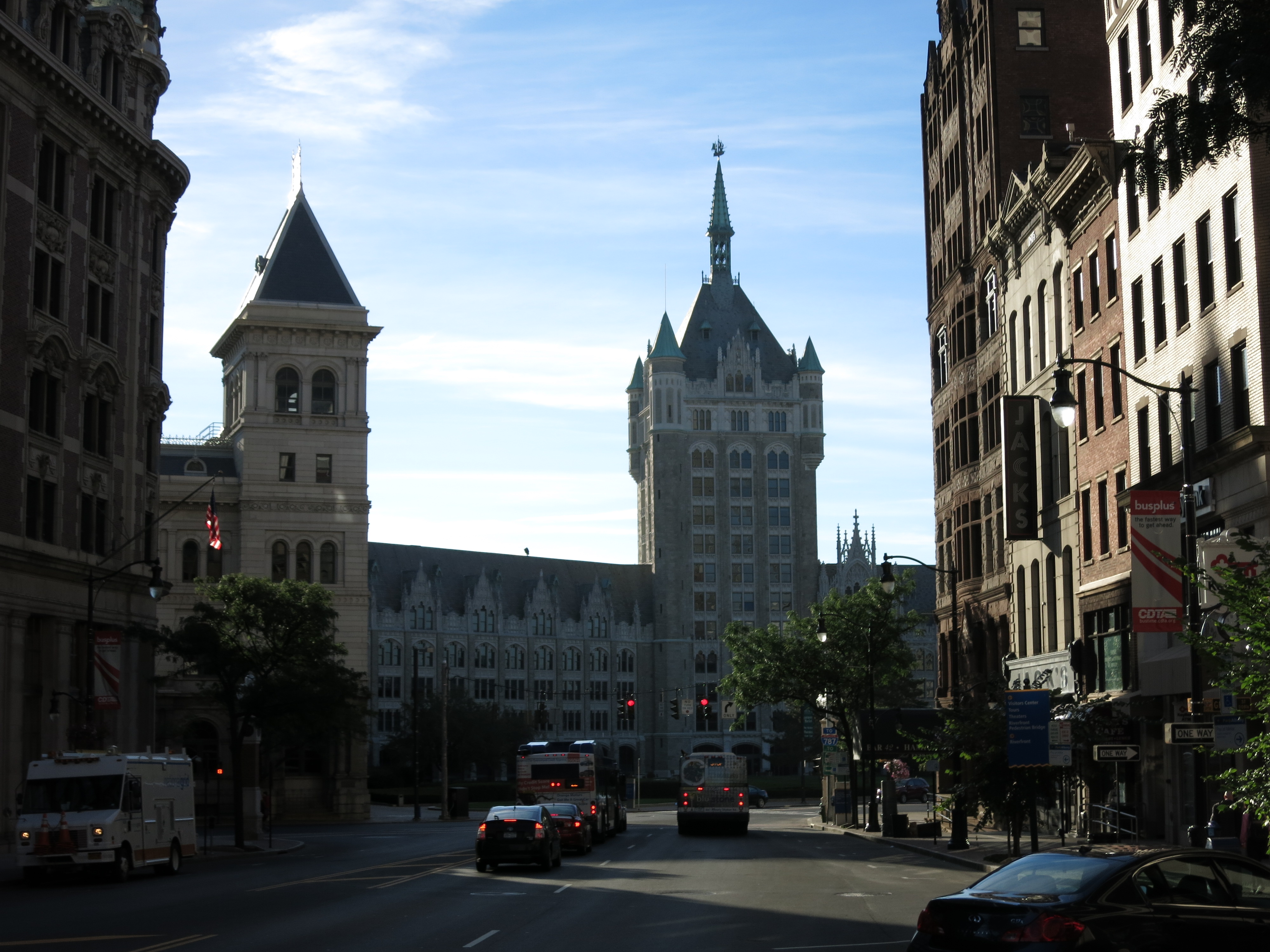
The administrative offices of SUNY (the State University of New York) are in an equally grandiose building at the foot of State Street. It’s too large to fit into one photograph. The Gothic towers are remarkable:
SUNY Administration Tower and Plaza, Albany
The word “education” is derived from Latin and means “to raise up from within.” By the two examples above it seems that the State of New York has built a grand central administration whose purpose can only be to “push down from above”, i.e., indoctrinate.
Moving on to the private sector, the next part of Albany is the Pearl Street commercial district. Many of these structures date from the Gilded Age of the late 1800s. Prominent towers and intricately carved red sandstone were the hallmarks of this age. The buildings were purposely ostentatious and opulent yet beautiful; they are still beautiful today.
Gilded Age building on North Pearl Street, Albany, New York
On the building below the corner, offices have alcoves jutting over the streets. That’s the Gilded Age’s way of saying, “let me be part of the city and as close as possible to it while still enjoying my comforts.” These days the Pearl Street Pub occupies the ground floor of this old block.
North Pearl Street and Pearl Street Pub, Albany, New York
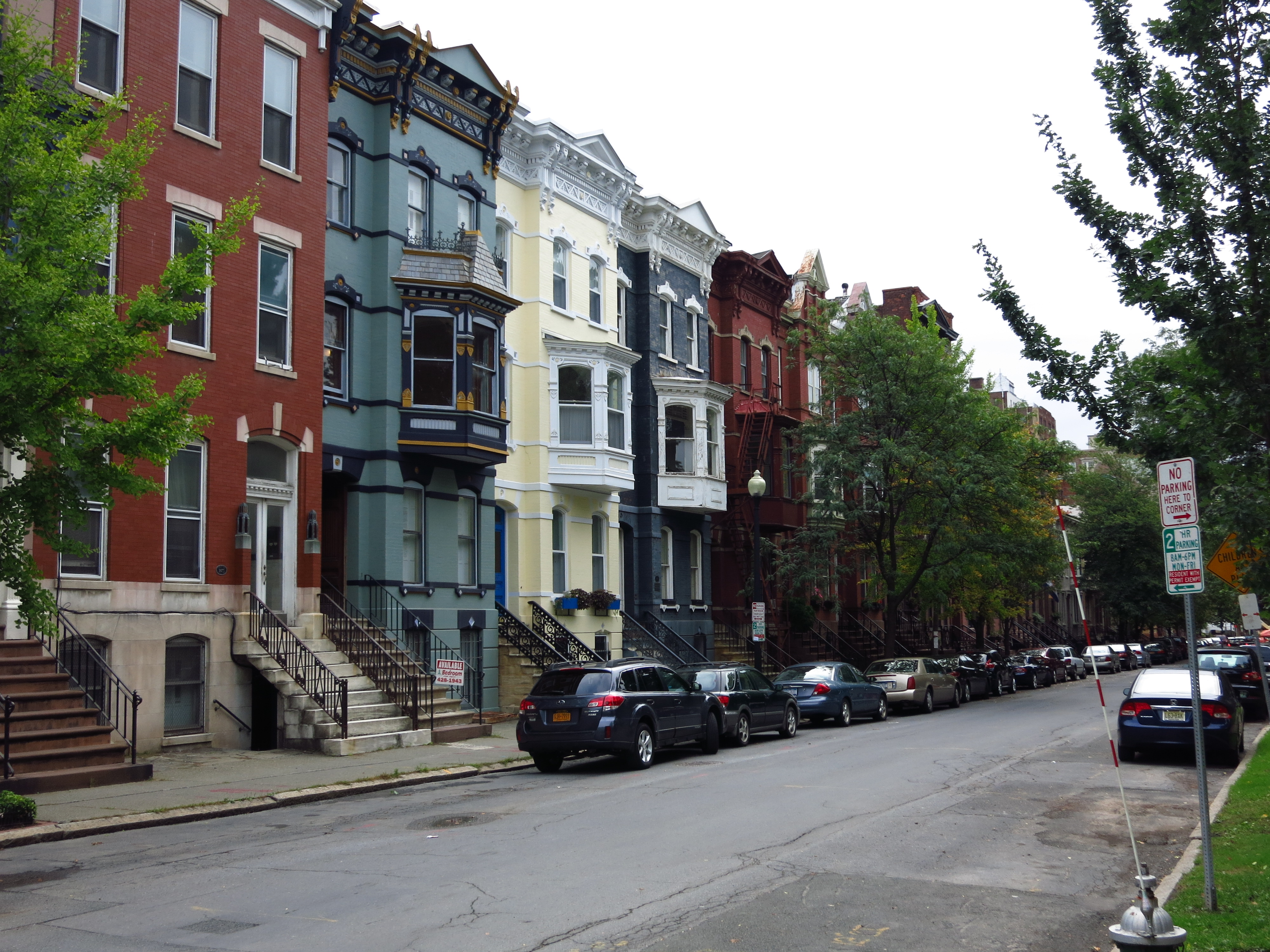
Next is an old residential area above the state Capitol, now occupied mainly by professionals. These are townhouses across from a city park. Many have intricately painted trim. Most have bay windows on the second floor:
Townhouses along State Street, Albany, New York
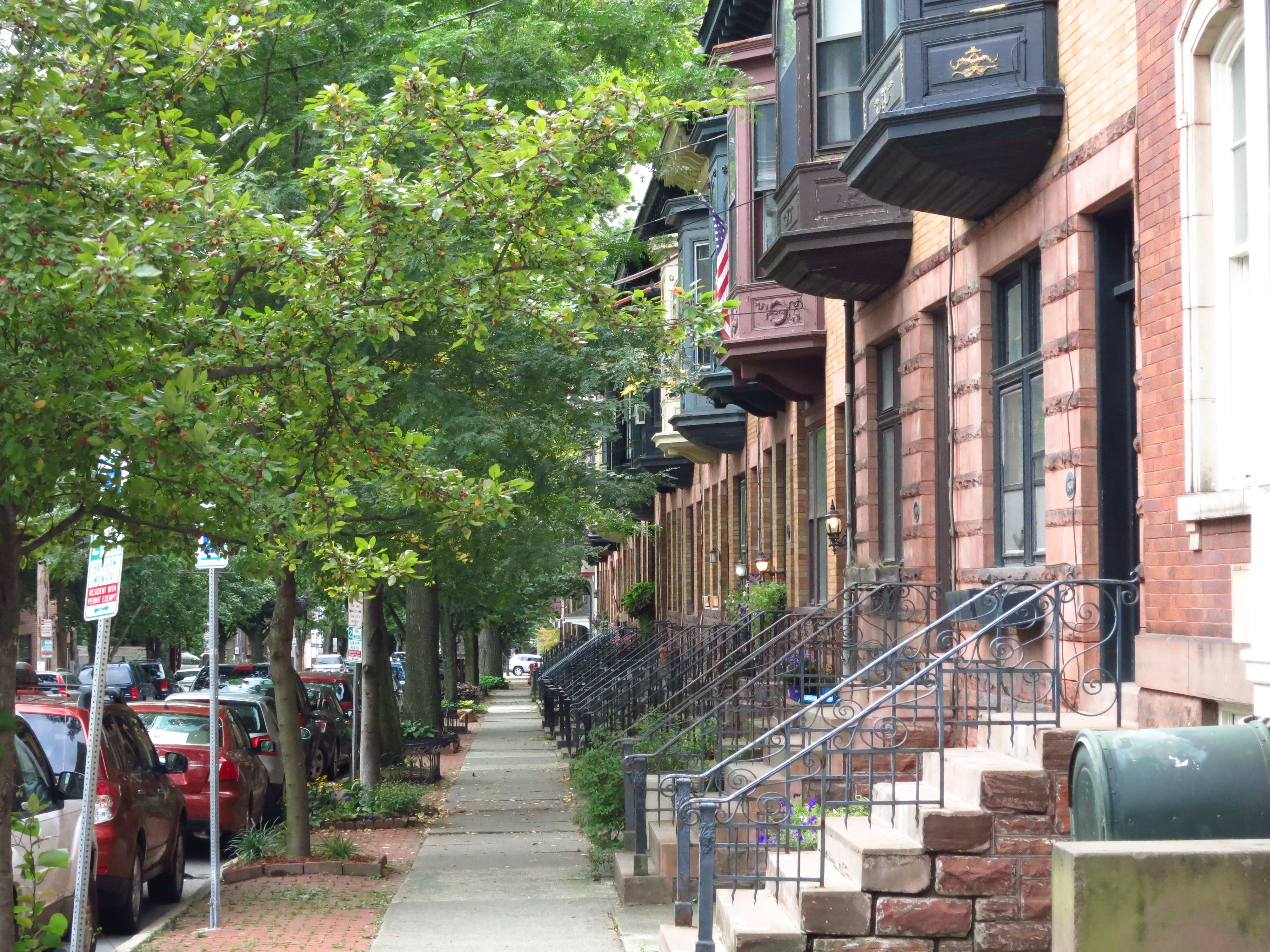
These townhouses could be mistaken for the Greenwich Village walk-ups found in Manhattan 150 miles downstream:
Walk-ups along State Street, Albany, New York
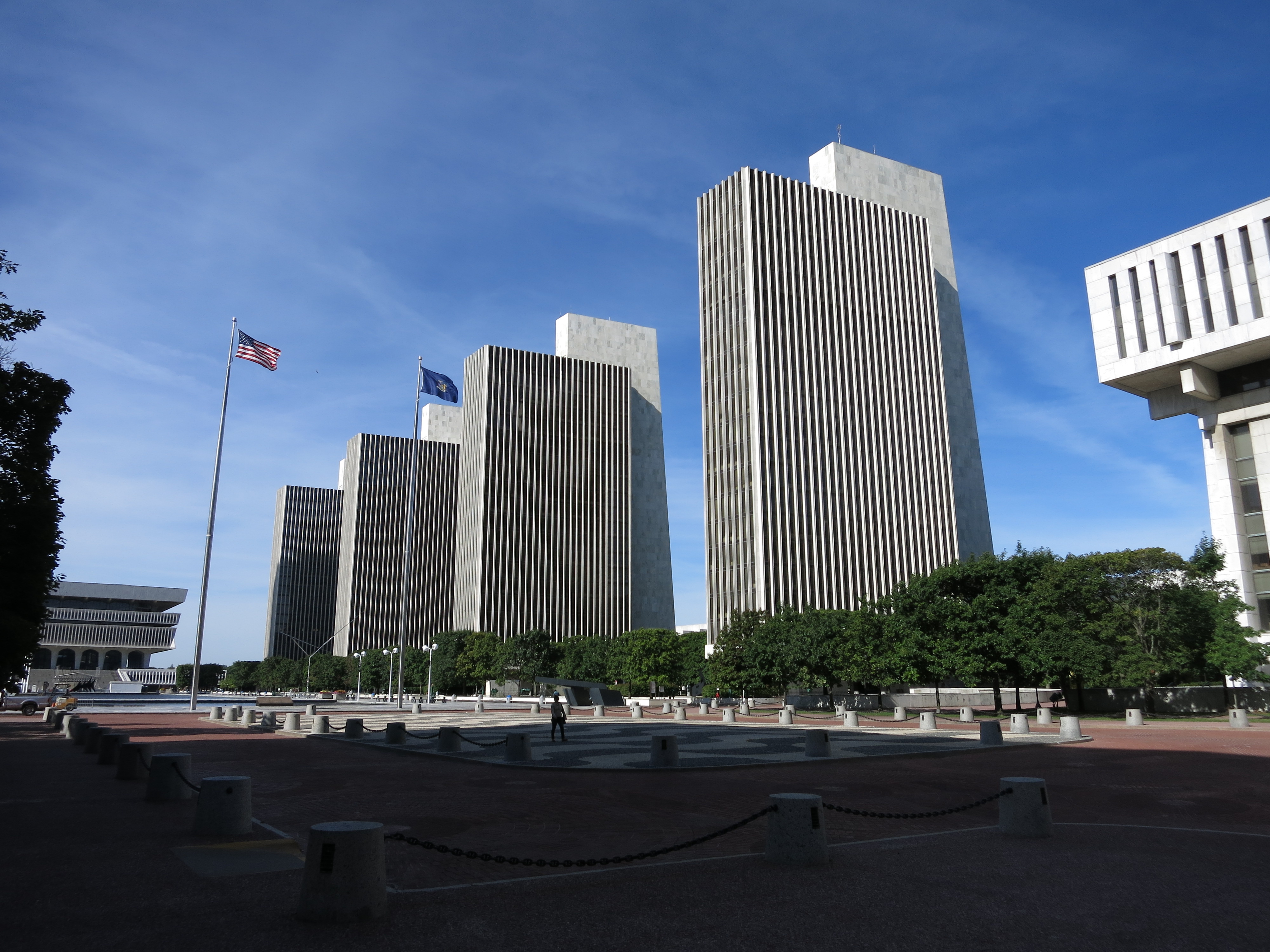
Finally, in some mistaken vision of the future, Albany shows you the Governor Nelson A. Rockefeller Empire State Plaza — a group of buildings that include four identical (and identically ugly) concrete towers, a tilted mushroom-type thing, and two stumpy 4-story buildings serving as bookends. The Plaza is integrated with the State Capitol across the street and houses various government agencies of the State of New York:
Governor Nelson A. Rockefeller Empire State Plaza, Albany, New York
Here’s the “tilted mushroom” building I mentioned, separated from the concrete towers by a wide pedestrian area. I didn’t bother to look up its real name or purpose. I don’t want to know.
The ’tilted mushroom’, Nelson A. Rockefeller Empire State Plaza, Albany, New York
The Plaza was the idea of Governor Nelson Rockefeller (Republican) who was served as New York Governor during the 1960s and U.S. Vice President under Gerald Ford in the mid-1970s. Rockefeller led the patrician wing of the Republican Party whose adherents at that time were known, unsurprisingly, as “Rockefeller Republicans.”
These days Rockefeller Republicans are called “RINOs”. No one likes them. In New York and elsewhere they are responsible for great government edifices just as domineering as those of the Education bureaucracy, which is dominated by the Democratic Party. The Rockefellers intend their efforts to be unique and inspiring, yet like the tilted mushroom they just leave me shaking my head.
A list of all photo posts from the American County Seats series in TimManBlog can be found here.
I’m trying to travel to all of America’s county courthouses, and each month a post about my visit to the most interesting county seats. It’s only a hobby — but donations are greatly appreciated to help defer my costs. Thanks, Tim
When you mention “Nebraska” to someone from America’s left or right coasts they will freely associate this term with the words “corn” or “CornHuskers” (the college football team), or perhaps tornadoes or blizzards. What is often forgotten is that Nebraska’s Platte River Trail was the emigrant superhighway of the 19th Century carrying travelers from the East to the West Coast destinations of Oregon and California. Back then traffic went exclusively from East to West, yet I’ve found that in our day the emigrants have been retracing their steps.
Founded in 1855 on the banks of the Missouri River near the mouth of the Platte, Plattsmouth is a fair-sized small town, still relatively vibrant even though it lies far off today’s interstate highways. Back when rivers were America’s highways Plattsmouth was a popular steamboat moorage and trading post. Its downtown streets were lined with merchants selling goods downriver while also outfitting westward emigrants on the overland trails. According to local historian Dale M. Bowman, “The area that is now lower main street was the staging point for the South Platte Trail of the Oregon Trail. For approximately 18 years an average of 12,000 pioneers per month headed west on this trail.” (Early History of Plattsmouth)
The business district of Plattsmouth looks much as it did a hundred and fifty years ago. The red-bricked architecture has been preserved and the red-bricked side streets provide complementary color.
Main Street Plattsmouth with courthouse tower in background
The storefronts are open. The old hotel — The Fitzgerald — is open for business as well.
The Fitzgerald Hotel (“The Fitz”)
The 1892 Cass County Courthouse towers above the streets of Plattsmouth like a Bavarian castle above its village. This grand and ornate style of architecture was common in its time; it provided small frontier towns with a feeling of strength and permanence.
Cass County Courthouse. Plattsmouth, Nebraska
Inside the courthouse, old black and white photographs document the town and county’s history. There have been numerous devastating floods.
Cass County in the state of Nebraska
By noon it was hot and I was hungry, so I found the River House Soda Fountain and Cafe and stepped inside. Obviously, this old building was once a riverport saloon — there was a long bar, fixed barstools, and a pressed-copper ceiling. Riverboat captains had drunk here. So had emigrants — anxious to find their fortune in the West yet hesitant enough of the upcoming dangers to take one last draft in a civilized tavern before moving along.
But that was the past. The new owners had turned the River House into a combination antique store, sandwich shop, and soda fountain. Free wifi available. A dozen others were already being served as I sat down at the old oak bar. I ordered a root beer float and an Italian sandwich.
The River House Soda Fountain & Cafe
Looking around, I could see that the River House was run by a young mother with her two daughters. (The great majority of small-town cafes I’ve seen are run by women, not men.) Mom was directing traffic. Her mid-teens daughter was the main waitress, enthusiastically taking lunch orders. Then there was a younger girl, perhaps 7 or 8 years old, scurrying this way and that, trying to help Mom any way she could.
I flagged down “Mom”, a youngish-looking woman, and asked if there was a place where I could charge my camera battery.
“Sure, right here,” she said pointing to an outlet behind the bar.
“Thank you. That’s great.” I handed her the battery but added, “please don’t let me forget it here.”
“No, no of course not,” she assured me but added teasingly “this battery does look a lot like the battery I use for my camera. If you were to leave here without it…”
“I guess I’ll just have to take that chance,” I added playing along.
“So where are you from?” she asked.
“Colorado,” I answered. “Just travelling this week. Did you grow up here in Plattsmouth?”
“Oh no. I’m from California.”
“Ah, a California refugee,” I shot back.
She didn’t reply, but instead gave me a wistful smile which I read as ambivalence about having left the Golden State.
I went on. “There are a lot of Californians just like you moving back to the Midwest. I met a pair of California refugees in a small town in Kansas. They were an older, retired couple. They bought an old bank building and a cafe next door. They’ve turned it into a bed and breakfast and restaurant.”
She was interested. She asked me about the particular town. I thought for a bit and came up with “Oberlin. Oberlin, Kansas.”
We talked a bit more about how there were so many well-preserved towns in the Midwest before she had to attend to some other customers.
I had my sandwich and my root beer float which hit just the right spot. The food is usually really good in these kinds of places and the River House was no exception.
I retrieved my camera battery, paid the bill, said thank you, and headed back outdoors into the hot afternoon. I don’t know what brought them here to Nebraska from California, heading from West to East along the old California Trail. Perhaps there are no longer good opportunities in California. Or perhaps she wanted a small-town atmosphere to raise her daughters. Perhaps taxes are too high or regulations too strong. Or maybe it was something else.
But logic tells us that whatever terrible thing the California refugee is fleeing, that thing must be more dangerous to them than Nebraska’s tornadoes or blizzards.
Nebraska corn. The brown “silk” at the eartips mean harvest time is near.
A list of all photo posts from the American County Seats series in TimManBlog can be found here.
I’m trying to travel to all of America’s county courthouses, and each month a post about my visit to the most interesting county seats. It’s only a hobby — but donations are greatly appreciated to help defer my costs. Thanks, Tim
February 25, 2012 (If you like my posts, you can support this site with a donation via Paypal, Visa, Amex, Mastercard, or Discover by using the form at the bottom of this post. Thank you.)
The Michigan primary is next Tuesday. Since political talk can sometimes become dry I thought I’d combine a travel post with some thoughts about the upcoming contest. In fact, my first blog post was such a combination — “Mennonite Pastries Banned in Cimarron Kansas” — and I thought it came out well, photos and all, so here goes. (All photos are my own, taken in February 2009.)
Manistique, a town in Michigan’s Upper Peninsula along the Lake Michigan shoreline, is so small that it reminds me of an Alaskan town, or what I imagine an Alaskan town might look like. Few of the buildings here are as tall as two stories and there are just a couple of those. Streets are lined with piles of shoveled snow that can dwarf the cars parked next to them. In fact, in the wintertime snowmobiles become as common a means of transportation as cars. When I was here in February 2009 the noontime temperature struggled to reach 17 degrees, and that was on a sunny day.
Manistique, Michigan, February 2009
At the turn of the 20th Century Michigan’s Upper Peninsula (known as the “U.P.”) was famous for its Jacobsville red sandstone, a burgundy red stone in demand worldwide. Architects loved to use Jacobsville for the facades of their best structures since artisans could carve intricate designs into the stone without compromising its strength. Jacobsville was used in the Tribune Building in Chicago and at the original Waldorf-Astoria in New York among many other places. Manistique has one such Jacobsville building — it originally housed a prominent bank but now a home health agency occupies the first and second floors.
Corner bank building, Manistique, Michigan, February 2009
Manistique is the seat of Schoolcraft County. The courthouse here is a fairly new ranch-style building that does not photograph well. The only markers are the county’s war memorial in front of the adjacent sheriff’s office.
Schoolcraft County Courthouse, Manistique, Michigan, February 2009
Schoolcraft County in the state of Michigan
Behind the courthouse, I saw two official Schoolcraft County Sheriff’s Department snowmobiles parked in a trailer. So — the local police chase ne’er-do-wells on snowmobiles! Can you imagine if Hollywood was to make a tv show called “The U.P.”? These cop snowmobiles would be on the opening credits tearing paths through the wilderness with sirens blaring and emergency lights blazing red and blue over the snow trails! Wouldn’t that put Erik Estrada’s old CHiPs motorcycles to shame?
Official Schoolcraft County Sheriff’s Department Snowmobile Cruisers (“Sheriff” emblem on visor)
I ate lunch at the Cedar Street Café and Coffee House. This is a fine place, built into one of the refurbished older business buildings in the old town business district. Such cafes are becoming common in small Midwestern towns. Yet they shouldn’t be called “mom and pop” places because typically they are run entirely by women entrepreneurs. The inside decor was inviting — festive Mardi Gras beads bedecked the wooden tables while oil paintings (for sale by local artists) decorated a wall of exposed brick. Painted on the opposite wall was a country mural covering over 20 square feet from the hardwood floor to the antique pressed metal ceiling. By the way, the sausage gumbo here was just fantastic — rich brown gravy with chunks of sausage and spices over rice. Of course, I don’t know if any Louisianan would call it “gumbo” but being authentic doesn’t matter if you’re just plain good.
What’s interesting about Manistique politically is that it sits in the heart of former Democrat Bart Stupak’s 1st Congressional District, most of which was on Michigan’s Upper Peninsula. The majority of the people in the U.P. are the descendants of German and Polish immigrants who came here in the late 19th century to work the iron mines and rock quarries. It is a heavily Catholic, heavily Democratic, working-class region. Bart Stupak has represented the district since 1993. Obama won this district 49%-48% in 2008.
Yet Michigan’s 1st District went Republican in the elections of 2010 for the first time since 1933. Here’s what happened. During the Congressional debate over Obamacare in 2009, Stupak led a group of pro-life House Democrats wary of passing Obamacare since they feared the bill would mandate government funding of abortions. They held out for a while, but long story short Stupak and his gang finally caved to pressure from Speaker Nancy Pelosi and voted for the legislation. In return for their votes, they were given a pledge that Obamacare would not fund abortions, but the pledge turned out to be phony and Bart Stupak became very unpopular with his Catholic, working-class constituency. Stupak decided to retire rather than run for re-election in 2010 and has since taken up the lobbyist’s trade.
In Tuesday’s primary, the focus will be on Romney versus Santorum, although Ron Paul will get some votes. Gingrich isn’t campaigning in Michigan, choosing instead to concentrate his energies on upcoming primaries in the South.
Romney is the home state guy, of course. Mitt’s father George Romney was Michigan’s governor for many years. That will mean a lot. Residents of the U.P. (called “Yoopers”) are proud to be from Michigan. Local radio broadcasts Detroit Tigers games, not the Milwaukee Brewers even though Milwaukee is a shorter drive than Detroit for most yoopers.
At the same time, these are exactly the kind of voters Rick Santorum is banking on. They are Catholic, working-class, rural, Democratic historically but not afraid to switch parties. Michigan’s is an open primary, meaning that registered Democrats can cross party lines to vote in the Republican primary. This might boost Santorum’s turnout in the U.P., and apparently, his campaign has picked up on this possibility and has scheduled a Santorum campaign rally in the U.P.’s largest town of Marquette. (Info here. The link was good as of 2/25/12)
The Michigan Primary will put to the test two competing opinions of Santorum’s campaign strategy. On one side is demographics expert Henry Olsen of the American Enterprise Institute. (Henry is an old graduate school colleague of mine — he’s a very bright guy and has an unstoppable hook shot.) He wrote a piece a few weeks ago called “Two Decades Too Late” in which he described Santorum’s campaign strategy as an attempt
…to resurrect the Reagan general-election strategy of 1980 — first and foremost, to win over the conservative base on fiscal and social issues by portraying himself as a man of principle, the only candidate who will not waver.
But, according to Olsen, Santorum’s strategy is doomed to failure because the demographics of 1980 have changed during the past 30 years — a resurrection of the coalition with the old “Reagan Democrats” is no longer possible. In a nod to the timeliness of Olsen’s piece, the archetypes of the 1980 Reagan Democrats were Michigan voters. We’ll see how many Reagan Democrats turn out for Santorum Tuesday night.
On the other side of the strategy, argument is Jeffrey Bell, an “early supply-sider” and author of the forthcoming book, “The Case for Polarized Politics.” In a recent interview with James Taranto of the Wall Street Journal (“Social Issues and the Santorum Surge“), Bell argues that social conservatism is a winning strategy for the GOP because its appeal is strongest amongst not the wealthy but the working class:
Mr. Bell notes that social conservatism is largely a working-class phenomenon: “Middle America does have more children than elite America, and they vote socially conservative, even though they might not necessarily be behaving that way in their personal life. They may be overwhelmed by the sexual revolution and its cultural impacts.”
Mr. Bell squares that circle by arguing that social conservatism is “aspirational” and “driven by a sense in Middle America that the kind of cultural atmosphere we have, the kind of incentives, the example set by the government, is something that has to be pushed back against.”
In an ironic twist, Santorum has become identified with the social issues mostly because of the media’s portrayal of him as such. He has not actually campaigned on contraception, abortion, or gay marriage. I can personally attest to this fact as I’ve attended four Santorum events and at none of them were these issues part of the candidate’s speech. Not once.
So, Michigan will be a test. Romney has the home-state advantage while Santorum tests his campaign strategy. We’ll see what happens in Manistique.
Snow-bound church, Manistique, Michigan, February 2009
A list of all photo posts from the American County Seats series in TimManBlog can be found here.
I’m trying to travel to all of America’s county courthouses, and each month a post about my visit to the most interesting county seats. It’s only a hobby — but donations are greatly appreciated to help defer my costs. Thanks, Tim
Donations to TimManBlog
Use this form to make donations to support this site. Paypal, Visa, Mastercard, Amex, and Discover cards are accepted. Donations can be made in increments of $5.00; increase the number of units to increase the donation amount.
Tuesday, January 10, 2012. Downtown Lubbock, Texas.
I drove down the busy red brick pavement of Buddy Holly Avenue, past the county courthouse, and down to the old Depot District near the intersection with 19th Street to the Buddy and Elena Holly Plaza.
The Depot District, Lubbock, Texas
Completed just last year, the memorial block features a tall black statue of Buddy in his familiar pose, playing the guitar and singing. An adjacent grassy lawn is available for summer concerts and other public uses.
Across the street is the Buddy Holly Center. There I saw Buddy’s famous horned-rim glasses displayed under glass. These were the very glasses discovered among the plane wreckage in Iowa that winter morning two generations ago. At the Center, I also saw Buddy’s Fender and Gibson guitars, his high school written exams, his Cub Scout uniform, and even the .22 rifle he shot as a boy. (No photography was allowed in the museum.)
I then watched a short film in which Paul McCartney, Keith Richard, and Bob Dylan explained how influential Buddy had been in their own music. McCartney even admitted that he and John Lennon deliberately mimicked Holly’s chords and riffs in most of the early Beatles songs.
The Buddy Holly Center
This was a cool day. I thanked the museum staff for staying a few minutes after 5:00 to allow me extra time in the museum.
Lubbock is fairly well spread out. This is to be expected in a West Texas city where land is flat and cheap and seems to go on forever. There are a few retail stores clustered around Broadway and Texas Avenue — but the town’s two large (15 stories) buildings are 6 blocks away with little in between. So much driving — it’s an eco-freak’s nightmare.
Downtown LubbockLubbock County in the state of Texas
Lubbock was built on the surrounding cotton crop. Cotton was first planted here in the early 1900s, and by the 1920s cotton was big business in West Texas. Texas Tech University was founded here in 1923 in part to support agri-business. The 7-story Lubbock County Courthouse was built in 1950 when Lubbock’s population was only 70,000. There are some art deco features in the structure but the biggest impression it gives is its bigness itself. Seven stories are huge for this part of the country. Yet their foresight proved correct and the building has even been expanded over the years.
Lubbock County Courthouse
Buddy Holly’s parents arrived in Lubbock in the 1930s, coming from East Texas looking for better work. Buddy was born here in 1936. He died in an Iowa cornfield, an international star, and a newlywed, 22 years later.
Lubbock knew long ago it was going to be a big place and a notable place. And so it is.
Statue of Buddy Holly, Lubbock, Texas
A list of all photo posts from the American County Seats series in TimManBlog can be found here.
I’m trying to travel to all of America’s county courthouses, and each month a post about my visit to the most interesting county seats. It’s only a hobby — but donations are greatly appreciated to help defer my costs. Thanks, Tim
Veterans Day is tomorrow, Friday November 11. There are some important people not usually honored with the veterans but who should be remembered all the same.
The predecessor to Veterans Day was Armistice Day, commemorating the cease-fire at the 11th hour of the 11th day of the 11th month of 1918 that brought the carnage of World War I to an end. On that first Armistice Day, my grandfather, son of German immigrants to America, was a newly drafted member of the United States Army and enrolled in basic training. For him the armistice of 11/11/18 meant that he never saw any action in that terrible war; it may have been a death sentence commuted.
As the war in Europe neared its end, a man named Ashley Pond founded the Los Alamos Ranch School amidst the scrub pine of the Jemez Mountains of New Mexico. Situated on a fingerlike mesa below the remains of an ancient volcano and with steep cliffs on three sides, the school emphasized academics along with challenging physical training. It was a place for turning privileged eastern boys into robust, learned men.
View of canyon below Los Alamos, New Mexico
In 1943 the Army Corps of Engineers appropriated the school and the land around it. Their intention was to establish one secret location for conducting wartime atomic research under the aegis of the Manhattan Project. Hundreds of scientists from major urban universities gathered here in one of the most non-urban settings imaginable develop the first atomic bomb.
I may owe my existence to the Los Alamos scientists.
During World War II Los Alamos was technically an Army post, entirely secret, isolated from the outside world, olive-drab and cheerless. Residents called it “the Hill.” Outgoing mail was strictly censored. Incoming mail could be accepted only if addressed to P.O. Box 1663 in Santa Fe, New Mexico. To make the post feel more like home the physicists and their families’ added names and numbering to the dirt paths that served as streets. There was a Spruce Street and a Nectar Street. Homes for the highest-ranking scientists and officials lay along a path dubbed “Bathtub Row” because these were the only houses in Los Alamos with bathtubs. Director J. Robert Oppenheimer’s house still stands today at the corner of Bathtub Row and Peach Street.
Robert Oppenheimer’s House, Los Alamos, New Mexico
I walked around in awe of the place. A collection of Nobel Prize winners lived and worked right here. Their familiar names had appeared on my high school physics exams. Oppenheimer lived and worked here. So did Enrico Fermi, Neils Bohr, the eccentric Edward Teller and many others.
After the War the area was expanded to become the Los Alamos National Laboratory — one of the largest science and technology institutions in the world. It employs nearly 10,000 people, many being highly educated technicians and research physicists. The new and expanded facility was moved from the old ranch school location to an adjacent mesa, behind heavy security.
Los Alamos National Laboratory, beyond Oppenheimer Drive
Things have changed of course. Los Alamos has grown to become a city and a county jurisdiction with its own courts.
Los Alamos County Justice CenterLos Alamos County in the state of New Mexico
Los Alamos has a discernable business district with two wide avenues, stores, restaurants, and even a Starbucks. It is also a residential enclave for professionals with families. I saw a lot of little children about. With Halloween upcoming Central Avenue was festively decorated with flower baskets and straw-stuffed scarecrows tied to lampposts.
Central Avenue, Los Alamos, New Mexico
I ate lunch at a busy little restaurant called the Central Avenue Grill. Here the menu is best described as New Mexico chic while the diners resemble a gathering of an upscale social club. Los Alamos is a town of highly-educated white-collar employees. There aren’t any farmers or ranchers here.
My waitress was a tall, thin blond woman with a Russian accent who could have doubled for Maria Sharapova ten years ago. I fancy she is a spy. Foreign governments must place spies here — common sense says they simply must — and waitresses are certainly a cost-effective way of collecting the information overheard in technical chit-chat.
Over my hot Starbucks coffee, I tried to comprehend the place. Here in the course of two short years a team of physicists overcame the most complex scientific problems to produce the world’s first atomic weapon. Meanwhile in the summer of 1945 the United States was assembling a massive amphibious force dedicated to the conventional invasion of Japan. The slaughter on the beaches was expected to be immense. My father was assigned to that invasion force, but the order to attack never came. The men and women of Los Alamos ended the War instead. My father’s possible death sentence was commuted by scientists; otherwise, I might not have been born sixteen years later.
I didn’t see any nuclear protesters in Los Alamos. Good thing. I might not be nice. Happy Veterans Day.
A list of all photo posts from the American County Seats series in TimManBlog can be found here.
I’m trying to travel to all of America’s county courthouses, and each month a post about my visit to the most interesting county seats. It’s only a hobby — but donations are greatly appreciated to help defer my costs. Thanks, Tim